












































































Article Contents:
- Bedroom: sanctuary of rest and recovery
- Headboard as a compositional center
- Color palette for quality sleep
- Textile solutions for walls
- Lighting as Part of Finishing
- Living room: space of representation
- Accent wall behind the sofa
- TV zone: function and aesthetics
- Fireplace as a compositional element
- Living room zoning through finishing
- Office: concentration and status
- Wall panels for solidity
- Bookshelves as finishing elements
- Colors for productivity
- Acoustic comfort
- Children's room: growing together with the child
- Finishing for different ages
- Functional Coatings
- Visual effects for development
- Entryway: First Impression
- Practical finishing for high-risk zones
- Visual expansion of narrow spaces
- Accent wall at the corridor end
- Bathroom: style in a humid environment
- Moisture-resistant decorative solutions
- Accent zone around the sink
- Kitchen: Balance of Function and Aesthetics
- Backsplash as a decorative element
- Dining area: coziness and appetite
- Practical recommendations for choosing finishing
- Samples before purchase
- Sequence of work
- Timeline and budget

The character of the room is determined by wall finishing. The bedroom requires tranquility, the living room — representation, the office — concentration. Properly selected decorative finishing creates the necessary atmosphere, affects mood, supports space functionality. There are no universal solutions — each room requires an individual approach.
Finishing involves materials, color, texture, and compositional techniques. Smooth surfaces create calmness, textured ones — dynamism. Light tones expand space, dark tones — intimacy. Vertical lines raise ceilings, horizontal lines — widen walls. Accent walls attract attention, others support the background. This article systematizes approaches to decorative finishing of different rooms, helping to create harmonious interiors.


Bedroom: sanctuary of rest and recovery




Headboard as a compositional center
The wall behind the bed is the natural focus of the bedroom. The view falls on it upon entry, setting the tone for the entire room.Decorative headboard treatmentdefines the character of the bedroom.
Soft panels with a carriage joint create a boudoir atmosphere. Velvet, satin, eco-leather cover panels from 120 to 180 cm high. Embossed surfaces with buttons or crystals add luxury. Color harmonizes with textiles — bedding, blankets, curtains.
Wooden planks behind the bedcreate a modern sound. Vertical planks of oak, ash, walnut form a rhythmic composition. Planks are mounted from floor to ceiling or partially — up to 200-250 cm high. Built-in lighting between planks creates soft evening illumination.
Decorative textured plaster adds tactile quality. Large textures — travertine, sandstone — create natural texture. Venetian plaster with marble effect adds nobility. Microcement with concrete aesthetics suits loft bedrooms.
Wallpaper with large patterns turns the wall into an art object. Botanical motifs — tropical leaves, flowers — create a connection with nature. Geometric patterns add graphic quality. Abstract compositions — for bold interiors.
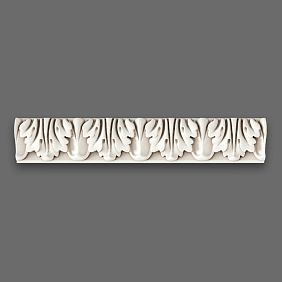
Panels with moldingsform a neoclassical headboard. Rectangular frames made of polyurethane moldings frame painted or wallpapered sections. Symmetrical composition of 2-4 frames creates architectural expressiveness.
Our factory also produces:


Color palette for quality sleep
Wall color affects the quality of rest. Calm, muted tones promote relaxation. Aggressive bright colors stimulate the nervous system and hinder sleep.
Beige, sandy, cream shades — bedroom classics. Warm neutral tones create coziness without overwhelming perception. Complement wooden furniture and textiles of any color. Universally suitable for any style.
Gray tones from light to graphite create a modern atmosphere. Cool gray refreshes and suits southern bedrooms with abundant sunlight. Warm beige-gray softens and adds coziness to northern rooms.
Pastel shades — powder, mint, lavender, peach — add softness. Suitable for romantic interiors and women’s bedrooms. Complement white furniture and gold accents.
Deep dark colors — emerald, sapphire, burgundy, chocolate — create intimacy. Suitable for spacious bedrooms with good lighting. In small rooms, they compress space. Used on accent walls when other walls are light.
White and light gray maximally expand space. Suitable for small bedrooms and attics. Require color accents in textiles and decor — otherwise, the result is sterility.
Get Consultation
Textile solutions for walls
Textiles on walls add softness, improve acoustics, create tactile variety. Fabric absorbs sound, making the bedroom quieter. Pleasant to touch accidentally.
Textile-covered panels are mounted on the wall behind the headboard. A frame made of plywood or MDF is covered with upholstery fabric — velvet, rush, jacquard. The panel is attached to the wall with hidden fasteners. Height 120-180 cm, width according to bed size plus 20-30 cm on each side.
Textile wallpaper creates a seamless fabric surface. Natural fabrics — linen, cotton, silk — are glued to prepared walls. Results in a soft, pleasant surface. Seams are almost invisible. Drawback — high cost, complex care.
Draperies on the wall behind the headboard create a boudoir effect. Fabric is gathered in folds and attached to a hidden cornice. Suitable for light, draping materials — tulle, organza, fine cotton. Draperies soften acoustics and add romance.
Lighting as part of finishing
Integrated lighting in finishing creates volume, mood, functionality. The wall stops being flat and gains depth.
Crown molding lighting creates a floating ceiling effect. LED strip is placed in a niche behind the cornice. Light is directed upward, reflected off the ceiling, softly illuminating the room. Ideal for evening lighting without bright overhead light.
Lighting behind panels creates a backlight effect.Wooden slats with backlightingappear to float. LED strip is placed behind the structure against the wall. Light seeps through gaps between planks, creating a rhythmic pattern.
Built-in lights in wall niches illuminate the decor. Niches behind the bed are highlighted with lighting. Vases, books, aroma diffusers are placed there. They become illuminated decorative niches.
Bedside lamps are integrated into the finish. Instead of surface-mounted fixtures, built-in ones are used. Minimalist slot lights and round spotlights are mounted flush with the wall. Clean lines, absence of protruding elements.
Living room: space of representation
Accent wall behind the sofa
Sofa area — compositional center of the living room. The wall behind the sofa attracts guests' attention and defines the character of the room.Accent wall decorationrequires boldness and taste.
Contrasting color highlights the wall from the general background. Other walls are neutral — white, beige, gray. The accent wall is painted in a saturated shade — emerald, indigo, terracotta, graphite. It creates an expressive focus without overloading the space.
Wallpaper with large patterns creates a decorative panel. Geometric patterns, botanical motifs, abstracts transform the wall into an art object. Modern wallpapers with metallic elements, velvet texture, 3D effect add luxury.
Decorative plaster with pronounced relief creates a play of light and shadow. Coarse textures, imitation of stone, concrete, rusted metal add ruggedness. Venetian plaster with marble effect — for classic interiors.
3D panels — are volumetric relief elements that transform a wall into a sculptural object. Geometric patterns, waves, honeycombs, abstract forms — the variety is impressive. Photos show how the textured surface changes the perception of space entirely.create a volumetric composition.石膏 or polyurethane panels with geometric patterns — waves, honeycombs, cubes — form an expressive relief. They are painted in wall color or contrastively.
Wooden panels add dignity. Veneered or solid wood panels are mounted vertically or horizontally. Dark wood creates solidity. Light wood — Scandinavian lightness.
TV zone: function and aesthetics
The wall with the TV requires a balance of functionality and decorativeness. TV — the dominant element, around which the composition is built.
Louvered structure frames the TV. Vertical wooden slats are mounted on the entire wall or part of it. The TV is mounted on a bracket between the slats or on a hidden panel behind them. Wires are concealed behind the structure. It becomes a technological solution with natural wood texture.
A gypsum niche with lighting creates an architectural element. The recess, sized to the TV, is finished with contrasting cladding — wallpaper, plaster, stone. Hidden perimeter lighting creates a floating screen effect.
Marble or stone cladding adds premium quality. Natural marble is expensive, ceramic granite under marble — an affordable alternative. Large-format tiles 120x240 cm create a monolithic surface with minimal seams.
Built-in wall integrates TV into the storage system. The TV is placed in a niche between cabinets. Symmetrical closed and open sections on both sides create a balanced composition. Cabinet facades and background behind the TV are finished uniformly.
Fireplace as a compositional element
Fireplace — a strong visual accent. Modern bio-fireplaces and electric fireplaces do not require a chimney and can be installed against any wall. The finish of the fireplace zone determines its character.
Portal frompolyurethane moldingcreates a classical frame. Fireplace mantel, side columns or pilasters, decorative moldings form an architectural element. Painted white for classic style, graphite for modern style.
Stone cladding adds natural power. Natural slate, travertine, sandstone are laid around the firebox. Rough stone texture contrasts with smooth walls. Suitable for chalet, rustic, eco styles.
Ceramic granite under marble or concrete creates a minimalist fireplace zone. Large-format tiles without seams form a monolithic surface. Bio-fireplace is installed flush. It becomes a minimalist composition.
Metallic box in industrial aesthetics. The firebox is framed by panels of weathered steel, corten steel with controlled rust, black metal. A rugged solution for loft interiors.
Zoning the living room with finishes
Different functional zones of the living room are distinguished by finishes. Visual separation without partitions preserves the feeling of a single space.
Dining zone is distinguished by color. The wall behind the dining table is painted contrastively or covered with wallpaper. It becomes a distinct dining area within the living room space.
Library zone is finished with panels. The wall section with built-in shelves is clad in wood or MDF. The rest of the living room is painted. It becomes a study nook within the overall space.
Work zone by the window is distinguished by wallpaper. The wall behind the work desk is covered with a calm pattern. Other walls are neutral. The workspace is psychologically separated from the relaxation zone.
Office: Concentration and Status
Wall Panels for Solidity
Office DecorationRequires creating an atmosphere of focus and professionalism. Wall panels are a traditional solution for serious interiors.
Solid wood panels create respectability. Oak, walnut, mahogany are mounted on the lower part of walls 100-120 cm high or on the entire height. Framed veneered constructions and assembled planks form an architectural composition.Boiserie— Classic of office interiors.
Veneered MDF panels — an affordable alternative to solid wood. Visually indistinguishable, more stable, cheaper. Mounted on a frame or glued. Can be painted in any color or left in natural tone.
Panels with moldings create a neoclassical interior. Walls are divided into rectangular sectionspolyurethane moldings. Inside sections — solid color or wallpaper. Achieves architectural expressiveness at moderate cost.
Leather panels add luxury. Natural or eco-leather is stretched over panels with a frame. Traditionally used on the wall behind the desk or in the negotiation zone. Color — classic dark brown, burgundy, green.
Bookshelves as a decorative element
Built-in shelves from floor to ceiling transform the wall into a library. Book-filled shelves become a decorative element and functional storage.
Open shelves made of solid wood create a traditional office. Vertical posts and horizontal shelves form a modular system. Shelf depth 25-35 cm for standard books. Back wall of the shelf — office wall, painted or wallpapered.
Combined shelves combine open and closed sections. Lower part — closed cabinets for documents. Middle — open shelves for books. Upper — decorative niches with lighting for exhibits.
Shelves with integrated work desk create a unified composition. Desk top is integrated into the shelf system at a convenient height. Results in an ergonomic work zone surrounded by books and documents.
Glass doors protect books from dust. Glazing can be transparent, matte, or beveled. Built-in lighting inside sections highlights the contents.
Colors for Productivity
Office color affects productivity. Some shades stimulate activity, others — concentration.
Dark noble tones — dark blue, burgundy, chocolate, emerald — create a serious atmosphere. Suitable for spacious offices with good lighting. Promote deep concentration.
Neutral gray tones from light to graphite are universal. Do not distract, create a calm background for work. Combine with wooden furniture, metallic accessories.
Warm beige, coffee tones create coziness. Soften the office's rigidity, make the space comfortable for prolonged stay. Combine with wood, leather, textiles.
Muted green calms, reduces eye strain. Traditional color of libraries and reading rooms. Suitable for offices where work involves prolonged reading or computer work.
Accent wall of contrasting color behind the desk adds energy. Other walls are neutral, one — saturated tone. Stimulates activity without overload.
Acoustic Comfort
Office requires silence for concentration. Hard surfaces — glass, concrete, smooth walls — create echo. Sound-absorbing finish solves the problem.
Textile wall panels absorb sound. Frame is filled with mineral wool, covered with acoustic fabric. Mounted on walls. Results in effective sound insulation with pleasant appearance.
Wooden lath structures with sound absorber behind them improve acoustics. Acoustic foam or mineral wool is placed between laths and walls. Sound penetrates through gaps between laths and is absorbed by the material.
Cork panels — natural sound absorber. Pressed cork is mounted on walls. Natural texture creates a natural decor. Color — shades of beige and brown.
Special acoustic wallpapers with relief structure absorb high frequencies. Less effective than panels, but easier to install. Suitable for moderate reduction of echo.
Children's room: growing together with the child
Finishing for different ages
The child's room transforms as the child grows. The finish should easily adapt or be inherently universal.
For infants 0-3 years, priority is calm pastel tones. Soft shades do not overstimulate. Finish is simple — painting, wallpaper with a delicate pattern. Avoid small decorative elements that may peel off and end up in the mouth.
Preschoolers aged 3-7 love bright colors and fairy tale characters. One wall is decorated with photo wallpaper featuring favorite characters. The rest are neutral. Interactive elements — chalk paint for drawing, magnetic surfaces — foster creativity.
School-age children 7-12 years require zoning. The work area is distinguished by finish — a calm tone promotes concentration. The play area is more vibrant. Interests change quickly, avoid thematic finishes that quickly become boring.
Teenagers 12+ want to participate in decorating. A neutral base — gray, beige — is complemented by accents chosen by the teenager. Posters, murals, removable stickers allow changing decor without renovation.
Functional finishes
The child's room requires practicality. Finishes must withstand wear, be easy to clean, and be safe.
Washable paint withstands wet cleaning. Acrylic paint with improved abrasion resistance cleans off most stains. Matte surface hides minor defects.
Wallpaper suitable for painting allows changing color without replacing the base. Fleece wallpaper with relief is painted with acrylic paint. After several years, it is repainted in a new color. Economical and practical.
Chalk paint creates a surface for drawing with chalk. A section of wall or entire wall is painted with special paint. The child draws with chalk, which is wiped off with a damp sponge. Develops creativity without damaging walls.
Magnetic paint turns the wall into a magnetic board. A magnetic primer is applied in 3-4 layers under regular paint. The surface attracts magnets. Used for attaching drawings, notes, educational materials.
MDF panels on the lower part of walls protect against damage. Height 100-120 cm — the area of greatest risk. MDF withstands toy impacts and is easy to clean. Damaged panels are replaced without renovating the entire wall.
Visual effects for development
Finish stimulates child development. Color, shapes, textures affect perception of space and creative thinking.
Geometric patterns develop spatial thinking. Stripes, zigzags, grids, circles on one wall create a graphic accent. The child learns to distinguish shapes, sizes, proportions.
Educational elements are integrated into the finish. World map, alphabet, multiplication table as decorative murals. Beautiful and educational. Information is absorbed naturally.
Growth chart is integrated into the finish. Vertical scale with markings becomes a decorative element. Child's height is marked, creating a visual story of growth.
Perspective photo wallpaper expands a small child's room. Images of receding roads, forests, space create an illusion of depth. The room appears larger.
Entryway: first impression
Practical finish for high-risk zones
Hallways are the most heavily used spaces. Dirt from outdoors, mechanical impacts, high foot traffic require durable finishes.
Lower part of walls 100-120 cm high is finished with protective materials. MDF panels, decorative stone, ceramic tiles withstand impacts, splashes, abrasion. Dark shades hide stains.
Washable wallpaper for middle and upper wall sections allows wet cleaning. Hot-pressed vinyl wallpaper, fleece wallpaper with protective layer cleans with sponge and soapy solution.
Decorative plaster with moisture resistance withstands humidity. Silicone and acrylic compositions create a protective film. Relief hides minor damage.
Ceramic tile covering entire wall height — most practical solution. Large-format tiles imitate marble, concrete, wood. Absolutely moisture-resistant, durable, easy to clean. Drawback — material coldness, high price.
Visual expansion of narrow spaces
Hallways are usually narrow and lack natural light. Finish corrects layout shortcomings.
Light shades maximize expansion. White, light gray, beige reflect light, making the hallway brighter and more spacious. Glossy surfaces enhance the effect.
Horizontal lines expand narrow corridors. Horizontal moldings, striped wallpaper, horizontal color zoning visually make the corridor wider.
Mirrors double the space. Mirror wall or large mirror panels create an illusion of space continuation. The hallway appears twice as wide.
Glossy surfaces reflect light. Glossy paint, glass panels, lacquered wood act as partial mirrors. Reflect light and visually expand without being mirrors.
Accent wall at the end of the corridor
The end wall of the corridor naturally attracts attention. Accent finishing turns it into a compositional center.
Contrasting color highlights the end wall. The corridor is neutral, the end is a saturated shade. The eye is drawn to the bright spot, making the corridor seem shorter.
Photo wallpapers with perspective create an illusion of space extension. Images of an open door, a receding path, or a window with a landscape deceive perception. The corridor appears longer.
A decorative panel or painting becomes the focal point. A large piece of art, a panel made ofdecorative elementsattracts attention, creating a sense of completion for the corridor.
Bathroom: style in a humid environment
Water-resistant decorative solutions
The bathroom requires materials absolutely resistant to moisture and steam. Traditional tiles are not the only option.
Large-format ceramic granite creates monolithic surfaces. Tiles 120x240 cm mimic marble, onyx, concrete. Minimum joints, maximum effect. Installation requires a perfectly flat surface.
Decorative water-resistant plaster with polymer additives withstands direct contact with water. Microcement, tadelakt create seamless surfaces. Require protective coating with wax or hydrophobic agent.
Printed glass panels create a unique design. Tempered glass with photo printing is installed on shower walls or behind the sink. Absolutely moisture-resistant, hygienic, visually light.
Water-resistant wallpapers on non-woven backing are suitable for areas not in direct contact with water. In the sink and toilet areas, wallpapers create a decorative effect. Protected by special hydrophobic compounds.
Accent zone behind the sink
The wall behind the mirror is the compositional center of the bathroom. Here, attention is focused when using the sink.
Mosaic creates an elegant accent. Glass, ceramic, or stone mosaic is installed on the wall behind the mirror and sink. Small elements allow creating smooth color transitions and complex patterns.
Decorative stone or brick adds texture. Artificial stone, ceramic brick create a natural accent. Moisture-resistant, wear-resistant, tactilely pleasant.
Marble-effect ceramic granite with striking veins turns the wall into an art object. Large-format tile with an eye-catching pattern is mounted symmetrically relative to the mirror. This creates a balanced composition.
Mirror panels expand a small bathroom. Mirrors on either side of the main sink mirror create a continuous reflective surface. The bathroom appears twice as wide.
Kitchen: balance of function and aesthetics
Backsplash as a decorative element
The working zone between the countertop and upper cabinets is the focus of the kitchen. The backsplash protects against splashes and serves as a decorative accent.
Ceramic tile — a classic solution. Solid color creates a calm background. With pattern — decorative accent. Tiles like 'kaban', hexagons, Moroccan patterns add character.
Large-format ceramic granite creates a monolithic surface. One 120x60 cm tile covers the backsplash without seams. Mimics marble, concrete, metal. Minimalist, modern.
Tempered glass with photo printing allows any image. Landscape, abstraction, cityscape are printed on the reverse side of the glass. The image is protected, easy to clean, and does not fade.
Mirror backsplash visually expands the kitchen. Mirror or mirrored tile doubles the space, reflects light. Requires frequent maintenance — splashes are noticeable. Suitable for tidy homeowners.
Stainless steel metallic backsplash creates a professional atmosphere. Matte stainless steel is used in restaurant kitchens. Wear-resistant, hygienic, industrial aesthetic.
Dining area: cozy and appetizing
Dining area requires creating a cozy atmosphere. Colors and textures affect appetite and encourage conversation.
Warm tones stimulate appetite. Terracotta, orange, yellow, warm beige create a welcoming atmosphere. Studies show — warm colors increase appetite.
Accent wall behind the dining table highlights the dining area. Contrasting color, patterned wallpaper, decorative plaster separate the dining group from the kitchen's working zone.
Decorative panels behind the table add coziness. Wooden planks, veneered panels, soft panels create intimacy. The dining area is psychologically separated from the kitchen.
Practical recommendations for choosing finishes
Samples before purchase
Never buy materials based on pictures from the internet. Color on the screen is distorted. Texture cannot be assessed virtually. Order samples and view them in person.
Bring material samples home. View them under natural and artificial lighting. Color changes depending on the light. What looks beautiful in the store may disappoint at home.
Attach samples to furniture, textiles, existing finishes. Evaluate combinations. Material harmony is critical for interior coherence.
Order materials with a 10-15% reserve. Buying additional materials from another batch carries a risk of color variation. Leftover materials will be useful for future repairs of local damage.
Work sequence
Ceiling is finished first. Splashes from ceiling work should not damage finished walls. Priming, spackling, painting, or installing ceiling structures — all before walls.
Walls are finished after the ceiling, before laying flooring. Protective film on the floor prevents contamination. Painting, wallpapering, or installing panels are done from top to bottom.
Baseboards, moldings, decorative elements are installed after main finishes. Finishing touches require ready surfaces.molding installationPerformed on painted or wallpapered walls.
Flooring is installed last. Protects finished walls from damage during floor installation. After flooring — furniture installation and decoration.
Timeline and budget
Plan timelines realistically. Quality finishing requires time. Rushing leads to defects. A skilled craftsman applies 10-15 square meters of decorative plaster per day. A 40-square-meter room requires 3-4 days of clean work plus preparation.
Plan your budget with a 20-30% reserve. Unexpected expenses are inevitable. Additional preparation, replacement of damaged materials, or changes in concept during the process — standard practice.
Sensibly economize on mid-range materials rather than premium ones. Price difference is double, quality difference is negligible. Do not economize on skilled labor. Cheap work ends up costing more due to rework.


