Article Contents:
- What is Art Deco decor
- How Art Deco differs from classic decor
- Why geometry is more important than an abundance of ornament
- Where the style shines best
- Art Deco collection as a starting point
- Overlays for furniture and facades
- Moldings for frames and layouts
- Wooden baguette for frames, mirrors and panels
- For a furniture front
- For a cabinet or console
- For doors and decorative panels
- For the mirror area
- When to choose wooden decor
- When polyurethane is appropriate
- How to combine geometric decor with wood and enamel
- Living Room
- Bedroom
- Entry Hall
- Office
- Commercial interior
- Need to style a cabinet in Art Deco style
- Need to make a console more expressive
- Need to design a furniture facade for enamel
- Need to make a decorative wall
- Need to design a mirror
- Buying a separate beautiful piece without composition
- Mixing Art Deco with heavy classic
- Not considering the size of the facade
- Forgetting about the material
- Choosing molding without understanding its role
- Do not think through the set
- Where to buy Art Deco decor
- How is Art Deco different from classic decor
- Which overlays to choose for an Art Deco facade
- Which moldings are suitable for an Art Deco interior
- Can Art Deco wooden decor be used on furniture
- Is Art Deco suitable for modern furniture
- How to design a nightstand in Art Deco style?
- What to buy together with Art Deco decor?
- Can Art Deco be combined with enamel?
- Is Art Deco suitable for commercial interiors?
- How not to confuse Art Deco with ordinary carved decor?
- Do I need to buy Art Deco decor as a set?
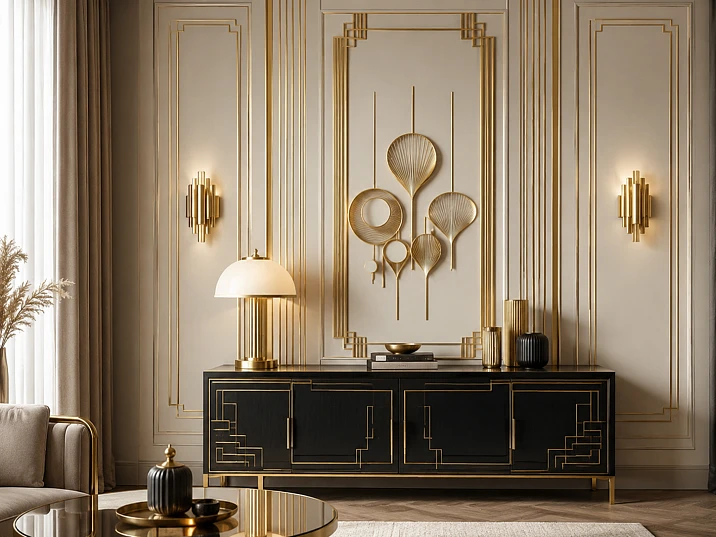
Art Deco decor is usually bought not for random decoration, but for a specific interior task: to design a furniture facade, emphasize the geometry of a console, add a strict decorative insert to a door, assemble a panel behind the headboard, design a mirror area, or make a commercial interior more expressive. Art Deco relies not on soft floral ornamentation, but on rhythm, symmetry, geometry, contrast of materials, and a sense of a cohesive composition. Therefore, such decor should be chosen not based on the principle of "liked the detail," but according to the place of application, scale, direction of lines, material, and combination with furniture.
Unlike the general topic of "buy carved decor," here the style is what matters. Art Deco is not about any ornament or classical stucco in a broad sense. This direction works with strict forms, rays, stepped lines, verticals, fan motifs, symmetrical layouts, expressive facades, decorative panels, baguette frames, contrast of wood and enamel, and combination of dark and light surfaces. If you buy decorative elements without considering these features, the interior can drift into ordinary classicism, modernism, or random eclecticism.
STAVROS has a separate collection for this task: buy Art Deco style decor you can through a selection where elements related to this direction are collected. For a wider choice, it's worth looking next to STAVROS decor collections, carved decor for furniture and interior, decorative inlays for furniture, wooden decorative elements, wooden moldings, cornices, and baseboards и wooden baguette for furniture and interior.
This article helps to choose not abstract decor, but specifically a set of elements in the Art Deco spirit: what will suit the facade, what to use for the panel, when moldings are needed, where carved overlays are appropriate, how not to slip into ordinary classics, what to buy together, and what mistakes most often ruin the project.

What is Art Deco style decor
Art Deco is a style that is easily recognized by its formality. There are few random lines in it. Even a decorative detail should look like part of the overall geometry: repeat the vertical, support symmetry, enhance the facade, work with the frame, continue the baguette line, or set the center of the composition. Therefore, Art Deco style decor cannot be chosen just as a beautiful overlay. You need to immediately understand where it will go and what role it will play.
For furniture, Art Deco is often built on facades: cabinets, consoles, chests of drawers, cabinet doors, decorative panels, inserts for enamel, veneer, lacquer, or stain. For interiors, it's on wall panels, mirrors, portals, doors, niches, vertical layouts, and molding frames. In commercial spaces, this style helps create a sense of status: a salon, showroom, restaurant, hotel, reception area, or office immediately looks more cohesive if the decor is not random but selected according to a single logic.




How Art Deco differs from classic decor
Classic decor is often built on floral patterns, scrolls, rosettes, acanthus, soft lines, stucco wreaths, and complex plasticity. Art Deco is stricter. It loves geometry, rays, steps, bevels, repetition, verticals, symmetry, and contrast. In classic style, a detail can be soft and flowing. In Art Deco, it must be more graphic.
Therefore, if a buyer is looking to purchase Art Deco decor, they should not choose the first carved overlay with rich floral ornamentation they come across. It may be beautiful, but it could steer the project in a different direction. For Art Deco, it is better to look for elements that support the form of the furniture: elongate the facade, set a rhythm, emphasize the center, or create a strict frame.
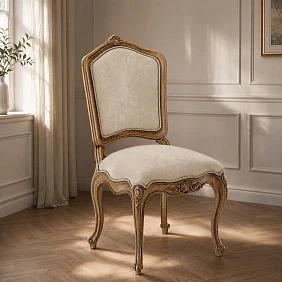
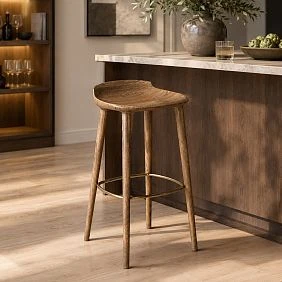
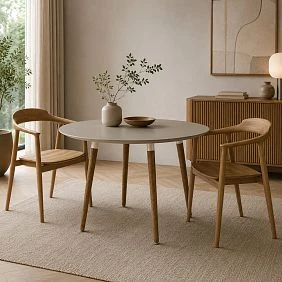
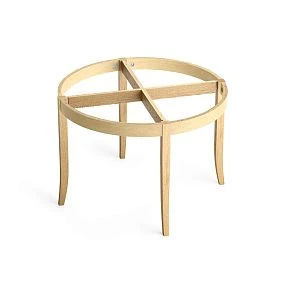
Our factory also produces:

Why geometry is more important than an abundance of ornament
Art Deco does not require overloading the surface. Often, a well-chosen frame, one central overlay, a pair of symmetrical elements, an expressive baguette, or a geometric molding is enough. The mistake begins when the buyer tries to add too many details. As a result, the facade becomes heavy, and the style loses its clarity.
Geometric decor for furniture should be purchased when you need to emphasize the shape of the object, not hide it. For example, an Art Deco cabinet should look like a cohesive object: facades, legs, handles, frames, and overlays must work together. If each detail lives separately, the furniture will not look expensive and put together.
Get Consultation
Where the style shines best
Art Deco looks great on furniture with clear geometry: cabinets, chests of drawers, consoles, wardrobes, display cases, decorative panels, doors, and mirror frames. In an interior, it unfolds in areas with an axis: above a console, behind a headboard, around a mirror, in a portal, on a wall panel, in a TV area, in a hallway, or in a commercial lobby.
If the surface is small, it is better to use one or two elements and a strict frame. If the area is large, you can assemble a set of moldings, baguettes, overlays, and decorative inserts. But even in a large project, it is important to maintain the style: do not mix Art Deco with heavy Baroque stucco, random carvings, or overly soft floral motifs.
Which STAVROS elements are suitable for an Art Deco project
For an Art Deco project, the buyer most often needs not individual random details, but a set of elements. One item sets an accent, another forms a frame, a third helps shape the edge, and a fourth connects the furniture with the interior. Therefore, it is better to start with a collection and then look at related sections.
The main choice point is buy Art Deco style decor. This page is needed when the buyer wants to go directly by style, rather than searching among all overlays and moldings. If the project is broader and you need to compare adjacent directions, it is useful STAVROS decor collections. If carved elements for furniture are needed, it is worth opening carved decor for furniture and interior и decorative inlays for furniture.
| What to choose | Why this is needed | Which project it suits |
|---|---|---|
| Art Deco Collection | To choose decor directly by style | Furniture, panels, doors, custom interiors |
| Decorative overlays | To design facades and central inserts | Cabinets, chests of drawers, consoles, wardrobes, doors |
| Moldings | To assemble frames, layouts, and panels | Walls, facades, mirrors, portals, panels |
| Wooden picture frame molding | To finish an edge, frame, or outline | Mirrors, panels, furniture inserts, frames |
| Decorative wooden elements | To add a detail to furniture or interior trim | Custom furniture, panels, facades, commercial interiors |
The Art Deco collection as a starting point
The collection is convenient because the buyer starts not from a general catalog, but from a predefined style direction. This is especially important for Art Deco, because a mistake in style is immediately noticeable. It is enough to take a too soft classic overlay or a too simple modern profile — and the project will no longer read as Art Deco.
Through the collection, it is easier to select elements that work in the same aesthetic. Then you can refine the task: furniture facade, frame, panel, mirror, door, reception area, console, cabinet, custom piece, or wall composition.
Overlays for furniture and facades
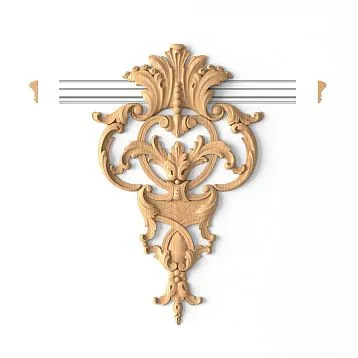
Overlays are needed when the facade seems empty or when you need to set a central motif. In Art Deco, the overlay should not look like a random medal on the surface. It should be connected to the door geometry, frame, handles, legs, color, and furniture proportions.
For such tasks, you can look decorative inlays for furniture. They help to finish the facade of a chest of drawers, cabinet, wardrobe, display case, console, or door leaf. If you need a wider selection of carved decor, you should open carved decor for furniture and interior.
Moldings for frames and layouts
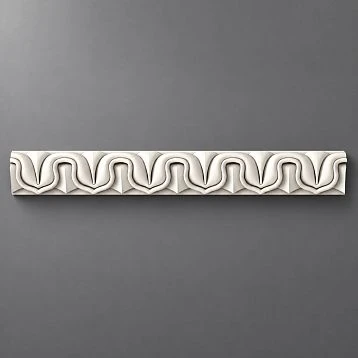
In an Art Deco project, molding is not just a line. It sets a frame, divides the surface, emphasizes the vertical, and helps assemble a facade or wall panel. Without molding, even a beautiful overlay can look lonely. With molding, it gets boundaries and becomes part of the composition.
For such tasks, the following are suitable wooden moldings, cornices, and baseboards. They are used on furniture, walls, panels, and interior details when you need to assemble a frame, emphasize a contour, or create strict geometry.
Wooden baguette for frames, mirrors, and panels
A wooden baguette is especially useful where Art Deco is associated with mirrors, panels, frames, and decorative inserts. It helps to finish the edge, set the thickness, emphasize the contour, and make the object more complete. In an interior, this could be a mirror above a console, a panel behind a cabinet, a decorative insert on a wall, or a frame around an accent area.
If the project revolves around a mirror, panel, or frame, it is worth looking at wooden baguette for furniture and interior. It helps to connect furniture and interior decor into a single line.
How to choose Art Deco decor based on the task
Purchasing decor should start with the question: what exactly needs to be decorated? A facade, wall, door, mirror, panel, console, commercial area, or custom furniture? Each task has its own logic. A facade needs scale and connection with handles. A wall needs rhythm and composition. A mirror needs a frame. A door needs verticality. A commercial interior needs expressiveness from a distance.
If you buy Art Deco decorative elements without a specific task, it's easy to pick up beautiful details that won't come together into a project. So first choose the surface, then the line style, then the material, then the size, and only then the specific items.
| Buyer's task | What to look at | What to Check |
|---|---|---|
| Design the front of a cabinet or dresser | Overlays, moldings, decorative elements | The size of the front, handles, symmetry, color |
| Assemble a wall panel | Moldings, baguette, Art Deco collection | Wall height, layout spacing, viewing distance |
| Design a mirror | Wooden baguette, moldings, decorative elements | Frame width, profile thickness, placement of lights |
| Make the door more expressive | Moldings, overlays, decorative inserts | Canvas axis, handle, height and width of the frame |
| Design a commercial interior | Art Deco collection, baguette, moldings, large accents | Visibility from a distance and composition stability |
For furniture facades
An Art Deco facade should be cohesive. The overlay, molding, handle, color, and material must work together. If the facade is small, it's better not to overload it with a large detail. If the facade is wide, a single small overlay can get lost. It's good when a decorative element supports the center of the door or is repeated symmetrically on paired facades.
For the facade, you can use overlays, moldings, and decorative wooden elements. An overlay creates an accent, a molding assembles the frame, a baguette helps to finish an edge or insert. If the furniture is planned for enamel, the relief can be made in the color of the facade. If the project is based on wood, it's important to consider the texture and future finish.
For a cabinet or console
A cabinet and console are especially well-suited for Art Deco because they have a frontal plane that can be symmetrically designed. Vertical lines, a central insert, a frame, expressive legs, and a contrast between the facade and body often work here. It's worth buying decor for Art Deco furniture as a set: a separate overlay may not provide the desired effect if there is no frame or supporting line.
Before purchasing, you need to assess the height of the facade, the number of drawers, the placement of handles, the width of the side fields, and the overall proportion of the furniture. If the cabinet is low, too tall vertical decor will look heavy. If the console is narrow, it's better to use a thinner profile and not overload the front part.
For doors and decorative panels
An Art Deco door must maintain verticality. Moldings, straight frames, geometric inserts, and symmetrical overlays work well here. It is important not to place decor too close to the handle and not to disrupt the balance of the panel. If the door is tall, an elongated layout can be used. If the panel is standard, it is better to limit yourself to a neat frame and one accent.
The logic for panels is similar, but there is more freedom. The panel can be made wider, taller, add a baguette, create a repeating rhythm, or design the central part. In an interior, such a panel can serve as a backdrop for a console, bed, mirror, reception area, or TV.
For the mirror area
A mirror in Art Deco almost always requires a frame or an expressive contour. Without framing, it can look too neutral. A baguette, molding, and decorative elements help create the effect of a finished piece. This works especially well in hallways, bedrooms, dressing rooms, beauty salons, restaurants, or showrooms.
When choosing decor for a mirror, you need to consider the width of the wall, the size of the mirror itself, the presence of sconces, the height of the console, and the overall style of the furniture. If the frame is too thin, the mirror will get lost. If it is too heavy, it can overwhelm the interior. Art Deco loves expressiveness, but it must be calculated.
Materials and finishes: wood, polyurethane, enamel, and relief
On the Art Deco collection page at STAVROS, filters by material are presented, including solid wood and polyurethane. This is important for the buyer: wood and polyurethane solve different problems. Wooden elements are well suited for furniture, facades, frames, baguettes, custom items, and details where texture matters. Polyurethane is convenient for lightweight interior elements, stucco decor, and moldings when an expressive shape is needed without extra weight.
When choosing a material, you cannot look only at the style. You need to consider the installation location. On furniture, it is often logical to use wooden decor, especially if the facade is made of solid wood, veneer, MDF under enamel, or another furniture base. On the wall, both wood and polyurethane may be suitable — it depends on the project, load, base, and finish.
When to choose wooden decor
Wooden decor is appropriate where furniture logic, texture, density, and the feel of a real detail matter. For facades, consoles, frames, baguettes, decorative inserts, or custom furniture, wood often looks convincing. It can be used in projects where the decor must match the body, legs, frames, aprons, moldings, and other wooden parts.
If you need the Art Deco STAVROS wooden decor, you should look not only at the collection but also wooden decorative elements, and also wooden baguette for furniture and interior. These sections help select details for a furniture or interior project.
When polyurethane is appropriate
Polyurethane is convenient for interior finishing, wall solutions, moldings, lightweight frames, and elements where shape is needed without extra weight. In Art Deco, it can be used for walls, ceiling lines, decorative panels, and individual elements. But it's important not to mix materials randomly. If all furniture is wooden, and an unsuitable polyurethane element suddenly appears on the facade, it may be noticeable.
It's better to decide in advance where wood will be, where polyurethane, and where a painted surface will unify the elements. If the entire composition is painted in one color, the difference in materials is visually smoothed out. If the wood texture remains exposed, adjacent details need to be selected more carefully.
How to combine geometric decor with wood and enamel
Art Deco loves contrast. Wood can be combined with enamel, dark facades with light decor, matte surfaces with relief, smooth panels with expressive frames. But the contrast must be controlled. If too many materials and lines are combined in one facade, it will lose its style.
For enamel, relief overlays and moldings painted in the same color as the facade work well. This way, the decor remains noble and does not look glued on top. For wood, texture is important: decorative elements should not argue with the pattern but support it. If the facade is already active in texture, it's better to make the decor calmer.
How to assemble a set of Art Deco decor
Art Deco is rarely built on a single detail. Even if the main element is an overlay, it needs a frame, outline, material, and surroundings. Therefore, it's better to structure the customer journey as a set: main collection, overlays, moldings, baguette, decorative elements, then checking sizes and finishes.
First, choose the main object: facade, panel, door, mirror, or wall. Then determine where the center will be. After that, select the frame. Only then choose additional decorative elements. This order helps avoid a common mistake where the customer first picks beautiful details and then doesn't understand how to assemble them.
| Selection stage | What to do | Why this is needed |
|---|---|---|
| 1. Determine the surface | Facade, door, wall, mirror, panel | To avoid buying decor without a place of application |
| 2. Set the composition | Axis, center, frame, repetition | So the style reads as Art Deco |
| 3. Select the main elements | Overlays, moldings, baguette | To assemble a working set |
| 4. Check the material | Array, polyurethane, future painting | So that the elements do not conflict with each other |
| 5. Compare dimensions | Facade, frame pitch, wall height | So that the decor is not too large or small |
Where to use Art Deco decor in the interior
The Art Deco style works especially well in areas where a status accent is needed. This is not necessarily a huge living room or an expensive restaurant. Even a small cabinet, mirror, or door can gain character if the decorative elements are chosen correctly. The main thing is to maintain proportions and not turn the style into a set of random decorations.
Living room
In the living room, Art Deco decor can be used on the TV panel, the wall behind the sofa, console, chest of drawers, doors, mirror, or built-in furniture. Vertical layouts, symmetrical panels, and frames work well. If the room has dark wood, brass details, glass, mirror, or enamel, Art Deco will look natural.
For the living room, it's important to consider the viewing distance. Small decor on a large wall can get lost. Therefore, for a wall panel, it's better to use moldings and baguettes, with overlays as part of the composition, not as the sole element.
Bedroom
In the bedroom, Art Deco often appears in the headboard area, bedside tables, vanity table, mirror, and wardrobe fronts. Here, the style should be made softer: fewer contrasts, more calm symmetry, neat frames, moderate relief. If the bedroom is small, it's enough to decorate the headboard or a couple of tables.
Geometric overlays and moldings can support the vertical line behind the bed. Baguette can help frame a mirror or panel. Decorative wooden elements can be used for furniture if you want to tie the fronts with the rest of the finish.
Hallway
The hallway often sets the first impression. Here, Art Deco can work through a mirror, console, door panels, wardrobe fronts, or wall layout. But the space is usually limited, so the decor must be precise. Too large details can visually narrow the room, while too small ones can get lost.
A good scenario for the hallway is a mirror in an expressive frame, a console with a geometric front, a molding panel, or neat overlays on furniture. If you add lighting or material contrast, the style becomes more noticeable, but it's important not to overload the entrance area.
Cabinet
An Art Deco study can look collected and strict. Dark wood species, geometric frames, decorative panels, a massive desk, console, shelving, door fronts work well here. The decor should emphasize status but not distract.
For the study, it's better to choose calmer elements: moldings, baguette, strict overlays, geometric inserts. Too intricate carved decor can lead the interior towards a classic study rather than Art Deco.
Commercial interior
In a salon, restaurant, hotel, showroom, or reception area, Art Deco helps create a memorable image. Here, you can be bolder with geometry, large frames, mirrors, panels, contrasting fronts, and decorative elements. But a commercial interior requires calculation: the decor must be visible from a distance, withstand visual load, and not interfere with operation.
For such projects, it's especially useful to look at the entire collection. One element may look beautiful, but in a commercial space, a set works better: panel, frame, baguette, overlays, furniture front, repeating motif.
What to buy with Art Deco decor
Buying a single element is only justified when the surface is already prepared: there is a facade, a frame, a furniture scheme, or an exact installation location. In most cases, it is better to buy Art Deco decor as a set. Then the elements do not conflict with each other and do not require random modifications.
If a buyer takes an overlay for a facade, they may need moldings for the frame. If a mirror is planned, a baguette is needed. If a wall panel is being designed, profiles, decorative inserts, and finishing material are important. If custom furniture is being created, it is worth selecting decorative wooden elements in advance so that the facade, legs, frames, and central accent do not look like different projects.
| What to add to the purchase | Why this is needed | Where it is useful |
|---|---|---|
| Decorative overlays | To decorate the center of a facade or panel | Cabinets, dressers, wardrobes, doors, consoles |
| Moldings | To assemble a frame and geometric layout | Walls, facades, panels, doors |
| Wooden picture frame molding | To decorate a frame, edge, or mirror area | Mirrors, panels, furniture inserts |
| Decorative wooden elements | To add relief and connect furniture parts | Custom furniture, facades, interior panels |
| Decor collections | To compare Art Deco with neighboring styles | Projects where the style is still being refined |
Before ordering, it's useful to open several sections side by side: the Art Deco collection, overlays, moldings, wooden baguettes, and decorative elements. This makes it easier to see which details can work together and which are better not mixed.
How not to confuse Art Deco decor with similar solutions
Art Deco is often confused with classic, modern, contemporary geometry, and simply expensive carved decor. But each direction has its own logic. Classic is softer and richer in ornament. Modern is more plastic. Contemporary style is simpler and more laconic. Art Deco relies on geometry, symmetry, expressive silhouette, and a sense of luxury without random overload.
If a buyer chooses to buy Art Deco overlays, it's worth checking not only the name but also the shape. Does the part have strict geometry? Does it support the facade? Can it be built into a frame? Does it lead the project into Baroque, Empire, or floral classic? Such a simple filter helps avoid stylistic mistakes.
| Similar solution | What's the difference | When it fits |
|---|---|---|
| Art Deco | Geometry, symmetry, contrast, strict decorative rhythm | Facades, panels, mirrors, consoles, commercial interiors |
| Classic decor | More soft ornament, scrolls, and plant motifs | Classic furniture, traditional panels, rich stucco |
| Modern decor | Less relief, simpler lines, less ornamentation | Minimalist and calm interiors |
| Molding without a stylistic purpose | Provides a frame, but does not create Art Deco on its own | When a simple layout or border is needed |
| Regular furniture overlay | Can be beautiful, but does not always support the geometry of the style | For furniture without a strict Art Deco connection |
Practical selection for specific situations
Need to design a cabinet in Art Deco style
For a cabinet, first determine the facade scheme. If the doors are paired, it is better to build the decor symmetrically. If there is one wide facade, you can make a central frame, add an overlay, or use a geometric pattern of moldings. It is important to understand in advance where the handles will be. The decor should not interfere with opening and should not conflict with the hardware.
For such a project, the buyer can start with the Art Deco collection, then look at decorative overlays and moldings. If the cabinet is custom, it is useful to additionally study decorative elements made of wood and baguette.
Need to make the console more expressive
The console is often in plain sight: in the hallway, living room, salon, hall, or near a mirror. Therefore, the decor must be well calculated. In Art Deco, the console can get a geometric facade, a frame, a decorative insert, or an expressive frame around the mirror above it.
For a console, the combination of height and width is especially important. A narrow console does not like heavy details. A wide one can handle a more active composition. If there is a mirror above the console, it is better to connect the decor of the furniture and the frame with each other.
Need to design a furniture facade for enamel
Enamel allows you to unify decor and facade with color. This is a good technique for Art Deco: the relief remains but doesn't look glued on top. Overlays and moldings can be painted together with the facade to achieve a seamless surface. Contrast can be left for handles, baguettes, countertops, or adjacent details.
Before ordering, you need to check how the selected elements will look after painting. Too fine a relief may get lost, too large may become heavy. It's better to lay out the scheme in advance and assess the scale.
You need to make a decorative wall
For an Art Deco style wall, it's better to start with a layout. One overlay without a frame rarely solves the problem. You need moldings, rhythm, verticals, possibly a baguette or repeating panels. The wall should read as a whole, not as a set of individual parts.
If the wall is large, the decor needs to be visible from a distance. Small elements are better used as part of a repeating pattern rather than as single accents. If the wall is small, one expressive frame and a neat center are enough.
Need to design a mirror
An Art Deco mirror can be made the main object of the room. For this, use a baguette, geometric frame, moldings, and if necessary, decorative elements. It's important to consider lighting: sconces should not conflict with the frame and relief.
If the mirror is above a console, it should be connected to the furniture. For example, the baguette can repeat the wood tone, the frame the facade geometry, and decorative elements support the overall rhythm.
Mistakes when buying Art Deco decor
Buying a separate beautiful piece without a composition
Art Deco doesn't work as a random set of decorations. Even a beautiful overlay can look superfluous if there is no frame, axis, symmetry, or connection to the facade. Before buying, you need to understand where the element will be placed and what will support it.
Mixing Art Deco with heavy classicism
Rich carvings, soft curls, and floral ornaments can be beautiful, but they are not always suitable for Art Deco. If there are too many such details, the project will veer into ordinary classicism. For Art Deco, it is better to choose stricter forms and a geometric rhythm.
Not considering the size of the facade
On a small facade, a large overlay will feel oppressive. On a large facade, a small detail will get lost. Before ordering, you need to measure the surface, check the distances, and imagine the decor at real scale.
Forgetting about the material
Wood and polyurethane can work well together in one project, but they cannot be mixed without a plan. If some elements remain with an open texture and some are painted, you need to decide in advance how they will combine. If everything is painted one color, the task is simpler.
Choosing a molding without understanding its role
A molding can be a frame, a border, a vertical line, or part of a geometric layout. If placed randomly, it will not create a style. For Art Deco, the molding should emphasize the shape and help the surface look cohesive.
Not planning the set
Often a buyer chooses an overlay but forgets about the molding, baguette, adjacent elements, and finish. As a result, there is decor, but no completed project. It is better to immediately compile a list: main part, frame, edge, material, color, fastening, adjacent elements.
Who is Art Deco decor suitable for
Art Deco decor is suitable for those who want to make furniture or interior more expressive, but do not want to go into heavy classics. It is a good choice for cabinets, consoles, chests of drawers, wardrobes, doors, mirrors, wall panels, commercial interiors, and custom projects. The style works especially well if the interior already has symmetry, wood, enamel, mirror, metal, contrasting surfaces, or strict geometry.
Such decor is not always needed for a minimalist interior. If the room is built on completely smooth facades, hidden doors, and lack of relief, Art Deco elements may look too active. In this case, it is better to choose a calmer modern decor or limit yourself to thin moldings.
If the task is to create a noticeable facade, a decorative wall, an impressive console, an expressive mirror, or an interior with character, Art Deco is very suitable. It allows you to assemble a project that looks not just decorated, but thoughtful.
How to buy Art Deco decor on STAVROS
It is best to start the purchase from the main page: buy Art Deco style decor. It is convenient to view elements specifically by style direction. If the project is not yet finalized and you need to compare adjacent options, you can open STAVROS decor collections.
Further, the route depends on the task. For facades and furniture, you should look at decorative inlays for furniture и carved decor for furniture and interior. For frames, panels, and layouts, you need wooden moldings, cornices, and baseboards. For mirrors, frames, and expressive contours, it is useful to use wooden baguette for furniture and interiorFor author projects and additional details, you can open wooden decorative elements.
Before ordering, you need to check the material, dimensions, installation location, future finishing, and combination of elements. If the decor is selected for ready-made furniture or a complex interior project, it is better to assess the proportions in advance and, if necessary, clarify compatibility with a STAVROS manager.
FAQ
Where to buy Art Deco decor?
Art Deco decor can be selected on the STAVROS website in a separate collection. For the project, you should also look at overlays, moldings, wooden baguettes, and decorative wooden elements.
How is Art Deco different from classic decor?
Art Deco is stricter and more geometric. Symmetry, verticals, stepped forms, contrast, and rhythm are important. Classic decor is more often based on soft floral patterns and smoother lines.
Which overlays to choose for an Art Deco facade?
It is better to choose overlays that support the geometry of the facade and do not conflict with handles, frames, and furniture proportions. The overlay should be
Which moldings are suitable for an Art Deco interior?
Moldings that help create strict frames, verticals, and geometric layouts are suitable. It is important that the profile works with the overall composition of the wall, panel, or facade.
Can Art Deco wooden decor be used on furniture?
Yes, wooden decor works well for furniture, facades, frames, baguettes, consoles, cabinets, and custom pieces. Before ordering, you need to check the dimensions and future finish.
Is Art Deco suitable for modern furniture?
Yes, if the furniture has clear geometry and allows decorative elements. It's better not to overload overly minimalist facades, but a neat frame or geometric insert can look appropriate.
How to design a cabinet in Art Deco style?
You need to think over the facade scheme: center, frame, symmetry, handles, and material. Usually, overlays, moldings, decorative elements, and expressive finishes are used.
What to buy together with Art Deco decor?
Most often, moldings, decorative overlays, wooden baguettes, and additional elements for furniture or panels are bought together. It's better to plan the set before ordering.
Can Art Deco be combined with enamel?
Yes, enamel works well for Art Deco. Overlays and moldings can be painted together with the facade or wall so that the relief looks cohesive and neat.
Is Art Deco suitable for commercial interiors?
Yes, this style looks great in salons, restaurants, showrooms, hotels, and reception areas. It's important to choose elements that are visible from a distance and can handle the scale of the room.
How not to confuse Art Deco with ordinary carved decor?
You need to look at the geometry and composition. If the element is too soft, floral, or overloaded with curls, it can steer the project toward classic rather than Art Deco.
Do I need to buy Art Deco decor as a set?
For a serious project, it's better to buy as a set. One detail might work on a small facade, but for a wall, panel, mirror, or console, you usually need moldings, baguettes, and additional elements.
Conclusion: which Art Deco decor to choose
Art Deco decor should be chosen not as a separate decoration, but as part of a furniture or interior composition. Geometry, symmetry, material, scale, frame, and connection to the surface are important here. The overlay should support the facade, the molding should form the frame, the baguette should edge the border, and the decorative elements should enhance the overall style.
If you need a quick start, it's better to open the Art Deco collection. If the task involves facades, look at overlays and carved decor. If you're planning a wall panel, door, or mirror, moldings and wooden baguettes will come in handy. For a custom project, you can additionally select decorative wooden elements.
STAVROS helps you assemble such a project without random selection: choose a style, view real sections, match elements, check dimensions, and move from idea to purchasing a set. That's how Art Deco decor starts working correctly — not as a set of parts, but as an expressive system for furniture and interiors.