

























Polyurethane Rosettes


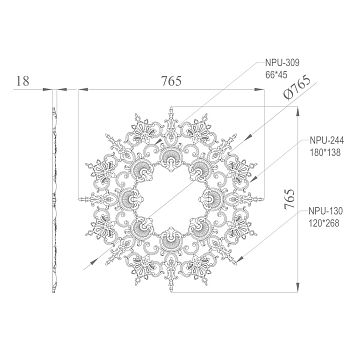
 5-10 days
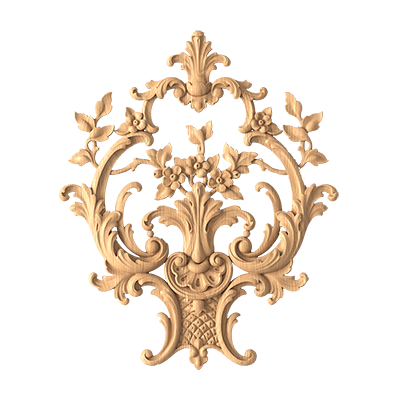
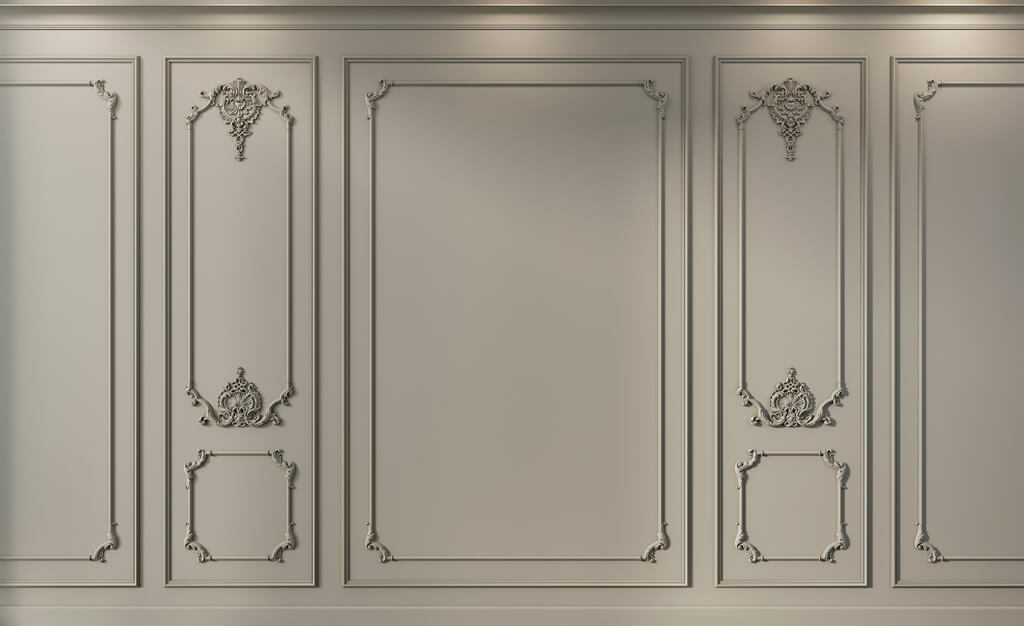
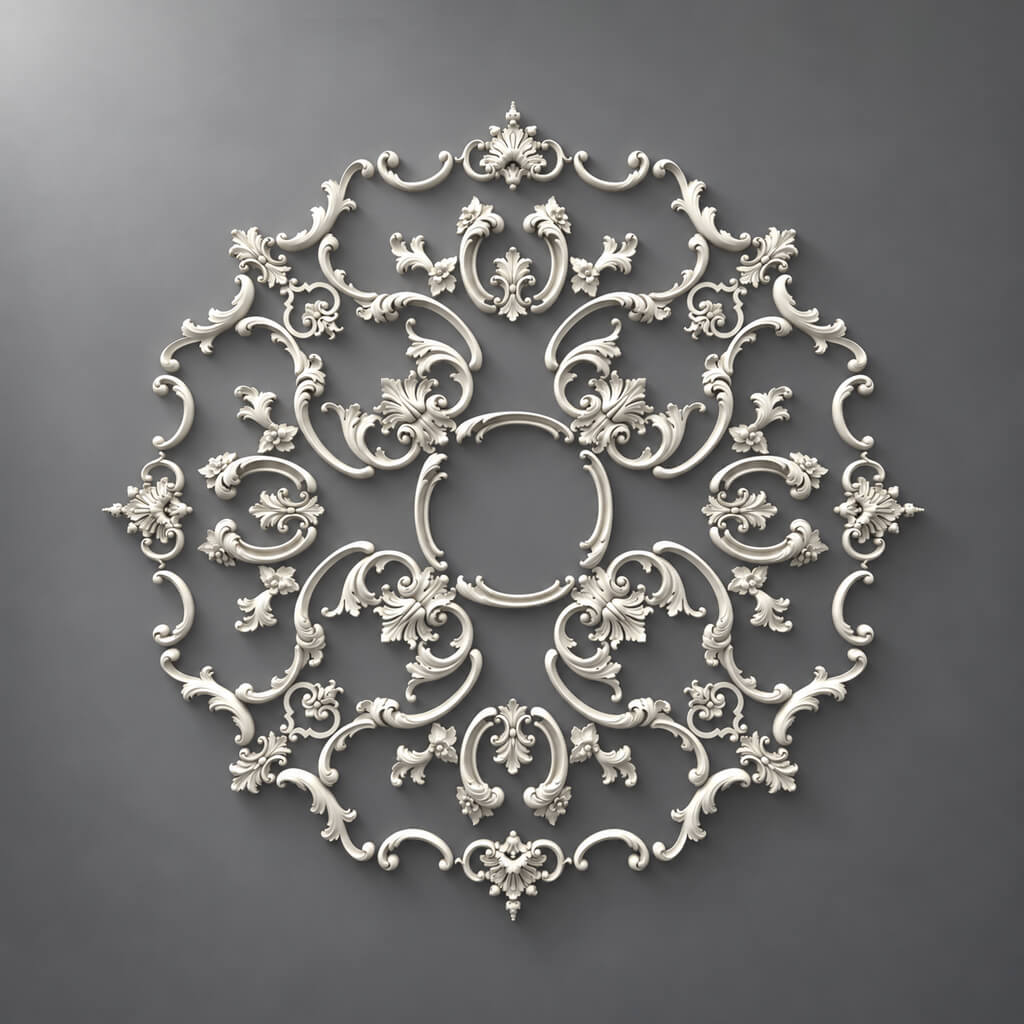
Ceiling rosette CRPU-070
426.70 $


 5-10 days
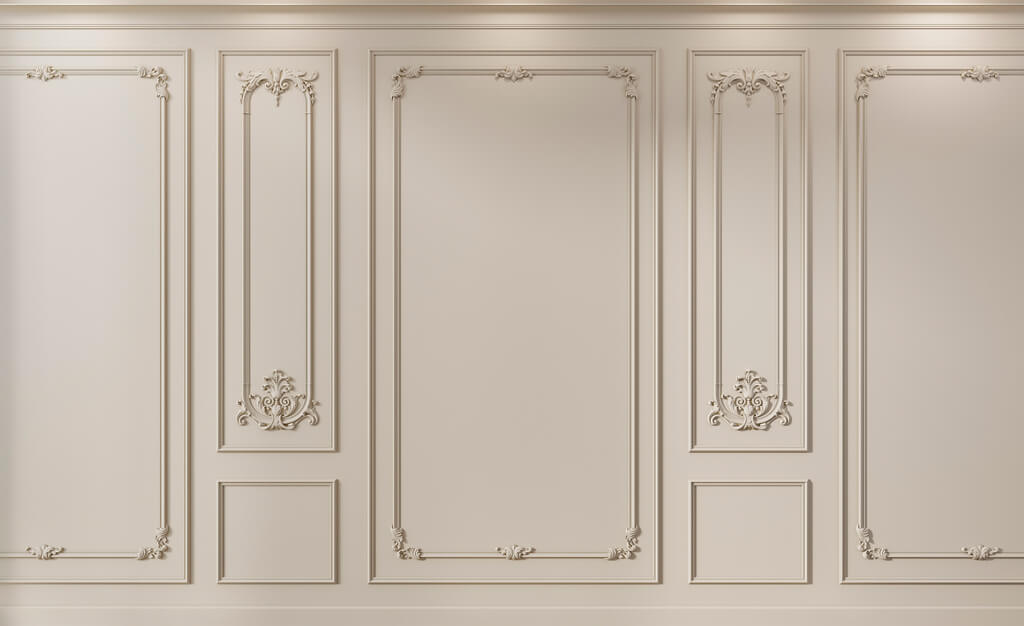
Ceiling rosette CRPU-068
603.70 $


 5-10 days
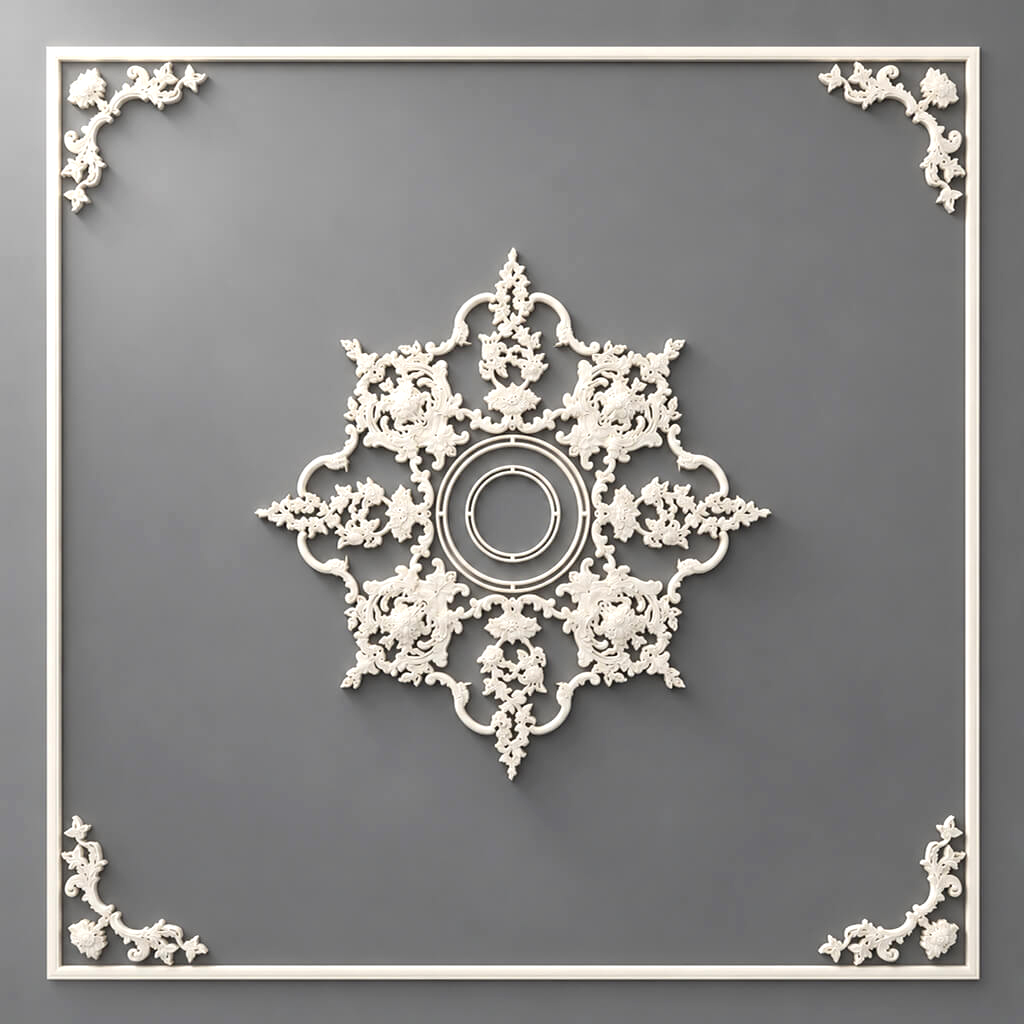
Ceiling rosette CRPU-069
748.17 $



 New
5-10 days
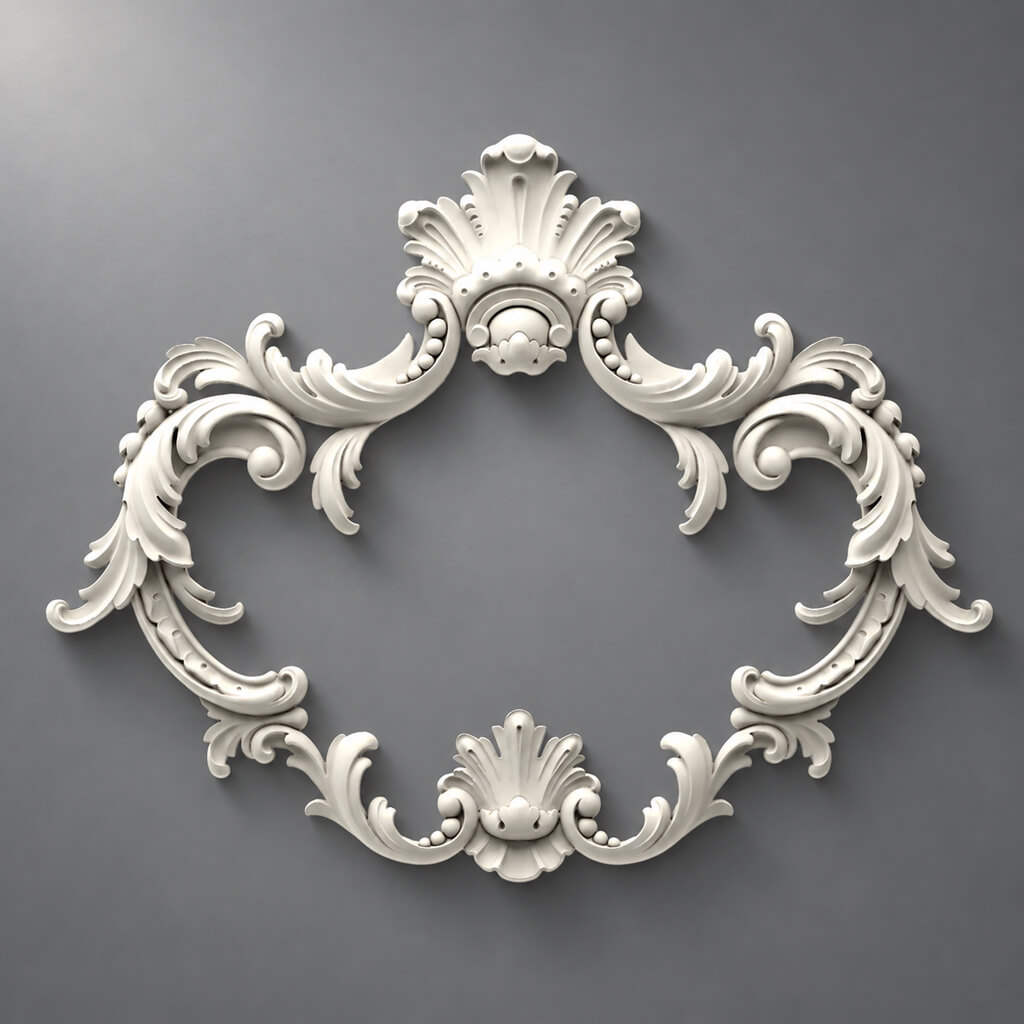
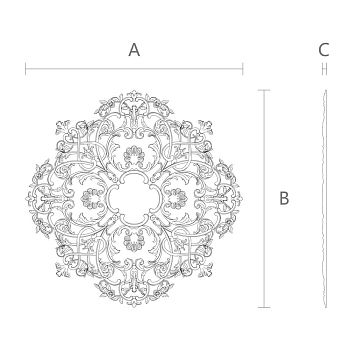
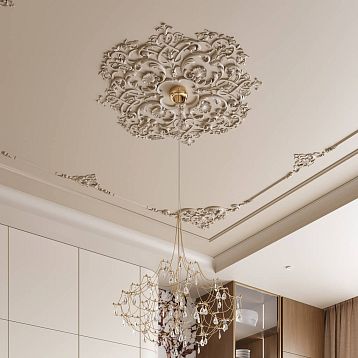
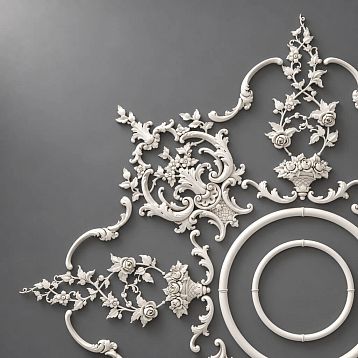
Ceiling rosette RPU.VRS-001
805.57 $

 New
5-10 days
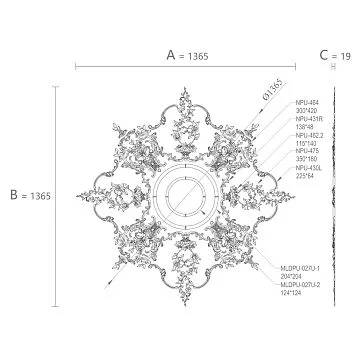
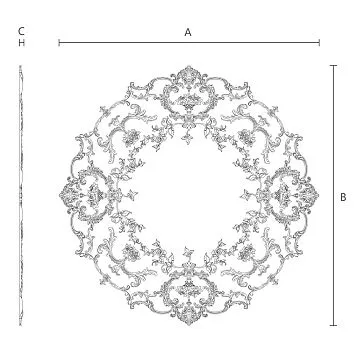
Ceiling rosette CRPU-071
871.59 $



 5-10 days
Ceiling rosette CRPU-066
1,154.30 $


 5-10 days
Ceiling rosette CRPU-067
1,260.98 $


 5-10 days
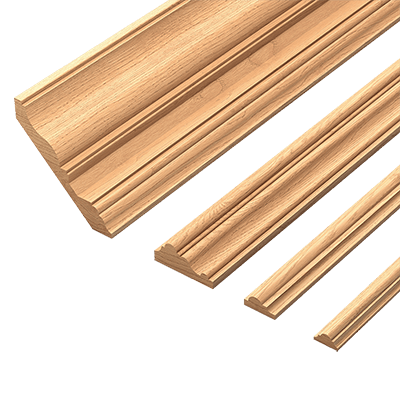
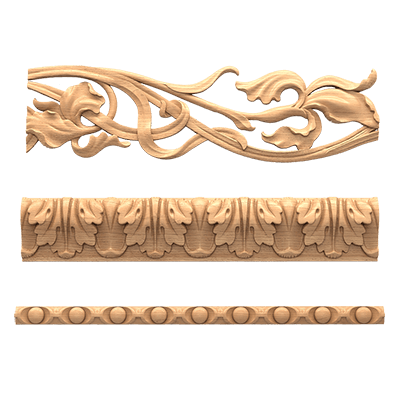
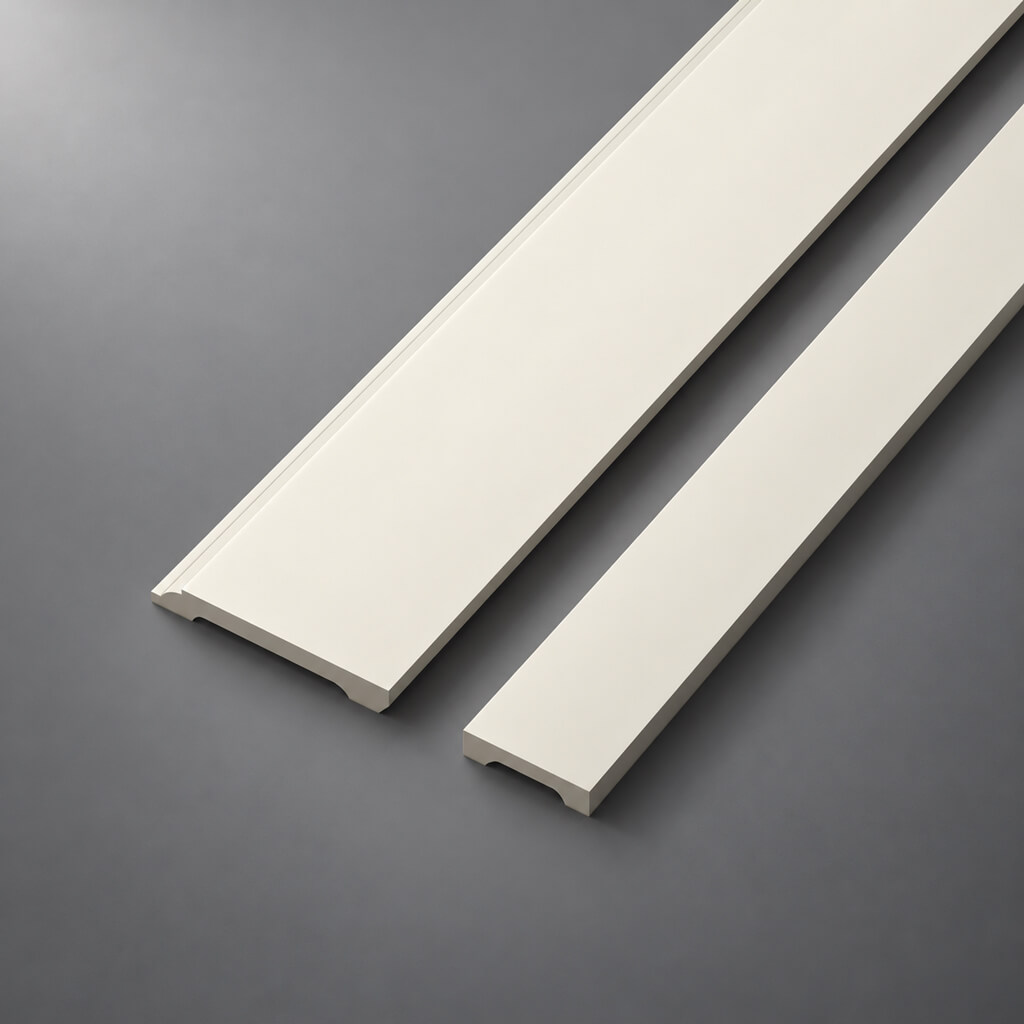
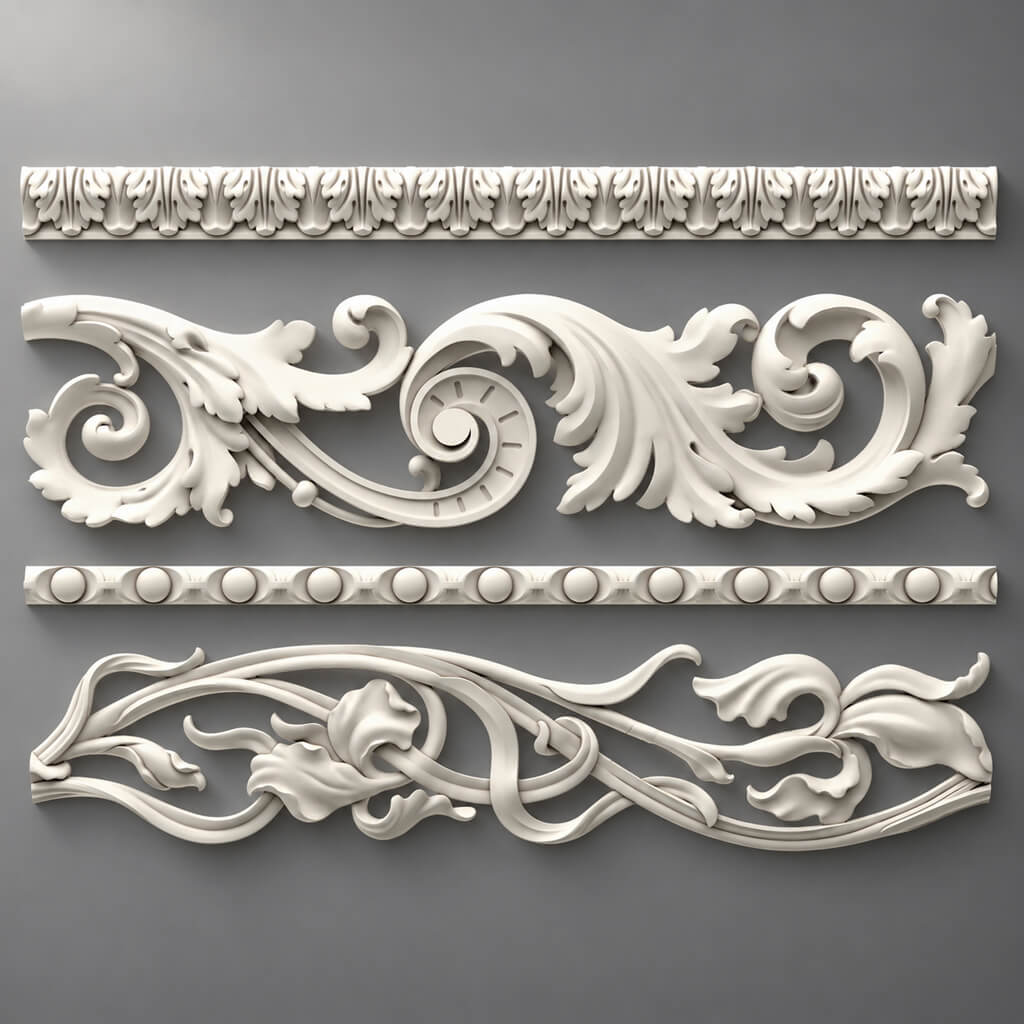
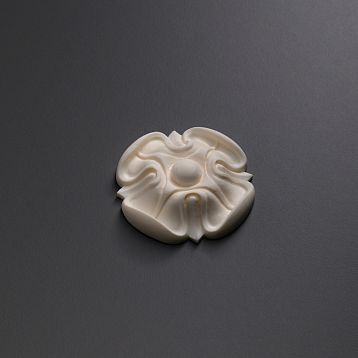
RPU-057 Decorative Moldings
from 4.19 $


 5-10 days
RPU-003 Molded Decoration
from 4.90 $

 5-10 days
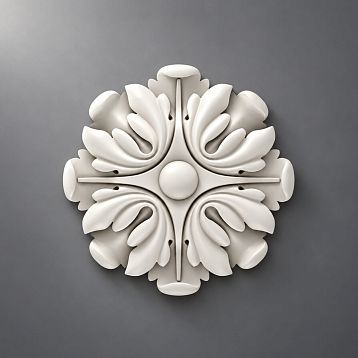
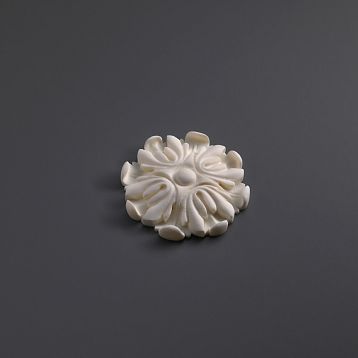
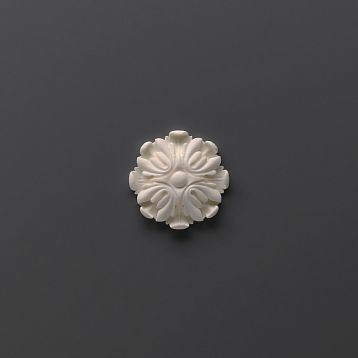
RPU-070 Decorative Moldings
6.94 $

 Bestseller
5-10 days
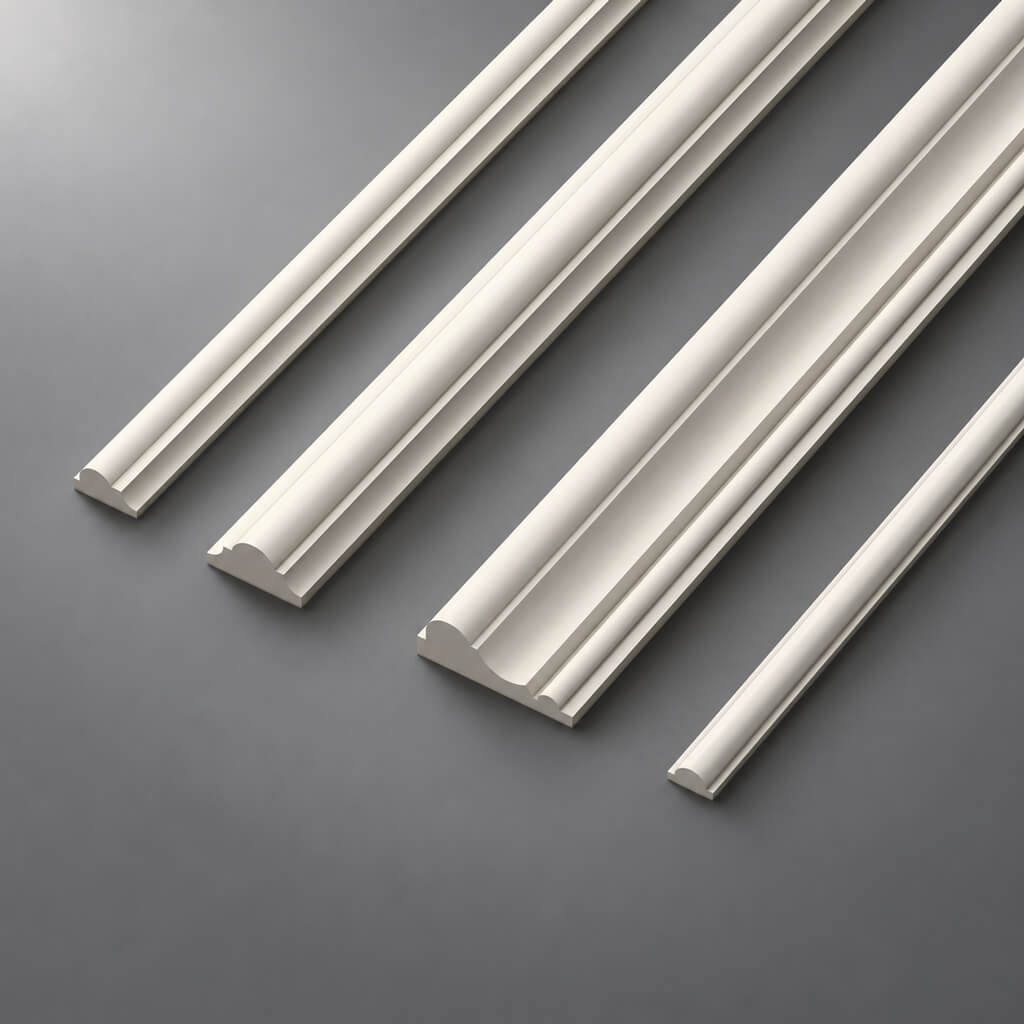
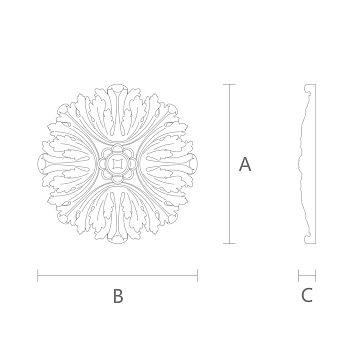
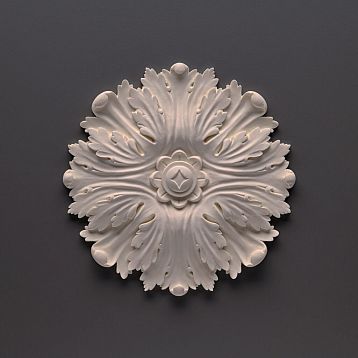
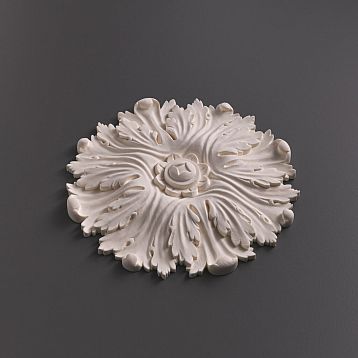
RPU-005 Molded Decoration
8.25 $

 Bestseller
5-10 days
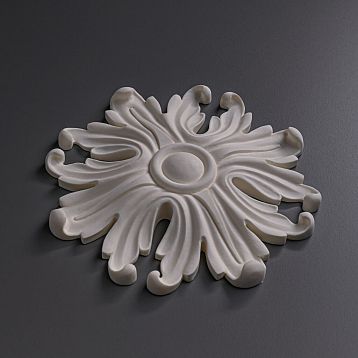
RPU-044 Molded Decoration
from 32.89 $


 5-10 days
RPU-046 Decorative Moldings
96.99 $

 Bestseller
5-10 days
RPU-055 decorative molding
from 5.86 $


 Bestseller
5-10 days
RPU-032 Molded Decoration
from 5.62 $

 5-10 days
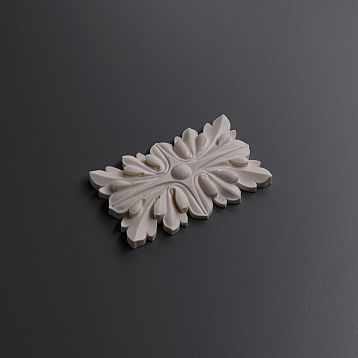
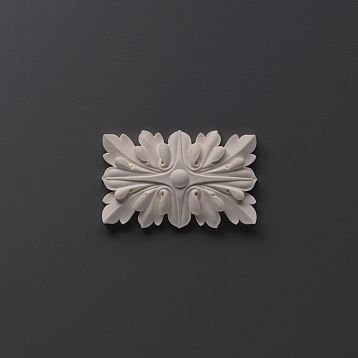
RPU-053 Molded Decoration
11.72 $

 5-10 days
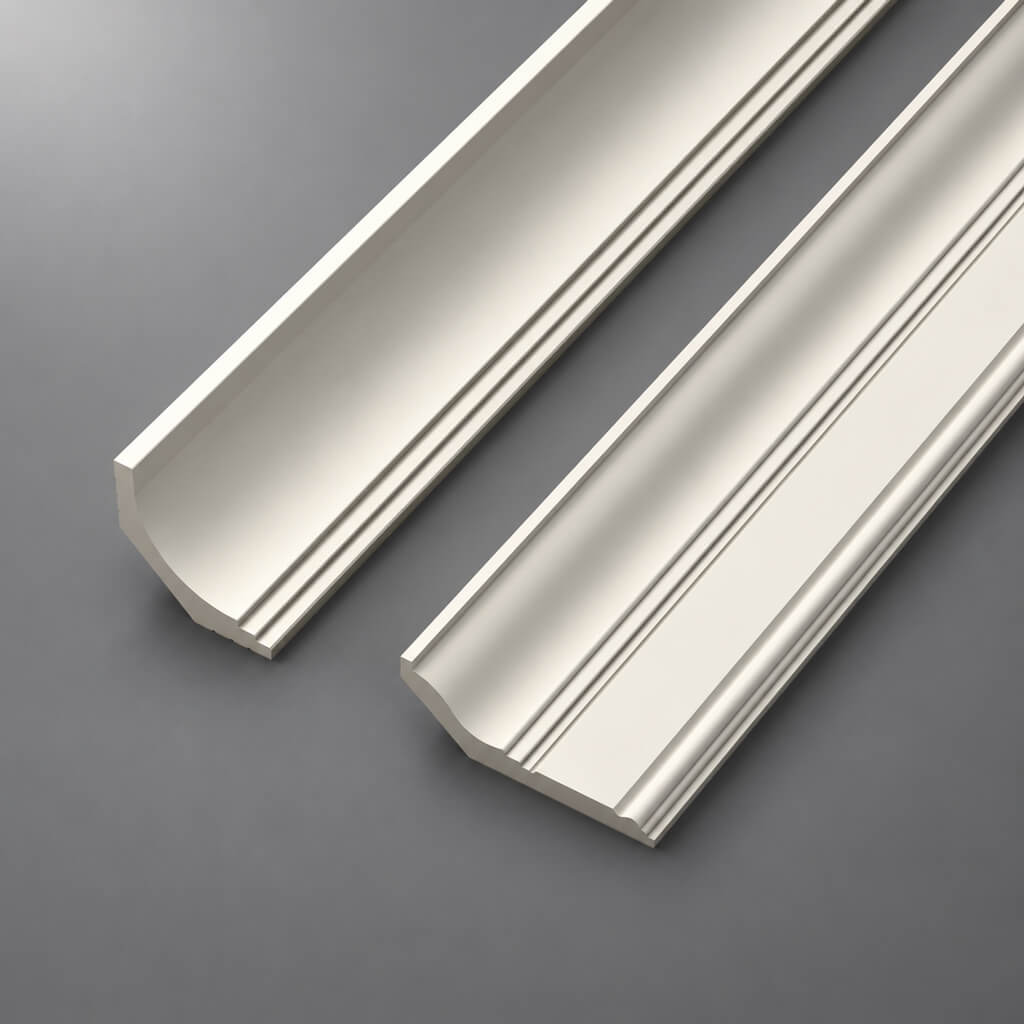
Decorative molding RPU-020
from 6.10 $


 5-10 days
Decorative Mold RPU-068
11.72 $


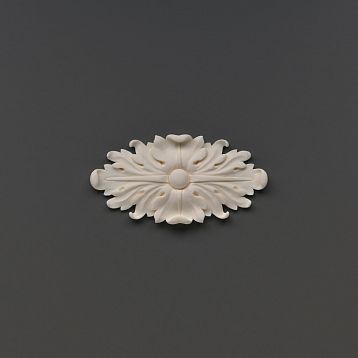
 5-10 days
RPU-069 Molded Decoration
11.72 $
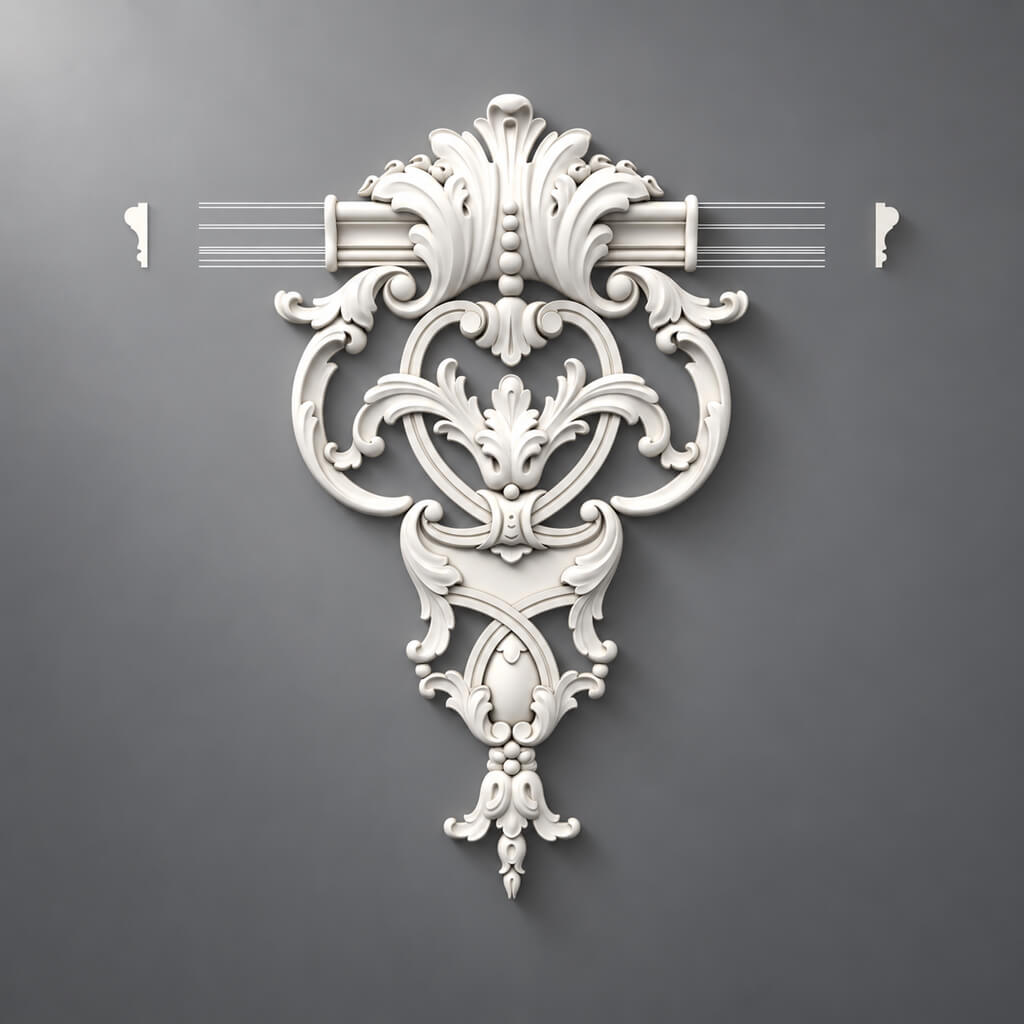
Polyurethane Rosettes for Walls, Furniture, Doors and Architectural Interiors
A small architectural detail can determine how an entire decorative composition reads. Polyurethane rosettes are used as focal points, trim accents, molding connectors and ornamental elements for walls, doors, windows, mirrors, furniture and ceiling compositions.
The STAVROS collection brings together decorative rosettes in different sizes, shapes and levels of relief. Some are compact elements intended for molding frames, furniture fronts or door trim. Others are larger architectural pieces designed for prominent wall or ceiling applications.
This is why a rosette should not be selected only by ornament. Its dimensions, shape, projection and relationship to the surrounding trim are equally important.
Explore the complete STAVROS collection of polyurethane relief decoration or choose a rosette below according to its size, form and intended application.
Decorative Rosettes and Architectural Rosettes
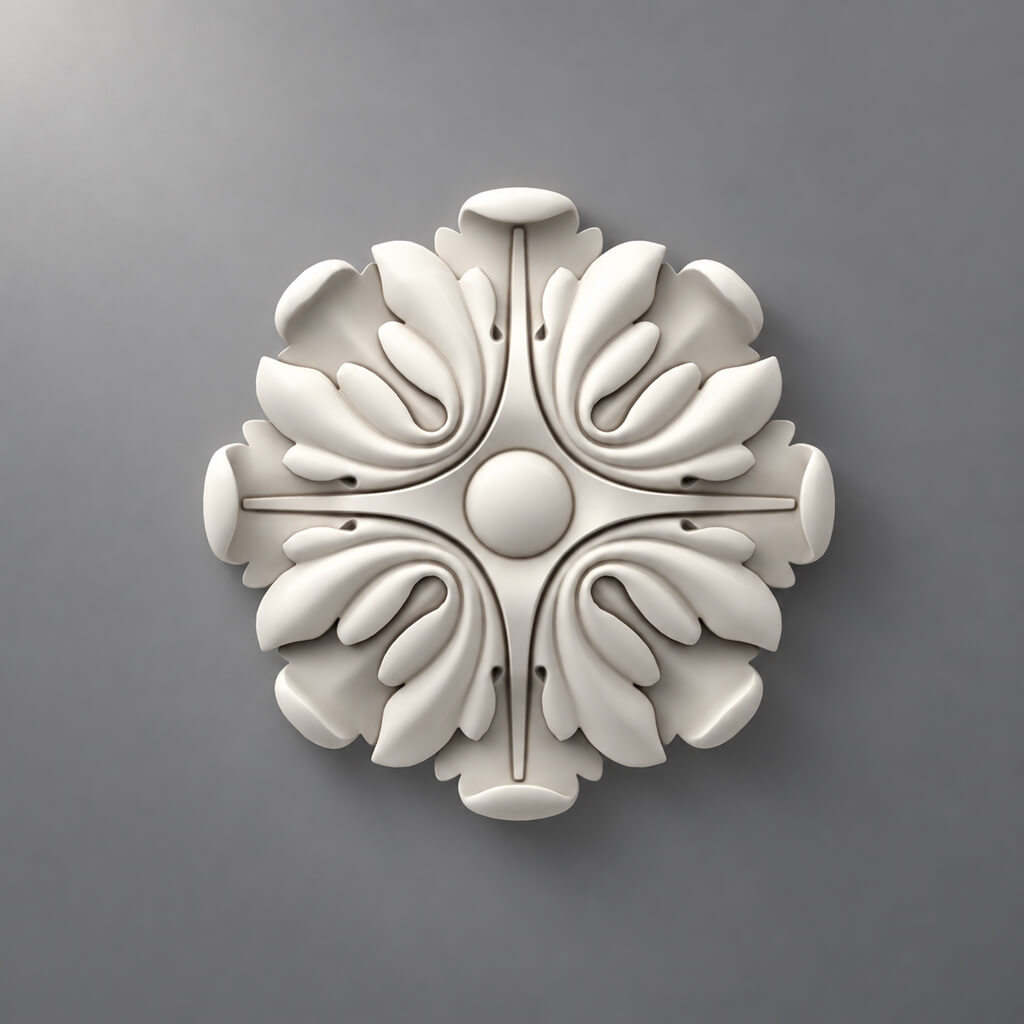
The term decorative rosette covers a wide range of ornamental elements built around a central composition.
An architectural rosette usually has a clearer relationship with surrounding millwork or molding. It may mark the intersection of profiles, terminate a decorative line, form the center of a panel or become a repeated accent across an architectural elevation.
Rosettes may be:
-
round;
-
square;
-
oval;
-
rectangular;
-
floral;
-
symmetrical;
-
low-relief;
-
deeply modeled;
-
compact trim accents;
-
large central decorative elements.
The correct choice depends on where the element will be installed.
A compact rosette that looks balanced on a cabinet door may disappear inside a large wall panel. Conversely, a strongly modeled architectural rosette can overwhelm narrow molding or a small furniture front.
The surrounding architecture should therefore determine the scale.
Polyurethane Rosettes for Molding and Trim
Rosettes are traditionally associated with architectural trim.
Search terminology such as rosette molding, rosette molding trim and rosette trim moulding describes decorative compositions in which a rosette works together with linear molding rather than as an isolated ornament.
This relationship is important.
Molding creates direction. The rosette creates a stopping point, intersection or visual center.
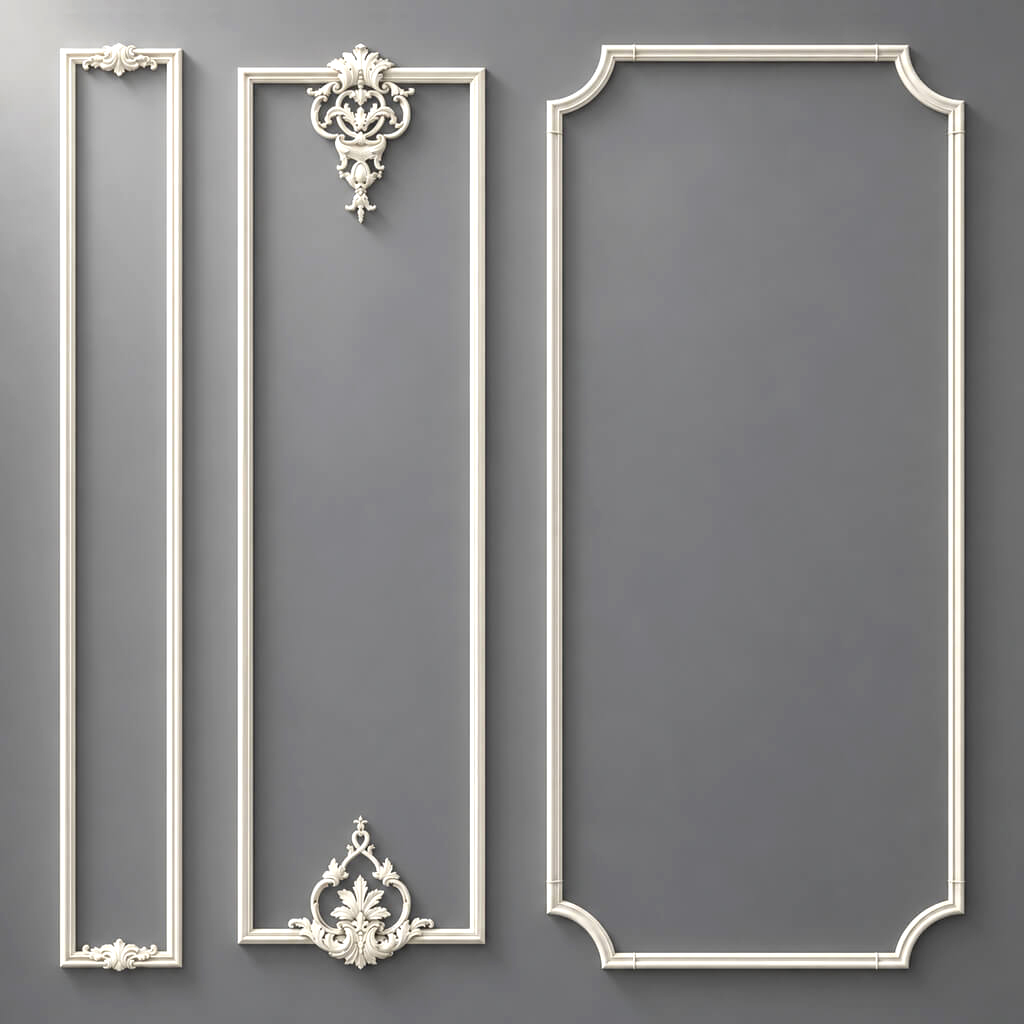
A typical composition may combine polyurethane moldings with four decorative rosettes positioned at the corners of a rectangular frame.
Another approach places one rosette at the center of a panel while molding defines its perimeter.
Rosettes can also be positioned where horizontal and vertical profiles meet. In this application, the decorative element visually organizes the joint and can eliminate the need for a conventional mitered intersection.
When selecting a rosette for molding, compare:
-
rosette width;
-
molding width;
-
relief depth;
-
ornamental scale;
-
shape of the molding profile;
-
distance from neighboring decorative elements.
A very wide rosette paired with narrow trim can dominate the composition. A very small rosette may look accidental next to a substantial molding profile.
For more complex combinations, see molding decor.
Rosettes for Door Trim
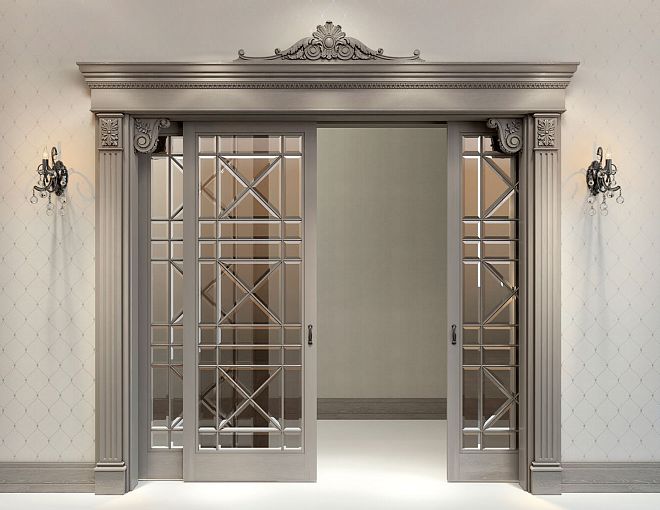
Rosettes for door trim are one of the most practical architectural applications of this type of ornament.
A rosette can be placed at the upper corners of a door casing where the vertical and horizontal trim members meet. This creates a deliberate decorative junction and gives the opening a more architectural character.
The principle is especially useful when working with classical interiors, decorative door surrounds and projects where ordinary miter joints would look too plain.
A square rosette works naturally with rectilinear casing because its edges align with the trim.
Round and floral designs create a stronger contrast and introduce a focal ornament into an otherwise linear frame.
When choosing rosettes for a doorway, check the width of the casing first. The decorative element should normally be large enough to relate to the casing but not so large that it appears disconnected from it.
STAVROS polyurethane elements can also be coordinated with decorative trim and other architectural moldings.
Window Rosette Molding
The same principle can be used around windows.
A window rosette molding composition combines linear trim around the opening with decorative rosettes positioned at corners or other intentional junctions.
This approach can be useful when doors and windows in the same interior need to share one decorative language.
Instead of selecting every element independently, establish a system:
door casing → window trim → rosette → wall molding.
Repeated use of the same or related ornament creates continuity across the room.
For symmetrical window surrounds, mark the rosette positions before cutting or installing the adjoining molding. Small differences in alignment become very noticeable when decorative elements repeat around an opening.
Rosettes for Wall Panels
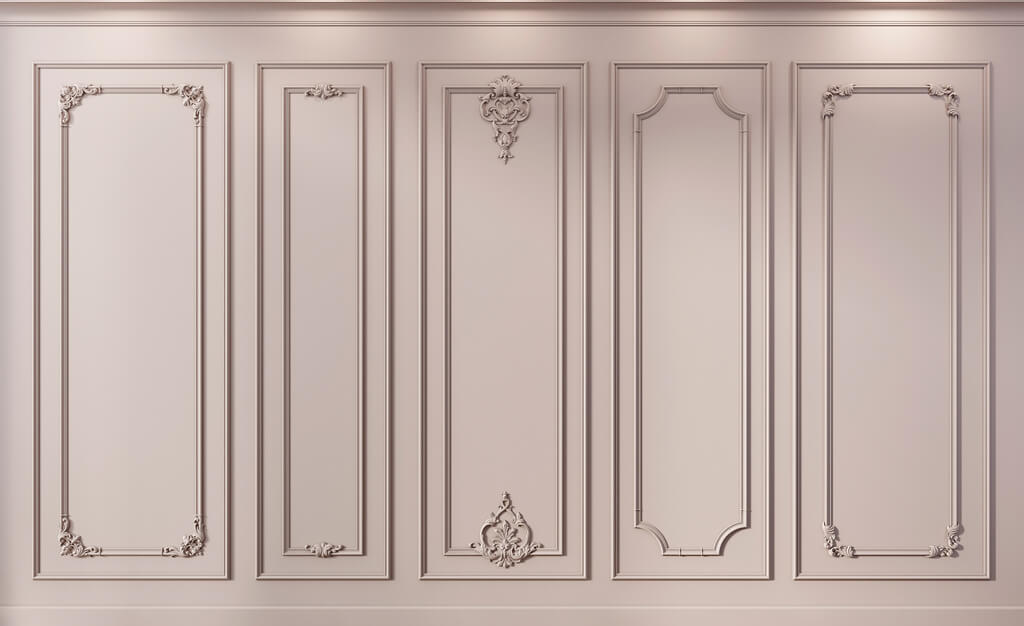
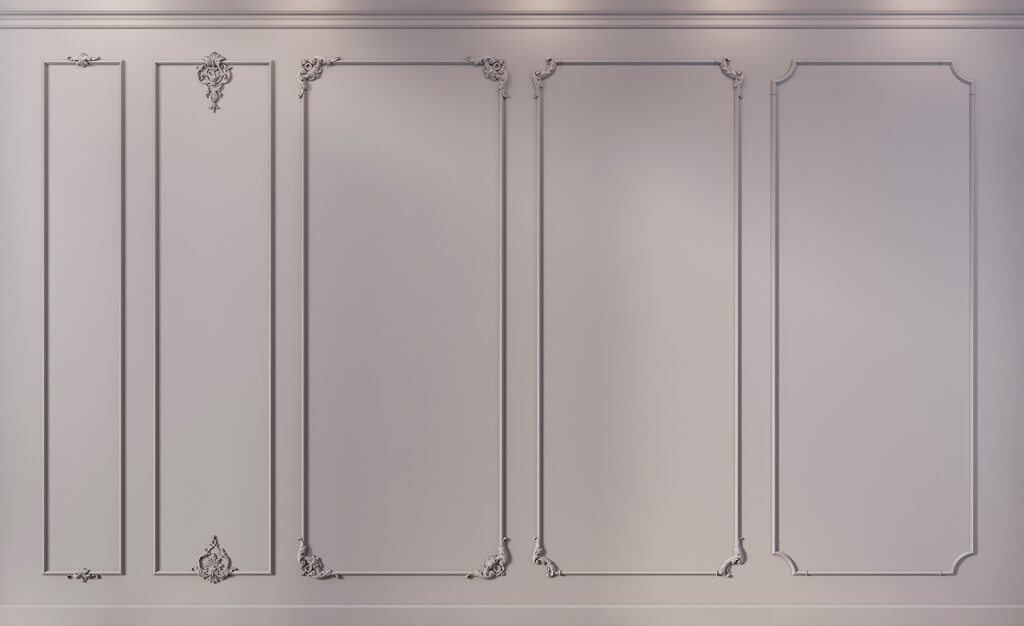
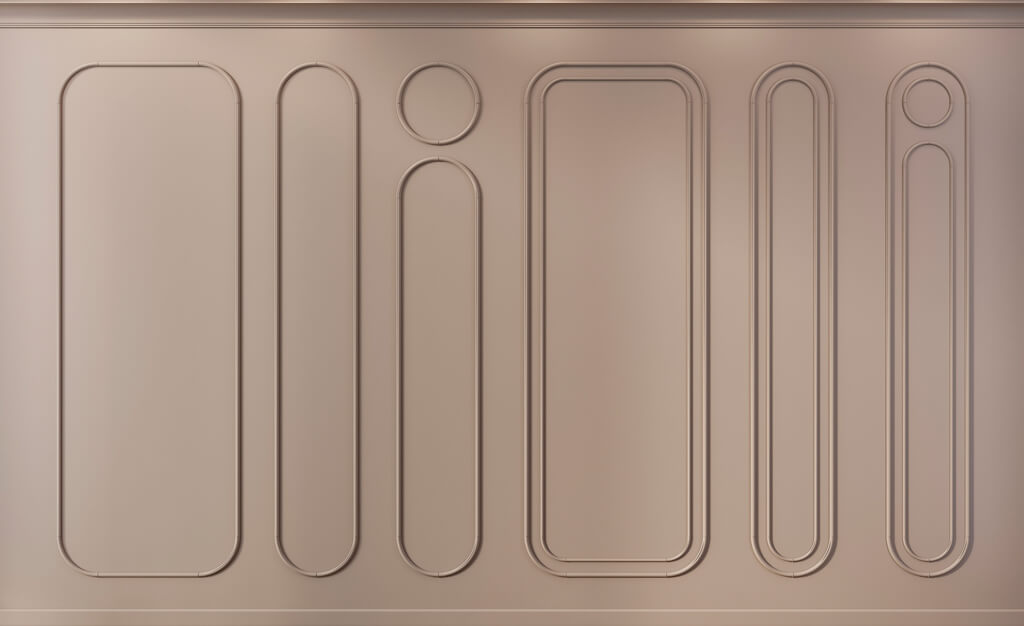
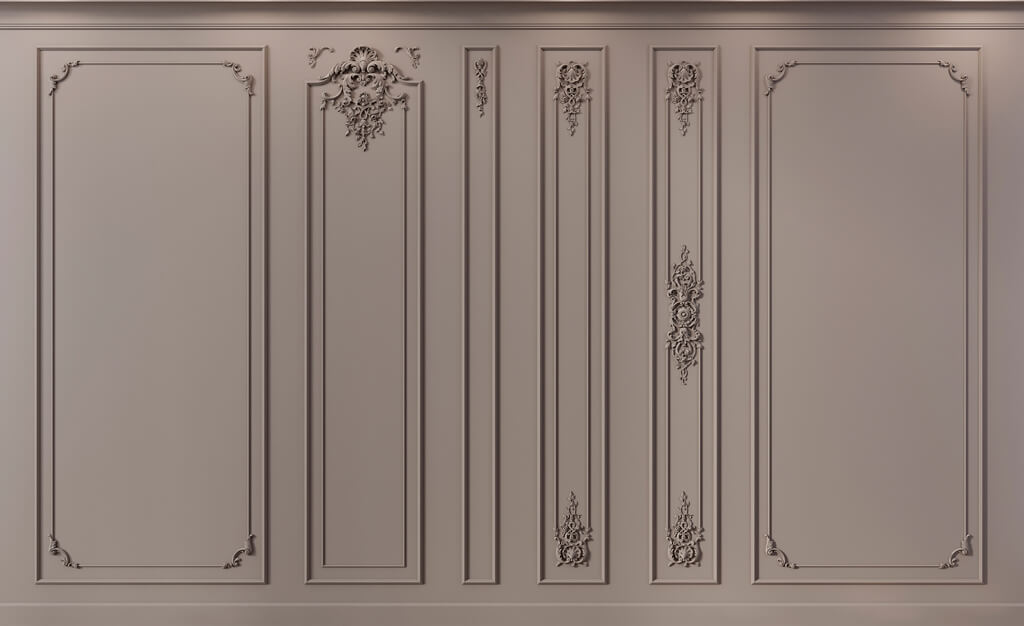
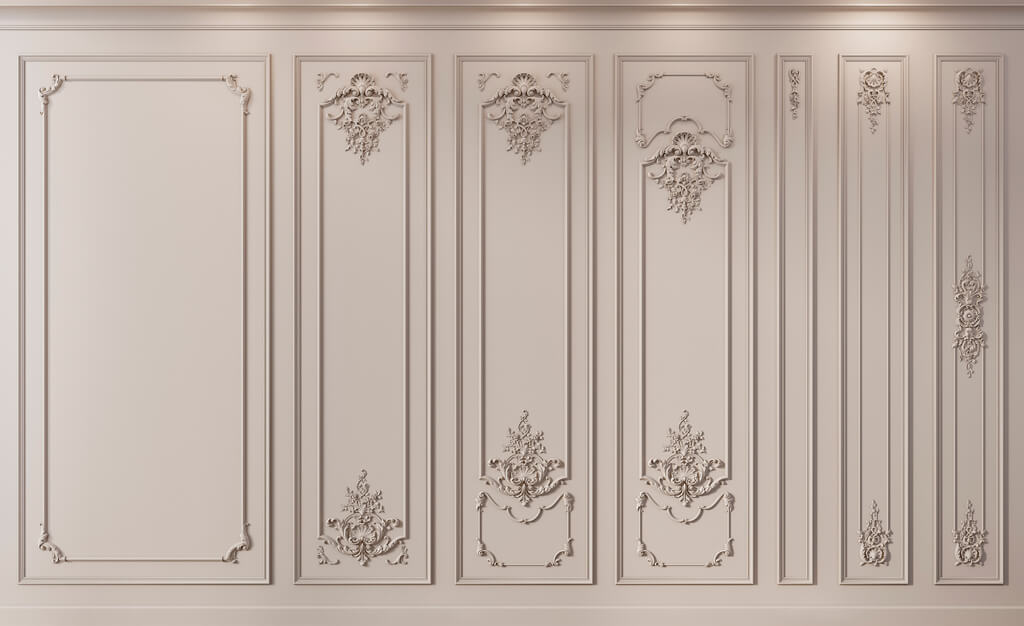
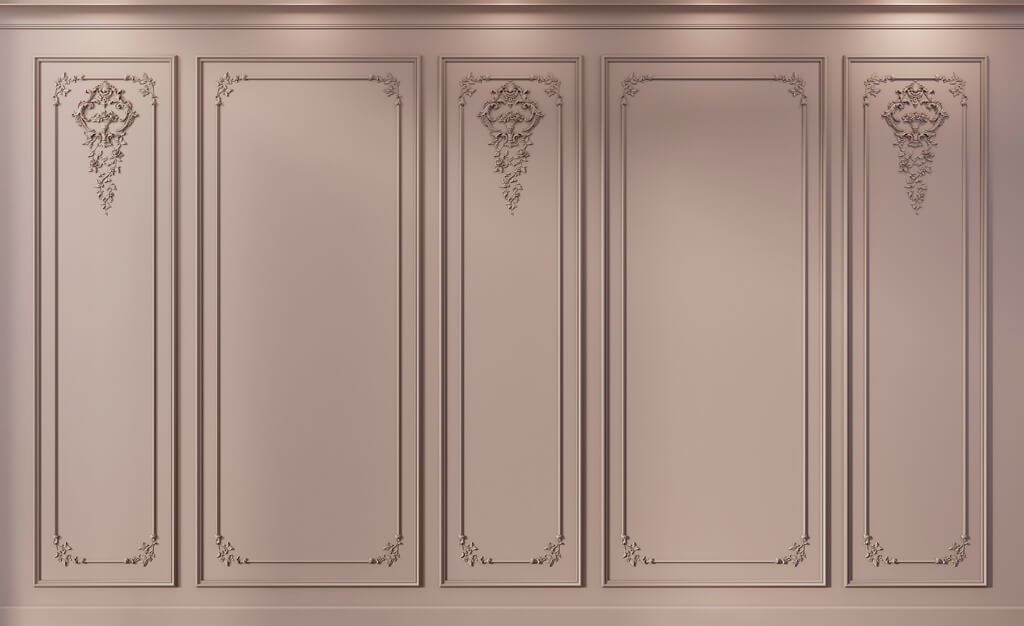
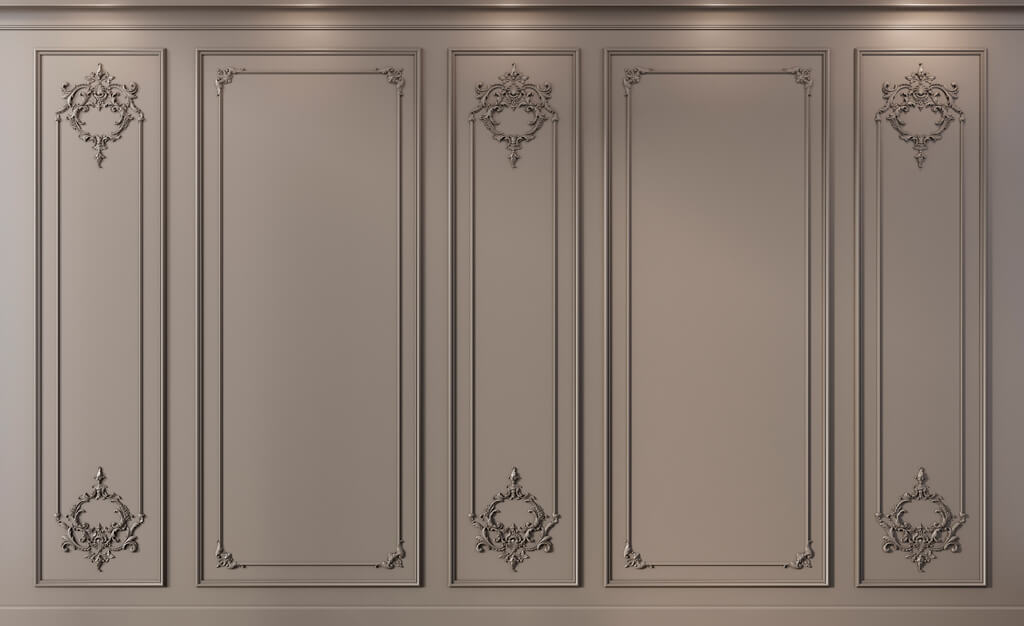
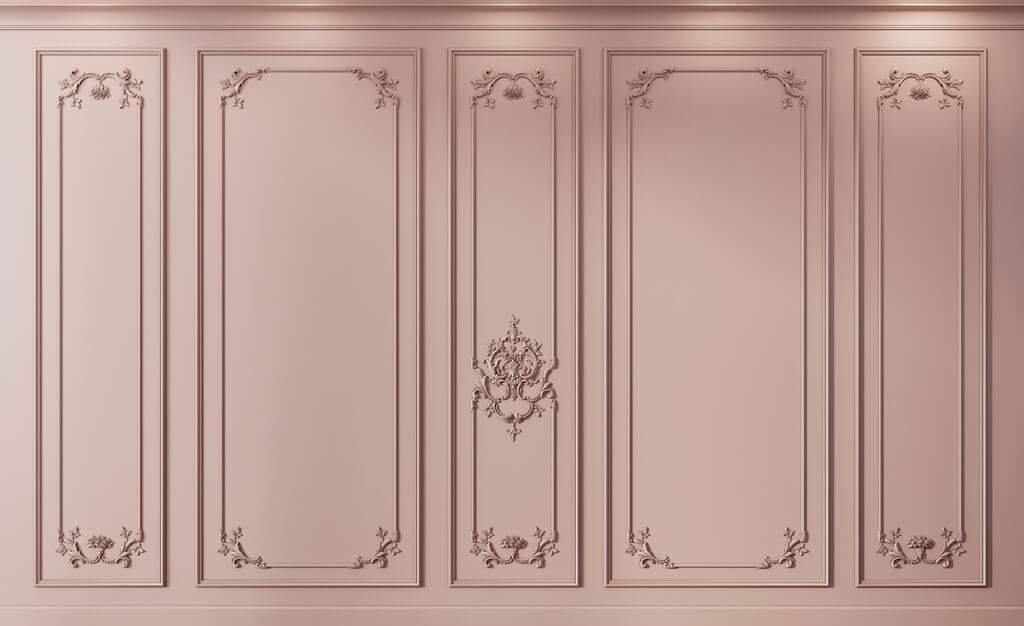
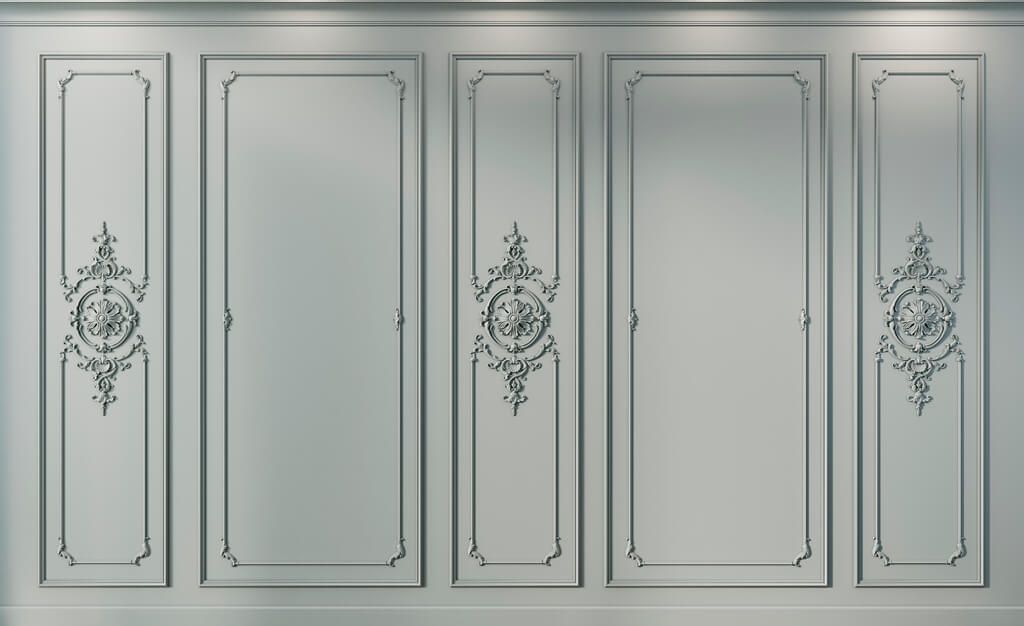
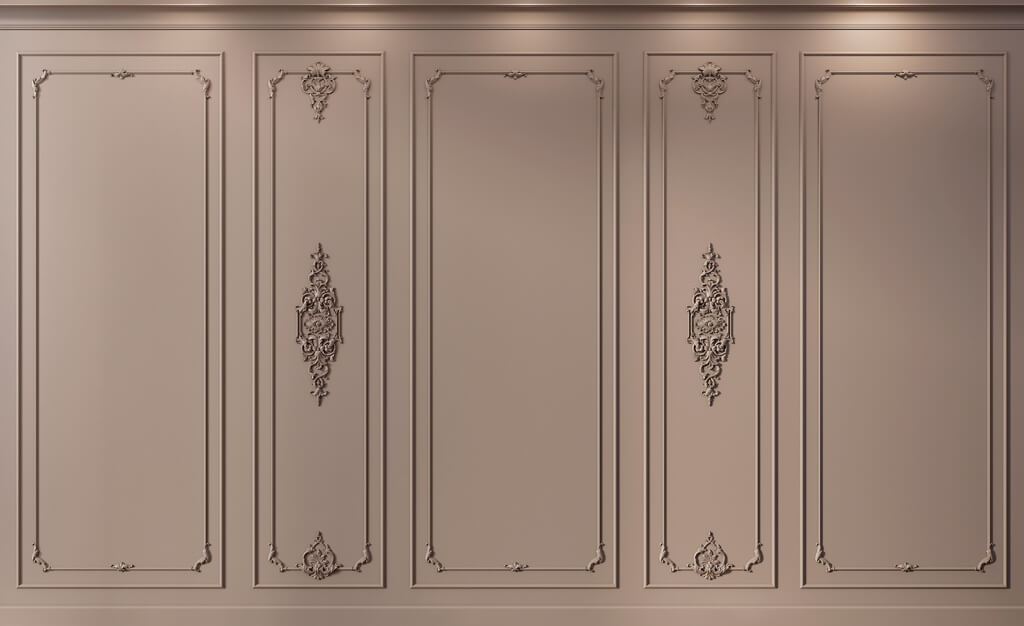
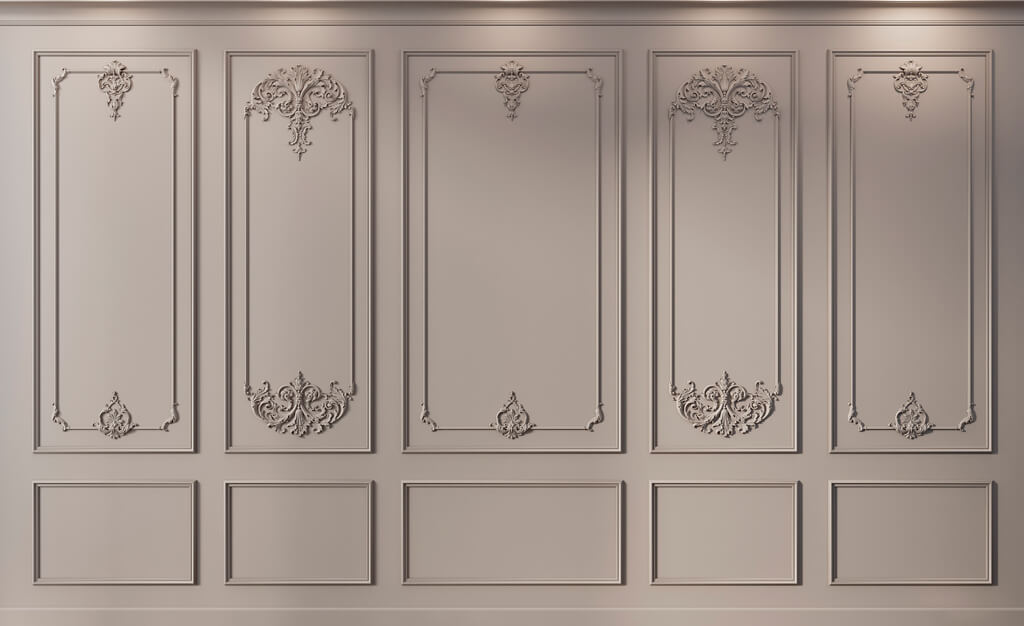
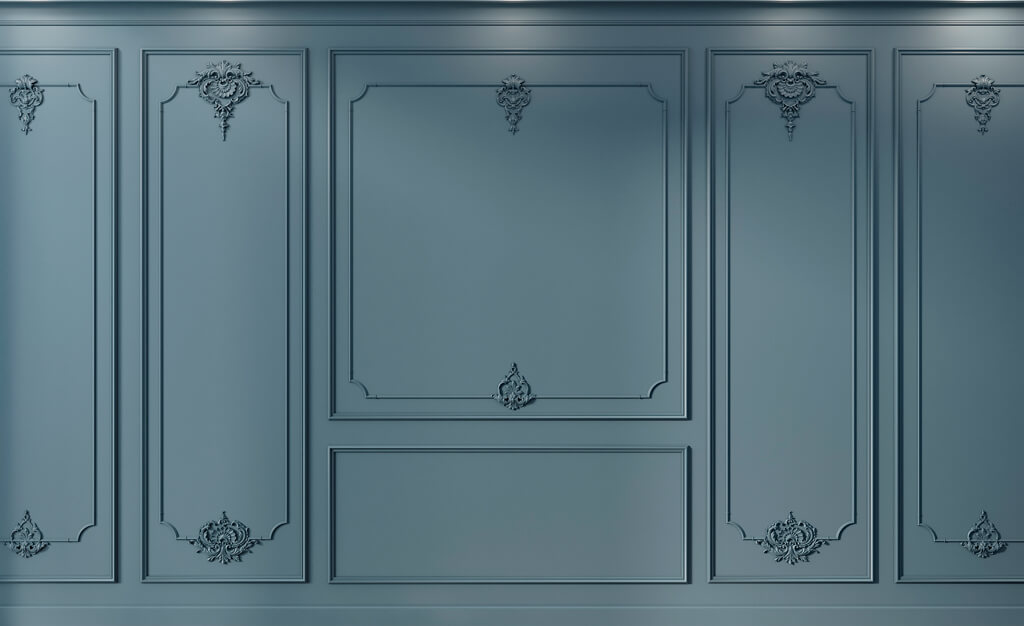
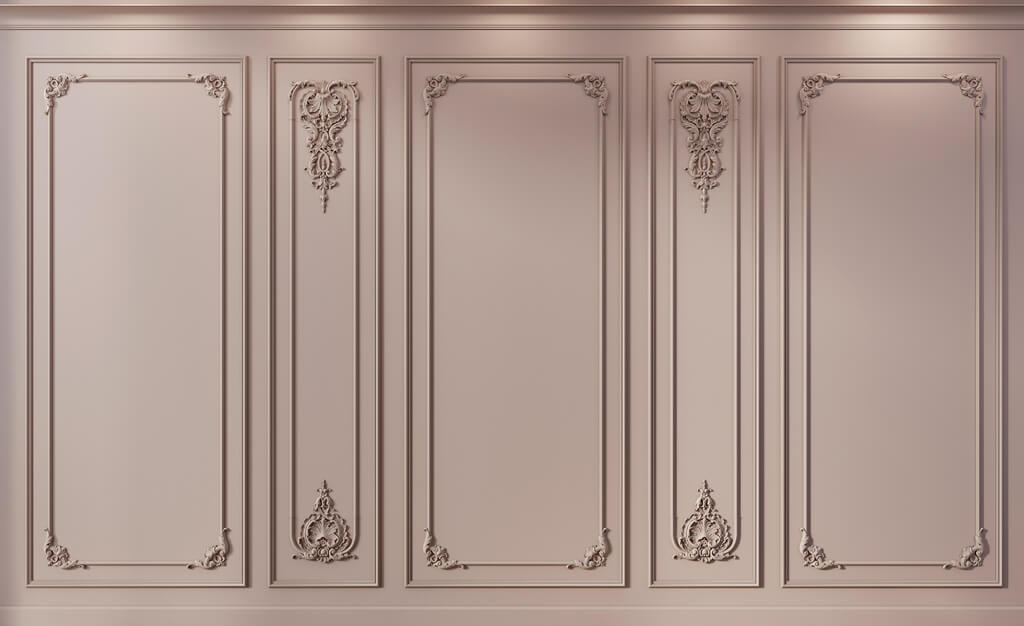
Polyurethane rosettes can also become focal points inside wall molding panels.
A panel may use one central rosette, several repeated rosettes or rosettes positioned where moldings intersect.
This is particularly useful when the wall design requires more hierarchy than a simple rectangular frame can provide.
A restrained arrangement might use one decorative rosette centered inside a large panel.
A richer classical composition can combine:
-
panel molding;
-
decorative corner elements;
-
rosettes;
-
ornamental trim;
-
additional relief decoration.
The objective is not to fill every empty area with ornament. The rosette should have enough surrounding space for its relief and silhouette to remain readable.
For wider wall compositions, explore wall decor.
Decorative Mirror Rosettes
Decorative mirror rosettes can be incorporated into architectural mirror surrounds and built-in wall compositions.
They are particularly useful where a mirror is framed with applied molding rather than with a conventional standalone frame.
Rosettes may emphasize the four corners, mark the center of the upper trim or become part of a more complex ornamental surround.
When designing a mirror composition, consider both the outer frame and the reflective field itself.
An oversized rosette can visually reduce the mirror, while an undersized element may disappear against wide molding.
Matching the scale of the rosette to the trim produces a much more controlled result.
Furniture Rosettes
Smaller decorative elements can also function as furniture rosettes.
Possible applications include:
-
cabinet doors;
-
wardrobes;
-
built-in cabinetry;
-
drawer fronts;
-
side panels;
-
consoles;
-
decorative furniture frames;
-
reception furniture;
-
custom millwork.
Furniture applications usually require a smaller scale than architectural wall compositions.
The relief depth is particularly important. A rosette that projects too far from a cabinet front may interfere with handles, neighboring doors or normal use.
Before installation, verify clearances as well as appearance.
A furniture rosette is most convincing when it relates to an existing structural feature—for example, the center of a framed cabinet panel or the intersection of decorative strips.
Round, Square, Oval and Rectangular Rosettes
Shape changes the way a rosette interacts with the surrounding geometry.
Round Rosettes
Round designs create a strong central point.
They work particularly well inside rectangular wall frames because the circular ornament contrasts with the surrounding straight lines.
Floral and radial ornaments also naturally fit the round format.
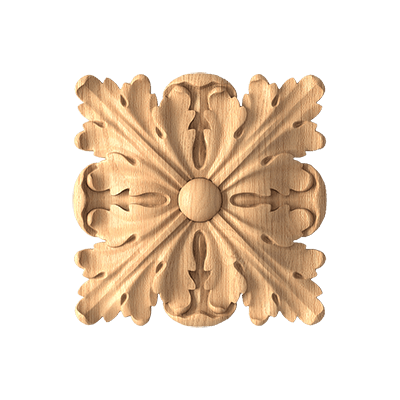
Square Rosettes
Square rosettes are especially suitable for trim intersections, door casings and architectural grids.
Their horizontal and vertical axes can be aligned directly with surrounding molding.
Installation accuracy matters: even a slight rotation becomes visible when a square element is surrounded by straight profiles.
Oval Rosettes
Oval designs introduce direction.
A vertically oriented oval can work inside a narrow wall panel or cabinet front, while a horizontal oval may suit a wider architectural field.
Rectangular Rosettes
Rectangular elements are useful when the design needs an ornamental block rather than a purely radial center.
Their proportions should correspond to the surrounding panel, trim or furniture component.
How to Choose an Architectural Rosette
Start with the application rather than the ornament.
Ask where the element will actually sit:
-
at a molding intersection;
-
on door trim;
-
around a window;
-
inside a wall panel;
-
on furniture;
-
around a mirror;
-
on a ceiling.
Then compare dimensions.
The three measurements that matter are width, height and projection.
Width and height determine how much visual space the rosette occupies. Projection determines how strongly it separates from the background and how much shadow the relief creates.
A deeper ornament appears heavier even when its face dimensions are relatively small.
Also consider viewing distance. Fine relief that looks highly detailed at arm's length can appear much quieter when installed several feet above eye level.
Match the Rosette to the Molding
One of the most common mistakes is choosing the rosette and molding independently.
They should be evaluated together.
Compare the width of the molding with the overall dimensions of the rosette. Then compare the profile depth with the relief depth.
The transition should look intentional.
A thin, restrained molding usually works best with a compact or relatively low-relief rosette.
A wider ornamental molding can support a larger decorative element with stronger relief.
Related profiles are available in the polyurethane moldings and decorative trim sections.
Floral and Classical Decorative Rosettes
Many architectural rosettes use floral ornament because radial plant motifs naturally form a centered composition.
Leaves, flowers, acanthus forms and scrolling details can expand outward from a central point without making the ornament feel directionally unbalanced.
The motif should nevertheless correspond to the surrounding decor.
If nearby moldings use acanthus or botanical ornament, a related rosette can reinforce the visual language.
If the wall or furniture composition is relatively restrained, a simpler decorative rosette may be more appropriate.
The goal is coordination rather than maximum ornamental density.
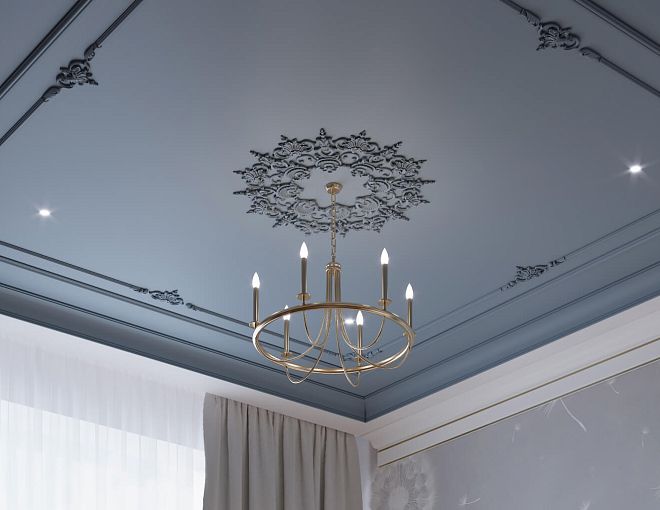
Polyurethane Rosettes for Ceiling Compositions
The STAVROS assortment also includes much larger rosettes intended for ceiling applications.
These should be treated differently from compact architectural rosettes used with trim, furniture or wall panels.
For a chandelier center or large decorative ceiling composition, use the dedicated ceiling rosettes and ceiling medallions collection.
This distinction is useful when choosing scale.
A small rosette used at a molding intersection performs a completely different architectural function from a large medallion centered around a chandelier.
For complete ceiling layouts, see ceiling decor.
Planning a Rosette and Trim Composition
Before installation, draw the entire decorative layout.
For wall molding, establish the dimensions of every frame before determining the center points.
For doors and windows, mark the casing lines and rosette positions before cutting trim.
For furniture, check doors, handles, hinges and moving components.
A reliable sequence is:
-
measure the surface;
-
establish horizontal and vertical reference lines;
-
position the molding or trim;
-
determine the center or intersection points;
-
place the rosettes without adhesive;
-
inspect the composition from normal viewing distance;
-
correct alignment if necessary;
-
install the elements;
-
finish joints;
-
apply the selected paint or decorative finish.
Repeated rosettes require particularly careful marking. A difference of only a few millimeters can become visible when several identical elements are aligned across the same wall.
Painting Polyurethane Rosettes
A rosette does not need to contrast with the surrounding surface.
In many interiors, the most architectural result comes from painting molding, rosettes and the background in the same color.
The ornament then becomes visible through light and shadow rather than through color contrast.
Depending on the project, polyurethane decorative elements can become part of white, cream, gray, dark or colored architectural schemes.
A contrasting or metallic finish creates a much stronger focal point and should therefore be used intentionally.
Build a Complete Architectural Composition
Rosettes work best when they belong to a larger system.
Combine polyurethane rosettes with:
Polyurethane relief decoration
Ceiling rosettes and ceiling medallions
Shop Polyurethane Rosettes by Shape and Application
Choose a rosette according to the actual architectural task.
For molding intersections and casing, look for compact architectural elements whose dimensions correspond to the surrounding trim.
For doors and windows, compare rosette width with the casing profile.
For mirror frames and furniture, pay particular attention to projection and available space.
For wall panels, consider both the dimensions of the panel and normal viewing distance.
For large chandelier-centered ceiling compositions, use a dedicated ceiling rosette or medallion.
Browse the STAVROS polyurethane rosettes collection and compare available round, square, oval and rectangular designs to build a coordinated decorative system for molding, doors, walls, mirrors, furniture and architectural interiors.
Request a Call
Have questions about our products or your project? Leave your contact details and our team will get back to you.
Your request has been sent!
Our manager will contact you within 5 minutes