






























































Article Contents:
- When Less is More: The Philosophy of Compact Furniture
- Entryway: First Impressions Begin with Details
- Color Solutions for Visual Expansion
- Bedroom: Bedside Tables as the Center of a Micro-Universe
- Storage Systems: Internal Architecture
- Decorative Accents on the Bedside Table
- Living Room: Media Zone and Compactness
- Media Cabinet Construction: Functionality in Details
- Visual Lightness in a Small Living Room
- The Role of Interior Decor: Integrity of the Image
- Moldings and Overlays: Fine-Tuning Style
- Baseboards and Casings: A Frame for the Interior
- Wood Species: Choosing According to the Character of the Space
- Stylistic Versatility: From Classic to Minimalism
- Scandinavian Style: The Warmth of Wood in a Minimalist Space
- Loft: Contrast of Wood and Industrial Materials
- Ergonomics and Functionality: Details That Matter
- Hardware: The Quiet Revolution of Comfort
- Internal Organization: Storage Systems
- Eco-Friendliness and Health: Why Solid Wood is the Best Choice
- Durability: An Investment for Decades
- Color Palette: From Natural Tones to Tinted Solutions
- Tinting and Patination: Artistic Finishing
- Lighting and Cabinets: Play of Light and Shadow
- Natural Light and Wood
- Combination with Other Materials: Harmony of Textures
- Care and Maintenance: Simplicity and Reliability
- Psychology of Space: How Furniture Affects Well-Being
- Minimalism as a Philosophy of Life
- Custom Solutions: When Standard Doesn't Fit
- Personalization: Creating a Unique Look
- Chests in the Children's Room: Safety and Functionality
- Growing Together with Furniture
- Chests in the Bathroom and Toilet: Water Resistance and Practicality
- Economic efficiency: price and value
- Trends and the Future: Where Furniture Design is Heading
- Technology in the Service of Tradition
- Frequently Asked Questions
- Conclusion: The Art of Compactness by STAVROS

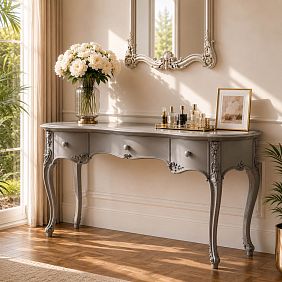
A small apartment area is not a sentence for style and comfort. When every meter counts, it is preciselysolid wood cheststhat become those interior heroes capable of combining aesthetics, functionality, and visual lightness. Unlike bulky wardrobes and massive dressers, a compact chest made of natural wood works as a pinpoint accent—it completes the composition, adds the warmth of natural material, and solves specific storage tasks without overloading the space.



When Less is More: The Philosophy of Compact Furniture
Multifunctionality is the keyword of modern living space. The times when furniture performed strictly one role are gone. Today, a small chest in the hallway becomes not only a key holder but also a decorative display, visually expanding the narrow corridor through horizontal lines and the correctly chosen wood color. A bedside table in the bedroom turns into a mini-office for gadgets, books, and an evening cup of tea. A TV stand in the living room organizes a media center and does not steal precious centimeters of area.
It is important to understand: compactness does not equal primitiveness. Quality-madeSolid Wood Itemspossess complex internal architecture—thought-out storage systems, drawers with soft-close mechanisms, hidden niches for cables. All this makes a small chest a full-fledged functional unit that handles tasks of an object three times its size.




Hallway: The First Impression Begins with Details
The hallway is a space that most often suffers from a lack of area. Narrow corridors, non-standard layouts, absence of natural light—all this requires a special approach to furnishing. A massive sliding wardrobe here can look overwhelming, whereas a small chest made of natural oak or beech creates a sense of air and order.
Placing a compact chest 70-90 centimeters high at the entrance gives you several advantages at once. The top surface becomes a place for a key basket, a tray for small items, or a decorative composition of dried flowers. The internal space—drawers or shelves behind doors—hides shoe care products, brushes, umbrellas. And visually, such furniture does not clutter the hallway, especially if you choose light wood species or models on thin, elegant legs that create a floating effect.
Our factory also produces:


Color Solutions for Visual Expansion
Light tones are a classic technique for small spaces. A chest made of bleached oak, ash, or beech in a natural light palette reflects more light, making the hallway more voluminous. If you want to add contrast and character, you can choose a model with a tinted tabletop or decorative overlays in a dark shade. This technique creates a vertical accent, attracts the eye, but does not overload perception.
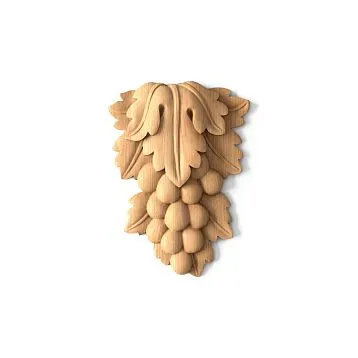
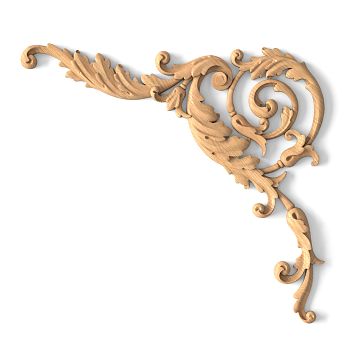
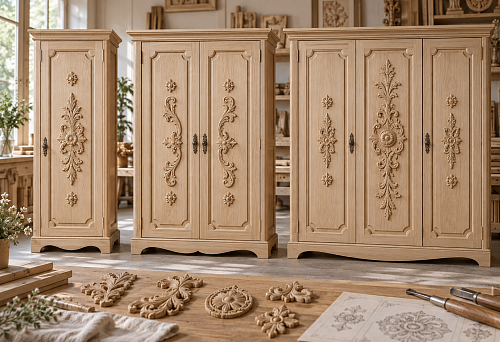
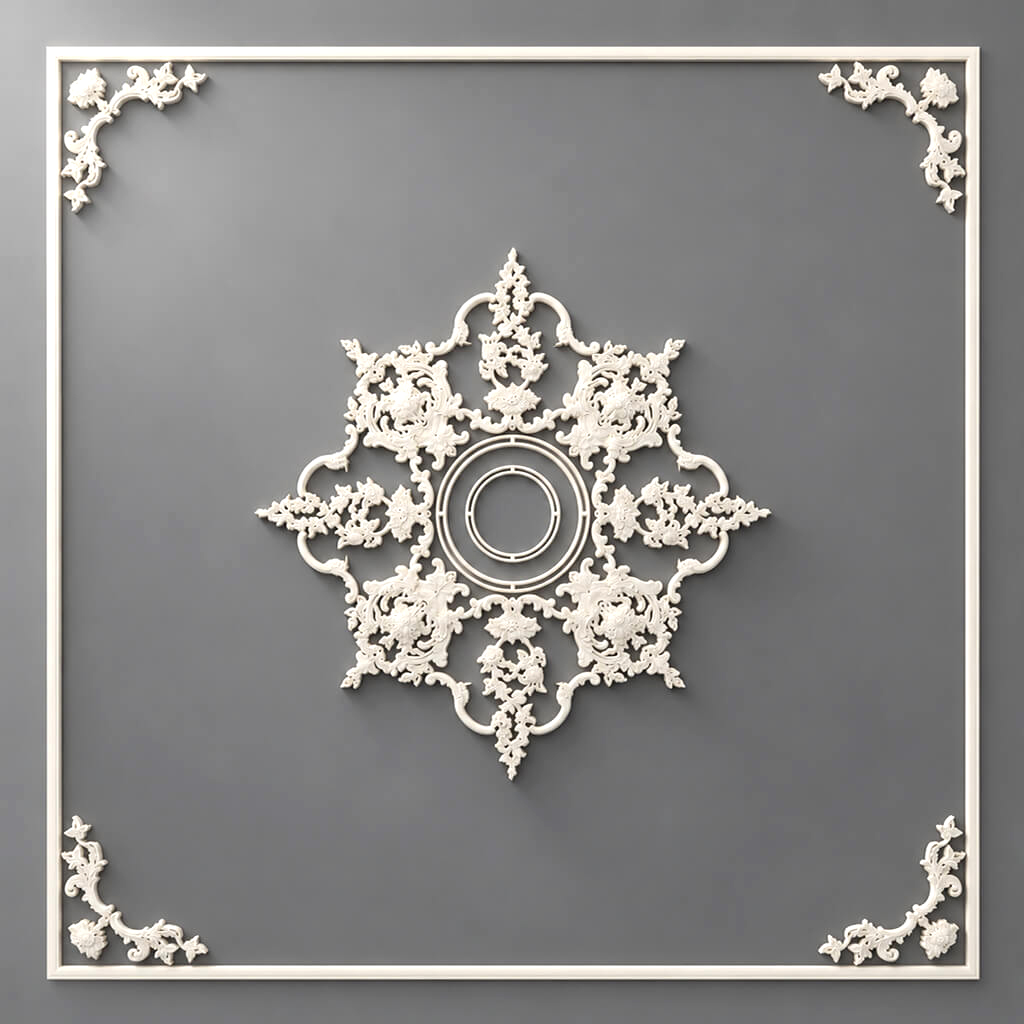
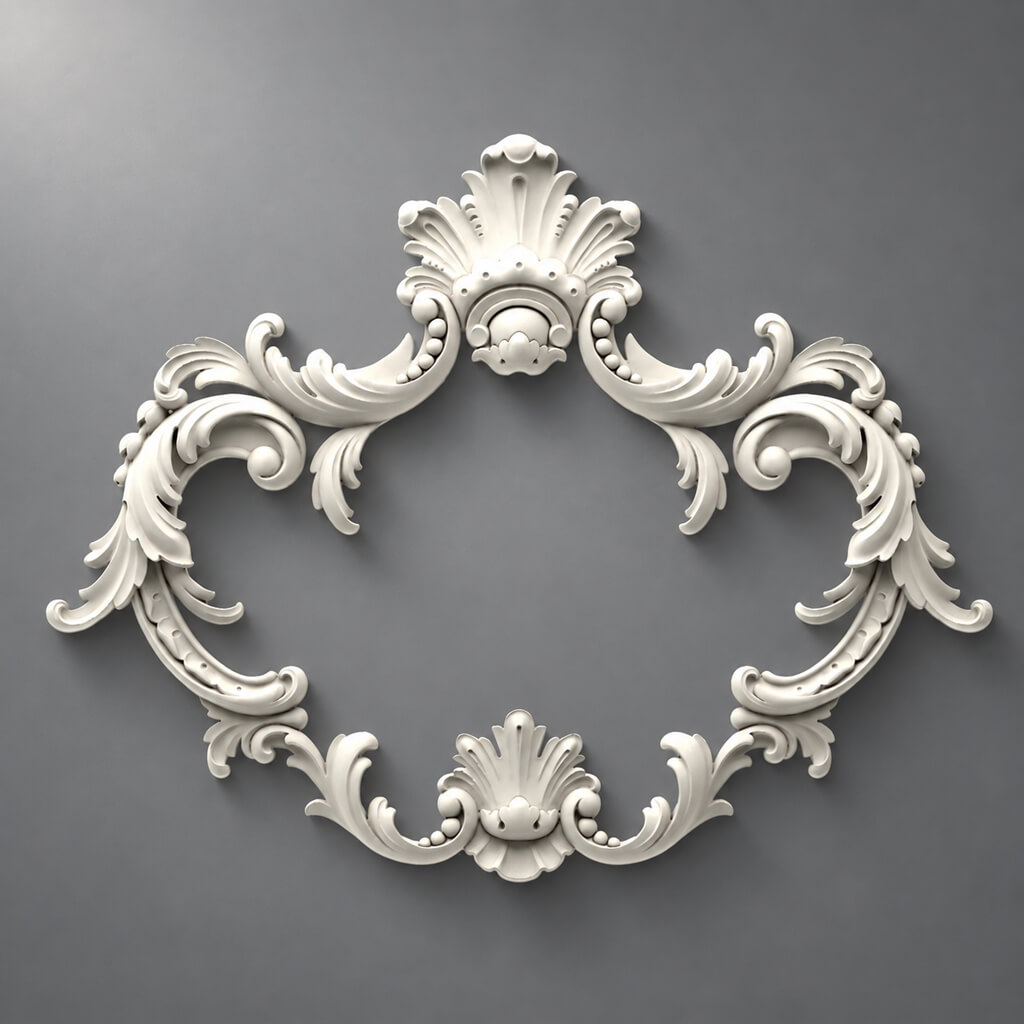
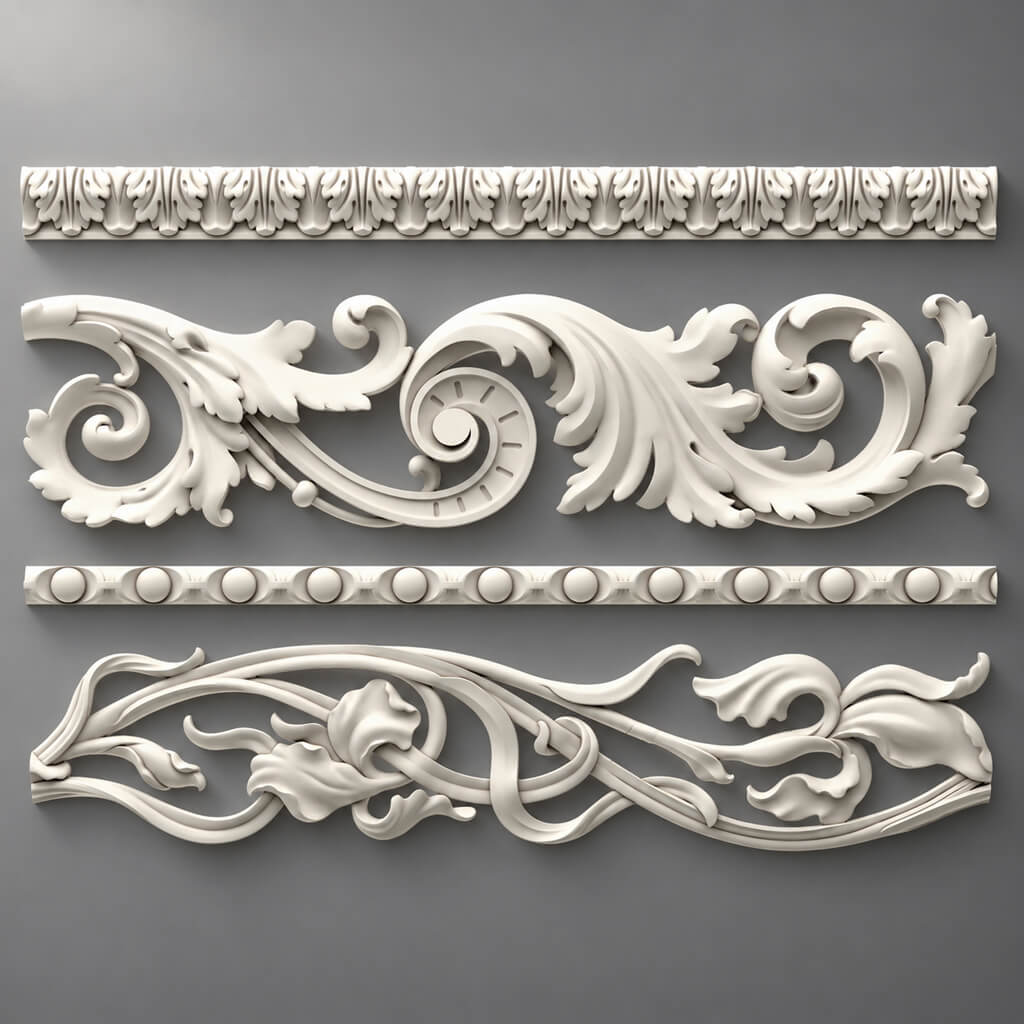
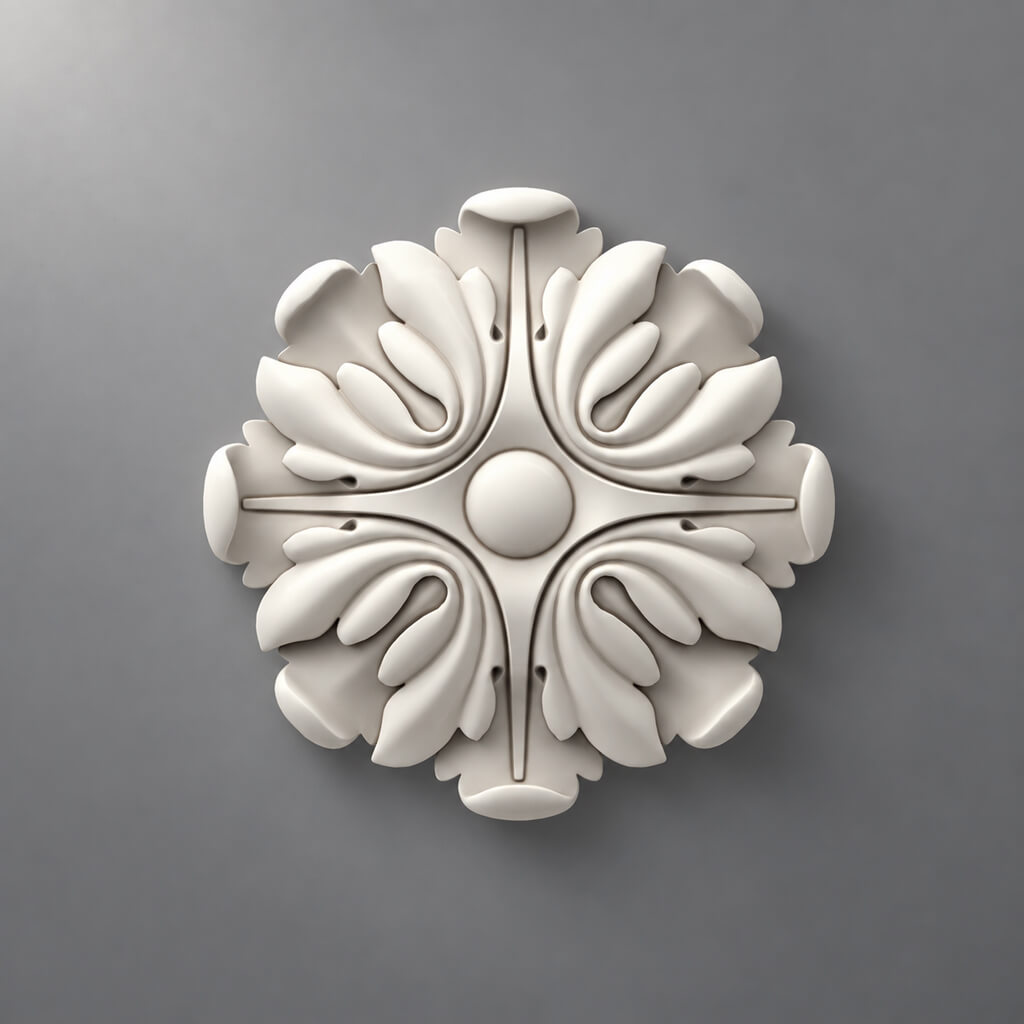
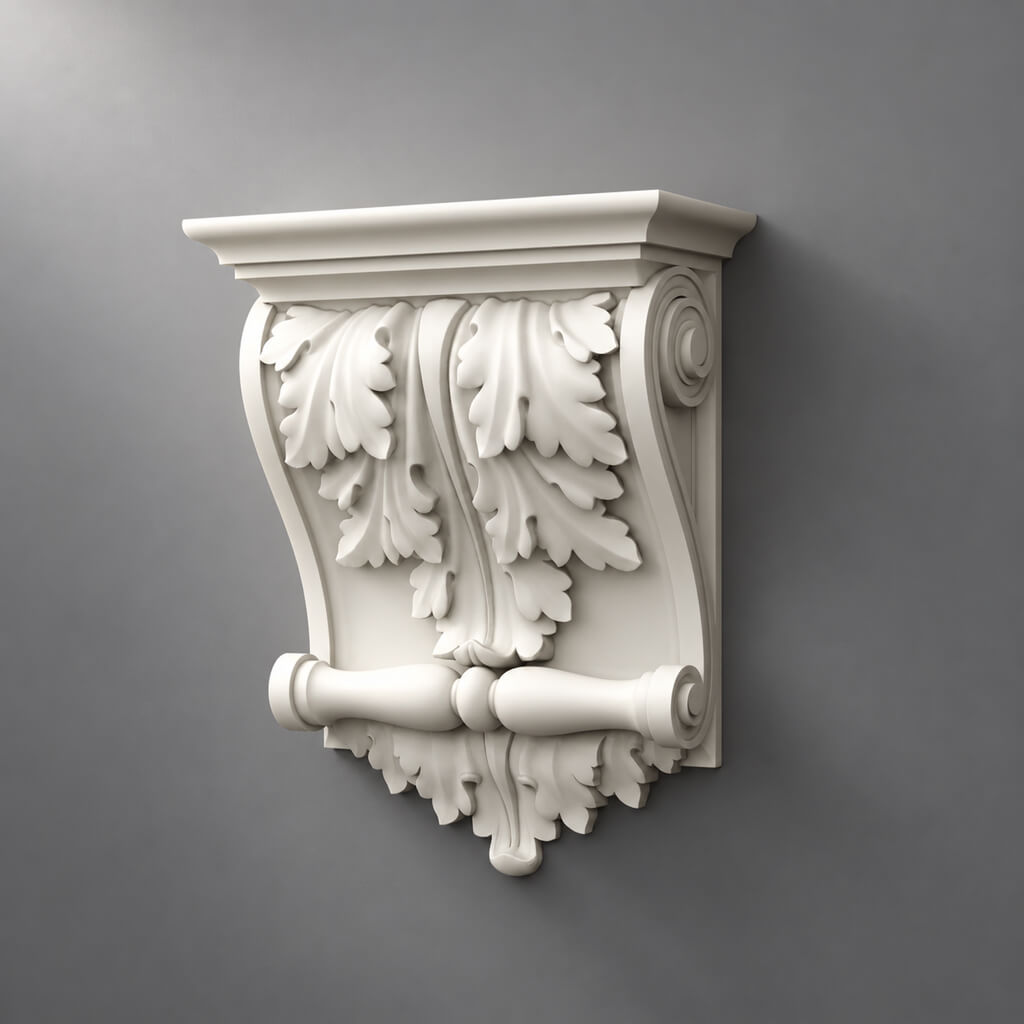
An important role is played byinterior decorationwhich can be used to enrich the visual image of the chest. Decorative carved overlays, moldings, milled panels made of solid wood add expressiveness to simple forms. However, in a small space, it is better to avoid excessive ornamentation—one or two accent elements are enough to make the chest shine without becoming visual noise.
Get Consultation
Bedroom: Bedside Tables as the Center of a Micro-Universe
In the bedroom, a chest is not just a piece of furniture, but an extension of personal space. It is within arm's reach when you lie in bed, and therefore should be as convenient, thoughtful, and aesthetically pleasing as possible. Functionally, a bedside table solves many tasks: storing a phone, chargers, books, an alarm clock, a glass of water, cosmetics, personal small items.
The classic height of a bedside table is at the level or slightly below the mattress. This ensures ergonomic access to the contents, as well as visual harmony between the bed and surrounding furniture. For small bedrooms, chests 40-50 centimeters wide and 35-40 centimeters deep are ideal. Such dimensions allow placing everything necessary without occupying precious passage space.
Storage Systems: Internal Architecture
The internal structure of a bedside table can vary. The classic version is one drawer and an open niche below. The drawer hides small items that should not be in sight, and the open niche allows quickly placing a book or tablet without opening anything. More complex models offer two or three small drawers of different heights, allowing organizing storage by categories: the top one for gadgets and chargers, the middle one for cosmetics or medicines, the bottom one for linen or spare bedding.
Qualitysolid wood chestsare equipped with soft-close systems for drawers. This is not a luxury, but a necessity, especially in the bedroom: a sharp slam of a closing drawer can disrupt morning or evening peace. Soft-close mechanisms ensure silent and smooth movement, extend the lifespan of hardware and guides.
Decorative Accents on the Bedside Table
The top surface of the chest is a mini-stage for decorative compositions. A table lamp, a small vase with flowers, a stack of favorite books, a photo frame—all this creates an atmosphere, reflects the owner's character. It is important not to overload the surface: two or three items are enough for the space to look lived-in and stylish, but not cluttered.
The material of the cabinet plays a key role in shaping the overall atmosphere of the bedroom.Modern Furnituremade from solid oak or beech radiates warmth, creating a sense of coziness and stability. The natural wood texture, tactilely pleasant surface, and natural shades all contribute to relaxation and calmness, which is fundamentally important for a sleeping space.
Living room: media zone and compactness
TV stands are among the most sought-after pieces in modern living rooms. Even if primary multimedia equipment is moved to cloud services and wireless protocols, there still remain set-top boxes, routers, speakers, remotes, and cables. Organizing all this neatly without occupying half the wall is a task solved by compact solid wood media cabinets.
The key advantage of a wooden cabinet over metal or glass counterparts is visual warmth. In small living rooms where space is limited, one wants to avoid the feeling of office-like coldness. Natural wood softens the severity of technology, adding a lived-in, homely character to the interior.
Media cabinet construction: functionality in details
A good TV stand should solve several tasks simultaneously. First, it must ensure the stability of the TV—a sturdy horizontal surface capable of supporting the weight of a modern screen without sagging. Second, it must organize the storage of media devices—open niches for consoles with remote control access, closed compartments for discs, wires, and accessories. Third, it must ensure air circulation—equipment heats up, so the back panel of the cabinet should not be solid.
Furniture and interior itemsmade from solid oak or beech handle these requirements perfectly. Solid wood withstands significant static loads and does not deform over time. Open niches can be decorated with decorative carved overlays or kept minimalist—depending on the interior style. The interior space can be easily organized with removable shelves that can be adjusted in height for specific equipment.
Visual lightness in a small living room
When the living room area does not exceed 15-18 square meters, it is important to avoid a cluttered effect. A cabinet on tall, thin legs creates a sense of airiness; the space under the furniture remains visible, making the room seem larger. An alternative option is a wall-mounted cabinet. This technique is even more radical: the furniture seems to float, the floor beneath it is free, which visually adds volume.
The color of the cabinet matters. In light interiors, the natural shades of oak or beech support the overall palette, making the space cohesive. In darker, more contrasting interiors, tinted wood can be used, which will become an accent, attract attention, but not create visual chaos.
The role of interior decor: integrity of the image
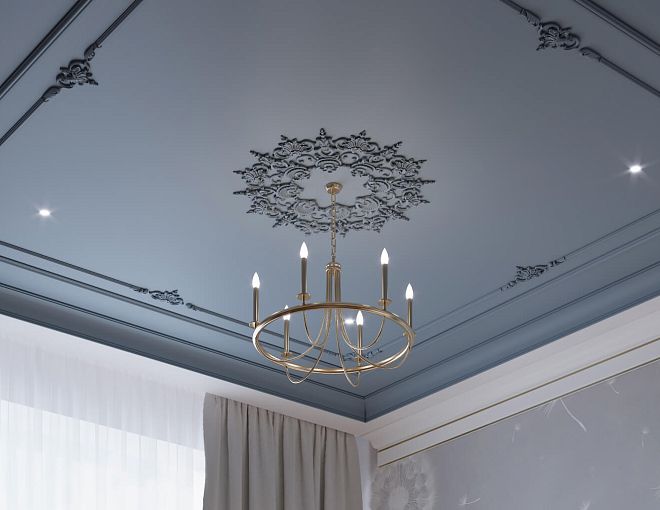
When there is little furniture, it is especially important to create a sense of completeness in the interior. Disparate items, even very high-quality ones, can look like a random assortment. To tie them into a single composition, interior decoration—moldings, baseboards, trims, carved overlays, decorative panels—help.
Imagine a small living room with a compact TV stand, a pair of armchairs, and a coffee table. If all these items are made from the same wood species, with common decorative elements—for example, the same leg profile or identical carved inserts—the space looks harmonious and well-thought-out. Even a minimum of furniture creates a sense of fullness and completeness.
Moldings and overlays: fine-tuning style
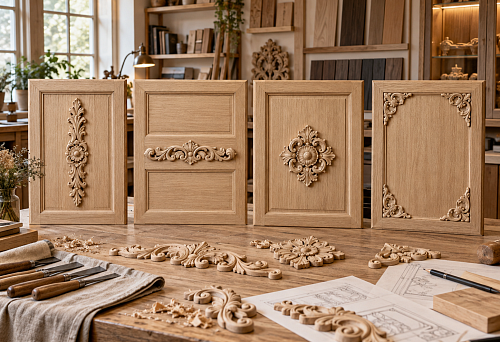
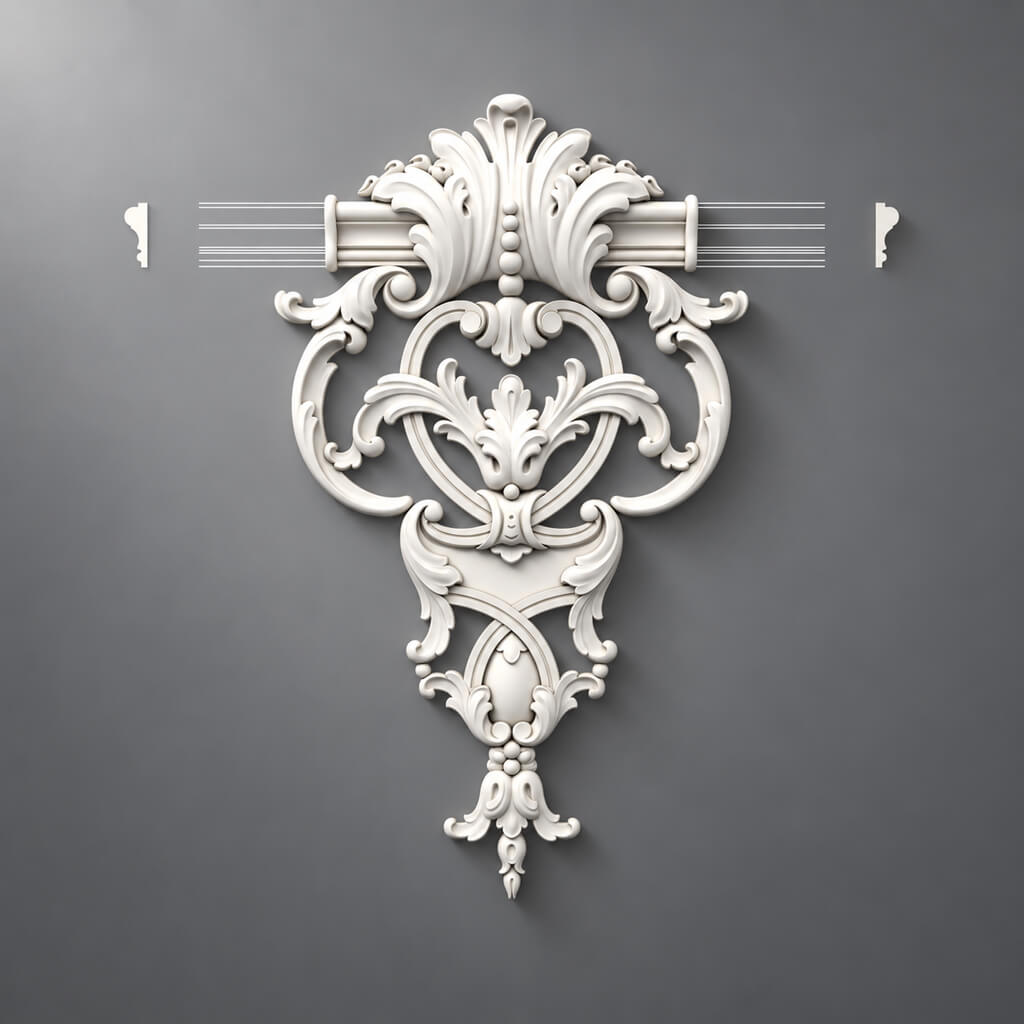
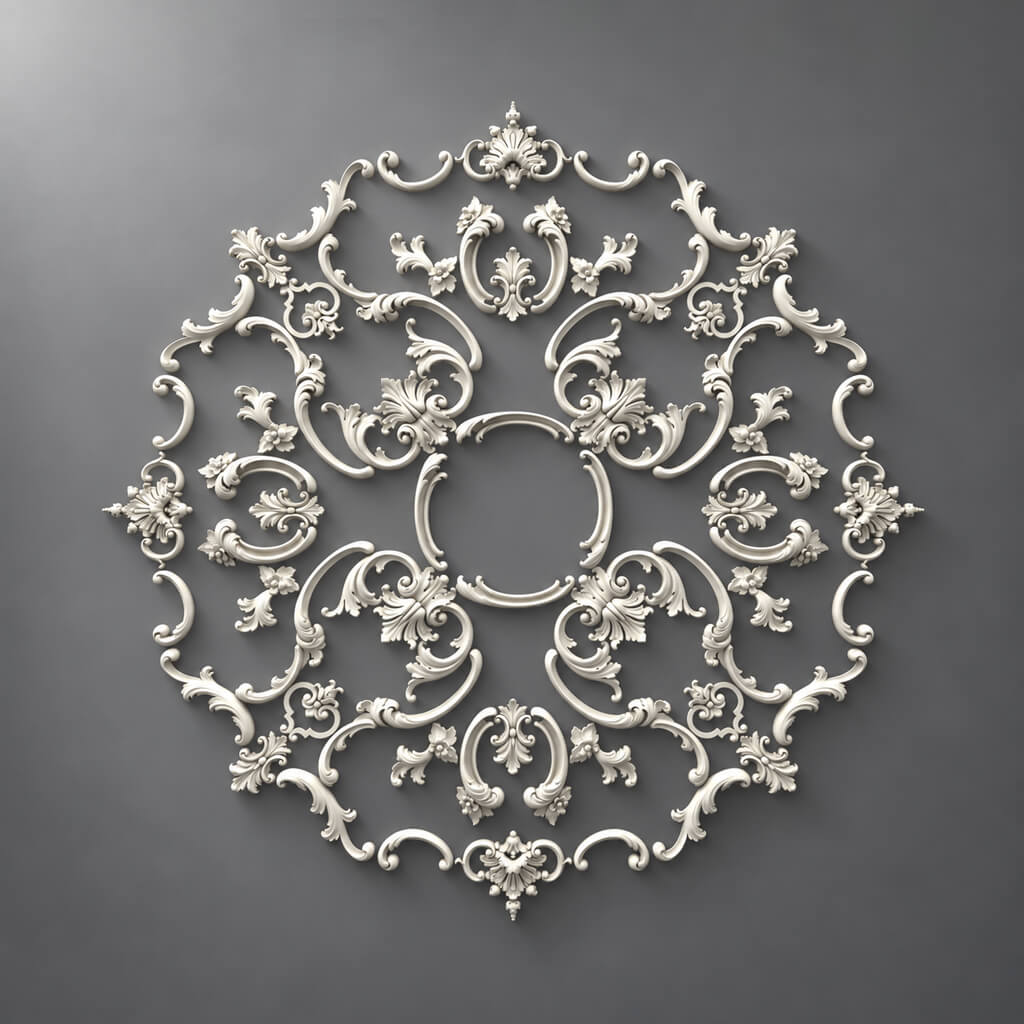
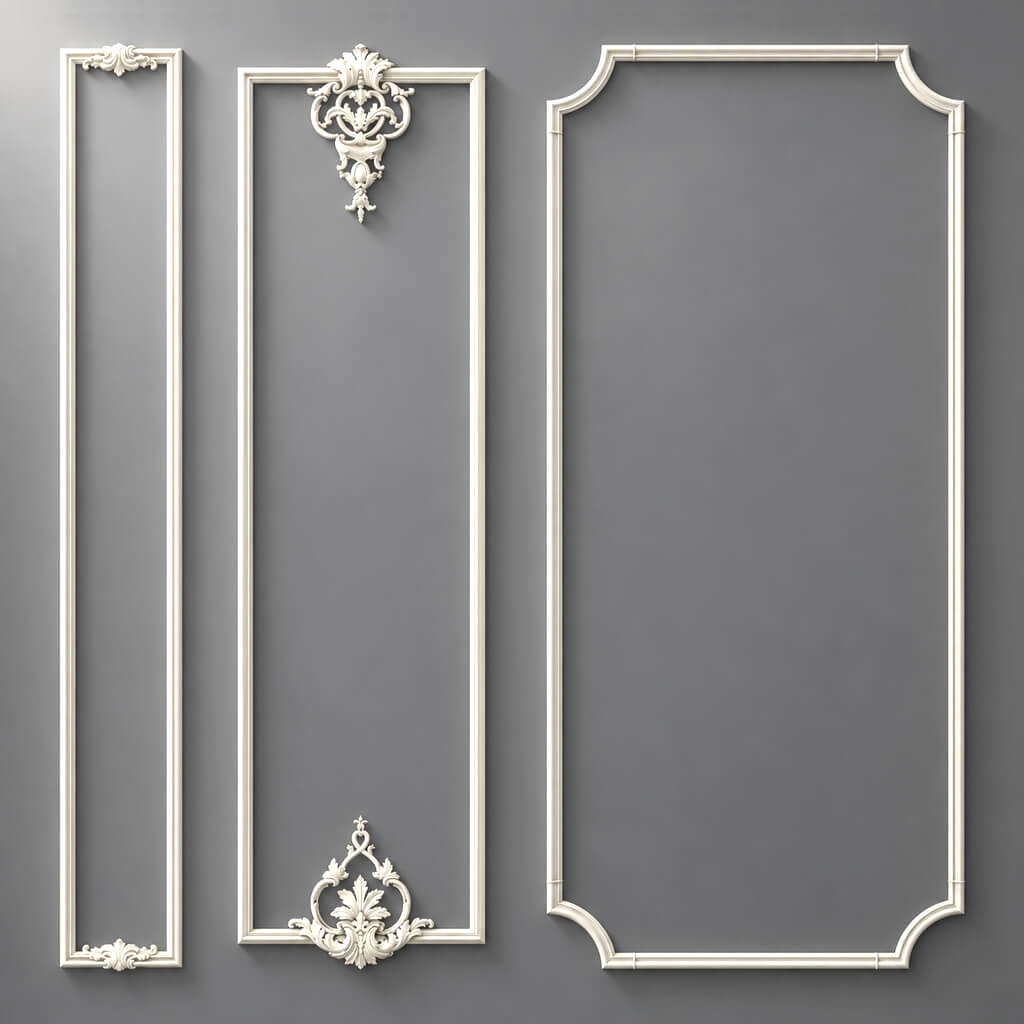
Decorative overlays on cabinet fronts, moldings around the tabletop perimeter, carved rosettes on corners—all these are details that turn a simple functional item into a piece of furniture art. In small spaces, such accents are especially expressive: the eye catches a beautiful detail, and the furniture becomes memorable, an object of interest, not just a utilitarian item.
It is important to maintain moderation. Excessive ornamentation in a small room creates visual noise, fatigue, and a feeling of crampedness. It is better to choose one or two decorative elements and repeat them in different places in the interior. For example, a carved overlay of a certain shape can adorn both a bedside table and a media cabinet in the living room, and a small mirror in the hallway. Such repetition creates rhythm, a visual connection between rooms, and makes the space cohesive.
Baseboards and trims: a frame for the interior
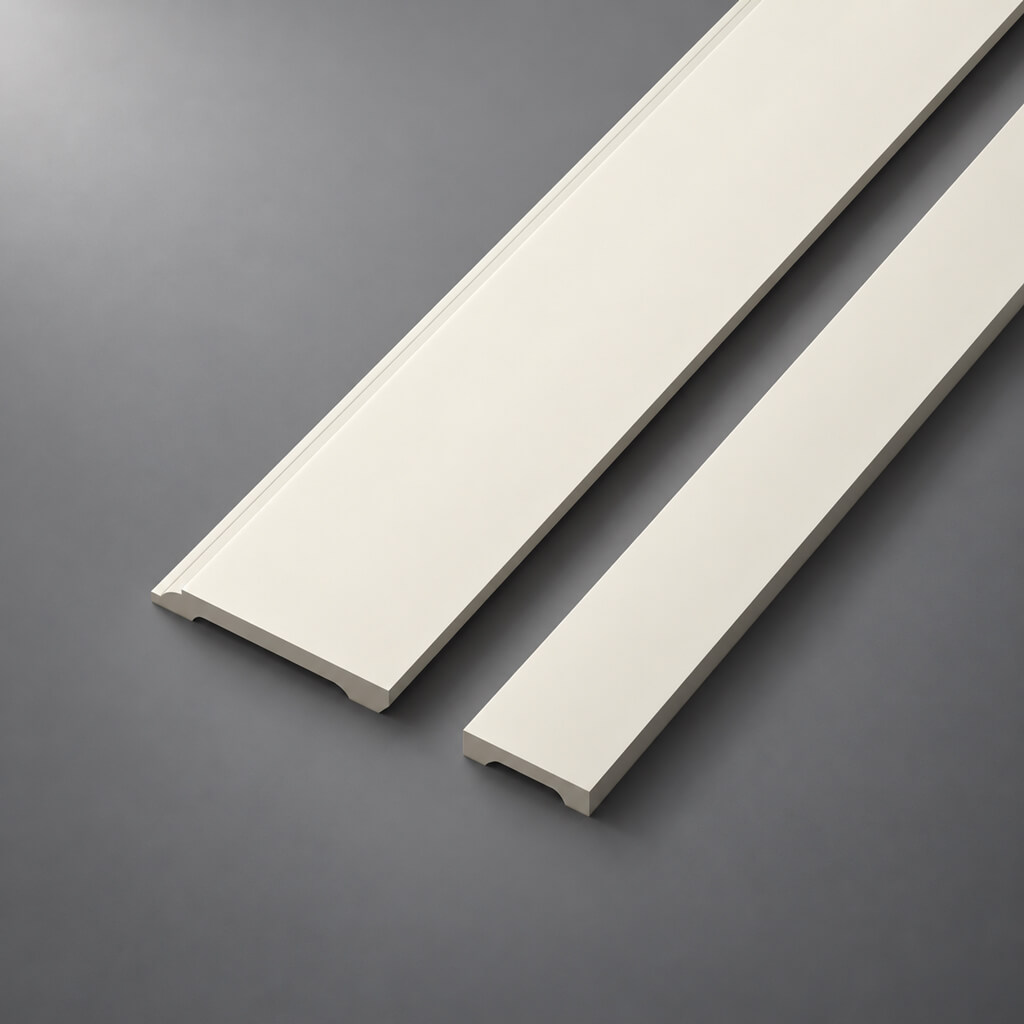
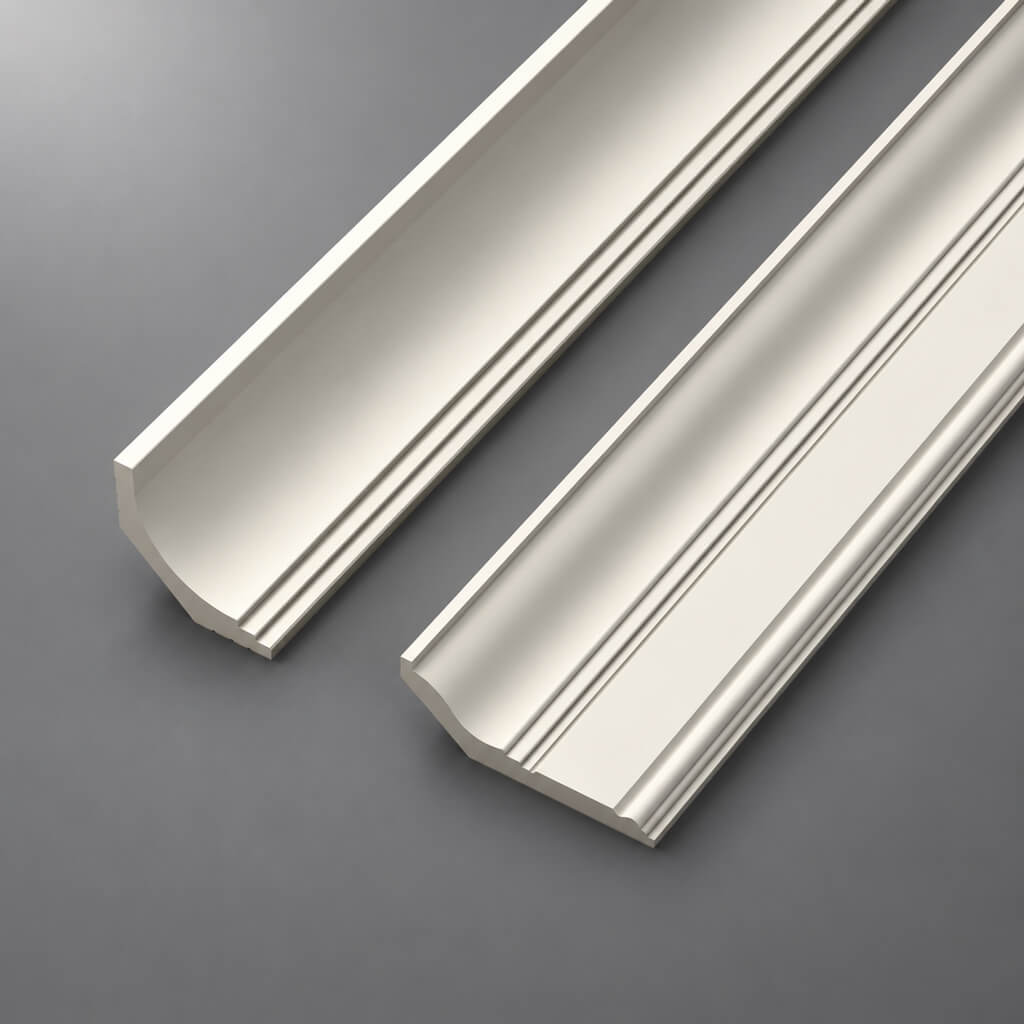
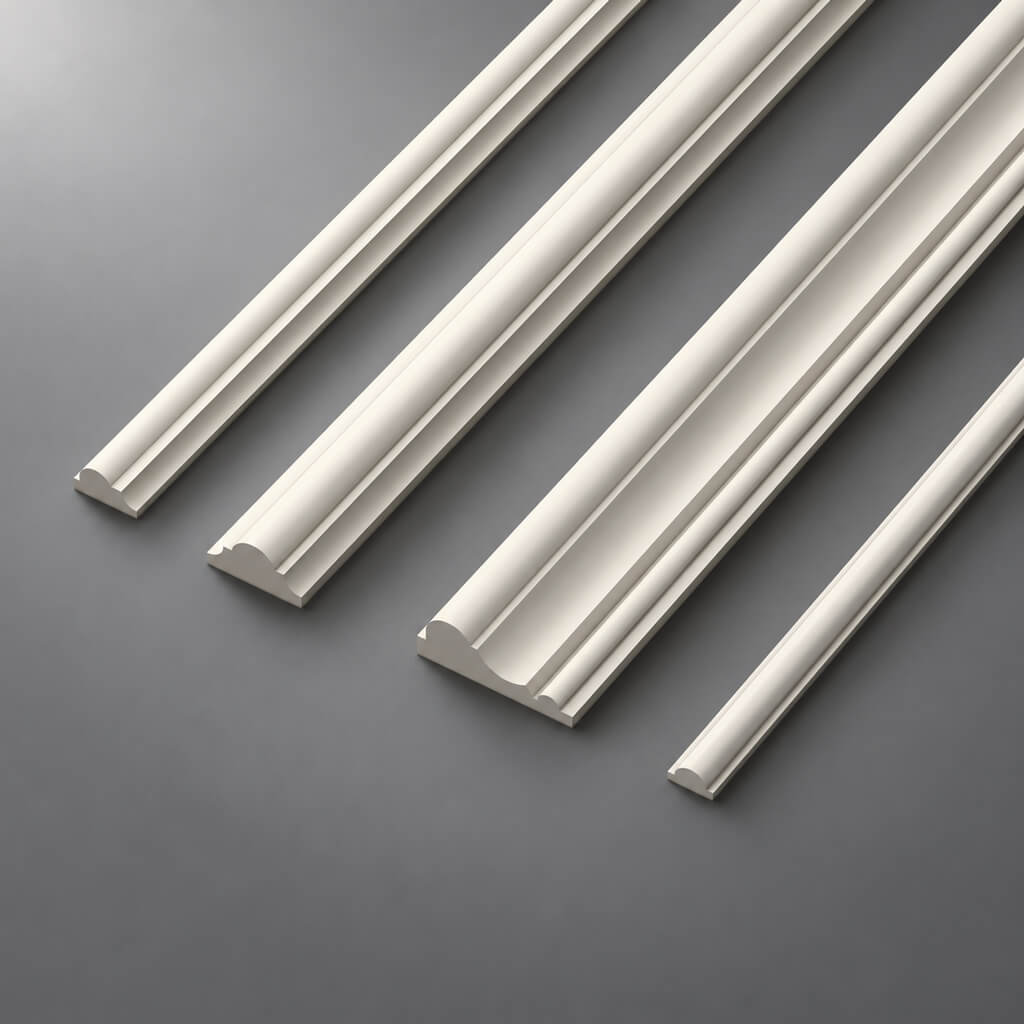
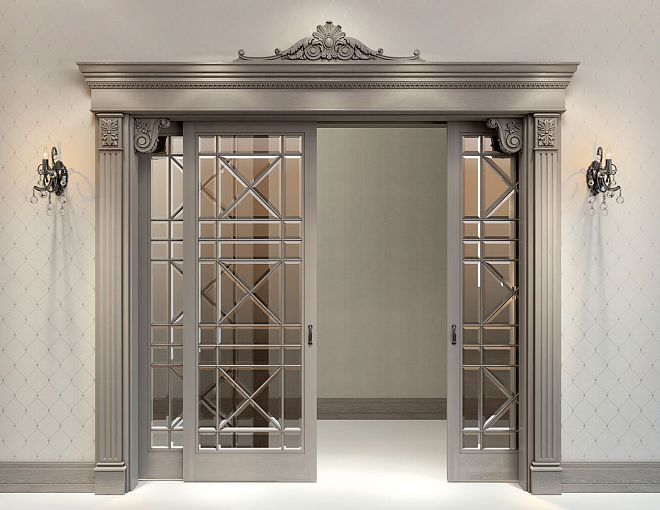
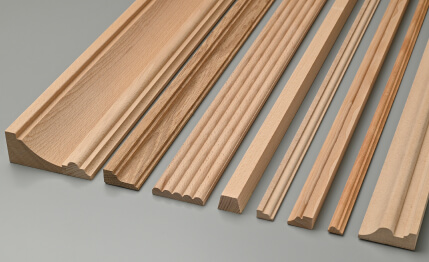
Baseboards and trims are the frame that outlines the space. In small apartments, they play an especially important role: a properly chosen baseboard visually raises the ceiling, and trim makes the doorway more expressive. If the baseboards and trims are made from the same solid wood and in the same tone as the furniture, the interior looks monolithic, like a single whole, not a collection of disparate elements.
Solid Wood Items—baseboards, trims, moldings—last for decades without losing their appearance. Unlike plastic or MDF counterparts, wooden elements can be restored, repainted, and refreshed. This is especially important for long-term planning: having once bought quality decorative elements, you can change the interior style without changing the foundation.
Wood species: choice based on the character of the space
Different wood species are used to make compact cabinets, each with its own aesthetic and performance characteristics. Oak is a classic, a symbol of reliability and durability. Its dense structure, expressive texture, and noble shades from light honey to dark brown make oak furniture universal: it looks equally good in both classic and modern interiors.
Beech has a softer texture, with a pinkish or creamy hue. Beech wood is easier to process, allowing for thin carved details and elegant profiles. Beech cabinets are suitable for interiors where lightness, airiness, and elegance are important. Light beech visually expands the space, making it brighter and more spacious.
Ash is a species with a bright, contrasting texture. Ash wood has high strength while being relatively lightweight. Ash cabinets look dynamic and modern, especially if the wood grain is emphasized with transparent varnish or oil. This is a choice for those who value the expressiveness and character of natural material.
Stylistic versatility: from classic to minimalism
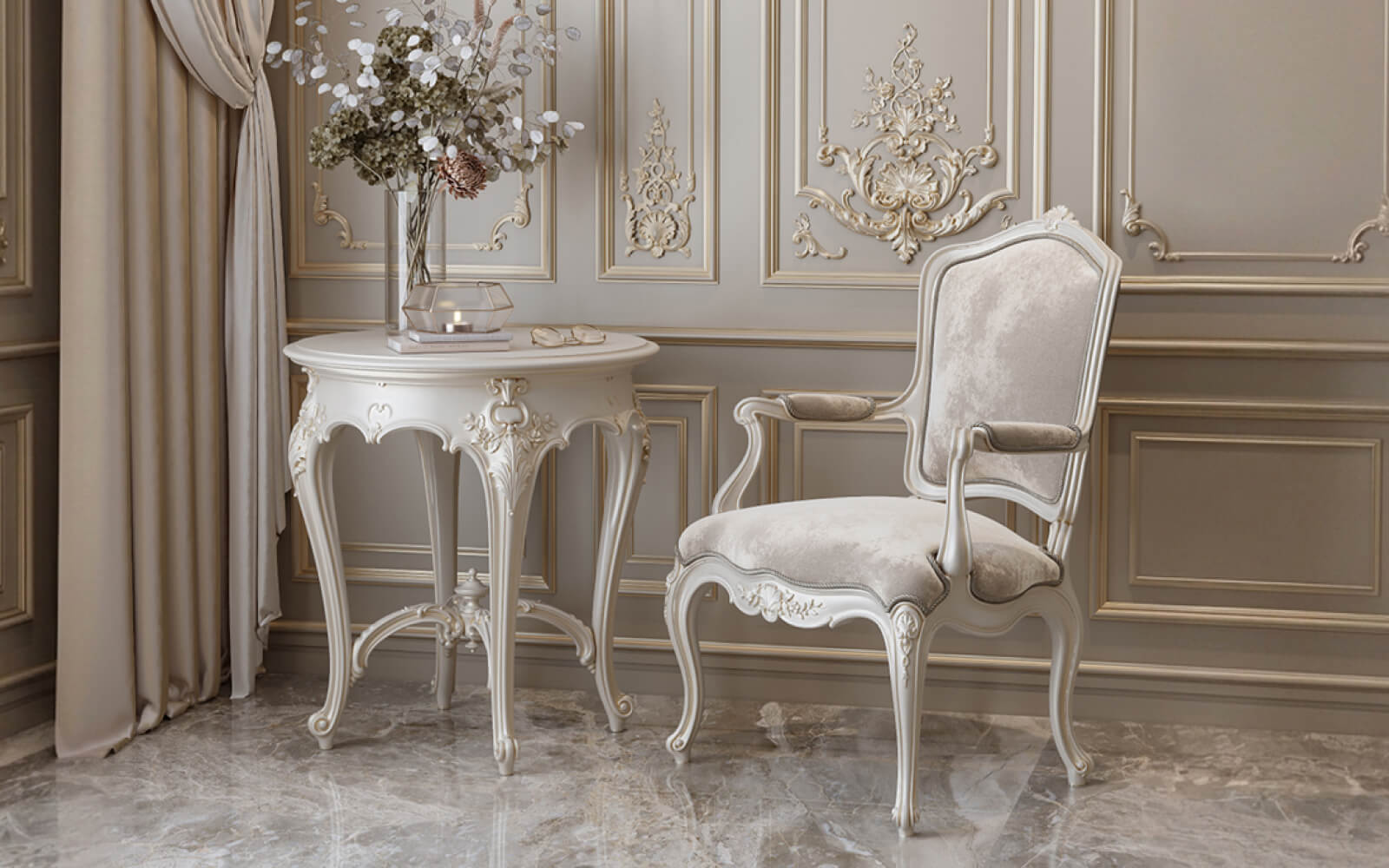
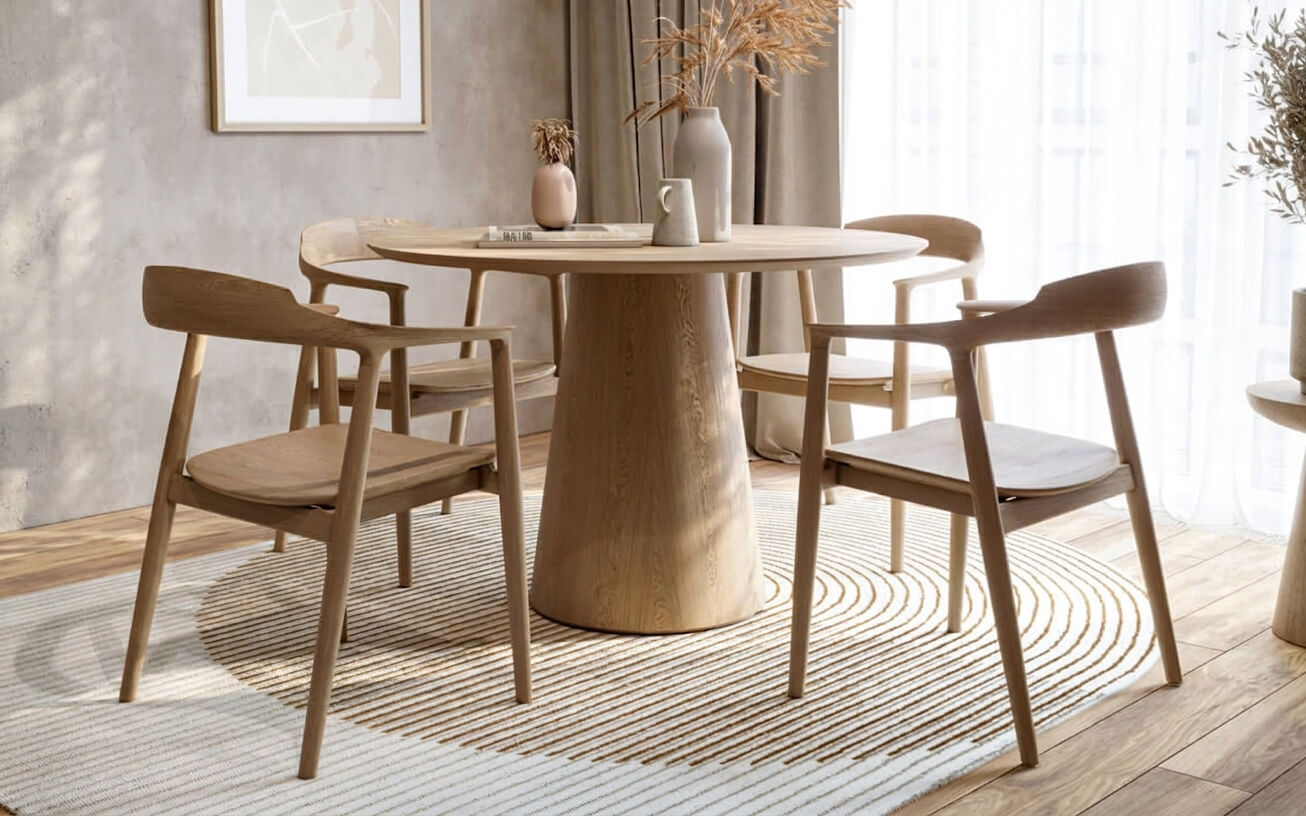
Compact solid wood chests are surprisingly versatile. Thanks to the variety of shapes, decor, and finishes, they fit into almost any interior style. In a classic interior, such a cabinet can be adorned with carved overlays, moldings, and patina. Elegant curved legs, paneled fronts, hardware resembling antique bronze—all this creates a sense of traditional luxury that does not require large areas.
In a modern interior, the same cabinets take on a different character. Minimalist forms, minimal decor, emphasized natural wood texture, tinted or bleached surfaces. Straight lines, geometric clarity, functional simplicity—Modern Furniture made from solid wood organically coexists with concrete walls, glass partitions, and metal accents.
Scandinavian style: the warmth of wood in a minimalist space
Scandinavian interior is a cult of naturalness, light, simplicity. Compact cabinets made of light solid wood — oak, ash, beech — perfectly match this philosophy. No excessive decor, only clean forms, natural texture, light shades. A cabinet on thin legs, with one or two drawers, without unnecessary details — it seems to dissolve in the space, not overloading it, yet solving all functional tasks.
In Scandinavian interior, the concept of 'hygge' — coziness, warmth, comfort — is important. Wooden furniture is a key element of this concept. Natural wood is pleasant to the touch, visually calming, creates a sense of home hearth. Even a small solid wood bedside table brings that very note of warmth into the interior, which distinguishes true Scandinavian style from cold minimalism.
Loft: the contrast of wood and industrial materials
Loft is a style of contrasts. Rough brickwork, exposed utilities, concrete surfaces coexist with wooden furniture, creating expressive tension between natural and industrial. Solid wood cabinets in a loft interior work as a softening element: they add warmth, make the space more livable, inhabited.
Often in loft, cabinets made of roughly processed wood are used, with emphasized texture, knots, natural defects. This creates a sense of authenticity, history, references the traditions of craft production. Metal hardware, minimal finishing, simple rectangular forms — such furniture fits perfectly into the loft concept.
Ergonomics and functionality: details that matter
Ergonomics is the science of making human interaction with objects as convenient as possible. In the context of furniture, this means thoughtful height, depth, placement of drawers and shelves, quality of hardware, smoothness of movement. A compact cabinet should be not only beautiful but also convenient to use.
The height of a bedside table, as we already mentioned, should match the level of the mattress. But this is not the only parameter. The depth of drawers matters: too shallow won't hold everything needed, too deep will create chaos — items will get lost in the depths. The optimal drawer depth is 30-35 centimeters: enough to place everything needed, but not so much that the contents turn into a mess.
Hardware: the quiet revolution of comfort
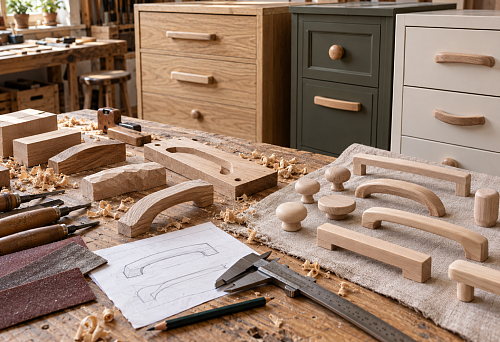
The quality of hardware determines the convenience and durability of furniture. Modern soft-close systems ensure smooth, silent closing of drawers. Even if you push a drawer with significant force, it won't slam — the mechanism gently brakes the movement at the last moment. This is not only comfort but also protection: impacts destroy connections, deform fronts, shorten the furniture's lifespan.
Drawer slides are another critical element. Cheap roller slides are noisy, wear out quickly, often jam. Telescopic ball-bearing slides provide silent, smooth movement, withstand significant loads, last for decades. Full extension of the drawer allows using its entire volume, leaving no 'dead zones' in the back.
Internal organization: storage systems
The internal space of a cabinet can be organized in different ways. The simplest option is open shelves. They are convenient for items that need quick access: books, remotes, decorative small items. Closed drawers hide what shouldn't be visible: documents, cosmetics, medications. A combined option — a cabinet with drawers and an open niche — combines the advantages of both approaches.
Internal dividers, pull-out trays, removable organizers help maintain order. In a bedside table, you can use a small tray for chargers and cables so they don't get tangled. In a media cabinet, holders for discs, dividers for remotes will come in handy. All these are small things, but they are what make using furniture truly comfortable.
Eco-friendliness and health: why solid wood is the best choice
In the era of synthetic materials and composites, natural solid wood remains the standard of eco-friendliness. Wood is a renewable resource, its production doesn't require complex chemical processes, it is fully biodegradable. But most importantly — solid wood doesn't emit harmful substances, unlike chipboard or MDF, which contain formaldehyde resins.
In small spaces where air exchange may be difficult, air quality is especially important. Furniture made of solid wood is not only safe but also beneficial: wood regulates humidity, absorbing excess moisture and releasing it when necessary. This creates a more comfortable microclimate, which is especially important in the bedroom, where we spend a significant part of our lives.
Durability: an investment for decades
Furniture and interior itemsFurniture made of natural solid wood is an investment that pays off with a long service life. While composite furniture starts to deteriorate after 5-7 years, a quality wooden cabinet serves for decades without losing strength and appearance. Moreover, over time, natural wood acquires a noble patina, becomes more beautiful, gains character.
Repairability is another advantage. If a chipboard cabinet gets a scratch or chip, fixing it is practically impossible. A wooden surface can be sanded, touched up, varnished — and it will be like new again. Hardware can be replaced, the structure reinforced. Such furniture doesn't lose value, it can be passed down, restored, adapted to new tasks.
Color palette: from natural tones to tinted solutions
Natural wood has a wide color range — from almost white to dark brown. Light shades — whitewashed oak, natural beech, ash — visually expand the space, make it lighter, more airy. This is an ideal choice for small spaces, especially if natural light is insufficient.
Medium tones — natural oak, walnut — create a sense of warmth and coziness without overloading the space. They are universal, easily combine with different wall and textile color schemes. Dark shades — wenge, stained oak, walnut — add expressiveness to the interior, create contrast, become accents. It's better to use them in moderation, especially in small spaces, otherwise the space may seem heavy, gloomy.
Toning and patination: artistic processing
Toning allows changing the shade of wood without hiding its texture. You can make oak warmer by adding yellowness, or colder using gray tones. You can imitate expensive exotic species by applying the corresponding tone to more affordable wood. At the same time, the natural texture, grain pattern remain visible, preserving the sense of naturalness.
Patination is a technique of artificial aging, where darker pigment remains in the texture recesses, on carved elements. This creates an effect of antique furniture, adds depth and volume. Patinated cabinets are especially good in classic interiors, where history, tradition, noble antiquity are valued.
Lighting and cabinets: the play of light and shadow
Proper lighting can transform any furniture. A compact cabinet, highlighted with spot lighting, becomes more voluminous, expressive. A table lamp on a bedside table creates a local light zone — ideal for evening reading. Built-in lighting in a media cabinet emphasizes contours, creates atmosphere, makes technology less noticeable when turned off.
In small spaces, lighting plays a critical role. The more light sources, the more varied their placement, the more voluminous the space appears. The wooden surface of a cabinet reflects light softly, diffusely, creating cozy illumination. Matte varnishes and oils make the reflection even more delicate, while glossy coatings give bright highlights, adding dynamics.
Natural Light and Wood
Natural wood looks beautiful in any lighting, but it is especially impressive in natural light. Sunlight reveals the finest nuances of texture, emphasizes the depth of color, and creates a play of light and shadow on relief elements. If a cabinet is placed by a window or in an area that receives daylight, its beauty is revealed to the fullest.
In rooms facing north, where natural light is scarce, it is better to choose cabinets in light tones. They compensate for the lack of sunlight and make the space more cheerful. In well-lit southern rooms, darker shades can also be used—they will not look gloomy but will add a noble depth to the interior.
Combination with Other Materials: Harmony of Textures
Wood pairs beautifully with almost all materials. Glass adds lightness—a glass tabletop on a wooden cabinet frame creates visual transparency without overwhelming the space. Metal—legs, handles, decorative inserts—adds modernity and industrial chic to the structure. Stone or ceramic as a tabletop makes the cabinet more respectable, adding a noble weightiness.
Textiles—cushions on a bench-cabinet, soft upholstery for inner drawers—creates coziness and softens the strictness of forms. In small spaces, it is important not to overload the interior with heterogeneous textures, but two or three materials, skillfully combined, enrich the visual experience and make the setting more interesting.
Care and Maintenance: Simplicity and Reliability
Solid wood furniture is easy to care for. Regular dry or slightly damp cleaning, using special wood care products every few months—this is enough for a cabinet to retain its pristine appearance for decades. Modern finishes—oils, waxes, varnishes—protect the wood from moisture, dirt, and mechanical damage while remaining eco-friendly and safe.
If a scratch appears on the surface, it can be easily eliminated with local treatment: sanding and reapplying the finish. This can be done independently or by a specialist. It is important to avoid prolonged contact with water, especially if the furniture is oiled rather than varnished. Spilled liquids should be wiped up immediately to prevent absorption into the wood.
Psychology of Space: How Furniture Affects Well-being
The environment affects psychological state. Cluttered, chaotic spaces cause stress, fatigue, and reduce productivity. An ordered, structured space, where everything has its place, calms, helps with focus, and creates a sense of control over life.
Compact solid wood chests%s are a tool for organizing space. They hide chaos by providing storage space, yet they do not take up much room or create a feeling of tightness. Natural wood itself has a therapeutic effect: its texture, color, and scent calm, reduce stress levels, and create a sense of connection with nature.
Minimalism as a Life Philosophy
In recent years, minimalism has grown in popularity—not only as an interior style but also as a life philosophy. Fewer things, more space, more air, more freedom. Compact furniture made from natural materials perfectly aligns with this philosophy. It is functional, beautiful, durable—everything you need, nothing extra.
Modern Furniture%s made of solid wood allows you to implement the principles of minimalism without compromising comfort. One high-quality cabinet replaces several cheap, short-lived items. It lasts longer, looks better, and creates a sense of stability and reliability. This is the choice of a conscious consumer who values quality over quantity.
Individual Solutions: When Standard Doesn’t Fit
Small spaces often have non-standard layouts. Niches, bay windows, slanted ceilings, irregular angles—all of this makes using standard furniture difficult. In such cases, the optimal solution is to have a cabinet custom-made to specific dimensions and conditions.
Solid Wood Items%s made to order allow you to use every centimeter of space as efficiently as possible. A cabinet can be made exactly to the height of a windowsill, built into a niche, or have a non-standard depth or width. At the same time, it will look organic, like part of the architecture, not an alien object.
Personalization: Creating a Unique Look
Custom orders are not just about dimensions but also design. You can choose the wood species, type of finish, leg style, hardware style, and the presence and character of carved elements. You can add hidden niches, built-in lighting, compartments for specific items—anything that makes using the furniture as convenient as possible for you.
Such furniture possesses exclusivity. It is not a mass-produced item but a unique piece created specifically for you. It reflects your taste, your needs, your individuality. In a small space where every item matters, this is especially important.
Cabinets in a Child's Room: Safety and Functionality
A child's room is a special space where furniture must meet higher requirements. Safety is paramount: no sharp corners, unstable structures, or toxic finishes. Solid wood cabinets are ideal for a child's room—they are eco-friendly, sturdy, and stable.
A compact cabinet in a child's room can serve many functions. A bedside table for books, a desk lamp, an alarm clock. A toy cabinet with large drawers where a child can easily store their treasures. A clothing cabinet with low drawers that a toddler can reach independently, learning self-reliance and order.
Growing with the Furniture
High-quality wooden furniture grows with the child. What was once a toy cabinet becomes storage for textbooks and notebooks a few years later. A bedside table with children's books turns into a stand for a teenager's gadgets. Solid wood furniture does not go out of style, does not wear out, and easily adapts to new tasks.
Natural wood creates a healthy atmosphere in a child's room. The absence of harmful emissions, the ability to regulate humidity, pleasant tactile sensations—all of this is important for a developing organism. A child surrounded by natural materials grows up healthier, calmer, and more harmonious.
Cabinets in the Bathroom and Toilet: Water Resistance and Practicality
Small bathrooms especially need compact storage solutions. Cosmetics, towels, household chemicals—all of this needs to be arranged without cluttering the space. A cabinet under the sink or a freestanding cabinet made from properly treated solid wood handles this task.
It is important to use moisture-resistant species—oak, teak, larch—and high-quality water-repellent finishes. Modern oils and varnishes provide reliable protection against moisture while preserving the natural appearance and tactile properties of the wood. A properly made wooden bathroom cabinet lasts for decades without losing strength or appearance.
Economic efficiency: price and value
Solid wood furniture is more expensive than composite alternatives. But if you consider the total cost of ownership over the long term, the picture changes. A cheap cabinet made of particleboard will last 5-7 years before needing replacement. Over 30 years, you would have to buy 4-5 such cabinets. A high-quality wooden cabinet will last all those 30 years without needing replacement. Calculated per year of use, it turns out to be cheaper.
Moreover, solid wood furniture retains residual value. If you decide to change your decor, a quality wooden cabinet can be sold, gifted, or passed down as an heirloom. Composite furniture ends up in landfills in 99% of cases. From the perspective of ecology and rational consumption, the choice is obvious.
Trends and Future: Where Furniture Design is Heading
Contemporary furniture design is moving towards naturalness, eco-friendliness, and durability. The throwaway culture is giving way to conscious consumption. People are tired of plastic, particleboard, and items that break within a year. They want quality, reliability, and a connection with nature. Wood is the ideal material for realizing these aspirations.
Compactness, multifunctionality, adaptability — these are the keywords of the future. Apartments aren't getting larger; quite the opposite. Furniture must be able to work in limited spaces, solve multiple tasks simultaneously, and be flexible and transformable.solid wood chestsperfectly meet these requirements, combining traditional quality with modern production technologies.
Technology in Service of Tradition
Modern woodworking production uses high-precision CNC equipment, which allows for creating complex shapes with accuracy down to fractions of a millimeter. This opens new possibilities for design without negating traditional craftsmanship. Hand finishing, artistic carving, custom fitting — all remain an important part of the process, giving each piece uniqueness.
Eco-friendly water-based coatings, safe adhesives, responsible wood sourcing — all this makes solid wood furniture production as environmentally friendly as possible. By purchasing such furniture, you not only get a quality product but also support a responsible attitude towards nature.
Frequently asked questions
How to Choose the Right Size Cabinet for a Small Room?
Measure the available space and subtract 10-15 centimeters from each side for clear passage. The height of a bedside table should be at or slightly below mattress level. For a media console, the width of the TV screen is important — the console should be at least 10-20 centimeters wider. In narrow hallways, choose cabinets with a depth of 30-35 centimeters to avoid narrowing the passage.
Which Wood Species is Best for a Small Space?
To visually expand the space, it's better to choose light species — whitewashed oak, ash, natural beech. They reflect more light, making the room feel more spacious. Dark species — fumed oak, walnut — are better used as accents in well-lit rooms.
Does Wood Require Special Treatment for Use in a Bathroom?
Yes, for humid environments, wood must be treated with moisture-resistant compounds. Use species with natural moisture resistance — oak, teak, larch. The finish should be water-repellent — yacht varnish, special oil for humid areas. Good bathroom ventilation is also important.
Can a Scratched Wooden Cabinet be Repaired?
Yes, this is one of the main advantages of solid wood. Minor scratches can be concealed with special wax pencils or polish. Deep damage is fixed with local sanding and reapplication of the finish. You can consult a specialist or do it yourself — the process is no more complicated than painting.
How Often Should the Finish on Wooden Furniture be Refreshed?
With proper care, the finish lasts 5-7 years without refreshing. An oil finish requires renewal every 1-2 years — a simple procedure that's easy to do yourself. A varnish finish is more durable, but its renewal is more complex — requiring complete sanding and re-varnishing.
Is Wooden Furniture Safe for a Child's Room?
Yes, provided eco-friendly, non-toxic, water-based finishes are used. Cabinet corners should be rounded, hardware should have no sharp elements. Solid wood itself is completely safe, unlike particleboard which contains formaldehyde. Wooden furniture is even beneficial — it regulates air humidity, creating a healthy microclimate.
What Decor Suits a Cabinet in a Minimalist Interior?
In minimalism, the principle 'less is more' applies. Choose laconic forms without excessive carving. Emphasize the natural wood grain with clear oil or matte varnish. Hardware should be simple, geometric, possibly concealed. One accent element — an interesting leg shape or contrasting tabletop — is sufficient.
Can a Cabinet of Non-Standard Size be Made?
Yes, solid wood furniture is easily custom-made to specific dimensions and requirements. This is especially relevant for small spaces with non-standard layouts. A custom order allows for maximizing the use of every centimeter, creating a unique design, and adding specific functions — built-in lighting, hidden niches, non-standard storage systems.
How to Combine Cabinets Made from Different Wood Species in One Interior?
You can combine species of similar shades — natural oak and beech, ash and light walnut. Contrasting combinations — dark walnut and whitewashed oak — work if repeated in several interior items, creating a visual link. Unity in style — classical carving, minimalist forms — is more important than exact species matching.
Is it Worth Buying Wooden Furniture if a Move is Planned?
Yes, quality solid wood furniture is a long-term investment that moves with you. Compact cabinets are easy to transport and don't require disassembly. They are versatile and will fit into any new interior. Unlike built-in furniture which stays in place, freestanding solid wood pieces retain value and mobility.
Conclusion: The Art of Compactness by STAVROS
A small space is not a limitation, but a challenge, an opportunity to express taste, to demonstrate the ability to find elegant solutions. Compactsolid wood chests— is the perfect tool for creating a functional, beautiful, harmonious interior where every centimeter is valued. Natural wood brings warmth, coziness, and a connection with nature. Thoughtful design ensures convenience and functionality.interior decorationcreates visual integrity, turning disparate items into a complete composition.
STAVROS specializes in creating furniture and decorative elements from solid oak and beech for the most demanding clients. Years of experience working with natural wood, the use of advanced processing technologies, and an individual approach to each project — all this allows STAVROS to offer products of the highest quality.Modern FurnitureandSolid Wood Itemsfrom STAVROS — is a combination of traditional craftsmanship and innovative solutions that serves as the foundation for creating the perfect home space. ChoosingFurniture and interior itemsfrom STAVROS, you invest in quality, durability, and the timeless beauty of natural wood.