































Article Contents:
- Why change handles on kitchen fronts
- How handles affect kitchen style
- When it's enough to replace handles without replacing fronts
- Which handles for kitchen fronts can be bought at STAVROS
- Wooden furniture handles
- Unpainted handles for custom finishing
- Coated handles
- Profile handles for modern fronts
- Handle length and facade proportions
- Handles for upper facades
- Handles for lower facades
- Handles for drawers
- Mistakes when choosing size
- Modern kitchen
- Classic kitchen
- Kitchen with wooden facades
- Kitchen for painting
- Furniture handles are not door handles
- Profile handle is not a decorative overlay
- Handles with coating are not the same as handles without coating
- Wooden handles are not metal hidden systems
- Need to update an old kitchen without replacing the fronts
- Need to select handles for a new kitchen with enamel finish
- Need handles for modern fronts
- Need handles for a solid wood kitchen
- Need to update the kitchen island
- Mistake 1. Buying handles only by photo
- Mistake 2. Not considering the facade size
- Mistake 3. Forgetting about old holes
- Mistake 4. Choosing an uncoated handle for an active kitchen and not finishing it
- Mistake 5. Mixing different styles
- Mistake 6. Not checking the ease of grip
- Mistake 7. Overloading the kitchen with decor
- Mistake 8. Not considering household appliances
- Mistake 9. Choosing color separately from the kitchen
- Mistake 10. Not buying as a set
- How to choose handles for kitchen fronts?
- Where to buy handles for kitchen fronts?
- How to choose furniture handles by size?
- Which handles are better for the kitchen: with coating or without coating?
- How does a profile handle differ from a regular furniture handle?
- Can I buy wooden handles for painting?
- Which handles are suitable for updating an old kitchen?
- What is better for wide kitchen drawers?
- Are wooden handles suitable for a modern kitchen?
- Can wooden handles be combined with decorative overlays?
- Do I need to buy all handles at once as a set?
- What to check before ordering handles?
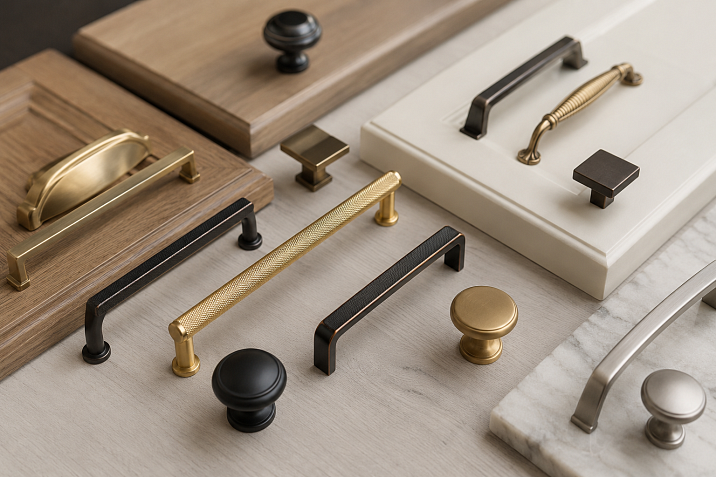
Buying handles for kitchen fronts seems like a simple task only until the first comparison. In practice, it is handles that change the perception of the kitchen faster than many expensive upgrades: the fronts can remain the same, the body does not change, the countertop stays in place, but the set looks fresher, neater, and more expensive. A small detail falls into your hand every day, is visible on all doors and drawers, sets the rhythm of the fronts, and immediately shows how well-thought-out the interior is.
A kitchen handle is not just a way to open a cabinet. It must fit the size of the front, withstand frequent use, not obstruct passage, not catch on clothing, match the kitchen material, countertop, backsplash, appliances, wall color, and the overall furniture group. A mistake in handles is especially noticeable in the kitchen: too short ones get lost on wide drawers, too long ones overload upper fronts, too bold ones clash with wood texture, and an unsuitable coating quickly spoils the impression of the furniture.
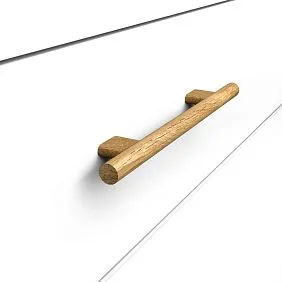
Wooden handles give a different effect than standard metal fittings. They add warmth, soften the fronts, work well with solid wood kitchens, veneered surfaces, painted MDF, enamel fronts, modern matte planes, and furniture that you want to refresh without a full replacement. If you need to choose natural fittings for the kitchen, it is convenient to start with the section buy wooden furniture handles and compare shapes, types, coating, and size range.
The main selection principle is simple: the handle should be comfortable for the hand, proportionate to the facade, and clear in style. Everything else — color, shape, coating, placement, mounting type, combination with decor — revolves around these three tasks. Below, we'll break down how to choose handles for kitchen facades so they don't look like a random replacement but become part of the overall furniture solution.


Why change handles on kitchen fronts
Replacing handles is one of the fastest ways to update a kitchen without dismantling the cabinet set. The facades remain the same, but their character changes. A round knob handle makes the kitchen softer and cozier. A long pull handle emphasizes horizontals. A profile handle makes the facade more modern and calmer. A wooden handle adds naturalness, especially if the kitchen is too cold in color or overloaded with metal.
In the kitchen, handles are immediately visible as a group. It's not one item but a repeating element: upper cabinets, lower facades, pull-out drawers, tall cabinets, side modules. If handles are chosen correctly, they bring the facades together into a unified pattern. If you make a mistake, the entire kitchen starts to look disjointed: one facade seems heavy, another empty, a third lacks scale, and the line of drawers looks random.
Replacing handles especially helps an old kitchen. Often the facades are still fine, but the hardware is outdated: the color is worn, the shape looks dated, the handles are uncomfortable, the metal doesn't match the new renovation. In such a situation, wooden handles can be a soft update: they can be matched to the facades, painted, varnished, or a ready-made option with a protective coating can be chosen.
Another scenario is a new kitchen for custom finishing. When facades are made for enamel, tinting, or wood, it's better to choose handles not at the end but together with the color and material. This avoids a situation where the cabinet set is already ready, but the hardware looks foreign. This is especially important for facades made of solid wood, veneer, MDF for painting, and kitchens where handles should support the natural character of the furniture.

How handles influence kitchen style
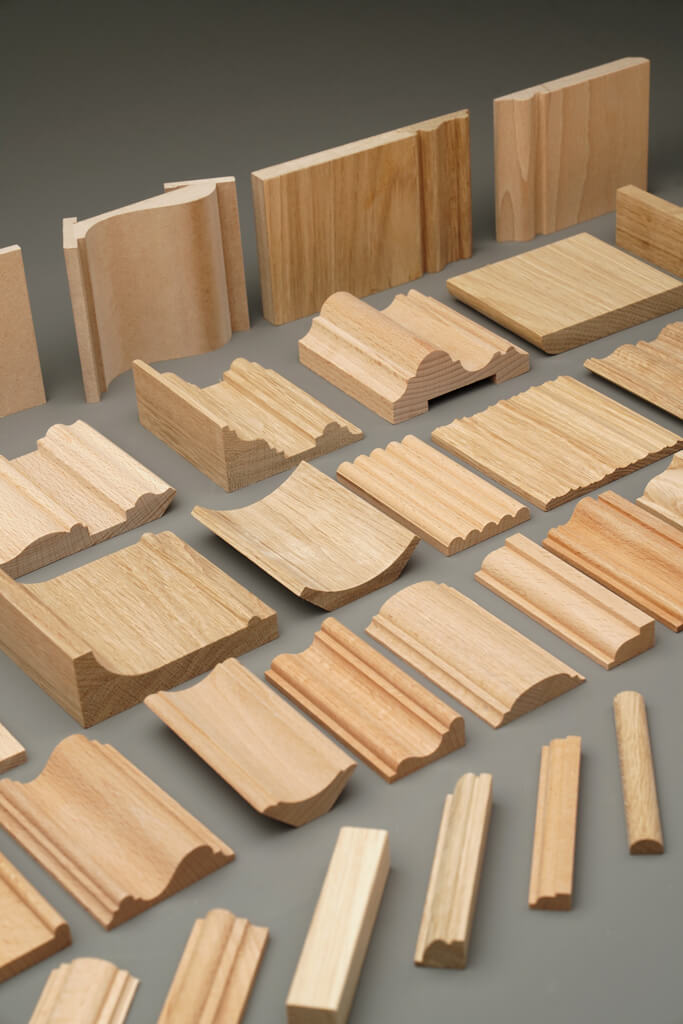
A handle can make the same kitchen classic, modern, Scandinavian, rustic, softly neoclassical, or more strict. The facades remain the same, but the feel changes precisely due to the shape and material of the hardware.
For a modern kitchen, clean lines are important. Profile handles, elongated shapes, calm surface-mounted handles, and minimalist pull handles work well here. They don't clash with smooth facades, don't create unnecessary fragmentation, and support the kitchen's geometry. If the facades are matte, the handle can be almost invisible or, conversely, softly stand out due to wood.
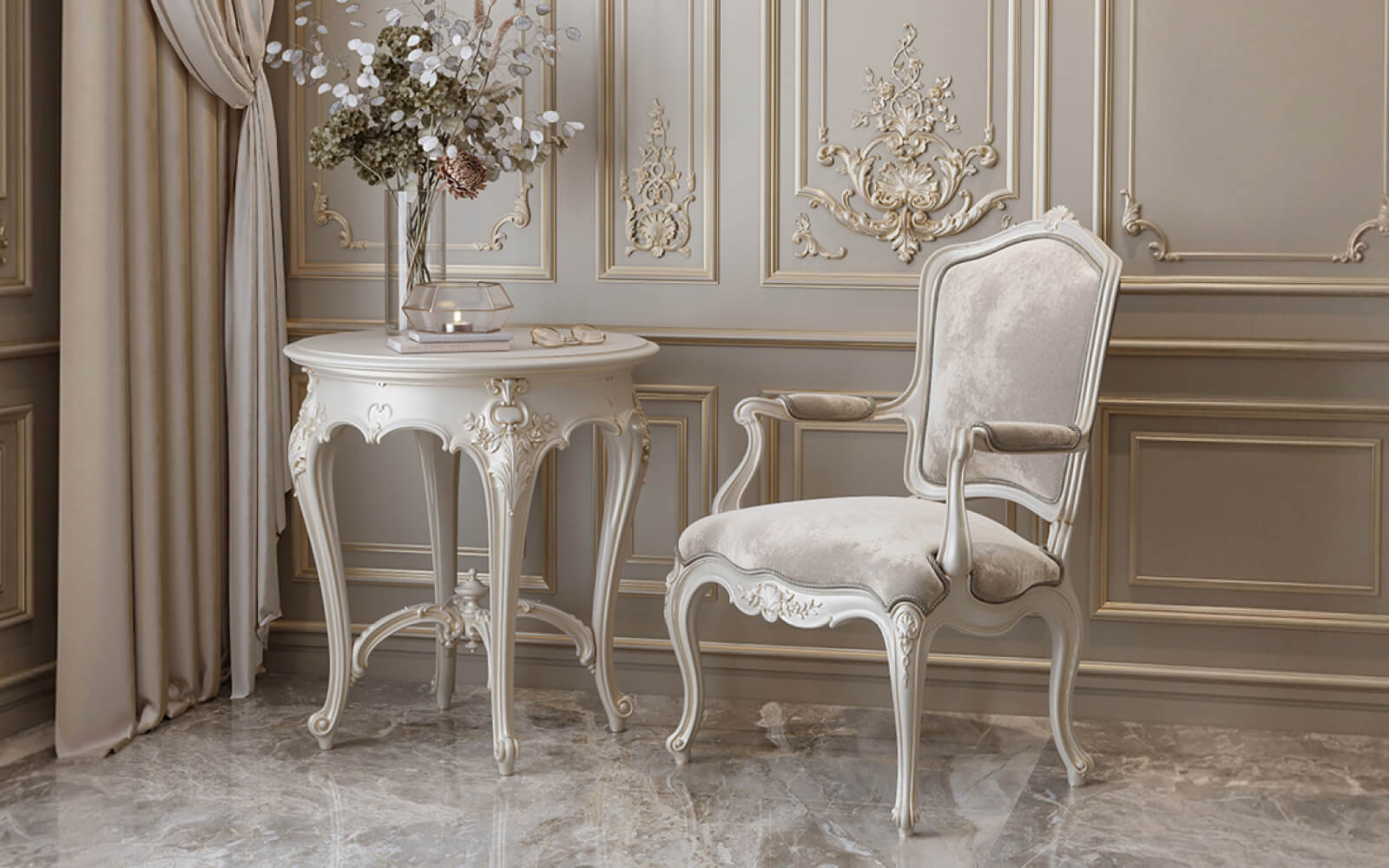
For a classic kitchen, the handle should support the facades, not clash with them. If the facades have panels, frames, decorative overlays, or carved decor, a too-sharp modern handle can ruin the style. A wooden handle in this case helps preserve the furniture-like character of the kitchen and doesn't steer it toward office or technical hardware.
For a kitchen with wooden fronts, it is important not to mix too many materials. If the front already has an active texture, the handle should either support this texture or be calm. It is not always necessary to choose contrast. Sometimes it is better to take handles in a similar wood species or finish so that the fronts look cohesive.
For a kitchen to be painted, unpainted handles are especially useful. If the facades are planned for enamel, you can choose unpainted wooden handles for the kitchen and finish them together with the facades. Then the color, gloss level, and overall mood of the kitchen will be unified, and the handles won't look like they were bought separately at the last moment.
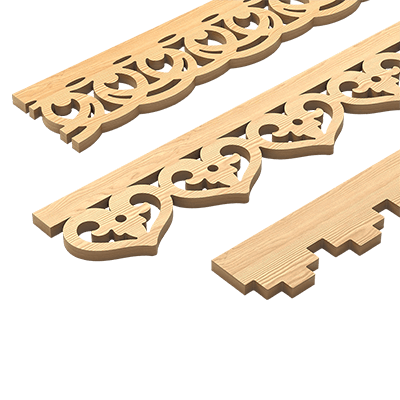
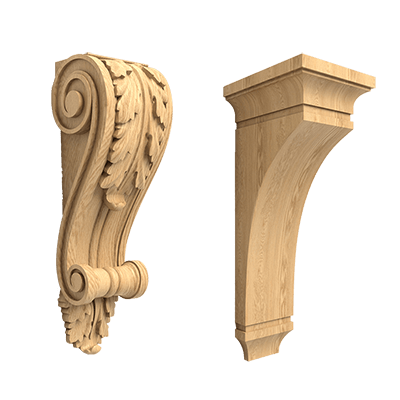
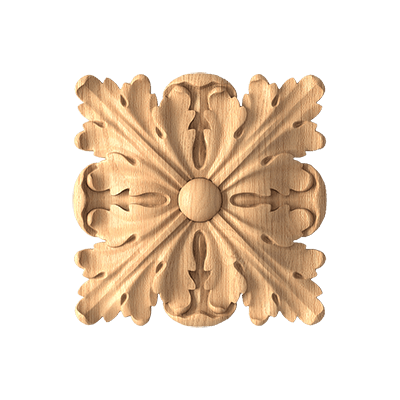
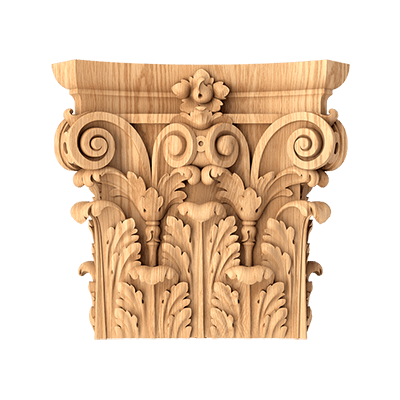
Our factory also produces:


When it's enough to replace handles without replacing facades
Not every kitchen needs to be completely replaced. If the cabinet body is sturdy, the facades aren't damaged, the hinges and slides work, and the problem is an outdated look, replacing handles can have a strong effect. This is especially noticeable on kitchens with simple smooth facades: a new handle shape immediately changes the style.
It's enough to replace the handles if the old ones have lost their color, coating, shape, or relevance. For example, previously there were shiny metal arcs, but the interior has become softer and more natural. Or the MDF kitchen was neutral, but after renovation it lacks a wooden accent. Or the fronts are painted, but the handles seem mismatched in shade.
Replacing handles also helps when you want to update old furniture without large expenses and dust. This doesn't mean handles can be chosen randomly. On the contrary, when updating an old kitchen, you need to pay special attention to the old holes, center-to-center distance, size of the fronts, and traces of the previous hardware. If the new handles don't cover the old holes or require different mounting, the work becomes more complicated.
If the fronts are going to be repainted, the choice becomes wider. You can close the old holes, make new markings, and install handles of a different type. In this scenario, unfinished wooden handles are convenient because they can be prepared to match the overall color of the kitchen.
Get Consultation
Which handles for kitchen fronts can be bought at STAVROS
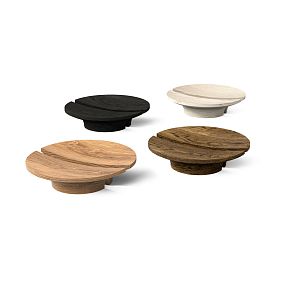
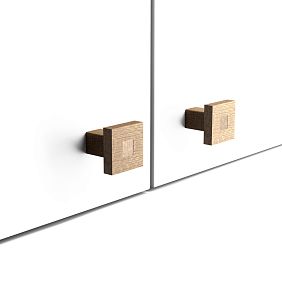
In the STAVROS catalog, handles are presented as wooden furniture hardware for doors, drawers, cabinets, dressers, and kitchen sets. For the kitchen, several groups are especially important: wooden furniture handles, handles without coating, handles with coating, and profile handles.
Wooden furniture handles
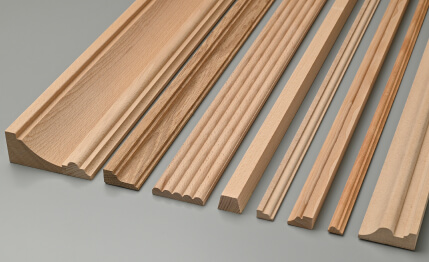
Basic section buy wooden furniture handles is suitable for the first choice. Here the buyer looks at the entire range of wooden handles and understands what shapes are generally available: knob handles, pull handles, shell handles, surface-mounted solutions, inset options, profile handles, and other shapes.
A wooden handle differs from a regular metal one in that it is perceived as part of the furniture, not as a technical detail. It looks warmer, feels softer to the touch, and connects better with fronts made of solid wood, veneer, MDF for painting, decorative overlays, wooden legs, and furniture elements.
For the kitchen, wooden handles are especially good in two cases. The first is when the set already has a natural or warm texture. The second is when the kitchen is too smooth, cold, and needs to add a living material. Wood can soften the fronts without overloading them with extra decor.
Unfinished handles for custom finishing
Unpainted handles are needed where the buyer wants to control the finish themselves. They can be adapted to the color of the facade, coated with varnish, oil, enamel, or another suitable compound. This approach is good for kitchens to be painted, for updating old furniture, and for projects requiring a precise color match.
If the facades are to be painted in a complex shade, a ready-made handle from the store may not match the color. In that case, it is better to take an unpainted wooden base and finish it together with the facade. This helps avoid differences between white and milky, gray and graphite, natural and tinted.
Unpainted handles are also convenient for workshops. A carpenter or furniture maker can buy handles, try them on the facade, do a test finish, and only then produce the entire set. This is especially important for kitchens because there are usually many handles, and a mistake repeats on every facade.
Handles with finish
If you don't want to do the finishing yourself, you can choose handles with coating for kitchen facadesThis option is convenient when the kitchen is already finished, the facades are not planned to be repainted, and handles are needed immediately in their finished form.
Handles with coating are especially practical for the kitchen because kitchen hardware operates in an active zone: wet hands, cooking nearby, grease, steam, frequent opening of drawers, daily cleaning. The coating helps protect the surface and maintain the handle's appearance during normal use.
When choosing, it is important to look not only at the color but also at compatibility with the facade. Black handles can beautifully accentuate a light kitchen but will be too active on small facades. White handles can blend into white enamel and make the kitchen calmer. Brown and transparent coatings work best where you need to show the wood texture.
Profile handles for modern facades
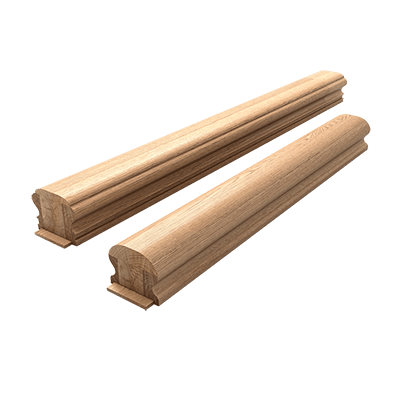
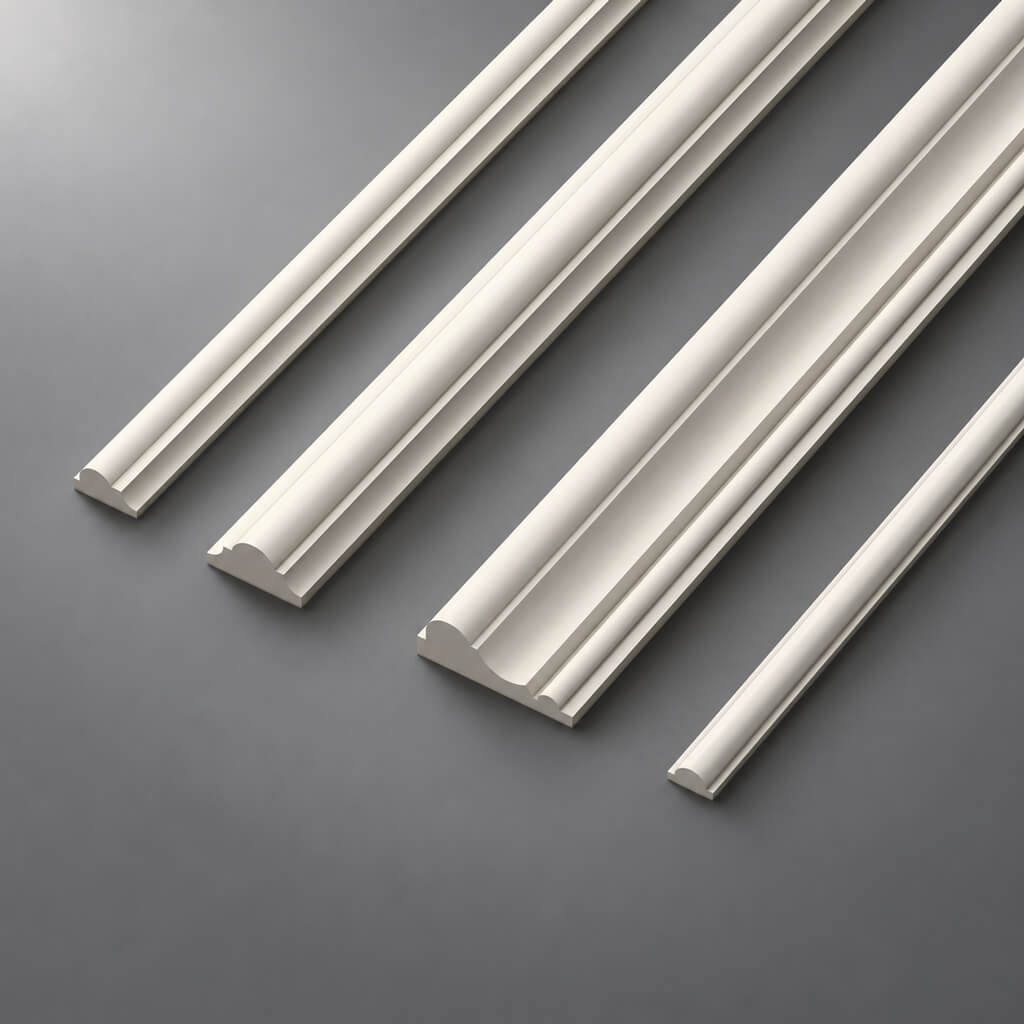
For modern kitchens, they often choose profile handles for kitchen facades. A profile handle differs from a regular overlay handle in that it is more connected to the line of the facade. It looks calmer, can support horizontality or verticality, and breaks up the surface less.
Profile handles are suitable for smooth facades, modern kitchens, minimalism, Scandinavian interiors, furniture without complex decor. They help maintain a clean plane while providing a clear grip. This is a compromise between a completely hidden system and a regular noticeable handle.
If the kitchen has long lower drawers, a profile handle can emphasize the horizontal line. If the upper facades are vertically elongated, the profile can be used differently. But before purchasing, it is important to check the dimensions, installation method, and how the handle will work on a specific facade.
Table of characteristics and product groups
| Pen group | What it's suitable for | What to check before purchasing | Commercial transition |
|---|---|---|---|
| Wooden furniture handles | Kitchen fronts, drawers, cabinets, chests of drawers, furniture renewal | Size, shape, handle type, material, grip comfort | buy wooden furniture handles |
| Unpainted handles | Kitchens for painting, fronts for enamel, custom finishing | What finish is needed: varnish, oil, enamel, tinting | unpainted wooden handles for the kitchen |
| Handles with coating | Ready-made kitchens, quick replacement, active use | Color, protective coating, compatibility with the front | handles with coating for kitchen facades |
| Profile handles | Modern fronts, smooth kitchens, minimalism | Length, thickness, height, fit, front line | profile handles for kitchen facades |
| Decorative overlays | Additional front design | Size, ornament, kitchen style, placement | decorative overlays for kitchen fronts |
| Wooden rosettes | Point furniture accents | Diameter, shape, style, compatibility with handles | Wooden rosettes for furniture decor |
| Furniture legs and supports | Comprehensive update of old furniture | Height, load, style, compatibility with handles | Furniture legs and supports for furniture renovation |
How to choose the size of a handle for a kitchen cabinet door
The size of the handle should match the cabinet door. This rule sounds obvious, but it's where mistakes are most often made. The buyer looks at the handle separately, likes it, but in the kitchen it turns out to be too small, too large, uncomfortable, or visually out of place.
Handle length and cabinet door proportions
For wide lower drawers, longer handles are usually needed. A small handle on a large drawer looks out of place and can be uncomfortable: you have to pull the cabinet door at one point, the load is distributed poorly, and visually the drawer seems empty. A long handle better emphasizes the width and provides a comfortable grip.
For narrow doors, upper cabinets, and small cabinet doors, a handle that is too long can be heavy. It draws attention, disrupts proportions, and makes the cabinet door look cluttered. Here, compact knob handles, small pulls, neat surface-mounted shapes, or more restrained profiles work better.
For tall cabinets, it's important to consider not only the handle length but also the installation location. The handle can be vertical, elongated, profiled, or placed closer to the edge. If you put a small handle on a tall front, it will get lost. If you choose an excessively large one, the cabinet will become visually heavy.
Handles for upper fronts
Upper fronts are usually lighter and visually at eye level. The handle on them should be comfortable but not too massive. If the upper row of the kitchen is overloaded with large handles, the kitchen will become fragmented and heavy.
On upper cabinets, compact surface-mounted handles, small knob handles, moderate-length pull handles, or profile solutions look good. The choice depends on the kitchen style. For a modern kitchen, you can take a profile. For a softer kitchen, a wooden handle with a rounded shape. For a classic one, a neat shape that does not conflict with the front.
Handles for lower fronts
Lower fronts work more actively. They are opened more often, have more drawers, and may contain heavy dishes, appliances, pots, and groceries. Therefore, the handle should be comfortable to grip and feel sufficiently sturdy.
Longer handles, pulls, and profile shapes often work well on lower drawers. If the drawer is wide, the handle should be proportionate. Sometimes two handles are placed on a very wide drawer, but this needs to be planned in advance: two handles change the facade pattern and require precise symmetry.
Handles for drawers
Drawers require a particularly comfortable grip. A person pulls the drawer towards themselves, sometimes with a load. A knob handle on a heavy, wide drawer can be uncomfortable. A long handle or pull often distributes the force better.
For small upper drawers, you can choose more compact handles. For lower deep drawers, the handle should be more substantial. If the drawer is opened frequently, the shape should not rub against fingers, have overly sharp edges, or an uncomfortable grip.
Mistakes when choosing the size
The first mistake is to take the same handles for all fronts without considering the size. On a small door and a wide drawer, the same handle looks different. Sometimes a unified model is needed, but the size can be chosen differently within the same shape.
The second mistake is to choose a handle only by length, forgetting about thickness and height. A handle can be long but too flat for a comfortable grip. Or compact but too protruding and catching on the passage.
The third mistake is not checking old holes when replacing. If the fronts are already drilled, you need to consider the center-to-center distance and marks from the previous handle. The new handle must either match the mounting, cover the old area, or the front will need to be repaired.
How to choose handles according to kitchen style
Modern kitchen
A modern kitchen loves clean geometry. Here, handles should not turn into extra decor. Elongated shapes, profile handles, calm overlay solutions, and wooden handles with a laconic silhouette work best. The color can be contrasting or close to the fronts.
If the fronts are smooth and matte, a wooden handle can become the only warm accent. This works especially well in white, gray, graphite, olive, sand, and beige kitchens. Wood does not ruin modernity if the shape is sufficiently laconic.
For modern fronts, you should look at profile handles. They don't make the kitchen completely handleless, but visually they are closer to that effect. This is a good choice if the buyer wants the convenience of a regular grip but doesn't want large protruding handles.
Classic kitchen
A classic kitchen requires a softer approach. Fronts with frames, panels, decorative elements, patina, or carving do not pair well with overly technical hardware. A wooden handle looks more natural here than cold metal, especially if the kitchen is made of solid wood or imitates it.
For classic kitchens, you can choose knob handles, pull handles, shell handles, and shapes with a soft silhouette. But it's important not to overload the facades. If the doors already have active decor, the handles should support the style, not compete with it.
If the kitchen is white or milky, handles in white finish, natural wood, or calm tinting work well. If the fronts are dark, the handle can be slightly lighter or in tone, but contrast should be chosen carefully.
Kitchen with wooden facades
Wooden facades already have texture. Handles should either support it or stand out neatly. If you choose wood of a different shade without connection to the interior, a mismatch may appear. For example, oak facades, warm flooring, a cold wooden handle, and a different countertop can conflict with each other.
For a kitchen with solid wood or veneer, it's better to decide in advance what is more important: the texture of the facade or the shape of the handle. If the facade is active, the handle should be calmer. If the facade is simple, the handle can be more expressive. Natural materials combine well when shades are chosen deliberately.
Kitchen for painting
For a kitchen intended for painting, the ability to finish handles together with the facades is especially important. If the facades will be painted in a complex color, unpainted handles give more control. They can be painted to match, made contrasting, or coated so that the wood remains visible.
If the kitchen is painted with enamel, the handles can be made almost invisible. This is suitable for calm facades. If you want an accent, you can choose wood with visible texture or a coating that differs from the facade. But the contrast should be repeated in other details: countertop, shelf, legs, decor, frame, dining group.
Commercial selection block: what to choose for the task
| User's task | What to choose | Where to go |
|---|---|---|
| Buy wooden handles for kitchen fronts | Section of wooden furniture handles | buy wooden furniture handles |
| Select handles for painting fronts | Unpainted wooden handles | unpainted wooden handles for the kitchen |
| Buy ready-made handles with protective coating | Handles with coating | handles with coating for kitchen facades |
| Find a profile handle for a modern front | Profile handles | profile handles for kitchen facades |
| Update not only handles, but also facades | Overlays, rosettes, furniture accents | decorative overlays for kitchen fronts |
| Support handles with accent decor | Wooden rosettes | Wooden rosettes for furniture decor |
| Update old furniture comprehensively | Legs, supports, handles, decor | Furniture legs and supports for furniture renovation |
Handles for kitchen facades in modern style
Modern style does not mean the absence of handles. Often the buyer thinks that a modern kitchen should only have push-to-open or hidden aluminum profile. But this is not always convenient. A handleless system can dirty facades, require precise pressing, and may not be liked in daily use. Wooden handle-profiles and laconic surface-mounted forms provide a compromise: the kitchen remains modern, but opening facades is convenient.
Handles for kitchen facades in modern style should be calm. It is better to avoid overly complex ornamentation if the facades are smooth. The handle line should support the kitchen geometry: the horizontality of drawers, the verticality of tall cabinets, the even rhythm of the upper row.
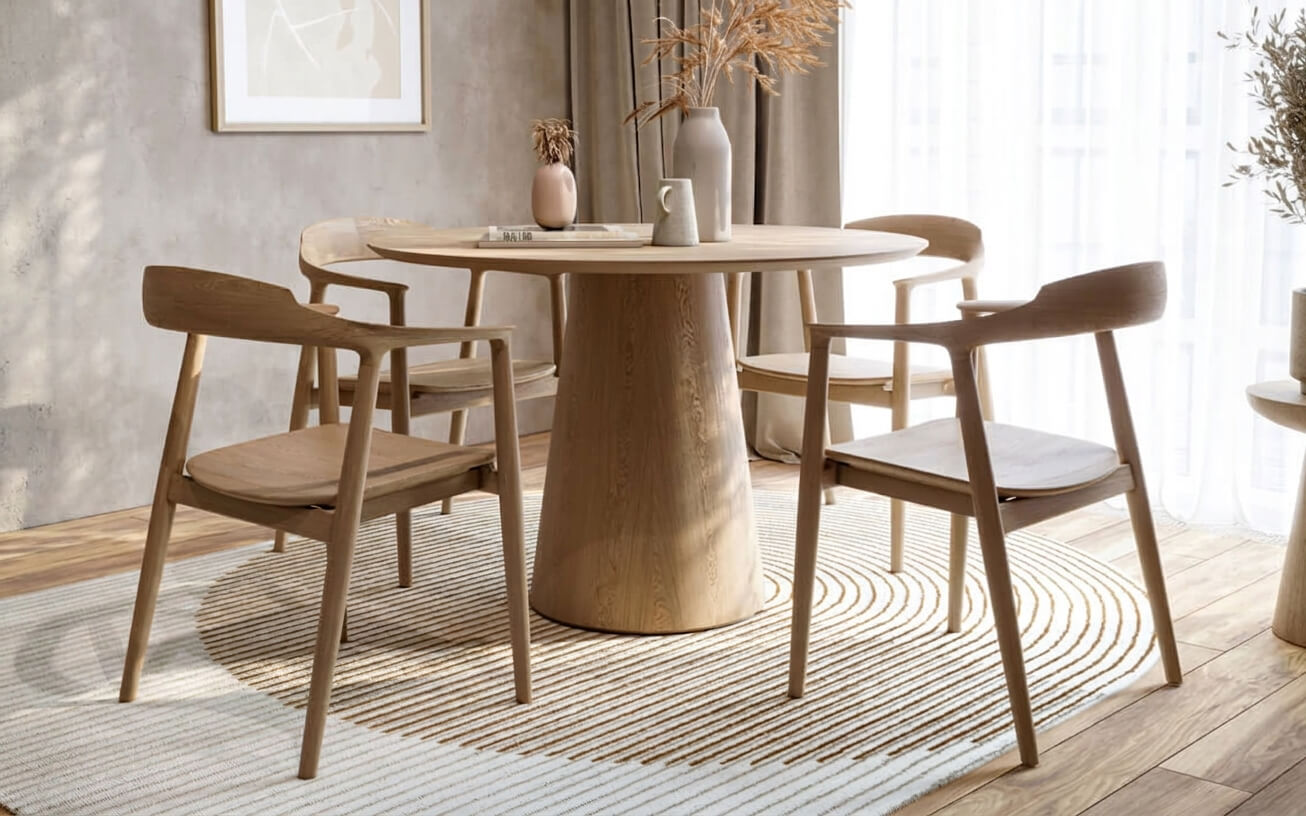
A wooden handle in a modern kitchen can be almost architectural. For example, a profile shape works as a thin line on the facade. It does not turn the kitchen into a classic one, but adds material. This is especially successful in interiors with a wooden countertop, slats, shelves, chairs, parquet, panels, or a dining group.
What to buy together with handles
Handles often become the start of a kitchen update. The buyer changes the hardware and sees that the fronts lack another accent, the lower part of the furniture looks outdated, and simple doors can be made more interesting. In such a situation, it makes sense to look at accompanying elements.
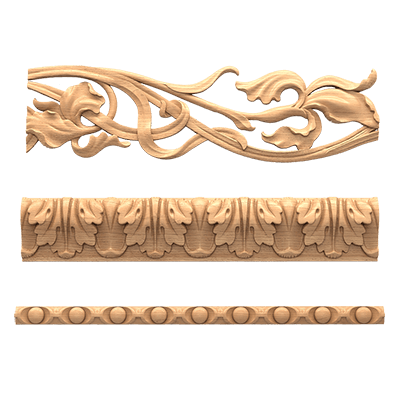
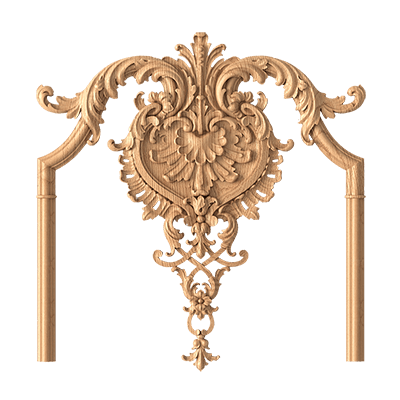
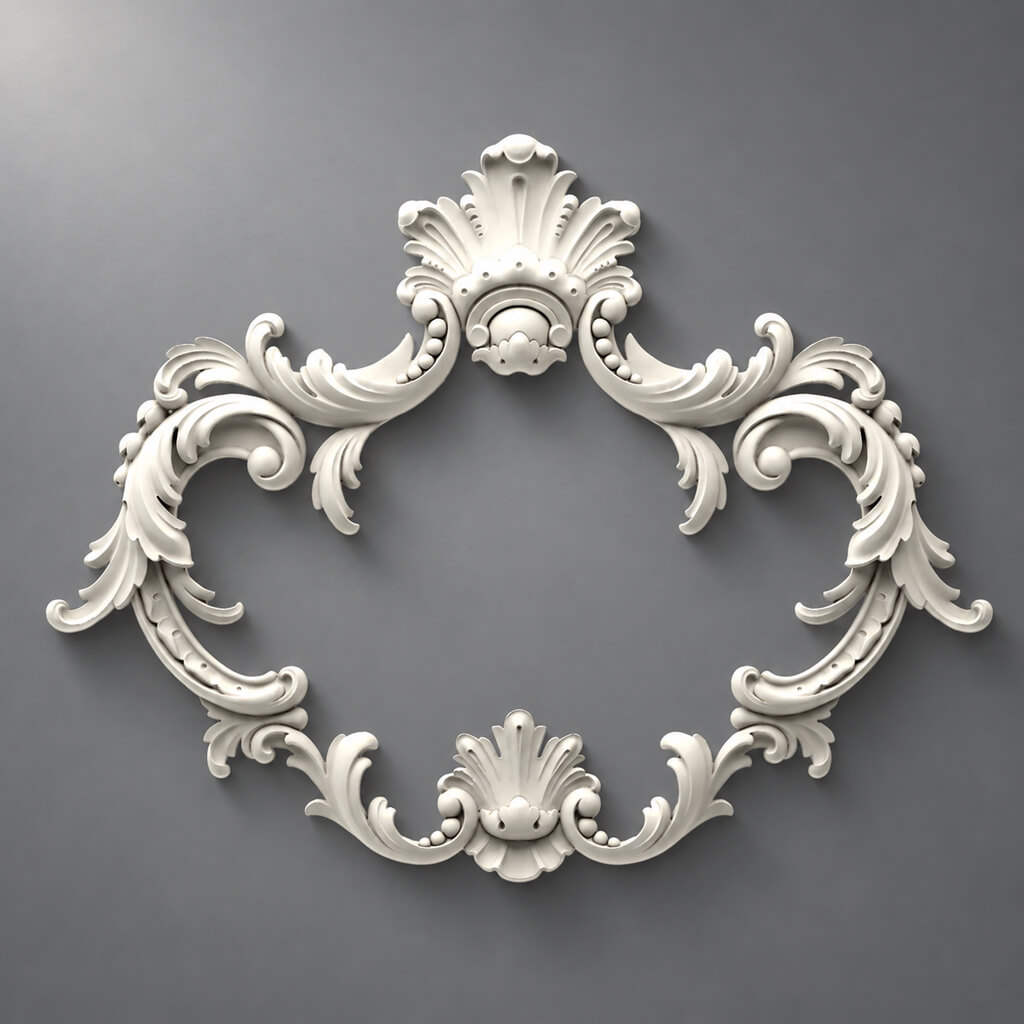
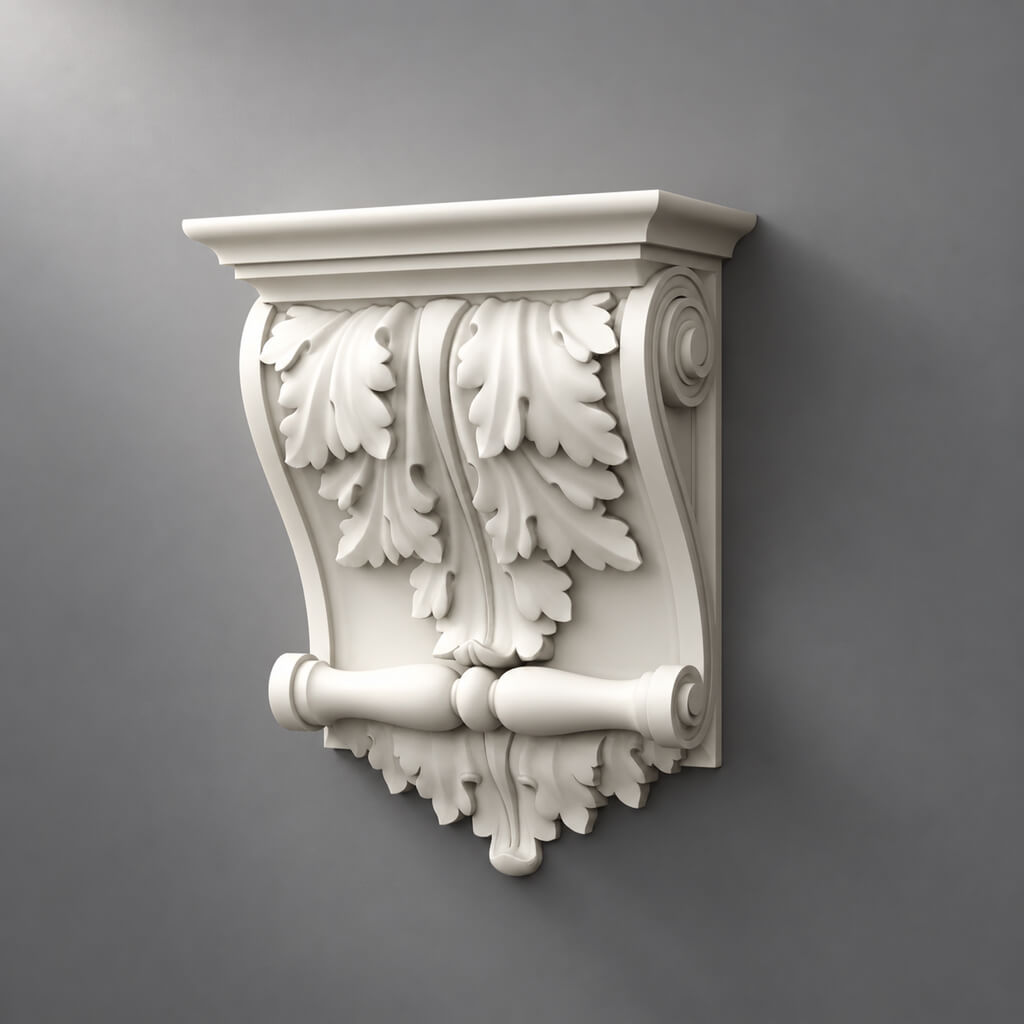
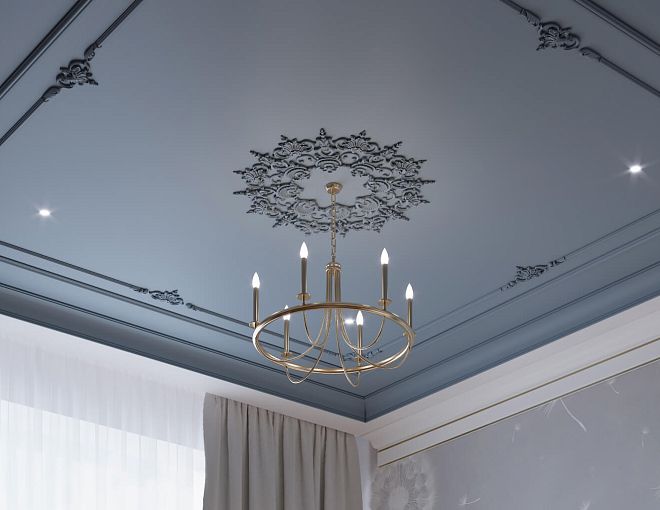
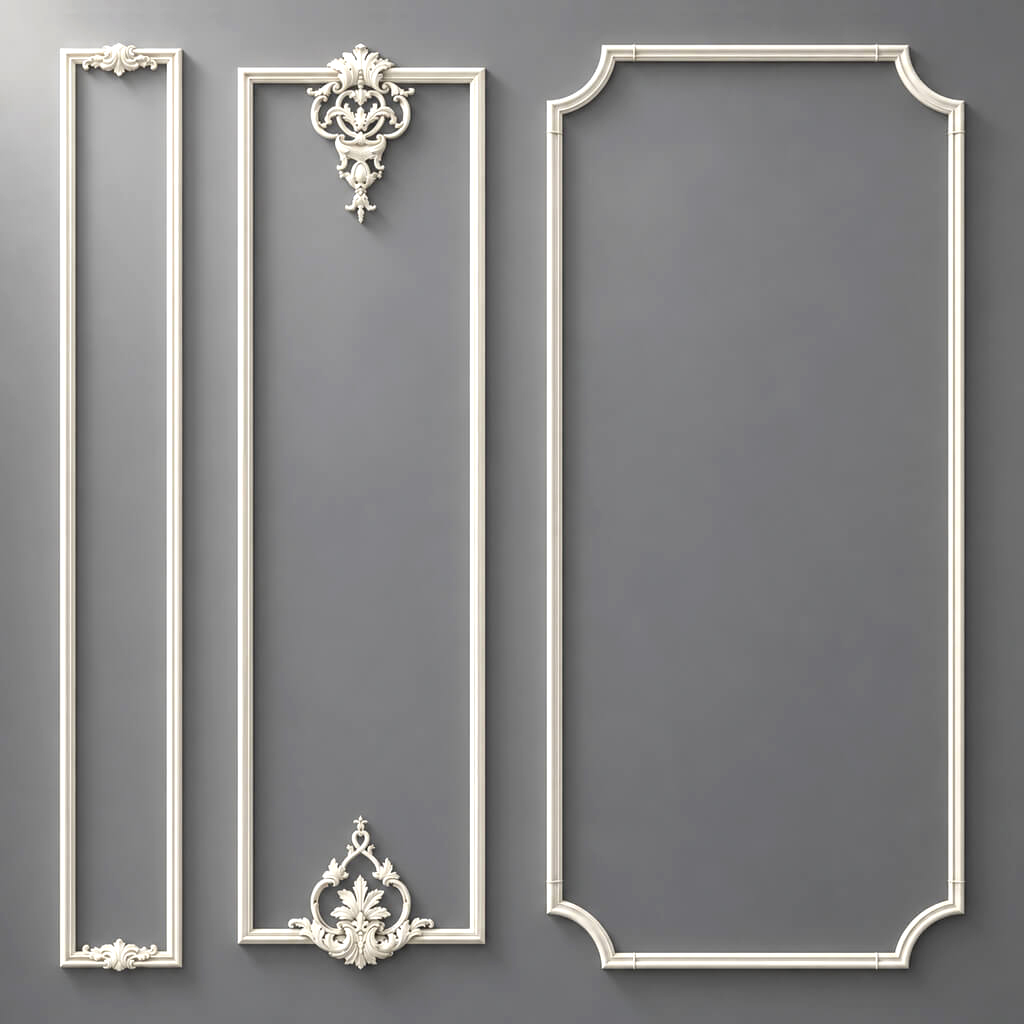
If the facades are smooth and you want to add relief, you can use decorative overlays for kitchen fronts. They help to design central zones, make facades more expressive, and support a classic or neoclassical style. But overlays must be chosen carefully: handles and decor should work together, not compete for attention.
For point accents, Wooden rosettes for furniture decorA socket can support handles on facades, highlight a small area, and add a decorative motif. This is especially useful in classic kitchens where handles, facade frames, and small decor must be coordinated.
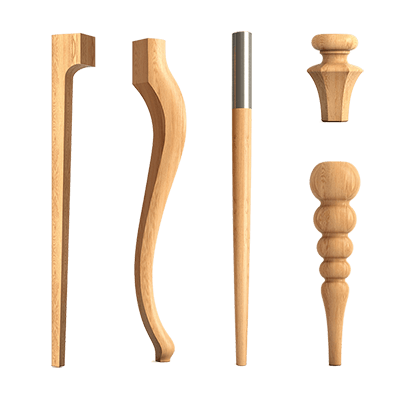
If not only the kitchen is being updated, but also adjacent furniture — an island, sideboard, cabinet, console, credenza, chest of drawers — it's worth looking Furniture legs and supports for furniture renovation. New handles and legs together provide a more noticeable effect than replacing a single detail. This works especially well if the old furniture is technically sturdy but looks outdated.
Table: what to buy together
| What to add to handles | Why this is needed | Which scenario it suits | What to pay attention to |
|---|---|---|---|
| Decorative overlays | Add relief and decorate smooth facades | Classic kitchen, neoclassicism, updating old facades | Do not overload facades near handles |
| Wooden rosettes | Provide a point decorative accent | Facades, sideboard, credenza, furniture group | Size and style must match the handles |
| Furniture legs and supports | Help update the lower part of furniture | Kitchen island, sideboard, cabinet, chest of drawers | Height, load, style, material |
| Finish sample | Helps match the facade color | Painting, tinting, varnish, oil | Check under real kitchen lighting |
| Fastening | Needed for installing handles | Replacing old handles, new fronts | Compare screw length and front thickness |
| Marking template | Helps align handles evenly | Large number of fronts | Especially important for kitchens with a repeating rhythm |
| Finishing materials | Needed for unpainted handles | Facades for enamel, varnish, oil | Compatibility with wood and kitchen use |
How not to confuse with similar products
Furniture handles are not door handles
Furniture handles are installed on facades, drawers, cabinet doors, kitchen modules, dressers, nightstands. Door handles are designed for interior or entrance doors and have a different design, different load scenario, different installation method. If a buyer is looking for handles for the kitchen, they should look specifically at furniture handles.
The error occurs because of the word "doors." A kitchen facade also opens like a door, but it is not an interior door. Therefore, handles for kitchen facades are chosen from furniture fittings, not door fittings.
Profile handle is not a decorative overlay
A profile handle is needed for gripping and opening the facade. A decorative overlay is needed to decorate the surface. They can be on the same facade, but they do not replace each other.
If a buyer wants a modern facade, they need a profile handle. If they want to decorate a flat door and add relief, they need overlays. If they need both, first choose a functional handle, and then see if the decor interferes with it.
Handles with coating are not the same as handles without coating
Handles with coating are ready to use in the selected finish. This is convenient when the kitchen is already ready and you need to quickly replace the fittings. Handles without coating require further finishing, but give more freedom in color.
Unpainted handles should not be placed in the kitchen without understanding the finish. The kitchen is an active area, and the wood needs to be protected with a suitable coating. If you want a natural look, you can choose oil or varnish, but the decision must be deliberate.
Wooden handles are not metal concealed systems
Wooden handles are visible and tactile. They create an accent, add warmth, and can support the furniture style. Metal concealed systems work differently: they aim to remove the handle from view. These are different approaches.
If the kitchen is designed to be completely minimalist, a concealed system may be appropriate. If you want a natural detail and comfortable grip, wooden handles give a warmer result.
Practical selection for different situations
Need to update an old kitchen without replacing the facades
First, check the old holes. If the new handles match the mounting, replacement will be easier. If they don't match, you need to decide whether to cover the old holes, repaint the facades, or choose a handle that will cover the traces.
For an old kitchen, handles with a coating often work well: they are ready for installation and do not require separate finishing. If the facades are planned to be repainted, you can look at unpainted handles and finish them together with the facades.
You need to select handles for a new kitchen with enamel finish.
In this case, it is better to choose handles before the final painting. You can take unpainted handles, make a test paint, attach it to the facade, and evaluate the result in daylight and evening light. White, milky, and gray shades change significantly depending on the lighting.
If the handles match the facades, the kitchen will be calmer. If the handles are contrasting, they will become part of the design. It is better to support the contrast with other details: countertop, shelf, legs, dining chairs, decorative rail.
Handles for modern facades are needed.
Look at profile handles or laconic overlay shapes. They do not overload the facade and support clean geometry. For upper cabinets, you can use a more subdued size; for lower drawers, a more confident grip.
It's important to check how the handle will work in a real kitchen: whether it catches on the passage, whether it's convenient to open the dishwasher, refrigerator cabinet, pull-out drawers, and corner modules. The handle should be beautiful but not obstruct movement.
Handles for a solid wood kitchen are needed.
For a solid wood kitchen, handles should support the material. Wooden hardware looks natural, but the shade needs to be chosen carefully. If the facade is oak, a handle of a different tone may stand out. This can be beautiful if the contrast is planned, but bad if it is accidental.
For solid wood, you should consider either a close finish or a subdued coating. If the facades are active in texture, it's better not to make the handles too decorative. If the facades are simple, the handle can become an accent.
Need to update the kitchen island
The island is often visible from all sides, so handles on it are especially noticeable. If the island differs in color from the main kitchen, handles can connect it to the set. For example, the same shape of handles on the main kitchen and the island will unify the furniture, even if the colors are different.
If the island has decorative side panels, legs, or overlays, the handles should be coordinated with them. In this case, it's useful to look not only at handles but also at furniture legs, decorative overlays, and rosettes.
Mistakes when choosing handles for kitchen facades
Mistake 1. Buying handles only by photo
The photo does not show how the handle feels in the hand, how much it protrudes, how it looks on your facade, and whether it will be too small. Before buying, you need to look at the dimensions and, if possible, compare several options.
Mistake 2. Not considering the size of the facade
The same handle can look great on a small door and bad on a wide drawer. For a kitchen, it's important to match handle sizes with facade sizes. Sometimes you need one model in different lengths.
Mistake 3. Forgetting about old holes
When replacing old handles, holes already exist. The new handle may not match the mounting. Then you'll have to drill again, cover up marks, or repaint the facades. This needs to be considered before ordering.
Mistake 4. Choosing a handle without coating for an active kitchen and not finishing it
An unfinished handle offers freedom but requires a finish. In the kitchen, wood must be protected from moisture, dirt, and frequent contact. If the handle is purchased without a coating, you need to decide in advance how it will be treated.
Mistake 5. Mixing different styles
Classic facades, modern profile handles, carved overlays, metal appliances, and a rustic countertop can clash with each other. It's better to choose one line: modern, classic, natural, soft neoclassical.
Mistake 6. Not checking the grip comfort
The handle should be comfortable. A handle that is too small on a heavy drawer is annoying every day. A shape that is too flat can be uncomfortable for fingers. One that protrudes too much can catch on clothing.
Error 7. Overloading the kitchen with decor
If the facades are already complex, the handles should be simpler. If overlays, rosettes, and legs are added, the handles should not conflict with them. Decor in the kitchen works best when it is used in moderation.
Mistake 8. Not considering household appliances
Handles near the refrigerator, dishwasher, oven, corner fronts, and pull-out systems should be especially comfortable. Sometimes a beautiful handle prevents the adjacent front from opening. This needs to be checked in advance.
Mistake 9. Choosing a color separately from the kitchen
The handle should match the front, countertop, backsplash, floor, appliances, and lighting. A wooden handle can look different in the morning and evening. It is better to look at a sample in the actual room.
Error 10. Not buying as a set
If many handles are needed, it's better to calculate the entire set at once: upper facades, lower drawers, tall cabinets, island, buffet. Later, the desired model or finish may be unavailable, and mixing similar but different handles often looks accidental.
Who wooden handles for kitchen facades are suitable for
Wooden handles are suitable for owners of kitchens made of solid wood, veneer, MDF for painting, enamel facades, furniture in Scandinavian, classic, modern, rustic, soft neoclassical, and natural styles. They are good for those who want to update their kitchen without completely replacing the furniture and add a warmer, more lively character to the facades.
They are suitable for designers and carpentry workshops because they offer more possibilities for custom finishing. Handles can be matched to the color of the facade, the texture of the wood, decorative overlays, legs, and other furniture elements.
Wooden handles work well in kitchens where tactility is important. They are pleasant to hold, do not feel cold, and do not create an overly technical feel. For a family kitchen, this is often more important than it seems: hardware is used dozens of times a day.
Wooden handles are not suitable for those looking for a completely hidden system without visible hardware, a metal profile in the facade body, push-to-open without handles, or door hardware for interior doors. They may also be unnecessary in an ultra-minimalist kitchen where, by design, all facades should remain completely smooth.
How to buy handles on STAVROS and what to check before ordering
Start with the general section buy wooden furniture handles. It's convenient to compare shapes, types, and the overall style of handles. Then decide whether you need a finished finish or if the handles will be coated together with the facades.
If the kitchen is already ready and you need to quickly replace the hardware, look at handles with coating for kitchen facades. If the kitchen is for painting, restoration, or a custom project, open unpainted wooden handles for the kitchen. If the facades are modern and you need clean lines, compare profile handles for kitchen facades.
Before ordering, count the number of handles for each type of facade: upper doors, lower doors, wide drawers, narrow drawers, tall cabinets, island, buffet. Then check the handle dimensions, facade thickness, old holes, grip comfort, color, coating, and compatibility with the kitchen style.
If the entire furniture group is being updated, immediately consider adjacent elements: overlays, sockets, legs, supports. Then the kitchen will look cohesive, not just get new handles.
FAQ
How to choose handles for kitchen facades?
First, measure the facades and divide them into groups: upper cabinets, lower doors, wide drawers, narrow drawers, tall cabinets. Then select the handle type, size, coating, and style. The handle should be comfortable for the hand, proportionate to the facade, and suitable for the kitchen in terms of material.
Where to buy handles for kitchen fronts?
You can view handles for kitchen fronts in the STAVROS wooden furniture handles section. For kitchen fronts to be painted, unpainted handles are suitable; for a finished kitchen, handles with a coating; for modern fronts, profile handles.
How to choose furniture handles by size?
Consider the length, thickness, height, and ease of grip. For wide drawers, longer handles are usually needed; for upper cabinets, more compact ones. On a small front, a large handle will overwhelm the look, while on a large drawer, a too-small handle will be uncomfortable.
Which handles are better for the kitchen: with or without coating?
If the kitchen is already finished and handles are needed immediately, handles with a coating are more convenient. If the fronts will be painted, tinted, or restored, it's better to take handles without coating and finish them together with the furniture.
How does a profile handle differ from a regular furniture handle?
A profile handle is more integrated with the front line and looks more minimalist. A regular handle can be a knob, a pull, a surface-mounted shape, or a cup pull. Profiles are more often chosen for modern smooth kitchens.
Can I buy wooden handles for painting?
Yes. Unpainted wooden handles are suitable for this. They can be finished to match the color of the fronts, coated with varnish, oil, enamel, or another suitable finish.
Which handles are suitable for updating an old kitchen?
For an old kitchen, handles that match the old holes or cover them are suitable. If the fronts are to be repainted, the choice is wider: you can close the old holes and install a different type of handle.
What is better for wide kitchen drawers?
For wide drawers, longer handles, pull handles, or profile solutions are usually more convenient. A small knob on a heavy drawer can be uncomfortable and visually weak.
Are wooden handles suitable for a modern kitchen?
Yes, if you choose a minimalist shape. For a modern kitchen, profile handles, elongated surface-mounted forms, and simple wooden handles without extra decoration work well.
Can wooden handles be combined with decorative overlays?
Yes, but balance must be maintained. If the overlays are bold, it is better to choose simpler handles. If the fronts are plain, handles and overlays can together create a more expressive furniture look.
Is it necessary to buy all handles at once as a set?
Yes, it is better to calculate the entire set at once. There are many handles in a kitchen, and mixing different shades or shapes is often noticeable. Immediately count all fronts, drawers, tall cabinets, and the island.
What to check before ordering handles?
Check the size of the facades, the number of handles, old holes, facade thickness, mounting type, coating, color, grip comfort, and kitchen style. If the handles are unpainted, decide in advance what they will be finished with.
Result: how to choose handles without mistakes
Handles for kitchen facades are a small detail that greatly affects the look and convenience of the kitchen. They must match the facades in size, style, material, and usage scenario. For an old kitchen, handles can be a quick update. For a new one, they are an important part of the project. For a kitchen to be painted, they are an element that is better to include in the finish right away.
If you need natural hardware, start with the section of wooden furniture handles. For custom finishing, look at unpainted handles. For a ready-made solution, choose handles with a coating. For modern facades, go for profile handles. And if the kitchen renovation goes beyond hardware, add decorative overlays, rosettes, furniture legs, and supports.
STAVROS helps you assemble not a random replacement, but a well-thought-out furniture solution: handles, finishes, facades, decor, and adjacent elements work together. This approach makes the kitchen not just new in appearance, but cohesive, convenient, and carefully matched in details.