



































Article Contents:
- Why this combination is so frequently searched: the query as a symptom
- What has changed in interior perception
- Why stucco decor is making a comeback
- Where slatted panels work better than smooth finishes
- Accent wall in the living room
- Bedroom headboard wall
- Hallway and entrance hall
- Niches and built-in structures
- Wall with TV
- Spaces where slats lose to smooth finishes
- What types of stucco decor suit different rooms
- Living room: a complete system or delicate finishing touch
- Bedroom: softness and delicacy
- Study: Strictness and Order
- Children's Room: Lightness and Play
- Kitchen: Practicality First
- Hallway: Minimalism as a Principle
- How to Combine Linear Slats and Molding Relief: Composition Principles
- Two Levels of Perception: Texture and Structure
- Rhythm of Slats and Molding Profile: Harmonizing Languages
- Color Solution: Monochrome or Contrast
- Approaches for Apartment, House, and Commercial Space
- City Apartment: Maximum Effect in Limited Space
- Country House: Scale and Naturalness
- Commercial Space: Atmosphere as a Competitive Advantage
- Office: A Modern Approach to the Work Environment
- Major Composition Mistakes: What Ruins a Good Idea
- First Mistake: Slatted Panels Without Finishing
- Second mistake: scale mismatch
- Third Mistake: Stylistic Conflict
- Fourth mistake: overloading with decor
- Mistake Five: Ignoring Lighting
- Sixth Mistake: Molding on a Slatted Surface
- Technical Questions: Preparation, Material, Installation
- Which Material to Choose for Slatted Panels
- Surface Preparation
- Tools and fasteners
- About the Company STAVROS
- FAQ: Answers to Popular Questions
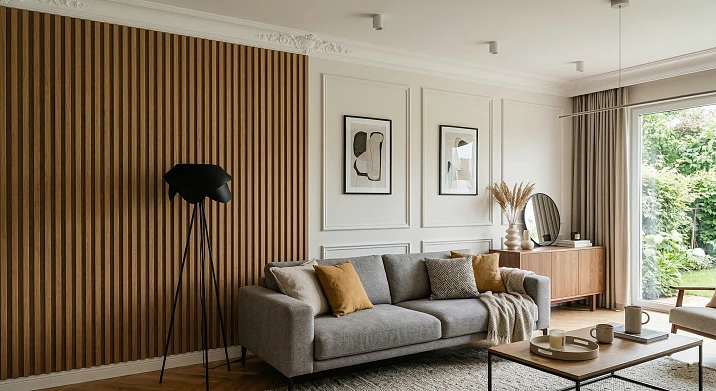
What's behind this search query — 'slatted panels on walls and stucco decor'? It's a person who wants to make their space not just renovated, but architecturally complete. They are tired of bare painted walls, of the 'apartment' look that is no different from a million other apartments. They want an interior with character — warm, expressive, thoughtful. And they intuitively feel that wood and stucco are two tools that together give exactly that result. Intuition does not deceive.Slatted Panels on Wallsin combination withwith stucco decor in the interior— is one of the most organic and sustainable combinations in modern design. Sustainable not in the sense of 'trendy now'—but in the sense of 'always works'. Let's explore why.
Why this combination is searched so often: the query as a symptom
When the query 'slatted wall panels' gets hundreds of thousands of views monthly in search engines—it's no coincidence. Behind this number lies a mass demand for changing the quality of the living environment.

What has changed in the perception of interiors
Over the last ten years, a fundamental shift has occurred in how people relate to their homes. An apartment has ceased to be just a place to sleep and store things. It has become a workplace (especially after 2020), a place for rest, a meeting place, a space for self-expression. The demands for environmental quality have grown radically.
Simultaneously, access to quality visual content has increased—Pinterest, Instagram, designers' YouTube channels. People see beautiful interiors daily and want to implement something similar in their own homes.Slatted wall panels— is one of the first responses to this demand: a visually convincing material, affordable in price compared to full designer finishing, and yet delivering a powerful architectural effect.
Our factory also produces:
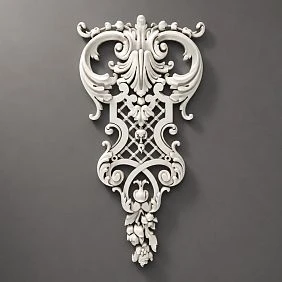
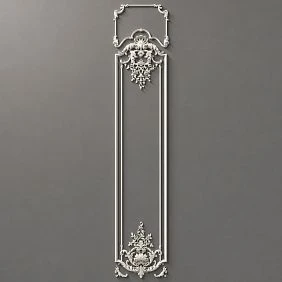
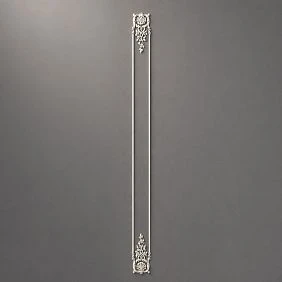
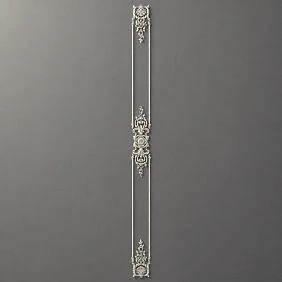
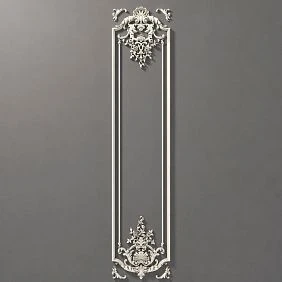
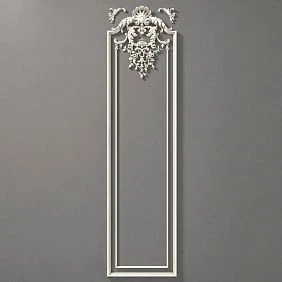
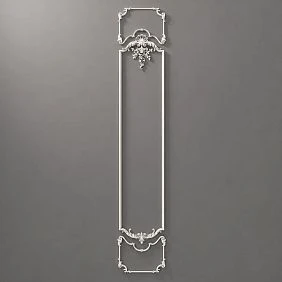
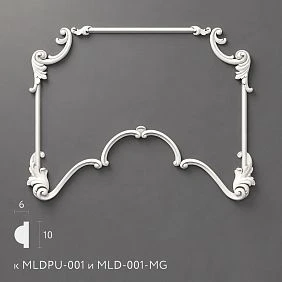
Why stucco decor is making a comeback
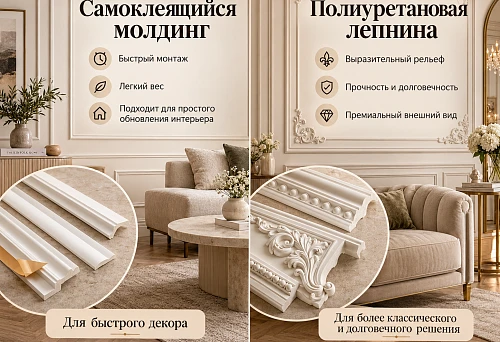
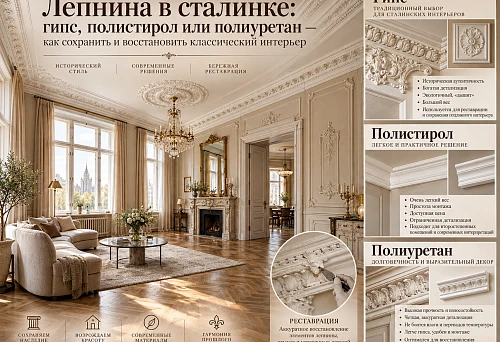
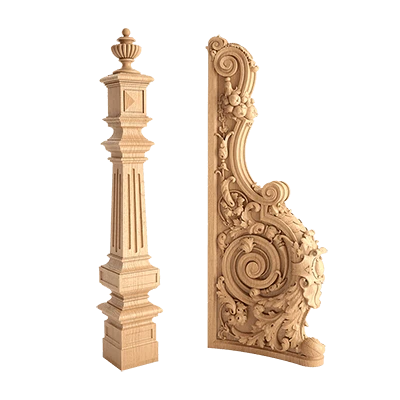
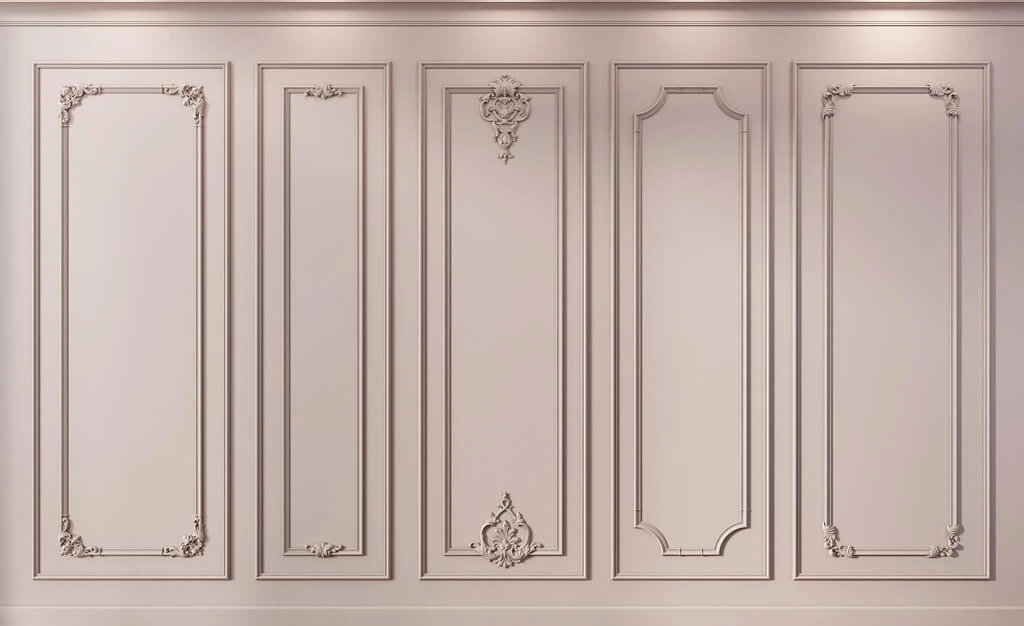
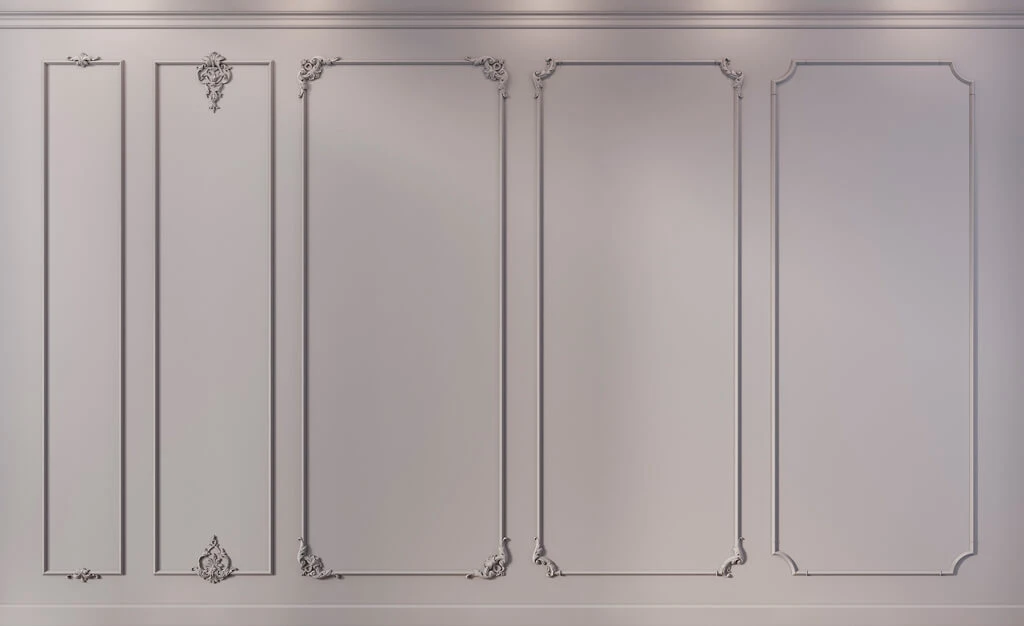
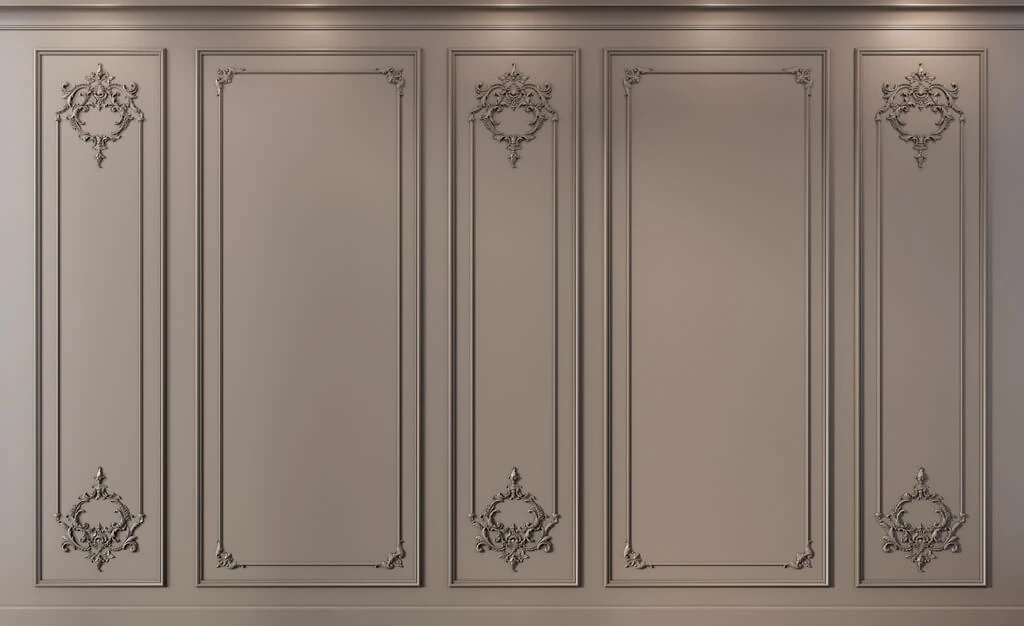
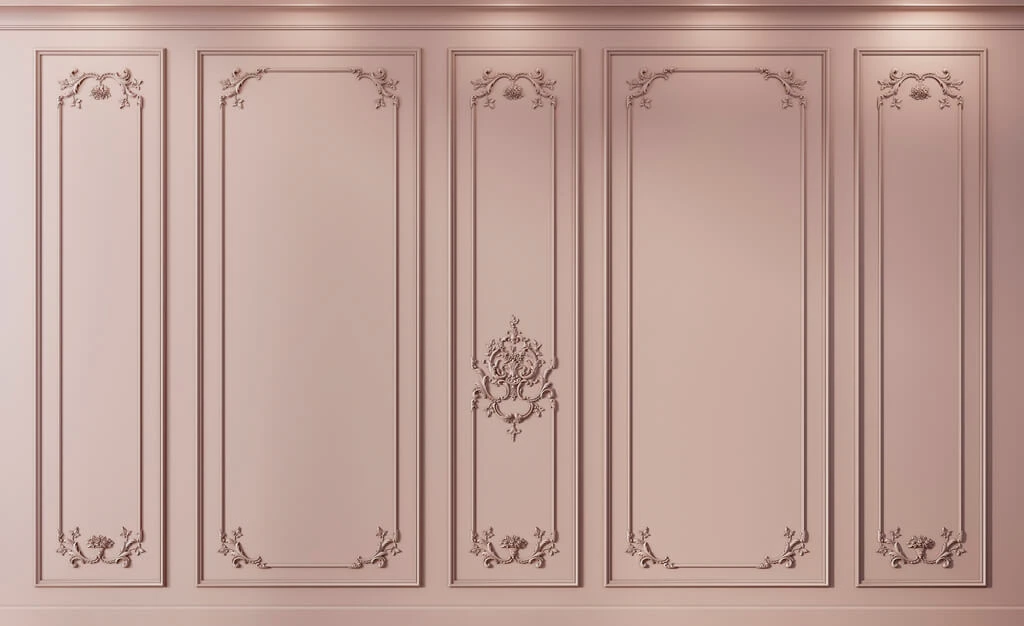
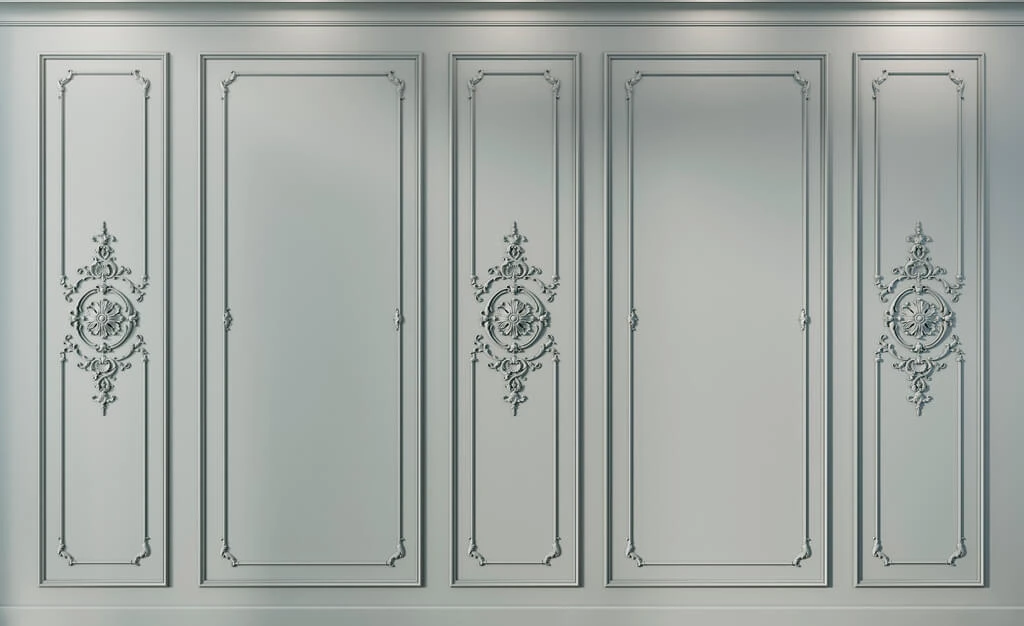
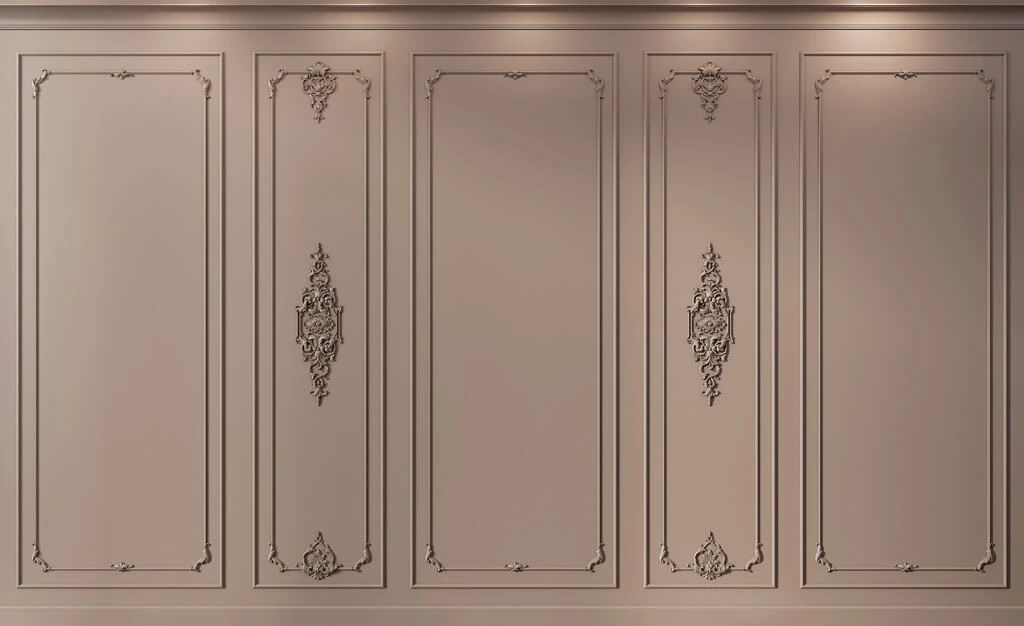
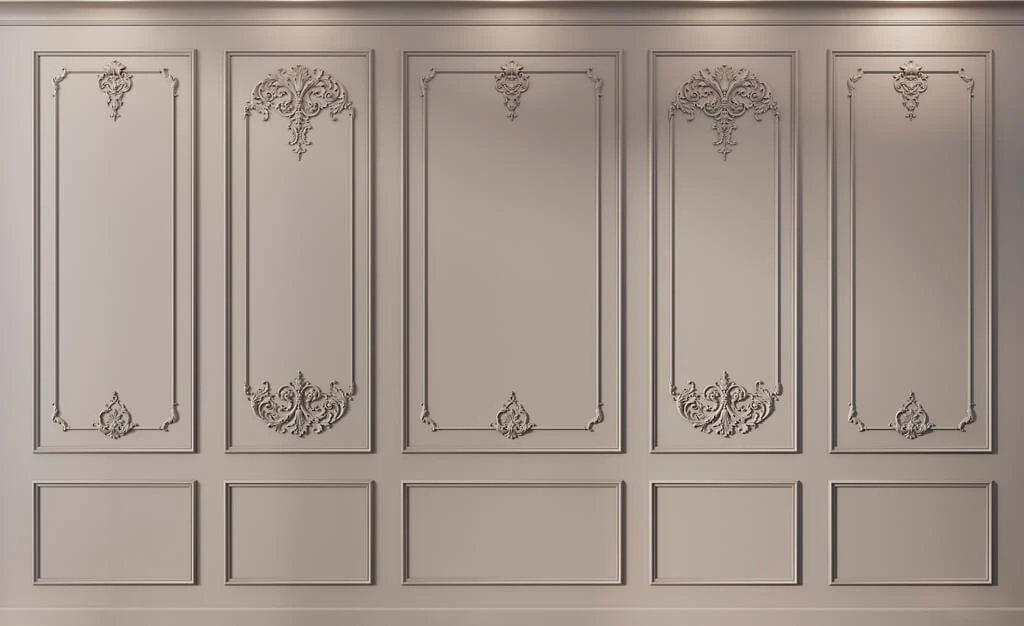
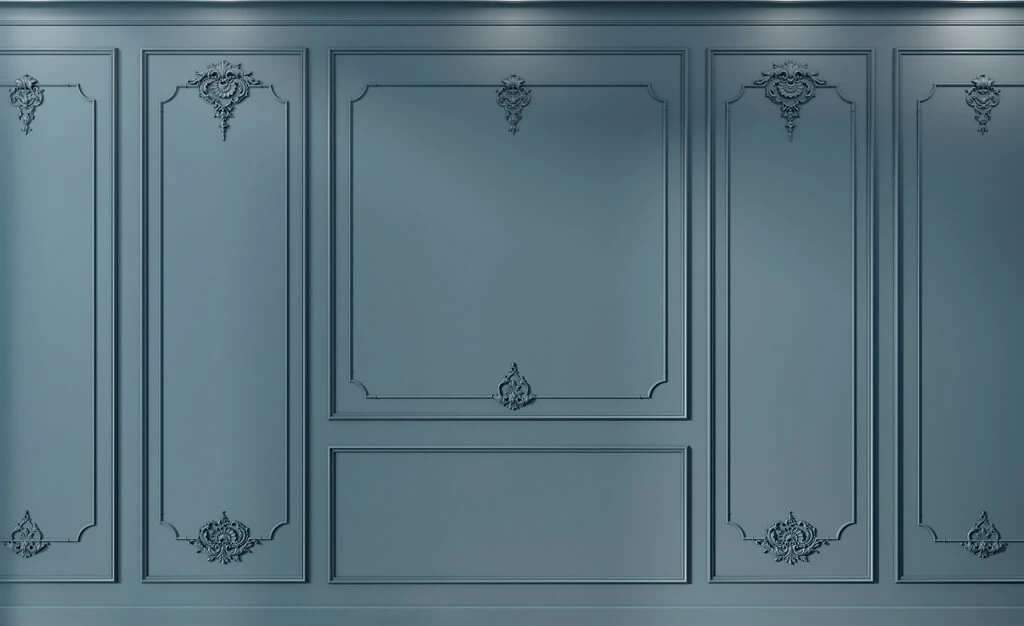
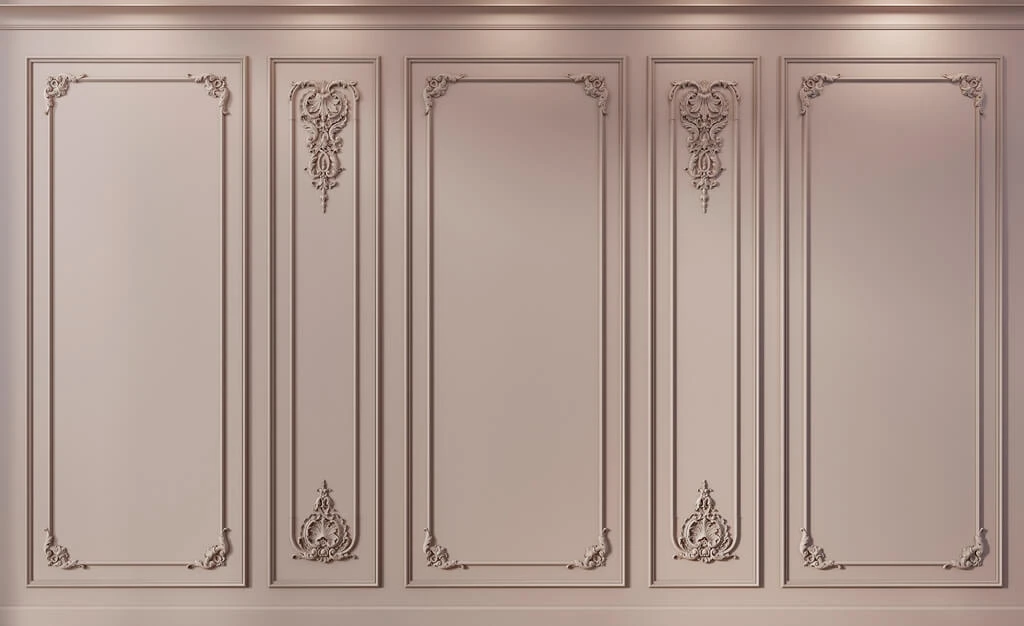
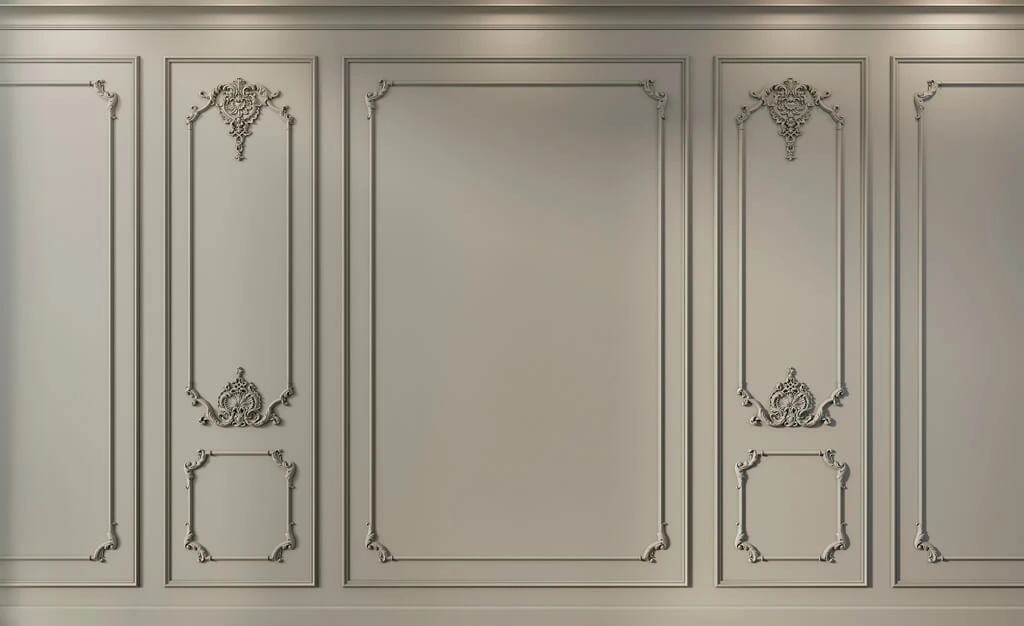
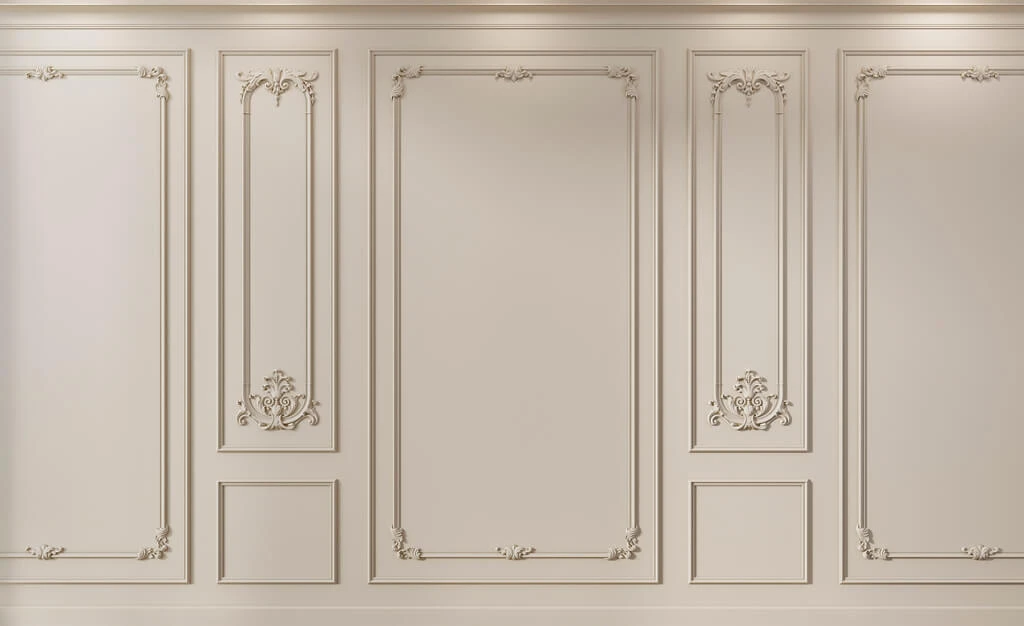
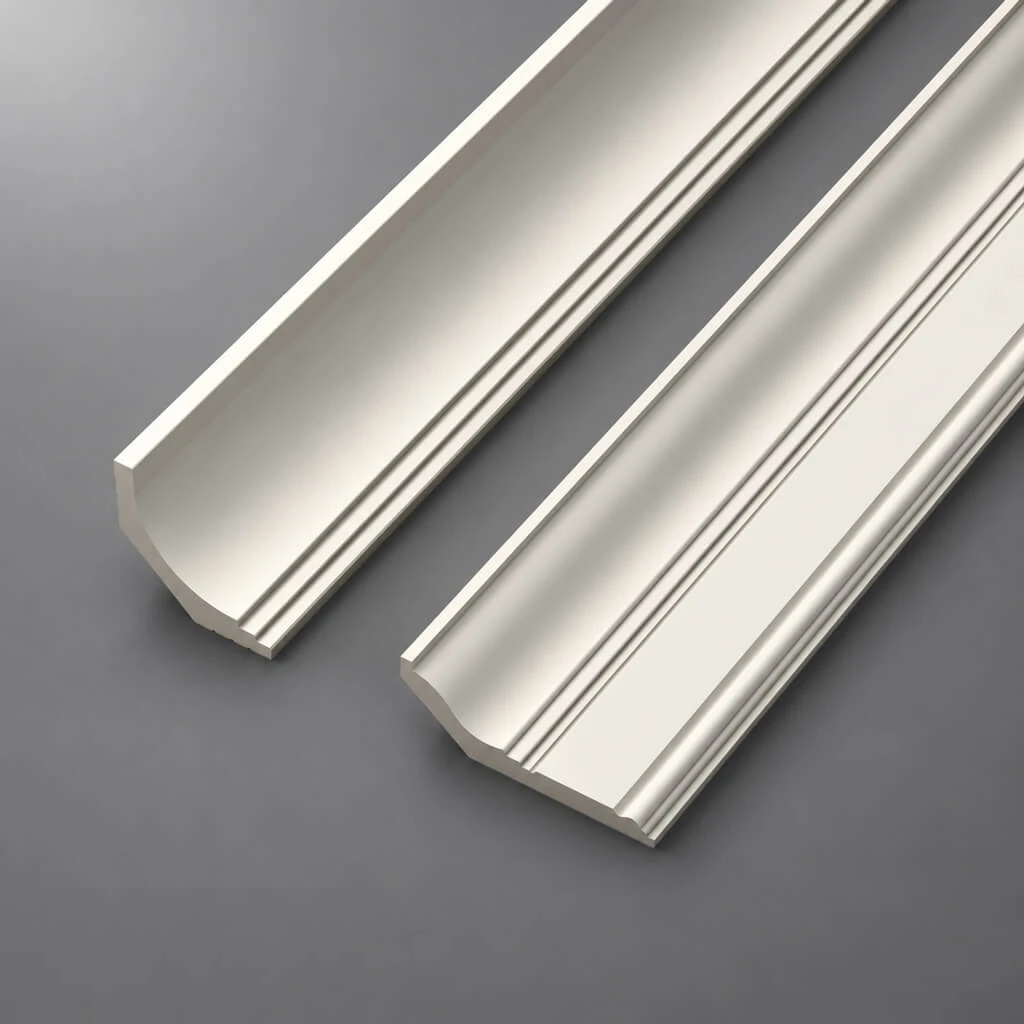
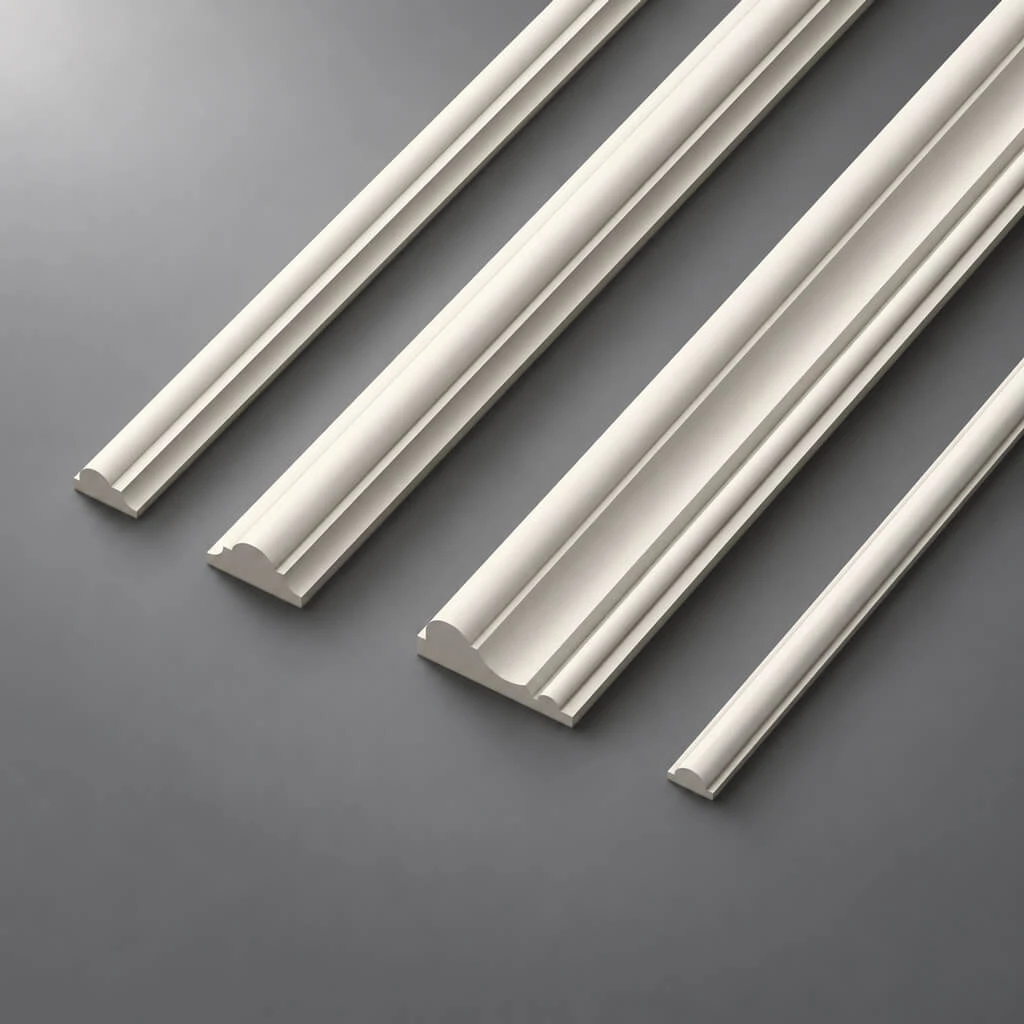
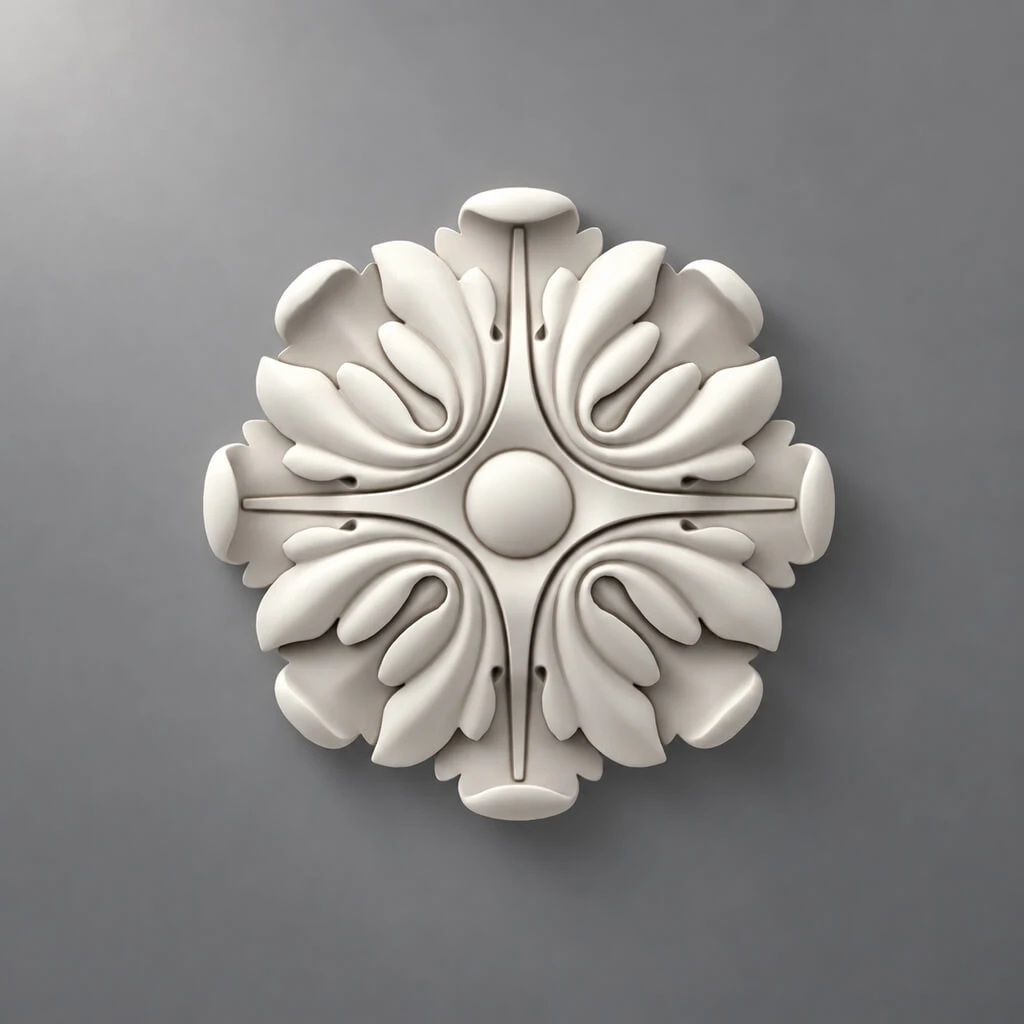
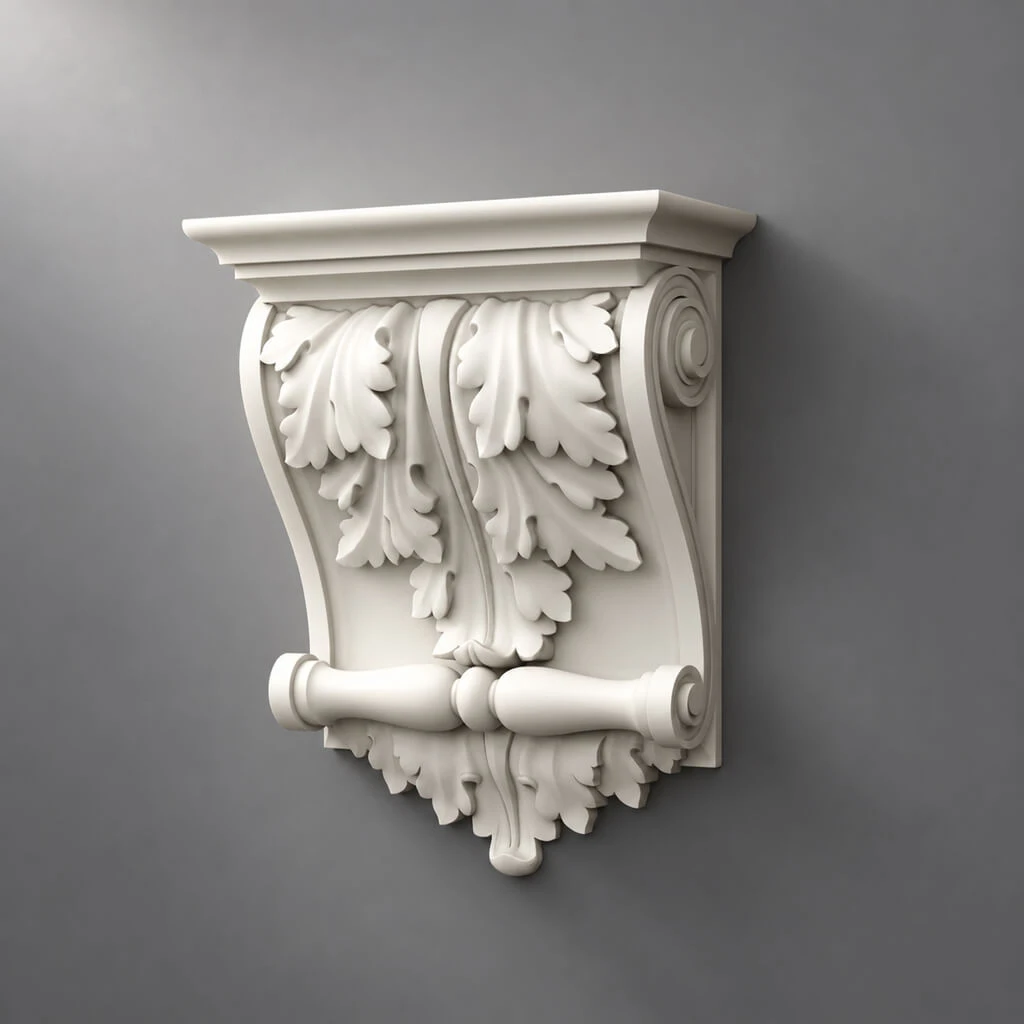
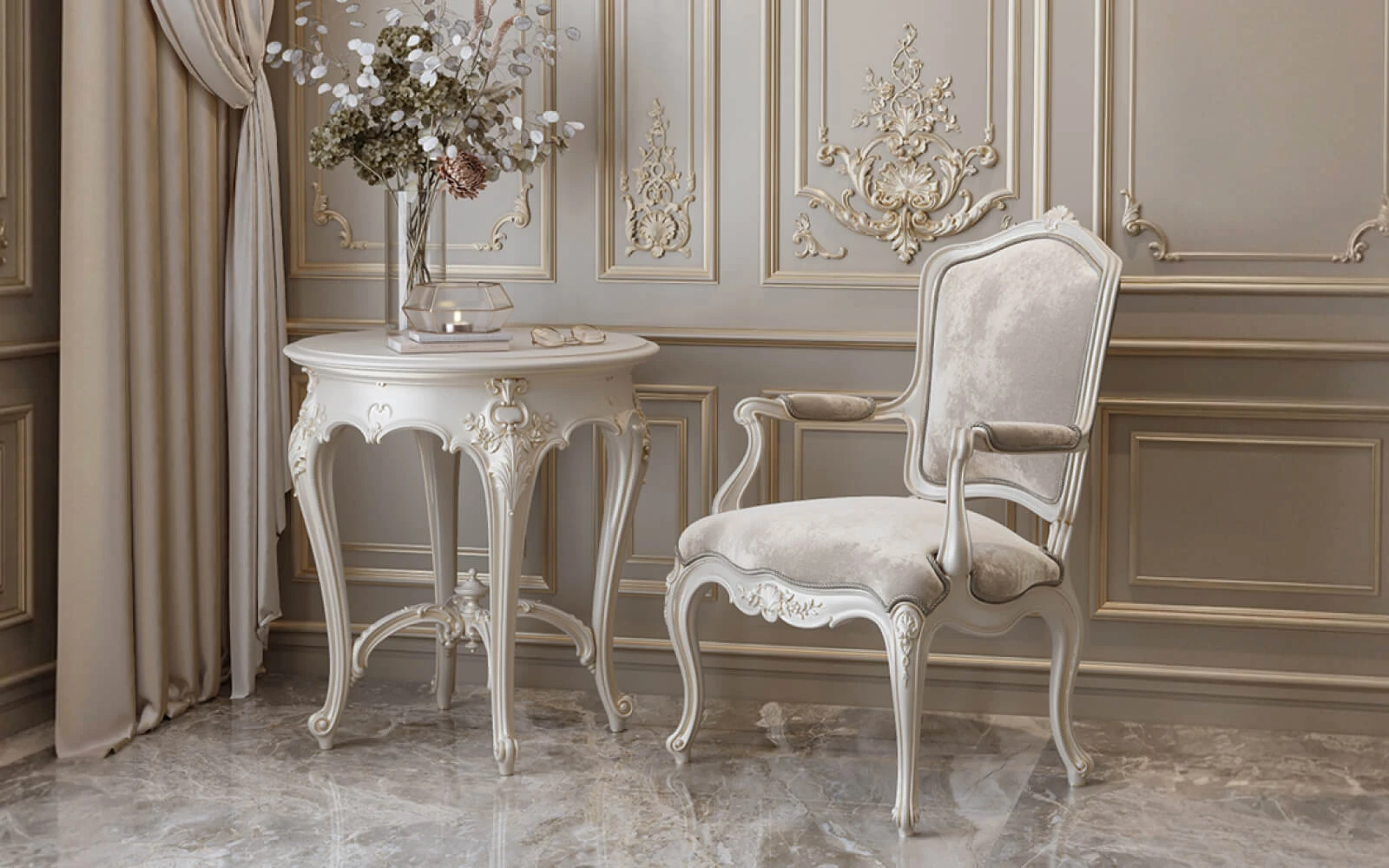
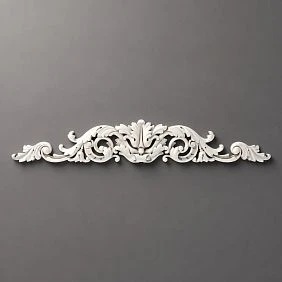
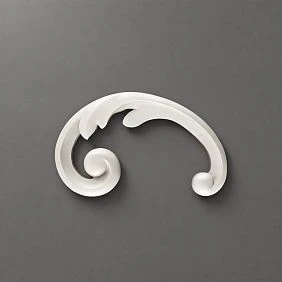
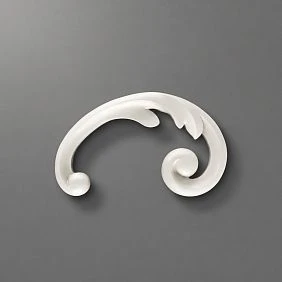
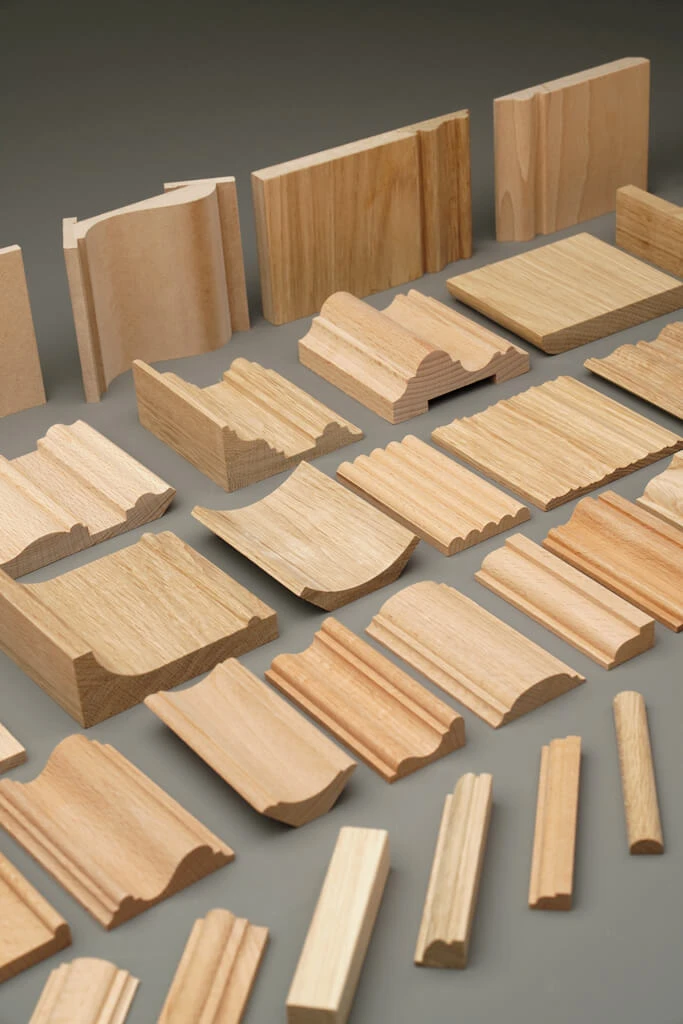
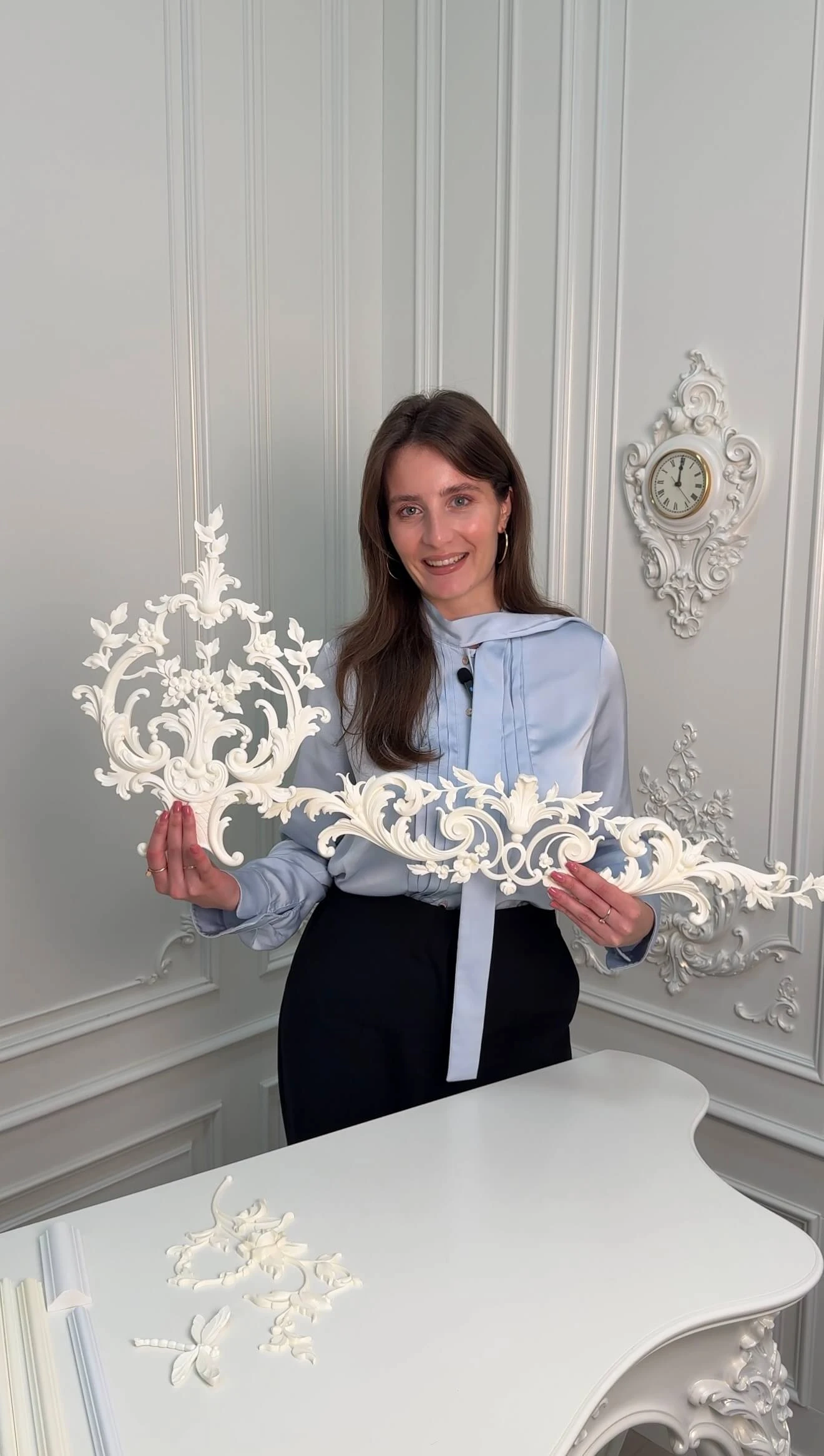
Stucco was out of fashion for a long time—associated with Soviet-era 'renovations', expensive classicism, or tasteless pomp. But a rehabilitation has occurred. Young designers and their clients have discovered thatinterior moldings— it's not necessarily baroque swirls and heavy cornices. It can be a thin 40 mm molding, a simple rectangular profile, a neat baseboard — minimalist stucco decor that structures the space without 'decorating' it in an outdated sense.
In combination with wooden slats, stucco ceases to be perceived as an 'old-regime' element. It becomes an architectural tool — a frame for wooden texture, a finishing touch for a slatted system.
Get Consultation
Where slatted panels work better than smooth finishes
This is an honest and practical question. Slatted panels are not the best solution everywhere and always. But there are zones and tasks where they fundamentally outperform smooth plaster or wallpaper.
Accent Wall in Living Room
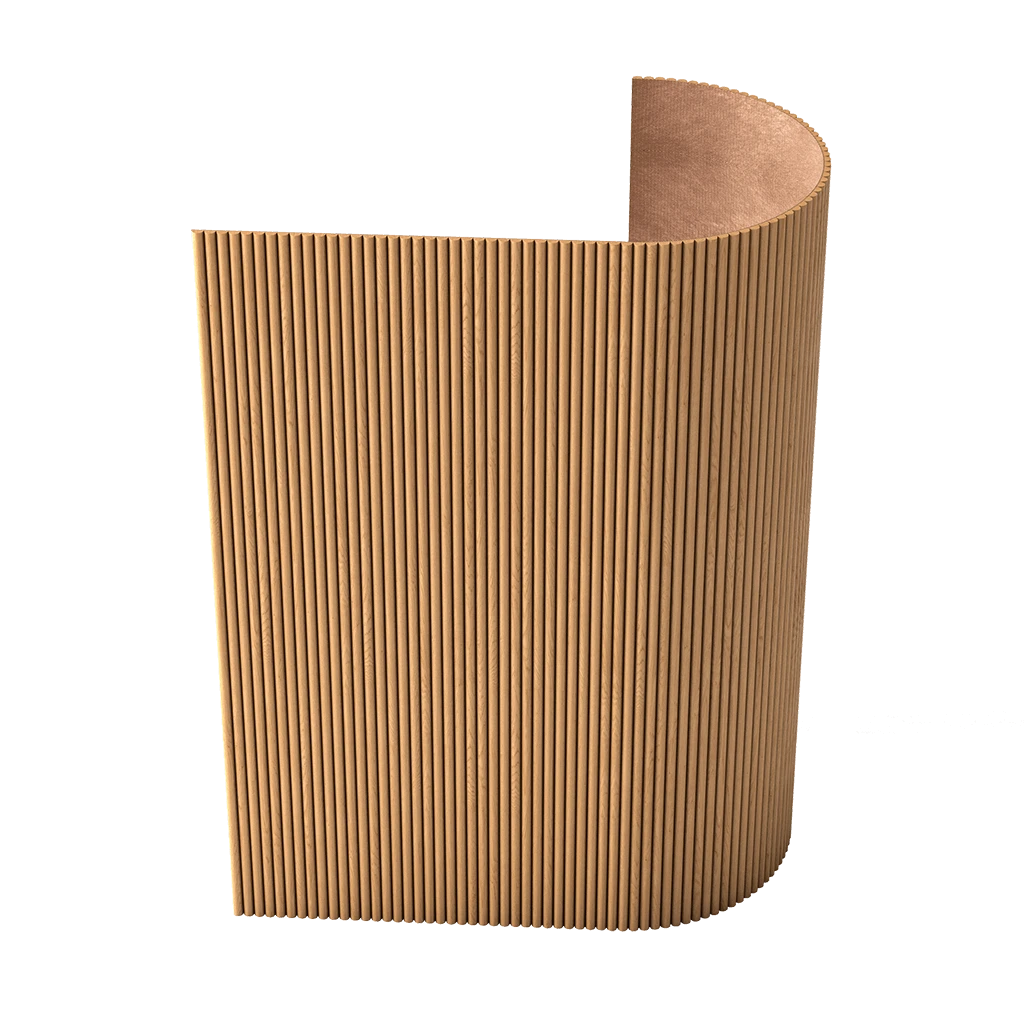
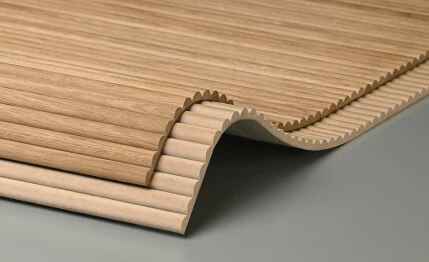
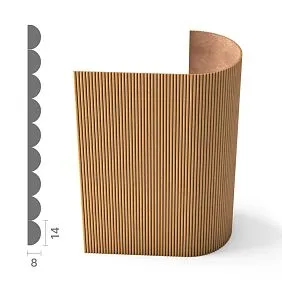
The main decorative function. An accent wall is the 'anchor' of a room, a focal point that sets the tone for the entire space. A smooth painted wall, even in a beautiful color, is just color.Slatted wall panelin the same color — that's already texture, rhythm, volume, play of shadows. Two fundamentally different results.
A wooden slatted panel on an accent wall creates an 'event': the gaze doesn't slide over the wall but stops, reads the rhythm of the slats, notices the wood texture, feels the depth of the gaps with side lighting. It's a living wall — as opposed to a dead flat surface.
Bedroom headboard wall
The headboard wall is the most important wall in the bedroom. It's always in view from any point in the room. A smooth wall here is a missed opportunity. A wooden slatted panel behind the headboard creates a warm, cozy background that transforms the bedroom from a 'place with a bed' into a true relaxation room.
Corridor and hallway
In a hallway, slatted panels solve three problems at once: they create texture in a space that usually remains the most featureless in an apartment; they structure a tight, long volume with a vertical rhythm; they protect walls from mechanical damage in a high-traffic zone. Three arguments — and not a single one purely decorative. It's a functional material with a strong aesthetic result.
Niches and built-in structures
Wall niches, false fireplaces, built-in shelving—all these structures gain completeness when the back wall is clad with slatted panels. The slats create depth in the niche and give it character. An empty niche is just a hole in the wall. A niche with a slatted background is an architectural element.
TV wall
A slatted panel as a background for a TV zone is a solution that has become standard in design projects. The slats frame the screen, creating an architectural context for it. Without a background, the TV is just a 'nailed-on object.' Against a slatted panel, it becomes an element of a well-thought-out composition.
Spaces where slats lose out to smooth finishes
Honestly about the drawbacks:
-
In very small rooms (less than 8–10 sq.m.), slatted panels can create a feeling of tightness—especially dark slats.
-
In damp rooms (bathroom, sauna) without special moisture-resistant treatment—natural wood is undesirable.
-
In rooms with white or neutral walls, where the goal is maximum light—smooth, light surfaces provide more reflected light than slats with gaps.
What types of stucco decor are suitable for different rooms
Relief Decoration—is not a monolithic concept. It's a whole family of elements with different functions, scales, and areas of application. Understanding this system means learning to use it skillfully.
Living room: full system or delicate finishing touch
The living room is the most 'public' space. Here, stucco decoration can work to its full potential, especially with ceiling heights from 2.7 m.
A complete system for the living room with slatted panels includes:
-
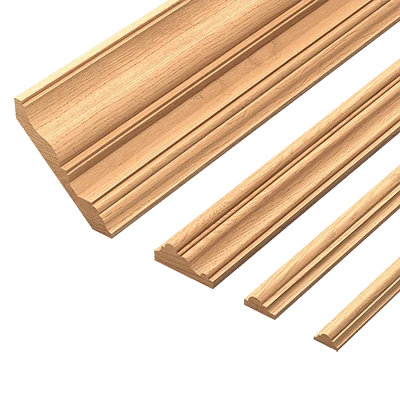
Ceiling cornice 80–120 mm with moderate relief — finishes the upper boundary.
-
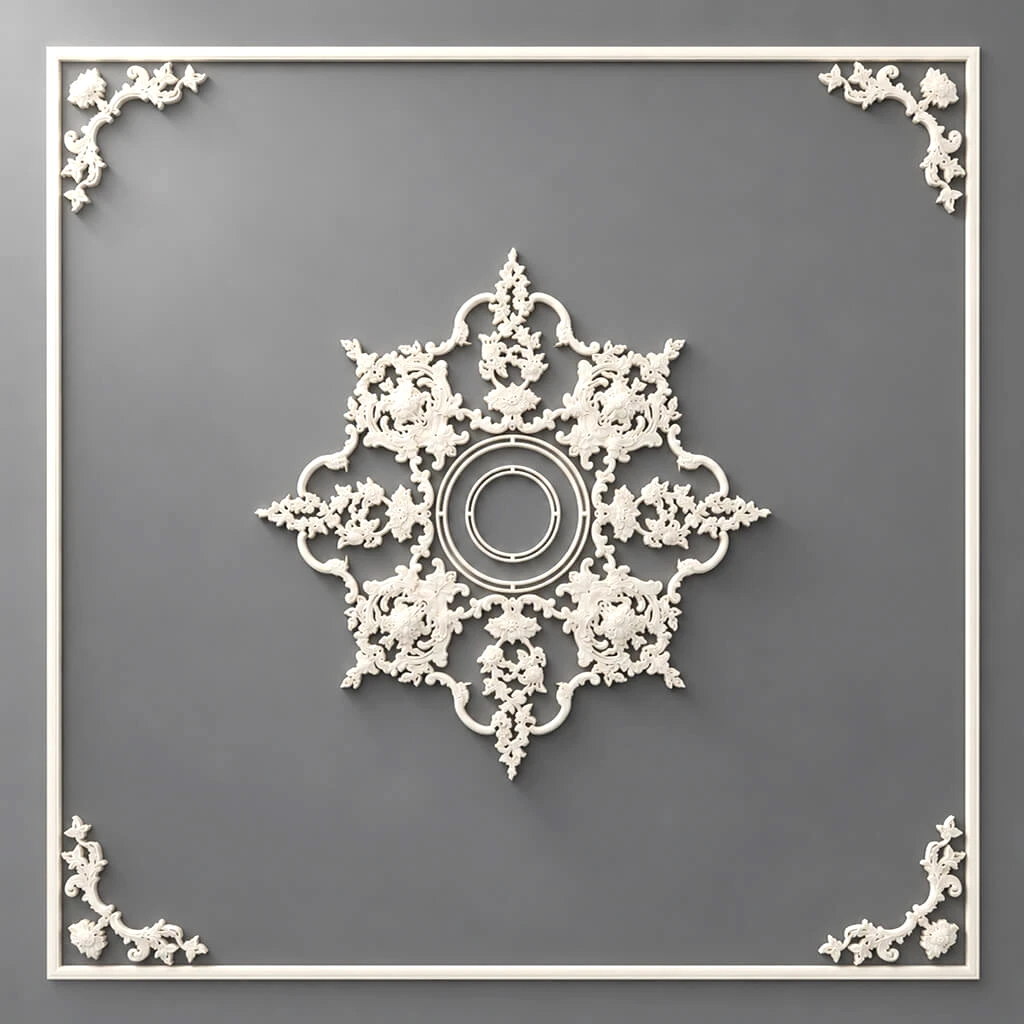
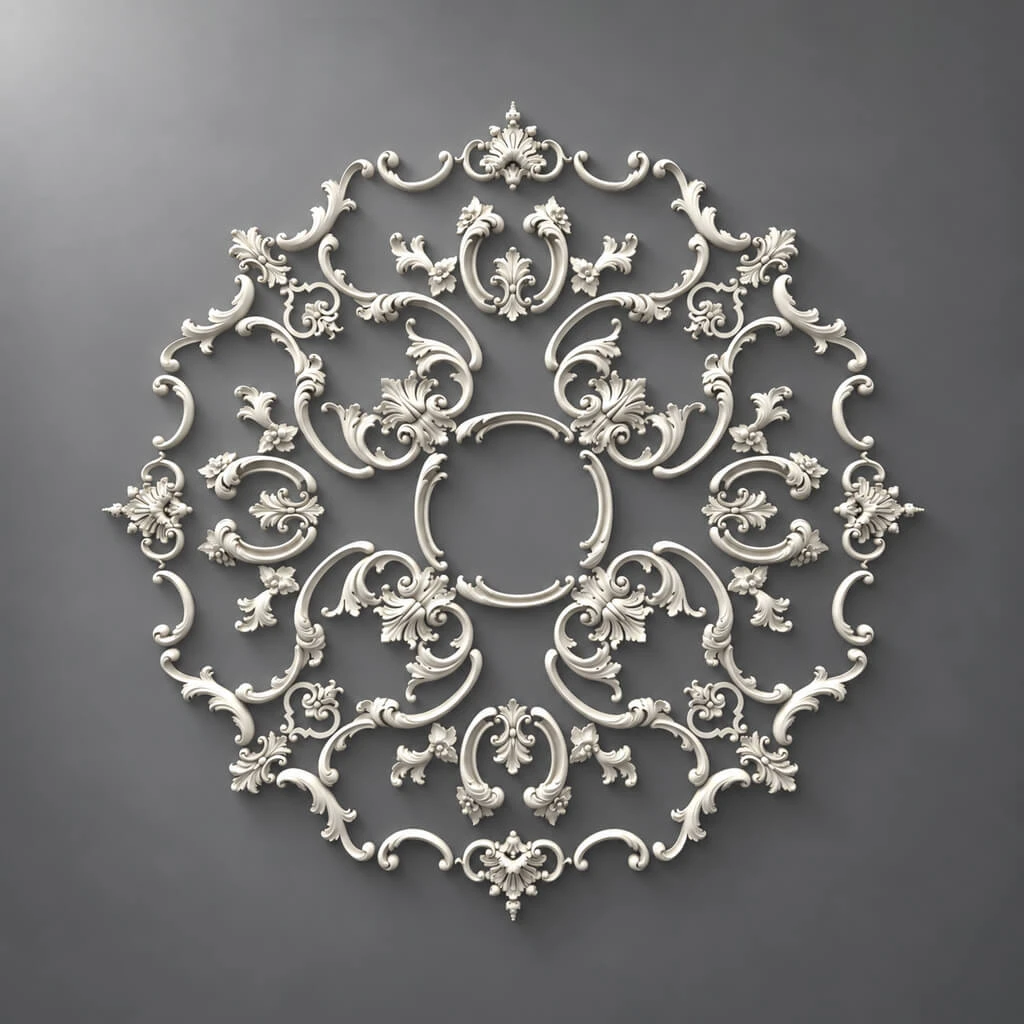
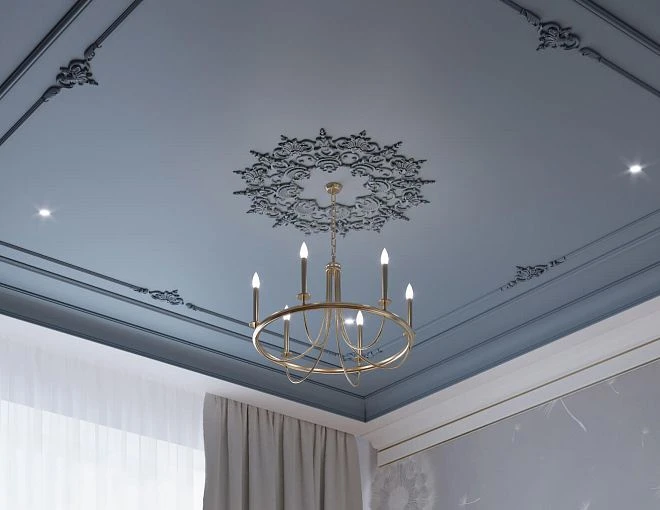
Ceiling rosette 280–400 mm for the chandelier — an accent in the center of the ceiling.
-
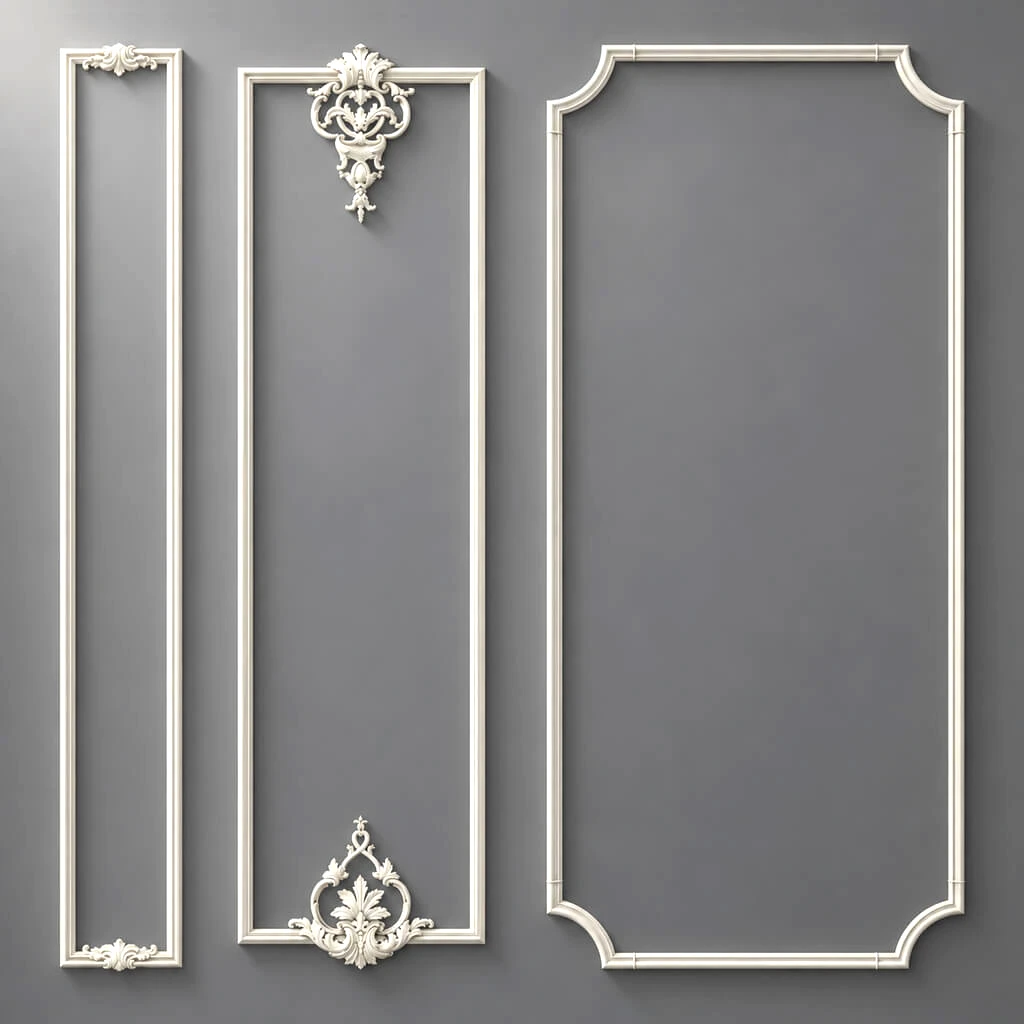
Molding frame around the perimeter of the slatted field — frames the wooden panel like a work of art.
-
Horizontal belt 40–50 mm at a height of 1.0–1.2 m — divides the wall into registers.
-
Baseboard 80–100 mm — the lower boundary of the system.
A delicate option for a small living room (up to 18 sq.m.) or a modern minimalist style:
-
Cornice 60–80 mm of a simple profile.
-
baseboard 60–70 mm.
-
No belts or frames — only a perimeter frame.
Bedroom: softness and delicacy
The bedroom requires the quietest decor. A large, heavy cornice above the headboard with wooden slats is excessive. The bedroom is not a ceremonial hall.
Optimal elements for the bedroom:
-
Cornice 50–70 mm in a simple profile, ceiling + wall.
-
baseboard 60–70 mm.
-
Molding frame around the slatted headboard field — if you wish to emphasize its architectural status.
-
Backlighting behind the cornice (LED) — for atmospheric lighting without brightness.
Study: strictness and order
The study is a space for concentration. Decor here should create a sense of order and significance, but not distract.
-
Cornice 70–90 mm with a moderate profile.
-
Horizontal molding at a height of 1.2 m — separates the lower 'panel field' with slats and the upper neutral zone.
-
Baseboard 80–90 mm.
-
No sockets or surface-mounted decorative elements — only structuring moldings.
Children's room: lightness and play
A child's room is a place where strictness is out of place. Wooden slats here work as a warm, natural material that creates coziness.Relief Decor in InteriorThe decor in a child's room is the lightest and simplest: a small cornice, thin molding frames, possibly — decorative surface-mounted stars, moons, clouds in the ceiling area (specialized children's collections of polyurethane decor).
Kitchen: practicality first
In the kitchenslatted wall panelsare placed only in areas without direct steam and grease exposure: the wall behind the dining table, the end wall. A polyurethane cornice around the perimeter of the ceiling is the optimal and practically the only appropriate solution for stucco decor in the kitchen. It completes the wall system and does not accumulate dirt if the exhaust hood is functioning properly.
Hallway: minimalism as a principle
In the hallway, stucco decor operates in 'only necessary' mode: a ceiling cornice 50–70 mm, a baseboard 60 mm, and in a long hallway — vertical pilaster-moldings every 90–100 cm for rhythmic division of the wall.
How to combine the linearity of slats and the relief of molding: composition principles
This is the most complex and most interesting question. The answer lies in understanding that slatted panels and molded moldings operate at different levels of perception.
Two levels of perception: texture and structure
A slatted panel is texture. Close-up view: the wood grain pattern, the depth of the gaps, the tactile quality of the surface. Viewed from a distance of 0.5–2 m.
A molded molding is structure. Medium and long-range view: the boundary between wall and ceiling, the horizontal division of space, the frame-like border. Viewed from a distance of 2–5 m.
The two levels do not compete—they work at different 'visual distances.' This is precisely why their combination is richer than either one alone: the interior is legible both up close (the texture of the wood) and from a distance (the architectural structure of the moldings).
The rhythm of the slats and the profile of the molding: harmonizing the languages
The vertical rhythm of the slats is a repeating linear motif. The molding profile is a curvilinear or rectilinear silhouette in cross-section. For them to work together, not separately, stylistic harmony is needed.
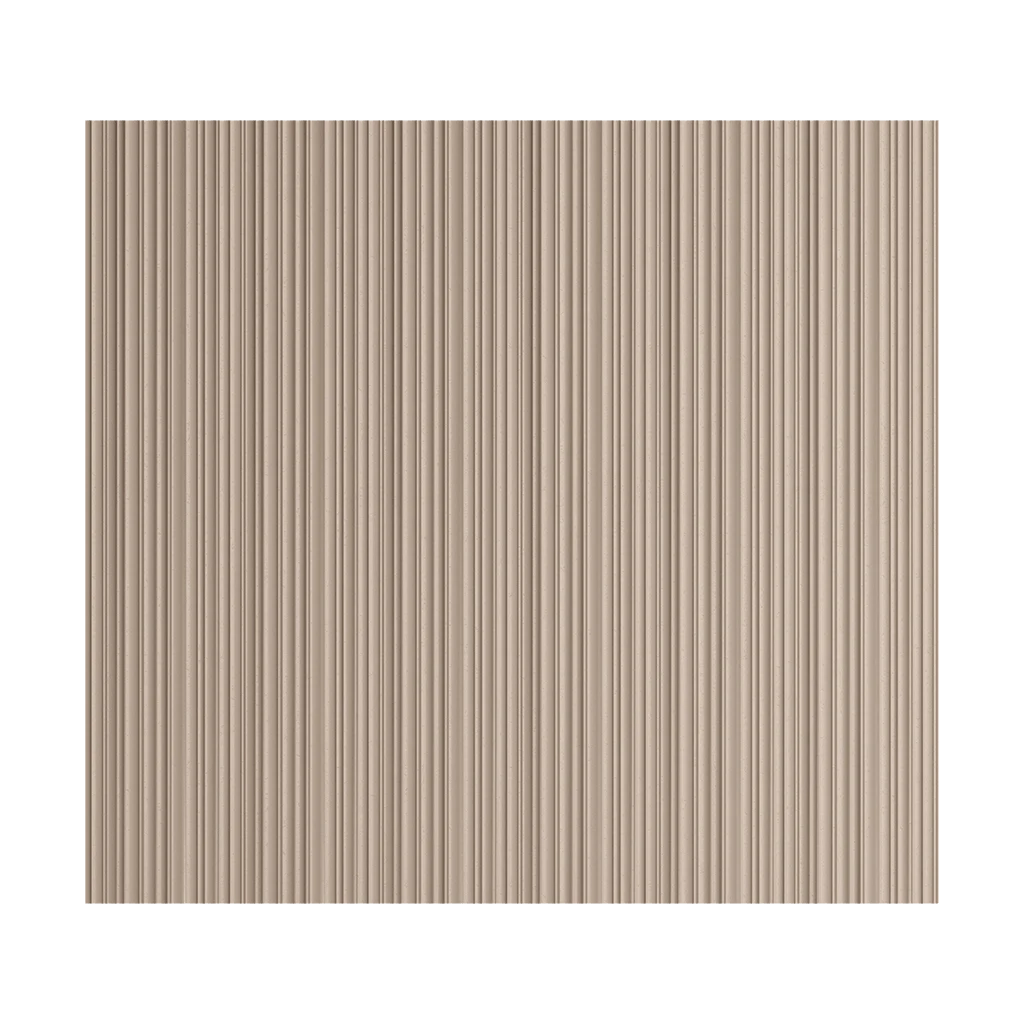
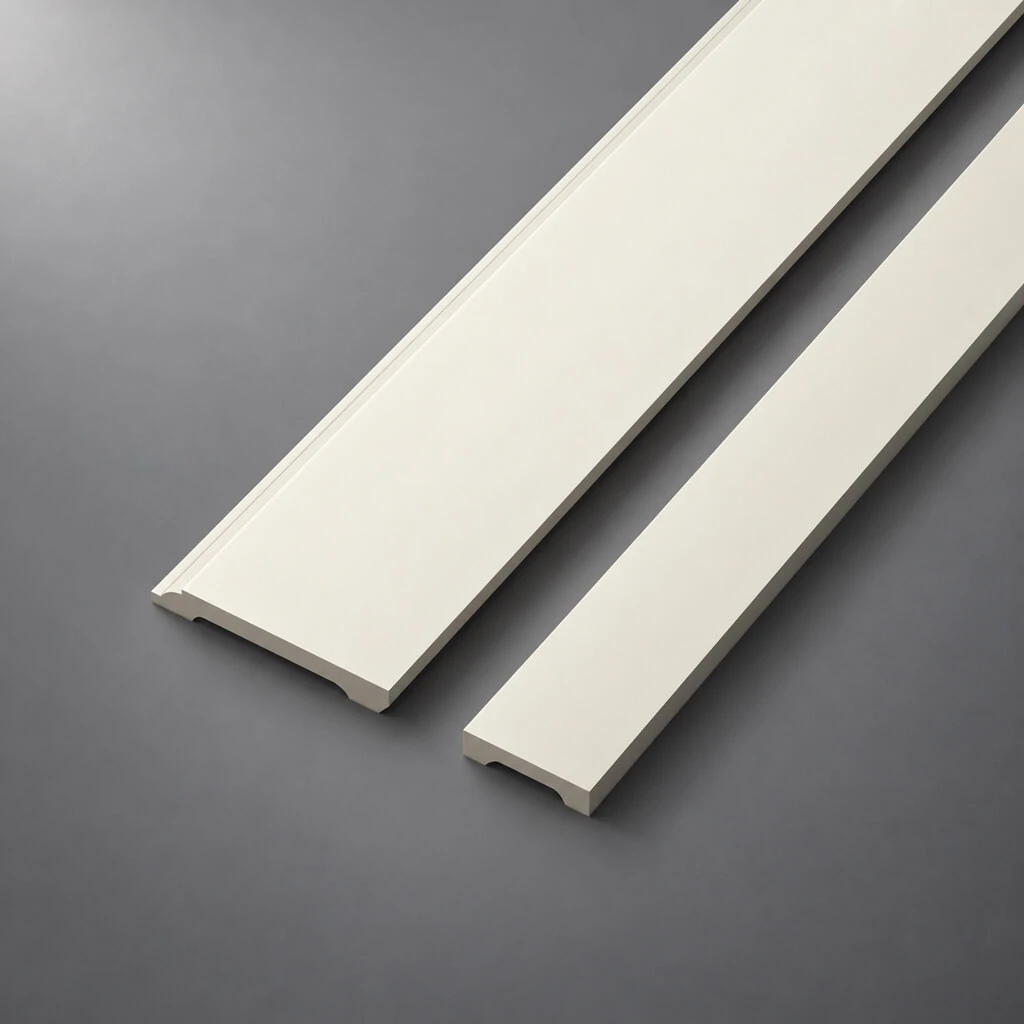
Vertical slats with a rectangular cross-section (typical of most modern slatted panels) → molding with a rectilinear profile: rectangular cornice, flat band, minimalist baseboard. Common language: the straight line.
Vertical slats with a bevel or chamfer → molding with a soft curve. The bevel adds movement to the edge of the slat—and the molding with a smooth transition picks up this motif.
Classical slats in a historical style → molding with a full classical profile (curve + fillet + ogee). Both elements belong to the same architectural vocabulary.
Color scheme: monochrome or contrast
Three proven schemes:
-
Monochrome. Battens and moldings in a single tone (white, light beige, light gray). Decoration is present as relief, not as color. The most delicate solution for small spaces.
-
Warm wood + white moldings. A classic contrast of organic and formal. Works at any scale.
-
Dark battens + wall-colored moldings. Moldings 'blend into the background,' wooden battens are the main accent. An elegant, professional solution.
Approaches for apartments, houses, and commercial spaces
The context of application drastically changes the tactics. An apartment, a country house, and an office or restaurant are three different tasks, three different approaches.
City apartment: maximum effect in limited space
In a city apartment, the main task is to create maximum visual impact with minimal intervention in the architecture. Walls, as a rule, cannot be demolished. The ceiling is typically 2.5–2.7 m. The area is limited.
Best strategy for an apartment:
-
One accent slat wall in the living room or bedroom.
-
A delicate molding system around the perimeter: cornice + baseboard.
-
Accent elements (ceiling medallion above the chandelier, molding frame) — only in the formal area.
-
Monochromatic or two-color solution.
Country house: scale and naturalness
A country house allows for what is unacceptable in a city apartment: large-scale solutions, high ceilings, several slat zones in different rooms, developed molding systems.
In a country house, wooden slat panels work especially organically — the connection with nature is logical and desirable here. Expanded systems of stucco decoration on the ceiling (beams, developed cornices, coffers) — in full implementation.
Commercial space: atmosphere as a competitive advantage
Restaurant, cafe, hotel, office — here slat panels and stucco decoration solve the problem of atmosphere, which directly affects the commercial result.
A restaurant with wooden slat walls and a warm cornice with lighting is a place you want to return to. This is not an abstraction: confirmed by the practice of numerous projects. A person in a beautiful environment feels better, spends more time, spends more money.
For commercial spaces, material durability is especially important: slatted panels with professional lacquer coating withstand intensive use, while polyurethane decor is lightweight, durable, and easy to repair.
Office: a modern approach to the work environment
A modern office is not dreary white walls with fluorescent lights. It is a thoughtfully designed environment that impacts productivity, mood, and the company's appeal to employees.
Slatted wall panels in meeting rooms, reception areas, and lounge zones are markers of a corporate culture that values environmental quality. Molded decor (cornices in reception areas, molding framing for corporate graphics on walls) adds formality and prestige.
Main composition mistakes: what ruins a good idea
The list of most common mistakes is the flip side of the rules. Knowing what is done wrong helps you understand what to do right.
First mistake: slatted panels without finishing
Slats cut off at the ceiling without a cornice and at the floor without a baseboard are a construction semi-finished product, not design. The expansion gap at the ceiling and floor is a technical necessity when installing wooden panels. Without a cornice and baseboard, this gap is visible and looks sloppy. Cornice and baseboard are mandatory elements of any slatted system.
Second mistake: mismatch of scales
Thin slats 30–40 mm + massive cornice 150 mm — a mismatch where the cornice visually 'overpowers' the delicate slats. Or vice versa: wide slats 100 mm + thin baseboard 40 mm — the lower boundary looks random. The scale of all system elements must be coordinated.
Third mistake: stylistic conflict
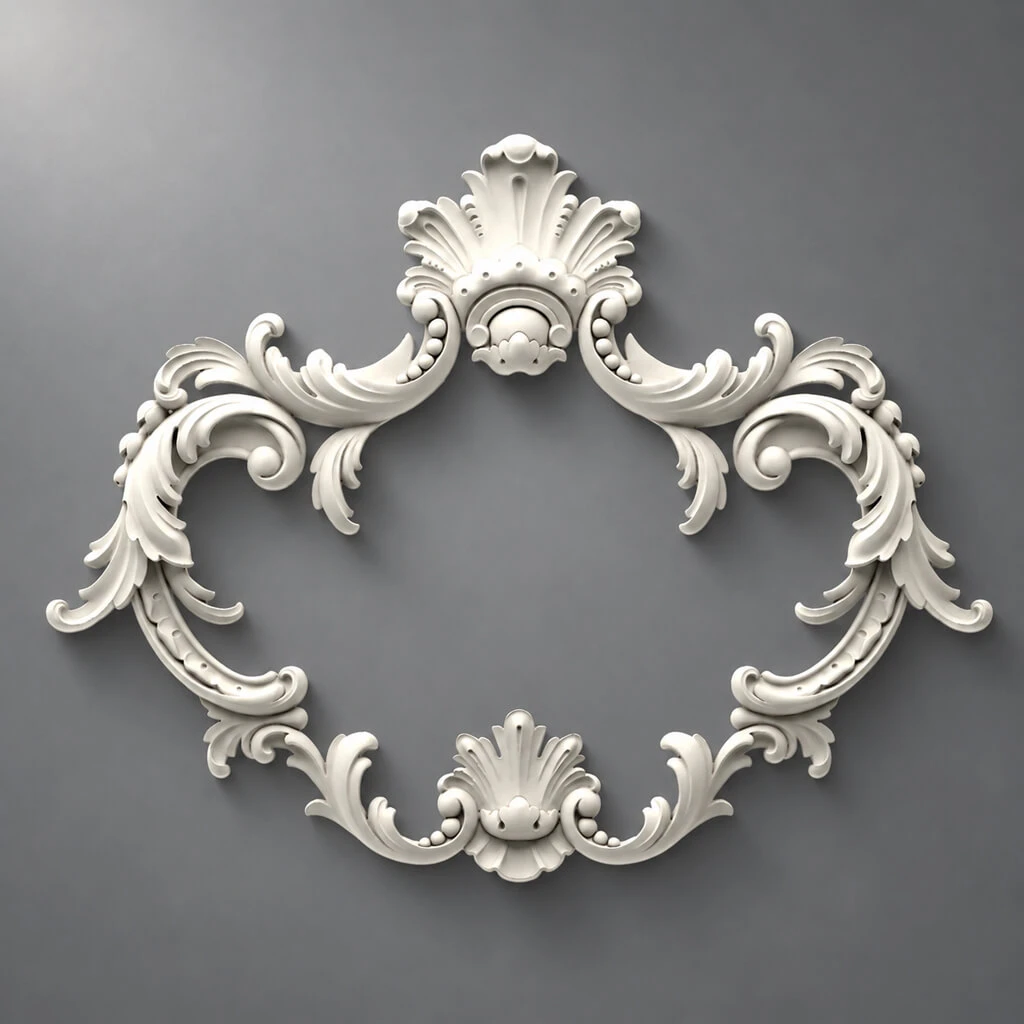
Modern minimalist slats in light ash + a Baroque cornice with acanthus leaf — this is not an 'interesting contrast', it's a mistake. The style of molding is determined by the style of the interior and the style of the slatted panels. In minimalism — straight-line profiles. In classicism — profiles with relief. Mixing incompatible styles disorients the eye.
Mistake four: overloading with decor
Slatted panel + molding frame + horizontal belt + vertical pilasters + applied medallions + complex cornice — in a standard room of 15–20 sq.m., this is overload. The smaller the room, the more delicate the decor should be. Rule: one powerful accent (slatted wall) + delicate finishing (cornice and baseboard). Everything else is optional and only with sufficient area and height.
Fifth mistake: ignoring lighting
Slatted panels without thoughtful lighting lose most of their effect. Direct ceiling light — flat wall. Side lighting — living, voluminous, deep texture. Lighting is not an optional decorative element; it is a mandatory component of the system.
Mistake six: molding on a slatted surface
Molding cannot be attached directly to a slatted panel — only to a stationary base (plaster, drywall, concrete). The cornice is mounted above the panel, on the wall or ceiling. The baseboard — below the panel, on the floor. The molding frame — around the perimeter of the slatted field, on the wall on the sides and top-bottom.
Technical questions: preparation, material, installation
Which material to choose for slatted panels
The choice of material is determined by the conditions of the room and the budget:
| Material | Moisture resistance | Aesthetics | Repair | Best for |
|---|---|---|---|---|
| Solid wood | Medium (with coating) | Highest | Light (oil) | Living room, bedroom, study |
| Painted MDF | Good | High | Repainting | Any spaces |
| MDF veneered | Medium | Very High | Medium | Living room, study |
| Acoustic panel | Medium | High | Complex | Study, media room |
Surface preparation
Walls before installing slatted panels on a frame do not require perfect flatness — the frame evens out irregularities. However, antiseptic treatment is mandatory — especially in rooms with periodic humidity. Walls before direct installation without a frame — are leveled to a deviation of no more than 3–5 mm over 2 m.
Tools and fasteners
For installing slatted wall panels: level (laser), hammer drill, screwdriver, handsaw or jigsaw for trimming slats, clips or self-tapping screws for fastening.
For installing polyurethane moldings: fine-toothed handsaw, miter box for angled cuts, acrylic mounting adhesive, putty knife, painter's tape for temporary fixation during curing.
About the company STAVROS
Where the interior must last for years — the material is crucial. STAVROS produces slatted wall panels from solid wood and MDF in a full range of widths (from 25 to 150 mm), textures (natural wood, veneer, painted MDF) and finishes (oil, wax, varnish, enamel). Each panel features precise geometry, stable finish, and readiness for installation on a frame or direct substrate.
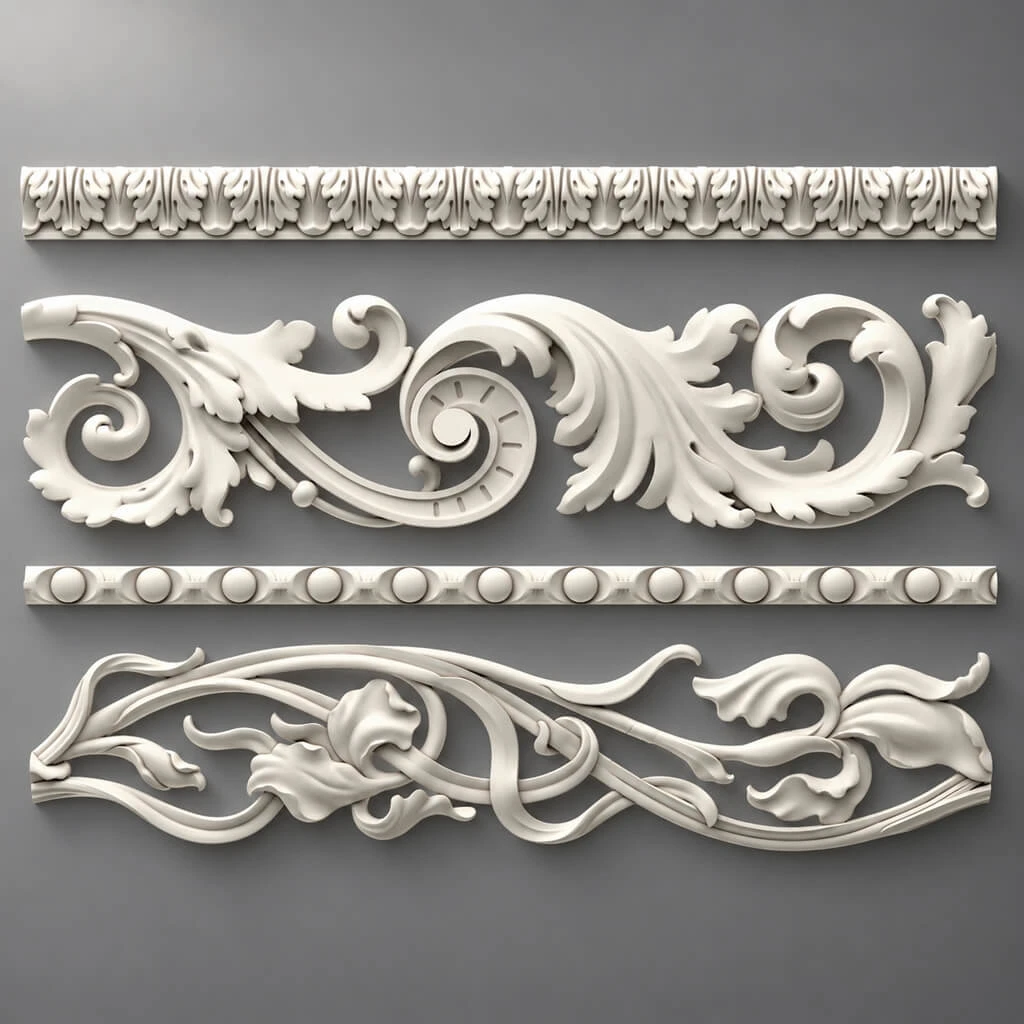
Decorativeinterior moldingsSTAVROS — cornices, moldings, baseboards, rosettes, overlay elements — made from high-quality closed-cell polyurethane with a base white coating, ready to be painted any color. Over 200 profiles for all styles: from strict minimalism to rich neoclassicism.
STAVROS — Russian production with a full quality control cycle. Company specialists consult on material selection for specific tasks: hallway or living room, apartment or country house, modern style or classic. Because the right solution starts with the right material — and STAVROS is a reliable partner in this.
FAQ: Answers to popular questions
Can slatted panels be installed on uneven walls?
Yes, that's exactly what the frame is for. A metal frame made of CD/UD profiles levels out wall irregularities. For deviations up to 3–5 mm, direct mounting is acceptable for lightweight MDF panels. For larger deviations — only a frame.
What is the minimum set of decorative molding needed for a slatted wall?
Minimum — ceiling cornice (upper boundary) and baseboard (lower boundary). These are mandatory elements of any slatted system. Everything else — as desired and according to the scale of the room.
Can wooden slats be painted the same color as moldings?
Yes. A monochrome system (slats and moldings in a single color) is one of the most professional techniques. Wooden slats are painted with acrylic enamel over primer, polyurethane moldings — with acrylic paint over the base coating. With a single batch of tinting, the color matches exactly.
Is an expansion gap needed when installing wooden slatted panels?
Absolutely — 5–10 mm at the ceiling and floor. Natural wood expands with changes in humidity and temperature. Without a gap, the slats press against the ceiling and deform. The gap is covered by the cornice and baseboard.
Can you combine slatted panels in one room with wallpaper on other walls?
Yes. The classic scheme: an accent slatted wall + three walls with wallpaper (neutral tone, coordinated with the wood). The wallpaper and slats meet at a corner joint, which is covered with a corner molding or simply a neat abutment.
How often should the coating of wooden slatted panels be renewed?
With an oil finish: every 2–3 years — oil renewal (a simple procedure that does not require dismantling). With a varnish finish: 10–15 years without renewal under normal use. With an enamel finish: 7–10 years.
How long does it take to install slatted panels on one wall?
With tools and one person: frame for a 10–12 sq.m. wall — 3–4 hours. Panel installation — 2–3 hours. Perimeter moldings — 1–2 hours. Total: a standard wall 'turnkey' in one working day.