













































Article Contents:
- What intent lies behind such queries: reading between the lines
- Three types of buyers — three different tasks
- Why it's important to consider panels and decor as a single query
- Which panels to choose for different rooms: a detailed breakdown
- Living room: an architectural event on the main wall
- Bedroom: a wooden background as an environment of peace
- Children's room: safety first
- Kitchen: application zones and exclusion zones
- Corridor: Function and Aesthetics Simultaneously
- Bathroom: A Special Case
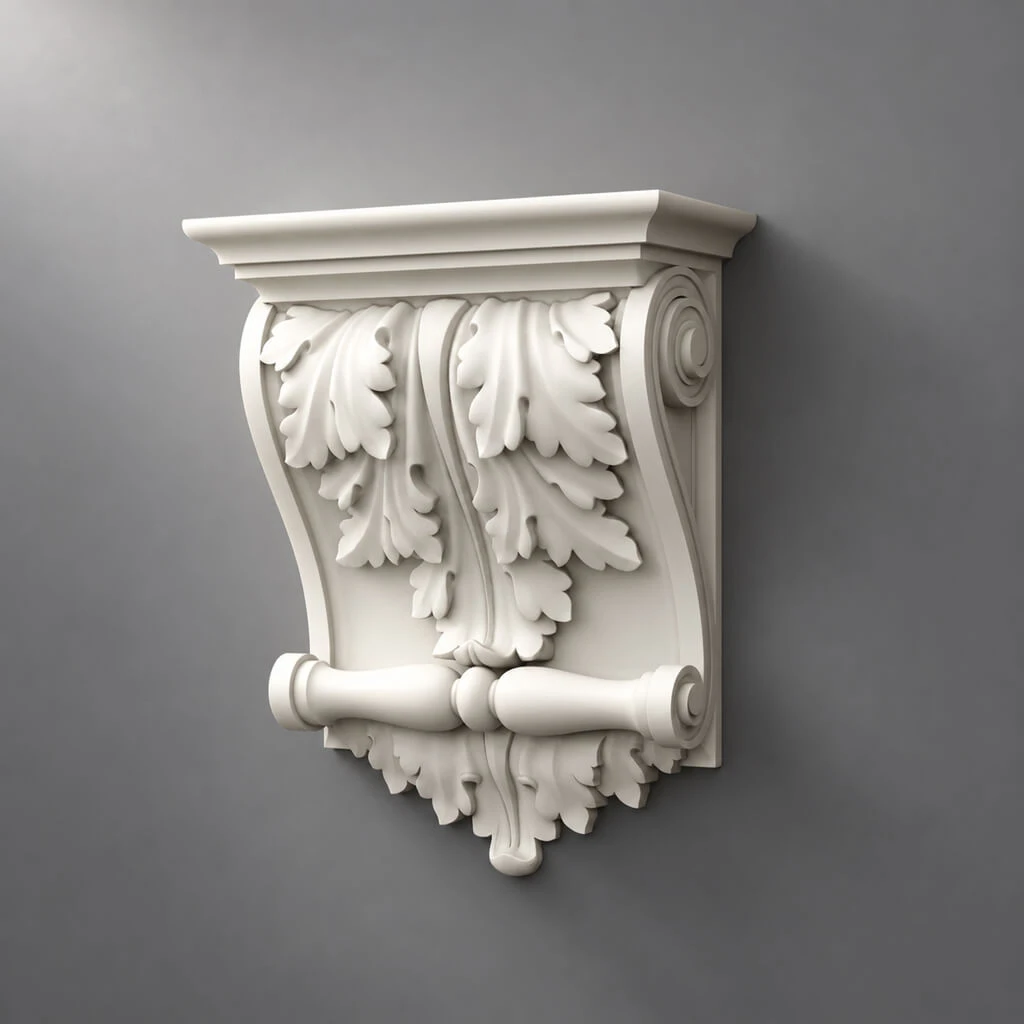
- Which Types of Molded Decor Are Truly Needed: Without Excess
- Ceiling Cornice: The Essential Element Number One
- Baseboard: The Underestimated Lower Boundary
- Moldings and Belts: Horizontal Wall Division
- Ceiling Rosette: An Accent on the Ceiling
- Polyurethane Beams: For Country, Rustic, and Country House Styles
- How to Combine Panels, Moldings, Cornices, and Overlays: A System Without Chaos
- The Principle of a Unified Stylistic Language
- Principle of Scale Hierarchy
- Principle of Color Unity
- Principle of Light Enhancement
- What Not to Skimp On: Five Non-Negotiable Items
- Batten Coating
- Wood Species for High-Traffic Areas
- Geometric Precision of the Batch
- Rigidity of Polyurethane Cornices
- Emission Class for Children's Room and Bedroom
- What Is Usually Overlooked When Ordering: Seven Unforgivable Omissions
- First Omission: Did Not Order Cornice and Baseboard Together with Battens
- Second omission: did not order spare materials
- Third omission: did not acclimate the material
- Fourth omission: did not prepare the base
- Fifth omission: did not plan the lighting
- Sixth omission: chose dark slats without lighting calculation
- Seventh omission: neglected samples
- Practical scenarios: how it looks in real projects
- First scenario: 65 sq.m. apartment, Voronezh, modern classic
- Second scenario: country house, Voronezh region, country style
- About the Company STAVROS
- FAQ: Answers to Popular Questions
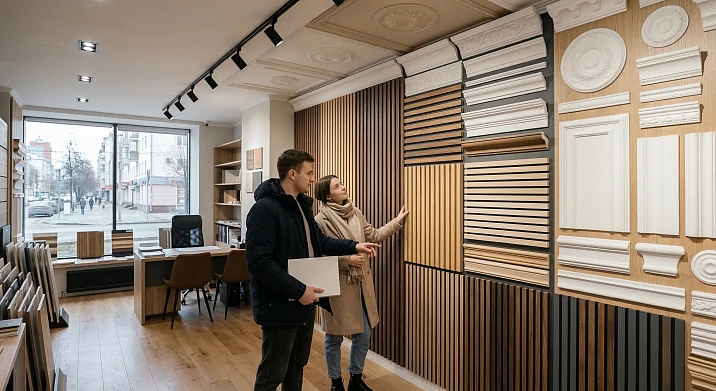
Voronezh is a city with long-standing architectural traditions, with a historic center and modern residential quarters, where renovations are done thoughtfully and for more than just one year. When a Voronezh buyer types into the search engine 'slatted panels buy in Voronezhwill help find items with spacious tabletops and sturdy construction.Buy Molded Decoration"» — behind this lies not an impulse, but a considered desire to make the interior work long-term, look convincing, and reflect the owner's character. Making a mistake here is disappointing — and expensive. That's why the conversation about material selection should be honest, detailed, and practical. Not promotional — but instructive. This article is exactly that."







What intent stands behind such queries: reading between the lines


Three types of buyers — three different tasks
The query "slatted panels buy Voronezh" is not homogeneous. Behind it are different people with different tasks, and understanding this is important even before opening the catalog.
First type: owner with a specific project. They've already made a decision, know which wall they want to decorate, have a general idea of the style. They need specific parameters: wood species, slat width, finish, price per linear meter, delivery time.
Second type: person in the selection stage. They've seen slatted interiors on social media or at friends' places, want something similar for themselves, but haven't finalized the details yet. They need a system: how to choose, what goes with what, how it all works.
Third type: professional — designer or foreman. Working on a client's project, forming specifications. They care about accuracy of characteristics, reliability of supply, ability to work with non-standard sizes.
For all three types, the answer is one: a system is needed, not just a product list. And this article provides such a system.
Our factory also produces:






Why it's important to consider panels and decor as a single query
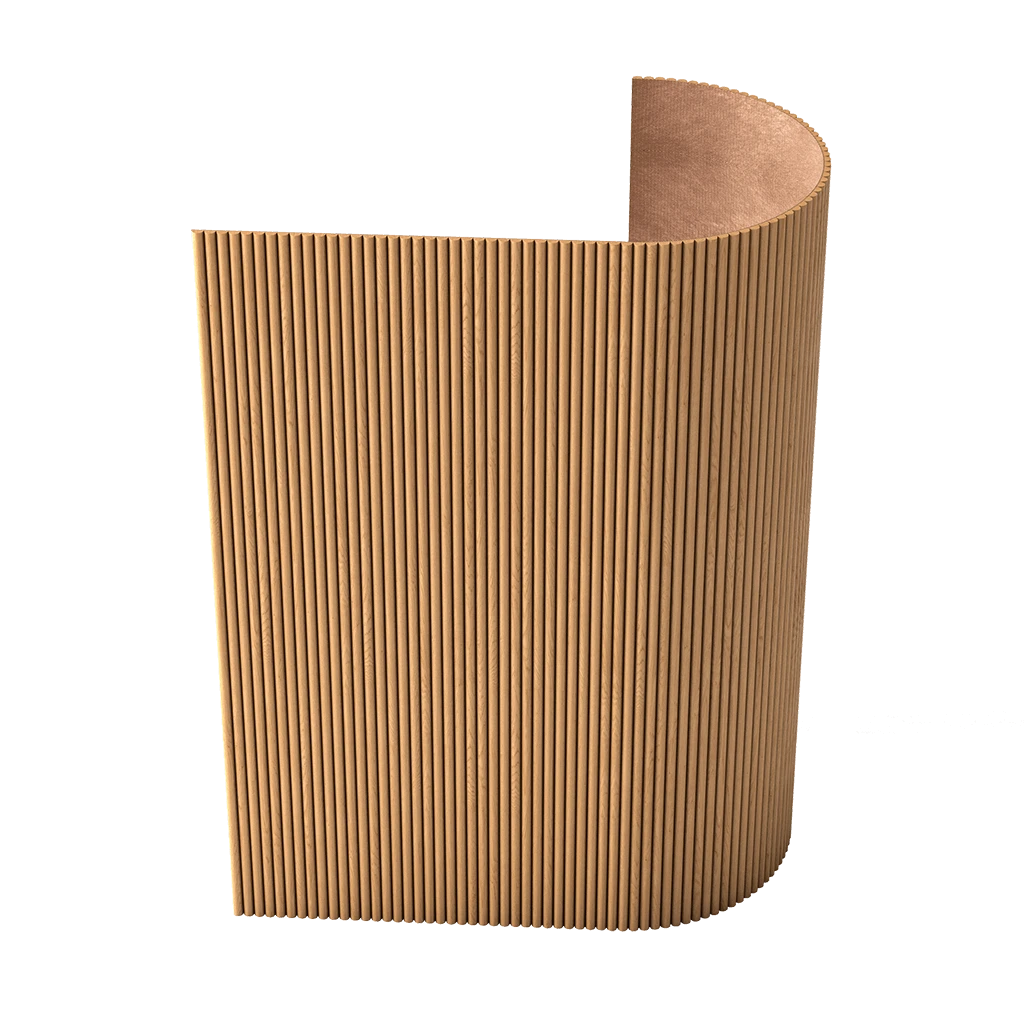
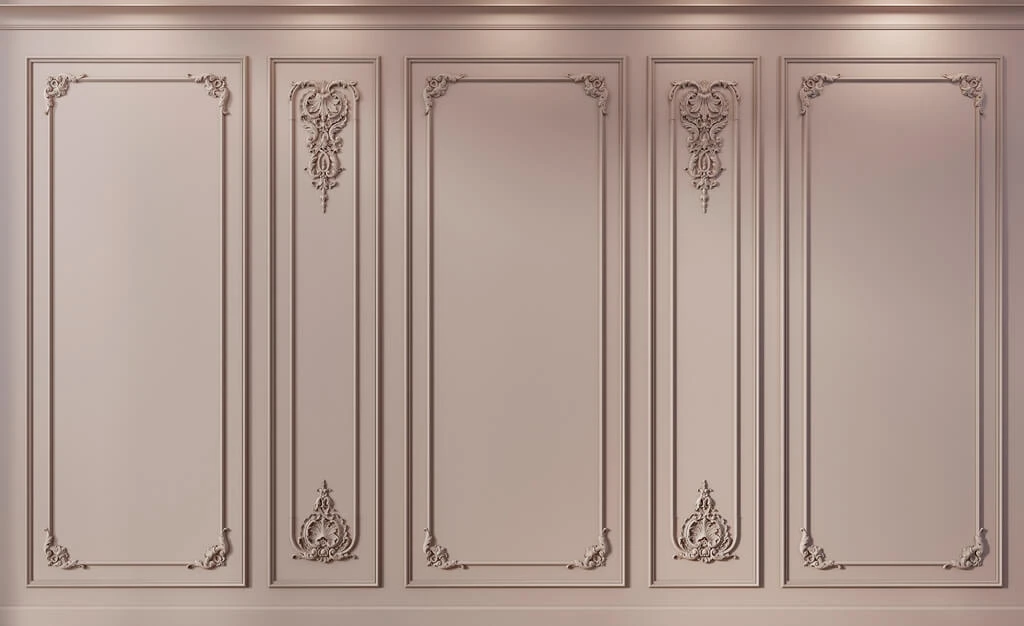
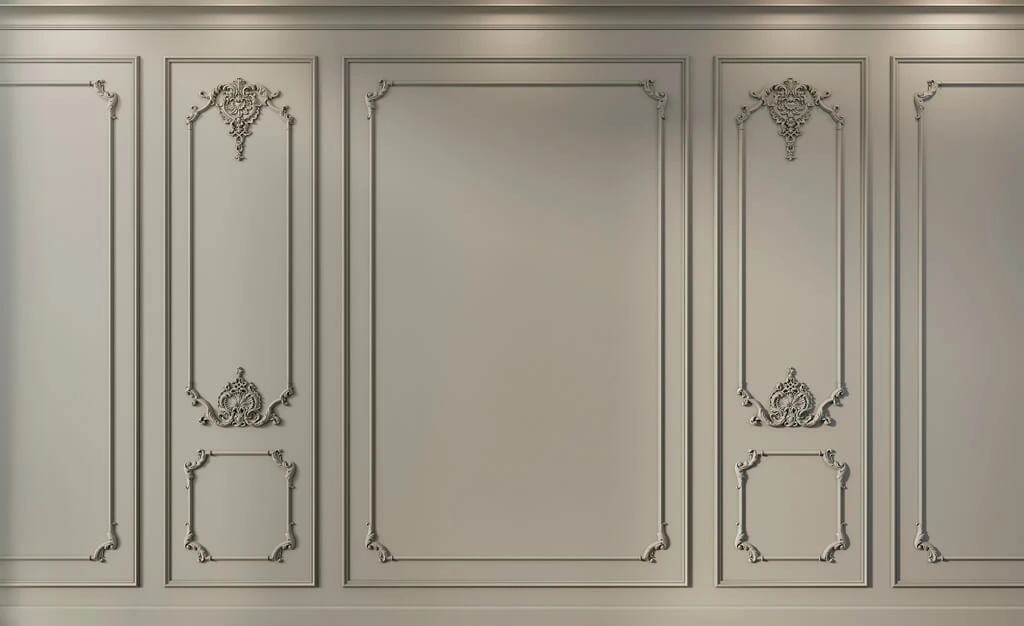
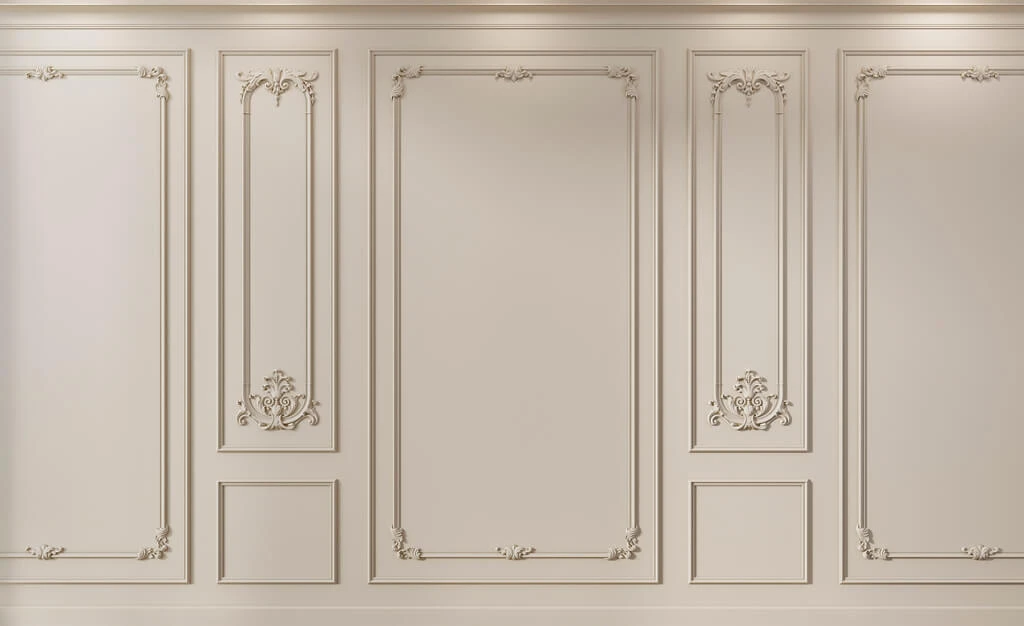
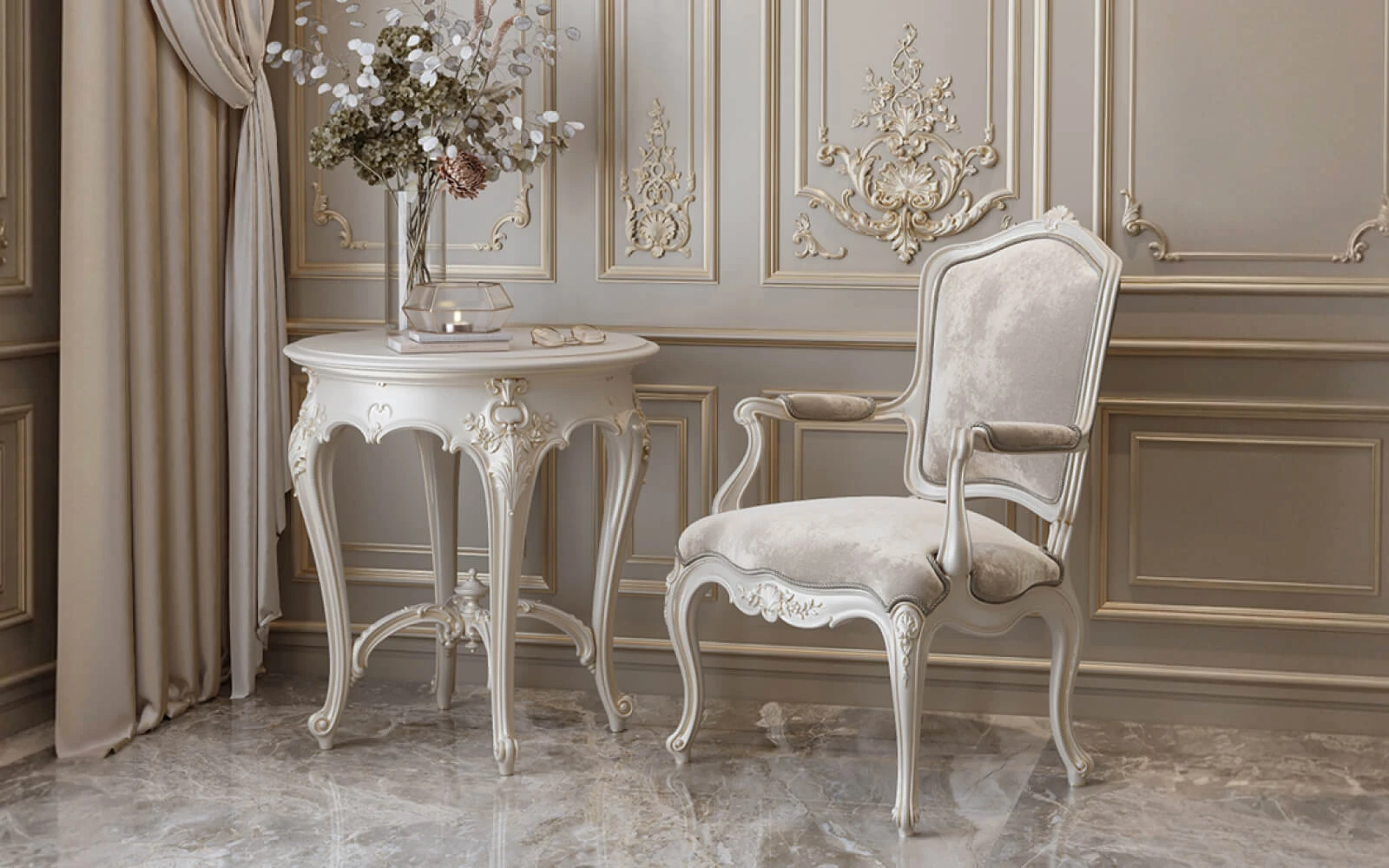
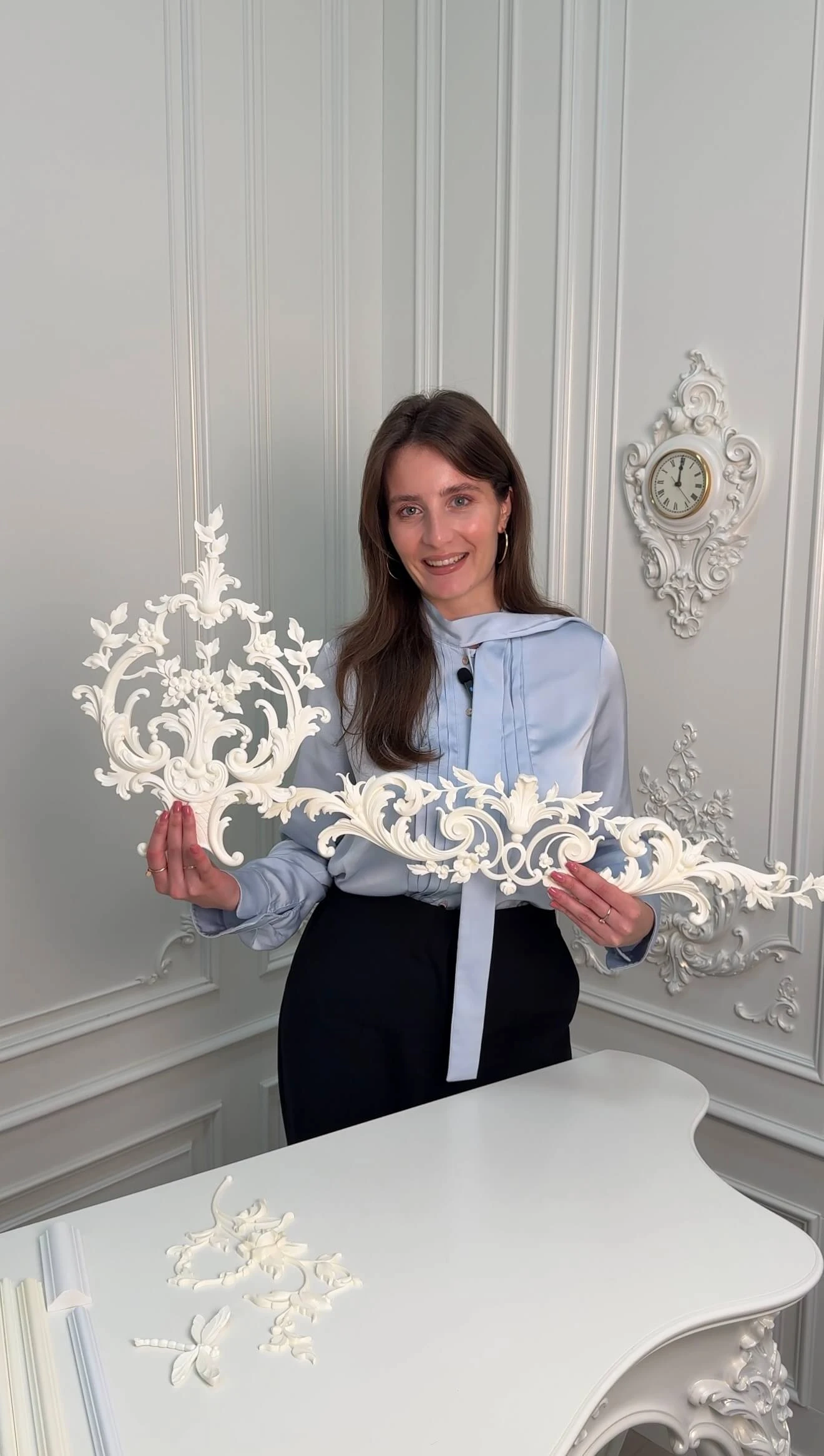
A person who seeksbuy slatted wall panels in Voronezhand simultaneously thinks about stucco decor intuitively senses the correct logic. A slatted panel and polyurethane decor are not two separate products, but parts of one architectural system. The slats create texture and rhythm. Stucco decor creates structure, framing, completion. Without one, the other is incomplete.
It's important to understand this upfront, before purchase. Because precisely those who buy slats as 'just slats' without a system later experience disappointment: beautiful material, but something is off. Something unfinished, something 'hangs in the air.' The reason is the lack of architectural framing.
Get Consultation
Which panels to choose for different rooms: a detailed breakdown
Slatted panels are not a universal product in the sense of 'one item for everything.' Within the category, there is serious differentiation by material, profile, coating, and purpose. Let's go room by room.
Living room: an architectural event on the main wall
The living room is the public core of the apartment. Here, the interior works as a statement: about taste, about character, about attitude towards the environment in which one lives. An accent wall withslatted wall panelsis the most expressive tool available today at a reasonable price.
Parameters for the living room:
-
Slat width: 60–80 mm — optimal range for a room area of 16–25 sq.m.
-
Wood species: oak oil — warm, natural, durable. Oak hardness on the Brinell scale of 3.7–4.0 ensures resistance to mechanical loads.
-
Orientation: vertical — for a visual increase in height.
-
Gap: 10–14 mm with a dark backing behind the slats (anthracite, dark graphite) — creates a depth effect.
-
Slat length: from floor to ceiling without joints.
An additional technique many overlook: warm white LED lighting (2700–3000 K) behind the cornice box. The light glides down the slats from top to bottom — and the wall 'comes alive' even with the main lighting off.
Bedroom: wooden background as an environment of tranquility
A bedroom with a slatted headboard wall is not about display. It's about atmosphere. The wooden texture behind the headboard creates a warm, natural background that promotes psychological relaxation.
Parameters for the bedroom:
-
Slat width: 40–60 mm — a delicate rhythm, not dominant.
-
Tone: neutral warm — whitewashed oak, natural ash, light birch.
-
No dark wood species in small bedrooms — dark wood requires powerful lighting, which is inappropriate in a bedroom.
-
Profile: rectangular or with a slight bevel — delicate, without unnecessary emphasis.
Children's room: safety first
For a children's room, the requirements for the material are the strictest. Formaldehyde emission class: only E0 or E1. Coating: water-based oil without solvents or acrylic enamel. No nitro lacquers or solvent-containing compounds.
Slatted panels in a children's room: slats 30–50 mm, height up to 1.2–1.5 m (child's perception level). Tone — light neutral or soft pastel shade according to RAL. MDF painted in mint, powder pink, or sky blue — an organic and safe solution.
Kitchen: application zones and exclusion zones
In the kitchen, slatted panels are used in clearly defined zones:
Allowed: wall behind the dining table, side walls outside the work area, bar counter with a slatted screen.
Not allowed: backsplash above the countertop (direct contact with water and grease), area near the stove without a powerful hood.
Material for kitchen zones — exclusively MDF with two-component lacquer coating or moisture-resistant HDF. Natural oil in the kitchen is not the best choice: it requires regular renewal and resists the kitchen environment worse than high-quality lacquer.
Corridor: Function and Aesthetics Simultaneously
The corridor is the first and last thing a person sees in an apartment. Slatted panels here solve three tasks in parallel: they create a visual rhythm, transform a cramped passage into an architectural space, and protect the walls from mechanical damage.
Narrow vertical slats 30–50 mm covering the entire wall height create a directed rhythm that literally 'guides' a person along the corridor. Visually — they expand and lengthen the space. Tactilely — they protect the wall from keys, bags, clothing.
Bathroom: A Special Case
A bathroom with slatted panels is indeed possible, but requires a separate approach. Only moisture-resistant HDF (High Density Fibreboard with moisture-proof core impregnation) or thermowood. No ordinary MDF and certainly no unprotected solid wood. The coating — a fully waterproof two-component varnish covering all edges. Ventilation in the room is mandatory.
Which Types of Molded Decor Are Truly Needed: Without Excess
A buyer who encountersonline molded decor storesfor the first time may get confused: hundreds of items, dozens of profiles, countless ornaments. How to choose what's needed — and not overdo it?
The answer is simple: for most living spaces, three to four elements are needed. Everything else — as desired and depending on the style.
Ceiling cornice: the essential element number one
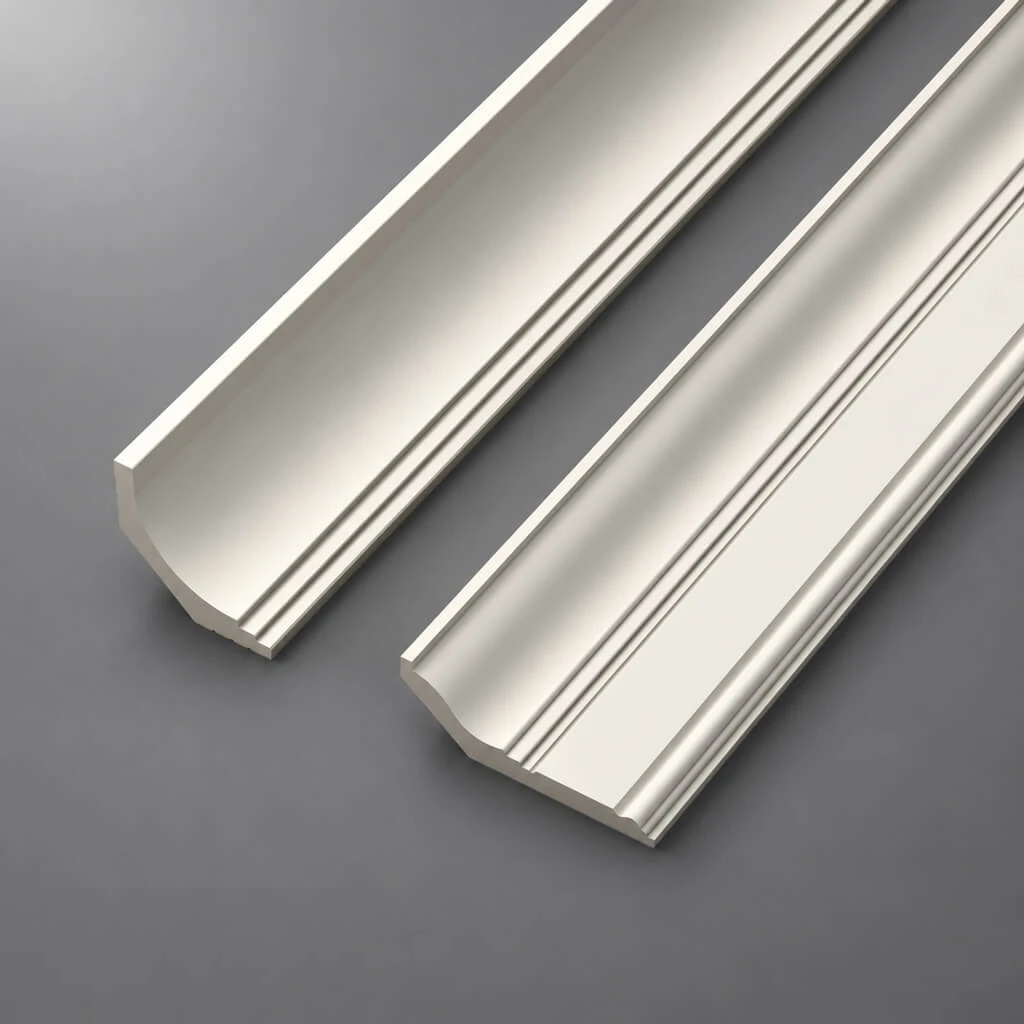
A cornice is the upper architectural boundary of a wall system. It serves both a technical function (covering the gap between the panel and the ceiling) and a decorative one (creating a 'frame' for the wall, completing the vertical volume).
Without a cornice, a slatted panel looks like an unfinished job. With a cornice — like an architectural system.
Cornice selection parameters:
| Ceiling Height | Recommended cornice width | Profile |
|---|---|---|
| up to 2.4 m | 50–60 mm | Straight |
| 2.5–2.6 m | 65–80 mm | Straight or with a slight curve |
| 2.7–2.8 m | 80–100 mm | With a curve |
| 2.9–3.0 m | 100–130 mm | Elaborate with a curve and a fillet |
| from 3 m | 120–180 mm | Full-fledged classic profile |
Important: the cornice profile must match the interior style. A straight cornice with clear angles is for modern interiors and minimalism. A cornice with a roundover and fillet is for classic and neoclassical styles.
Baseboard: the underestimated lower boundary
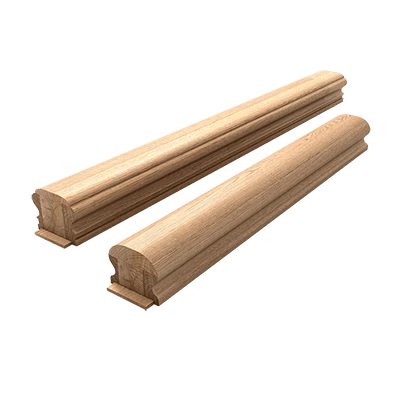
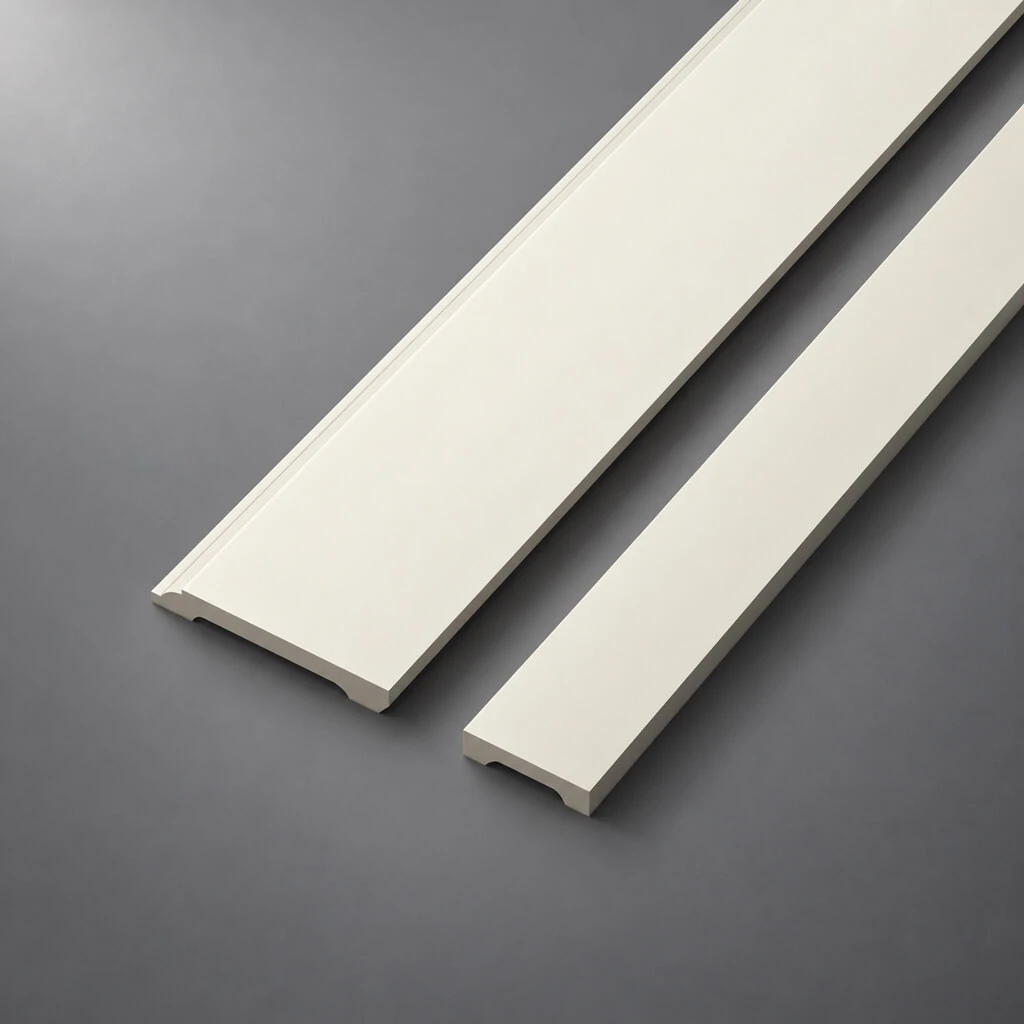
Polyurethane floor baseboard is no less important than the cornice. It covers the lower technical gap of the slatted panel, ensures a smooth transition to the floor, and creates the lower architectural boundary of the system.
Polyurethane baseboard: height 60–100 mm, profile coordinates with the cornice. Installation: acrylic adhesive + hidden finishing nails.
Color: in most interiors, the baseboard is white. This is a neutral solution that works with any color of walls and panels. For a monochrome interior, the baseboard matches the wall color.
Moldings and belts: horizontal wall articulation
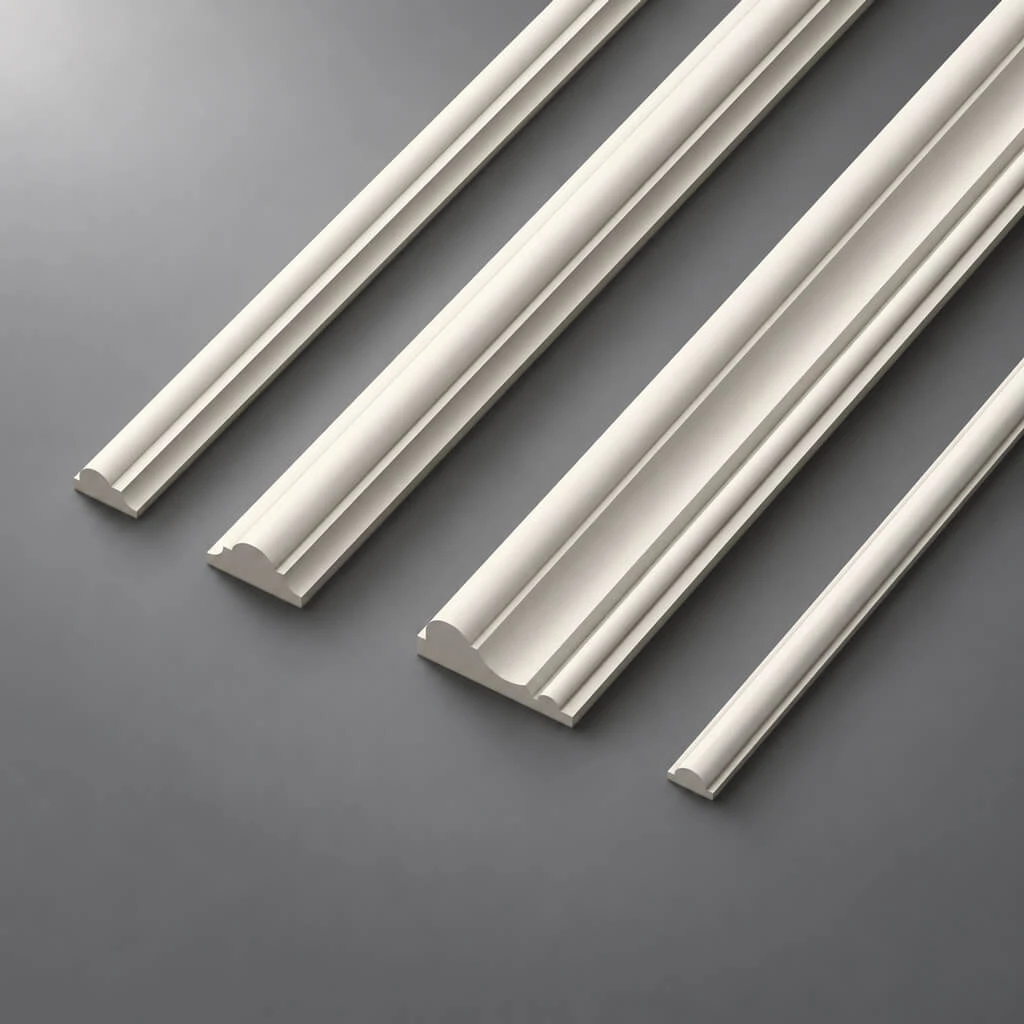
Decorative Molding CenterAny manufacturer offers a wide range of moldings—horizontal linear elements mounted on the wall. For slatted panels, two types are especially in demand:
Horizontal dividing belt at a height of 1.0–1.2 m: divides the wall into a lower slatted field and an upper neutral zone. The classic 'two-level wall' scheme. Belt width: 25–50 mm.
Molding frame around the perimeter of the slatted field: four pieces of molding 30–50 mm, forming a rectangle around the slatted panel. Turns the slatted field into a self-sufficient architectural object—a 'picture' with its own frame.
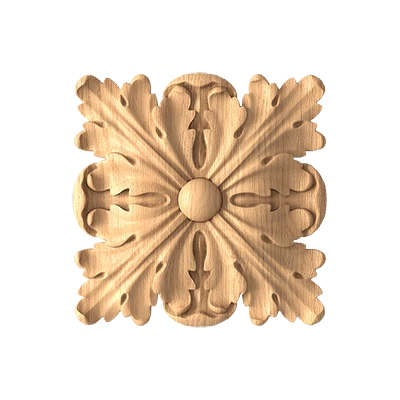
Ceiling rosette: accent on the ceiling
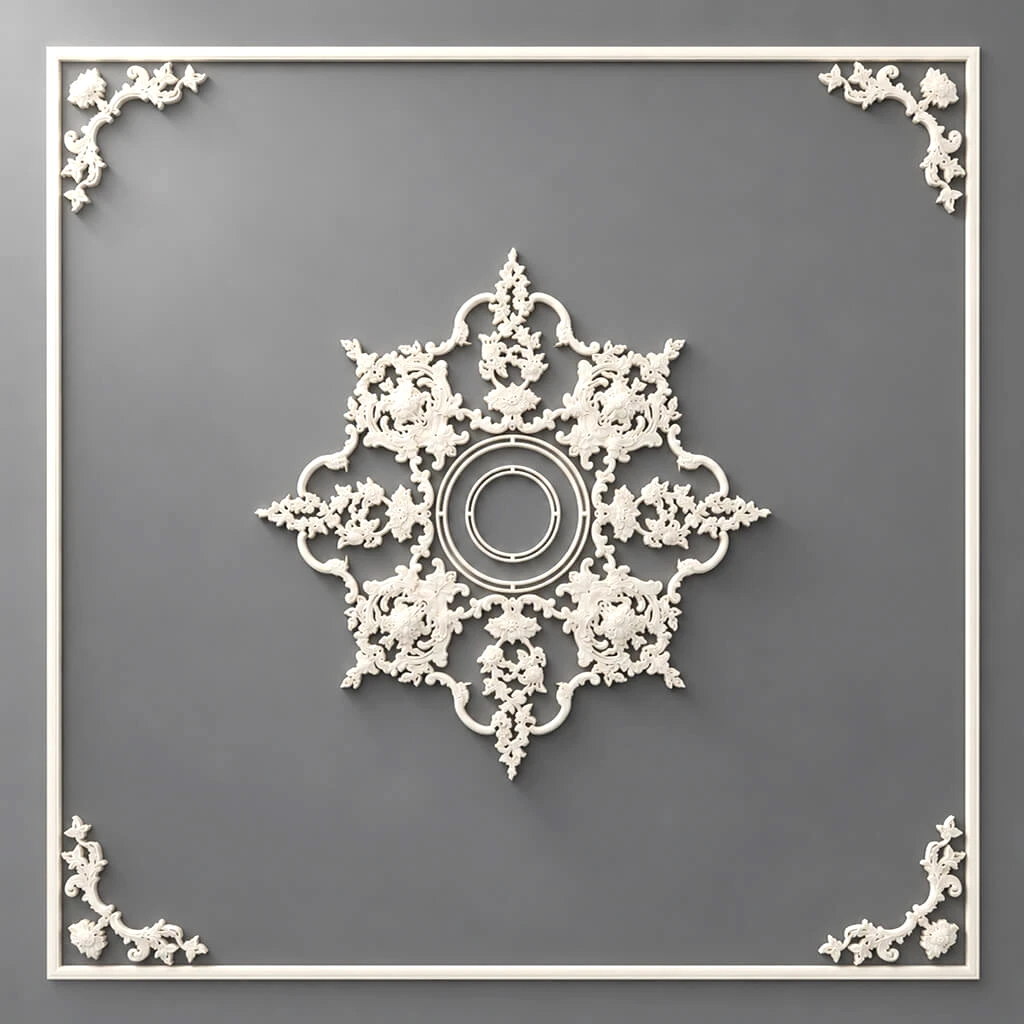
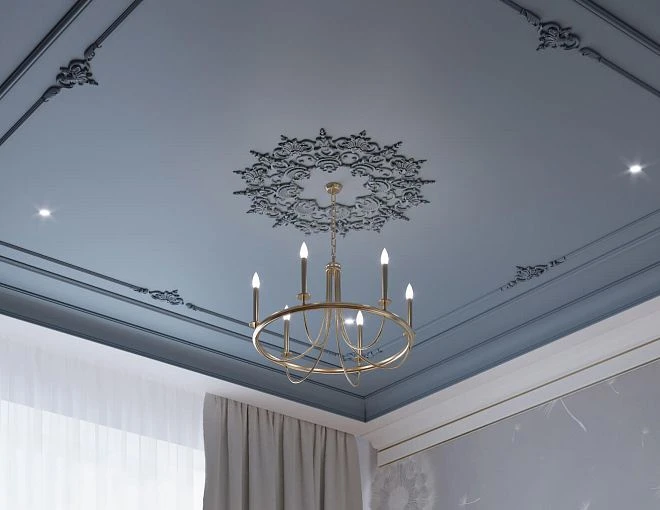
The rosette is mounted around the ceiling fixture point for the chandelier. In a room with a slatted accent wall, the rosette creates a second architectural accent—echoing the wall system in style and scale.
Diameter for a standard apartment: 200–350 mm. For rooms with high ceilings (from 3 m): 350–500 mm. The profile is coordinated with the cornice style.
Polyurethane beams: for country, rustic, and cottage-style homes.
Decorative ceiling beams made of polyurethane—an imitation of load-bearing wooden structures. Hollow inside (U-shaped cross-section), they are lightweight and mounted on wooden slat 'keys' attached to the ceiling. The surface texture mimics wood with pores and fibers.
Beam cross-sections: 80×80, 100×80, 120×100, 150×120 mm. Tones: stained oak, pine, walnut—depending on the interior concept.
How to combine panels, moldings, cornices, and overlays: a system without chaos.
When all elements are selected, the main question remains: how to combine them into a unified system? This is a question of architectural logic, and it is solved through several basic principles.
Principle of a unified stylistic language.
Cornices, baseboards, and moldings should 'speak the same language.' Straight-line profiles—modernity. Ovolos and cavettos—classicism. Ornamented profiles with floral or geometric decor—neoclassicism, art deco. Mixing languages in one room creates architectural 'noise.'
Principle of scale hierarchy.
The system of elements is arranged by scale: cornice width ≥ molding width ≥ fillet width. The cornice is the main element, the widest. The fillet is subordinate, narrower. The plinth in height is close to the cornice or slightly narrower.
A specific example for a living room with a ceiling height of 2.65 m and slats of 65 mm:
-
Cornice: 85 mm with a torus.
-
Plinth: 80 mm with a cavetto.
-
Molding frame: 40 mm fillet.
All three elements are in the same stylistic key, harmoniously scaled.
Principle of color unity
All polyurethane elements are one color. Typically white. This is a neutral solution that works with wood of any tone. Alternative: tint the polyurethane decor to match the wall color (cream, light gray, warm beige) — for a subtle effect where the decor 'dissolves' into the surface and works only as relief.
Principle of Light Enhancement
A slatted wall comes alive with side lighting. This is not optional — it is a condition for the result. With vertical slats, side light creates clear shadows in the gaps — and the wall gains volume and depth. With directed ceiling light, the shadows disappear — and the wall looks flat.
Lighting rules for slatted walls:
-
Sconces with side lighting on the accent wall — at least one.
-
LED strip behind the cornice (hidden perimeter ceiling lighting) — the perfect solution.
-
Ceiling spotlights angled towards the slatted wall — enhance the texture.
Where not to skimp: five non-negotiable items
When the budget is tight — the temptation arises to cut corners everywhere possible. But with interior materials, there are items where saving doesn't mean 'slightly worse,' but 'redo it in a year.'
Slat finish
The finish is what you will see and touch every day. A cheap finish (thin nitro lacquer, low-density PVC film) will start peeling, yellowing, and losing adhesion after 1–2 years. Two-component polyurethane lacquer or high-quality oil with hard wax is an investment that pays off with a service life of 10–15 years without redoing.
Wood species for high-traffic areas
In corridors and hallways — only hardwoods. Oak, ash, larch. Softwoods (pine, spruce) in high-traffic areas quickly develop dents and scratches that cannot be hidden without complete resanding.
Geometric precision of the batch
When purchasing slatted panels, unstable geometry (deviation in width between slats exceeding 1 mm) is a visible defect in the finished wall. An uneven gap disrupts the visual rhythm—the very reason slats are installed.
Rigidity of polyurethane cornices
A cornice that is too soft (low-density polyurethane) creates a wave on long runs after installation. A 2000 mm length of quality polyurethane with a density of 300 kg/m³ or higher will not deform when lightly pressed in the middle. Check upon receipt.
Emission class for children's rooms and bedrooms
E2 and 'unknown' classes are unacceptable for rooms of permanent occupancy. Only E1 for living rooms, E0 for children's rooms and bedrooms. This is not overcaution, but the standard.
What is usually overlooked when ordering: seven unforgivable oversights
Experience shows that most problems during the installation of slatted systems arise not from poor material, but from the buyer overlooking something at the ordering stage.
Oversight one: did not order cornice and skirting together with the slats
The slats are installed—and it turns out there is no cornice. While searching for a suitable cornice in the right profile and shade—found one, but from a different batch. The joints of the cornice length do not align precisely. Rework required.
Solution: order the entire system—slats, cornice, skirting, moldings—as a single kit from one source.
Omission two: did not order extra stock
10% extra for slats and 15% for moldings is not 'just in case', it's a production necessity. Trimming, breakage during transport, mitered corners—all of this really consumes material. Buying more later from a different batch = risk of color mismatch.
Omission three: did not acclimate the material
Material delivered to wintery Voronezh from a freezing warehouse needs to be kept indoors for 48–72 hours. Installation 'straight from the cold' leads to thermal expansion after heating, system deformation.
Omission four: did not prepare the base
Adhesive installation of lightweight MDF panels requires a level, clean, dry base. Old wallpaper, oil paint, crumbling plaster—all of this must be removed before installation. Failure to follow this rule leads to panel delamination within 3–6 months.
Omission five: did not plan the lighting
Slatted panels without side lighting are half the result. Lighting must be planned before installation: recesses for sconces, a channel for LED strip behind the cornice. After installation—significantly more difficult and expensive.
Omission six: chose dark slats without calculating the lighting
Dark wenge or graphite is expressive. But only with sufficient side lighting. In a dark room with a single bulb in the center, dark slats will create a gloomy cave. Rule: dark tones only when confident in sufficient lighting.
Omission seven: neglected samples
The monitor does not convey the actual tone of the wood in specific lighting. What looks 'neutral warm' on screen may turn out distinctly yellow or cool gray in your living room. Samples are not a whim, but a necessity.
Practical scenarios: what it looks like in real projects
Scenario one: 65 sq.m. apartment, Voronezh, modern classic
Living room 18 sq.m., ceiling 2.6 m. Task: accent wall behind the sofa 3.2 m × 2.6 m.
-
Slats: oak oil, natural medium tone, 65 mm × 2600 mm. Quantity: 3200 / (65+12) = 42 slats + 10% = 47 slats.
-
Underlay: anthracite MDF panel.
-
Cornice: 85 mm with twist, white, room perimeter 4 sticks 2000 mm.
-
Baseboard: 80 mm with heel, white.
-
Molding frame: 40 mm border around the perimeter of the slatted field.
-
Lighting: warm white LED behind the cornice box.
Result: an architecturally finished living room with a wooden accent wall in a classic frame.
Scenario two: country house, Voronezh region, country style.
Living room with a fireplace, ceiling height 3.2 m, exposed beams under the ceiling.
-
Slats: solid oak, dark stained tone, horizontal orientation, 80 mm.
-
Polyurethane beams: 5 pieces, cross-section 150×120 mm, stained oak tone.
-
Cornice: 130 mm with an elaborate profile.
-
Baseboard: 100 mm.
-
Socket: 400 mm for the chandelier in the center.
Result: the atmosphere of a genuine country house with first-class modern materials.
About the company STAVROS
When a Voronezh buyer faces the task —buy slatted wall panels in Voronezhwith delivery, in the required assortment, and with quality guarantee — STAVROS comprehensively meets this demand. STAVROS is a full-cycle Russian manufacturer producing solid oak and MDF slatted panels in widths ranging from 25–150 mm, all profiles (rectangular, semicircular, trapezoidal, beveled), all finishes (oil, wax, lacquer, enamel) and all tones — from white to black, including a rich palette of tinted oak.
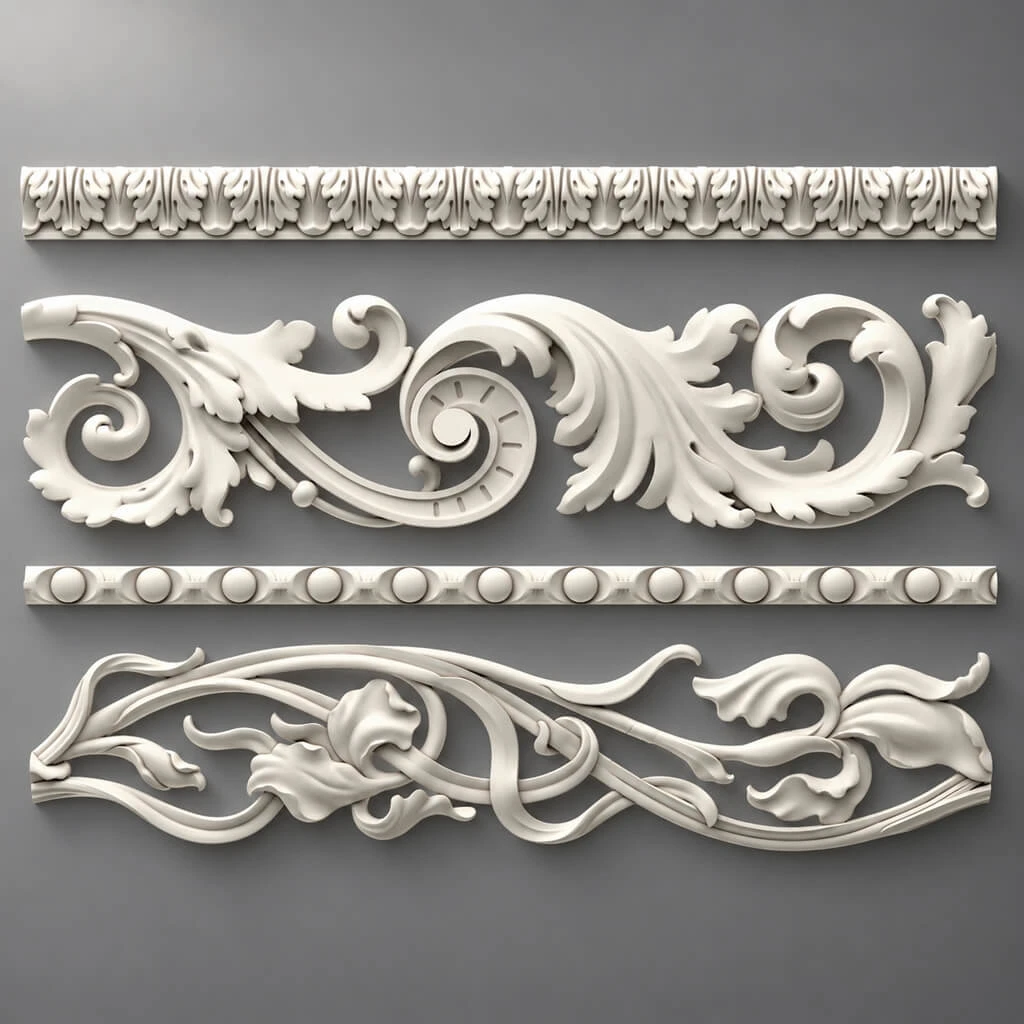
Simultaneously, STAVROS produces a full range of polyurethane products: cornices, moldings, baseboards, rosettes, beams, decorative overlays, facade decor — over 200 profiles and forms for all styles from strict minimalism to developed neoclassicism. All elements of the system — slatted panels andRelief DecorationSTAVROS — are designed as a single collection, coordinated in scale and stylistic solutions.
Delivery to Voronezh and the Voronezh region — through reliable transport partners, with professional packaging and protection for long-length cargo. STAVROS specialists consult on kit selection: they help choose slats, cornices, baseboards, and additional elements for a specific room, calculate the exact amount of material, and offer ready-made style solutions. Because a good interior doesn't start with the first trip to the checkout, but with a correct understanding of the task — and STAVROS knows how to help with both stages.
FAQ: Answers to popular questions
Can you buy slatted panels in Voronezh with home delivery?
When ordering from a federal manufacturer, delivery to Voronezh is carried out through transport companies (SDEK Cargo, Delovye Linii, PEK). Long-length cargo (slats 2400–3000 mm) is accepted as oversized. Delivery time from Moscow to Voronezh: 2–4 business days. A number of manufacturers organize address delivery within the city for large orders.
What is the difference between an MDF-backed slatted panel and a solid slat?
An MDF-backed panel is a ready-to-install module: the slats are already fixed with equal spacing on the backing. Installation is faster, geometry is more precise. A solid slat consists of individual planks that are installed one by one with manual gap control. Offers greater flexibility in layout but requires more time and precision during installation.
What adhesive should be used for installing a polyurethane cornice?
Acrylic mounting adhesive (acrylic-based 'liquid nails'). Apply in a zigzag pattern, open time — 3–5 minutes, secure with painter's tape for 4–6 hours. For cornices wider than 100 mm — additional mechanical fastening with hidden finish nails every 40–50 cm.
Do polyurethane products need to be primed before painting?
Sanding with 180–220 grit and acrylic primer — recommended preparation. Without primer, acrylic paint applies unevenly and adheres poorly. Primer is applied in a thin layer, drying time 2–4 hours, then final painting in 1–2 coats.
Can slatted panels be installed in a room with underfloor heating?
Yes, provided conditions are met: a floor expansion gap of at least 10 mm (covered by the baseboard), slat finish — oil-based or hard wax (more elastic during thermal expansion). For very thin slats (up to 12 mm) and wet underfloor heating — MDF substrate is recommended as more stable.
How to choose the width of a cornice if the slats are already purchased?
Rule: cornice width = 80–130% of slat width. For 60 mm slats — cornice 50–80 mm. For 80 mm slats — cornice 65–105 mm. Second criterion — ceiling height: the higher the ceiling, the wider the permissible cornice.
How long does it take to install a slatted wall with an area of 8 sq.m.?
An experienced installer mounts slatted panels at a rate of 3–5 sq.m. per hour on a prepared substrate. An 8 sq.m. wall — 2–3 hours of work. Add time for installing the cornice and baseboard: 1–1.5 hours. Total: 3–5 hours for a fully completed system.