

































Article Contents:
- Why an Interior Falls Apart Without Repeating Motifs
- How the Visual Rhythm of Slatted Geometry Works
- How to Use Furniture Decor Next to an Active Wall
- Continuation Strategy
- Contrast strategy
- Which Elements Support Slatted Geometry
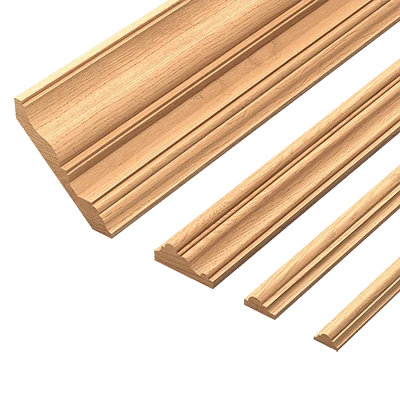
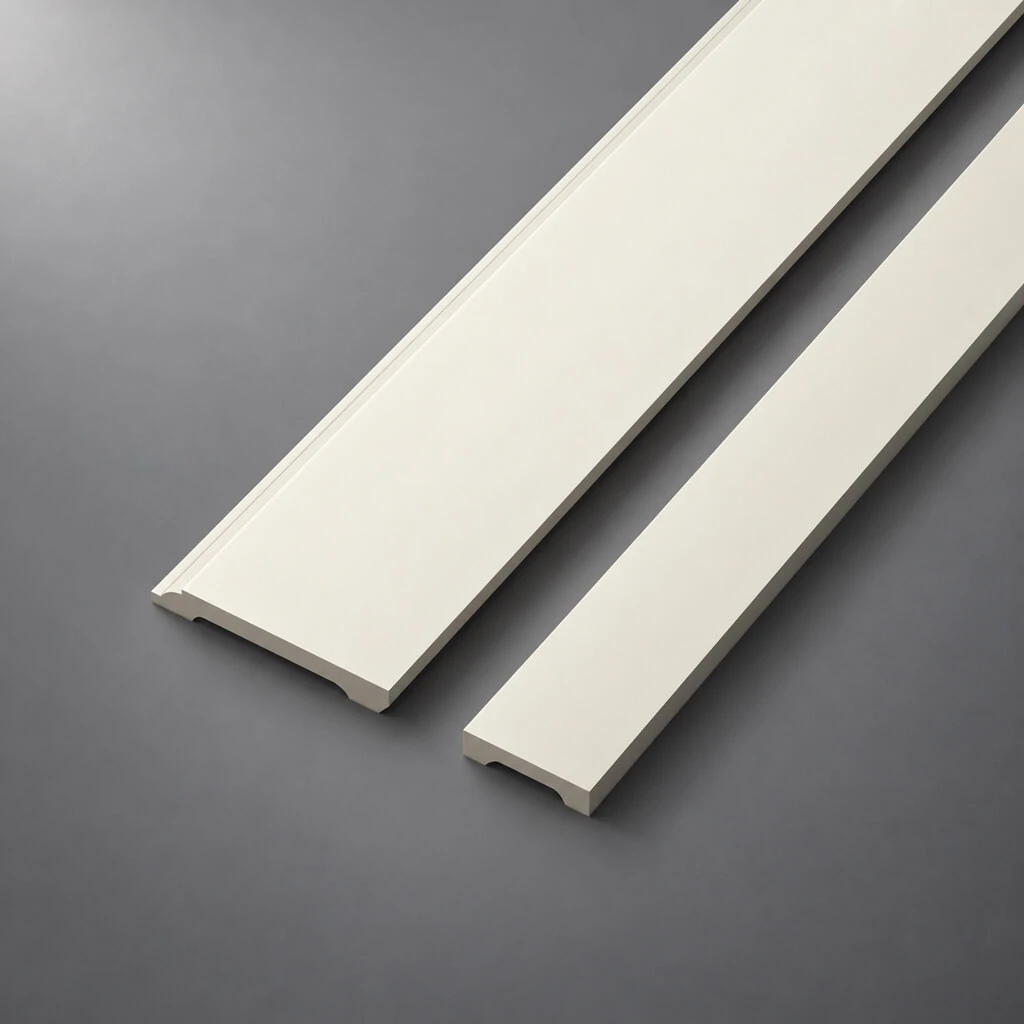
- Moldings and Applied Battens
- Decorative overlays and sockets
- Furniture handles
- Legs and Supports
- How to Design Cabinets, Dressers, Sideboards, and Consoles
- Cabinets and case furniture
- Chests of drawers
- Cabinets and bedside tables
- Consoles and open shelving
- When decor is needed, and when it's better to leave a clean surface
- When decor is necessary
- When it's better to leave a clean surface
- Errors of over-saturation with details
- First error: slatted panels on all surfaces
- Second error: mixing rhythms without a system
- Mistake three: decor as an end in itself
- Mistake four: ignoring scale
- Mistake five: material contradiction
- Slatted panels and furniture decor: working with specific styles
- Scandinavian minimalism
- Modern classic and neoclassic
- Loft and Industrial Style
- Japandi — Japanese-Scandinavian synthesis
- Lighting as part of the slatted furniture system
- Practical algorithm: from wall to furniture
- Practical combinations: decision table
- Where to buy slatted panels and furniture decor
- Frequently Asked Questions (FAQ)
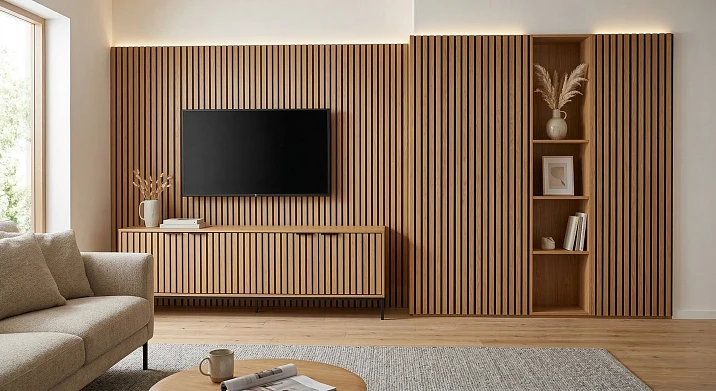
There are interiors where everything is in place: expensive furniture, quality finishes, proper lighting — and yet something is subtly off. The room exists as a collection of objects, not as a space. The wall lives separately from the wardrobe, the wardrobe separately from the chest of drawers, the chest of drawers separately from the console. This is not a matter of budget or taste. It is a matter of composition. Or rather — the lack thereof. And the solution, oddly enough, lies not in replacing furniture or remodeling. It lies in a repeating motif that permeates the space from wall to drawer pull.
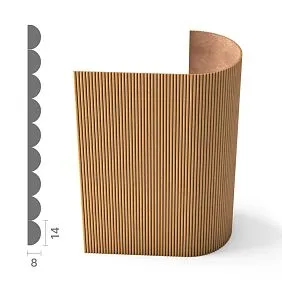
This is precisely where the union that is spoken of less often than it should be comes to the forefront:Rafter panelsand furniture decor as a unified system of the interior's visual language.
Why an interior falls apart without repeating motifs
Design is, in essence, the management of attention. The gaze of a person entering a room performs a quick scan: it looks for familiar patterns, groups similar elements, and builds a hierarchy. If there are no patterns, the gaze wanders, finding no point of support. This is precisely the sensation people describe with the phrase 'something is wrong, but it's unclear what.'
A repeating motif is the architectural glue that holds disparate elements together as a single whole. In a classic interior, molding profiles served as such a motif: the same profile ran along the cornice, door frames, cabinet fronts, and mirror frames. The eye recognized the line—and the space formed into a system. In a modern interior, the role of this glue has been taken over bySlatted wall panelswith their vertical rhythm.
The vertical slat is an extremely simple motif. Parallel lines with equal spacing. But it is in this simplicity that its strength lies. It is easy to repeat on a furniture front, a door insert, a decorative overlay on a chest of drawers, or a milled panel on a kitchen island. And when this repetition occurs, the space ceases to be a collection of objects—it becomes architecture.
Why are there so many interiors whereslatted panels for wallsare installed, yet there is no unity? Because the wall is made with a slatted motif, and the furniture is made with a completely different one. Cabinet fronts are smooth or have cross milling. The chest of drawers has horizontal ribs. The console has no texture at all. The wall shouts with verticality, and the furniture responds with silence. Conflict is inevitable.
The solution is consistency. Not unification (that is another extreme, leading to monotony), but precisely consistency: one motif, developed in different scales and materials throughout the entire space.

How the Visual Rhythm of Slat Geometry Works
Before discussing how to use decor for furniture next to a slat wall, one must understand how slat geometry itself works.
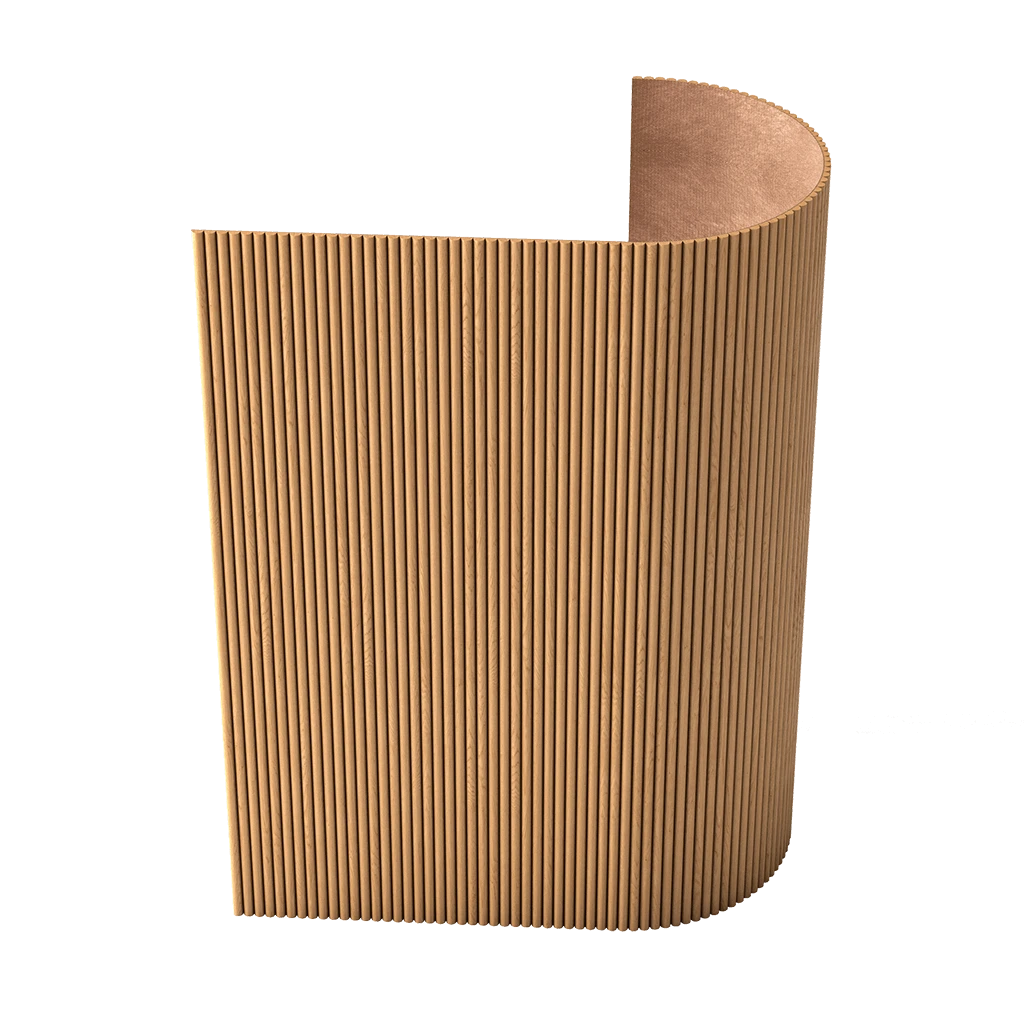
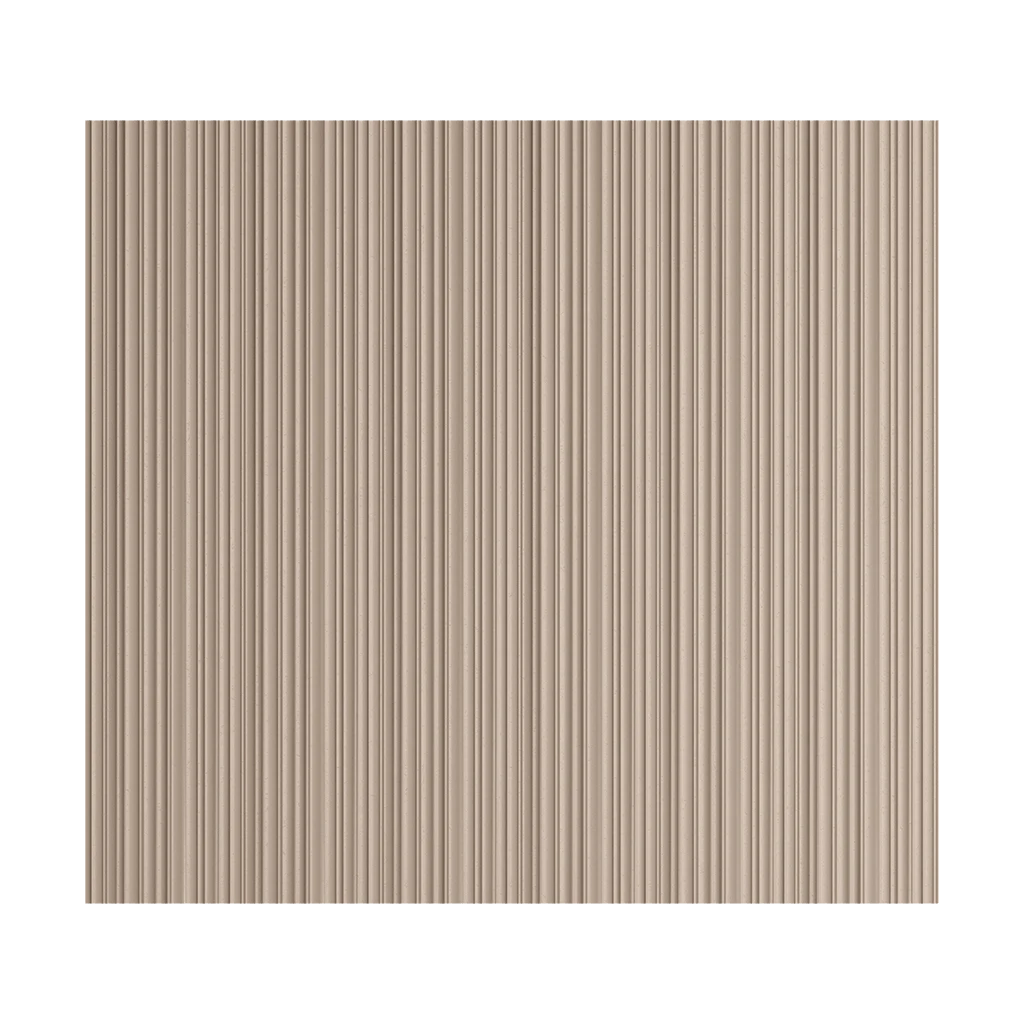
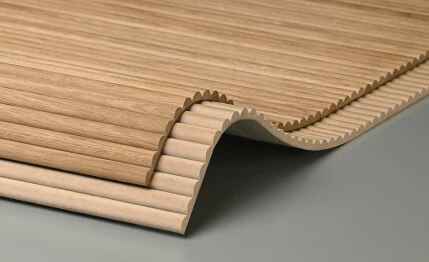
A slat surface is rhythm. Not a chaotic texture, not a random pattern, but a strict alternation of slats and shadows with a defined interval. This rhythm works like a musical one: it creates tension and release, movement and pause. When light falls on a slat wall at an angle, the shadows between the slats transform a flat surface into a sculptural relief. In the morning — one mood; in the evening with a floor lamp — a completely different one.
The rhythm of a slat panel is determined by three parameters:
-
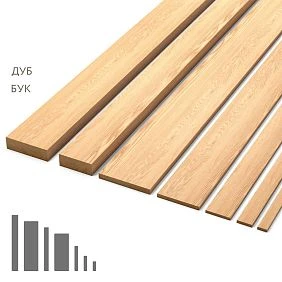
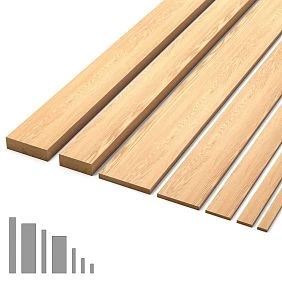
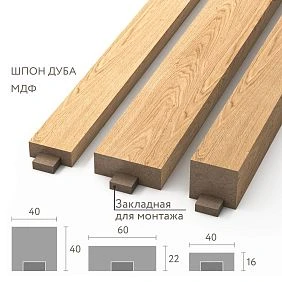
pitch — the distance between the centers of the slats;
-
slat width — the ratio of the slat body to the gap;
-
depth — the height of the slat above the substrate, which determines the intensity of the shadow.
Wide slats with a large pitch give a calm, slow rhythm — a feeling of monumentality and silence. Thin slats with a small pitch create a shimmering, lively surface — dynamic and light. This is precisely what must be considered when selecting decorative elements for furniture: they should support the rhythm of the wall, not conflict with it.
Our factory also produces:
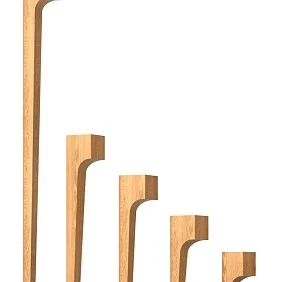
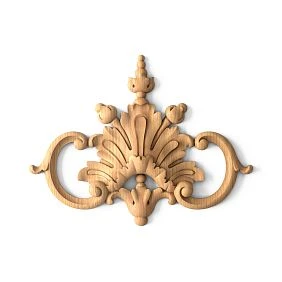
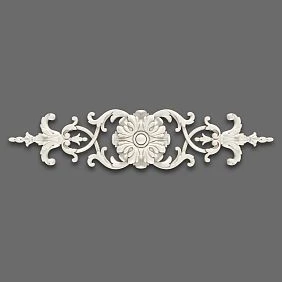
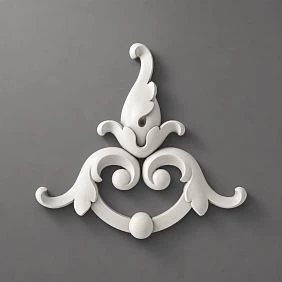
How to use furniture decor near an accent wall
An accent wall is a wall with a slatted panel. It already carries a strong visual signal: verticality, rhythm, depth. Furniture placed in front of it or next to it enters a zone of comparison. And here, two strategies are possible.
Get Consultation
Strategy of Continuation
FurnitureDecorative furniture itemspicks up the slatted motif and develops it. A wardrobe with vertically milled fronts, where the milling pitch is a multiple of the slat pitch on the wall, is already a dialogue, not a random juxtaposition. A chest of drawers with applied battens on the drawers, oriented vertically, is a continuation of the theme. A console with turned legs, in whose profile one can discern the same roundness as the slats, is a subtle but readable echo.
This strategy requires precision. A complete match of pitches looks mechanical—as if the furniture is screwed to the wall. A slight rhythmic shift—slats on the wall with a 40 mm pitch, milling on the front with a 60 mm pitch—creates a feeling of a variation on the theme, which is perceived as an intentional design decision.
Contrast strategy
Furniture is intentionally contrasted with the slatted wall in texture but supports it in color or tone. A smooth matte ivory-colored wardrobe front in front of an oak panel is a contrast of materials within a unity of tonality. The gaze is not torn apart: the warm palette maintains unity, while the difference in textures adds richness.
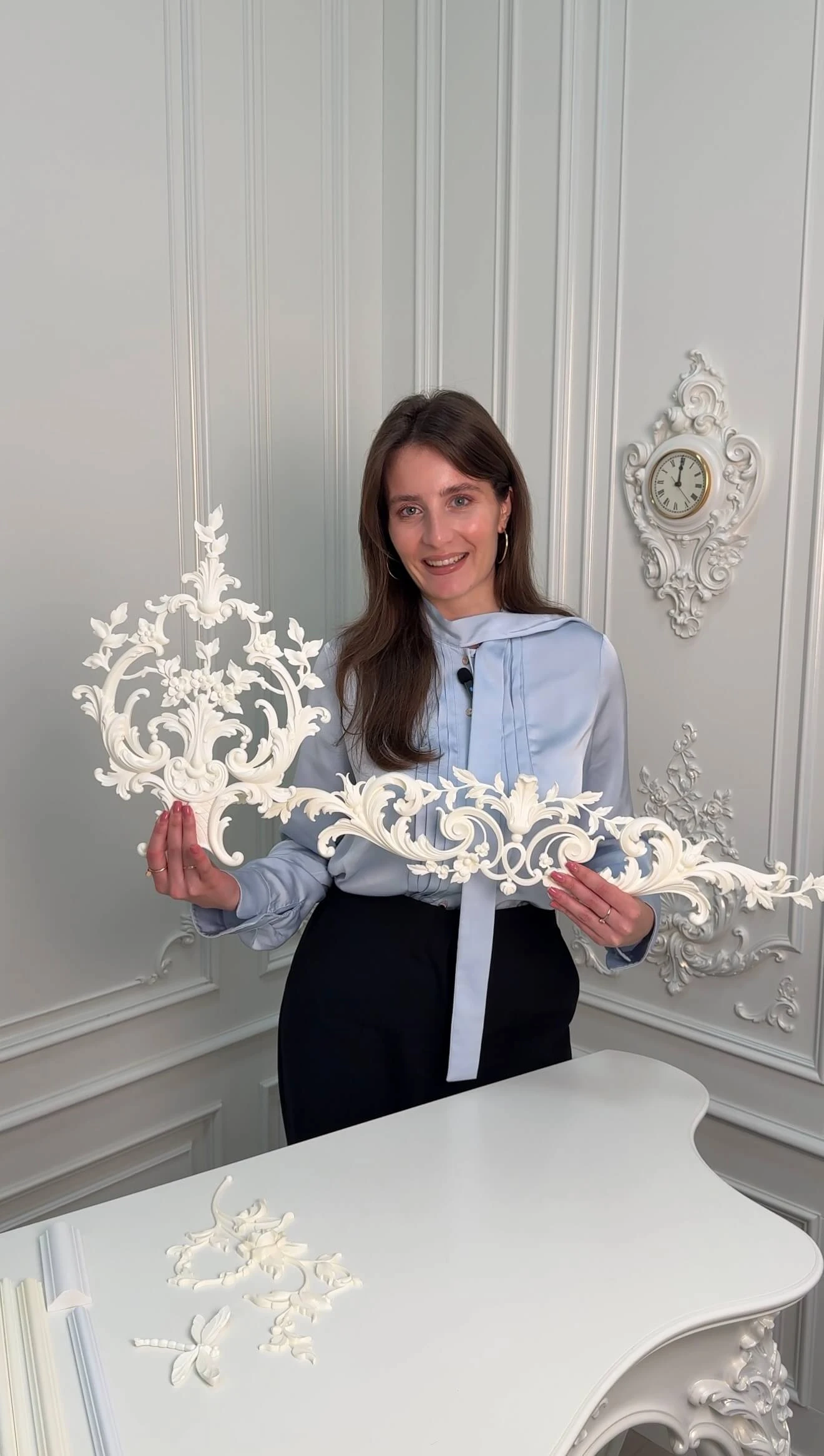
In this caseto buy, which will allow you to transform your furniture using carved wooden elements. You can use the C-003-3 decor set to decorate furniture, walls, doors, or any other surface. The C-003-3 decor set is made of oak or beech, known for their strength, durability, and beauty. You can buy the C-003-3 decor set at the Stavros decor store, which specializes in producing and selling decorative elements and hardware for furniture and interiors. At the Stavros decor store, you will find a wide selection of decor sets of various shapes, sizes, and styles. You can chooseplays the role of a connecting element. A wooden handle on a smooth front, a wooden molding around the perimeter of a door, a wooden decorative overlay on the upper part of a front—these details 'quote' the material of the slatted wall and create a bridge between the two surfaces.
Which elements support the slatted geometry
Let's consider specific solutions—those very details that elevate an interior from the 'finished' category to the 'well-thought-out' category.
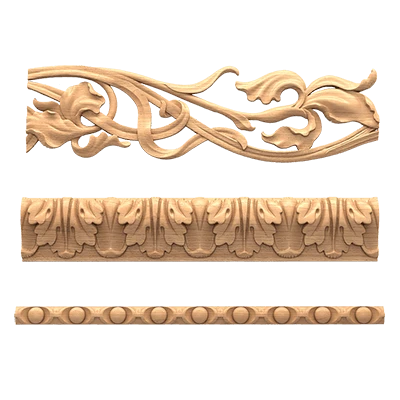
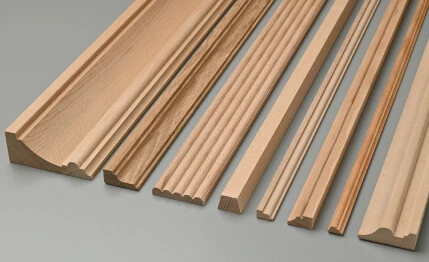
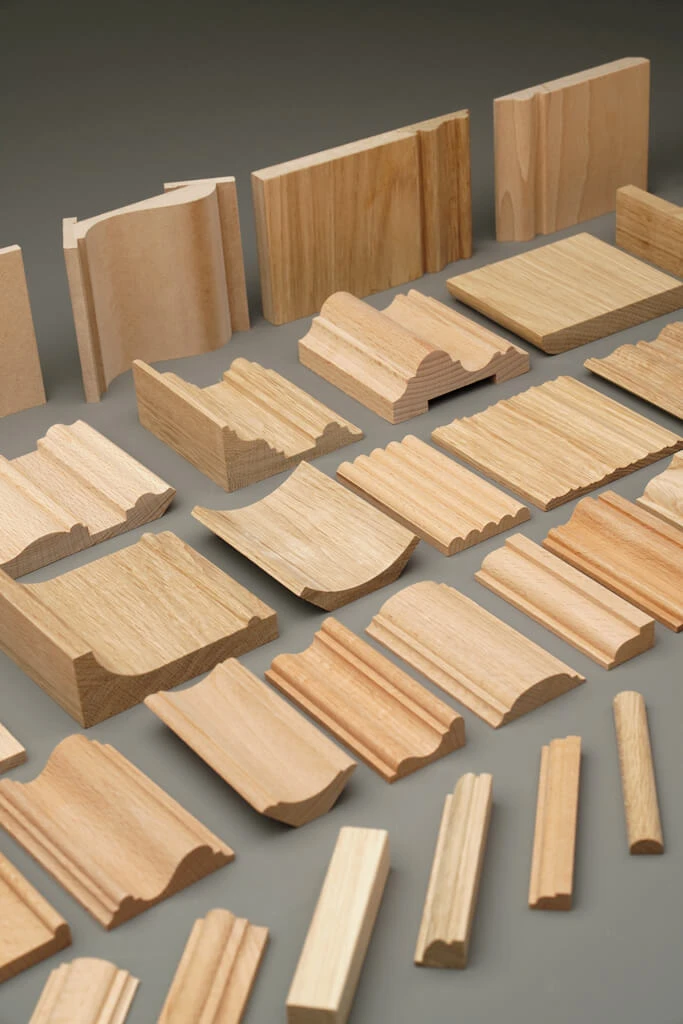
Moldings and applied battens
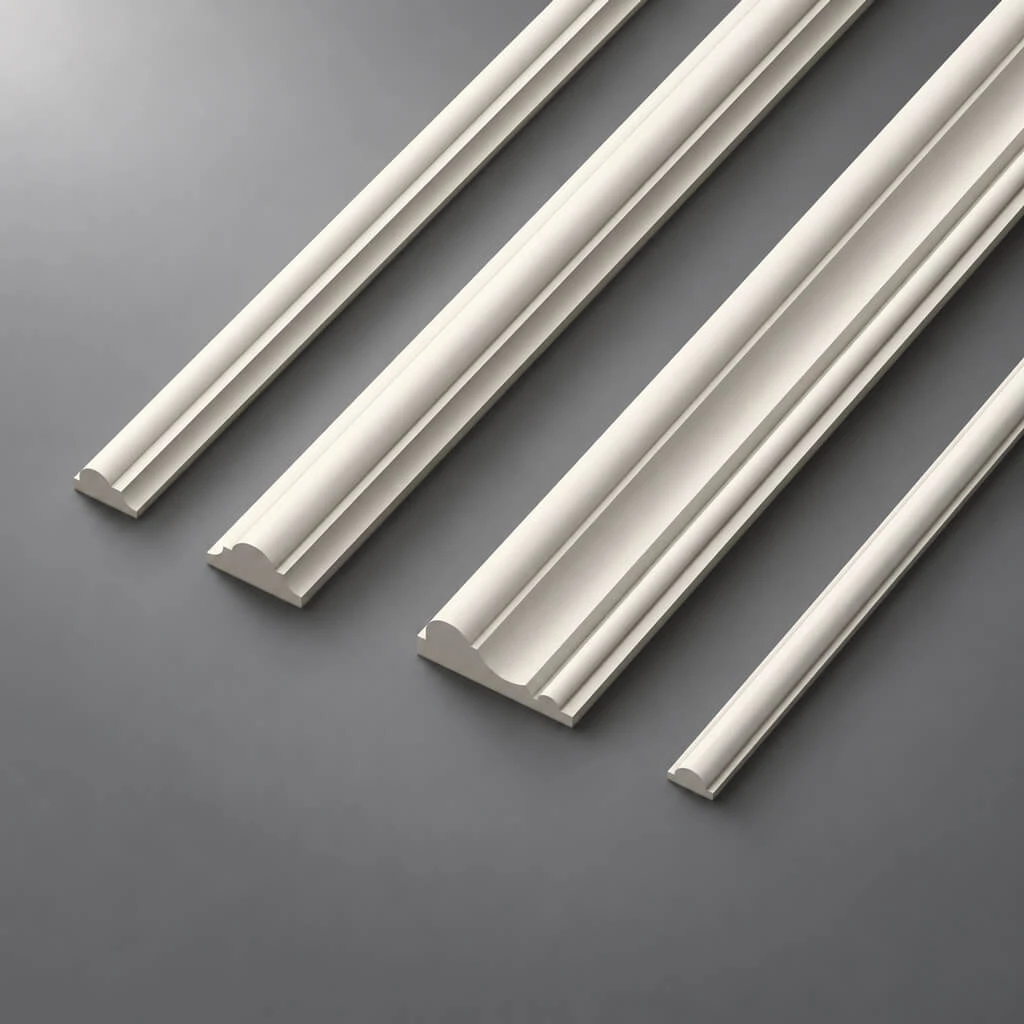
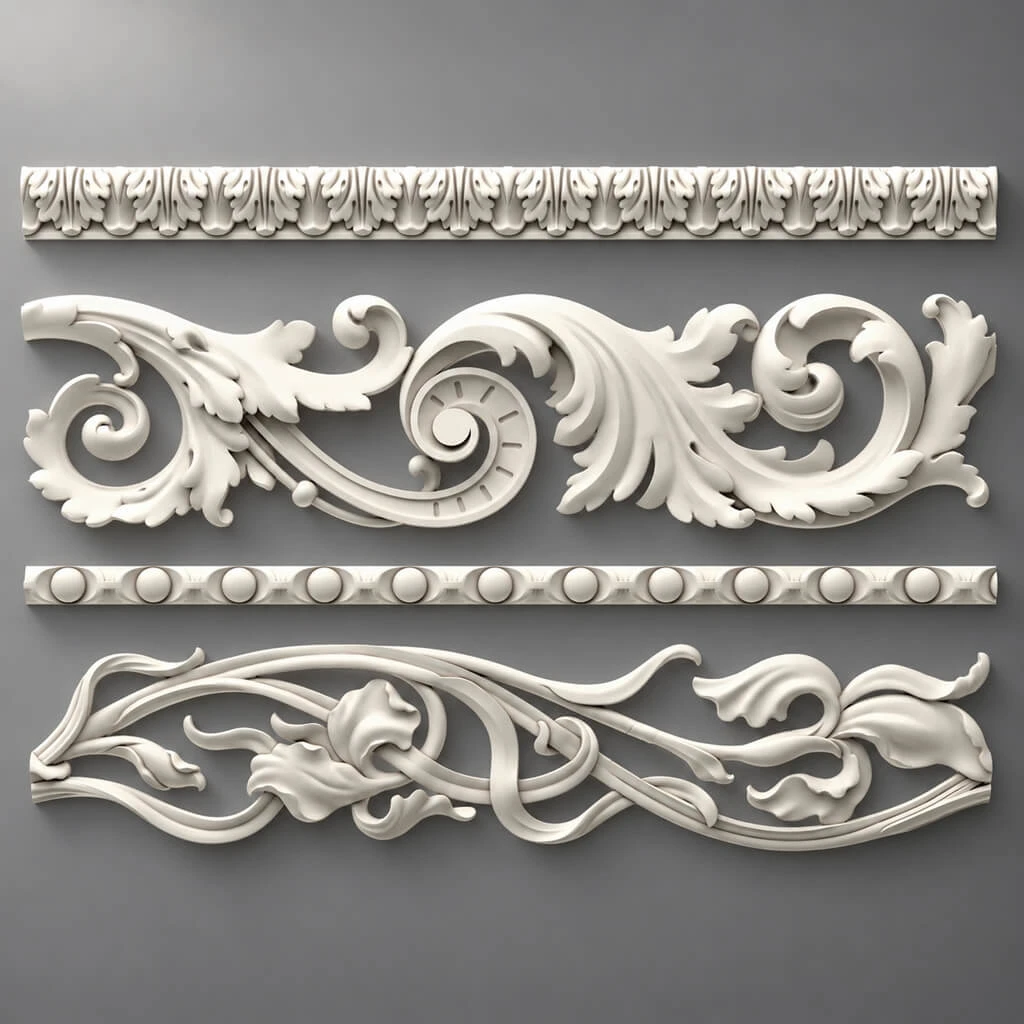
Applied battens on flat furniture fronts are the most straightforward and yet most effective technique for supporting the slat theme. If there is a slat panel with vertical planks on the wall, a cabinet front with similar battens is perceived as part of the same system.
Important: the battens on the furniture should not be identical in size to the slats on the wall. This is not copying, but interpretation. A wall slat is an architectural element on a large scale. A furniture batten is an element on an object scale. A reduced version of the same motif works as a variation on the theme, not as its mechanical repetition.
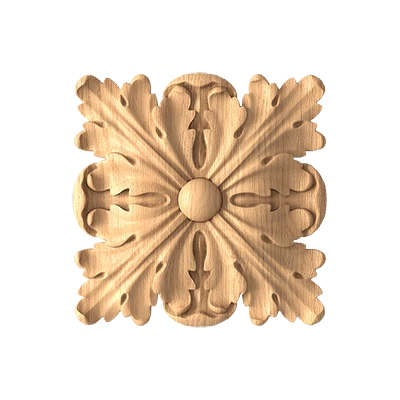
Decorative overlays and rosettes
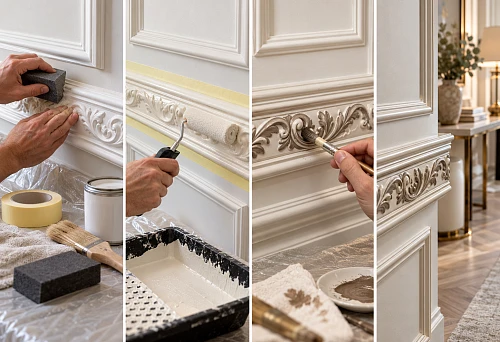
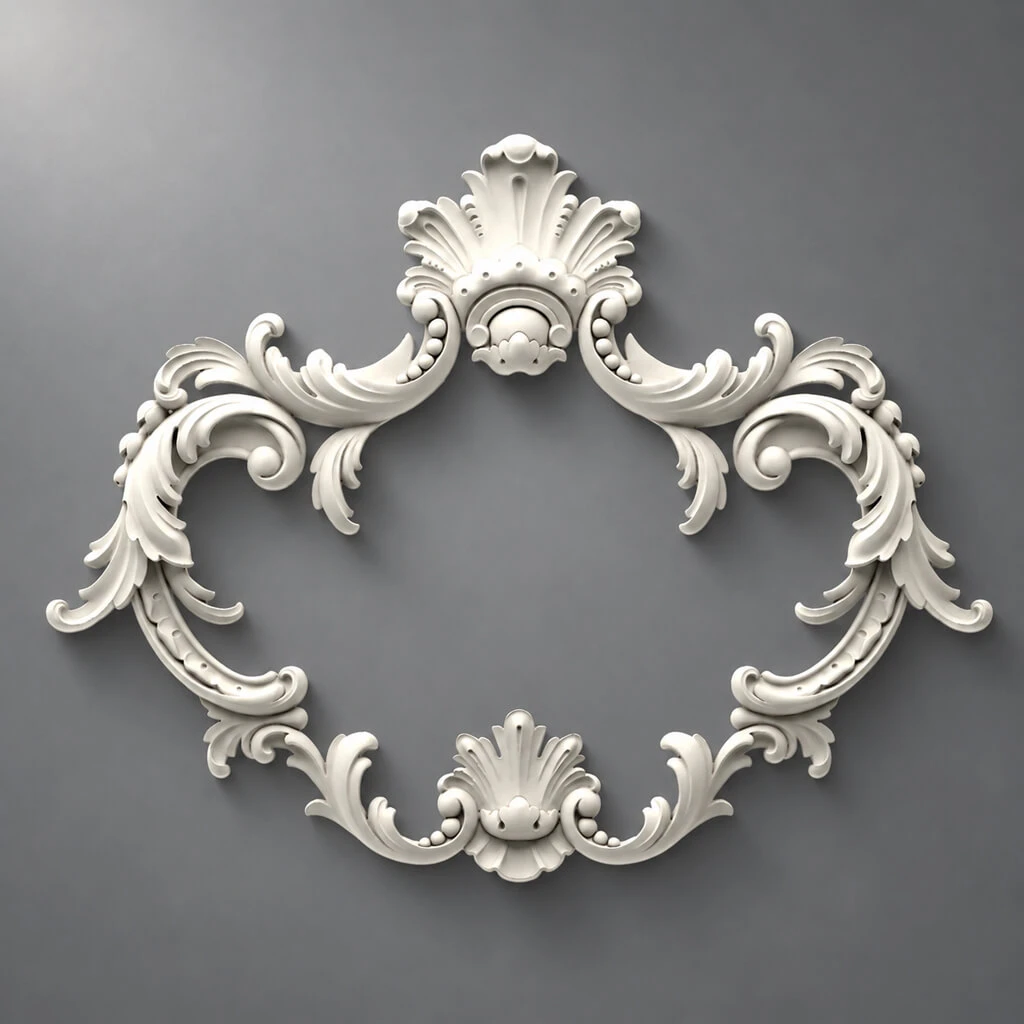
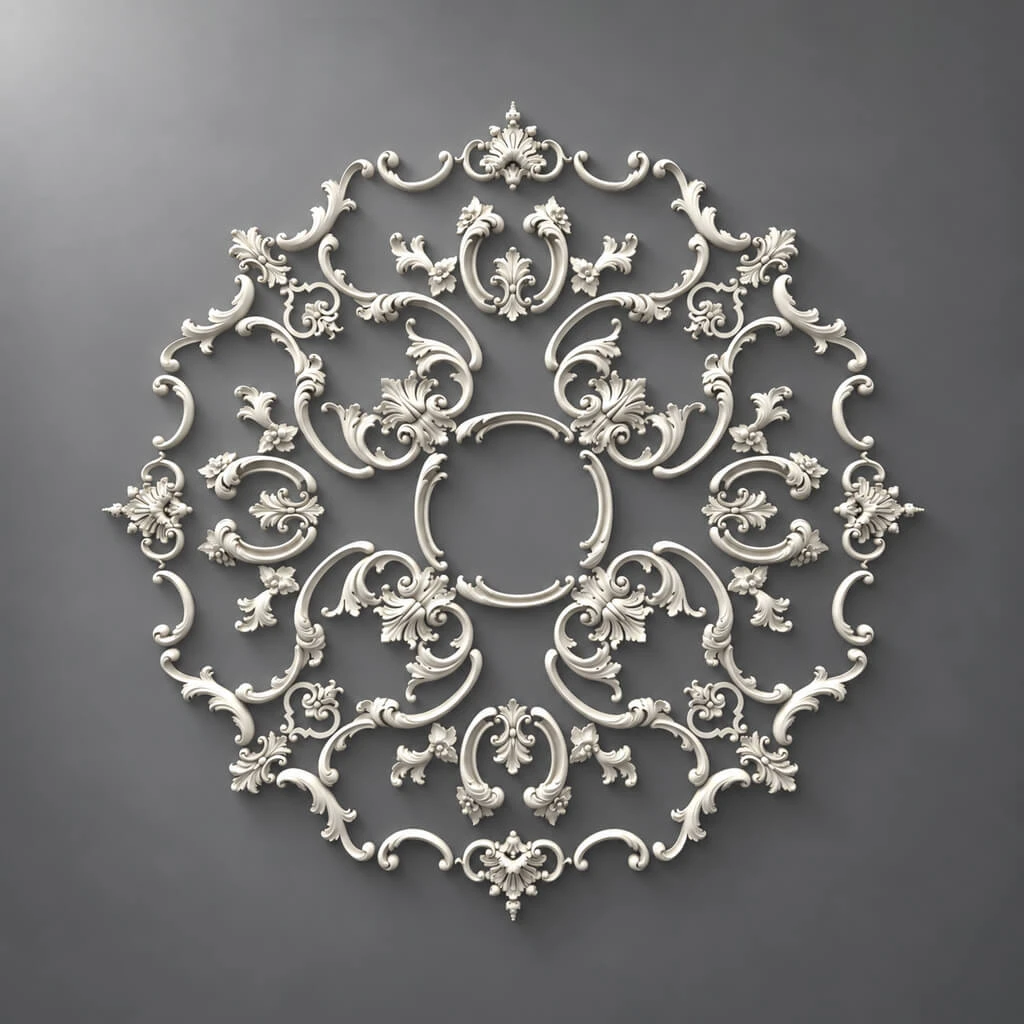
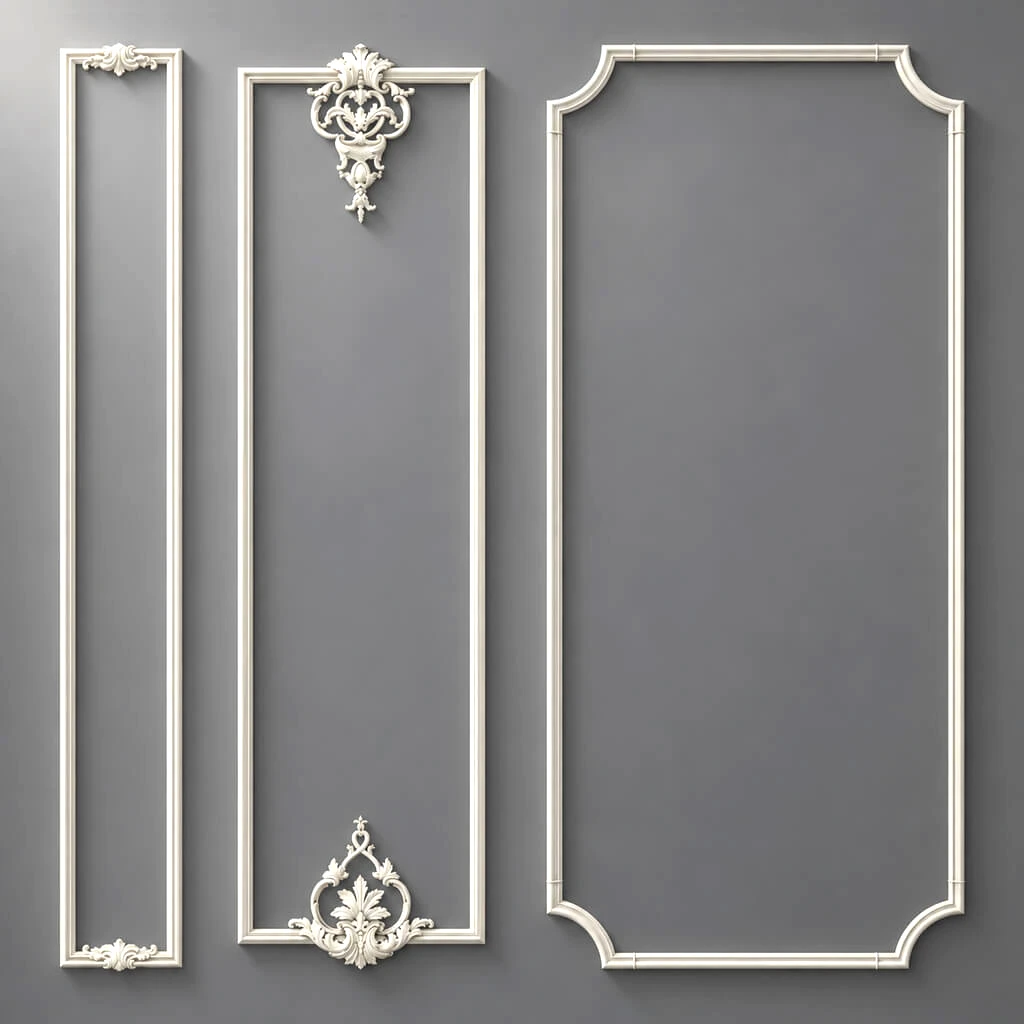
Decorative Insertson furniture fronts are elements that create visual accents without changing the structure. An overlay in the shape of a vertical rectangle, placed in the center of a cabinet door, emphasizes the vertical movement of the slat rhythm. Corner overlays create a frame, referencing the architectural framing systems of classicism.
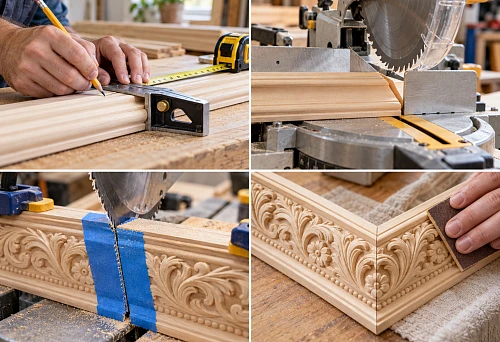
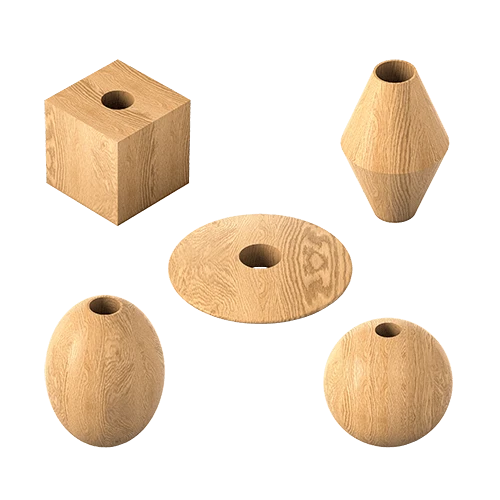
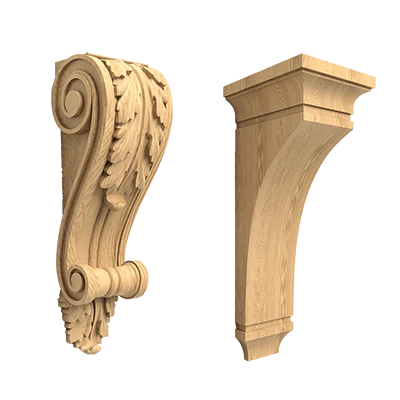
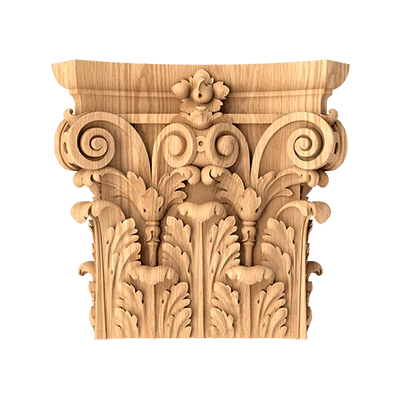
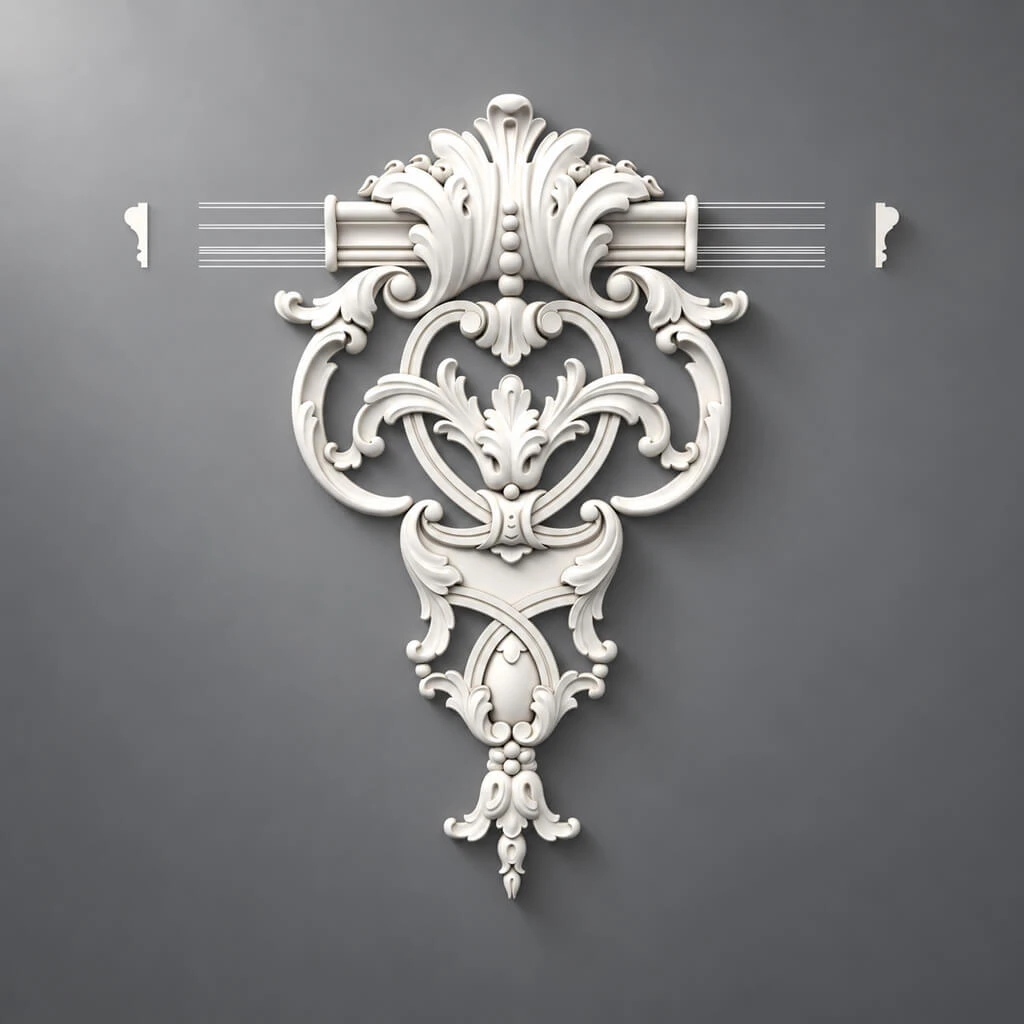
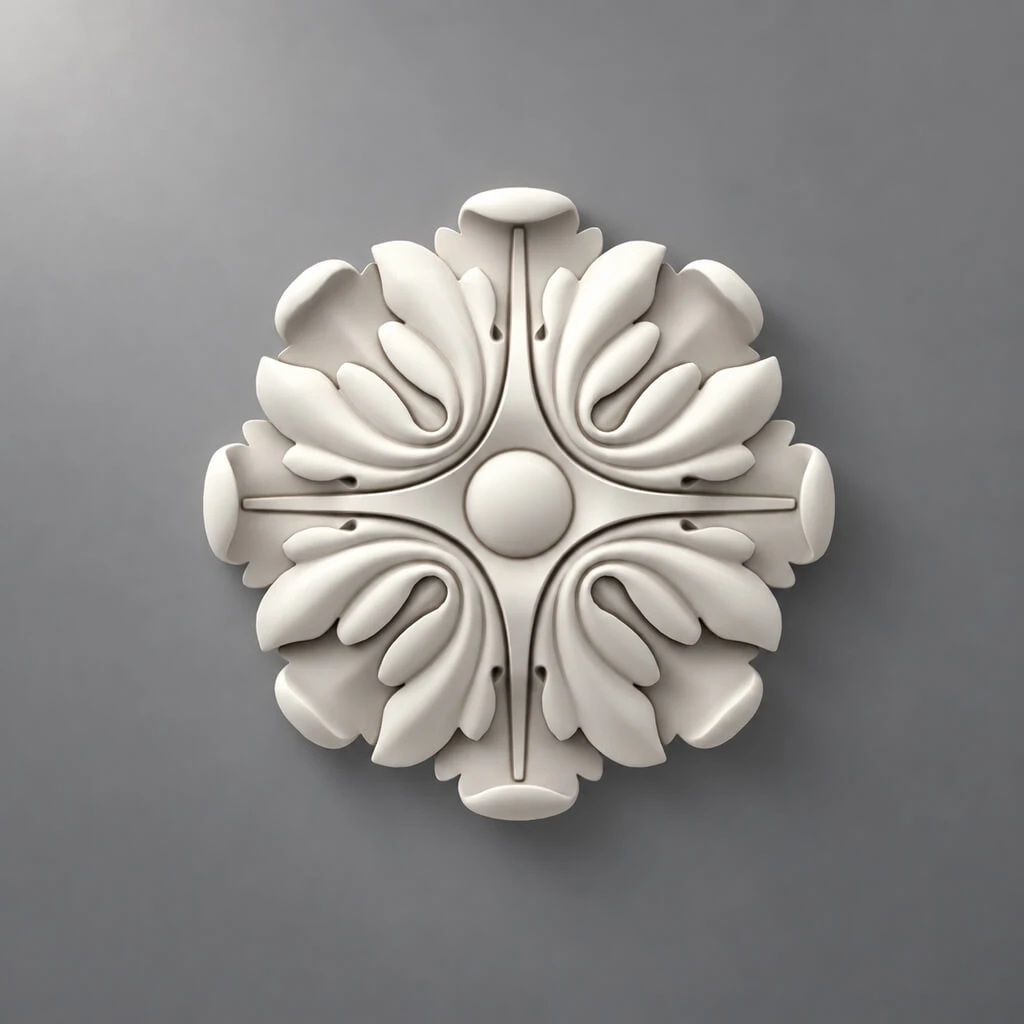
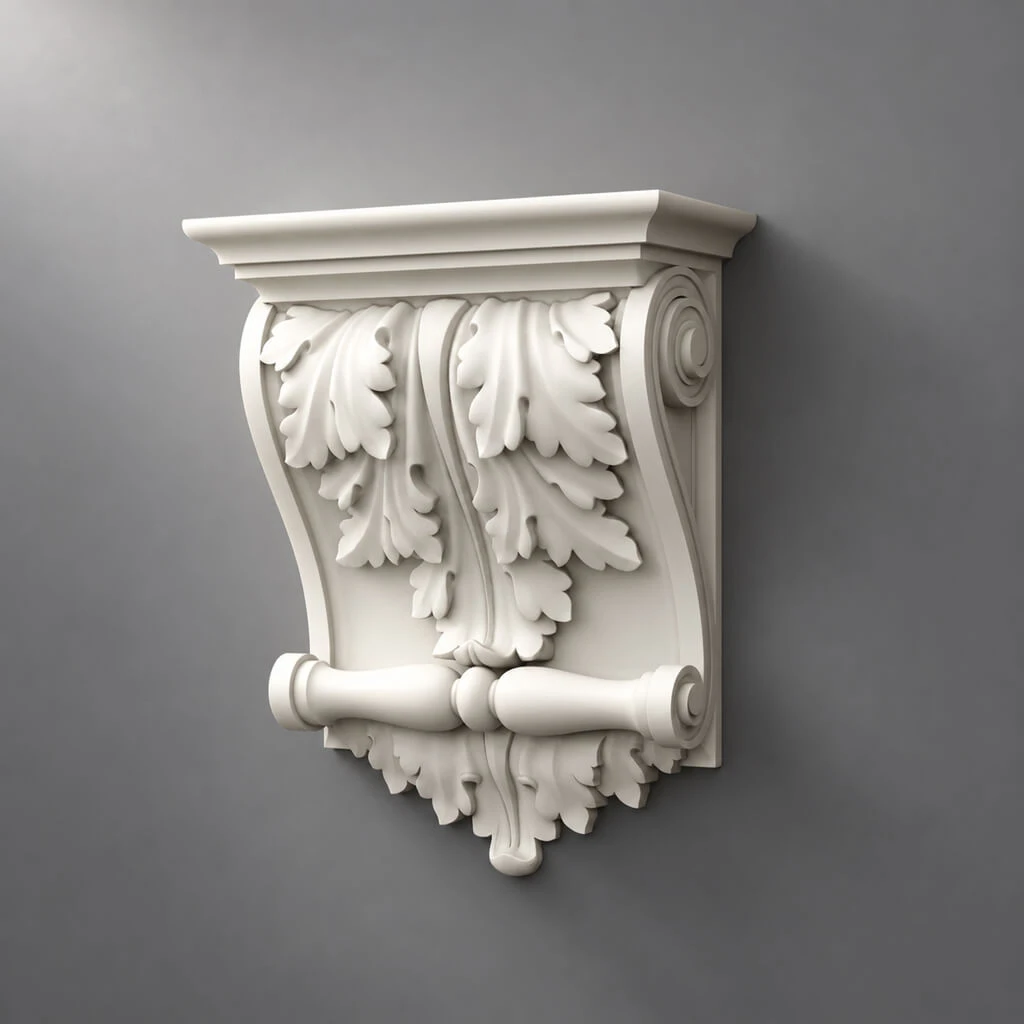
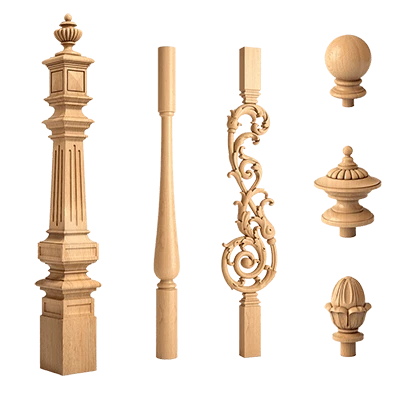
In the context of a slatted interior, especially valuable arewooden decorative items— rosettes, capitals, carved elements that introduce a handmade, natural accent into the strict geometry of the planks. This works like a note: in the overall melody of rhythmic rhythm, one ornamental detail creates a point of interest.
Furniture handles
The handle is the final touch in the system of furniture details. And yet, it is most often chosen without considering the overall logic.
For a slatted interior, elongated, vertical or diagonal shaped handles are optimal.Furniture Handlesin the form of thin rods or brackets support the linear motif of the panels. Handles with a rounded or horizontal shape create a cross rhythm that conflicts with the vertical slat geometry.
The handle material works on the level of tactile and visual contrast: brushed brass or matte nickel provide a metallic sheen against the matte wood surface, adding depth without disrupting color unity.
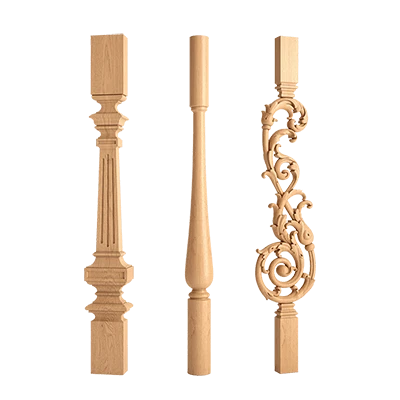
Legs and supports
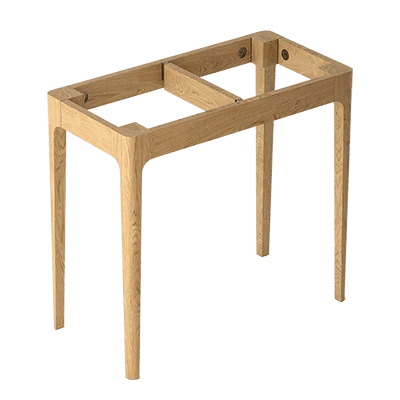
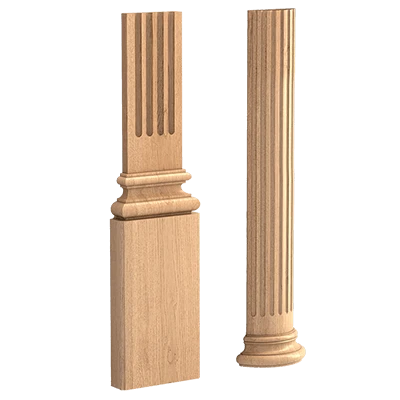
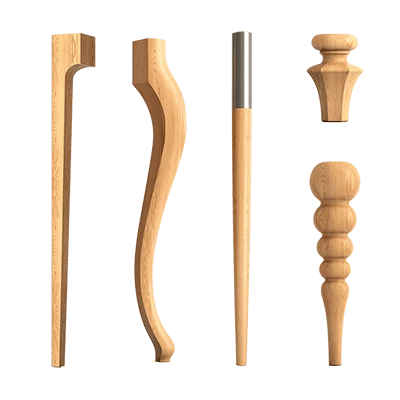
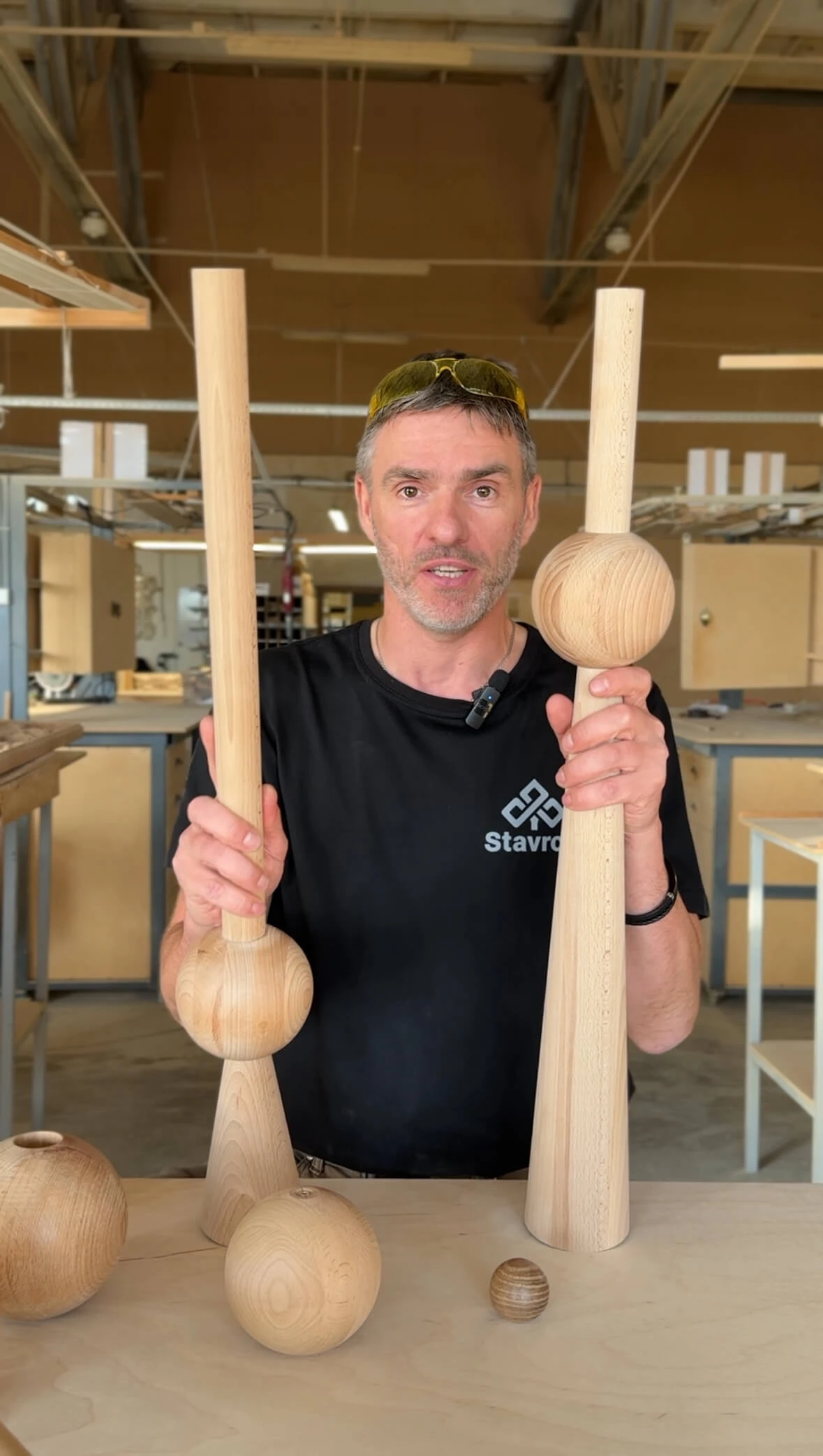
Another underrated element.furniture legswith a turned profile, where the roundness of the slat cross-section is discernible, is a detail that keeps the furniture item within the slatted theme. Rectangular legs with milled edges also support the vertical rhythm.
Square tapered legs are a neutral option that neither conflicts with nor enhances the theme. Thick cylindrical legs in Nordic style create a counterpoint that may be appropriate in a contrast strategy. The main thing is conscious choice.
How to design cabinets, dressers, sideboards, and consoles
Each type of furniture in a slatted interior solves its own task and requires its own approach.
Cabinets and case furniture
A cabinet is a large volume that competes with the wall in scale. IfSlatted wall paneloccupies the entire wall section, and a cabinet with smooth fronts stands nearby, a conflict of weight categories arises: the wall is complex and rich, the furniture is empty and faceless.
Solution: the facades of built-in or freestanding cabinets must feature at least one element of the slat theme. This could be:
-
vertical milling of facades on a scale corresponding to the slat spacing;
-
applied battens or moldings around the perimeter of door panels;
-
insert panels of natural oak veneer in an MDF frame—a direct echo of the wall panel material;
-
a slatted facade made from the same panels as on the wall—the most literal, but not always the best solution (more on this below, in the section on mistakes).
Chests of Drawers
A chest of drawers is a medium-height piece that typically stands against a wall or serves as a standalone accent. Its horizontal nature (wide, low) engages in a dialogue with the vertical rhythm of the slats. This is a productive contradiction if managed.
Vertical applied battens on the drawers of a chest 'lift' it visually, neutralizing its squatness. Three vertical battens on three drawers create a rhythm that echoes the slatted panel behind it. Drawers with milled vertical grooves work similarly.
At the same time, it is important that the top of the chest is made from a different material—stone, solid wood, glass—and creates a horizontal pause, without which the rhythm becomes monotonous.
Cabinets and Bedside Tables
The small scale of a nightstand makes it an ideal testing ground for delicate work withfurniture decor.One nightstand with a slatted front next to a bed, at the head of which stands a slatted panel, is not overkill but a thoughtful reflection of the theme.
All the techniques described above are applicable to nightstands, but on a smaller scale. One wide molding strip in the center of the door is especially effective—not a slatted milling, but a single applied plank that, in a small volume, creates sufficient visual response to the large slatted motif of the wall.
Consoles and open shelving
A console against a slatted wall is not just furniture; it is a frame for objects. It is important that the console does not compete with the rich slatted surface for attention but directs the gaze upward, toward the wall.
The optimal solution for a console in a slatted interior is a laconic form with details made from the same material as the slats. Open shelves made of oak or MDF board with minimal decor work well in front of a wooden slatted wall.to buy, which will allow you to transform your furniture using carved wooden elements. You can use the C-003-3 decor set to decorate furniture, walls, doors, or any other surface. The C-003-3 decor set is made of oak or beech, known for their strength, durability, and beauty. You can buy the C-003-3 decor set at the Stavros decor store, which specializes in producing and selling decorative elements and hardware for furniture and interiors. At the Stavros decor store, you will find a wide selection of decor sets of various shapes, sizes, and styles. You can choosein the form of corner moldings or simple capitals adds a handmade accent without weighing it down.
Open shelving requires special care: if the shelves are too cluttered with items, they 'overpower' the slatted wall behind them. The golden rule is no more than 60% shelf filling; the remaining space should 'breathe' and allow the background to be visible.
When decor is needed, and when it's better to leave a clean surface
This is perhaps the most complex and yet the most important question when working with slatted wall interiors. Décor is a tool for enhancement. But any tool only works when applied in the right place and in the right amount.
When Décor is Necessary
Large furniture in front of an accent wall. If the slatted panel covers the entire wall from floor to ceiling, and a wardrobe with completely smooth fronts is placed in front of it — décor is essential. Without it, a disconnect arises: the wall is rich in detail, the furniture is empty.decorative elements for furniture— even in the form of applied molding or vertical milling — will create the necessary transition.
Furniture as a visual anchor. When a dresser or console needs to become an independent accent in the space — for example, in the center of a wall without slatted cladding — décor helps give the piece character and significance. An applied rosette, fluted legs, carved details transform an ordinary dresser into a designer piece.
Transition zone between a clad and a plain wall. If the slatted panel covers part of the wall, and the rest of the surface is smooth — furniture in the transition zone should contain both codes: slatted décor on the part of the façade facing the panel, and a more neutral solution — on the side facing the plain wall.
When It's Better to Leave a Clean Plane
Small spaces with high cladding saturation. If the slatted panel on the wall is large and detailed, decorativeslatted panels for wall finishingelements are additionally present in the niche and on the reveals, the ceiling is textured — the furniture should be clean. A smooth façade in this context is a pause, without which the space becomes visually overloaded.
Furniture as a background. Built-in wardrobes that cover an entire wall and are painted to match the wall intentionally disappear from perception — this is a technique where furniture becomes part of the architecture, not an object. In this case, any décor undermines the goal: it pushes the furniture out of the background and back into the foreground.
An active zone with a large number of functional items. A kitchen set, a work desk with office equipment, a children's area with numerous accessories — spaces where function dominates over aesthetics. Here, decor on furniture fronts creates unnecessary visual noise that is tiring.
Mistakes of over-saturation with details
No theme in interior design generates as many mistakes as the theme 'more details — richer interior'. This is false logic that is worth examining in detail.
First mistake: slatted panels on all surfaces
The most common one. A slatted panel — on the wall, a slatted front — on cabinets, a slatted insert — on a chest of drawers, a slatted frame — on a mirror. As a result, the space looks like a showroom sample, not a residential interior. The slatted motif loses its impact when it's everywhere: it ceases to be an accent and becomes a background.
Rule: the slatted theme should be explicitly present on a maximum of two surfaces in one room. Other elements — pick up the theme subtly, through material or rhythm, but not through literal repetition.
Second mistake: mixing rhythms without a system
A slatted panel with a fine pitch on the wall — and furniture decor with a large horizontal pitch. Or a panel with vertical slats — and decorative overlays on fronts in a grid pattern. Each element is good on its own, but together they create rhythmic chaos.
The rhythm system should be hierarchical: the main rhythm is set by Slatted wall panel, the secondary rhythm — the decor of furniture fronts, the accent rhythm — handles, legs, light fixtures. Each level supports the previous one, rather than competing with it.
Mistake three: decor as an end in itself
Decor is added not because it is needed for meaning, but because 'it looks prettier' or 'it looks richer'. As a result, rosettes, moldings, glazing beads, and complex-shaped handles appear on furniture fronts—all existing on their own, without connection to wall finishes and the overall concept of the space.
Eachbuy furniture decor— it is not just a beautiful detail. It is a visual word in the interior text. A word must carry meaning and be appropriate in the context of the phrase. A collection of beautiful words without grammar is not a text.
Mistake four: ignoring scale
A decorative element chosen without considering the scale of the furniture piece and the room destroys proportions. A large rosette on a small nightstand looks randomly glued on. Fine glazing bead on a tall cabinet gets lost and is not noticeable.Decor for furniture of an officiallevel always considers proportion: the detail must correspond to the size of the item, and the item—to the scale of the room.
Mistake five: contradiction of materials
An oak wood slat panel—and furniture decor made of plastic imitation wood. Or an MDF panel for painting in white—and decorative overlays made of dark natural wood. The conflict of materials destroys the tonal unity, which is the foundation of a readable composition.
The rule of material compatibility is simple: a natural material pairs well with another natural or a neutral one (painted MDF). Imitation of a natural material is always weaker than the original and loses in comparison when placed next to it.
Slatted panels and furniture decor: working with specific styles
Slatted geometry is a fairly universal motif that easily adapts to different stylistic directions. However, the principles of connecting wall finishes and furniture decor have their own specifics in each style.
Scandinavian minimalism
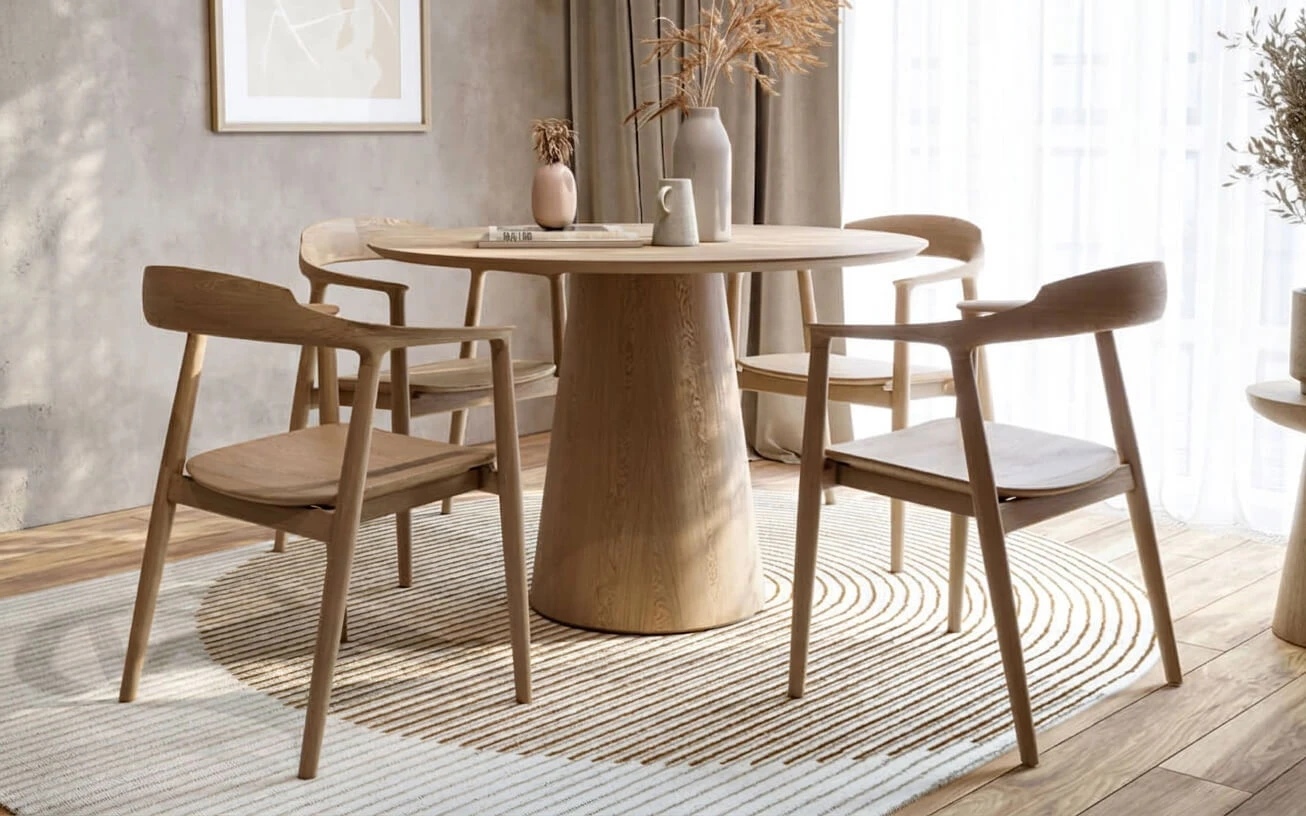
HereSolid oak slat panelsin 'natural' or 'light gray' tinting create a warm neutral background. Furniture decor is minimal: thin vertical cuts on the facades, wooden legs with a conical cross-section, matte brass bracket handles. The purity of surfaces here is an advantage, not a drawback.
Modern Classicism and Neoclassicism
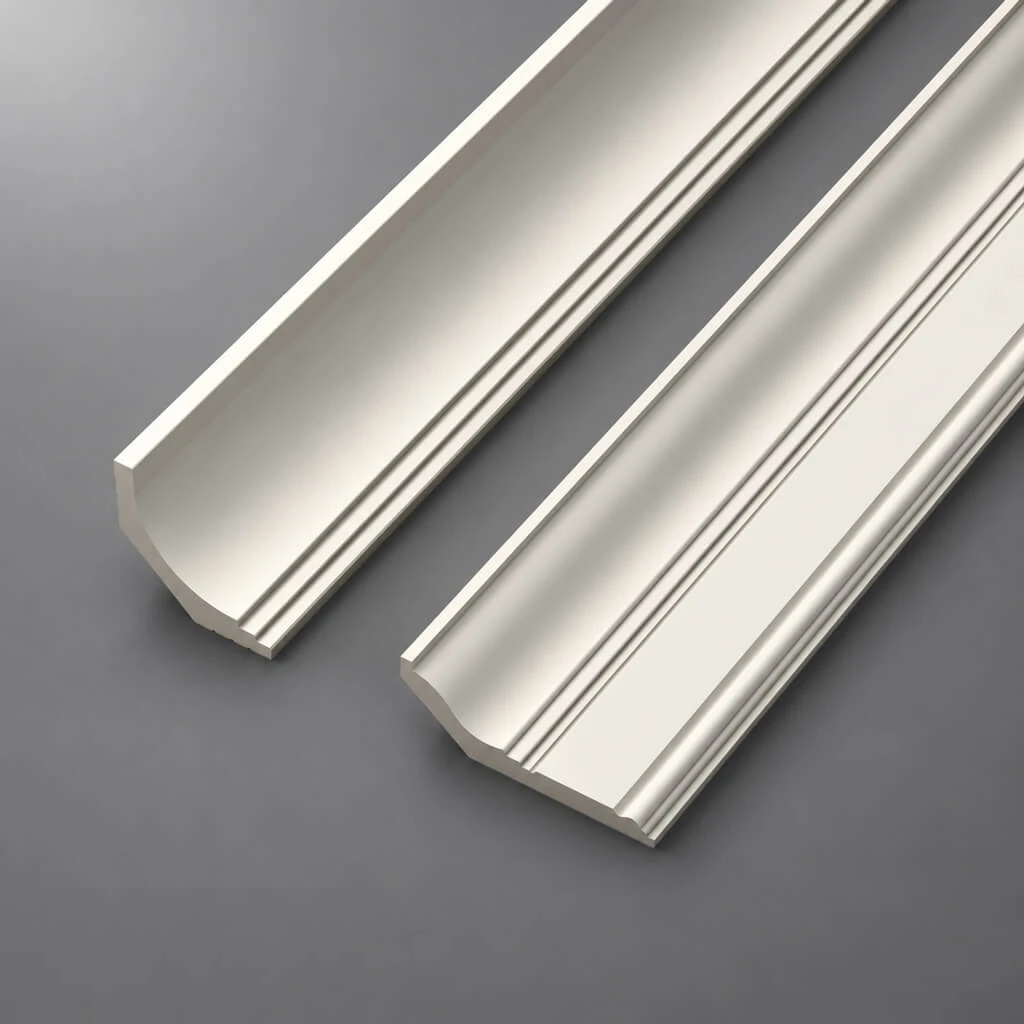
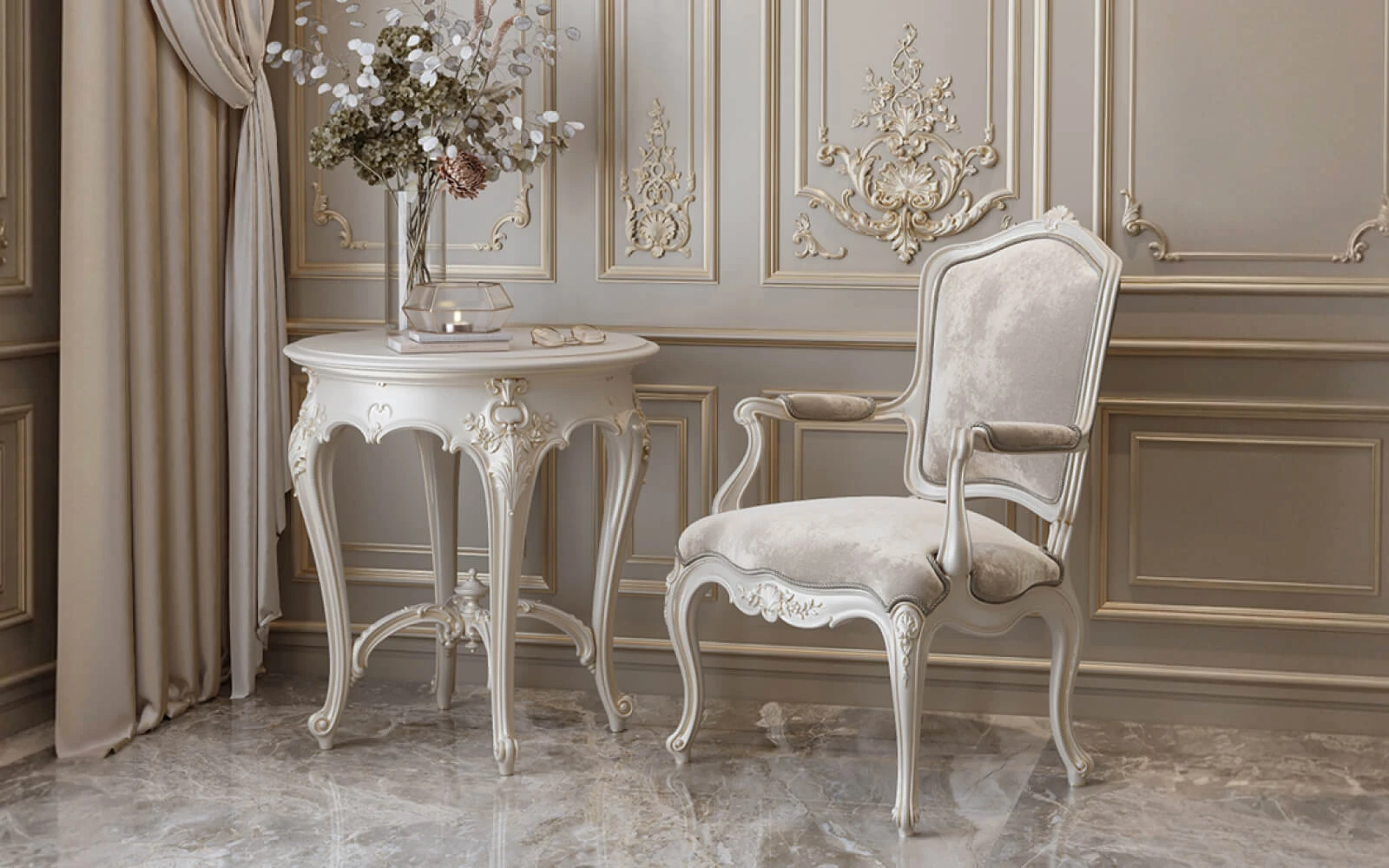
In this direction, workmoldings and decor for moldingsas a bridge between the slatted wall and classic furniture facades. A slatted panel in a niche, framed by pilasters with a classic profile, becomes a modern version of a classic niche. Furniture facades with frame inserts pick up the idea of rhythmic surface segmentation — the same idea as the slats, but in a different language.
Loft and industrial style
Wooden slat panelsin combination with raw brickwork or concrete walls work as a warm counterpoint to cold materials. Furniture decor here is metal overlays, industrial handles, frame elements made of black metal.to buy, which will allow you to transform your furniture using carved wooden elements. You can use the C-003-3 decor set to decorate furniture, walls, doors, or any other surface. The C-003-3 decor set is made of oak or beech, known for their strength, durability, and beauty. You can buy the C-003-3 decor set at the Stavros decor store, which specializes in producing and selling decorative elements and hardware for furniture and interiors. At the Stavros decor store, you will find a wide selection of decor sets of various shapes, sizes, and styles. You can choosein a loft — it's a natural accent in an industrial context: a wooden countertop, wooden shelves of an open rack.
Japandi — Japanese-Scandinavian synthesis
Perhaps the most organic direction for a slatted interior. The Japanese aesthetic of ma — significant empty space — makes the pauses between the slats full-fledged elements of the composition. Furniture decor here is reduced to an absolute: no unnecessary details, only the necessary.Decorative furniture itemsIn this style, it's the form of the object itself, its proportions, not the applied details.
Lighting as part of a slatted furniture system
A discussion about slatted panels and furniture decor would be incomplete without talking about lighting. Light is what activates the slatted surface. Without proper lightSlatted panels with lighting— is one of the most effective techniques in modern interior design.
Bottom lighting along the baseboard creates the effect of a floating slatted surface—the panel seems to lift off the floor, visually raising the ceiling. Built-in lighting at the top of a niche directs light vertically downward, emphasizing the relief of the slats with expressive shadows. Spotlights aimed at an angle on a slatted wall create grazing light that maximally reveals the depth of the relief.
Furniture decor combined with lighting works differently. If a wardrobe is equipped with internal niche lighting—the light coming through the gaps of the slatted facade creates the effect of a glowing installation at night. This is a technique known in high-end showrooms and boutique hotels, which is increasingly coming into residential interiors.
Practical algorithm: from wall to furniture
If you are designing an interior from scratch or making changes to an existing one, below is a practical sequence of decisions that helps build the system.
Step 1. Determine the main slatted surface. This could be one accent wall, a niche, a reveal, the area behind a bed headboard, or a TV wall. The main surface sets the scale and rhythm of the system.
Step 2. Fix the rhythm parameters: slat spacing, their width and depth. Write down these numbers—they will become the module for the furniture decor.
Step 3. Identify large furniture pieces in the same zone. These are cabinets, dressers, consoles—anything standing in front of or next to the slatted surface. For each piece, decide: continuation or contrast strategy.
Step 4. Select decorative elements for furniture, based on the module from step 2. For a continuation strategy—look for elements with a multiple rhythm. For a contrast strategy—seek unity in material, not form.
Step 5. Check the scale. Overlay the selected decorative elements onto the layout—mentally or on paper. A detail that 'gets lost' in the scale of the furniture piece doesn't work. A detail that 'overpowers' the piece works against it.
Step 6. Identify points of emptiness. Which surfaces in the final picture should be clean? Intentional emptiness is not an omission but a tool for rhythm management. A smooth surface next to a saturated one creates a pause, without which music turns into noise.
Step 7. Check the material range. All decorative elements—wooden Decor for furniture of an official production, handles, legs, overlays—should fit into one tonal and material story. Not necessarily identical, but definitely compatible.
Practical combinations: decision table
Below are specific combinations of slatted panels and furniture decor that are tested in real projects and deliver consistent results.
| Slatted panel | Furniture front | Decorative element | Handles | Legs |
|---|---|---|---|---|
| Natural oak, vertical | MDF for painting, white | Vertical moldings, MDF | Matte brass bracket | Conical wooden |
| MDF for painting, anthracite | Oak veneer | Without decor | Black metal rod | Square metal |
| Oak with "tobacco" tint | MDF for painting, warm white | Corner wood overlays | Brass drop | Turned wooden |
| MDF for painting, warm gray | Natural oak | MDF frame molding | Stainless steel bracket | Cylindrical wooden |
| Flexible oak panel, radius wall | Radius MDF facade | Without decor | Built-in handle | Chrome metal |
Where to buy slatted panels and furniture decor
All solutions described in the article become real only when there is access to products made with the necessary precision and from the right materials.buy slatted panelsmade of MDF and solid oak with precise adherence to geometry - pitch, width and depth of slats - can be found in the Stavros catalog. Also available is a widefurniture decor official websiteoffers in several categories: overlay battens, moldings, decorative overlays, legs, handles,Carved Mouldingsand profiled products made of solid oak and beech.
The advantage of a single manufacturer is obvious: all elements are made from the same material—solid oak or MDF—with uniform moisture levels and surface treatment standards. This means that the slat on the wall and the batten on the furniture front will take stain and varnish equally, react similarly to temperature fluctuations, and create a genuinely unified system, not an imitation of unity.
If you are planning a slatted interior and wantbuy furniture decorto be possible in the same place where you get wall panels—this is exactly the case where a full-cycle manufacturer solves the problem systematically.
Frequently Asked Questions (FAQ)
Can slatted panels and furniture decor be used in a small apartment?
Yes, and often it is even more advantageous than in a large space. In a small apartment, a slatted panel on one wall creates a powerful accent that visually expands the space. Furniture decor should be minimal: one or two accent elements on key pieces. The main thing is not to overload.
Is it necessary for furniture decor and slatted panels to be made from the same wood?
It is desirable but not mandatory. What is more important is tonal unity. Natural oak and natural ash combine well if they have a similar warm palette. Conflict arises when warm tones are mixed with cold ones without a deliberate contrasting solution.
How to avoid the feeling of a 'finishing store' when actively using slatted elements?
Pause rule: one active slatted surface — one clean adjacent one. If a slatted panel is on the wall — furniture is partially smooth. If a cabinet has a slatted front — other surfaces are without relief.
Are slatted panels on furniture fronts difficult to produce?
No, if you use ready-made solutions. Overlay battens are fixed to a flat front with glue and finish nails — this is work that does not require machine equipment.slatted panels for wallsare also mounted without specialized tools.
What wall slat spacing corresponds to what furniture decor?
Empirical rule: decorative battens on furniture are taken with a spacing 1.5–2 times larger than slats on the wall. A wall panel with 30 mm spacing — furniture batten with 50–60 mm spacing. This creates rhythmic variation without conflict.
Can you combine painted MDF panels on the wall and wooden decor on furniture?
Yes, this is one of the most effective techniques. A white or gray slatted wall — and wooden decor on furniture: oak battens on smooth white fronts. Contrast of color and material with unity of rhythm — a strong design solution.
Where to find the full range of needed elements in one place?
Onthe official Stavros websitepresents a complete assortment: from slatted panels to furniture decor, moldings, legs, handles, and solid wood millwork — all in a unified production and material logic.
Are slat panels suitable for wet areas?
MDF slatted panels with a density of 750–850 kg/m³ and full paint coating are acceptable under normal household humidity conditions. For bathrooms with direct water contact, it is recommended to separately clarify the characteristics of a specific model.
Interior is a system. A wall does not exist on its own, furniture is not a separate island. WhenRafter panelsanddecor for furniturethey speak the same language — the space becomes cohesive. Not because everything is the same. But because everything — from one meaning.