






























Article Contents:
- What is Picture Skirting and Why This Query Has Nothing to Do with Floors
- How Picture Skirting Differs from Bagette, Molding, and Frame
- Picture Skirting and Bagette
- Picture Skirting and Molding
- Picture Skirting and Ready-Made Frame
- Picture Skirting and Trim
- Picture Skirting and Wall Decor
- Where Decorative Profile for Pictures is Used
- For framing pictures
- For Wall Frames
- For mirrors
- For panels
- For wall compositions
- For classic interiors
- For wall decor with moldings
- What materials are best for decorative picture profile
- Solid wood
- Wooden frame
- Ready-made wooden frame
- Solid wood molding
- Smooth profile
- Carved Profile
- Profile for painting
- How to choose a picture frame profile to match the interior style
- Classic
- Neoclassicism
- Baroque
- Vintage
- Modern classicism
- Minimalist design for posters and graphics
- How to choose the size and proportions of a picture frame profile
- For a small picture
- For a large picture
- For a vertical composition
- For a mirror
- For a group of frames on the wall
- When a wide frame is needed
- When is thin molding better
- What to choose: ready-made frame, baguette strip or molding
- When is it better to buy a ready-made frame
- When is baguette needed
- When is it better to use molding
- When is millwork for custom assembly needed
- When to choose carved decor
- What to combine picture skirting with: decor, moldings, panels
- With frames
- With wall moldings
- With wooden patterns
- With applied decor
- With slatted panels
- With classic furniture
- Picture rail for interiors: from living room to study
- In the living room
- In the bedroom
- In the study
- In the entryway
- In classic interior
- In modern classic style
- In areas with decorative panels and moldings
- How to buy a picture rail and not make a mistake: a complete checklist
- Material
- Profile width
- Texture
- Carving or smooth profile
- Color
- Combination with frame and wall
- Ready-made frame or profile for your project
- Common mistakes when choosing a decorative profile for a painting
- Decorative wall design: painting as part of a system
- Frequently asked questions about picture frame profiles
- Buying a picture frame profile: how to make the right choice the first time

If you typed 'picture skirting board' into a search engine, you're most likely not looking for a floor skirting board at all. This query almost always means something completely different: to find a decorative profile for framing a painting, select a wooden molding, choose a frame molding, or order a ready-made frame made of natural wood for decorating a painting, poster, or mirror.
That's exactly what this article is about. There's not a single word about construction trim or floor finishing. Only about what you really need: how to frame a painting so it becomes part of the interior, not just 'hangs on the wall'. How to choose a profile that will accentuate the canvas, not overwhelm it. How to assemble a frame yourself or buy a ready-made one. And how to avoid spending money on a mistake you'll later regret.
Here you'll find experience, selection logic, and specific answers.
Select elements for framing paintings and wall decor STAVROS:
-
frame for a painting— ready-made frames made of solid wood
-
wooden frame— wooden frames made of oak and beech
-
Wooden Picture Frame— solid wood molding for frame assembly
-
Wooden moldings— profiles for framing and wall decor
-
decorative elements— carved ornaments, overlays, wooden patterns
-
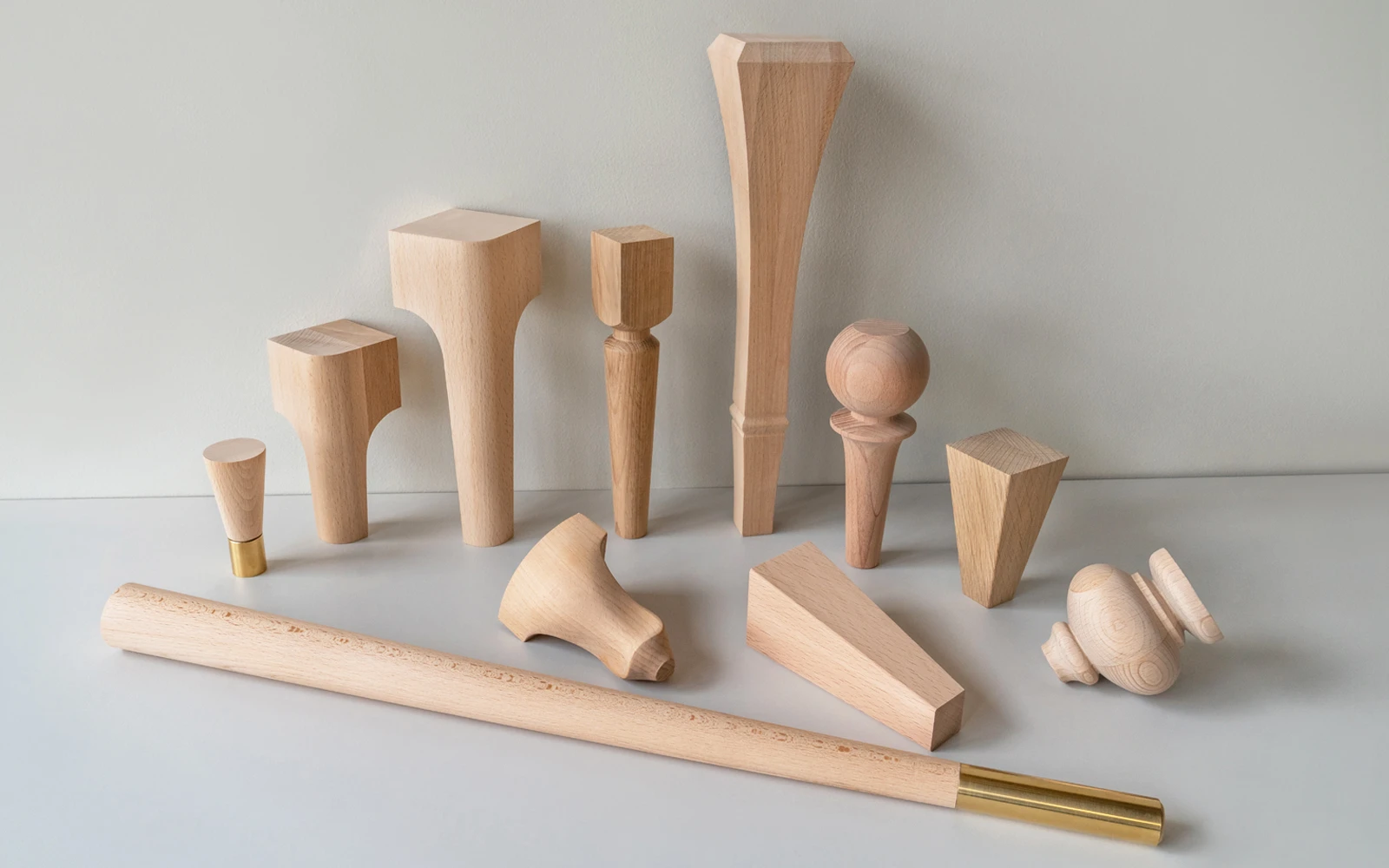
Wooden items— the entire range of wooden decor
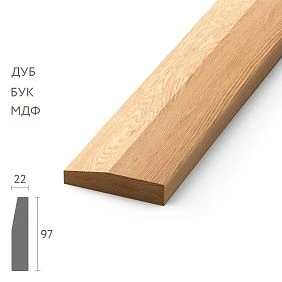
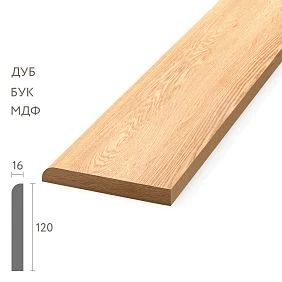
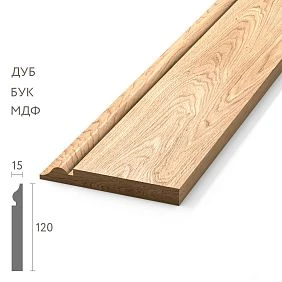
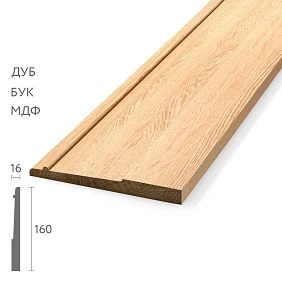
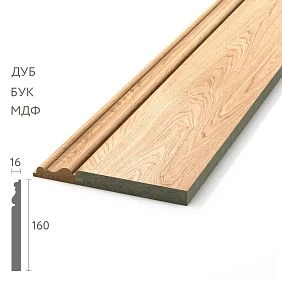
What is a picture skirting board and why this query is not about the floor at all
There are things that Google and Yandex understand differently than real people. 'Picture skirting board' is one of them. According to machine logic, it's about construction molding. According to the logic of the person searching for it, it's about framing. About that decorative profile that turns a canvas or poster into a finished work of art.
So let's immediately clarify the concepts.
A picture skirting board in common usage is one of the following products:
-
decorative framing strip for a picture
-
picture frame profile
-
picture frame molding — a rail with a shaped cross-section for assembling a frame
-
picture molding — a decorative profile that is attached around the canvas or to the wall
-
frame profile — a linear product used to assemble a frame to a specific size
-
wooden decorative element for wall decor
All of these are different formats of the same idea: to give a painting a worthy frame. And that's exactly what we'll discuss next — in order, with logic and examples.
Wide selectionwooden products— from ready-made frames to linear products for self-assembly — allows you to choose the optimal solution for any canvas and any interior.


How picture molding differs from picture frame molding, molding, and frame
This section is the most important theoretically. This is where people get confused most often, and it's exactly what confuses the intent. We'll break down each pair separately.
Our factory also produces:

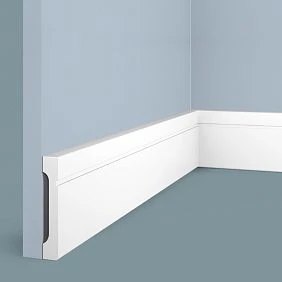
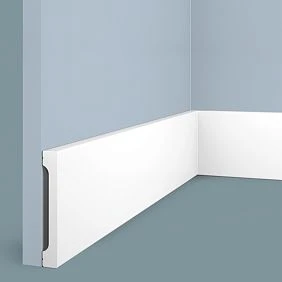
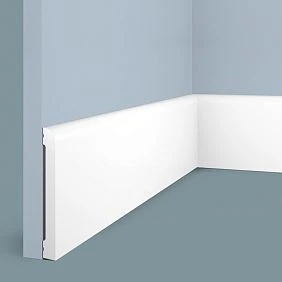
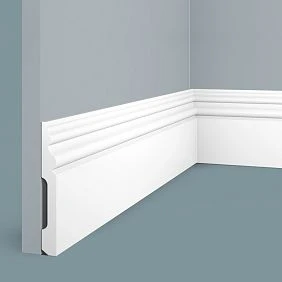
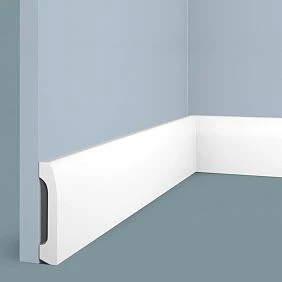

Picture molding and picture frame molding
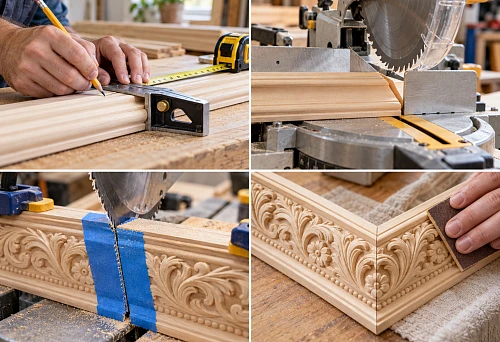
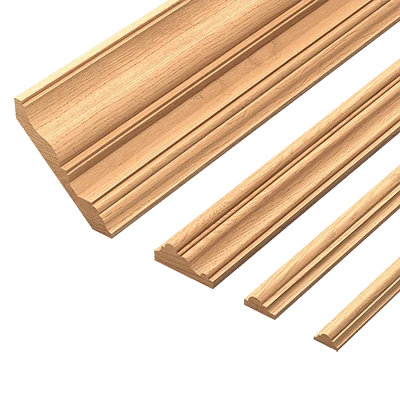
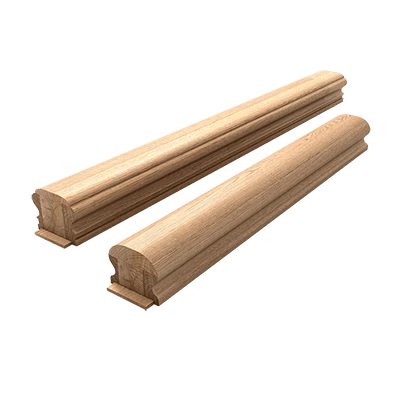
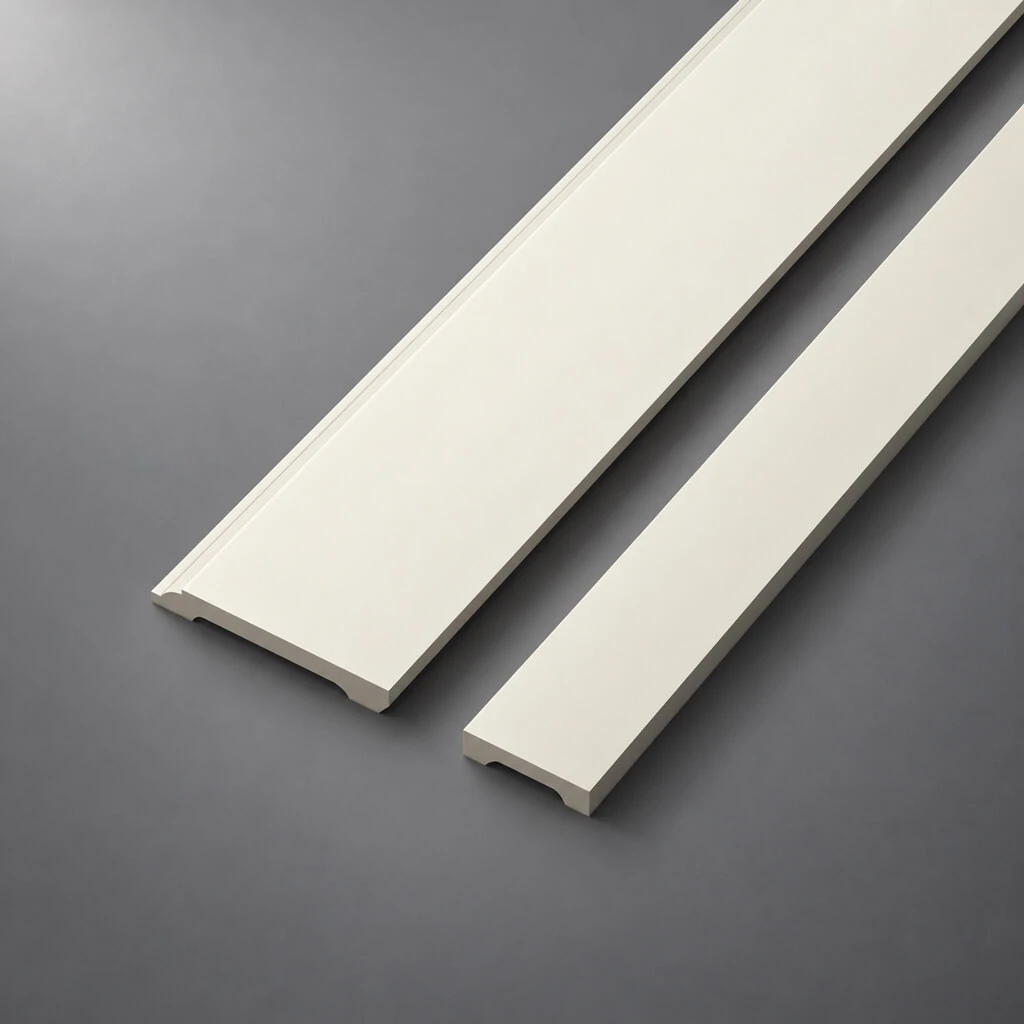
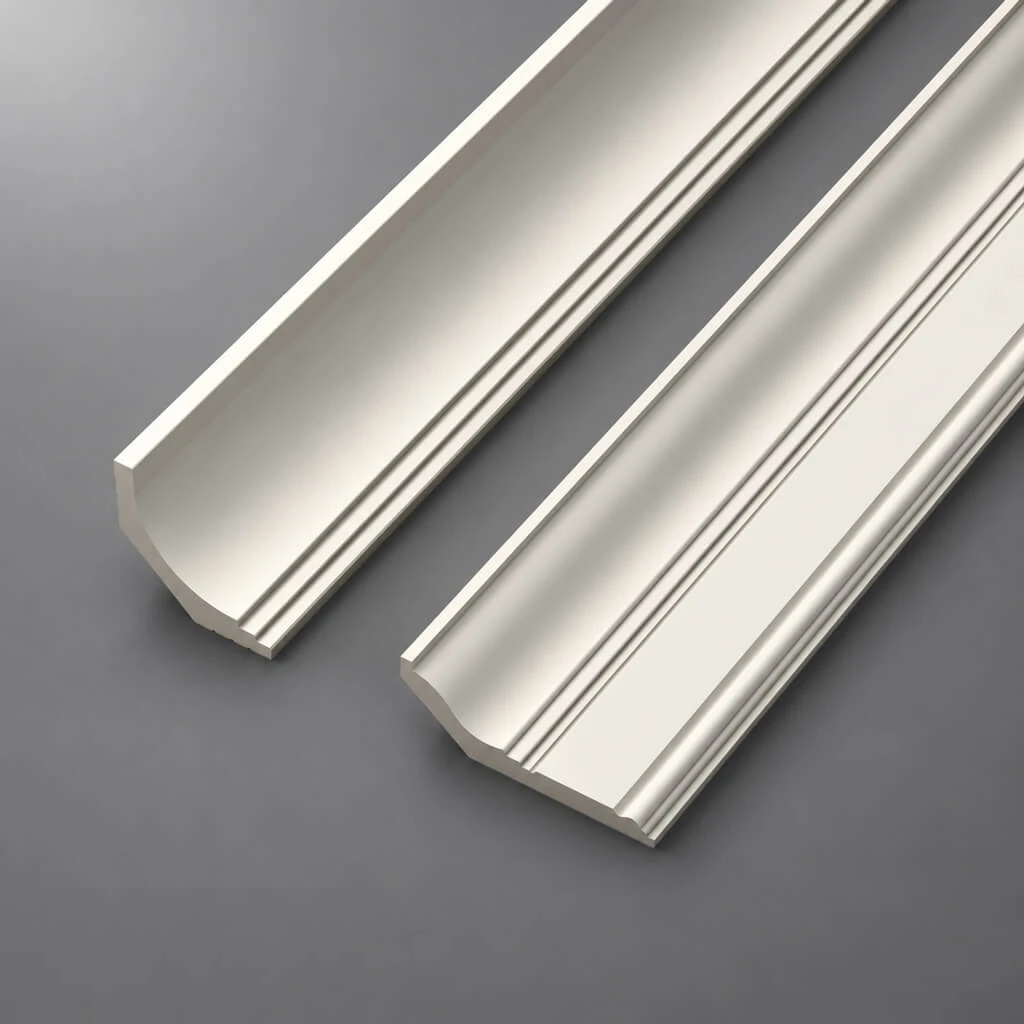
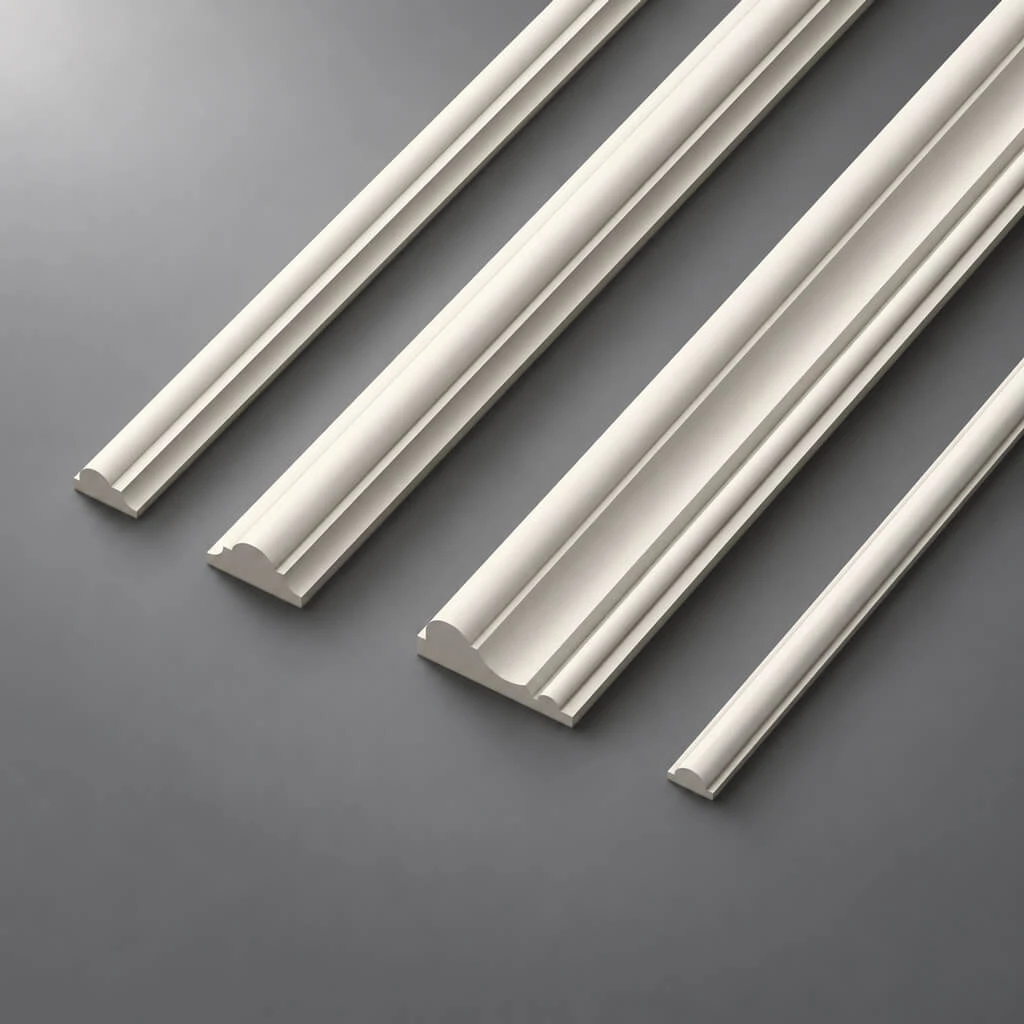
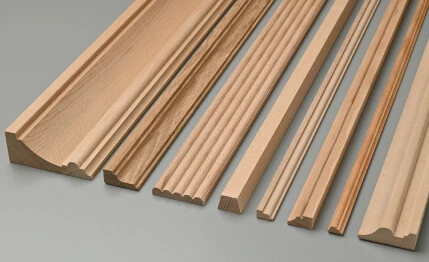
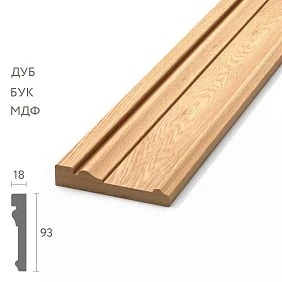
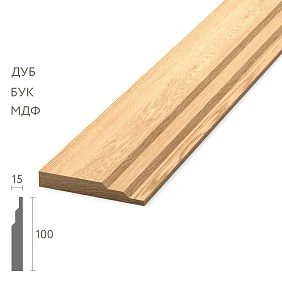
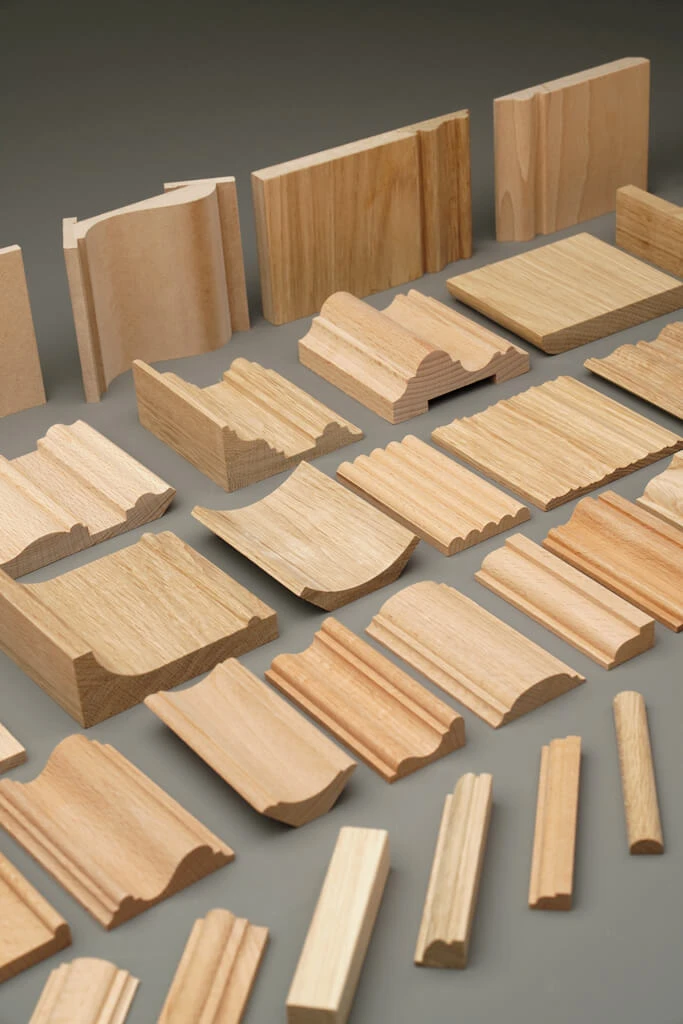
A picture frame molding is a professional term for the framing strip used to assemble a frame. The word comes from French architectural lexicon, where 'baguette' specifically means a profiled strip. Wooden molding is essentially what is commonly called a 'picture skirting': a strip with a shaped cross-section, cut at a 45-degree angle and assembled into a rectangular frame.
Wooden Picture FrameIt can be smooth, shaped, with relief, with carving, with a concave or convex profile. Its main characteristic is that it's a linear product: you buy it by the meter, cut it to the required size, and assemble the frame yourself.
If you were looking for 'picture skirting' — you most likely need exactlyWooden moldingorPicture frame strip. For more details on what molding is and how to choose a molding strip for different tasks, read the separate article — everything is broken down in detail there.
Get Consultation
Picture skirting and molding
Wooden molding— is a broader concept. Molding is any profiled decorative strip used for framing, dividing walls, creating frame compositions, decorating paintings, panels, mirrors. Molding can function both as an independent frame and as a decorative border around the canvas, attached directly to the wall without a traditional frame structure.
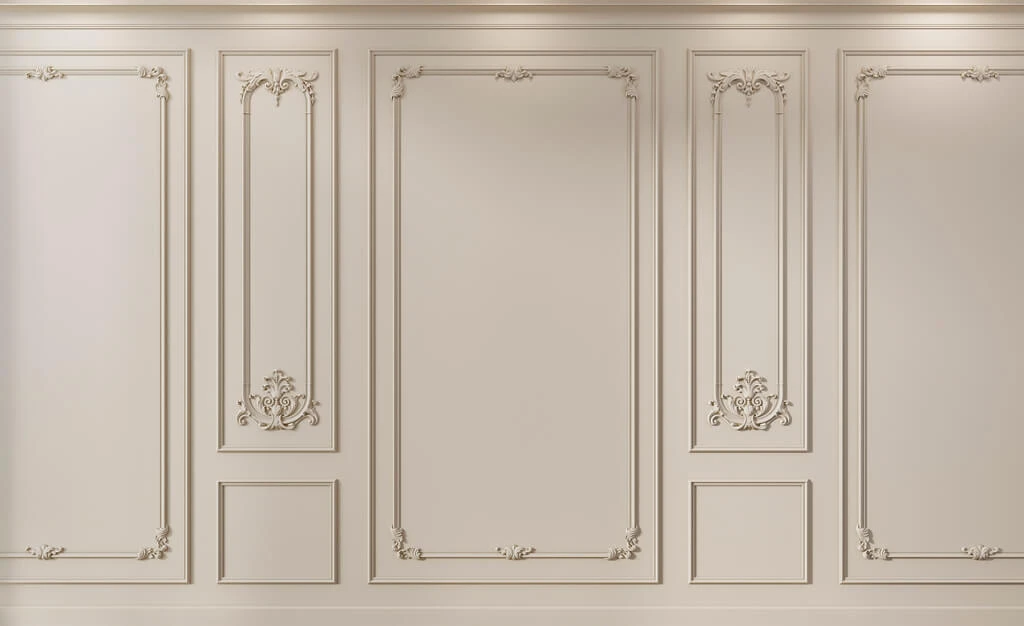
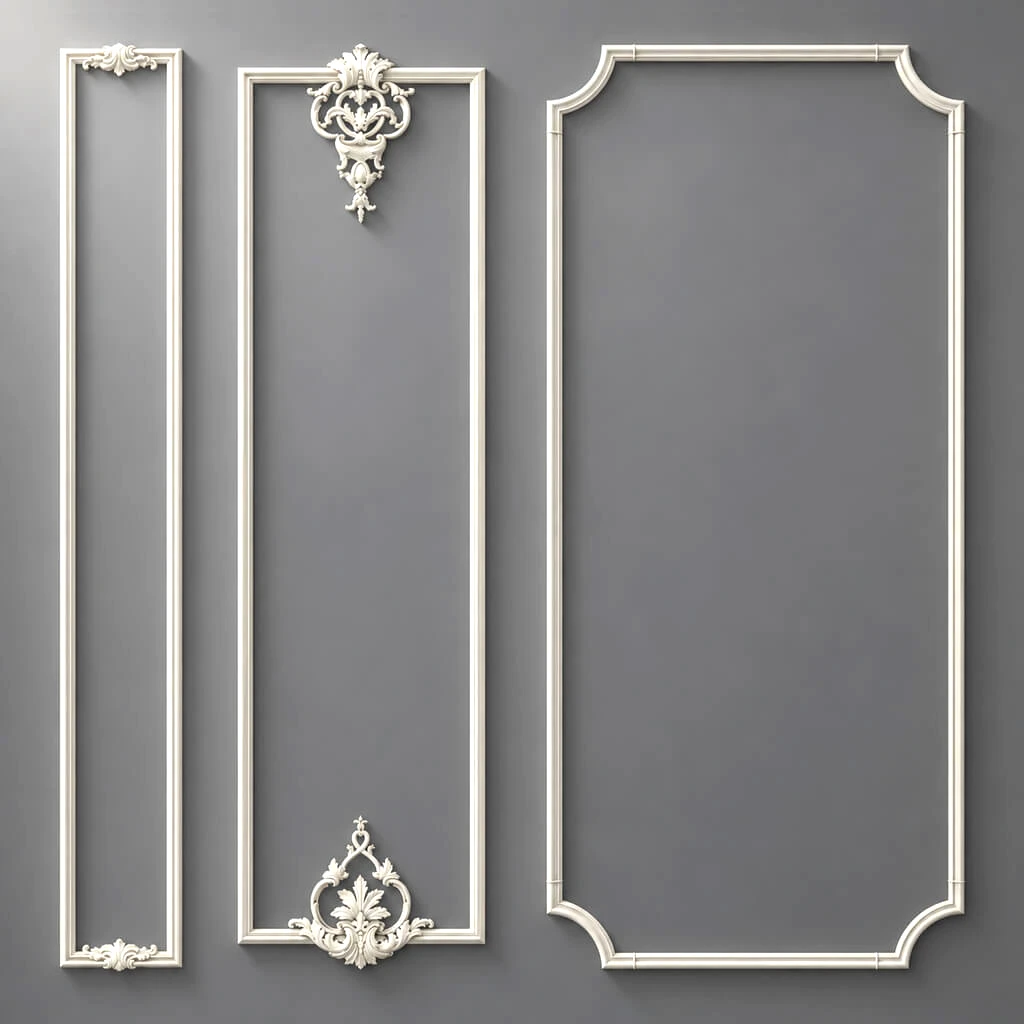
Picture molding is about wall decorative logic. You take four pieces of profile, attach them to the wall around the painting — and you get the effect of built-in framing. The painting appears as if it's integrated into the wall's architecture, not just 'hung.' This is an elegant and modern way of decoration, especially popular in classical and neoclassical interiors.
Wooden moldingsmade of oak or beech — is the most natural and durable option. They accept any finish: varnish, paint, enamel, tinting — and integrate perfectly into interiors of any complexity.
Picture skirting and ready-made frame
Ready-madeframe for a painting— is an already assembled product with a clear format. You choose a frame by size, style, material, and hang it on the wall along with the painting. It's convenient, fast, and predictable.
Picture molding (meaning assembly profile) is a material, not a finished product. The difference is like between fabric and a tailored suit. The profile gives freedom: you choose the size, proportions, and miter angle yourself. A frame is a ready-made solution that only needs to be chosen correctly.
wooden frameMade from solid oak or beech — the choice of those who value naturalness and durability. Such a frame lasts for decades, it can be restored, repainted, and passed down along with the painting.
Picture molding and millwork
Pogonazh iz massiva— is a broad category of profile products made from natural wood, sold by the linear meter. Picture frame molding is one item in this range. It also includes moldings, baseboards, cornices, and slats of various profiles. When a person searches for 'picture molding', they often mean precisely a millwork product with a decorative cross-section — that is, picture frame molding or molding in a linear format.
Picture molding and wall decor
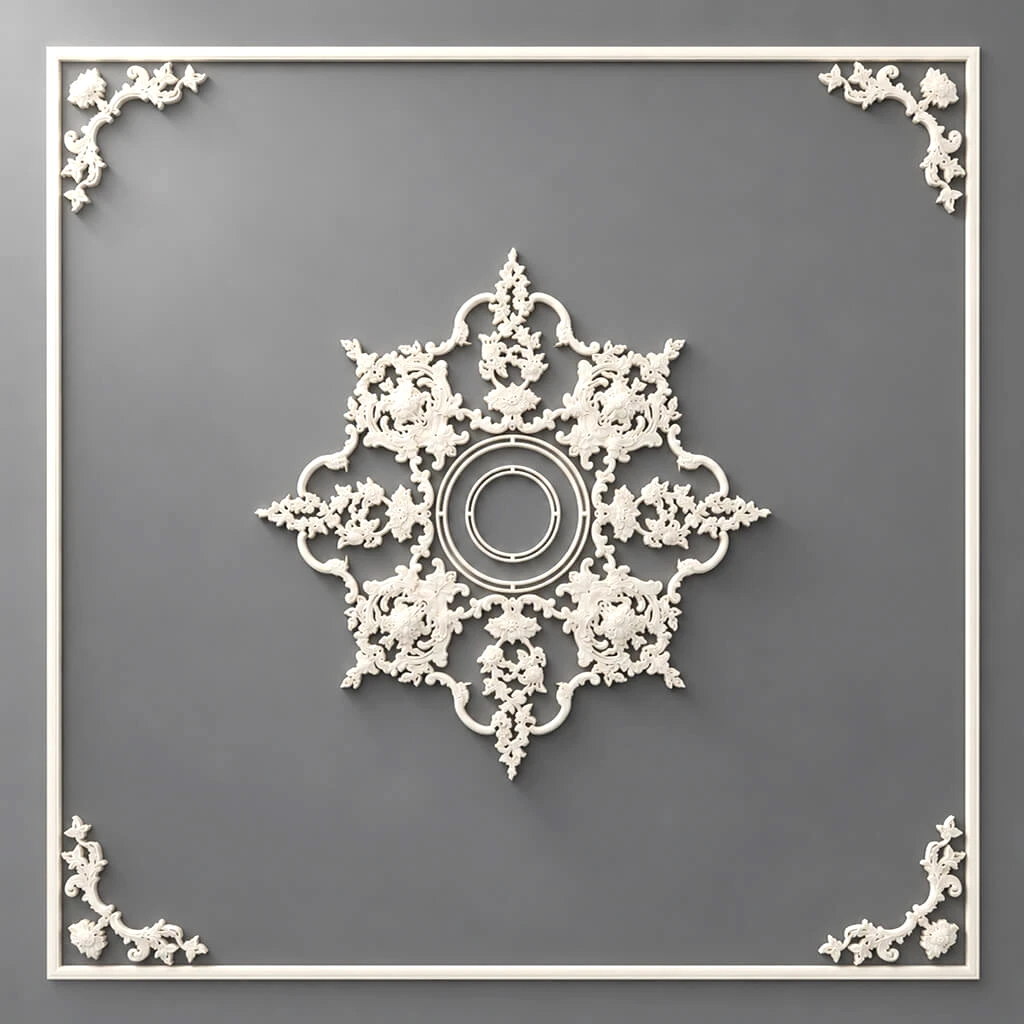
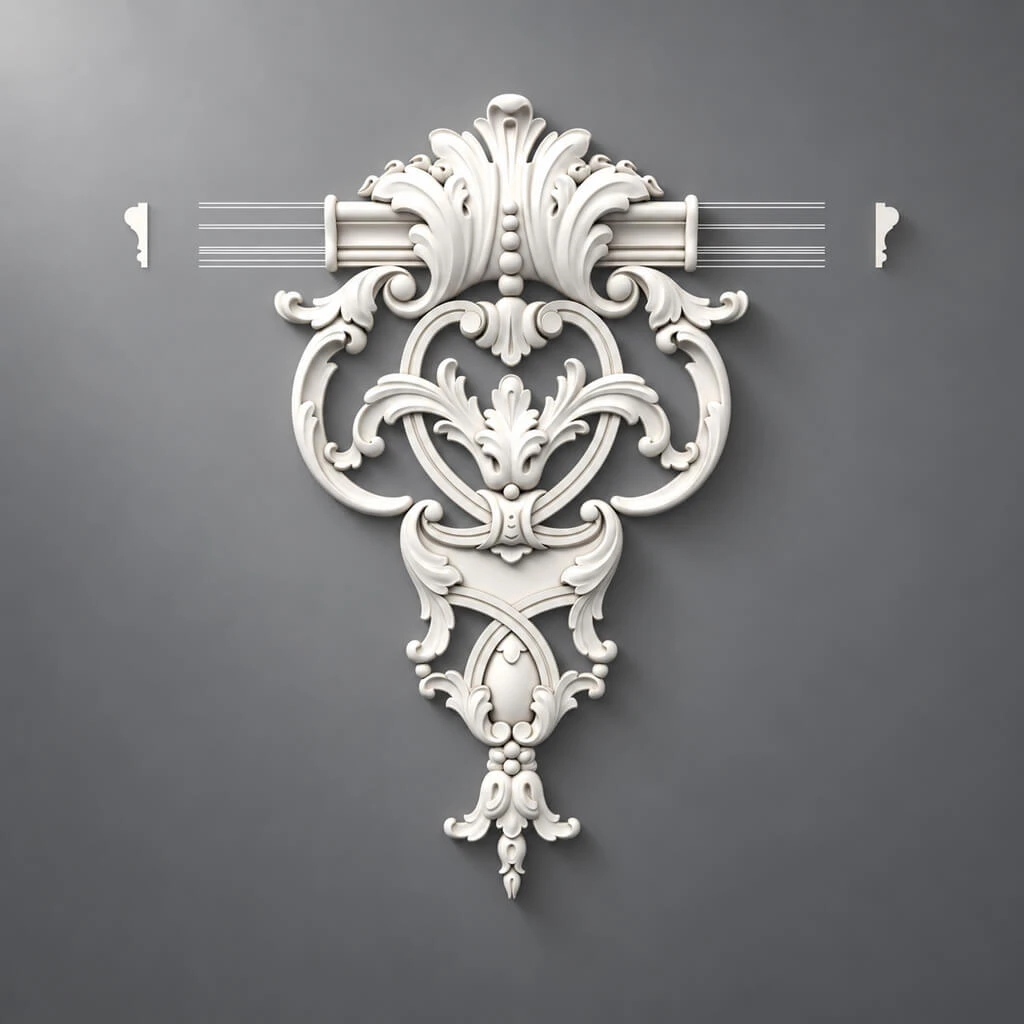
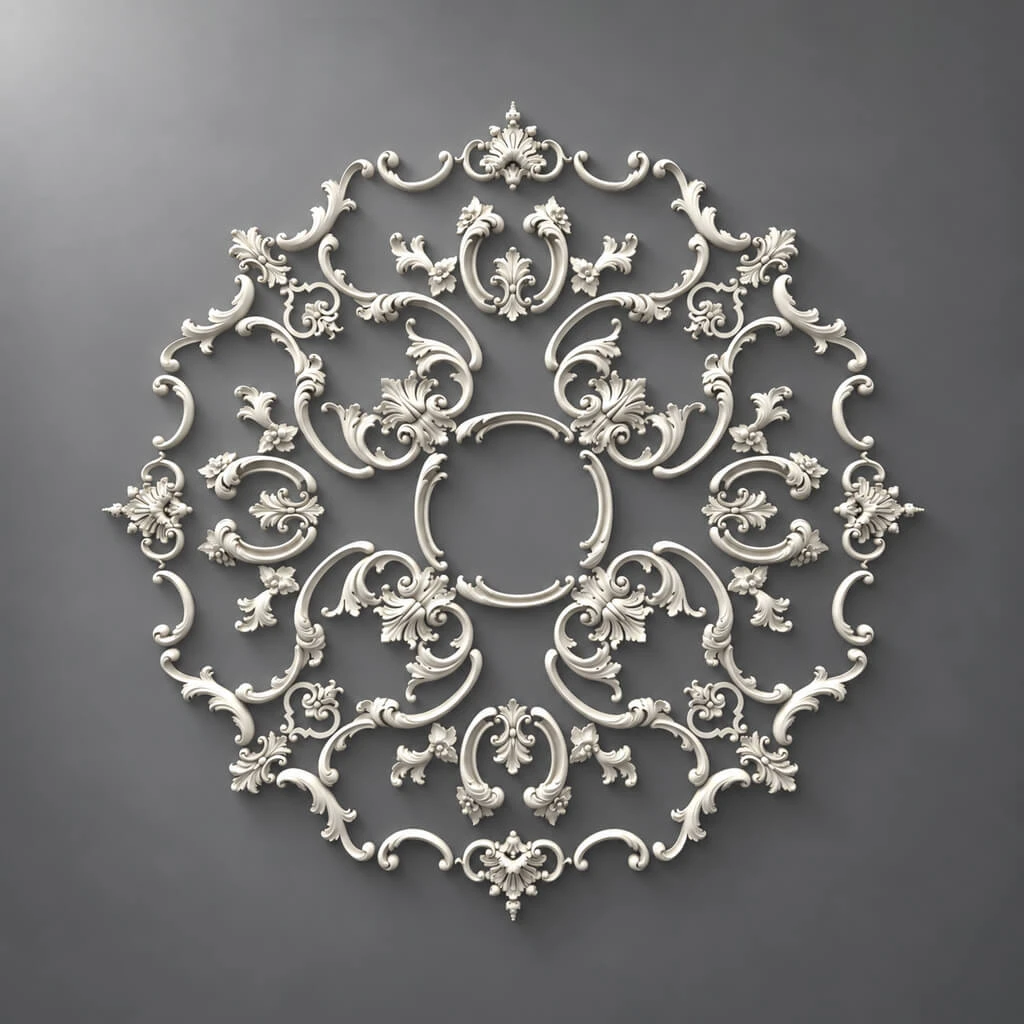
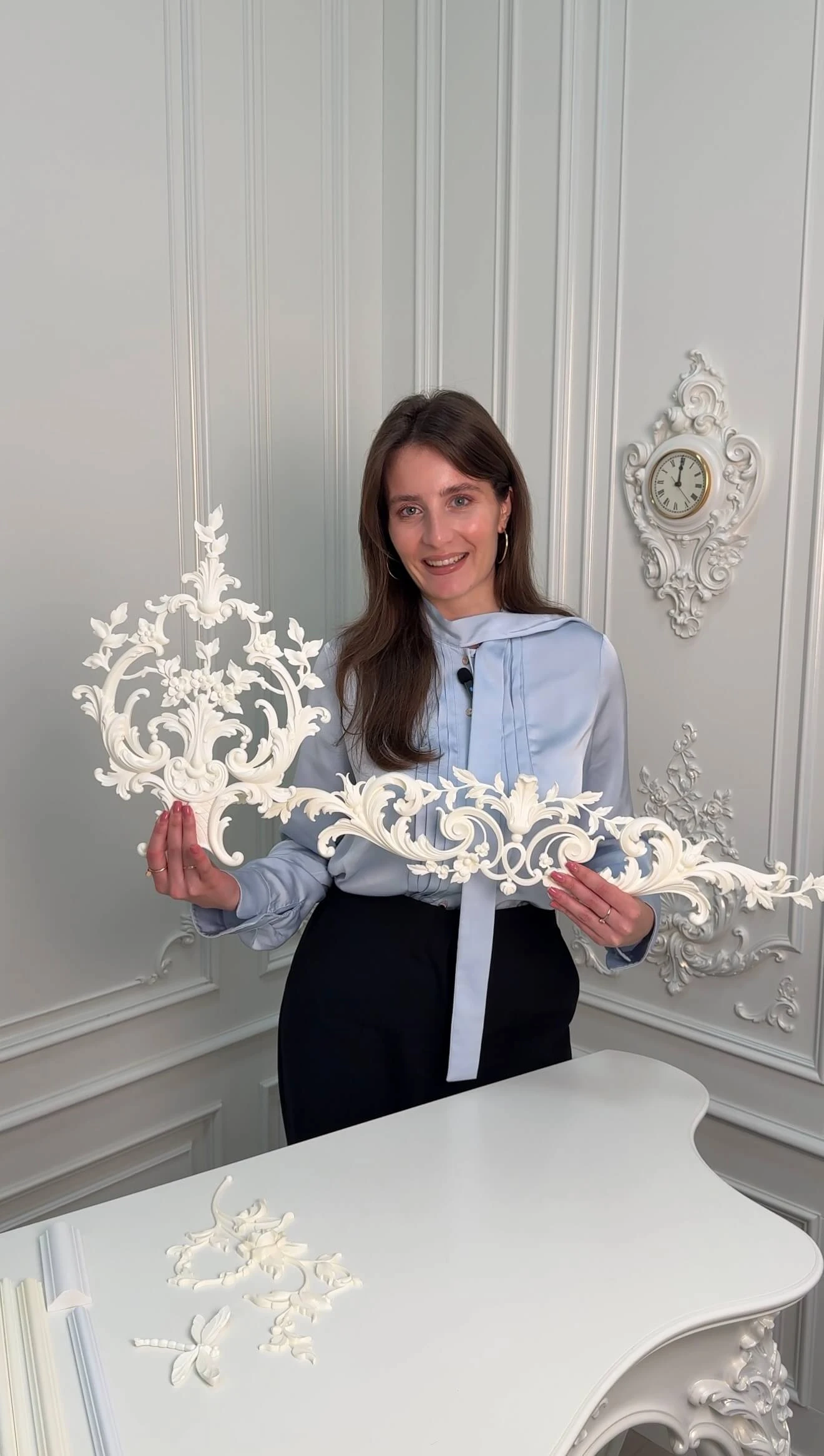
Sometimes, behind 'picture molding' lies a request for broader wall decoration:decorative wooden ornaments, applied rosettes, carved elements that are mounted next to or on the painting. This is wall decor made of wood in a broad sense — and it also fits the logic of the topic.
Where decorative picture molding is used
For framing pictures
The most obvious application. Decorative picture molding is the basis of a frame. It surrounds the canvas along the perimeter, creates a transition between the painting and the wall, and visually completes the artwork. Without proper framing, even a strong painting loses its impact.
The picture frame profile is selected based on width, height of the cross-section, relief, and material. Each of these parameters influences how the canvas is perceived in space.
For frames on the wall
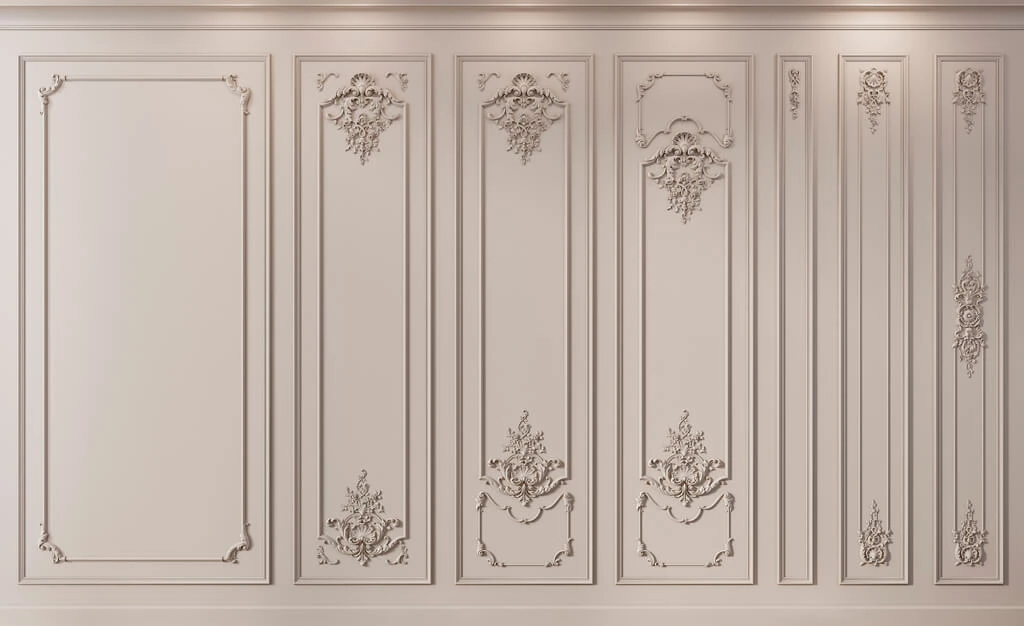
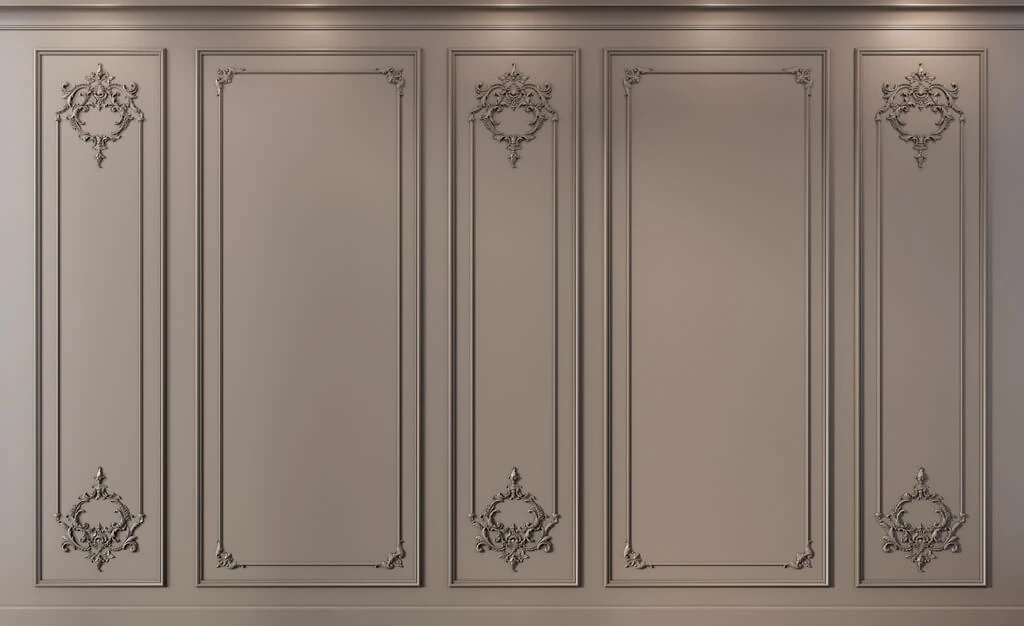
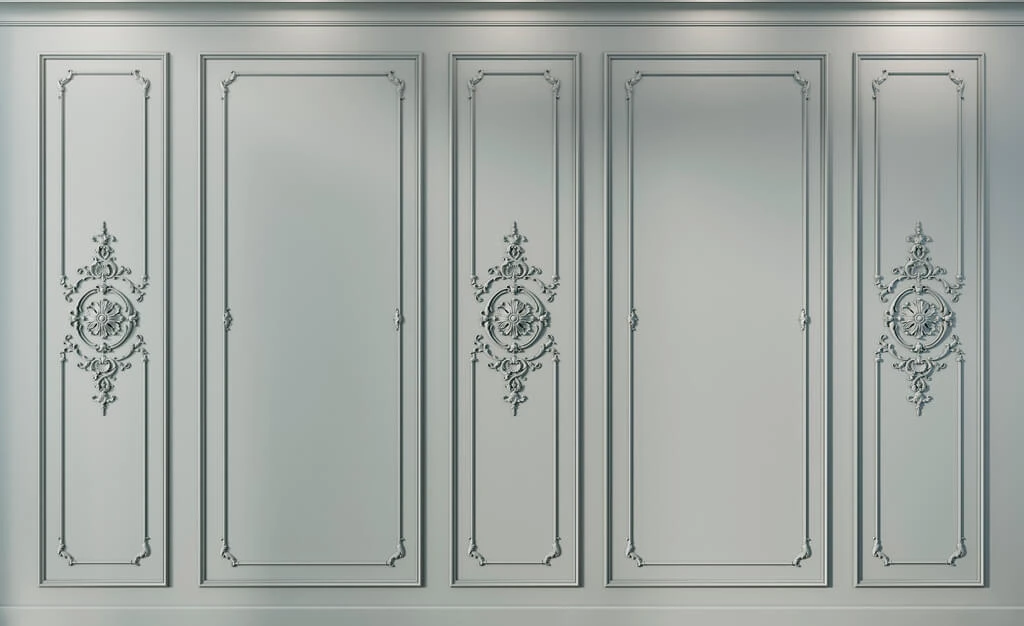
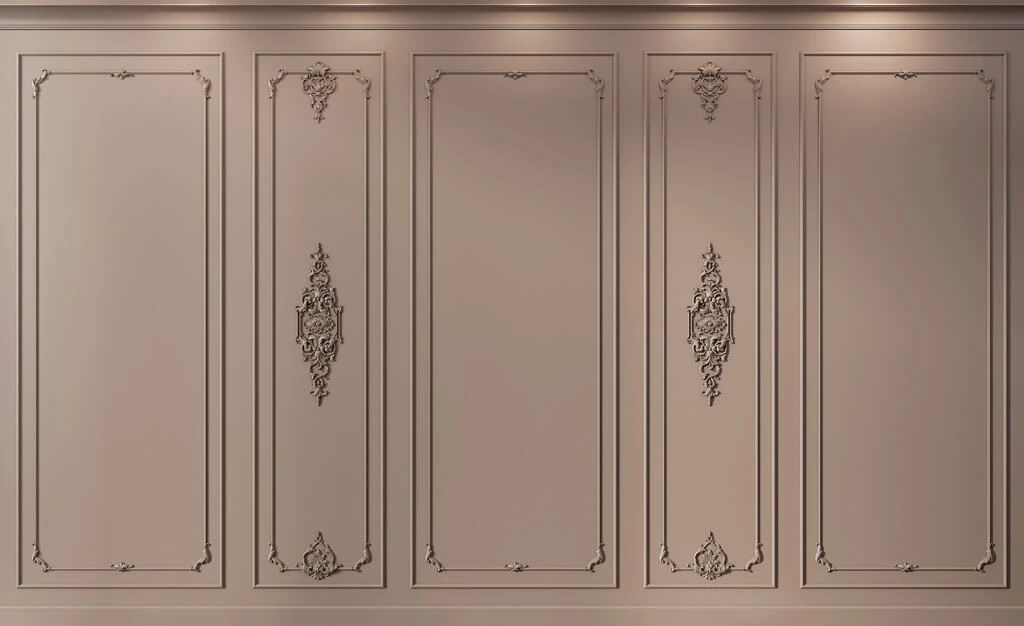
A wall picture molding is not a frame in the traditional sense, but a decorative linear structure made of four pieces of profile attached directly to the wall surface. This is a popular technique in interiors with classic molding panels: the painting appears to be integrated into the architecture, becoming an organic part of it.
Moldings for walls— this also includes the ability to create wall frame compositions without a traditional frame. Four pieces of profile, cut at 45 degrees — and the painting is framed.
For mirrors
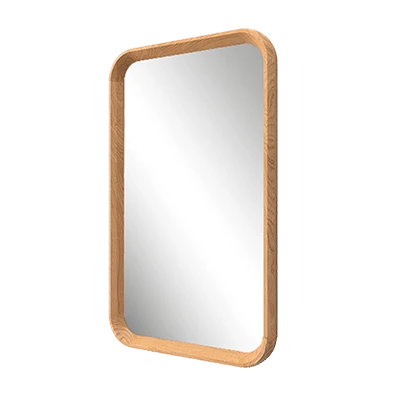
mirror frame— a logical extension of the picture frame. A mirror in a decorative profile made of natural wood is not a utilitarian object, but an interior accent.Mirror wooden frame— and a wooden picture frame are often the same product, applied in different contexts. Those looking for a profile to frame a painting often also frame a mirror in parallel.
For panels
Decorative panels — embroidery, tapestries, art prints on fabric, relief decorative inserts — require framing no less than paintings. Here, the wooden picture frame profile works in the same format: the molding or picture frame is cut to size, assembled into a frame, or attached to the wall.
For wall compositions
Gallery walls with several paintings in coordinated frames are a stable trend in modern interiors. Here, it is important that the profiles of all frames are from the same series: identical cross-section, identical material, identical finish.Buy picture framesIn a unified lineup — this is a way to create a cohesive wall composition that looks like a curatorially assembled collection, not a random set of frames.
For a classic interior
In a classic interior, a painting is part of the architectural concept, not a random object. It occupies its place in the system: above the fireplace, in a niche, in the wall space between windows. The picture frame profile in classic style is wide, with relief, made of natural wood, possibly with gilding or antiqued toning.
For decorating walls with moldings
When the walls are adorned withwooden wall molding, the painting is integrated into the overall molding system. The frame profile should be proportionate to the wall moldings: if the wall 'speaks' with a light profile, the frame should also not be heavy and pompous.
Which materials are best for a decorative picture frame profile
Solid wood
A decorative picture frame profile made of solid wood is a choice for paintings, classic interiors, and serious decor. Natural wood has a living texture that no synthetic material can reproduce. A frame made of solid oak, beech, or ash is a product for decades.
A wooden picture frame profile made of solid wood accepts any finish: clear varnish, colored varnish, oil, wax, enamel, toning, imitation of gold, silver, or patina. This provides almost limitless flexibility in matching the interior.
wooden frameIn the STAVROS catalog — these are products made from dense wood species with professional drying and surface preparation for painting or varnishing.
Wooden molding
Wooden molding is a profiled strip made of solid or glued wood, sold by the linear meter. The cross-section can be concave (classic "trough"), convex, S-shaped, straight, with a shelf, or with a fillet. It is precisely fromwooden moldingthat frames for non-standard formats are assembled, for framing unusual canvases or for DIY assembly.
Wooden molding for a painting is exactly that "picture skirting board" people search for online. Most often, this term refers to it: a strip with a shaped cross-section, cut at a 45-degree angle and joined into a frame.
Ready-made wooden frame
Wooden picture frame— a ready-made solution without the need for DIY assembly. You choose the format and style, receive a product that only needs to be hung. For most tasks, this is the optimal choice in terms of convenience and quality of the result.
Solid wood molding
Buy wooden molding— this is an option for those who want not a traditional frame, but a wall molding surround. Four pieces of wooden profile are attached to the wall, creating a frame-without-a-frame effect. This is a modern designer technique that fits organically in classical and neoclassical spaces.
Smooth profile
Smooth decorative picture frame profile without relief — for minimalism, Scandinavian style, modern photographs, monochrome graphics. The goal is to define a border without drawing attention. A thin slat of natural wood, possibly with a slight bevel — and nothing more.
Carved profile
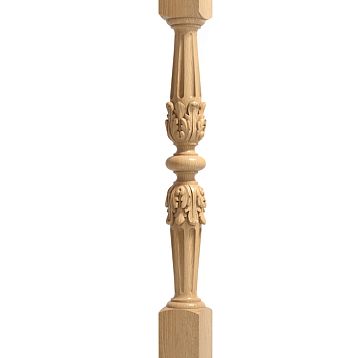
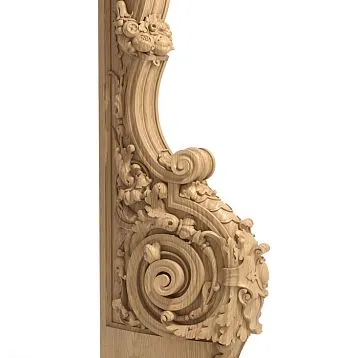
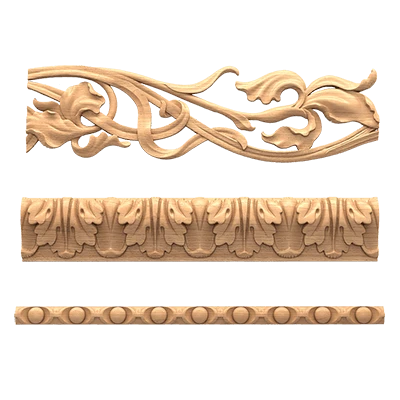
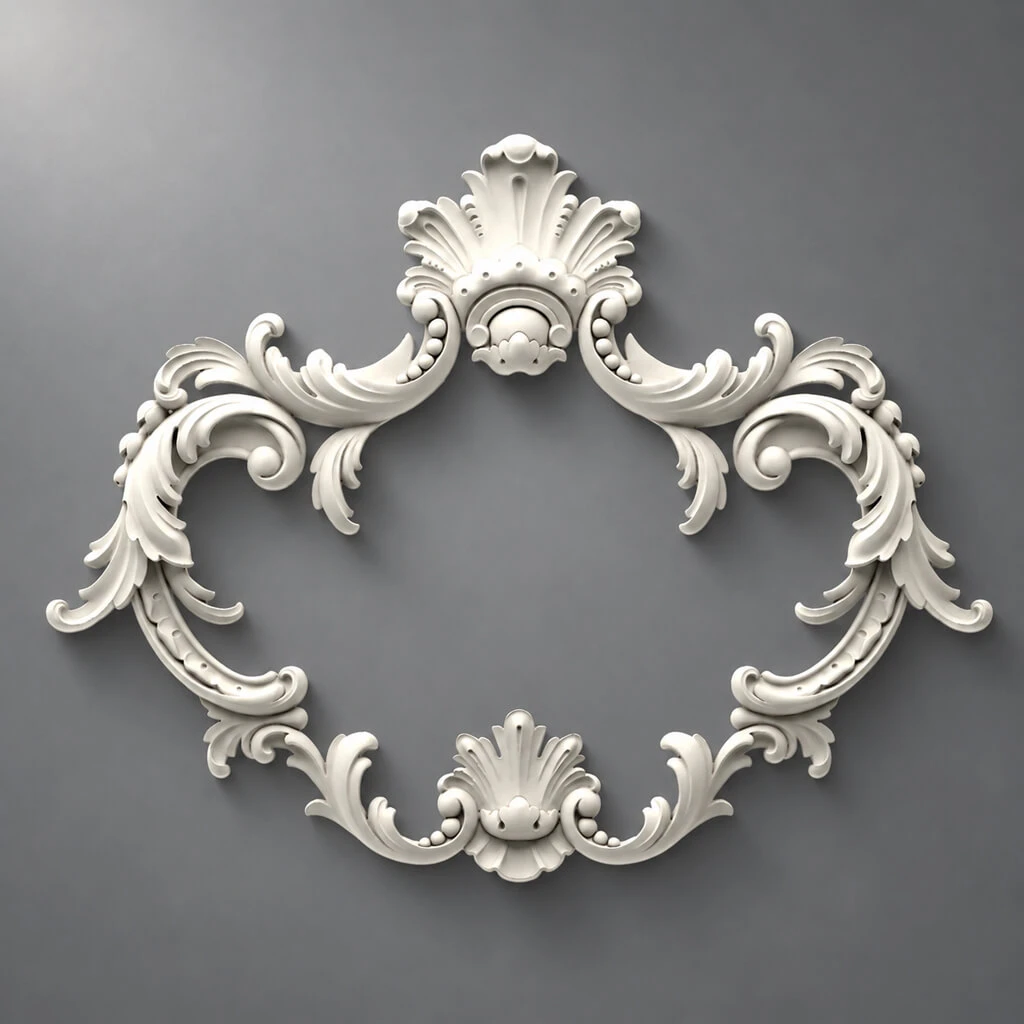
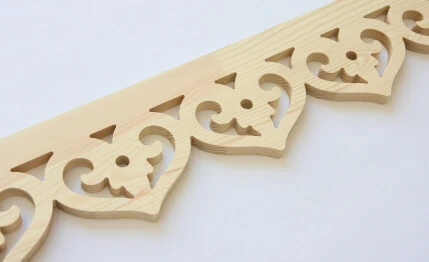
Carved picture frame molding — this is about classic, Baroque, Renaissance motifs, rich interiors with stucco and massive furniture. Carving on the frame profile — ornaments, egg-and-dart, pearl band, acanthus frieze — creates a play of light and shadow, which, with side lighting, makes the frame lively, voluminous, 'glowing'.
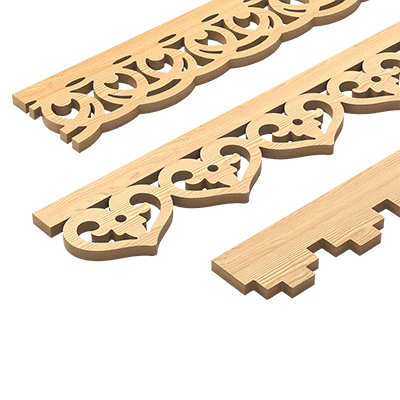
buy wooden ornamentFor decorative framing of the frame or wall next to a picture, see the category of carved overlays and ornamental elements.
Profile for painting
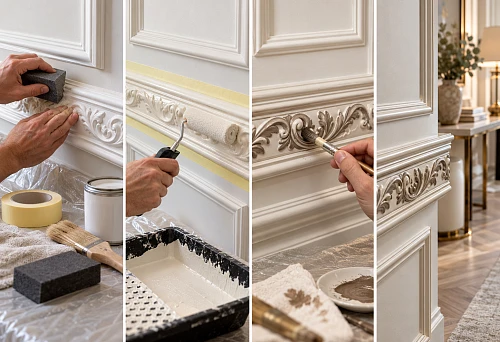
Profile for painting — a primed slat without a finish coating. You paint it yourself in any shade according to RAL or NCS. This is maximum freedom in selecting a color to match a specific interior. A white frame, gray frame, frame matching the wall color — all from the same basic product for painting.
How to choose a picture frame profile according to interior style
Classic
For a classic interior — a wide frame, a rich profile with relief, dark wood with varnish or an antique-style finish. The picture frame profile should coordinate with the cornices, wall moldings, and furniture. If the room hasClassic Furniture— the frame should speak the same language.
Profile width — from 50 to 120 mm, depending on the canvas size. Relief — expressive, with deep shadow. Material — solid oak or beech with varnish or finish.
For detailed information on how the decorative system of a classic interior is built, seecomplete guide to classic furniture— all levels of design are covered there, including walls and wall decor.
Neoclassicism
Neoclassicism is classicism freed from heaviness. The frame profile here is elegant, with delicate relief, without overload. Profiles with a soft curve, a light bevel, or an S-shaped cross-section work well. Wood is light or in a neutral varnish. The decor of the painting's facade is at the level of a delicate accent, not pomposity.
Baroque
Baroque is the maximum. A wide frame with carved ornaments, gilding, a complex multi-band profile. A painting in a Baroque interior is a work of art for which the frame is a proportionate framing.Buy Wooden Patterns— for decorating a frame in the Baroque style — ornaments, acanthus leaves, cartouches — can be found in the decorative overlays section.
A frame in the Baroque style is not just a frame, it's a statement about the era and taste.
Vintage
For a vintage interior — a frame with an antique-style tint, with traces of patina, possibly intentionally worn at the corners. This is the effect of 'living history'. A wooden picture frame in a classic style with an aged finish gives the canvas an additional biography.
Modern classic
Modern classicism is the most common request. An interior with classical forms, but without heaviness and archaism. The frame profile here is shaped but restrained. The width is moderate — 35–60 mm. The relief is soft. Color — natural wood, white enamel, or a graphite shade.
Laconic design of posters and graphics
Poster, photograph, engraving, monochrome print — these are formats that don't need a heavy frame. Here, a narrow profile of 15–25 mm works, smooth, without relief, in natural wood or painted in a dark/white color. The task is only to define the border, without imposing an additional 'voice' on the image.
How to choose the size and proportions of the profile for a painting
This is one of the most practical questions, and this is where people most often make mistakes.
For a small painting
A small canvas — a wide frame. This is counterintuitive, but it works flawlessly: a wide molding for a painting creates a 'pause' around the image, highlights it, gives it space for perception. A small painting in a thin frame gets lost on the wall. The same painting in a wide frame of dark wood — becomes an accent.
Proportion rule: the width of the profile can be 30–60% of the shorter side of the painting.
For a large painting
A large canvas does not need emphasis through a frame — it is substantial enough on its own. Here the profile can be moderate: 40–70 mm. The main thing is not to overload the lower part of the wall with heavy framing. A wide frame on a large painting works only in very solemn, monumental spaces.
For a vertical composition
A vertical canvas — a portrait, a figurative scene, an architectural view — requires a frame that supports the vertical dynamics. Here the bottom profile can be slightly wider than the sides: this is a classic technique of the old masters, which creates a sense of a 'pedestal'.
For a mirror
buy mirror frame— a task that requires a special approach. A mirror has no color and no subject — it reflects the space. Therefore, a frame for a mirror plays a more active decorative role than a frame for a painting. Here, a carved decorative profile is appropriate even in relatively restrained interiors.
For a group of frames on the wall
When creating a gallery wall, all frames should be from the same line: the same profile, the same material, the same finish. Variation in profile width is acceptable, but within the same series. Combining frames from different series creates chaos, not a collection.
When a wide frame is needed
A wide profile is for oil paintings, for classical canvases, for paintings in dark tones, for interiors with heavy furniture. A wide wooden frame for a painting made of dark oak with relief is an architectural detail that works as an independent decorative element.
When a thin molding is better
Thinmolding for a painting— for photographs, graphics, abstraction, posters, Scandinavian style, loft. Also, a thin profile works in wall molding compositions, where the frame is created directly on the wall surface.
What to choose: a ready-made frame, a frame strip, or molding
This is the main practical choice everyone faces. Let's break it down by situation.
When it's better to buy a ready-made frame
Buy picture frames— in ready-made form — is optimal in most cases. If you have a standard canvas format (A4, A3, 40x50, 50x70, 60x80, and other popular sizes), a ready-made frame is a quick, convenient, and predictable solution. You know exactly what it looks like, what it's made of, and how stylistically consistent it is.
For a gallery wall with multiple paintings, ready-made frames from the same series are also better. This ensures uniformity in profile and finish.
When you need a frame
A solid wood picture frame is needed when:
-
you have a non-standard canvas size
-
you want full control over the width, profile, and color
-
you assemble frames in a workshop or by yourself
-
you need many frames of the same profile for a large project
Pogonazh iz massiva— this is exactly what furniture makers, restorers, and designers buy for custom projects. Buying wooden frame molding by the meter, cutting it to the required size, and assembling the frame is easier than it seems.
When it's better to use molding
Wooden molding— a choice for those who want to create wall framing without a traditional frame structure. Molding is attached to the wall around the perimeter of the painting, creating the impression of built-in framing. This works in classic interiors with paneled walls and in modern spaces with accent zones.
A picture molding for the wall is about the interior, not just the picture. When the wall design and the canvas design work together — it's always stronger than each element separately.
When you need millwork for custom assembly
Pogonazh iz massivaIn a broad sense — it's when you need something special: non-standard width, non-standard profile, unusual cross-section, specific finish. This is the level of a professional order or an author's project.
When to choose carved decor
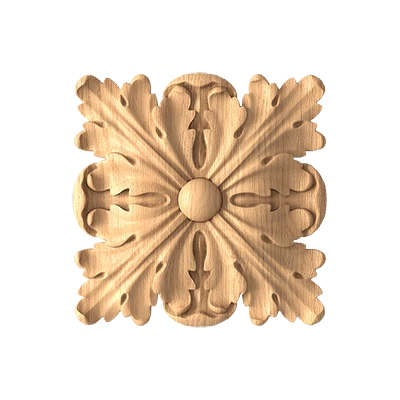
buy wooden ornamentIt's worth it when you want to complement a frame or wall surround with carved overlays: corner rosettes, ornamental inserts, relief accents. This is the level of Baroque, Empire, palace style — where the painting is part of a larger decorative program.
More about wooden ornaments and their role in interior design — in the article wooden patterns, and about the principles of ornamental composition — in the material wooden ornament.
For classic design, the following combine better:
-
Wooden picture frame solid wood
-
Wooden Picture Frame for custom assembly
-
Buy wooden molding— for wall framing
-
decorative wooden ornamentsfor corner accents
What to combine picture molding with: decor, moldings, panels
A painting is not a solitary object. It always exists in context: the wall, furniture, lighting, other items in the space. That is why the profile for framing a painting must be coordinated with its surroundings.
With frames
If there are several paintings in the interior — all frames should be from the same series. Different profiles, different widths, different finishes create a sense of randomness and lack of thought. A unified framing system turns a random collection of paintings into a curatorially assembled exhibition.
With wall moldings
Wall wood molding — horizontal arrangement that can run at the level of a chair back, window sill, or mid-wall. Molding divides walls into horizontal zones, creates rhythm, and structures space.and the picture's frame profile should speak the same decorative language. If the walls are decorated with wooden moldings with a soft cross-section — the frames should also have a soft profile. If the moldings on the walls are rich, relief — the frames can be more expressive.
With wooden patterns
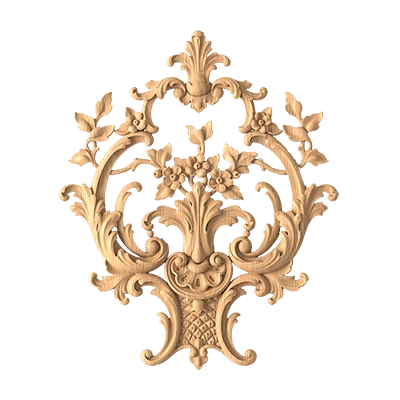
Buy Wooden Patternsfor decorating the wall next to a painting is an elegant technique. Ornamental inserts, rosettes, cartouches at the corners of the frame or above it create a decorative program in which the painting is the center, and the wooden decor is the framing environment.
With applied decor
applied decoration for furnitureIn wooden interiors, this is one principle with applied wall decor. If furniture is adorned with carved elements from the same solid wood as picture frames, the space acquires a unified decorative theme. This is called stylistic coherence, and it is precisely what distinguishes a professional interior from an amateur one.
With slatted panels
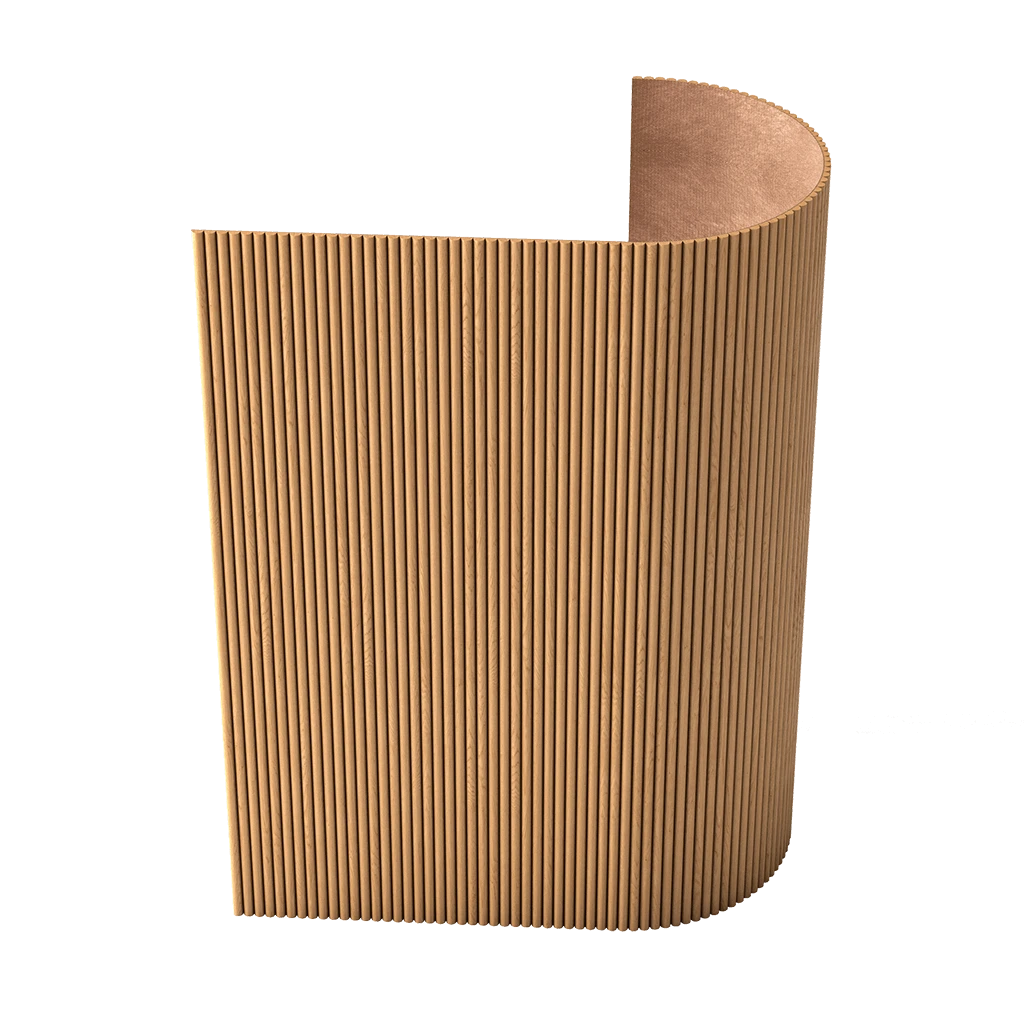
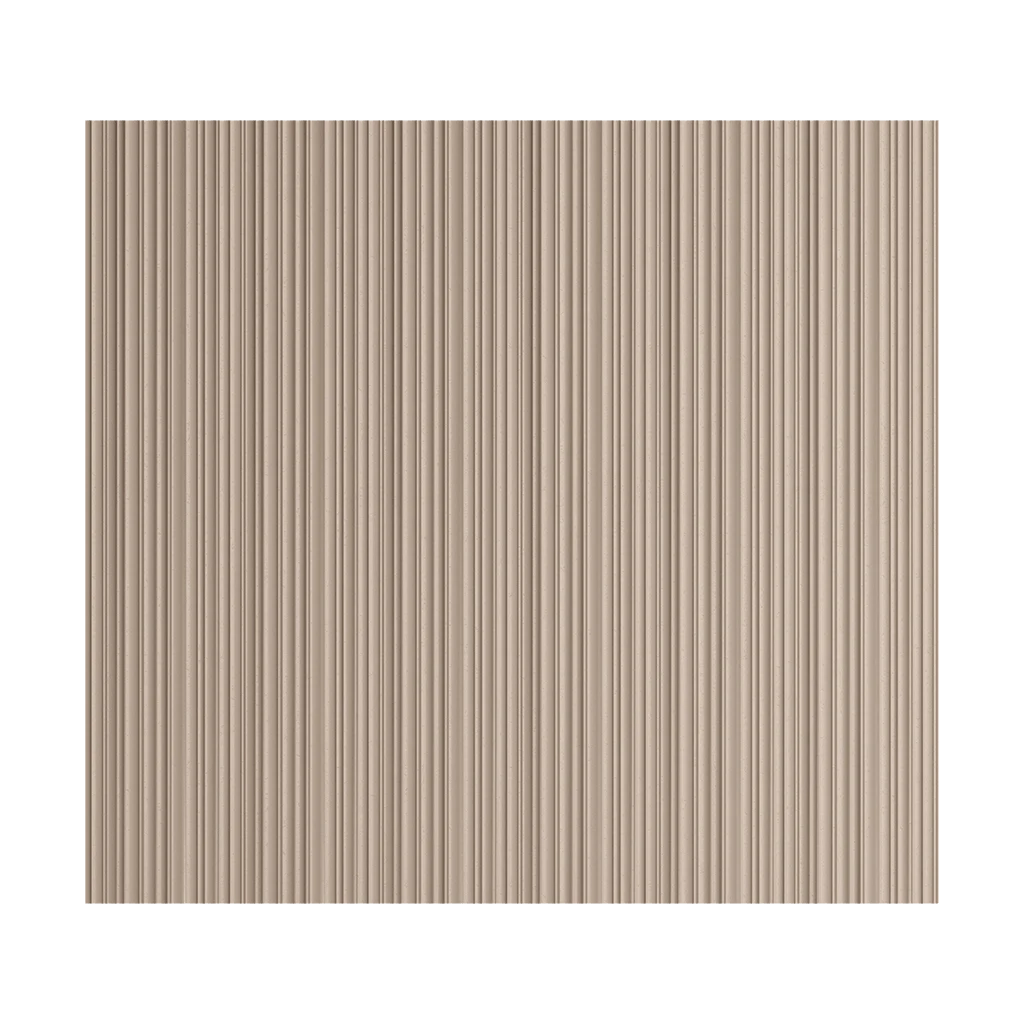
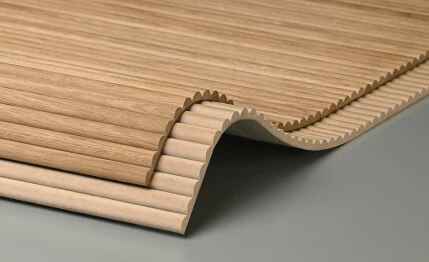
A modern interior withslatted wall panels— another context where a painting requires proper framing. Here, the frame profile should be concise: smooth or with a small bevel, matching the color of the slat or in a neutral shade. The active vertical rhythm of the slat does not need competition from a relief frame.
decorative slatted panelsin combination with correctly selected frames and moldings create an integral wall environment in which the painting occupies its precise place.
With classic furniture
Classic Furniturerequires corresponding paintings and frames. If a room contains cabinets with carved fronts, wall moldings, and cornices with profiles, the picture frames must support this level of detailing. The mismatch between frame and furniture is instantly noticeable, even if a person cannot explain exactly what is wrong.
Picture baseboard in the interior: from living room to study
In the living room
Living room — the main display space. Paintings here are part of the formal program of the interior. The decorative profile for a painting in the living room should be clearly visible, proportionate to the space, and coordinated with the furniture. In a classic living room — a wide frame with relief, dark wood, or gilding. In a modern one — a concise profile in natural wood.
Above the fireplace — a separate story. Here, the painting occupies the most honorable place, and the frame must be truly expressive. This is the place for a carved profile, for a solid wood frame with a high level of detailing.
In the bedroom
The bedroom is an intimate, personal space. Paintings here create atmosphere rather than display a collection. The profile for a bedroom painting is delicate, warm, with a natural wood texture. A smooth molding matching the wall color or a thin frame of light oak are excellent options.
A gallery wall in the bedroom is one of the coziest design moves. Several paintings in frames from the same series, arranged above the headboard, create an intimate, personal accent.
In the study
The study is a space for concentration and status. Paintings here are serious: portraits, historical scenes, architectural engravings, landscapes in an academic style. The frame for a study painting should be dark, substantial, with an expressive profile. Dark oak with deep staining or walnut are classic options.
In the hallway
The hallway is the place of first impression. One well-framed painting with the right frame works better here than an entire gallery. Choose something bright or distinctive—and frame it accordingly: a wide frame of natural wood with moderate relief.
In a classical interior
In a classic interior, a painting is an architectural element. It is integrated into the wall system: moldings create a niche or a framed panel into which the painting fits as part of the project.Decorative wooden moldingsare used both for wall decoration and for creating framed zones for canvases.
In modern classic
Modern classic is the most common request. Classic forms without baroque heaviness. The frame here is restrained, with delicate relief, made of natural wood or in white enamel. This very option is universal for most modern apartments with classic decorative elements.
In areas with decorative panels and moldings
When walls are decorated with panels made ofwooden trimor with molding frames—paintings fit into this system. The picture frame here either matches the profile of the wall moldings or intentionally contrasts with them. Both options work but require a conscious choice.
How to buy a picture skirting board and not make a mistake: a complete checklist
Material
Solid wood—for serious painting, classic interior, long-term design. MDF—for posters, modern formats, interiors for painting. Plastic or aluminum—only if there is no possibility or desire to work with wood. For a real interior—only wood.
Profile width
Depends on the size of the painting and style. Rule: small painting—wide frame, large—moderate. For graphics and photography—thin profile. For painting—at least 30–40 mm.
Texture
Smooth profile—for minimalism and contemporary style. Shaped with a twist—universal. Relief with ornament—for classic and baroque.
Carving or smooth profile
Carved profile for a painting requires consistency with the style of the entire interior. If there is no other carved decor in the room—a carved frame will look alien. If carving is present in furniture, moldings, stucco—a carved frame organically integrates into the system.
Color
The color of the frame is chosen according to three strategies:
-
Tone on tone with one of the dominant colors of the painting—the frame dissolves, emphasis on the canvas.
-
Contrast with the wall background — the frame becomes an independent accent.
-
Neutral color (natural wood, white enamel, black) — a universal strategy.
Combination with the frame and wall
The picture frame profile should harmonize with both the canvas and what is behind it — the wall color, finish texture, wall moldings. The most common mistake is choosing a frame in isolation, without considering the context.
Ready-made frame or custom profile
Ready-made frame — for standard formats and quick solutions. Custom profile — for non-standard sizes, custom projects, professional workshops.Frames for paintingsready-made andWooden Picture Framefor self-assembly — both options are available in one place.
Create a complete wall composition:
-
frame for a paintingsolid wood — the foundation of framing
-
Wooden moldings— wall framing and wall decor
-
decorative elements— ornaments and perimeter overlays
-
Rafter panels— background layer of wall finishing
Common mistakes when choosing a decorative profile for a painting
Let's be honest — even professionals make mistakes here. Here are the most common ones.
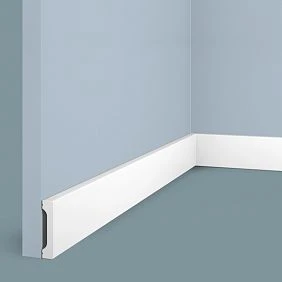
They look for a floor skirting instead of a profile for a painting. This is a query misinterpretation. Construction skirting and frame profile are different categories. If you are framing a painting — you need a decorative profile for a painting, a baguette or a molding, not trim for floor work.
They choose too massive a baguette. A wide frame on a small painting works — but only if it is proportional. If the profile is wider than the canvas itself — the painting gets lost, the frame 'eats up' the image. Check the proportion before buying.
They do not consider the interior style. A carved profile with an ornament in a minimalist interior looks absurd. A smooth thin slat in a classic hall — is poor. Start choosing a profile by analyzing the space, not the painting.
They do not link the frame to the moldings on the wall. If the walls are decorated with moldings — the frame profile of the painting should be from the same system. A mismatch of profiles destroys the integrity of the wall's decorative program.
They take too simple a profile for a classic interior. A smooth rectangular profile in an interior with stucco, carved furniture, and rich moldings — this impoverishes the image. Classic requires proportionate details.
They don't consider the proportions of the canvas. A square painting, vertical and horizontal — each format requires its own approach to the width and proportions of the frame. A narrow vertical profile gets lost on a wide horizontal canvas. A moderately wide one creates structure.
They don't coordinate the color of the frame with the color of the wall. The frame should either stand out against the wall or blend with it — depending on the goal. A random color 'in between' is not a solution.
They buy frames one by one without a systematic logic. A gallery wall assembled from randomly purchased frames is not a collection, it's chaos. Buy frames in a series, from one source, in one profile.
Decorative wall design: the painting as part of a system
A painting is not a separate object, but an element of a system. A wall with correctly placed accents: molding frames, paintings in coordinated frames, wooden ornaments at key points — this is not decor. It's an architectural statement.
This is exactly how classic interiors are built. This is exactly what homes you want to be in look like. Every element is justified, every detail is proportionate, every material is chosen for a reason.
When the picture frame is coordinated with thewooden wall molding, whenwooden pattern on the wallsupports the corner rosette of the frame, when all of this is made from the same material — oak or beech — the space acquires that integrity which guests notice but can't always explain.
Frequently asked questions about picture frame profiles
What is a picture skirting board?
This is a folk name for a decorative profile for framing a picture: a baguette, molding, or frame profile. It has nothing to do with the construction skirting board for the floor.
What is the difference between a baguette and molding for a picture?
A wooden baguette is a linear strip with a shaped cross-section for assembling a frame. Molding is a broader concept: a profiled strip for framing, which can be both a frame and a wall decorative element.
Can you assemble a frame from molding yourself?
Yes. You need a wooden profile of the required length, a miter saw with a 45-degree angle, corner brackets, and mounting glue. This is quite feasible without special equipment.
Which profile is better: solid wood or MDF?
For quality painting and classic interiors — solid wood. For posters, photographs, modern formats — MDF. Solid wood is more expensive but more durable and aesthetically richer.
How to choose the frame width?
For a small picture — a wide frame (30–60% of the smaller side). For a large picture — moderate (40–70 mm). For posters and graphics — a narrow profile of 15–25 mm.
Is a frame needed for the mirror?
Yes, if the mirror is a decorative element, not just a utilitarian object. A wooden mirror frame turns it into an interior accent.
How to combine picture frames with wall moldings?
The frame profile and wall moldings should be from the same profile system: similar cross-section, same material, close finish. This creates visual wall consistency.
Where to buy wooden picture profile in one place with moldings and decor?
Where there is a complete line: ready-made frames, trim, moldings, decorative overlays — from one material and in coordinated profile systems.
Buy picture profile: how to make the right choice the first time
The best way not to make a mistake is to start not with choosing a profile, but with analyzing the space. What interior? What walls? What furniture? What character does the painting itself have? Only after that — choosing width, profile, material and finish.
When a painting gets the right framing, it stops just hanging on the wall. It starts working: creates atmosphere, sets accents, defines the theme. This is exactly what decorative picture profile is responsible for — plinth, molding, baguette, frame — call it whatever is convenient.
STAVROS company produces wooden decor from solid oak and beech:Frames for paintings, Wooden Picture FrameandPogonazh iz massiva for frame assembly,Wooden moldingsfor wall decor and framing,decorative wooden ornamentsfor corner accents. All products are made of natural wood with professional surface preparation for painting, varnishing, or tinting. Shipping from one piece. Two quality levels: Standard and Prestige.
Selectwooden frame, Buy Wooden Patternsfor wall decor,wooden moldingfor wall framing — and create an interior where the painting occupies its precise place.