





































Article Contents:
- What Does 'Baseboard for Gaps' Mean: Understanding the Query in Essence
- Which Gaps Can Be Closed with Baseboard and Profile
- Gap Between Floor and Wall
- Gap at Laminate
- Gap at Parquet
- Gap at Tile
- Gap at Wall Panel
- Gap at Slat Panel
- Gap at furniture
- Gap at door jamb and casing
- What is best to use for closing gaps: analyzing each tool
- Baseboard
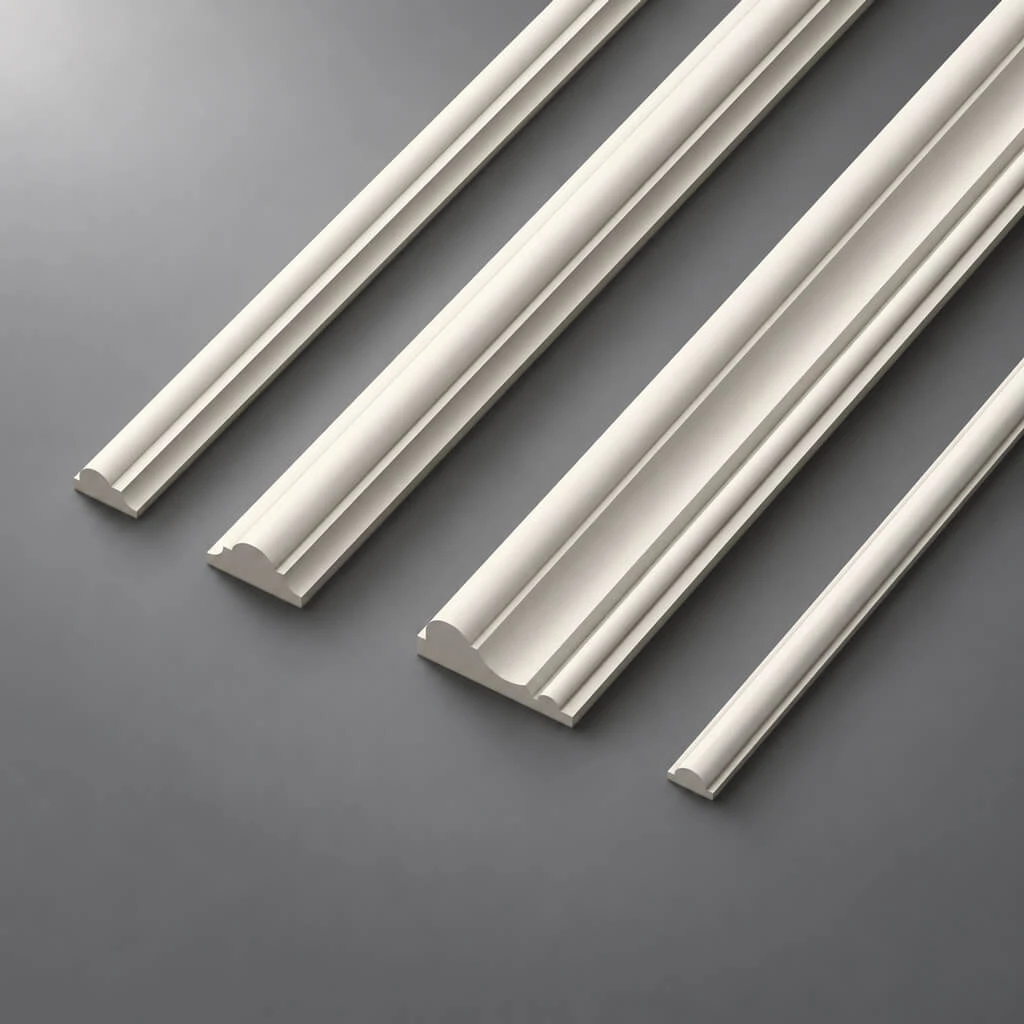
- MDF Skirting Board
- Wooden baseboard
- Wooden corner
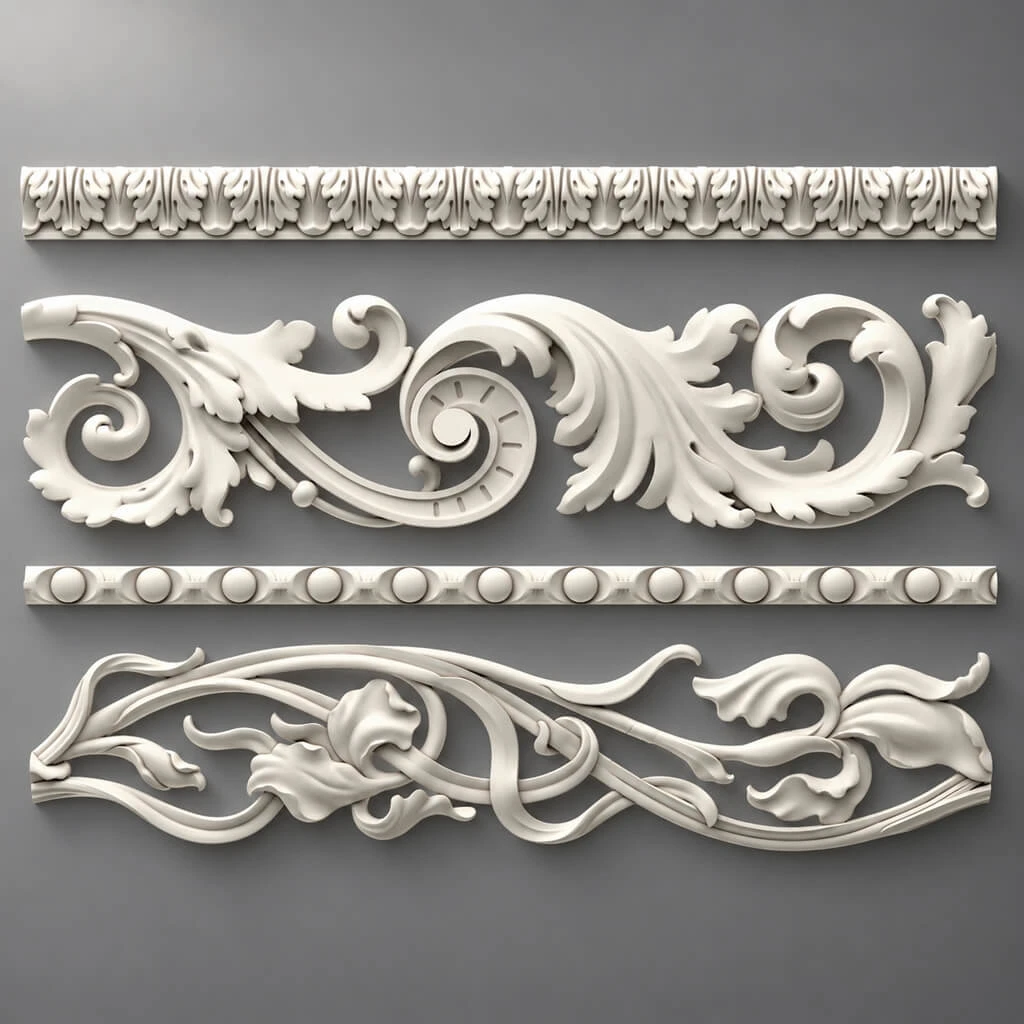
- Molding
- Decorative strip and extension batten
- Panel profile
- Solid wood moldings
- Baseboard for gaps between floor and wall: in detail
- When a high baseboard is suitable
- When a straight profile is needed
- When MDF is better
- When solid wood is better
- How to match to floor covering
- How to match with walls and doors
- Baseboard for gaps at panels and decorative finishes
- At wall panels
- At slat panels
- At MDF panels
- When molding or corner trim is better than baseboard
- Baseboard for gaps at furniture and cabinets
- At built-in furniture
- At kitchen furniture
- At decorative frames
- When to use a furniture profile instead of a floor skirting board
- How to choose profile material for sealing gaps
- Solid wood
- MDF
- Profile for painting
- White profile
- Wood-look profile
- When moisture resistance matters
- When stable geometry is important
- How to select a profile based on gap shape and size
- Narrow gaps (up to 5 mm)
- Wide gaps (10–25 mm and more)
- Even gaps
- Uneven joints
- Corners and trim strips
- Summary table: gap type — suitable profile
- How to choose a profile for gaps based on interior style
- Classic and neoclassic
- Modern Interior
- Minimalism
- Interior with moldings
- Interior with slatted panels
- What to buy together with baseboard for gaps
- Moldings
- Angles
- Slatted panels
- Baseboards
- Decorative elements
- Common mistakes when choosing baseboard for gaps
- How to buy baseboard for gaps and avoid mistakes: step-by-step algorithm
- Step 1. Determine the gap type
- Step 2. Understand the application area
- Step 3. Choose the material
- Step 4. Select width and height
- Step 5. Choose color and finish
- Step 6. Immediately match adjacent elements
- Frequently Asked Questions about Gap Skirting (FAQ)
The renovation is finished. The flooring is laid, the walls are plastered, the furniture is arranged. And then they appear — gaps. A thin strip between the laminate and the wall. A gap at the paneling. A small opening where the built-in wardrobe doesn't reach the floor. Seemingly insignificant details — but they are precisely what prevent the interior from looking complete.
How to deal with them? Fill with putty? Seal with caulk? That works exactly until the first material expansion or the first wet cleaning — then the gap is back, now with smears. The correct answer is to cover the gaps with a decorative profile: neatly, once and for all, in the logic of the interior, not in the logic of the repair crew.
Gap skirting is not a separate type of product. It is a task solved with different tools: floor skirting, molding, corner trim, panel profile, filler strip. Which one exactly depends on the type of gap, the application area, and the style of the space. Let's break it all down in order.
Select a solution for gaps and junctions:
-
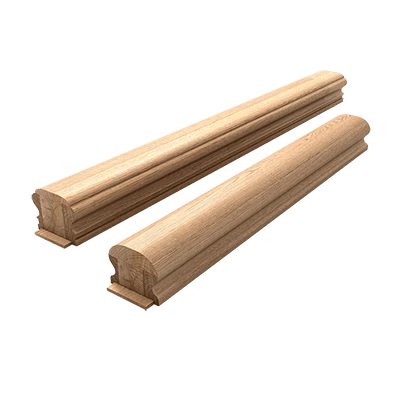
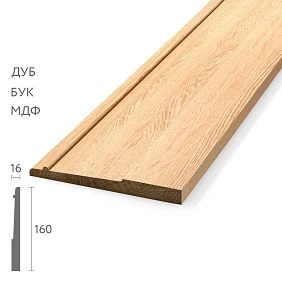
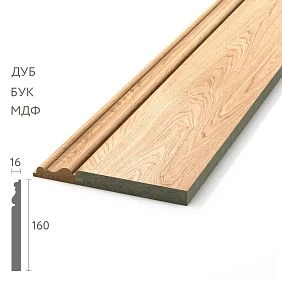
Wooden baseboard— solid wood floor profile for floor gaps
-
MDF Skirting Board— stable paintable profile for wall gaps
-
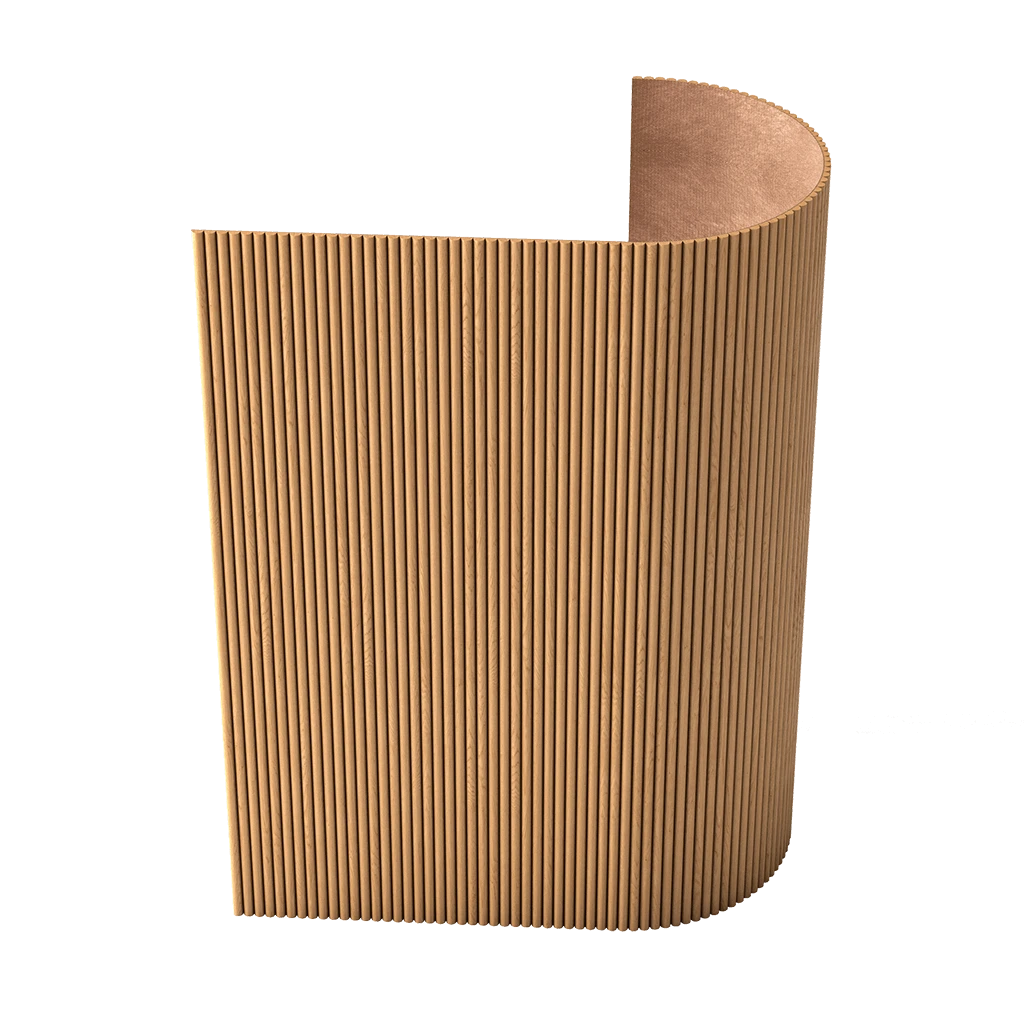
Wooden corner bracket— for joints at panels, furniture, reveals
-
Wooden moldings— decorative profile for junctions in finishing
-
Pogonazh iz massiva— any profile battens for gaps and joints
-
Rafter panels— wall finishing with skirting board framing
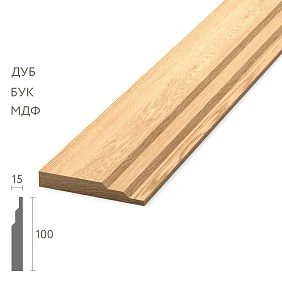
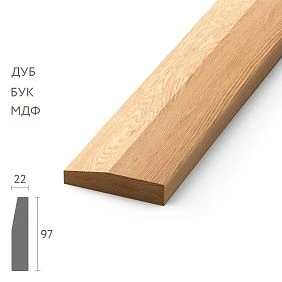
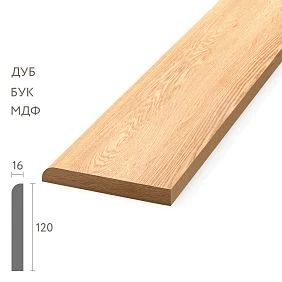
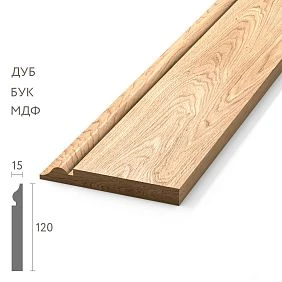
What does 'skirting board for gaps' mean: analyzing the query in essence
First of all — about terminology. The query 'skirting board for gaps' sounds as if it's about one specific product. In reality, it's a collective query behind which lie five completely different tasks.
The first task — to close the gap between the floor and the wall. This is the classic function of a floor skirting board: it is installed around the perimeter of the room and covers the expansion gap, which is always left when laying floating flooring (laminate, parquet, engineered board, quartz vinyl). Without a skirting board — the gap is visible. With a skirting board — it is not.
The second task — to close the gap at a wall or slat panel. When a panel does not reach the ceiling or floor, or when there is a gap between the panel and an adjacent surface — a profile, molding, or corner is needed, not a floor skirting board.
The third task — to close the gap at furniture. Built-in wardrobe, kitchen furniture, frame fronts — wherever the carcass does not fit tightly to the wall or floor, a gap forms. A furniture profile or wooden corner neatly closes it without dismantling.
The fourth task — to conceal the gap at finishing: at a door jamb, at a casing, at a decorative insert. This is a task for an extension strip or molding.
The fifth task — to do all this beautifully, in the style of the interior, from natural material, not from random plastic.
That is why this article is structured as a commercial guide to solutions, not as an instruction on 'how to fill a gap'.



Which gaps can be covered with a baseboard and molding
This is a practical registry of situations — with an answer to the question 'what to apply' for each of them.
Our factory also produces:
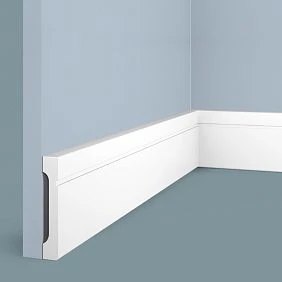
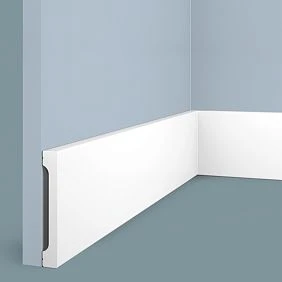
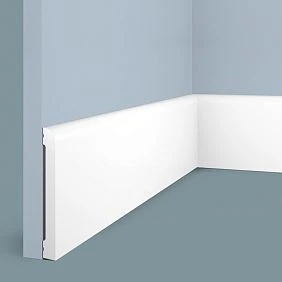
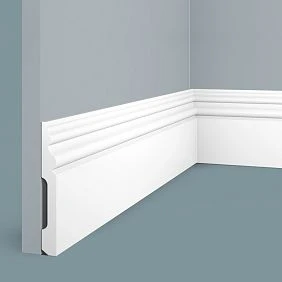
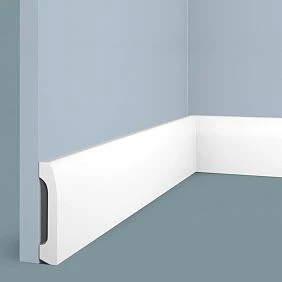


Gap between the floor and the wall
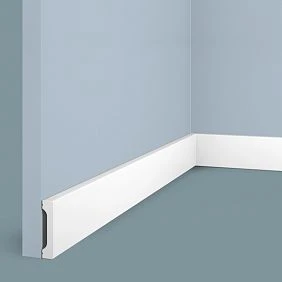
The most common situation. When laying laminate, parquet, engineered wood, quartz vinyl, and cork, a technological expansion gap of 8–15 mm, sometimes more, is necessary near the wall. It is needed so that the flooring can expand with changes in temperature and humidity. Without this gap — swelling. With the gap but without a baseboard — unsightly.
Solution:Wooden baseboardorMDF Skirting Board, which is attached to the wall (not the floor!) and decoratively covers the gap. The height of the molding is selected with a margin: the baseboard must cover the maximum possible gap, taking into account floor unevenness.
Get Consultation
Gap at the laminate
A gap at the laminate is a specific task. Laminate 'moves': seasonal expansion and contraction create a gap near the wall ranging from 3 to 15 mm wide. The baseboard must be wide enough at the base to always cover this gap even at the maximum expansion of the flooring. Important: the baseboard is attached only to the wall. If attached to the floor — the baseboard will move with the laminate and crack at the joints.
to buy wooden baseboard made of solid wood with the correct base geometry is the optimal solution for a laminate floor.
Gap at the parquet
Parquet and engineered boards create a larger gap than laminate: up to 15–20 mm. Here, a skirting board with a wide bottom plane or a flexible base is needed.Wooden baseboardmade from the same material as the parquet board is the perfect stylistic solution. Uniform material, uniform wood species, uniform tint.
A detailed breakdown of choosing skirting for parquet is in the articleWooden baseboard.
Gap at tile
The expansion gap for tile is much smaller — 2–5 mm. Here, the skirting works differently: it doesn't so much cover the gap as it frames the transition from the tile to the wall. A wooden skirting with tile is a bold design decision.MDF Skirting Boardpainted to match the wall color — neutral, functional.
Gap at wall panel
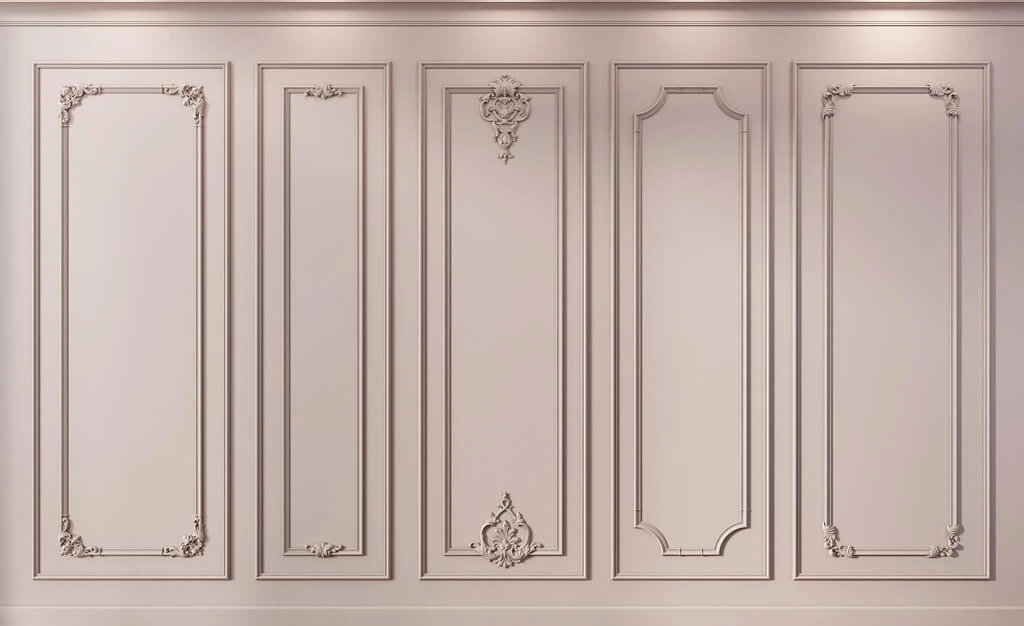
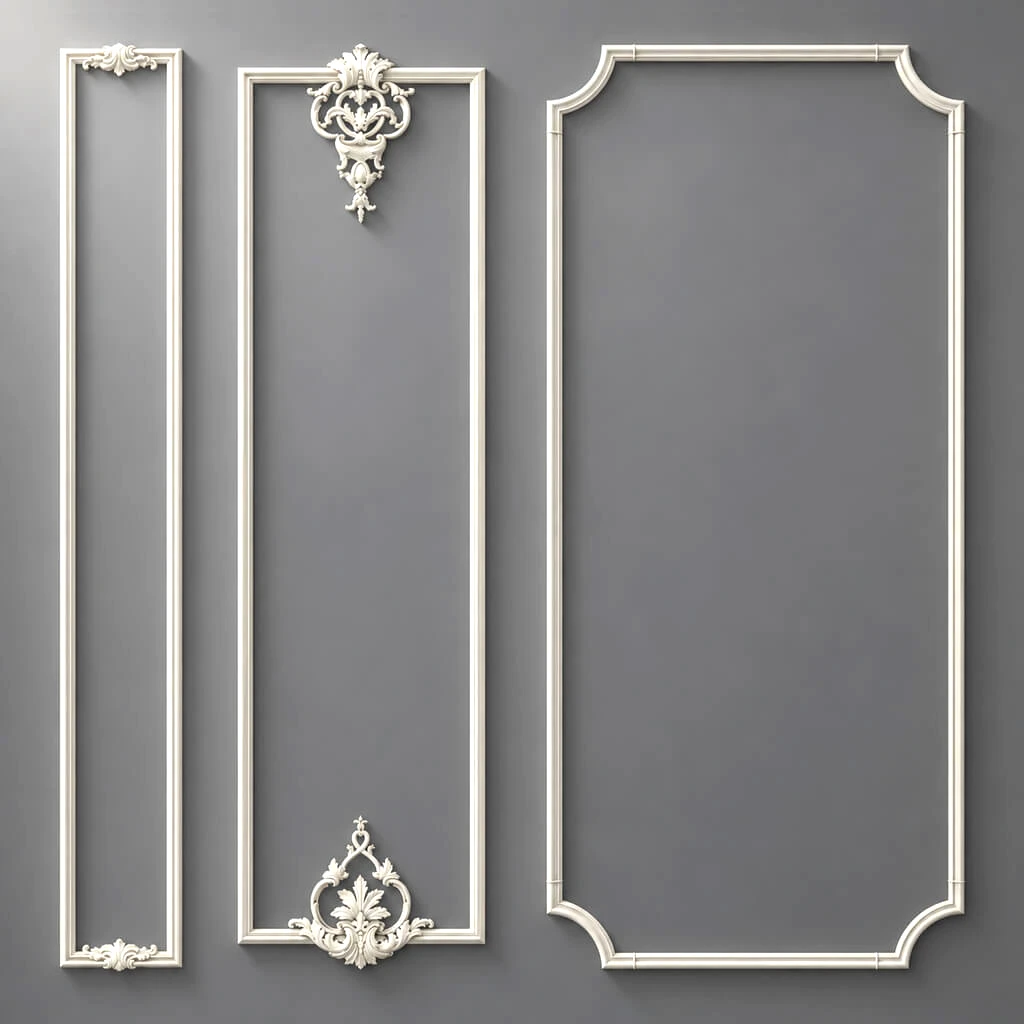
When MDF wall panels are installed not up to the ceiling, but only on part of the wall height, — gaps remain at the top and bottom of the panel. The bottom one is covered by a floor skirting or molding. The top one — by a horizontal molding or capinos profile.Wooden moldingcreates the top finishing belt of the panel and covers the transition to the wall.
Details about profiles for panels are in the articlePanel profile.
Gap at slatted panel
Rafter panelscreate a specific task: vertical slats have space between themselves and the substrate. During installation at the floor and ceiling, this joint needs to be closed. At the bottom - a narrow baseboard or corner piece matching the slats. At the top - a thin molding or cornice.
Gap at furniture
Built-in sliding wardrobe, kitchen set, shelving unit - there is almost always a 5-30 mm gap between the cabinet and the wall. The reason is uneven walls. The solution isWooden corner bracketor a thin extension strip that attaches to the side wall of the furniture and covers the gap to the wall.
Gap at door jamb and casing
Casing doesn't always fit tightly against the wall, especially if the wall is curved or plastered unevenly. A gap forms between the casing and the wall. It is sealed with acrylic sealant after installation, but for significant gap width - with an extension strip or molding in the same material as the casing.
Select a profile for your task:
-
Wooden baseboard- for gaps between floor and wall
-
MDF Skirting Board— for gaps with any flooring
-
Wooden corner bracket— for joints with furniture and panels
-
Wooden moldings— for seams in decorative finishes
-
Pogonazh iz massiva— profile for any gaps, suitable for cutting
What is best to use for closing gaps: analyzing each tool
Different tasks — different tools. Let's examine each option in essence.
Floor skirting board
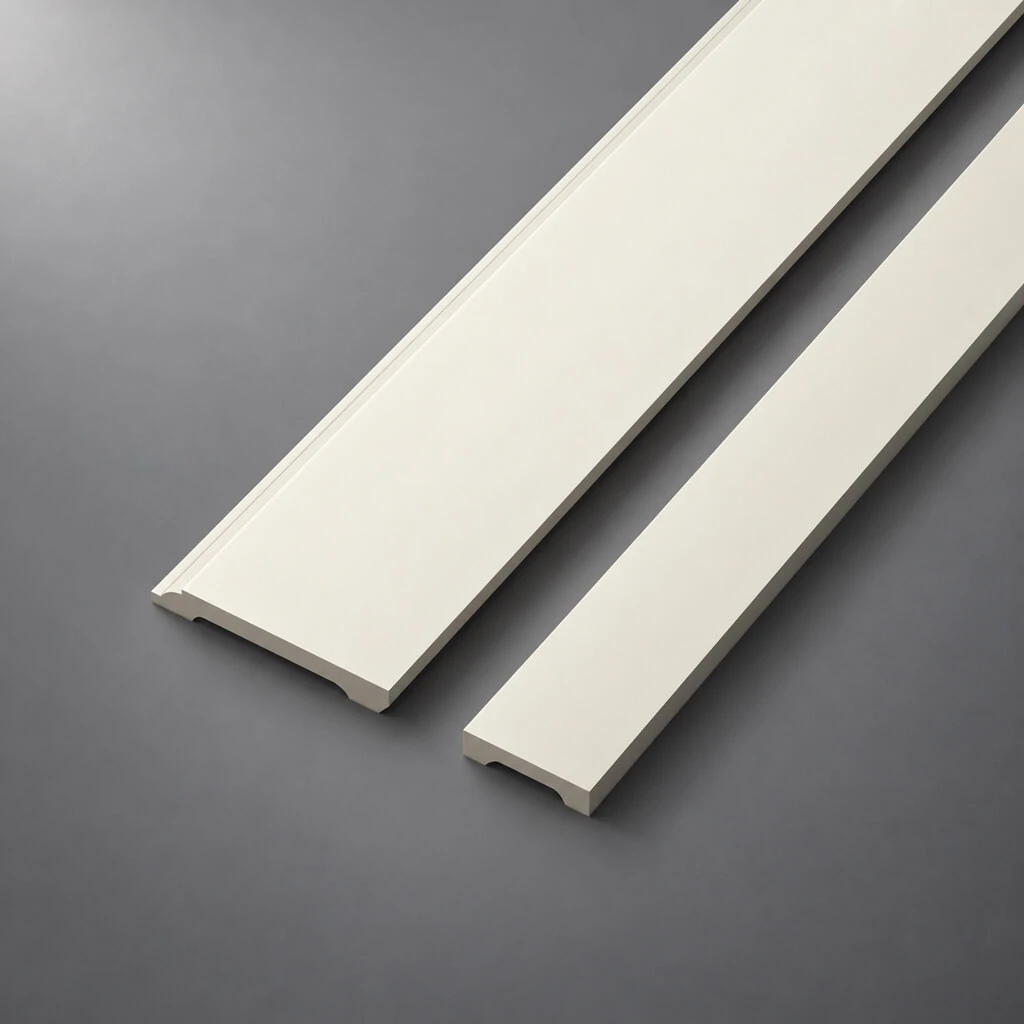
The main tool for floor gaps. Installed around the perimeter of the room, covers the expansion gap and simultaneously creates the lower horizontal line of the interior. Height — from 40 to 150 mm, profile — from rectangular to classic shaped.
Rule: the baseboard must overlap the gap with a minimum margin of 10 mm. For a large expansion gap (e.g., up to 20 mm for parquet) — use a baseboard with a wide base or a special additional strip under the baseboard.
MDF skirting board
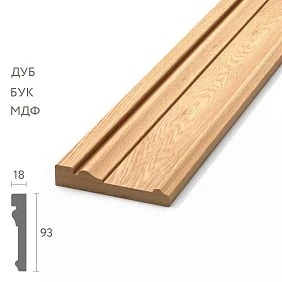
Baseboard MDF— the optimal choice for most tasks related to floor gaps in an apartment. MDF does not change geometry with humidity fluctuations. This is especially important for floor baseboards: while untreated wood may swell or shrink, MDF maintains its shape in any microclimate.
Additional advantageMDF Skirting Boardsfor closing gaps — the ability to paint in the exact wall color. The baseboard "disappears" against the wall, and the gap stops being visually noticeable even where it technically remains.
Complete guide to MDF baseboard — in the articleMDF baseboard types sizes installation.
Wooden skirting board
Wooden baseboardmade from solid wood — the choice where the naturalness of the material and long-term operation are important. Wood accepts any finish: varnish, oil, stain, enamel. With a quality paint and varnish coating, a wooden baseboard lasts for decades and does not lose its geometry.
Feature of wooden baseboard for working with gaps: it is effective when properly installed with adhesive or liquid nails, pressing it against the wall. With significant wall curvature, it is important to perform on-site fitting. Detailed analysis of wooden baseboard — in the articlewooden baseboard in interior.
Wooden corner
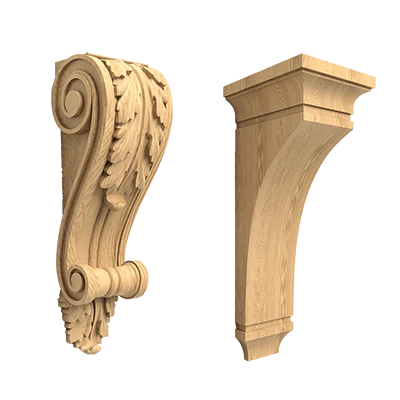
Wooden corner bracket— an equal-shelf strip with a straight 90-degree profile. This is not a baseboard, but it works excellently where an angular joint needs to be closed: at a wall panel near the floor, at built-in furniture, at a slope, at a decorative structure. Installed with adhesive or finish nails, pressed into the corner.
Wooden corner — a much more aesthetic and durable option compared to plastic corner profiles. It can be painted and varnished in any color, fitting organically into a wooden interior system.
Molding
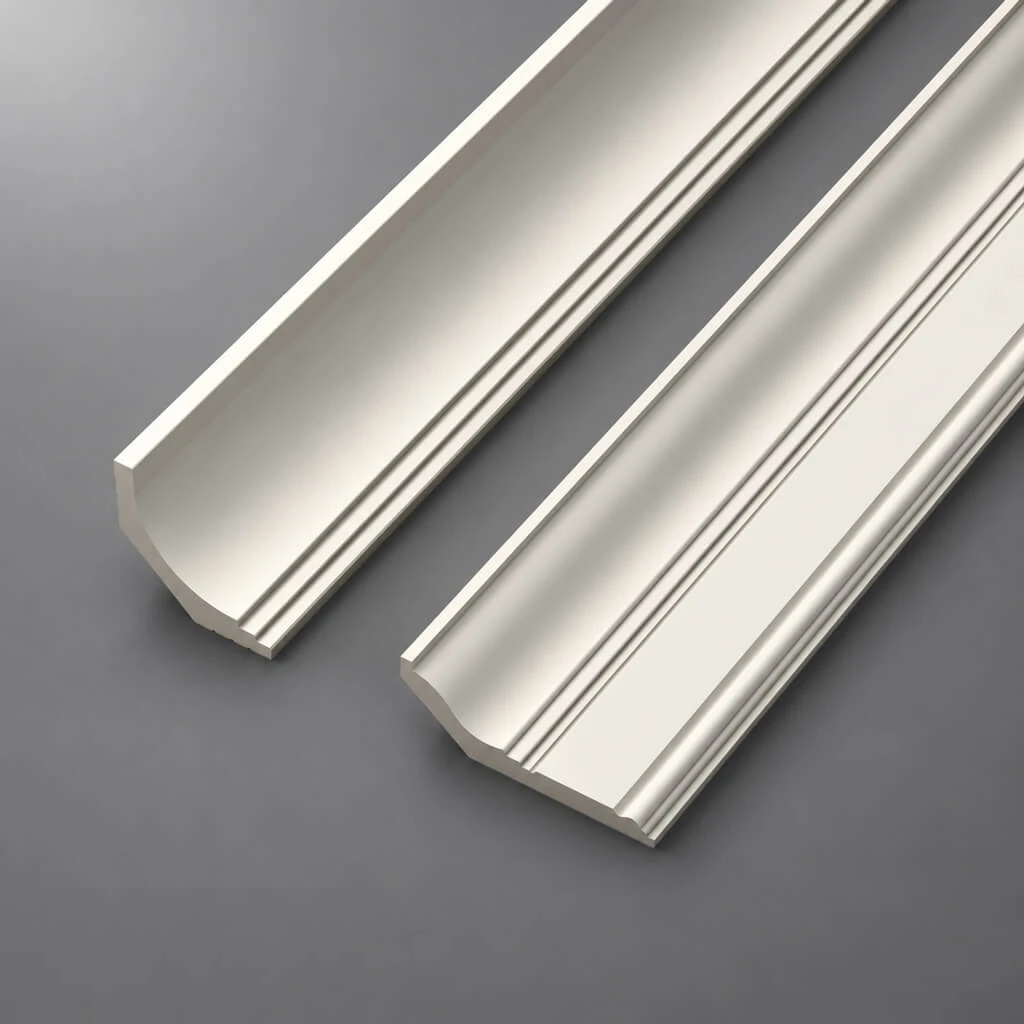
Wooden moldingfor closing gaps is used where not just a technical cover is needed, but a decorative transition. Horizontal molding closes the gap between the top edge of a wall panel and the wall. Vertical molding — between two adjacent panels or between a panel and a door casing. Molding creates not just functional closure, but an architectural element.
Decorative strip and extension strip
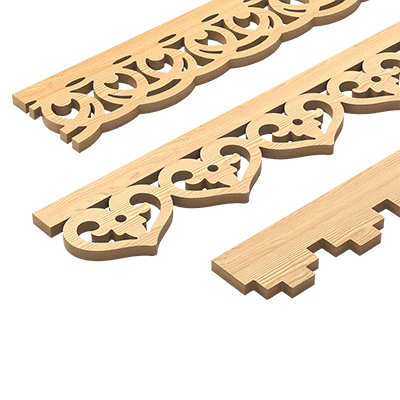
A thin decorative wooden or MDF strip is an accessory element that is cut to size and installed where standard baseboards or corner pieces do not fit due to shape. It is the most flexible tool: you can choose the width for any gap, paint it the desired color, and attach it with adhesive to any surface.
Panel profile
A specialized profile for sealing gaps at wall and slat panels—a horizontal strip with an L-shaped or T-shaped cross-section. It covers the top and bottom edges of the panel, creating a neat transition to the wall or ceiling. Details in the articlePanel profile.
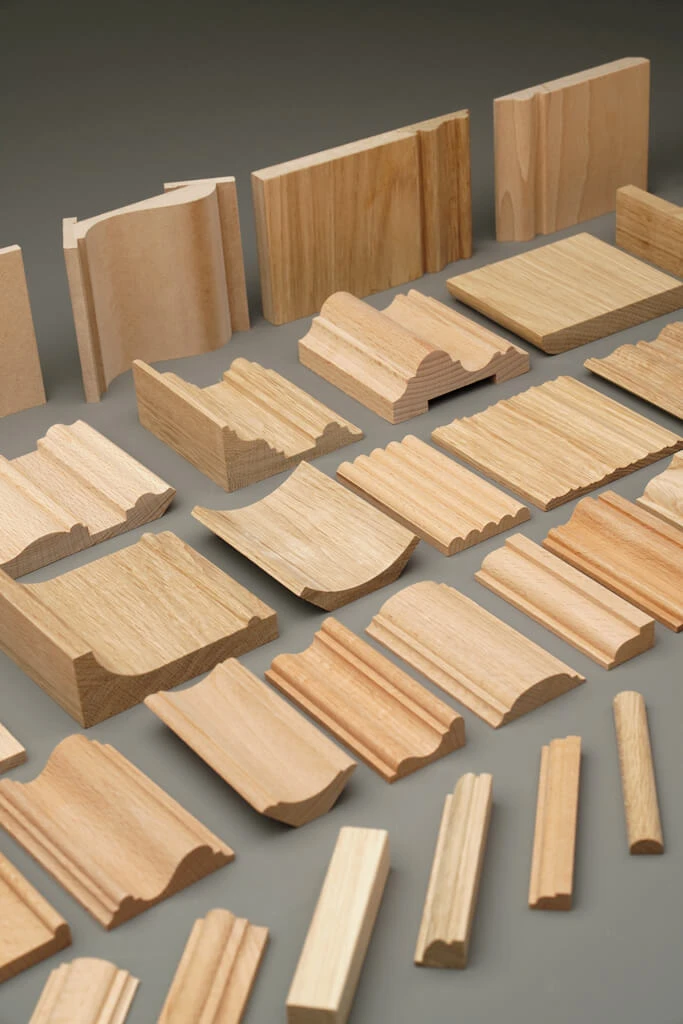
Solid Wood Molding
Pogonazh iz massiva—is a broad product category: all wooden profile strips sold by the meter. This is where you find profiles of non-standard shapes or widths for specific non-standard gaps. Cutting to size, painting to match the interior—maximum flexibility.
Baseboard for gaps between floor and wall: details
The most common scenario—we break it down with all the nuances.
When a tall baseboard is suitable
A tall baseboard (80–150 mm) is justified in two cases: high ceilings (from 3 m) and large expansion gaps in flooring (parquet, solid wood boards). A tall baseboard covers even uneven floors with variations up to 10–15 mm—its wide front plane makes all this unnoticeable.
Additionally: a wide baseboard at the floor creates a lower architectural belt and makes the room visually taller. This is not just a function of sealing gaps—it is a design tool.
When a straight profile is needed
A straight profile without relief — for modern interiors, minimalism, Scandinavian style. RectangularWooden baseboardor straightMDF Skirting Boardcloses the gap without creating extra relief. When painted to match the wall color — the skirting board practically disappears.
When MDF is better
MDF is preferable where stable geometry is needed: kitchen, hallway, rooms with unstable humidity, objects with high requirements for surface quality under painting.Baseboard MDFdoes not crack at joints during seasonal temperature fluctuations — this is important specifically for closing gaps in living spaces.
Additional breakdown of MDF floor skirting — in the articleBaseboard MDF.
When solid wood is better
Solid wood is better where naturalness matters: parquet floor, classic interior, country house, high-end private apartment. A wooden oak skirting board under oak parquet in the same tint — this is not just a closed gap, it's a finished look.
How to match to the floor covering
For laminate and quartz vinyl — MDF or wood in a neutral color or matching the covering color. For parquet and engineered board —Wooden baseboardfrom the same wood species. For tiles — wooden or MDF skirting board in a contrasting or neutral tint.
How to match with walls and doors
The baseboard should be coordinated with door trims: one material, one tint, one style. This transforms a set of technical details into a unified decorative system.
Baseboard for gaps at panels and decorative finishes
The second most common scenario — and the most frequently ignored during renovation planning.
At wall panels
MDF wall panels are mounted with adhesive or on battens. In both cases, joints form at the edges of the panel — especially at the bottom and top — with the floor covering and ceiling. At the bottom:MDF Skirting BoardorWooden baseboardpresses tightly against the panel and closes the bottom gap. At the top: a horizontal molding creates an upper band and conceals the transition.
At slatted panels
Rafter panelshave a characteristic feature: there is space between the slats and the base. During installation near the floor, this space is covered by a baseboard with a tight press fit. During installation near the ceiling — by a thin molding or cornice profile. Important: the baseboard for slatted panels should have a neutral profile — not compete with the vertical rhythm of the slats.
At MDF panels
MDF panels for painting are the most popular material for wall finishing. The skirting board is selected from the same material and for the same painting.MDF Skirting Board+ MDF panel in one color is visually a single layer, where gaps simply do not exist.
When a molding or corner piece is better than a skirting board
For decorative inserts, overlay frame panels, side junctions — a skirting board is not suitable in shape. Here, Wooden moldingsorWooden corner bracket— they have the correct geometry for corner and side joints.
Skirting board for gaps at furniture and cabinets
This area is often overlooked, and gaps here are the most noticeable: they are right at eye level.
For built-in furniture
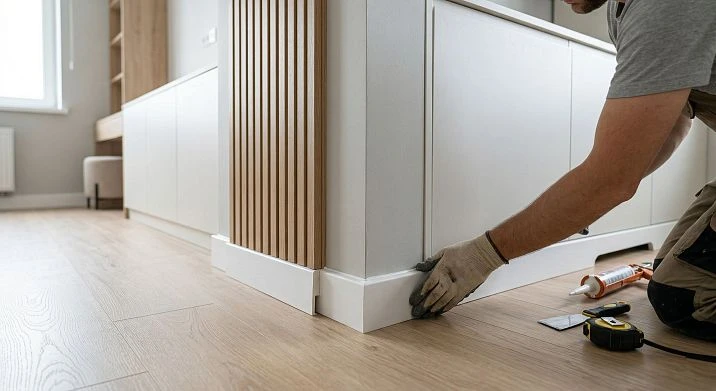
A built-in cabinet against a wall almost always has a gap at the side. Walls are rarely perfectly even, and the cabinet body rarely fits tightly.Wooden corner bracketis attached to the side wall of the cabinet (not to the wall!) — it covers the gap and, if necessary, allows the furniture to be removed without dismantling the finish.
For kitchen furniture
Gaps in kitchen furniture are not only an aesthetic problem but also a hygienic one. Grease and dirt accumulate between the wall and the side of the cabinet. Closing this gap with a wooden corner or molding solves both aesthetics and creates a hygienic barrier.Wooden moldingwith a dense coating withstands kitchen conditions when properly treated.
For decorative frames
Decorative frames made of molding on furniture fronts create peculiar internal gaps — spaces between the frame and the base of the front. This is technologically normal, but with poor fitting, it looks untidy. The solution is molding glued with tight pressure and finishing painting of the joint.
When you need furniture profile, not baseboard
Baseboard is too tall and wide for furniture tasks. Here, narrow profiles are needed:Wooden corner bracket10–20 mm, thin molding, extension strip made ofsolid wood trim.
How to choose profile material for closing gaps
Material affects durability, appearance, and the profile's behavior in specific conditions.
Solid wood
Best for parquet floors, classic interiors, country houses. Living texture, transparent coating, decades of service with proper care. Requires acclimatization before installation — 2–3 days in the room.Wooden baseboardMade of oak — the most geometrically stable option among natural wood.
MDF
Stable in any microclimate, does not warp, ideal for painting.MDF Skirting Board— the choice for those who want results without complications and with minimal maintenance. Joints are practically invisible with proper painting.
Profile for painting
Both wood and MDF can be painted in any color according to RAL or NCS. The profile for painting is the basic choice for white interiors, colored walls, and minimalism. A skirting board matching the wall color is the main technique for visually eliminating the gap.
White profile
WhiteMDF Skirting BoardOr a white wooden skirting board in enamel — a universal solution. Works with any wall color from light to dark. In white interiors — as part of a unified white perimeter. In dark ones — as a clear graphic accent.
Profile for wood
Toning to match the floor color is a professional designer technique. The skirting board 'lowers' the bottom line, visually expanding the floor. With perfect matching of the skirting board and floor covering tones — the border between the floor and skirting board practically disappears, and the gap between the skirting board and wall is the only visible line, and it is properly designed.
When moisture resistance is important
In the kitchen, bathroom, hallway — the skirting board experiences increased moisture loads. MDF with closed coating handles moisture better than exposed wood.Baseboard MDFwith high-quality enamel — the right choice for wet areas.
When stable geometry matters
With crooked walls, uneven floors, or large perimeters — MDF holds its geometry better than wood: it doesn't twist, warp, or create gaps at joints.
How to choose a profile based on gap shape and size
This is a practical matching table: gap type — suitable profile.
Narrow gaps (up to 5 mm)
For narrow gaps, a standard-height skirting board (40–60 mm) with a tight fit is sufficient. The gap is covered by the base of the skirting board. After installation, the top edge of the skirting board is sealed with acrylic sealant — it closes the remaining gap with a thin strip.
Wide gaps (10–25 mm or more)
For a wide gap, a skirting board with a wide base or an additional strip under the skirting board is needed. A tallWooden baseboard80–100 mm skirting board with a wide horizontal plane at the floor covers even very large gaps.
Even gaps
If the gap is uniform along the entire length, a standard skirting board is installed without adjustment.MDF Skirting BoardOn a flat wall — the simplest installation case.
Uneven joints
If the wall is uneven and the gap varies in height, a skirting board with a sufficiently wide base or on-site adjustment using a sander is needed. A tall MDF skirting board is pressed with adhesive against an uneven wall — the adhesive fills voids and holds the shape. A wooden skirting board with significant unevenness requires planing of the back side.
Corner pieces and extension strips
Wooden corner bracketFor corner gaps — a universal tool. Standard corner piece sizes: 10×10, 15×15, 20×20, 25×25 mm. Selected based on gap width: the corner piece must overlap the gap on each side by at least 5 mm.
Summary table: gap type — suitable profile
| Gap type | Zone | Recommended profile |
|---|---|---|
| Expansion gap at the floor | Laminate, parquet, quartz vinyl | Wooden or MDF skirting board |
| Gap at the bottom of the wall panel | MDF panel, wooden panel | Skirting board or molding |
| Gap at the top of the wall panel | MDF panel, slatted panel | Horizontal molding |
| Gap at the slatted panel | Slats at the floor / ceiling | Corner or thin molding |
| Gap at the side of the cabinet | Built-in furniture | Wooden corner |
| Gap at kitchen furniture | Side panel against the wall | Corner or molding |
| Gap at the door slope | Casing, slope | Extension strip / molding |
| Gap at the tile | Tile and wall junction | MDF or wooden skirting board |
How to choose a profile for gaps according to interior style
Technically the gap is closed — but the interior looks ridiculous because the skirting board clashes with the overall style. This is the second most common mistake after insufficient height. Let's examine by styles.
Classicism and neoclassicism
In a classic interior, a skirting board for closing a gap is not just a technical detail, but part of the decorative program. A shaped profile with a roundover and a bead,Wooden baseboardmade of solid wood stained to resemble oak or in white enamel — this is an element that closes the gap and simultaneously defines the lower architectural belt.
Wooden moldingson walls in a classic style work in tandem with the skirting board — they create a system in which the gap simply isn't noticeable: everything looks like intended architecture.
Modern interior
Straight rectangularMDF Skirting Boardwithout relief, in the color of the wall or in a contrasting dark color — this is a modern solution. The gap is closed, the skirting board is either unnoticeable (if it matches the wall color) or works as a graphic element (if contrasting).
Minimalism
In a minimalist interior, the skirting board is often made deliberately invisible: matching the wall color, without relief, as narrow as possible.MDF Skirting Board40–50 mm high in white, paintable to match the wall color — it covers the gap but doesn't create a horizontal accent.
Interior with moldings
In a space with molding panels on the walls, the baseboard is the lower part of this system. It should be made of the same material, same finish, same style.Wooden moldingsand a wooden baseboard from the same line — a unified decorative program where closing gaps is just one result of the correct choice.
Interior with slatted panels
Rafter panelscreate a strong vertical rhythm. The baseboard at their base should be neutral: not compete with the battens, but create a horizontal pause. A thin corner or narrow straight baseboard matching the battens' tone is the correct solution.
What to buy together with baseboard for gaps
Closing gaps is a systemic task. A baseboard alone rarely solves all issues in a room.
Moldings are linear profiles used to create framed compositions, zone walls, and frame openings. They come in various widths (from 20 to 150 mm) and relief complexity — from smooth to richly decorated.
Wooden moldingis needed for closing horizontal and vertical joints that the baseboard doesn't cover: the top edge of a panel, a side joint, a transition between zones.
Corner pieces
Wooden corner bracket— for corner adjacencies at furniture, panels, reveals. Should be purchased in the same finish as the baseboard.
Rack panels
If the wall is decorated withplank panels— the baseboard and profiles for framing the panels are purchased simultaneously, from the same line.
Door Casings
Door architraves are vertical elements that form a single system with the skirting board. Skirting and architraves made from the same material and finish create a unified wooden system around the door opening.
Decorative elements
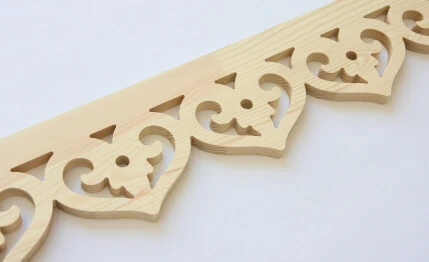
Solid Wood Items— overlay decorative elements for corner joints between skirting and architraves — rosettes, cartouches. A small detail that transforms a corner from a technical joint into a decorative accent.
Assemble the finish in one style:
-
Wooden baseboard— bottom line at the floor
-
MDF Skirting Board— stable profile for painting
-
Wooden corner bracket— corner joints and abutments
-
Wooden moldings— horizontal and vertical profiles
-
Rafter panels— wall finish with a profile system
-
Pogonazh iz massiva— any additional profiles for cutting
Common mistakes when choosing skirting for gaps
Let's be honest — what most often goes wrong.
Choosing a baseboard that is too short in height. A 40 mm baseboard will not cover a 15 mm gap in parquet flooring on an uneven floor. Choose a baseboard with a margin: the gap coverage should be reliable under any permissible fluctuations of the flooring.
Cover decorative gaps with plastic trim. Plastic in a wooden or classic interior looks like a cheap patch.Wooden baseboardor MDF — a categorically different class of solution.
Not considering the interior style. A classic profiled baseboard in a minimalist interior is a stylistic conflict. A straight baseboard without a profile in a classic setting is incompleteness. Always choose with an eye to the overall concept of the space.
Mixing different materials without logic. Wooden baseboard, plastic corner, MDF molding in one room — three different materials, three different textures. When painted the same color, it's still tolerable. Without painting — visual chaos.
Using floor baseboard where molding or corner trim is needed. Floor baseboard on the side of a cabinet or at the top edge of a panel is incorrect application. For these tasks, there areWooden moldingsandWooden corner bracket.
Trying to fix large gaps only with sealant. Acrylic sealant is a finishing material for a 1–3 mm gap. A 10–20 mm gap requires only trim. Sealant in a wide gap: cracks at the first seasonal movement of the material.
How to buy baseboard for gaps and not make a mistake: a step-by-step algorithm
Step 1. Determine the type of gap
Is it a gap at the floor, panel, furniture, or slope? The type of gap determines which profile is needed: baseboard, corner trim, or molding.
Step 2. Understand the application area
The kitchen requires moisture resistance. The living room — stylistic accuracy. The hallway — resistance to mechanical loads. For each zone — its own material.
Step 3. Choose the material
Parquet + classic = Wooden baseboard solid wood. Kitchen + white interior = buy MDF skirting board. Corner joint at furniture = Wooden corner bracket.
Step 4. Select width and height
Gap up to 5 mm — baseboard 40–60 mm. Gap 10–20 mm — baseboard 60–100 mm with a wide base. Corner gap — corner trim sized to the gap.
Step 5. Choose color and finish
A wall-colored baseboard disappears. A floor-colored baseboard makes the floor appear larger. Natural wood brings warmth and richness. White enamel offers universal neutrality.
Step 6. Immediately select adjacent elements
Baseboard, molding, corner piece, trim—purchase the entire wooden perimeter at once, from the same material, from the same product line.
Frequently Asked Questions about Gap Baseboards (FAQ)
What is the best baseboard for laminate floor gaps?
MDF Skirting BoardorWooden baseboard60–75 mm in height with a wide base. Attach only to the wall, not to the laminate.
How to cover the gap between laminate and wall?
A floor baseboard installed around the room's perimeter, attached only to the wall. It covers the expansion gap and decoratively conceals it.
How to cover the gap at the bottom of a slatted panel?
A narrow straight baseboard orWooden corner bracketto match the battens. For a natural wood batten —Wooden baseboardfrom the same breed.
How to cover the gap between the cabinet and the wall?
Wooden corner bracketis attached to the side wall of the cabinet and covers the gap to the wall. The corner size is based on the width of the gap.
What is better for gaps — wood or MDF?
For dry rooms with a natural interior — wood. For wet areas and interiors for painting — MDF. Detailed comparison — in the articleMDF baseboard types sizes installation.
Can the gap be sealed with caulk without a baseboard?
Only for gaps up to 3 mm. Wider gaps — only with a profile. Caulk in a wide gap cracks at the first seasonal movement of the material.
What to do with a large gap (more than 20 mm) at the floor?
High baseboard 80–100 mm with a wide base + an additional strip under the baseboard. Or a special baseboard with adjustable pressure to the floor.
Is a molding needed on top of the panel if there is already a baseboard at the bottom?
Yes. The baseboard covers the bottom gap, and the horizontalWooden moldingcovers the top one. Without the top molding, the panel looks unfinished.
Where to buy natural wood gap profiles?
In the STAVROS catalog —Baseboards, Moldings, cornersand allPogonazh iz massivain one place.