




























Article Contents:
- What is molding for decor: essence, purpose and possibilities
- Where decorative moldings are used: the full range of applications
- Decorative frames on walls
- Decorative Panels
- Accent zones and walls
- Space zoning
- TV Area
- Furniture compositions
- Which decorative molding to choose: shape, width, relief
- Narrow molding: delicacy and precision
- Wide molding: status and expressiveness
- Smooth profile: elegance without unnecessary noise
- Relief molding: richness of details and classic character
- Materials: wooden molding or polyurethane — what to choose for decor
- Wooden molding: a living material with soul
- Polyurethane molding: clarity, lightness, classic decor
- Material comparison by tasks
- How to choose decorative molding to match interior style
- Classicism and Baroque
- Neoclassicism
- Modern classicism
- Light interior with pastel shades
- Dark and accent interior
- Interior for painting
- Molding for decor in different rooms: specific solutions
- In the living room
- In the bedroom
- In the hallway and corridor
- In the study
- In apartment and house
- What to combine decorative moldings with: interior decor system
- Moldings and stucco
- Moldings and slatted panels
- Moldings and wall panels
- Moldings and Pilasters
- Moldings and classic furniture
- What to pay attention to when buying molding for decor in St. Petersburg
- Additional key queries and where to find what you need in the catalog
- Practice: how to assemble a decorative wall system from scratch
- Common mistakes when working with decorative moldings
- Why STAVROS is the choice for those who value results
- FAQ: answers to popular questions about decorative moldings
- Where to buy molding for decor in St. Petersburg?
- Which moldings are best for decorative finishing?
- What's Better: Wood or Polyurethane?
- Can moldings be used in modern interiors?
- Which moldings are suitable for living rooms and bedrooms?
- What to pair decorative moldings with?
- Is a specialist needed for molding installation?

Moldings and decorative profilesThey are used in living rooms, bedrooms, hallways, studies, on accent walls, and in complex classical compositions. This is not a narrow construction detail — it is a full-fledged design tool long used by architects, decorators, and homeowners who understand the difference between 'just pasted and painted' and 'designed the space'.
Quick navigation through the STAVROS catalog:
What is decorative molding: essence, purpose, and possibilities
Let's start with the main point. Molding is a linear decorative profile that is mounted on a wall, ceiling, in the transition zone between surfaces, or as an independent decorative element. The word comes from French, but the technique itself is much older: moldings adorned the walls of Athenian and Roman palaces, the Baroque halls of Versailles, and St. Petersburg mansions of the 18th century.
Today, decorative molding is experiencing a second golden age. The reason is simple: people are tired of faceless minimalism with bare walls, and they want architecture back in their interiors. Not just finishing—but structure, rhythm, details that make a space come alive.
What exactly does decorative molding do in an interior:
-
Structures the wall—divides it into fields, zones, tiers, frames. The wall stops being a uniform blotch and becomes a thoughtfully designed surface.
-
Adds volume and depth—the profile casts a shadow, the shadow gives plasticity. A flat wall gains sculptural quality.
-
Creates frames and panels—molding around a field of wallpaper, paint, or a decorative fragment turns it into a full-fledged architectural element.
-
Masks joints and transitions—between different materials, colors, textures, molding puts an elegant full stop.
-
Elevates the visual class of the space—this is the most honest answer. A room with moldings reads as more expensive. Always.
Molding for decorative finishing works in a wide variety of styles—from expressive classicism to restrained modernity. The key is to correctly choose the profile for the specific style and task.

Where decorative moldings are used: the full spectrum of tasks
Our factory also produces:
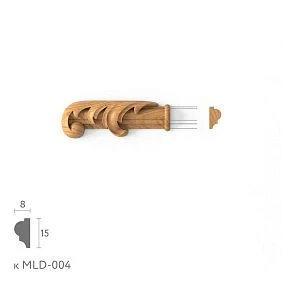
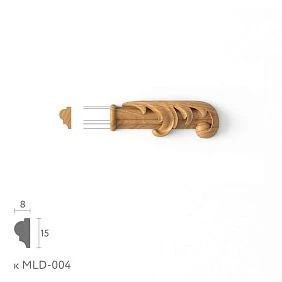
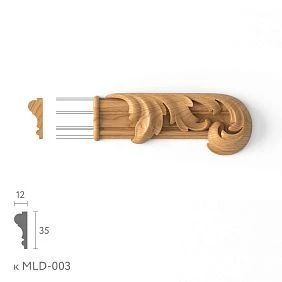
Decorative frames on walls
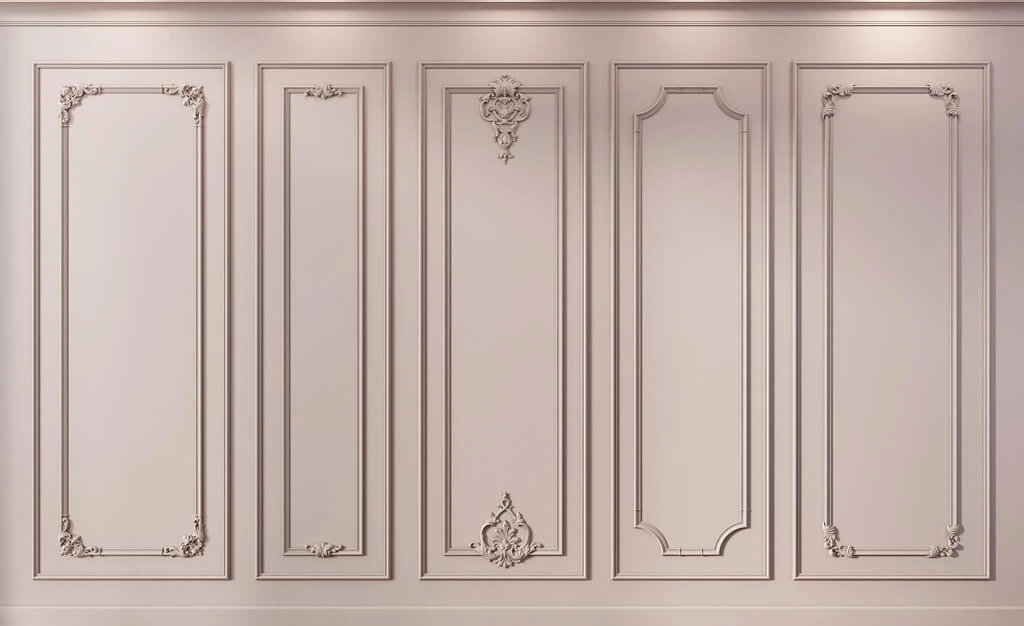
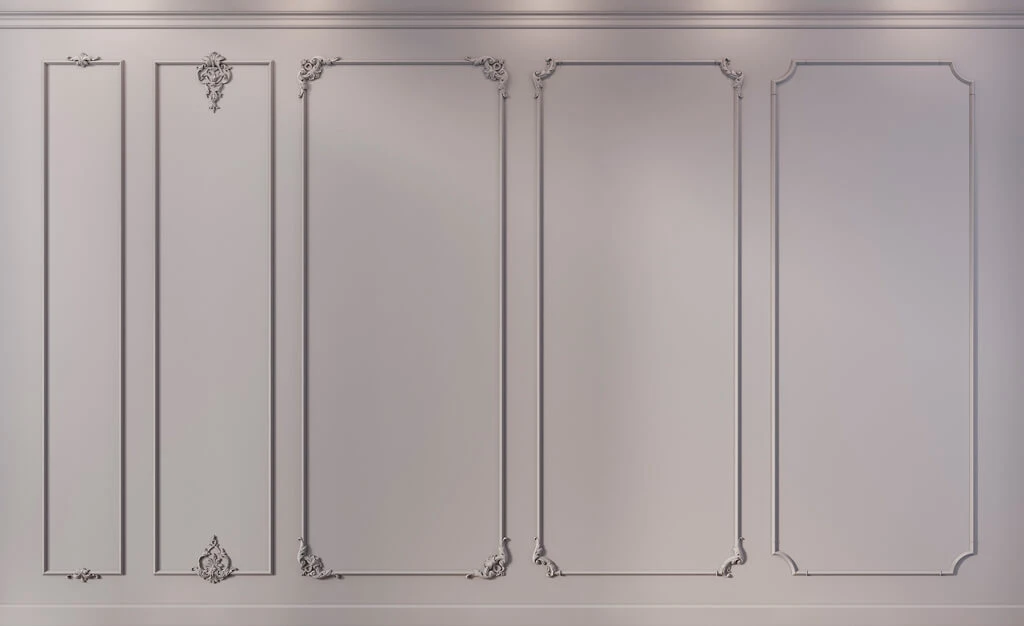
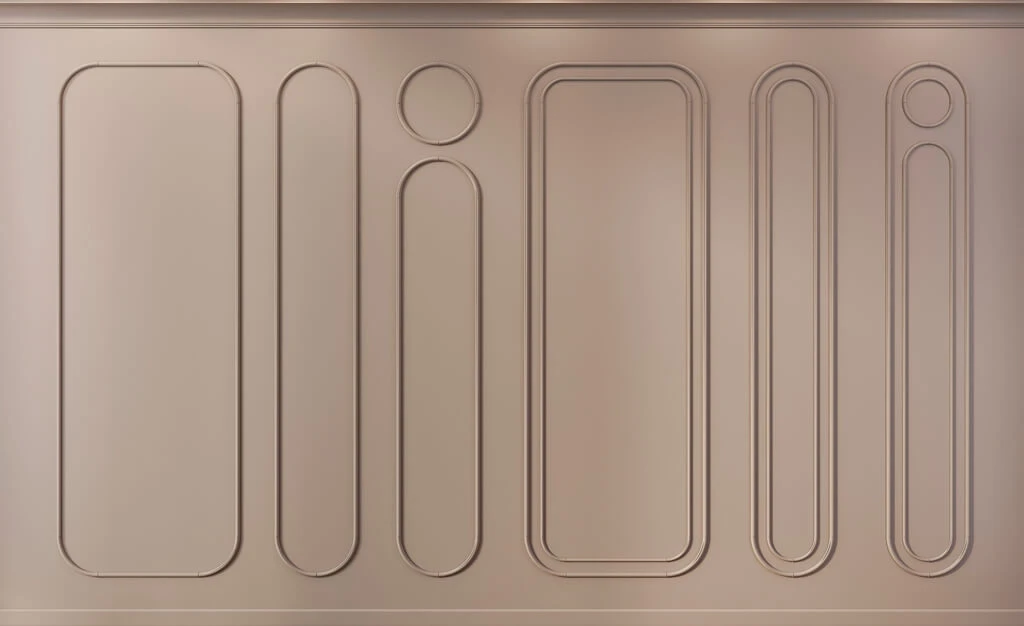
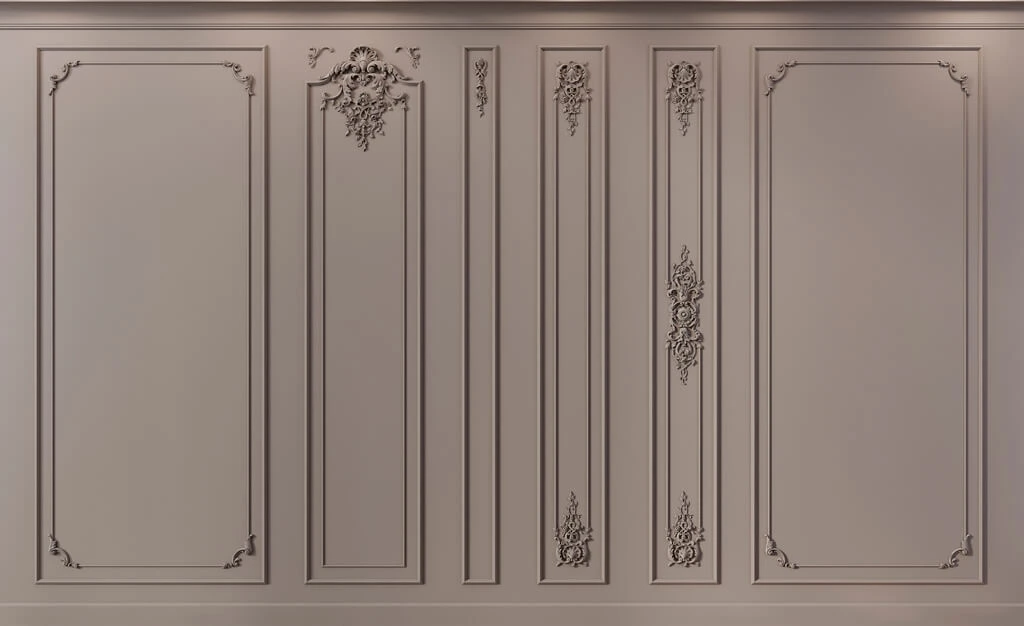
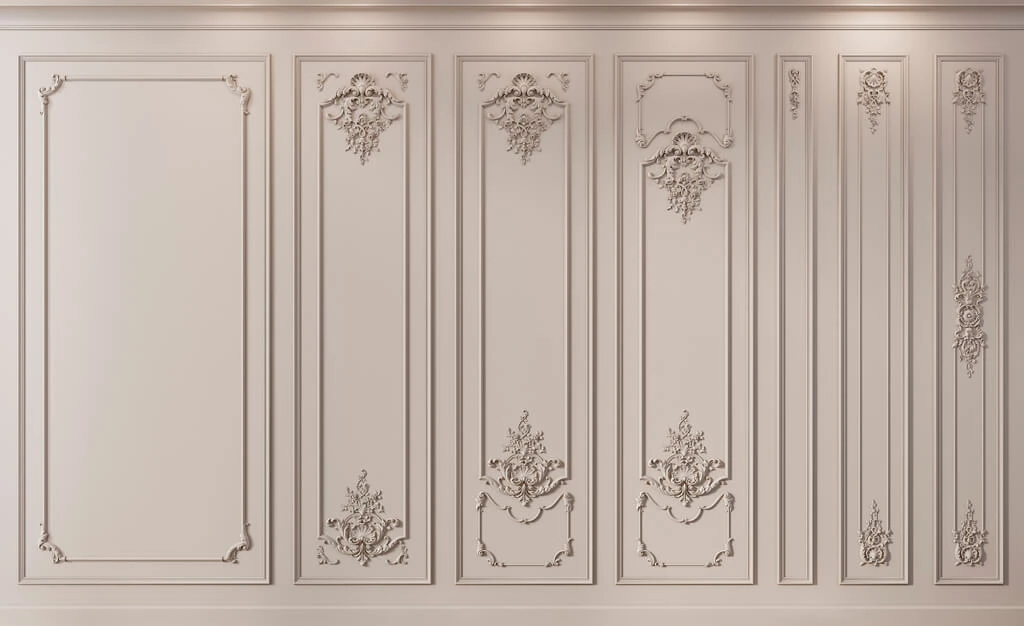
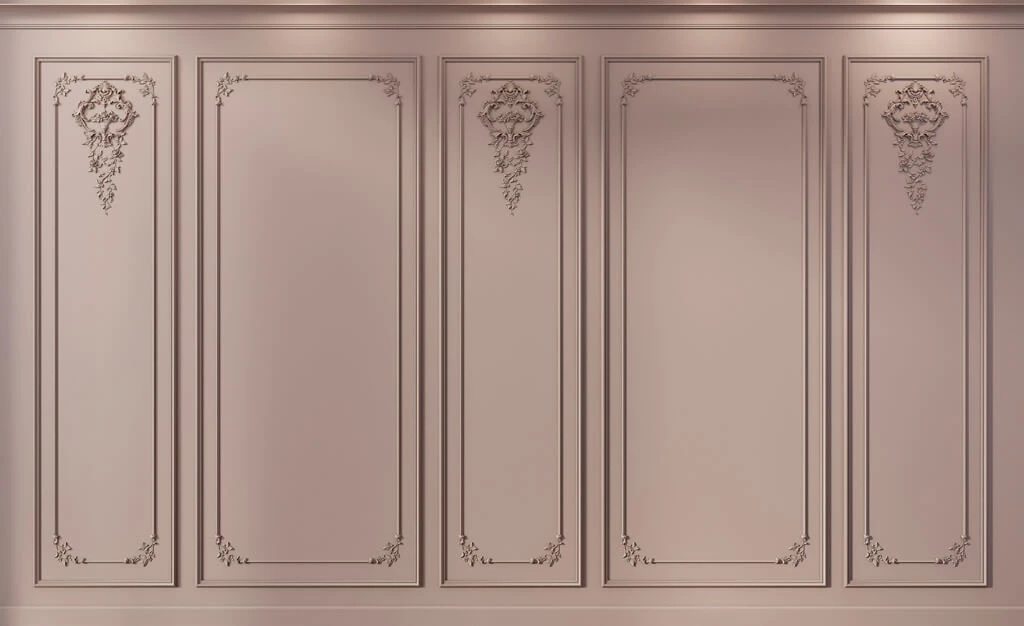
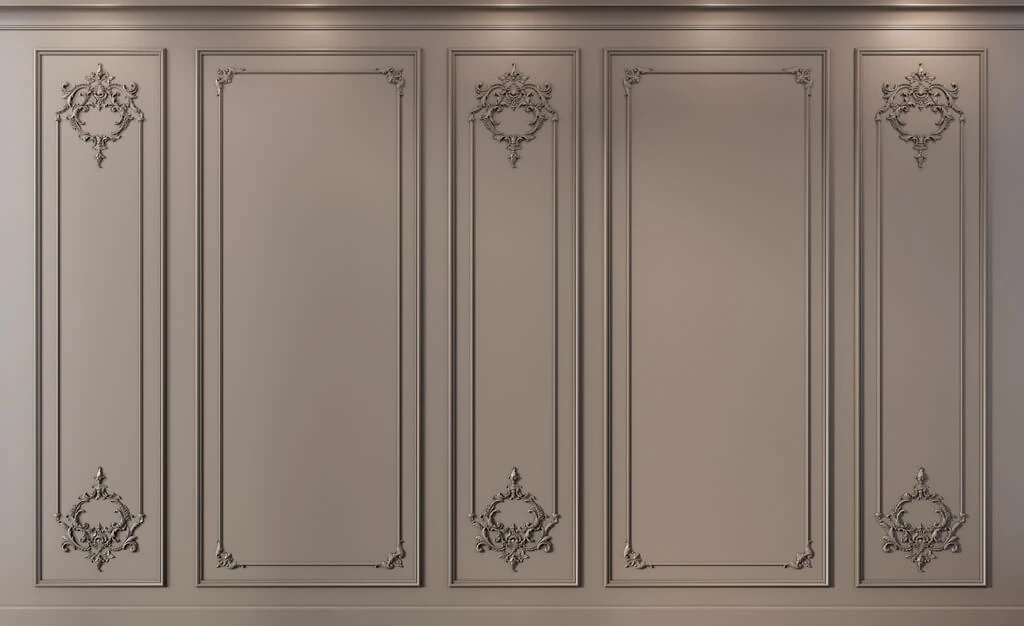
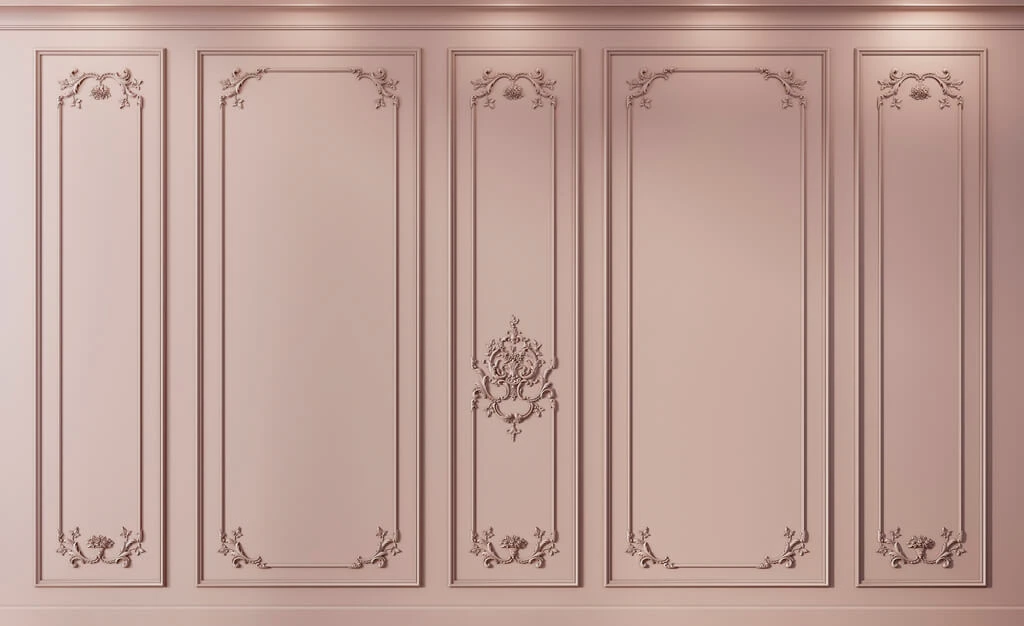
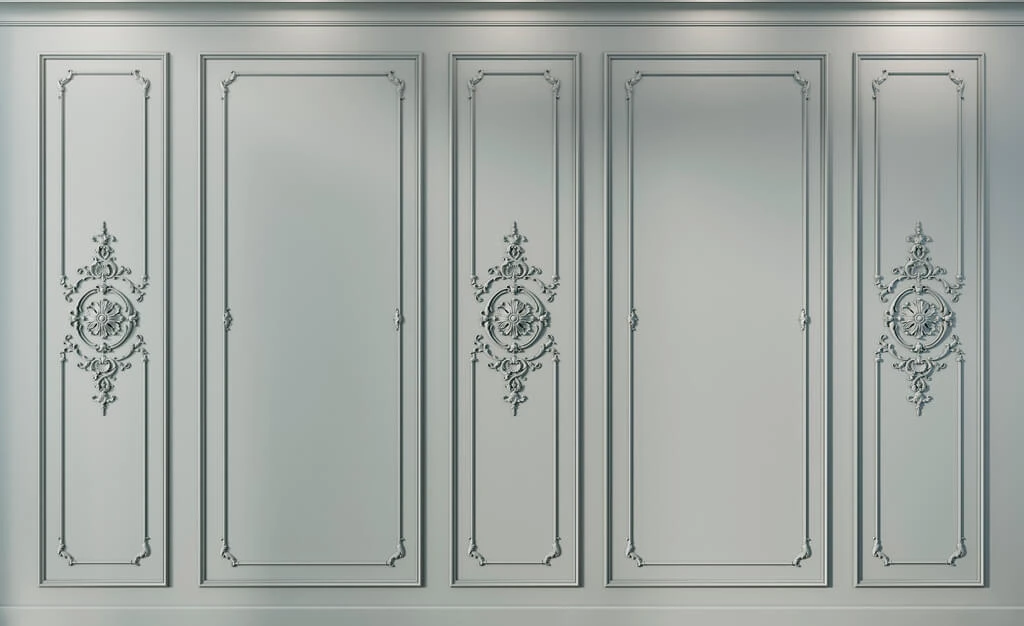
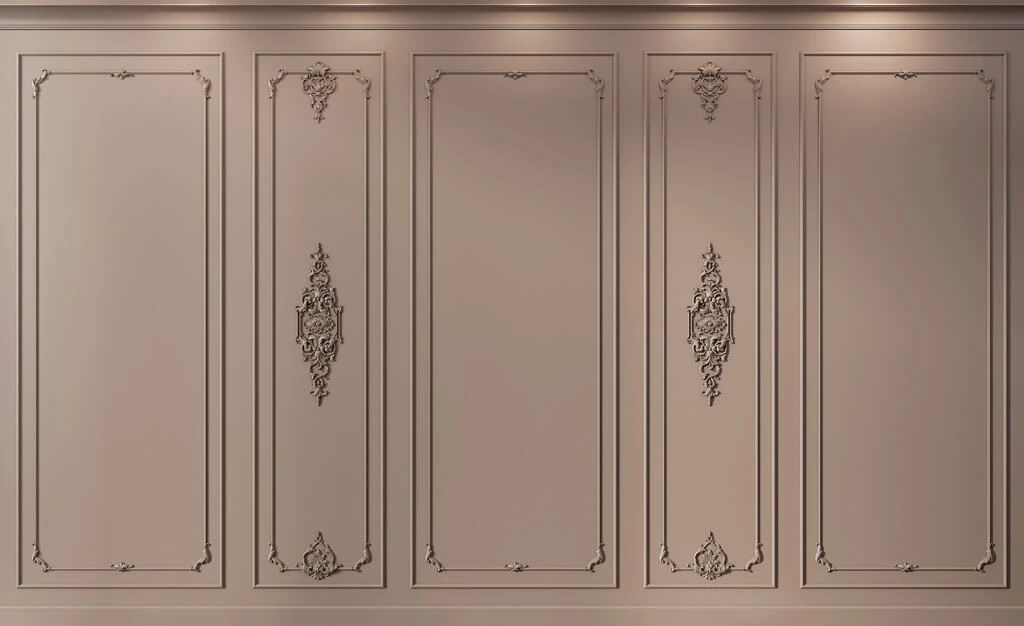
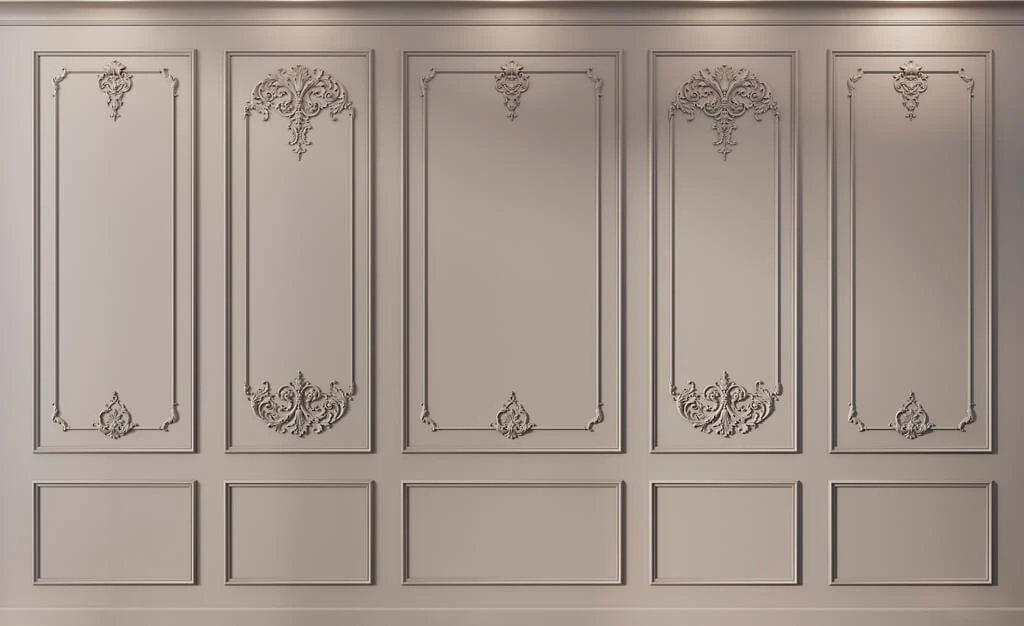
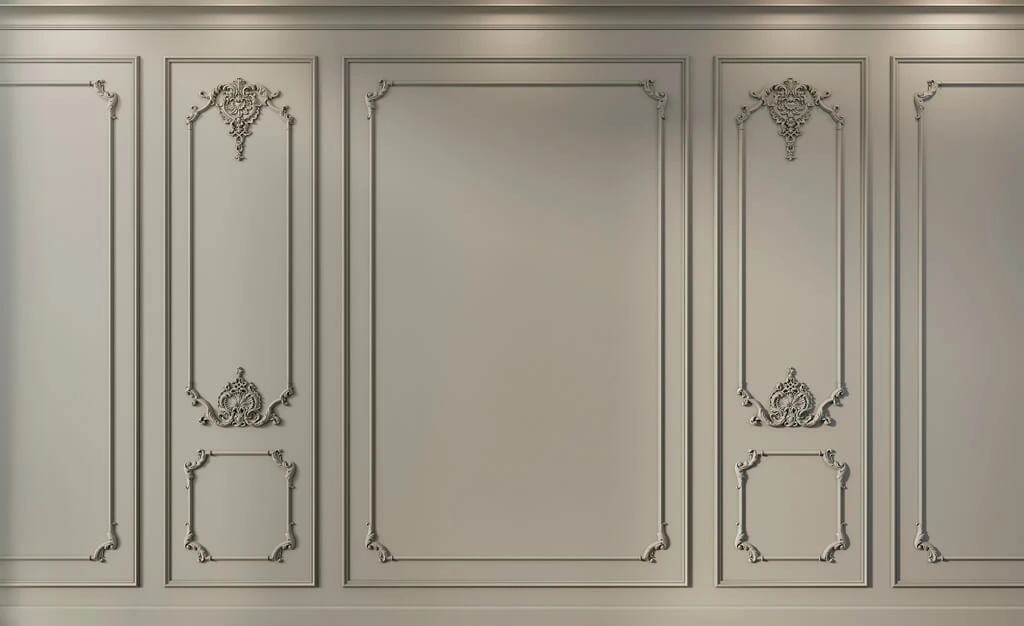
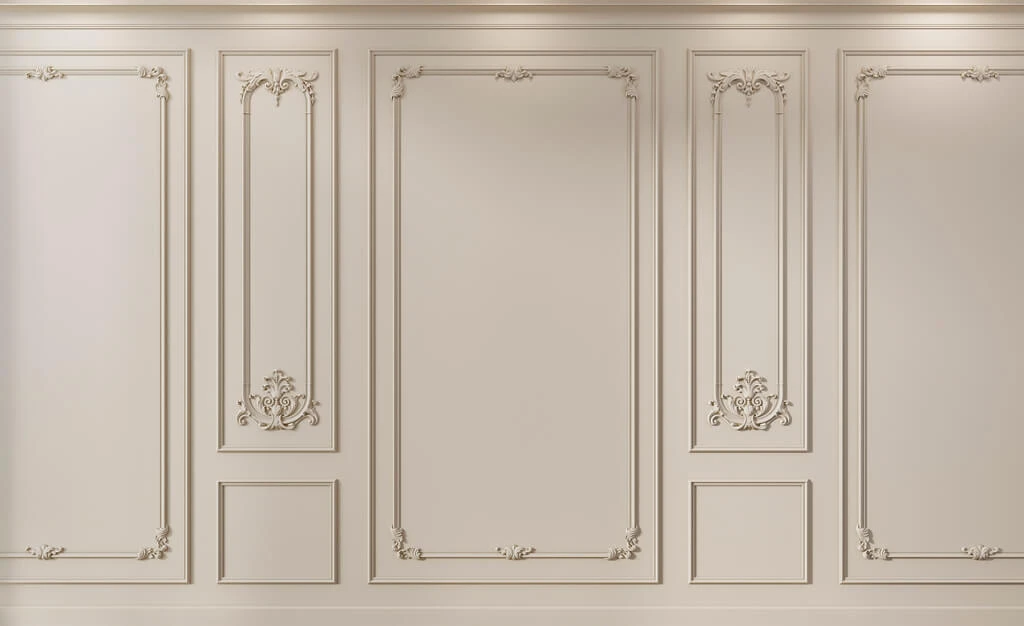
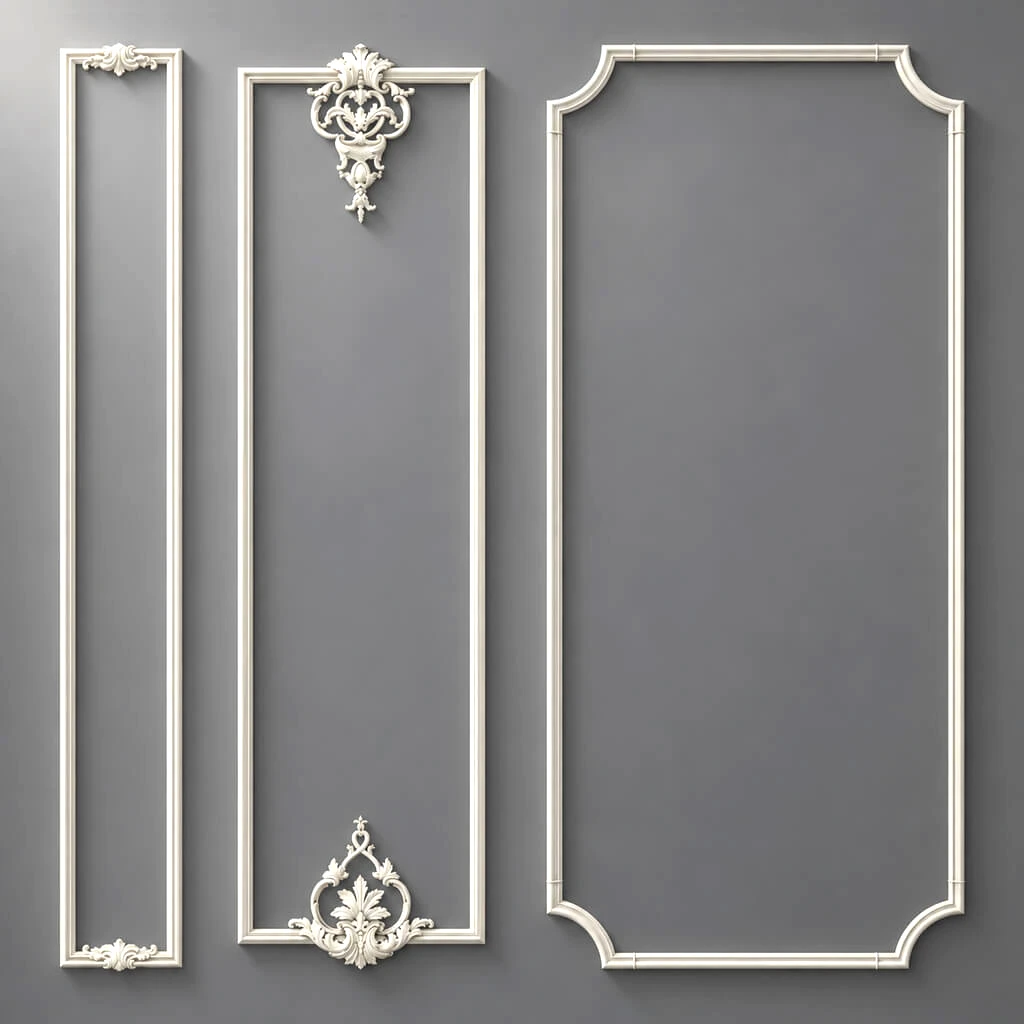
Creating rectangular or square frames on the wall is a classic application of decorative molding. Inside the frame — wallpaper, paint of a different tone, a fragment of textured plaster. Outside — a neutral background. It is the frames that transform an ordinary wall into an architectural composition.
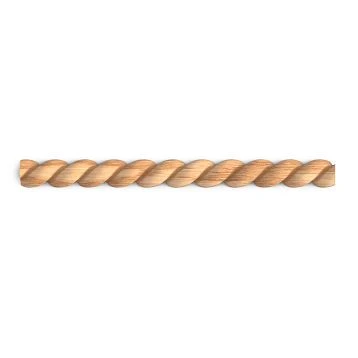
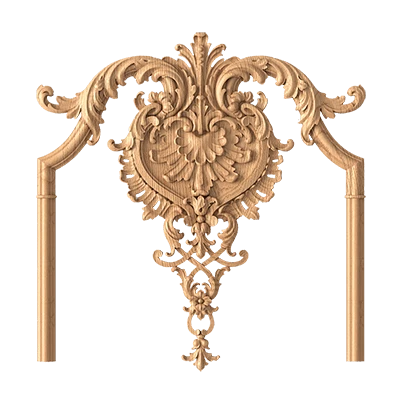
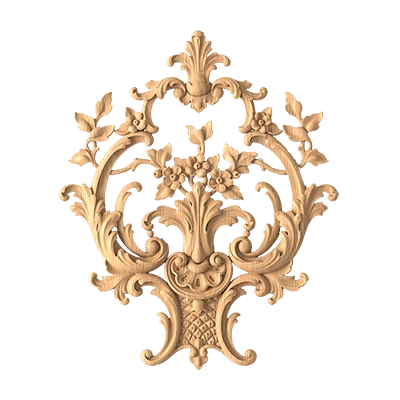
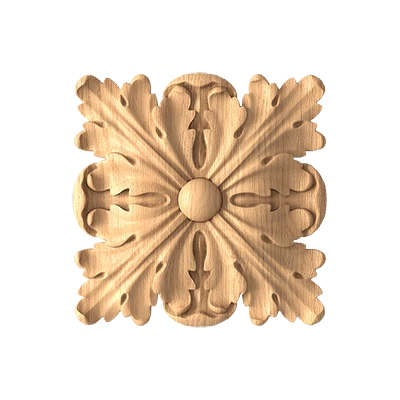
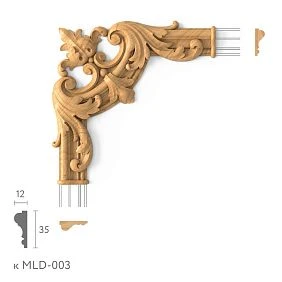
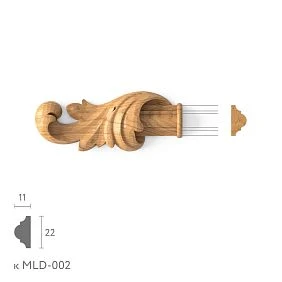
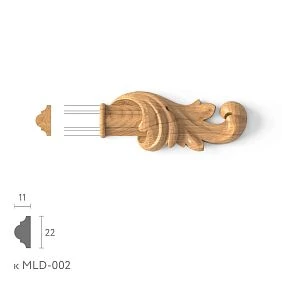
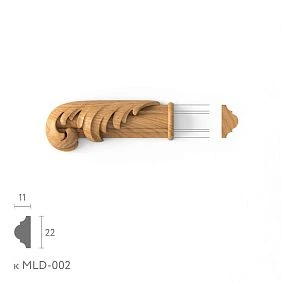
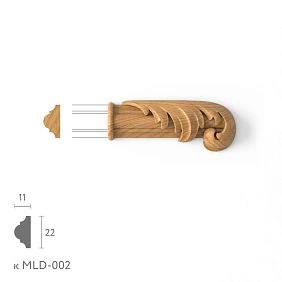
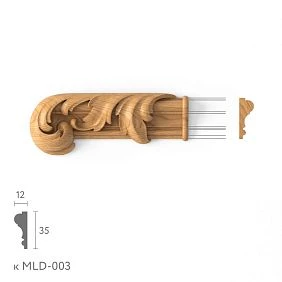
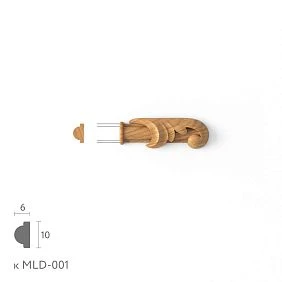
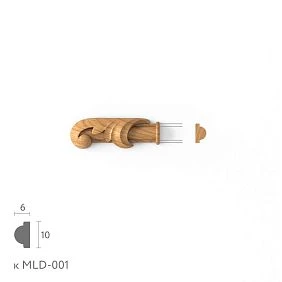
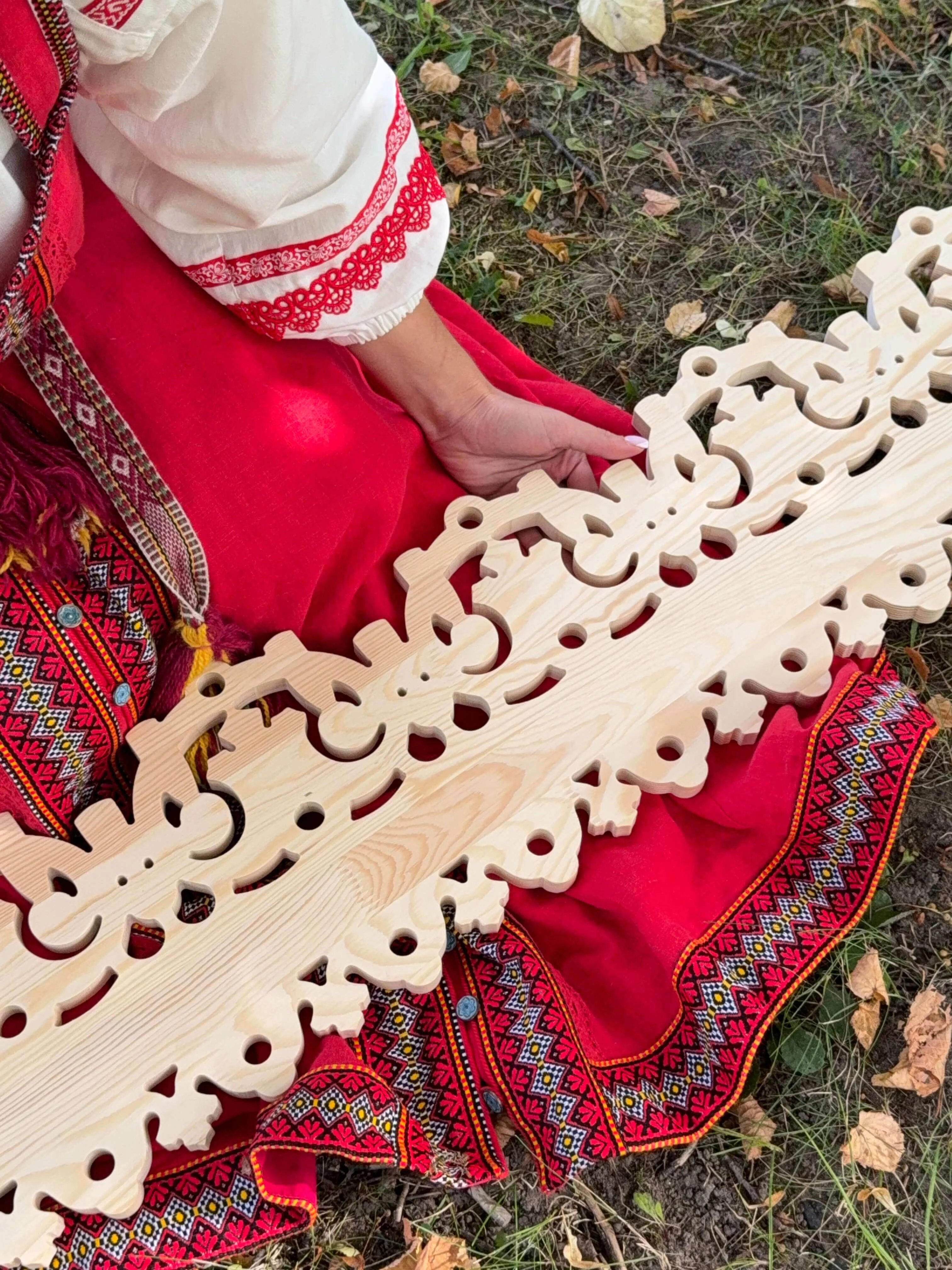
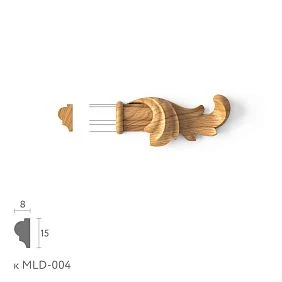
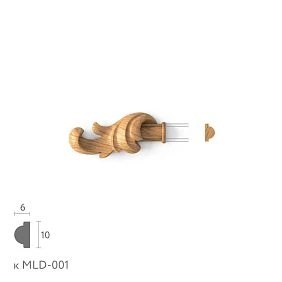
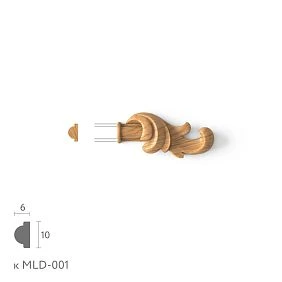
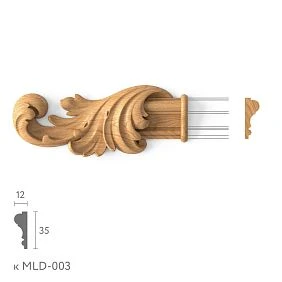
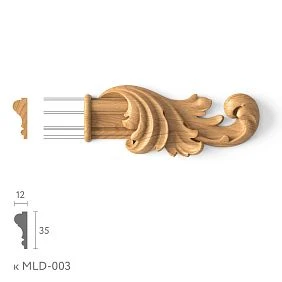
For frames, Decor for Molding — corner elements and central wooden overlays that complete the frame at the corners and adorn the middle of horizontal runs — work especially well. It is precisely these details that make the frame look like a piece of joinery art, not just a set of planks.
Get Consultation
Decorative panels
Molding for a panel is a frame around a large decorative fragment: a painting, photo wallpaper, a mirror field, or a hand-painted section of the wall. Here, the profile serves the function of a museum frame — it focuses attention, separates the object from the background, and gives it weight.
Accent zones and walls
One accent wall with moldings, frames, and skillfully selected decor can completely change the perception of an entire room. Molding for an accent wall is not just decoration, but a focusing tool: the eye of a person entering the room immediately reads the structure, understands what is primary and what is secondary.
Space Zoning
A horizontal molding belt on the wall divides it into two tiers with different visual loads. The lower zone is more 'heavy,' dense, often darker. The upper zone is light, bright. Without molding, the transition between zones would be random. With it — intentional and precise.
Vertical moldings divide the wall into fields — this is a zoning technique in long corridors, in living rooms with several functional zones, in studies with library sections.
TV area
The wall behind the TV is one of the most challenging decoratively. It should be expressive but not overloaded; accent but not loud. Moldings for decorating the TV zone create a structured background: frames around the screen, side panels, a horizontal belt, decorative inserts. Such a wall looks like a design project, not like 'a TV was hung on the wall.'
Furniture compositions
Here, molding works differently—as part of built-in furniture, a sliding wardrobe, a bookshelf, or a chest of drawers. Facades with molding acquire a classic character: instead of flat slabs, there are expressive frames with pulls that give the facade depth and character.
Which decorative molding to choose: shape, width, relief
This is a practical question, and it deserves a specific breakdown. Too often, people choose molding 'by eye'—and then are surprised why the result isn't what was in the picture online.
Narrow molding: delicacy and precision
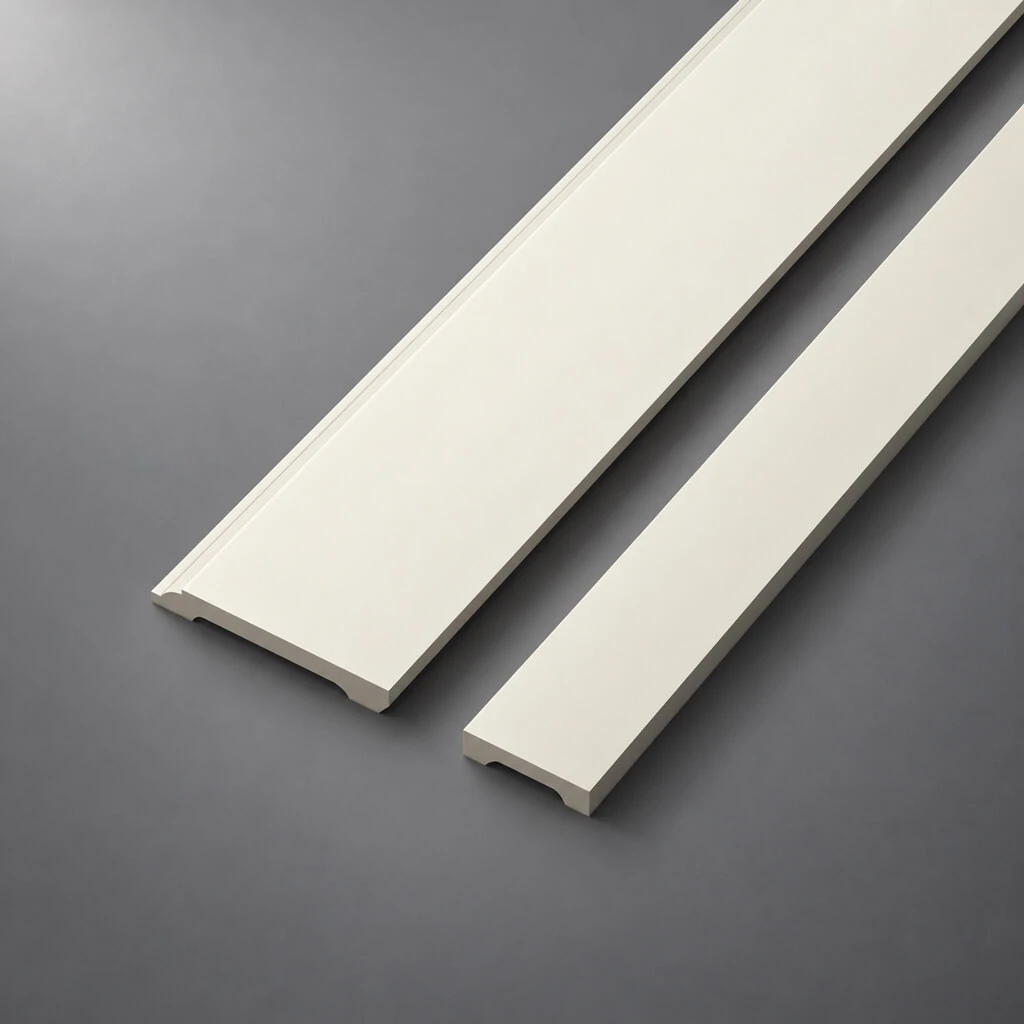
Profiles with a width of 12 to 30 mm are a thin graphic line on the wall. They don't capture space or compete with other decorative elements. Narrow smooth molding works well:
-
in small rooms where a wide profile would feel oppressive;
-
in modern and minimalist interiors, where only a hint of structure is needed;
-
for dividing a wall into zones without a pronounced visual accent;
-
in combination with wallpaper with a rich pattern, so as not to compete with the pattern.
Wide molding: status and expressiveness
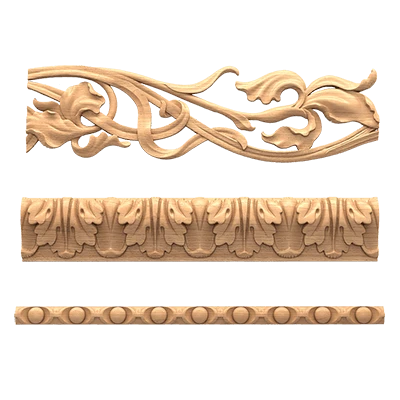
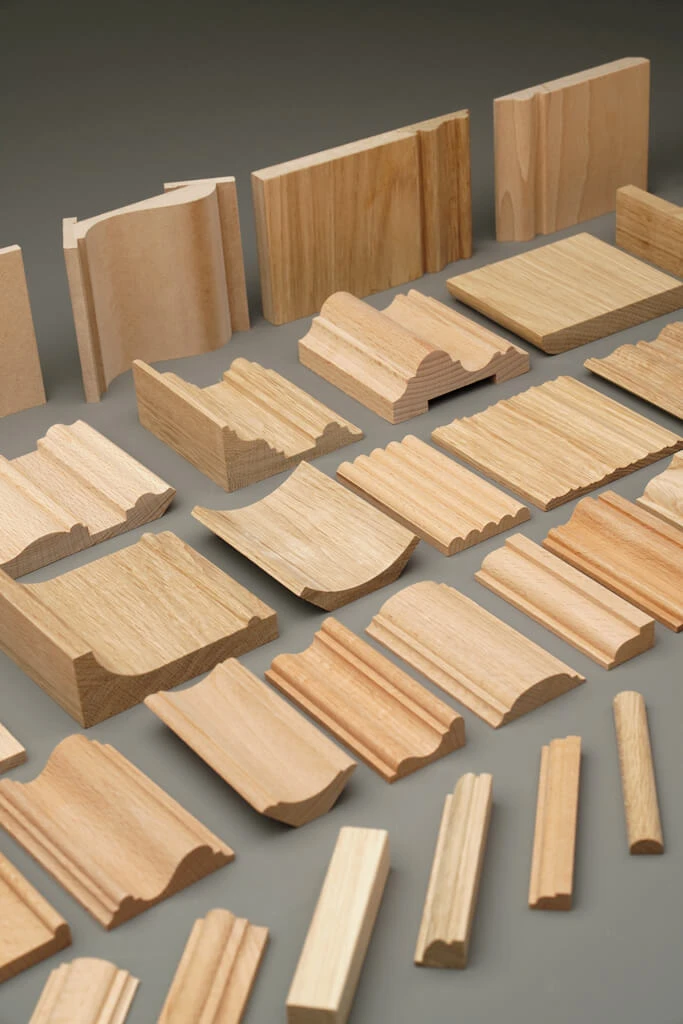
A width from 50 to 120 mm is already an architectural statement. WideDecorative wooden moldinglooks like an architectural element carrying its own aesthetic content. It requires:
-
high ceilings — from 2.8 m and above;
-
spacious rooms — in a small apartment, a wide profile will compress the space;
-
a strong interior solution around it — furniture with character, quality finishes.
Smooth profile: elegance without unnecessary noise
A molding without relief, with clean bevels or soft rounding — this is a solution for those who value restraint. A smooth decorative profile does not distract attention from other interior elements, yet clearly structures the surface. Ideal for modern classic, neoclassical in light tones, Scandinavian style with classic notes.
Relief molding: richness of details and classic character
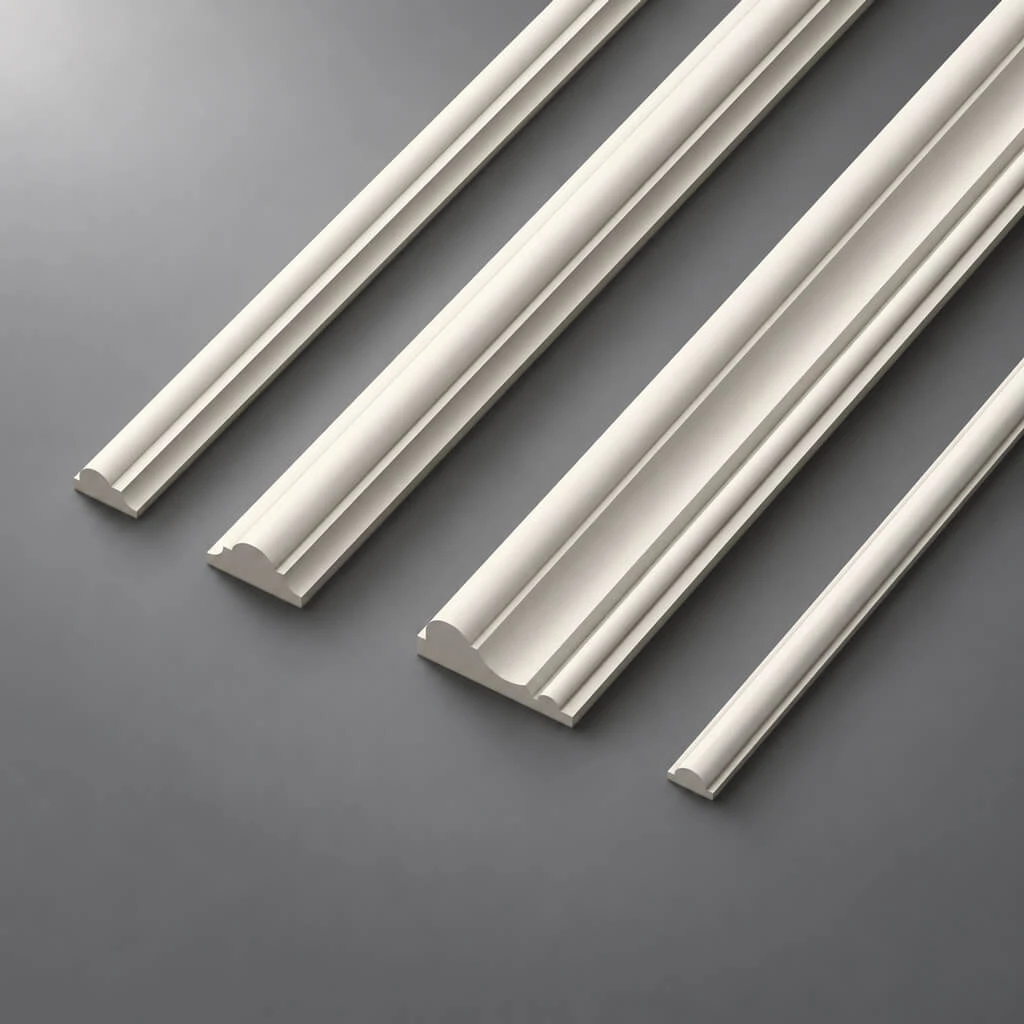
A profile with multiple bands, scotias, roundels, and other classic elements — this is molding for those who want true classic or neoclassical with rich detailing. Relief molding creates an expressive play of light and shadow, perceived as a sculptural element. It requires appropriate surroundings: furniture with character, quality finishes, properly selected decor.
The rule for choosing by relief is simple: the richer the molding's relief — the calmer the other surfaces should be. A saturated profile and colorful wallpaper simultaneously — this is a visual conflict that tires the eye.
Materials: Wooden Molding or Polyurethane — What to Choose for Decor
This is one of the key questions, and often it is this that determines the final quality of the interior. Both materials have their strengths — and a skillful choice between them yields the maximum result.
Wooden Molding: A Living Material with a Soul
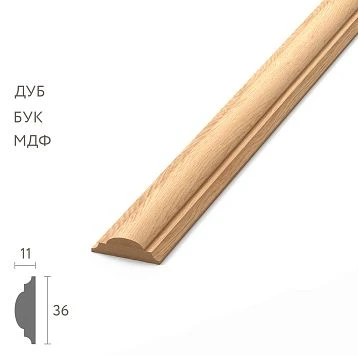
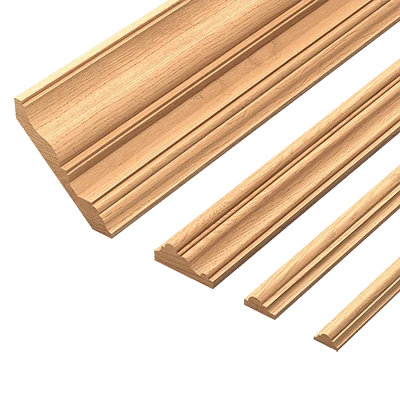
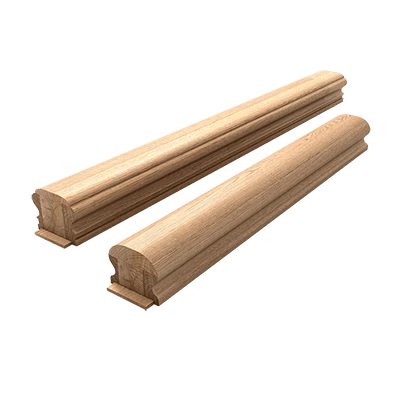
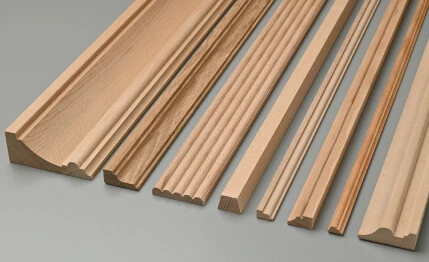
Wooden moldingsMade of oak, beech, or ash — this is a category where naturalness is not a marketing word but a real sensation. Wood is alive: it has texture, tactility, it refracts light differently depending on the angle and time of day.
Wooden molding for decor works especially well in the following contexts:
Interiors with wooden furniture and parquet. Oak molding next to oak parquet and door frames of the same species creates a sense of a cohesive, carefully designed environment. This cannot be faked with a synthetic profile.
Warm classic and neoclassical interiors. Where the atmosphere of warmth, coziness, and authenticity is important — wood is irreplaceable. It adds that living touch to the space that no artificial material can provide.
Prestigious spaces. Studies, libraries, formal living rooms — places where the material speaks of status. Wooden decorative molding for the interior here is not just finishing, but a statement.
Rooms with various wooden details. Wooden doors, panels, stairs — all this creates a wooden theme for the interior, into which molding made of the same material fits organically.
Oak is the most in-demand wood species for moldings. It is hard, stable, and takes paint and tinting well. Beech is even more homogeneous, with a neutral structure, which is ideal for profiles planned to be painted white or cream.
Important practical point: solid wood molding may react slightly to humidity changes. For rooms with a stable microclimate, this is not a problem. For bathrooms, polyurethane is better to consider.
Polyurethane molding: clarity, lightness, classic decor
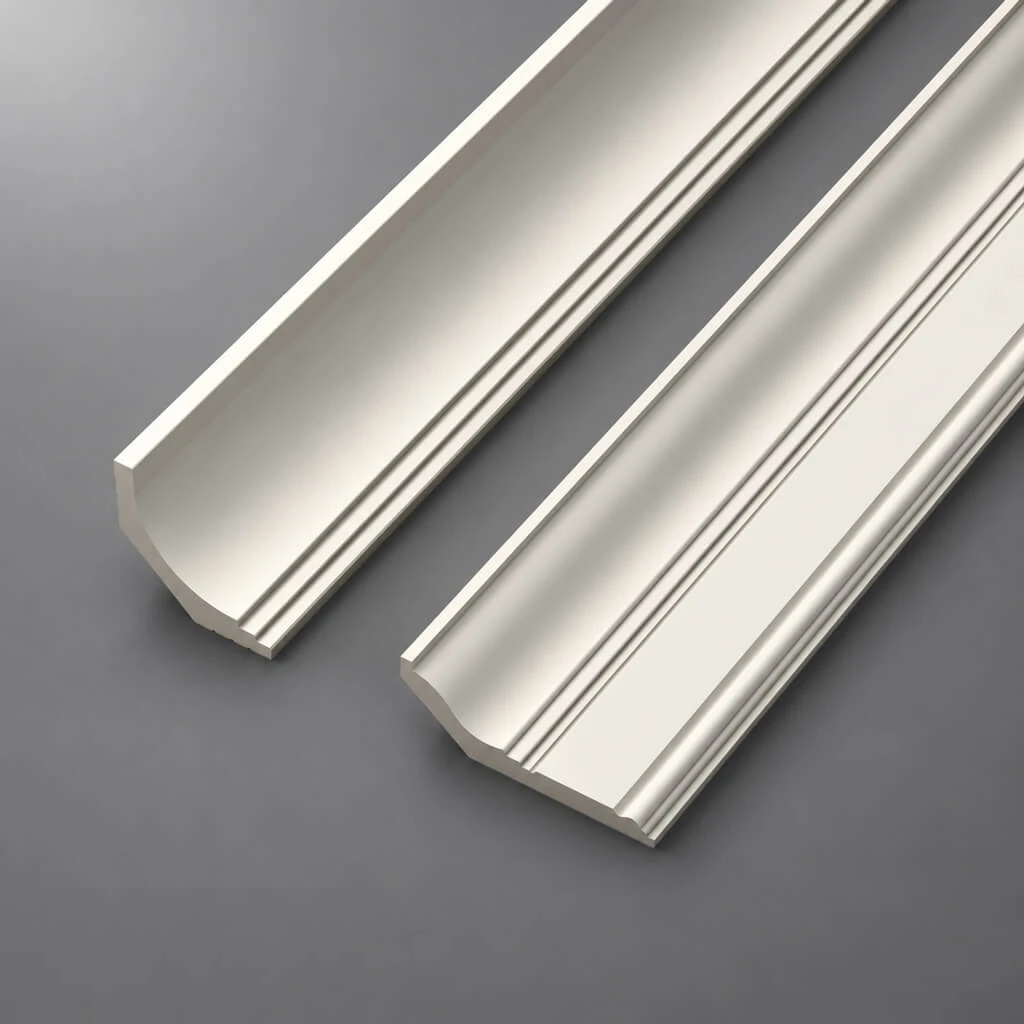
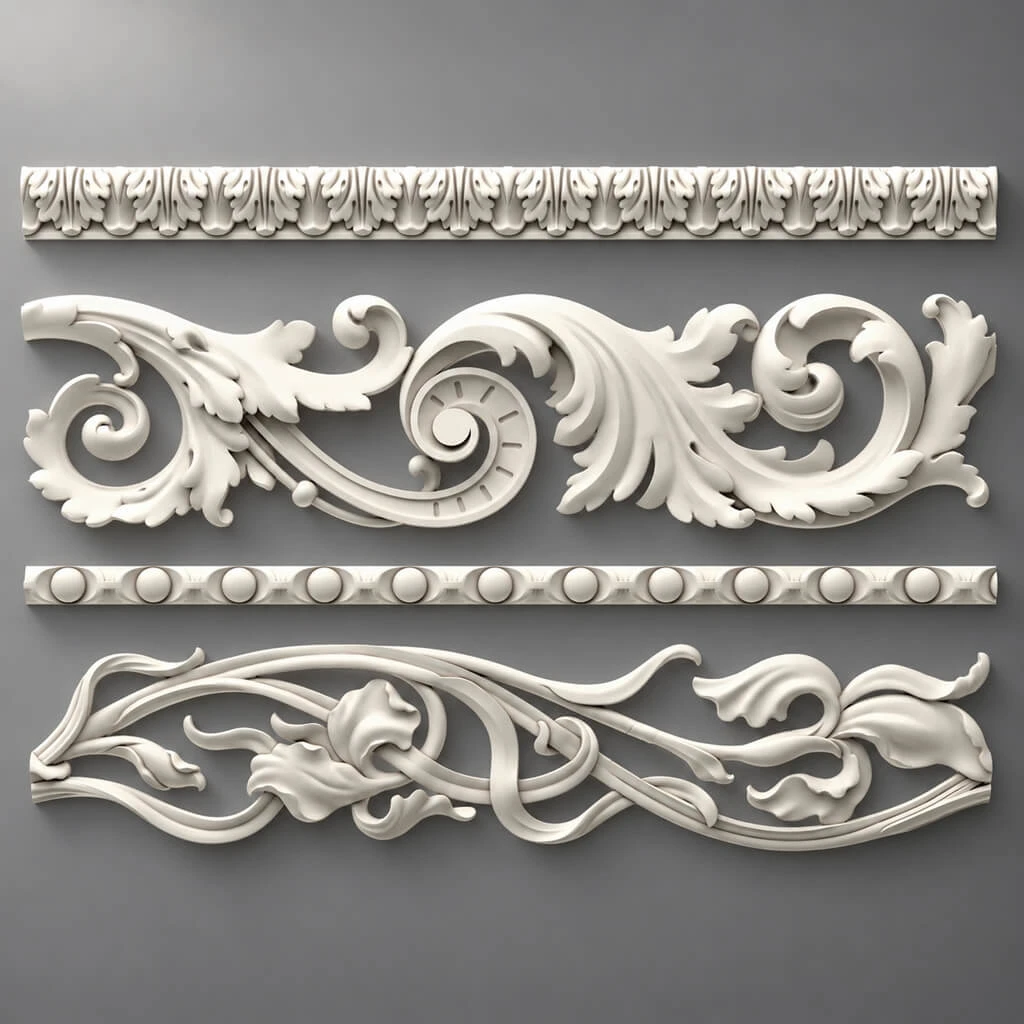
Polyurethane moldings— another story about the same result. Polyurethane allows reproducing the most complex classical profiles — with numerous pulls, deep scotias, ornamental details — at moderate cost and low weight.
Polyurethane molding for decor is chosen when:
-
an exact classical form with rich relief is needed, which is difficult and expensive to mill from solid wood;
-
the interior assumes a white or light profile — polyurethane paints perfectly evenly, without revealing the wood structure;
-
installation is carried out in a room with variable humidity — polyurethane is neutral to it;
-
lightness of decor is important, especially in ceiling and cornice areas;
-
the project has a limited budget with high visual requirements.
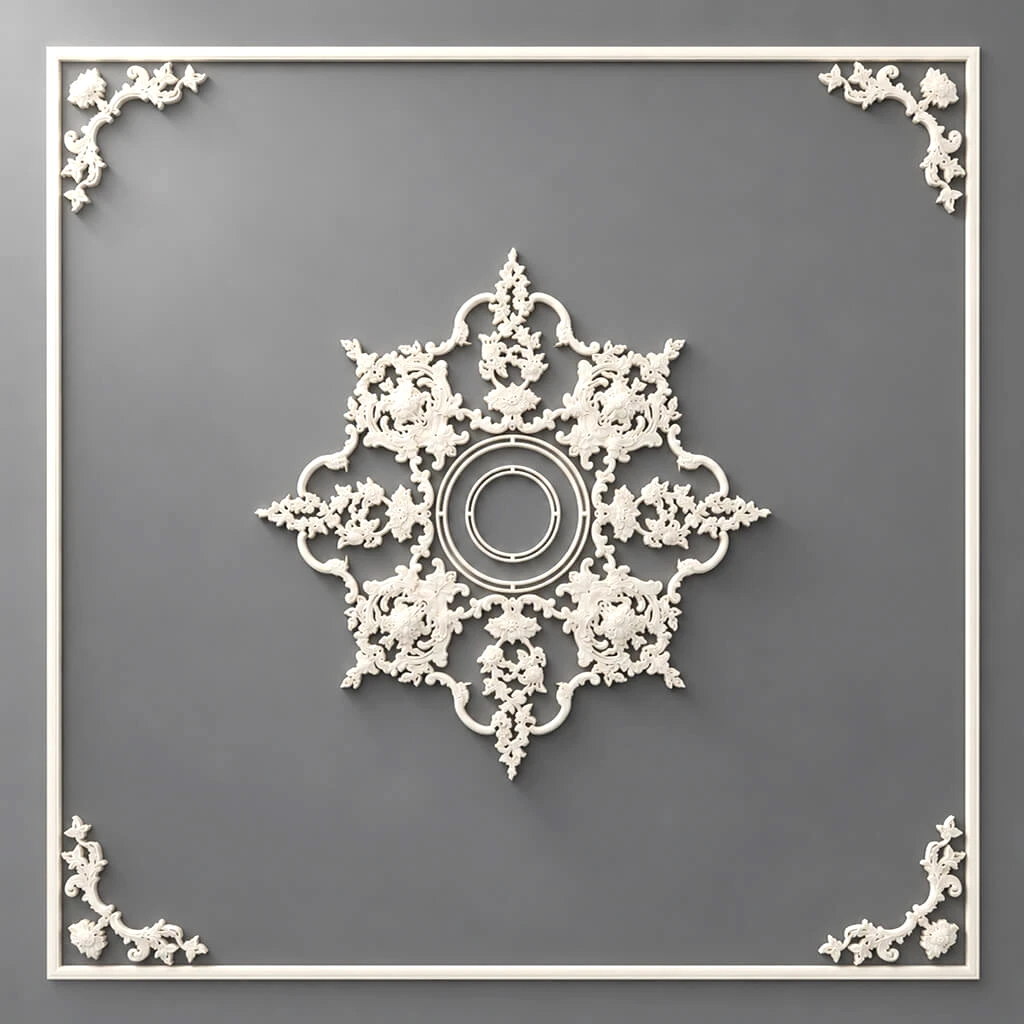
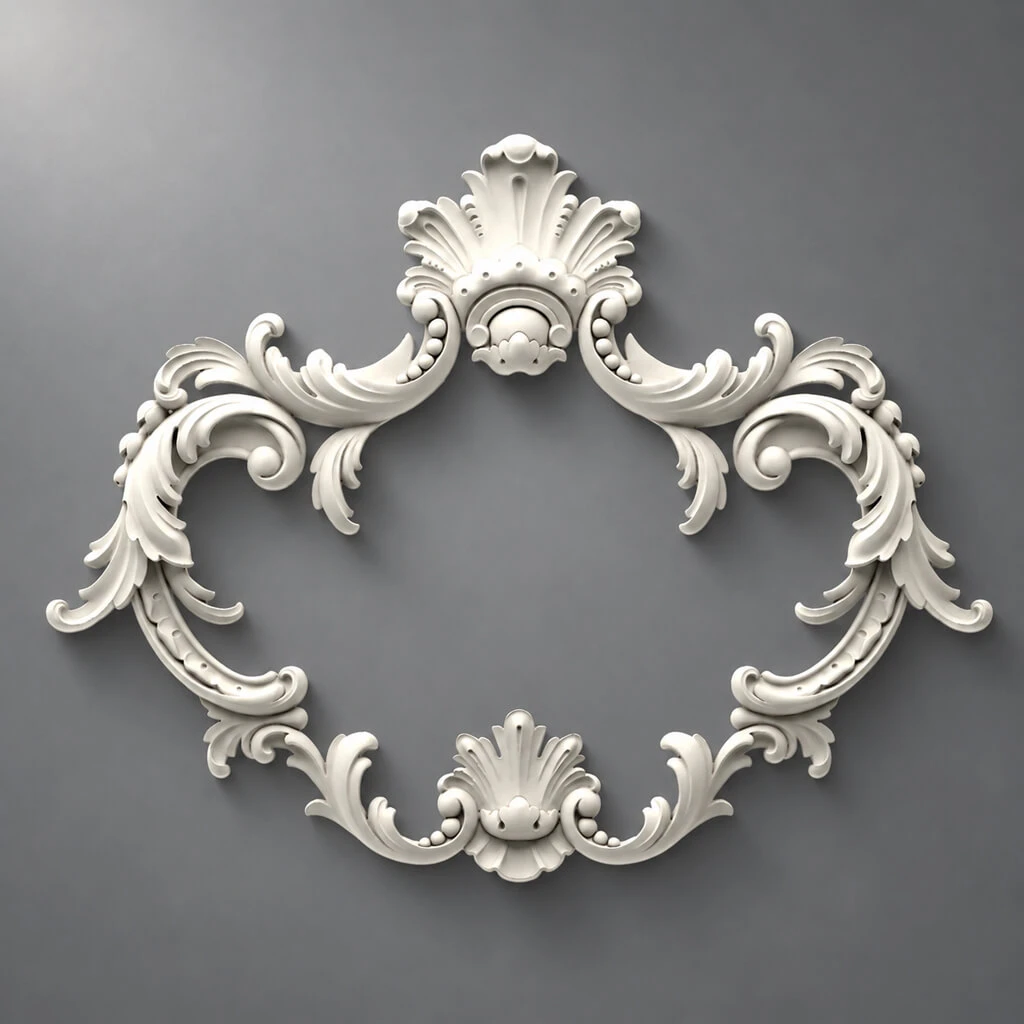
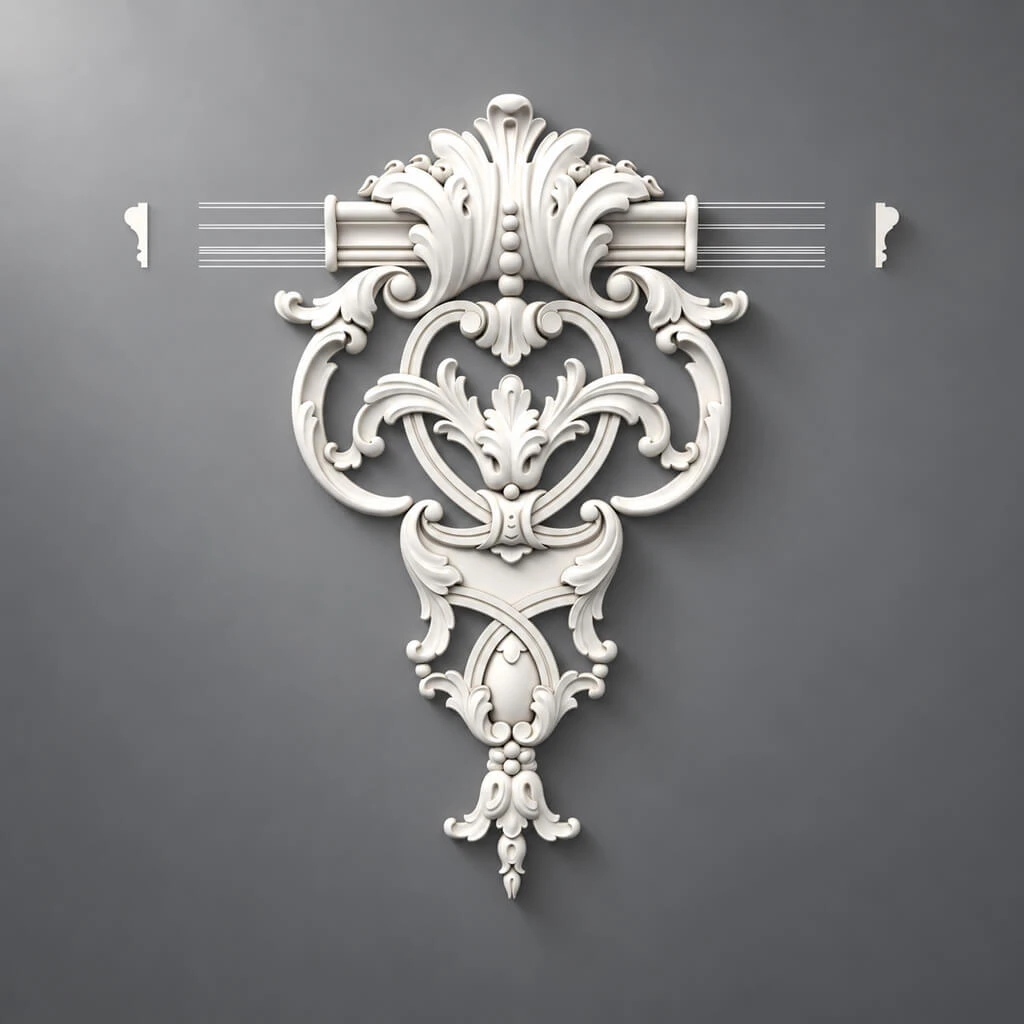
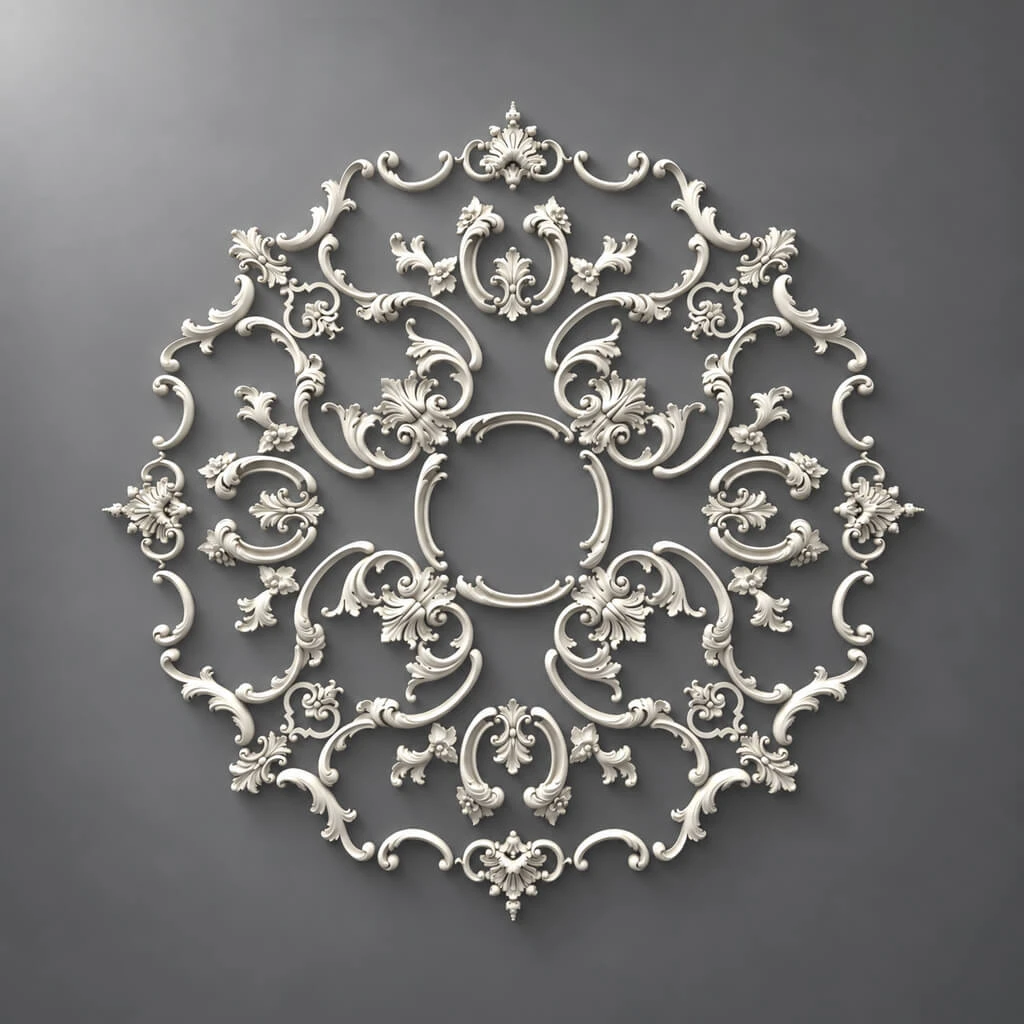
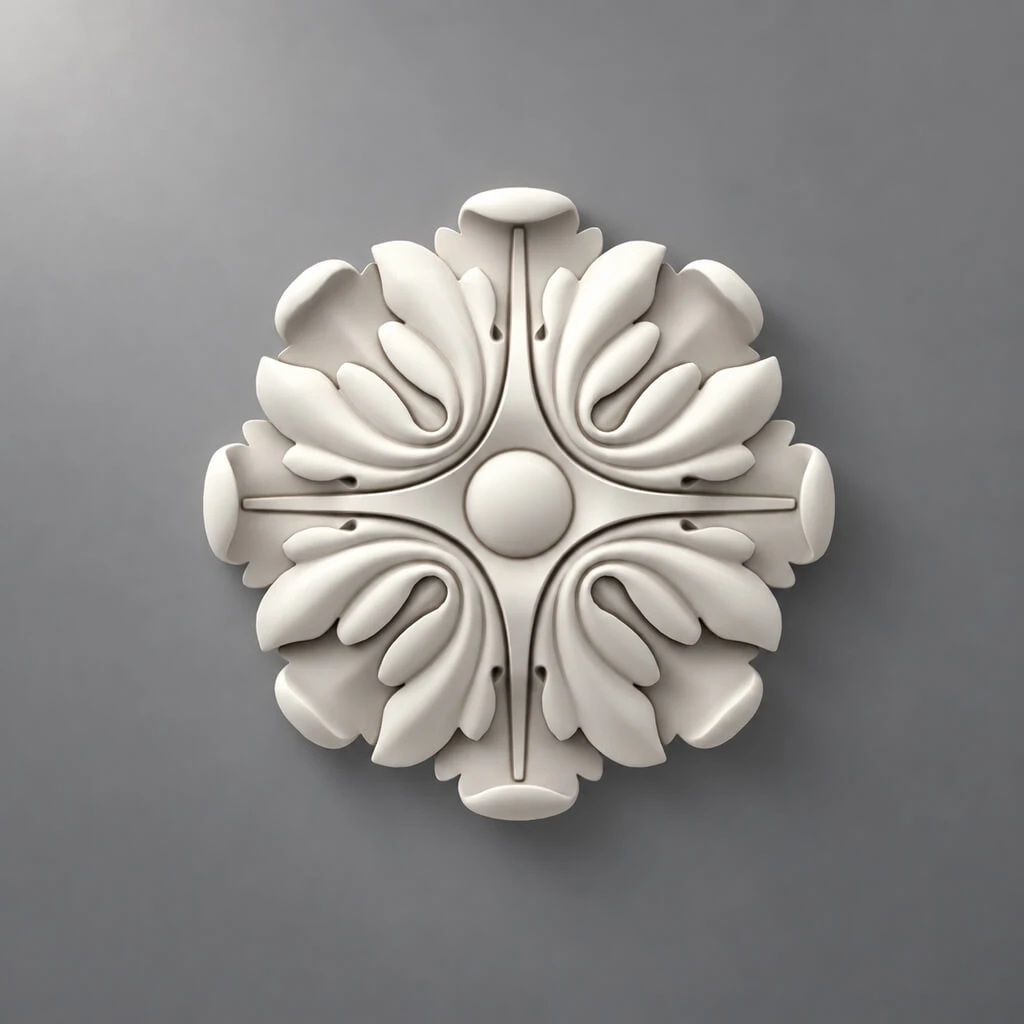
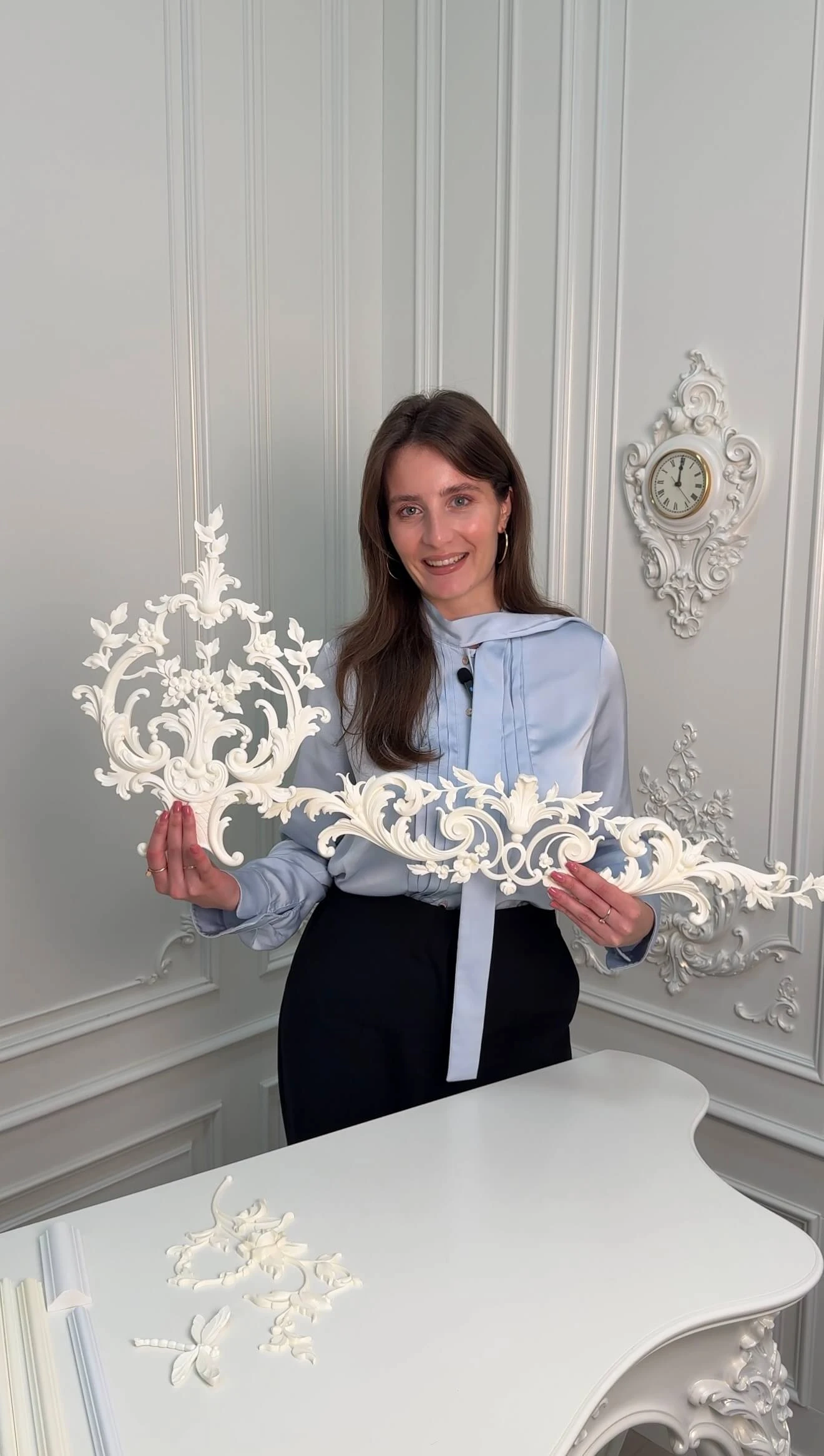
Relief Decoration— made of polyurethane — corner rosettes, central overlays, garlands, and medallions — easily integrates into the molding system, turning ordinary frames into true classical stucco.
Comparison of materials by tasks
| Characteristic | Wooden Molding | Polyurethane Molding |
|---|---|---|
| Natural texture | ✓✓✓ | — |
| Tactile value | ✓✓✓ | ✓ |
| Painting in white | ✓✓ | ✓✓✓ |
| Complex classical relief | ✓✓ | ✓✓✓ |
| Moisture resistance | ✓✓ | ✓✓✓ |
| Combination with wooden details | ✓✓✓ | ✓ |
| Lightness of construction | ✓✓ | ✓✓✓ |
| Affordability with a rich appearance | ✓ | ✓✓✓ |
How to choose decorative molding to match the interior style
Style is not just a word to describe the atmosphere. It is a specific system of proportions, materials, colors, and details. Molding that fits organically into neoclassicism will be alien in a loft. And vice versa.
Classical and Baroque
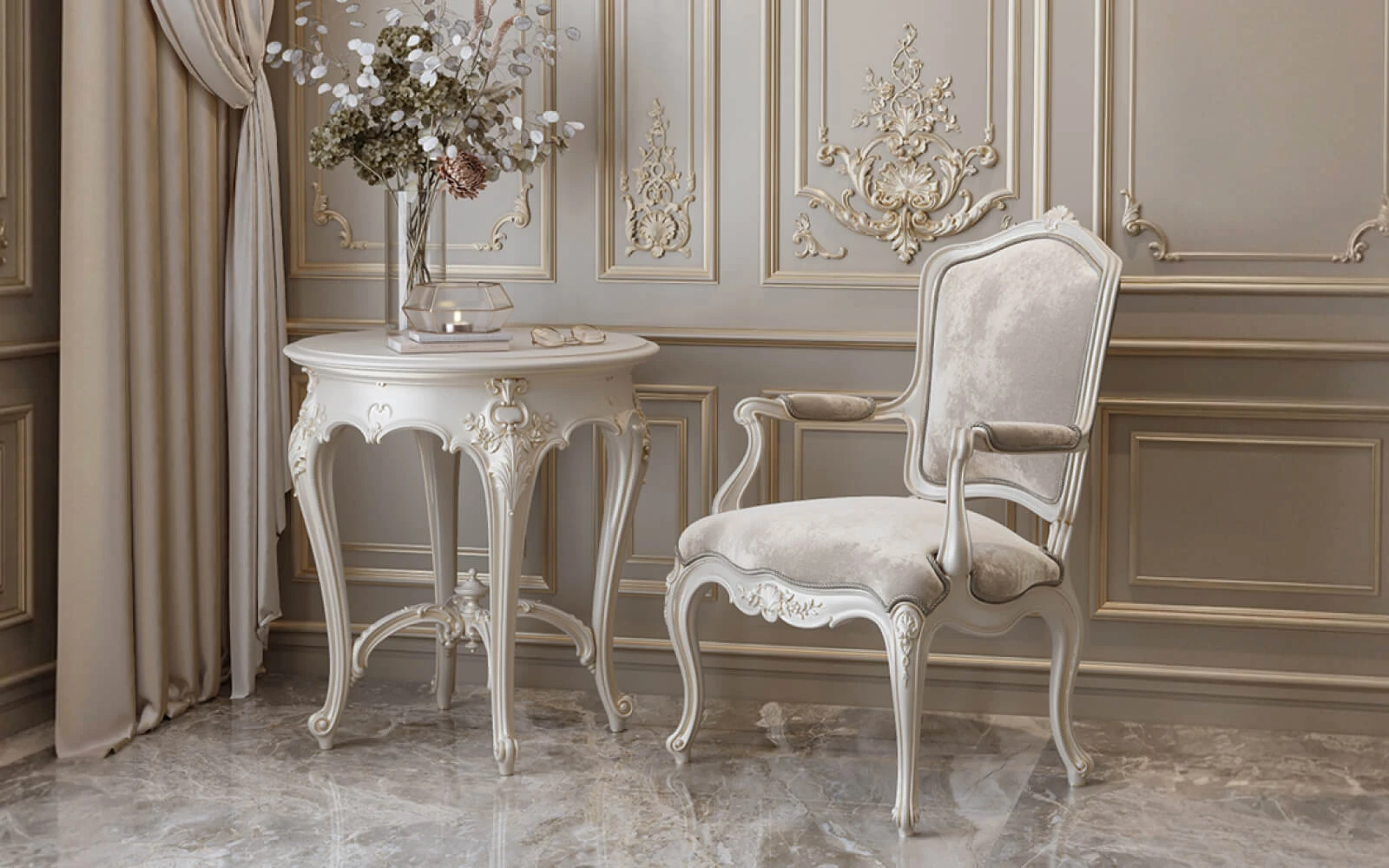
For strict classicism — symmetrical profiles with clear cornices, scotias, astragals. Wide, with expressive relief. Material — wood or polyurethane with white or cream painting. Corner elements and rosettes in frames are mandatory. Addition —pilasters and columnsandCapitalswhich turn the wall into a true architectural scene.
Molding for a classic interior is not just a strip. It is part of an order system where each element is in its place along the vertical axis. The baseboard is the base, the belt is the body, the cornice is the crowning element. Molding works in all three zones.
Neoclassicism
Neoclassicism requires restraint. The profile can be relief, but not overloaded. Width is moderate. Color is white, ivory, or neutral gray-beige. Wooden beech molding, painted white with a soft matte sheen, is the ideal choice for a neoclassical interior.
Modern classic
This is perhaps the most in-demand style today. The laconic lines of modernity plus details of classical architecture. For this style, smooth, wide molding is suitable—without complex relief, but with expressive proportions. Or a thin relief profile that hints at classicism without literally reproducing it.
Light interior with pastel shades
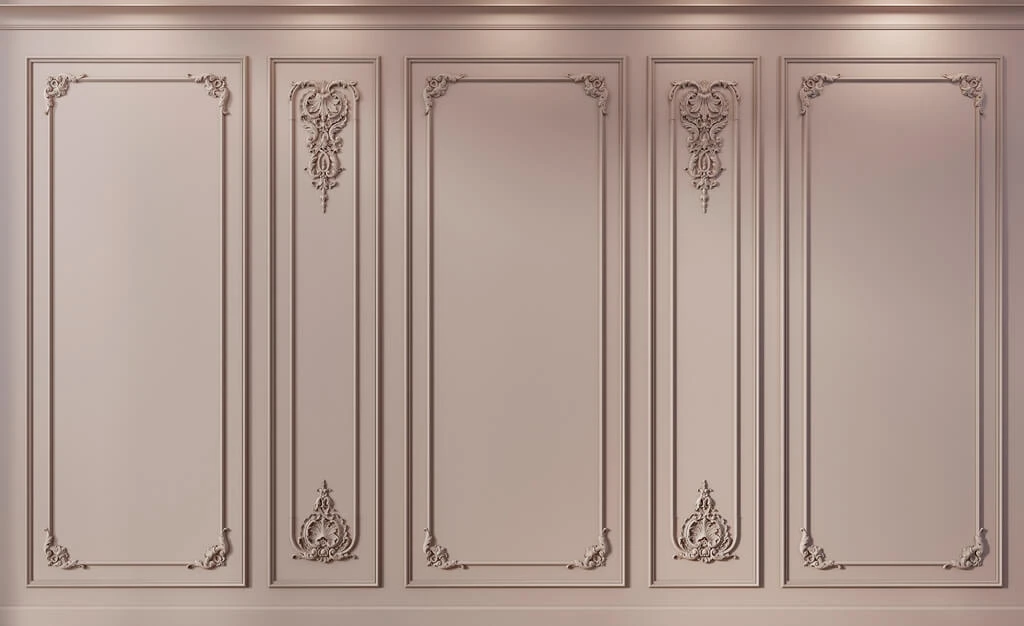
White decorative molding on a wall of ecru, powder, or light soot color is a very precise, refined solution. The profile practically merges with the background, creating relief without color contrast. Such molding for apartment decor feels like a detail of high taste—it doesn't shout, but it is noticed.
Dark and accent interior
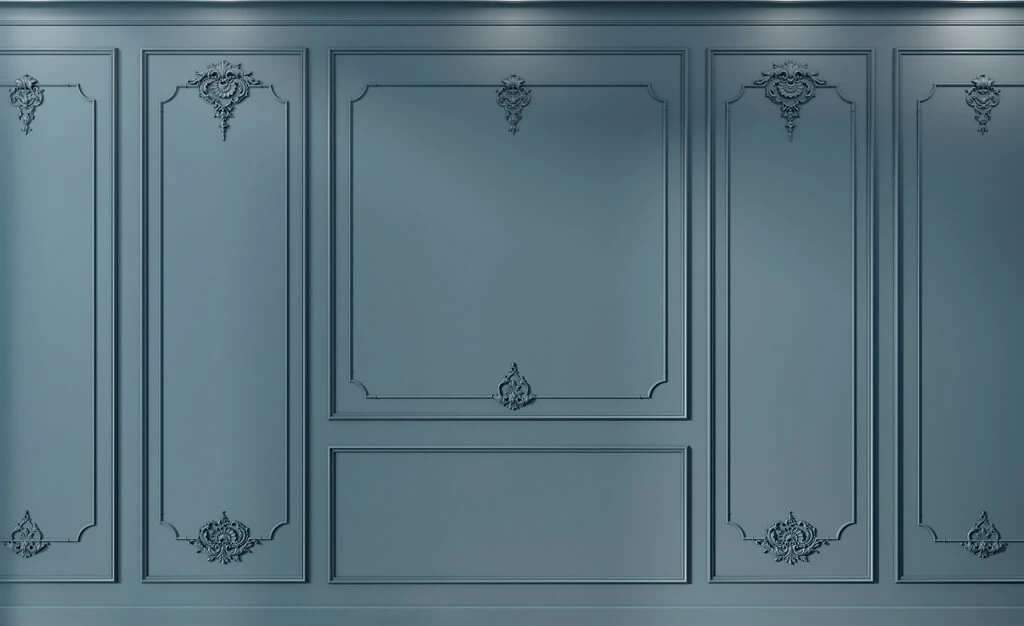
Molding on a dark wall is a less obvious but very effective technique. A dark green or graphite background, with molding in the same tone or half a tone lighter, creates volume without sharp contrast. Molding for home decor in a modern style with dark accents gives the space elegant depth.
Interior for painting
Molding is installed before the final painting, after which the entire surface is painted a single color. In this case, the profile is visible only by its relief—no color contrast, only plasticity. This is the purest architectural technique: details without unnecessary words.
Molding for decor in different rooms: specific solutions
In the living room
The living room is the main field for applying decorative moldings. Here you can allow yourself the most complex and expressive solutions. Molding for decor in the living room is used for:
-
Accent wall behind the sofa — frames made from molding with wallpaper inside or painted borders;
-
TV wall — structured background with vertical and horizontal moldings, niches, and decorative inserts;
-
Full room perimeter — horizontal molding belt at a height of 90–110 cm, dividing the wall into two tiers;
-
Ceiling cornice — transition from wall to ceiling with decorative molding;
-
Classic full-height frame panels.
In living rooms with high ceilings, the following work especially well:Rafter panelsin the lower wall zone combined with a horizontal dividing molding and wallpaper or paint above. Such a wall reads as multi-layered, rich, and professionally designed.
In the bedroom
The bedroom requires moldings of a different character — more intimate, more personal. Monumental classical decor is not needed here. Coziness and visual harmony are needed here.
Molding for decoration in the bedroom is most often used for:
-
Accent wall behind the bed headboard — frames with wallpaper or paint, complemented bywith molded decorationin the corners and at the center of the horizontal run;
-
Division of the wall into tiers — the lower part with a darker or denser color, the upper part — light;
-
A simple horizontal molding line in the headboard area, which creates a visual boundary.
For the bedroom, a narrow smooth profile or delicate relief molding is often chosen — nothing superfluous, only a hint of structure.
In the hallway and corridor
The hallway is the first thing a guest sees. And it is here that molding works with maximum efficiency: the space is small, every detail is noticeable, an impression is formed in seconds.
Classic scheme for the hallway: horizontal molding at a height of 90–110 cm, the lower zone — paint or durable coating, the upper — wallpaper or decorative plaster. It is the molding that turns this transition from accidental into intentional.
In long corridors, vertical moldings rhythmically place accents along the length of the wall — like a colonnade, only flat. This creates movement, rhythm, interest.
In the study
The study is a space for concentration, decision-making, working with important documents. The atmosphere here should be appropriate: serious, somewhat solemn, status-oriented.
Molding for decorative finishing in the study is an almost mandatory element.wooden moldingmade of dark or tinted oak, dark wallpaper with a pattern, wooden shelves — this is the atmosphere of an 'English study' that still works today. The molding here sets the mood for the entire space.
In apartments and houses
When it comes to comprehensive application, molding for apartment decor is not a single profile in one room, but a system that runs through the entire living space, creating architectural coherence. The same line of profiles in the living room, bedroom, and hallway is what makes an apartment feel whole, rather than a collection of disjointed rooms.
In private houses, molding for home decor is often used in more extensive compositions: high halls with full-height classical panels, grand staircases with profiles on the walls, transitional zones with cornice moldings.
What to combine decorative moldings with: an interior decor system
Molding never works in a vacuum. Its power is revealed in combination with other elements—and the more thoughtful this combination, the richer the result.
Moldings and stucco
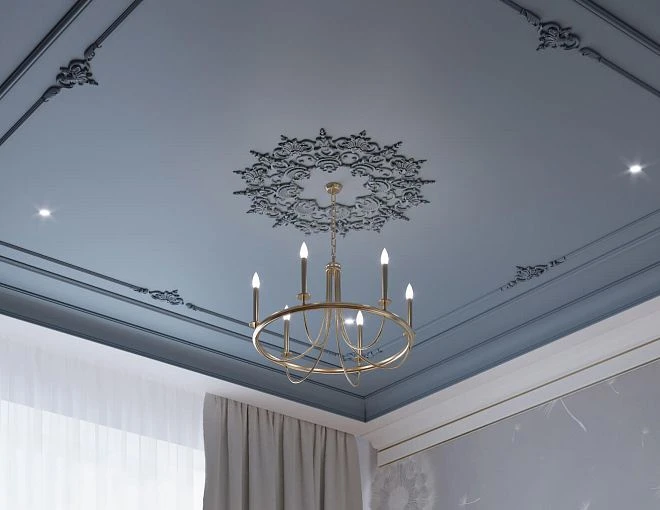
A classic combination with centuries of history. Molding establishes the horizontal and vertical structure of the wall,Polyurethane moldingsadds sculptural details: corner rosettes within frames, medallions in the center of horizontal fields, ornamental strips between tiers.
Together, moldings and stucco create what is called a 'classical wall'—a surface with a full architectural program, where every element knows its place.
Moldings and slatted panels
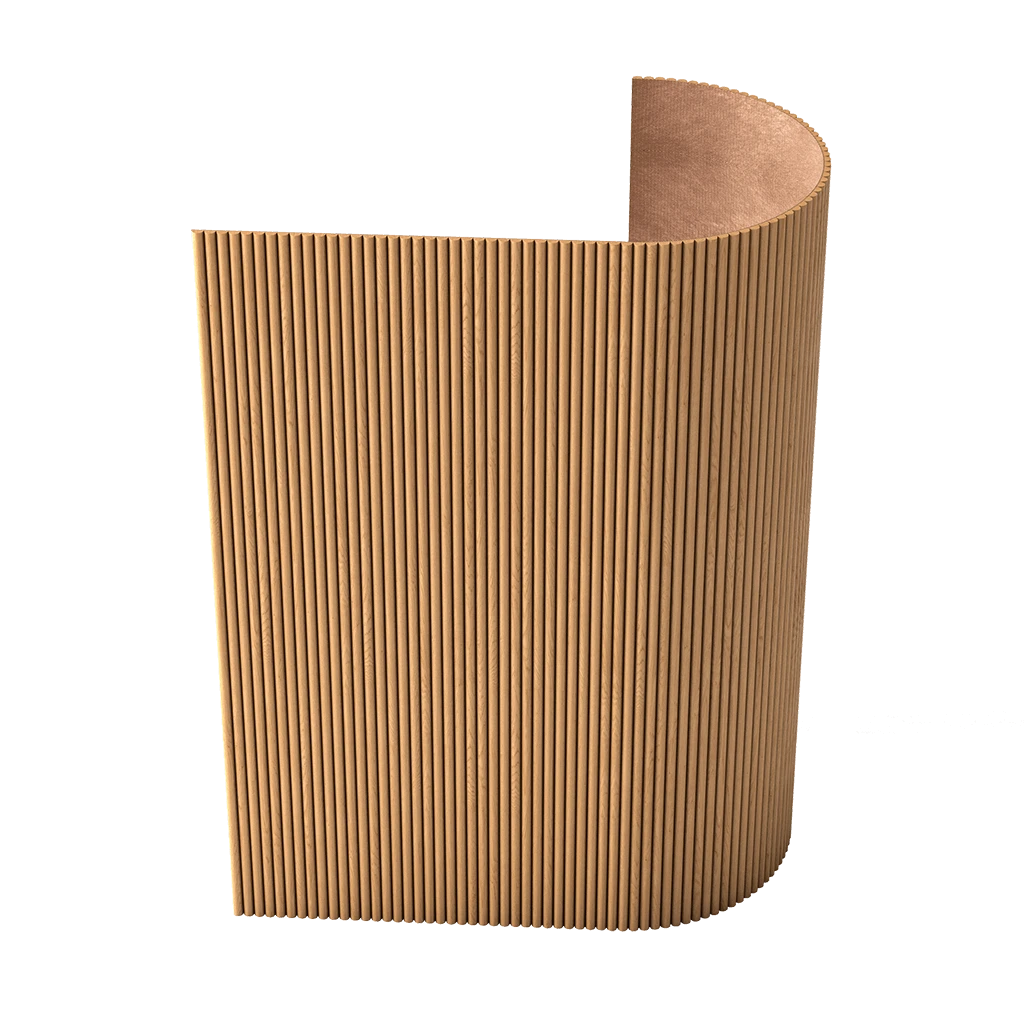
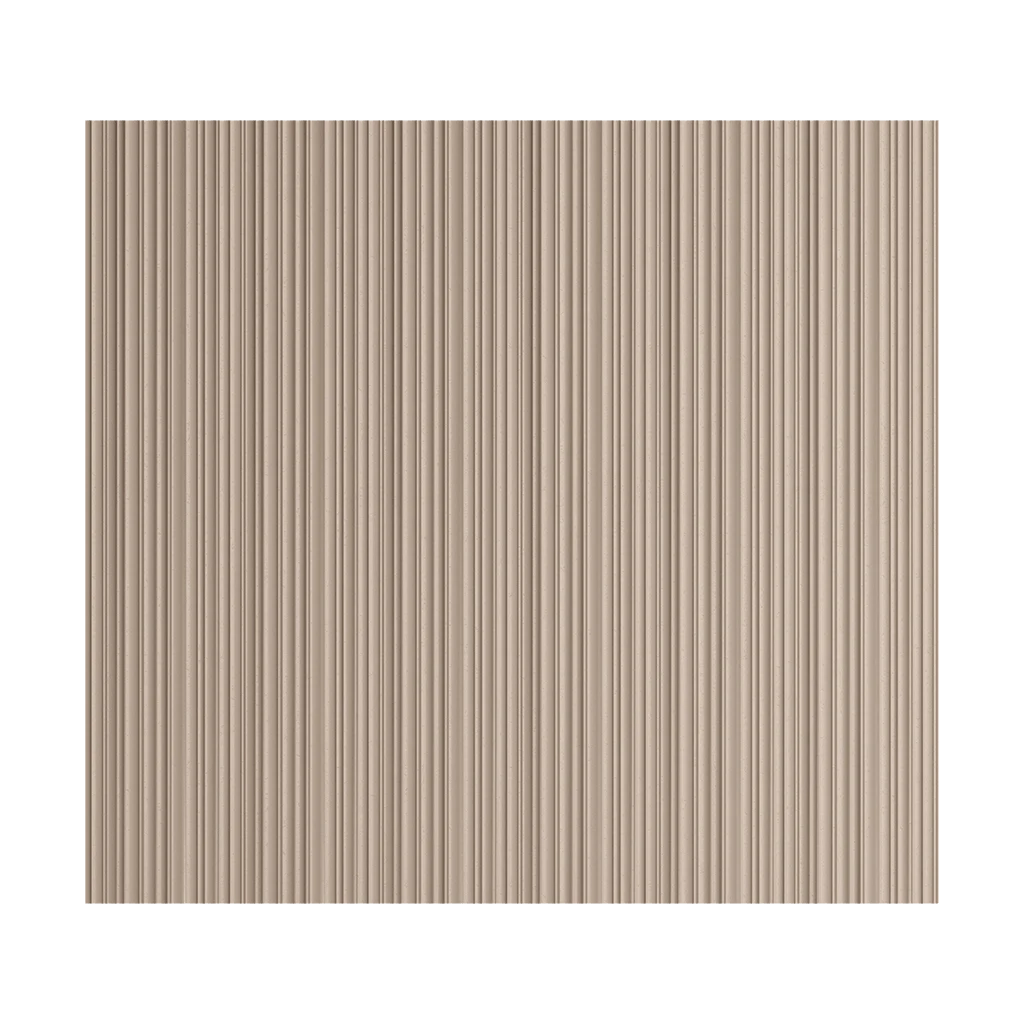
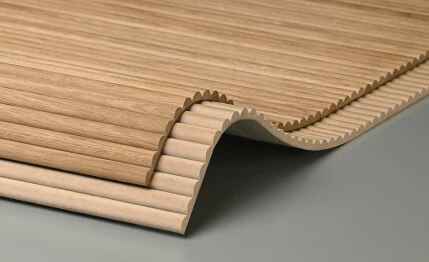
Rafter panels—vertical wooden slats on the lower part of the wall—create a rhythmic texture, warm and lively. Horizontal molding marks the upper edge of the slatted field, fixing the transition to wallpaper, paint, or plaster.
This combination gives the wall three dimensions: the horizontality of the molding, the verticality of the slats, and the depth of different planes. Three levels of perception—and together it reads as a designed surface, not random finishing.
For more details on the application of slat panels, refer to the article about decorative wall panels — it covers materials, formats, and design solutions for different rooms.
Moldings and wall panels
Wooden wall panels on the lower third of the wall with horizontal molding at the top — this is a classic 'panel' scheme. The molding here serves as a finishing element that gives the panel zone a clear upper boundary.
Moldings and Pilasters
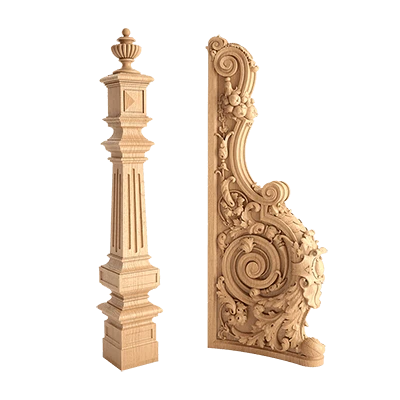
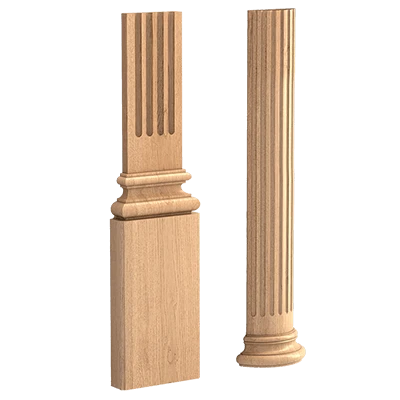
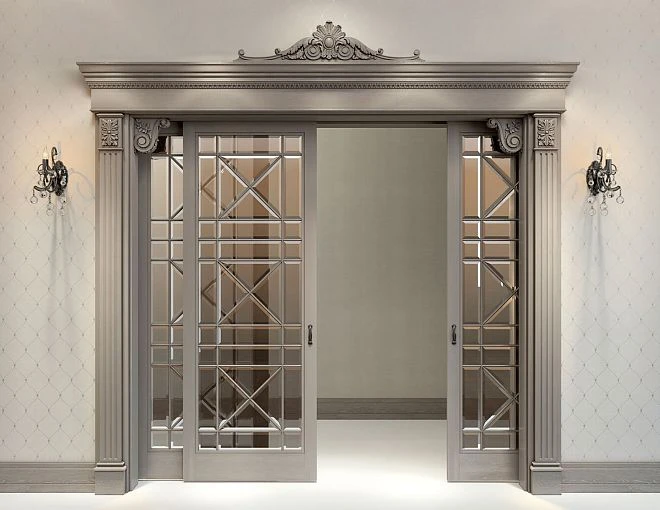
pilasters and columns — these are vertical architectural elements that are embedded into the wall or stand separately. Combined with moldings, they create a full-fledged order system: pilasters set the vertical rhythm, moldings — the horizontal. Together, they transform the wall into architecture.
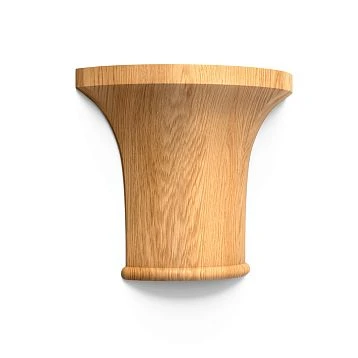
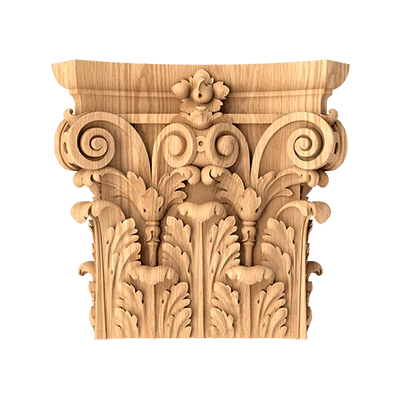
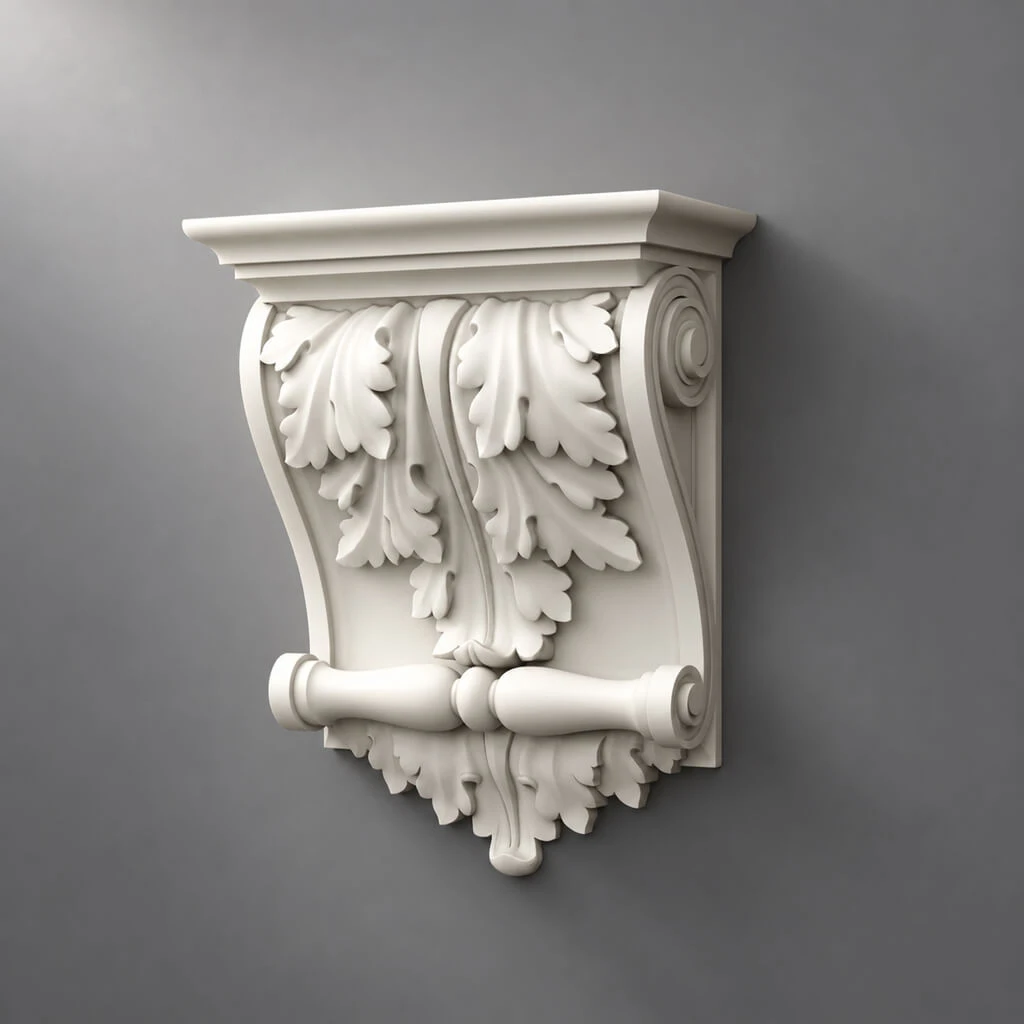
For pilasters, Capitals — decorative finishes that connect the column with the horizontal molding belt. It is the capital that makes the combination organic, complete, and visually convincing.
Moldings and classic furniture
Classic Furniture with framed facades, turned legs, and proper proportions — this is a continuation of the architectural theme of molding. Moldings on the walls and framed details of the furniture create a unified visual language for the space. This is what is called a 'classic interior': not a set of items, but a system.
What to pay attention to when buying molding for decor in St. Petersburg
When you decide to buy molding for decor in St. Petersburg, it is important to evaluate not only the appearance of the profile but also a number of technical and aesthetic parameters that determine the final quality.
The material determines both the visual character and practical properties. Wood provides warmth and naturalness. Polyurethane offers rich classical relief and moisture resistance.
The width and height of the profile should be proportional to the room. For standard apartments with 2.7 m ceilings, the optimal molding width is from 25 to 60 mm. For ceilings from 3 m, profiles up to 100 mm and wider are acceptable.
Profile shape — smooth or relief — is chosen to match the interior style. The rule: the richer the profile shape, the simpler its surroundings should be.
Paintability. Most moldings are supplied primed or 'raw' for painting. Check with the supplier which paint and varnish material works best with a specific profile.
Compatibility with the rest of the decor. Buying molding without considering other interior details is a common mistake. The profile should be compatible with the style of furniture, doors, floor, and ceiling transition.
Availability of matching decor in the same line. This is a crucial point: if you use molding with corner elements and central overlays from one collection — the result will be cohesive. If the decor is assembled 'from here and there' — it will show.
Delivery in St. Petersburg. Profile is a long-length product requiring careful transportation. It's important that the supplier ensures reliable packaging and delivery without deformation.
Additional key queries and where to find what you need in the catalog
Those looking for decorative molding for painting will find it in the section of wooden moldings — most items are supplied for the customer's final painting.
Search for decorative relief molding leads to the sectionmoldings from polyurethanewhere a wide selection of profiles with classic relief for wall and ceiling areas is available.
For those looking for smooth decorative molding for modern classic or neoclassical styles — in the catalogmoldings and decorative profilesboth relief and smooth options made from solid wood are presented.
Search for white decorative molding — either a beech wood profile for white paint or a polyurethane profile. Both options are available in the STAVROS catalog.
Buy decorative wood profile — direct path to the wooden moldings section: oak, beech, various cross-sections and widths.
Buy decorative polyurethane profile — polyurethane stucco section with an extensive selection of classic profiles.
Practice: how to assemble a decorative wall system from scratch
Imagine a living room 4 × 5 m with ceilings 2.8 m high. You want to create an accent wall in a neoclassical style. Here's how it's built:
Step 1. Determine the division scheme. A horizontal molding belt at a height of 100 cm from the floor divides the wall into two tiers. The lower zone is painted in a deep color (dark blue, olive, graphite). The upper zone is light with two symmetrical frames made of moldings.
Step 2. Choose the width of the horizontal band. For ceilings 2.8 m high, a band 40–50 mm wide is suitable. It is noticeable but not overwhelming.
Step 3. Mark the frames in the upper zone. Two symmetrical frames with 15–20 cm indents from the wall edges and a gap between the frames in the center. Inside the frames — wallpaper with a thin pattern or textured plaster.
Step 4. Add decoration to the corners of the frames. Corner elements made ofdecoration for moldings— this is what turns simple frames into classic architectural details.
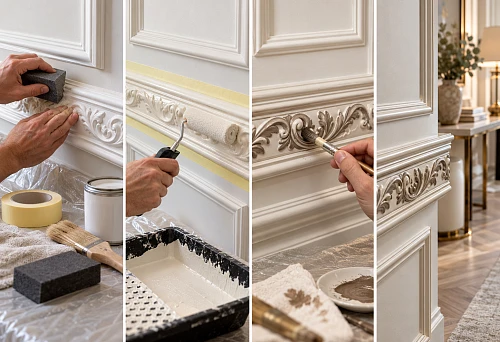
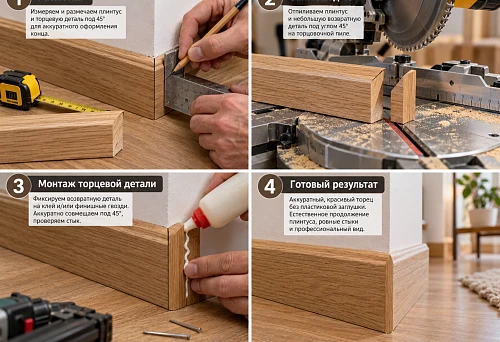
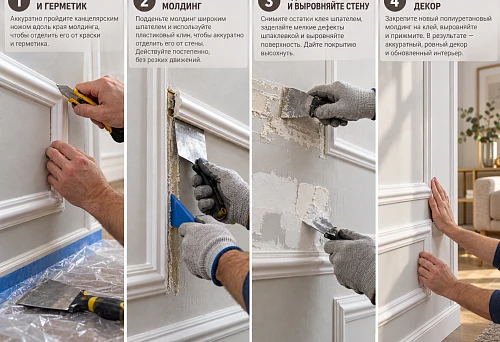
Step 5. Mount and paint. The molding is attached with adhesive and finishing nails. Joints are filled with putty, the surface is sanded. Final painting — a single color or the molding in a contrasting tone.
Result: a professional neoclassical interior, assembled from affordable materials.
Common mistakes when working with decorative moldings
Mistake 1. Disproportionate profile. Too wide molding in a small room is one of the most common mistakes. Always check proportions: the width of the profile should not exceed 1/40 of the ceiling height.
Mistake 2. Inconsistent style. Classic relief molding in a minimalist interior with simple IKEA furniture is a conflict. The molding should match the overall stylistic solution.
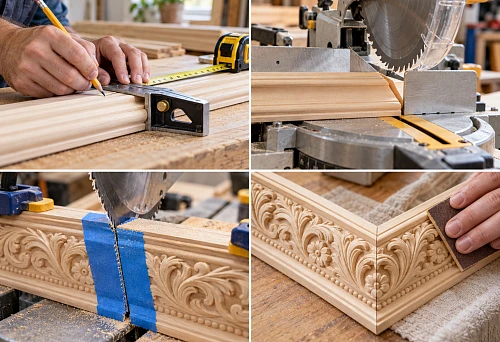
Mistake 3. Poorly executed joints. Molding is cut at 45°. If the angle is cut unevenly — the joint will gape. Putty will hide minor defects, but a bad angle cannot be fixed. The work requires either a quality miter box with a miter saw, or a professional installer.
Mistake 4. Random selection of decorative elements. Corner rosettes, overlays, and moldings from different collections will be visible to the naked eye. Buy everything from one collection — it's a guarantee of a cohesive result.
Mistake 5. Ignoring lighting. Molding is relief, and relief lives by light. If the room only has overhead lighting — the molding will be poorly defined. Side sources, sconces, and built-in lighting reveal the profile's relief to its full potential.
Why STAVROS is the choice for those who value results
STAVROS is a manufacturer of decorative products made from solid wood and polyurethane, with its own production and a wide range for interior design. This is not a middleman or a construction hypermarket — it's a specialized enterprise that does one product well.
What exactly does STAVROS offer for those looking for decorative molding in St. Petersburg:
-
Over 40 models of wooden profiles made from oak and beech — from narrow 15 mm to wide 120 mm. All options are in the catalog.moldings and decorative profiles.
-
Decor for moldings from the same collection.Decor for Molding— corner elements, rosettes, central overlays — are made from the same wood species as the profile. Everything perfectly matches in proportions and texture.
-
Wide selection of polyurethane decor.Polyurethane moldings— cornices, profiles, rosettes, garlands, medallions — for creating rich classical wall compositions.
-
Related categories for a comprehensive interior. Slatted panels, wall panels, pilasters, capitals, classic furniture — all in one catalog, from one manufacturer, with a unified stylistic solution.
-
Delivery in St. Petersburg with proper packaging for long items — without deformation or damage during transportation.
-
Consultation on selection — STAVROS specialists will help you choose a profile for a specific style, ceiling height, and design task.
ChoosingWooden moldingsandDecor for MoldingAt STAVROS, you get not disparate parts, but a ready-made system for a professional result.
FAQ: answers to popular questions about decorative moldings
Where to buy decorative molding in St. Petersburg?
You can buy decorative molding in St. Petersburg in the STAVROS catalog — wooden profiles made of oak and beech, polyurethane decor, corner elements, and overlays. Go to the catalog:Moldings and decorative profiles.
Which moldings are best for decorative finishing?
It depends on the task: for classic and neoclassical interiors — a wide relief profile made of wood or polyurethane. For modern — a smooth narrow one. For an accent wall — a medium-width relief profile with decorative corner elements.
What is better: wood or polyurethane?
Wood — for warm interiors with natural materials, wooden furniture, and parquet. Polyurethane — for complex classical forms, white and light compositions, and rooms with variable humidity. Both materials deliver excellent results when applied correctly.
Can moldings be used in a modern interior?
Yes, and very effectively. A narrow, smooth profile in a modern interior serves the same function as in a classic one—it structures the wall, highlights zones, and adds depth. The profile shape should simply be restrained: without cornices, without scotias, without ornaments.
Which moldings are suitable for the living room and bedroom?
For the living room—wide relief or smooth profiles, frame systems, horizontal belts. For the bedroom—narrow or medium-width smooth molding, an accent wall behind the headboard with delicate frames. More details—in the catalog of wooden moldings.
What to combine decorative moldings with?
The situation is similar withwith polyurethane moldings—for rich classic compositions. With plank panels—for multi-layered modern walls. With pilasters and columns—for architecturally structured classic interiors. With classic furniture—for creating a unified stylistic environment.
Is a specialist needed for molding installation?
Simple frame systems can be installed independently — if you have experience working with a saw, glue, and putty. Complex classical systems with moldings, pilasters, and cornices are better entrusted to a professional. An uneven joint on molding is more noticeable than on any other finishing element.
Decorative molding is a tool that, when applied skillfully, fundamentally transforms an interior. Not more expensive in terms of budget, but more substantial in terms of visual language. STAVROS offers a complete arsenal for this task:Wooden moldings, Moldings and decorative profiles, Decor for Moldingandpolyurethane molding— everything needed for a space with character.