






































Article Contents:
- What Role Does a Skirting Board Actually Play in Interior Design
- How to Choose a Skirting Board by Interior Style
- Skirting Board for Classic Interior
- Baseboard for a modern interior
- Skirting Board for Neoclassical Style
- Skirting Board for Minimalism, Scandinavian, and Light Interiors
- Skirting Board for Interior with Slatted Panels
- How to Choose Skirting Board Material for Interior
- Wooden Skirting Board for Interior
- MDF Skirting Board for Interior
- Solid Wood Skirting Board for Interior
- When you need not only floor but also ceiling molding
- How to choose baseboard by color and finish
- White baseboard for interior
- Wooden baseboard in natural shade
- Skirting for painting
- Dark baseboard in interior
- How to choose baseboard height and shape
- Height dependency on ceilings
- Profile shape
- How to choose baseboard for a specific room
- Baseboard for living room interior
- Baseboard for bedroom interior
- Baseboard for hallway and corridor
- Kitchen skirting board
- Baseboard for apartment and house in general
- What to pair skirting boards with in interior design
- Skirting boards and moldings
- Baseboard and molding
- Skirting boards and slatted panels
- Skirting boards and architraves
- Baseboard and furniture with wooden decor
- Where to buy baseboard for interior in Moscow
- How to choose baseboard by height: practical table
- Common mistakes when choosing baseboard
- FAQ: frequently asked questions about choosing baseboard for interior
- About the Company STAVROS

Baseboard in interior is not a consumable material chosen at the last moment. It is an architectural detail that either unites the space into a single statement or quietly destroys everything the designer has been building for months. Moscow residents today understand this perfectly:skirting board catalogincreasingly, they browse not by the principle of 'the cheapest', but with the question 'what will fit my style more precisely'.
That's why bland white plastic has been replaced bySolid wood skirting boardsoak and beech, wide profiles for neoclassical style, minimalist MDF solutions for painting to match the wall color, and much more. In this article, we'll break down exactly how to choose baseboards for the interior of an apartment or house in Moscow so that they work — aesthetically, functionally, and commercially sound.
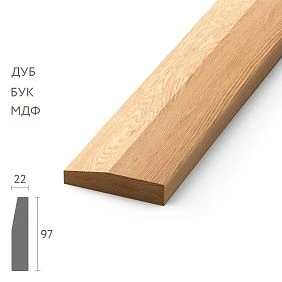
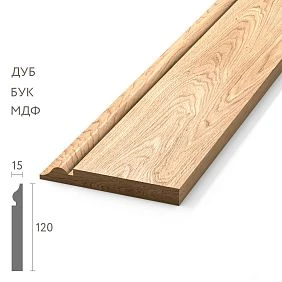
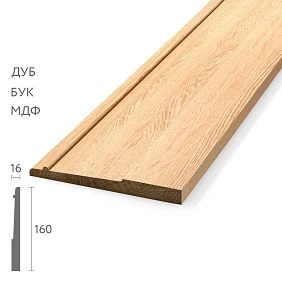
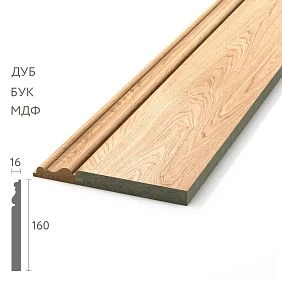
What role does a baseboard actually play in an interior
In short — a baseboard covers the gap between the floor and the wall. Honestly — it supports the visual 'plinth' of the entire room. Imagine a beautifully furnished living room with expensive parquet, whitewashed walls, and elegant doors — and a thin plastic baseboard in the corner that bends and discolors unevenly. The entire impression falls apart.
A baseboard for an interior performs several tasks at once:
-
Visually completes the room — creates a horizontal line that structures the space, separates the floor from the wall with the precision of an architectural accent.
-
Connects the floor, walls, doors, and furniture — a properly chosen decorative baseboard for the interior matches the color of the doors, echoes the door frames, and rhymes with the moldings.
-
Emphasizes the style — in classic interiors, it's tall and profiled; in minimalism — strict and almost invisible; in neoclassicism — restrainedly decorative.
-
Works as an accent or background — a dark profile on a light floor attracts attention, a profile matching the wall color blends in and visually raises the ceiling.
A floor baseboard for an interior is the horizontal rhythm of a room. When it's right — it goes unnoticed. When it's wrong — it's noticed immediately.


How to choose a skirting board based on interior style
Style is the first and main criterion when choosing. Before thinking about material and size, you need to answer the question: what atmosphere does your space create?
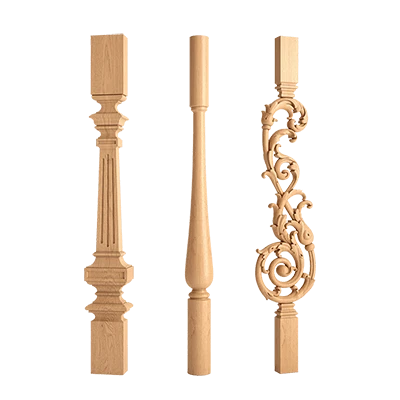
Our factory also produces:
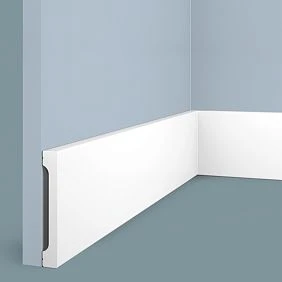
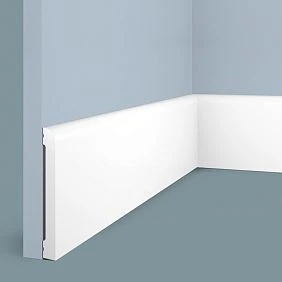
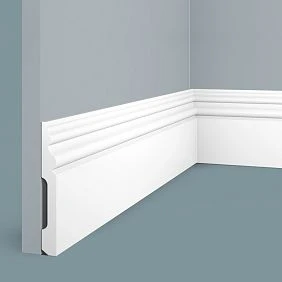
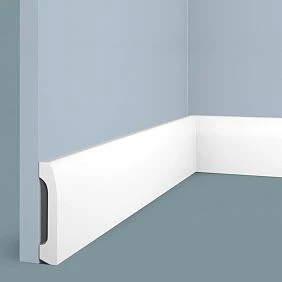


Baseboard for a classic interior
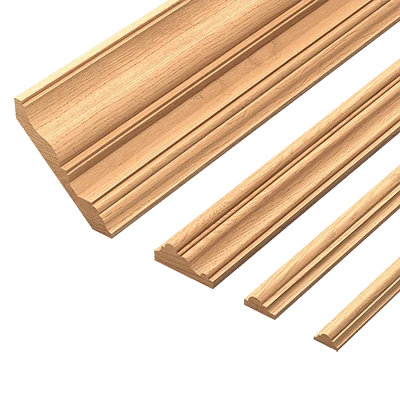
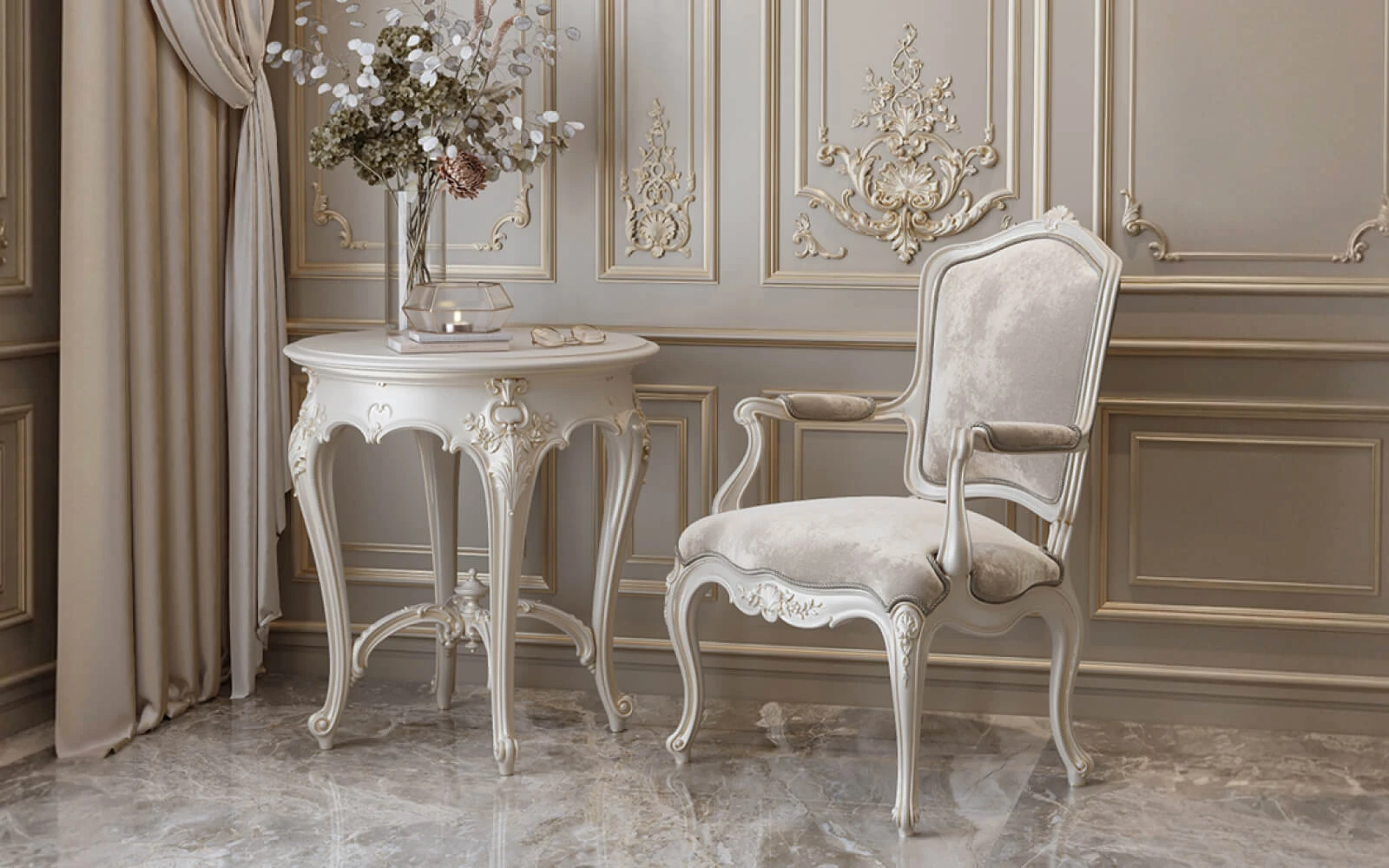
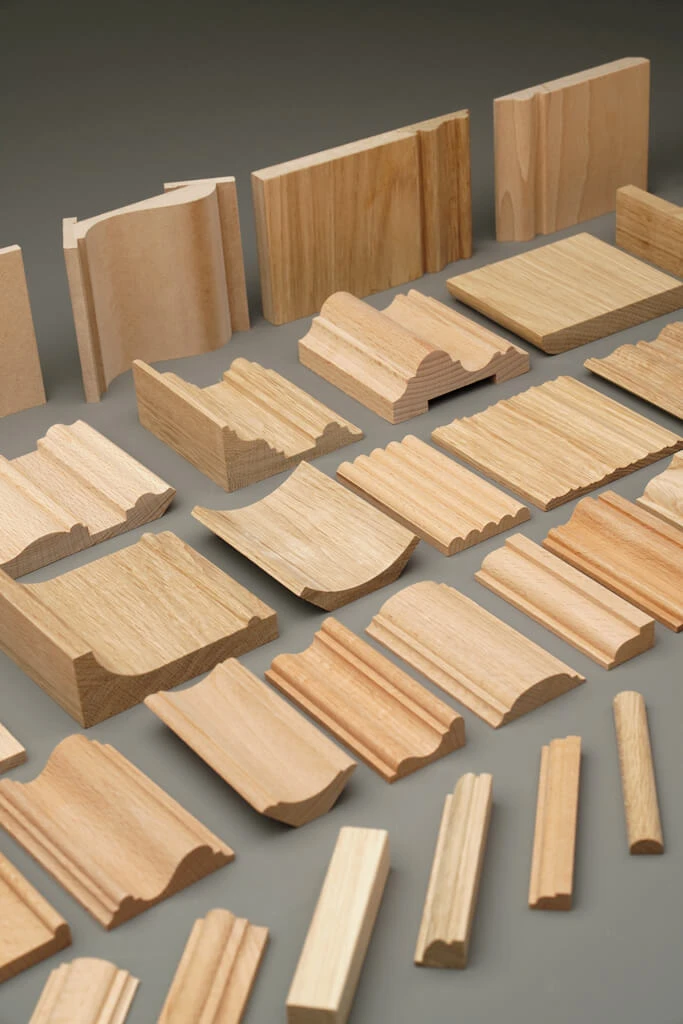
Classic requires expressiveness. High profiles work here — from 100 mm and above — with soft or S-shaped coves. Material: wood, solid wood, oak. Nothing else provides the density of texture and warmth that a classic interior demands.
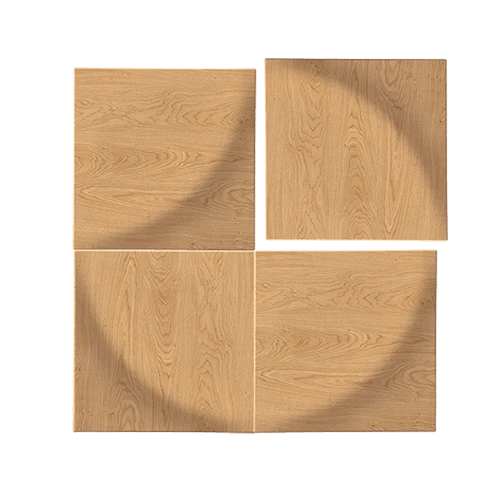
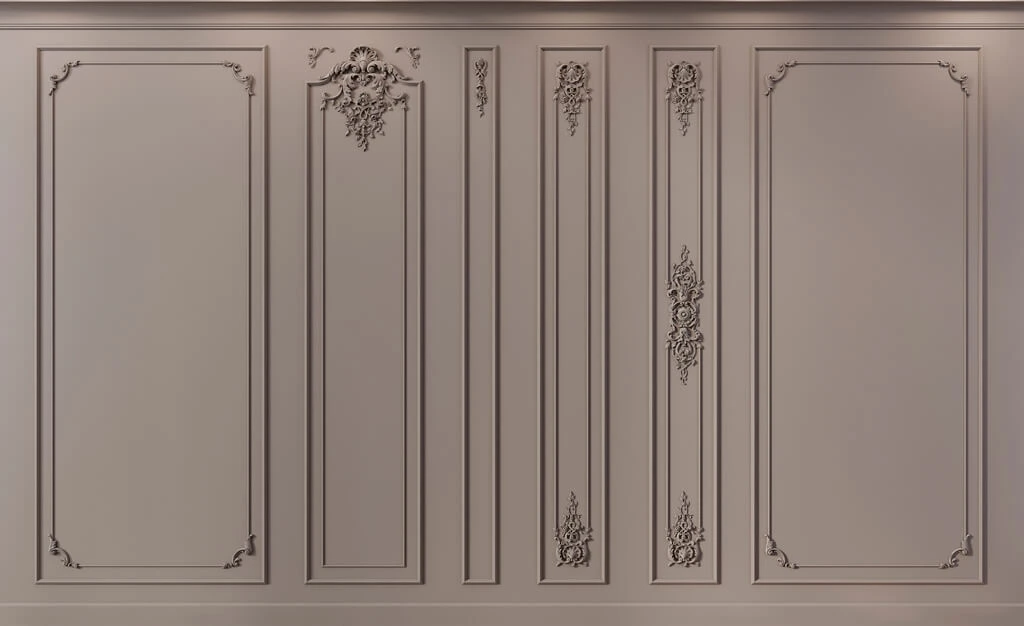
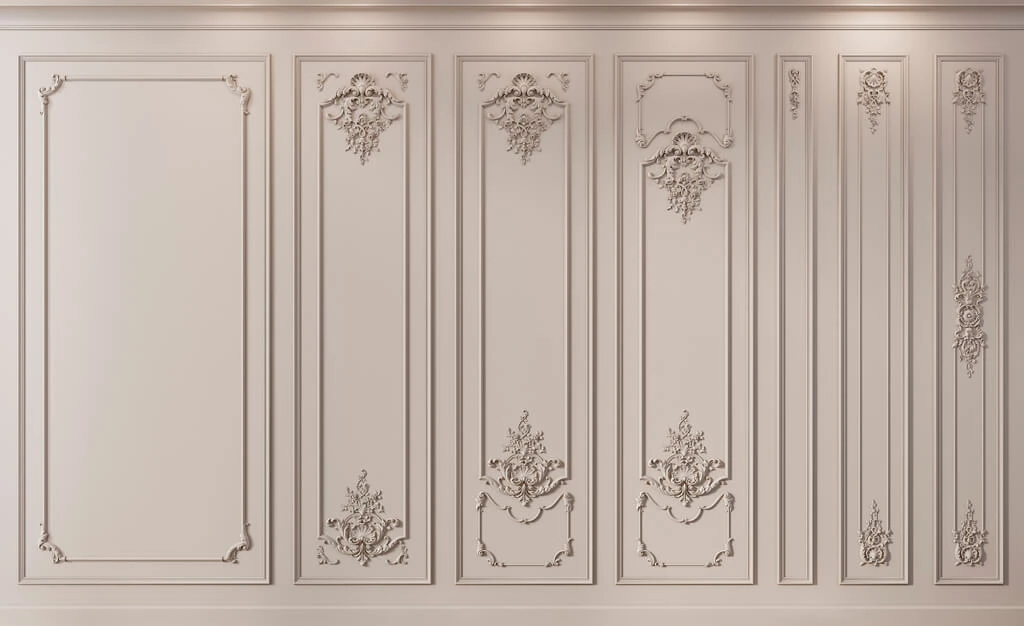
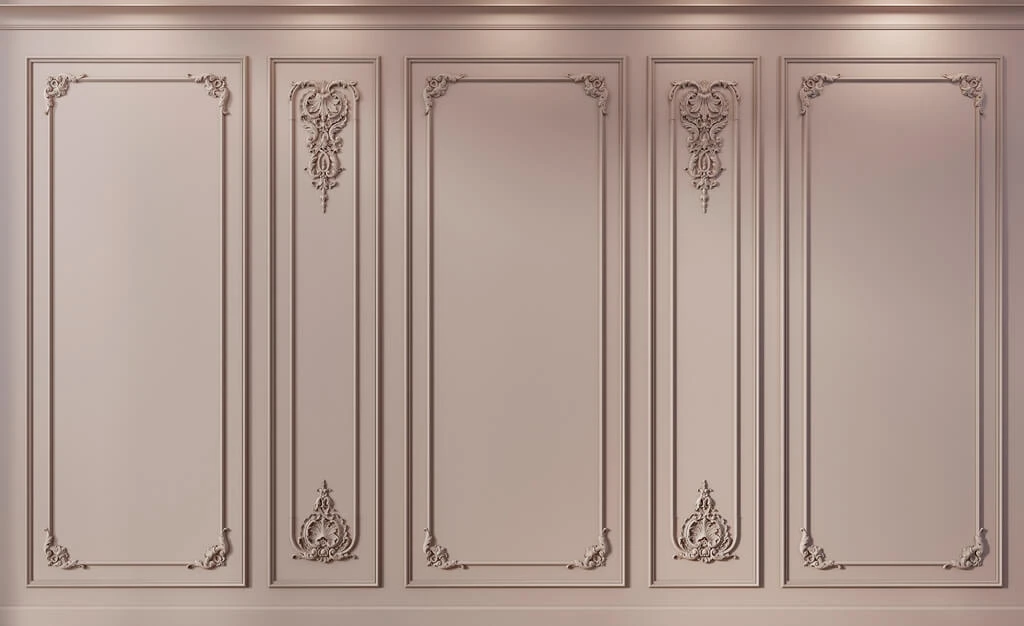
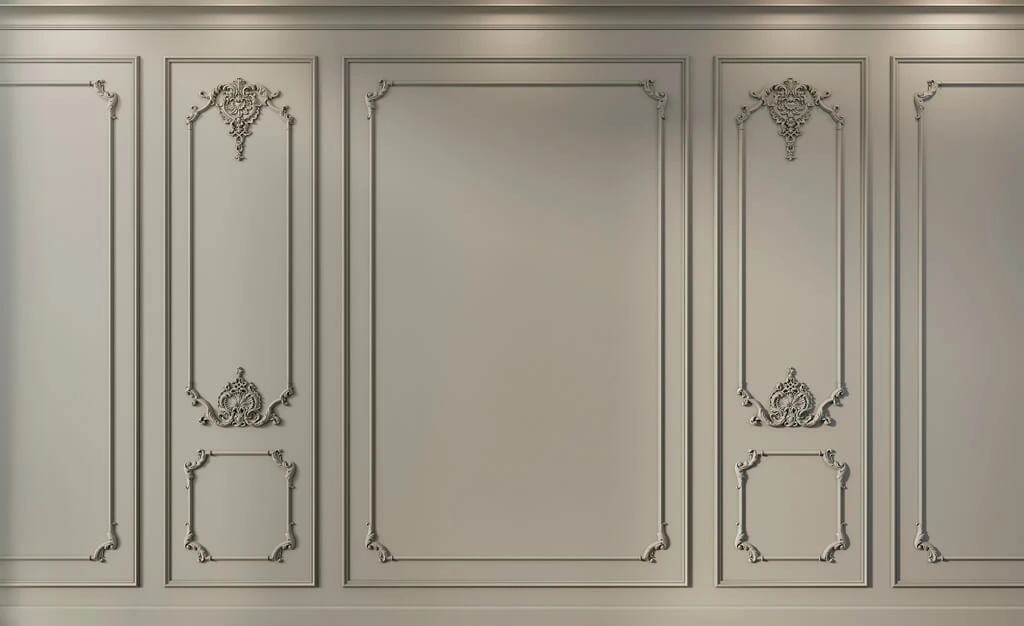
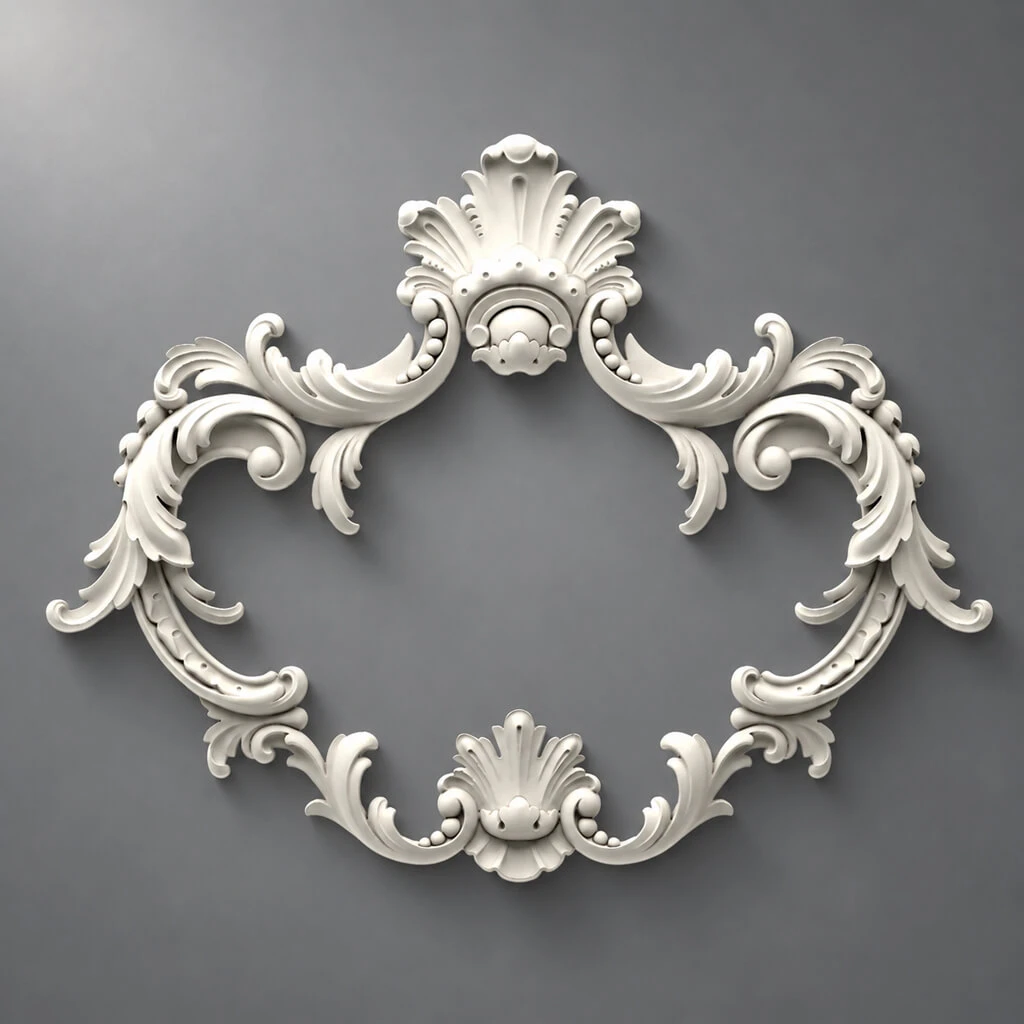
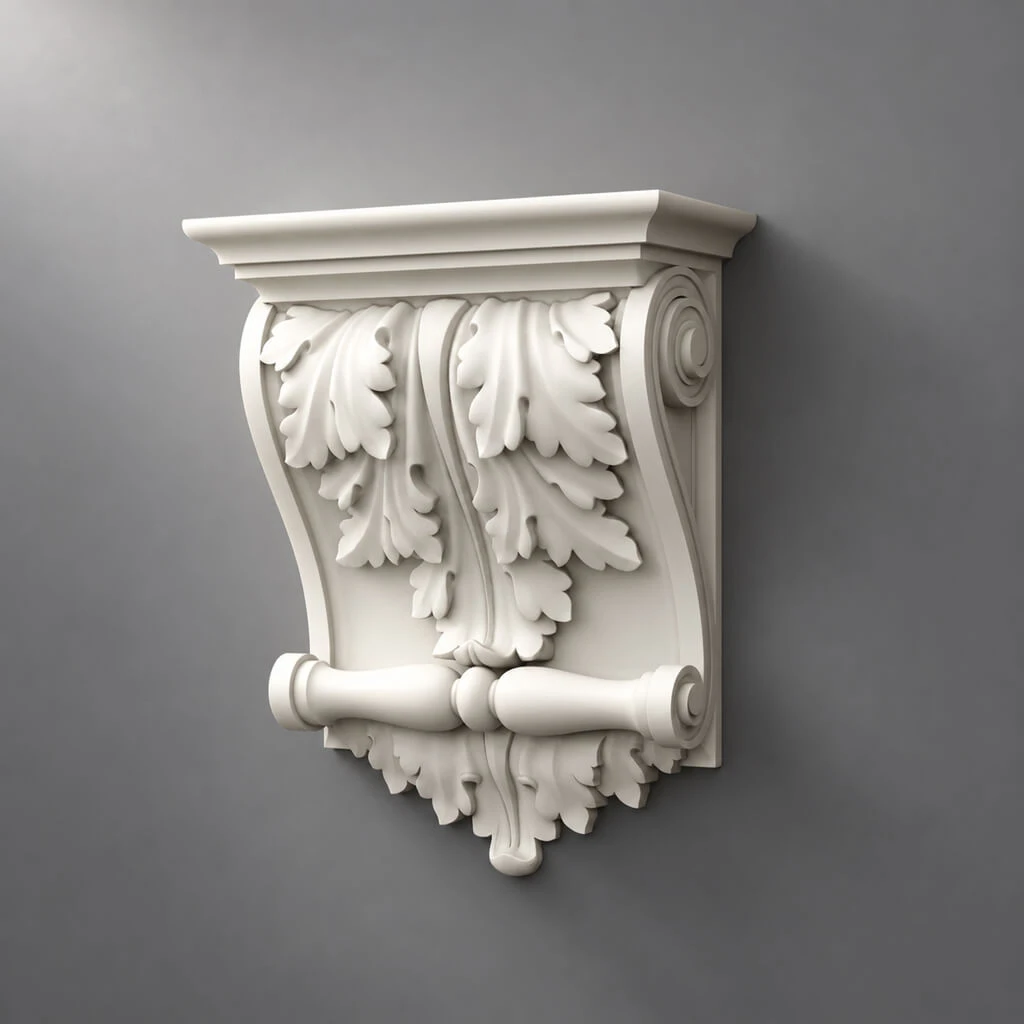
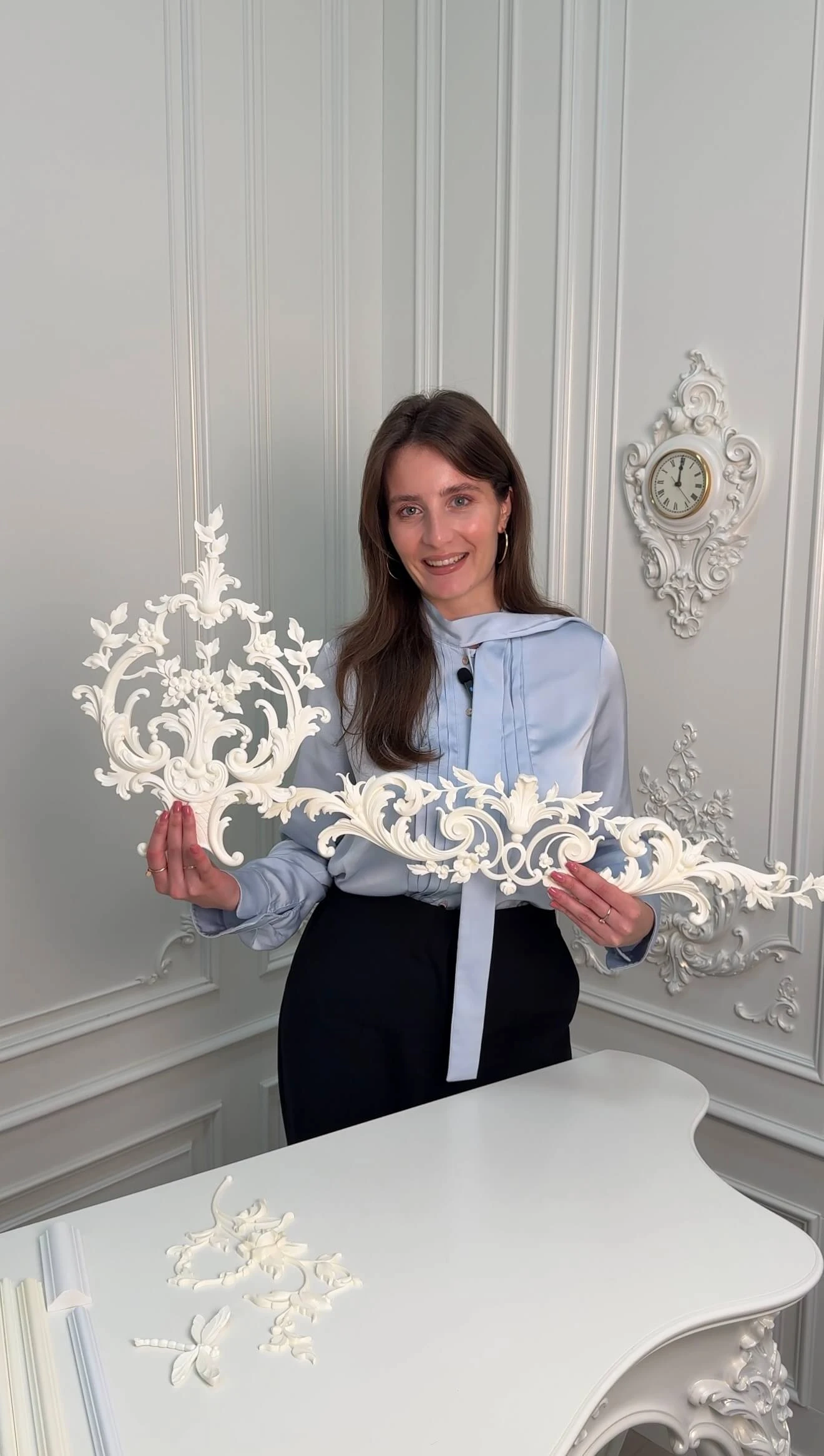
A baseboard for a classic interior should match the door casings, door frames, and, if possible, also withinterior molding. If there are already moldings on the walls, if the ceiling is decorated with a cornice — the baseboard must support this architectural logic. A break in any of the elements disrupts the stylistic unity. Here, aSculptural wall decorationandceiling wooden skirtingis also appropriate, which completes the picture from above.
Get Consultation
Skirting board for a modern interior
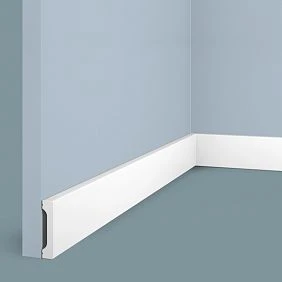
A modern interior is about clarity, minimal decor, maximum functionality. The profile is straight, without figured elements. Height is moderate: 60–80 mm. Material is MDF for painting or wood with a smooth finish.
A white baseboard in a modern interior is a classic of the genre: it doesn't argue with the space, doesn't draw the eye downward. At the same time, it maintains that very horizontal line, without which the room looks unfinished. If the room already hasslatted panels for walls, the baseboard should be stylistically in the same system with them: the same materials, the same logic of lines.
Skirting board for neoclassicism
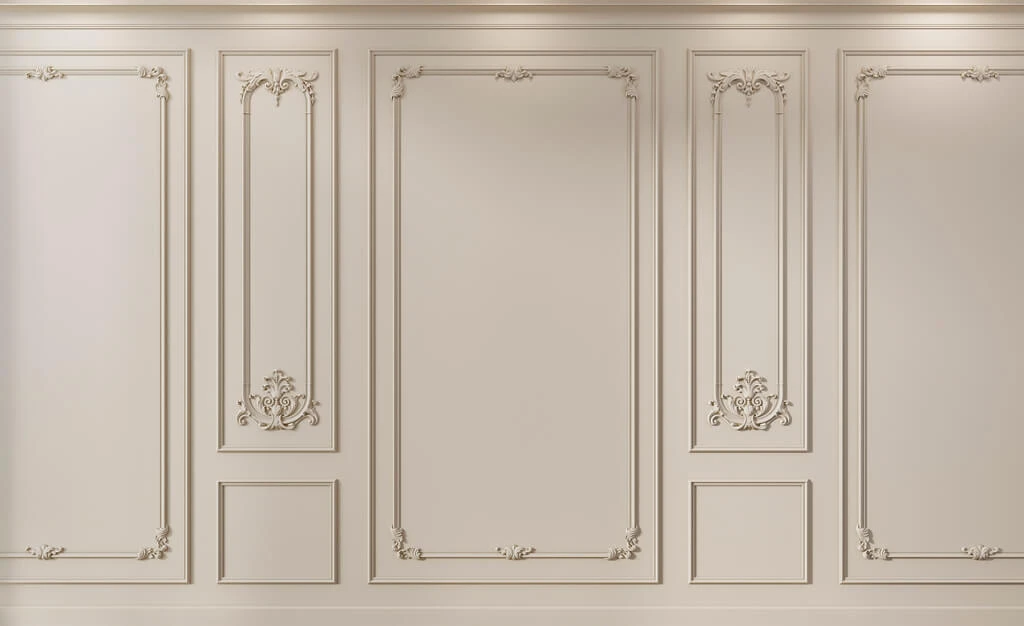
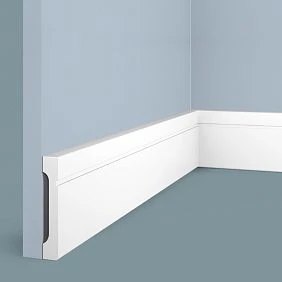
Neoclassicism is about balance. Not the opulence of Baroque, but not the austerity of minimalism either. A profile with moderate decor—one or two bevels, a slight relief. Height: 80–100 mm. Material: wood or high-quality paintable MDF, subsequently painted to match the wall color or in classic white.
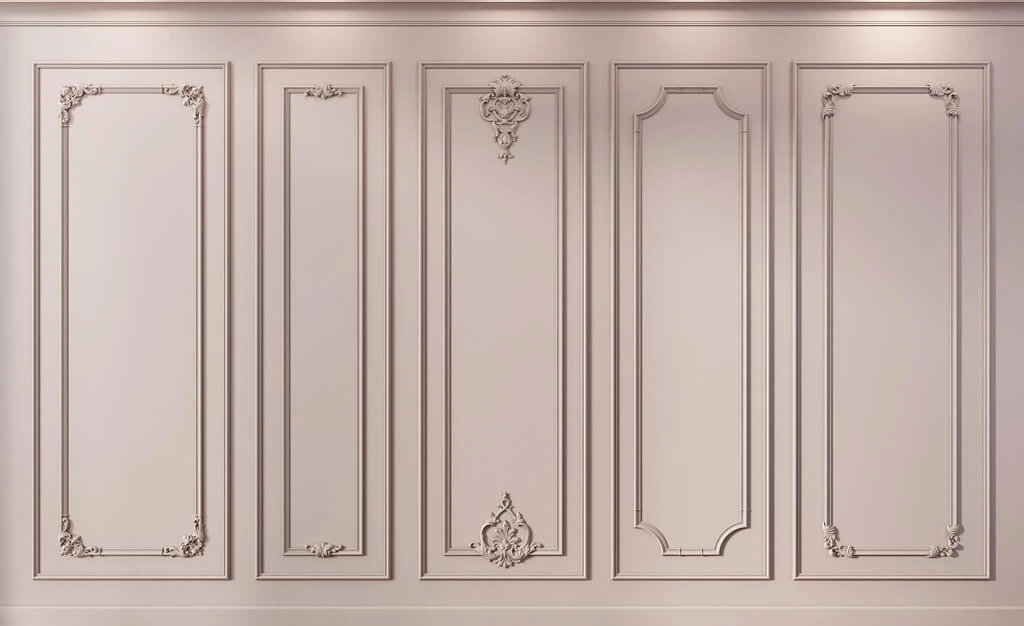
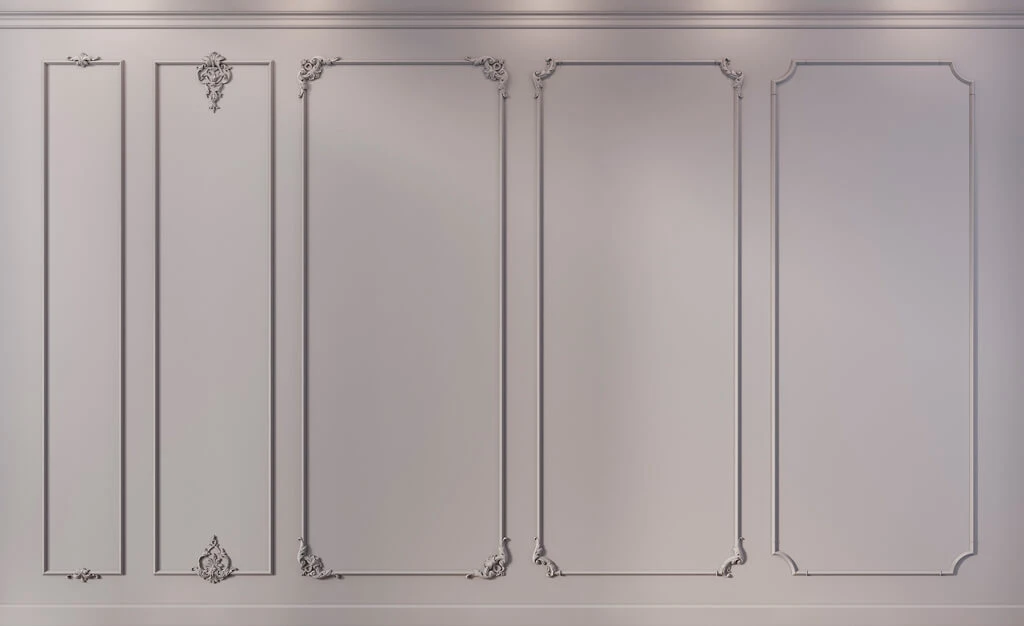
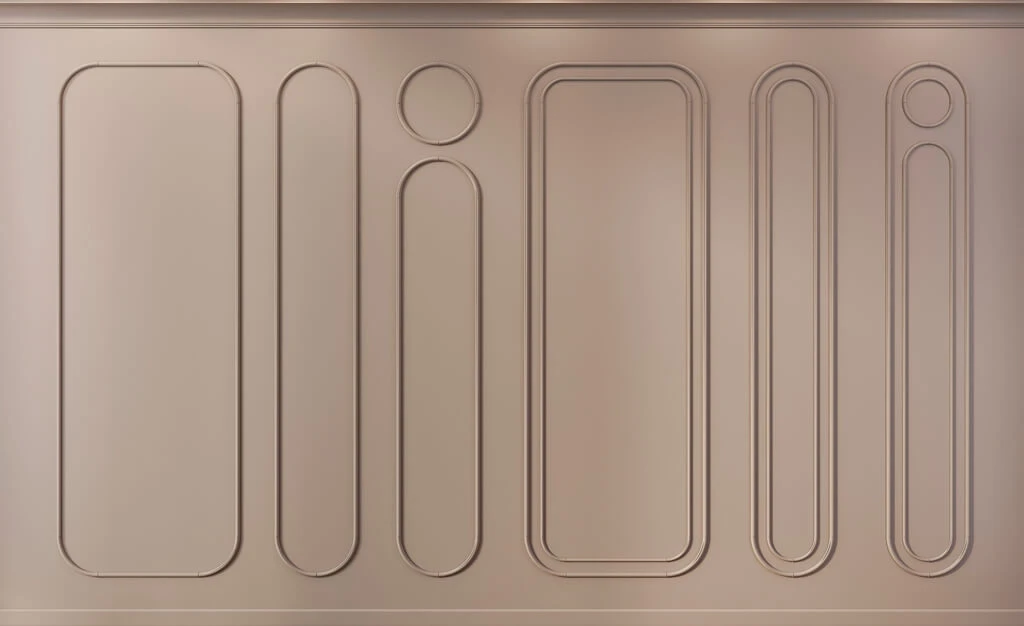
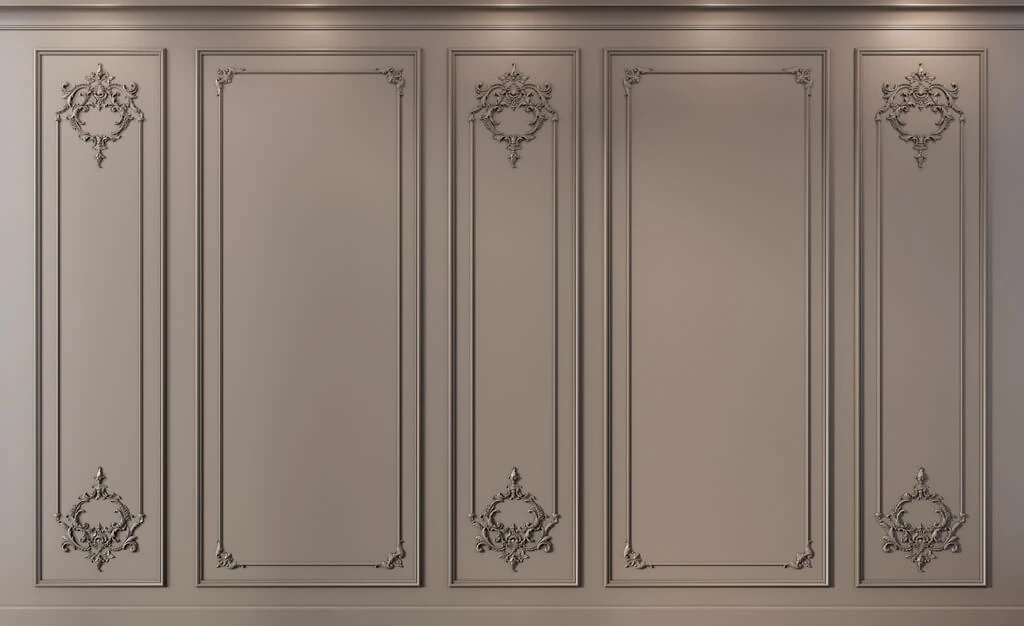
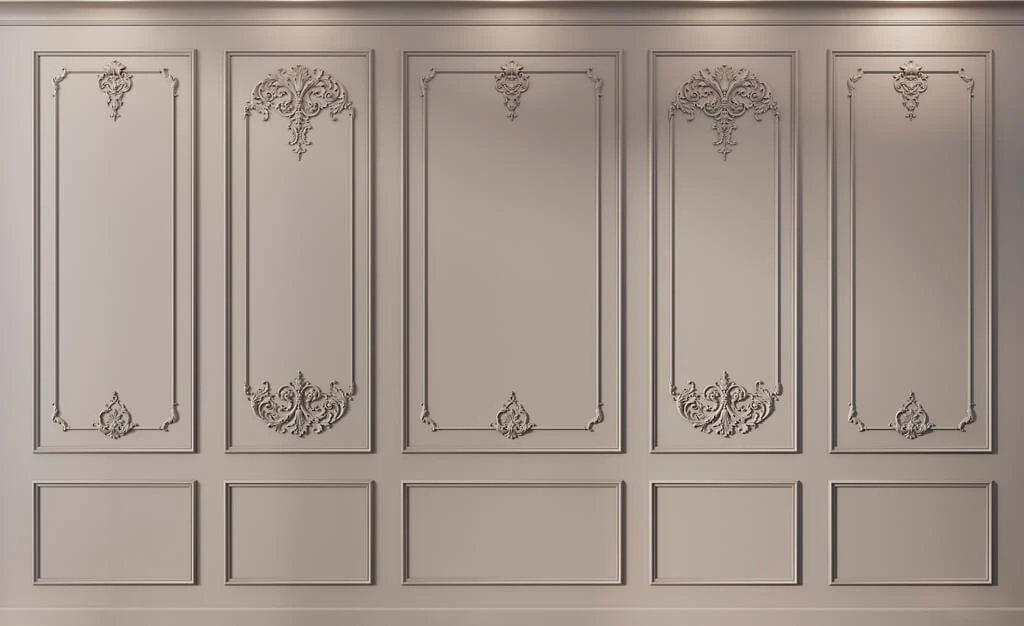
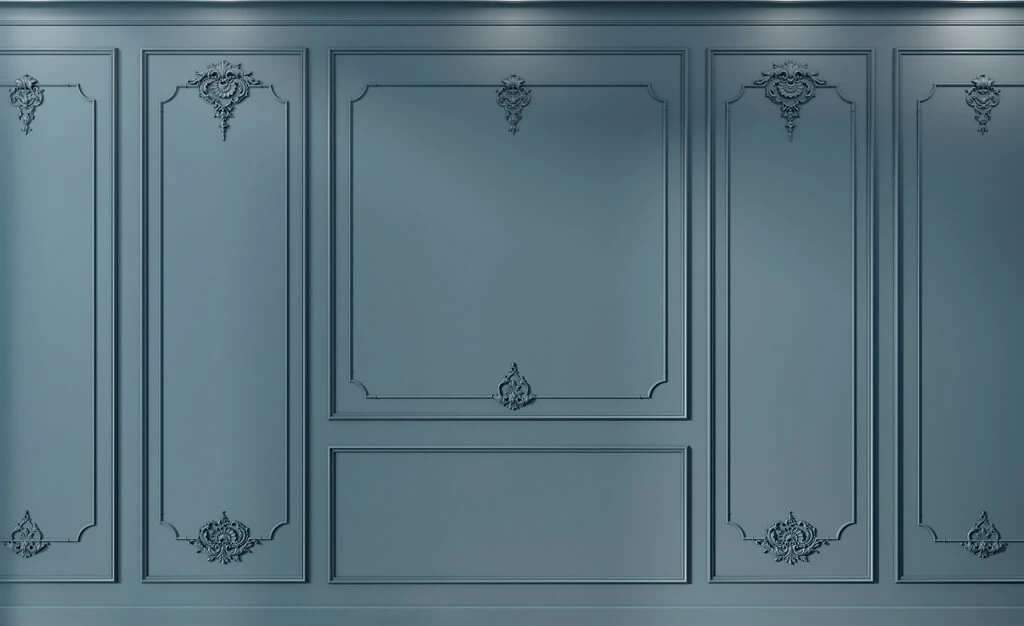
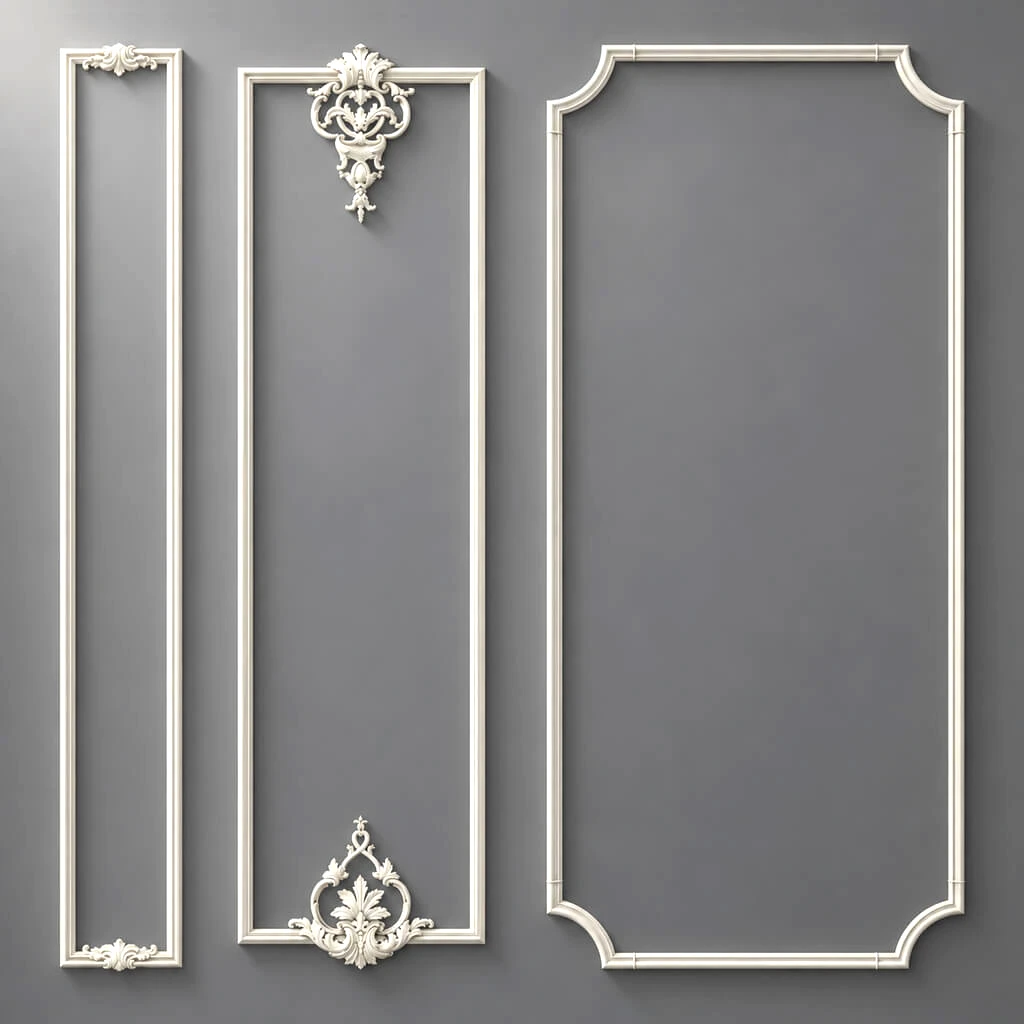
In neoclassicism, the baseboard works perfectly in tandem with interior moldings— together they create a system of horizontals: the baseboard at the bottom, the molding panel in the middle, the cornice at the top. It is precisely this three-level structure that makes neoclassicism recognizable.
Baseboard for minimalism, Scandinavian, and light interiors
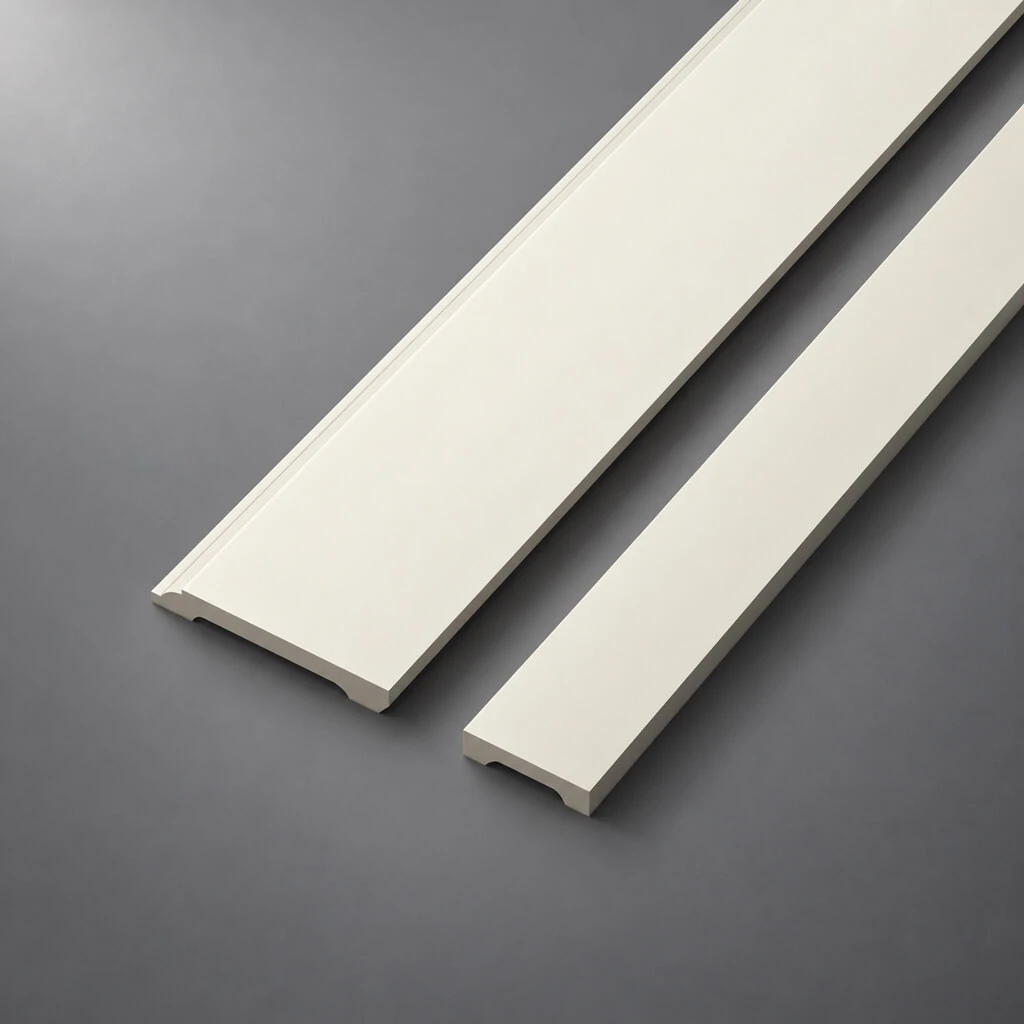
In a minimalist interior, the baseboard is maximally neutral. Narrow (60 mm), straight, without relief. White or matching the wall color. Paintable MDF is the ideal option: it provides perfectly even geometry, paints beautifully, and has no texture that might unnecessarily draw attention.
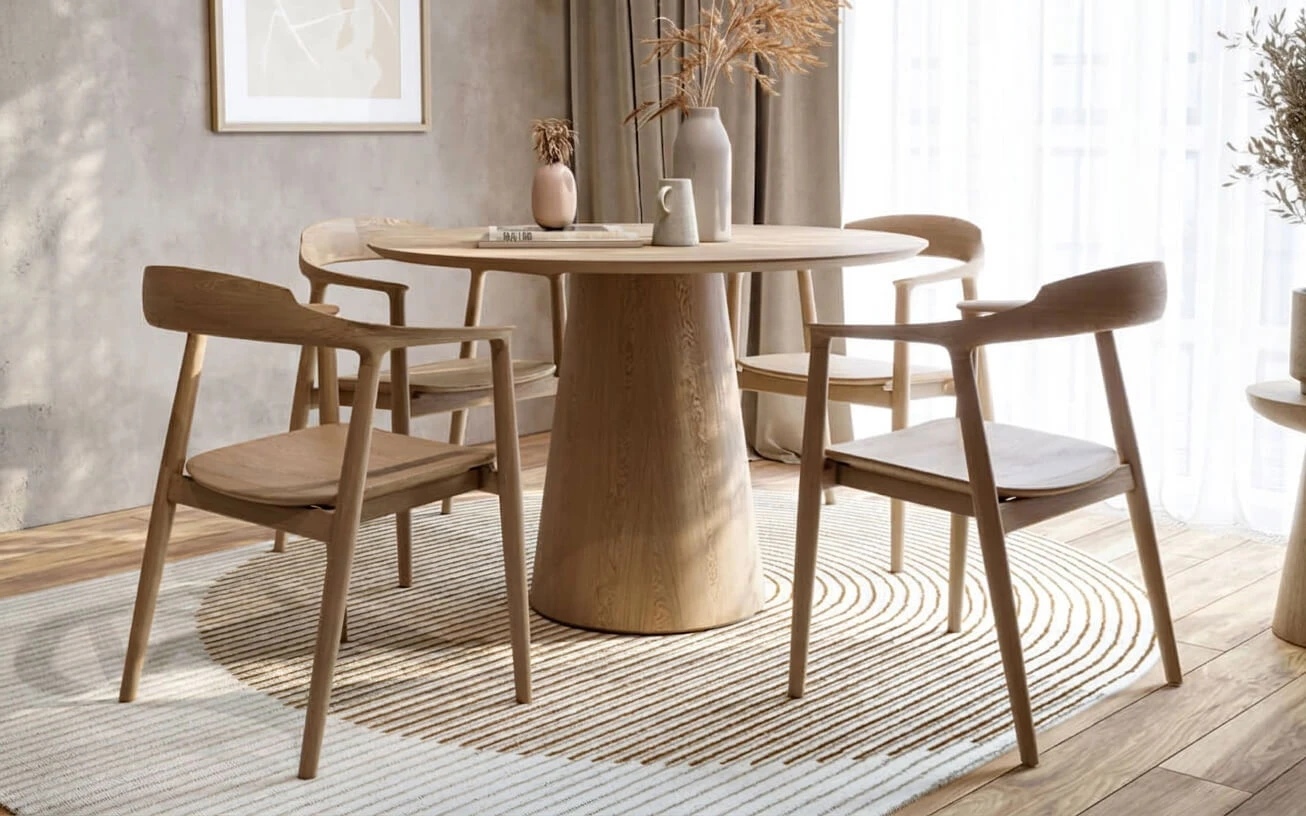
Scandinavian style allows for a bit more naturalness: light wood, a slight shade of whitewashed oak. A beech baseboard with an oil finish looks organic and adds tactile warmth to a restrained yet cozy space.
Baseboard for interiors with slatted panels
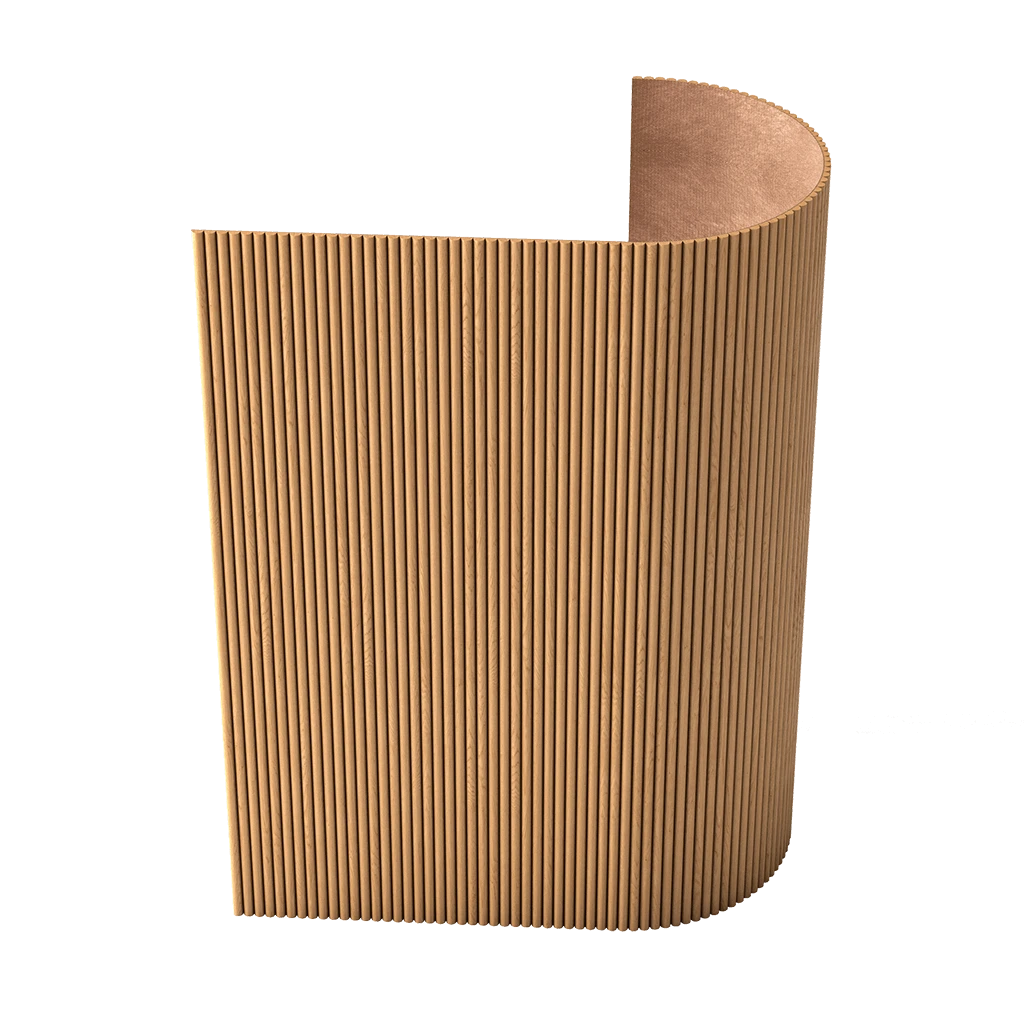
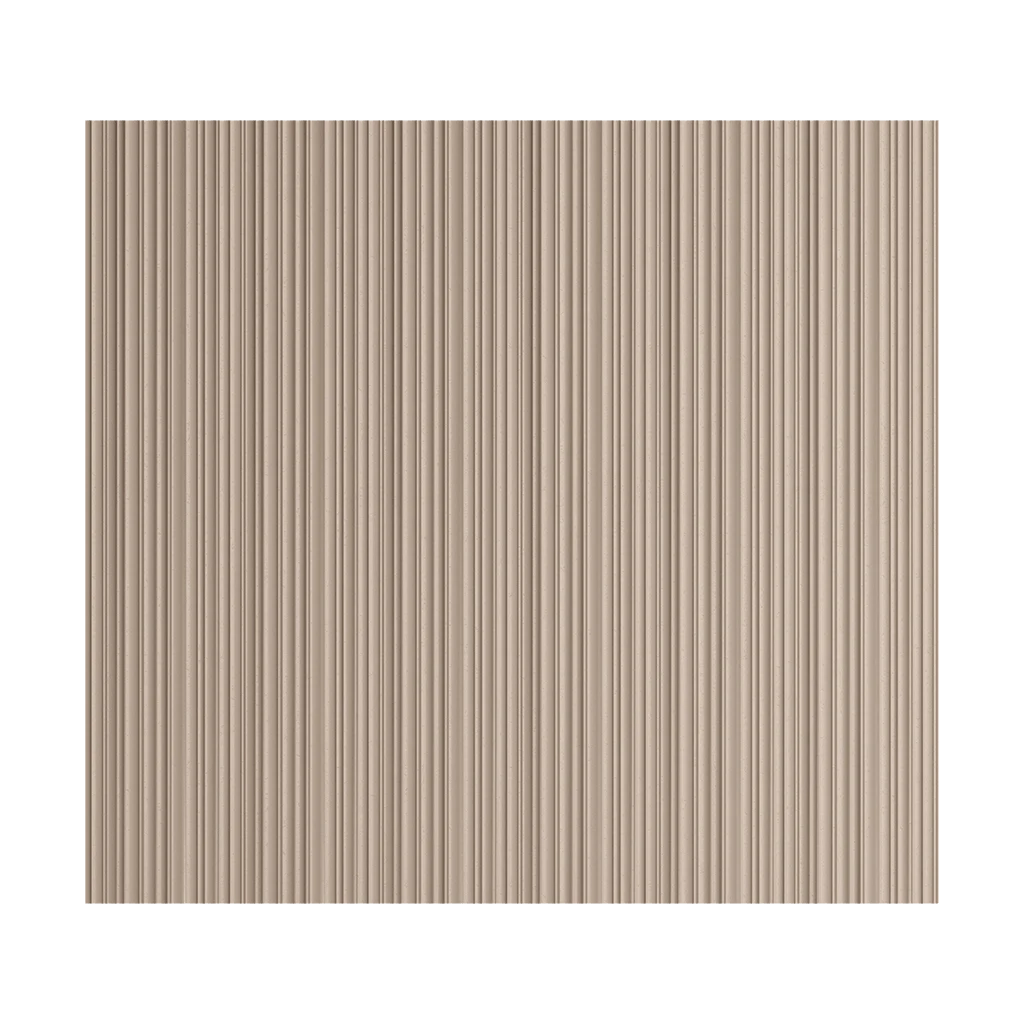
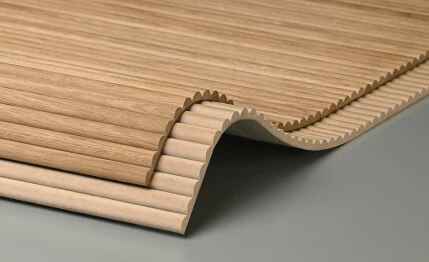
This is a separate and very relevant story. Slatted panels in interior designcreate a vertical rhythm—and the baseboard must either support or balance this rhythm.
When the slats are wooden, the baseboard is also wooden, made from the same species or a similar shade. When the slats are painted white, the baseboard is white, smooth, without excessive decor. The key principle: do not overload the space. Pronounced texture of slats + ornate baseboard = visual chaos. Slats + minimalist baseboard = harmony.
How to choose baseboard material for interior
Material is not just about aesthetics. It's about durability, feel, cost of ownership, and how well the baseboard maintains its appearance after five to ten years.
Wooden baseboard for interior
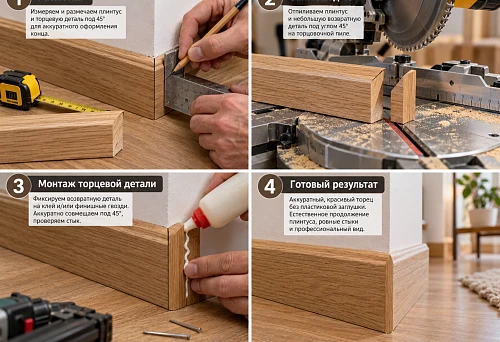
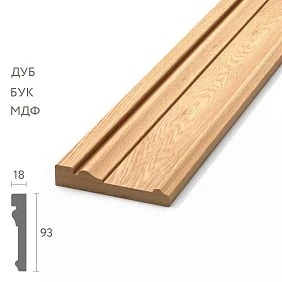
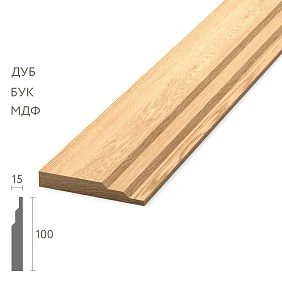
with a classic profile creates a sense of solidity, reliability.— it's natural texture, tactile warmth, nobility. Oak provides an expressive pattern with characteristic annual rings — it's a material for spaces where status is important. Beech is more uniform, more neutral, and perfect for tinting and painting.
Wooden baseboard for interior looks best in classic, neoclassical, and warm natural spaces. It pairs well with wooden doors, parquet, slats, and solid wood furniture. Service life with proper care is 30–50 years with the possibility of multiple restorations.
MDF baseboard for interior
Baseboard MDF— the choice for modern interiors. Stable geometry, perfect surface, excellent paint adhesion. MDF baseboard for painting allows for an exact match to the color of walls, doors, furniture — which is critical for projects with precise color solutions.
An important plus: MDF has no internal stresses, does not warp, does not crack. It can be bought white and painted in any RAL color — this is especially relevant for Moscow apartments with designer finishes, where walls are painted in non-standard shades.
Solid wood baseboard for interior
Solid wood skirting board is for when you need a premium interior effect without compromise. Oak or beech profile made from selected raw materials, having undergone special chamber drying to 8–10% moisture content, remains stable for decades.
Solid skirting board organically combines with veneered doors, oak parquet, wooden slats, and moldings. You can view the range of solid wood skirting boards in the section Solid Wood Items.
When you need not only a floor but also a ceiling profile
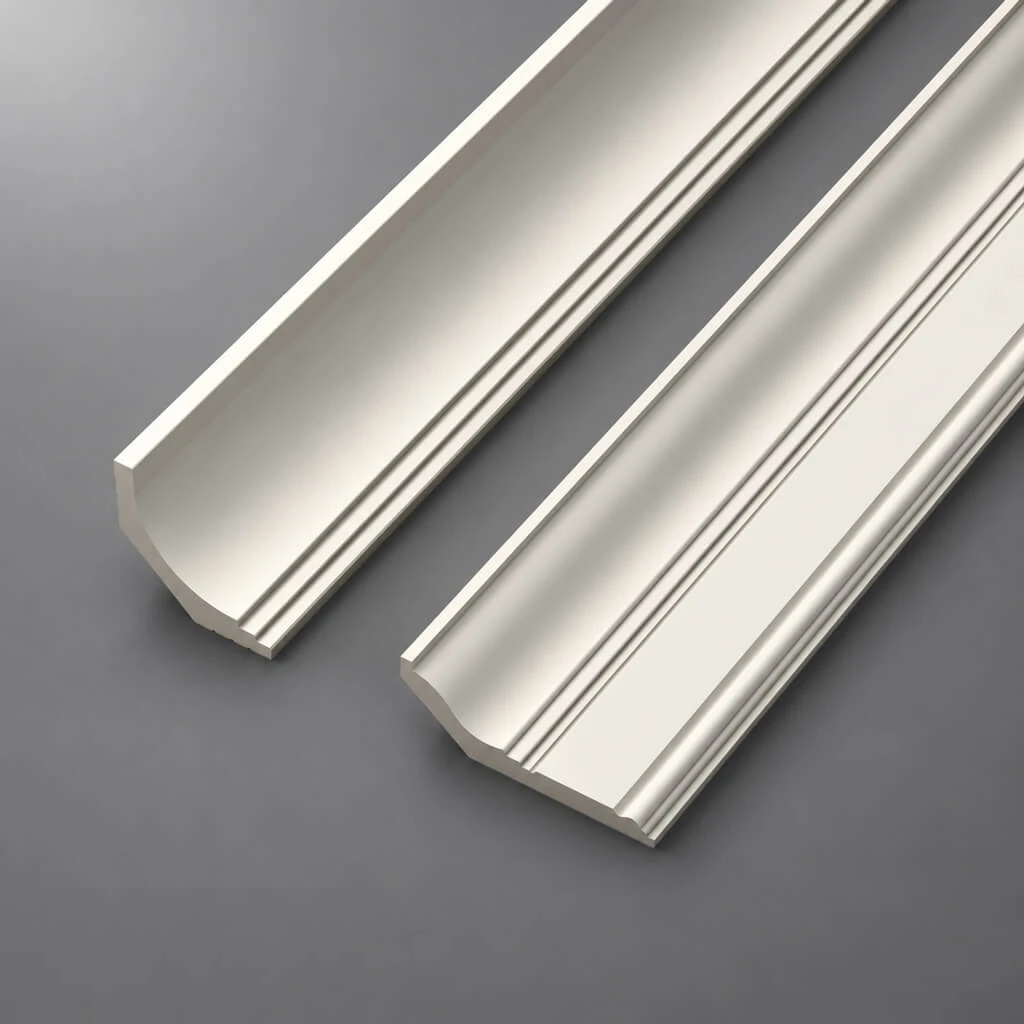
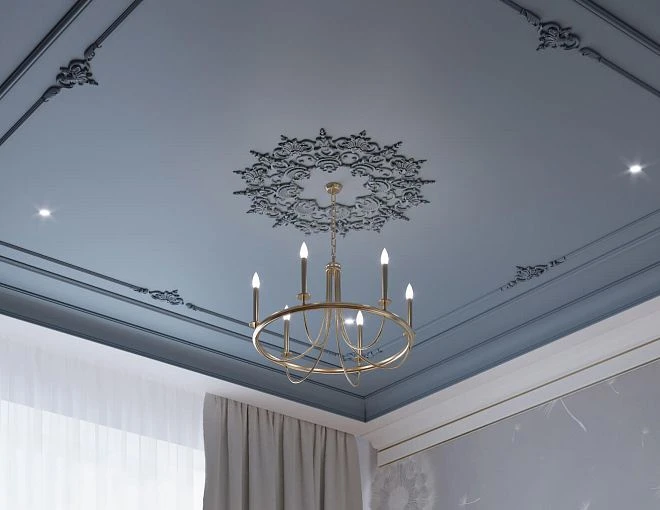
If the interior is built on classic or neoclassical style — a floor skirting board alone does not solve the task. A system is needed here: skirting board at the bottom, moldings, cornices, and baseboards in the middle part of the walls, ceiling cornice at the top. Only in this trio is born that architectural depth which cannot be imitated by separate elements.
How to choose a skirting board by color and finish
Color is the second most important parameter after style. It is the color solution that determines whether the skirting board will be an accent or an inconspicuous line of order.
White skirting board for interior
White is a universal choice. White skirting board for interior works in any room: from a minimalist bedroom to a spacious living room. It visually 'cleans' the lower zone, creates a feeling of neatness and order. Especially organically — with white doors, with light walls.
You can buy white MDF skirting board in matte or semi-matte finish — the choice depends on the overall character of the finish. Gloss is rare in modern interiors: it is difficult to care for and can look excessive.
Wooden skirting board in a natural shade
For warm, natural, premium interiors — a skirting board in a natural wood shade. It continues the parquet, rhymes with wooden slats on the walls and solid wood furniture. This choice speaks to attention to detail: here it's not just a covered joint, it's part of an organic wooden ensemble.
Skirting board for painting
This is a solution for those who want precise color matching. A paintable skirting board allows you to paint the profile the same shade as the walls — then the boundary between floor and wall almost disappears, and the room looks taller. Or conversely — paint it in a contrasting tone and turn the skirting board into an accent horizontal line.
Dark skirting board in interior
A dark skirting board is a tool for bold decisions. It works well as a contrast to a light floor or light walls, 'grounds' the space, gives it weight. But in small rooms with low ceilings, a dark wide profile can visually shorten the walls. Here it's important to maintain proportions.
How to choose skirting board height and shape
Skirting board height is not a matter of taste, it's a matter of proportions. The rule is simple: the higher the ceilings, the higher the skirting board should be. Violating this ratio is one of the most common mistakes during renovation.
Height dependence on ceilings
| Ceiling Height | Recommended skirting board height |
|---|---|
| up to 2.6 m | 60 мм |
| 2.6–2.8 m | 70–80 mm |
| 2.8–3.0 m | 80–100 mm |
| 3.0–3.5 m | 100–120 mm |
| over 3.5 m | 120 mm and more |
Narrow skirting board (60 mm) — for calm, restrained interiors, Scandinavian style, minimalism. Not an accent, but a functional outline.
Medium (70–80 mm) — a universal choice for most Moscow apartments with standard ceilings. Works in any style.
Wide and tall skirting board for interiors (100–120 mm and above) — for classic and neoclassical spaces, for rooms with ceilings from 3 meters.Wide Wooden Skirting BoardSolid wood skirting board with a height of 150–200 mm creates a 'raised' floor effect and visually increases the room height by 10–15 centimeters — this is especially valuable in apartments with 2.7 m ceilings.
Profile shape
-
Straight profile — clean lines, for modern and minimalist spaces.
-
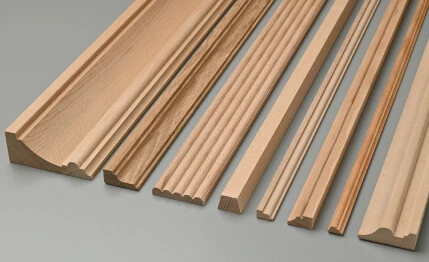
Profile with a chamfer — an elegant bevel on the top edge, versatile.
-
Figurative ogee profile — classic, neoclassical interiors where a decorative accent is needed.
How to choose a skirting board for a specific room
Using the same skirting board throughout the entire apartment is convenient from an installation standpoint, but not always correct from a design perspective. Each room has its own function, its own load, and its own visual logic.
Skirting board for living room interiors
The living room is the showcase of the apartment. Here, you can and should use a slightly more expressive skirting board than in other rooms. A wide oak profile or a tall MDF profile for painting — both options work. The skirting board for the living room interior should match the doors, moldings (if any), and parquet. This is the space for a wide skirting board for interiors — it is here that it fully reveals its potential.
Baseboard for bedroom interior
In the bedroom, an atmosphere of tranquility is important. The baseboard for the bedroom interior should be neutral or softly wooden. Not wide, not accent. Its task is to create completeness, not to attract attention. White or matching the wall color is ideal. A narrow profile matching the floor color also works well in modern bedrooms with light laminate flooring.
Baseboard for hallway and corridor
The hallway and corridor are areas of high mechanical load. Here, the baseboard gets scratched, bumped into, and knocked. Solid wood will outperform MDF in durability. Height should be medium, 70–80 mm. Color should be practical: dark or wood-toned hides dirt better than white.
Kitchen skirting
In the kitchen, moisture resistance is important. Wooden baseboard is acceptable here provided it is properly treated with oil or varnish. MDF with a finish also holds up quite well if not placed directly next to the sink. The profile should be small and functional.
Baseboard for apartment and house in general
On the scale of the entire home, a system is important: baseboards from one catalog, one material (or similar in spirit), one color logic. Different baseboards in different rooms are acceptable—but they should be part of an overall design solution, not the result of random purchases from different stores.
How to match skirting boards in an interior
Baseboard is an element of a system. It never works alone. And it is precisely through connections with other details that it turns renovation into an interior.
Baseboard and Molding
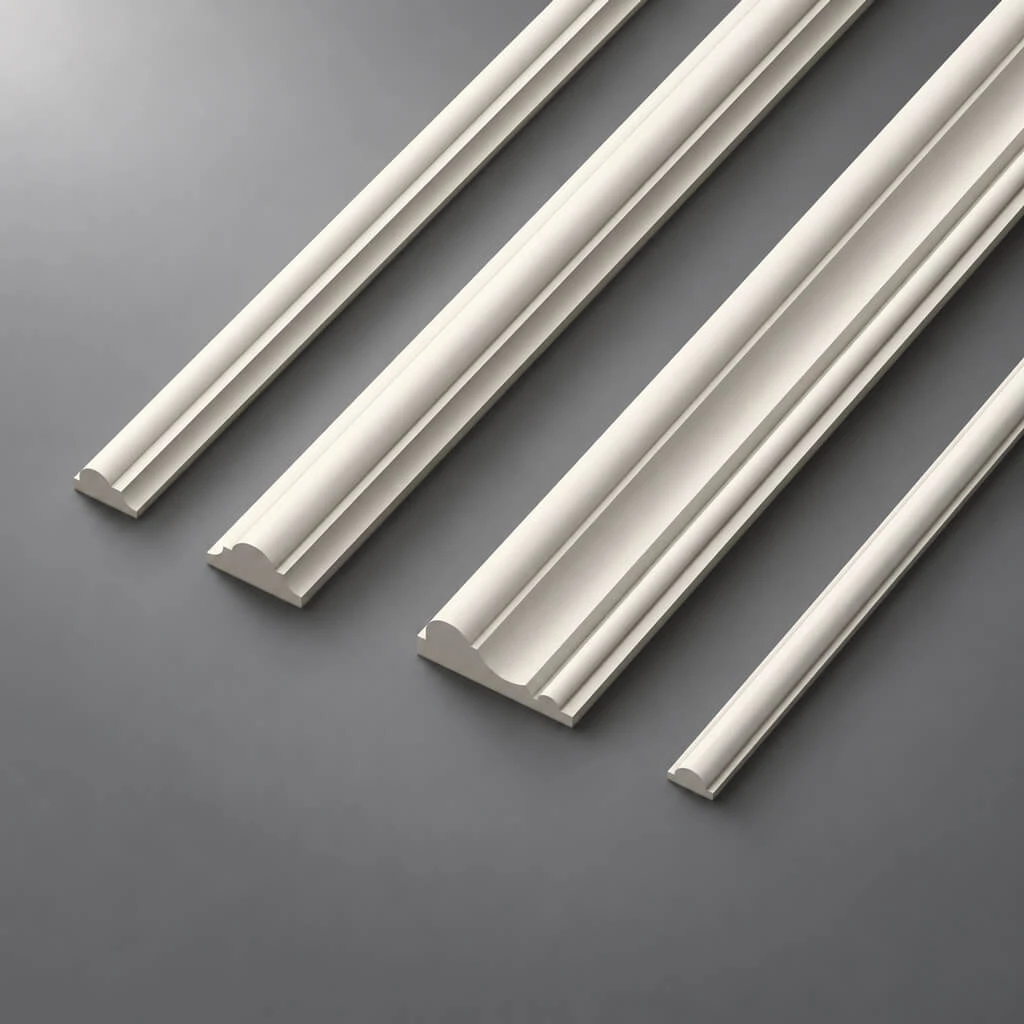
Moldings for interior— are horizontal profiles that divide the wall into zones. When there is molding and the baseboard is not coordinated with it, the lower part of the room looks disconnected from the overall system. When coordinated, true architectural depth is born.
The rule of combination is simple: the baseboard and molding should be of the same material or the same color. Not necessarily the same profile—but from the same 'family'.
Baseboard and molding
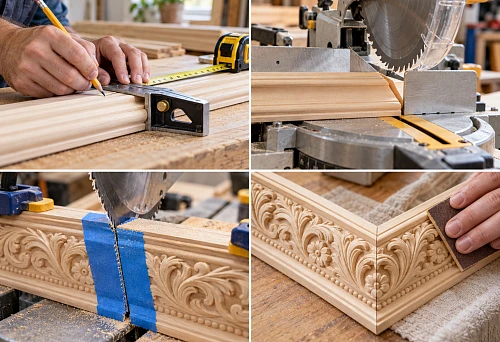
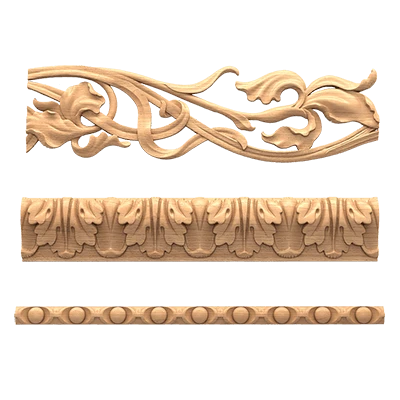
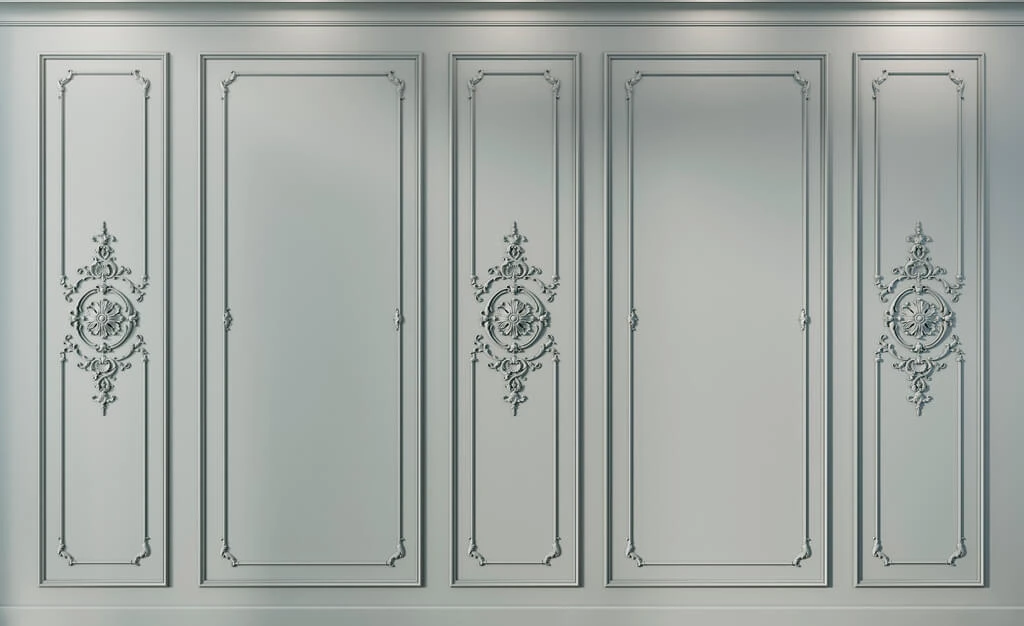
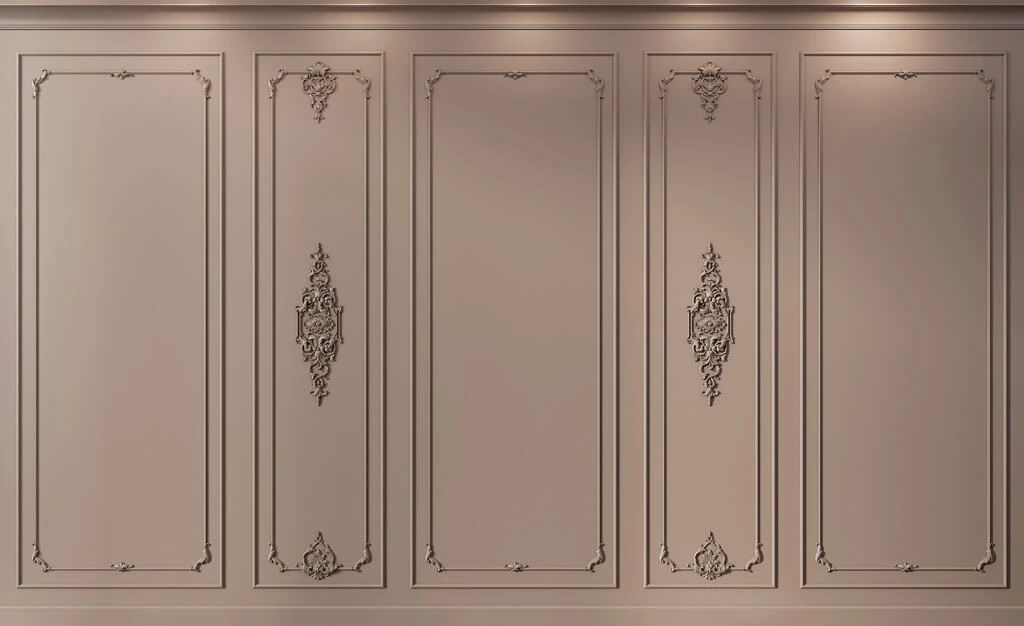
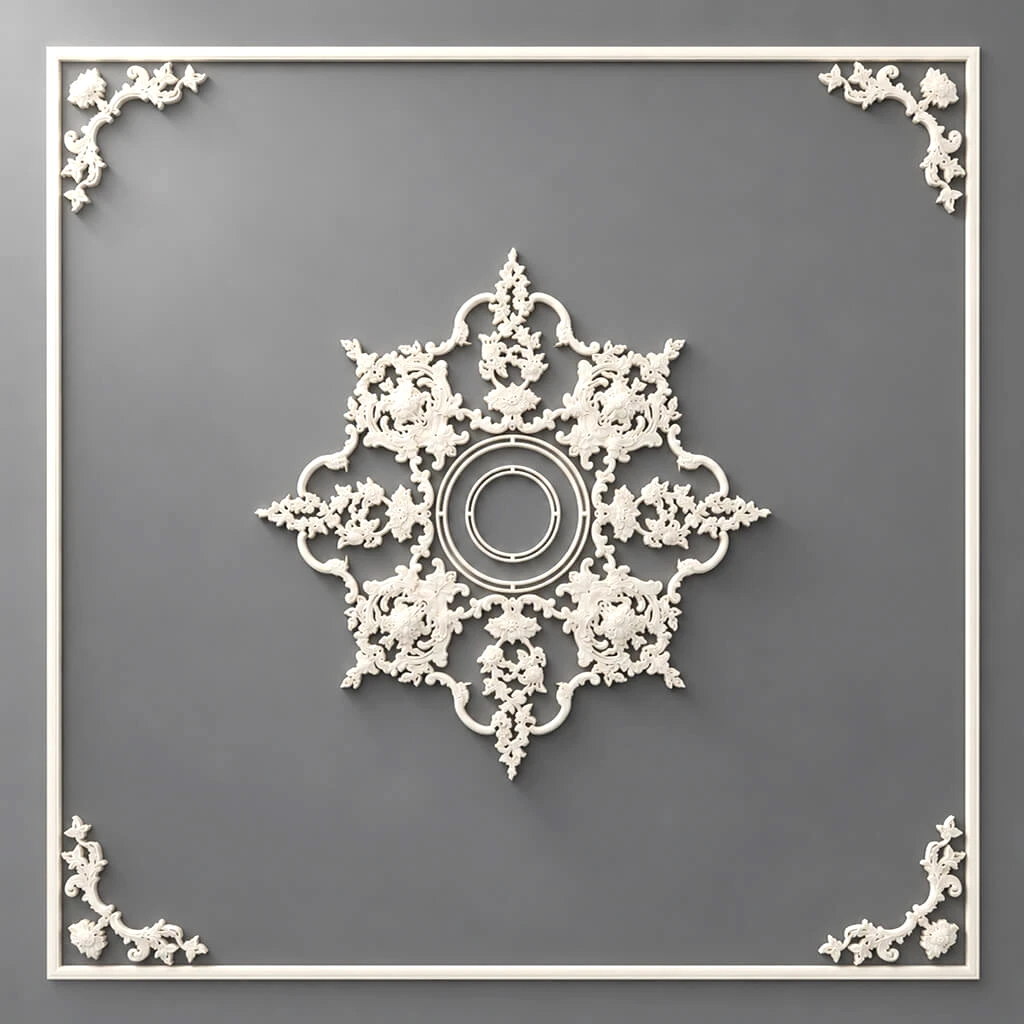
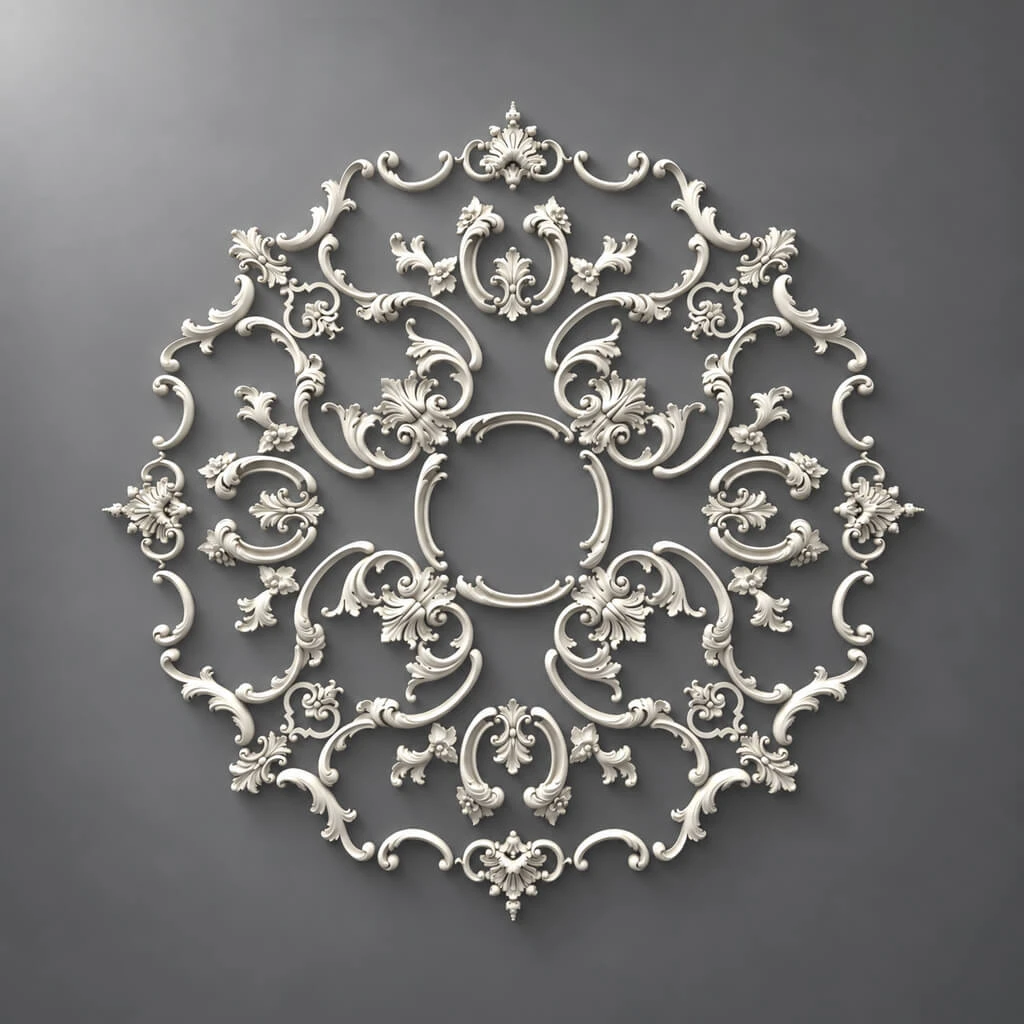
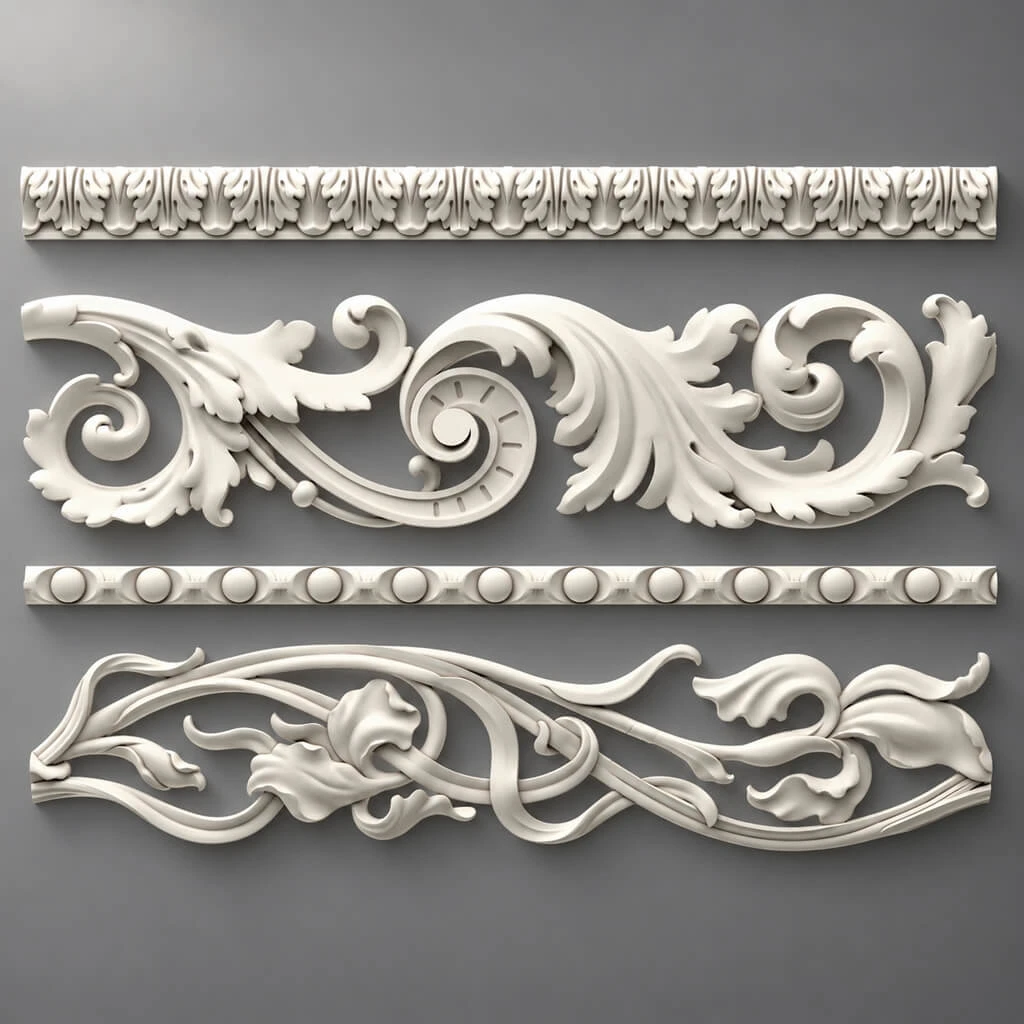
Polyurethane moldingsor made from solid wood — this is the decorative language of classic interiors. When there are rosettes on the ceiling, relief overlays on the walls — the baseboard should support this decorativeness. A strict rectangular profile is inappropriate here. A cavetto profile with soft relief is needed.
Baseboard and slatted panels
Already mentioned above — but this is such an important pairing that it deserves separate emphasis.buy slatted panelsand matching baseboard to them means creating a unified visual ensemble. The battens set the vertical rhythm, the baseboard — the horizontal. Together they create that very 'frame' which makes a room feel finished.
Skirting boards and architraves
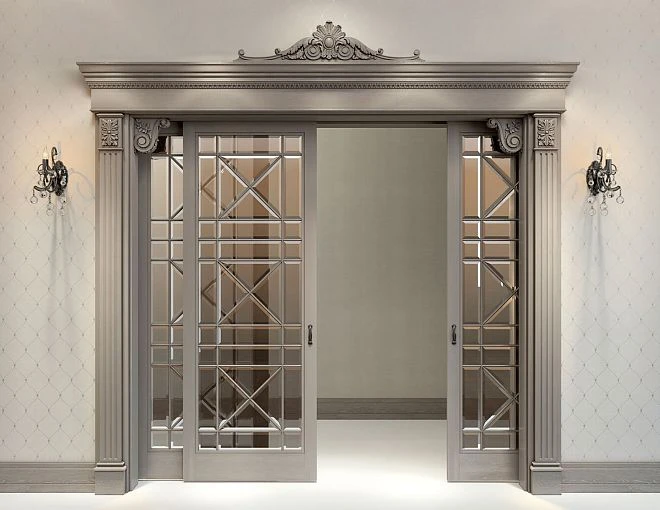
Door casings and baseboard are the most logically close pair. They work on the same level of perception: the eye, gliding along the perimeter of the room, sees them side by side. If the casings are wooden — the baseboard is wooden. If they are white MDF — the baseboard is white MDF. This is precisely why at STAVROS the entire millwork group — baseboards, moldings, cornices, casings — is made from the same materials: oak, beech, high-quality MDF.
Baseboard and furniture with wooden decor
Wooden countertops, solid wood beds, mirror frames — all this creates a warm wooden accent in the interior. A wooden baseboard in a natural shade supports this line at floor level, connecting the vertical accents with the horizontal outline of the room.
Where to buy baseboard for interiors in Moscow
This question seems simple, but in practice requires attention. The market is overflowing with offers: cheap plastic, thin MDF without select raw materials, 'solid wood' with excessive moisture, which will warp and crack within a year.
Buy baseboard for interiors in MoscowFrom the manufacturer — this guarantees you get exactly what you ordered: the correct material, precise geometry, stable coating.
What is important when choosing a supplier:
-
Material with documentation — raw material moisture, wood species, processing grade.
-
Wide range of sizes — from 60 to 120 mm, several profiles.
-
Finishing options — natural wood, paintable, white, tinted.
-
Compatibility with other moldings — moldings, cornices, architraves in the same style.
-
Delivery in Moscow — promptly, with professional packaging.
-
Assistance with selection — when you need to pick a set for a specific project.
Select baseboards, moldings, and cornicesin a unified stylistic solution — this exact approach allows you to get an interior, not a set of separate parts.
How to select baseboard by height: practical table
Below is an extended cheat sheet for selecting profile height depending on style and room:
| Style / Room | Recommended height | Material | Color |
|---|---|---|---|
| Minimalism, Scandinavian | 60–70 mm | MDF, beech | White, wall-matching |
| Modern interior | 70–80 mm | MDF, wood | White, wood |
| Neoclassical | 80–100 mm | Wood, MDF | White, tinted |
| Classic | 100–120 mm+ | Oak solid wood | Natural, white |
| Living room (high ceilings) | 100–120 mm | Oak, beech | Natural |
| Bedroom | 60–80 mm | MDF, beech | White, neutral |
| Hallway, corridor | 70–80 mm | Solid wood | Dark, wood-like |
| Kitchen | 60–70 mm | MDF with coating | White |
Common mistakes when choosing skirting boards
These mistakes occur constantly—and each of them costs either money for redoing or the feeling that something is wrong, but it's unclear what.
1. Too small a profile for a large room. A narrow 60 mm skirting board in a spacious living room with 3-meter ceilings looks random. It doesn't hold the scale. The rule of proportions works flawlessly.
2. Mismatch with the style. A figured ogee profile in a minimalist apartment is not an 'elegant detail,' it's a style conflict. The same goes for a straight, thin MDF skirting in a classic study with oak parquet.
3. Conflict with doors, moldings, panels. Wooden skirting + white doors + painted moldings + wooden slats = visual clutter. The system should be coordinated.
4. Choosing solely based on price without considering appearance. The cheapest baseboard will save a few thousand rubles now — and will irritate you every day for the next ten years.
5. Using the same profile type in all rooms without logic. This is not a mistake in itself. The mistake is when the profile is clearly unsuitable for a specific space but is chosen 'for uniformity'.
6. Ignoring ceiling height. The most common and most obvious mistake. An 80 mm baseboard with 2.5 m ceilings is normal. The same baseboard with 3.5 m ceilings is a dwarf stroke at the base of a huge wall.
FAQ: frequently asked questions about choosing baseboards for interiors
Which baseboard is better — wood or MDF?
It depends on the task. Solid wood is for interiors where naturalness, status, and durability are important. MDF is for modern projects with precise color solutions, where perfect geometry and painting in a non-standard color are needed. Both options are of high quality with the right choice of manufacturer.
Can a wide baseboard be used in a small room?
With caution. In rooms up to 12–14 m² with ceilings of 2.5–2.7 m, a wide profile (100 mm and above) can visually shorten the walls. It's better to limit to 70–80 mm. An exception is if the room is decorated in a classic style: then the proportions work differently.
How to match the baseboard to the door color?
Buy from the same catalog. This is exactly why manufacturers who make baseboards, architraves, and moldings from the same material save you time and nerves. No need to sort through samples from different stores.
Is a ceiling skirting board needed if there is a floor one?
In classic and neoclassical interiors — yes, definitely. In modern and minimalist ones — no, and sometimes its absence works better. Everything is determined by stylistic logic.
How to choose a skirting board for slatted panels?
Material — the same as the slats, or a similar tone. Profile — simple, without extra relief. Height — moderate, so as not to compete with the vertical rhythm of the slats.
Skirting board in the color of the floor or walls — which is better?
Both options make sense. A skirting board in the color of the floor visually expands the space, 'grounds' the walls. A skirting board in the color of the walls blends in and raises the ceiling. A dark skirting board on a light one — accent and structure. There is no single 'correct' answer: it depends on the task.
How much does a solid wood skirting board cost in Moscow?
In the STAVROS range — from 1,610 rubles per linear meter for basic profiles and from 6,490 rubles for premium wide products. The price depends on the wood species (oak/beech), profile height, and complexity of processing.
How to order a skirting board with delivery in Moscow?
throughcatalog of interior decorOn the website: select the profile, size, material. If necessary — get a consultation on selection. Delivery is available in Moscow and throughout Russia.
About the company STAVROS
STAVROS is a Russian manufacturer of solid wood and MDF millwork. Skirting boards, moldings, cornices, architraves, slatted panels, and decorative plasterwork — all are produced to European quality standards from selected raw materials: oak, beech, and high-density MDF.
The production cycle includes chamber drying of wood to 8–12% moisture content, processing on German equipment with a tolerance of ±0.1 mm, multi-stage sanding, and finishing coating. The entire millwork range is created as a unified system: skirting board, molding, cornice, architrave — all from the same material, in the same style, with no compromises.
STAVROS Decorative Elements— are tools for creating an interior, not just a set of strips. Here, every detail contributes to the overall result.
Order skirting boards for apartment or house interiors in Moscow, select a set of moldings, cornices, and architraves, get a consultation on choosing for a specific style — all this is available in the catalog interior decoration Stavros. Delivery across Moscow and all of Russia. Assistance with selection by height, material, color, and style — at no extra charge.