

























Article Contents:
- Why a wooden house needs trim
- Covers joints and makes the opening neat
- Protects the area around the window from precipitation and moisture
- Enhances the architecture and creates a cohesive look
- Why trim is especially important for a wooden house
- Timber house
- Log house
- Frame house with wooden finishing
- Bathhouse, dacha, country house
- What types of window casings are there for a wooden house
- By installation location: for windows and doors
- By shape: flat, shaped, carved
- By style: classic, Russian style, modern interpretation
- By material: solid wood and glued panel
- How to choose a window casing for a wooden house
- By facade type
- By window size and opening proportions
- By House Style
- By wood species
- By width and profile
- Smooth or carved
- Window casings for a wooden house
- When simple smooth casings are suitable
- When are figured architraves best
- When are carved architraves justified
- How to combine architraves with facade color
- Carved architraves for a wooden house: when are they appropriate
- Houses in Russian style
- Bathhouses, gazebos, country houses
- Facades with pronounced decorativeness
- How not to overload a facade
- What to combine architraves with
- Cornices
- Moldings and decorative inserts
- Corners and connecting elements
- Door Trim
- How to choose an architrave by style and wood species: practical guidelines
- Oak: when solidity is needed
- Beech: softness and nobility
- Pine: practicality without compromise
- Larch: for challenging climatic conditions
- Exterior and interior installation: what's the difference
- Wooden architraves in antique and modern style
- Antique-style architraves
- Modern wooden architraves
- Classic wooden architraves
- Flat or carved architraves: how to make the right choice
- Checklist: what to know before buying
- Geo-tails: wooden architraves in Moscow and Saint Petersburg
- Wooden architraves in Moscow and the Moscow region
- Wooden architraves in Saint Petersburg and the Leningrad region
- Where to buy window trims for a wooden house
- Why it's more profitable to choose from the manufacturer
- When standard models are enough
- When it's worth ordering individually
- How to go to the catalog and choose options
- How to attach architraves: key installation points
- External installation: gap and ventilation are important
- Cuts and joints
- Finish after installation
- What types of houses are STAVROS trims suitable for
- What to buy with trims: related items
- Frequently asked questions about trims for wooden houses
- Can wooden trims be installed outdoors?
- What is the difference between a trim and a molding?
- Which trim is better: solid wood or glued panel?
- What width of trim should I choose?
- Do I need to paint the trims before installation?
- How to calculate the number of trims?
- Are carved trims difficult to install?
- How much do carved trims cost?
- Which trims are suitable for windows in a bathhouse?
- Can I order custom-sized trims?
- Conclusion: the right choice starts with understanding
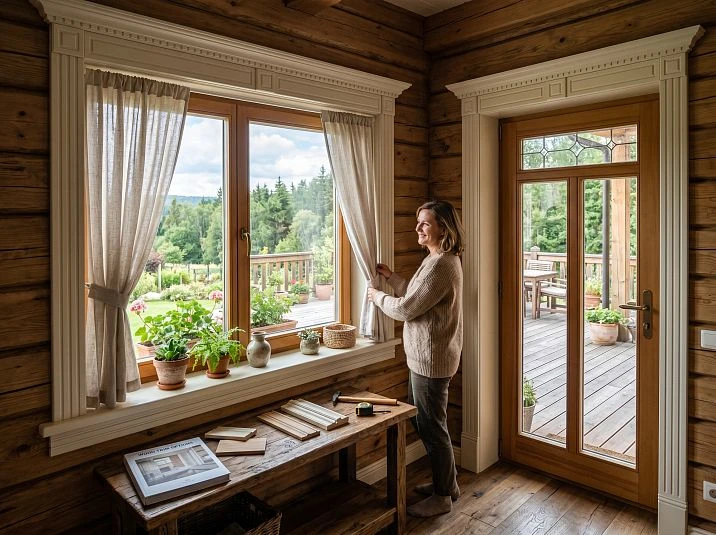
There comes a moment when the house is almost ready — walls are built, roof is closed, windows are installed, doors are hung. But something is off. The facade looks unfinished, a bit "bare," like a person in a good suit but without cuffs and a collar. It is at this moment that it becomes clear: trims are missing. This seemingly small architectural element radically changes the appearance of the house — turning a box into a home with character, history, and style.
For a wooden house, a trim is not just a decorative overlay. It is the finishing touch, without which the facade will not achieve architectural completeness or proper protection of openings. The choice here requires an understanding of the material, style, proportions, and overall facade logic. This is exactly what we discuss in this article — in detail, professionally, and with practical advice.
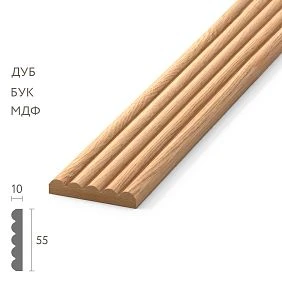
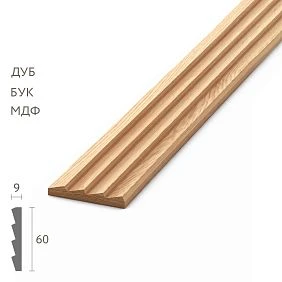
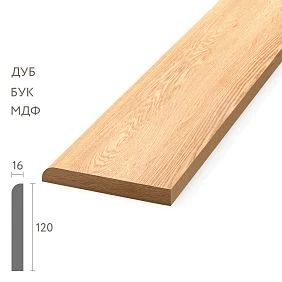
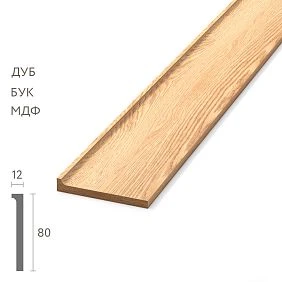
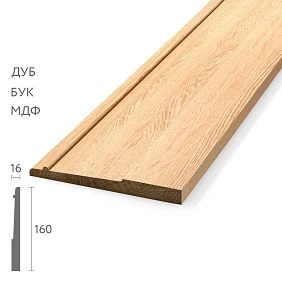
Why a wooden house needs a trim
Before delving into types, sizes, and styles, it is worth understanding the very nature of this product. What is a trim? In an architectural sense, it is a profiled strip that frames a window or door opening from the outside or inside. But behind this simple formulation lie several functions, each important in its own way.
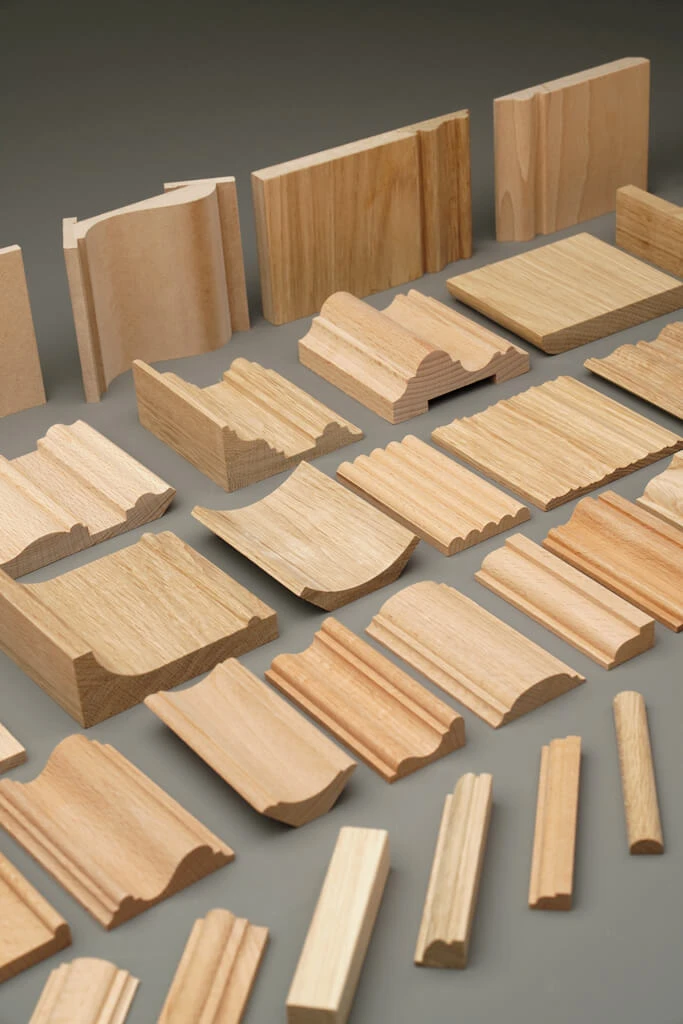
Covers the joints and makes the opening neat
There is always a technical gap between the window frame and the wall. Mounting foam, sealant, plaster — all of this works, but looks untidy. The casing covers this joint, hides installation marks, and makes the opening visually clean. This is especially relevant for a wooden house, where the log or timber has unevenness, shrinkage gaps, and areas that look sloppy without framing.
Exactly thereforeWooden casings — this is the first thing builders and architects think of during final facade finishing. Not a decoration "for beauty," but a functional element without which the facade is not considered complete.
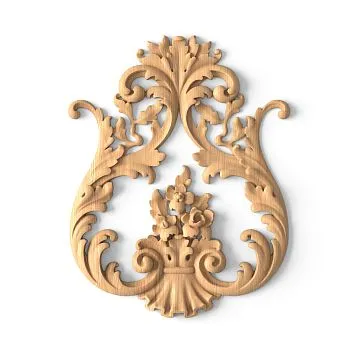
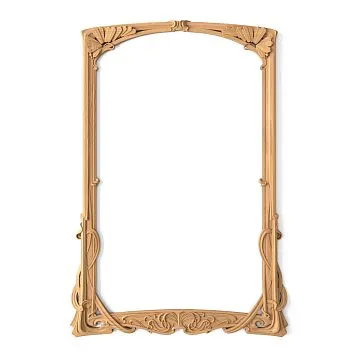
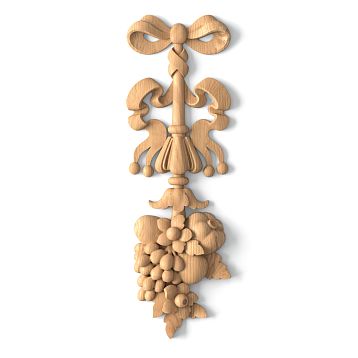
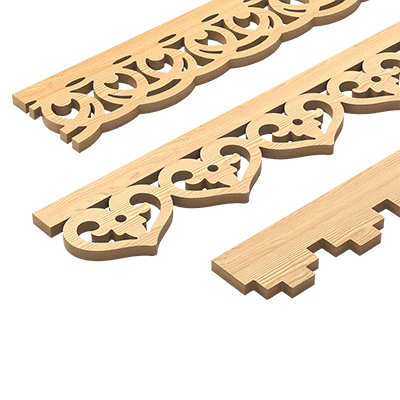
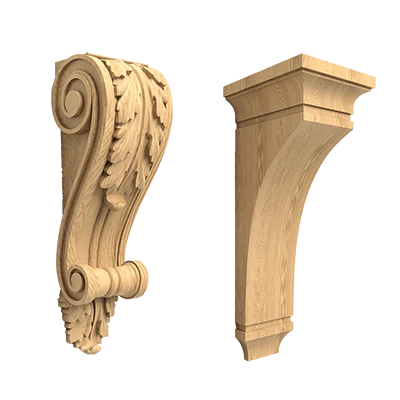
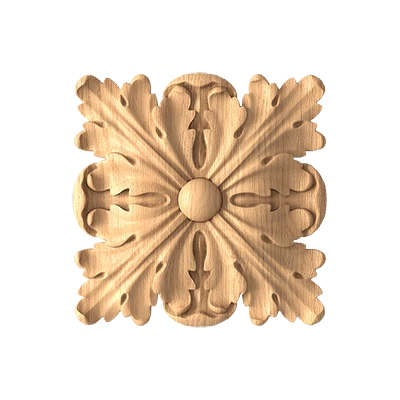
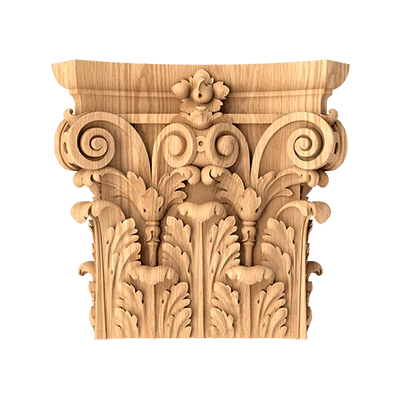
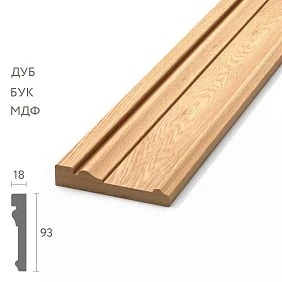
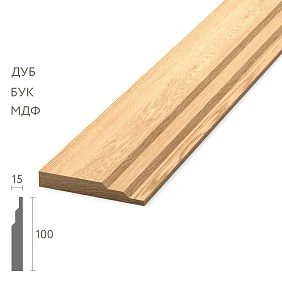
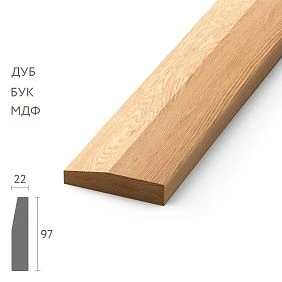
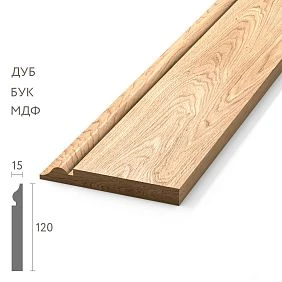
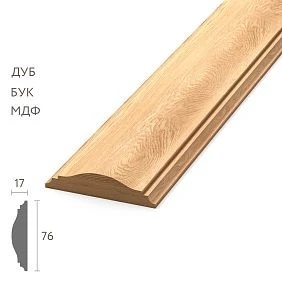
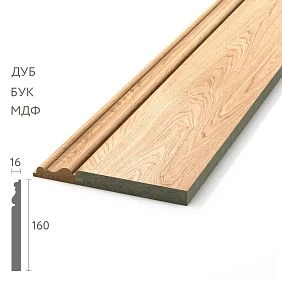
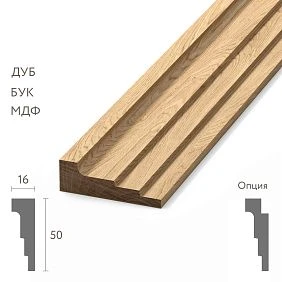
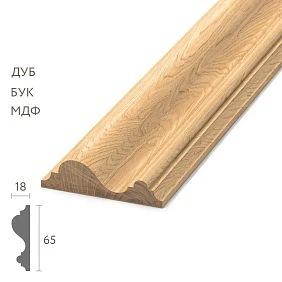
Our factory also produces:
Protects the area around the window from precipitation and moisture
A wooden house is alive. It breathes, settles, and reacts to temperature and humidity changes. The joint between the frame and the wall is the most vulnerable spot. Without a casing, water gets in here, condensation forms, and rot begins. A properly installed casing for a wooden house creates a barrier that diverts moisture from the opening and extends the service life of the entire assembly.
This is especially critical for exterior installation: the casing on the facade must not only look beautiful but also function as an architectural "canopy" protecting the space around the window.
Get Consultation
Enhances the architecture and creates a cohesive image
Look at old wooden houses — Siberian estates, Pomor log cabins, carved mansions of the Russian North. Their recognizability is 70% determined by the casings. Shape, width, pattern, height — all of this creates a unique architectural code.Wooden window casings — this is not just framing, it is the language in which the house "speaks" with the environment and people.
For a modern wooden cottage, properly selected platbands do the same thing: they tie windows, doors, cornices, and the entire facade into a single composition.
Why platbands are especially important for a wooden house
Can you install plastic platbands on a wooden house? Technically — yes. Practically — no. And here's why.
Timber house
Timber has a clear horizontal geometry. The platband on such a facade should be wide and expressive enough to "break" the rhythm of horizontals and highlight window openings. A wooden platband made of solid wood or glued panel will look organic here, while a plastic strip will look like a foreign body on a living surface.
Platbands for a timber house are chosen mainly with a rectangular profile or with a slight figured finish of the top element. This creates the necessary contrast without overloading.
Log house
A log facade is the most "expressive" of all wooden surfaces. Here, either extremely laconic smooth platbands that do not compete with the texture of the log, or, on the contrary, richCarved Mouldingsin a traditional style that enhances folk aesthetics, are appropriate. There is no third option: something in between looks half-hearted and uncertain.
For platbands for a log house, the wood species is important: larch or pine go organically, oak gives a feeling of solidity and nobility.
Frame house with wooden trim
A frame house with wooden clapboard or imitation timber looks like a real wooden house only if the details are chosen in a unified style. The trim here is the connecting link between the finishing material and the windows. Shaped and profiled options are better than carved ones with rich ornamentation: the facade needs to be enriched, but not overloaded.
Bathhouse, dacha, country house
For bathhouses and dacha houses, window trim for bathhouses and dachas is chosen simpler in profile, but not simpler in quality. Humidity, temperature changes, constant contact with precipitation require high-quality impregnation and proper installation. Pine treated with antiseptic and enamel or patina handles these conditions perfectly and looks decent.
All these types of houses share one thing: wood on a wooden facade is the only solution that looks natural. Plastic will always be alien, even if it is beautifully painted.
What types of trim exist for a wooden house
Having understood the role of the trim, let's move on to classification. Knowing the types will help you not get confused when choosing and immediately land in the right segment of the catalog.
By installation location: on windows and on doors
Window trim is a facade (exterior) or interior element. The exterior trim is seen by passersby, neighbors, guests — it shapes the appearance of the house from the outside. The interior trim frames the window opening from the inside, completing the finishing of the slopes.
wooden door casingis more often an interior element, but for exterior doors it performs the same role as window trim: it covers joints, protects from moisture, and visually completes the entrance area. For the entrance group of a wooden house, door trim is as mandatory an attribute as window trim.
By shape: flat, shaped, carved
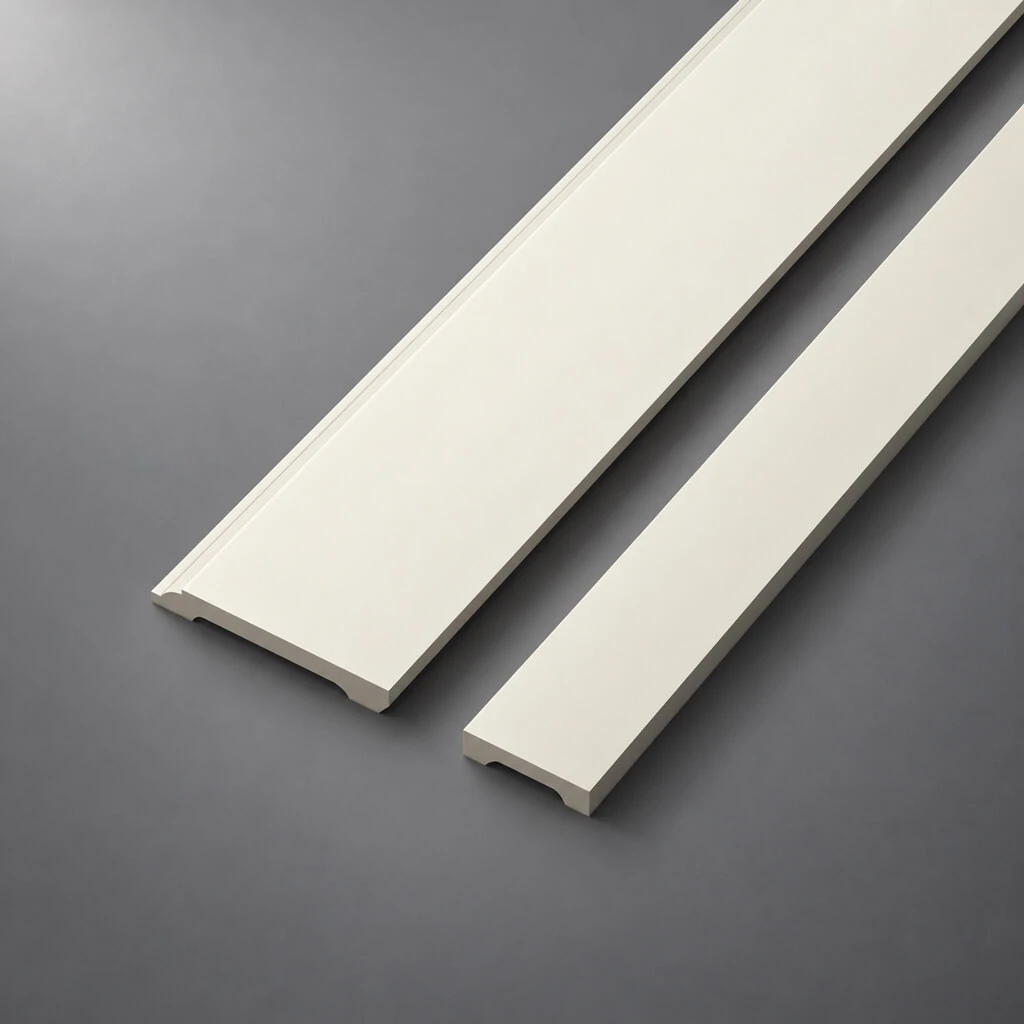
Flat trim — a rectangular profile without relief. They look strict, modern, and fit well into a minimalist or Scandinavian style of a wooden house. They combine well with dark and light facades. This is the most versatile choice.
Shaped wooden trim — a profile with pronounced relief: moldings, steps, bevels. An intermediate option between smooth and carved. Suitable for classic wooden houses where you need to define style without excessive decor.
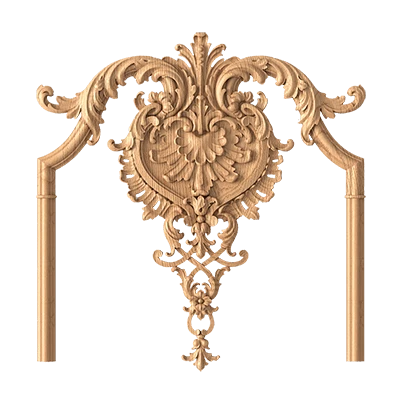
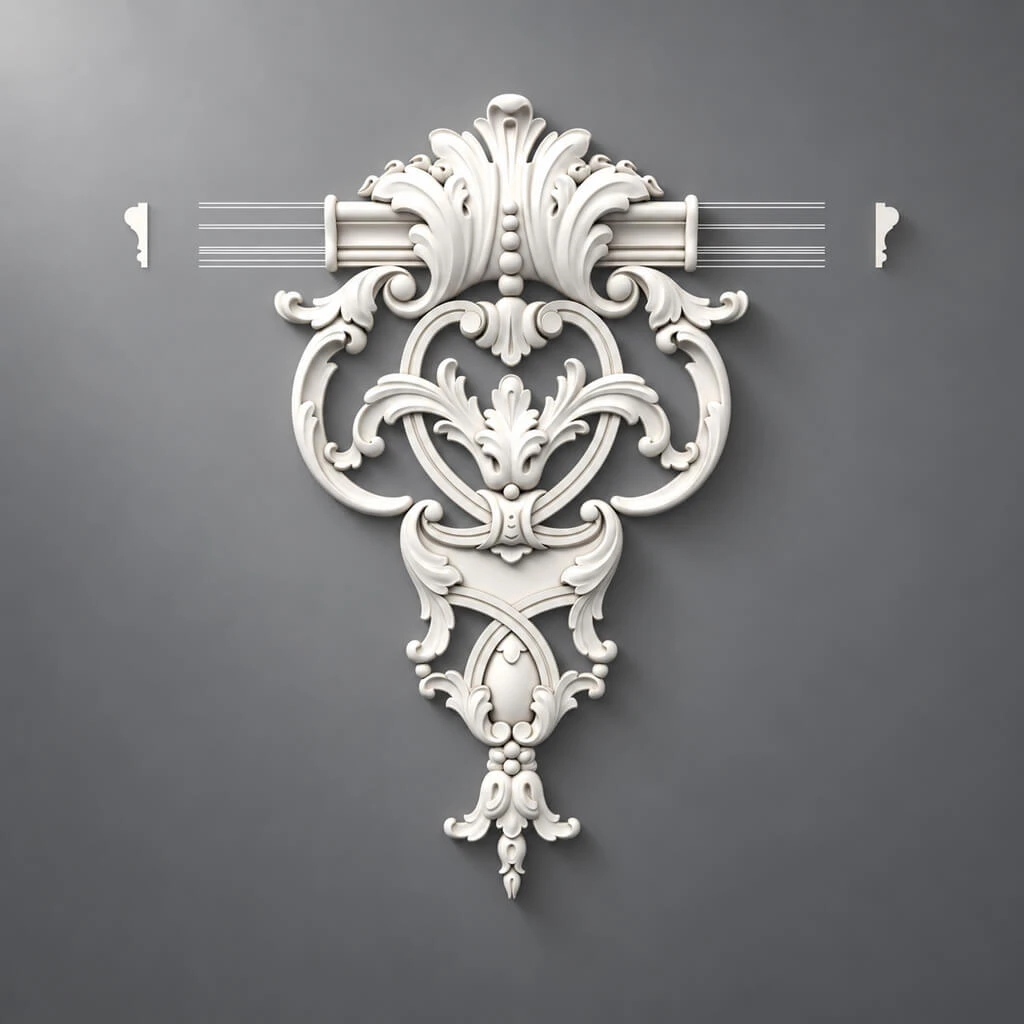
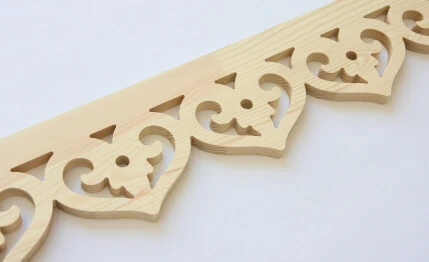
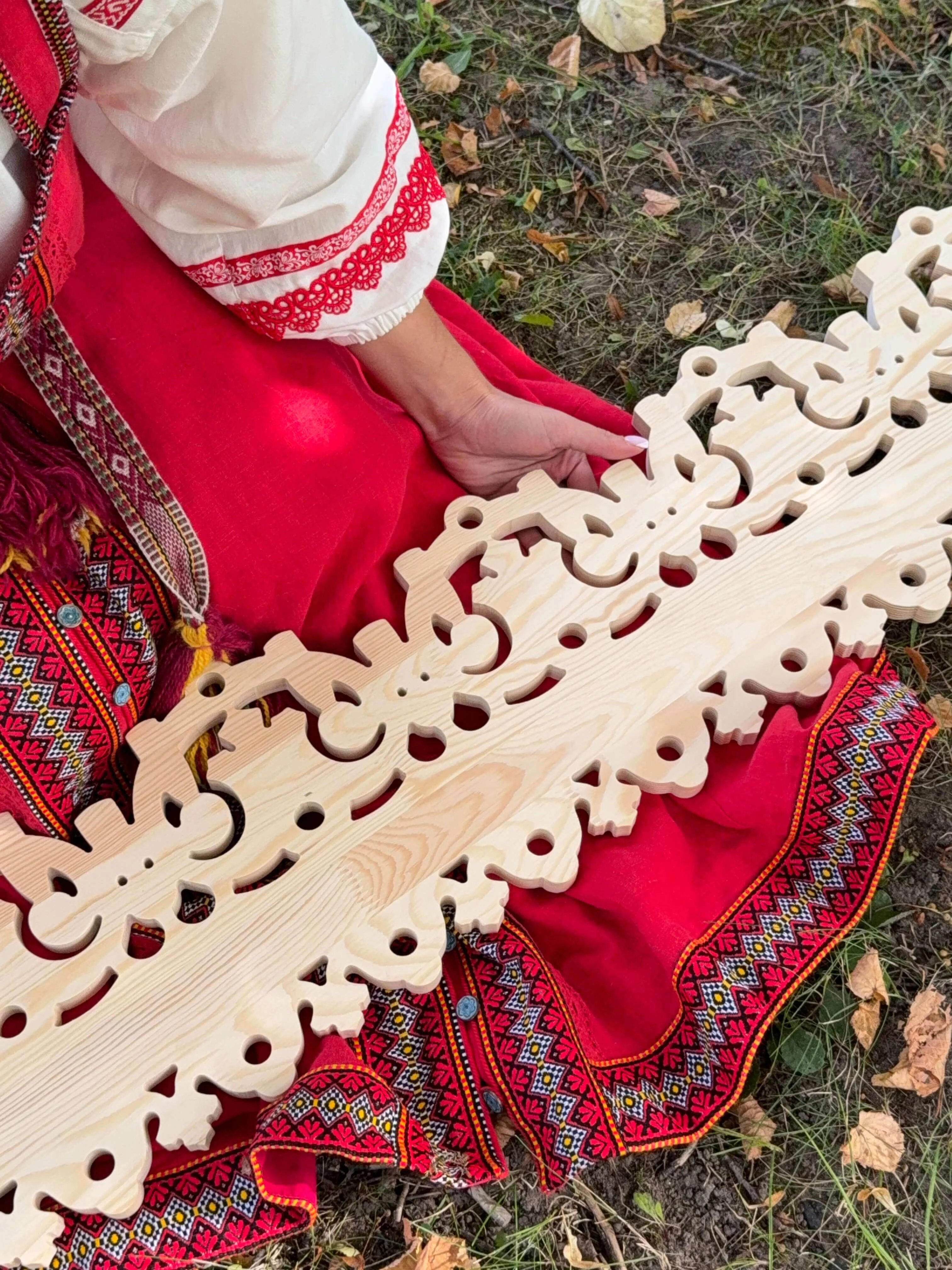
Carved trim — the highest level of decor. Through or volumetric carving, ornaments, plant motifs, geometric patterns. This is no longer just a frame — it is a work of decorative art. They make the house truly memorable. There is a separate large section about them below.
You can read more about types, patterns, and applications in the material about wooden trim: types and patterns.
By style: classic, Russian style, modern interpretation
Classic wooden trim — rectangular or slightly profiled, without carving, coated with solid enamel or a glazing compound. These are suitable for any type of facade.
Trims in Russian style — with pronounced ornament: "towels", "pricheliny", "ochelya". Patterns — geometric, plant, solar symbols. This is the living history of wooden architecture, embodied in a modern product.
Modern interpretation — a minimalist profile with non-standard proportions, contrasting coating, or atypical width. For those who seek character without unnecessary ornament.
By material: solid wood and glued panel
Solid wood architraves are made from a single board. A traditional solution that gives a feeling of solidity and naturalness. For hardwoods (oak, beech, ash), this also guarantees durability.
Pine glued panel architraves are a modern production solution. Most carved STAVROS architraves are made from this material: knots and resin pockets are cut out at the gluing stage, so the finished product does not release resin in the sun and does not deform. Wooden window architraves made this way last for decades.
Oak architraves are for those who value hardness, noble color, and zero moisture sensitivity. Oak is a species with high natural resistance, so such products work well in conditions of high humidity and temperature fluctuations.
Beech architraves are a dense, uniform wood with a soft pinkish tint. They are easy to paint and varnish, creating a feeling of a warm, 'soft' interior.
How to choose an architrave for a wooden house
This is the most important practical section. There is no single correct answer here — it all depends on a combination of factors. But there is a clear algorithm that helps avoid mistakes.
By facade type
First question: what is the facade made of? Timber, logs, clapboard, imitation timber — each has its own requirements for architrave proportions. For a log facade with a large texture, a wide architrave (from 90–100 mm and wider) is suitable so that the framing does not get 'lost' against the background of the wall's voluminous relief. For smooth clapboard or imitation timber, a width of 60–80 mm is sufficient.
By window size and opening proportions
The size of the architrave should be proportional to the size of the window. A small window with a wide, massive architrave will look overwhelmed. A wide window with a narrow strip will look unfinished. Guideline: the width of the architrave should be approximately 1/10–1/8 of the window width. For a standard window 900×1200 mm, an architrave width of 70–90 mm is suitable.
If there are several windows in a row, make sure that adjacent trims do not "collapse" and leave at least 50–70 mm of space between them.
By house style
How to choose trims for a wooden facade? The answer lies in understanding the overall style. A house in the Russian style with a high roof and trims in the form of openwork "towels" is one story. A modern timber cottage with panoramic windows and a dark facade is a completely different one. For the first, carved trims with rich patterns are needed; for the second, laconic profiled strips with a contrasting finish.
A good rule: the trim should be a continuation of the architectural language of the house, not a random detail chosen "because I liked it."
By wood species
-
Pine is the most affordable and common choice. Easy to work with, accepts impregnations and paint well. The weak point is resin content (this problem is solved in glued panels).
-
Larch has natural resistance to moisture and rot. An excellent choice for exterior trims in northern regions.
-
Oak is the premium segment. Hardness, durability, noble appearance.
-
Beech is soft, uniform, and paints well. Popular in interiors.
-
Ash has expressive texture, close to oak in strength.
For exterior use (facade, bathhouse, gazebo), it is better to give preference to coniferous species or oak with mandatory treatment. For interior use, any species.
By width and profile
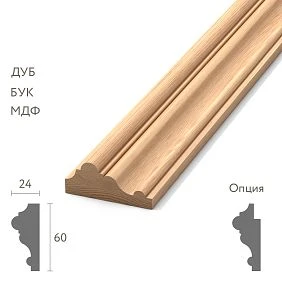
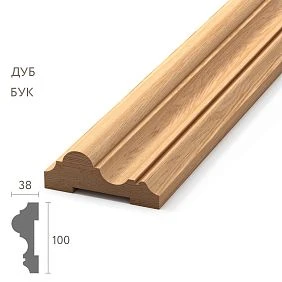
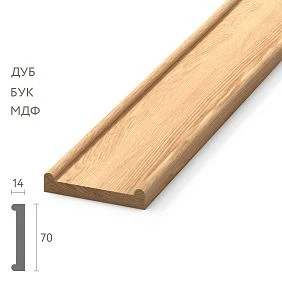
The width of the trim is one of the key parameters. Too narrow — it won't cover the joint or create the necessary accent. Too wide — it will dominate the window. Standard values: 50, 60, 70, 80, 90, 100, 110 mm. For facade use on a wooden house, widths from 70 to 110 mm are most commonly used.
A profile is a cross-sectional shape. Flat (rectangle), with a groove (recess), beveled, stepped. The profile affects how the trim interacts with shadow: a relief profile creates a beautiful chiaroscuro on the facade, especially noticeable with side lighting.
Smooth or carved
A carved trim is always an additional accent. It is appropriate where the entire facade is 'ready' to accept it: the style of the house supports ornamentation, there is no colorful visual noise, there is space between windows. If the house is modest, but you want to add character, you can make only the top element (the crown) carved, leaving the side strips smooth. This is a compromise but very successful solution.
Window casings for a wooden house
This is the core of the topic. It is window trims for a private wooden house that define the face of the facade. Let's break down situations where what works.
When simple smooth trims are suitable
A smooth trim is a completely underestimated element. Many people think that 'simple' means 'unexpressive'. This is not true. A properly selected flat trim made of solid pine or oak, coated with high-quality enamel in a contrasting color, can transform the facade no worse than a carved one.
Smooth window trims in a wooden house are appropriate when:
-
the facade itself is textured (log, timber with a pronounced structure);
-
the style of the house is minimalist, Scandinavian, modern;
-
the house is small, and carved decor would visually 'weigh it down';
-
panoramic or non-standard shaped windows.
When are shaped architraves better
Shaped wooden architraves are an intermediate step between smooth and carved. The profiled relief adds depth and creates a play of light and shadow without overloading the facade with ornament. Such models are appropriate for:
-
classic timber houses with a gable roof;
-
houses in Provencal or country style;
-
country houses where "warmth" is needed without complex decor.
When are carved architraves justified
Carved Mouldings — this is a deliberate architectural decision. They require the right "context": the style of the house that supports decorativeness, sufficient space on the facade, and a competent color scheme.
Carved options are especially appropriate for:
-
log houses in traditional Russian style;
-
in bathhouses and gazebos, where carving is an integral part of folk aesthetics;
-
in country houses with large facade planes that need to be "enlivened";
-
in houses with an open entrance group, where entrance doors with carved architraves create an accent.
More details about this are described in window decorations and facade decor.
How to combine architraves with facade color
Color is a subtle tool. Several principles that always work:
Contrast: white architraves on a dark facade — a classic. Black architraves on light wood — modern and bold.
Tone-on-tone: architraves slightly darker or lighter than the main facade color. Restrained but noble.
Accent color: red, green, blue architraves on a beige or gray facade — a bright rustic accent. Requires overall boldness in color scheme.
Important: the color of the trim should echo at least one other facade element — shutters, door, gable trim. This creates a cohesive look.
Carved window trims for a wooden house: when they are appropriate
A separate topic is carved wooden window trims. This is not just decor: it is a living culture rooted in centuries-old traditions of wooden architecture.
Houses in Russian style
If your house is inspired by traditional Russian architecture — high roofs, wide trims with "towels" and "gable boards", wooden porches — carved trims are not just appropriate, they are essential. They complete the look and make the house "speak".
Patterns: floral ornaments, solar symbols, geometric weaves. All of this carries not only aesthetics but also semantics: in folk culture, each pattern had its own meaning — a talisman, a symbol of fertility, a sign of an element.
Read more about the tradition, history, and modern interpretations in the articlewindows with cornices in Russian style.
Bathhouses, gazebos, country houses
Carved window trims for bathhouses and country buildings are about coziness and character. A small building with carved decor takes on a completely different scale: it ceases to be a "shed" and becomes part of a lived-in, thoughtfully designed estate ensemble.
For bathhouse buildings, simple geometric patterns work especially well: they don't require much space and are easily "read" even on a small window.
Facades with pronounced decorativeness
If the facade already has decorative elements — carved cornices, brackets, openwork soffits — carved window casings fit organically into this system. It is only important to maintain stylistic unity: all carved elements should be "from the same vocabulary."
How not to overload the facade
The main rule of carved decor: less is more, but precise. If the entire facade is covered in carving, it is already overloaded. A good solution is carved upper headpieces (horizontal planks) with laconic side posts. Or carved casings only on the main (front) windows with simple side ones.
STAVROS offers a layering method: a narrow carved casing is mounted on top of a wide smooth one — resulting in a rich composition without completely replacing all planks.
What to combine casings with
A casing is part of a system, not a standalone element. A beautiful facade of a wooden house consists of several components that work together as an ensemble.
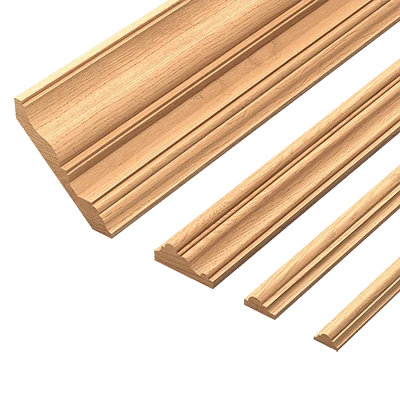
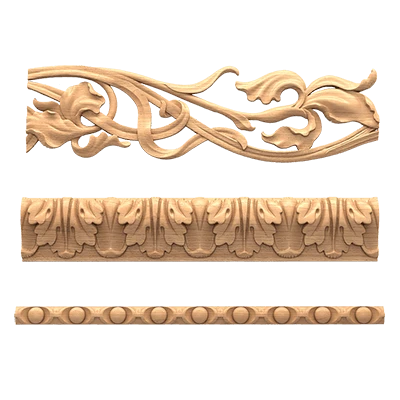
Crown mouldings
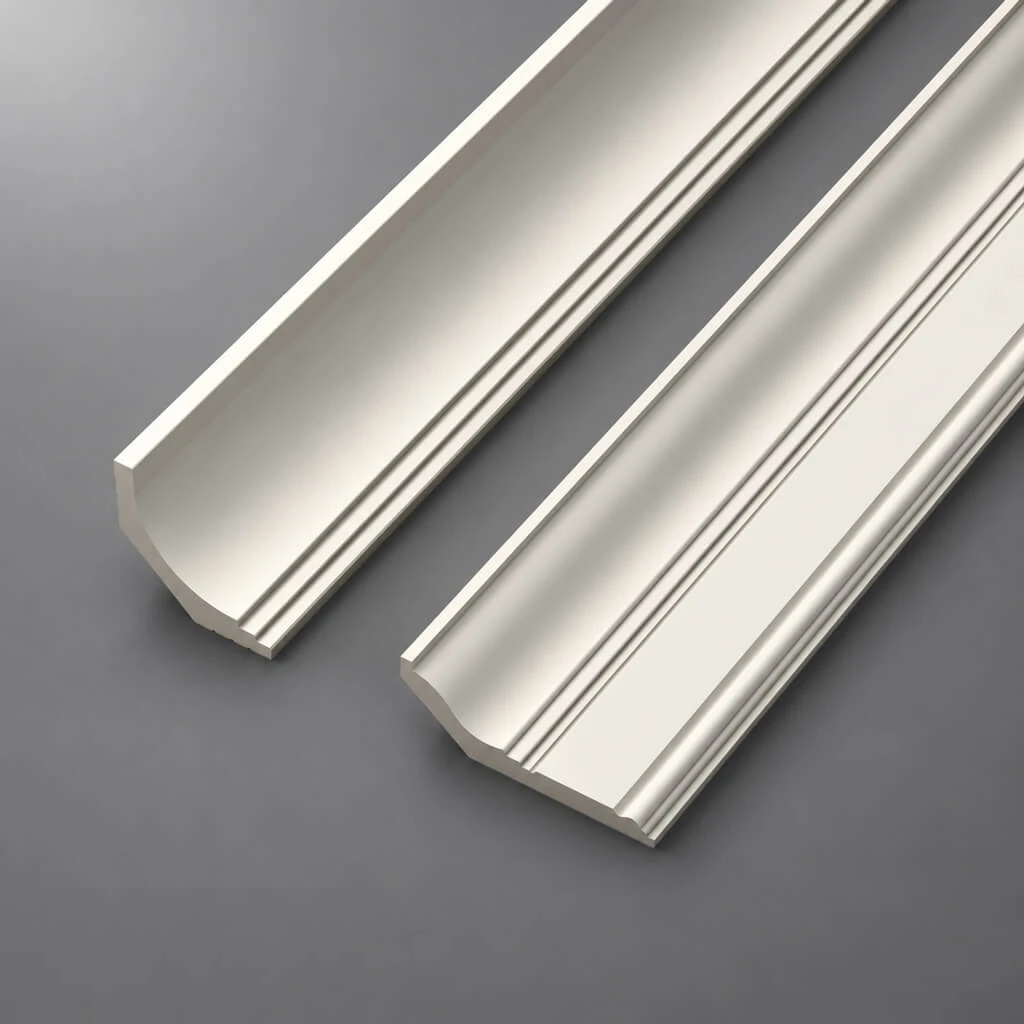
Cornice — a horizontal profile finishing the wall under the roof. On a wooden house, the cornice and casings should be in the same style: same wood species, similar profile, same coating. If the casings are carved, the cornice should also be decorated with at least minimal decor.
inmillwork productsSTAVROS offers cornices that perfectly match window casings and create a unified facade system.
Moldings and decorative appliqués
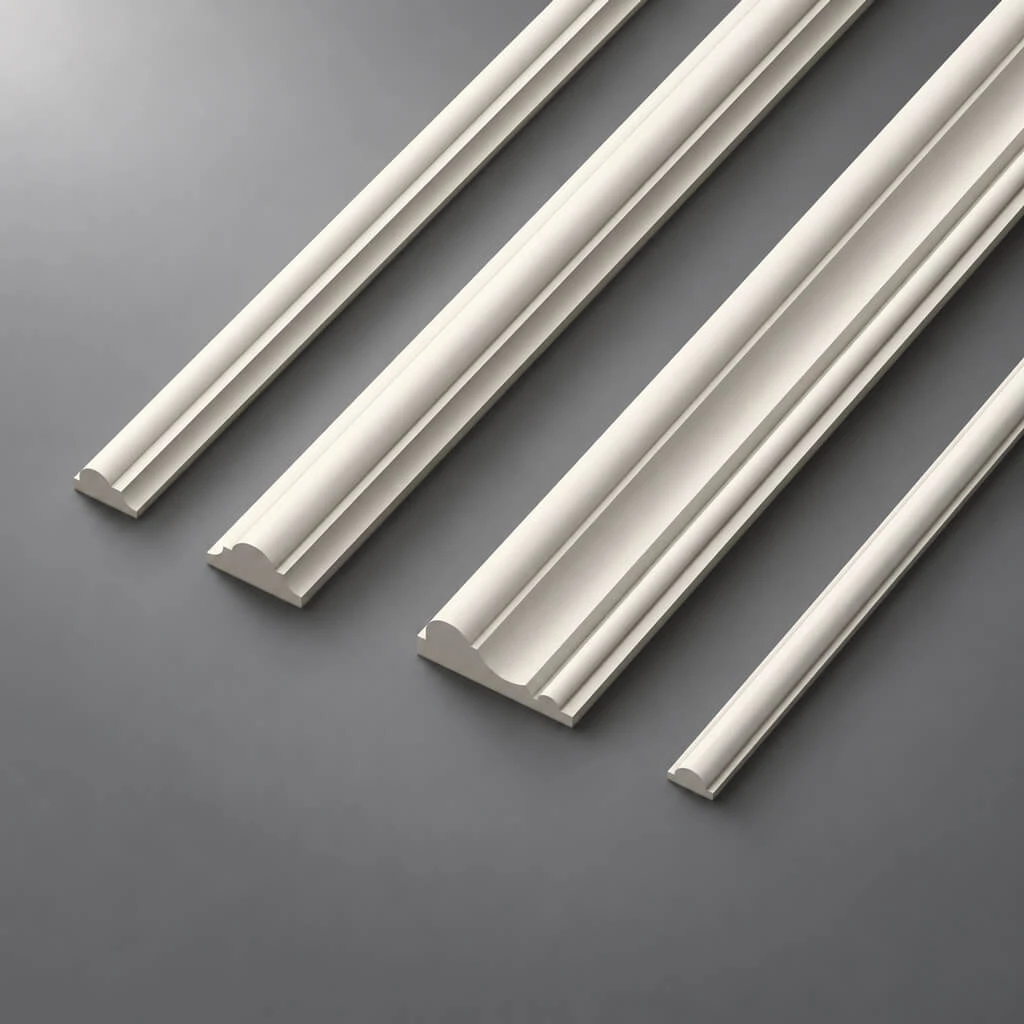
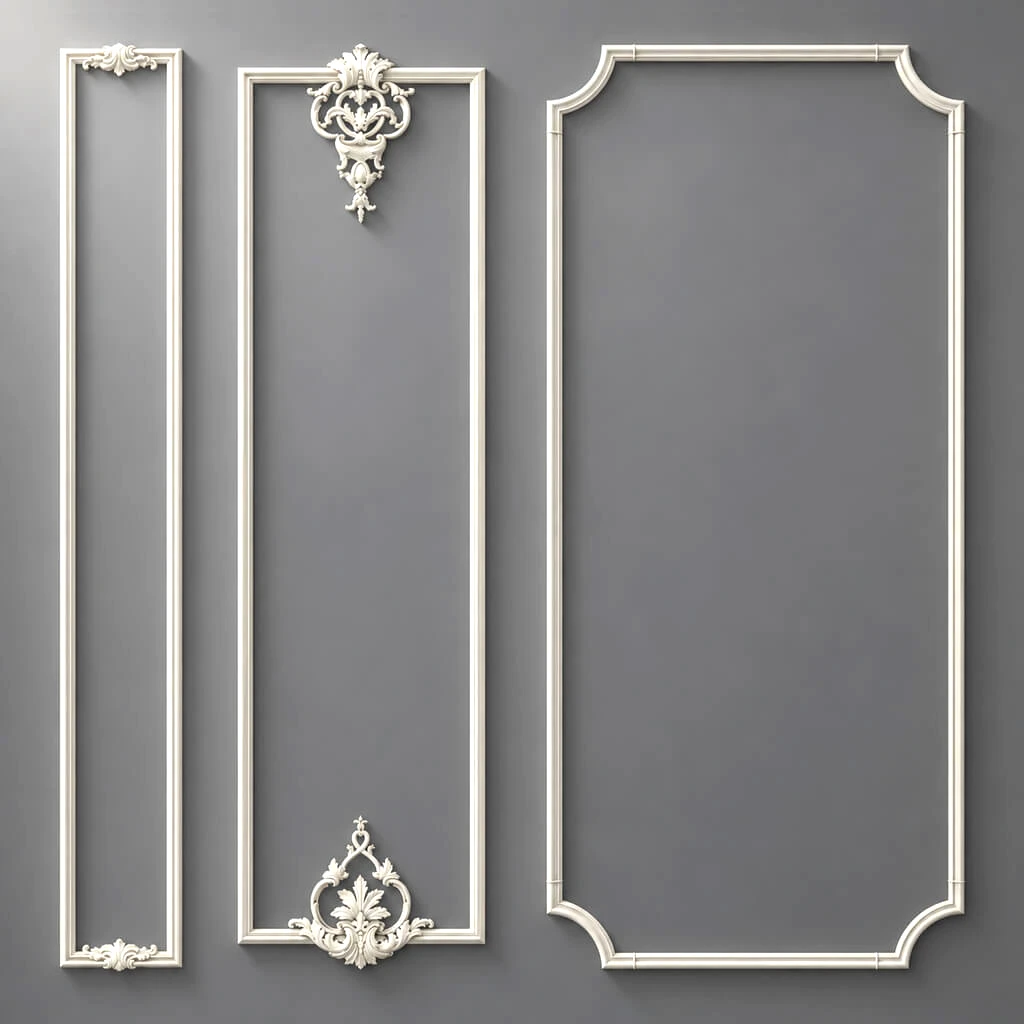
Moldings — horizontal dividers between floors or decorative belts on the facade. In combination with casings, they create rhythm and structure on a large facade plane. Without moldings, a wide smooth facade looks monotonous; with them, it becomes architecturally rich.
Corners and connecting elements
The corner joint of the casing is a technically and visually vulnerable spot. Wooden corners and connecting elements (sockets, joint covers) solve this problem: they cover the joint and add an ornamental accent. In the STAVROS carved collections, there are special connecting elements of the SNL series that allow creating complex frames with minimal effort.
Door molding
If you are decorating your house comprehensively, do not forget about door moldings. The casings on the front door should be stylistically connected with the window ones. Read more about the selection logic in the articletrim for interior doors.
The entire range of wooden moldings — cornices, moldings, corners, baseboards — is collected in the sectionPogonazh iz massiva, which allows you to immediately select a complete solution for the facade.
How to choose a casing by style and wood species: practical guidelines
Let's analyze specific combinations that work in practice.
Oak: when solidity is needed
Oak casings are a premium choice for those building a house "for centuries." Oak is hard, not afraid of moisture, and has an expressive natural texture. Such a casing does not require a complex profile: its beauty lies in the material itself. It looks good under natural oil or glazing varnish that preserves the texture. Ideal for classic wooden houses, houses made of laminated veneer lumber, cottages with brick elements.
Beech: softness and nobility
Beech casings bring a feeling of warmth and coziness. The fine, uniform structure allows achieving a perfectly smooth surface with any profile. Beech accepts paint well — both dark and light tones lay evenly. Suitable for houses in Provencal style, Scandinavian interiors, classic cottages.
Pine: practicality without compromise
Pine trim is the most popular option. Wide availability, good workability, easy to cut and paint. The only nuance is controlling resin content. In products made from STAVROS glued panel, this issue is resolved at the production level: resin pockets are removed during gluing.
Larch: for harsh climatic conditions
Larch is a tree literally created for outdoor use. High density, natural antiseptic resins, resistance to rot and insects. Larch trims on the facade of a wooden house in northern regions or in humid climates are the optimal solution. Color ranges from honey-yellow to red-brown, becoming richer and darker over time.
Outdoor and indoor installation: what's the difference
One of the key questions when purchasing is what exactly the trim is needed for: for exterior facade decoration or for interior slope finishing.
Exterior trim operates in open atmospheric conditions: sun, rain, frost, wind. Requirements: high-quality treatment with antiseptic and UV-protective coating, proper installation with ventilation. Material is predominantly coniferous species or oak.
Interior trim is a purely decorative element. Here, aesthetics, smoothness of finish, and matching the color of the floor, doors, and other interior elements are important. Any wood species can be used, including beech and ash.
With a comprehensive approach (decorating both outside and inside), it is desirable to maintain models that are, if not identical, then stylistically consistent. This creates a sense of thoughtfulness and integrity.
Wooden trims in antique and modern styles
This is an important stylistic pole: antique-style architraves and modern wooden architraves are two different aesthetics, each with its own rules.
Antique-style architraves
Antique-style wooden architraves imply an aged texture, patination, imitation of "lived-in" wood. Patterns are traditional, with references to folk ornament. The coating is wax oil, tinting glaze in gray-brown or dark honey tones.
Such architraves are ideal for:
-
restoration of old wooden houses;
-
new houses in the "estate" style;
-
country estates where owners value historical aesthetics.
Modern wooden architraves
The modern style in wooden architraves is not a rejection of wood, but a reinterpretation of its form. Clear straight lines, minimal profile, contrasting coating (black enamel, anthracite, white matte). Here, wood is a carrier of natural warmth, but the form is laconic and precise.
Such solutions look good on frame houses with horizontal siding, houses made of glued laminated timber in Scandinavian style, modern cottages with large windows.
Classic wooden architraves
Classic wooden architraves feature a moderate profile, symmetrical pattern, and calm color. Not overloaded with ornament, but not empty. Suitable for most types of wooden houses — from a small dacha to a full-fledged country cottage.
Classic architraves easily combine with shutters, forged elements, and wooden balustrades. They get along with any facade color and don't require a complex concept — they simply make the house neat.
Flat or carved architraves: how to make the right choice
This question arises for almost everyone involved in decorating a wooden house. Let's clarify.
Choose flat ones if:
-
the facade is textured and expressive on its own;
-
the house is small, and overloading it with decor is impractical;
-
the house style is calm, Scandinavian, or modern;
-
the budget is limited, and installation quality and coating matter more than decor.
Choose carved ones if:
-
the house is in Russian, folk, or "estate" style;
-
the facade is large enough and "asks" for accents;
-
you want to create a memorable look;
-
there is a desire to emphasize the cultural identity of the house.
An intermediate option is shaped architraves with a moderate profile: they provide character without overload and are suitable in 80% of cases for a wooden house of medium decorativeness.
Checklist: what to know before buying
Before placing an order, go through this list. It will save time and money.
-
Type of installation: external (facade) or internal (slopes)?
-
Opening dimensions: measure the width and height of each window, as well as the slopes — this will determine the linear footage.
-
Home style: is there a common stylistic concept or is a universal option needed?
-
Is carving needed: are you planning traditional decor or a minimalist profile?
-
Wood species: pine, larch, oak, beech — each has its own advantages and price.
-
Finish: for painting, for oil, for varnish — this affects the choice of profile and material.
-
Linear footage: calculate the number of linear meters for all windows and doors plus 10% reserve for cuts.
-
Accessories: are cornices, moldings, corners, rosettes for joints needed?
-
Non-standard sizes: if windows are non-standard — an order for custom sizes is needed.
-
Timing: if construction is active — check availability in stock or production lead times.
By going through this checklist, you come to the catalog already prepared and make a choice quickly and confidently.
Geohvosts: wooden architraves in Moscow and Saint Petersburg
A separate practical point for residents of large cities and suburbs.
Wooden platbands in Moscow and the Moscow region
For suburban houses, cottages, and dachas in the Moscow region, platbands are needed quickly, in the required quantity, and with delivery options. STAVROS works with clients across Russia and offers a wide catalog of warehouse items with shipment via transport companies. Buying wooden platbands in Moscow with delivery is realistic and convenient.
Wooden platbands in Saint Petersburg and the Leningrad region
The climate of Saint Petersburg — high humidity, frosts, thaws — imposes special requirements on the platband material. Preference should be given to coniferous species with high-quality impregnation or oak. Carved platbands can also be bought in Saint Petersburg through the STAVROS catalog with delivery. Wooden platbands in Saint Petersburg are a particularly popular topic: many owners of country houses in the Leningrad region strive to preserve the character of wooden architecture, organic to this region.
Where to buy casings for a wooden house
The market offers three purchase formats: a construction market, a local woodworking workshop, and a manufacturer's catalog with online sales.
Why it is more profitable to choose from the manufacturer
A construction market is a random set of items without a system. A workshop in a neighboring town means unstable quality and limited selection. A manufacturer's catalog provides:
-
guaranteed quality of material and processing;
-
systematic assortment: platbands, cornices, moldings, connecting elements in a unified style;
-
ability to order non-standard sizes;
-
expert consultation before purchase;
-
Contact us to confirm shipping to your destination.
When standard models are enough
If you have typical windows of standard sizes and no non-standard architectural tasks, choose stock items. It's fast and cost-effective.
When to order custom
Non-standard opening width, arched windows, special proportions, unique ornament, specific wood species — all these are reasons for a custom order. STAVROS offers manufacturing to individual sizes and designs — this is especially relevant for homes with a distinct architectural concept.
How to go to the catalog and choose options
It's simple: go to the section Wooden casings on the STAVROS website, use filters by product type and style, compare models, ask questions via the feedback form. For carved models — the catalog carved architraves and house carvingoffers more than 15 basic models with the ability to create complex compositions.
How to attach trim: key installation points
Installing wooden trim is not the most difficult job, but it requires precision and understanding of a few key principles.
Outdoor installation: gap and ventilation are important
When installing trim outdoors, it is important not to seal the ventilation gap between the frame and the wall airtight. Wood breathes, and if it is clamped without ventilation, moisture will begin to accumulate under the trim. The correct scheme: the trim is attached to the wall, not to the frame, with a slight overlap on the frame (10–15 mm) — this is enough to cover the joint.
Cuts and connections
The horizontal (top) trim and two vertical ones are joined at the corners. There are two joining options: at 45° (miter joint) or a straight joint with a cover element (rosette or corner overlay). For carved trim, STAVROS recommends the second option — special connecting elements of the SNL series cover the joint and create an additional decorative accent.
Coating after installation
After installation, outdoor trim must be coated with a finishing compound. This can be: an antiseptic impregnation (first layer), a glazing varnish, or enamel. Do not forget to paint the ends and cut areas — this is where moisture penetrates first.
Which houses are STAVROS trim suitable for
Quick navigation block for those looking for a solution for a specific type of building:
| Type of house | Recommended trim |
|---|---|
| Timber house | Shaped or smooth profile, width 70–100 mm, pine or larch |
| Log house | Smooth wide or carved with ornament, width from 90 mm |
| Frame house | Shaped or smooth, moderate width, pine |
| Bathhouse / sauna | Smooth or carved (simple ornament), coniferous species |
| Dacha / country house | Any style to taste, pine or larch |
| Russian-style cottage | Carved window trims, oak or pine, rich ornamentation |
| Modern wooden house | Smooth profile, contrasting finish, oak or beech |
What to buy with window trims: accompanying elements
To avoid returning to the order multiple times, it's worth considering a complete set solution right away:
-
Cornices — the completion of the wall under the roof, coordinated in style with the window trims.
-
Moldings — horizontal bands on the facade, creating architectural rhythm.
-
Corners and connecting elements — for joining window trims and additional decor.
-
Wooden rosettes — cover the joints of the planks.
-
Brackets are decorative consoles under the cornice.
-
Wooden millwork for doors — trims and frames for the entrance group.
All of this is presented in a single catalogsolid wood moldingsand allows you to place a complete order at once.
Frequently asked questions about trims for a wooden house
Can wooden trims be installed outdoors?
Yes, that's exactly what they are made for. Exterior wooden trims for the facade of a wooden house are a traditional and correct solution. The main thing is to properly treat them with an antiseptic and a finishing coating.
How is a trim different from a molding?
A trim frames a window or door opening. A molding is a horizontal or vertical strip used for decorative division of a wall or ceiling. Moldings can be facade or interior.
Which trim is better: solid wood or glued panel?
For carved models, glued panel is preferable: it is more stable, does not deform, and does not release resin. For smooth and shaped ones, both options are good; the choice depends on price and specific application.
What width of trim should I choose?
For a standard window opening — 70–90 mm. For wide windows and log houses — from 100 mm. For small bathhouse windows — 50–60 mm is sufficient.
Do I need to paint the trims before installation?
Yes. All surfaces, including ends and cut areas, must be treated with an antiseptic and a finish coating applied before installation. After installation, the joint with the wall is also sealed with sealant.
How to calculate the number of trims?
Measure the perimeter of each window opening (2 × height + 2 × width), add for all windows, and add 10% for cutting and waste. Express the final figure in linear meters — that is how most items are sold.
Are carved trims difficult to install?
No. STAVROS carved trims come in a standard length of 2000 mm, are cut to the required size, and joints are covered with connecting elements. No special qualification is required — anyone who can handle a saw and a screwdriver can do it.
How much do carved trims cost?
The cost depends on the model, width, and complexity of the pattern. In the STAVROS catalog, basic carved architraves start from 2,550 rubles per piece. This is the cost of one element; for a window set (top + two sides), you need 3 parts plus connecting elements.
Which architraves are suitable for windows in a bathhouse?
For a bathhouse, choose coniferous species — pine or larch — with high-quality impregnation. The shape can be a smooth or figured profile, carving is optional. The coating must be resistant to moisture and temperature fluctuations.
Can I order architraves of non-standard sizes?
Yes. STAVROS offers manufacturing according to individual sizes and designs — this is an opportunity to get a product exactly for your opening and architectural concept.
Conclusion: the right choice begins with understanding
An architrave for a wooden house is not a trifle, not an "addition" to the main construction. It is an architectural element that either completes the image of the house or leaves it unfinished. That is why its selection should be taken as seriously as the choice of roofing or facade finishing.
For a wooden house, wood is the only full-fledged solution. It is organic, durable with proper care, expressive, and carries the warmth of a living material. Plastic next to a wooden facade always loses.
Once you have decided on the style, dimensions, wood species, and profile, go to the catalogof STAVROS wooden architraves and choose what will truly complete your home. If you need advice, STAVROS specialists are ready to help you select the right options for your specific project.
For homes with a distinct character and traditional aesthetics, we especially recommend checking out the collectioncarved casings is not just decor; it is the living culture of wooden architecture, embodied in a modern product.
STAVROS is a manufacturer of wooden architraves, moldings, and facade decor from solid wood. The company works for those who build a home with intelligence and taste, value natural wood, and understand that true quality is not created by chance—but as a result of a professional approach at every stage: from material selection to final product finishing. STAVROS offers a wide range of wooden architraves for windows and doors, carved collections of house carving, cornices, moldings, and the full spectrum of solid wood moldings—so that your wooden home gets the appearance it deserves.