


























Article Contents:
- Paintable wall moldings: their purpose and why they are chosen
- Types of wall moldings for painting: typology and formats
- Polyurethane moldings for painting
- Wooden wall moldings for painting
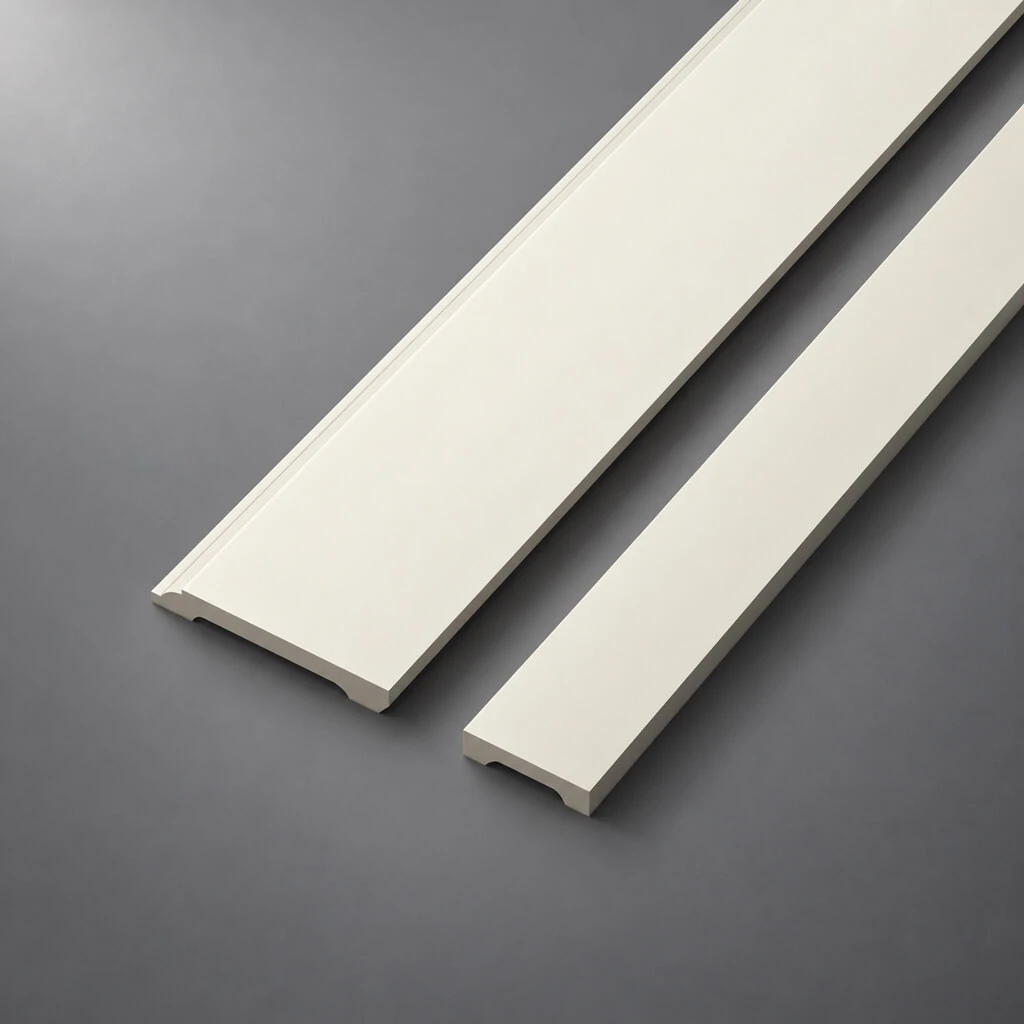
- Smooth moldings for painting
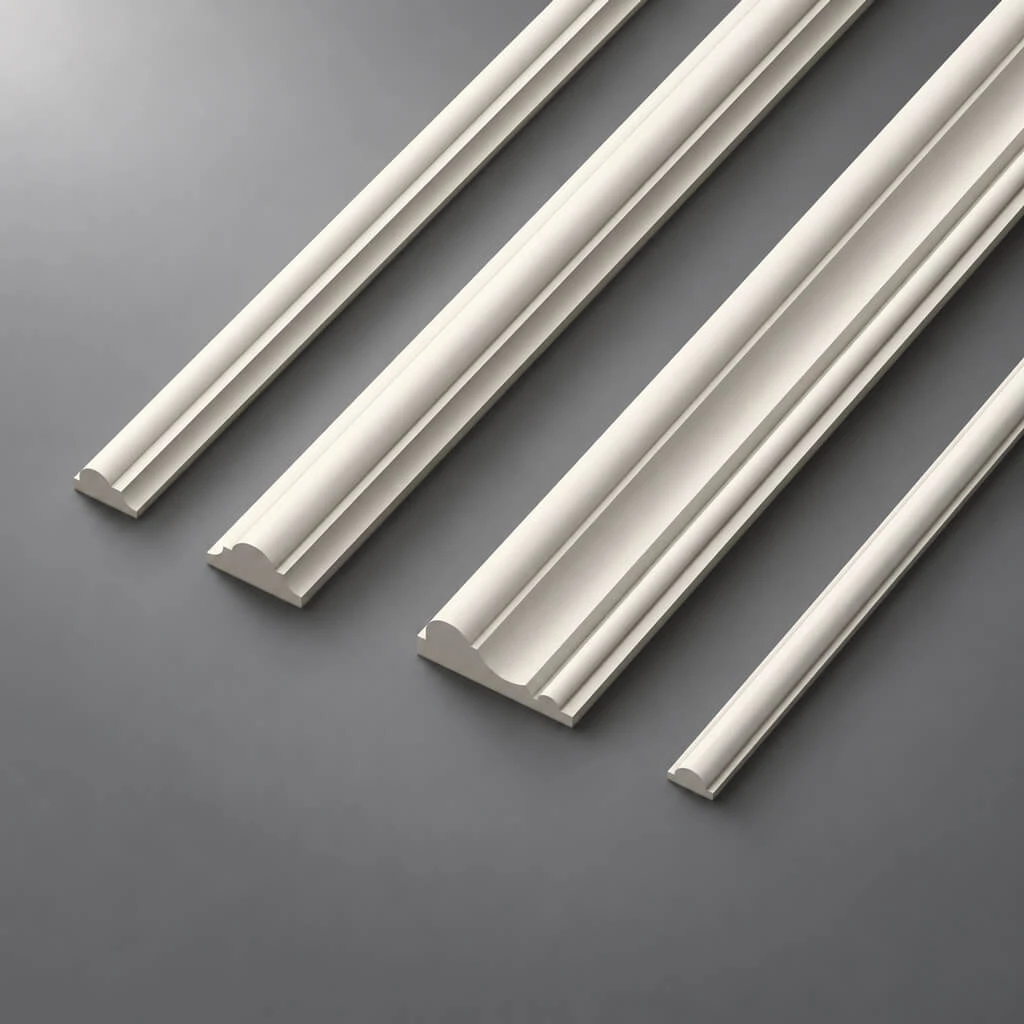
- Relief moldings for painting
- Narrow and wide wall profiles
- Which materials are best suited for moldings for painting
- Polyurethane: Stability and Versatility
- Wood: Naturalness and Premium Result
- What to Choose for a Classic Interior
- What to Choose for a Modern Interior
- Polyurethane vs Wood: Comparison Table
- Where to Use Paintable Wall Molding: Application Scenarios
- Decorative frames on the wall
- Wall Panels: Vertical Zoning
- Accent Wall Behind the Bed Headboard
- TV zone design
- Walls in the Hallway
- Combination with Slatted Panels
- How to Choose Paintable Wall Molding: Criteria and Approach
- By interior style
- By wall height and room size
- By painting type
- By combination with cornices, baseboards, and other elements
- Painting-ready moldings for different interior styles
- Moldings for classic interior
- Moldings for neoclassical interiors
- Moldings for modern interiors with classical elements
- Moldings for minimalist interiors
- Moldings for light-colored interiors
- Moldings for contrasting wall painting
- What to combine wall moldings for painting with
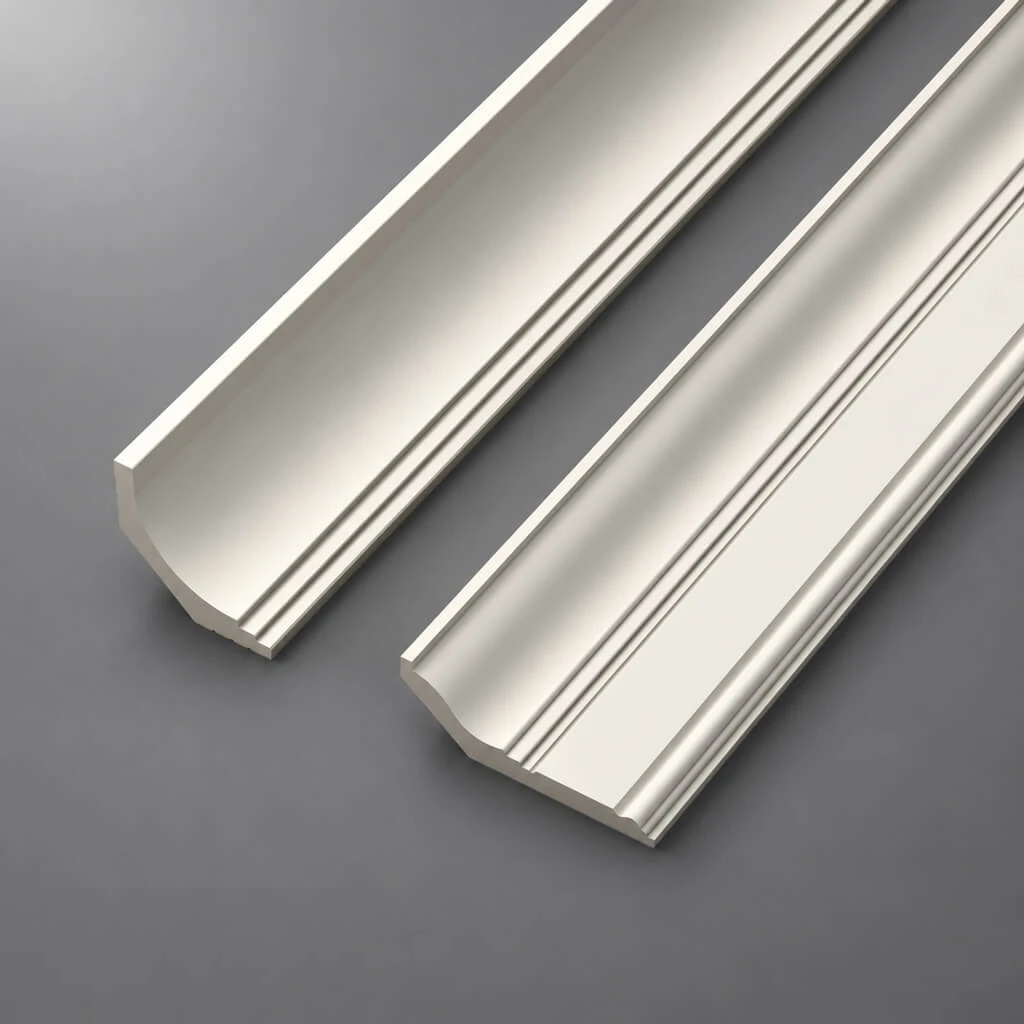
- With cornices and baseboards
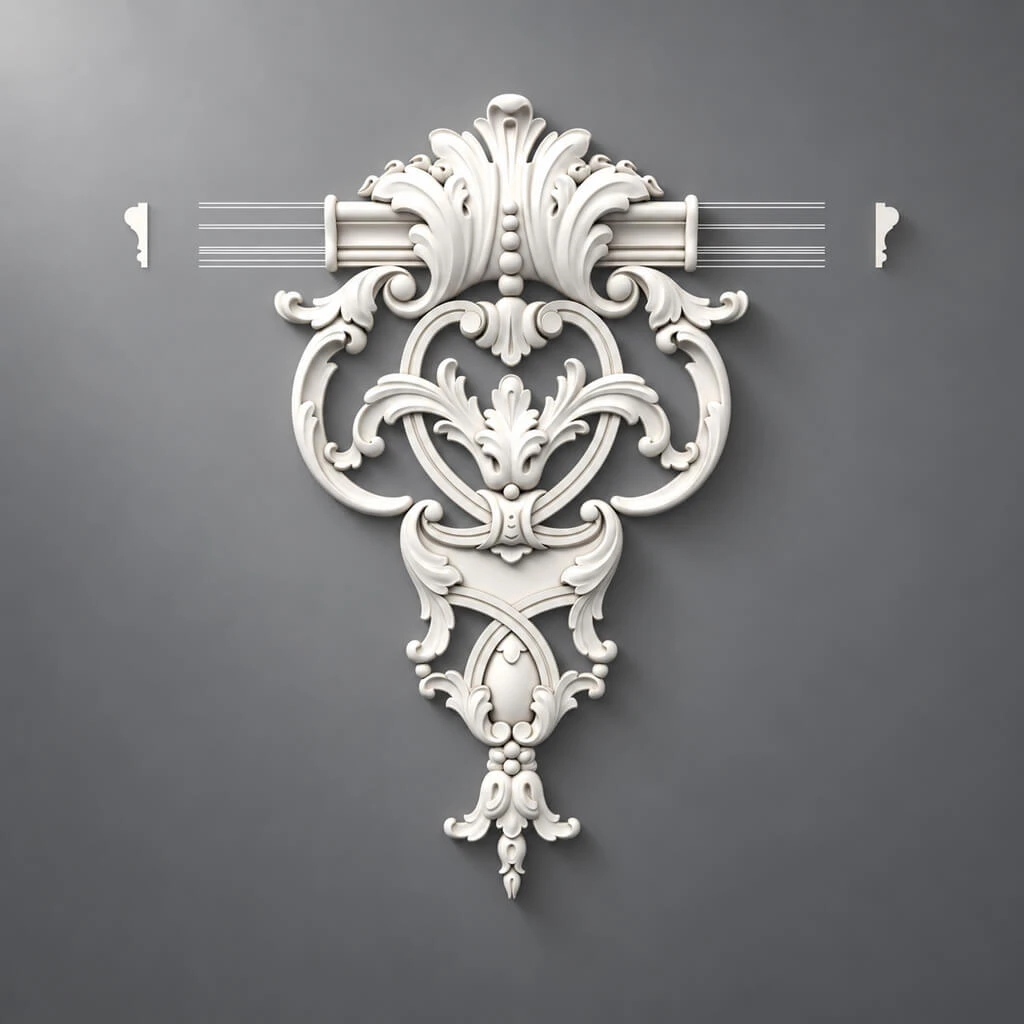
- With decorative elements for moldings
- With slatted panels
- With Stucco and Polyurethane Decor
- With panels and two-tone painting
- What to consider before buying paint-ready moldings in St. Petersburg
- Material: the first decision
- Size: calculate correctly
- Profile: proportionality matters more than beauty
- Compatibility with interior
- Possibility of painting and repainting
- Where to buy wall moldings for painting in Saint Petersburg
- How to choose a profile for a specific interior
- Why it's convenient to order moldings and decor in one place
- Where to buy wall moldings for painting in St. Petersburg with delivery
- FAQ: answers to popular questions about wall moldings for painting
- Which moldings are better for painting: polyurethane or wood?
- Can polyurethane moldings be painted with regular paint?
- What width of moldings should I choose for walls?
- Can moldings for painting be used in modern interiors?
- How to make decorative wall frames from moldings?
- Where to buy wall moldings for painting in St. Petersburg cheaply?
- How often can moldings be repainted?
- Conclusion: wall moldings for painting are an interior choice for years
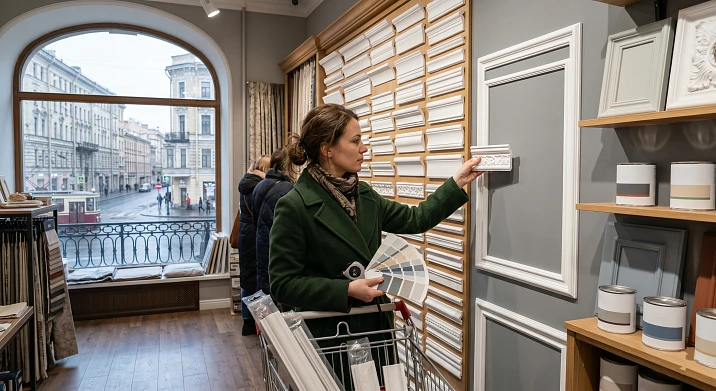
Imagine a wall. Smooth, freshly painted, technically flawless. And yet—empty. Not because of too little furniture or poor lighting. But because there isn't a single line on it to set the scale, define a zone, create a frame, or divide the plane into meaningful parts. This is precisely the task that paintable wall moldings solve—elegantly, precisely, and without unnecessary expense. One correctly chosen profile can transform an ordinary wall into an architectural element of the interior.
Paintable wall moldings in St. Petersburg are in demand for a wide variety of interiors: from classic apartments with stucco ceilings to modern spaces with minimalist wall geometry. The STAVROS catalog featuresSolid wood wall moldings, Polyurethane wall moldings, Decor for MoldingandRafter panels—everything for creating a cohesive decorative wall solution with delivery in St. Petersburg.


Paintable wall moldings: their purpose and why they are chosen
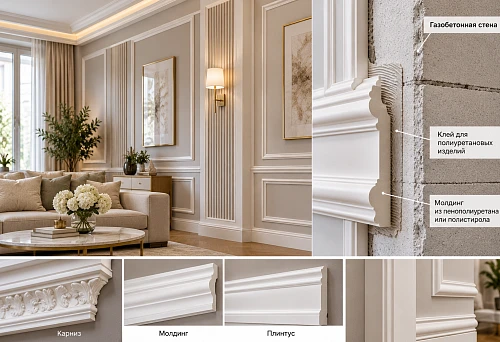
A paintable wall molding is a decorative profile made of wood or polyurethane that is mounted on a vertical surface and painted along with it in a uniform color or a contrasting one. The main feature of such profiles is that they are initially designed for a final paint finish: the surface is smooth, without open pores or random defects, and accepts primer and paint without additional preparation.
Why have paintable moldings become so popular—in both classic and modern interiors?
There are several reasons. The first—they create volume on a flat surface without cladding. Even a simple painted wall with a horizontal molding in the middle stops being just a wall—it gains scale and division. The second—they allow for creating decorative frames on the wall, producing a paneling effect that was popular in 17th–19th century interiors and remains relevant to this day. The third—they provide a tool for zoning: an accent wall, highlighting the headboard area in a bedroom, decorating a niche, creating a frame around a fireplace or TV.
In St. Petersburg, the historical context amplifies this demand. St. Petersburg architecture is about profiles, cornices, pilasters, frames. Here, paintable wall moldings are not a temporary trend, but an organic continuation of the city's decorative tradition in residential spaces.
To buy paintable wall moldings in St. Petersburg means getting a ready-made tool for transforming your interior—without major renovation, without replacing floor coverings, without replanning.

What types of paintable wall moldings exist: typology and formats
Our factory also produces:

Paintable polyurethane moldings
Polyurethane wall moldings— this is the most popular format for paintable wall decorative profiles. The material is lightweight, stable, and does not react to changes in humidity and temperature, which is especially important for the St. Petersburg climate. Polyurethane does not deform, crack, or delaminate over time.
Key advantages of paintable polyurethane molding:
-
the surface is initially smooth and dense — paint adheres without putty;
-
the profile can be cut with a regular knife or miter saw without complex tools;
-
installs with liquid nails in minutes;
-
accepts any paint — acrylic, alkyd, water-based;
-
does not change dimensions with humidity changes — seams do not separate after painting.
The relief of polyurethane wall profiles can be any: from smooth rectangular to complex Baroque ornament. It is precisely the wide choice of shapes that makes polyurethane a universal material for walls — it suits both classic, neoclassical, and modern interiors.
Get Consultation
Paintable wooden wall moldings
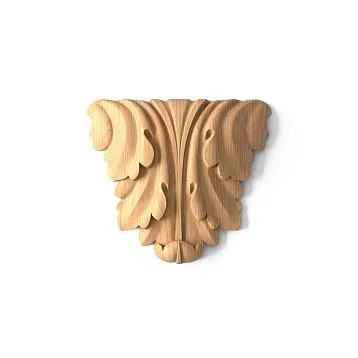
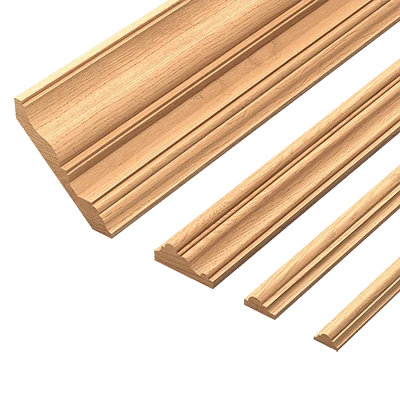
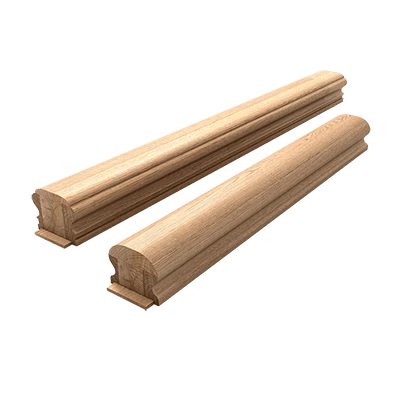
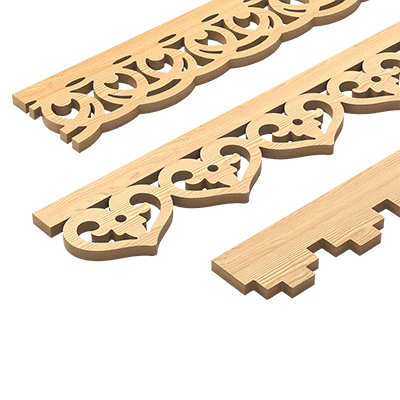
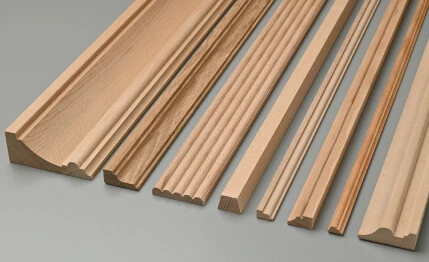
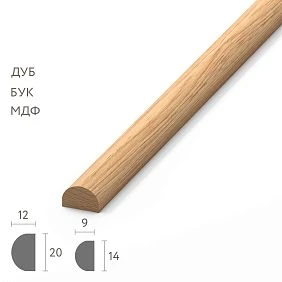
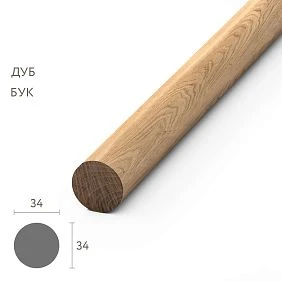
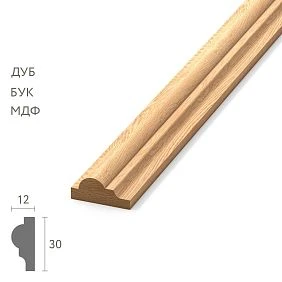
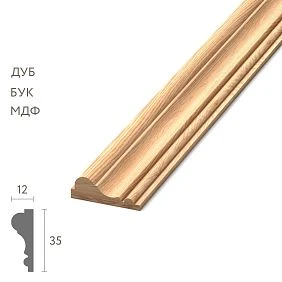
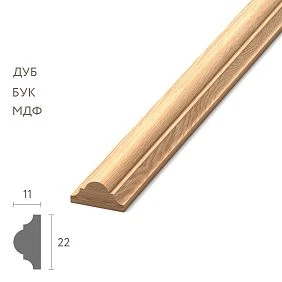
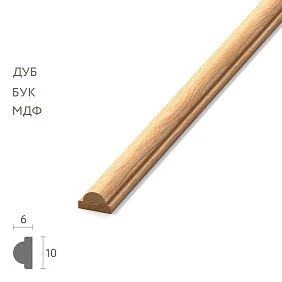
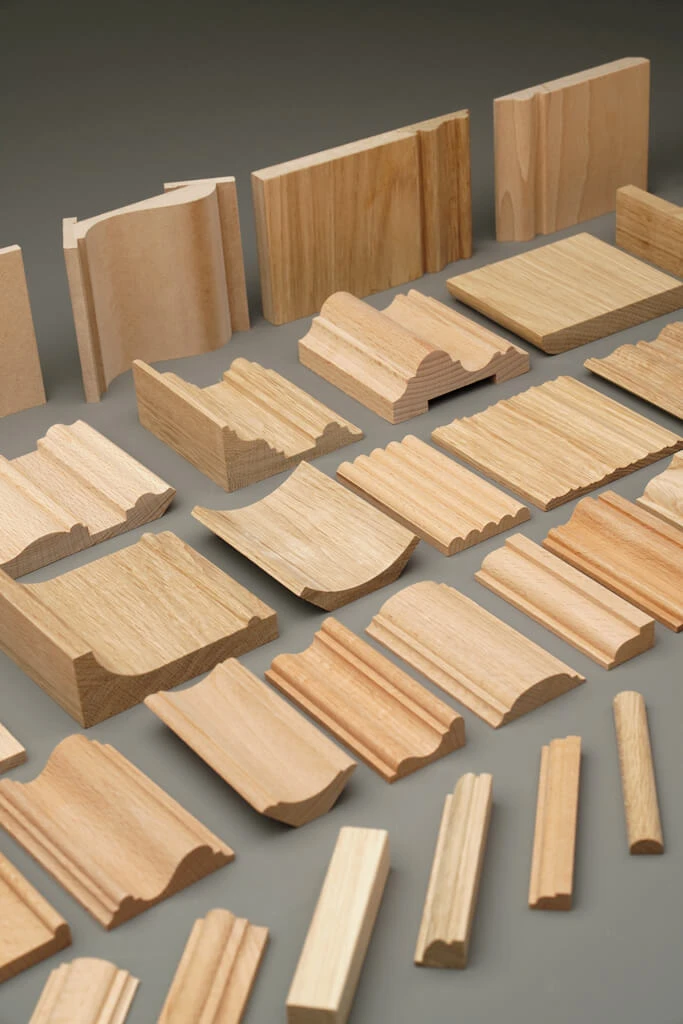
Wooden moldingsFrom the array — this is a premium option of a wall molding profile for painting. Natural wood takes paint especially beautifully: the surface after several layers of enamel looks like the work of a cabinetmaker, and the edges of the profile remain clear and expressive.
For wooden molding intended for painting, preparation is important: sanding, priming, and if necessary — filling knots and joints. But the result justifies the effort. A wooden profile under snow-white enamel or a soft cream tone — that is precisely the feeling of St. Petersburg classicism that cannot be imitated by any other material.
Wooden wall moldings for painting are especially good where:
-
walls are made of natural wood or wooden paneling — unity of materials;
-
the interior requires premium quality in every detail;
-
a subsequent change of finish is planned — wood can be repainted many times.
Smooth moldings for painting
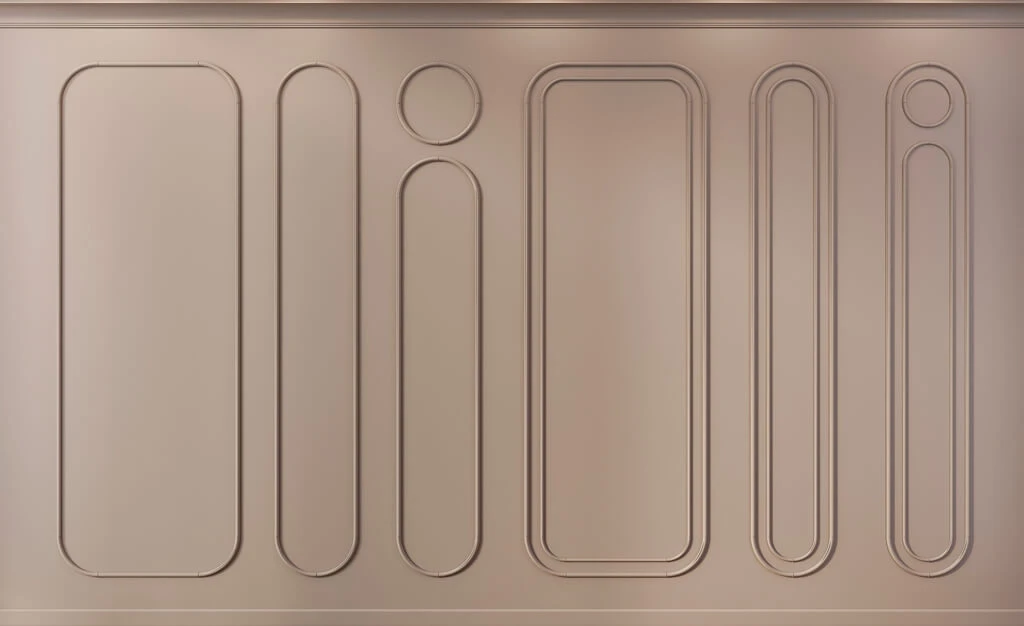
A smooth profile is the most universal type. Clear geometry without ornament, rectangular or stepped cross-section, even planes. After painting to match the wall color, it creates a monochrome volume that is perceived through shadows, not through color contrast. For modern interiors, neoclassicism, minimalism with classical references — smooth molding is indispensable.
Relief moldings for painting
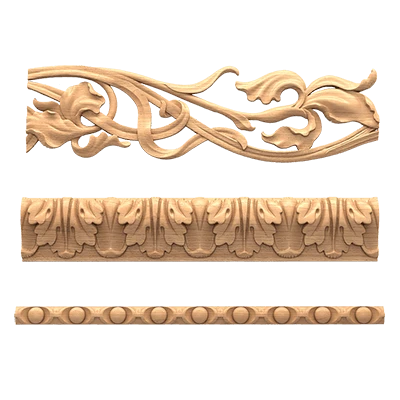
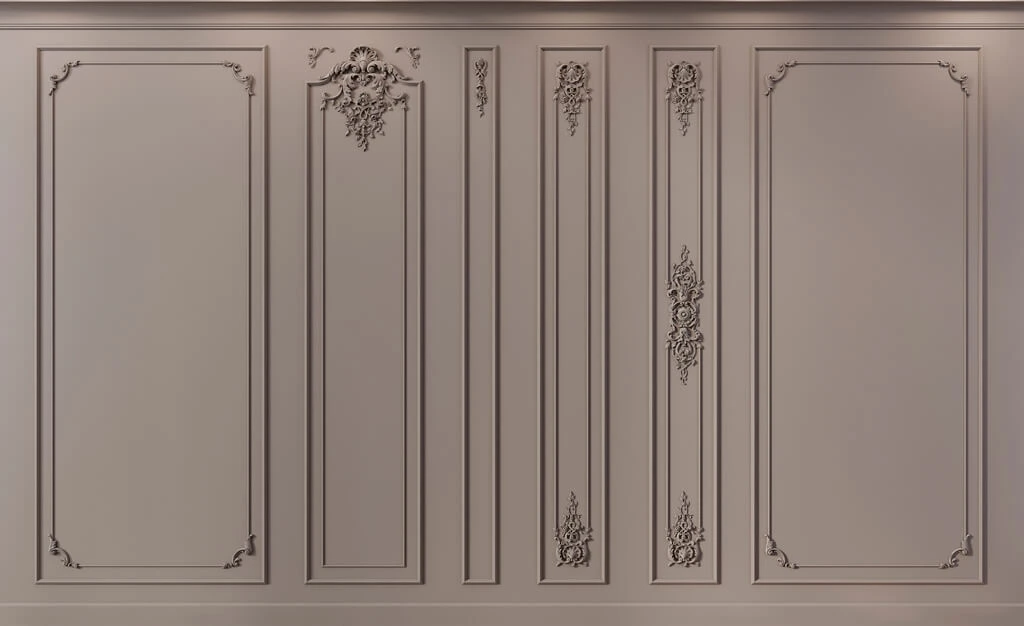
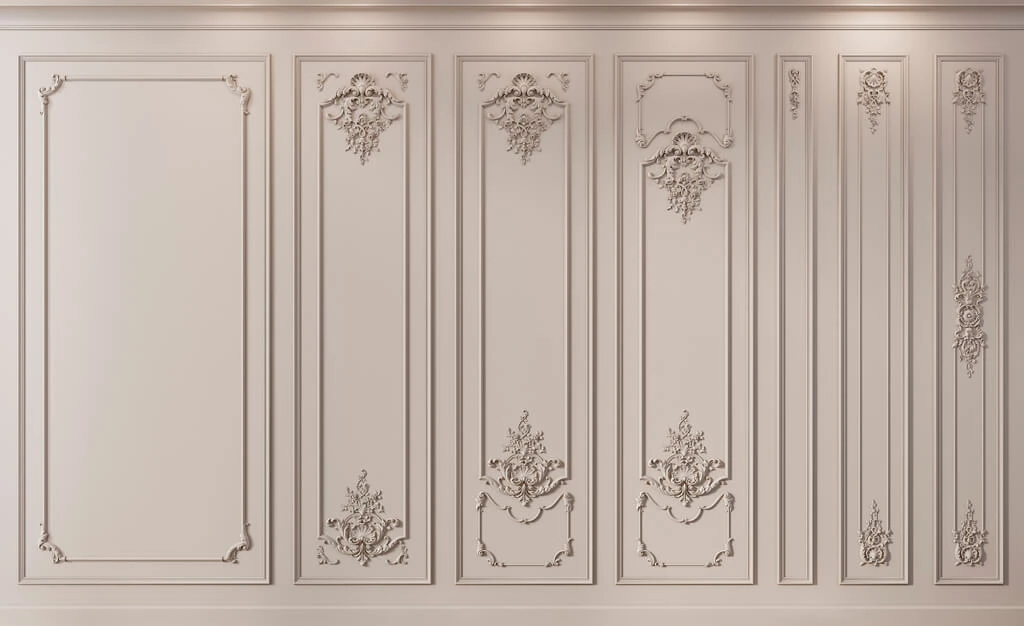
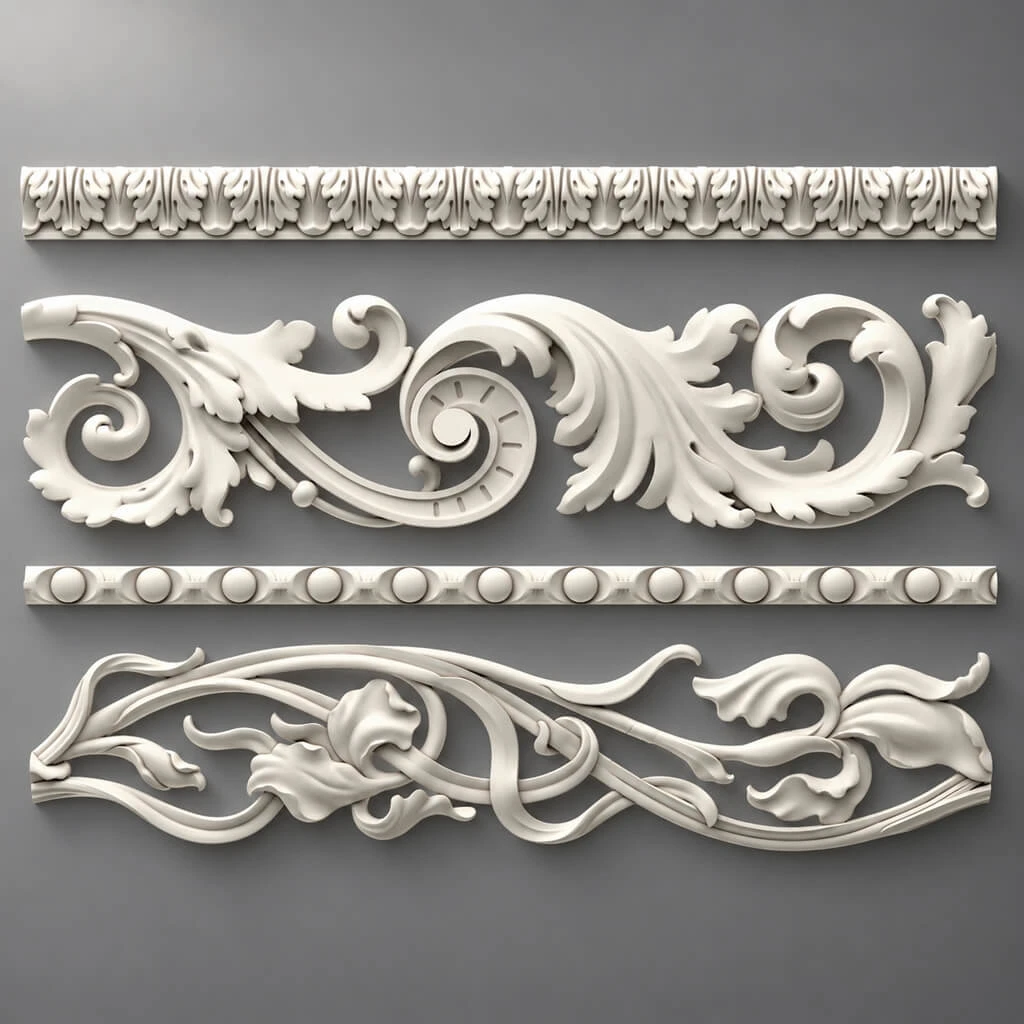
A relief profile carries an ornament: floral, geometric, or mixed. After painting, the relief becomes especially expressive — shadows in the recesses create depth, light protrusions form the pattern. Relief wall moldings for painting are the choice for classical and Baroque interiors, where decorative richness of the surface is fundamentally important.
Narrow and wide wall profiles
Profile width determines the scale of decoration. Narrow molding (up to 3 cm) is a delicate accent, a hint of a frame. Wide profile (from 6 cm) is an architectural gesture, noticeable even from a distance. Between these extremes lies a wide range of intermediate values, each of which works in its own way depending on ceiling height, room size, and interior style.
Which materials are best suited for paint-grade moldings
The question of material is the most common when choosing wall molding. And the most important: a mistake here cannot be fixed by repainting.
Polyurethane: stability and versatility
Polyurethane Items— this is the optimal material for most tasks involving painting wall moldings. Why:
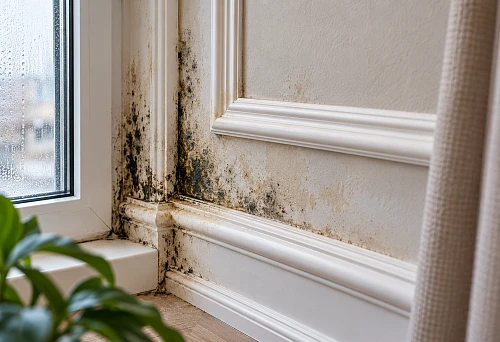
Geometric stability. Polyurethane does not 'breathe' with the humidity in the room. An installed profile remains as straight after five years as on the day of installation. For St. Petersburg with its variable climate and humid periods, this is a particularly valuable property.
Ease of painting. The surface of polyurethane has no open pores — paint does not absorb unevenly. One coat of primer and two coats of paint give a perfect result without drips or stains.
Easy installation. Polyurethane molding can be cut without special tools, installed with adhesive in minutes, and does not require acclimatization before laying.
Possibility of complex relief. Casting allows reproduction of any ornaments — what would require hand carving in wood is achieved in polyurethane serially and precisely.
Wood: Naturalness and Premium Result
Wooden wall molding for painting is a different story. Here, it's not about versatility but about the feel. Natural wood under a layer of enamel retains its structure, tactile response, and visual liveliness that no synthetic material can replicate.
Wood is chosen for walls when:
-
the interior focuses on natural materials;
-
other wooden elements—parquet, wooden doors, solid wood cornices—require unity;
-
the result must be absolutely premium without compromises.
Important nuance: before painting, the wooden profile must be properly prepared. Sanding with 120–180 grit, priming with special wood primer, and if necessary—filling visible knots. Only then will the finish paint apply perfectly.
What to choose for a classic interior
For classic styles—both materials work. Polyurethane provides rich relief for affordable money: cornices with egg-and-dart, moldings with acanthus, profiles with egg-shaped ornamentation—all of this is difficult to mill in wood but easy to achieve in polyurethane. Wood for classic styles is indispensable where other wooden elements are nearby.
What to choose for a modern interior
Modern interior with classic references — smooth polyurethane or medium-width wooden molding. Clean geometry, no ornament. Molding for painting to match the wall tone or slightly lighter — a delicate volume effect without excessive decorativeness.
Polyurethane vs wood: comparison table
| Parameter | Polyurethane | Wood |
|---|---|---|
| Stability at humidity | High | Requires coating |
| Ease of Installation | Very High | Medium |
| Relief | Any | Limited by milling |
| Painting | Without putty | Requires preparation |
| Tactile sensation | Neutral | Live, natural |
| Repainting | Several times | Multiple times |
| Price | Below with relief | Higher |
| Application | Any interior | Premium, natural |
Where to use wall moldings for painting: application scenarios
Decorative frames on the wall
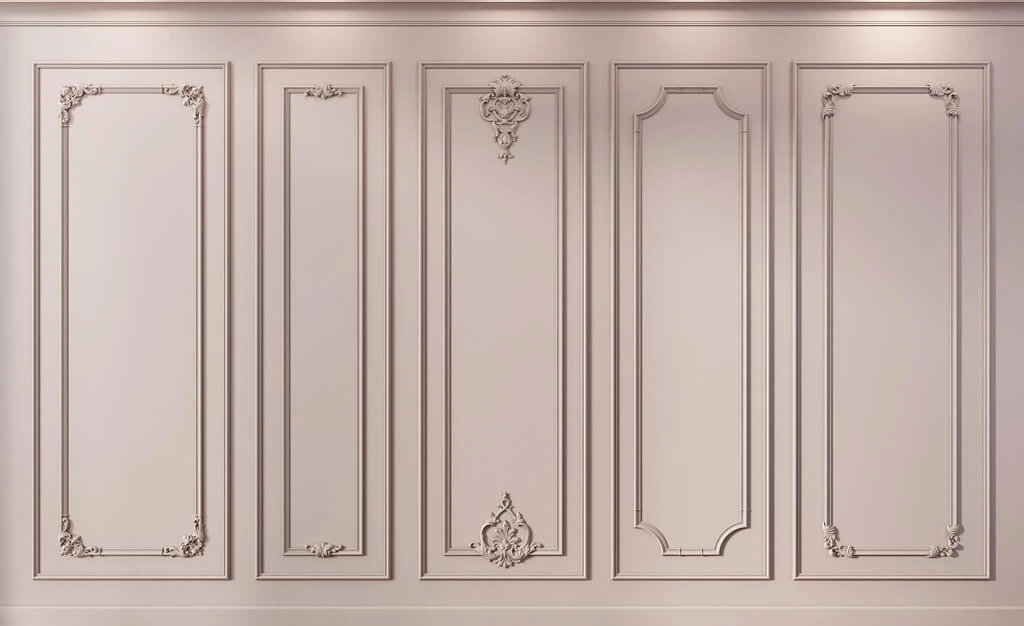
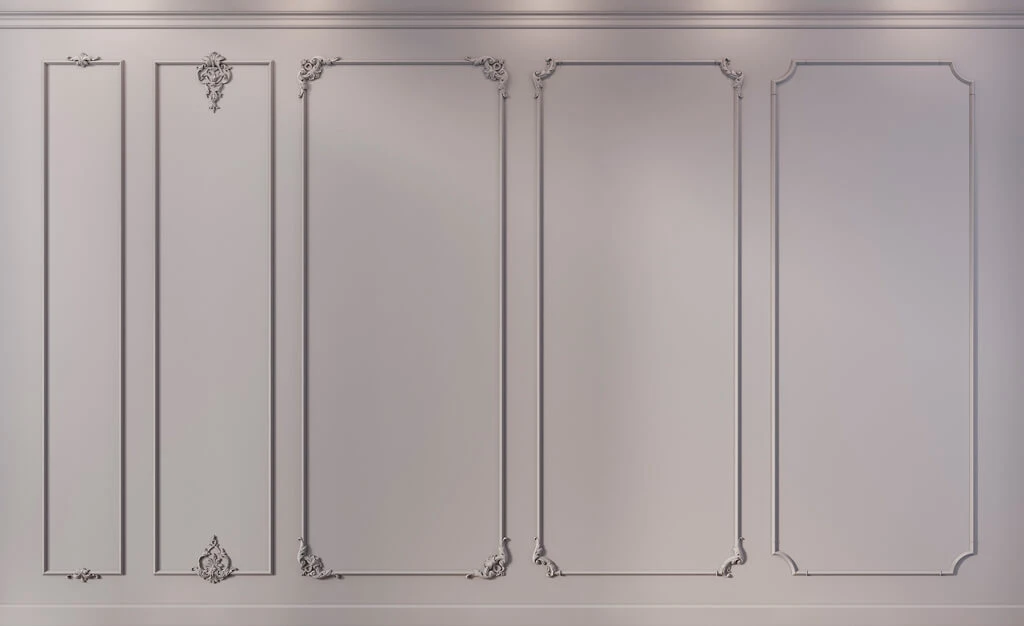
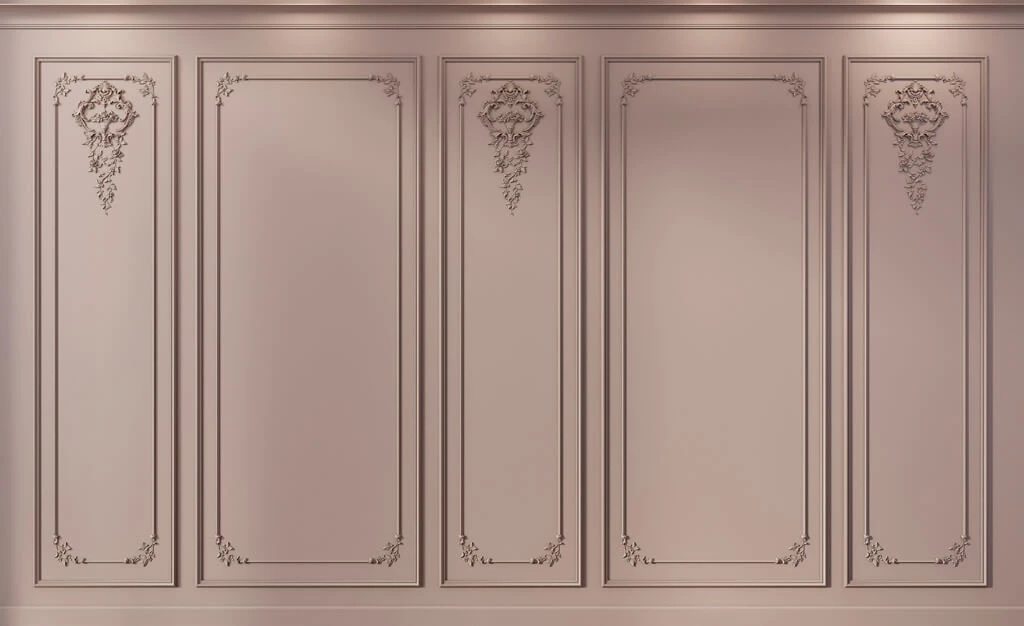
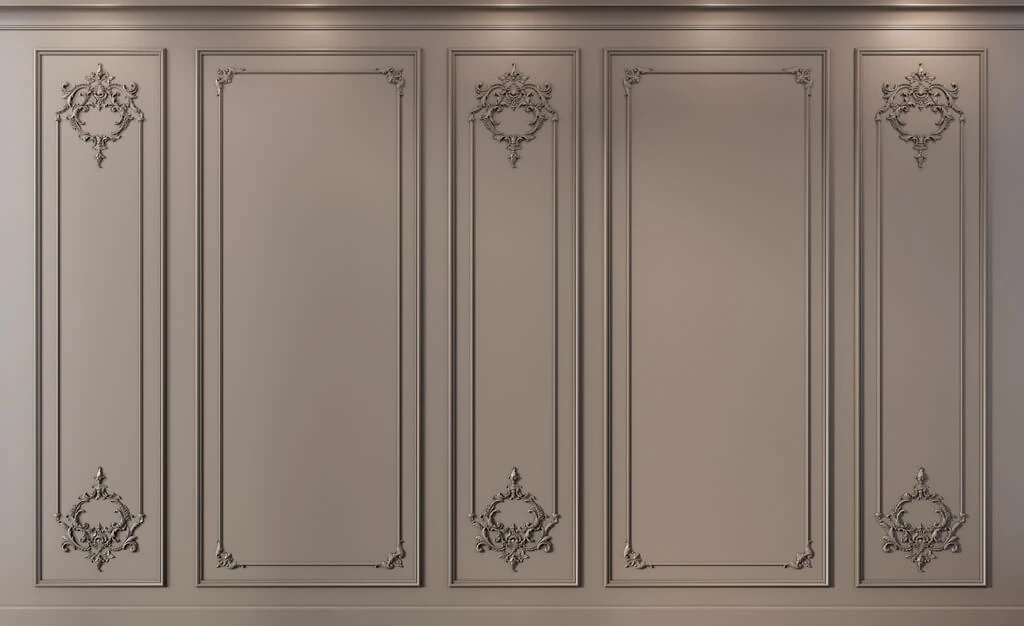
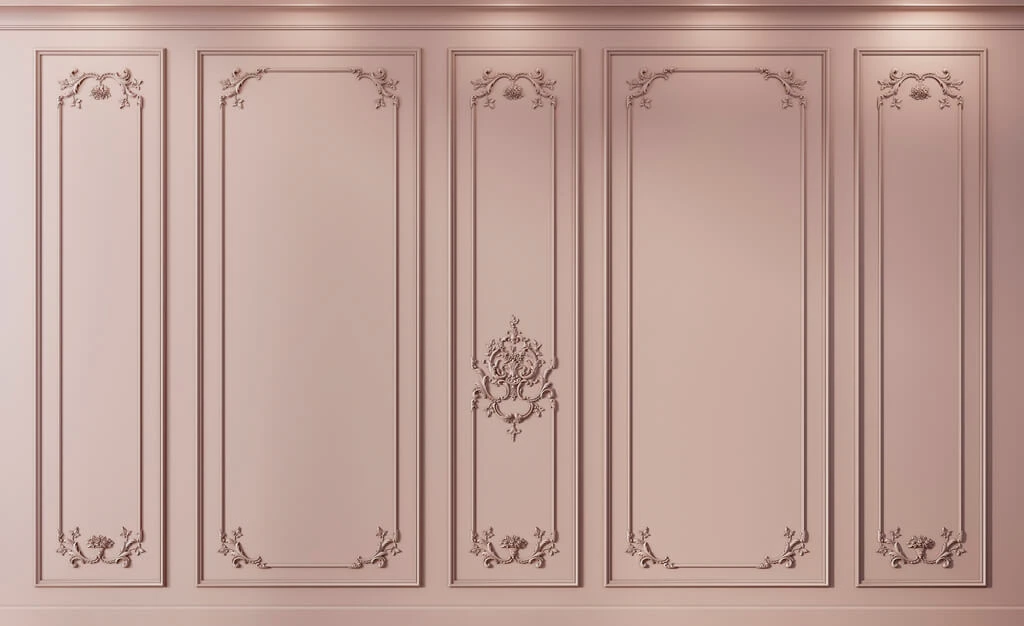
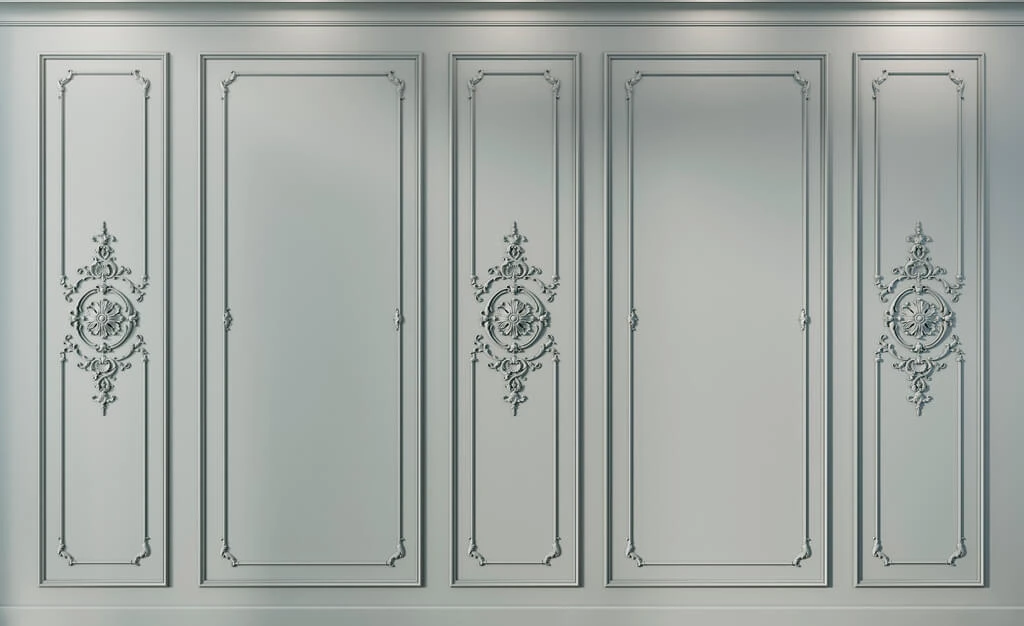
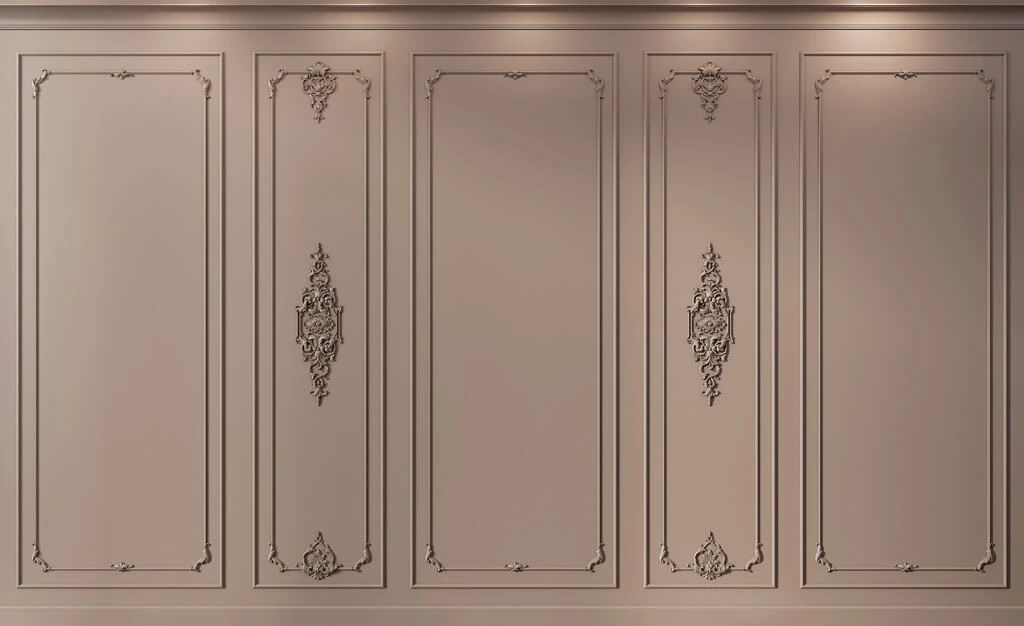
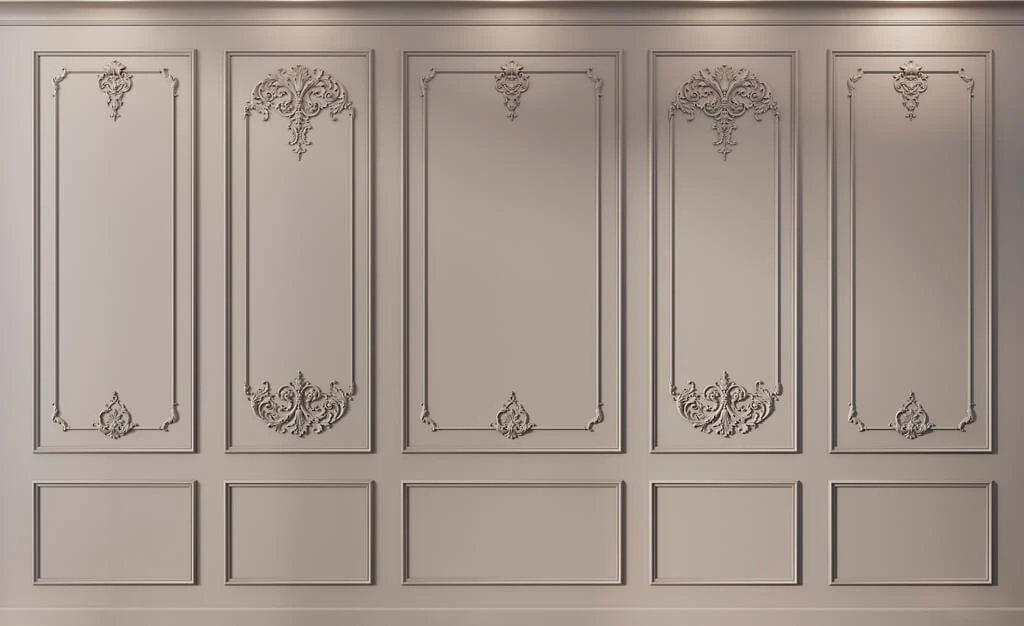
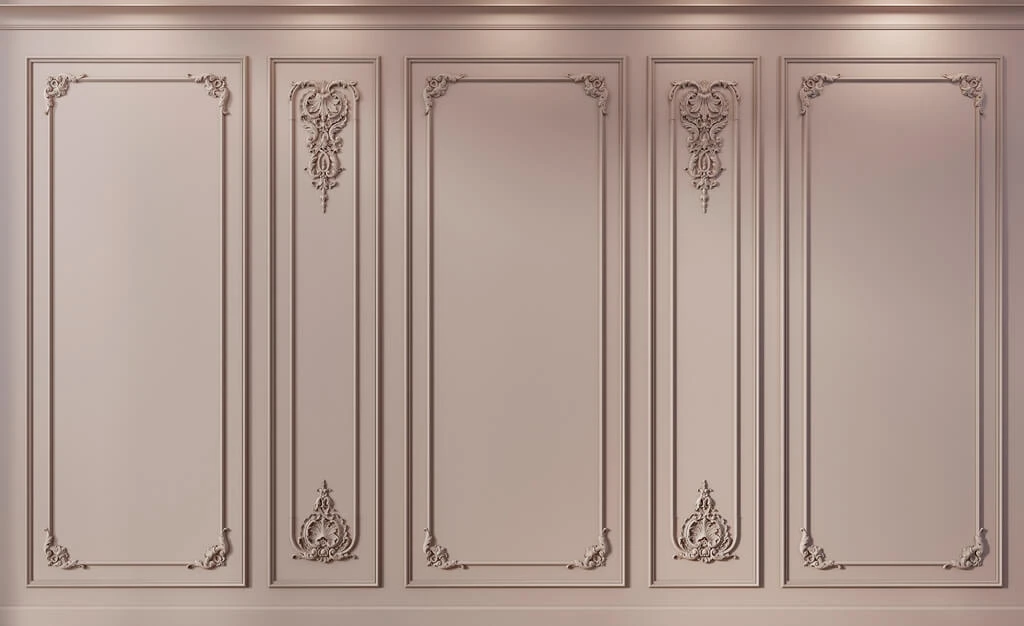
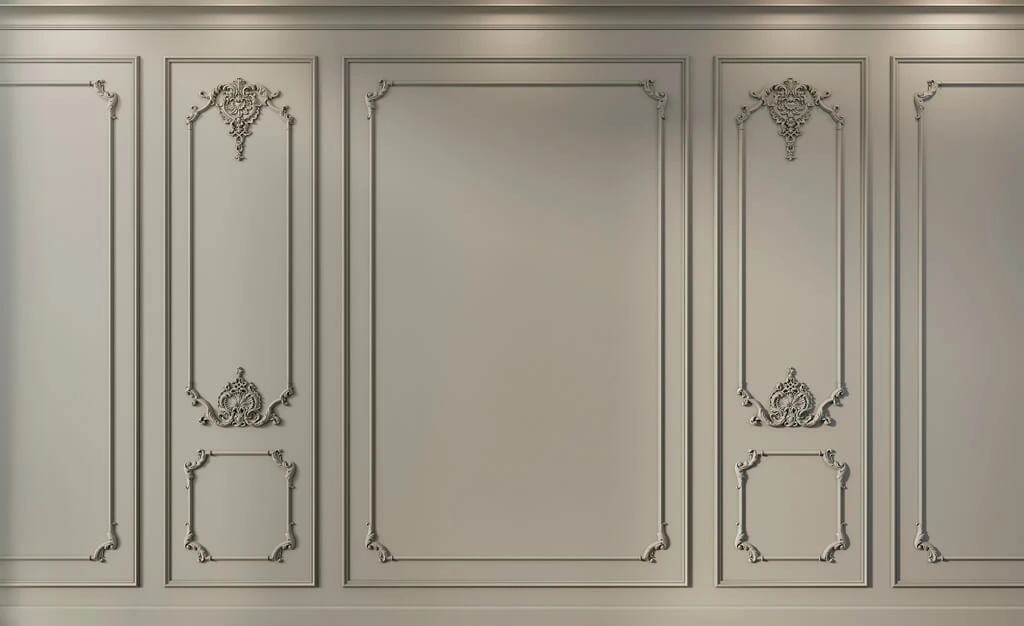
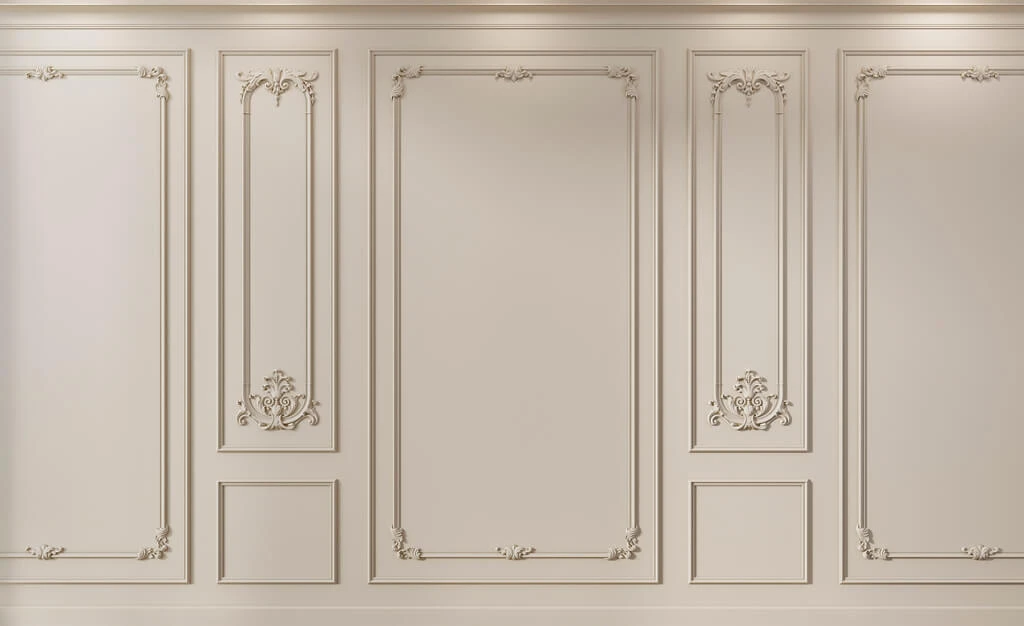
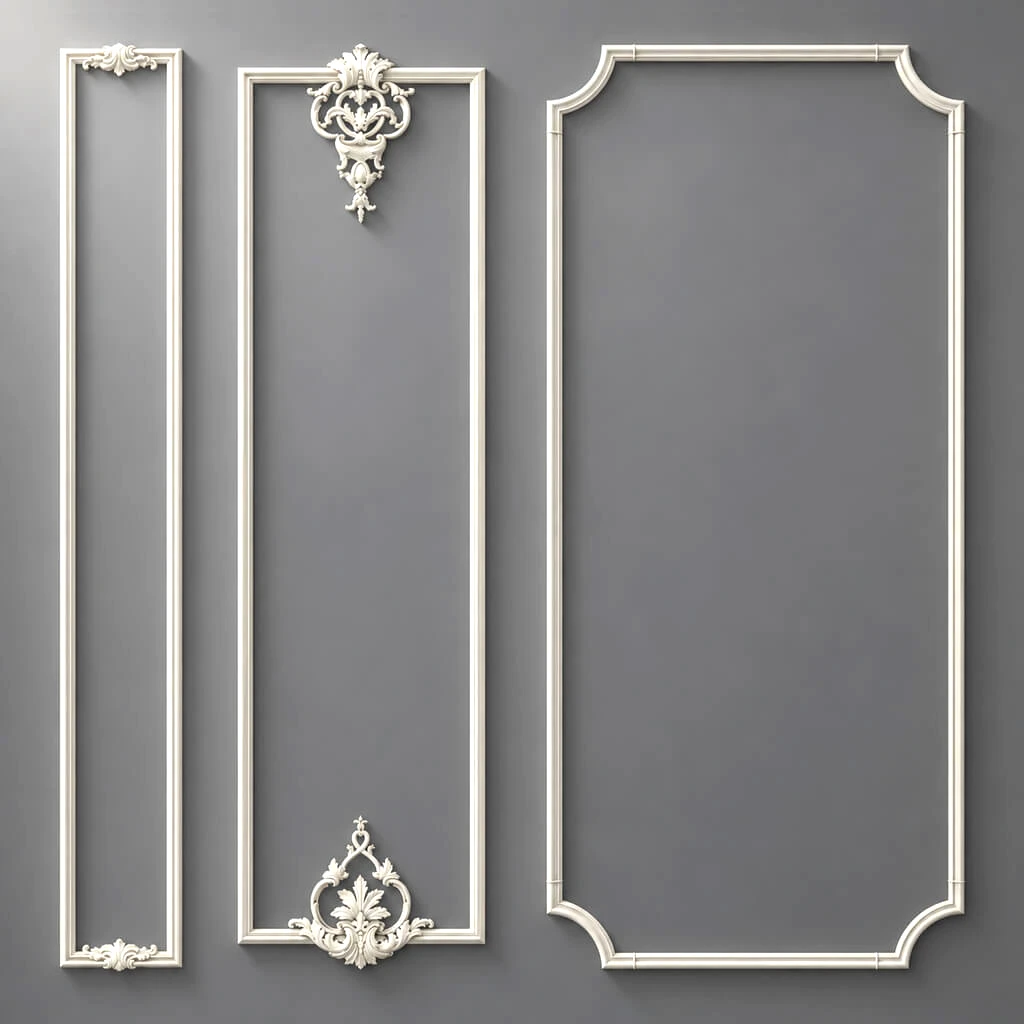
The most common and effective scenario. Moldings are assembled into rectangular frames on the wall surface, imitating inset panels of classic interiors. Inside the frame and outside, the surface is painted in one tone — volume is created by the relief of the profile. Or the field inside the frame is painted in a different shade — then the effect is significantly stronger.
Decorative wall frames are a classic interior design element dating back to the time of Louis XIV. In modern apartments, they work just as effectively: any wall in the living room, bedroom, or hallway with skillfully placed molding frames looks significantly more expensive and well-thought-out.Decor for Molding— corner and transition elements — make the profile joints in the corners of the frame neat and finished.
Wall panels: vertical zoning
Horizontal molding at mid-wall height divides it into lower and upper parts. The lower part is painted in a darker or more saturated tone, the upper part in a light or neutral one. This technique is one of the most effective solutions for adding height to low rooms or, conversely, visually lowering overly high ceilings.
Horizontal dividing molding for walls to be painted is one of the simplest to execute and most visually impactful decorative techniques in modern interiors.
Accent wall behind the bed headboard
The bedroom is a special zone. The wall behind the headboard becomes the backdrop for the entire room; it creates a sense of intimacy and coziness. Decorative moldings for walls to be painted in the bedroom are used in several variations:
-
vertical profiles creating rhythm on the wall behind the bed;
-
frames around the headboard area;
-
a unified decorative panel with moldings along the perimeter of the area behind the bed.
In each case, the moldings are painted along with the rest of the surface: a monochrome solution or a two-tone wall with relief elements.
TV zone design
Modern living rooms are often built around the TV area. Paint-ready moldings create decorative architecture for this zone without built-in furniture: frames around the TV panel, vertical accents on the sides, a horizontal profile at the level of the TV's bottom edge. All this is painted to match the wall or in a contrasting dark color—and the space around the technology becomes thoughtful, not random.
Walls in the hallway
The hallway is the first thing a guest sees. And the first thing the owner sees when returning home. Paint-ready wall moldings in the hallway create a sense of a well-thought-out interior at first glance. A lower panel zone with a horizontal profile, frames at eye level, decorative verticals—all these techniques work even in narrow and dark hallways where there is no space for furniture or complex solutions.
Combination with slatted panels
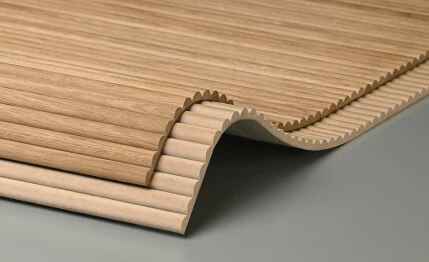
Rafter panelsand moldings are two tools that work perfectly together. A slatted panel on the lower part of the wall + a horizontal molding as a border + a painted upper part with decorative frames—this is a full decorative program for the wall, creating a sense of an expensive, well-thought-out interior.
How to choose paint-ready wall moldings: criteria and approach
By interior style
Style is the first filter. Classic requires profiles with hierarchical cross-sections, moderate or rich relief. Neoclassical—smooth or moderately relief profiles with clear geometry. Modern interior—thin, smooth profiles that create frames without decorative noise. Minimalism—narrow rectangular profiles matching the wall color.
By wall height and room size
Ceiling height dictates the scale of the molding. Ceiling 2.7–3 m—medium profile width of 3–6 cm. Ceiling above 3.5 m—wide profile, proportionate to the space. Ceiling 2.5 m—narrow, delicate molding that does not 'lower' the ceiling further.
Room size is also important. In a small room, wide, relief molding overloads the space. In a large hall or living room, a narrow profile gets lost and does not create the desired decorative effect.
By type of coloring
Monochromatic coloring (molding and wall in the same tone) — soft volume through shadows. Contrast coloring (molding darker or lighter than the wall) — bright decorative effect. Two-tone wall with horizontal molding — zoning and scale. Each option requires its own profile: for monochromatic — any relief can be used, shadows will do the rest. For contrast — precision of the profile geometry is important: edges must be sharp.
By combination with cornices, baseboards, and other elements
Wall moldings should be coordinated with the cornice profile at the ceiling and the baseboard at the floor. The rule is simple: all three elements — cornice, wall molding, and baseboard — should belong to the same stylistic and proportional logic. A wide Baroque cornice with a thin minimalist wall molding — a conflict of scales.
Paintable moldings for different interior styles
Moldings for classic interior
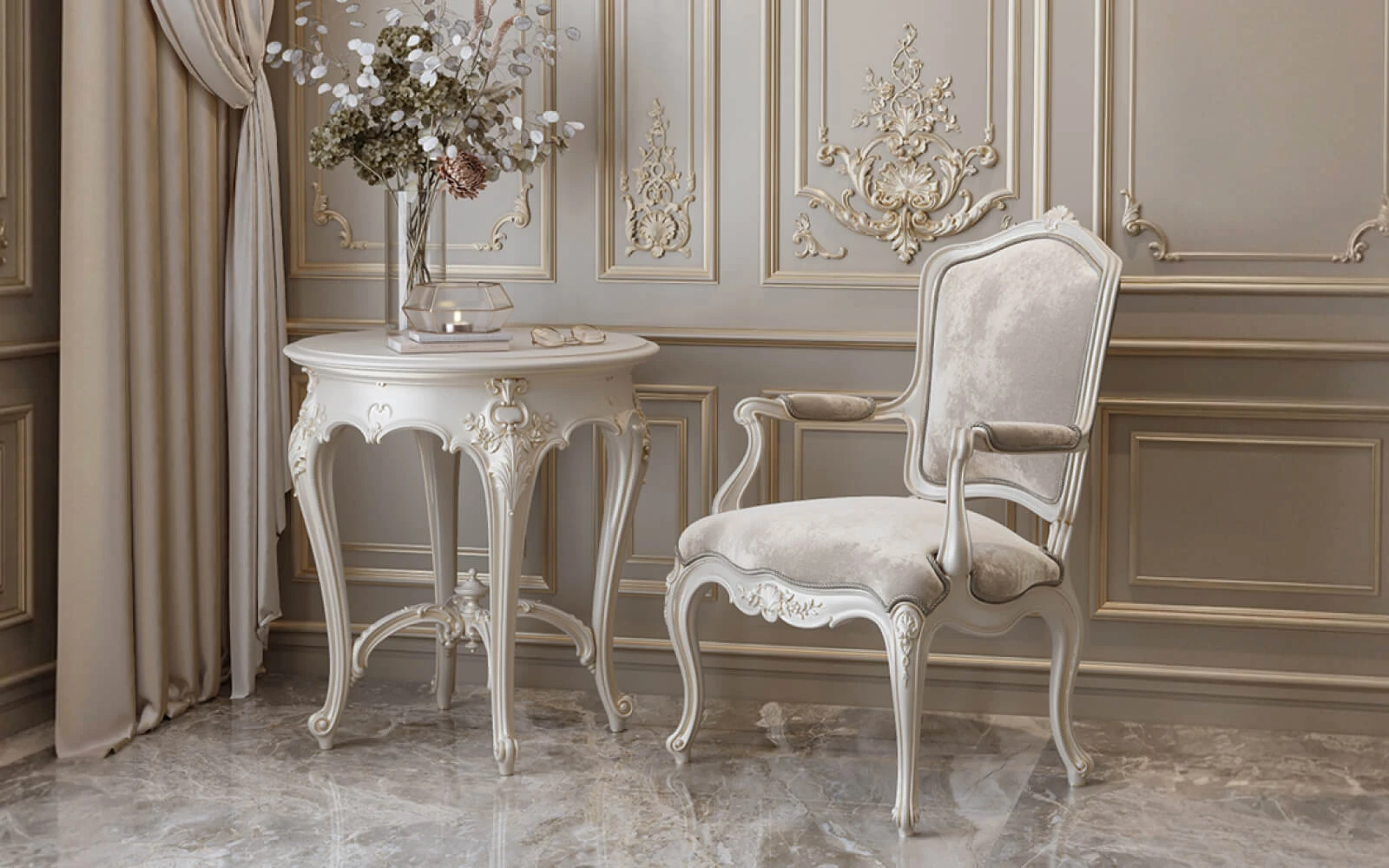
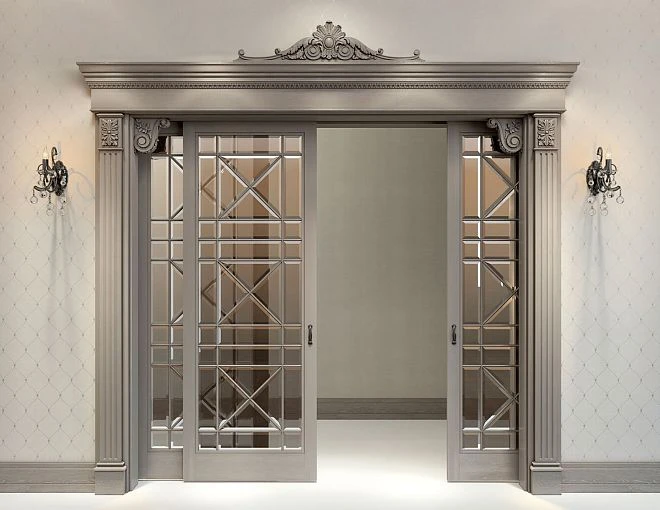
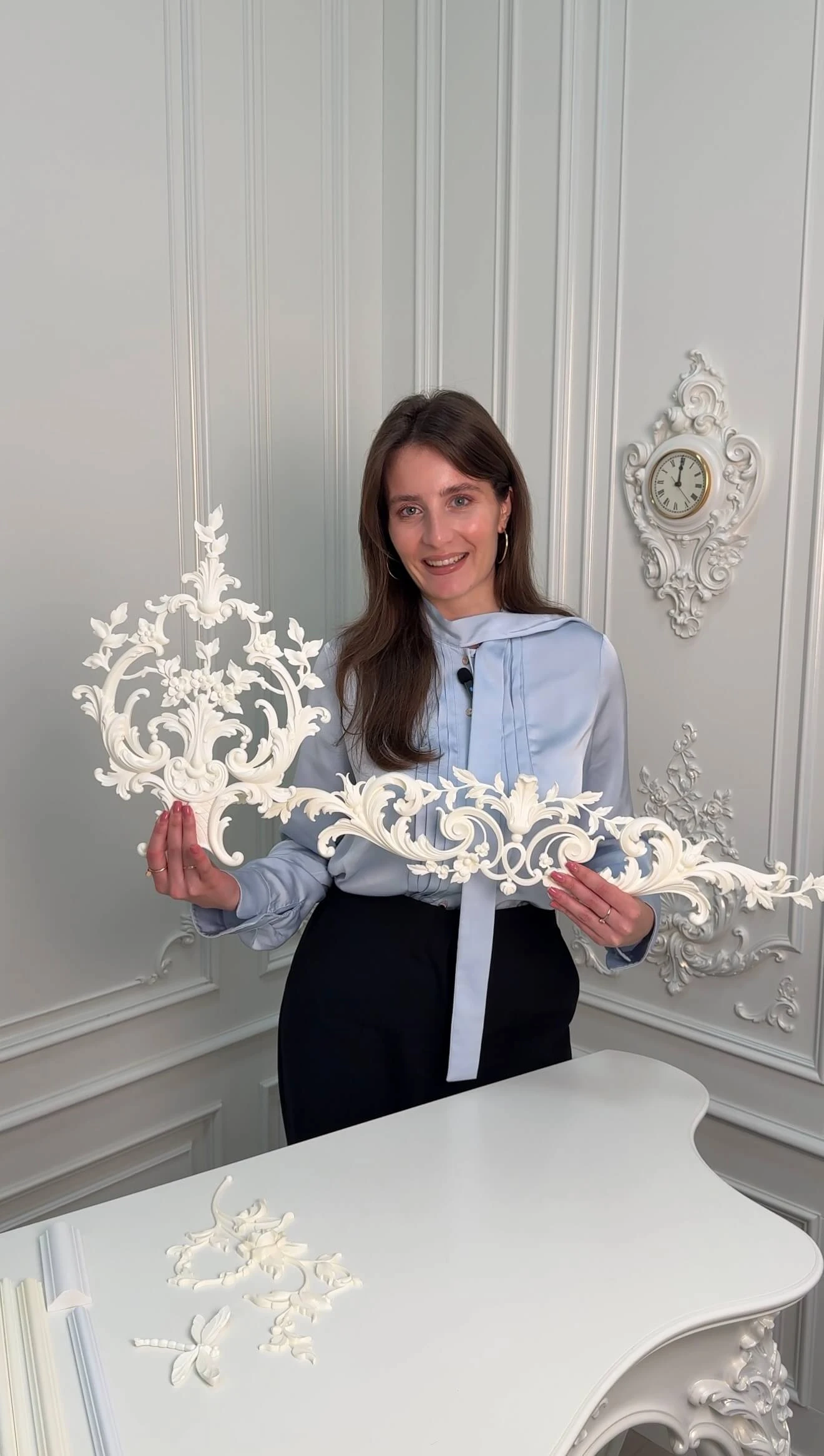
Classicism is hierarchy and symmetry. Decorative frames made of moldings on the walls of a classic living room are arranged in a rhythmic order: equal distances between frames, equal indents from the floor and ceiling. Profile — with several cross-section levels, moderately embossed. At the corners of the frames —molding decorative elementscorner inserts that cover the profile joints and give the frame completeness.
For a classic interior, it is better to buy polyurethane wall moldings for painting with a developed profile — they provide rich relief and do not cause problems with painting. Or solid wood ones, if the budget allows and the interior is fully oriented towards natural materials.
Moldings for a neoclassical interior
Neoclassicism — restraint without asceticism. Smooth profile of medium width, decorative frames with moderate indents. Moldings in the tone of the wall or slightly lighter — a delicate effect. Sometimes — an embossed profile with a thin ornament, but without Baroque opulence. This is a style in which moldings create the structure of the space, not its decoration.
Moldings for a modern interior with classical elements
A modern interior with historical references is a popular format in St. Petersburg apartments. Here, paintable moldings are used as a tool to create 'character' without a full classical program. A few frames on an accent wall in the living room or bedroom, a horizontal profile in the middle of the wall in the hallway—this is enough to give the interior depth and a historical intonation.
Moldings for a minimalist interior
Minimalism and moldings are not an oxymoron. A narrow profile 1–2 cm wide, a strictly rectangular cross-section, perfectly even frames in the same tone as the wall. Minimalist molding on a wall functions not as decoration, but as a geometric operation with space: division, highlighting, rhythm. This is a very restrained and very effective technique.
Moldings for light interiors
In light interiors, paintable moldings work through nuances. White molding on a white wall, cream on cream, light gray on light gray—volume is created through differences in surface illumination. With directed spot lighting, the effect is especially expressive: the edges of the profile cast clear shadows, creating a pattern that changes depending on the angle of the light.
Moldings for contrasting wall painting
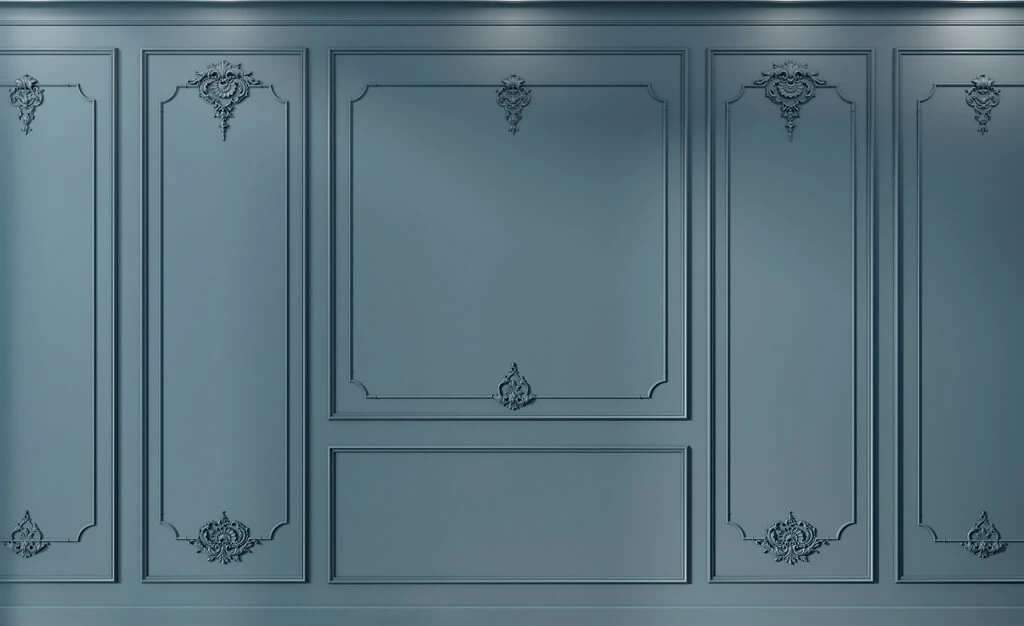
A contrasting scheme—molding in a light tone on a dark wall—yields the most expressive result. The dark background enhances the relief of the profile, and the light lines of the frames are read clearly and confidently. This technique is especially popular for accent walls in dark tones: anthracite, deep blue, dark green—with white moldings on them.
What to combine paintable wall moldings with
With cornices and baseboards
The cornice at the ceiling and the baseboard at the floor are essential partners for wall moldings. All three elements must be maintained in a unified stylistic key. If the wall molding is a smooth rectangular profile, then the cornice and baseboard should also be geometrically simple. If the molding is relief with an ornament, a cornice with similar relief complexity completes the decorative system.
With decorative elements for moldings
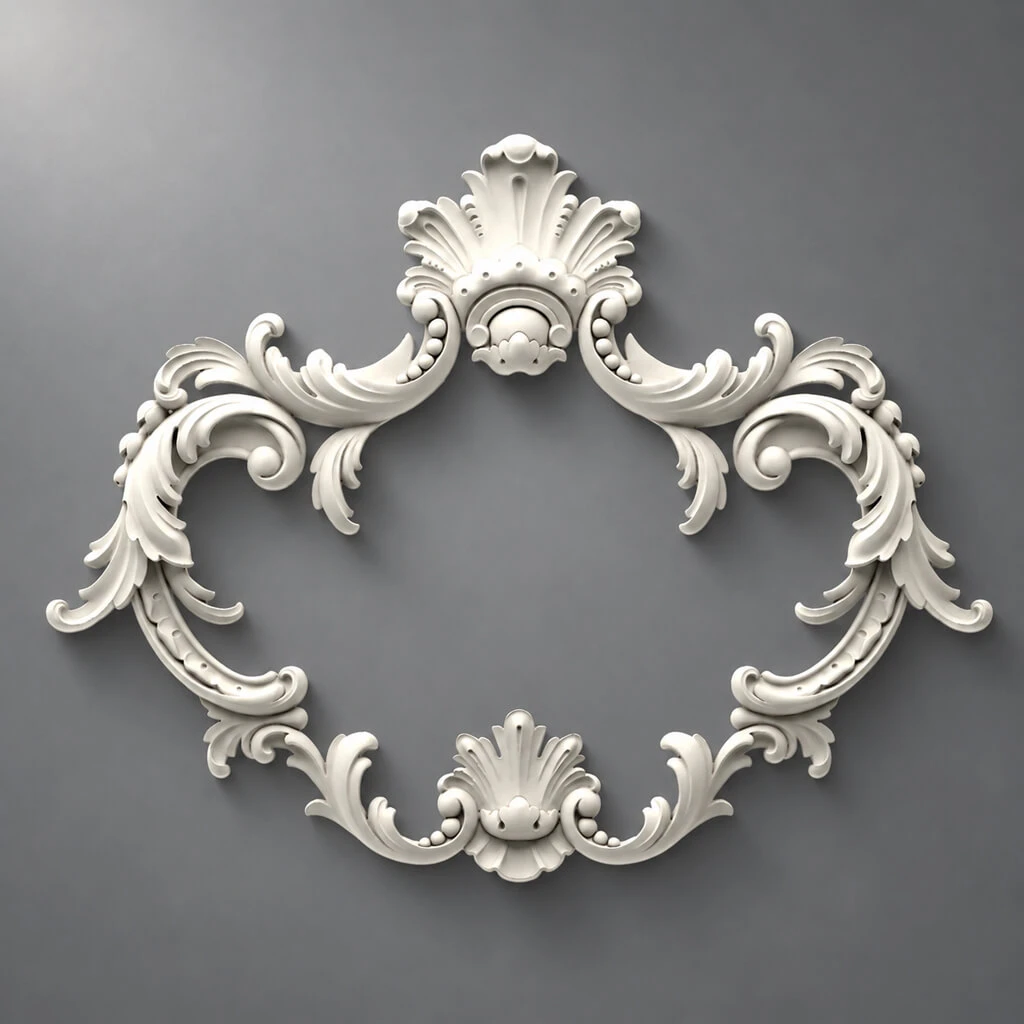
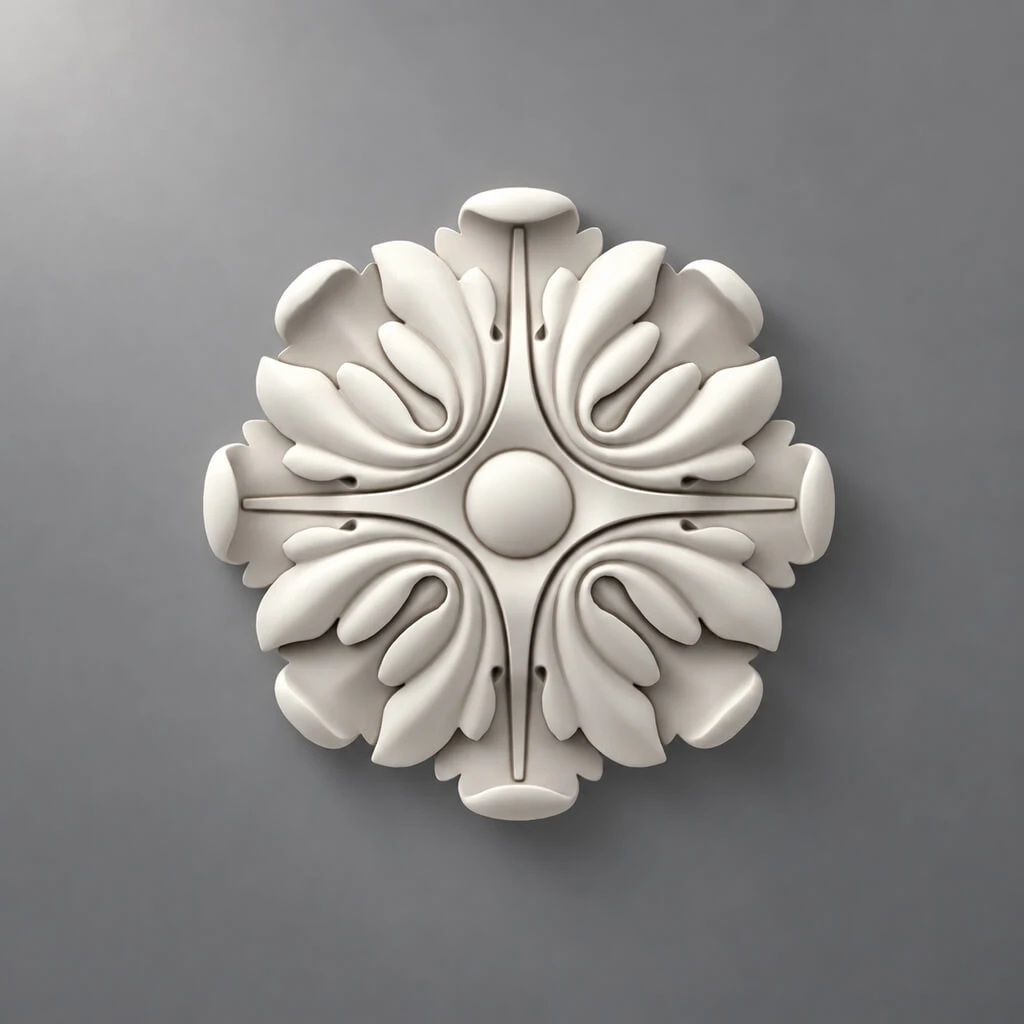
Decor for Molding— these are specialized corner inserts and transition elements that solve both a technical and decorative task simultaneously: they cover the profile joints at the corners of frames, making them not 'cut' but elegantly finished. Without corner decorative elements, a molding frame looks like a technical installation. With them — like a well-thought-out decorative unit.
With slatted panels
Rafter panelsand wall moldings for painting are two tools that mutually reinforce each other. Scheme: the lower part of the wall is a slatted panel with a vertical rhythm. The boundary between the lower and upper parts is a horizontal molding for painting. The upper part of the wall is a smooth painted surface with frames made of molding. Three tools, one space, a full-fledged interior result.
With stucco and polyurethane decor
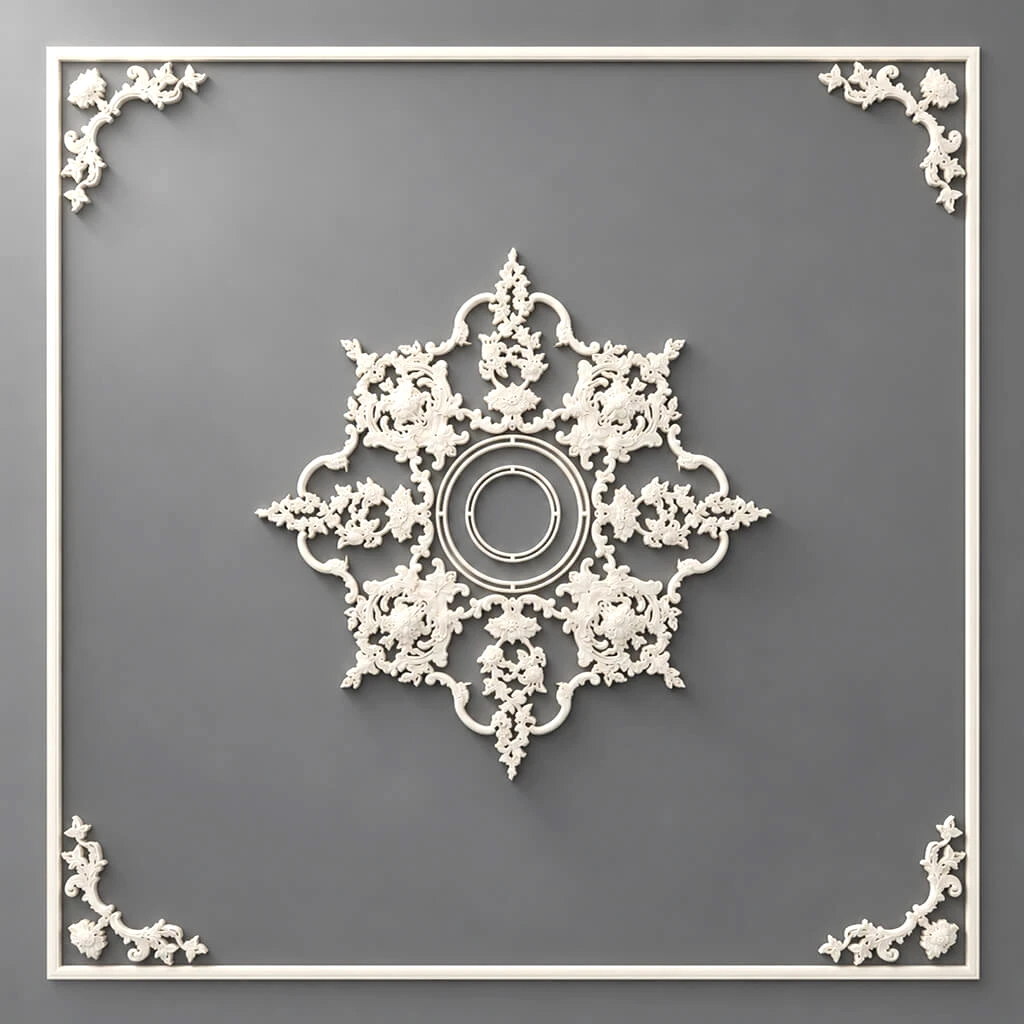
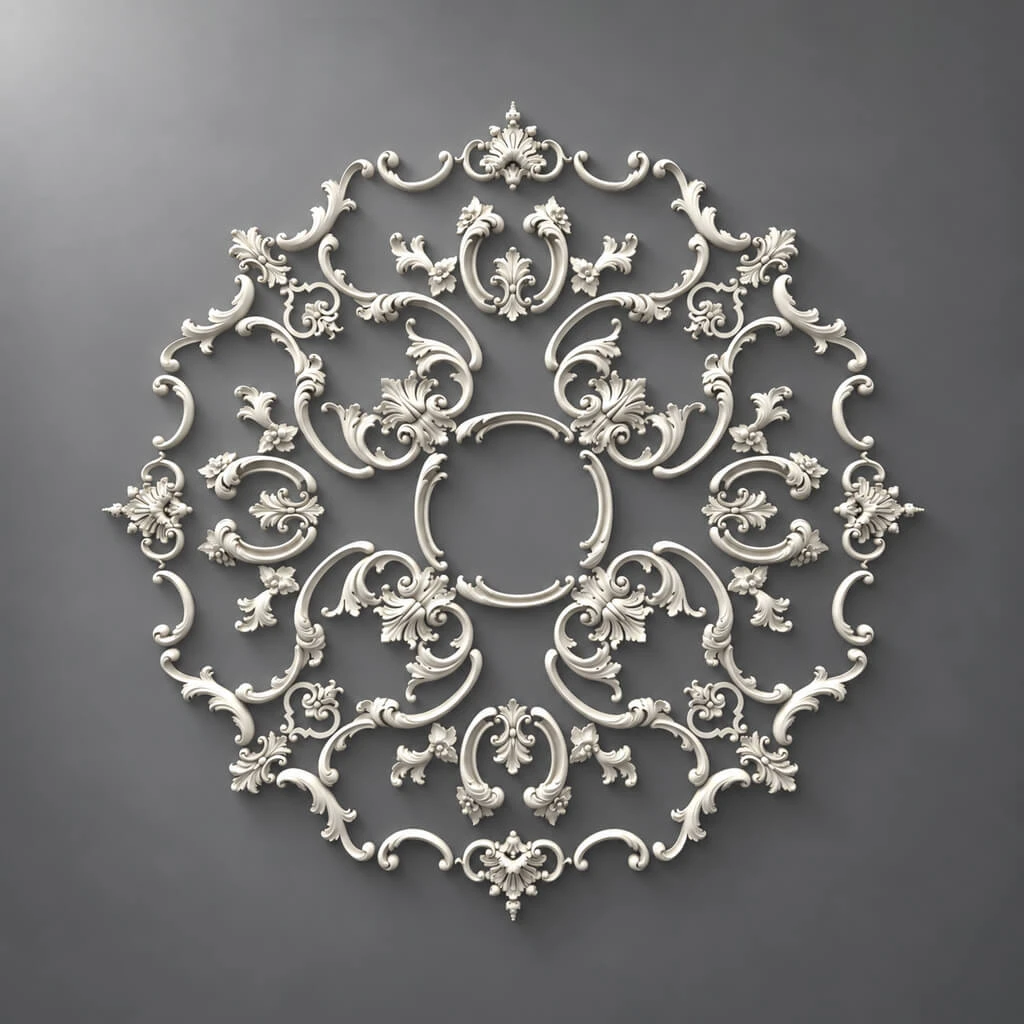
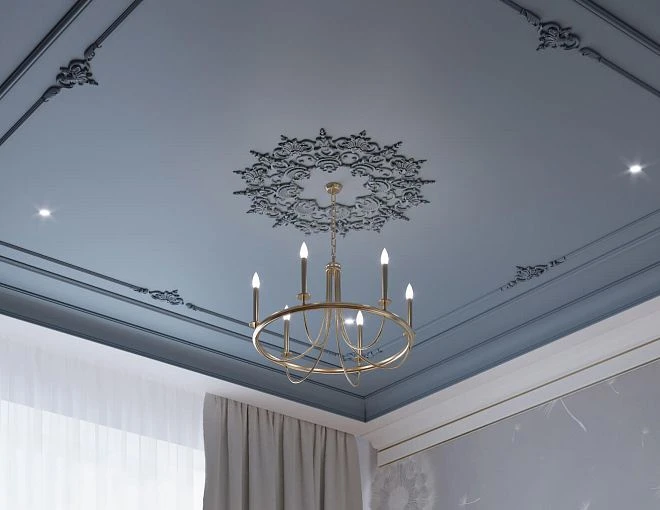
Ceiling stucco, polyurethane rosettes for chandeliers, decorative medallions in corners — all of these work in tandem with wall moldings, creating a complete decorative program for the room. It is important that the style of the stucco and moldings matches: a Baroque rosette on the ceiling with smooth Neoclassical moldings on the walls creates a stylistic conflict.
With panels and two-tone painting
A two-tone wall with a horizontal molding is one of the most popular modern interior techniques. The lower third of the wall is a darker or more saturated tone. The boundary is a horizontal molding for painting in the color of the upper part of the wall or a contrasting one. The upper part is a light neutral tone. Here, the molding serves as a clear boundary that transforms the color transition from chaotic to architecturally designed.
What to consider before purchasing moldings for painting in St. Petersburg
Material: the first decision
Polyurethane — for most rooms and tasks. Wood — for premium projects and natural interiors. MDF profile — for furniture projects. It is important to make this decision before purchase: mixing polyurethane and wooden profiles in one room is acceptable if they are painted in a unified tone, but requires careful preparation of both materials.
Size: calculate correctly
Measure all surfaces where profiles will be mounted. For perimeter frames: width × 2 + height × 2 for each frame. Add 15–20% for cutting waste—especially when working with 45° miter joints. When ordering moldings for painting, always take extra: a specific profile may become scarce, and buying more later in the same article number is luck, not a guarantee.
Profile: proportionality is more important than beauty
A beautiful profile in the catalog doesn't always look beautiful on a specific wall. Check proportionality: the width of the wall molding should be 15–20 times less than the height of the room. With a 2.7 m ceiling, that's 13.5–18 cm—maximum. For frames on the wall, the profile width should be no more than 8–10% of the width of the frame itself.
Compatibility with interior design
Before buying, answer three questions: Which cornice and baseboard will this molding work with? What furniture will it be next to? What role does it perform—creating frames, zoning the wall, emphasizing horizontality? Answers to these questions determine the choice of a specific profile more precisely than any visual criterion.
Possibility of painting and repainting
Check with the supplier: Is primer needed before painting? Which primer is recommended? How many coats of paint provide good coverage? For polyurethane: one coat of primer + two coats of acrylic paint—standard. For wood: sanding 120 + wood primer + two coats of enamel.
Where to buy wall moldings for painting in Saint Petersburg
How to choose a profile for a specific interior
Start with the task: frames on the wall, horizontal zoning, vertical rhythm, area design. Determine the style: classic, neoclassic, modern. Choose the material: polyurethane or wood. Calculate the scale: ratio of profile width to room size. Check compatibility with cornice and baseboard.
Why it's convenient to order moldings and decor in one place
Three arguments in favor of a single supplier:
Unified style. When wall moldings, cornices, molding decor, and slatted panels come from one catalog, they follow a unified proportional and decorative logic. No need to match and compare.
Time saving. One delivery, one point of contact, one consultation on compatibility.
Expertise. A specialized supplier of furniture and interior decor knows what is compatible and what is not. Pre-purchase consultation is part of the service, and it's worth more than it seems.
Where to buy wall moldings for painting in St. Petersburg with delivery
In the STAVROS catalog —Solid wood wall moldings, Polyurethane moldings ready for painting, Decor for Molding, Rafter panelsandPolyurethane Items— all with delivery in St. Petersburg. Buying decorative wall moldings for painting in St. Petersburg here means getting the product, consultation, and compatibility guarantee.
FAQ: answers to popular questions about paintable wall moldings
Which moldings are better for painting: polyurethane or wood?
For most rooms — polyurethane: stable, easy to install, doesn't require special preparation for painting. For premium natural interiors — wood. For rooms with high humidity (bathroom, kitchen) — only polyurethane: wood under paint won't withstand wet cleaning without special coatings.
Can polyurethane moldings be painted with regular paint?
Yes. Polyurethane molding accepts any water-based, acrylic, or alkyd paint. Before painting, it is recommended to apply one coat of primer for better adhesion. The result is a smooth matte or glossy finish without stains or unevenness.
What width of molding should I choose for walls?
It depends on the ceiling height and purpose. For a 2.7 m ceiling — profile 2–5 cm. For a 3.5 m ceiling and higher — 5–10 cm. For delicate frames in a modern interior — 1–3 cm. For classic frames with corner decor — 4–7 cm. General principle: the higher the room, the wider the profile can be.
Can I use paintable molding in a modern interior?
Not only can you — it's one of the most relevant decorative techniques in modern design. Smooth moldings in the same color as the wall create delicate volume and structure without historical references. Geometric frames on walls are an absolute trend in recent years that doesn't go out of style precisely because it's based on the principle of proportion, not fashion.
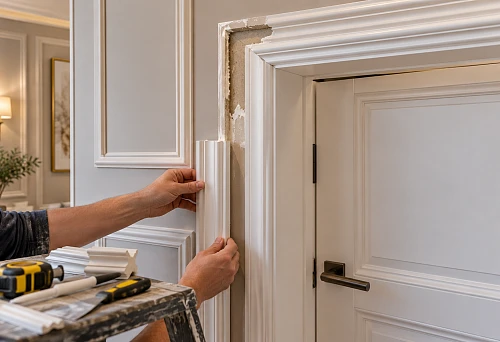
How to make decorative wall frames from molding? Step one: determine the size and placement of the frames, mark with a pencil. Step two: cut the profiles at a 45° angle for corner joints. Step three: mount the profiles with liquid nails, securing them temporarily with painter's tape or small nails while drying. Step four: seal the joints with acrylic sealant. Step five: prime the moldings and wall. Step six: apply the final coat of paint. In the corners of the frames, install
Step one: determine the size and location of the frames, make a pencil marking. Step two: cut the profiles at a 45° angle for corner joints. Step three: mount the profiles on liquid nails, securing them with painter's tape or small nails while drying. Step four: seal the joints with acrylic sealant. Step five: prime the moldings and wall. Step six: apply the final coat of paint. Install in the corners of the framesmolding decorative elementsfor a finished look.
Where to buy inexpensive paintable wall molding in St. Petersburg?
In the STAVROS catalog:Wooden wall moldings, Polyurethane moldings ready for paintingandDecor for Molding— with delivery in St. Petersburg.
How often can moldings be repainted?
Polyurethane moldings allow several repaints without losing geometry — provided that paint layers do not accumulate to a thickness that rounds the edges of the profile. After 3–4 repaints, it is recommended to remove the paint with a special stripping compound and start over. Wooden moldings can be repainted many times, sanding each time beforehand.
Conclusion: wall moldings for painting are an interior choice for years
Paintable moldings are not a seasonal trend. They are a tool that designers have used for three centuries in a row — and with each decade found new uses for it. Frames on a painted wall. Horizontal zoning. An accent wall behind the bed. A decorative outline around the TV area. Classic panels in the living room. All this is solved with one correctly selected profile — and turns an ordinary apartment into an interior with character.
To buy wall moldings for painting in Saint Petersburg means to choose in favor of an interior that will look more expensive, more thoughtful, and more beautiful — without major renovation and without replacing all the furnishings.
STAVROS — a catalog where this choice becomes simple and logical.solid wood wall moldings, Polyurethane wall moldings for painting, decorative elements for walls and moldings, Rafter panelsand the entire rangepolyurethane products— in stock, with delivery in Saint Petersburg. Here you can not just buy a molding, but assemble a complete decorative solution for walls — from the first profile to the last corner element.