


































Article Contents:
- Moldings or slatted panels: what is the fundamental difference
- When to choose wall moldings and when to choose slatted wall panels
- If you need a classic or neoclassical interior
- If you need a modern accent wall
- If you want to combine geometry and volume
- If visual space correction is important
- Wall moldings: where they are appropriate and what they bring to the interior
- Moldings in the living room
- Moldings in the bedroom
- Moldings in the hallway and corridor
- Moldings for TV zones
- Wooden moldings vs polyurethane moldings
- Slatted wall panels: where they work best
- Accent wall with slatted panels
- Zoning space with slatted panels
- Panels Behind the Sofa
- Panels behind the bed
- Panels in the hallway
- Panels in the study and home office
- How to combine moldings and slatted panels on one wall
- Moldings along the edges, slats in the center
- Slats inside molding frames
- Lower part of the wall — panels, upper part — moldings
- Symmetry for classic style
- Asymmetry for modern interior
- Which materials to choose: wood, MDF, or polyurethane
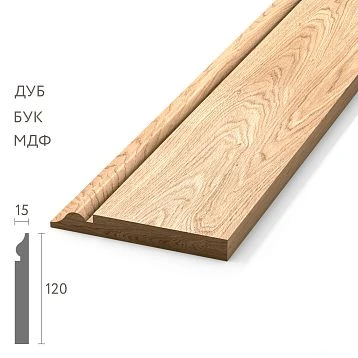
- Moldings made of solid wood
- MDF Molding
- Polyurethane decor and molding
- Wooden Slat Panels
- What to choose for painting
- How to choose decor to match the interior style
- Classic Interior
- Neoclassicism
- Modern style
- Minimalism with an accent on wood
- Interior with decorative panels and moldings
- How to choose color, size, and rhythm
- Narrow and wide moldings
- Frequent and rare spacing of slats
- Vertical slat installation
- How to visually make the ceiling appear higher
- How to make a wall look more expensive visually
- Where to buy wall moldings and slatted wall panels
- How to choose by material
- What to look for in a catalog
- Why it's convenient to get solutions from one manufacturer
- When to add stucco and polyurethane decor
- What else to add to the wall besides moldings and panels
- Decor for moldings
- Cornices and Baseboards
- Interior polyurethane decor
- Mistakes when choosing moldings and slatted panels
- Too complex a pattern on a small wall
- Too frequent slats in a narrow room
- Mixing different materials without logic
- Conflict between classic molding and overly technical panels
- Unaccounted dimensions of furniture and TV
- Forgotten transition to adjacent spaces
- Slatted partitions: a separate application scenario
- Wall Molding: A Classic That Never Goes Out of Style
- Wall Panels and Moldings for Apartments: A Practical Room-by-Room Guide
- Living Room
- Bedroom
- Hallway and corridor
- Office
- Kitchen
- Frequently Asked Questions
- Conclusion: A System Instead of a Choice
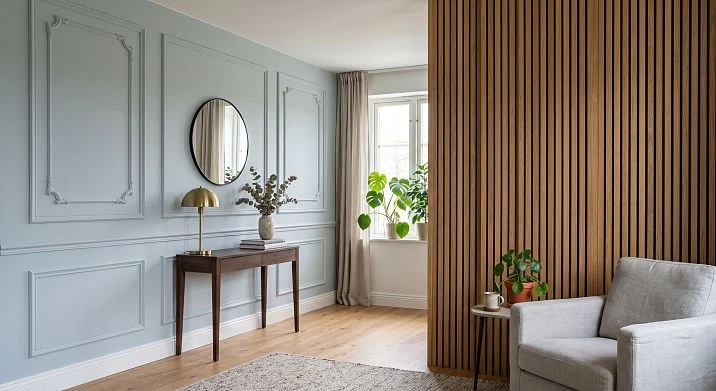
Wall Design for Your Interior:
Go to Molding Catalog | Go to Slat Panel Catalog
A wall is not a background. It's the first thing a person sees when stepping into a room. And it's what sets the tone for the entire interior: its character, depth, and mood. The two tools that work best in this direction today are wall moldings and slat wall panels. The former creates geometry, framing, and elegance of line. The latter provides rhythm, texture, volume, and a modern interpretation of space.
The main misconception that prevents making the right decision: people think these are competing solutions and they need to choose one. In practice, it's exactly the opposite. Moldings and slat panels are partners that together form a complete system of decorative wall finishing. Knowing how to use them separately and in tandem means possessing a true designer's tool.
This is exactly what this article is about. There will be no fluff or general talk about a 'beautiful interior'. Only specifics: when to choose what, how to combine, which materials to use for different tasks, and where to find and buy it all.
Moldings or Slat Panels: What's the Fundamental Difference
Before you choose — you need to understand what exactly you are working with.
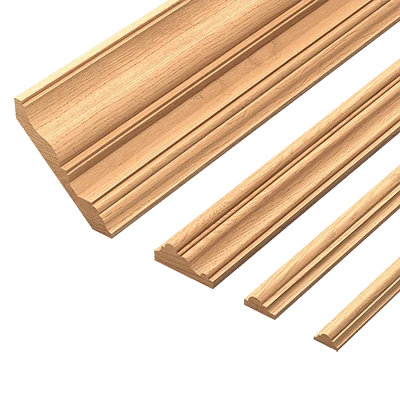
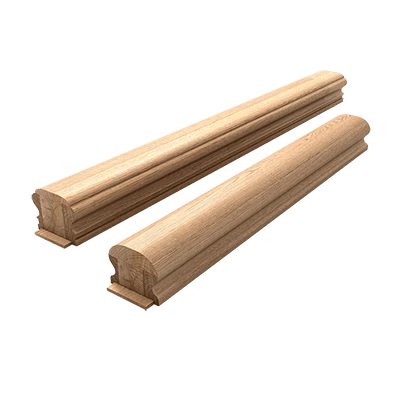
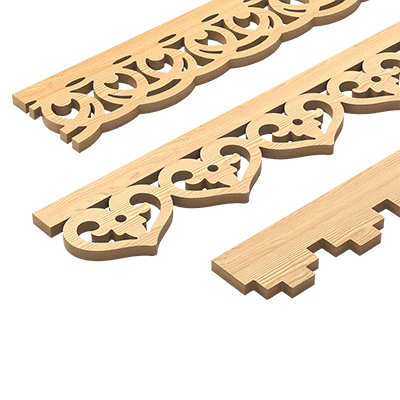
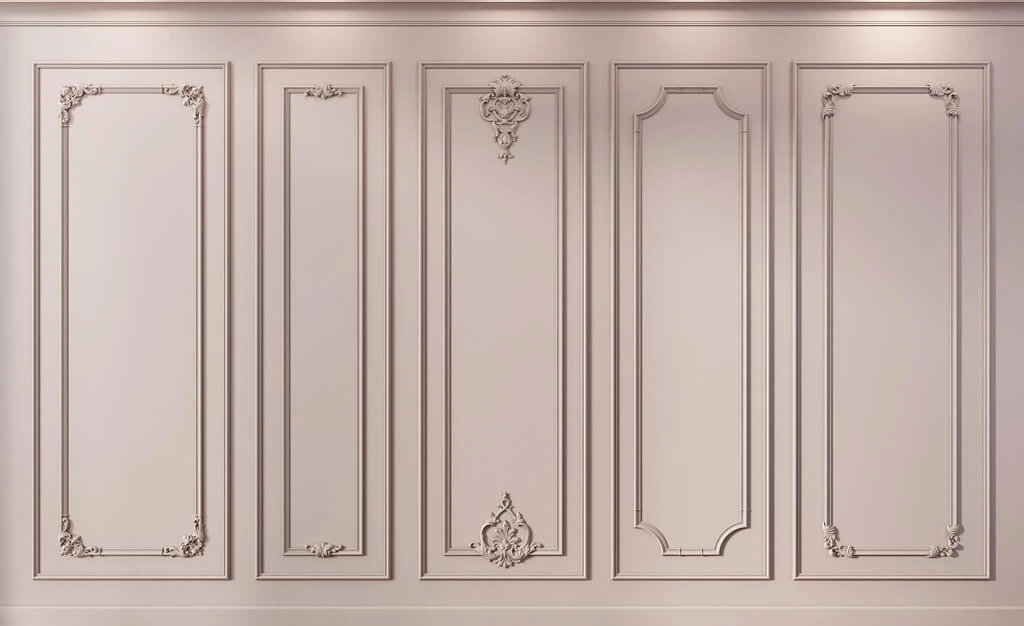
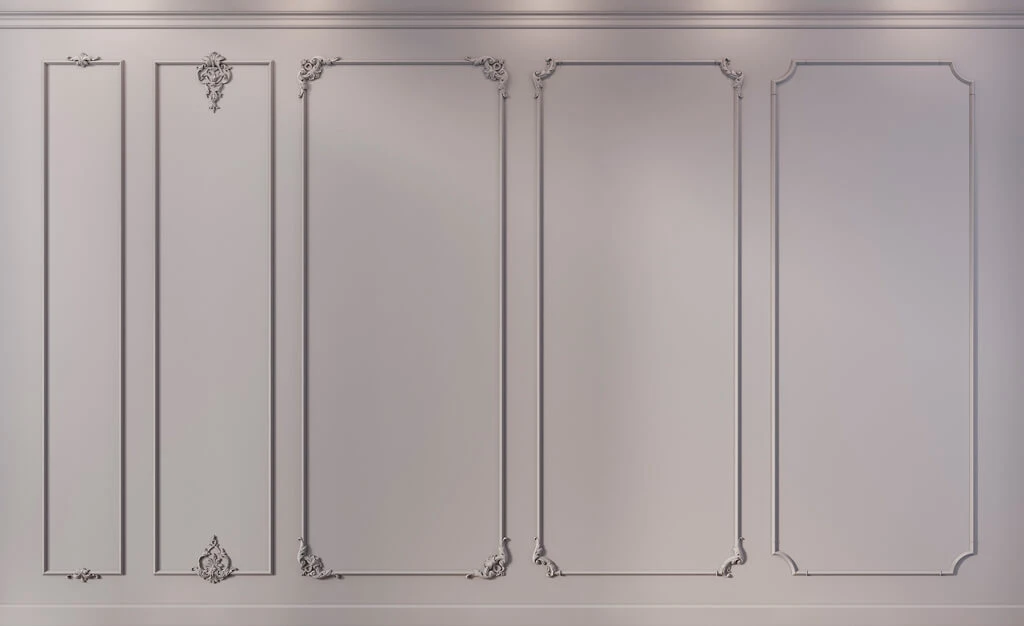
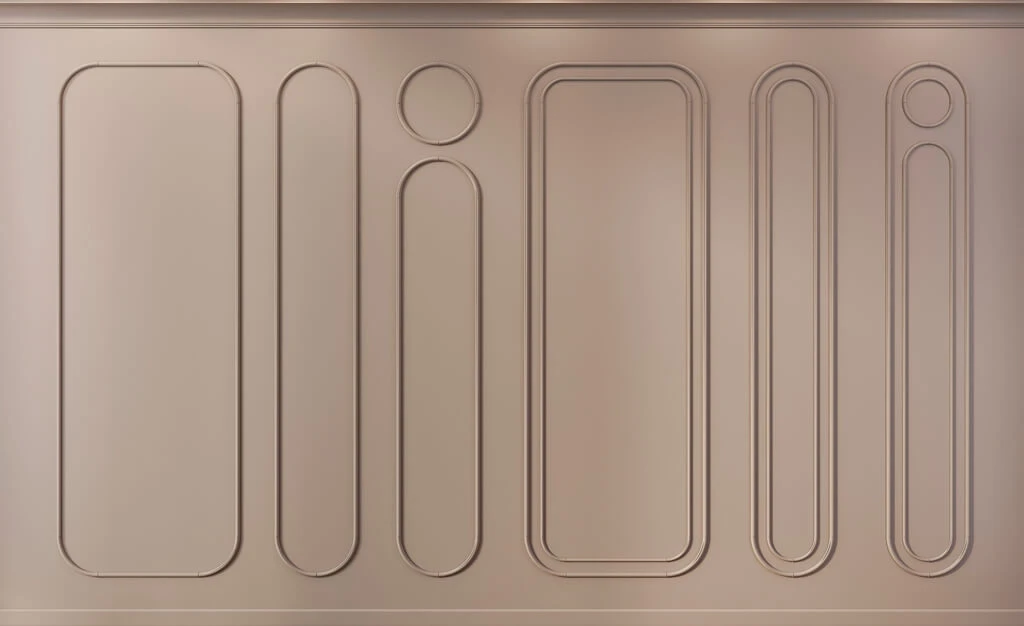
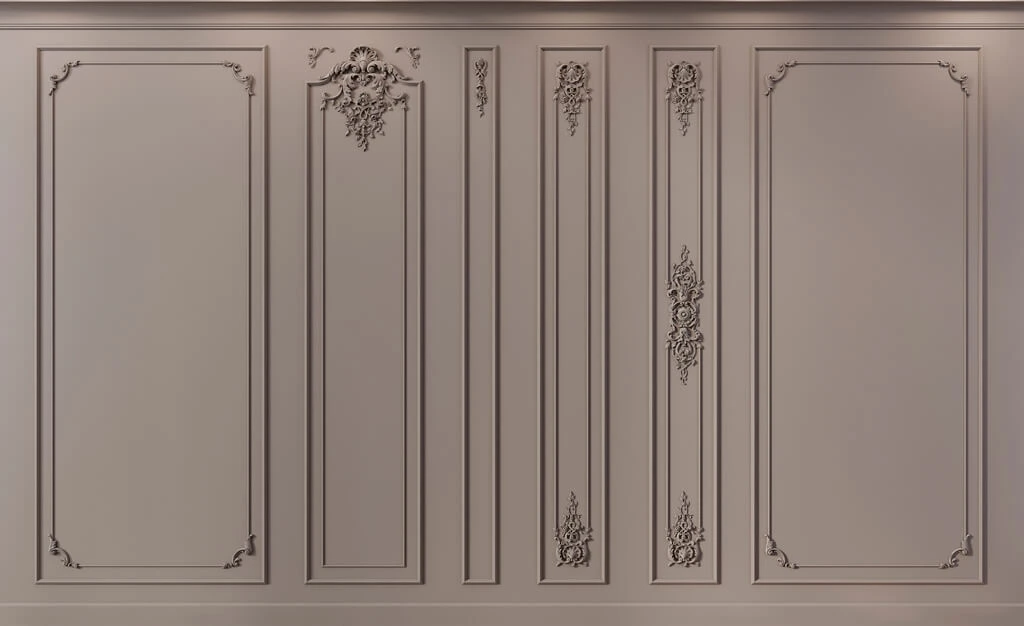
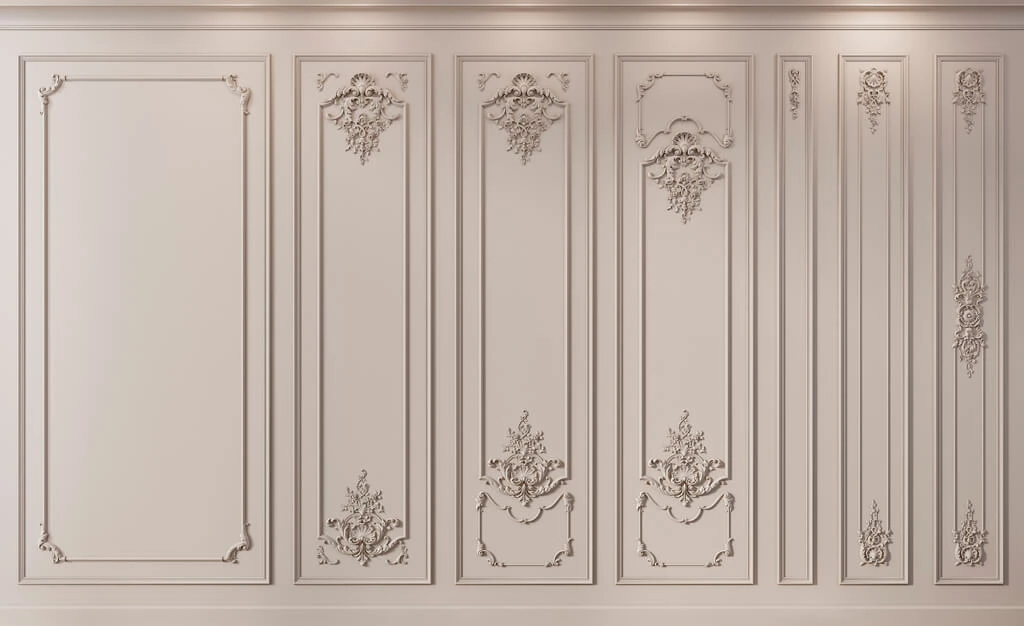
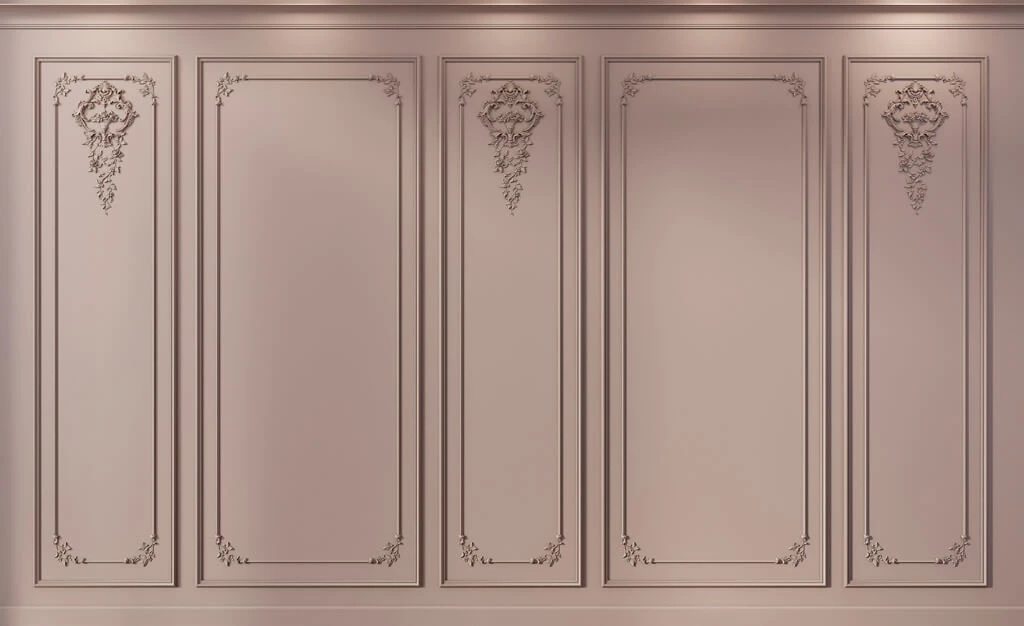
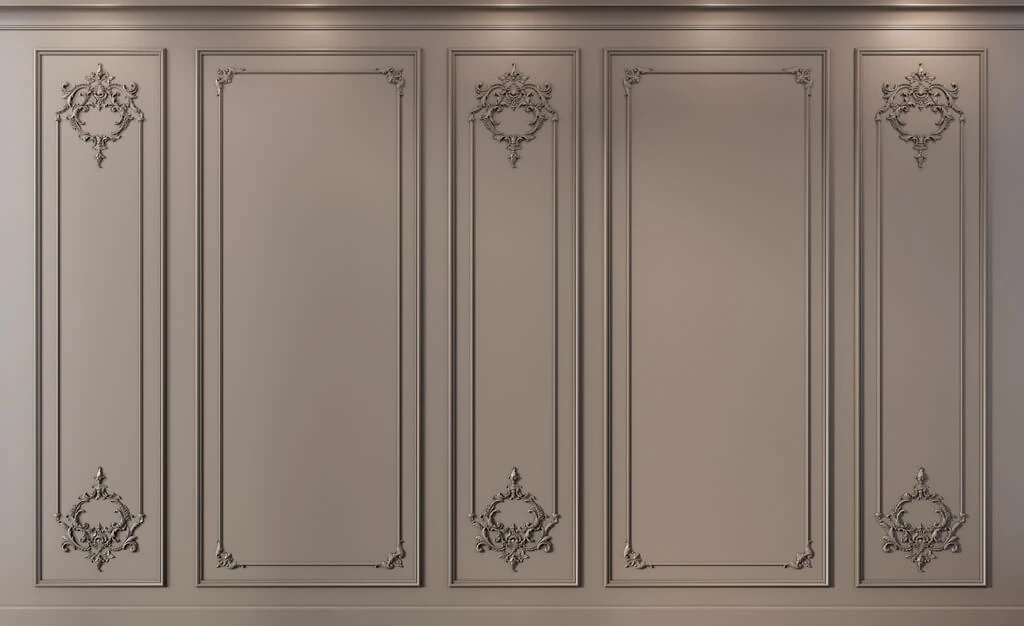
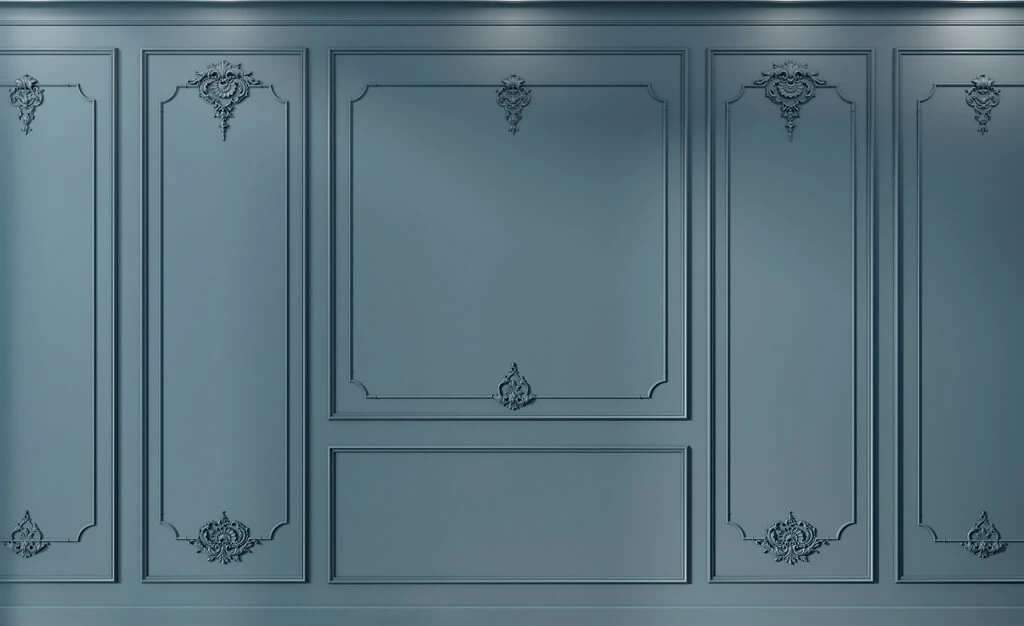
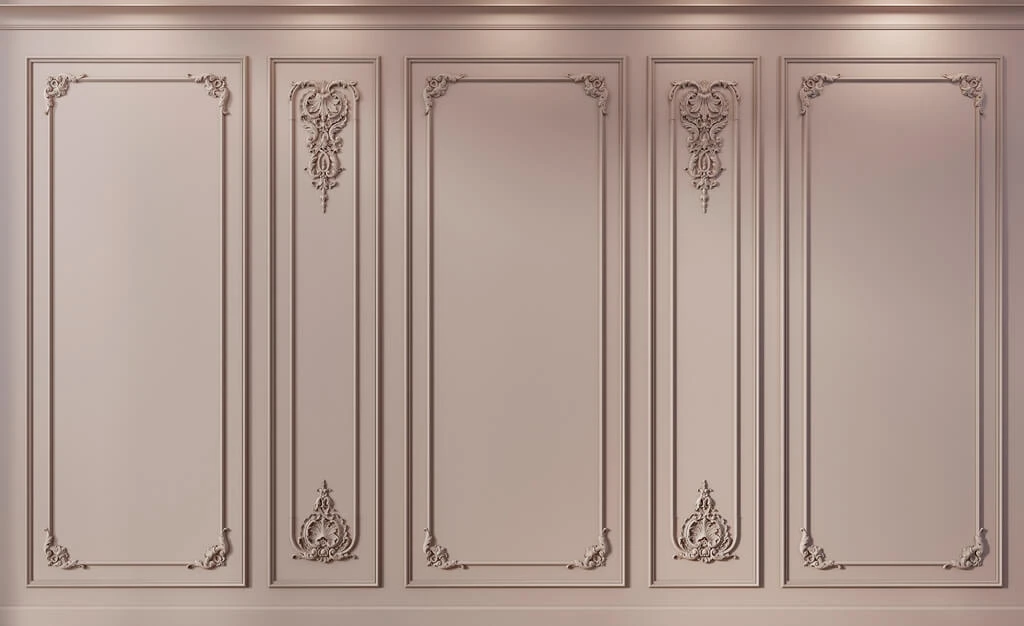
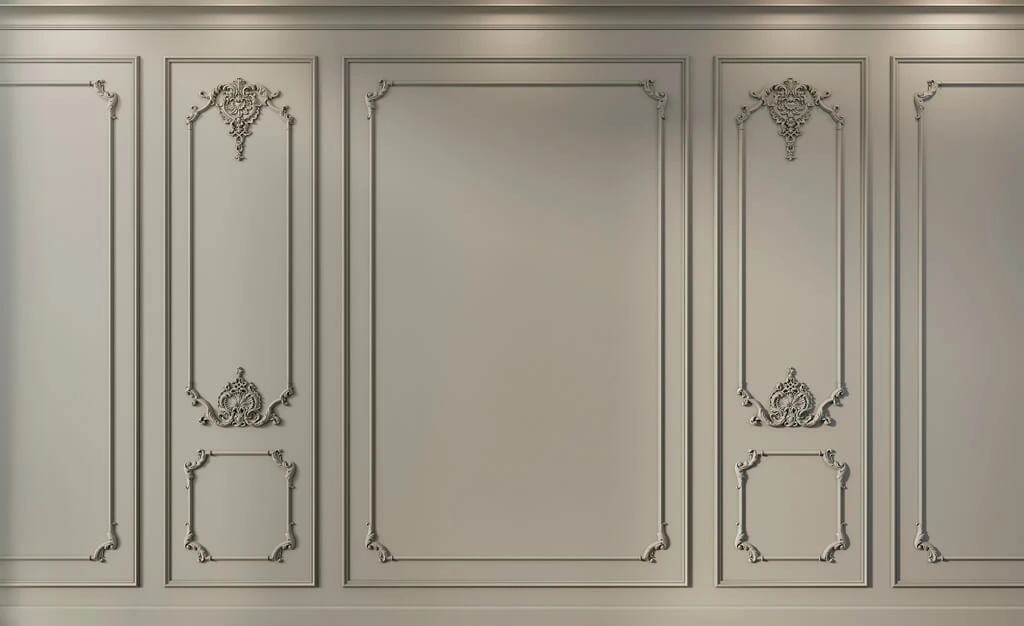
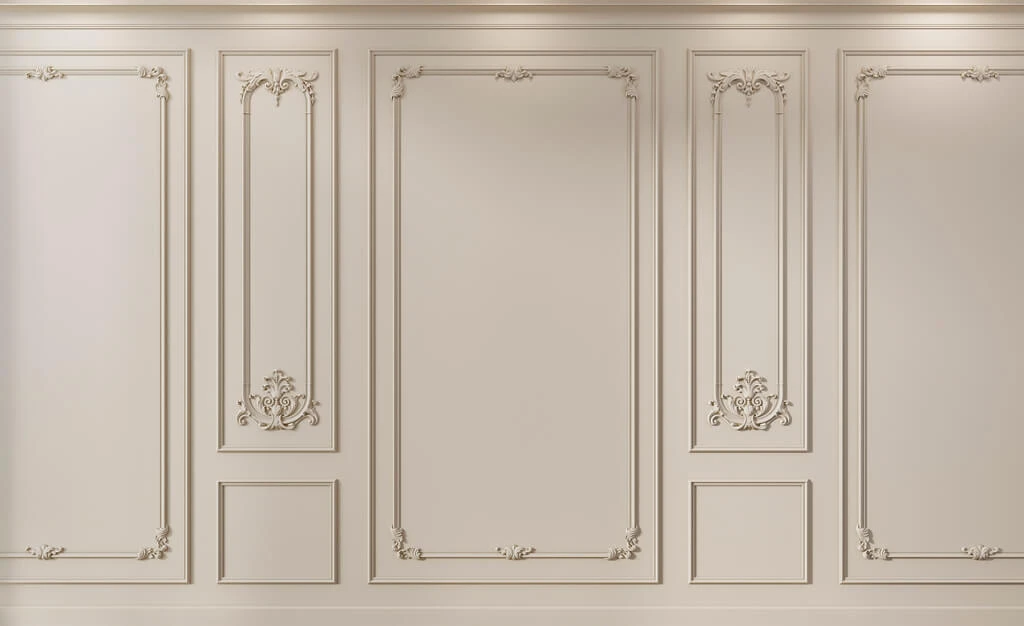
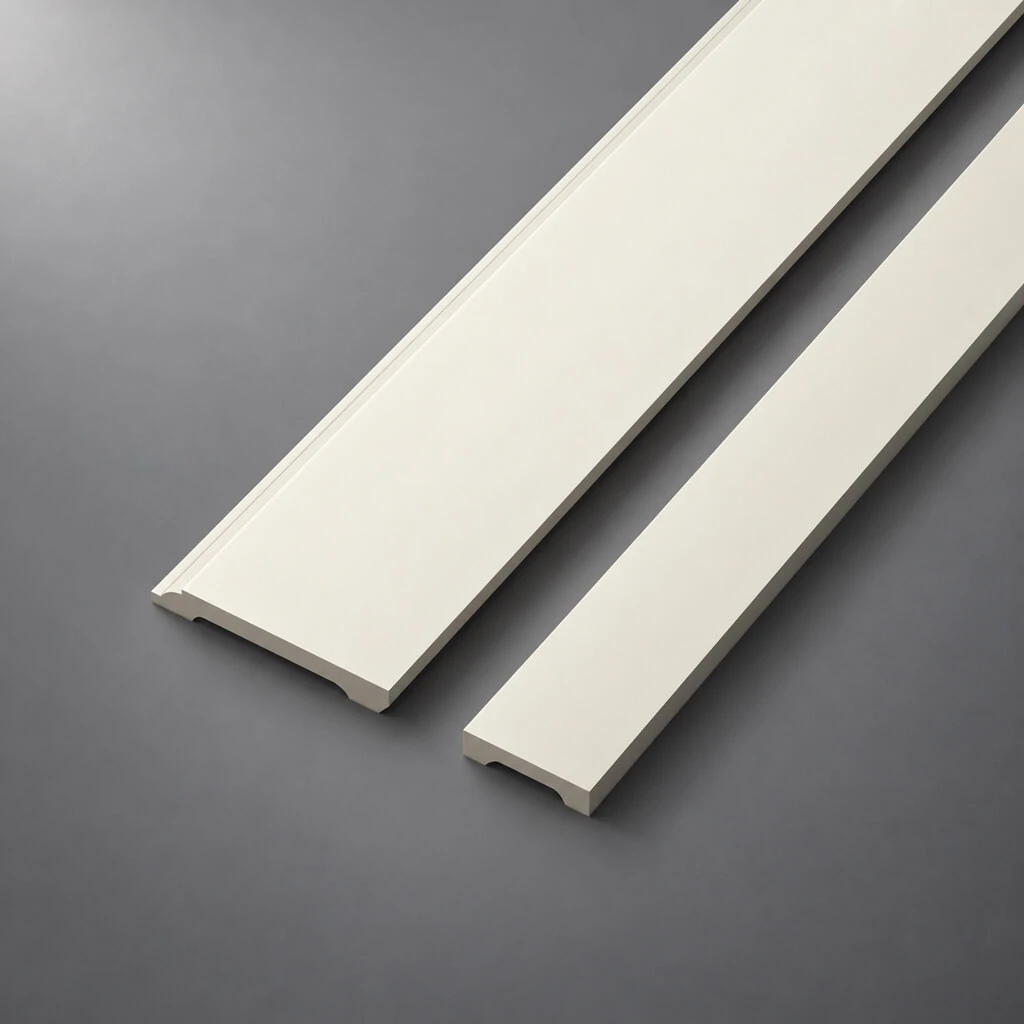
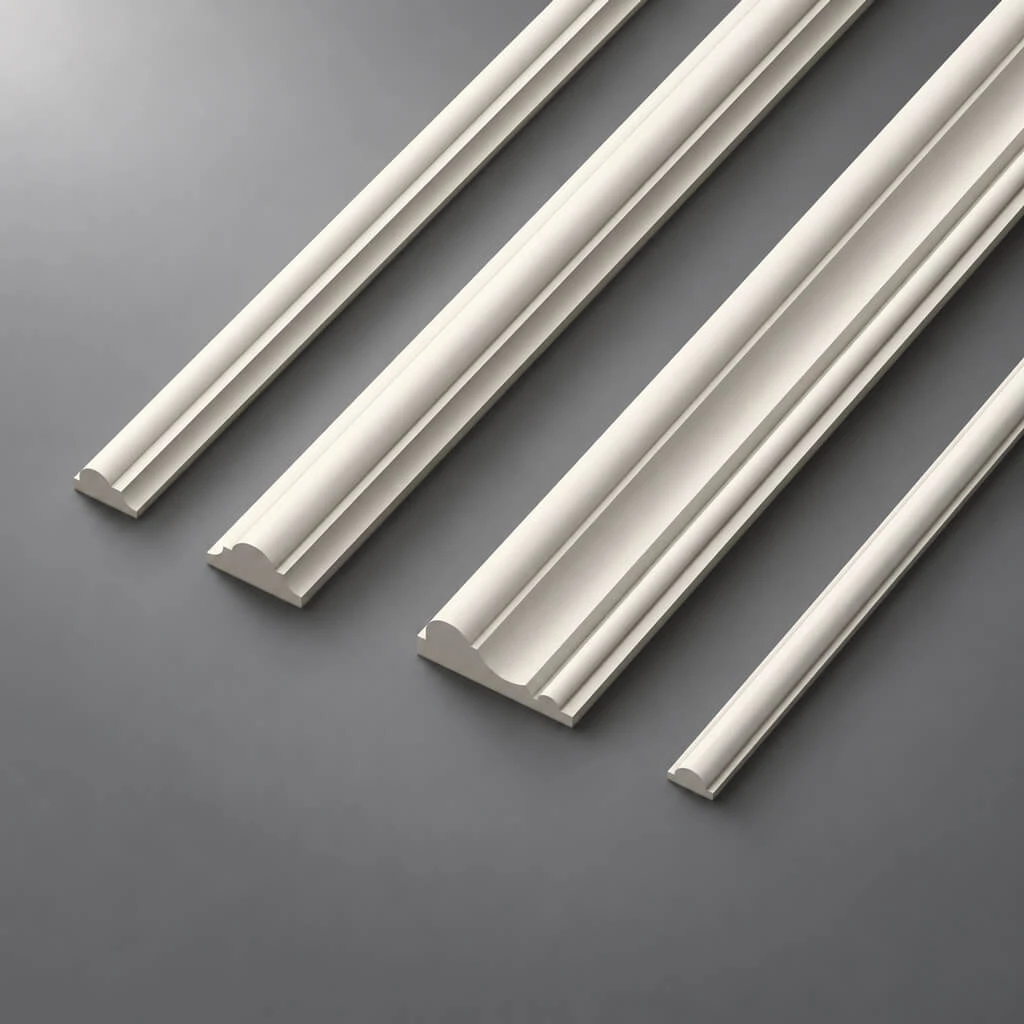
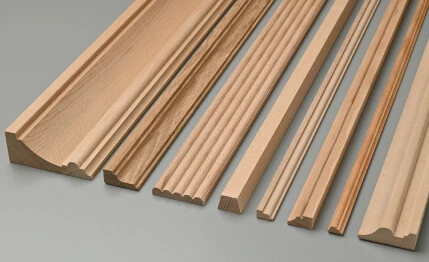
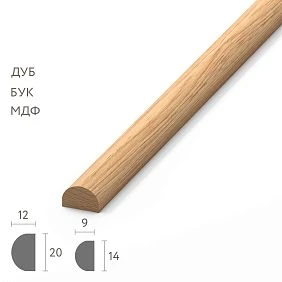
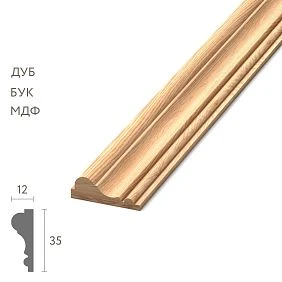
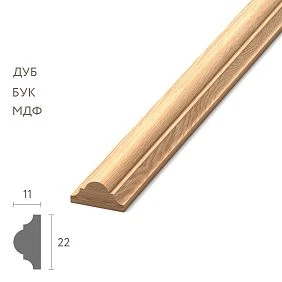
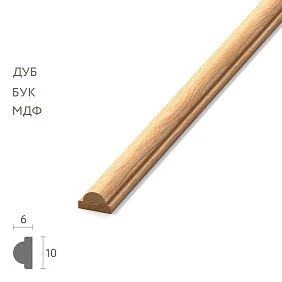
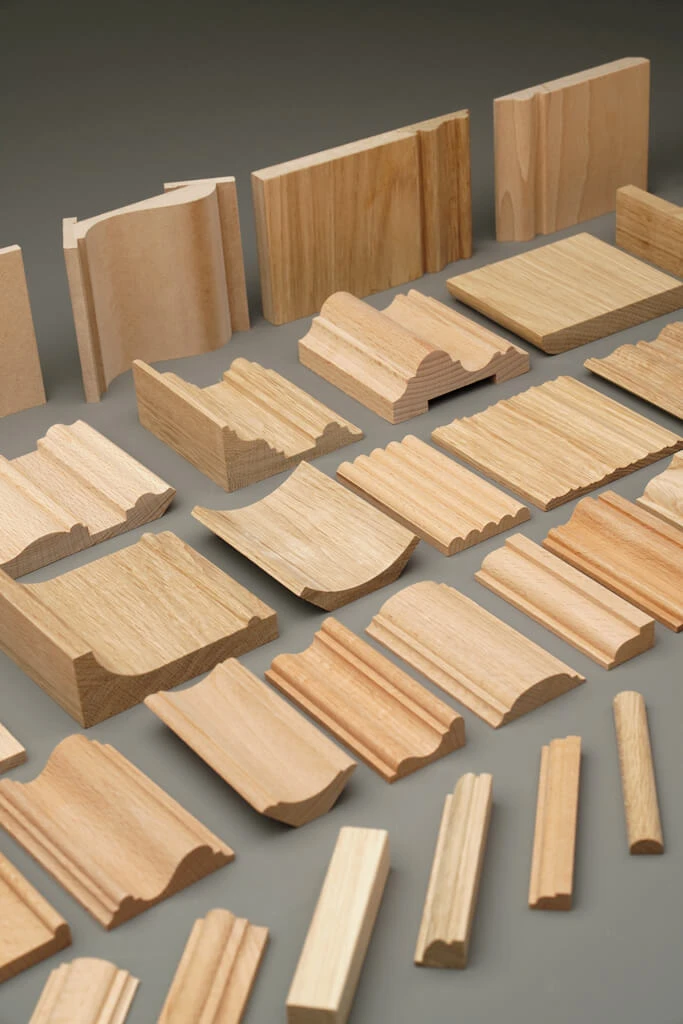
Molding is a profile strip with a shaped cross-section that is mounted on a wall to create frame compositions, visually divide surfaces, and accentuate zones. Essentially, it is an architectural tool with a centuries-old history: moldings formed the basis of classical palace interiors, and they shape the appearance of neoclassicism, art deco, and modern restrained chic.
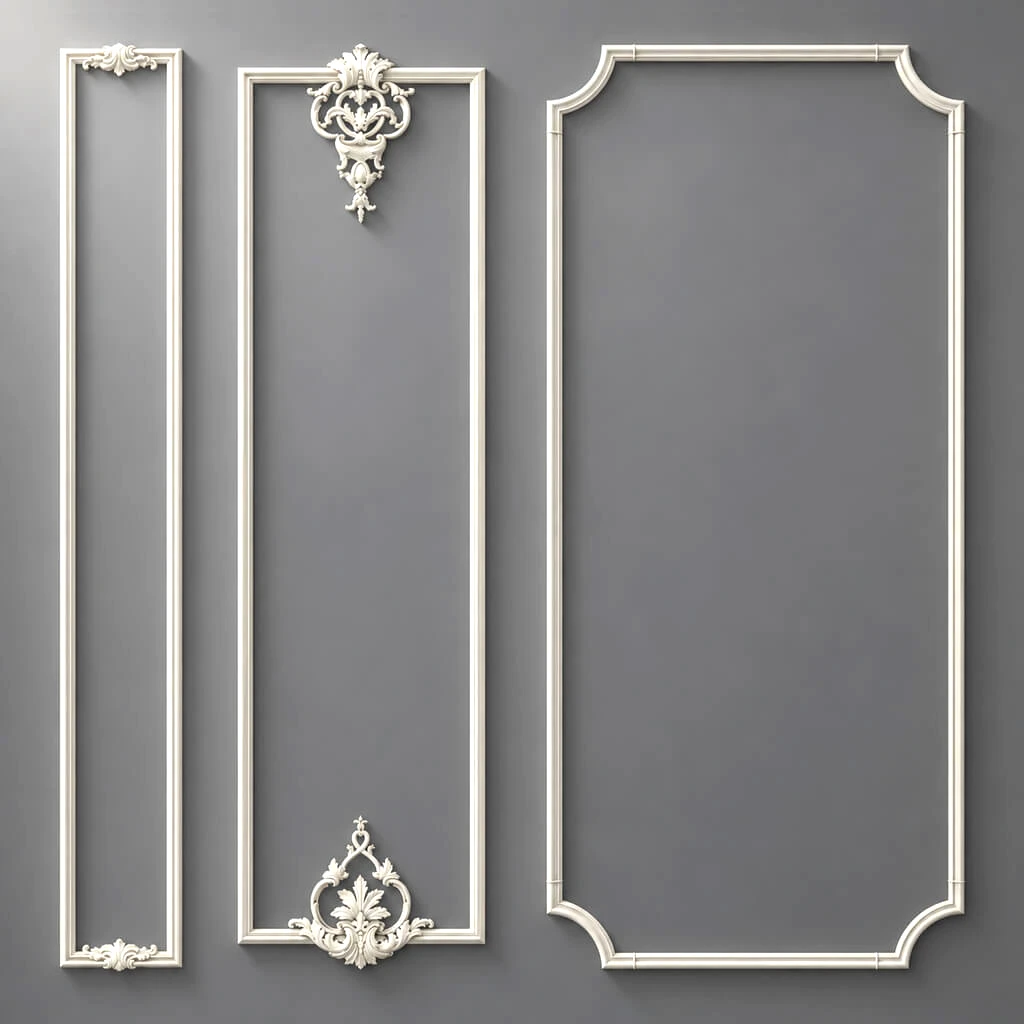
Wooden wall moldingsThey work on the principle of framing: they form panels, frames, geometric sections on the wall — and because of this, the wall acquires structure, depth, and visual weight.
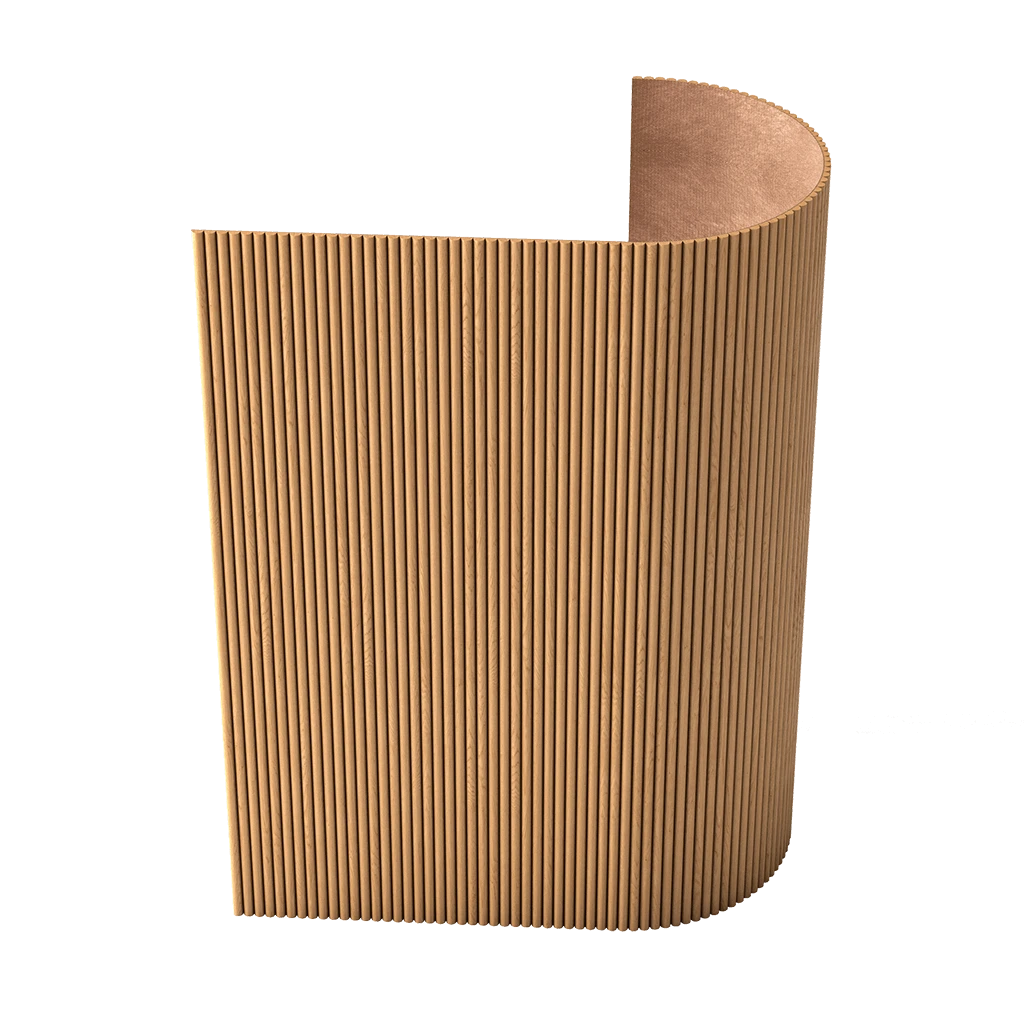
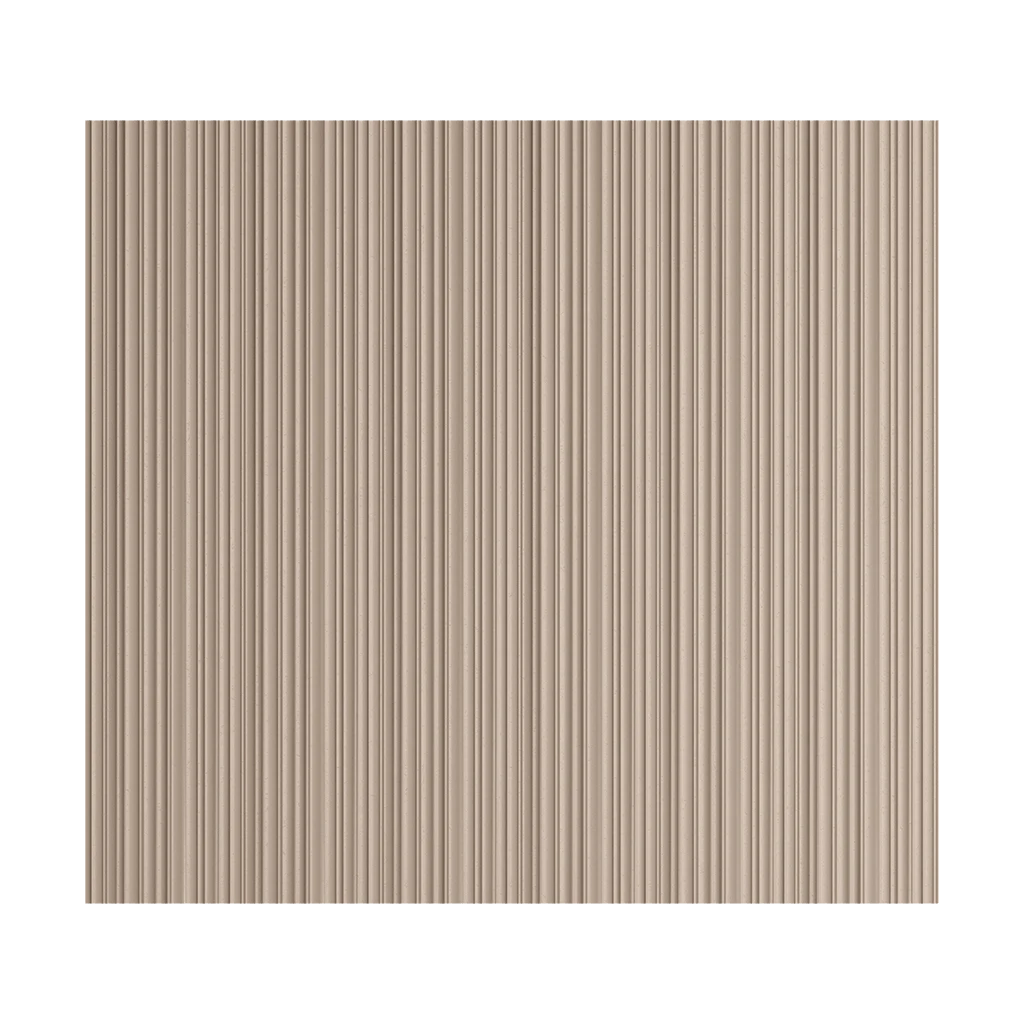
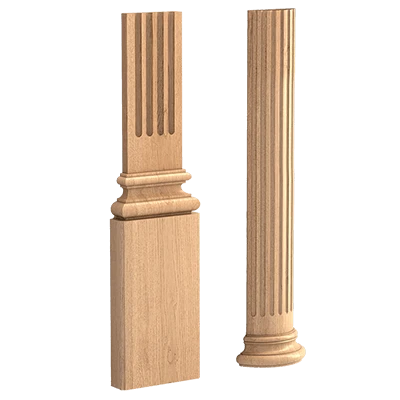
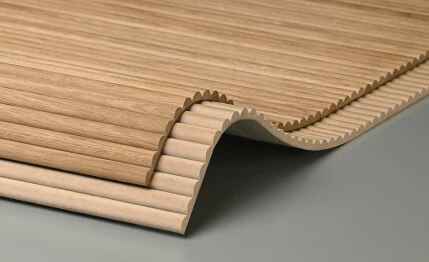
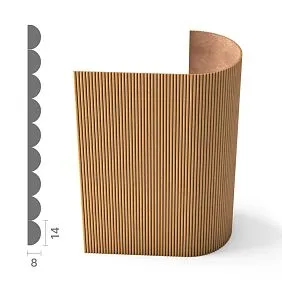
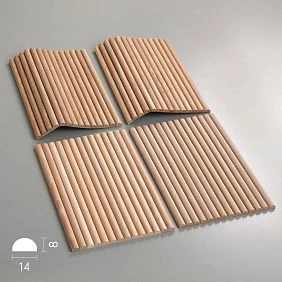
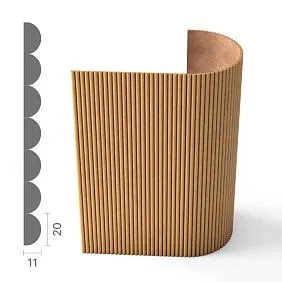
Slatted wall panels are a completely different story. This is a set of parallel strips (slats) that are laid on a wall vertically, horizontally, or at an angle, creating a unified textured canvas. The effect is completely different: not a frame, but rhythm. Not geometry, but texture.slatted panels for wallsThey are visually 'alive' — they react to light, create shadows, and give the wall a depth that cannot be achieved with wallpaper or paint.
The difference lies in the nature of the impact on the space:
-
Moldings structure the wall, divide it into zones, and emphasize the architecture.
-
Slats enrich the wall, add volume, and work as an independent decorative element.
That is why a competent designer never puts an 'or' between them. The question is always different: how exactly to combine these two solutions in a specific space.


When to choose wall moldings and when to choose slatted wall panels
Our factory also produces:
If you need a classic or neoclassical interior
Classicism does not tolerate random decisions. Symmetry, proportion, and nobility of lines are crucial here. Molding is the language of classicism. Framed panels made ofmoldings and cornices for interiors, properly aligned along the wall height, transform an ordinary room into a space with character. This works especially well in living rooms with high ceilings, bedrooms in neoclassical style, and offices with a representative interior.
Battens are also appropriate in classicism—but only in a restrained presentation: wide spacing, natural wood, clean lines without excessive dynamics.
Get Consultation
If you need a modern accent wall
Here, battens win unconditionally.decorative wall panels made of natural wood, mounted behind a sofa or bed—this is a ready-made accent that requires no additional decor. Modern style, Scandinavian minimalism, Japanese wabi-sabi, loft with wooden accents—all of these are ideal environments for batten panels.
If you want to combine geometry and volume
Then there's no need to choose. Moldings form the frame—battens fill it. This is one of the most striking techniques in modern design: vertical battens are mounted inside a molding composition, and the wall transforms into an architectural object. More on this in a separate section.
If visual space correction is important
-
Low ceiling? Vertical slats will 'raise' it
-
Narrow room? Horizontal molding in the middle of the wall visually expands the space
-
Long hallway? Alternating molding panels create rhythm and break monotony
-
Need to highlight a zone? A slatted panel behind the sofa or bed is the best way to designate a functional area without partitions
Wall moldings: where they are appropriate and what they bring to the interior
Molding is not just a decorative strip. It is a tool that changes the architectural perception of space. Let's consider where it works especially effectively.
Moldings in the living room
The living room is the main space of an apartment or house. Here, moldings take on the role of an architectural framework: they divide the wall into horizontal belts, create frame compositions for art objects, and form a visual 'foundation' for the TV zone.
The classic scheme is a lower panel up to the windowsill level, a horizontal belt in the middle of the wall, and frame panels in the upper zone. This is not excessive if the proportions are precise. Wall moldings in the living room create a sense of an expensive, well-thought-out interior—without any additional investment in finishing.
Moldings in the bedroom
The bedroom is about coziness, warmth, intimacy. Molding works more subtly here: not loud architecture, but soft framing. The wall behind the headboard, decorated with a molding panel, is one of the most popular requests. It's cheaper than a niche, simpler than a partition, and more beautiful than any wallpaper.
Wall moldings for the bedroom made of natural wood are especially good: they add warmth, living texture, and durability.
Moldings in the hallway and corridor
The hallway is the first impression. And often — the narrowest, most 'inconvenient' space. Wall moldings for the hallway solve several tasks at once: they zone the wall by height (the lower part — for painting in a dense color, the upper — in a light one), create rhythm on a long corridor wall, add detail where there is no room for furniture and decor.
Moldings for the TV zone
The TV zone is one of the most in-demand scenarios for using moldings. The task: to highlight the wall with the TV, make it an accent, without overloading the space. Wooden wall moldings create a frame around the TV panel — and everything that previously looked simply like a 'screen on the wall' acquires a finished look.
Wooden moldings vs polyurethane moldings
This question arises for everyone who seriously approaches the choice. The answer depends on the task:
Wooden molding— is a natural material with a living texture, tactile warmth, and high strength. Holds paint excellently, takes tinting well, lasts for decades. Ideal for interiors where the naturalness of the material is important.
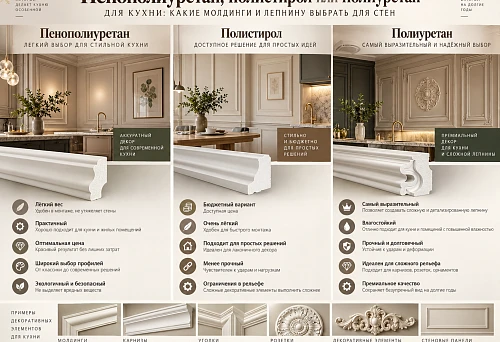
Polyurethane wall moldings— are lightweight, moisture-resistant, not afraid of temperature fluctuations. They perfectly imitate stucco, work well in rooms with high humidity (kitchen, bathroom), and are easier to install. For classical and neoclassical interiors — a worthy alternative.
Slatted wall panels: where they work best
Wall slats are not just a trendy fad of recent years. This is a functional solution that simultaneously addresses visual, acoustic, and decorative tasks. Let's look at the best use cases.
Accent wall with slatted panels
The idea of an accent wall has been known for a long time, but slats give it a new dimension. If previously the accent was created by color or textured wallpaper, thenSlatted wall panelscreate volume — literally protrude from the wall plane and play with light. In the morning — one picture, in the evening with artificial lighting — a completely different one.
Zoning space with slatted panels
Open floor plans are a challenge for a designer. How to separate the kitchen and living room, living room and work area, bedroom and wardrobe — without walls and partitions? Slatted panels for wall zoning handle this elegantly. A vertical slatted section from floor to ceiling — and the zoning is ready: visually, without losing light and air.
Panels behind a sofa
The wall behind the sofa is one of the most 'active' zones in the living room. It's the first thing you see when entering the room. Decorative wall panels made of natural wood, installed behind the sofa, create a striking backdrop, giving the relaxation area completeness and 'weight'. This works in any style — from Scandinavian to modern classic.
Panels behind the bed
The headboard is the heart of the bedroom. Slatted wall panels behind the bed are an alternative to a soft headboard, while also working for the entire interior. Wooden slats create a warm, cozy backdrop, pair well with textiles, require no maintenance, and last for years without losing their appearance.
Panels in the hallway
The hallway is a place where wood works especially well.Wooden Planks for WallsIn the hallway, they protect the wall from mechanical damage (practical), create a warm visual accent (beautiful), and set the tone for the entire interior (important). Wall slats in the hallway are one of the most popular solutions in modern apartments.
Panels in the study and home office
A home study is a space where concentration and a sense of a 'serious' environment are important. Wooden wall panels create exactly that background: natural material reduces visual noise, and wood texture adds warmth without distraction. It's better than a bare painted wall and more restrained than bright decor.
How to combine moldings and slat panels on one wall
This is one of the key sections of the article. Because this is where the main design potential lies. Combined wall finishing with moldings and slats is not a compromise between two solutions, but an entire architectural system.
Moldings on the edges, slats in the center
The simplest and very effective scheme: moldings form a frame around the perimeter of the wall or its section, and vertical slats are mounted inside this frame. The result is a finished panel with a clear frame. The molding gives the structure 'aristocracy,' the slats give a modern character and volume.
Works well: in the living room behind the sofa, in the bedroom behind the bed, in the study as an accent.
Slats inside molding frames
A more complex option: a molding grid consisting of several frames is mounted on the wall, and each frame is filled with slats—vertical or horizontal. This creates a rhythmic, highly detailed pattern that doesn't look overloaded—thanks to the clear geometry of the molding.
Works well: in a neoclassical interior, in a classic living room with high ceilings.
The lower part of the wall is panels, the upper part is moldings.
A classic technique from historical interiors, reinterpreted in a modern key. The lower third of the wall (approximately up to the countertop or windowsill level) is slatted panels, serving as cladding. Above—traditional molding frames or a horizontal belt. This scheme works especially well in the hallway, corridor, and dining room.
Decorating a wall with moldings and slats according to this scheme is both practical (the lower part is protected from scratches and dirt) and beautiful (the boundary between materials is emphasized by a horizontal molding).
Symmetry for classic style.
A classic interior requires balance. Here, moldings and slats are arranged strictly symmetrically: if there is a panel with slats in a molding frame to the left of the fireplace, then to the right is its exact mirror image. No random accents, only precise geometry.
Moldings combined with slats in a classic style yield results comparable to expensive designer interiors—with significantly lower investment.
Asymmetry for a modern interior.
Modern style is freedom from symmetry. Here, a slatted panel can occupy two-thirds of the wall, and a molding frame can accentuate only one zone. Or vice versa: moldings create a geometric grid, and in one of the 'windows' instead of paint—a slatted insert in a contrasting tone. Moldings and slats on the wall in a modern interior are a play with the viewer's expectations.
Which materials to choose: wood, MDF, or polyurethane
Choosing a material is not just about aesthetics. It's about durability, ease of installation, performance under different operating conditions, and the final cost of the solution.
Solid wood moldings
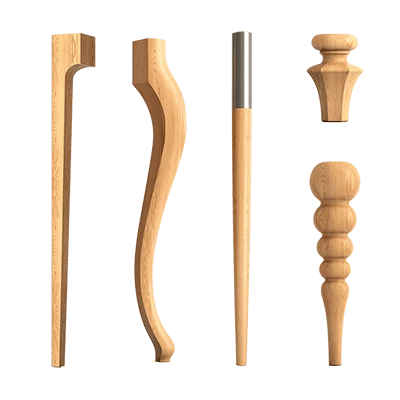
Wooden products for interiorSolid wood is the pinnacle of quality. Oak, pine, birch, ash—each species has its own character: from light Scandinavian birch to substantial dark oak. Solid wood wall moldings offer strength, naturalness, the ability to paint and repaint, and a long service life without losing shape.
Wood moldings are the right choice for those building an interior for years and not wanting to compromise on material.
MDF Moldings
MDF is a practical choice for those seeking a balance of price and quality. MDF moldings hold their geometry well, do not warp under normal humidity, and are easy to paint. The downside is they are more afraid of moisture than solid wood. For bedrooms, living rooms, studies—an excellent option.
Polyurethane decor and molding
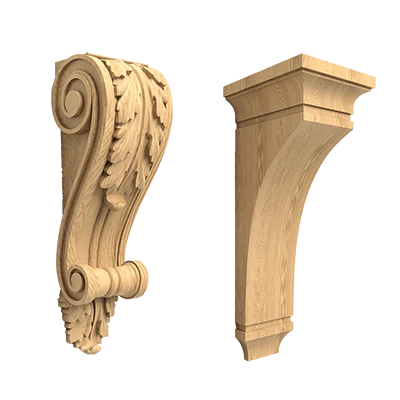
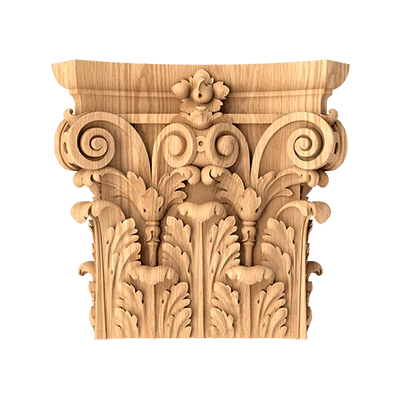
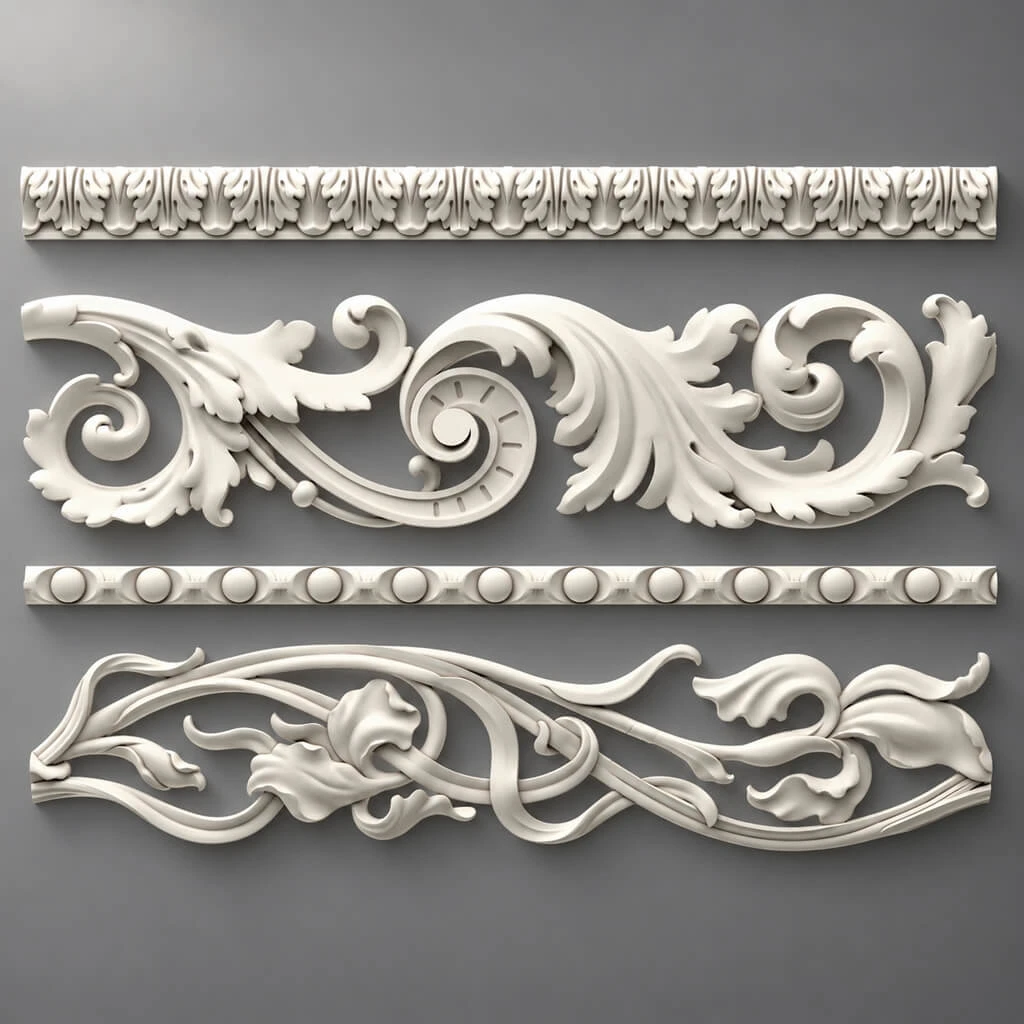
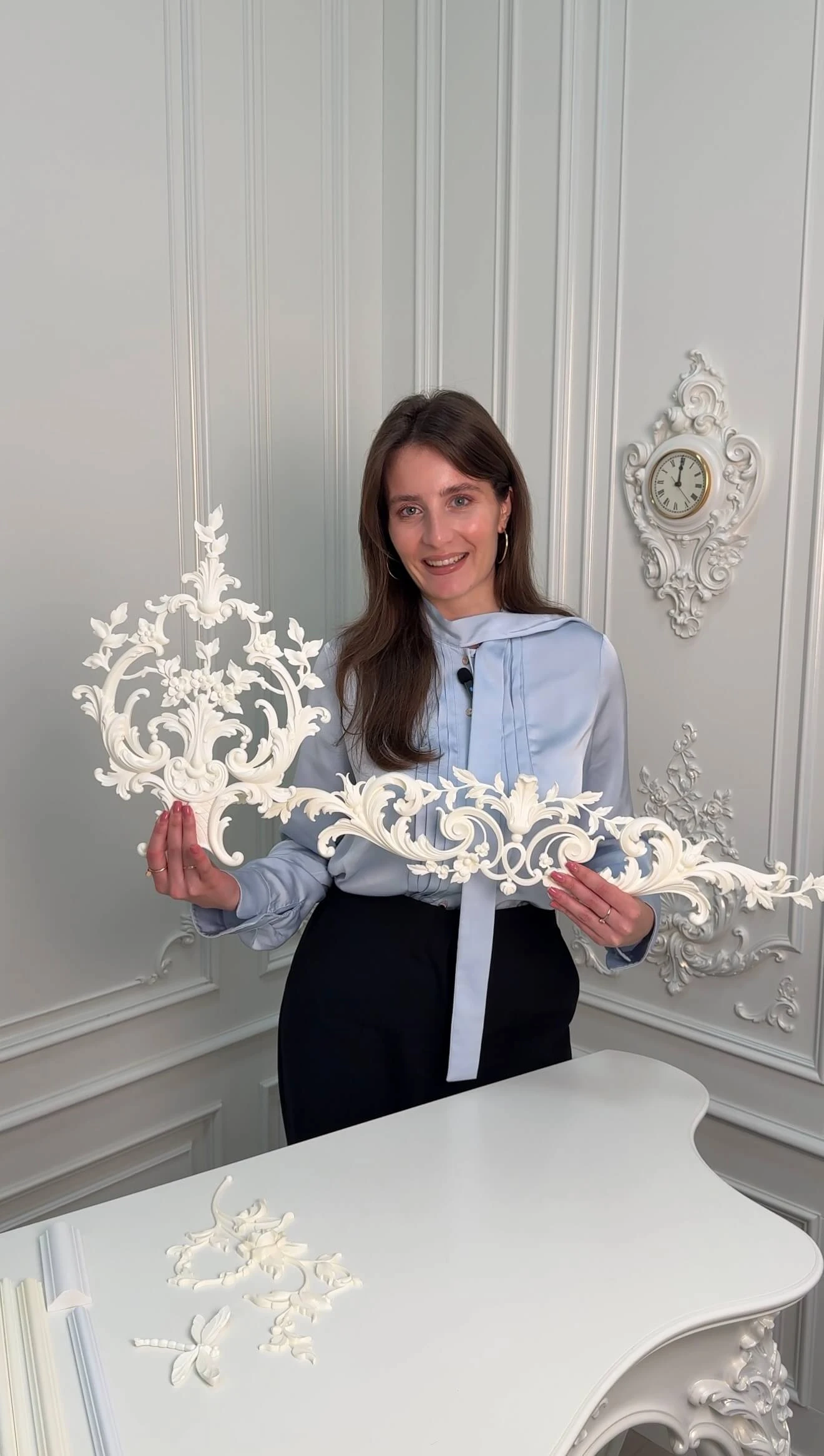
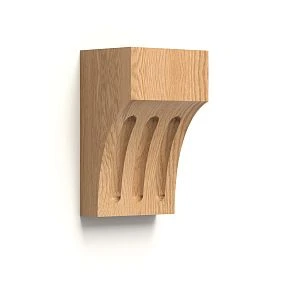
Molding and polyurethane decor—is a separate story. Polyurethane allows for the reproduction of the most complex molded profiles, capitals, rosettes, brackets—things that would cost many times more in natural stone or plaster. At the same time, polyurethane products are lightweight, moisture-resistant, and installed with ordinary adhesive.
Wall molding is not just about classic style. In a modern neoclassical interior, one complex polyurethane molding profile above a doorway or along the ceiling changes the entire impression of the room.
Wooden slat panels
Wood is the optimal material for slatted panels.Slatted wall panelsmade from natural wood create a living texture that cannot be replicated by any synthetic analogue. Wooden slats for walls provide warmth that is literally felt in the room, and durability that has stood the test of time.
Wooden wall panels pair well with any finishing material: concrete, brick, drywall, plaster.
What to choose for painting
If the final finish is painting, the choice is wider. Wood or MDF moldings for painting provide a perfectly smooth surface that, after paint application, looks like a monolithic architectural detail. Here it is important to properly fill the joints and apply the correct primer — then the molding will 'blend' with the wall and create the illusion of stucco decoration.
Slatted panels for painting are a separate trend. Slats painted the same color as the wall create a monochrome effect, where the volume of the wall is perceived only through the play of shadows. This is one of the most sophisticated minimalist solutions.
How to choose decor to match the interior style
Style is not just a set of preferences. It is a system of rules that must be followed for the space to be perceived as a unified whole.
Classic interior
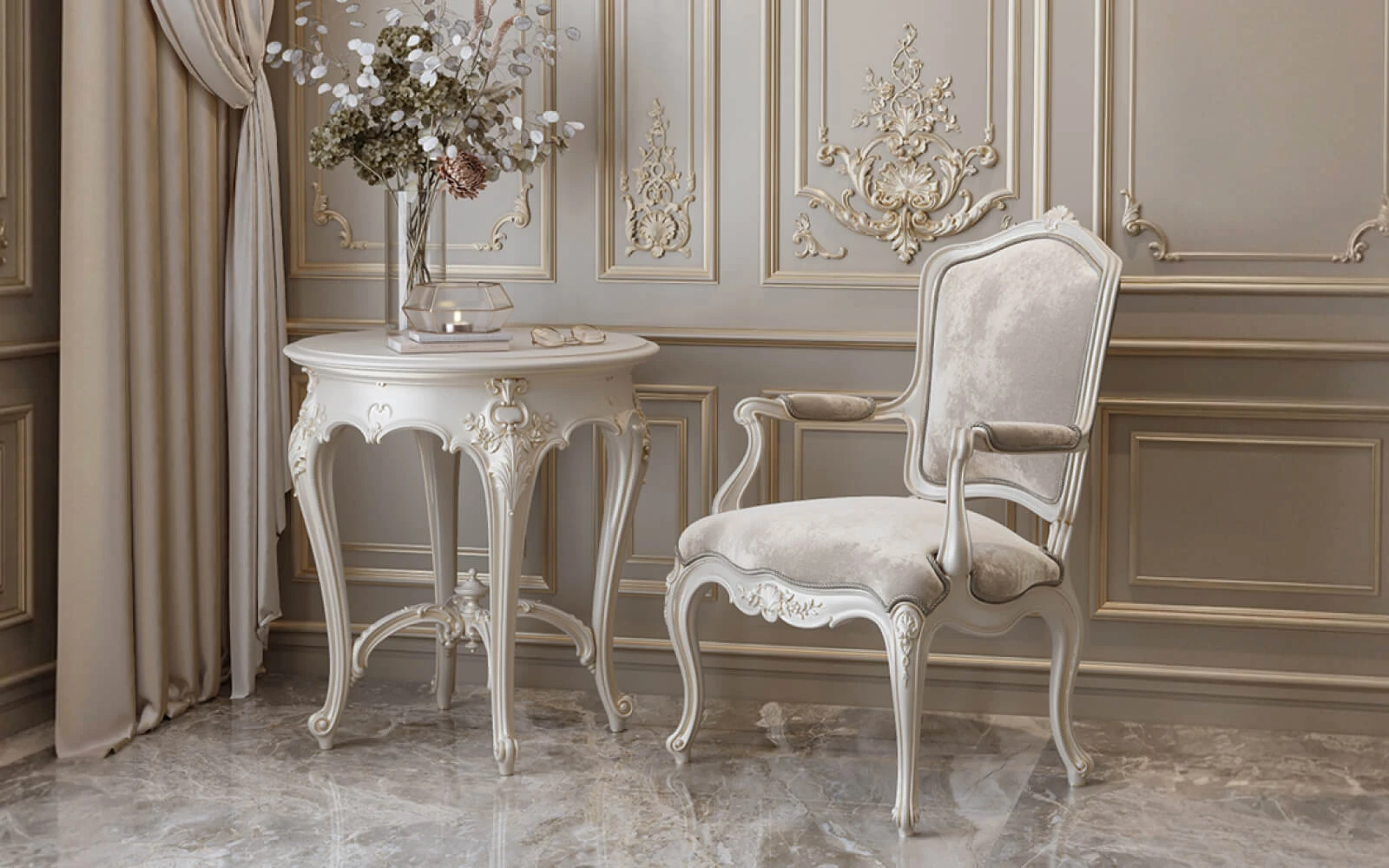
Here, moldings are the primary language. Framed panels around the entire perimeter of the walls, horizontal bands, profiled cornices at the wall-ceiling transition. Material — solid wood or high-quality polyurethane with a high-detail profile. Color — white, cream, ivory, or a color contrasting with the wall.
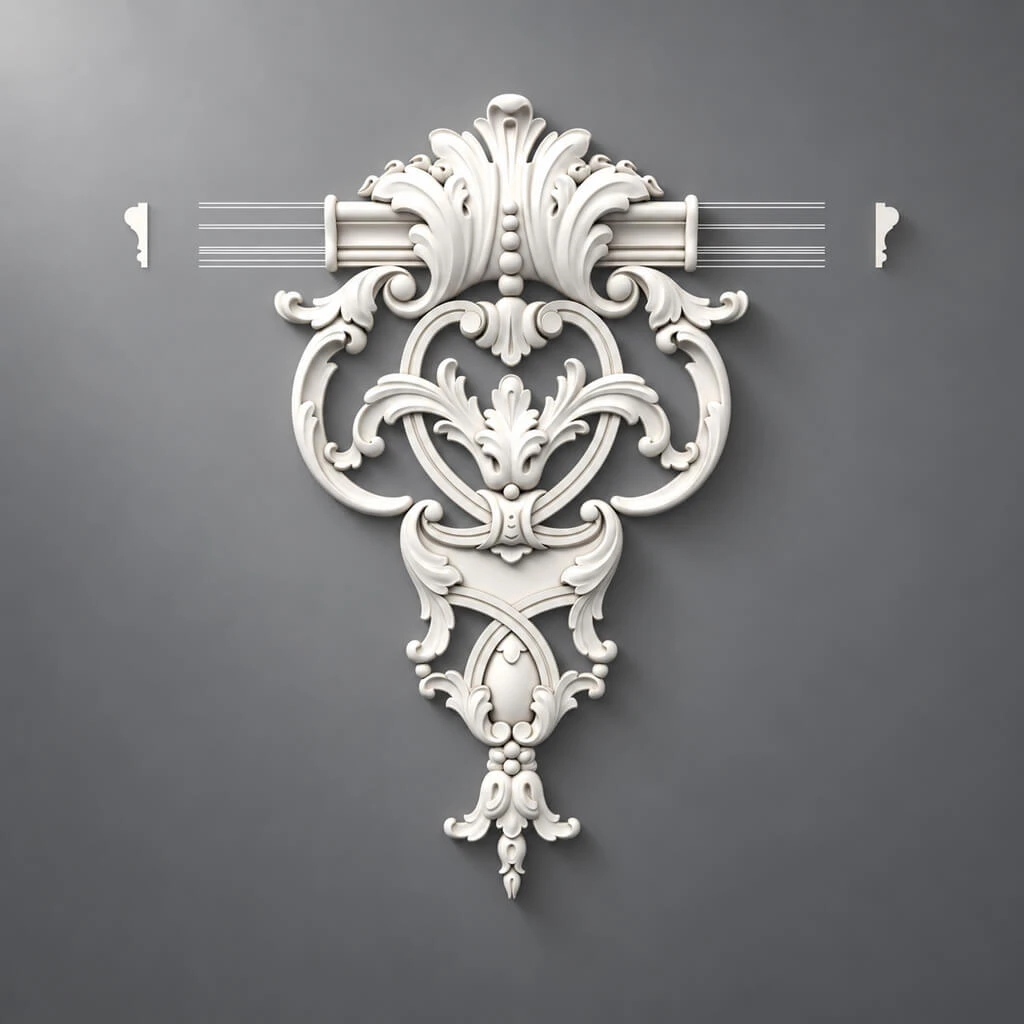
Decor for moldings —corner elements, sockets, overlay ornaments— is essential in classic style. It's the details that make a classic interior 'authentic'.
Neoclassicism
Neoclassicism is classic with a modern edit. Moldings here are more restrained in profile: fewer curls, cleaner lines. Often—contrasting molding color relative to the wall (dark molding on a light wall or vice versa). Recessed panels are appropriate in neoclassicism—especially as boiserie (lower panel up to shoulder level).
Moldings and panels in neoclassicism create that very 'expensive look' which is so hard to achieve by other means.
Modern style
Here, recessed panels take center stage. Vertical slats, natural wood, clean lines, no unnecessary details. Molding in a modern interior is a thin horizontal strip as a zone divider, nothing more.
Wall panels for a modern interior are wood without varnish, matte finishes, contrasting inserts.
Minimalism with an emphasis on wood
Minimalism doesn't mean emptiness. It's precision of details. One wall with wooden recessed panels against white surfaces—and the space comes alive. Recessed panels for walls in minimalism must be impeccable in wood quality: it's the natural texture that becomes the sole decor.
Interior with decorative panels and moldings
Eclecticism of recent years—interiors where eras are deliberately mixed. Classic molding profile on one wall, modern recessed panel on another—and it's not chaos, but a conscious dialogue. The key is a unified color palette and material that ties them together.
How to choose color, size, and rhythm
Details make all the difference. The same technique with battens or moldings can look completely different—depending on proportions, spacing, and color.
Narrow and wide moldings
Narrow molding (up to 3–4 cm) is a delicate accent, suitable for small rooms and modern interiors. Wide molding (6 cm and above) is an architectural statement, for large spaces and classic styles. A mistake is to use wide molding in a small room: it 'eats up' space and feels oppressive.
Close and wide batten spacing
Close spacing (battens placed close together) creates a dense, rich surface, giving a 'carpet-like' feel on the wall. Wide spacing (with broad gaps) brings airiness, lightness, and modernity. Decorative wall battens with wide spacing work well in small rooms—they don't visually clutter the space.
Vertical batten installation
Vertical battens on the wall are a classic solution that 'lengthens' the ceiling. Especially effective in rooms with low ceilings: vertical lines create an illusion of height. In hallways, bedrooms, behind the TV—vertical always works.
How to visually make the ceiling appear higher
Three techniques:
-
Vertical batten panels from floor to ceiling without horizontal transitions
-
A molding secured 10–15 cm from the ceiling creates a 'cornice' and visually raises the level.
-
Transition of a slatted panel to the ceiling surface without a clear boundary — the effect of a unified space.
How to make a wall look more expensive visually.
The answer is simple: details. One well-executed molding profile at the base of the wall (a complex-section baseboard), a molding frame around the panel,Decor for Moldingin the corners of the frame — and the wall transforms from a simple plane into an architectural object.
Where to buy wall moldings and slatted wall panels.
Here — specifics that the reader who has reached this section expects.
How to choose by material.
First — decide on the material. For a natural, warm interior — onlywooden wall panelsandWooden moldings. For wet rooms or budget classics — polyurethane products. For projects under painting — MDF profiles or wood.
What to look for in the catalog
When opening the catalog, look not at the photos but at the parameters:
-
Molding cross-section (profile type): straight, shaped, baseboard, cornice
-
Strip length — determines the number of joints
-
Wood species — affects weight, strength, and ability to be tinted
-
Slat spacing and strip width — these are the main parameters for slatted panels
Why it's convenient to get solutions from one manufacturer
Moldings and slatted panels from one manufacturer guarantee uniform wood quality, compatible dimensions, and the ability to select decorative additions from the same line. There's no need to 'combine' products from different factories and wonder why one piece of wood is darker than another.
Buy Wall MoldingandSlatted wall panelsfrom one collection means getting a ready-made solution that will look like a unified system, not a set of random elements.
When to add stucco and polyurethane decor
If the interior is designed in a classical or neoclassical style — it's worth adding to the moldingsmoldings and polyurethane decor: corner rosettes, brackets, complex-profile cornices. This is an inexpensive addition that sharply elevates the 'class' of the finish.
What else to add to the wall besides moldings and panels
Decorative wall finishing is a system where each element enhances the other. Moldings and slatted panels are the foundation, but not its only components.
Decor for moldings
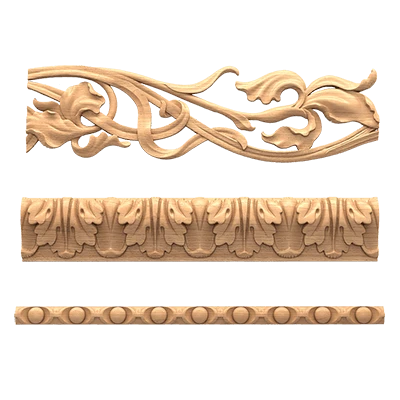
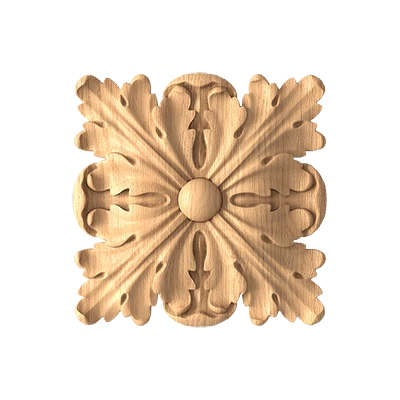
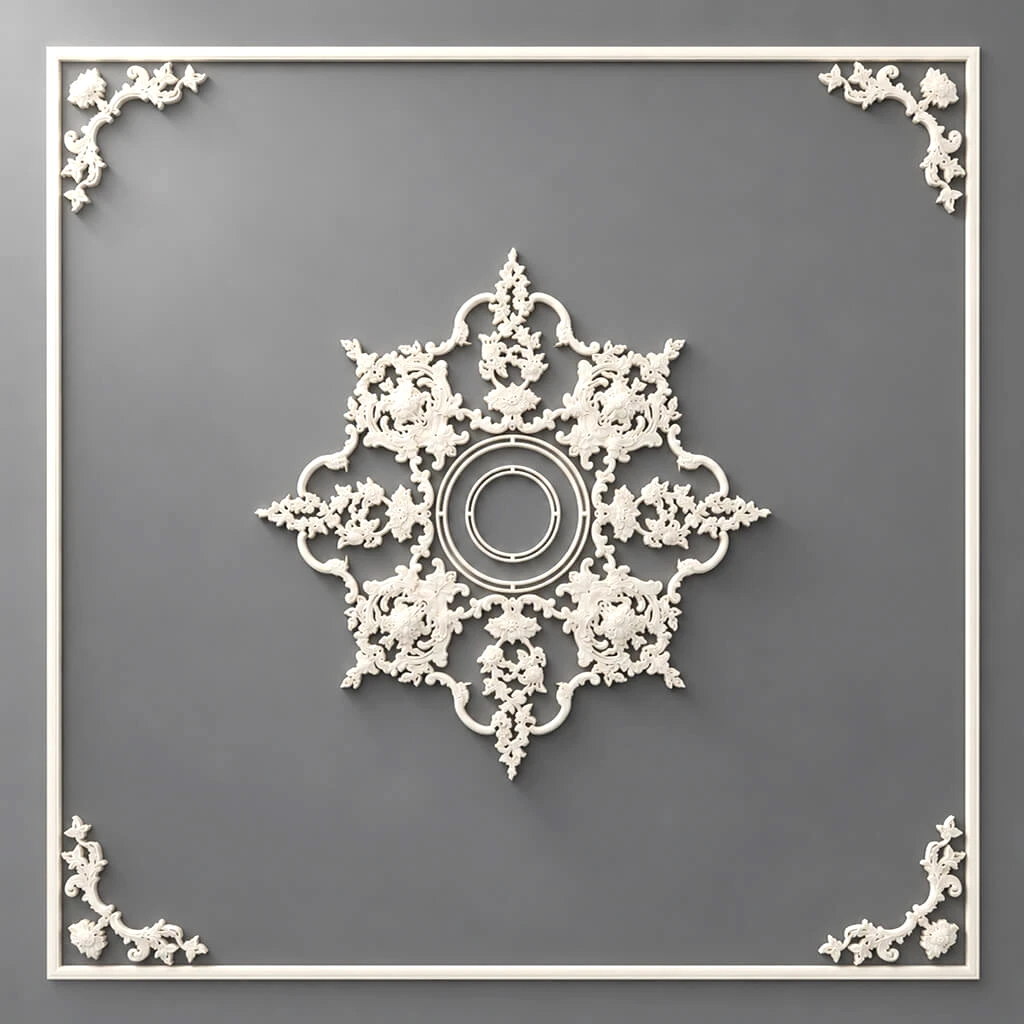
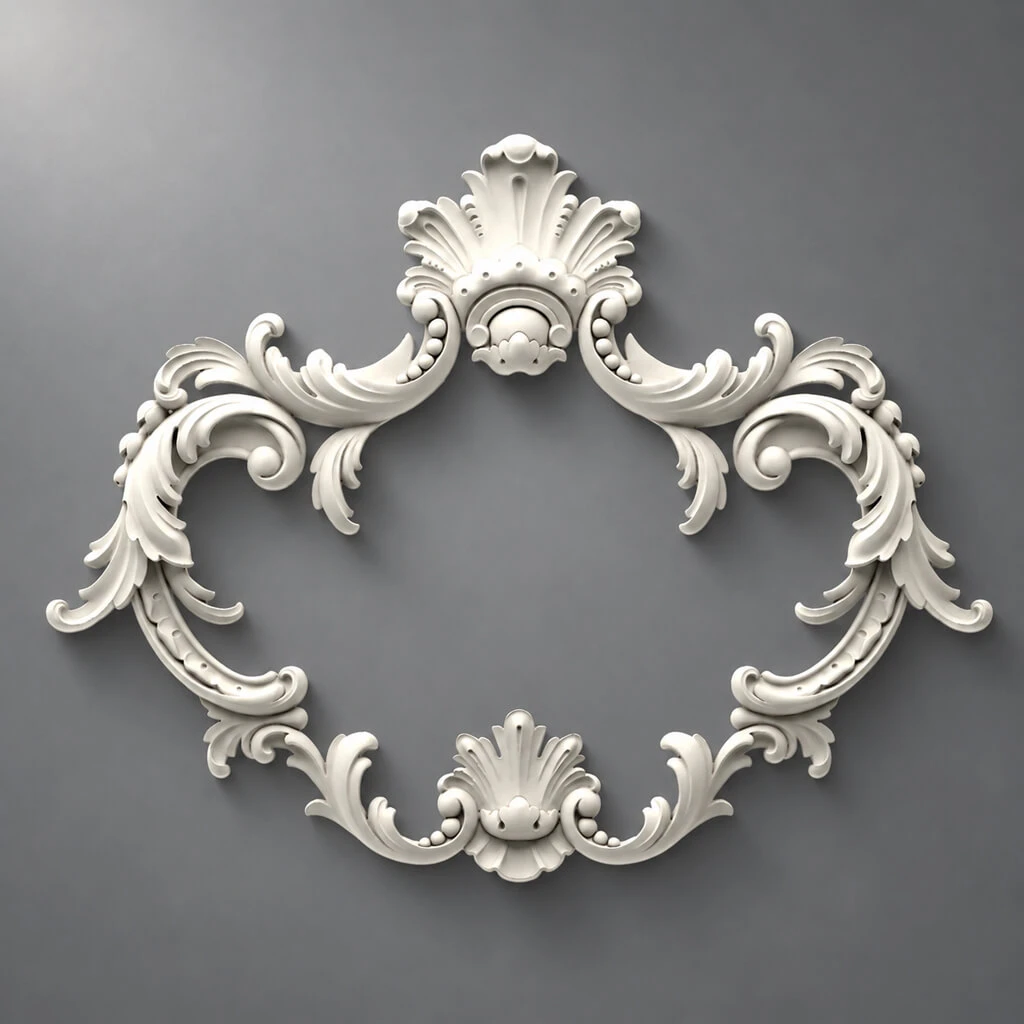
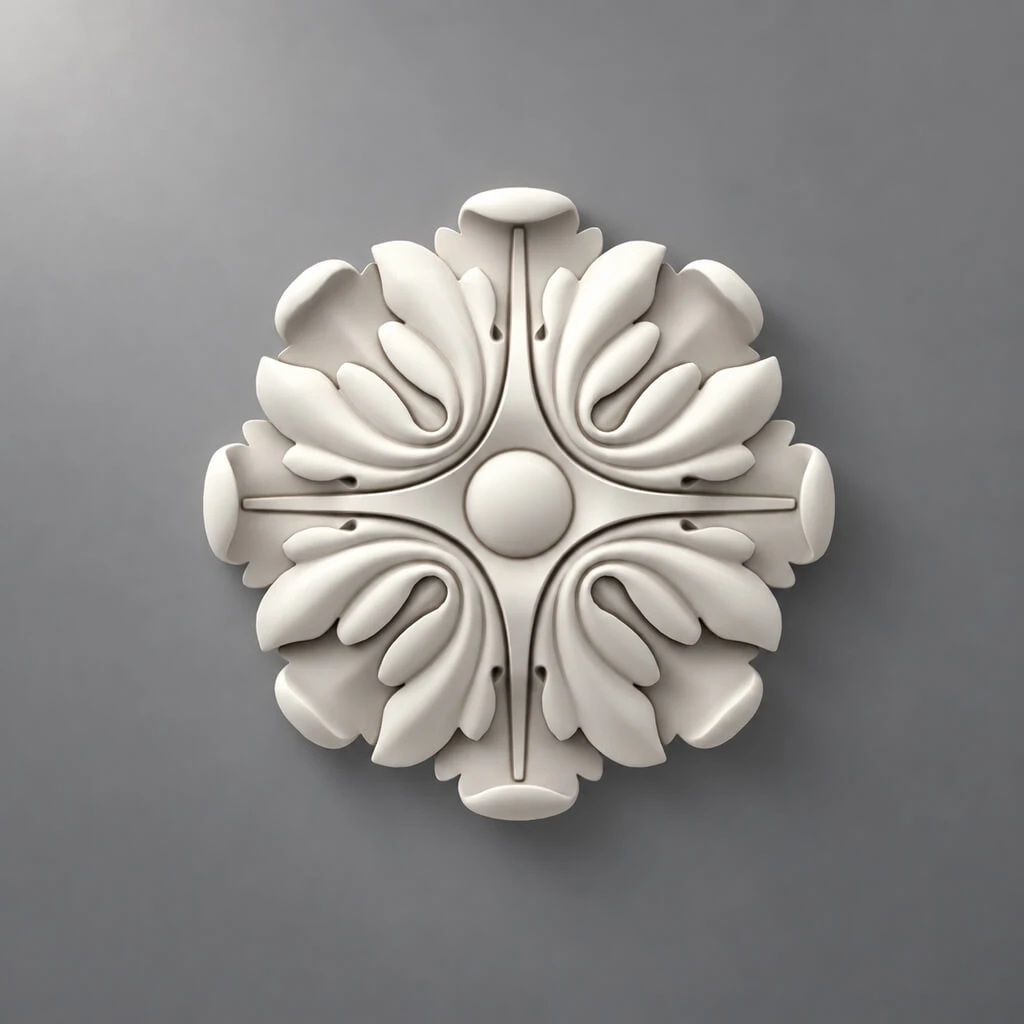
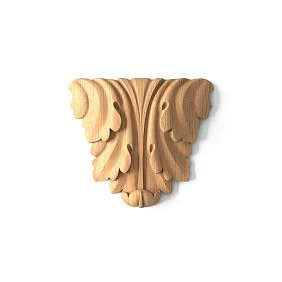
Decor for Molding— corner blocks, central rosettes, end caps — allow turning a simple molding frame into a detailed architectural composition. Corner elements are especially important: it is precisely in the corners of the molding frame that all the 'jewelry work' of the decor is concentrated.
Cornices and Baseboards
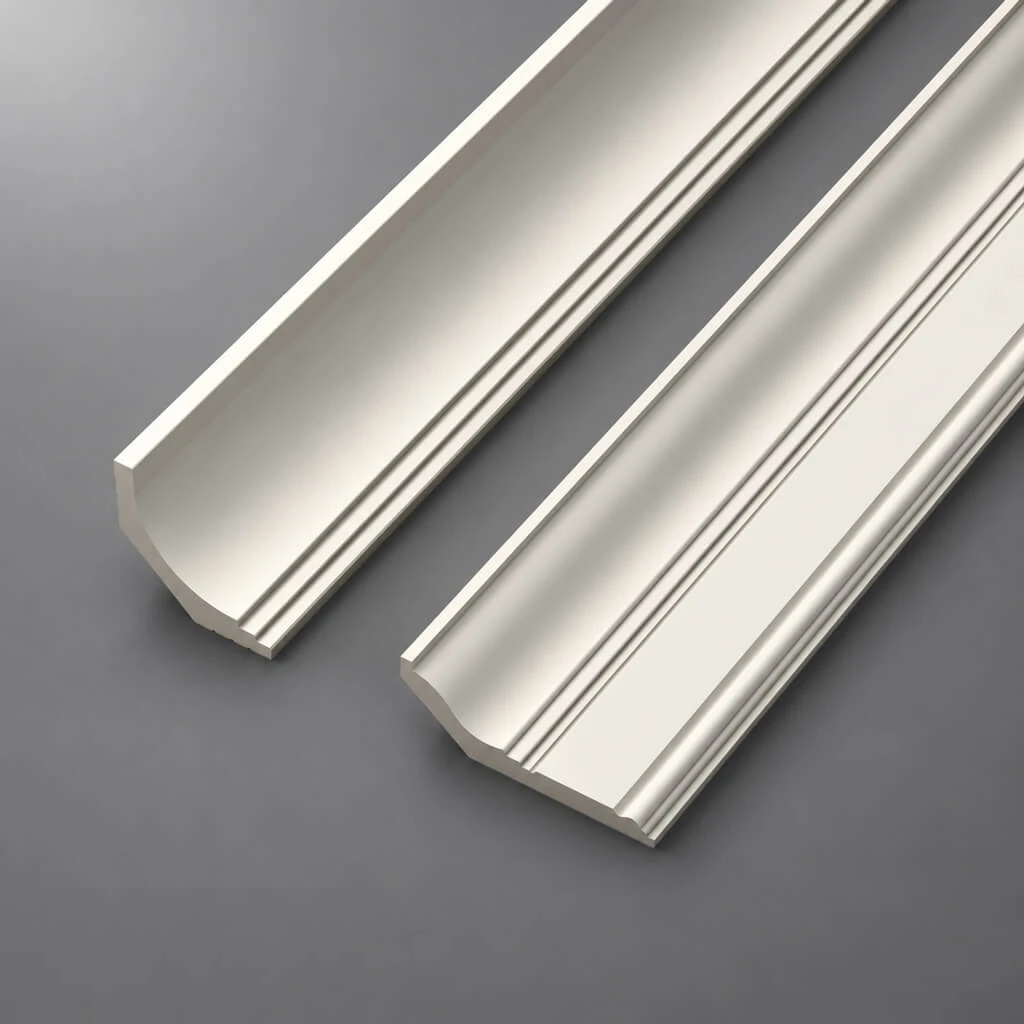
A wall without a baseboard at the bottom and a cornice at the top is unfinished.moldings, cornices, and baseboardsshould be part of a unified system: baseboard at the foundation, horizontal molding as a 'belt' at the windowsill level, cornice in the transition to the ceiling. This is the classic triad that has worked in architecture for centuries.
Interior polyurethane decor
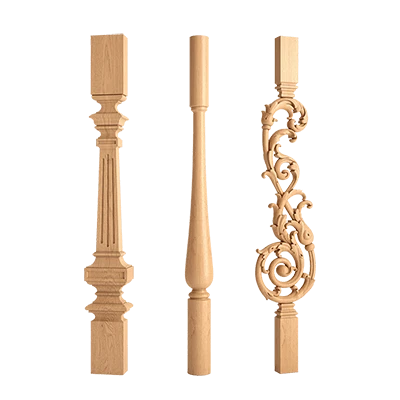
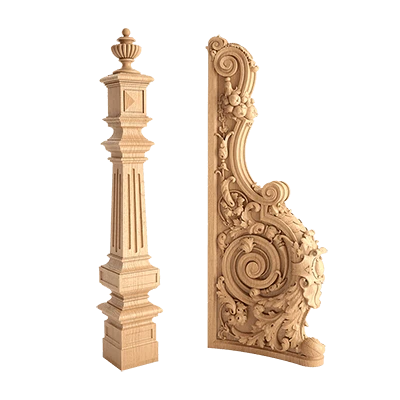
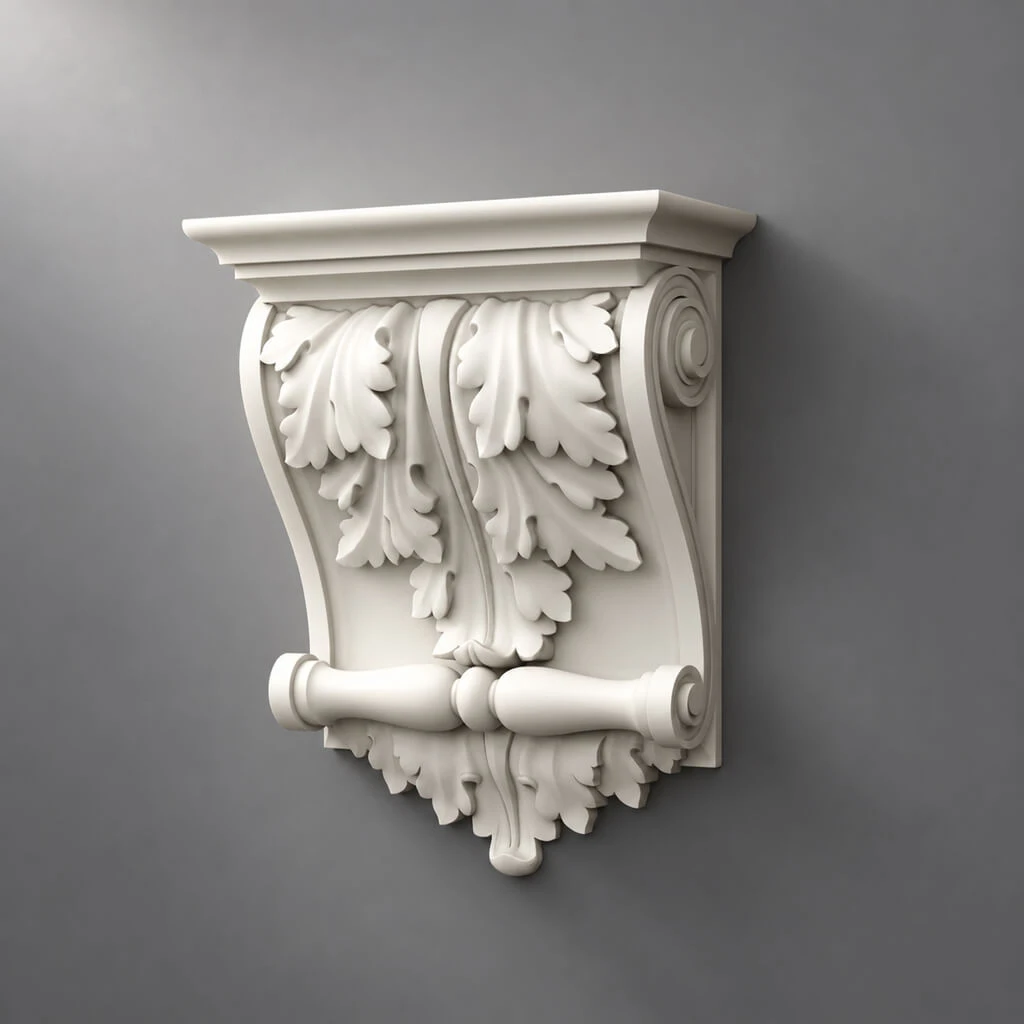
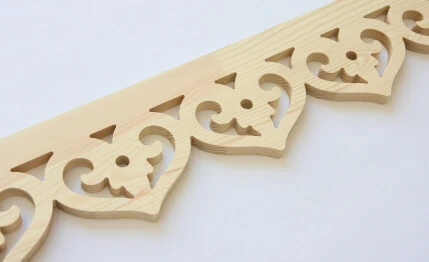
Polyurethane Itemsfor the interior is not only moldings. It includes pilasters, brackets, balusters, arch frames, niches with decor. All these are additions that turn a simply decorated wall into a full-fledged interior object.
Mistakes when choosing moldings and slatted panels
Experience is the best teacher. But you can learn from others' mistakes and avoid them in your interior.
Too complex a pattern on a small wall
A molding grid of multiple frames of different sizes works beautifully in a large hall with high ceilings. In a 12-meter room with a 2.5 m ceiling, this creates a feeling of tightness and visual chaos. The rule is simple: the smaller the room, the simpler the decor.
Too frequent slats in a narrow space
Vertical slats with a spacing of 3–4 cm in a narrow corridor create a 'grille' wall that compresses the space. In small rooms, use a wide slat spacing—from 6–8 cm and above.
Mixing different materials without logic
Wooden molding plus polyurethane slats plus metal inserts is possible in a project with a clear concept. Without a concept, it's an eclectic mix that is irritating. Choose one main material and stick to it across the entire wall surface.
Conflict between classical molding and overly technical panels
Plaster molding with scrolls next to slats in an industrial loft style: this is a conflict of languages that doesn't work in any style. Moldings in a classic interior require restrained wooden slats with a clean profile, not aggressively textured panels.
Unaccounted dimensions of furniture and TV
One of the most practical tips: before mounting moldings and battens on the wall behind the TV or sofa, precisely determine the dimensions of the furniture and equipment. The molding frame should 'hug' the TV panel, not conflict with it in size. Moldings and battens for the TV zone are installed only after the exact screen dimensions and mounting location are fixed.
Forgotten transition to adjacent spaces
If the living room has wooden slatted panels and the hallway has a smooth painted wall, the transition between them will be sharp and uncomfortable. Think of the wall as a system: elements from the same line, uniform material, coordinated colors.
Slatted partitions: a separate application scenario
We cannot fail to mention this — because queries for 'slatted partition' and 'DIY slatted partition' are very close to the topic of wall panels.
A slatted partition is a volumetric structure made of vertical slats that divides space without being a full wall. It lets light through, gives a sense of volume, and visually separates zones. It is installed as a standalone structure (on a supporting frame) or attached to a wall.
Wooden slats for walls in this variant work differently than wall panels: they do not cover the wall surface but form an independent architectural object. A slatted partition in the living room between the dining area and the sofa area, a slatted partition in the hallway between the entrance zone and the corridor — these are modern and effective solutions for open layouts.
Want to make a slatted partition yourself? The principle is simple: wooden slats are attached to horizontal crossbars at a set interval. But it's important to choose the right material — the wood must be dried and treated so the slats don't warp over time.
Wall molding: a classic that never goes out of style
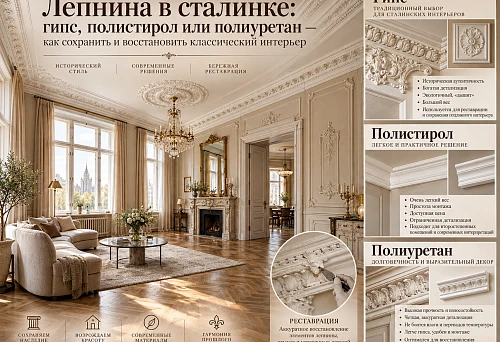
A discussion about moldings would be incomplete without talking about molding. Wall molding is the historical predecessor of molding. Today, molding in interiors is experiencing a renaissance — not in the form of heavy Baroque curls, but as concise profiles that create depth and volume on a flat wall.
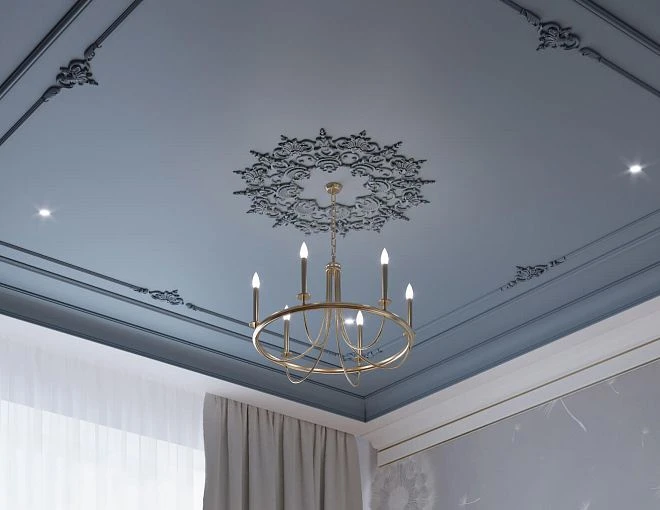
Moldings and cornices are terms often used as synonyms. Technically, molding is a decorative element made of plaster or polyurethane, while a cornice is a profile strip. But in interior application, their functions overlap: both create relief on the wall, both work as an architectural accent.
Molding and polyurethane decorToday it is made from polyurethane—and this makes it accessible for any interior. Lightness, profile precision, moisture resistance, durability—polyurethane reproduces all the capabilities of historical molding without its drawbacks (fragility, heavy weight, installation complexity).
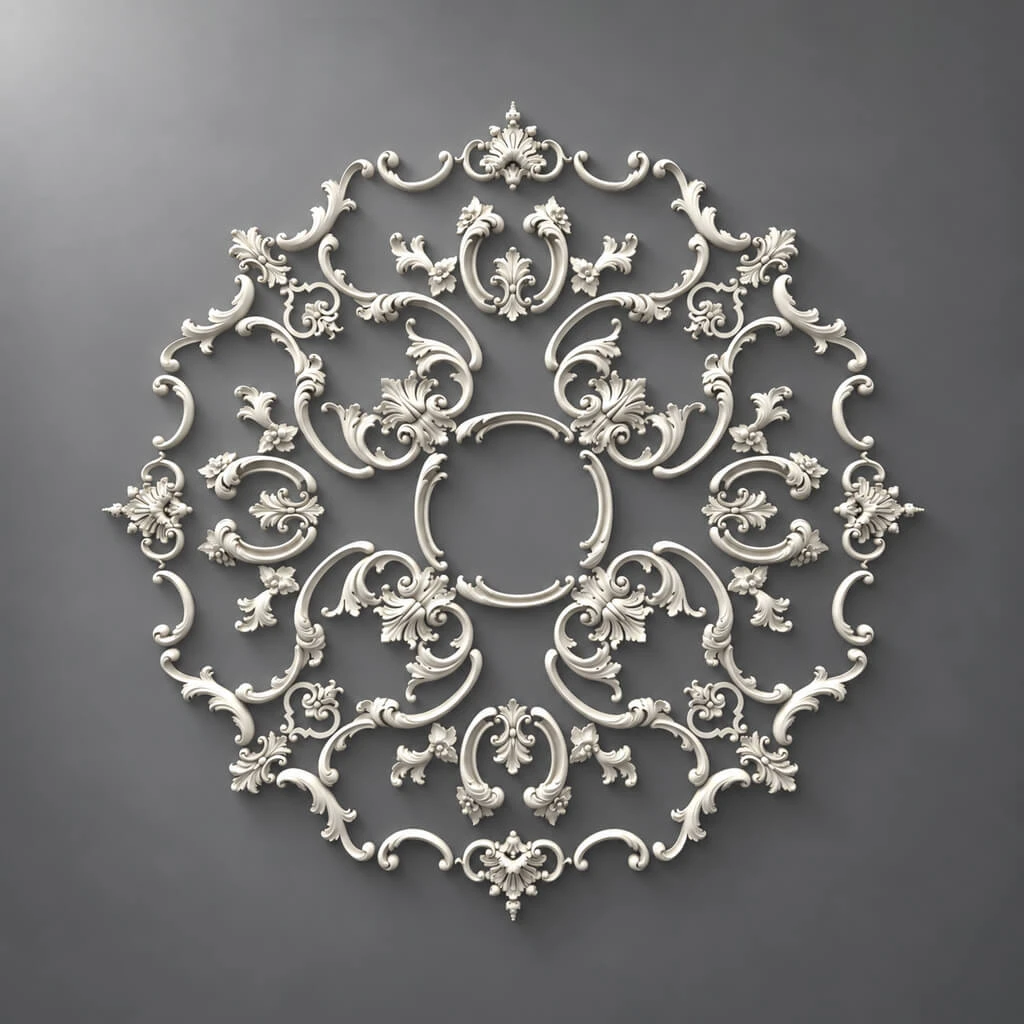
Wall molding in a modern interpretation is one complex-section molding profile around the ceiling perimeter, a decorative rosette in the center, and several framed panels on the wall. Minimum elements, maximum effect.
Wall panels and moldings for an apartment: a practical guide by rooms
Let's go through each room—with specific recommendations.
Living Room
The main space—the boldest solutions. An accent wall with slatted panels behind the sofa, molding frames on the side walls, a cornice at the transition to the ceiling. Or—a molding grid on all walls with color contrast. Or—slatted panels from floor to ceiling behind the TV with lighting.
Buying wooden wall panels for the living room means immediately solving the issue of the main accent in the most visible room.
Bedroom
Calmer, warmer, more intimate. The wall behind the bed is the main object. A molding frame with a slatted insert, or simply a slatted panel across the full width of the headboard—this is both design and coziness. Wooden wall panels in the bedroom create the feeling of an 'expensive hotel room' without the corresponding budget.
Hallway and corridor
Practicality plus effectiveness. The lower panel made of slats protects the wall from impacts and dirt. A horizontal molding belt at a height of 1.1–1.2 m divides the wall into zones. The upper part—in a light color for a sense of space.
Buying slats for the wall for the hallway is one of the most quickly recouped investments in renovation.
Office
Restraint and solidity. Wooden slats for the wall behind the desk, molding frame around the board or screen. Bright decor is not needed here — what's needed is an environment that helps you think.
Kitchen
The requirements for the material are stricter here: moisture resistance, ease of cleaning. Polyurethane moldings for walls are the optimal solution. Slatted panels in the kitchen — only with proper wood impregnation, otherwise they will absorb moisture.
Frequently asked questions
Is it possible to combine wooden moldings and polyurethane slats on one wall?
Technically — yes. Aesthetically — undesirable without a clear concept. It's better to choose products from the same line from one manufacturer — then the transition between materials will look like a design technique, not an accident.
Is special wall preparation needed for moldings and slats?
The wall must be level, clean, and dry. Moldings are mounted with adhesive (liquid nails or special mounting adhesive) + additionally fixed with screws if necessary. Slatted panels are often attached to a lath frame — this allows for leveling out minor wall irregularities.
How to calculate the amount of molding for a frame composition on a wall?
Measure the wall, determine the number and size of frames, add 10% for joints and trimming. For slatted panels: divide the wall area by the area of one panel, taking into account the pitch and gaps between slats.
How to choose between vertical and horizontal slats?
Vertical slats — for low ceilings and narrow spaces (visually 'stretch' upward). Horizontal — for wide walls and large spaces. In small apartments, vertical almost always works better.
Can you install moldings and slatted panels yourself?
Yes. Moldings are installed with glue and screws — this is a task for one person with basic tools. Slatted panels on battens require a bit more time but are not fundamentally more difficult. The key is precise marking and a level.
How much does it cost to decorate a wall with moldings or slatted panels?
The cost depends on the area, material, and complexity of the composition. Wooden moldings are more expensive than MDF and polyurethane but last longer. Wooden slatted panels are an investment with a long lifespan. Compare prices in the catalog on the STAVROS website — it offers a wide range of solutions for different budgets.
Is a DIY slatted partition difficult?
No, if you have a clear plan. The main difficulty is the frame: it must be rigid and perfectly vertical. The slats themselves are attached to horizontal battens at a set pitch. For this, choose wooden slats without defects and well-dried — otherwise, the structure may warp within a year.
Are wooden moldings suitable for walls in an apartment with underfloor heating?
Yes — provided the wood is properly dried and treated. Sudden temperature changes can affect natural wood, so when installing molding on a wall in a room with underfloor heating, it's important to leave a small gap at the bottom of the baseboard.
Conclusion: a system instead of a choice
Wall moldings and slatted wall panels are not two different solutions to choose between. They are two tools of one decorative finishing system, each solving its own task. Molding creates the architecture of the wall. Slats bring it to life. Together — they transform any space into an interior you want to talk about.
It works in the living room and bedroom, in the hallway and study, in classic and contemporary minimalism. It works with natural wood, MDF, and polyurethane. It works in any city, in any apartment — if the proportions, material, and combination scheme are chosen correctly.
Now — about where to find all this.
STAVROS Company — a Russian manufacturerwooden products for interiorsthat specializes precisely in the solutions discussed in this article. The STAVROS catalog featuresMolding and cornices made of solid wood, Slatted wall panels, Decor for Molding, and alsopolyurethane decor and molding— everything needed for a complete decorative wall finishing system.
STAVROS works with private clients, designers, and construction companies — and provides the entire range from a single production line. This means: uniform material, uniform quality, uniform style — from molding to slatted panel.
Buy Wall MoldingandBuy slatted panels for wallscan be found in the STAVROS catalog — with delivery to Moscow, St. Petersburg, and all of Russia.