Article Contents:
- Hidden power: how a leg controls perception
- Profile: anatomy of style
- Geometry: mathematics of beauty
- Finishing: protection and aesthetics
- Interchangeable supports: freedom of transformation
- Repair: second life for favorite furniture
- Upgrade: how a leg changes everything
- Materials: the soul of the leg
- Styles: leg as an era marker
- Leg and tabletop: dialogue of forms
- Production: from sketch to masterpiece
- Mounting: foundation of stability
- Care: extending lifespan
- Selection: what to pay attention to
- Trends: what is current now
- Perception psychology: what the leg says
- Regional characteristics: leg and geography
- Ecology and sustainability
- Frequently Asked Questions
- How to choose legs for existing furniture?
- Can legs be replaced by oneself?
- How often should legs be replaced?
- Which legs are better for heavy furniture?
- Are protective caps needed on legs?
- How to restore damaged leg coating?
- Which legs to choose for children's furniture?
- Can wooden legs be used in humid rooms?
- How to determine the quality of a furniture leg?
- Does the shape of legs affect furniture stability?
- Conclusion
- About the Company STAVROS

When it comes to furniture, we are accustomed to evaluating it by the tabletop, upholstery, and facades. But there is a detail that remains in the shadows, although it is precisely this detail that determines the perception of the entire item — it isfurniture legHidden power: how a leg controls perception




Hidden power: how a leg controls perception
delicate conicalchair legscreate a sense of lightness, while carved baroque legs immerse you in the atmosphere of palace luxury.
The geometry of the leg is the language of forms that speaks about the character of the furniture. Straight edges and sharp angles emphasize minimalism and functionality, wavy curves and precise transitions — classic refinement. The profile can be strict and laconic or richly decorated, with carved patterns and bevels. Every line, every curve affects how we perceive the object as a whole.
The finish of the leg plays no less important a role. Natural wood with visible texture gives furniture warmth and natural beauty, lacquered surface creates an effect of glossy elegance, while patinated or brushed finish adds vintage charm. Modern technologies allow creating finishes that not only protect wood but also highlight its unique pattern, making each leg a work of art.




Profile: anatomy of style
The profile of a furniture leg is its DNA. It is precisely this that determines whether the furniture will look modern or classic, brutal or elegant. There are many types of profiles: from simple square and round to complex multi-faceted and turned. Each carries a certain stylistic load.
Square profile with straight edges — choice for lofts, Scandinavian and modern interiors. It emphasizes constructivism, honesty of material, absence of decorative excesses. Round profile — universal option, which fits equally well into classic and modern concepts. It is softer than square, creating a more calm, streamlined perception.
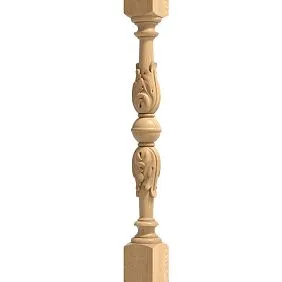
turned profile — the realm of classicism. Legs with balusters, crossbars, spherical elements and cones create a play of light and shadow, add volume and depth. SuchFurniture legsperfectly suit interiors in Provence, country, English classic styles. They turn an ordinary table into an object worthy of a museum exhibition.
Carved profile — the highest level of furniture art. Vegetal ornaments, volutes, acanthus leaves, geometric patterns — all this turns the leg into a sculpture. Such supports are characteristic of Baroque, Rococo, and Empire styles. They require skilled craftsmanship and perfectly match rich upholstery, gilded details, marble tops.
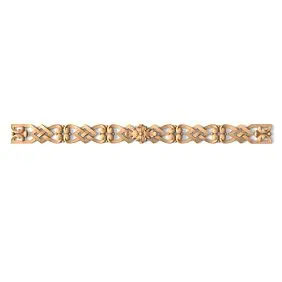
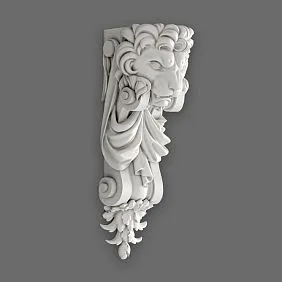
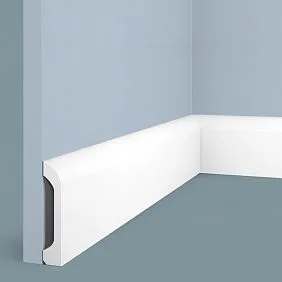
Our factory also produces:





Geometry: mathematics of beauty
The geometry of the leg is not only its cross-section shape, but also its proportions, angle of inclination, height, position relative to other elements. Properly calculated geometry ensures stability, comfort of use, and visual harmony.
low legsLegs for coffee tablescreate a sense of coziness, closeness to the floor, Eastern minimalism. High legs make furniture more formal, official, add air and light under the tabletop or seat. Medium height — universal option, suitable for most interiors.
Angle of inclination of the leg — a delicate design tool. Vertical legs create strictness and stability, slightly outward-sloping legs add dynamism and stability, inward-sloping legs give furniture elegance and lightness. Scandinavian chairs of the mid-20th century often have legs splayed at an angle, creating a sense of lightness and modernity.
The cross-section of the leg along its height can be constant or variable. Conical shape, narrowing toward the bottom, visually lightens the furniture, making it more elegant. A leg that widens toward the bottom creates a sense of reliability and stability. Precise transitions — crossbars, spheres, vases — add complexity and decorative detail.
Get Consultation
Coating: protection and aesthetics
The finish of a furniture leg performs two functions: protective and decorative. Quality finish extends the lifespan of the item, protects wood from moisture, mechanical damage, and ultraviolet rays. Simultaneously, it highlights the beauty of the material, creates the required texture and color.
The lacquered finish — classic option forwooden legs. Transparent lacquer preserves the natural color and texture of wood, creating a glossy or matte surface. Glossy lacquer suits formal interiors, matte — modern and Scandinavian. Polyurethane lacquers have high wear resistance and protect wood from scratches and moisture.
Oil finish — choice for those who value naturalness and tactile sensations. Oil penetrates into the wood structure, highlights its texture, creates a silk-like surface. Such finish is easy to restore: simply apply a new layer of oil. It is ideal for eco, Scandinavian, and Japanese minimalist furniture.
Wax finish gives wood a soft sheen and pleasant to the touch surface. Wax protects from moisture and dirt, creates an anti-static effect. It is often used in combination with oil or as a final layer after staining. Wax finish is characteristic of antique and vintage furniture.
whiteLegs for chairscreate lightness and freshness, black — graphic quality and contrast, colored — playfulness and individuality. Modern water-based paints are eco-friendly, odorless, dry quickly, and create a durable finish.
patinaFurniture Supportsperfectly fit into Provence, shabby chic, vintage interiors.
Replaceable legs: freedom of transformation
One of the main advantages of modern furniture — the ability to replace legs. Replaceable legs allow quickly change the style of an item, repair a damaged part, or adapt furniture to new conditions. This saves money and opens up creative possibilities.
Furniture Legs and SupportsThey are produced with various types of fastening: threaded, on a plate, on dowels. Threaded fastening — the simplest and most common. The leg is screwed into a special nut fixed in the furniture body. Such connection is easy to disassemble and allows quickly replace the leg.
Mounting on a plate ensures maximum stability. The plate with multiple holes is screwed into the furniture frame using self-tapping screws, and the leg is rigidly fixed to the plate. This type of mounting is suitable for heavy furniture: tables, sofas, cabinets. It eliminates play and ensures the longevity of the structure.
Mounting on dowels — a traditional carpentry method. A wooden dowel is inserted into holes in the furniture frame and leg, and secured with glue. This joint is invisible, requires no additional hardware, and creates a sense of monolithic unity. It is characteristic of classic handmade furniture.
The possibility of replacing legs opens up wide opportunities for upgrading. An old Soviet table can be transformed into a Scandinavian-style piece by replacing heavy turned legs with thin conical ones. A 90s-style sofa becomes modern when fitted with minimalist metal or wooden legs. It's enough to choose suitableBuy legsand spend half an hour on assembly.
Repair: a new life for favorite furniture
A furniture leg is one of the most vulnerable parts of the structure. It bears all the load, is subjected to impacts, abrasion, and moisture. Over time, legs may loosen, crack, or lose their decorative finish. But this is not a reason to part with a favorite item — most problems can be solved with repair.
If a leg has loosened, the problem is usually in the mounting. A threaded connection can be strengthened by adding a washer or replacing the nut with a larger diameter one. Mounting on a plate can be reinforced by replacing screws with longer ones or adding additional mounting points. A dowel joint is restored by re-gluing: old glue is removed, new glue is applied, and the joint is clamped until fully dry.
Cracks in wooden legs are filled with epoxy resin mixed with sawdust. The mixture fills the crack, after drying it is sanded and coated with varnish or oil. If the crack is severe, the leg can be reinforced from within by drilling a hole and inserting a wooden dowel or metal rod.
Restoring the finish is a creative process. Old varnish is removed by sanding or special strippers, the surface is stained with the desired shade, and a new finish is applied. You can radically change the color, create a patina or brush effect. Such repairs not only restore functionality but also refresh the furniture's appearance.
If a leg is damaged beyond repair, it's easier to replace it. The modern market offers a wide variety of ready-made legs to suit any taste and budget. You can choose a leg that matches the original style or use the replacement as an opportunity for upgrading. The key is to correctly identify the mounting type and dimensions.
Upgrade: how a leg changes everything
Replacing legs is the simplest and most effective way to refresh furniture without significant investment. It requires no special skills, takes minimal time, but the result exceeds expectations. The furniture acquires a new character, fits into a changed interior, and receives a second youth.
A classic wooden table with carved legs can be transformed into an industrial style by replacing the legs with metal spikes or pipes. A Soviet wall unit becomes current if you install thin conicalfurniture legsin Scandinavian style. A heavy sofa gains lightness with elegant legs made of light wood.
Upgrading allows adapting furniture to specific needs. A low coffee table can be raised by installing taller legs — and it becomes a work or dining table. A tall chest can be lowered by replacing legs with shorter ones — and it becomes a TV stand. The possibilities are limited only by imagination.
The color of legs plays an important role in perception. Dark legs make furniture appear more solid and heavy, while light legs make it look lighter and airy. A contrasting combination — for example, a white tabletop and blackTable legs— creates a graphic modern look. Matching tones — a classic choice for traditional interiors.
Upgrading can be radical or subtle. You can completely change the style of furniture, or only slightly adjust its character. The key is to understand what effect you want to achieve, and choose legs that serve that purpose.
Materials: the soul of the leg
The material of a furniture leg determines its strength, durability, appearance, and cost. Traditionally, legs are made of solid wood, but modern technologies offer other options.
Solid wood — a classic choice, proven over centuries. Oak, beech, ash, birch — each species has unique properties. Oak is distinguished by high strength and beautiful grain, beech — uniform structure and ease of processing, ash — flexibility and impact resistance.Wooden legsare eco-friendly, warm to the touch, easy to repair and restore.
Hardwoods — oak, beech, ash — are suitable for furniture subjected to high loads: tables, chairs, sofas. They do not deform, withstand significant weight, and serve for decades. Softwoods — pine, spruce — are cheaper but less durable. They are suitable for light furniture: side tables, shelves, decorative tables.
Metal — a choice for modern and industrial interiors. Steel, cast iron, aluminum legs are strong, reliable, and withstand enormous loads. They can be straight, curved, ornate, with powder coating or chrome finish. Metal legs combine perfectly with wooden tabletops, creating a contrast of textures.
Plastic — an economical option for mass furniture. Modern polymers are strong, lightweight, resistant to moisture, and easily molded into any configuration. Plastic legs are used in office furniture, children's tables and chairs, garden furniture. They lack the nobility of wood or metal, but are practical and affordable.
Combined legs combine different materials. Wooden body with metal cap, plastic shell with metal frame, wooden leg on metal plate — such solutions combine the advantages of different materials and create interesting visual effects.
Styles: leg as an era marker
Each era and style created their characteristic forms of furniture legs. The leg allows you to unambiguously determine the stylistic affiliation of an item.
Baroque — opulence and ornamentation. Legs are curved, with carved scrolls, volutes, acanthus leaves. They are massive, heavy, often gilded or patinated. Such supports turn furniture into sculpture, creating a sense of luxury and grandeur. They require appropriate surroundings: high ceilings, rich textiles, expensive materials.
Classicism — strictness and symmetry. Legs are straight or conical, with minimal decoration. Polished elements follow a clear rhythm, carving is restrained, ornaments are geometric. Colors are natural: wood, ivory, gold. Such legs are universal, looking equally good in formal and residential interiors.
Modern — smooth lines and natural motifs. Legs are curved, without sharp edges, featuring transitions and curves. Decorative elements are botanical: stems, leaves, flowers. Asymmetry is encouraged. Such legs create a sense of movement, growth, and organicity. They fit perfectly into interiors with stained glass, wrought iron details, and natural materials.
Art Deco — geometry and luxury. Legs are straight, with sharp edges, often polygonal. Decorative elements are geometric: zigzags, steps, rhombuses. Materials are expensive: exotic wood, metal, glass. Colors are contrasting: black and gold, white and silver. Such legs emphasize the owner’s status and taste.
Scandinavian style — simplicity and functionality. Legs are slender, conical, made of light wood. No decoration, only clean form and natural texture. Such supports make furniture light, airy, and suitable for minimalist interiors. They often splay outward, creating stability and dynamism.
Loft — brutality and industrialism. Legs are metallic: pipes, I-beams, square profiles. Minimal processing, weld seams are visible, finish is matte or absent. Such legs emphasize construction, material honesty, and lack of ornamentation. They pair perfectly with brick walls, concrete ceilings, and exposed utilities.
Leg and tabletop: a dialogue of forms
Furniture harmony depends on how well the legs match the tabletop or seat. This is not merely a matter of size, but also style, proportions, and material.
A heavy wooden tabletop requires proportionate supports. Thin legs will appear unserious and create an impression of instability. Thick, finely crafted legs made from the same wood as the tabletop will create a harmonious ensemble. Carved elements on the legs may echo the wood’s texture or the tabletop’s shape.Table legsA glass tabletop requires legs that do not compete with its transparency. Thin metal legs, practically invisible, will highlight the lightness of the glass. Heavy wooden legs create contrast, but they must be chosen carefully to avoid overwhelming the composition. Chrome or brightly colored legs add an accent.
The glass top requires legs that will not compete with its transparency. Thin metal supports, practically invisible, will emphasize the lightness of the glass. Heavy wooden legs will create a contrast, but they must be chosen carefully to avoid overwhelming the composition. Chrome or brightly colored supports will add an accent.
A stone tabletop — marble, granite — pairs with legs that emphasize its luxury. Carved wooden legs in a classical style, wrought iron legs with botanical motifs, heavy stone or concrete legs — all work. The key is to maintain proportions and not diminish the visual value of the stone.
For soft furniture — sofas, chairs, ottomans — legs must harmonize with upholstery. Light, airy fabric requires elegant legs made of light wood or metal. Heavy velvet or leather pairs with heavy, carved dark wood legs. Bright upholstery can be balanced by neutral legs or, conversely, supported by colorful legs.
Production: from sketch to masterpiece
Creating a furniture leg is a process requiring craftsmanship, precision, and artistic sense. Modern technologies combine with traditional handcraft methods.
It all begins with a sketch. The designer develops the leg’s shape, considering style, proportions, and functionality. The sketch is translated into a digital model, allowing calculation of all parameters, testing strength, and optimizing material use. Adjustments are made, and details are refined at this stage.
Material selection follows. Wood must be dry, free of knots and cracks, with uniform texture. Stock is cut to required dimensions, with grain direction considered — this is crucial for strength. Wood undergoes additional drying and stabilization.
Leg shaping is done on lathes, milling machines, and carving machines. Automated CNC machines are used for simple forms — they ensure high precision and productivity. Complex carved elements are created by hand or on specialized equipment. The master carver refines details, creates three-dimensional ornamentation, and gives the leg individuality.
After shaping, the leg is sanded. This is a multi-stage process, starting with coarse sanding and ending with fine polishing. The surface must be perfectly smooth, free of burrs and irregularities. The quality of sanding affects how the final finish adheres.
Applying finish is the final stage. The leg may be stained to change color, primed, varnished, oiled, or patinated. Each layer is applied carefully, dried, and sanded. A quality finish provides protection and enhances the beauty of the wood.
Assembly: the foundation of stability
Secure attachment of legs to furniture bodies ensures longevity and safety. Several main methods exist, each with its advantages.
Threaded attachment is the most common. A metal nut-bushing is screwed into the furniture body, into which the threaded peg of the leg is screwed. This connection is easy to assemble and disassemble, allows height adjustment and leg replacement. It suits light and medium furniture. For heavy structures, threaded connections are reinforced with washers and locking nuts.
Plate attachment provides maximum rigidity. A metal or wooden plate with holes is secured to the furniture body with screws or bolts. The leg is fixed to the plate through a central hole. This connection has no play, withstands heavy loads, ideal for tables, sofas, and cabinets.
Dowel attachment is a traditional carpentry method. A wooden dowel (round rod) is inserted into holes in the leg and body, secured with carpentry glue. This connection is invisible, requires no metal hardware, creates a monolithic feel. It is strong but not disassemblable — replacing a leg may require breaking it out.
Angle attachment is used for legs positioned at an angle. A special angled plate or bracket allows secure fixation of the angled support. This connection is typical for Scandinavian furniture, chairs, and stools with splayed legs.
Reinforced attachment is used for heavy or heavily used furniture. A combination of several methods — threaded, plate, dowel, and glue — creates maximum reliability.Furniture supportIt can be additionally reinforced with rails—horizontal connections between the legs that distribute the load and prevent wobbling.
Care: extending lifespan
Proper care of furniture legs extends their service life, preserves their appearance, and prevents damage. Simple rules will help your furniture remain beautiful for decades.
Regular cleaning is the foundation of care. Dust and dirt are removed with a soft dry cloth or slightly damp cloth. For varnished legs, use specialized furniture cleaners that create a protective film and add shine. Oil finishes are wiped with a dry cloth and periodically refreshed with oil.
Protection from moisture is critically important for wooden legs. Water is the main enemy of wood, causing swelling, deformation, and cracking. Spills under legs must be wiped immediately. Wet cleaning should be done carefully, without excessive soaking. In high-humidity rooms, additional protection — wax or oil finishes — is recommended.
Protection against mechanical damage is provided by felt or rubber caps on legs. They prevent scratches on the floor, reduce noise when moving furniture, and evenly distribute the load. Caps should be periodically checked and replaced as they wear out.
Protection from sunlight is important for preserving color. Ultraviolet rays fade wood, dull finishes, and cause lacquer to crack. Furniture should not be placed under direct sunlight. If unavoidable, use curtains or blinds during daylight hours.
Periodic treatment maintains the finish in ideal condition. Lacquered legs are polished once a year with special agents. Oil finishes are refreshed every 6–12 months — old oil is removed with a soft cloth, and a new layer is applied. Wax finishes are polished every few months to restore shine.
Selection: What to pay attention to
Choosing furniture legs is a task requiring attention to detail. Properly selected legs serve for decades, while incorrect ones create problems from the very beginning.
Style is the first thing to determine. Legs must match the overall interior style and character of the furniture. For classic interiors, suitable are finely carved legs of dark wood; for modern interiors — simple geometric shapes; for lofts — metal constructions. Mixing styles is possible, but requires a refined sense of proportion.
Size is critically important. The height of the leg determines the comfort of using furniture. Standard dining table height — 75 cm, work table — 72–75 cm, coffee table — 40–50 cm. The diameter or thickness of the leg must correspond to the weight and size of the furniture. Thin legs under a heavy tabletop — not only unattractive, but also dangerous.
Material affects durability and appearance. For furniture that is actively used, it is better to choose hardwoods or metal. For decorative items, softwoods or plastic are suitable. The quality of processing and finish must be high — smooth surface, even color, absence of defects.
The type of fastening must correspond to the furniture's construction and load. Threaded fastening is universal, but for heavy furniture, plates are preferable. If frequent disassembly and reassembly are expected, threaded fastening is preferred. For antique or classic furniture, consider dowel fastening.
Price reflects quality, but not always linearly. Expensive handmade legs from precious woods are an investment in beauty and longevity. Budget mass-produced legs can also be of good quality if the manufacturer is reputable. It is important to study reviews, examine samples, ensure material and craftsmanship quality.
Trends: What is currently in vogue
Furniture fashion changes, but some trends remain relevant for years. Understanding trends helps create a modern interior that does not quickly become outdated.
Minimalism continues to dominate. Simple geometric shapes, slender conical legs, natural materials without excessive processing. Scandinavian style, with its simplicity and functionality, remains at the peak of popularity.legs for a table to buyIn this style — means choosing timeless classic.
Naturalness is a key trend. Visible wood grain, oil finishes, minimal paint and lacquer. People are tired of plastic and synthetics; they want to feel nature in their homes. Wooden legs preserving natural color and wood grain pattern fit perfectly into this trend.
Contrasts create dynamism. Black metal legs under a light tabletop, white wooden legs with a dark seat — such combinations add graphic appeal and modernity. They emphasize form, create visual accents, and make furniture memorable.
Vintage and retro are experiencing a renaissance. Furniture from the mid-20th century with its characteristic legs — splayed, conical, on spikes — is back in style. Patinated, brushed, artificially aged legs create a sense of history, coziness, and individuality.
Bold color — a new trend. Brightly colored legs — blue, green, yellow, pink — turn furniture into art objects. This is a choice for creative, non-standard interiors, for those who are not afraid of experimentation. Colored legs are especially popular in children's furniture and accent pieces.
Psychology of perception: what the leg says
Furniture legs influence our perception of space and emotional state. This is not mysticism, but results of research in design and psychology.
High legs create a sense of airiness and freedom. The space under the furniture visually expands the room, making it brighter. This is especially important for small rooms. Furniture on high legs appears lighter, weightless, does not press down or clutter.
Low legs or their absence create a sense of stability and coziness. Furniture appears more substantial, solid, reliable. This is a good choice for bedrooms and living rooms, where a calm and secure atmosphere is important. Low furniture visually lowers ceilings, making the space more intimate.
The shape of the leg affects perception dynamics. Straight vertical legs create stability, order, and stillness. Slanted legs create dynamism, movement, and modernity. Curved legs create softness, smoothness, and organic feel. Carved legs convey richness, luxury, and historic character.
Leg color works on an emotional level. Dark legs add seriousness, solidity, and may visually weigh down furniture. Light legs convey lightness, freshness, and modernity. Bright colors convey joy, creativity, and playfulness. Natural wood conveys warmth, coziness, and connection to nature.
Material creates tactile and visual associations. Wood — warmth, eco-friendliness, tradition. Metal — modernity, strength, industrial character. Plastic — lightness, accessibility, functionality. Material combinations create complex, multi-layered sensations.
Regional characteristics: leg and geography
Different cultures have created their characteristic types of furniture legs, reflecting climate, traditions, and aesthetic preferences.
European classic — carved, finely detailed legs from oak, beech, walnut. Baroque, Rococo, Classicism, Neoclassicism — each style created its own forms. Heavy, decorative, often gilded or patinated legs emphasize status and taste. They require spacious rooms, high ceilings, and appropriate surroundings.
Scandinavia — minimalism and functionality. Thin conical legs from light birch, pine, ash. Simple shapes, natural colors, oil finishes. Such legs make furniture light, airy, and suitable for small rooms with limited light.
Asia — low furniture or its absence. In traditional Japanese and Chinese interiors, furniture often stands directly on the floor or on very low legs. This is related to lifestyle, climate, and philosophy. Modern Asian furniture often combines Western forms with Eastern aesthetics — simple geometric legs, minimalist shapes, natural materials.
America — pragmatism and comfort. Furniture often features sturdy, stable bases designed for active use. Forms are simple, without excessive decoration. Popular are metal legs, wood-metal combinations, and industrial motifs.
Russia — diversity reflecting history. From carved wooden supports of folk crafts to Soviet functional furniture and modern Western influences. Russian furniture is often heavier, designed for harsh climates and long service life.Buy chair legsIn Russia — means choosing from a vast variety of styles and forms.
Ecology and sustainability
Modern society increasingly pays attention to ecological and sustainable development. Furniture legs are no exception.
Using local wood reduces transportation carbon footprint. Birch, pine, oak native to your region are a more eco-friendly choice than exotic species from the other side of the planet. Local wood is often cheaper and better adapted to climatic conditions.
Certified wood guarantees legal harvesting and forest restoration. FSC and PEFC certificates confirm that the wood comes from sustainably managed forests. Choosing certified products supports responsible forestry.
Upcycling and repurposing — a growing trend. Old legs can be restored, repainted, and used for new furniture. This is not only eco-friendly but also creates unique items with history. VintageChair legscan become a basis for original design.
Durability is the main principle of sustainability. Quality solid wood legs serve for decades without needing replacement. This is the opposite of disposable furniture, which ends up in a landfill after a couple of years. Investing in quality is investing in ecology.
Eco-friendly finishes — natural oils and waxes — are safe for health and the environment. They contain no volatile organic compounds, do not emit toxic substances, and are biodegradable. Such finishes are ideal for children's furniture, allergy sufferers, and eco-friendly interiors.
Frequently Asked Questions
How to choose legs for existing furniture?
Determine the style of the furniture and interior. Measure the height you need, consider the weight of the furniture. Check the type of mounting — threaded, plate-mounted, or dowel. Select legs matching the style, size, and mounting type. Pay attention to material and color — they should harmonize with existing elements.
Can legs be replaced yourself?
Yes, in most cases replacing legs is a simple operation requiring no special skills. Threaded legs simply screw in and out. Plate-mounted legs require a screwdriver or drill. Dowel mounting is more complex — you need to remove old legs and glue in new ones, but this is also feasible at home.
How often should legs be replaced?
With proper care, quality wooden legs serve for decades and do not require replacement. Replacement is needed for damage — cracks, chips, or looseness that cannot be repaired. Replacement is also relevant during furniture upgrades or interior changes.
What legs are best for heavy furniture?
For heavy furniture — large tables, sofas, cabinets — choose thick legs made of hardwood or metal. Mounting should be plate-mounted with multiple fixation points. Additional strength is provided by braces — horizontal connections between legs.
Are protective caps needed on legs?
Yes, protective caps are mandatory. Wool or rubber caps protect floors from scratches, reduce noise during furniture movement, evenly distribute load, and prevent slipping. They are inexpensive, easy to install, and significantly extend the life of floors and legs.
How to restore damaged leg finish?
Minor scratches are filled with matching wax pencil. Deep damage requires sanding, staining, and new finish. If the finish is completely worn, it is removed by sanding or stripping, then a new finish — oil, wax, or varnish — is applied. The process is not difficult but requires time and care.
What legs to choose for children's furniture?
For children's furniture, safety and eco-friendliness are crucial. Choose solid wood legs with rounded edges, no sharp corners. The finish should be natural — oil, wax, water-based paints without toxic substances. Mounting should be secure, preventing loosening. Colored legs add joy to a child's room.
Can wooden legs be used in humid rooms?
Wooden legs can be used in bathrooms and kitchens, but they require additional protection. The finish must be water-resistant — varnish, oil with water-repellent properties. Good ventilation is necessary to prevent wood from accumulating moisture. Prefer moisture-resistant species — larch, teak. Alternative — metal or plastic legs.
How to determine the quality of furniture legs?
Quality legs have uniform structure without knots, cracks, or chips. Surface is smooth, without roughness or burrs. Finish is even, without streaks or spots. Threads are clear, details are well-crafted. Legs should not show visible glue defects. A light tap should produce a dull, dense sound — indicating good wood drying.
Does the shape of the legs affect the stability of the furniture?
Yes, the shape and placement of legs are critically important for stability. Four legs at the corners provide maximum stability. A central support requires a larger diameter or a robust construction. Legs splayed outward at an angle increase the contact area and stability. Legs that taper toward the bottom are less stable but visually lighter.
Conclusion
A furniture leg is not just a technical detail, but a full design element capable of radically changing the character of the item and the entire interior. Profile, geometry, finish, material — each parameter affects the perception of the furniture, its functionality, and longevity. The ability to install replaceable supports opens up wide opportunities for repair and upgrades, allowing you to extend the life of favorite items and adapt them to changing needs.
Correctly chosen legs make furniture a harmonious part of the space, highlight its style, and create the desired atmosphere. Qualityfurniture legslast for decades without losing strength or beauty. They are an investment in comfort, aesthetics, and longevity of your home.
About the company STAVROS
STAVROS specializes in producing and selling high-quality items made of solid wood and polyurethane for interior design. The assortment features a wide selection of furniture legs in various styles — from classic carved to modern minimalist. Each item is created with consideration for traditional joinery craftsmanship and modern technologies, ensuring exceptional quality and durability.
STAVROS offers not only ready-made solutions but also the option for custom orders. Experienced specialists will help select legs tailored to specific furniture, taking into account all preferences regarding style, material, and finish. Also available in the catalog arewooden planks on the wall, Balusters for staircase, Wooden baseboard, Buy decorative elementswhich can be used to create a cohesive interior solution.
STAVROS products combine traditional craftsmanship, modern technologies, and attention to detail. The company works with both private clients and professional designers, furniture manufacturers, and construction companies. A convenient ordering system, prompt delivery, and professional consultations make collaboration with STAVROS comfortable and productive.
Choosingbuy furniture legs and supportsAt STAVROS, you receive not just a functional detail, but an element that will transform your furniture, highlight its character, and become an indispensable part of your unique interior.