Article Contents:
- Revolution in Ceiling Design: Why MDF Conquered the Peaks
- The History of Transforming Ceiling Spaces
- Technological Breakthrough in Production
- Structural Features of Ceiling Panel Systems
- Load-Bearing Capacity and Load Distribution
- Ventilation Characteristics
- Acoustic Properties of Panel Ceilings
- Design Concepts with Ceiling Panels
- Geometric Patterns and Rhythmic Compositions
- Color Solutions and Textural Effects
- Integration of Lighting into Panel Systems
- Practical Aspects of Installing Ceiling Panels
- Foundation Preparation and Layout
- Construction of the Load-Bearing Frame
- Panel Attachment Technology
- Special Applications in Various Types of Rooms
- Residential Spaces: Creating Coziness and Comfort
- Commercial Spaces: Functionality and Prestige
- Special Operating Conditions
- Maintenance and Longevity
- Care for Panel Ceilings
- Repair and replacement of elements
- Economic aspects of application
- Cost Analysis and Return on Investment
- Comparison with alternative solutions
- Trends and innovations
- Smart Ceiling Systems
- Ecological innovations
- Digital Production Technologies
- Conclusion
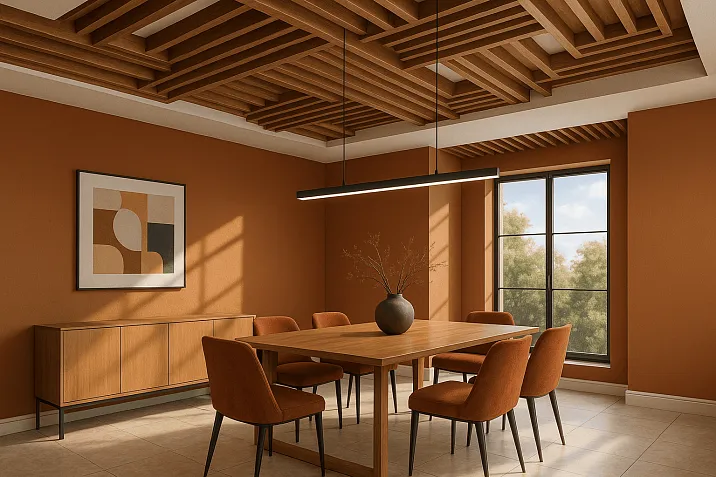
Forget Everything You Knew About Ceiling Finishing! MDF planks for ceiling Radically change the perception of what a modern interior can be. This material turned boring white ceilings into art objects capable of becoming the main feature of any room. But what makes MDF ceiling panels so popular among leading designers worldwide?
Imagine a ceiling that doesn't just exist above your head, but lives, breathes, creates mood and atmosphere. The play of light and shadow, noble wood texture, clear geometric lines — all of this becomes reality thanks to innovative solutions in ceiling finishing.


Revolution in Ceiling Design: Why MDF Conquered the Peaks




The History of Transforming Ceiling Spaces
For a long time, the ceiling remained an 'overlooked' surface in interior design. At most, homeowners decided to paint it white or simply whitewash it. However, modern design trends have radically changed the approach to decorating the fifth wall of a room.
MDF material Opened new horizons for ceiling finishing thanks to its unique properties. Dimensional stability, absence of deformation, ease of processing and installation made it the ideal solution for creating complex ceiling structures.
The turning point came when designers realized: the ceiling can be no less expressive an element of interior design than walls or floors. MDF panel ceilings allowed creating volumetric compositions, playing with spatial proportions, and integrating lighting in the most refined ways.
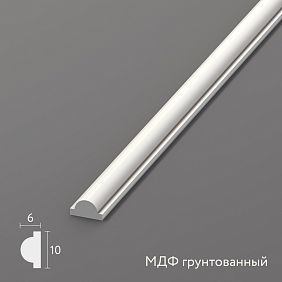
Our factory also produces:


Technological Breakthrough in Production
Modern MDF production technologies enabled the creation of a material surpassing natural wood in many parameters. Density of 750-900 kg/m³ ensures structural strength with relatively low weight. This is critically important for ceiling structures, where every gram matters.
The manufacturing process includes grinding wood into fibers sized 0.1-3 mm, mixing with E0 or E1 grade binders, and hot pressing at 200-220°C. The result is a uniform material without knots, cracks, or other defects typical of natural wood.
Water-resistant MDF grades contain special additives that reduce water absorption to 15-20% compared to 80-120% for regular wood. This allows the use of MDF interior planks even in rooms with high humidity.
Get Consultation
Structural Features of Ceiling Grid Systems
Load-Bearing Capacity and Load Distribution
Ceiling structures operate under special conditions — under their own weight and additional loads from built-in equipment. Rafter sections of 20×40 mm withstand distributed loads up to 15 kg/m² at a spacing of 600 mm between load-bearing elements.
The key role is played by proper load distribution through the suspension system and load-bearing profiles. Each mounting point is designed to handle a load of 25-30 kg with a safety factor of 1.5. This ensures the structural reliability throughout the entire service life.
Expansion joints are provided every 6-8 meters to compensate for thermal expansion. With a temperature difference of 20°C, a 3000 mm long rafter changes size by 0.5-0.8 mm, which must be compensated by the flexibility of the mounting system.
Ventilation Characteristics
Grid ceilings create a natural ventilation system due to gaps between elements. Air exchange is 0.3-0.5 m³/hour per square meter of surface area with 5-10 mm gaps between rafters.
This is especially important for bathrooms, kitchens, and swimming pools, where it is necessary to prevent condensation buildup. Air circulation in the space between ceilings prevents mold and fungus formation, extending the service life of the structure.
Integration of forced ventilation is achieved through specially perforated rafters or ventilation grilles built into the ceiling system. Air speed in the gaps should not exceed 0.5 m/s to avoid acoustic discomfort.
Acoustic Properties of Grid Ceilings
Sound-absorbing characteristics of grid ceilings depend on the construction and filling of the space between ceilings. The sound absorption coefficient reaches 0.6-0.8 in the speech frequency range when using mineral wool 50-100 mm thick.
Resonance properties of the system are determined by the distance between rafters and the depth of the air gap. For optimal absorption of low-frequency noise, an air gap of 150-200 mm with acoustic material is recommended.
Airborne noise insulation is 35-45 dB depending on the construction. Additional layers of sound insulation materials can increase this value to 55-60 dB.
Design Concepts with Ceiling Rafters
Geometric Patterns and Rhythmic Compositions
Parallel rafters create a classic linear composition, visually elongating the room in the direction of their installation. The spacing between rafters affects perception: a frequent rhythm of 30-50 mm creates a sense of a monolithic surface, while wider gaps of 100-200 mm emphasize the ceiling’s structural nature.
Diagonal installation adds dynamism to the interior and allows correction of incorrect room geometry. A 45° angle is considered optimal for most spaces, creating a balance between static and dynamic elements.
Combined installation schemes allow zoning of space and creating accent areas. Intersection of rafters at right angles forms a coffered ceiling, adding architectural expressiveness even to simple interiors.
Color Solutions and Textural Effects
Natural wood tones remain the most popular for ceiling structures. Light-colored species — birch, maple, beech — visually increase room height and create a sense of lightness. Dark tones — walnut, wenge, stained oak — impart a sense of solidity and sophistication to the interior.
Monochromatic solutions in white and gray tones suit modern minimalist interiors. Gradual transitions from light to dark create a sense of volume and depth in the ceiling surface.
Contrasting combinations — alternating light and dark rafters — form graphic compositions, especially effective in loft or high-tech style interiors. The color ratio can vary from 1:1 to 3:1 depending on the desired effect.
Integration of Lighting into Grid Systems
Built-in lighting transforms MDF planks for ceiling into a source of architectural lighting. LED strips installed in the gaps between rafters create even surface illumination without visible light sources.
Spotlights are integrated into individual rafters, creating localized lighting for work areas. The recess diameter is typically 60-90 mm, requiring the use of rafters at least 120 mm wide.
Colored lighting allows changing the room’s atmosphere depending on the time of day or mood. RGB strips controlled via smartphone offer limitless possibilities for creating lighting scenes.
Practical Aspects of Installing Ceiling Rafters
Preparation of base and marking
Installation of a grid ceiling begins with inspecting the base and determining the horizontal level. A laser level ensures marking accuracy of ±2 mm across the entire room area. Deviations of the main ceiling up to 30 mm are easily compensated by adjusting the suspension system.
Material quantity calculation takes into account cutting and waste. For a room of 20 m² with 100 mm wide planks and 20 mm gaps, approximately 160 linear meters of material are required at a reserve coefficient of 1.1.
Electrical installations are performed before the frame is installed. All cables are laid in corrugated pipes marked with the locations of light fixtures and other electrical fittings.
Load-bearing frame structure
The load-bearing frame is made of galvanized profiles or wood beams treated with antiseptic. Main guides are installed perpendicular to the planks with a spacing of 600-800 mm depending on the load.
Adjustable hangers allow precise horizontal alignment and compensate for unevenness of the base. Hanger length is selected with a reserve of 50-100 mm to ensure adjustability. Hanger installation spacing is 600-1200 mm depending on the load.
Transverse braces provide structural rigidity and prevent vibrations. They are installed every 1500-2000 mm with mandatory fixation to the main ceiling.
Plank mounting technology
MDF planks Planks are attached to the frame using clips or self-tapping screws. Clip mounting ensures concealed installation without visible fasteners. Clips are routed into the plank end to a depth of 8-12 mm.
Self-tapping screws are used for open mounting with subsequent filling of holes with putty matching the material color. Pre-drilling prevents MDF cracking. Drill bit diameter should be 1 mm smaller than screw diameter.
Plank joints are made with a 1-2 mm gap to compensate for thermal deformation. At wall junctions, a deformation joint of 5-8 mm is provided, covered by a ceiling skirting board.
Special applications in various types of rooms
Residential spaces: creating comfort and coziness
In bedrooms, plank ceilings create an atmosphere of coziness and tranquility. Warm wood tones promote relaxation, while integrated lighting provides comfortable reading illumination. The sound-absorbing properties of the structure enhance acoustic comfort.
Living rooms gain additional architectural expressiveness due to MDF planks for interior design. Space zoning is achieved by changing the direction or color of planks in different functional zones.
Children's rooms require special attention to material ecological safety. E0 grade MDF with minimal formaldehyde emissions is safe for children's health. Bright color solutions create a cheerful atmosphere.
Commercial spaces: functionality and prestige
Office spaces use plank ceilings to improve acoustic comfort and integrate engineering systems. Modular construction ensures easy access to communications for maintenance and upgrades.
Restaurants and cafes appreciate MDF paneling for their ability to create a cozy atmosphere. Natural wood texture adds warmth to the interior, and the ability to integrate lighting allows for various lighting scenarios.
Shopping centers use plank systems for space zoning and creating navigational accents. Different plank colors and directions help visitors orient themselves in large spaces.
Special operating conditions
Wet rooms require the use of moisture-resistant MDF grades with additional protection for ends and joints. Sealing is performed using silicone compounds resistant to steam and condensation.
Rooms with high hygiene requirements use MDF with antibacterial coatings. Silver nanoparticles in the coating suppress the growth of pathogenic microorganisms.
Objects with high fire safety requirements use fire-resistant MDF grades with flame-retardant additives. Fire resistance class increases to G1-G2, expanding the material's application scope.
Maintenance and longevity
Care for plank ceilings
Regular cleaning of plank ceilings includes removing dust with a dry soft cloth or vacuum cleaner with a soft attachment. Cleaning direction should match the plank direction to prevent scratches.
Wet cleaning is performed with slightly damp microfiber cloth without using aggressive cleaning agents. Special MDF care products contain anti-static additives that slow down dust accumulation.
Periodic inspection of fasteners allows identifying weakening of connections before visible defects appear. Special attention is paid to suspension joints in high-load zones.
Repair and replacement of elements
The modular construction of tray ceilings allows replacing damaged elements without dismantling the entire system. A damaged rail is removed from the clips and replaced with a new one of the same size and color.
Local surface damage is removed by sanding and subsequent application of repair compound. Deep scratches are filled with wood putty, followed by sanding and painting.
The coating may require updating after 8-12 years of use depending on conditions. Repainting is performed without dismantling the rails using an air spray gun or roller.
Economic Aspects of Application
Cost analysis and return on investment
Initial costs for an MDF tray ceiling range from 1500 to 3500 rubles per square meter including materials and installation. This is comparable to the cost of quality suspended ceilings of other types, with superior aesthetic qualities.
Operational expenses are minimal due to the durability of the material and ease of maintenance. The service life of quality rails is 20-25 years in interior conditions without loss of original appearance.
The energy efficiency of the system is demonstrated by the ability to integrate energy-saving lighting and improve the thermal insulation characteristics of the room. Savings on heating may amount to 5-10% depending on the construction.
Comparison with alternative solutions
Gypsum board ceilings are 20-30% cheaper, but they are inferior in durability and repairability. The moisture resistance of gypsum board is limited, which narrows its application scope.
Tensioned ceilings are comparable in cost, but they do not allow integration of built-in lighting and ventilation. Repairing a damaged fabric requires complete replacement.
Metal cassette ceilings are 40-60% more expensive, but they have better operational characteristics in aggressive environments. The aesthetic qualities of metal systems are inferior to the MDF wood grain texture.
Trends and Innovations
Smart ceiling systems
Integration of sensors and control electronics transforms ceiling structures into elements of a "smart home." Sensors for motion, temperature, humidity, and air quality are embedded directly into the rails.
Adaptive lighting automatically adjusts to the time of day and user activity. Machine learning algorithms analyze preferences and create personalized lighting scenarios.
Climate control systems are integrated into the ceiling space for precise maintenance of the microclimate. Zonal control allows creating different conditions in different parts of the room.
Ecological Innovations
Biodegradable binders based on plant resins replace synthetic formaldehyde-based compounds. A fully natural composition ensures safety for health and the environment.
Recycled materials make up up to 80% of the total mass of modern MDF panels. Paper, textile waste, and sawdust create a closed production cycle.
Energy-independent coatings with photocatalytic properties purify air from harmful impurities and unpleasant odors. Titanium dioxide in nanoscale is activated by natural light.
Digital Manufacturing Technologies
3D printing allows creating rails with complex curved profiles and integrated functional elements. Each item can have a unique geometry tailored to a specific project.
High-resolution digital printing reproduces any textures and patterns with photographic accuracy. Personalization of design becomes accessible for mass production.
Robotic systems ensure precision manufacturing and consistent product quality. Artificial intelligence optimizes technological processes in real time.
Conclusion
The world of ceiling design is undergoing a true revolution thanks to MDF ceiling rails. This material has fundamentally changed perceptions of ceiling space possibilities, transforming it from a secondary surface into a full-fledged element of architectural composition.
The technological sophistication of modern MDF ensures excellent operational characteristics while preserving the natural beauty of wood. Dimensional stability, moisture resistance, and ease of processing make this material ideal for creating complex ceiling structures.
Design possibilities of tray ceilings are virtually limitless. From classic linear compositions to complex geometric patterns — every project can receive a unique solution reflecting the client's individuality and the designer's professionalism.
Functional advantages include improved acoustic comfort, integration of engineering systems, and the ability to zone space. The modular construction ensures ease of installation and maintenance throughout the entire service life.
Economic efficiency is demonstrated by a reasonable balance between initial costs and long-term benefits. The durability of the material, ease of maintenance, and possibility of partial repair make tray ceilings a worthwhile long-term investment.
The ecological safety of modern MDF materials meets the strictest international standards. Use of renewable raw materials and eco-friendly technologies meets requirements for sustainable development.
Innovative development directions promise even more possibilities in the future. Smart materials, integration of digital technologies, personalization of design — all of this is already changing perceptions of ceiling structures today.
MDF ceiling rails have become a tool for creating spaces of the new generation — beautiful, functional, eco-friendly, and smart. They allow designers to realize the boldest ideas, and property owners to enjoy beauty and comfort for many years.
The future of ceiling design has already arrived, and it is linked to technological materials that combine the best qualities of nature with the achievements of modern science. MDF ceiling planks are not just a decorative material; they are the philosophy of modern living space.
The company STAVROS, with its rich experience and relentless pursuit of innovation, continues to be a pioneer in the field of ceiling solutions. Every STAVROS product embodies advanced manufacturing technologies, impeccable quality, and limitless opportunities for creative self-expression, creating the foundation for interiors that inspire and captivate with their perfection for decades.