



































Article Contents:
- Buy floor skirting: where to start the selection
- Material — the key choice
- Which floor skirting boards are most often purchased
- Solid wood skirting boards
- Tall and wide skirting boards
- White skirting boards for painting
- Classical profiles with decor
- Buy wooden floor skirting: when it is the best option
- How to choose skirting board by height, width, and profile
- Height: standard or tall
- Width: smooth or wide profile
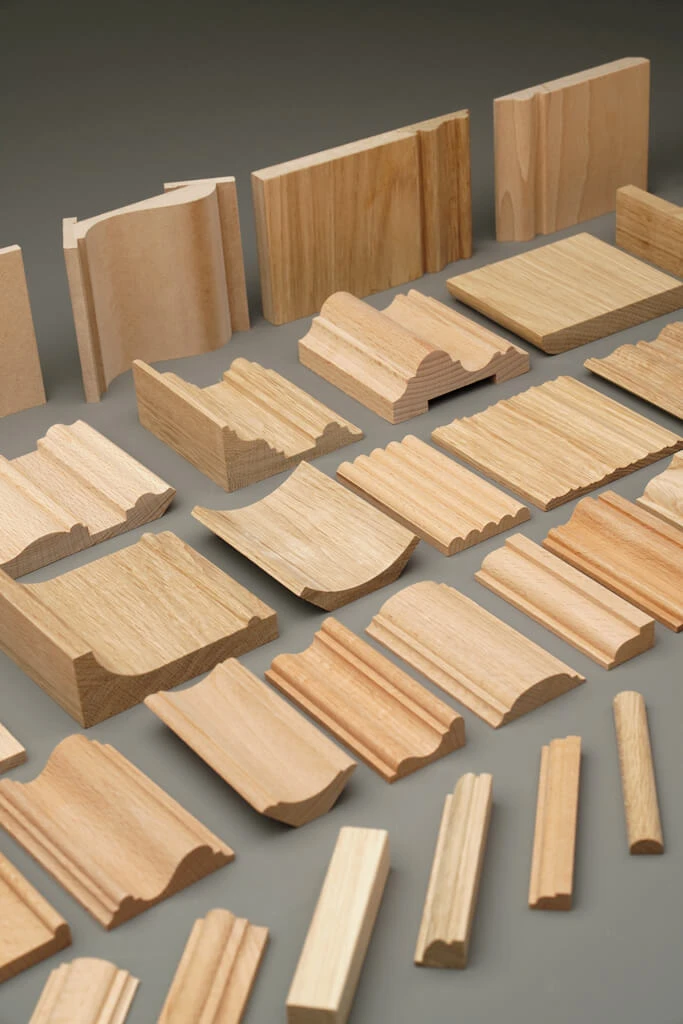
- Profile: smooth, beveled, decorative
- Color: matching floor, wall, or doors
- Which Skirting to Buy for a Specific Floor Covering
- Buy skirting board for laminate
- Buy skirting board for parquet
- Buy skirting board for engineered board
- Buy skirting board for quartz vinyl
- Buy skirting board for wooden floor
- Which skirting board to buy to match interior style
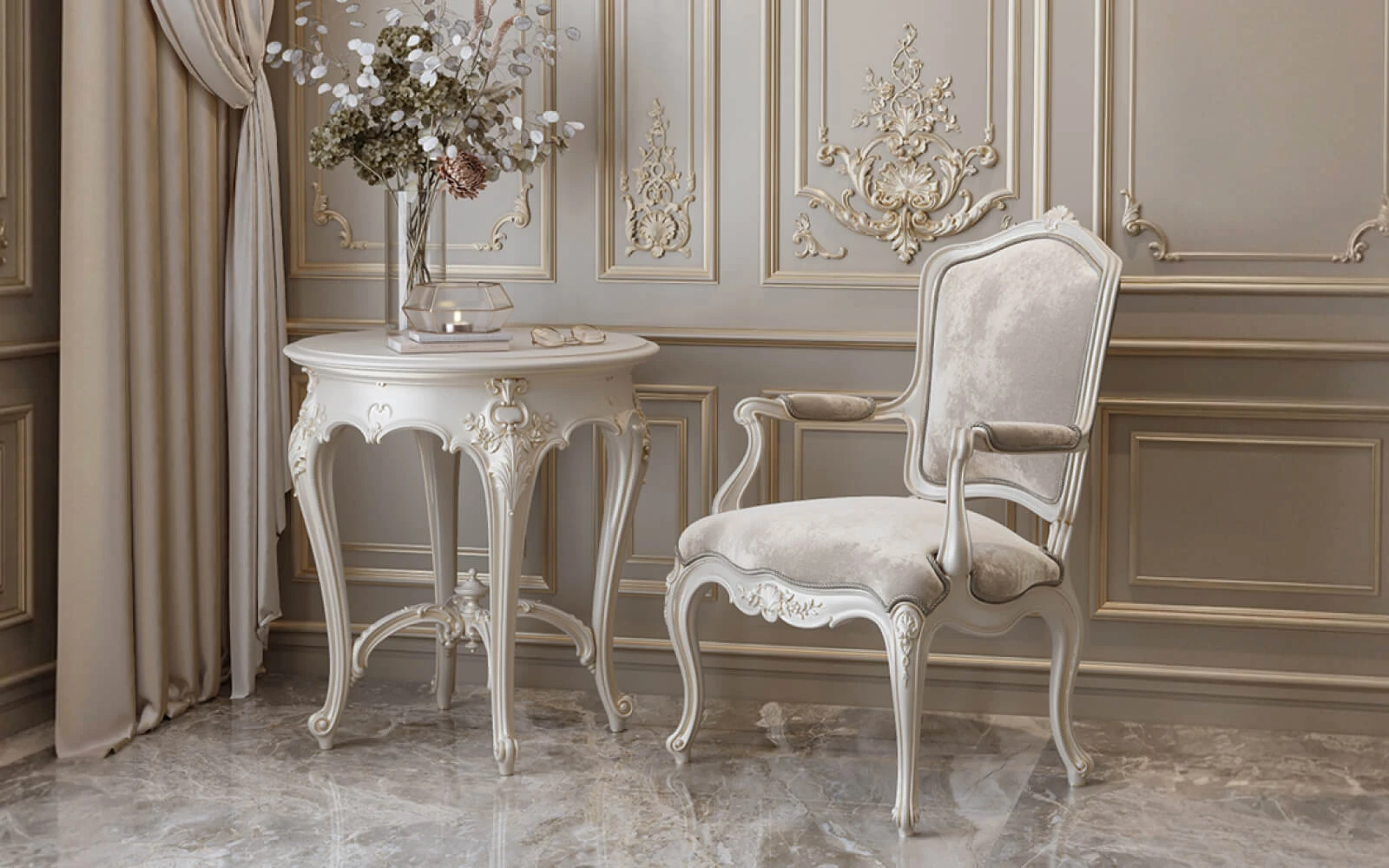
- Classic and neoclassic
- Buy modern floor skirting board
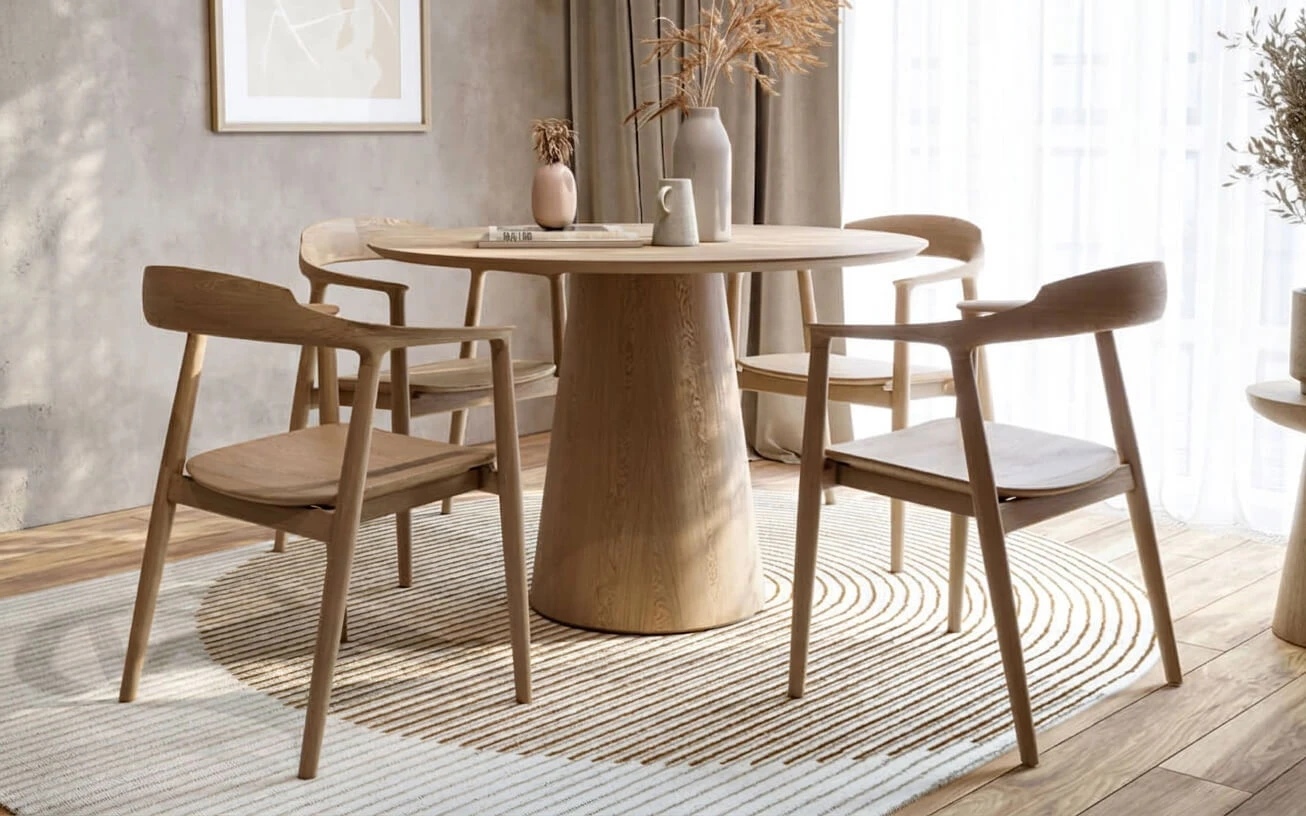
- Scandinavian and minimalist style
- Interior with light floor
- Interior with dark floor
- Mistakes when buying floor skirting
- 1. Choosing only by price
- 2. Incorrect height
- 3. Conflict with doors and architraves
- 4. Wrong color
- 5. Narrow profile in a tall interior
- 6. Buying by single cards instead of category
- 7. Ignoring interior style
- Skirting board and other wooden interior elements: system
- Interior geometry and the role of skirting boards in shaping space
- Buy wooden skirting board: about wood species selection
- Oak
- Oak
- Where to buy floor skirting board
- Wooden skirting board installation: what the buyer needs to know
- Acclimatization
- Gap from the floor
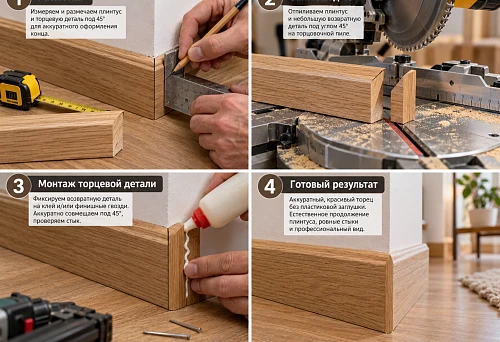
- Angle cuts
- Fastening
- How much does wooden floor skirting board cost
- About the Company STAVROS
- FAQ: Answers to Popular Questions

When a new floor is laid in an apartment, furniture is arranged, wallpaper is hung — one final touch remains, without which everything looks unfinished. Skirting board. A small detail that either brings the interior together or hopelessly ruins it. Most people buy skirting boards at the last moment, almost without thinking — and that's when they make mistakes that will irritate the eye for years to come. This article is written for those who want to buy floor skirting boards consciously: choose the material, height, profile, color — and not regret it either in a year or in ten years.
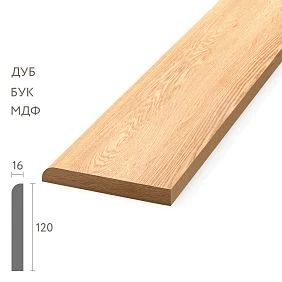
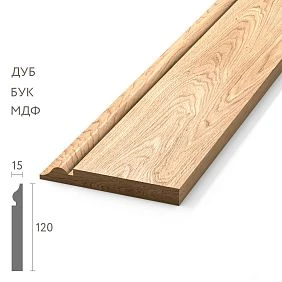
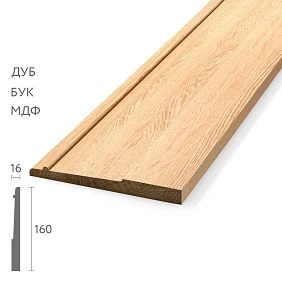
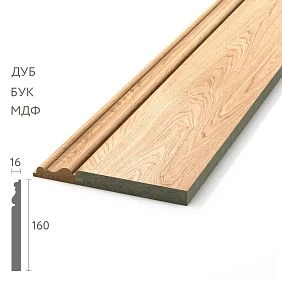
Buy floor skirting board: where to start your selection
Before going to the catalog and looking at prices, you need to answer three simple questions. What is your gender? What is the ceiling height? And what interior style are you creating?
These three parameters determine 80% of what kind of floor skirting board you need. Everything else is details, albeit important ones.
A floor skirting board is not just a decorative strip. It covers the technological gap between the floor covering and the wall: a gap that is necessarily left when laying parquet, laminate, or engineered board to compensate for thermal expansion. This gap cannot be physically removed, but it can and should be hidden beautifully. This is exactly what exists for.baseboard for floor.
In addition to its protective function, the skirting board carries a pronounced aesthetic load. It sets the bottom line of the room, works as a frame for the floor, and creates a sense of completeness. A wide, tall skirting board in a classic interior with stucco is a completely different visual sensation than a thin, smooth profile in a Scandinavian apartment.

Material is the key choice
Even before you go to the catalog, you need to decide: natural wood or MDF? This is a fundamental choice because it affects durability, appearance, cost, and maintenance requirements.
Solid wood.to buy wooden baseboard— means choosing a material that lasts for decades, looks great, can be sanded and repainted, and at the same time carries the warmth and living texture of natural wood. A wooden skirting board made of oak or beech is an investment in the interior, not just a purchase of finishing material.
MDF. An engineered material of high density with excellent geometry, stable dimensions, and an affordable price. Paints well, easy to install. Suitable for those who want quality without overpaying for naturalness.
If you are laying parquet, engineered board, or natural wooden flooring — the answer is obvious: only solid wood. Only in this way can you create an interior where everything looks organic and expensive.
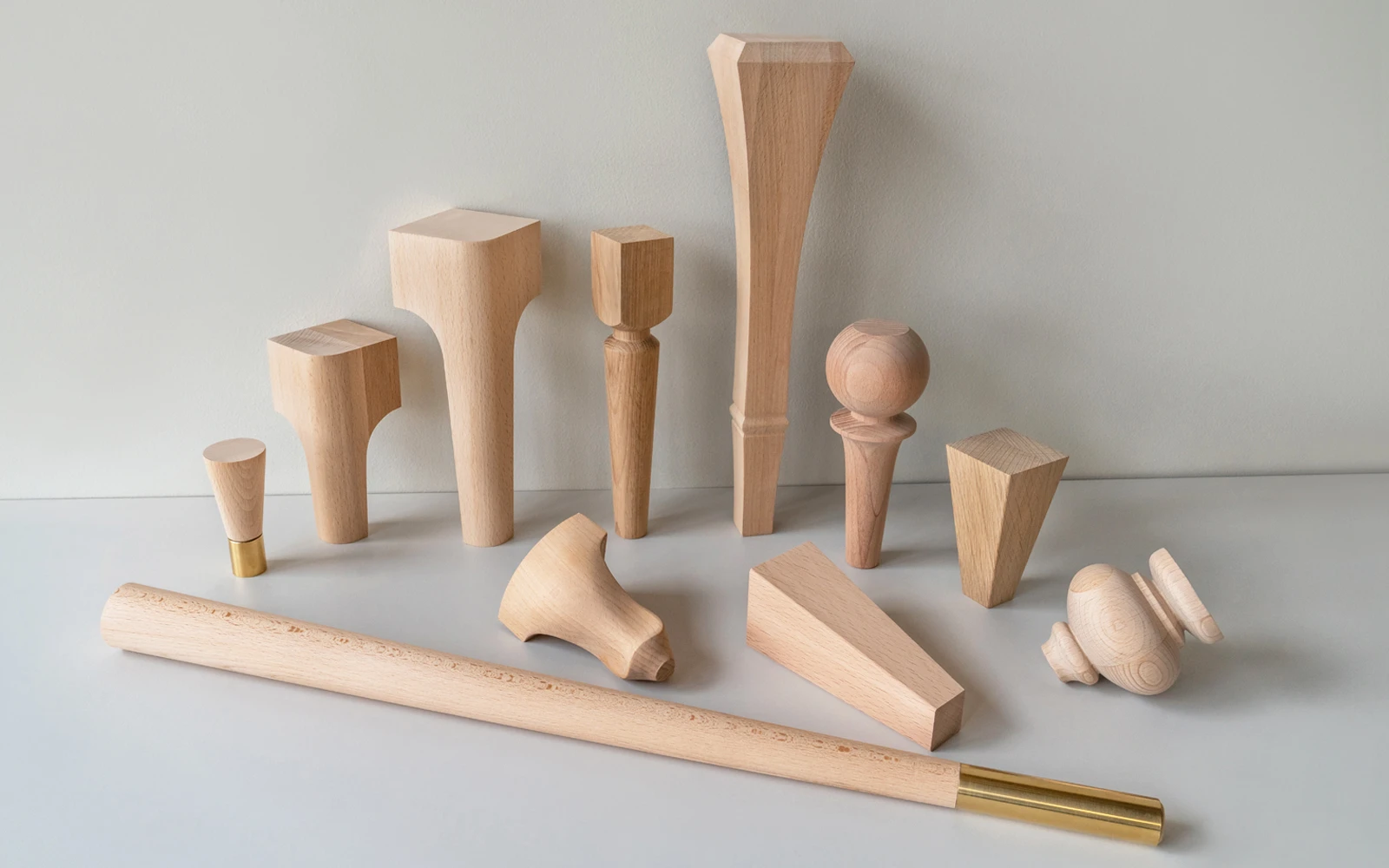
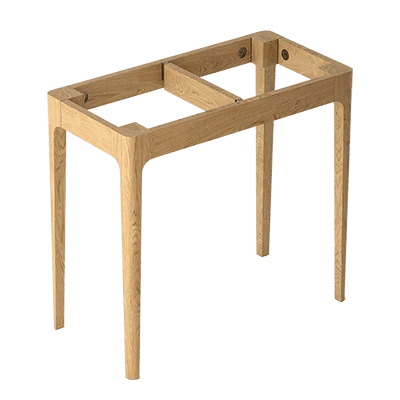
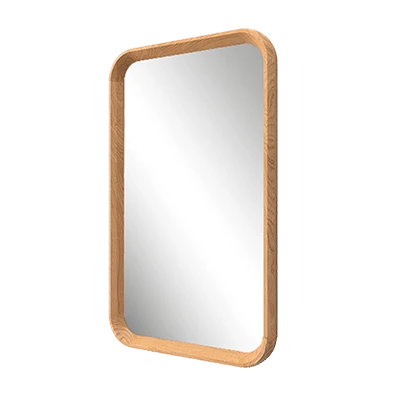
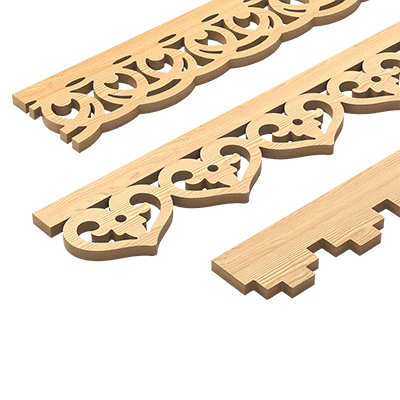
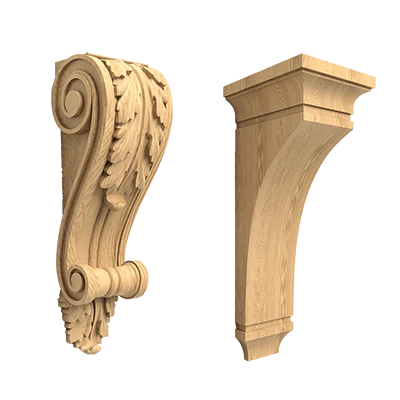
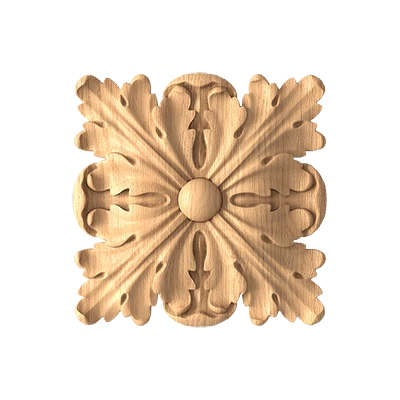
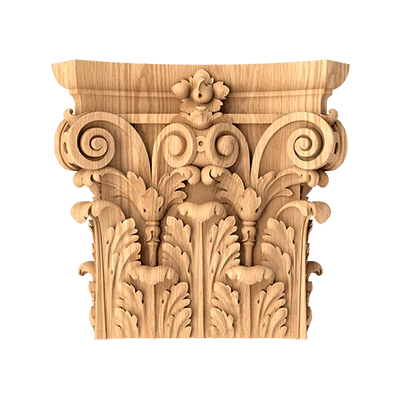
Our factory also produces:
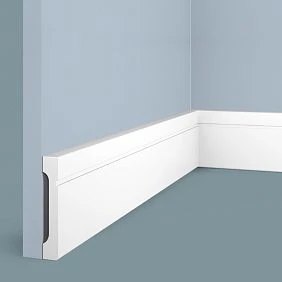
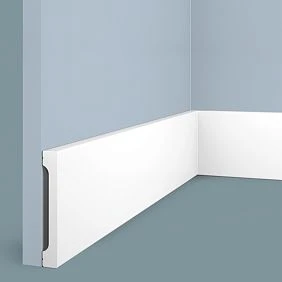
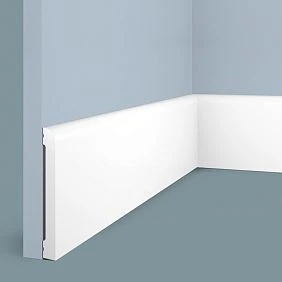
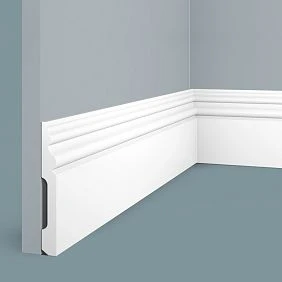
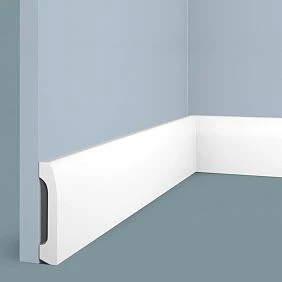


Which floor skirting boards are most commonly purchased
The market for floor skirting boards is broad, but if we look at actual consumer demand, it clusters around several stable categories.
Get Consultation
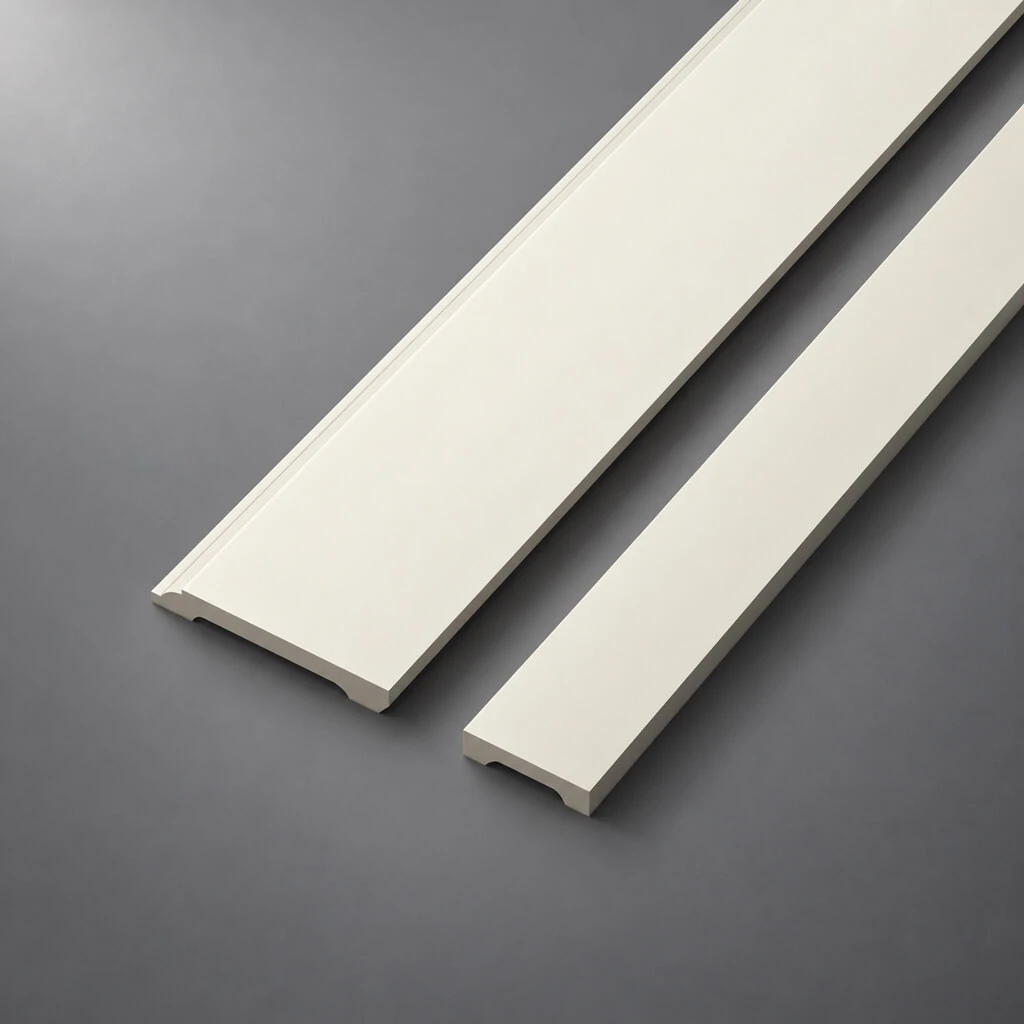
Solid wood skirting boards
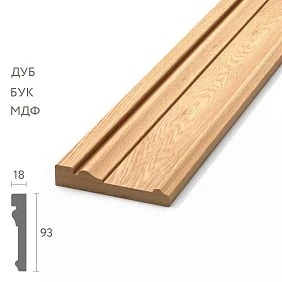
This is the most in-demand segment among those undertaking serious renovations.wooden baseboardTypically made of oak or beech, kiln-dried, milled with an accuracy of ±0.1 mm, with a perfect surface for painting or varnishing. Solid wood products withstand impacts from furniture rearrangement, do not delaminate from humidity, and do not lose their geometry after five years of use.
Oak floor skirting boards are characterized by a density of 650–750 kg/m³, a pronounced texture with annual rings and medullary rays. Beech options have a more uniform, neutral structure—ideal for tinting or painting in any color.
Tall and wide skirting boards
A trend in recent years is tall skirting boards from 100 mm and above. The higher the ceiling, the larger the floor contour should be. In rooms with ceilings from 2.8 meters, a 60 mm high skirting board looks like a forgotten detail, whereas a 100–120 mm profile creates the correct architectural proportion.
Wide wooden floor skirting boards work especially well in living rooms, bedrooms with high ceilings, and formal hallways. They visually 'ground' the space, creating a sense of stability and monumentality.
White skirting boards for painting
A classic that never goes out of style. Beech skirting board for painting is an opportunity to create a skirting board in exactly the color needed for a specific interior. White for white walls and light floors. Gray for a Scandinavian interior. Graphite for dark panels. The neutral, fine-pored structure of beech accepts paint evenly, without streaks or stains.
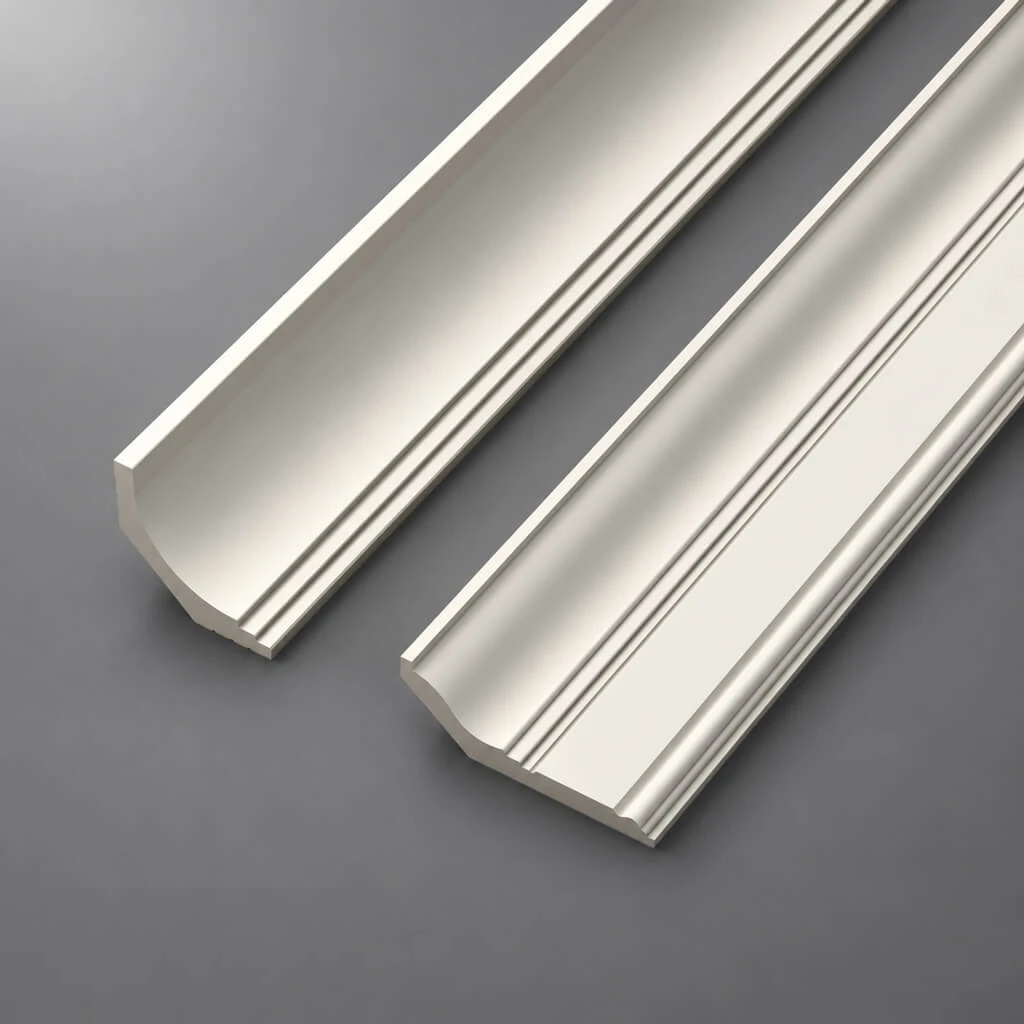
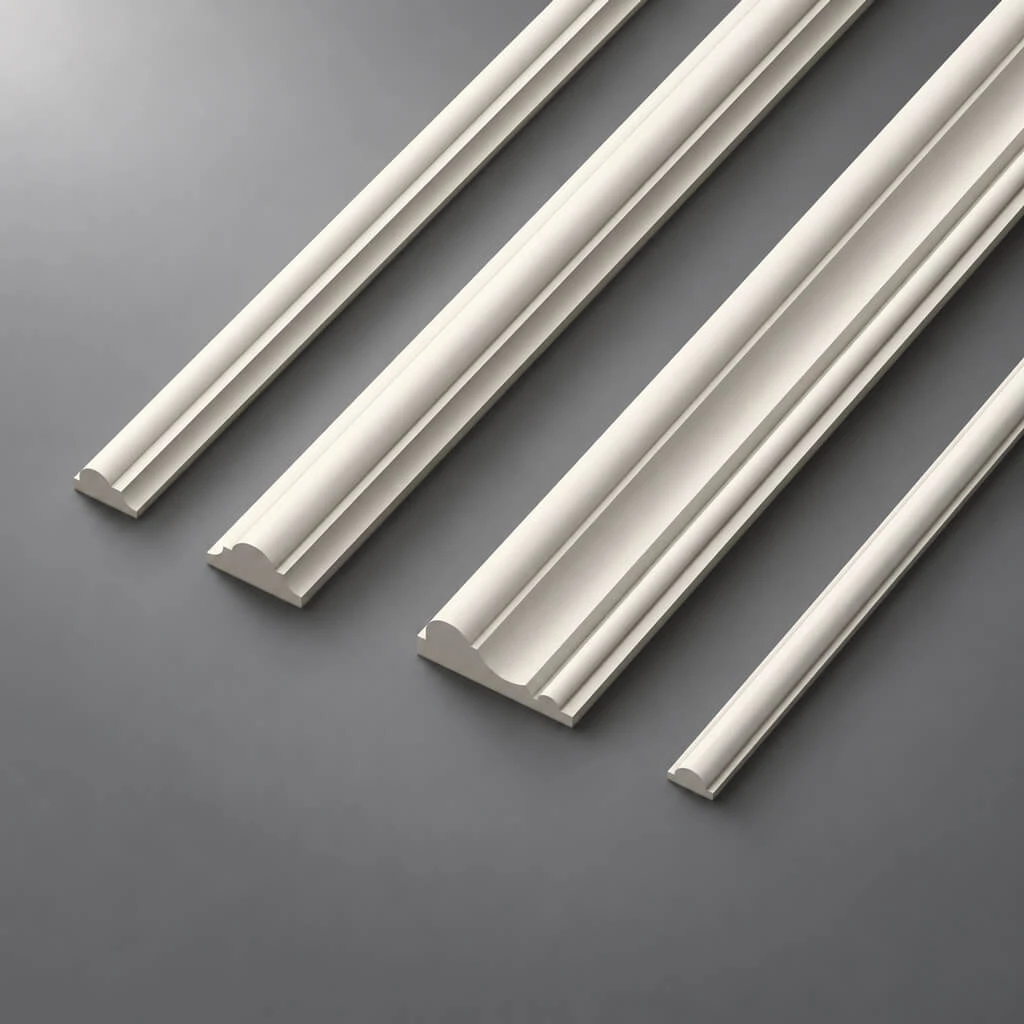
Classical profiles with decoration
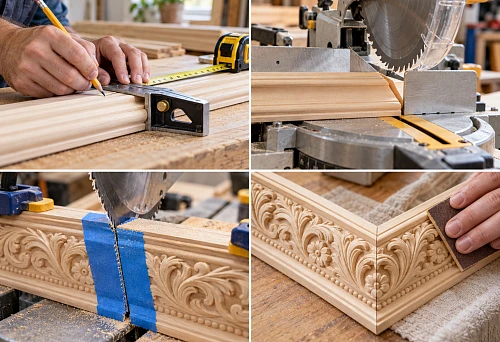
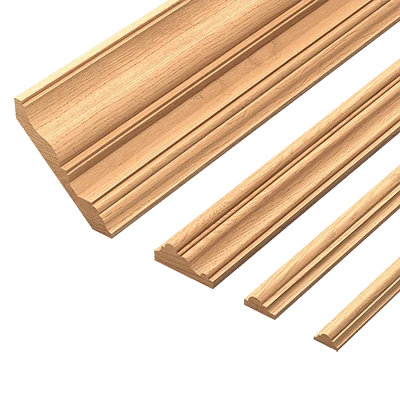
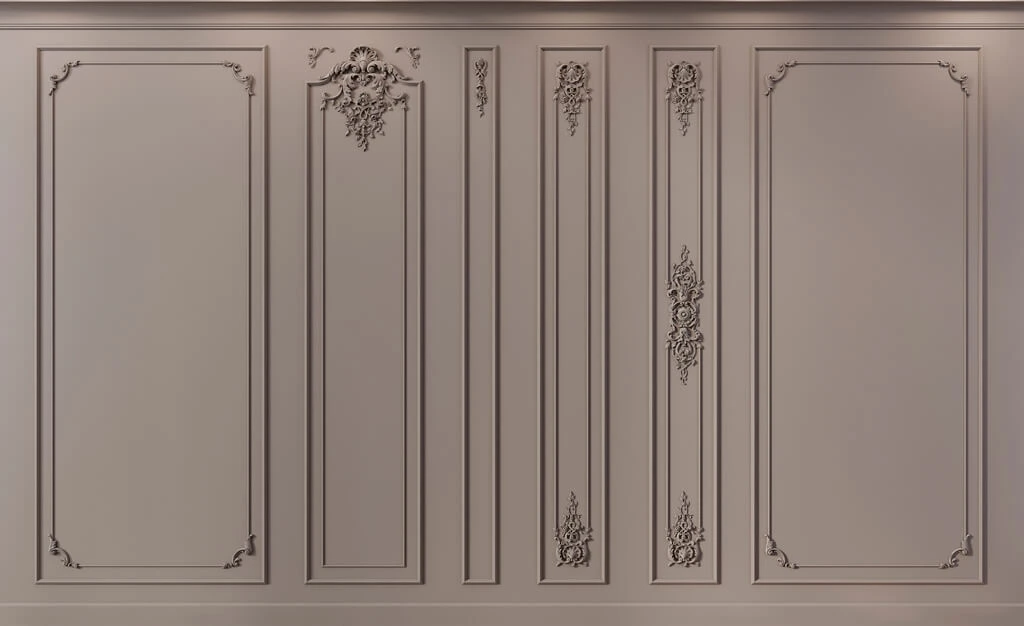
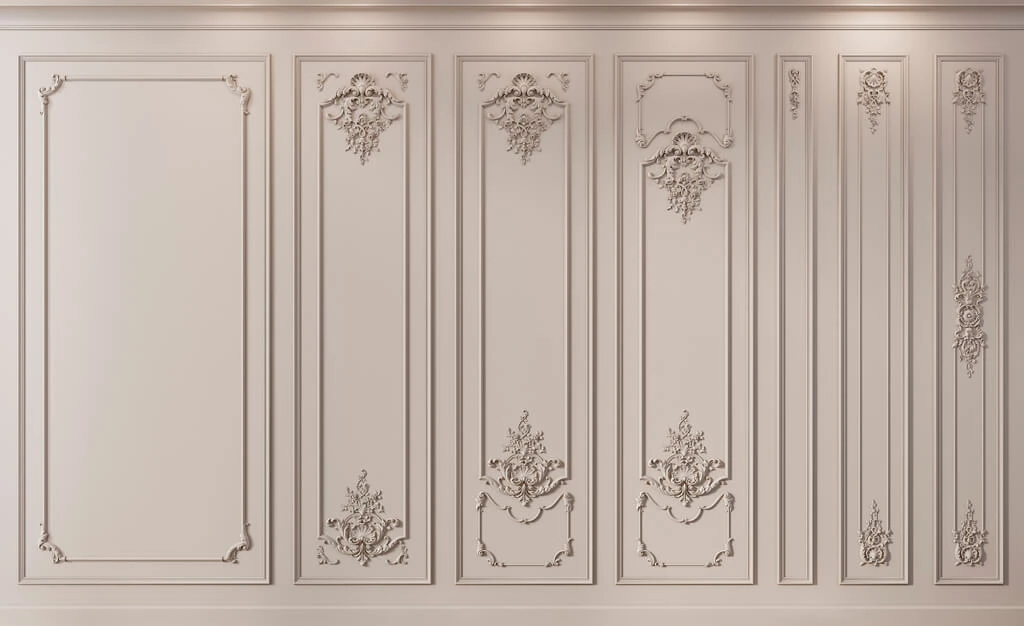
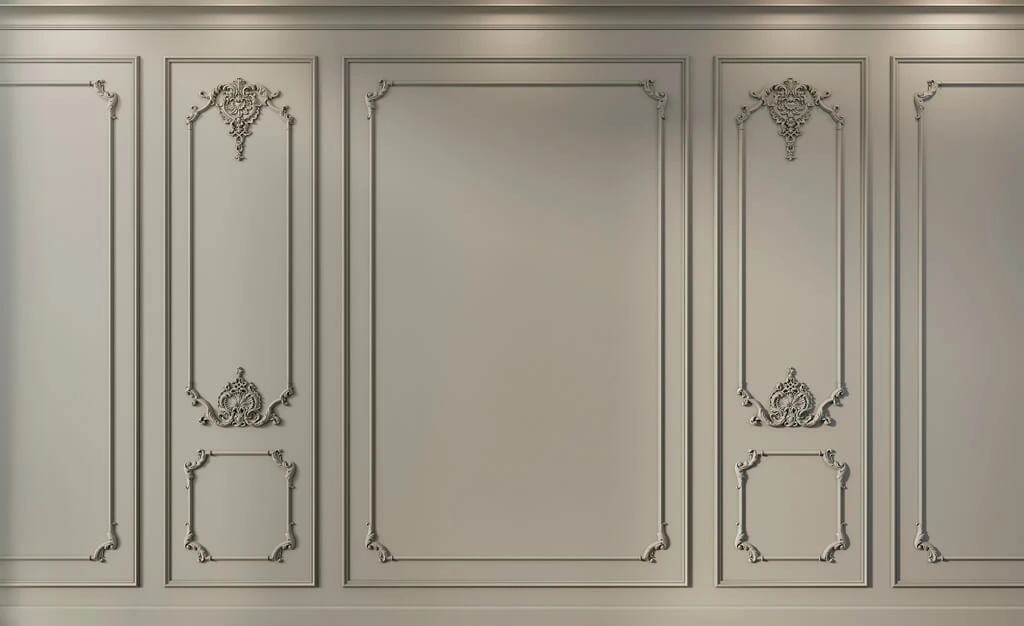
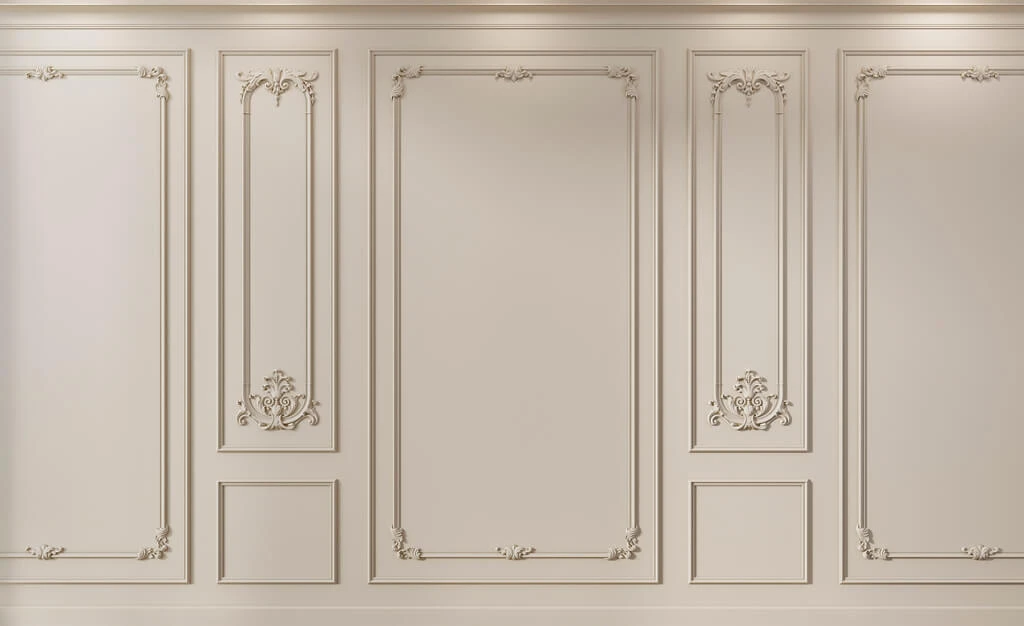
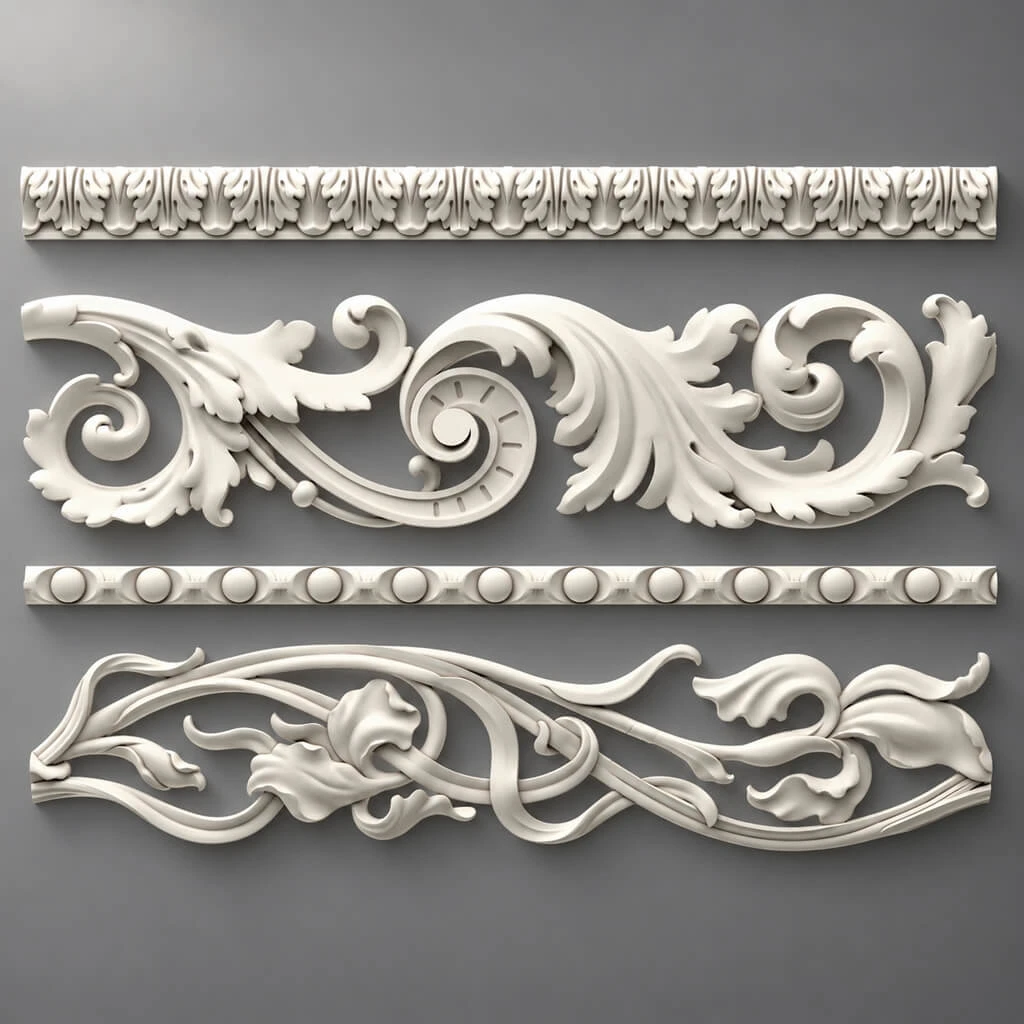
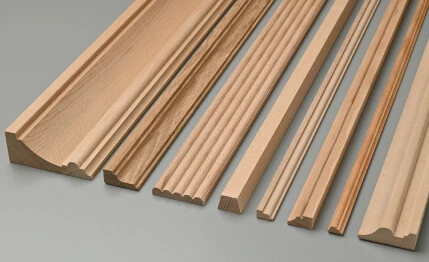
For interiors in classical, neoclassical styles, for apartments with moldings, high ceilings, and parquet flooring — a skirting board with a pronounced decorative profile is needed. Coves, roundings, grooves — these details make the skirting board part of the room's architectural system, not just a strip by the floor.
Buying a wooden floor skirting board: when it is the best option
There are situations where the question 'wood or MDF?' is not even raised. The answer is obvious in advance.
Parquet and engineered board. If the floor is made of natural or engineered wood,buy wooden floor baseboard— is the only correct solution. Only natural wood creates a sense of integrity, when the floor and skirting board look like a single, well-thought-out solution. Their textures echo, tones harmonize, and the entire interior becomes more visually expensive.
Premium interior. In apartments with expensive renovations, where walls are finished with marble, wooden panels, Venetian plaster — installing an MDF skirting board would devalue all of this. Solid oak or beech in such a context is a mandatory element.
Classical and neoclassical style. Classic requires naturalness. The decorative profile of a skirting board in a classic interior includes coves, roundings, several levels of relief. MDF is also possible here, but only a wooden skirting board provides the necessary shadow depth and the correct shine of the varnish coating.
Durability as a priority. If you are doing a renovation 'forever,' for 20–30 years, with the possibility of one day restyling without replacing the main finishing elements — choose solid wood. A wooden skirting board can be sanded, repainted, tinted to a different color. MDF, with deep mechanical damage, is replaced entirely.
Buying oak wooden skirting boards means making a serious one-time investment and forgetting about this expense for the next 30–50 years.
How to choose skirting boards by height, width, and profile
This is the most technical section of the article, but it's also where most mistakes are made when purchasing.
Height: standard or tall
The rule is simple: the height of the skirting board is proportional to the ceiling height.
| Ceiling Height | Recommended skirting board height |
|---|---|
| up to 2.6 m | 60–70 mm |
| 2.6–2.8 m | 70–80 mm |
| 2.8–3.0 m | 80–100 mm |
| from 3.0 m | 100–120 mm and above |
A 60 mm skirting board in a room with 3.2-meter ceilings looks like a narrow strip that is almost invisible. A 120 mm skirting board in a low Khrushchyovka visually 'lowers' the ceiling and weighs down the space. Proportion is key.
Buying tall floor skirting boards makes sense even with 2.8 m ceilings if the interior is in a classic style or you want to create a sense of greater scale and solemnity.
Width: smooth or wide profile
Style is important here. In minimalism, a narrow, smooth, almost unnoticeable profile works. In classic style, a wide one with several decorative levels.
Wide wooden floor skirting board — 100 mm and above — works well in large living rooms, dining rooms, studies. It creates a visual 'foundation' for the room, making it more substantial and architecturally defined.
Narrow profile 60–70 mm — a choice for Scandinavian apartments, modern minimalist interiors, small spaces where lightness is important.
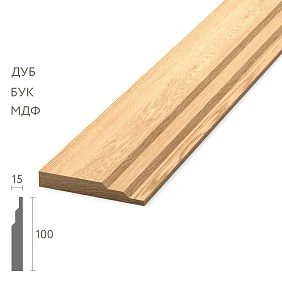
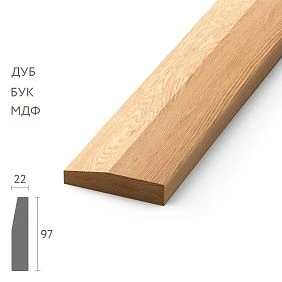
Profile: smooth, with chamfer, shaped
-
Straight smooth — minimalism, Scandinavian style, loft.
-
With chamfer — universal, pairs well with most modern interiors.
-
Shaped with beads — classic, neoclassical, empire.
Color: matching the floor, wall, or doors
There are three approaches here:
-
Skirting board in the color of the floor — blends in, unnoticeable, space appears larger. Works well in small rooms.
-
A baseboard matching the wall color is a neutral solution that visually 'raises' the ceiling.
-
A baseboard matching the doors and trim is the most stylistically refined solution. It creates a unified interior joinery system.
Which skirting board to buy for a specific floor covering
The choice of baseboard is largely determined by what you have on your floor. This is not just an aesthetic issue—it's a matter of material compatibility and visual unity in the interior.
Buy a skirting board for laminate flooring
Laminate is an affordable and popular material. Both wooden and MDF baseboards are suitable for it. If the laminate imitates wood, it's logical to choose a baseboard in a similar tone made of wood or MDF with a wood finish. It's important to remember: the baseboard should not touch the laminate, as the floating floor must be able to expand freely.
For a high ceiling and a wood imitation in a classic style, considerwooden skirting boards for floor purchasebeech baseboard for painting, tinted to match the color of the laminate baseboard.
Buy baseboard for parquet
Parquet is premium. And the baseboard for it should be on the same level. Buying a baseboard for parquet definitely means choosing solid wood. An oak wooden baseboard paired with oak parquet creates an absolutely organic ensemble: the same wood species, similar texture, a unified character.
If the parquet has a dark oil finish—choose a baseboard with a similar tint. If it's light—natural untreated beech or a light oak tint will work.
Buy baseboard for engineered wood flooring
Engineered board is a natural veneer of expensive wood species on a substrate. Its aesthetics are close to parquet. Accordingly, the skirting board for it should be wooden. Buying an oak floor skirting board for an engineered board with oak veneer is the perfect solution.
Buy a skirting board for quartz vinyl
Quartz vinyl is a more neutral material. Both wooden skirting boards and MDF are suitable for it. If the quartz vinyl imitates wood in a modern style, it is logical to choose MDF for painting or a smooth wooden profile.
Buy skirting board for wooden floor
Solid wood board, solid wood parquet board — only wooden skirting boards made from a similar wood species are suitable for them. Buying a skirting board for a wooden floor means creating a system where the skirting board is part of the wooden contour of the room, not a foreign element.
Which skirting board to buy for the interior style
Choosing a skirting board to match the style is the work of a designer, but with the right guidelines, any attentive buyer can manage.
Classicism and neoclassicism
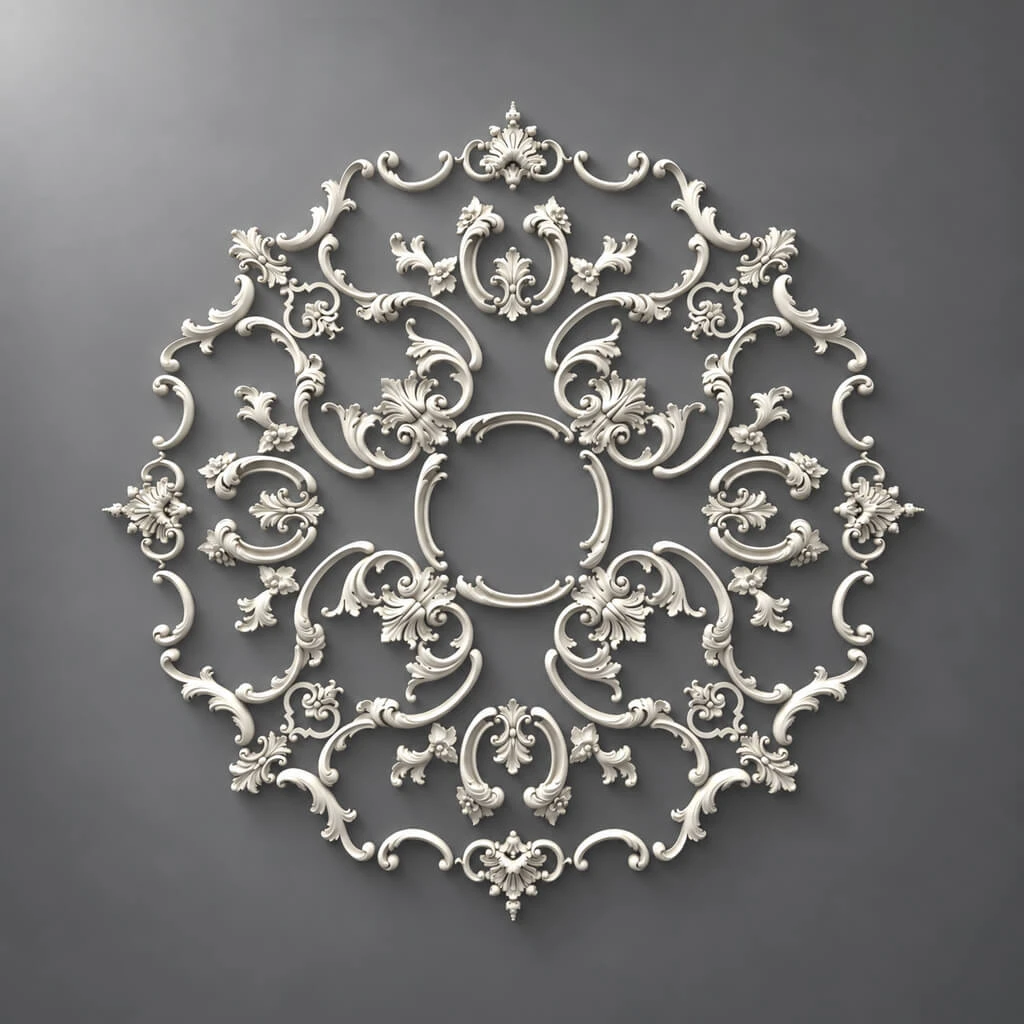
A classic interior requires a skirting board with a rich decorative profile: covings, roundings, several levels of relief. Height — from 100 mm, necessarily natural wood.moldings, cornices, and baseboardsIn a classic interior, they form a unified architectural system where each element is connected to another. The skirting board at the floor echoes the cornice at the ceiling, door trims — with wall moldings.
Color — white, ivory, milky. Or natural light oak under oil.
Buy modern floor skirting board
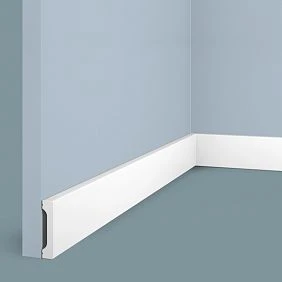
A modern interior is about conciseness. No decoration, no curls. Clean lines, smooth profile, minimal height. The skirting board here should almost disappear. A straight profile 70–80 mm made of beech or MDF for painting is what you need.
A popular technique in modern interiors is a baseboard that matches the wall color. It blends into the space, allowing the eye to glide over the interior without stumbling over a bright detail near the floor.
Scandinavian and minimalist style
Light tones, natural materials, a sense of airiness. Here, the baseboard is white or natural light, smooth, 60–70 mm high. Made of beech or paintable MDF. Buying wooden floor baseboards in natural beech tone is the perfect choice for a Scandinavian space.
Interior with a light floor
With a light floor—birch, ash, light oak—a white baseboard or one matching the floor tone works well. Buying a white floor baseboard for a light interior means creating a unified, airy visual field.
Interior with a dark floor
A dark floor—walnut, wenge, dark oak—requires a more careful choice of baseboard. There are two paths here: either match the floor tone (dark baseboard, restrained contrast) or use a white baseboard for contrast, which will emphasize the geometry.
Buying a contrasting floor baseboard for a dark surface is a bold but, when executed correctly, very effective solution. A white baseboard against dark parquet and white walls creates a clear graphic pattern.
Mistakes when buying floor baseboards
Here are seven of the most common mistakes that have to be corrected after renovation.
1. Choosing based on price alone
Baseboard is the final element people usually try to save on. You spend half a million on finishing, and at the end — a baseboard for a hundred rubles per linear meter that looks like a temporary solution. Cheap baseboard made from low-grade MDF warps within a couple of years, chips at the corners, and needs replacement. It's better to buy a floor baseboard made from quality material once.
2. Incorrect height
As mentioned — baseboard height should correspond to ceiling height and style. A 60 mm baseboard in a room with 3-meter ceilings looks pathetic. A 120 mm baseboard in a room with 2.4-meter ceilings overwhelms the space.
3. Conflict with doors and casings
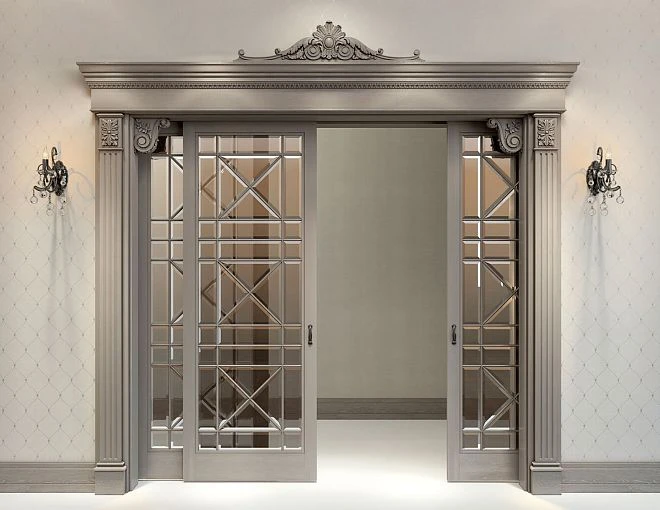
Baseboard doesn't exist in an interior by itself — it interacts with door casings, thresholds, other wooden elements. If the casings are white lacquered classic style, and the baseboard is dark wood-like — that's a conflict that immediately catches the eye. A properly builtsystem of moldings, cornices, and baseboardsassumes a single wood species, single tint, single character of profiles.
4. Wrong color
Buying a baseboard in a color that 'almost matches' the floor or wall, but doesn't match exactly — means creating constant visual irritation. The color either matches or contrasts intentionally. No 'approximately'.
5. Narrow profile in a high interior
Already discussed, but worth repeating as a separate point: in rooms with high ceilings, a narrow baseboard looks like an accidental detail. Buying a tall floor baseboard for a high room is not a luxury, but an architectural necessity.
6. Buying by individual product cards instead of by category
A common situation: a person searches for a baseboard, finds a specific product card online, orders it—and receives one profile without seeing the entire assortment. It's better to start the selection from the catalog of floor baseboards, where all options are presented, and sizes, profiles, and wood species are compared.
7. Ignoring the interior style
Buying a classic baseboard for a modern interior—or vice versa, a smooth minimalist profile for an interior with moldings—is a crude stylistic error. The baseboard should be a logical continuation of the style, not a random element chosen without regard for context.
Baseboard and other wooden interior elements: a system
An experienced designer never chooses a baseboard separately from other wooden elements. It is part of a system that includes door frames, moldings, cornices, and decorative rails.
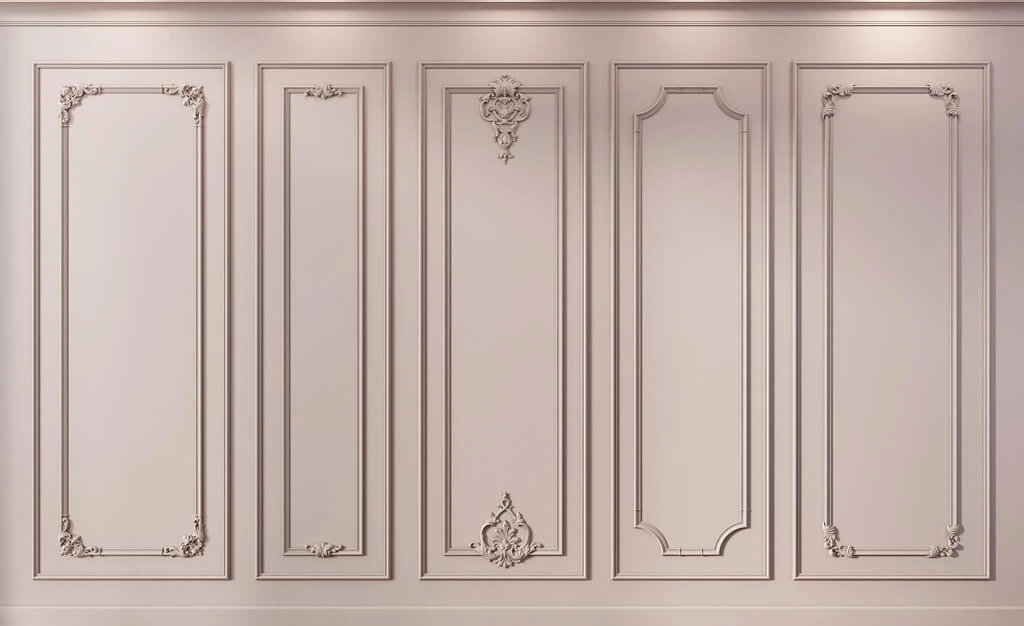
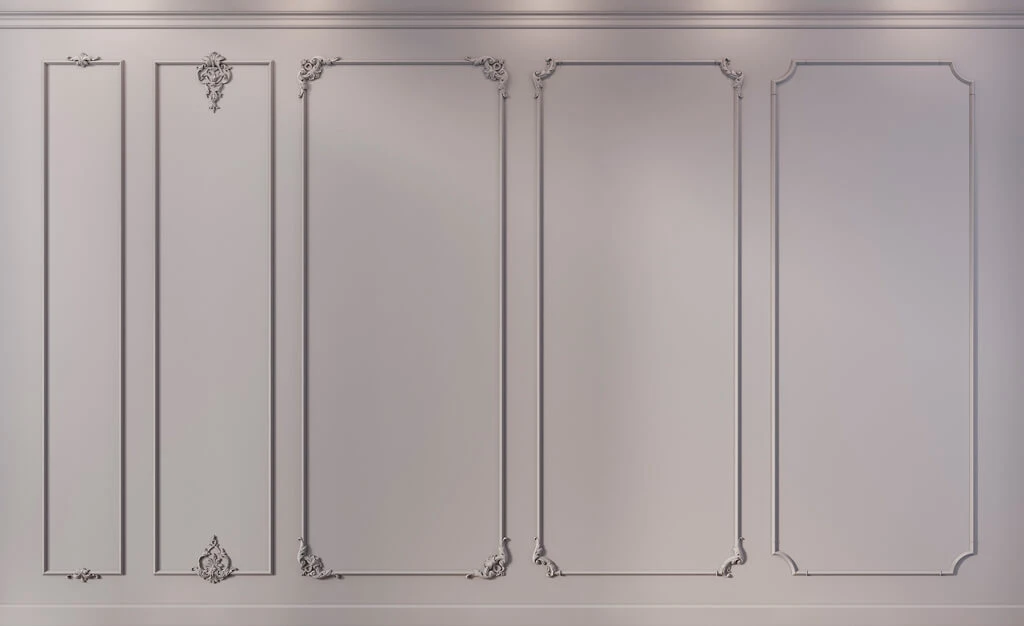
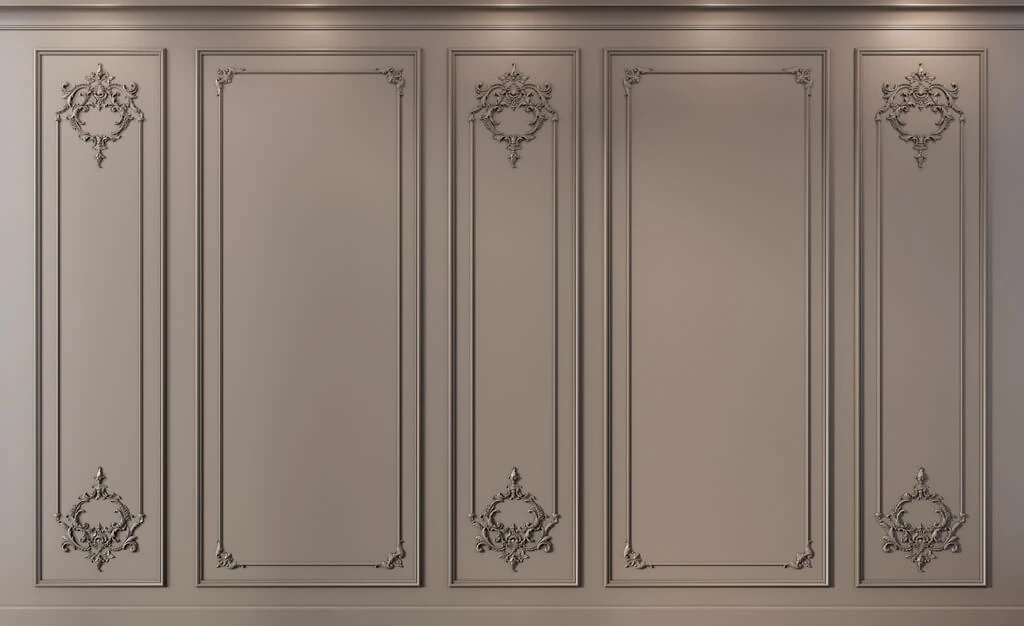
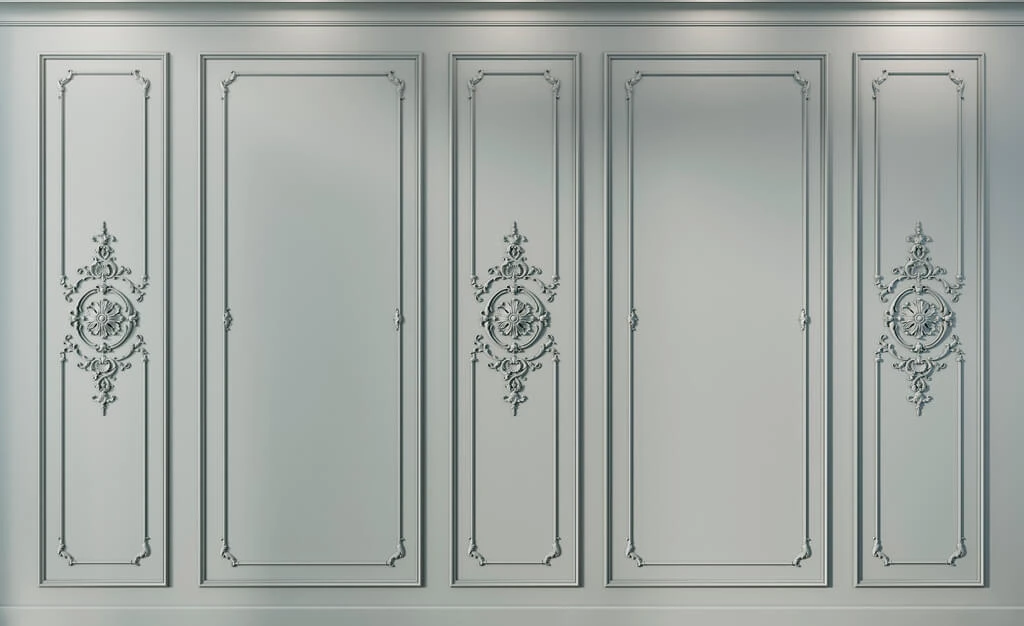
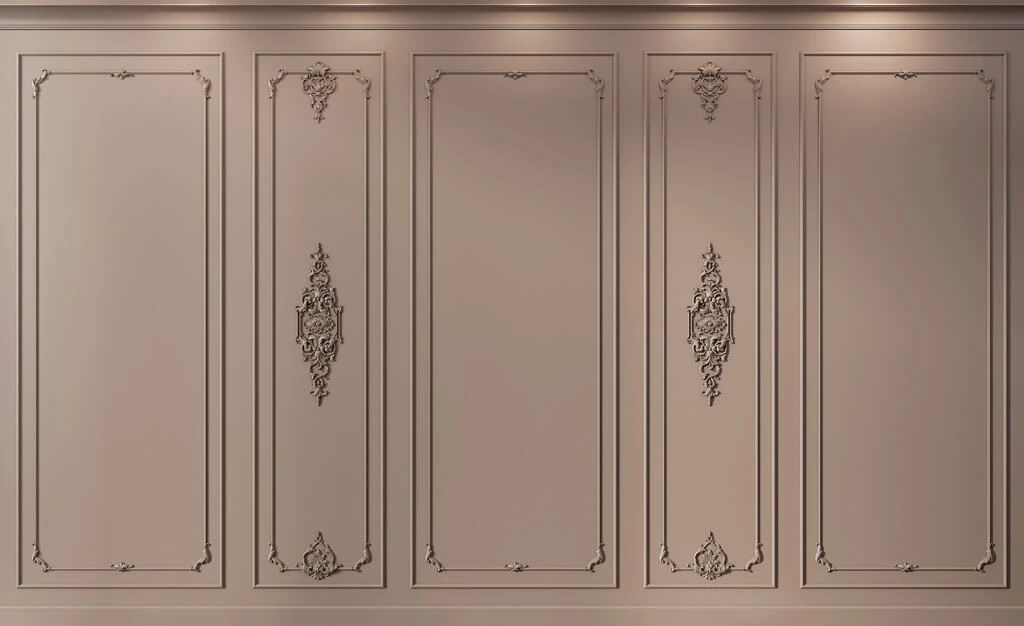
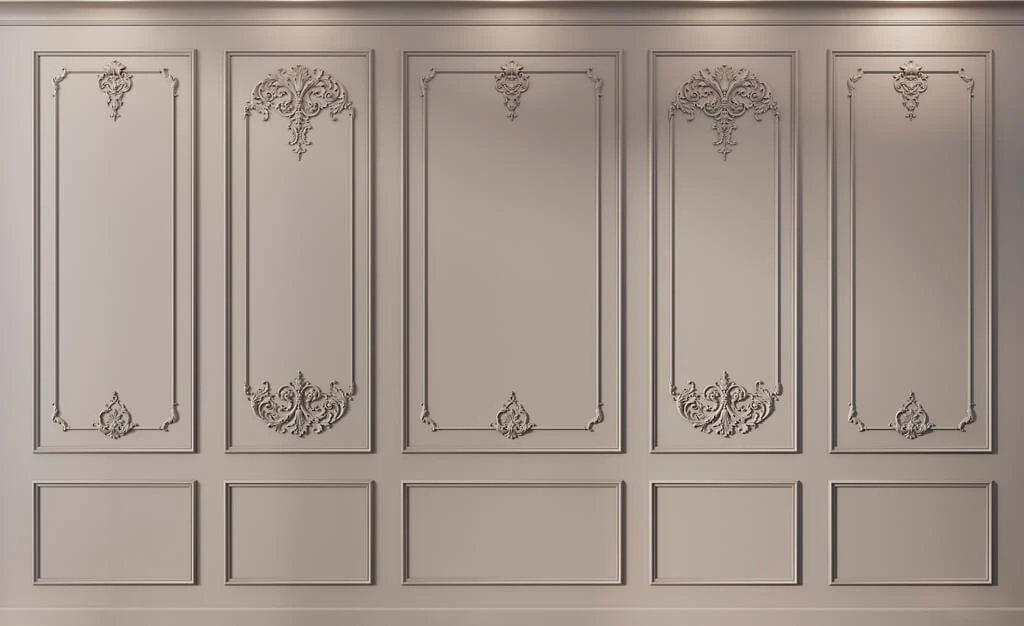
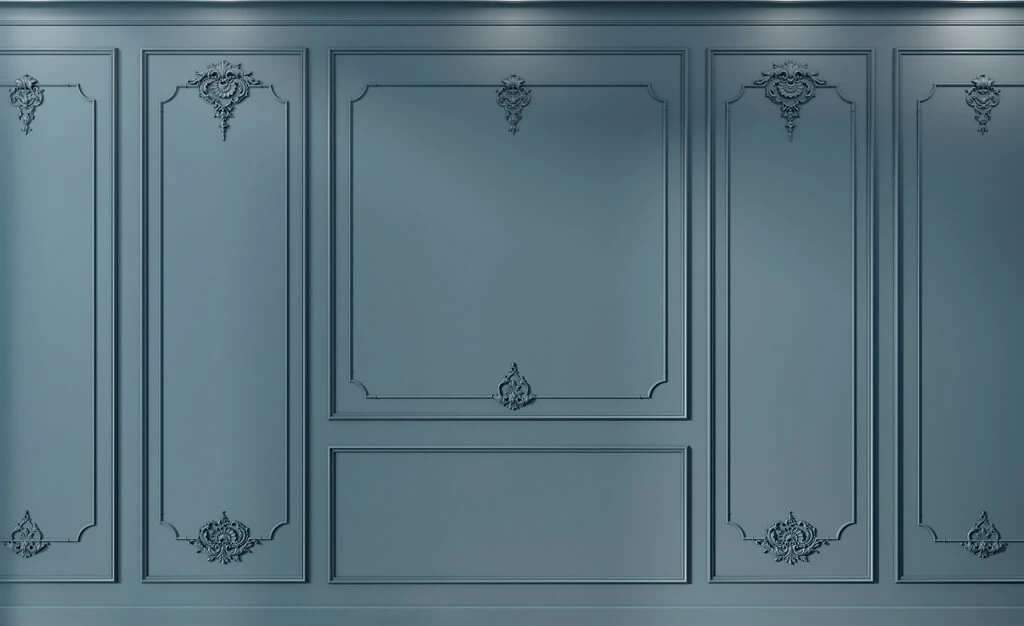
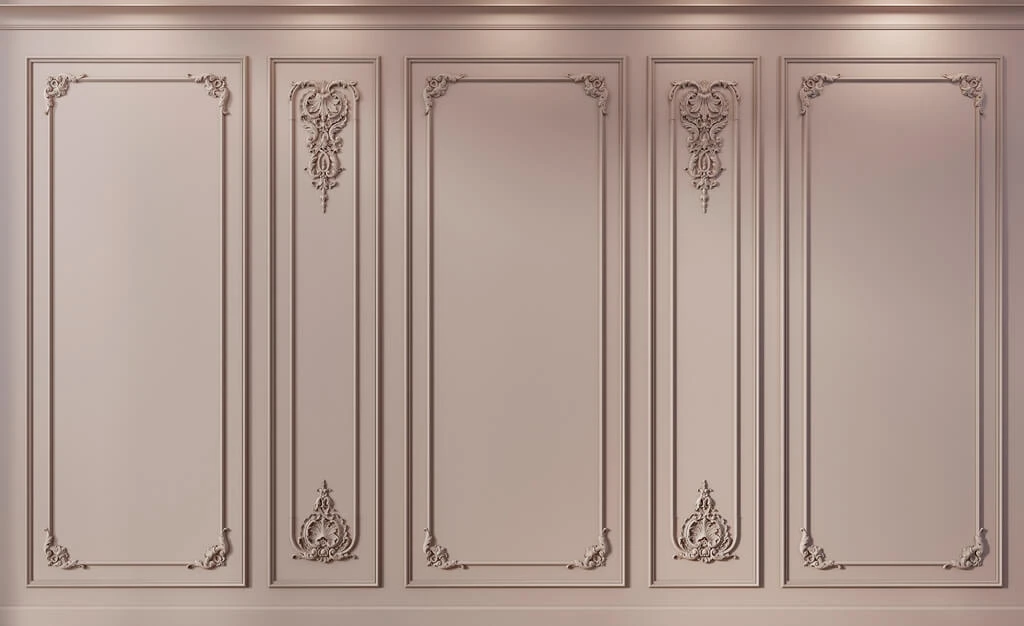
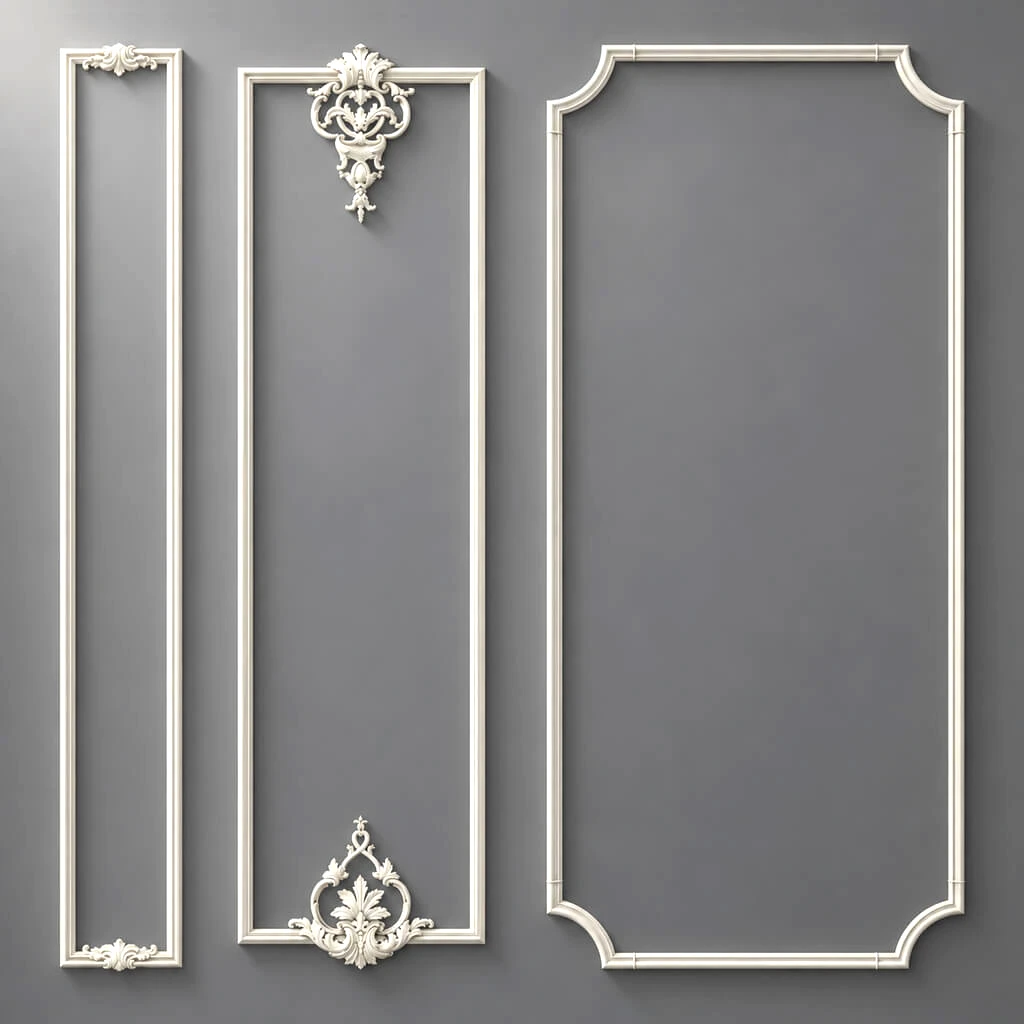
A wooden baseboard at the floor creates the lower horizontal line of the space. The ceiling cornice forms the upper one. Between them, wall moldings can be placed, forming panel systems in the boiserie style. Door casings complete the vertical lines.
When all these elements are made from the same type of wood—for example, oak—and stained in a unified color, the interior acquires a completely different quality. A sense of careful thoughtfulness, nobility, and architectural control over the space emerges.
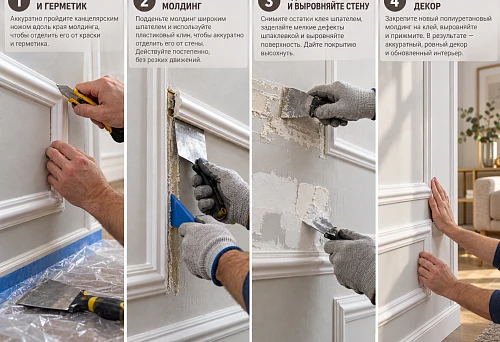
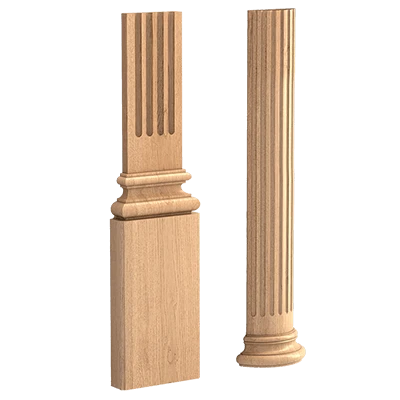
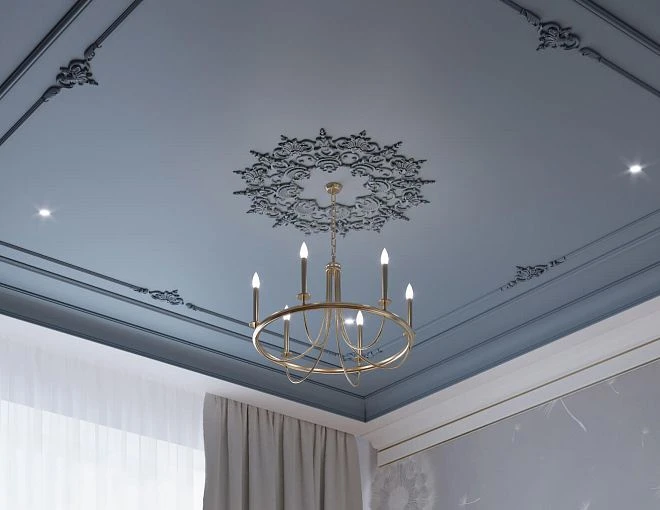
It is precisely for creating such a systemWooden Picture Framethat moldings are produced with the same stylistic logic as baseboards. You can assemble the entire wooden contour of the interior from products of one manufacturer, one wood species, one quality—and achieve a truly cohesive result.
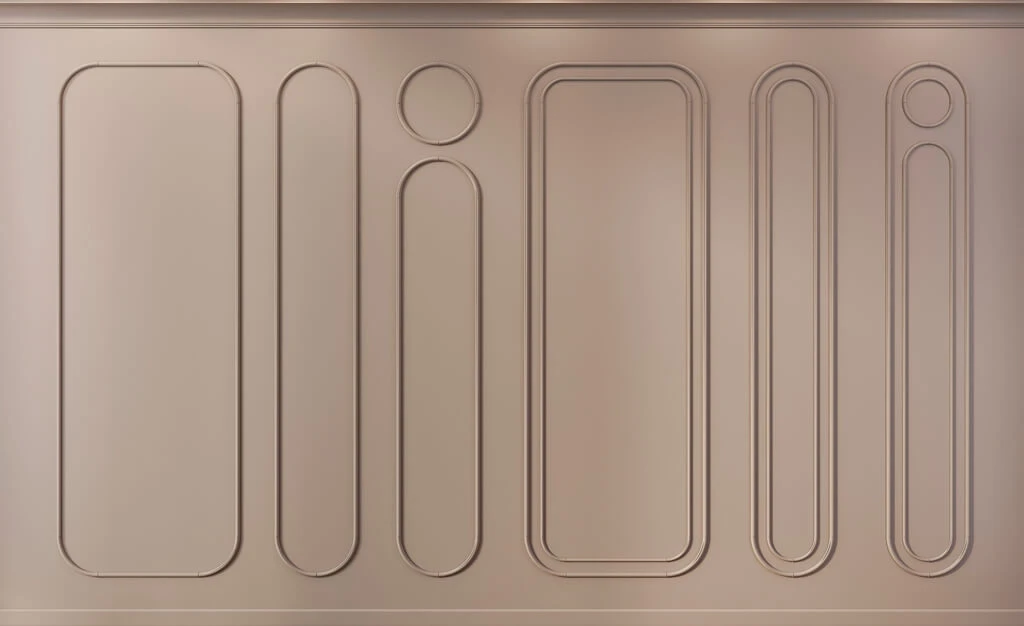
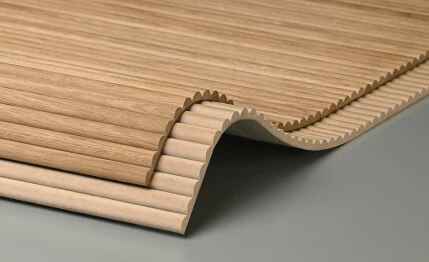
In a modern interior with wooden slats on the walls, the baseboard echoes them in tone and texture, creating a rhythmic connection between the verticals and horizontals. This is what makes the interior interesting even when there are no bright colors or flashy details.
The Geometry of the Interior and the Role of the Baseboard in Shaping Space
There is an architectural principle that is rarely articulated aloud, but everyone intuitively feels: space is perceived as harmonious when all its horizontal and vertical lines are clear and coordinated.
The baseboard is the lower horizontal line. It sets the 'reference height' for everything above it. The clearer this line, the more organized the space appears. A weak, thin, inconspicuous baseboard blurs this line. A strong, tall one with a pronounced profile turns it into an architectural accent.
In rooms with an area of 25–30 square meters and ceilings of 2.8 m+, a baseboard with a height of 100–120 mm creates a feeling that the room has a 'plinth'—a visual base from which the space begins. This is not decoration for decoration's sake; it is a functional architectural tool.
In small rooms, on the contrary, it is better to make the baseboard less noticeable, matching the color of the wall or floor, so as not to fragment the already limited space.
Buying Wooden Skirting Boards: On Choosing the Wood Species
Once you've decided you want a wooden skirting board, the next question arises: which wood species? In the STAVROS assortment, it's primarily oak and beech — the two best species for joinery moldings.
Oak
Density 650–750 kg/m³. Expressive texture with annual rings and medullary rays on a radial cut. High tannin content — natural protection against biological effects.
Oak — for those who want to see the texture. For those who appreciate the 'liveliness' of wood, its character, the play of shades. Oak is beautiful in its natural state, oiled, or lightly tinted. It creates a warm, rich atmosphere.
The service life of an oak skirting board with proper care is 50 years or more. This is not an exaggeration, but a confirmed practice.
Beech
Density 620–680 kg/m³. Uniform fine-pored structure, neutral pinkish tone. Takes paint excellently — evenly, without stains or gaps. Ideal for a skirting board to be painted any color.
Beech — for those who want a white, gray, graphite, or pastel skirting board. For those who want control over the color. For those creating a modern or Scandinavian interior.
Beech is somewhat more sensitive to humidity than oak — in rooms with an unstable climate (poor ventilation, frequent fluctuations), oak is preferable. Under normal residential conditions, it lasts 30–40 years.
Where to Buy Floor Skirting Boards
This is the main practical question. And here it's important to understand the difference between where the skirting board is cheaper and where the skirting board is better.
DIY hypermarkets offer a wide range of skirting boards, but mostly from MDF, in the mass segment, without the ability to choose wood species, profile, or size. For standard renovation — it's suitable.
If you wantbuy floor skirtingMade from natural wood, with the ability to choose species, height, profile, receive consultation, and place an order with Contact us to confirm shipping to your destination. — the right choice is specialized production.
Buying a wooden floor skirting board from the manufacturer is a guarantee that you get exactly what you chose, not something 'roughly similar'. STAVROS produces wooden moldings from oak and beech in its own production, with quality control at every stage — from selecting blanks to final sanding.
Delivery is available throughout Russia — Moscow, St. Petersburg, and regions. For those who want to buy floor skirting in Moscow or buy wooden skirting in St. Petersburg — there are warehouses with stock and the possibility of self-pickup.
Installing wooden skirting: what a buyer needs to know
A buyer who understands at least the basics of installation makes a more informed choice when purchasing. Here are the main things worth knowing.
Acclimatization
Wooden skirting cannot be installed immediately after delivery, especially in winter. It needs to 'acclimatize' in the room for 24–48 hours. If this is not done, after installation the skirting will start to change shape due to temperature and humidity differences — gaps and deformations will appear.
Gap from the floor
For floating coverings (laminate, engineered board, quartz vinyl) the skirting should not press against the floor covering. It is attached to the wall, and the gap at the bottom remains free. This is exactly what skirting is for — to hide the expansion gap without blocking it.
Angled cuts
90° angles are the standard, but reality rarely provides perfect right angles. For quality joining, a miter saw with a laser guide is not a luxury but a necessity. For external corners, cut at 45°; gaps on external corners are always visible, so precision here is critical.
Fastening
For concrete and brick — use a hammer-in anchor, spacing 40–50 cm. For drywall — use a toggle bolt or attach to the framing. For wood — use a wood screw with pre-drilling.
Screw or nail heads are filled with putty, sanded, and painted over — with proper installation, the fastening points become invisible.
How much does wooden floor skirting board cost
The question everyone asks right away. The price of wooden floor skirting board depends on several factors:
-
Wood species: oak is more expensive than beech due to greater density and processing complexity.
-
Height: the taller the profile, the greater the material consumption, the higher the price.
-
Profile complexity: a smooth, straight profile is cheaper; a shaped, decorative one is more expensive.
-
Finish: for painting — base price; with pre-applied stain or varnish — higher.
In the STAVROS catalog, wooden floor skirting boards are presented in the range from 1,610 to 7,088 rubles per item (standard length 2.0–2.5 m). This is a fair price range for products made from solid Russian wood with European quality standards.
Compare: cheap MDF skirting will need replacing in 5–7 years. Oak skirting lasts 30–50 years. The economics are obvious.
About the company STAVROS
STAVROS is a Russian manufacturer of wooden moldings and architectural elements made from solid oak and beech. The company specializes in products for professional interiors: skirting boards, moldings, cornices, architraves, decorative battens, and picture rails.
Production operates on European woodworking equipment, with chamber drying of wood to 8–12% moisture content and multi-stage quality control. Each batch of products undergoes incoming raw material inspection, geometry control, and final surface inspection.
STAVROS ships orders throughout Russia — Moscow, St. Petersburg, regional centers. Self-pickup from warehouses in both capitals is possible.
For designers and construction companies, loyalty programs and special terms for wholesale supplies are available. Manufacturing of custom profiles according to individual drawings — with a minimum run of 50 linear meters.
FAQ: Answers to popular questions
Which floor skirting is best to buy?
The best skirting board for a living space is wooden, made of oak or beech. It lasts for decades, can be restored, creates a natural texture, and correctly complements any floor covering. For a budget solution — paintable MDF.
Where to buy wooden floor skirting?
Directly from the manufacturer. The catalogwooden baseboards from STAVROSfeatures all types of oak and beech profiles with Contact us to confirm shipping to your destination.
What skirting to buy for laminate?
For laminate flooring, both wooden skirting and MDF are suitable. The key factors are color and height. The skirting is attached to the wall, not to the laminate, and should not press down the floating floor.
What skirting board to buy for parquet?
Only solid wood, in the same species or a similar tone. Buying a wooden floor skirting board for parquet is an organic extension of the flooring that makes the interior cohesive.
What's better: high or standard skirting board?
Depends on ceiling height and style. For ceilings above 2.8 m, choose a skirting board from 100 mm. For standard 2.5–2.7 m, 70–80 mm is sufficient. Buying a high floor skirting board for low ceilings is a mistake that visually 'lowers' the ceiling.
Where to buy floor skirting board in St. Petersburg?
STAVROS delivers to St. Petersburg. Warehouse with stock, possibility for self-pickup. Place an order on the website or by phone.
What color skirting board to choose?
Three logics: match the floor color (inconspicuous, expands space), match the wall color (neutral, visually raises the ceiling), match the doors and architraves (stylistically precise, creates a unified wooden system). For a light interior — white or natural. For a dark floor — skirting board in a matching tone or white as a contrast.
Can I buy a floor skirting board for painting?
Yes. Beech skirting board for painting is the optimal choice. The fine-pored structure of beech perfectly accepts acrylic and enamel coatings. In theskirting board catalogThere are several beech profiles specially prepared for final painting.
What is included with the baseboard?
The baseboard is a separate product. For a complete interior solution, door trims from the same wood species, ceiling cornices, and if necessarydecorative wooden crown moldingfor wall panels.
Is wooden trim needed when installing baseboards?
In some cases, yes — for example, when joining baseboards with thresholds, when there are non-standard corners, or when designing transitions between coverings.Wooden moldingsolves the tasks of precise fitting and concealing gaps in complex areas.