Article Contents:
- Properties and purpose of each material
- Solid wood: the benchmark of natural authenticity
- MDF: Technological Perfection
- Polyurethane: polymer innovations
- Comparison by strength, moisture resistance, and appearance
- Mechanical strength and wear resistance
- Moisture resistance and climatic stability
- Aesthetic Characteristics
- Impact on interior and perception of light
- Natural Wood: Warmth and Depth
- MDF: versatility and neutrality
- Polyurethane: modern aesthetics
- When to choose solid wood, and when MDF or polyurethane
- Solid wood: for premium interiors
- MDF: optimal balance
- Polyurethane: for demanding conditions
- Combining materials in one space
- Zoning by function
- Visual unity through finishing
- Accent through material contrast
- Care and longevity recommendations
- Care for Wooden Elements
- Care for MDF elements
- Care for Polyurethane Elements
- Material durability
- Conclusion

Choosing material for interior architectural elements determines not only the aesthetics of the space, but also its practicality, durability, and project budget.MDF Skirting BoardCombines accessibility with aesthetic versatility.Wooden baseboardEmbodies the nobility of natural material with expressive texture.Polyurethane moldingDemonstrates technological perfection of polymers with absolute moisture resistance.Wooden plankCreates natural warmth and tactile pleasure.Polyurethane corniceEnsures easy installation and the possibility of creating complex shapes.STAVROS DecorOffers a full spectrum of solutions for any interior and budget.


Characteristics and purpose of each material




Solid wood: the standard of naturalness
Wooden baseboardThe wood from oak, beech, or ash is solid wood without glues or joints. The density of oak (650-750 kg/m³) ensures high mechanical strength and resistance to abrasion. Hardness of 3.7-4.0 on the Brinell scale makes oak resistant to impacts and scratches. Natural texture with distinctive growth rings and medullary rays creates visual depth and richness of surface.
The hygroscopicity of wood is 12-15% at 60-70% relative air humidity. Wood breathes, absorbing moisture when humidity increases and releasing it when it decreases. This is a living material that responds to changes in room microclimate. Linear expansion coefficient of 0.3-0.5% per 10% humidity change requires compensating gaps during installation.
The thermal conductivity of wood (0.15-0.20 W/(m·K)) creates a sensation of warmth upon touch. Physically, wood has the temperature of the surrounding environment, but its low thermal conductivity does not dissipate heat from the hand, creating a subjective feeling of warmth.Wooden plankTactilely pleasant, which is important for elements accessible for touch.
The ecological purity of natural wood is absolute — the material does not emit harmful substances, is hypoallergenic, and possesses natural antiseptic properties. Oak contains tannins that inhibit microbial growth. In rooms with wooden finishes, a healthy microclimate is created due to wood’s ability to regulate air humidity.
Our factory also produces:


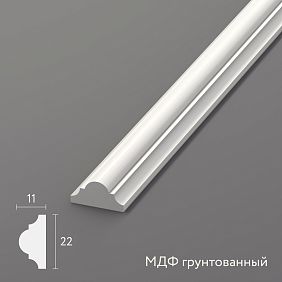
MDF: technological perfection
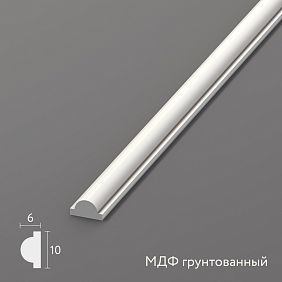
MDF Skirting BoardMade from wood fibers compressed at high temperature and pressure. Density of 760-780 kg/m³ exceeds that of many wood species, ensuring high mechanical strength. Homogeneous structure without fiber orientation creates isotropy — the material is equally strong in all directions.
MDF’s geometric stability surpasses solid wood. Linear expansion coefficient is 0.02% per 10°C temperature change — minimal. Material moisture stabilizes at 6-8% and practically does not change with air humidity fluctuations from 40-70%. Baseboards retain perfectly straight lines without deformation for years of use.
MDF’s processability allows creating profiles of any complexity with sharp edges. Milling creates clean surfaces without splinters typical of wood. MDF baseboard profile has a more precise geometry compared to wooden analogs. Profile ends are perfectly smooth, and plank joints create barely noticeable seams.
Emission class E1 with formaldehyde content less than 0.124 mg/m³ meets the strictest ecological standards. Modern MDF panels are safe for health and do not cause allergic reactions. Class E0 with formaldehyde content less than 0.065 mg/m³ is used for producing premium products.
Get Consultation
Polyurethane: polymer innovations
Polyurethane moldingMade from high-density foamed polyurethane. Density of 300-400 kg/m³ is 2-2.5 times lower than wood and MDF, creating minimal product weight. A 100 mm wide crown molding meter weighs 300-400 grams versus 800-1000 grams for wooden analogs. Lightness is critical for ceiling elements, reducing load on the base.
Polyurethane’s absolute water resistance allows its use in the most humid rooms — bathrooms, saunas, pools, kitchens. The material does not absorb water, does not swell, does not deform at any humidity level.Polyurethane corniceIn a bathroom, it serves for decades without changing geometry or appearance.
Operating temperature range from -40°C to +80°C covers all possible conditions in residential spaces. Polyurethane does not become brittle in cold, does not soften when heated. Linear expansion coefficient is 0.07% per 10°C — higher than MDF, but lower than wood.
Polyurethane’s biological inertness is absolute — the material does not rot, insects do not infest it, mold and fungi do not develop. This is critical for humid spaces where wooden elements require special protective treatment. Polyurethane is chemically inert to most household substances — detergents, solvents, acids, and alkalis at household concentrations.
Comparison by strength, water resistance, and appearance
Mechanical strength and wear resistance
Wooden baseboardMade from oak, it demonstrates maximum strength among the considered materials. Compressive strength along fibers is 50-60 MPa, bending strength — 90-110 MPa. Hardness of 3.7-4.0 on Brinell scale ensures resistance to abrasion and impact loads. Baseboard in high-contact zones — near entrance doors, in hallways — serves for decades without noticeable wear.
MDF Skirting BoardHigh-density material has bending strength of 30-35 MPa and compressive strength of 20-25 MPa. Laminate surface hardness reaches 4-5 Brinell units, comparable to hardness of many wood species. Wear resistance of AC3-AC4 class laminate ensures decorative layer preservation under intensive use. MDF baseboards withstand regular mechanical impacts from cleaning equipment.
Polyurethane moldingIt has bending strength of 15-20 MPa and compressive strength of 10-12 MPa. Material elasticity allows it to restore shape after minor deformations. Impact creates dents that partially level out over time. Surface hardness of 2-3 Shore A units is lower than wood and MDF, making polyurethane more susceptible to scratches and punctual impacts.
Moisture resistance and climatic stability
Wooden baseboardRequires humidity control in the room. Optimal relative humidity of 45-65% ensures geometric stability. At humidity above 70%, wood absorbs moisture, swells, and may deform. At humidity below 35%, it dries out, creating gaps between walls and baseboards. Quality protective coating — varnish, oil-wax — reduces hygroscopicity, but does not eliminate it completely.
MDF Skirting BoardMore stable than solid wood, but retains sensitivity to moisture. Laminate coating protects surfaces, but ends remain vulnerable. Water reaching unprotected ends is absorbed, causing localized swelling. Room humidity of 40-70% is safe for MDF baseboards. In bathrooms with humidity above 70%, moisture-resistant MDF or alternative materials are recommended.
Polyurethane corniceAbsolutely water-resistant. Direct contact with water does not affect geometry or material properties. Polyurethane elements are used in bathrooms, showers, pools without restrictions. Relative air humidity from 0% to 100% does not affect product dimensions or shape. Humidity fluctuations do not create internal stresses or cause deformation.
Aesthetic characteristics
Wooden plankMade from solid wood, it demonstrates unique natural texture. Characteristic growth ring pattern, color transitions from light sapwood to dark heartwood, medullary rays create visual depth and surface complexity. Each element is unique — it is impossible to find two identical boards even from the same tree. This uniqueness is valued in premium interiors.
Wood’s tactile qualities cannot be artificially reproduced. Touching a warm solid wood surface creates special comfort sensations. Light natural wood texture with oil finish is pleasant to the touch. Lacquered surface smoothness differs from the cold smoothness of polymers. Wood is living, breathing, with its own energy.
MDF Skirting BoardWith laminate coating, it imitates wood texture with high realism. Modern printing technologies create a pattern visually indistinguishable from natural wood at distances over 1-2 meters. Relief embossing reproduces the tactile texture of wood grain. Premium-grade laminate deceives not only vision, but also touch.
Polyurethane moldingHas a smooth, uniform white surface. Texture is absent — the material is designed for coloring in any color. Relief clarity of polyurethane elements exceeds wooden analogs due to precision of injection molds. Complex ornaments, fine lines, deep grooves are reproduced with maximum detail.
Influence on interior and perception of light
Natural wood: warmth and depth
Wooden baseboardWith oil finish, it creates a matte surface that softly diffuses light without glare. Oil penetrates wood, highlighting texture and creating an internal glow effect. Light hitting an oiled surface partially reflects and partially scatters within the wood, creating visual depth. Wood color appears rich, texture volumetric.
Lacquered wooden surface reflects light more actively. Glossy lacquer creates mirror-like glares that emphasize profile relief. Semi-matte lacquer gives a soft silk-like sheen, enhancing color without harsh glares. Matte lacquer preserves the natural wood appearance with minimal sheen.Wooden plankDifferent types of finishes create different lighting effects.
The natural texture of oak or ash creates visual interest that does not tire the eye. The complexity of the annual ring pattern is perceived as a harmonious natural structure. In interiors with wooden elements, a sense of warmth, coziness, and connection to nature is created. Psychological studies confirm that the presence of natural wood reduces stress and improves mood.
MDF: Universality and Neutrality
MDF Skirting BoardWhen painted, it creates a perfectly smooth matte or glossy surface depending on the type of paint. Matte enamel evenly diffuses light, creating a neutral background without glare. Semi-gloss enamel adds a slight sheen, visually enhancing the surface. Glossy enamel creates a mirror-like surface with bright reflections, visually expanding the space.
Laminated MDF imitates the light-reflecting properties of wood with appropriate processing. Laminates with wood texture and matte surface create the effect of oiled wood. Glossy laminate imitates lacquered wood with its characteristic sheen. The degree of imitation accuracy depends on the quality of the laminate — premium-class laminates reproduce the light properties of wood with high precision.
White-painted MDF skirting creates a sense of cleanliness, freshness, and visual spaciousness. The white color reflects maximum light, brightening the lower part of the wall. Colored MDF skirting becomes an accent element or neutral background depending on its color relationship with the wall. Skirting in the same tone as the walls blends with the vertical, creating a sense of continuity.
Polyurethane: Modern Aesthetics
Polyurethane moldingUnpainted white polyurethane has a characteristic matte surface with slight roughness. Light is diffused evenly, creating soft reflection without glare. After painting, the light-reflecting properties are determined by the type of paint. Matte paint retains soft diffusion, while glossy paint creates mirror-like reflections.
The complex relief of polyurethane elements creates expressive play of light and shadow. Deep ornament recesses form dark lines contrasting with light protrusions. Oblique lighting enhances the shadow pattern, emphasizing the decor's volume.Polyurethane corniceWith a complex profile, under proper lighting, creates a sculptural effect.
Polyurethane is perceived as a modern, technological material. In minimalist interiors, high-tech, and contemporary styles, polyurethane elements are natural due to the artificial nature of the material. In classical interiors, high-quality polyurethane, after painting, visually indistinguishable from plaster molding, creating an authentic historical look with modern practicality.
When to choose solid wood, and when MDF or polyurethane
Solid Wood: For Premium Interiors
Wooden baseboardSolid oak is indispensable in premium-segment interiors, where material authenticity is crucial. Luxury apartments, country houses, private residences require the use of noble natural materials. Solid oak demonstrates the owner's status, financial capacity, and refined taste. The cost of wooden skirting is 2-3 times higher than MDF equivalents, but for premium segments, this is insignificant.
Classical interiors of historical styles — Baroque, Rococo, Neoclassicism, Empire — require authentic materials.Wooden plankSolid wood with carved elements creates a genuine historical atmosphere. MDF or polyurethane imitations, even high-quality ones, do not create the sense of authenticity that natural wood provides.
Ecologically oriented interiors emphasizing natural materials require maximum use of wood. Eco, natural, Scandinavian minimalism styles are based on the philosophy of closeness to nature.STAVROS DecorSolid oak and ash wood embodies this philosophy, creating a healthy living space.
Rooms with parquet flooring made of valuable species require wooden skirting in the same tone as the parquet. Oak parquet with oak skirting creates material unity. MDF skirting, even with high-quality oak imitation, visually contrasts with natural parquet. Material unity is critical for interior coherence.
MDF: Optimal Balance
MDF Skirting BoardOptimal for mid-price segment, where price and quality balance is important. Standard apartments in new builds, secondary housing after cosmetic renovation, rental apartments receive quality finishing at a reasonable budget. The cost of MDF skirting is 2-3 times lower than wooden skirting for visually comparable results.
Interiors with laminate or vinyl flooring require skirting matching the finish characteristics. MDF skirting with wood-grain laminate perfectly matches in material and texture. Laminate collections usually include matching skirting from the same decor, ensuring perfect color coordination. Wooden skirting with laminate creates material dissonance.
Painted interiors with white or colored walls require skirting for painting. MDF skirting, after priming and painting, creates a perfectly smooth surface. The cost of painted MDF skirting is 3-4 times lower than painted wooden skirting for visually identical results. Economic efficiency is obvious.
Commercial spaces — offices, shops, public areas — require practical, durable materials at optimal cost. High-density MDF skirting withstands heavy loads, is easily replaceable upon damage, and is cost-effective. Large linear meters provide significant savings.
Polyurethane: For Complex Conditions
Polyurethane corniceIndispensable in humid areas — bathrooms, toilets, showers, pools, saunas. Absolute moisture resistance ensures longevity without deformation or damage. Wooden elements in these conditions require special treatment and remain vulnerable. MDF is not recommended for humid zones. Polyurethane is the only sensible solution.
Ceiling elements of large width — cornices 150-200 mm, coffered ceilings, rosettes — made of polyurethane are 2-3 times lighter than wooden or gypsum analogs. Lightness is critical for installation on gypsum board and stretch ceilings with limited load-bearing capacity.Polyurethane moldingIt is mounted with adhesive without additional mechanical fastening.
Curved elements — arches, bay windows, round columns — require flexible profiles. Polyurethane easily bends to a 50 cm radius without pre-soaking or heating. Wooden elements require special treatment for bending. MDF does not bend — for curves, multiple short segments with numerous joints are required.
Budget projects with decorative requirements choose polyurethane. Complex profiles with ornamentation imitating plaster molding, made of polyurethane, cost 3-5 times less than gypsum or wooden analogs. Visual effect is comparable, practicality is higher.STAVROS DecorPolyurethane creates luxurious classic interiors at a democratic budget.
Combination of materials in one space
Zoning by function
A rational approach implies using different materials in zones with different requirements. Dry living areas — living room, bedrooms, office — receiveWooden baseboardfrom solid oak. The natural beauty of wood creates a premium atmosphere in main rooms. Wet zones — bathroom, toilet, kitchen — are finishedwith polyurethane molding, ensuring durability in aggressive conditions.
Technical rooms — corridors, entryways, storerooms — receiveMDF Skirting Board, optimizing the budget without compromising quality. Large linear meters of corridors make savings significant. The functional nature of technical rooms does not require premium materials. Different materials in different zones create a hierarchy of spaces.
Vertical zoning uses different materials on different levels.MDF Skirting Boardat the base of the wall ensures practicality with intensive contact.Polyurethane corniceunder the ceiling creates decorative appeal with ease of installation. Wooden wall moldings add accent elements. Combination of materials optimizes functionality and budget.
Visual unity through finishing
Different materials are united through a single finish.Wooden baseboard, MDF Skirting BoardandPolyurethane moldingThey are painted in one color — white, beige, gray. A single color creates visual unity despite material differences. From a distance of more than 2-3 meters, materials are indistinguishable — only color and profile are perceived.
Glossy finishes enhance unity. All elements are coated with glossy enamel at the same gloss level of 80-90 units on a gloss meter. Identical light reflections on surfaces create visual uniformity. Matte finishes similarly unite different materials through uniform light-reflecting properties.
Profile unity is more important than material. Wooden, MDF, and polyurethane elements of the same profile are visually identical. Identical height of baseboards at 80 millimeters, identical profile shape with a rounded edge and shelf create a single horizontal line throughout the room. Material change at zone boundaries is imperceptible due to uniform shape.
Accents through material contrast
Conscious use of material differences creates visual accents.Wooden plankSolid oak with natural oil finish on one accent wall contrasts with white polyurethane moldings on the other walls. The natural texture of wood stands out against smooth painted surfaces, creating a focal point in the interior.
Combination of natural wood at the bottom and polyurethane at the top creates a material gradation.Wooden baseboardat the base demonstrates the nobility of solid wood in the zone accessible for tactile contact.Polyurethane corniceunder the ceiling ensures practicality of installation in inaccessible zones. Material hierarchy corresponds to functional logic.
Different treatment of similar elements in different zones marks the status of spaces. The living room receives wooden baseboards with natural finish. The bedroom — wooden baseboards under enamel. The corridor — MDF baseboards. Gradation of materials and finishes creates visual hierarchy without physical boundaries.STAVROS Decorallows implementing any combinations.
Care and longevity recommendations
Care for wooden elements
Wooden baseboardwith oil finish requires regular renewal of protective layer. Annual application of a thin layer of oil maintains protection and aesthetics. Surface is cleaned with a special agent for oiled wood, dried, and covered with a thin layer of oil using a soft cloth. Excess is removed after 15 minutes. Procedure takes 30-40 minutes per 20 square meter room.
Lacquered wooden elements require minimal care. Regular dry cleaning with vacuum or soft cloth removes dust. Weekly wet cleaning with well-wrung cloth maintains cleanliness. Special polishes for lacquered furniture provide additional protection and enhance gloss. Lacquer coating lasts 10-15 years without renewal with proper care.
Scratches and wear on wooden elements are removed by local restoration. Shallow scratches are masked with wax pencils in wood tone. Deep damage is sanded with fine sandpaper, then covered with oil or lacquer in several thin layers.Wooden plankSolid wood allows multiple restorations — wood can be sanded, removing the damaged layer 1-2 millimeters, and reapplying finish.
Laminated MDF elements require almost no maintenance. Daily dry cleaning and weekly wet cleaning with neutral cleaning agents maintain cleanliness. Laminated surfaces are resistant to abrasion, do not fade, and do not dull. Special laminate care products create an anti-static coating that repels dust.
MDF Skirting BoardPainted MDF skirting requires protection from mechanical damage. A quality enamel coating in 2-3 layers creates a durable protective film. Minor scratches are concealed by touch-up with a fine brush. Significant damage requires local repainting — the area is sanded, primed, and painted to match the original finish. RAL catalog color matching ensures precise color correspondence.
Moisture protection is critical for MDF skirting. Water spilled on the floor must be immediately wiped before it is absorbed at the joint between the skirting and the floor. Wet cleaning is performed with a well-wrung cloth without excess water. In bathrooms with high humidity, additional sealing of joints with silicone sealant is recommended to prevent moisture penetration.
Moisture protection is critical for MDF skirting boards. Water spilled on the floor must be wiped up immediately before it is absorbed at the joint between the skirting board and the floor. Wet cleaning is performed with a well-wrung cloth without excess water. In bathrooms with increased humidity, it is recommended to additionally seal joints with silicone sealant to prevent moisture penetration.
Care for polyurethane elements
Polyurethane moldingRequires minimal maintenance. Regular dust removal with a dry cloth or vacuum cleaner maintains cleanliness. Wet cleaning with any household cleaning agents is safe — polyurethane is chemically inert. Absolute water resistance allows washing polyurethane elements with abundant water without restrictions.
Painted polyurethane retains color for decades without fading. Quality acrylic paints create a durable coating resistant to UV and moisture. Scratches on painted surfaces are repaired with touch-up. Significant damage requires repainting the entire element for color uniformity.Polyurethane corniceEasily removable, paintable, and reinstallable.
Mechanical damage to polyurethane — dents, chips — is repaired with putty. Acrylic putty fills the damage, is sanded after drying, and repainted. Deep damage with through holes is repaired by replacing the damaged segment. Ease of adhesive installation simplifies replacement — the old element is cut off, and the new one is adhered to the same spot.
Solid oak wood skirting lasts 30-50 years in residential spaces with proper care. In historic buildings, wooden skirting over 100-150 years old retains functionality. Solid oak develops a noble patina over time, becoming more aesthetically pleasing with age. The possibility of multiple restorations — resanding and repainting — ensures virtually unlimited service life.
Wooden baseboardSolid oak skirting boards last 30-50 years in residential spaces with proper care. In historic buildings, wooden skirting boards aged 100-150 years retain functionality. Solid oak develops a noble patina over time, becoming more aesthetically pleasing with age. The possibility of multiple restorations — resanding and renewing the finish — ensures virtually unlimited service life.
MDF Skirting BoardMDF skirting lasts 15-20 years under normal use. The laminated coating gradually wears in areas of intensive contact. Painted surfaces dull and accumulate micro-scratches. After 15-20 years of use, MDF skirting is typically replaced during the next cosmetic renovation. Restoration options are limited — deep laminate damage or through damage to MDF cannot be restored.
Polyurethane cornicePolyurethane material lasts 25-30 years without geometric or property changes. The polymer does not age or degrade under normal operating conditions. The painted coating is refreshed every 10-15 years to maintain aesthetics. The material retains strength and shape for decades.STAVROS DecorPolyurethane — an investment in durability at an affordable price.
Conclusion
Wood, MDF, and polyurethane — the choice is determined by balancing factors — project budget, requirements for performance characteristics, aesthetic preferences, and room conditions.Wooden baseboardEmbodies premium quality, eco-friendliness, and longevity.MDF Skirting BoardOffers an optimal balance of price and quality.Polyurethane moldingDemonstrates the practicality and versatility of modern materials.
Wooden plankCreates natural warmth in main living areas.Polyurethane corniceSolves problems in wet zones and decorative ceiling elements. Combining materials in one space optimizes functionality and budget, creating hierarchy through material differentiation.
STAVROS DecorHow to choose between wood, MDF, and polyurethane: Practical guide by STAVROS | STAVROS Company