












































































Article Contents:
- Materials for Decorative Finishes: From Classic to Innovations
- Cornices and Decorative Elements
- Wood Wall Finishing: Nature's Warmth in Interior
- Lath Structures: Modern Spatial Graphics
- Moldings: Elegant Spatial Structuring
- Boiserie: French Elegance of Wooden Panels
- 3D Panels: Volume and Light Play
- Wall Finishing in Different Interior Styles
- Classic style: symmetry and elegance
- Modern Style: Minimalism and Functionality
- Scandinavian Style: Light, Wood, and Simplicity
- Loft: industrial aesthetics
- Decorative Finishing for Different Rooms
- Bedroom: Intimacy and Peace
- Bedroom: Territory of Rest
- Kitchen: Balance of Function and Aesthetics
- Bathroom: Moisture Resistance First
- Hallway: Importance of First Impression
- Office: Atmosphere for Work
- Wall Finishing in Private Homes
- Wooden House: Working with Natural Materials
- Stone and Brick House: Freedom of Choice
- Color and Texture in Decorative Finishing
- Color Combinations
- Texture Play
- Modern Finishing Technologies
- Paintable Panels: Universality of Solution
- Combined Finishing
- Decorative Elements as Accents
- Practical Aspects of Choosing Finishing
- How to Choose Materials
- How Much Does Decorative Finishing Cost in Moscow
- Can It Be Done Yourself
- Care for Decorative Surfaces
- Natural Wood
- Polyurethane Elements
- Decorative Plaster
- Trends in Decorative Finishing for 2025
- Ecological and natural properties
- Individuality versus mass production
- Mixing Styles
- Technological Innovation
- Frequently Asked Questions about Decorative Finishing
- How to Choose a Finishing Style?
- What Are the Most Durable Materials?
- How Long Does Finishing Take?
- Can You Combine Different Materials?
- How to Care for Decorative Surfaces?
- Is a Perfectly Flat Wall Surface Necessary?
- What Budget Should Be Allocated for Decorative Finishing?
- Where to Buy Materials for Decorative Finishing in Moscow
- Supplier Selection
- What Does STAVROS Offer?
- Conclusion

Moscow — a city where architectural traditions meet modern design trends. Here, decorative wall finishing has become an art form capable of transforming any space beyond recognition. Walls define the character of a room, set the mood, and influence the perception of proportions. The way they are finished determines whether your home will become a cozy nest or a cold, featureless box.
Whydecorative wall finishing— so important? Because walls occupy the largest visual area in any room. They serve as a canvas on which the entire interior composition unfolds. A well-chosenInternal decorative wall cladding— can visually expand the space, raise the ceiling, and create a sense of luxury even in modest-sized rooms.
In the capital, the market for decorative materials is developing rapidly. Each season brings new textures, technologies, and design solutions. But amid this variety, it’s easy to get lost. What to choose — classic moldings or modern paneling? Natural wood or its sophisticated imitation? Smooth plaster or textured 3D surfaces?




Materials for Decorative Finishing: From Classic to Innovations




Moldings and Decorative Elements
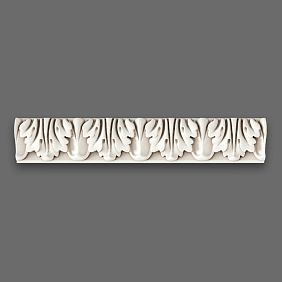
Sculptural decorations— bring us back to the era of palace opulence, when every interior detail was crafted by hand by sculptors. Today, technology has advanced, but the aesthetics remain the same.Sculptural wall decoration— made from modern materials allows you to recreate the atmosphere of classic palaces without spending an entire fortune.
Polyurethane has revolutionized the world of decorative finishing. This material is lightweight, durable, and resistant to moisture and temperature fluctuations.Wall and ceiling decorative molding— made from polyurethane can be installed in a matter of hours, whereas traditional plaster molding would require weeks of meticulous work. Visually, it is almost impossible to distinguish high-quality polyurethane from plaster.
Plaster ornament for walls and ceilings— includes cornices, moldings, rosettes, brackets, pilasters, and columns. These elements structure the space, create rhythm, and add volume. In classic interiors, moldings are essential — it is precisely they that create that atmosphere of elegance and nobility.
— interestingly, many people solve crossword puzzles where the question is about— usually the answer is 'rosette' or 'cornice'. These elements have become so iconic that they have even entered word games.— these elements have become so iconic that they have even entered word games.
Our factory also produces:


Wall Finishing with Wood: Nature’s Warmth in the Interior
Wall finishing— choosing natural wood — is for those who value eco-friendliness and natural beauty. Wood is alive, it breathes, and creates a unique microclimate in the room. Each board is unique in its texture, grain pattern, and shade.
Internal wall finishing— wood can take many forms. Classic boarding creates a cozy atmosphere in a country house or alpine chalet. Modern paneling adds graphic elements and rhythm. Bouclé panels introduce notes of French aristocracy.
decorative wall finishing— wood solves not only aesthetic but also practical problems. Wood has sound-absorbing properties, retains heat, and regulates humidity. In rooms with wooden walls, it is easier to breathe and more comfortable to be.
Get Consultation
has become a real hit in recent years. This technique originated in Scandinavian design and quickly won the hearts of Moscow designers. Why? Because rails are universal—they look equally well in minimalist, Scandinavian, loft, and even classical interiors.
Plank wall claddingcreates a visual rhythm that structures the space. Vertical rails visually raise the ceiling, making the room appear taller. Horizontal rails expand the space, making the room feel more spacious. Diagonal placement adds dynamism, creating a sense of movement.
wall finishing with lathsworks perfectly as a zoning tool. With their help, you can visually separate the living area from the dining area, the bedroom from the home office, without erecting solid partitions. Light passes through the rails, preserving the feeling of an open space, while the zones remain visually distinct.
can be installed with various spacing—ranging from densely packed rails to sparse configurations. Behind the rails, you can hide LED lighting to create a floating wall effect. You can also leave a gap between the rails and the main wall, painting the back surface in a contrasting color.
Decorative wall panelingare made from various types of wood, MDF, and metal. Each material creates its own atmosphere. Oak rails add solidity and elegance. Rails made of whitewashed ash create lightness and airiness. MDF rails, which can be painted, allow for any color solution.
Racks for internal wall claddingMoldings: elegant structuring of space
— a classic technique that never goes out of style. Moldings create an architectural framework for interiors, dividing walls into functional zones, framing doors and windows, and forming decorative panels.
Wall finishing with moldingsThe history of moldings goes back to antiquity. Ancient Greeks and Romans used profiled strips to decorate temples and palaces. The Renaissance brought moldings back into interiors, and Baroque took their use to its peak. Today, moldings are experiencing a new bloom, but in a modern interpretation.
Modern moldings are made from various materials. Polyurethane moldings are lightweight and moisture-resistant, suitable even for bathrooms. Wooden moldings possess natural beauty and elegance. MDF moldings are versatile and affordable.
With moldings, you can create complex decorative compositions on walls. The classic option is forming rectangular panels, which are then painted in contrasting colors or covered with wallpaper. The modern approach involves creating asymmetrical compositions, playing with scale, and combining moldings of different widths.
Boiserie: French elegance of wooden panels
in the form of boiserie—this is the embodiment of aristocracy and refined taste. Boiserie originated in France in the 18th century, when the walls of palaces and mansions were adorned with carved wooden panels.
Internal decorative wall claddingTraditional boiserie consists of frame-and-panel constructions, where a wooden frame surrounds a central panel. Panels can be adorned with carving, patina, or gilding. Boiserie is often complemented by moldings and pilasters, creating a complex architectural composition.
Modern interpretations of boiserie are more minimalist. Simple geometric panels without excessive decoration fit perfectly into neoclassical and contemporary interiors. Boiserie can cover the entire wall height or only its lower part, combining with other finishes.
Decorative finishing of interior walls
boiserie solves several tasks simultaneously. This includes protecting walls from mechanical damage, sound insulation, visual structuring of space, and, of course, creating a luxurious atmosphere.3D Panels: Volume and Play of Light
— this is a modern technology that creates impressive visual effects. The textured surface interacts with light, creating a constantly changing image. In the morning, during the day, and in the evening, the wall looks different, depending on the angle of light incidence.
3D Wall Finishingcan imitate various textures—from geometric patterns to organic forms resembling waves, fabric folds, and natural structures. Panels are made from gypsum, polyurethane, MDF, and wood composites.
3D wall finishingWhere to use 3D panels? They are ideal for creating accent walls in the living room, bedroom, or hallway. Panels can be placed behind the TV, at the headboard of the bed, or in the fireplace area.
Where to use 3D panels? They are ideal for creating accent walls in the living room, bedroom, hallway. Panels can be installed behind the TV, at the headboard, in the fireplace area.Relief wall finishingadds depth and character to the room.
An important point—lighting. 3D panels require proper lighting scenarios. Gliding light highlights the relief, creating a dramatic effect. You can use built-in lighting, spotlights, or LED strips hidden within the structure.
is built on principles of symmetry, proportion, and use of traditional materials. Here,
Classic style: symmetry and elegance
In classic interiorWall finishingmoldings, panels, creating a sense of respectability and wealth.Sculptural decorationsin classical style often combines several levels. The lower part—boiserie panels approximately one-third the height of the wall. The middle part—wallpaper with a classic ornament or decorative plaster. The upper part and ceiling—moldings, cornices, and rosettes.
Internal wall finishingThe color palette of classic style is noble and restrained. Beige, cream, gray-blue, muted green tones create an atmosphere of calmness and elegance. Gold and bronze accents add luxury. White is used for moldings, contrasting with colored walls.
in modern style is characterized by minimalism and clean lines. There is no room for excessive decoration—every element is functional and meaningful.
Modern Style: Minimalism and Functionality
decorative wall finishingin modern style are diverse, but all are united by a common philosophy—less is more.Wall cladding optionsIn modern style, they are diverse, but all of them are united by a common philosophy — less is more.
Plank wall claddingPerfectly fits modern interiors. Clear lines, rhythm, graphic elements — all of this corresponds to the aesthetics of minimalism. Racks can be wooden, metallic, painted in any color.
Smooth surfaces with interesting texture — another sign of modern style. Microcement, concrete finishes, large-format ceramic tiles create monolithic surfaces with expressive texture.decorative wall finishingCan be very restrained, yet impressive.
Scandinavian style: light, wood, and simplicity
Scandinavian style has won the hearts of Moscow residents with its coziness and functionality.Internal wall finishingIn Scandinavian style, it is built on the combination of white color and natural wood.
White walls serve as a backdrop, reflecting light and visually expanding the space. This is especially important in the conditions of a northern climate, where natural light is insufficient.Wooden wall claddingAdds warmth and coziness, creates a connection with nature.
In Scandinavian interiors, accent wooden walls are often used. This can beplywood for interior wall finishingmade from light-colored wood species — pine, birch, bleached oak. Wood is treated with oil or wax, preserving its natural texture.
Loft: industrial aesthetics
Loft style originated in New York when artists began converting industrial buildings into housing.Wall finishingIn a loft, it emphasizes the industrial past of the space or creates its imitation.
Brick walls, concrete surfaces, exposed utilities — characteristic features of a loft. But in Moscow apartments, real brick or concrete is rarely found, thereforewall finishing materialsimitate industrial textures. Ceramic tile imitating brick, decorative plaster with a concrete effect, wooden planks with a weathered effect create the desired atmosphere.
Wooden wall claddingIn a loft, it has a rough character. Untrimmed boards, beams with preserved bark, rails from old pallets — all of this creates an authentic industrial atmosphere. Wood is not polished to a shine, but retains its natural roughness.
Decorative finishing for different rooms
Living room: the heart of the home
Wall cladding in an apartmentIt begins with the living room — the space where the family spends the most time. Here, people gather for dinner, receive guests, and relax after work. The living room sets the tone for the entire house.
Wall room finishingIn the living room, it should be expressive but not tiring. An accent wall — a popular solution. This can be the wall behind the sofa, decoratedwooden planksor the wall with a fireplace, decoratedmoldings.
TV zone requires special attention. Modern large TVs themselves are a visual accent, so the wall around them should not be overloaded with details.3D panels — are volumetric relief elements that transform a wall into a sculptural object. Geometric patterns, waves, honeycombs, abstract forms — the variety is impressive. Photos show how the textured surface changes the perception of space entirely.Create an interesting background without distracting from the screen.
In spacious living rooms, you can use combined finishing. One wall is finished with wood, another with decorative plaster, and the third remains neutral.Wall finishing and decorationShould create a harmonious composition, where each element complements the other.
Bedroom: territory of rest
Interior wall finishing in an apartmentIn the bedroom, it follows the main rule — creating an atmosphere of relaxation and rest. Bright colors, aggressive textures, and excessive decor are inappropriate here.
The headboard of the bed — a natural focus of the bedroom.decorative wall finishingIn this zone, it can be more expressive. Soft panels with a carriage finish create a boudoir atmosphere. Wooden panels add natural warmth.3D panels — are volumetric relief elements that transform a wall into a sculptural object. Geometric patterns, waves, honeycombs, abstract forms — the variety is impressive. Photos show how the textured surface changes the perception of space entirely.With organic relief, they calm and relax.
Wooden wall claddingEspecially good in the bedroom. Wood creates a sense of security, regulates humidity, and fills the air with a barely noticeable aroma. Natural materials promote healthy sleep.
Kitchen: balance of function and aesthetics
Wall finishingIn the kitchen, it should combine practicality and beauty. The working area requires moisture-resistant, easy-to-clean materials. The dining area can be styled more decoratively.
The backsplash is the main decorative element of the kitchen. Traditional ceramic tiles, glass panels, natural or artificial stone — options for the working zone. The walls of the dining area can be styledwooden panels, creating a cozy corner for family meals.
In large kitchen-living roomsdecorative wall finishinghelps to zone the space. The cooking zone remains functional, while the living room zone is styled more decoratively.
Bathroom: moisture resistance is paramount
Internal wall finishingin the bathroom requires special materials. Constant humidity, direct contact with water, temperature fluctuations — all of this can withstand not all materials.
Polyurethane wall cladding— an excellent solution for the bathroom. Polyurethane panels are completely moisture-resistant, resistant to mold and mildew, easy to clean. They can imitate wood, stone, marble, creating a luxurious interior without using expensive natural materials.
Polyurethane moldingsallows creating a classic interior even in the bathroom. Polyurethane cornices, moldings, and outlets are not afraid of moisture and look as elegant as gypsum ones.
Hallway: importance of first impression
Decorative corridor wall finishingcreates the first impression of the house. A narrow, dark hallway can spoil the perception of even the most beautiful interiors of other rooms.
Light tones visually expand a narrow hallway.decorative wall finishingwith a vertical pattern raises low ceilings. Mirrors built into wall panels create an illusion of more space.
Wall Finishing Elementsin the hallway should be practical. The lower part of the wall is prone to dirt and mechanical damage — here durable panels are appropriate. The upper part may be more decorative.
Office: atmosphere for work
A home office requires a special atmosphere conducive to concentration and productive work.Wall finishing in a housein the office is often done using wood — a material that creates a sense of solidity and respectability.
Boiserie— a classic choice for an office. Wooden panels, possibly with built-in bookshelves, create an atmosphere reminiscent of an English club or a Parisian intellectual’s study.Internal decorative wall claddingpanels emphasize the seriousness of the homeowner’s intentions.
Dark wood tones — oak, walnut, wenge — are traditional for offices. They create an intimate atmosphere, help focus, and block external distractions.
Wall finishing in a private home
Wooden house: working with natural material
Wall finishing in a private housemade of wood has its own specifics. Wood is a living material that shrinks, reacts to humidity changes, and requires special treatment.
Many owners of wooden houses prefer to leave walls in their natural state, treating them only with protective compounds.Material for walls of a wooden houseIn this case — it is the wood itself, whose beauty is emphasized by proper treatment and lighting.
If additional finishing is required, materials compatible with wood are used.Internal wooden wall finishesmay include siding, block house, or imitation of beams. These materials create a finished look, conceal possible construction defects, and provide additional thermal and acoustic insulation.
Stone and brick house: freedom of choice
In stone or brick housesWall finishing in a houseare not limited by the features of load-bearing structures. Strong walls can withstand any materials — from heavy wooden panels to multi-layer plaster compositions.
In a private house, there are more opportunities to implement bold design solutions. High ceilings allow the use of three-dimensional moldings, which would seem excessive in a standard apartment. Spacious rooms provide freedom for combined finishes.
wall finishing materialsIn a private house, finishes are selected according to the purpose of the rooms. Grand areas — living room, dining room, hall — are decorated most dramatically. Private zones — bedrooms, offices — are more restrained. Technical rooms — storerooms, boiler rooms — are maximally practical.
Color and texture in decorative finishing
Psychology of color in interior design
The color of walls affects our mood, well-being, even our productivity.Wall finishing photoThe internet shows endless variety of color solutions, but how to choose the one that suits you?
Warm colors — red, orange, yellow — stimulate activity, increase energy, create a sense of warmth. They are good for living rooms, dining rooms, kitchens — spaces where the family gathers. But in a bedroom, they may interfere with relaxation.
Cool colors — blue, green, purple — calm, help focus, create a sense of spaciousness. They are ideal for bedrooms, offices, bathrooms. But in dark rooms with north-facing windows, they may seem too cold.
Neutral colors — white, gray, beige — are universal. They serve as an excellent background for furniture and decor, visually expand the space, and easily combine with any other shades.
Texture play
Wall finishing samplesshow that texture is no less important than color. Smooth and textured surfaces, even in the same color, create completely different impressions.
Smooth glossy surfaces reflect light, making the room brighter and more spacious. They create a sense of cleanliness, modernity, and lightness. But they show even the slightest dirt and defects.
Matte surfaces absorb light, create depth of color, add nobility and solidity to the interior. They are practical, hide minor flaws, and do not create glare.
Textured surfaces add tactile qualities, create play of light and shadow, make the interior volumetric and interesting.Relief wall finishingcan be barely noticeable or distinctly pronounced, depending on the desired effect.
Modern finishing technologies
Paintable panels: universality of the solution
Wall finishing for paintingis a practical solution that allows easily changing the interior. MDF panels, polyurethane elements, special plasters create textured bases that are then painted in any color.
The advantage of this approach is the ability to refresh the interior without removing the finish. Tired of the color? Simply repaint the walls. Want new accents? Highlight one wall with a contrasting shade.Paintable lath panelsallow implementing any color solution.
MDF panels are good because they create an ideally smooth surface ready for painting. They hide wall imperfections, provide additional sound insulation, and are easy to install.
Combined finishing
Decorative wall finishing optionsof modern design often implies combining different materials. Combined finishing creates visual diversity, allows zoning of space, and highlights architectural features.
Classic combination — wooden panels on the lower part of the wall and decorative plaster or wallpaper on the upper part. The boundary between them is emphasized by molding.Decorative wall finishing with woodIn this variant, it serves a protective function — the lower part of the walls is exposed to dirt and mechanical impacts.
Modern approach — combination of smooth and textured surfaces. Three walls remain smooth and neutral, while the fourth accent wall is finished with3D panelsorwooden planks.
Decorative elements as accents
Decorative wall finishingDo not necessarily have to cover the entire surface. Point accents can be just as effective as full cladding.
Severalsculptural ornaments, placed on a neutral wall, create an elegant composition. Moldings forming decorative frames around mirrors or paintings structure the space. A single vertical strip ofwooden stripscan visually raise the ceiling.
This approach allows creating an expressive interior with a limited budget. Instead of full cladding with expensive materials, accent elements are used that attract attention and define the room's style.
Practical aspects of choosing cladding
How to choose materials
Choosingfor wall claddingdepends on many factors. Budget, interior style, room purpose, personal preferences — all of this needs to be considered.
For wet rooms, moisture resistance is mandatory.Polyurethane wall claddingCeramic tiles, glass panels — materials that withstand conditions in bathrooms or kitchens.
For children's rooms, ecological safety is critical. Natural wood, mineral-based plaster, water-based paints — safe materials that do not emit harmful substances.
For high-traffic areas, durability and repairability are important. Materials must withstand mechanical impacts, be easy to clean, and if necessary — easy to restore.
How much does decorative cladding cost in Moscow
Decorative wall finishing priceIn Moscow, the cost varies over a very wide range. Budget solutions start from several hundred rubles per square meter, while premium cladding can cost tens of thousands.
The cost consists of material and labor prices. Some materials are expensive on their own — solid wood of valuable species, imported decorative plaster, designer panel collections. Other materials are affordable but require expensive professional work — Venetian plaster, artistic painting.
Internal decorative wall finishingMaterials for which prices vary, require careful budget planning. It is important to understand that quality materials and professional execution are investments in the longevity and beauty of your home.
Can it be done by yourself
DIY decorative wall finishing— a real possibility for those who have basic repair skills and are willing to spend time learning the techniques.
Simple techniques are accessible to everyone. Painting with textured rollers, creating decorative effects with a sponge, stencils, applying lightweight polyurethane moldings — all of this can be done independently.
Complex techniques are better left to professionals. Venetian plaster, installing wooden panels with precise joints, creating complex compositions from molding require experience, special tools, and knowledge of material handling nuances.
The middle ground — do some work yourself, and entrust complex stages to professionals. For example, do the wall preparation yourself, and leave the finishing cladding to a professional.
Care for decorative surfaces
Natural wood
Wooden wall claddingrequires regular care. Wood is coated with oil or wax, which must be periodically renewed. This protects the material from moisture, dirt, and mechanical damage.
Dust from wooden surfaces is removed with a soft dry cloth or special wood cleaning agents. Do not use aggressive cleaning agents, abrasives, or excessively wet the wood.
When scratches or scuffs appear on wooden surfaces, the area is locally sanded and re-coated with a protective finish. This is one of the advantages of natural wood — it is easy to restore.
Polyurethane elements
Polyurethane moldingsare low-maintenance. They are wiped with a damp cloth and mild detergent. Polyurethane does not fear moisture, does not absorb dirt, and does not fade in sunlight.
Painted polyurethane molding can be repainted if necessary. This allows updating the interior without dismantling decorative elements.
Decorative plaster
Care for decorative plaster depends on its type. Smooth Venetian surfaces are wiped with a damp cloth. Textured plasters may accumulate dust in the recesses of the relief — they are better cleaned with a vacuum cleaner equipped with a soft attachment.
Some types of decorative plaster are coated with wax or varnish, which makes maintenance easier and protects the surface from dirt.
Trends in decorative finishes for 2025
Ecological and natural
The main trend of recent years — a return to natural materials.Wooden finishing materialsare experiencing a new resurgence. People are tired of plastic and synthetics; they want to live surrounded by natural materials.
Ecological safety — not just a trend, but a conscious necessity. Materials must be safe, non-toxic, and recyclable.Internal wooden wall finishesfully meet these requirements.
Individuality vs. Mass Production
Standard solutions are becoming outdated. People want unique interiors that reflect their personality.Decorative Wall Finishing in a Roombecomes a means of self-expression.
Custom solutions — carved wooden panels, original wall paintings, unique moldings compositions — all of this is in demand among those who value exclusivity.
Style mixing
Strict stylistic boundaries are blurring. Modern interiors boldly combine elements from different eras and styles.Decorative wall finishing for interiorsmay include classical moldings and modern slat structures, natural wood and industrial concrete.
Eclecticism — not chaos, but a thoughtful combination of diverse elements united by a common idea. Such interiors are interesting, unexpected, and full of individuality.
Technological Innovation
Decorative interior elements for 2026include high-tech solutions. 3D printing allows creating complex decorative elements impossible with traditional manufacturing. Smart materials change color depending on lighting or temperature.
Technology serves art. It expands designers' possibilities, allowing them to realize the boldest ideas.
Frequently asked questions about decorative finishes
How to choose a finish style?
Choosing a style is a matter of personal preference, but there are some guidelines. Consider what atmosphere feels comfortable to you. Do you love classicism, symmetry, luxury? Choose a classic style withmoldingsandBoiserieappreciate minimalism and functionality? Choose a modern style withslat structures— your choice.
Consider the architecture of the space. High ceilings and large windows suit a classic style. Compact spaces are better suited for minimalist or Scandinavian aesthetics.
LookWall finishing photos in apartmentsonline, visit trade shows, talk to designers. Visual images will help you determine your preferences.
What materials are the most durable?
Wooden wall claddingMade of solid wood, with proper care, it serves for decades. Wood can be restored, updated, repainted.
polyurethane moldingsIt is practically eternal. It does not deform, crack, or fear moisture. Service life is measured in decades.
Quality decorative plaster lasts 15-20 years and more. It is resistant to mechanical impacts, does not fade, retains its original appearance.
How long does finishing take?
The timeframe depends on the area, complexity of work, and selected materials. Simple room painting takes 2-3 days.decorative wall finishingUsing complex plastering techniques, it may extend to a week or two.
Installationwood panelsorIt begins with understanding the basic principles of visual perception of space. The golden ratio, the rule of thirds, symmetry and asymmetry — all these classical principles are applied in wooden wall decoration.Depending on the volume, it takes from several days to a couple of weeks.
Comprehensive finishing of an entire apartment using various materials and techniques may take a month or more.
Can different materials be combined?
Not only can it be done, but it is necessary!Decorative wall and ceiling finishingIn modern interiors, it often implies combining. Wood combines beautifully with decorative plaster. Moldings complement painted walls. Lattice structures coexist with smooth surfaces.
The key is to maintain balance and not overload space with diverse elements. It is better to choose 2-3 materials and use them thoughtfully, rather than trying to fit everything at once.
How to care for decorative surfaces?
Care depends on the material. Wood requires periodic renewal of protective coating. Polyurethane is wiped with a damp cloth. Decorative plaster is cleaned of dust with a vacuum cleaner or a damp cloth.
General rule — avoid aggressive cleaning agents and abrasives. Most decorative coatings do not like excessive moisture and rough mechanical impact.
Regular light cleaning is simpler and more effective than infrequent deep cleaning. Remove dust and dirt promptly, without waiting for them to penetrate the surface.
Is a perfectly flat wall surface necessary?
It depends on the chosen material. For painting, a perfectly smooth surface is required — any unevenness will be noticeable.Decorative plasterIt hides minor defects, so less meticulous preparation is acceptable.
Wooden panels, rails, 3D panels — are volumetric relief elements that transform a wall into a sculptural object. Geometric patterns, waves, honeycombs, abstract forms — the variety is impressive. Photos show how the textured surface changes the perception of space entirely.They are mounted on a frame or lathing, which levels the surface. The walls themselves may not be perfect.
What budget to allocate for decorative finishing?
The budget can vary from modest to astronomical.Buy internal wall claddingMaterials for which prices vary, are accessible for any budget.
Budget option — 500-1500 rubles per square meter including materials and labor. Mid-range segment — 2000-5000 rubles. Premium finishing — from 5000 rubles and above, sometimes significantly higher.
Allocate a budget with a 15-20% reserve for unforeseen expenses. Often, additional needs are discovered during work, or there is a desire to improve the initial plan.
Where to buy materials for decorative finishing in Moscow?
Supplier selection
In Moscow, there are numerous companies offering materials for decorative finishing. How to choose a reliable supplier? Pay attention to several factors.
Assortment. A good supplier offers a wide selection of materials, styles, and price categories. You will be able to find everything needed in one place, saving time.
Consultations. Professional consultants will help you understand material characteristics, suggest optimal solutions for your project, and calculate the required quantity.
Reputation. Review customer feedback, examine completed projects, and talk to those who have already purchased from this supplier.
What STAVROS offers
Company STAVROS — leading supplier of materials fordecorative wall finishes in Moscowand the Moscow region. The catalog features a wide selection ofsculptural ornaments, wooden decorative materials, moldings, cornices, skirting boards.
Polyurethane Itemsfrom STAVROS are distinguished by high quality, precise shapes, and diverse designs. The assortment includes classic and modern collections, elements suitable for any interior style.
Solid Wood Items— wooden moldings, cornices, skirting boards, and rails — are crafted from premium wood. Oak, beech, and ash — species that serve for decades, preserving beauty and strength.
Polyurethane trimincludes moldings of various profiles, cornices, skirting boards, and door casings. These elements complete the interior, define transitions between planes, and frame openings.
The company offers not only materials but also professional consultations on their application, assistance in calculating the required quantity, and recommendations for installation and maintenance.
Conclusion
Decorative Wall Finishing in a Room— is the final stage of interior creation, transforming an impersonal space into a home with character and soul. Thoughtfully selectedwall finishing materials, professional execution, and thoughtful composition create a harmonious space where it’s pleasant to live.
In Moscow, any materials and technologies are available — from classic moldings to modern 3D panels, from natural wood to high-tech composites.Wall cladding optionsare endless, and everyone can find a solution that matches their taste, budget, and lifestyle.
Don’t be afraid to experiment, combine different materials, and create unique compositions. Your home is a reflection of your personality. Letdecorative wall finishingtell about you, create an atmosphere where you feel comfortable and happy.
Company STAVROS is ready to help you implement any ideas. A wide selection of materials, professional consultations, quality, proven over time. Create spaces that inspire!


