

























Article Contents:
- The leg is not a trifle. The leg is a style statement
- Why furniture legs are important for an interior with stucco molding
- Furniture and decor as a unified system
- How polyurethane wall decor sets the style of furniture
- Scale of moldings and proportions of legs
- Stucco molding shapes expectations
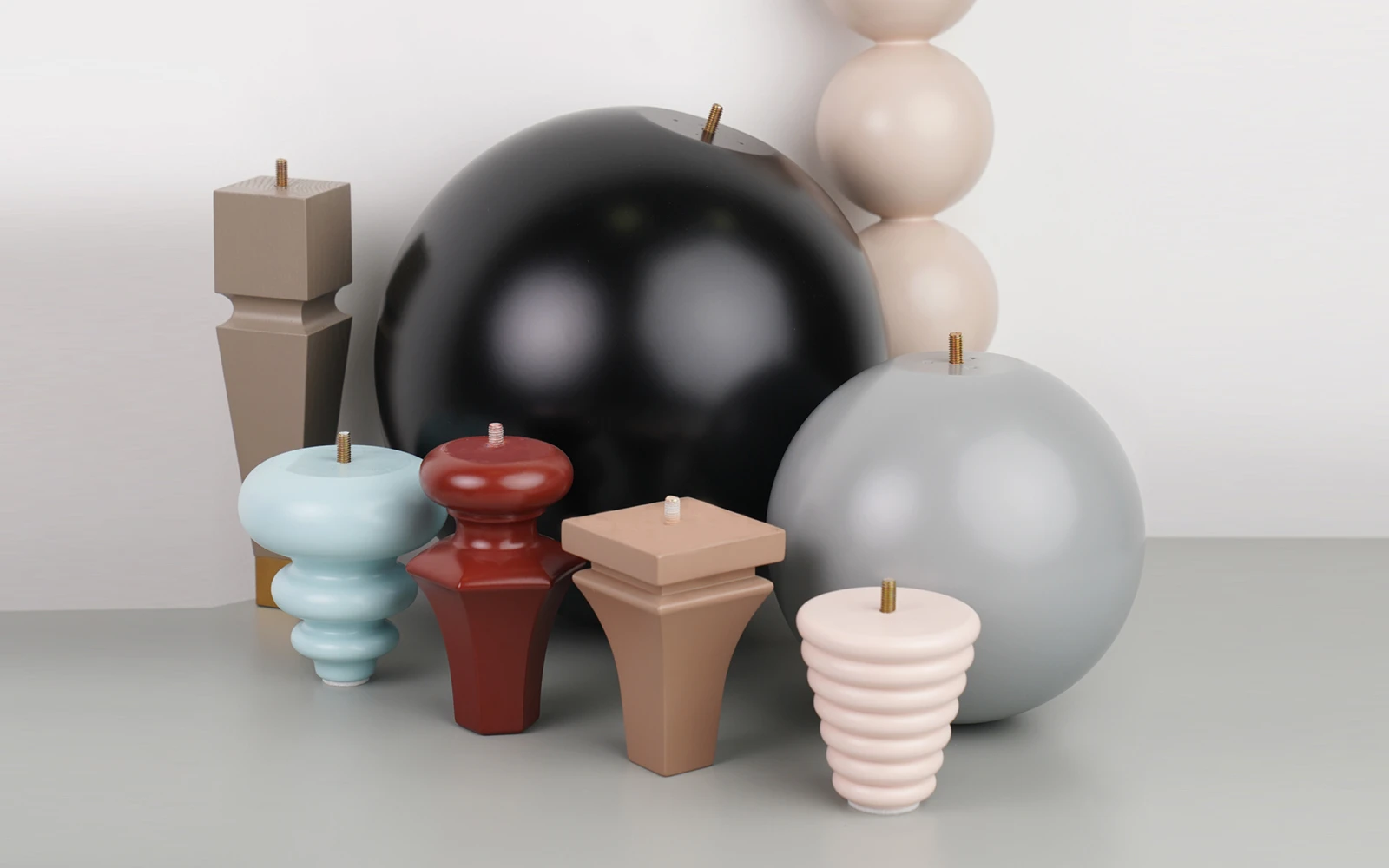
- Wooden furniture legs: when they are needed and what they provide
- When wooden legs are indispensable
- Wood species: what to choose
- Table legs: kitchen, dining, coffee
- Legs for kitchen table
- Legs for dining table
- Legs for coffee table
- Legs for sofa, armchairs and chairs: style, height, load
- Wooden legs for sofa
- Legs for chair and armchairs
- Tall legs and decorative supports: a special topic
- Tall legs: when it is justified
- Furniture support: types and purpose
- How to combine legs, handles, brackets and decorative overlays
- Wooden handle: leg extension
- Furniture and decorative bracket
- Decorative furniture overlays: final assembly
- Selecting furniture legs for different interior styles
- Classic: monumentality and dignity
- Neoclassical: rigor without coldness
- Modern classic: balance of two worlds
- Mistakes when choosing furniture legs in an interior with stucco
- Too thin legs next to large stucco
- Metal supports in a classic interior
- Different shades of wood in one room
- Legs don't match the handles
- Furniture supports are not connected to the baseboard
- Sofa, table, and chairs from different style universes
- Step-by-step strategy for selecting furniture legs to match an interior with stucco molding
- How to choose everything you need at STAVROS
- FAQ: Answers to Popular Questions
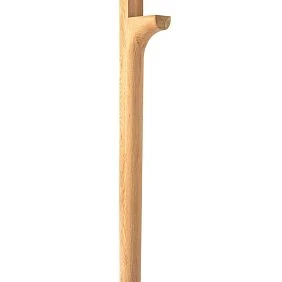
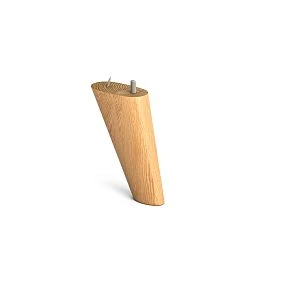
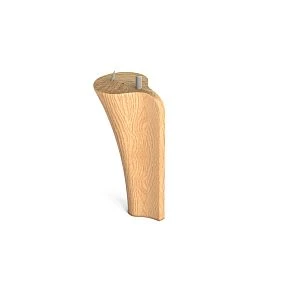
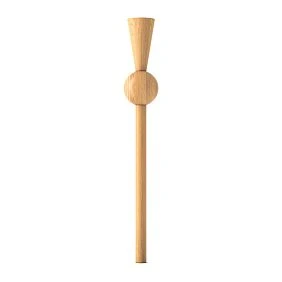
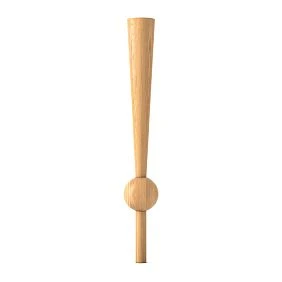
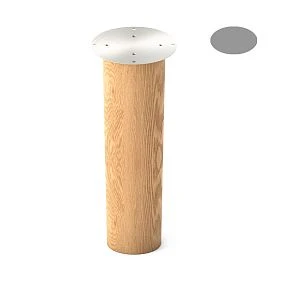
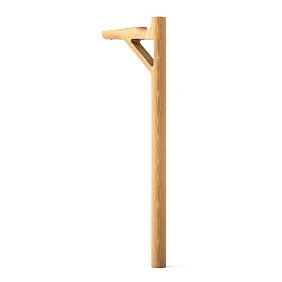
A leg is not a trifle. A leg is a style statement
There is one detail that most people notice last, but which ruins an interior first. It's the furniture leg. You bought a beautiful sofa—but it stands on black metal spikes that look like an industrial structure. You placed a chest of drawers next to the wall moldings—but its plastic supports make all the decor pointless. You chose a classic chandelier, wall frames, beautiful baseboards—and all of this coexists with a coffee table on square steel legs from IKEA.
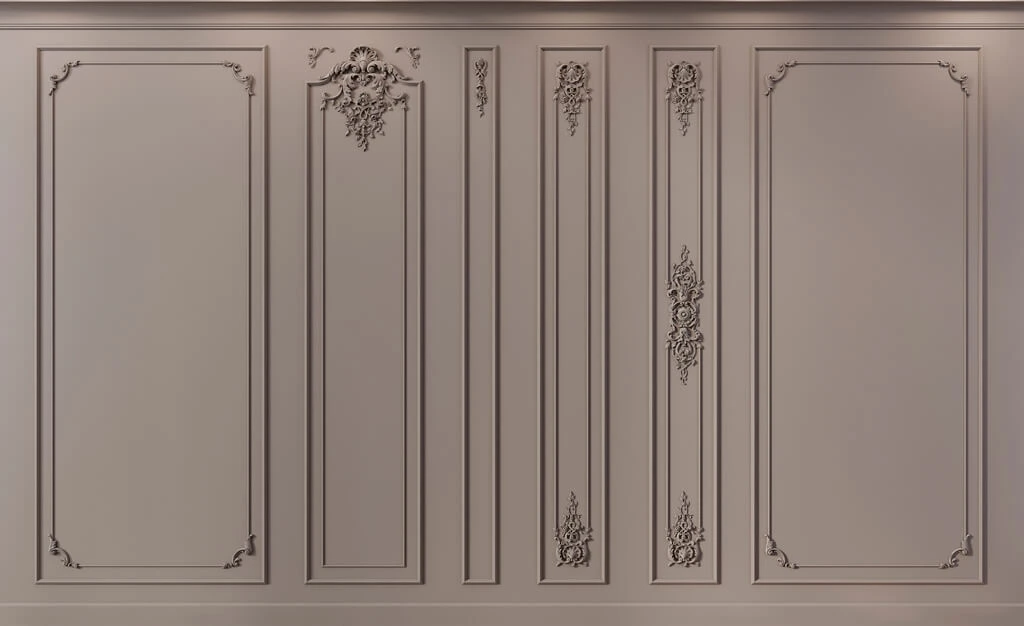
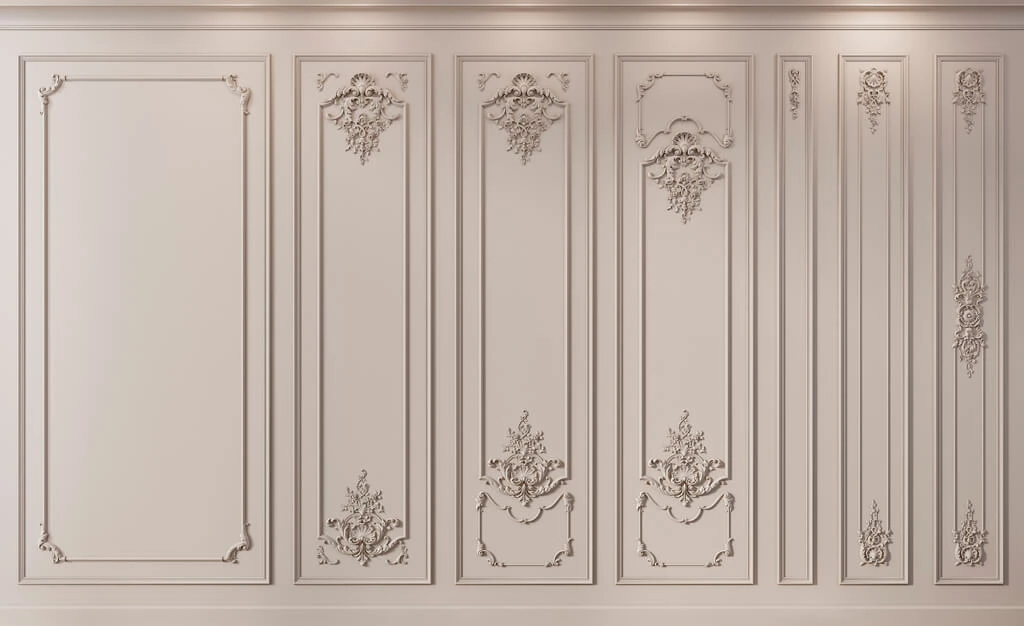
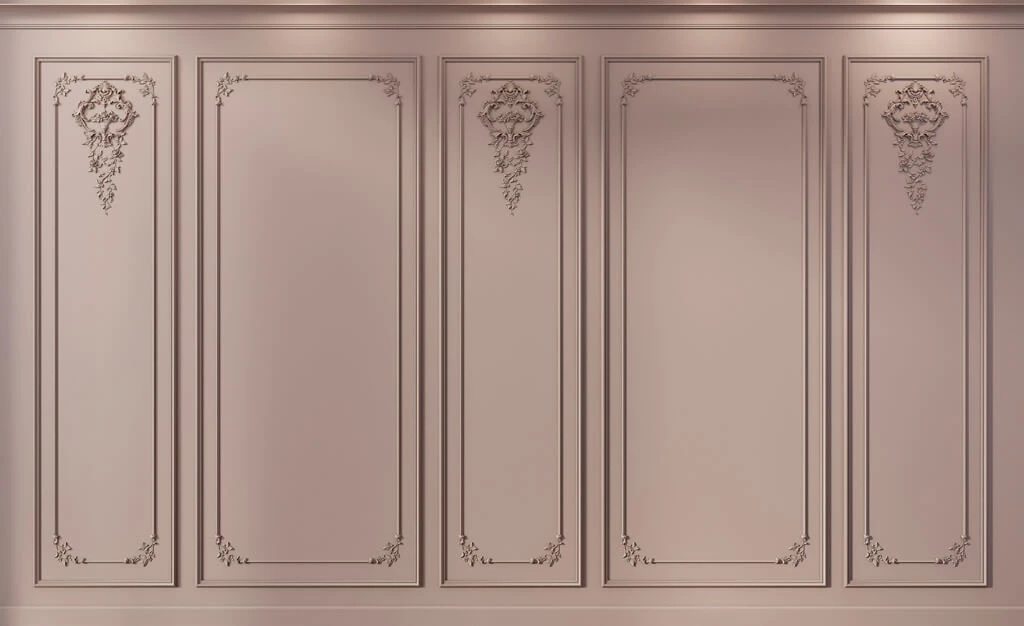
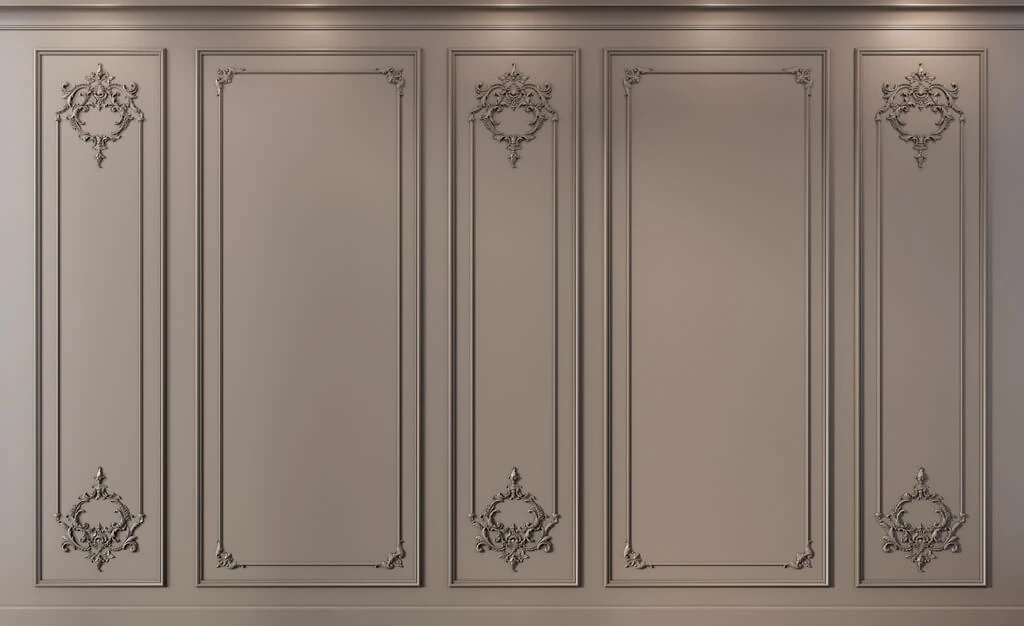
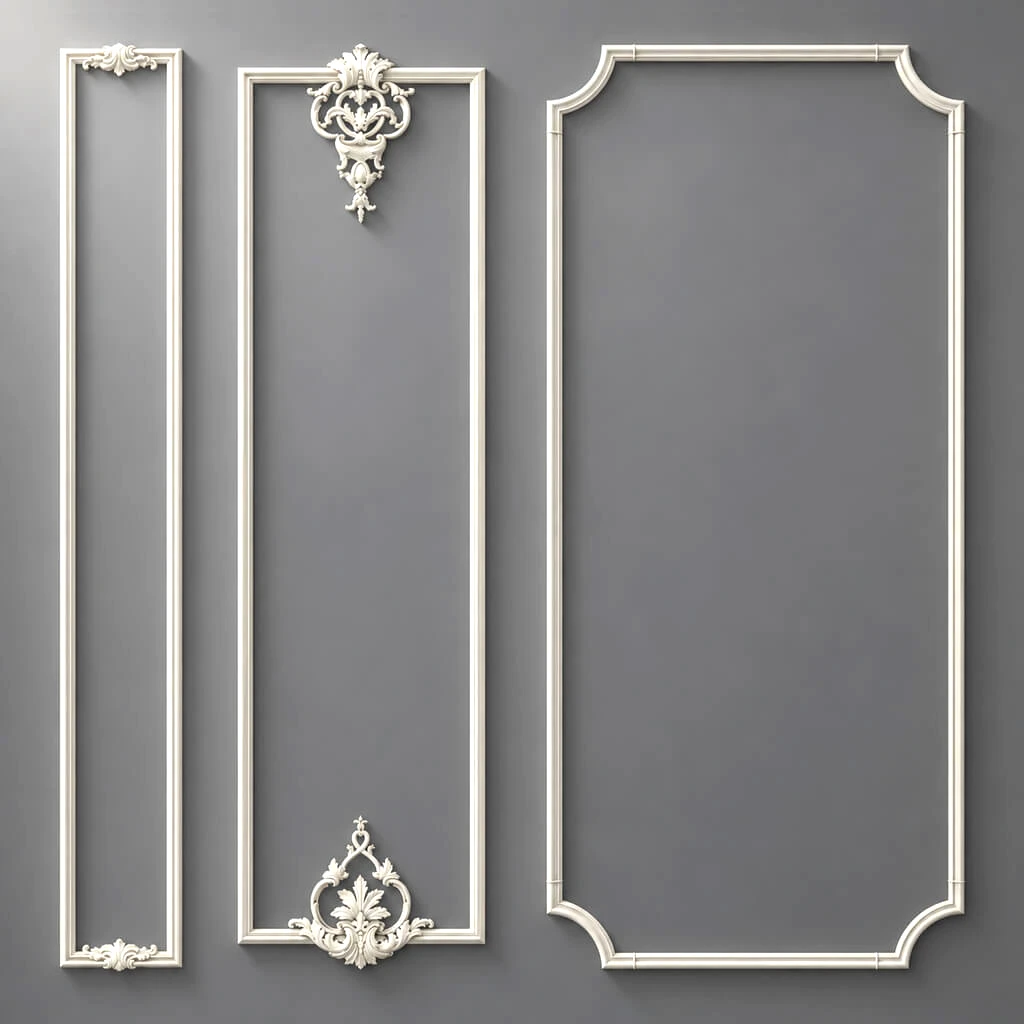
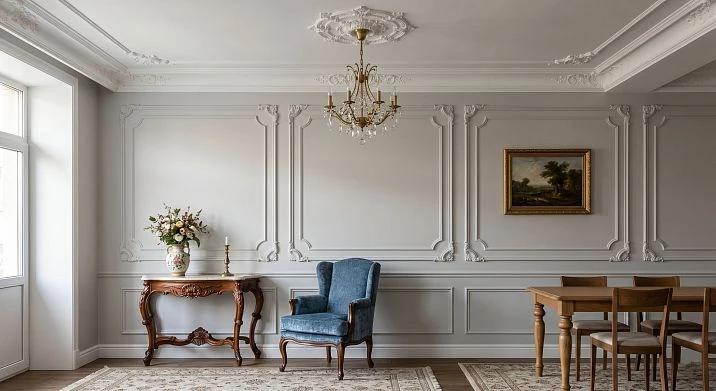
Polyurethane wall decor sets the architectural code for the interior: moldings create proportions, stucco creates classic plasticity, frames create symmetry. But this code only works if the furniture supports it. Wooden legs, decorative supports, furniture handles, and brackets are not accessories, but elements of a common system. And when they are chosen thoughtfully, the interior acquires that very quality for which people pay extra: a feeling of thoughtfulness, integrity, and expensive taste.
This is exactly what this article is about. Detailed, practical, without generalities.
Why furniture legs are important for an interior with stucco molding
When a designer works with a space, they think of it as a three-dimensional system. Walls are the vertical plane. Floor and ceiling are horizontal. Furniture is the volume that exists in this space. And if the vertical planes are decorated decorative molding — with moldings, stucco frames, cornices — the furniture must be organic to this context.
Furniture legs are the visual support of the volume. They determine how an object stands in the space: heavily, monumentally — or lightly, as if floating above the floor. A sofa on decorative wooden legs 12 cm high looks different than the same sofa lowered almost to the floor on low plastic glides. The difference is in the perceived weight, in the space under the furniture, in how the furniture "breathes" in the room.
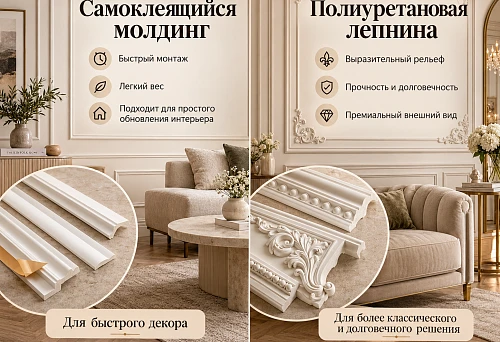
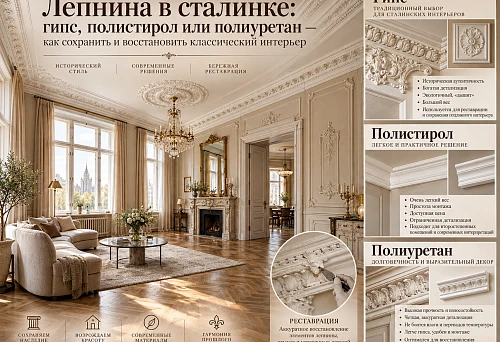
When the walls are decorated with polyurethane moldings — with molding frames, horizontal bands, classic cornices — furniture on random modern supports creates a stylistic rift. The decor on the walls speaks the language of classicism, the furniture speaks the language of office functionalism. Such an interior is irritating, and it's hard to call it beautiful, even if each element is of high quality on its own.
Our factory also produces:
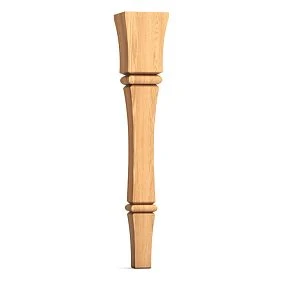
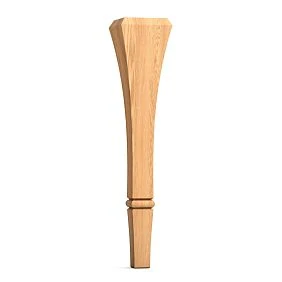
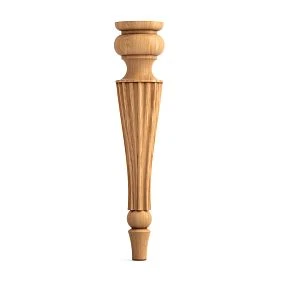
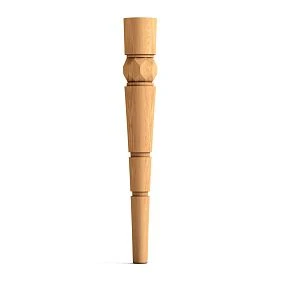
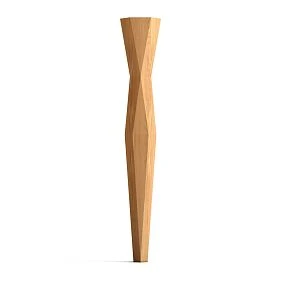
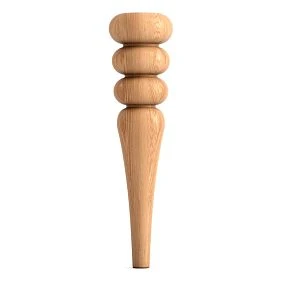

Furniture and decor as a unified system
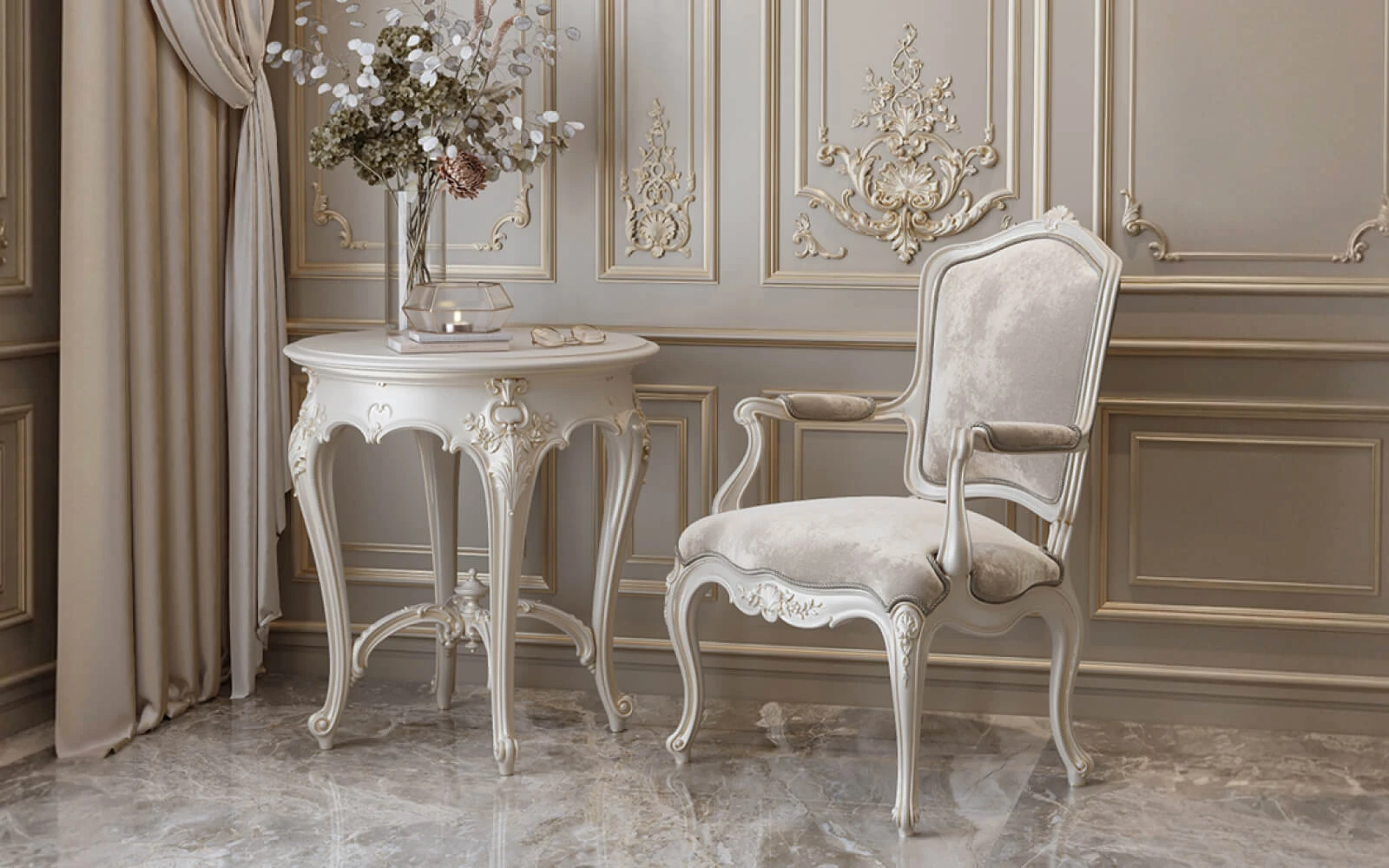
The goal of a well-designed interior is to create a system where all elements speak the same language. Wall decor Neoclassic on the walls, classic wooden legs on furniture, wooden baseboard, wooden frame for mirrors — this is a single story. Each element supports and reinforces the others.
That is why wooden furniture legs are not just supports under a tabletop or under a sofa cushion. They are the connecting link between furniture and interior, between volume and plane.
Get Consultation
How polyurethane wall decor sets the style of furniture
Before choosing legs and supports, you need to understand the character of the wall decor. This is the primary parameter. Everything else is built around it.
Scale of moldings and proportions of legs
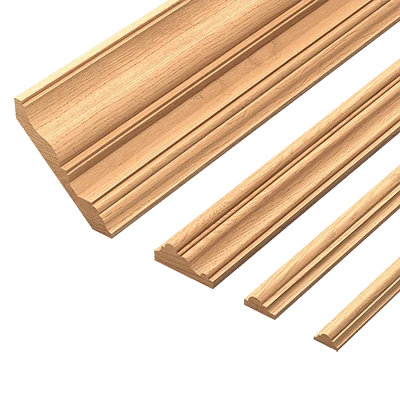
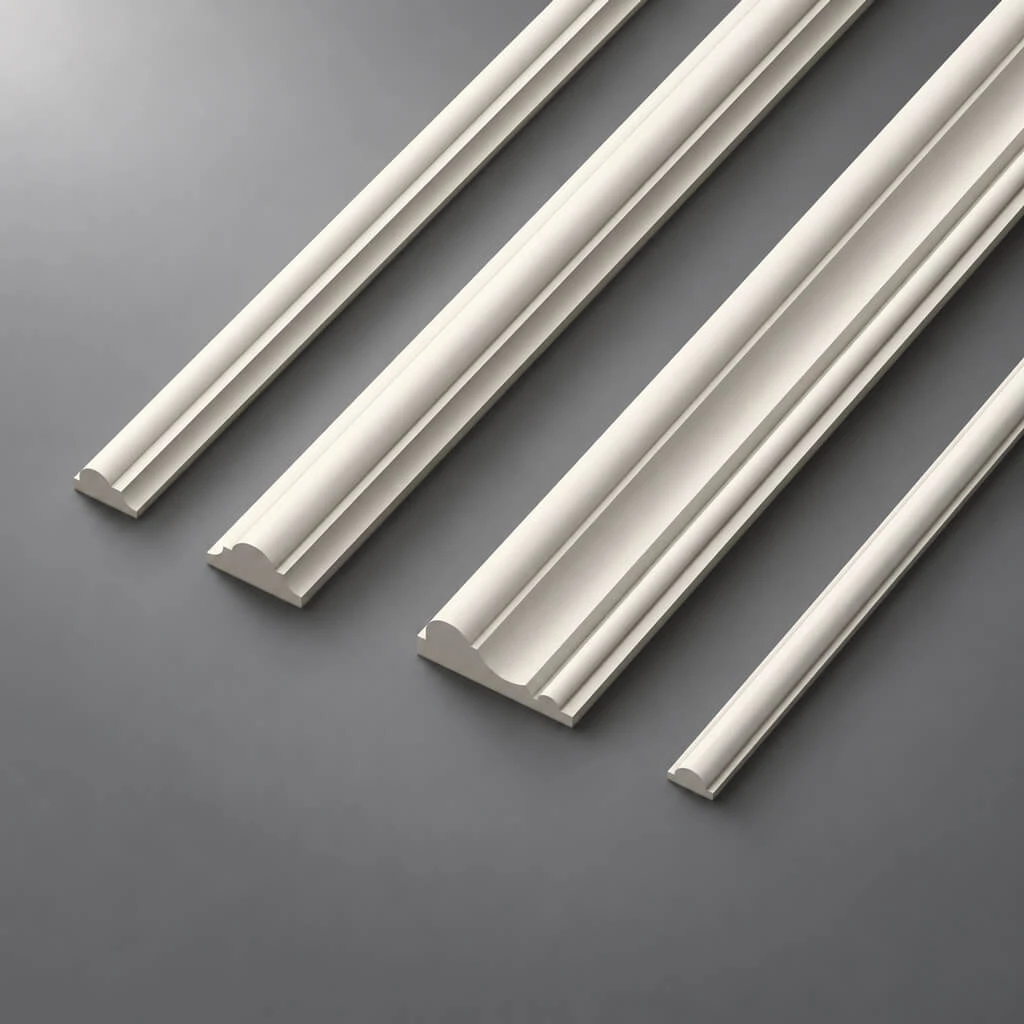
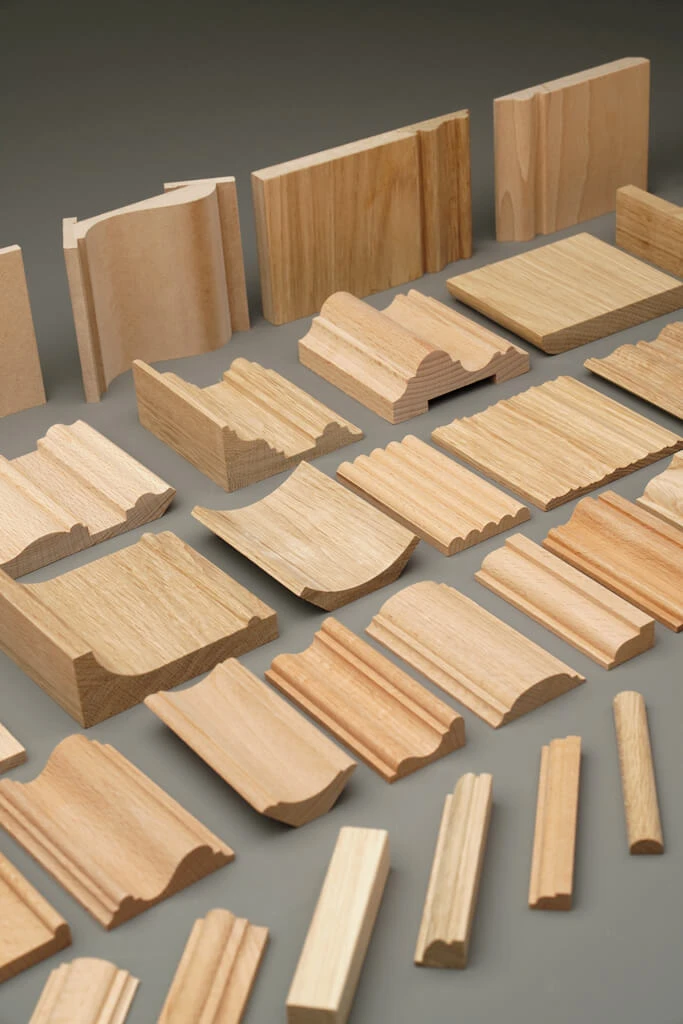
Moldings made of polyurethane come in different profiles — from thin 20 mm to massive 80–100 mm. The scale of the molding sets the scale of the entire decor in the room. Large moldings mean a large scale, which requires furniture decor of equal weight. Thin legs 30×30 mm next to massive frames look like an accidental mistake. Massive turned legs with ornamentation next to a thin neoclassical molding look like a bull in a china shop.
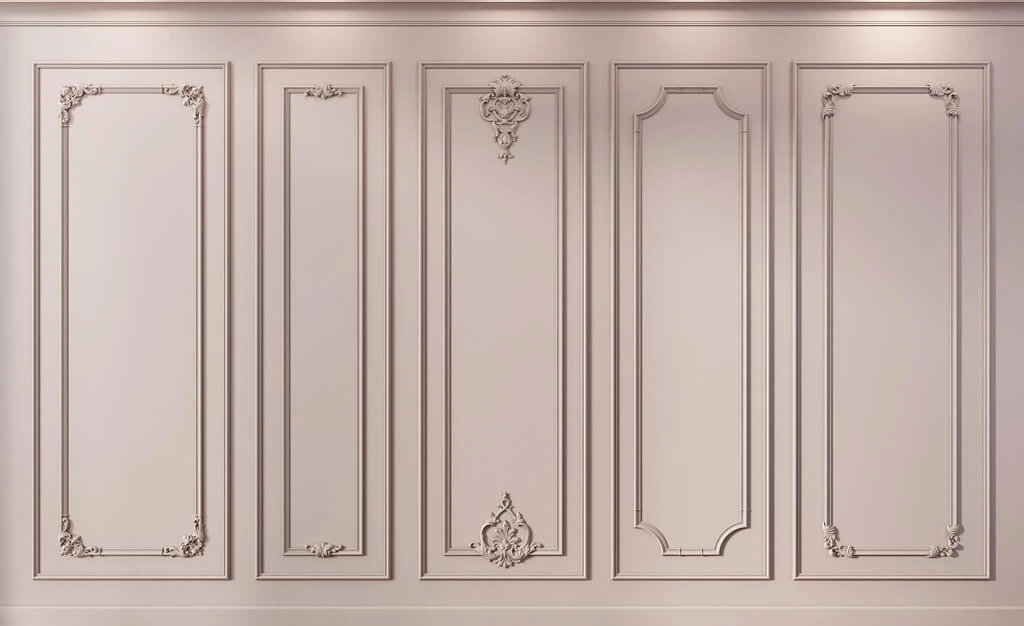
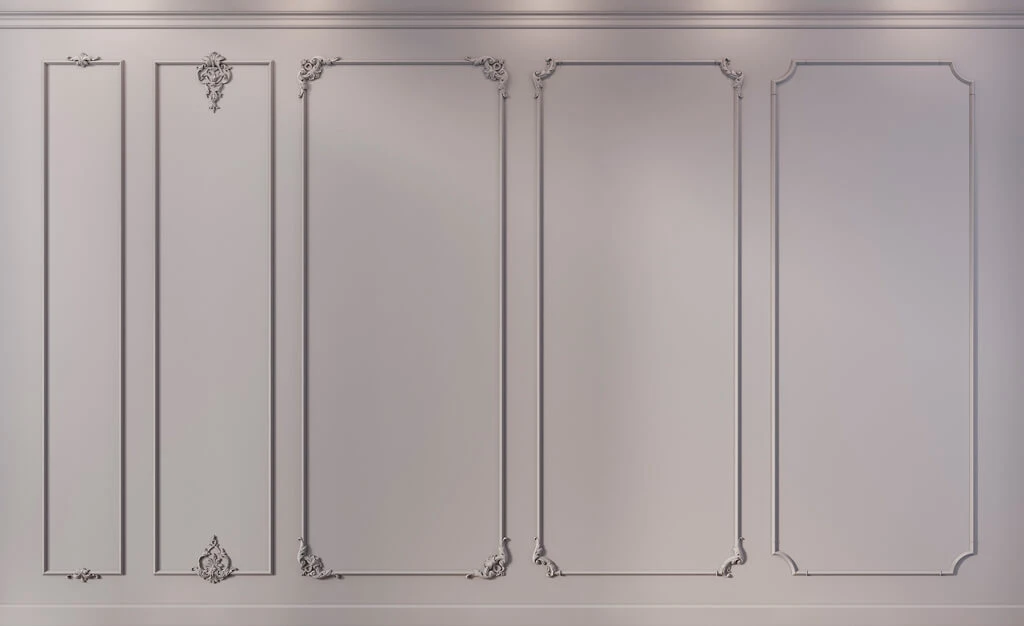
Rule: the width of the molding profile and the "visual weight" of the furniture leg should be proportionate. Delicate Neoclassic Light decor — delicate legs, strict and simple. Rich classic decor Versailles Light — legs with a more pronounced profile, possibly with a turned element.
Stucco sets expectations
When a person enters a room with stucco on walls — with molding frames, corner overlays, central medallions — he immediately forms an expectation. This is a classic or neoclassical interior. There should be corresponding furniture, corresponding fabrics, corresponding hardware.
If the furniture does not meet this expectation, cognitive discomfort arises. Not sharp, not obvious, but noticeable. "Something is wrong" — that's exactly how people without special design education describe it. Most often, "something is wrong" is the furniture legs. Or their absence.
Wooden furniture legs: when they are needed and what they provide
The answer is direct: wooden legs are needed in any interior where wood is present as a material and where furniture should support the style of the walls. But let's break it down more specifically.
When wooden legs are indispensable
The first case is a classic and neoclassical environment. If on the walls decorative wall molding, molding frames, profiled baseboard — furniture without wooden legs will look like an unfinished thought.
The second case is an interior with a wooden floor. Parquet, solid board, engineered oak board — all of this sets a wooden warmth from below. Wooden furniture legs become a continuation of this warm layer, rising from the floor to the furniture.
The third case is replacing standard factory supports. Most factory furniture comes with neutral or frankly boring legs. Replacing them with wooden decorative supports is the fastest and cheapest way to change the feel of the furniture without replacing it.
The fourth case is creating a sense of luxury. Wooden furniture legs made of oak or ash with proper tinting give the furniture status. The same sofa on wooden vase-shaped legs 15 cm high looks an order of magnitude more expensive than the same sofa on factory bolts.
Wood species: what to choose
-
Oak — dense, hard, with a pronounced texture. Suitable for furniture with load. Tint color — from light to dark. Looks rich and solid.
-
Ash — slightly lighter than oak, with a fine texture. Holds shape well when turned. Appropriate in neoclassical and modern classic styles.
-
Beech — homogeneous, takes paint well. More often used for legs to be painted.
-
Pine — a budget option for legs to be painted. Less dense, but quite functional.
-
Birch — similar in density to beech. Holds carving well when turned.
The choice of species depends on the load and whether the legs will be natural or painted. For tinting — oak or ash. For painting — beech or birch.
Table legs: for kitchen, dining, coffee tables
A table is the central piece of furniture in most rooms. In the living room — a coffee or dining table. In the kitchen — a kitchen table. In the study — a desk. And everywhere, the table legs are visible — they are not covered by upholstery, not hidden behind facades. They are in plain sight.
Legs for a kitchen table
The kitchen table operates under high load conditions: daily use, humidity, temperature changes. Here, the legs are subject not only to aesthetic but also functional requirements.
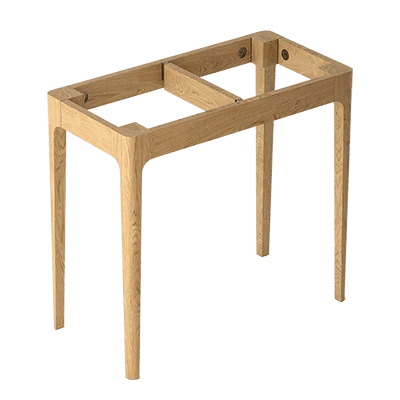
Buying wooden legs for a kitchen table means choosing a fairly dense species (oak, ash, larch) with moisture-resistant surface treatment. The coating is oil-wax or polyurethane varnish. The leg shape — straight with a chamfer or conical — is most often optimal for the kitchen: it is stable, easy to clean, and does not trap greasy splashes.
Cross-section of a kitchen table leg: 50×50 mm or 60×60 mm for a massive table, 40×40 mm for a lightweight one. Height: standard 71 cm from floor to top. If the tabletop is 3–4 cm, the leg is 67–68 cm.
In a kitchen with with polyurethane moldings on the walls or with molding elements, wooden kitchen table legs should support the overall theme: warm wood, coordinated tone, without metal or plastic.
Legs for a dining table
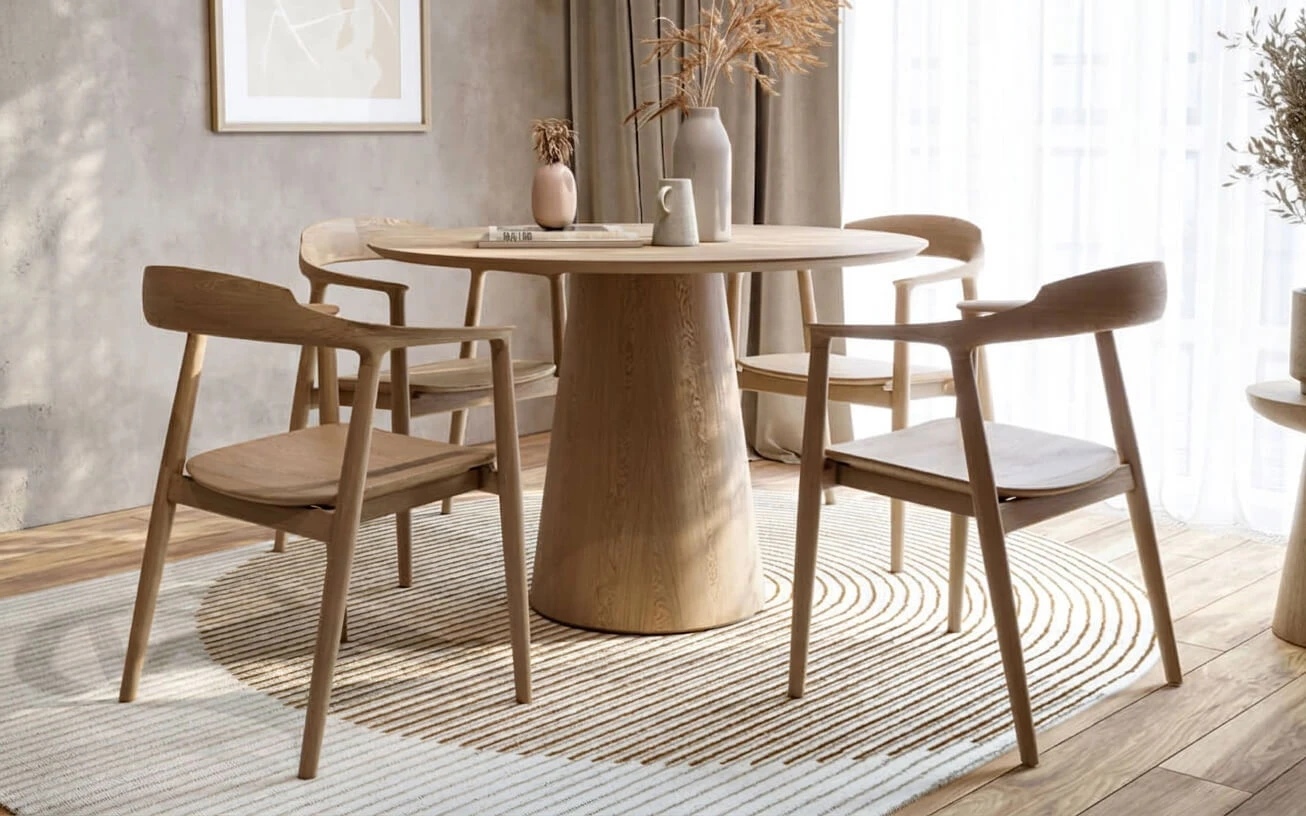
Legs for a dining table are pure aesthetics. The dining table stands in the living room or dining room, visible from all sides. Legs are chosen according to the interior style.
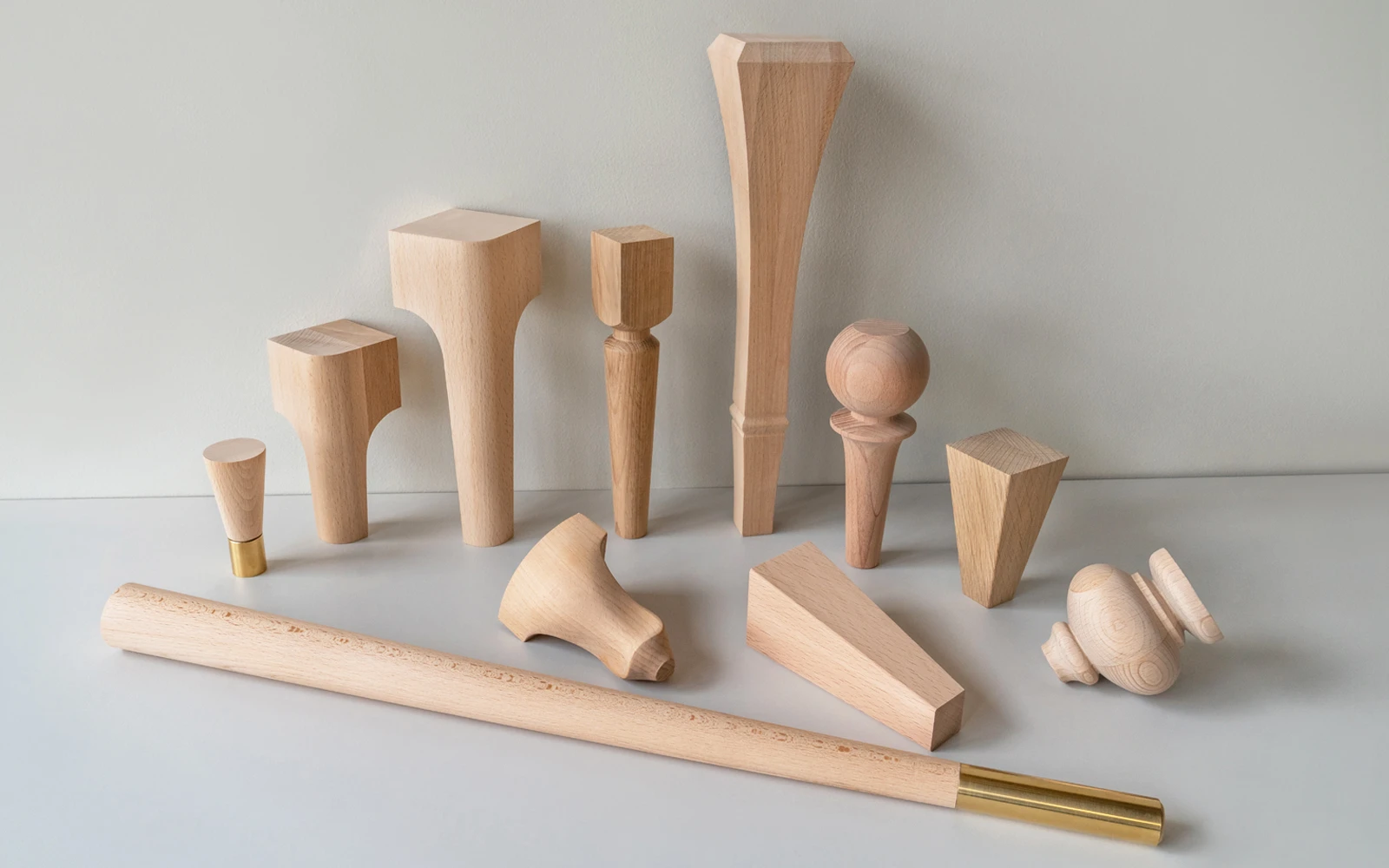
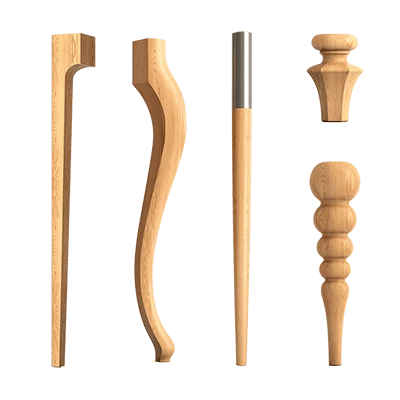
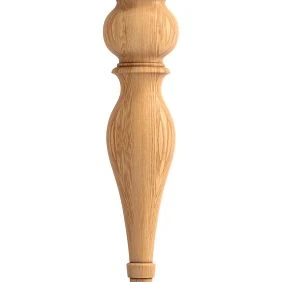
In a classic interior with wall decor Versailles Light — turned legs with a vase-shaped profile made of dark-tinted oak. This is the visual language of the 18th–19th centuries, which reads well next to ornamental stucco.
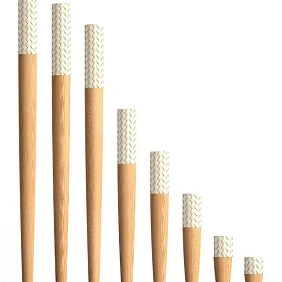
In a neoclassical interior — strict conical legs made of light wood. Without unnecessary ornament, but with the correct proportion: the base is wider than the top, the taper is smooth, not sharp.
In modern classics — legs with a minimal chamfer, straight, made of oak with gray or natural tinting. They suit laconic moldings. the Neoclassic collection.
Legs for a coffee table
Legs for a coffee table — the most decorative of the entire furniture group. The coffee table is low (usually 45–55 cm), stands in the center of the living room, visible from all sides and practically from below. Here, the legs are an accent, not a technical detail.
For a living room with molding frames and Neoclassic Light wall decor — legs for a coffee table made of oak with a thin turned detail in the middle. This is lightness plus a classic motif.
For a more strict classic interior — legs made of dark-toned wood, slightly tilted outward: a tilt angle of 3–5° creates stability and visual lightness simultaneously.
Wooden legs for tables can be combined with metal details — brass caps or metal bases — if metal is also present in other decor: in cabinet handles, in lamps, in brackets.
Legs for sofas, armchairs, and chairs: style, height, load
Wooden legs for a sofa
The sofa is the largest item in the living room. Its legs bear a heavy load and must look organic. Wooden sofa legs 10–15 cm high visually "lift" the sofa above the floor, making it appear light — even if the sofa itself is large and massive.
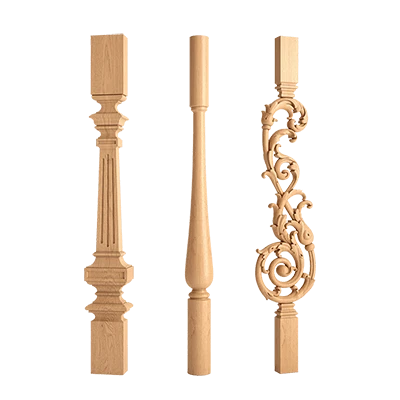
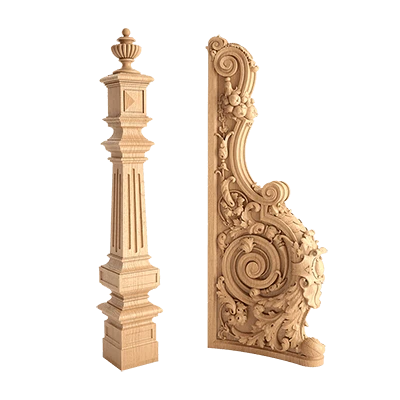
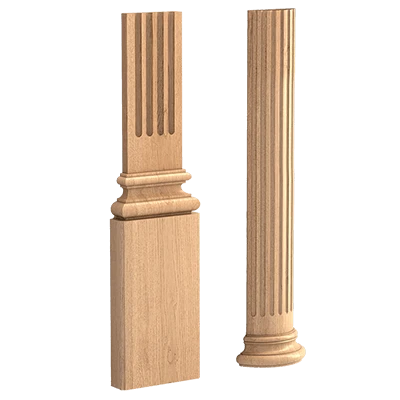
Vase-shaped wooden legs made of dark oak or walnut under a sofa with classic fabric upholstery are a classic combination that works flawlessly. The leg shape with a pronounced "waist" echoes the forms of classic columns and balusters — thus creating a visual rhyme with stucco on walls.
Technical requirements for sofa legs: load per leg — up to 80–100 kg when the sofa is fully occupied. Threaded mounting diameter: M8 or M10 — depending on the seat in the frame. Sofa leg height: 8–15 cm (optimally 10–12 cm for a standard living room).
Legs for chairs and armchairs
Legs for a chair in a classic interior are turned products with a pronounced profile. The back legs of a classic chair are usually slightly tilted back — this ensures stability and creates a characteristic silhouette. The front legs can be straight or tilted outward.
Buying wooden legs for chairs means ensuring that the mounting dimensions match your frame's standard, and that the wood species and tint tone are coordinated with other wooden elements in the room: table legs, cabinet handles, moldings, or baseboards.
Armchairs in a classic interior with decorative wall molding look best on wooden armrest frames — where the wood is exposed around the entire perimeter. If the armchair is fully upholstered, the legs take on all the decorative load — and must be appropriate.
High legs and decorative supports: a special topic
High legs: when they are justified
High furniture legs — from 20 to 40 cm — are used in several cases. First: consoles and chests of drawers in the hallway or living room that stand against the wall. High legs create space under the piece — baskets, boxes, and shoes are stored there. This is functional and visually light.
Second case: niches and accent positions. A cabinet on high legs next to a molding wall looks like an interior piece, not a storage unit. The space under it is "air" that the eye needs.
High furniture legs in a classic interior with polyurethane moldings should be turned — with a profile, with soft plasticity of form. Straight metal rods create an inappropriate industrial accent.
Furniture support: types and purpose
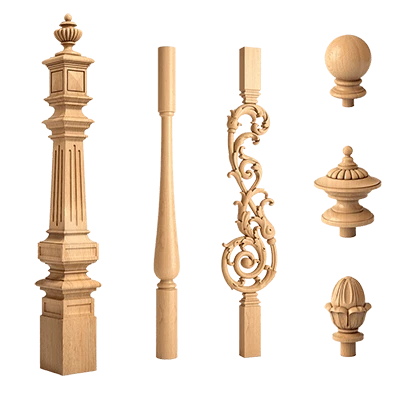
A furniture support is a broader concept than a "leg." A support includes a wide base or decorative structure that carries the piece. Decorative furniture support is often used for consoles, fireplace mantels, wall shelves, and window sills.
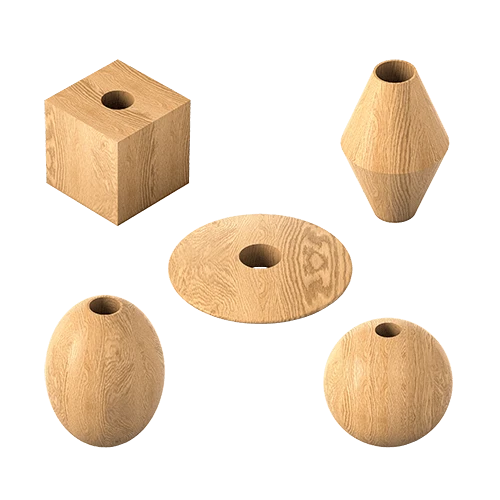
Round furniture support — a decorative element with a cylindrical profile, used under chests of drawers, cabinets, and small consoles. It gives the piece stability and decorative completeness at the same time.
You should buy furniture support from the same wood species as the other wooden details in the room. Or in the same tint — if the wood is different in species but close in color.
How to combine legs, handles, brackets, and decorative overlays
This is a central practical question. Because legs don't work alone. They only work in a system with handles, brackets, and decorative overlays.
Wooden handle: extension of the leg
A wooden handle on the facades of a cabinet, chest of drawers, or nightstand is a detail that should visually echo the legs. Not necessarily from the same wood species. The same tint tone is sufficient.
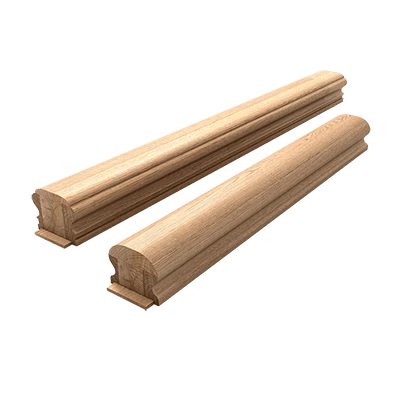
Buying wooden handles means choosing a shape. A wooden arch handle is a horizontal arc with two attachment points. It is suitable for cabinets and large drawers. A wooden knob handle is a round or angular knob with one attachment point. For nightstands, small drawers, children's furniture.
A wooden arch handle next to turned vase-shaped legs is a classic pair. Both parts have a rounded, "lively" shape that echoes the plasticity of stucco elements on the walls.
Furniture bracket and decorative
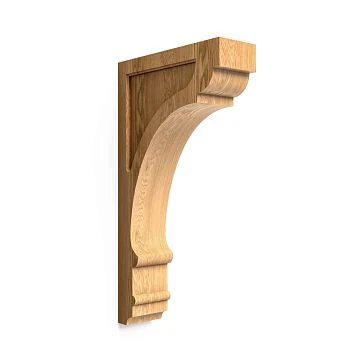
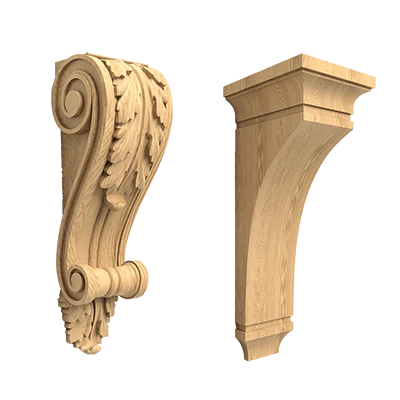
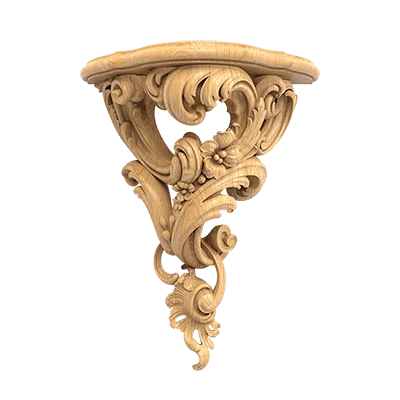
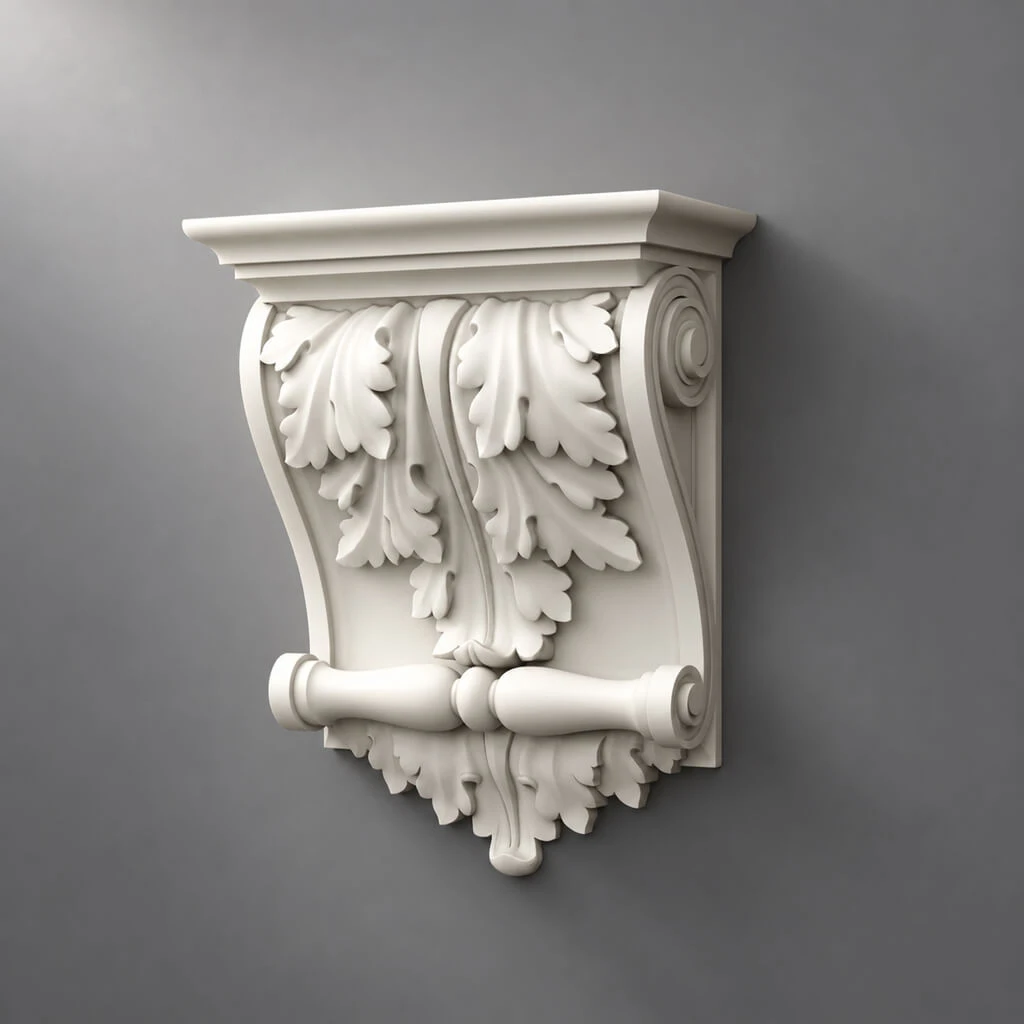
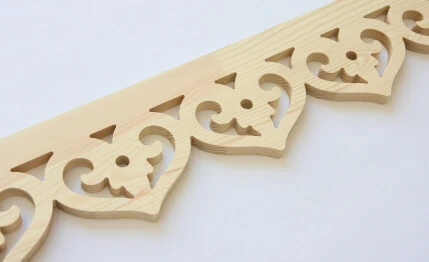
A decorative bracket is a support under a shelf, console, or mantelpiece that is visible from the outside. In a classic interior, the bracket is a decorative element: with a profile, with a curve, possibly with a light ornament.
Wooden furniture bracket under a shelf against the wall with decor for moldings — is a detail that connects the shelf to the wall. The bracket "enters" the wall next to the molding and visually becomes an extension of this decor.
A metal bracket — brass or with a bronze imitation — is suitable for interiors where metal is used as an accent material alongside wood. Here, consistency of the metal tone is important: a brass bracket and a brass handle are a thoughtful choice, not a coincidence.
Decorative furniture overlays: the final link
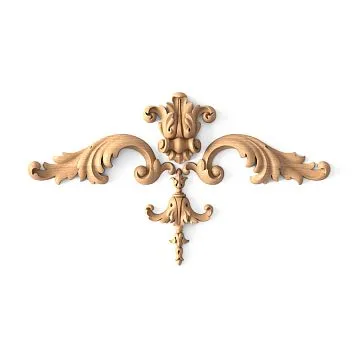
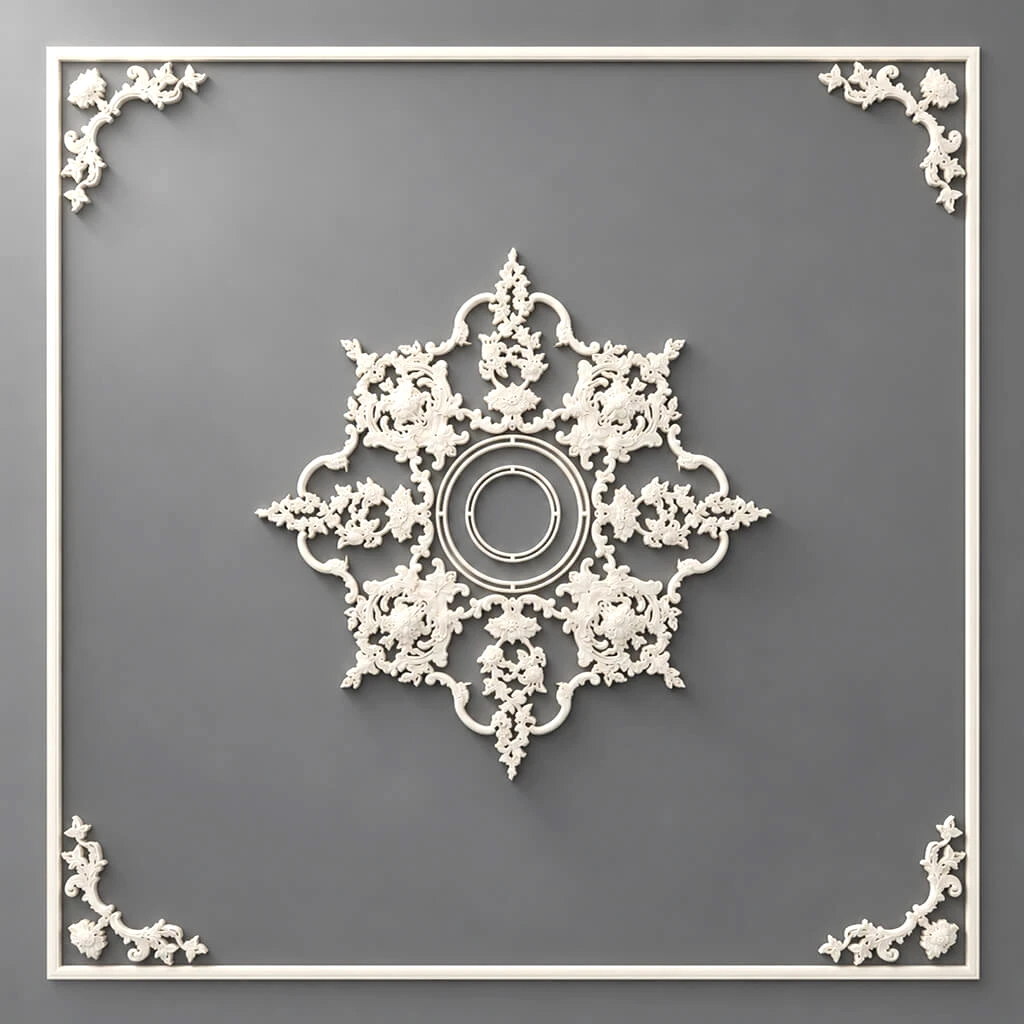
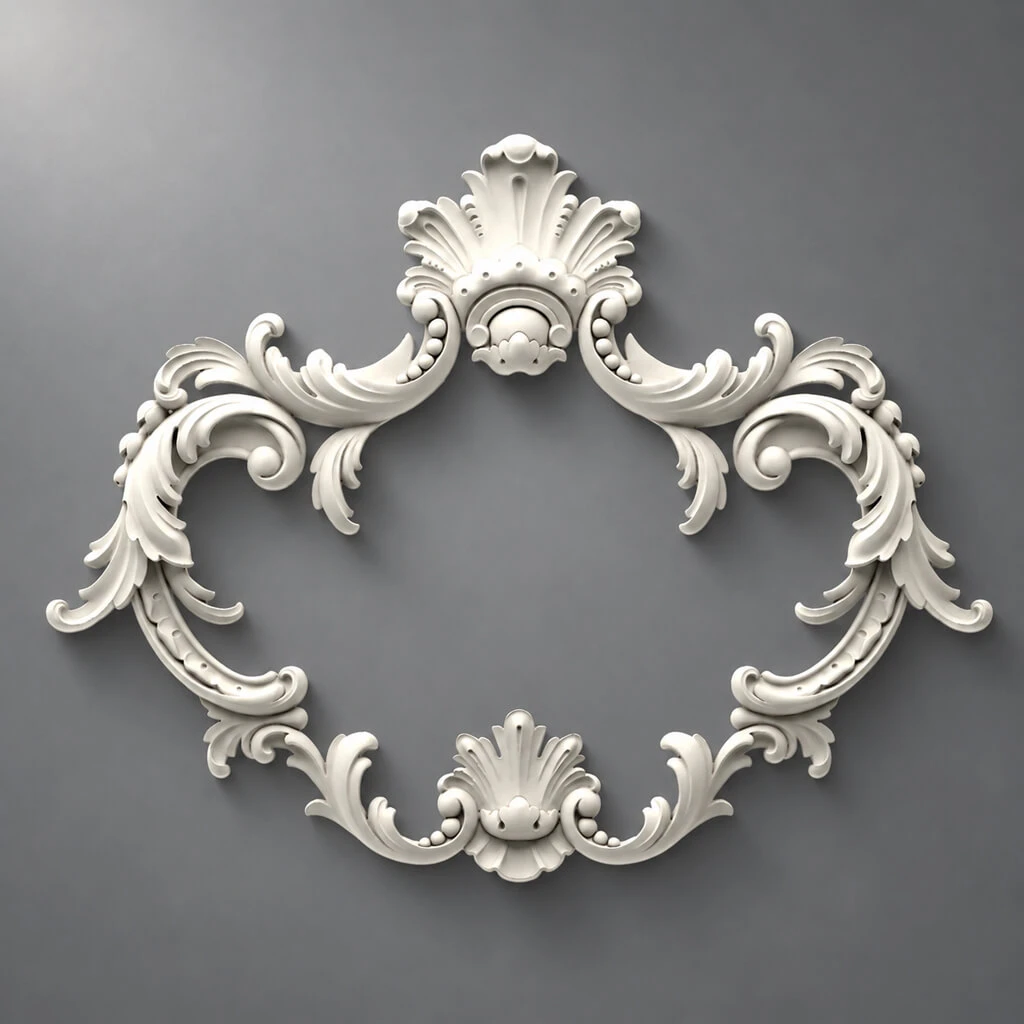
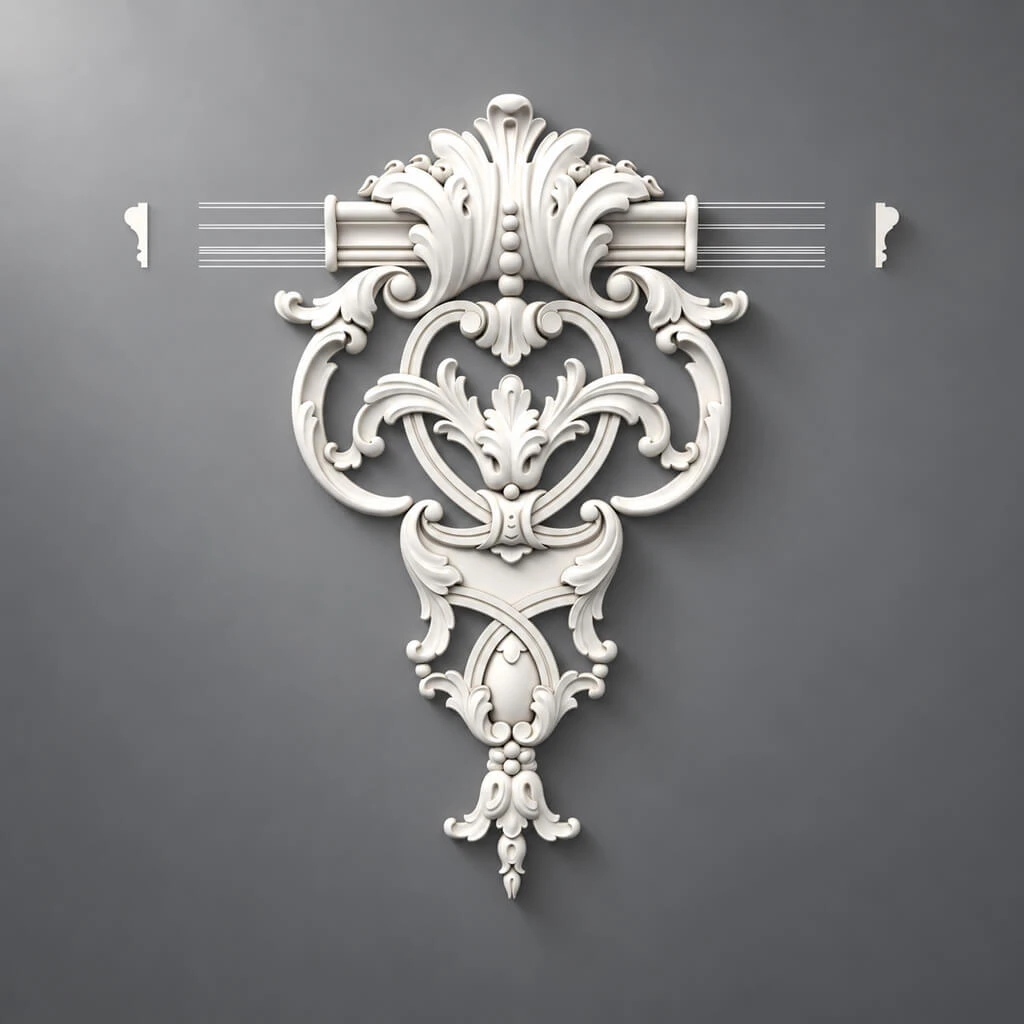
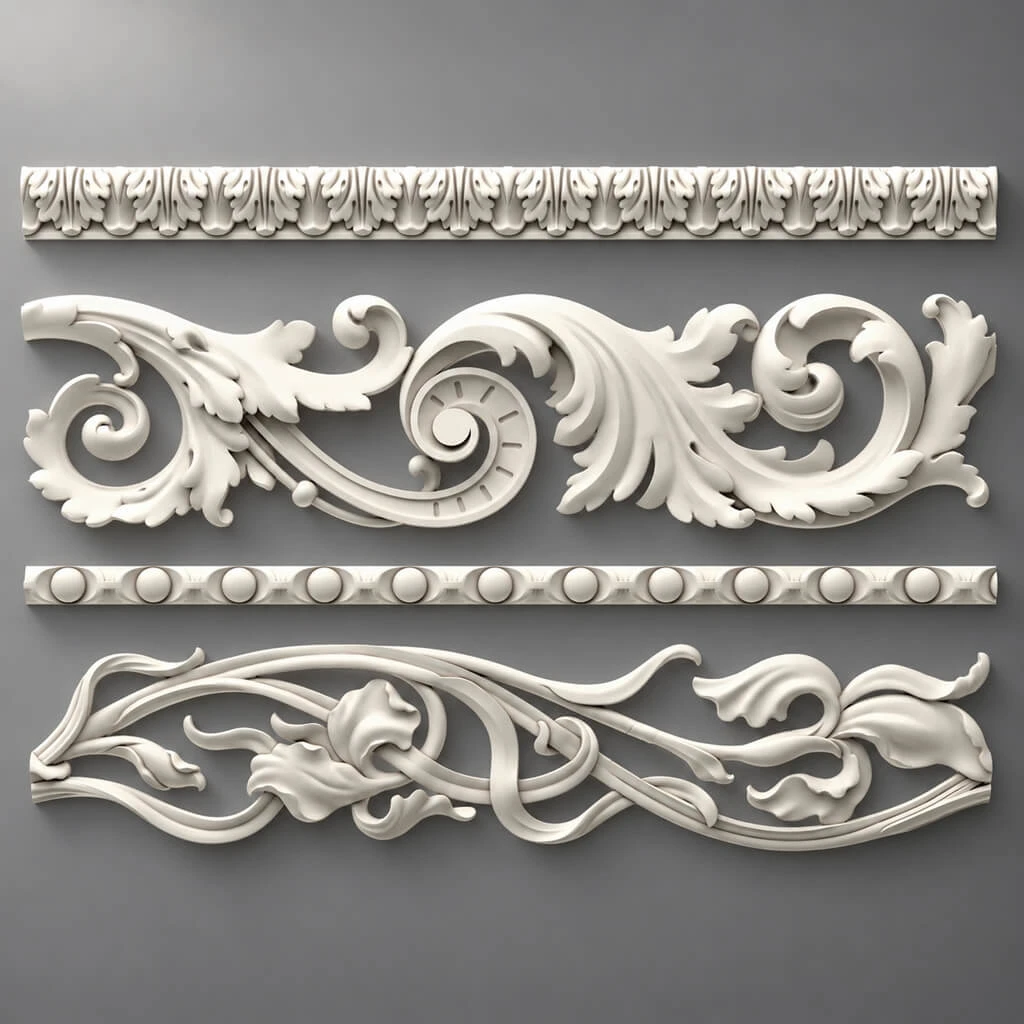
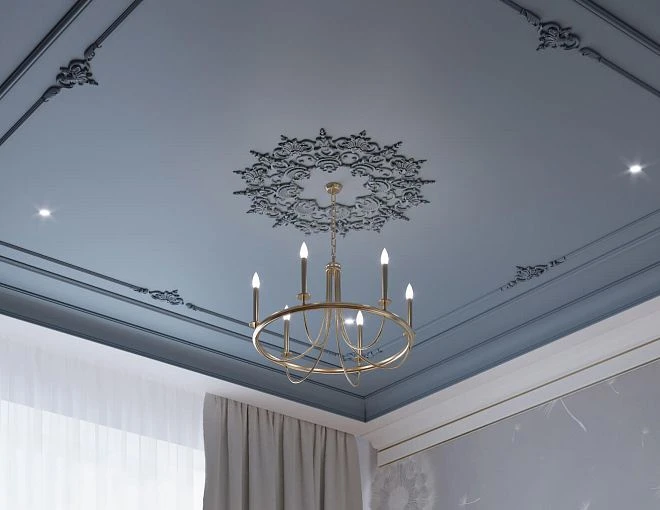
decorative elements for furniture made of polyurethane — these are overlay frames, corner elements, central medallions on facades. They allow transferring the plasticity of wall decor directly to furniture facades.
Buy decorative elements and glue them onto cabinet facades — this is the fastest way to turn an "ordinary cabinet" into "built-in furniture in a classic style." Polyurethane overlay frames on doors matching the tone of wall moldings create a sense of unified design — as if the cabinet was part of the project from the very beginning.
Selecting furniture legs for different interior styles
| Interior style | Which legs will suit | Which wall decor to combine |
|---|---|---|
| Classic | Figurative turned legs with ornament, dark oak | Versailles Light, molding frames, stucco |
| Neoclassical | Strict conical legs, light oak | Neoclassicalcalm moldings |
| Modern Classic | Straight legs with chamfer, neutral tone | Neoclassic Lightconcise decor |
| Suburban house | Massive wooden legs, natural texture | Stucco molding, wide baseboard, cornice |
| Office | Dark tone legs with profile | Horizontal molding panels |
| Children's room | Rounded safe legs | Delicate wall decor |
Classic: monumentality and dignity
Classic furniture on carved wooden legs next to polyurethane moldings on the walls — this is an interior where every detail has weight and meaning. The production of classic furniture on wooden legs involves turned elements with a soft vase-shaped profile. It is these legs that work in tandem with ornamental stucco molding, massive cornices, and rich baseboards.
Dark classic furniture made of oak or walnut on legs of the same tone is elegant monochrome. The furniture "blends" into the tone of the walls or floor, creating depth in the space.
Neoclassicism: rigor without coldness
Furniture in a classic interior style — in its neoclassical version — implies more restrained legs. Conical, straight, without excessive ornament. Made of light oak or ash — for an airy, light interior. Next to moldings Neoclassical this creates a precise stylistic balance: architectural clarity plus the warmth of wood.
Light-colored classic-style living room furniture is a popular request. Light wood legs, light upholstery, moldings in the wall color — an interior without dark accents, where the feeling of lightness is created through form, not through color.
Modern classic: a balance of two worlds
Modern classic furniture is furniture that uses classic forms in a contemporary interpretation. The legs here are simple, but with a hint of classicism: a slight curve, a light chamfer, fine turning. Without heavy ornament, but also without the aggressive geometry of minimalism.
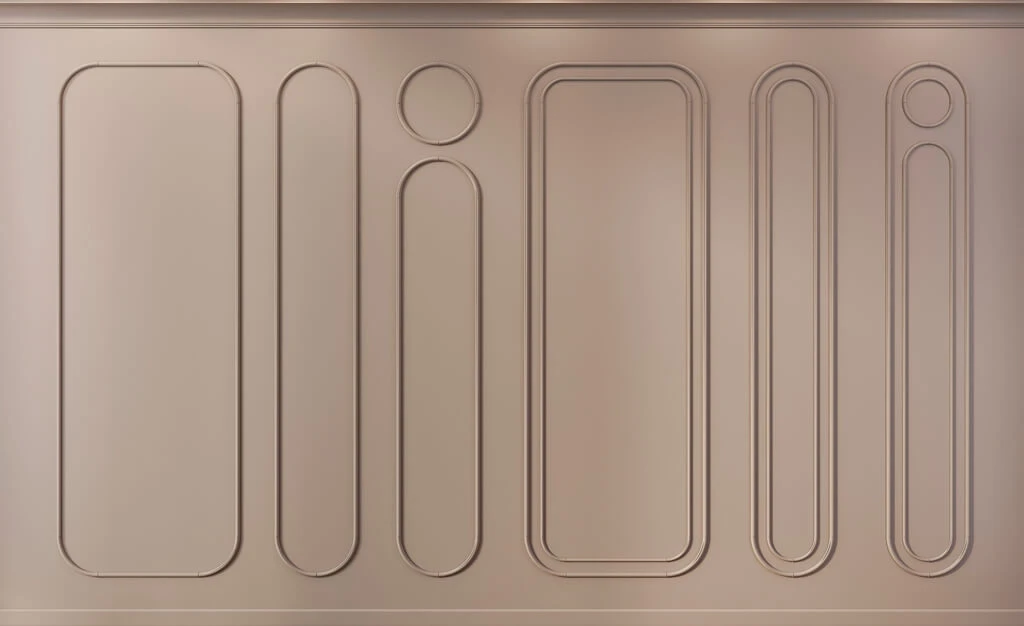
Classic furniture for a living room in an apartment with modern renovation — this is exactly the request that most often implies modern classics. Molding frames Neoclassic Light on the walls + furniture on strict wooden legs of a neutral tone = a balanced, modern, beautiful interior.
Mistakes when choosing furniture legs in an interior with stucco
Too thin legs next to large stucco
Massive molding frames, wide cornice, expressive stucco — and thin 20-millimeter legs on the sofa. This is a large-scale conflict. Large decor requires proportionate supports.
Metal supports in a classic interior
Chrome or matte black metal legs in an interior with classic stucco — this is a stylistic break. Metal is appropriate in a modern interior, in a loft, in minimalism. In a classic one — only as an accent detail: a brass cap, gilded fittings, but not as the main support.
Different shades of wood in one room
Three pieces of furniture in three different wood tones: some legs are reddish, others dark brown, others grayish-gray. In one room, this is chaos. Maximum two tones: main and accent. Or one tone — then no item stands out.
Legs do not match the handles
Dark sofa legs and light dresser handles on the same wall are a mismatch. Wooden furniture parts should be in the same tonal group. If the legs are dark oak, the handles should also be dark oak or in the same tone.
Furniture supports are not connected to the baseboard
A dark wooden baseboard and light furniture legs create a conflict at the lower level. The baseboard is the "frame" of the floor. Furniture legs stand on the floor. The tone of the legs should support or continue the tone of the baseboard, not argue with it.
Proper installation of the polyurethane molding and the right choice of baseboard are the foundation on which the entire wooden system of the interior rests.
Sofa, table, and chairs from different style universes
A neoclassical sofa on elegant turned legs. A loft-style dining table on metal trestles. Scandinavian minimalist chairs. All of this in one room with stucco on the walls. Result: an interior chaos where it's impossible to find logic.
Classic wooden furniture means all items in the room speak the same language. Legs, handles, supports, brackets — all are one dialect of one language.
Step-by-step strategy for selecting furniture legs for an interior with stucco
Practical guide for those who want results:
Step 1. Determine the style of wall decor. Classic, neoclassical, modern classic — each has its own legs.
Step 2. Set the tone of wooden details in the room: floor, baseboard, doors, possibly — baguette. The legs should fit into this tonal system.
Step 3. Determine the "visual weight" of the moldings. Large moldings — more expressive legs. Thin ones — delicate.
Step 4. Choose the leg shape: turned classic, conical strict, straight with chamfer, vase-shaped, slanted.
Step 5. Coordinate the legs with handles and brackets. One tonal group — one style.
Step 6. Select decorative inlays for furniture — if the facades require decorative styling in the style of wall moldings.
Technical details for installing stucco on walls — in the practical guide to installing polyurethane stucco.
How to choose everything you need at STAVROS
STAVROS is a manufacturer of polyurethane decor made from European raw materials. Product density is 150–420 kg/m³, precise profile, stable dimensions, perfect adhesion to paints. The catalog covers everything needed to create a unified decorative system of "walls + furniture."
In the STAVROS catalog for solving the task described in this article:
-
Polyurethane wall decor — 15 collections for classic, neoclassical, modern interior, Japandi
-
moldings, cornices, and baseboards — a wide selection of profiles for any room
-
Polyurethane moldings — ceiling rosettes, corner elements, transition trims
-
Decor for Molding — corner and center overlays to enhance frame decor
-
Overlay decorative elements for furniture — for transferring the plasticity of wall decor to furniture facades
STAVROS is not just a decor store. It is a manufacturer that thinks of the interior as a system. Free consultation on selecting elements for a specific project. Own production. Contact us to confirm shipping to your destination. Working with designers, architects, and private clients.
If you want furniture legs, wall decor, moldings, and all details to work as a unified interior, STAVROS will help you build it. This is where real design begins.
FAQ: Answers to popular questions
How to choose furniture legs for an interior with stucco?
Focus on the scale of the moldings and the style of the decor. Large ornamental stucco — expressive turned legs made of dark oak. Delicate neoclassical decor — strict conical legs made of light ash. The tone of the wood should match the baseboard, doors, and floor.
Which legs are suitable for classic furniture?
Wooden turned legs with a vase-shaped or conical profile made of oak, ash, or beech. Dark tint for heavy classics, light tone for neoclassics. The shape of the leg should be "lively" — with curves, not geometrically rigid.
Can wooden legs be combined with polyurethane wall decor?
Yes, this is an ideal combination. Polyurethane wall decor sets the architecture of the walls in a classic or neoclassical style, and wooden legs continue this style in the furniture. The result is a cohesive, coordinated interior.
What to choose: furniture legs or decorative supports?
Legs are for furniture items with point supports (sofas, tables, chairs, chests of drawers). Supports are for items with a wider base or when additional stability is needed. Decorative supports are also used under consoles, shelves, and window sills.
Which legs to choose for a coffee table?
Wooden legs with a light turned profile, height 45–55 cm to the top. The tone should match the sofa and chair legs. In a classic interior — elegant vase-shaped legs. In neoclassics — strict conical legs.
How to combine wooden legs and wooden handles?
They should be in the same tonal group — not necessarily identical, but close in tone. A wooden bracket handle next to turned legs looks organic. A wooden button handle next to conical legs is also a good combination. The main thing: no detail should "fall out" of the overall tonal palette of the room.
What leg height to choose for a sofa?
Standard: 10–15 cm. For a classic interior with high ceilings — up to 15–18 cm, so the sofa doesn't look grounded. For small rooms with low ceilings — 8–10 cm: the sofa should not "eat up" the height of the space.