




























Article Contents:
- A small detail with a big personality
- Why furniture handles matter for interiors with stucco molding
- Hardware as a decorative code
- How polyurethane wall decor sets the style for furniture hardware
- Moldings set the scale
- Stucco creates character — hardware supports it
- Wooden handles as a connecting link
- Wooden handles: when they are definitely better than metal ones
- Five situations where a wooden handle wins
- Bail handle and knob handle: how they differ and how to choose
- Wooden bail handle: for large fronts
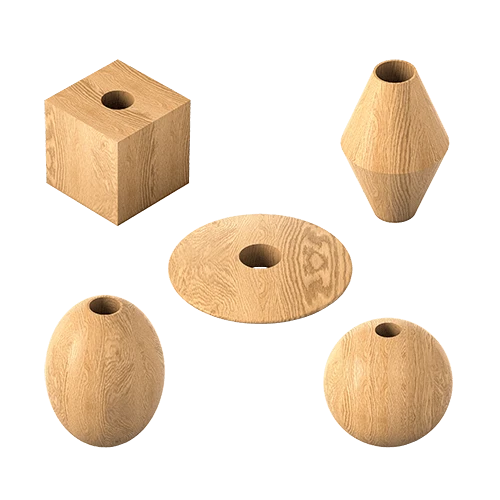
- Wooden knob handle: for a point accent
- When to choose what
- Handles for children's furniture: warmth, safety, and style
- Why wood is ideal for a children's room
- How to combine handles in a children's room with wall decor
- How to coordinate handles with fronts, layout, and glazing bead
- Wooden layout on the front and handles
- Wooden glazing bead and handles: a subtle interplay
- Decorative elements on the facade and hardware
- How to connect handles with legs, supports, and brackets
- Legs and handles: tonal connection
- Decorative bracket and handles: metal or wood?
- Furniture supports and hardware: a system from bottom to top
- Interior styles and rules for choosing wooden handles
- Classic: expressiveness in details
- Neoclassical: rigor without coldness
- Modern classic: balance without compromise
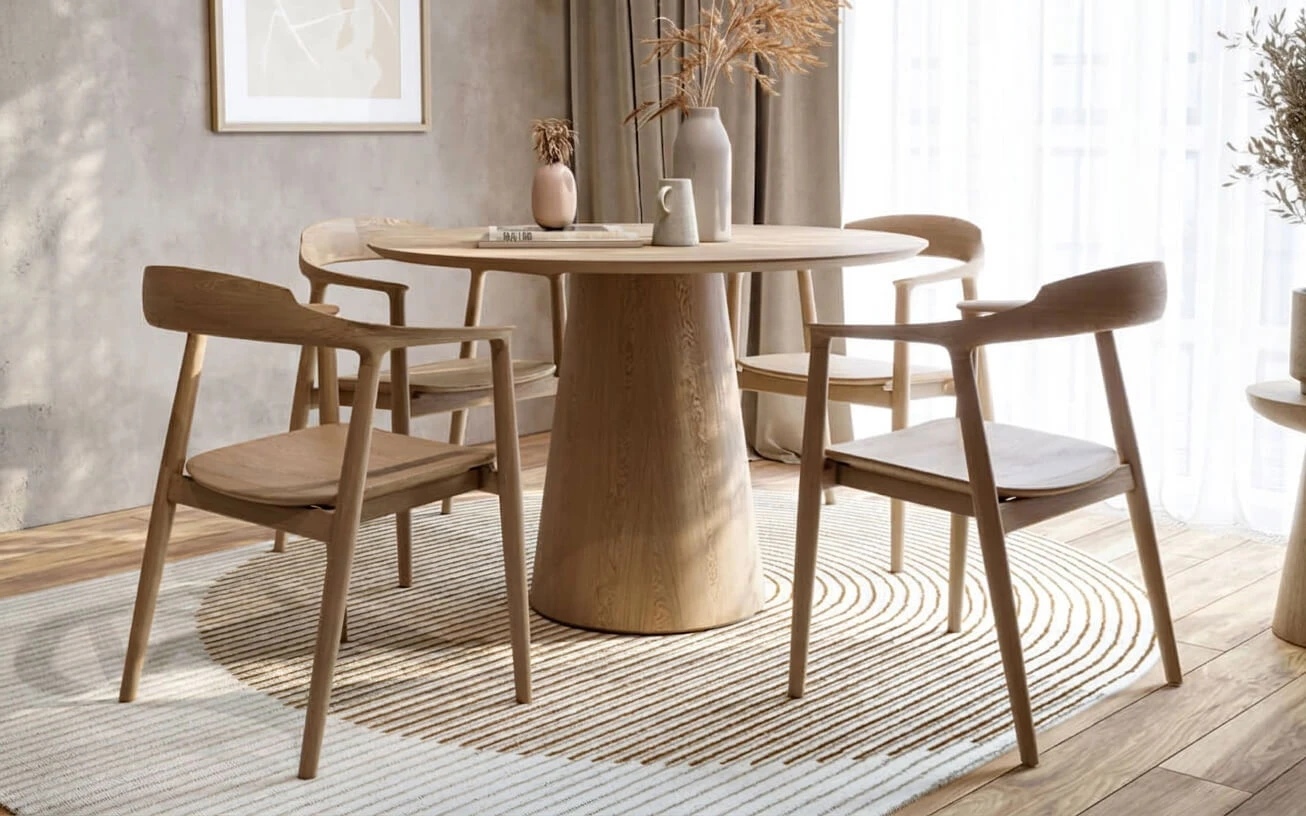
- Japandi: wood as a philosophy
- Technical parameters of wooden handles: what is important to know
- Center-to-Center Distance
- Diameter of the mounting hole
- Handle height above the surface
- Mistakes when choosing wooden handles for an interior with stucco
- Modern hardware in a classic interior
- Different handles in one room
- Handles too small for a large facade
- Handles clash with stucco
- Furniture decor is not related to wall decor
- Wood tone of handles does not match furniture tone
- How to build a wooden interior system through fittings
- How to choose everything you need at STAVROS
- FAQ: Answers to Popular Questions
A small detail with a big character
Open any wardrobe in a classic room with beautiful moldings on the walls. Look at the handle. A chrome arc with a cold shine. Or — even worse — a flesh-colored plastic button bought once "just to have something." The walls speak of taste, of style, of thoughtfulness. The handle is silent. Or — worse — speaks in the wrong direction.
It is this small inconsistency that destroys the interior quietly and methodically. Not a loud scandal, not an obvious conflict. Just something is off. The room is beautiful, but not cohesive. There is decor, but no unity.
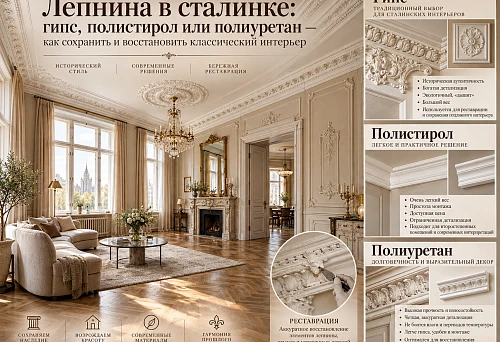
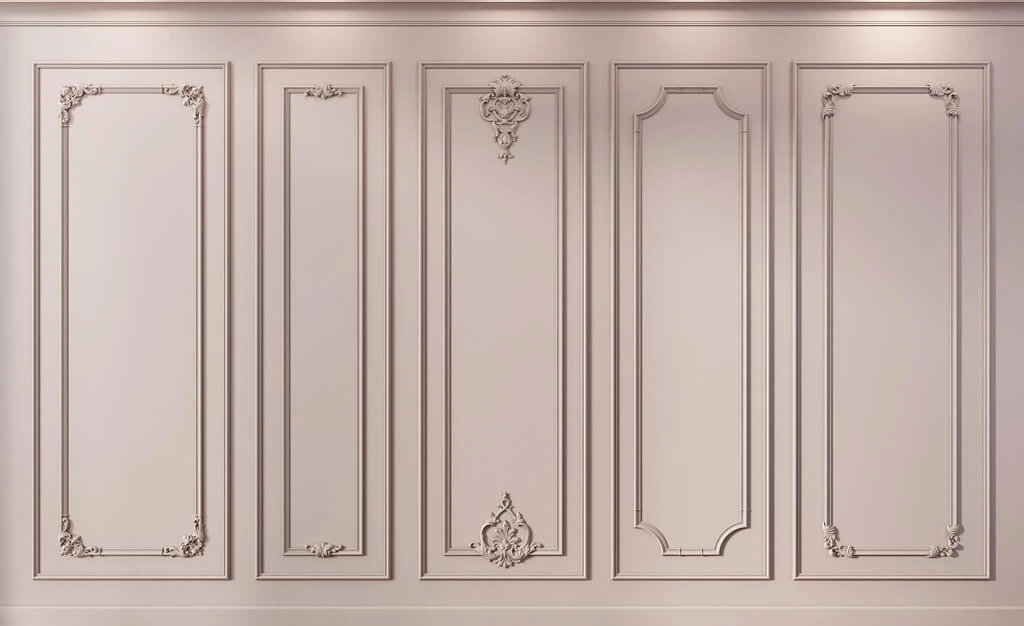
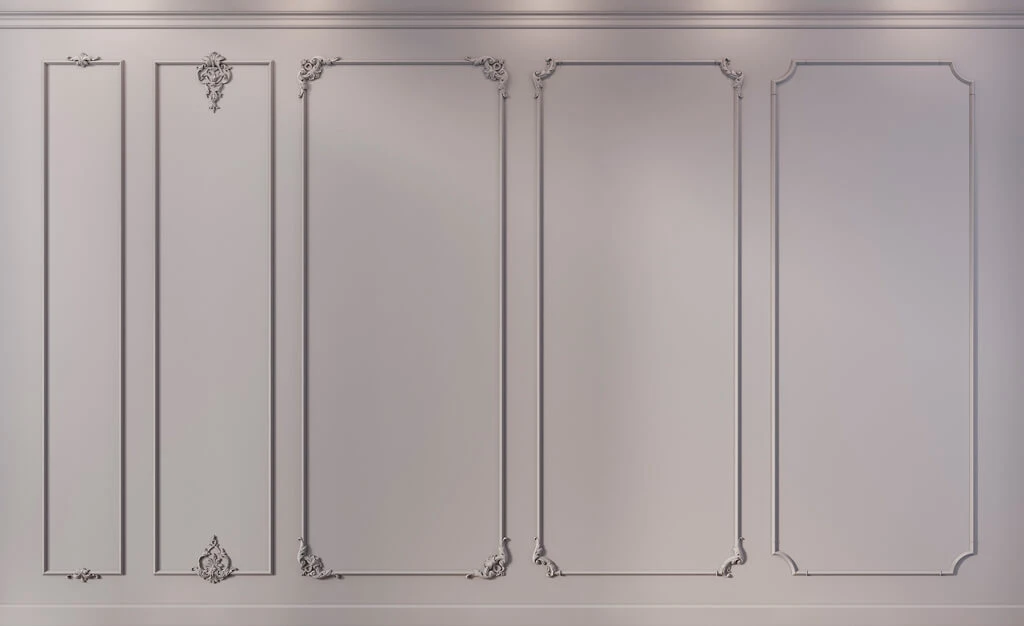
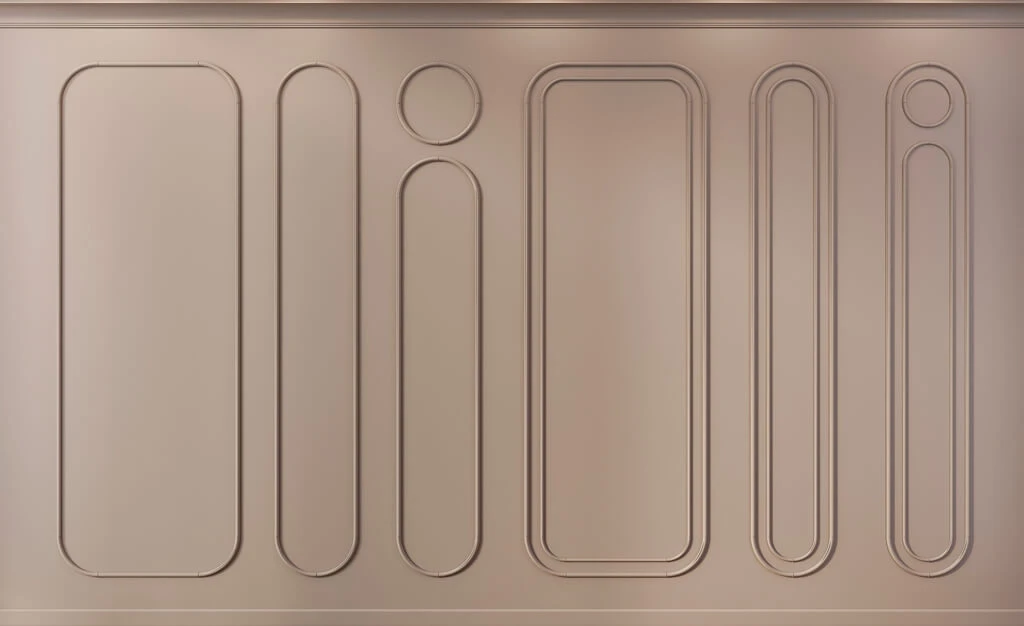
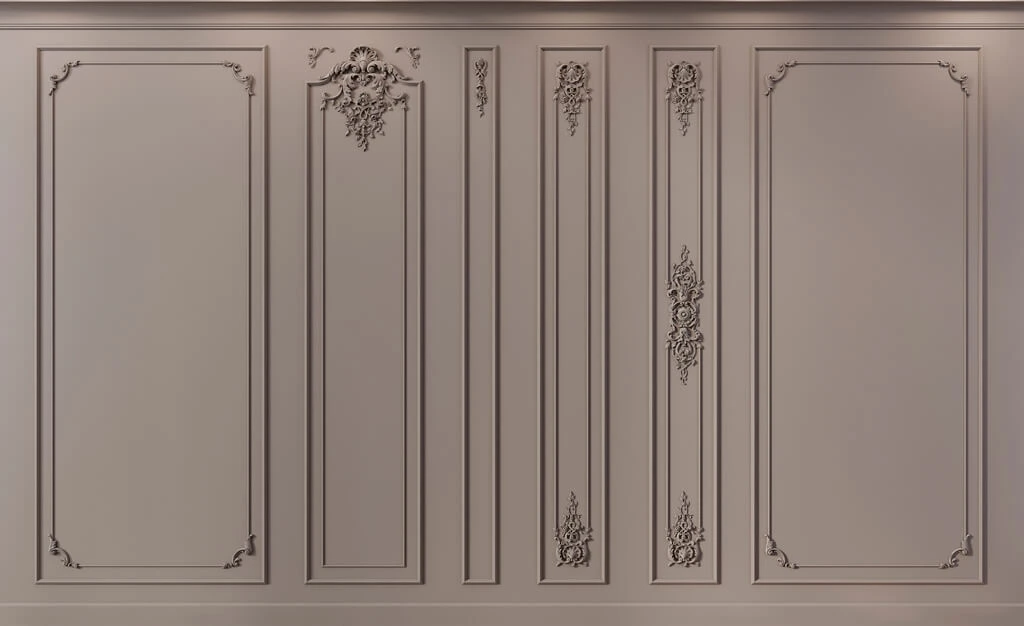
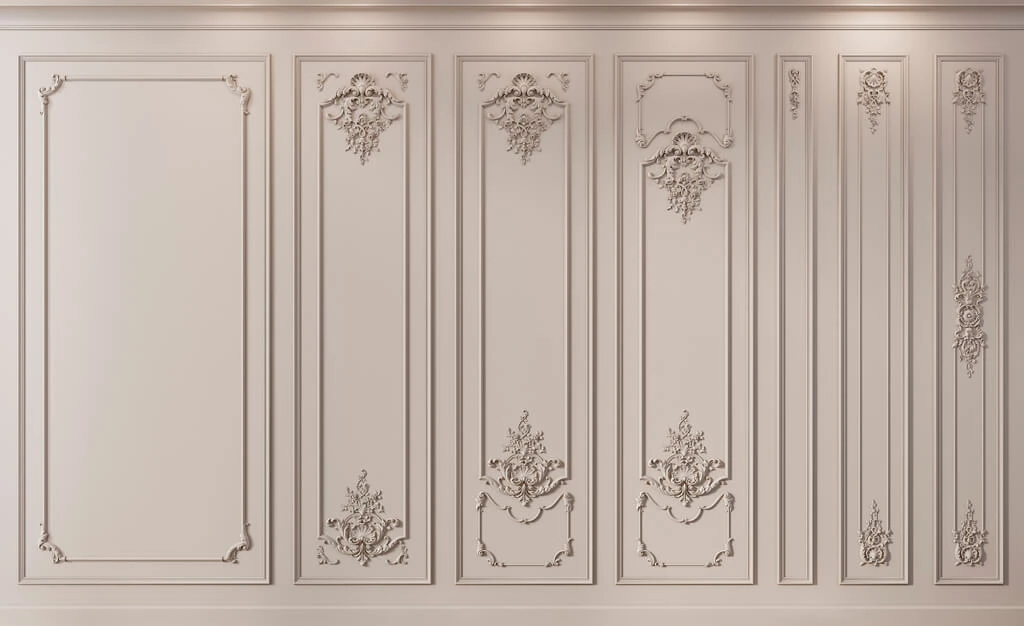
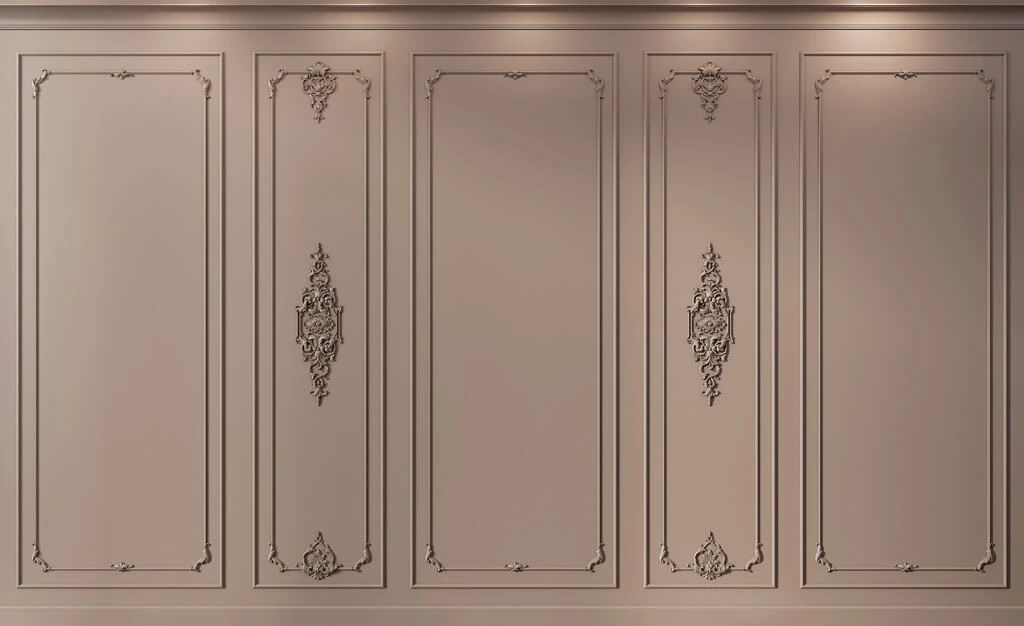
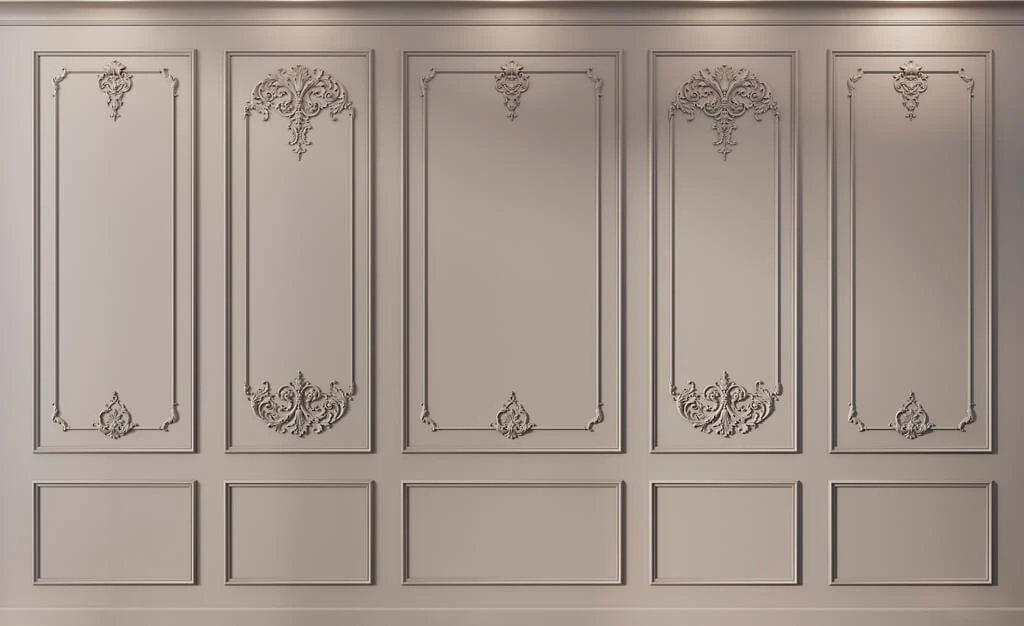
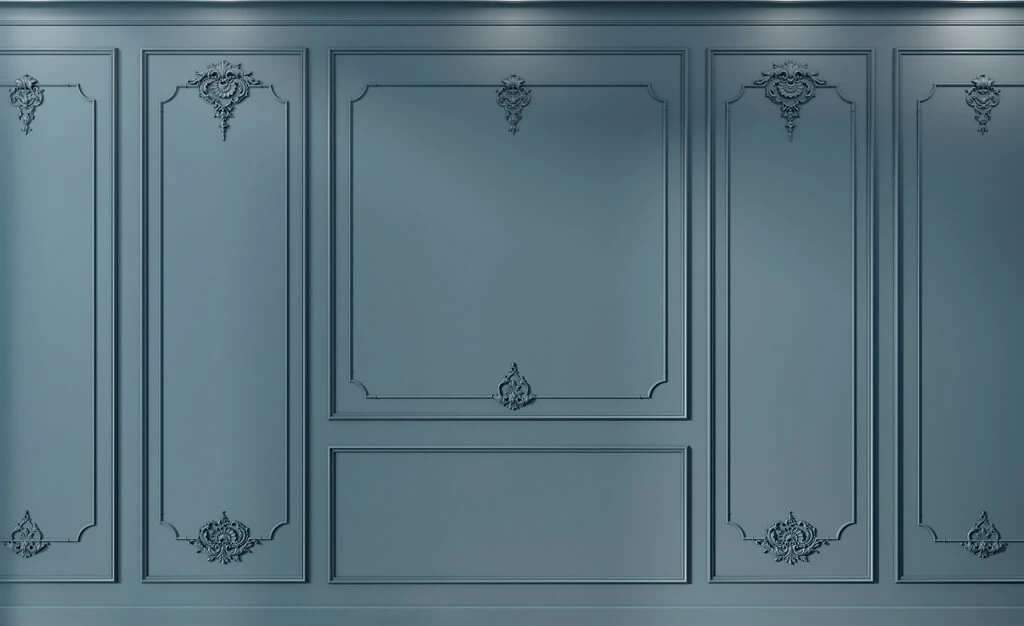
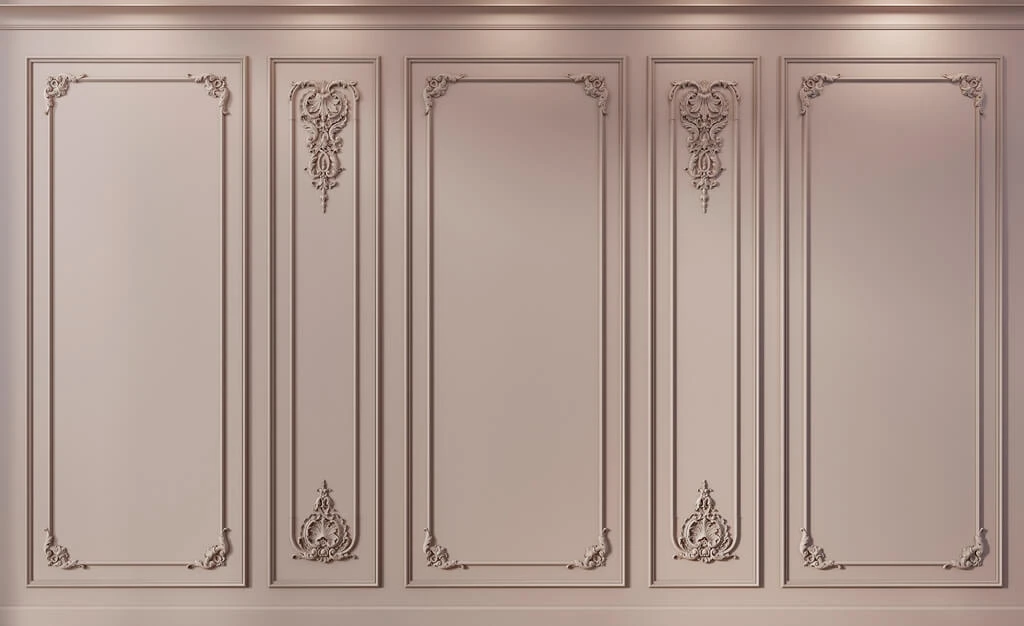
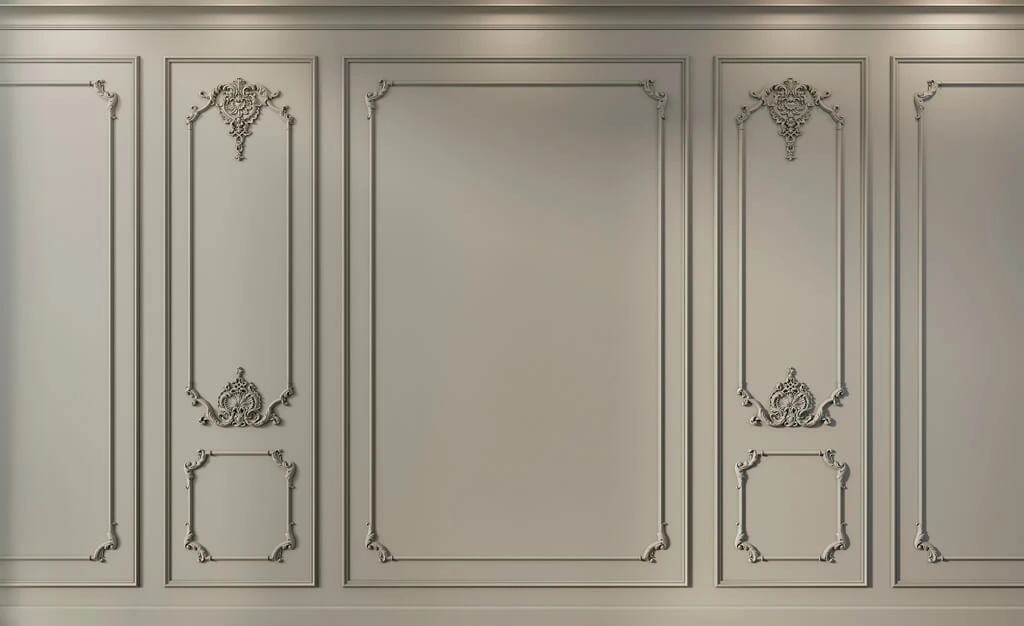
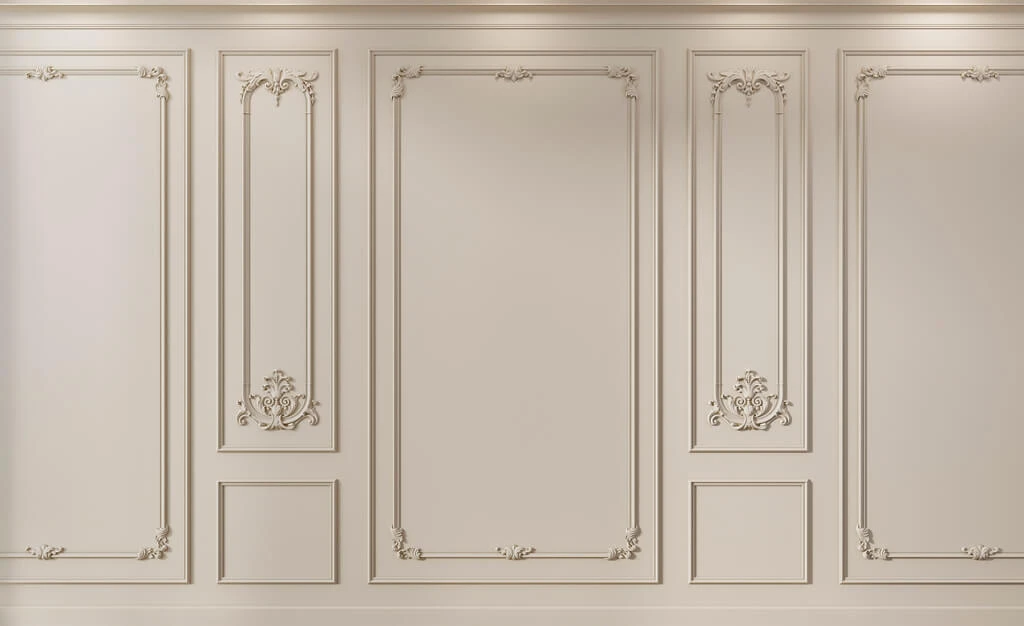
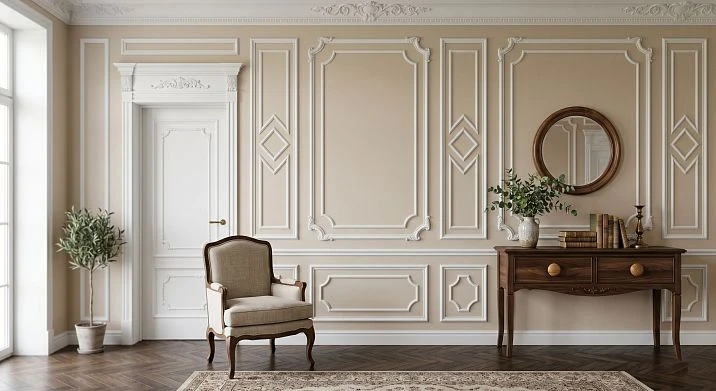
Polyurethane wall decor — this is the architecture of the wall. Molding frames, stucco, cornices, corner overlays — they shape the space, define its character. But this character must be supported by the furniture. And the furniture carries the fittings. And if wooden handles, brackets, buttons, and decorative supports are coordinated with the wall decor — the interior acquires that elusive quality for which people go to designers and pay big money. The quality of integrity.
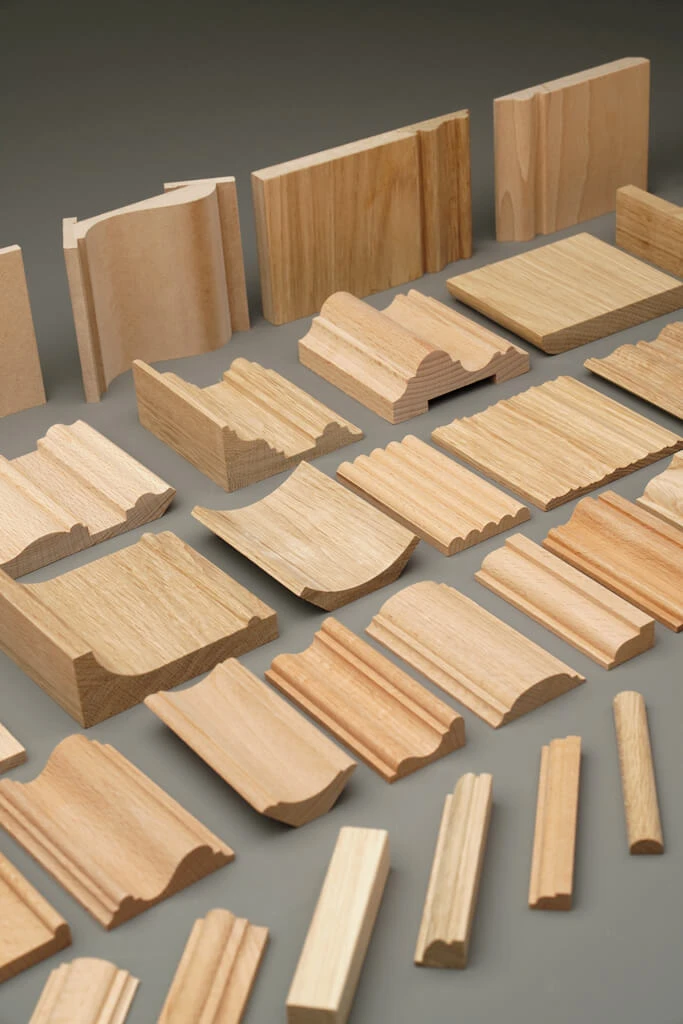
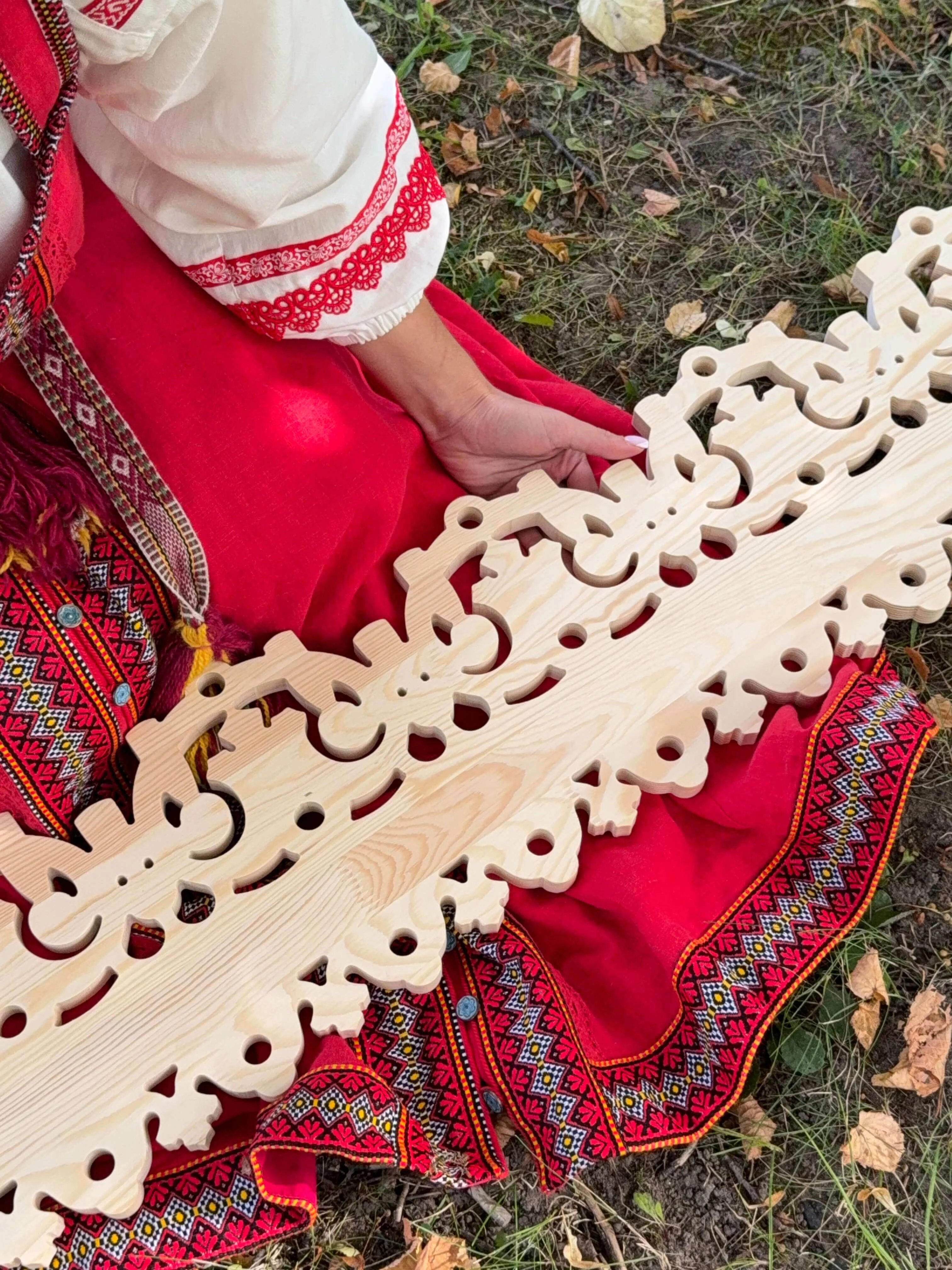
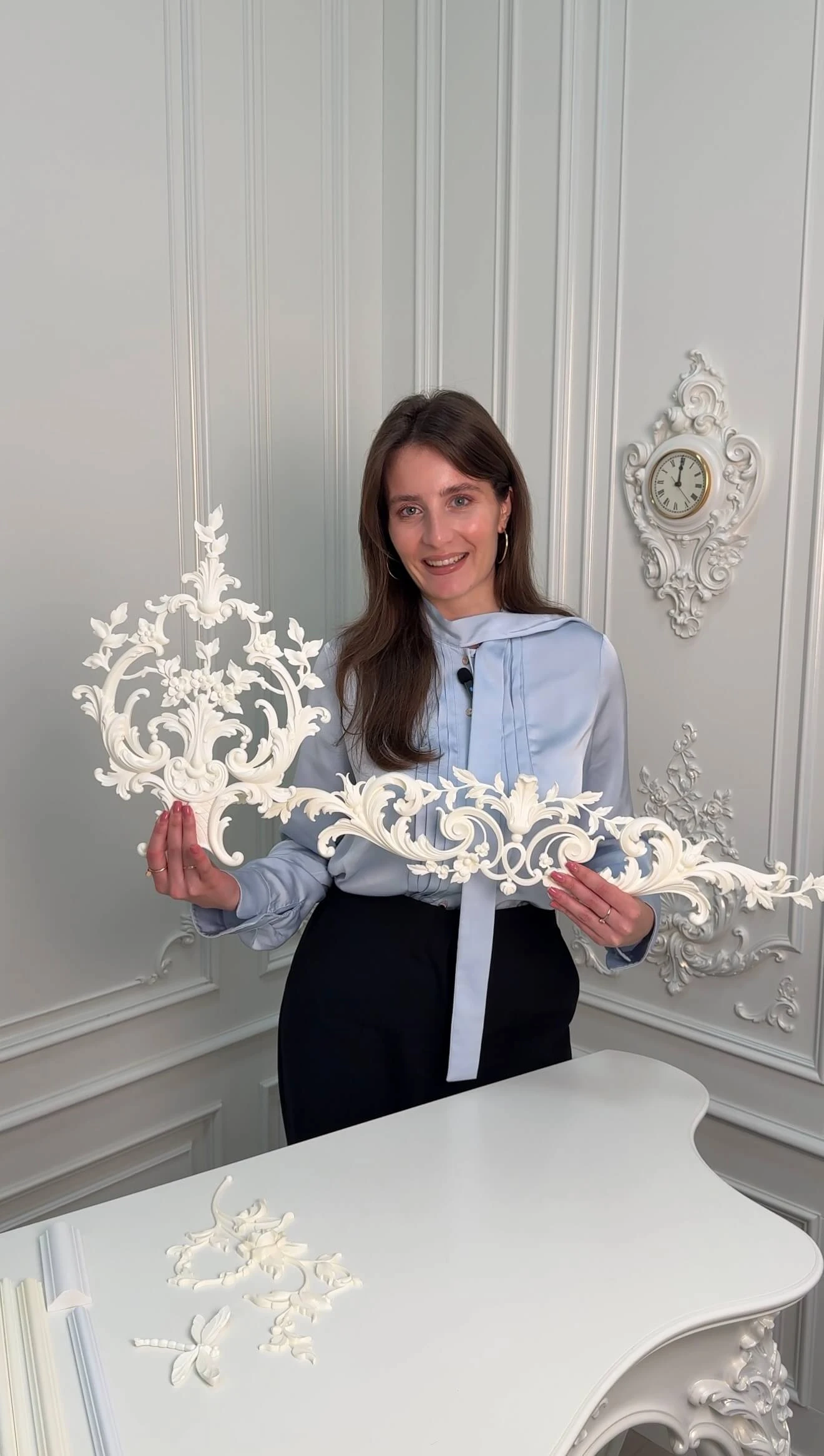
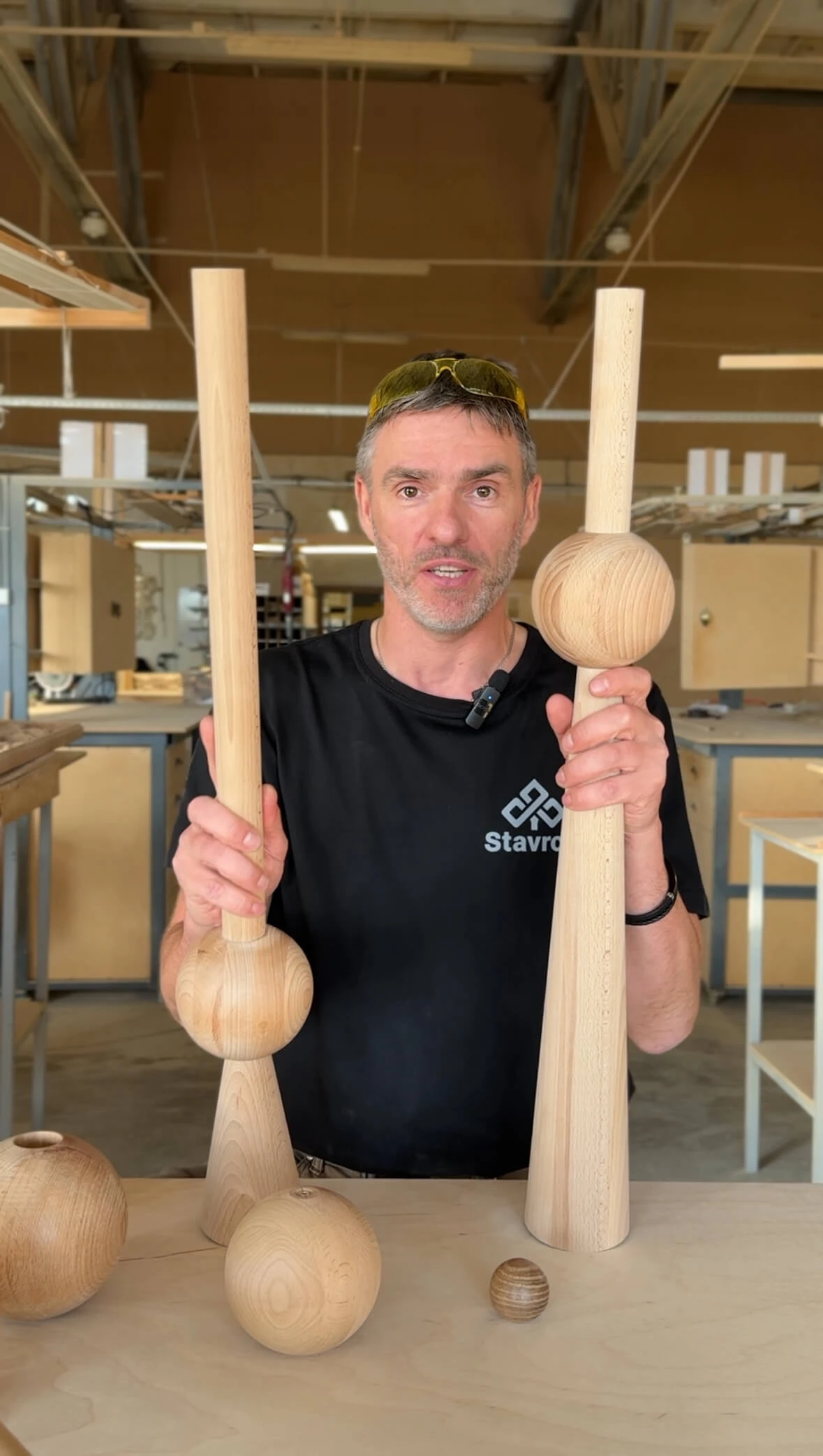
Why furniture handles are important for an interior with stucco
There is a simple thought experiment. Take a photo of a classic living room with moldings, cornices, beautiful wallpaper in frames. Place a wardrobe with chrome modern handles there. And now — the same wardrobe, but with wooden bracket handles in a warm tone to match the furniture. The difference is obvious even in the photo. What to say about the real space.
The handle is the first thing hands touch. Every day, several times. It is a contact detail. And that is why it must be right. Cold metal in a warm wooden interior is a physical dissonance. Rough plastic next to decorative wall molding — this is a visual conflict.
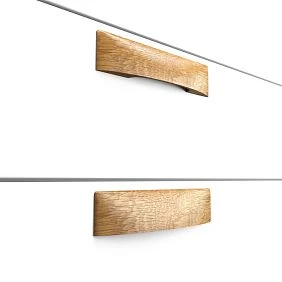
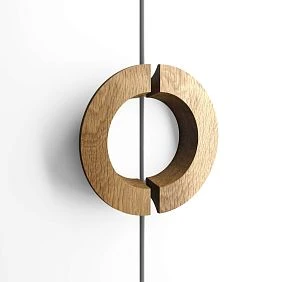
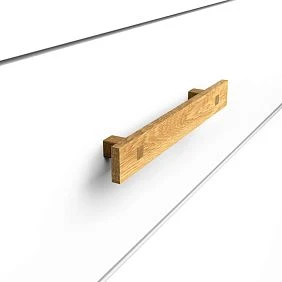
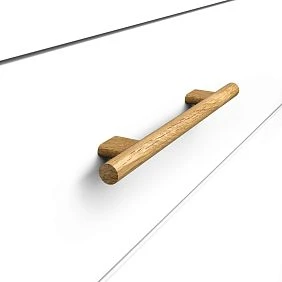
Our factory also produces:
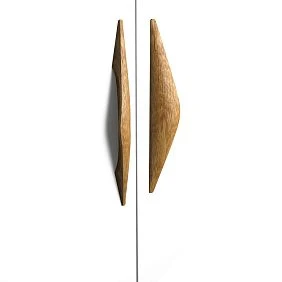
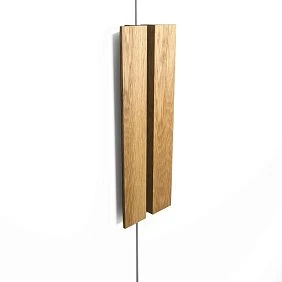
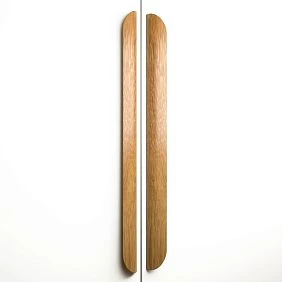
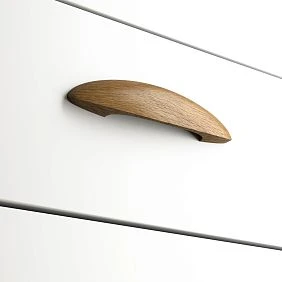
Fittings as a decorative code
When people say "fittings decor" — it's not a tautology. Fittings are indeed part of the decor. Handles on a cabinet are as visible as moldings on walls. They are roughly at eye level, they have shape, color, material. They either support the interior or contradict it.
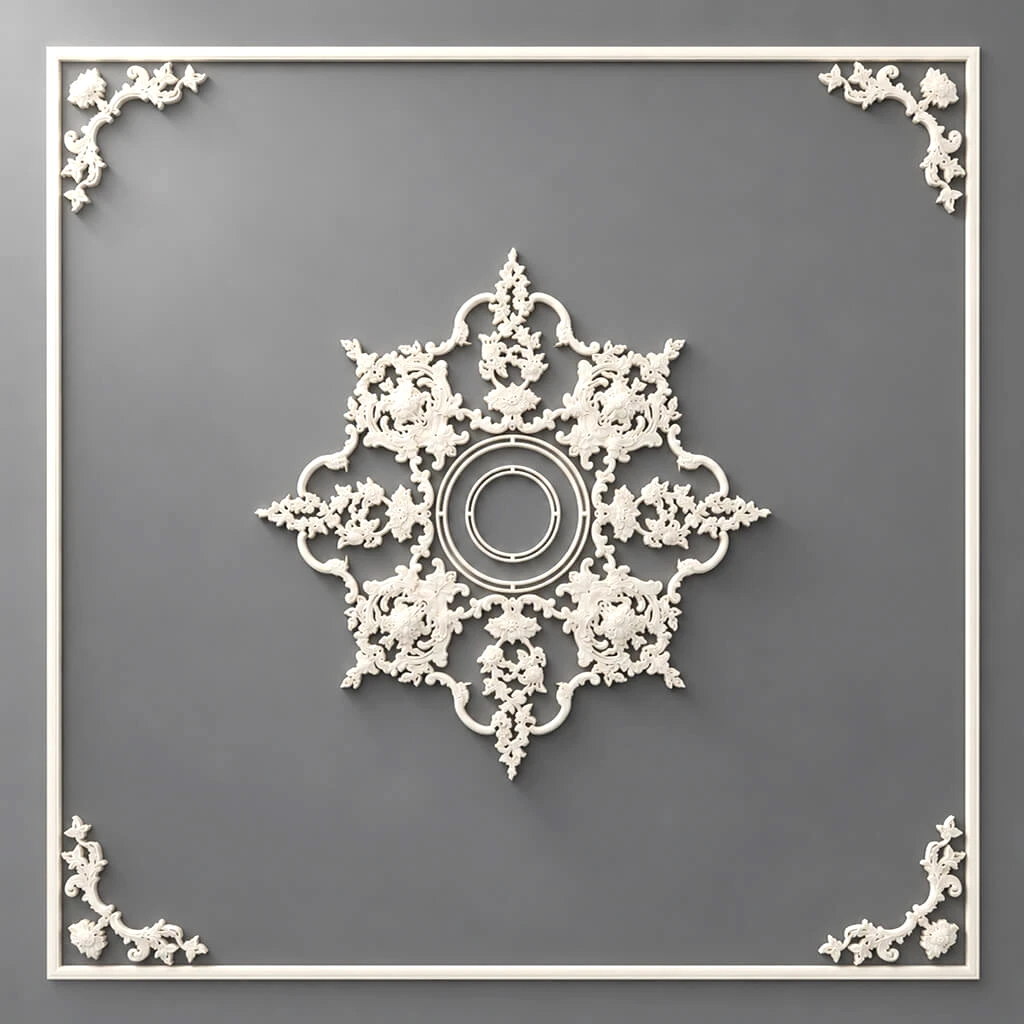
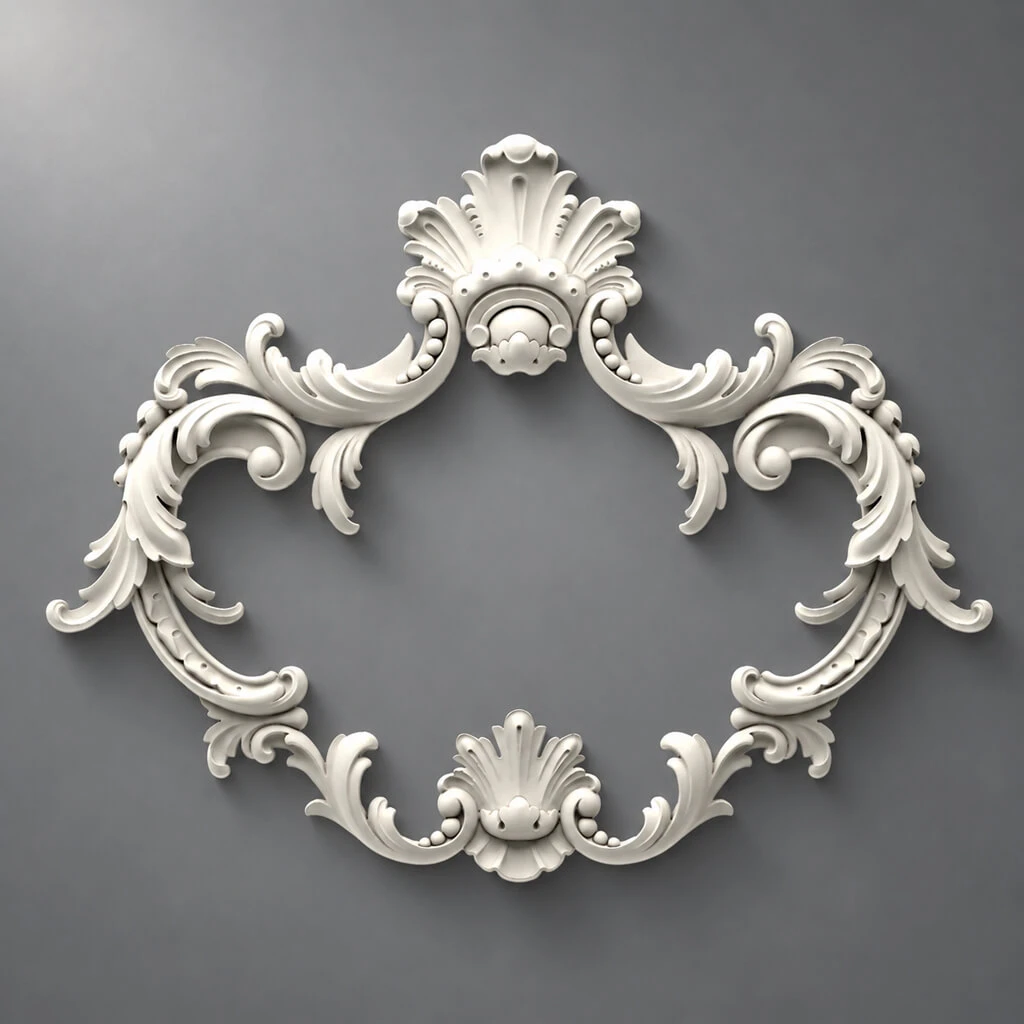
decorative elements for furniture — overlay frames, polyurethane corner elements — that's one level of furniture decor. Handles — another. Both levels must speak the same language.
Get Consultation
How polyurethane wall decor sets the style of furniture fittings
Before buying handles, you need to understand what the walls are saying. They always speak — it's just that not everyone knows how to listen.
Moldings set the scale
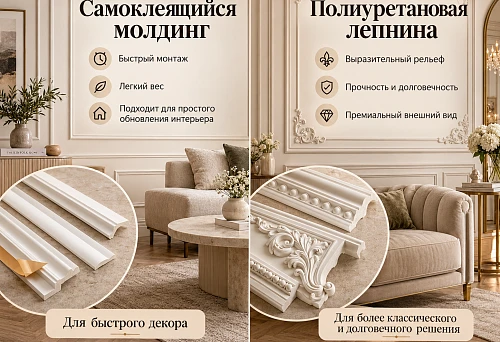
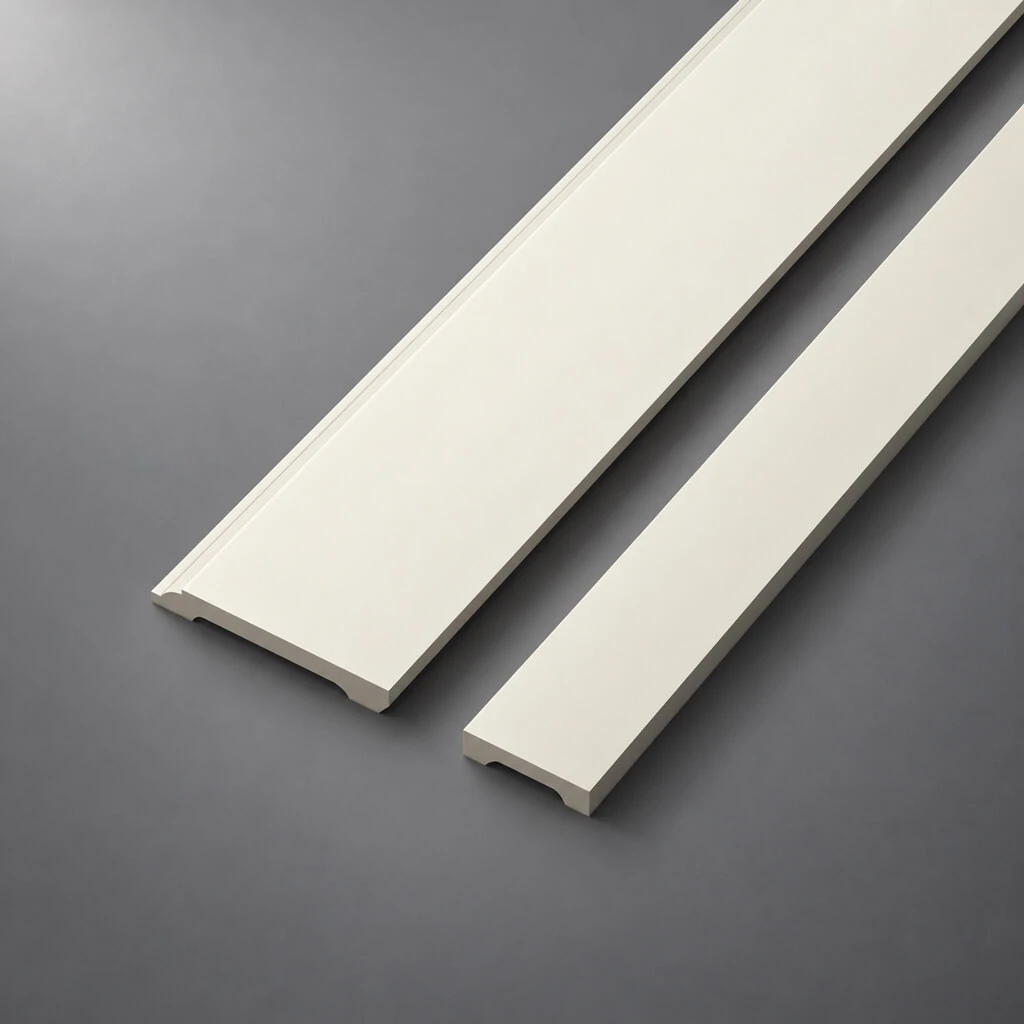
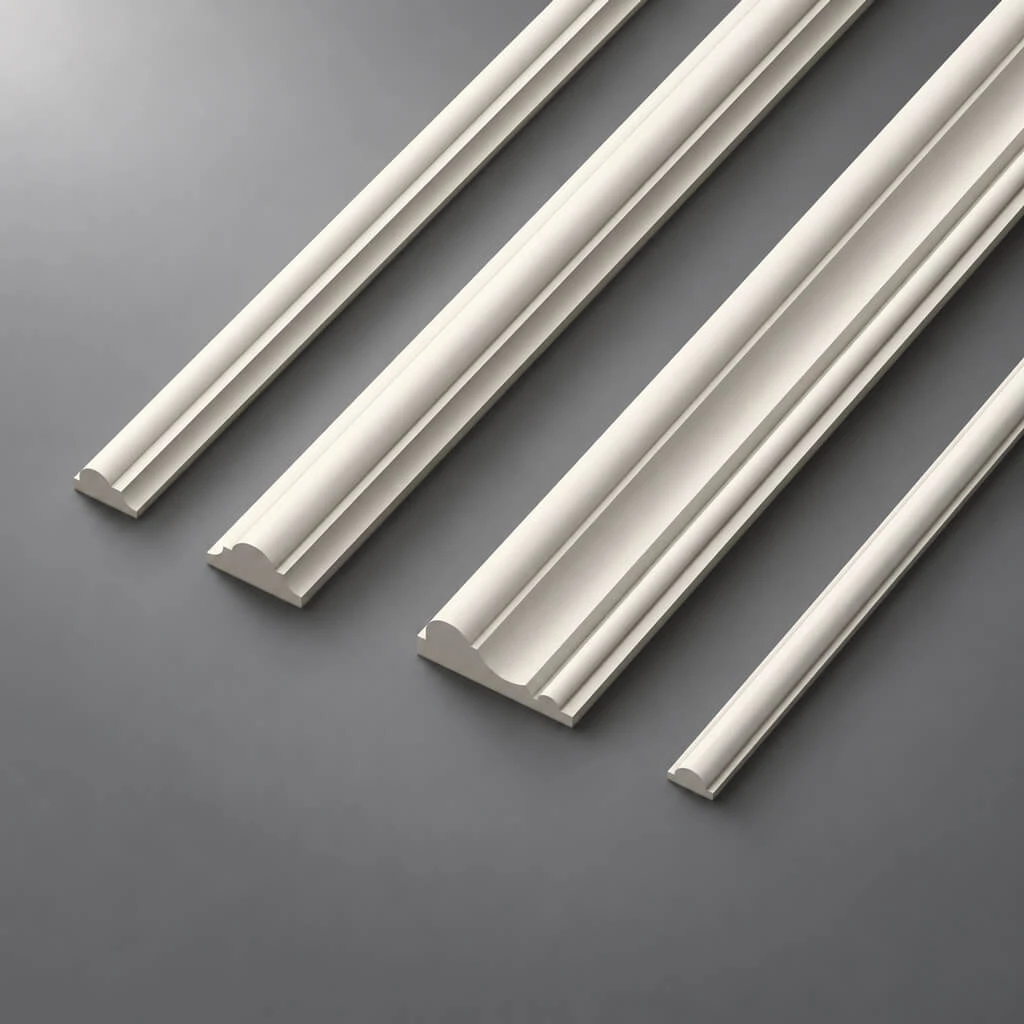
Moldings made of polyurethane have a width from 15 to 100 mm. A thin molding — delicate, elegant, neoclassical. A wide one — monumental, classical, weighty. This scale is transmitted to the entire interior. And the fittings must support it.
Thin moldings Neoclassic Light on walls — wooden handles of narrow profile 96–128 mm on centers, without excessive ornament. Expressive classic frames Versailles Light — pens with a richer shape, possibly with smooth curves of the clip, with a slightly larger cross-section of the rail.
Stucco creates character — hardware supports it
Polyurethane moldings — is the character of the room. Classic means the furniture should look classic. These are wooden handles, decorative forms, warm tones. Neoclassical is stricter, more concise, but still warm and organic.
polyurethane decor is painted to match the wall color or stands out in white, gold, cream. This color should echo at least one furniture detail — for example, the tone of a wooden handle. Cream stucco and light beech handles with a slight tint are a matched pair.
Wooden handles as a connecting link
Wooden details in the interior create a tonal system. The floor is wooden. The baseboard is wooden. The doors are wooden. Furniture legs are wooden. And handles are wooden. They are all connected by a single tone or tonal group. One material, different items — a unified interior.
Buy wooden handles for furniture with wall decor in Neoclassical style — is not just buying hardware. It is an investment in the integrity of the interior.
Wooden handles: when they are definitely better than metal ones
This question comes up for many. Metal is eternal, durable, diverse. Brass, matte gold, chrome, bronze — a huge assortment. Why then wood?
Five situations where a wooden handle wins
First situation: classic or neoclassical interior. Furniture in a classic interior style requires organic hardware. Wood is historically the right material for such an interior. Metal appeared in furniture hardware later and brought a different aesthetic code. A wooden handle for a cabinet next to wall decor Versailles Light is a historically justified solution.
Second situation: a lot of wood in the interior. If the room has a wooden floor, wooden baseboard, wooden doors, wooden furniture legs — wooden handles continue this system. Metal ones in such an environment will look foreign — unless chosen very precisely.
Third situation: need to soften the furniture's appearance. A dark massive cabinet with metal handles looks monumental and heavy. The same cabinet with wooden handles in a warm tone — slightly lighter, more human, does not overwhelm. Wood softens.
Fourth situation: a country house. Here, a wooden handle is organic in itself — natural material in a natural environment. Classic furniture wood on wooden legs with wooden handles next to wooden ceiling beams — this is interior poetry.
Fifth situation: a children's room. A wooden handle is warm, not slippery, not cold. It is pleasant to the touch. For a children's room, this is important.
Bracket handle and knob handle: how they differ and how to choose
The two main forms of wooden furniture handles are the bracket and the knob. They fundamentally differ in shape, scale, and application.
Wooden bracket handle: for large fronts
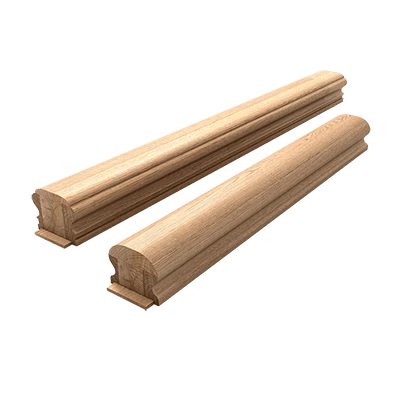
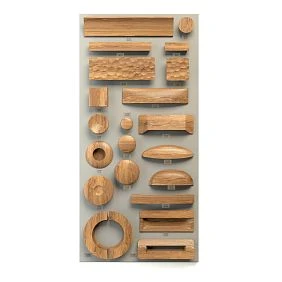
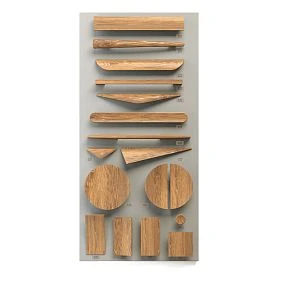
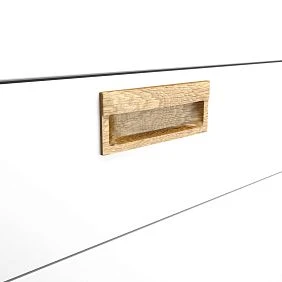
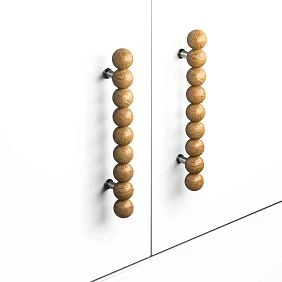
A bracket handle is an arc fixed at two points. Center distance: from 64 mm to 256 mm and more. It has a distinct profile — a rail or bar with a chamfer, rounding, or turned profile.
A wooden bracket handle is larger, more noticeable, and more expressive. It is suitable for:
-
wardrobe and closet doors
-
dresser and sideboard fronts
-
large drawers in cabinets and dressers
-
classic-style kitchen cabinet fronts
In an interior with polyurethane moldings on the walls A bracket handle creates a visual accent on the front. It "holds" the gaze, marks the grip point. With the right scale — it is organic. With the wrong one — it is bulky.
The profile of the bracket rail should be proportionate to the profile of the moldings. Thin molding — thin bracket rail (cross-section 12–16 mm). Classic molding — fuller rail (cross-section 18–24 mm).
Wooden knob handle: for a point accent
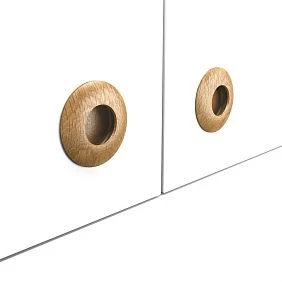
A knob handle is a single attachment point, compact shape. Diameter or size — from 25 to 50 mm. It is almost invisible, it takes up no space, does not draw attention.
Wooden knob suitable for:
-
small drawers in nightstands and chests of drawers
-
doors of cabinets and bedside tables
-
children's wardrobes and dressers
-
drawers in a desk
-
small fronts in the bathroom
In a classic interior, a knob usually looks more modest than a pull. But this is not a drawback — in some cases, modesty is appropriate. The knob does not compete with decorative molding on the walls, does not overpower moldings, does not 'shout'.
When to choose
| Handle type | Suitable for | When to choose |
|---|---|---|
| Wooden pull | Cabinets, dressers, wardrobes | Large fronts, active decor |
| Wooden button | Nightstands, drawers, children's | Small fronts, calm style |
| Long lever | Kitchen, wardrobe | Wide fronts, functional interior |
| Large button | Accent furniture | When a decorative accent is needed |
Handles for children's furniture: warmth, safety, and style
A children's room is a special space. Priorities are different here. Furniture handles for a child's room should first and foremost be comfortable, safe, and pleasant to the touch. But they should also be beautiful — because the child lives in this space, and their perception of the world begins with details.
Why wood is ideal for a children's room
A wooden furniture handle in a children's room is a tactilely correct solution. Not cold metal, not slippery plastic. Wood is warm, textured, alive. The child reaches for the drawer and feels the material — not inert, but speaking.
Buying wooden handles for a children's room means choosing a safe shape. Without sharp corners, without protruding edges. A round knob with a diameter of 30–40 mm is the optimal choice for children's drawers and cabinets. A small bracket with a rounded rail profile — for wardrobe doors.
Furniture handles for a children's room must withstand load. Children open drawers abruptly and pull hard. Fastening — M4 or M5 bolt with a nut on the back side of the facade. This is more reliable than a screwed-in self-tapping screw into soft chipboard.
How to combine handles in a children's room with wall decor
Polyurethane wall decor in a children's room is a delicate topic. Excessive stucco in a children's room creates visual noise, overloads the space. Calm molding frames, horizontal belts, soft simple frames without excessive ornament work better here.
Neoclassic Light wall decor in a children's room — this is a calm architectural foundation. No overload. Frames create fields that can be painted in accent colors or covered with wallpaper. And wooden handles on furniture inside such a space — an organic, warm, child-friendly choice.
A children's furniture handle made of oak or birch with a white or natural finish next to white-painted moldings is a harmonious pair. Without unnecessary complexity, without clutter.
How to coordinate handles with fronts, layouts, and glazing beads
A handle on a front does not exist in a vacuum. Around it is the front. On the front is a layout or glazing bead. All of this must work as a system.
Wooden layout on the front and handles
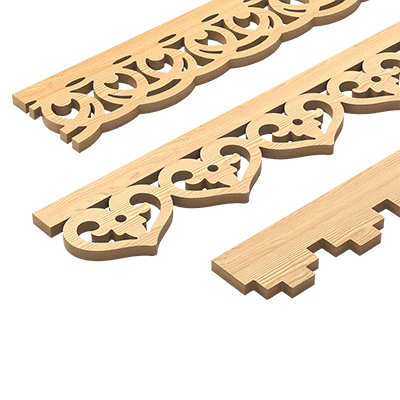
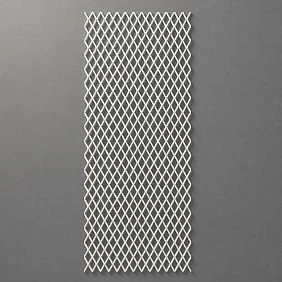
A wooden layout is a thin strip glued onto the surface of the front, creating a pattern: rectangles, diamonds, geometric grids. This is a classic furniture decoration technique, known since the 18th century.
If the cabinet front has a decorative wooden layout, the handle should support its rhythm. The layout creates geometry — the handle completes it. The bracket is installed symmetrically relative to the rectangle of the layout: in the center of its upper or lower part.
The wood species of the layout and the handle should match or be in a close tone. A birch layout for white paint and a birch handle for the same paint create a unified front.
Wooden glazing bead and handles: a subtle interplay
A wooden glazing bead is a narrow strip that covers ends, joints, and edges of glass in fronts. It looks like a very thin wooden line. Next to such a front, a handle with a similarly thin profile is needed: a bracket with a rail cross-section of 10–14 mm.
If the glazing bead creates a sense of elegance, the handle should not coarsen it. A wooden bracket handle with a thin rail and neat mounting rosettes is the right choice for fronts with glazing beads.
Decorative elements on the facade and fittings
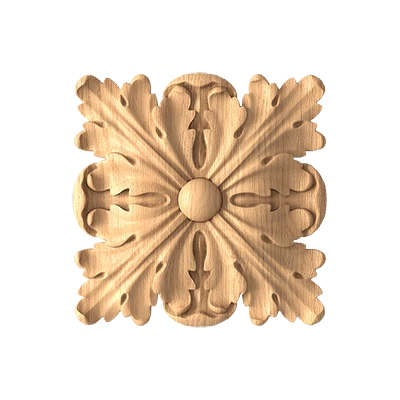
decorative elements for furniture — Overlay polyurethane frames, corner elements, central medallions on facades — create relief on the plane. Next to such elements, the handle should not compete, but complement.
Polyurethane overlay frame on the cabinet door + wooden bracket at the center of the lower part of the frame — this is a decorative hierarchy. The frame is the main thing. The handle is a functional detail that supports the decor.
How to connect handles with legs, supports, and brackets
A furniture system is not separate items, but a single organism. Handles, legs, supports, brackets — all these are different parts of one body.
Legs and handles: tonal connection
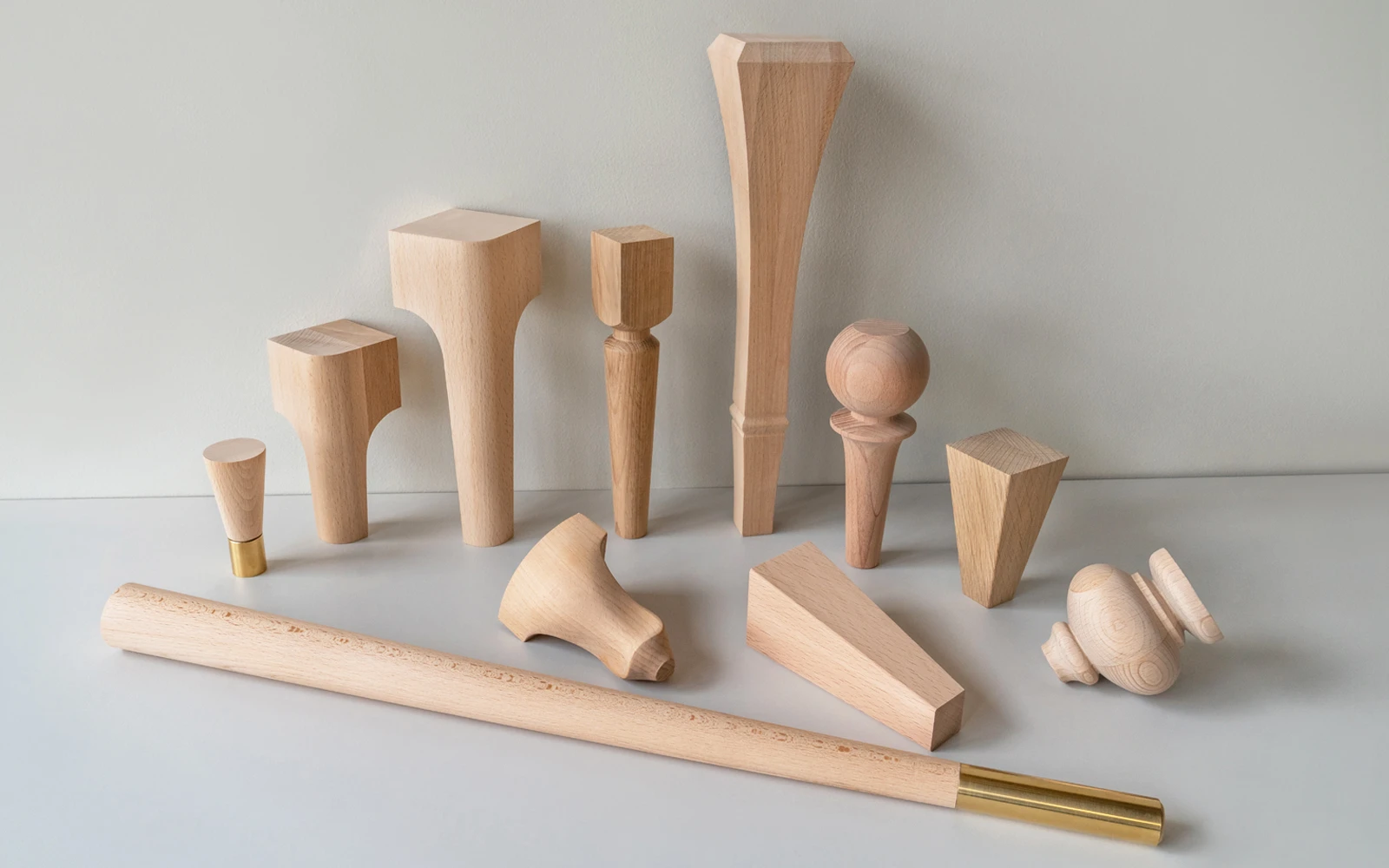
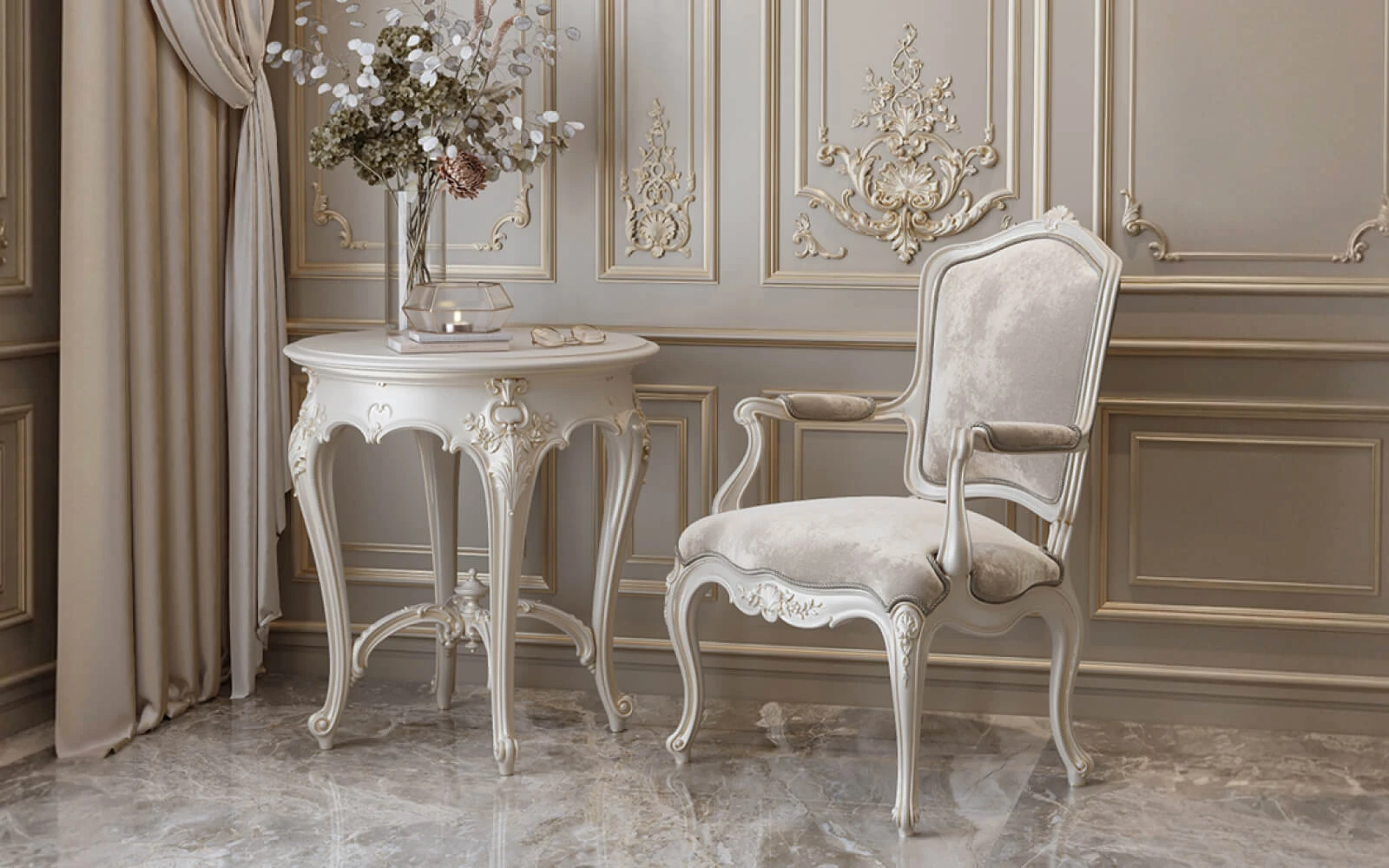
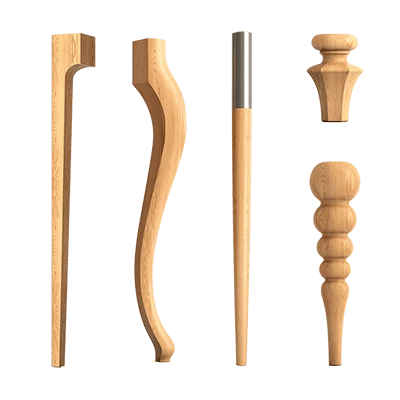
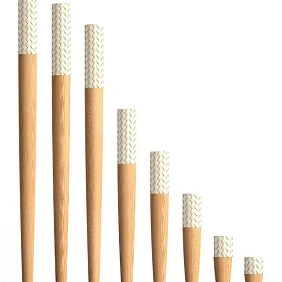
Wooden legs and wooden handles in the same room should be in the same tonal group. Not necessarily from the same species — but of a close tone. Dark oak on sofa legs and dark oak on cabinet handles — this is a wooden rhyme that the eye reads.
If the room has light classic-style living room furniture — light wooden legs and light wooden handles. Dark classic furniture — accordingly, dark wooden fittings details.
Decorative bracket and handles: metal or wood?
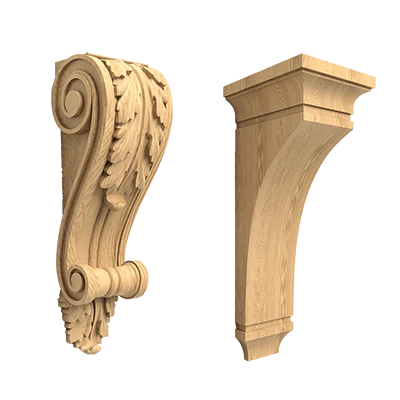
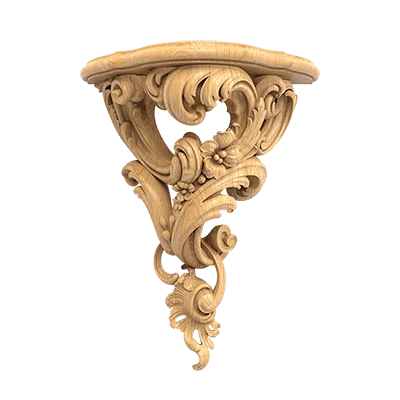
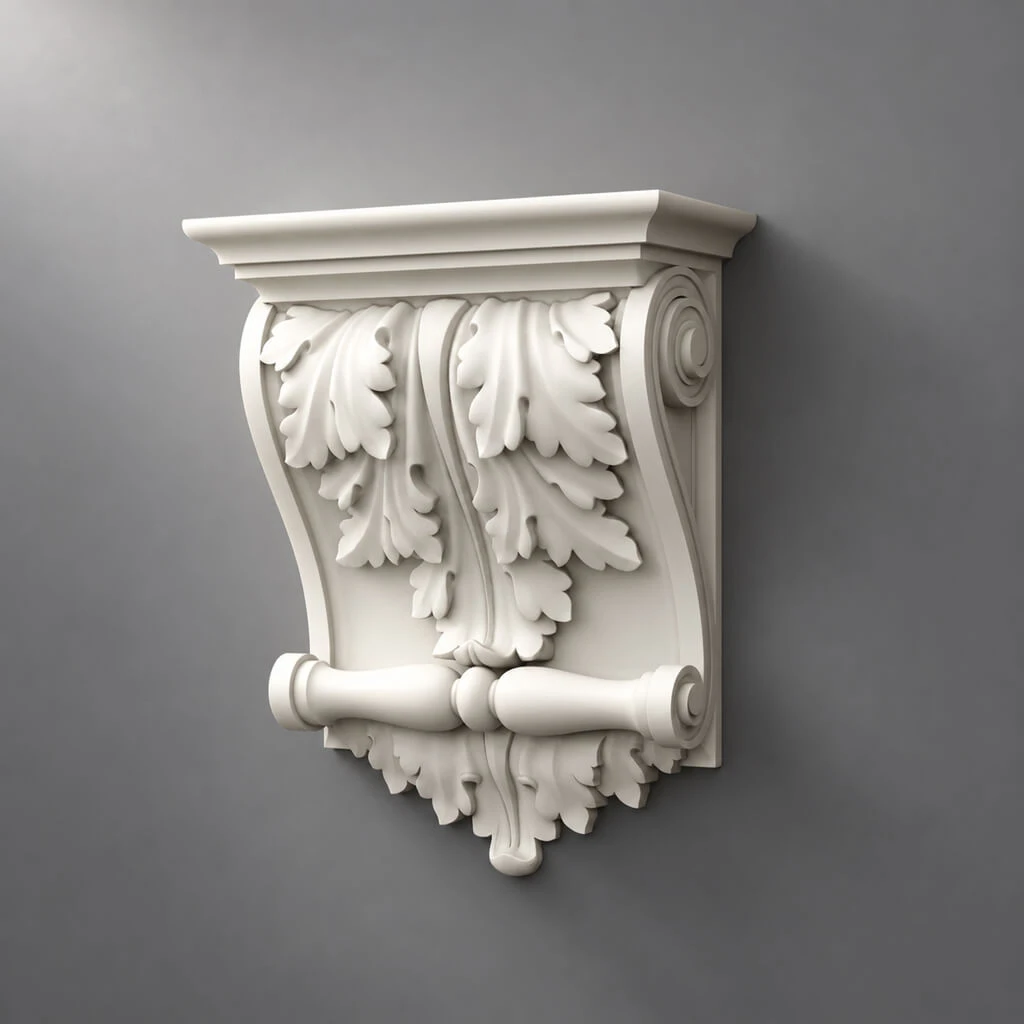
A decorative bracket — a support for a shelf or console — can be wooden or metal. If the bracket is metal with a brass finish and the handles are metal with a brass tone — this is a coordinated solution with an emphasis on metal. If the bracket is wooden and the handles are wooden — an emphasis on wood.
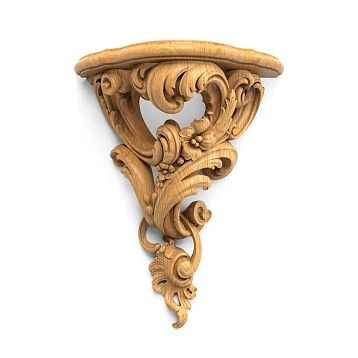
Wooden furniture bracket in a classic interior under a shelf on the wall with decor for moldings — this is a visual "grounding" of the shelf to the wall. The bracket becomes a bridge between the molding and the shelf, connecting them into a single structure.
Furniture supports and fittings: a system from bottom to top
A furniture support under a cabinet or console is a wooden or metal structure that carries the item. If the support is decorative wooden, it should match the tone of the handles on the facades of that same cabinet.
A wooden furniture support under a console in the hallway + wooden handles on the console drawers + a wooden mirror frame above it — this is a wooden vertical accent of the hallway. From bottom to top — one wooden story.
Interior styles and rules for choosing wooden handles
| Style | Wooden handles | Wall decor |
|---|---|---|
| Classic | Bracket with profile, dark oak, soft curve | Versailles Light, moldings with ornament |
| Neoclassical | Strict bracket 128 mm, light ash | Neoclassical, geometric frames |
| Modern Classic | Bracket of simple profile, neutral tone | Neoclassic Light |
| Children's room | Round button, birch under white paint | Delicate frames, calm decor |
| Countryside | Bracket with natural texture, oil-wax | Stucco molding, wide baseboard, moldings |
| Japandi | Minimalist bracket, dark ash | Japandi |
Classic: expressiveness in details
Classic furniture requires expressive handles. Living room furniture in classic style includes sideboards, chests of drawers, and display cabinets. Their facades are large. Handles should be noticeable. A wooden bracket with a smooth curve of the rail, made of dark oak or walnut, is the right choice for such items.
Bedroom furniture style classic interior: bedside tables on wooden legs with wooden handles, matched in tone. This is a bedroom where wooden details create coziness and warmth — the most important characteristics of a relaxation space.
Neoclassicism: rigor without coldness
For a neoclassical interior with Neoclassic decor The walls feature strict-profile wooden handles. A bracket with a center-to-center distance of 128–160 mm, a rectangular-section rail with a chamfer, made of ash or beech with a subtle tint of "natural" or "gray oak."
No decorative curve in the shape of a bracket, no patina, no ornament. Strictness is also beauty. Next to laconic moldings, it sounds especially convincing.
Modern classic: balance without compromise
Living room furniture in a classic style, light in a modern interpretation—this is light wood, neutral tones, clean lines. The wooden handles here are simple: a bracket made of ash or birch, a minimalist profile, neither too narrow nor too wide. Nothing extra—only form, material, and the right tone.
Japandi: wood as philosophy
A Japandi-style interior uses wood as a key material. Dark ash, natural oak, "wabi-sabi" color—each wooden element carries a sense of natural beauty. Wall decor in Japandi style — calm geometry, minimalism, natural tones. The wooden handles here are made of dark wood with an untreated or oiled surface. Wood that lives. Wood that can be touched and felt.
Technical parameters of wooden handles: what is important to know
Buying wooden handles requires knowledge of several technical parameters. Without this, any, even the most beautiful choice, may turn out to be non-functional.
Center-to-center distance
This is the distance between the centers of the two mounting holes of the bracket. Standard values: 32, 64, 96, 128, 160, 192, 256, 320 mm. The choice is determined by the width of the facade: for a facade of 200–300 mm — 64–96 mm, for 400–600 mm — 128–160 mm, for wide doors — 192–256 mm.
Mounting hole diameter
Standard: 5 mm for M4 bolt. Some handles are for M5. Make sure the included bolt has the correct length for the facade thickness (usually 16–19 mm for MDF and chipboard).
Handle height above the surface
This is important for facades with overlay elements or molding. If the facade has a decorative wooden molding 4–6 mm high, the handle must rise above it, otherwise it will be uncomfortable to use.
Mistakes when choosing wooden handles for an interior with stucco
Let's call them out directly — without diplomacy. Because these are the mistakes that turn a good interior into an unfinished one.
Modern hardware in a classic interior
Black matte minimalist handles in a classic living room with molding frames and stucco. This is the most common mistake. The handle style is aggressively modern, the wall style is historical. The result is a feeling of temporariness, incompleteness.
Different handles in one room
A handle on a cabinet, a button of a different tone on a nightstand, another handle of a different profile on a dresser. In one room — three different handles of three different styles. The eye cannot find order — and gets tired.
Handles are too small for a large facade
A 25 mm diameter button on wardrobe doors 600 mm wide. It gets lost on the facade, looks random. Here you need a pull with a center-to-center distance of at least 128 mm.
Handles clash with the molding
A very decorative handle with ornament and applied elements next to rich molding on the walls. Two bright decorative elements in one field of view. One of them is redundant.
Rule: if the wall decor is rich — handles should be calmer. If the walls are delicate — handles can be more expressive.
Furniture decor is not connected to wall decor
decorative elements for furniture in one style, wall polyurethane decor in another, handles in a third. Three separate stories in one room. Competent Molding Installation and consistent selection of furniture hardware is the only way to avoid this mistake.
The wood tone of the handles does not match the tone of the furniture
Light furniture and dark oak handles. Or a dark cabinet and light birch handles under white paint. Without a conceptual idea, this looks like a mistake. With an idea, it can work as contrast. But contrast requires precision.
How to build a wooden interior system through fittings
There is a practical approach that works flawlessly. Let's call it the "wooden thread."
Take one wood tone — for example, the "dark walnut" stain. Go through all the wooden details in the room: baseboard, door casings, mirror frames, sofa legs, cabinet and dresser handles. If they are all in the "dark walnut" tone, the room is tied together by this thread. The eye travels around the room and everywhere finds confirmation of the same solution.
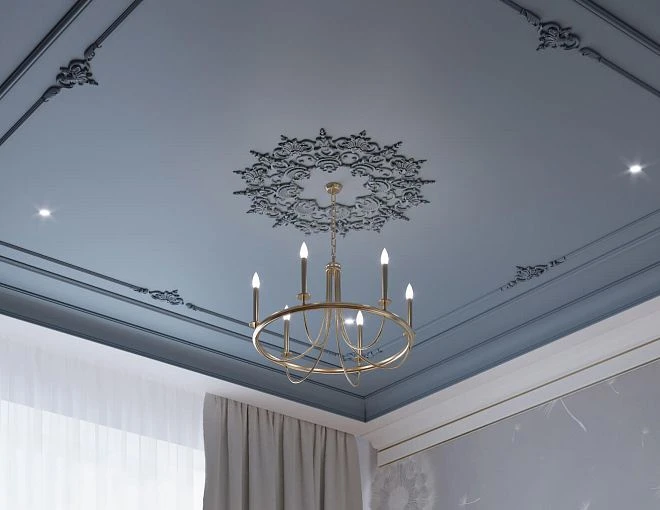
Polyurethane wall decor painted in the wall color — then the molding does not compete with the wood, but creates a background for wooden accents. The wooden thread reads especially clearly against this background.
There are different types of molding — from flat trim to three-dimensional bas-relief. But in the context of a wooden system, molding works as background architecture, and wood as a warm accent in the foreground.
How to choose everything you need at STAVROS
STAVROS is a manufacturer of polyurethane decor that thinks about interiors systematically. Not with individual elements — a molding here, a baseboard there — but comprehensively: walls, ceiling, furniture, fittings.
In the STAVROS catalog for creating a cohesive interior with wooden handles and wall decor:
-
Polyurethane wall decor — collections for classic, neoclassical, modern interior, japandi: Versailles Light, Neoclassic, Neoclassic Light, Japandi
-
moldings, cornices, and baseboards — for creating frame systems and horizontal belts
-
Polyurethane moldings — corner elements, sockets, belts, cornices
-
Decor for Molding — corner and central overlays for reinforcing molding frames
-
Decorative overlay elements for furniture — polyurethane frames and overlays for facades
STAVROS specialists will help select decor for a specific project — from living room and bedroom to children's room and study. Production in Russia, own quality control, precise dimensions, European raw materials with density 150–420 kg/m³.
STAVROS is not about "buying decor". It's about "assembling an interior". This difference determines the result.
FAQ: Answers to popular questions
Can you combine wooden handles and polyurethane wall decor?
Yes, this is one of the best combinations. Polyurethane decor creates wall architecture, wooden handles support the wooden theme of the furniture. The main thing is consistency in style, scale, and wood tone.
Which wooden handles to choose for classic furniture?
For classic furniture, wooden pull handles with a soft curve or expressive rail profile are suitable. Dark oak, walnut, ash. Center-to-center distance according to the facade size. Shape — organic, without sharp geometric angles.
Are wooden handles suitable for children's furniture?
Yes. This is the optimal choice. Round wooden button handles are safe, warm to the touch, and visually soft. The wood type is birch or beech, painted to match the furniture color.
How to choose handles to match wall moldings?
Assess the scale of the moldings and the character of the stucco. Delicate decor — delicate handles. Rich classical decor — more expressive handles. The wood tone should be in harmony with other wooden details in the room.
What is more important: handles, legs, or wall decor?
They work as a system. Wall decor sets the room's style. Legs form the wooden base of the furniture. Handles are the final touch in this system. Remove any element — the system loses its integrity.
How to avoid mistakes with the color of wooden handles?
Focus on the tone of wooden details in the room: baseboards, doors, furniture legs. One main wood tone in the room — maximum two. Handles should match this tone or be close to it.
Which bracket profile to choose: round or rectangular?
Round or oval rail profile — for classic and neoclassical styles. Rectangular with a chamfer — for modern classic and strict interiors. The shape of the rail profile should echo the shape of the wall moldings.