





































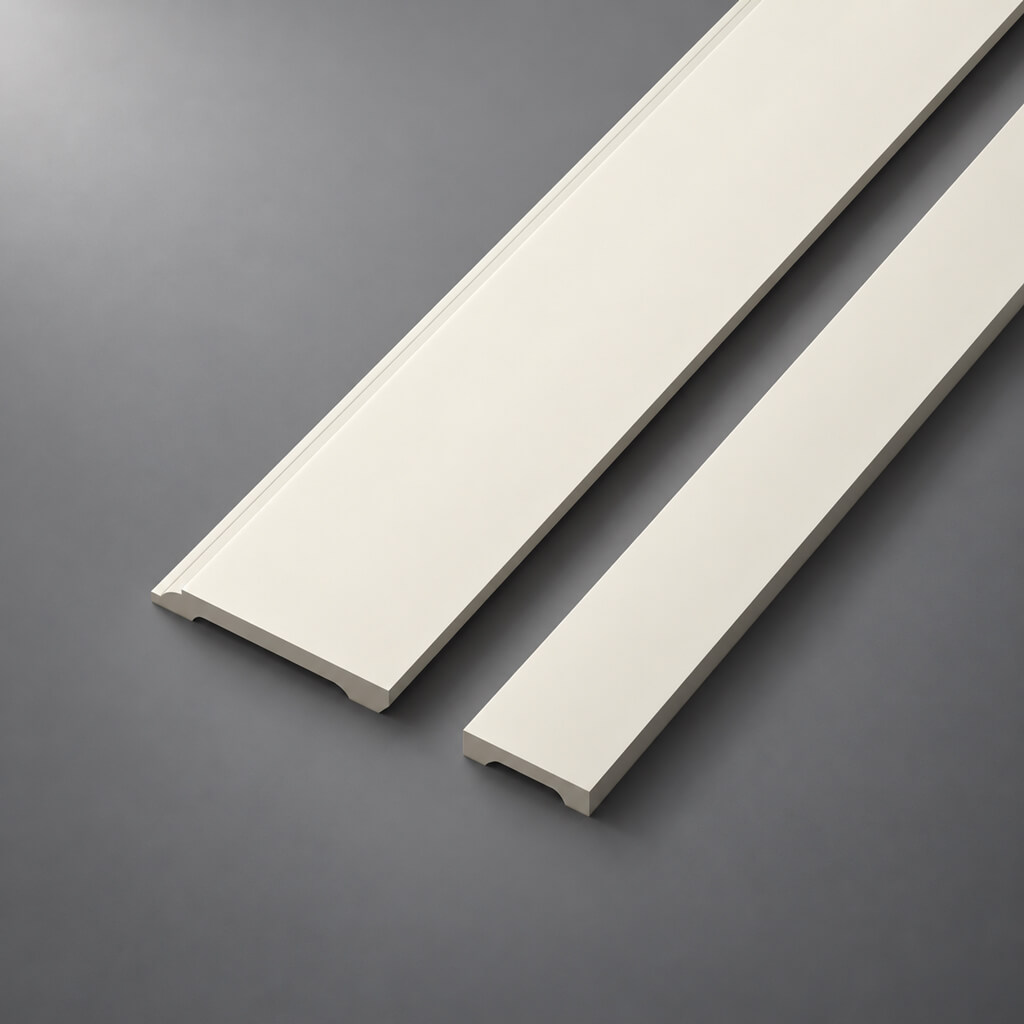
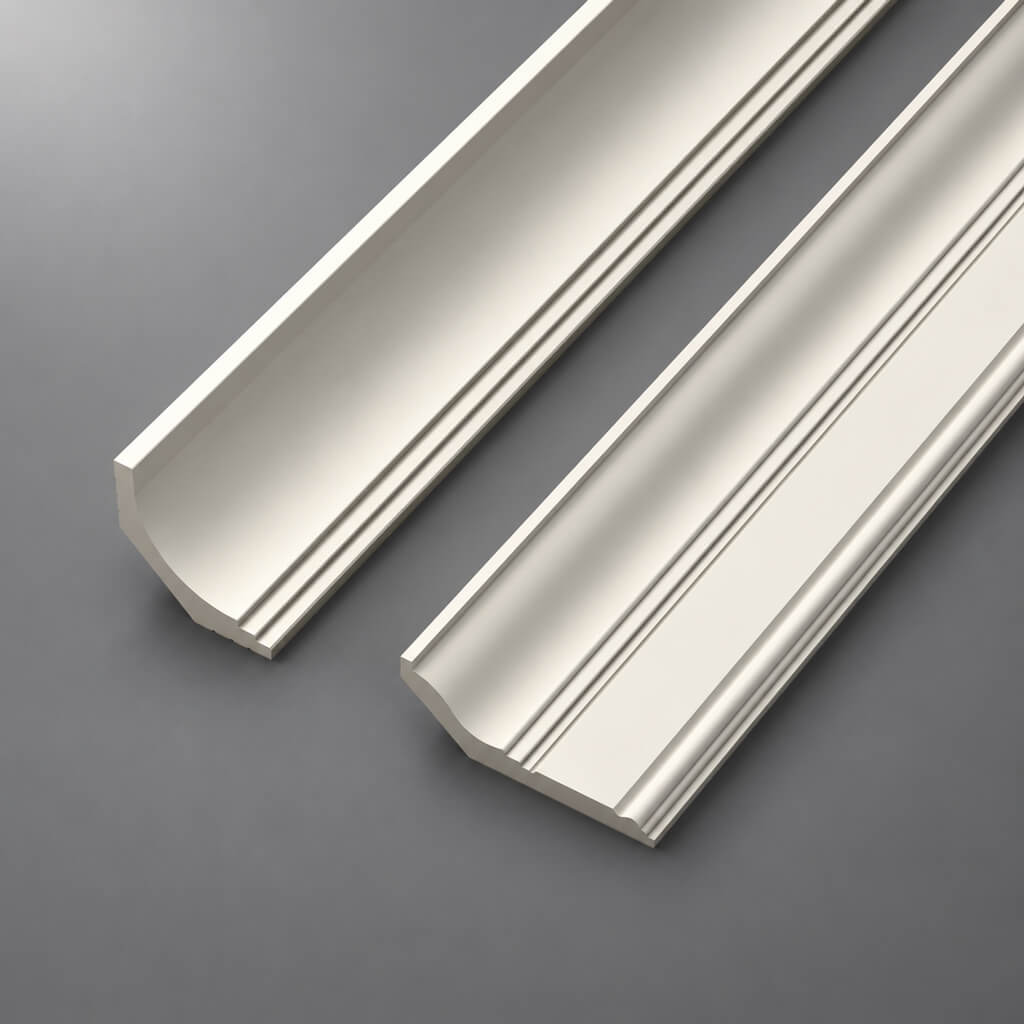
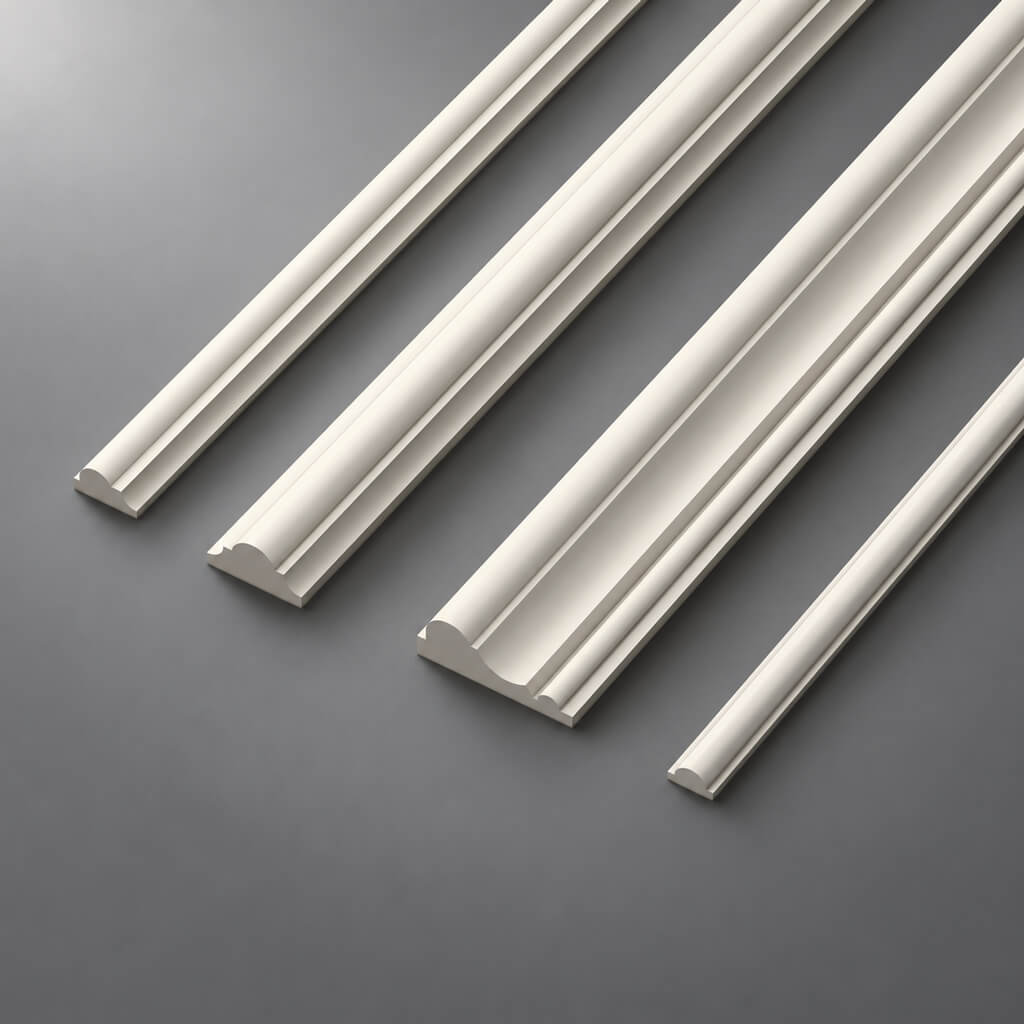
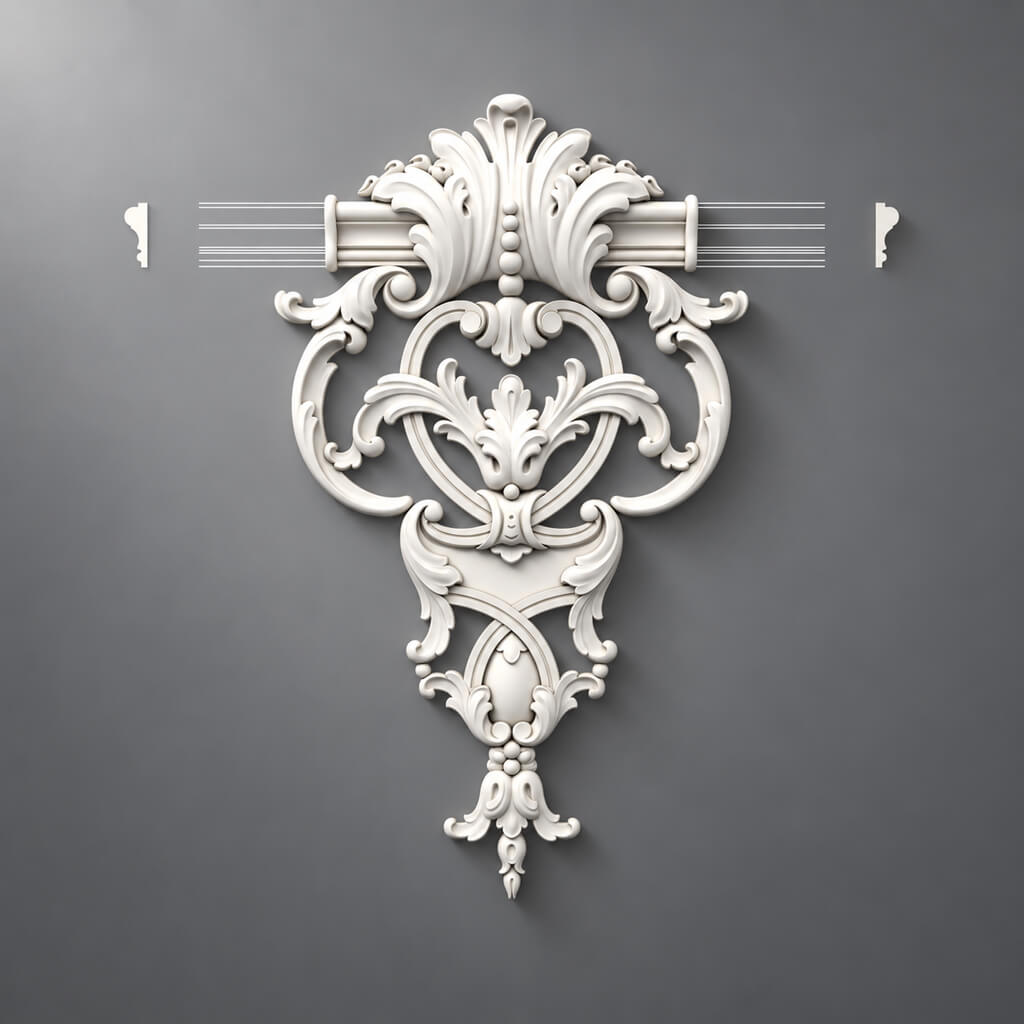














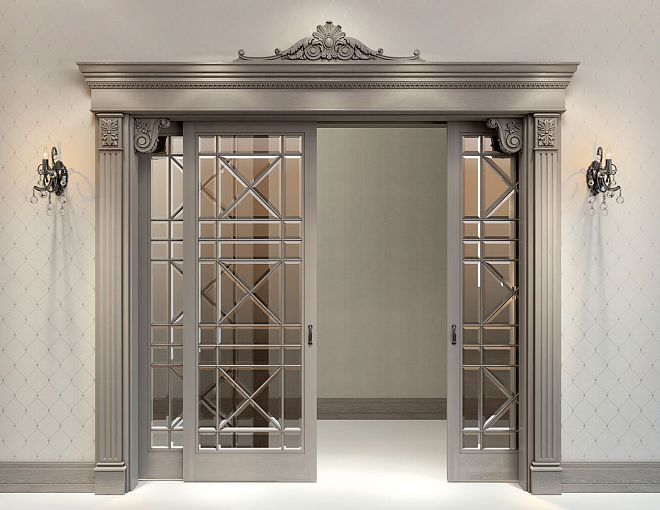











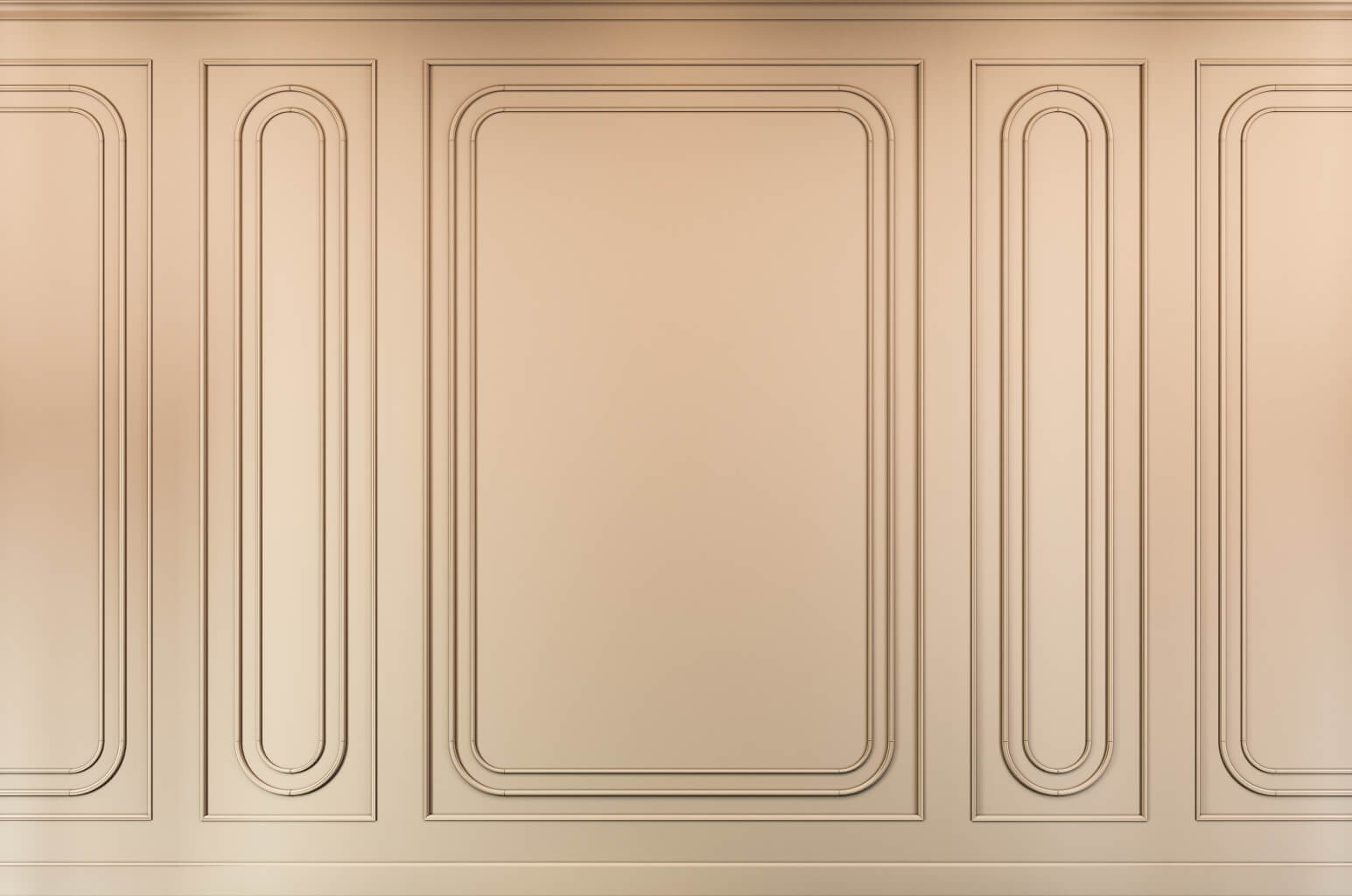
Decorating idea for INTPAN-007 wall panels
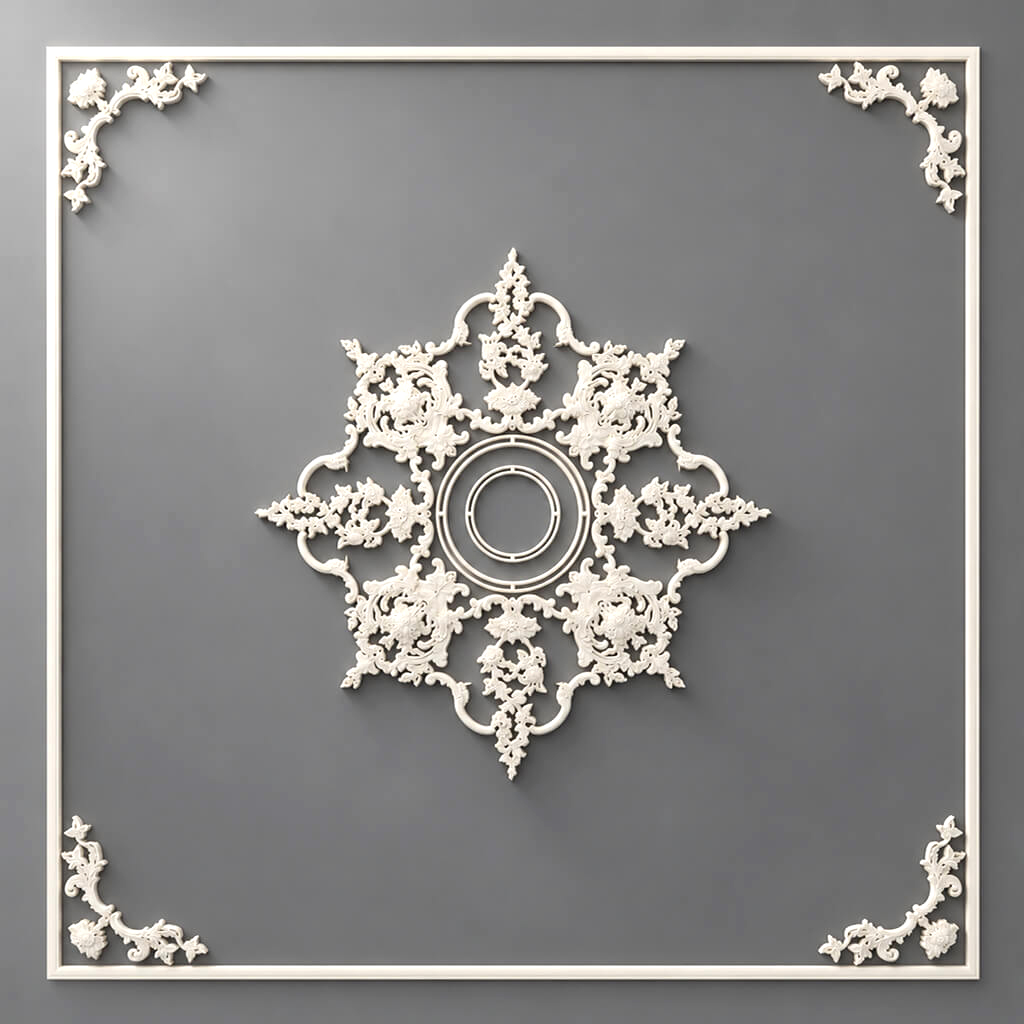
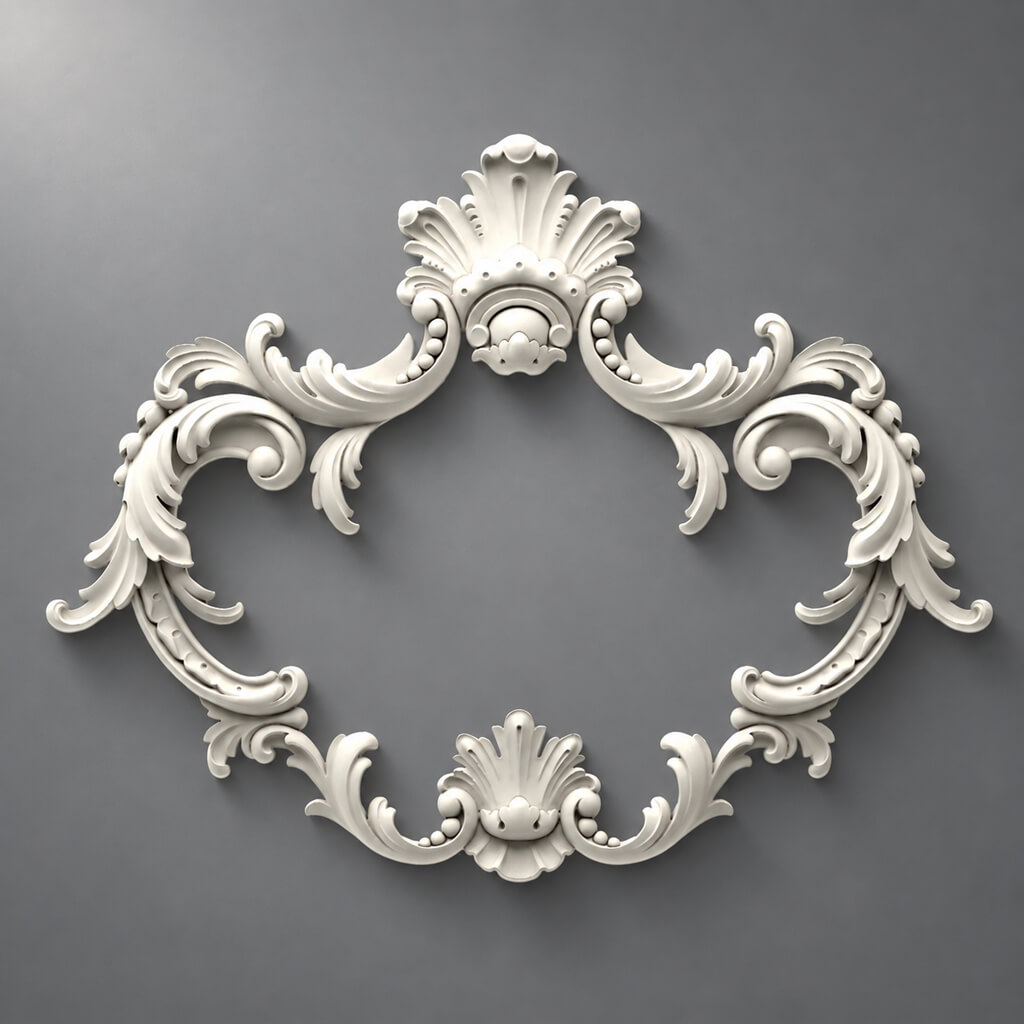
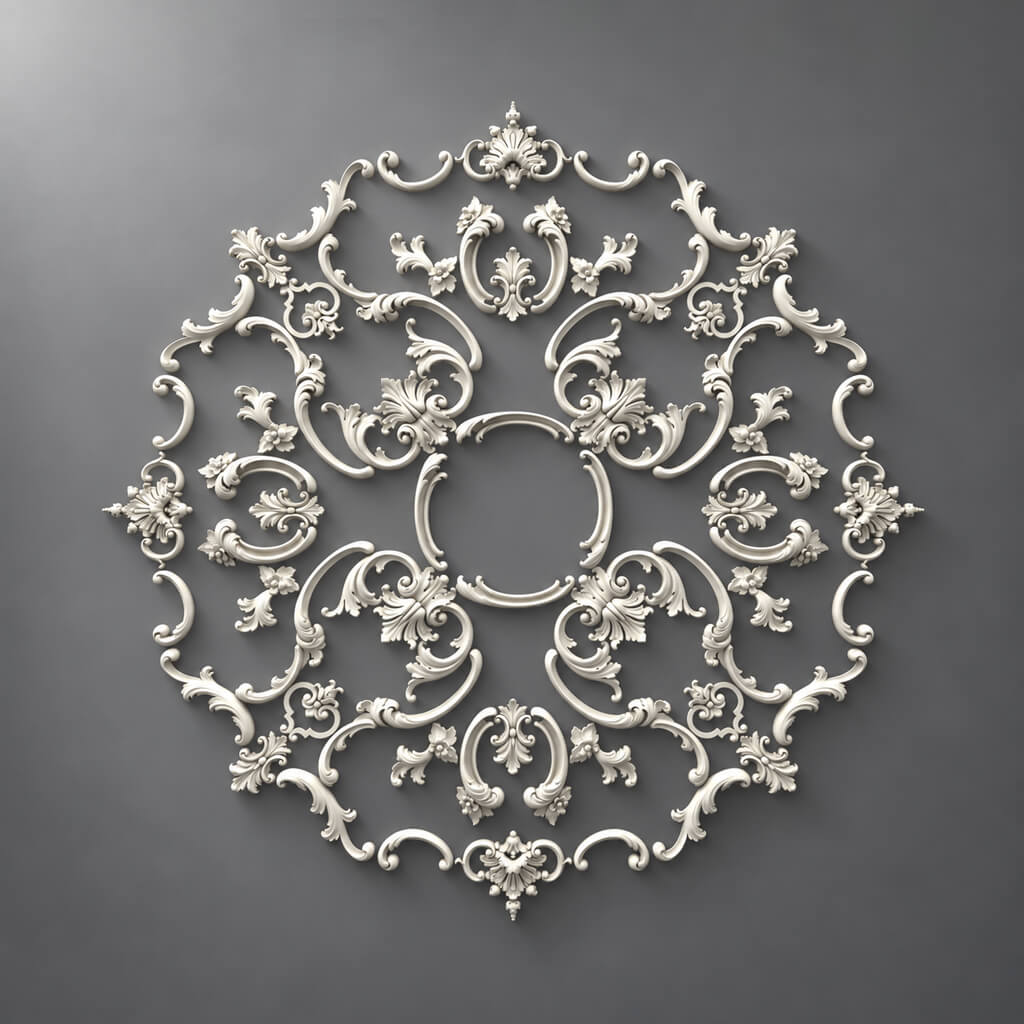
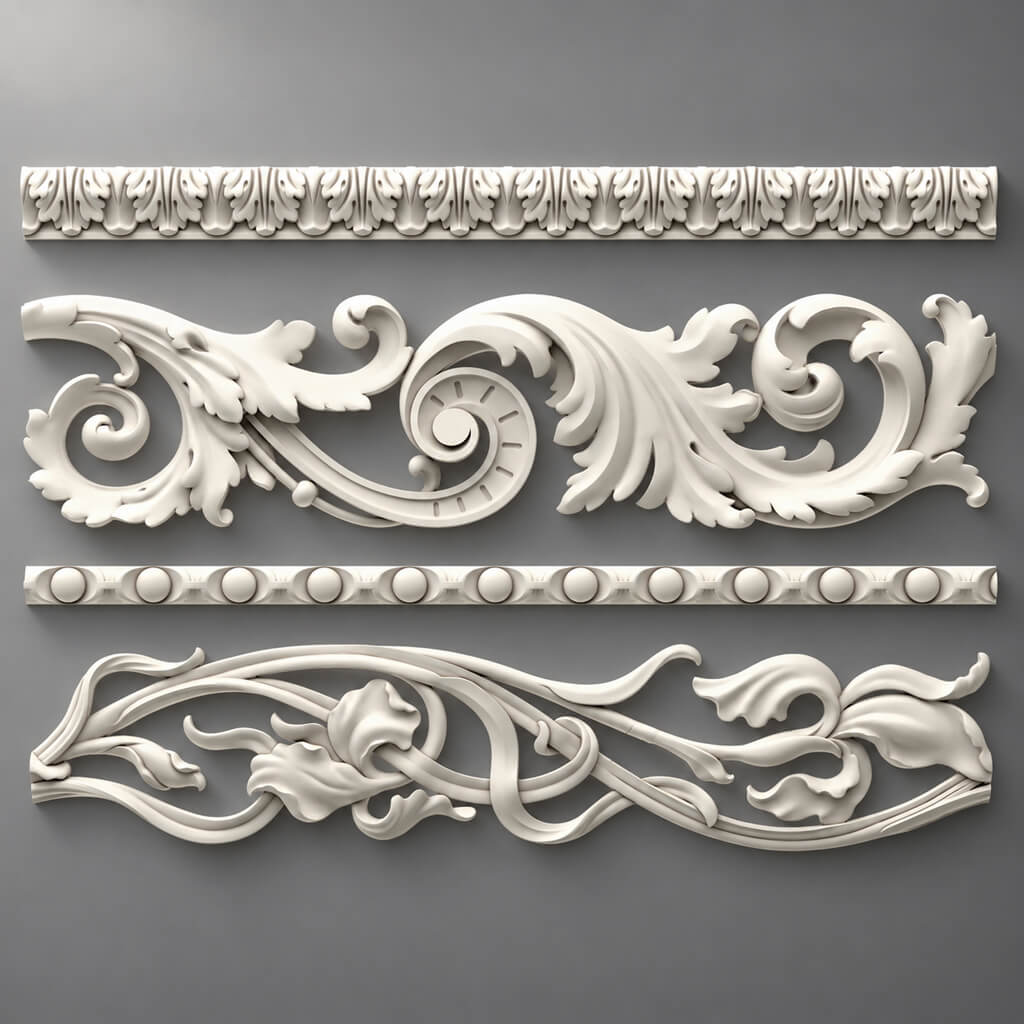
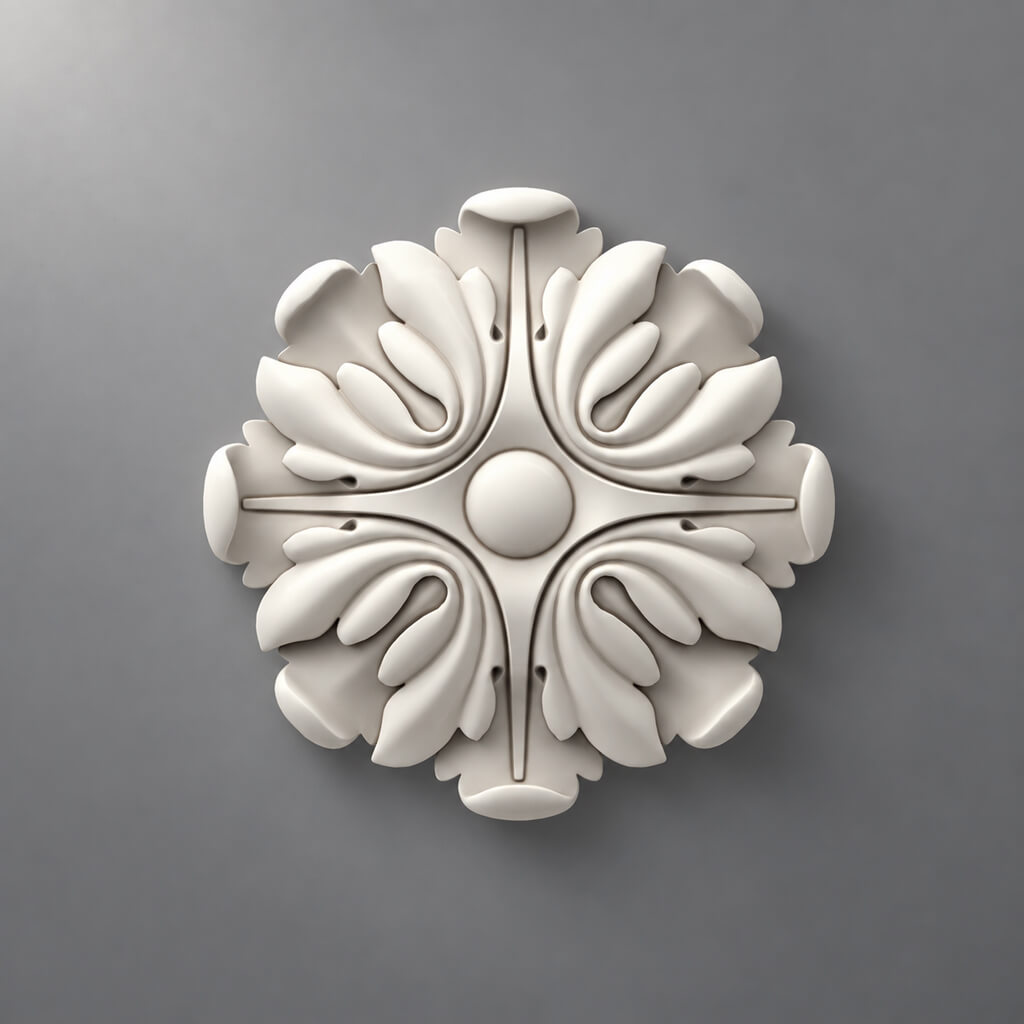
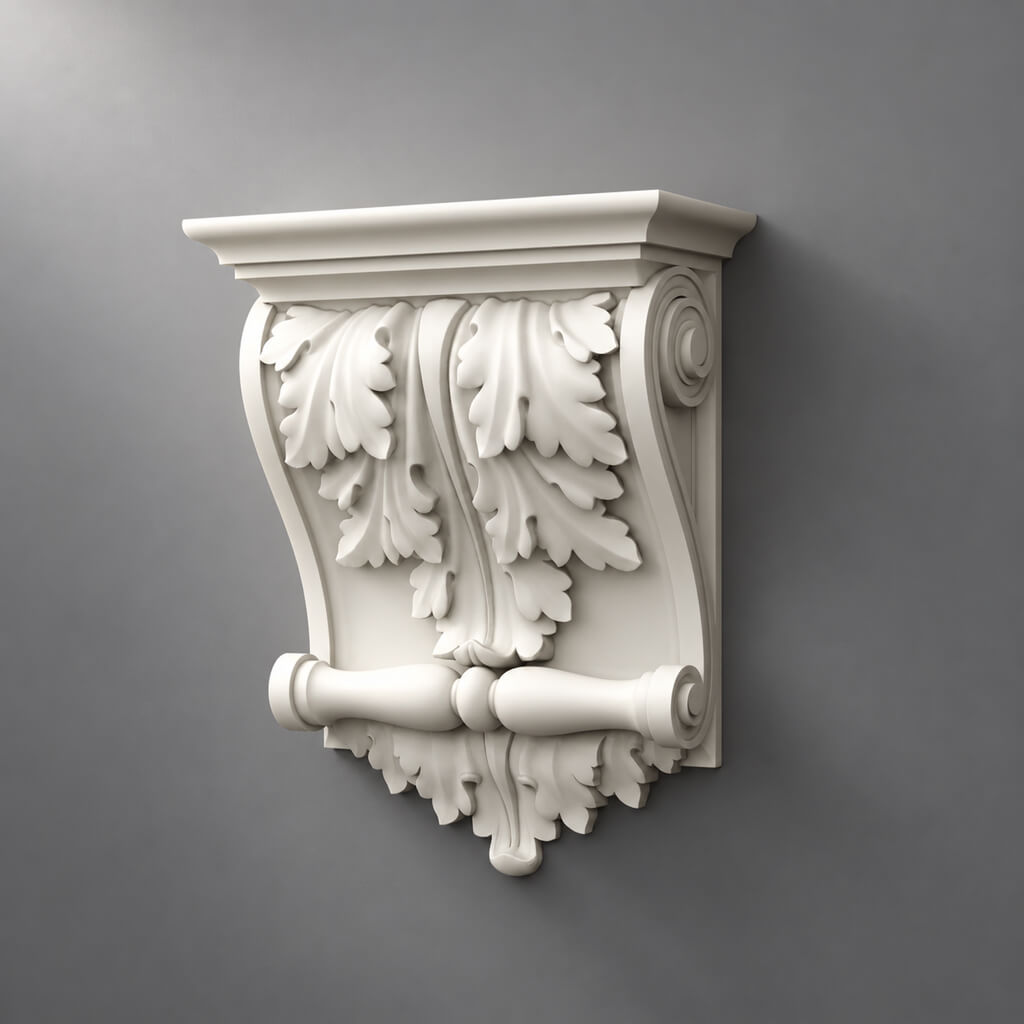
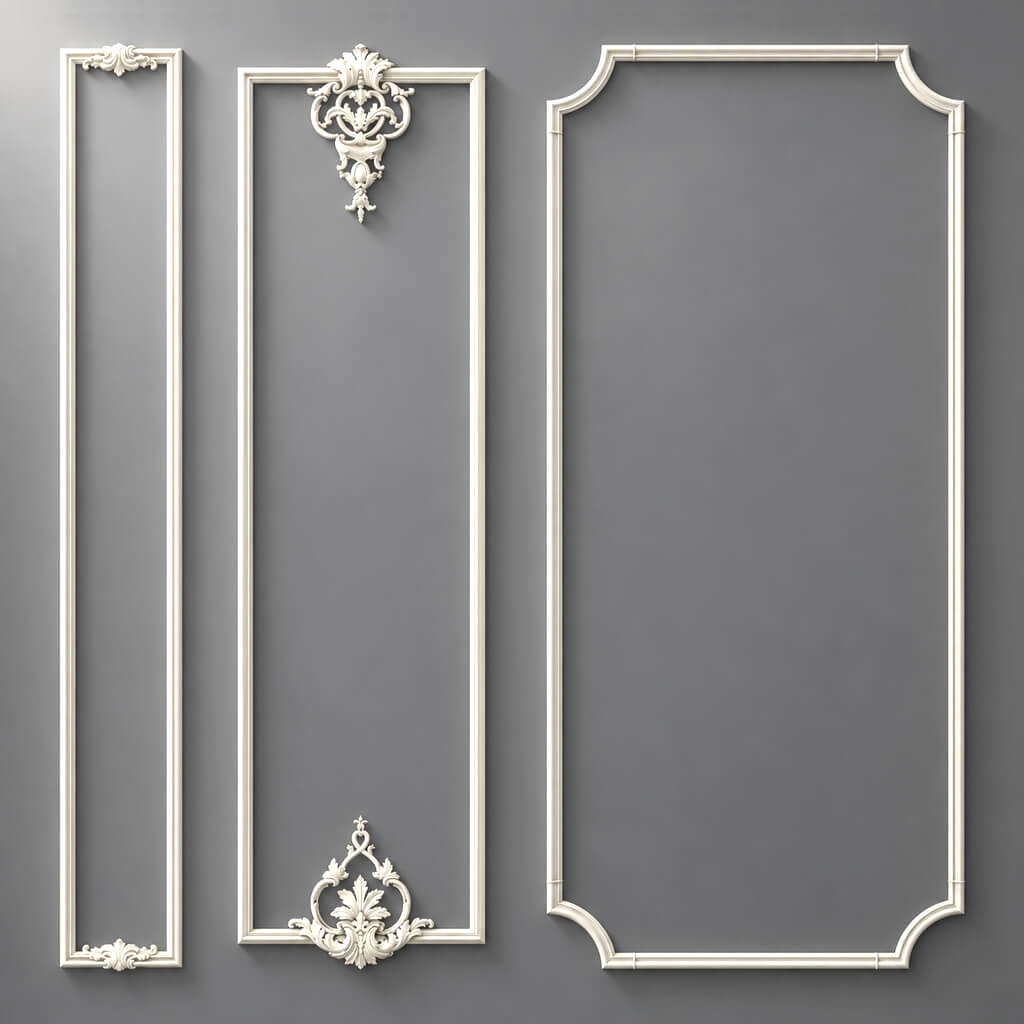
Used elements from the STAVROS array
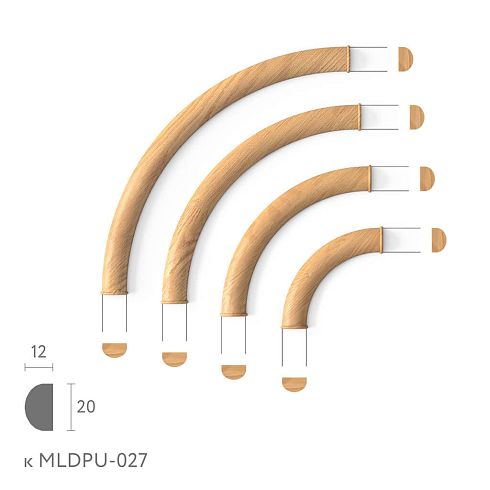
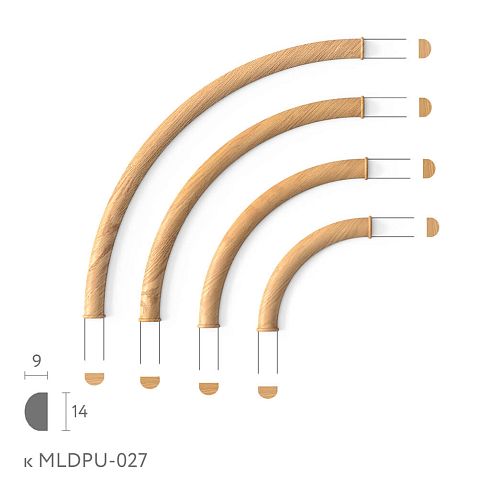
Polyurethane elements used: STAVROS

We will help you implement the project
Measurements
You send us furniture, interior, and preferences dimensions
Design
Our specialists will create a project (paid service, from 2000 rub.)
Kitting
After project approval, you receive a specification
Implementation
We will select partners in your city for painting and mounting decor
You may also be interested in


Frequently asked questions
Our showrooms are located in Saint Petersburg and Moscow. Production is located in Saint Petersburg.
Moscow contacts: https://www.stavros.ru/contacts_all/?tab=msk
Contacts of Saint Petersburg: https://www.stavros.ru/contacts_all/?tab=spb
- Send request by email [email protected]
- Write to us at Telegram
- Write to us at WhatsApp
- Order by phone +7 (800) 555-46-75
- Visit our showroom in Saint Petersburg and Moscow
Yes, we ship orders throughout Russia and to CIS countries.
We cooperate with transportation companies such as СДЭК and DPD.
You can also arrange pickup of your order through any convenient transportation company for you.
Delivery cost depends on the size, weight of the item, and delivery address.
When placing an order, the delivery cost is calculated automatically and displayed as a separate line on our website.
Prices and availability of items on the website are always current. Data is updated daily.
Note: items in stock are stored on the warehouse in unpolished form and shipped within 3 working days.
If the item is not in stock, average production time: 5–10 working days.
This is the quality of polishing of the items.
Standard — machine polishing, at a more attractive price.
Prestige — detailed hand polishing, items do not require further work.
More details: https://www.stavros.ru/information/kachestvo/
This is the type of veneer of the items.
Under enamel: produced by gluing wooden laminates without color and texture matching. Contrast tonal and textural differences are noticeable. This blank should be chosen if the item is intended for opaque coating.
Under tinting: produced by gluing wooden laminates with color and texture matching. Tonal and textural differences may occur. This blank should be chosen if the item is intended for semi-transparent finish.
More details: https://www.stavros.ru/information/kachestvo/
Beech — dense, non-porous wood, most often used for items covered with enamel.
Oak — dense, porous wood with clearly visible natural grain. Due to its strength and decorative properties, it is often used in items with semi-transparent coating, highlighting the wood pattern.
Custom-made, if non-standard items are required, we can produce products from other types of wood, including blanks provided by the customer, manufactured according to our technical specifications.
All our furniture legs can withstand a vertical load of at least 100 kg.
Average production time for custom-made items: 5–10 working days.
Most items are stored on the warehouse in unpolished form. We need time to polish and pack orders.
Yes, we manufacture non-standard items according to individual projects, but we only accept orders with a minimum quantity.
We can manufacture items of the desired size, but we only work with bulk orders. For details, please consult the sales department manager.
Yes, some of our products can be used outdoors. For example, polyurethane items, as well as carved door casings made of pine.
Other items are produced to order using PUR glue, if minimum quantity is available. No warranty is provided for such products, as outdoor conditions are considered aggressive.
Yes, we paint items when ordering products for a total amount of 150,000 rubles or more.
- Dust removal. After sanding, the surface must be dusted.
- Priming. Apply primer in an even layer.
- Matting. After the primer has fully dried, the surface should be matted (lightly sanded for better adhesion).
- Finish coating. Apply finish coating: lacquer or enamel, in 2 layers, with interlayer drying.
More details: https://www.stavros.ru/information/sovety/
Apply adhesive to the decor. Attach to the surface and press briefly. Then, remove the decor from the surface and leave it open for 3–5 minutes. Press the decor firmly onto the surface and hold for 5–10 seconds.
More details: https://www.stavros.ru/information/sovety/
Ideally, you should prepare a design project before placing an order.
You can do this yourself by downloading drawings of our products from our website, or you can order a project from us.
If the number of decorative elements and fittings is small, our company's manager can assist you with selection.
Unfortunately, this service is not provided.
The packaging method depends on the type of items, but in each case, we ensure sufficient protection for safe transportation.
We most often use corrugated cardboard and stretch film. Fragile items are additionally secured on a rigid base to prevent damage during transport.
We ship all items starting from 1 piece.
Room measurements and item installation can be performed by our partners — carpentry companies represented in most regions of Russia.
Also see
Relief that is silent: the light geometry of moldings as the language of a modern interior
Light wall panel with soft geometry of moldings
There are interiors that shout. They speak loudly—with color, texture, accents. And there are interiors that speak quietly. They choose a different language: not brightness, but nuance. Not contrast, but nuance. Not volume, but depth. A light wall surface with thin molding lines is exactly that quiet language. And this is precisely what the INTPAN-007 concept demonstrates.
You look at this wall—and the first feeling is calm. The second: expensive. The third: how is this done? And then you start to examine the details: elongated rectangular frames, soft arched lines at the top, a calm beige or milky shade, a delicate relief that is only read by light and shadow. Nothing extra. Everything in its place. Silence that is backed by precise work.
At the core of the INTPAN-007 concept isdecorative wall panelswith a molding pattern. Not a slatted texture, not hidden doors, not radius transitions—here the main character is the molding itself. A thin semi-circular profile that creates a frame geometry. Corner elements that complete the lines with soft arcs. And a light surface that turns all this relief into an architectural conversation about space.
Why molding is not "old-fashioned"
We need to clear up a prejudice right away. For many, molding means heavy classicism. Lush cornices, carved stucco, Empire profiles, Baroque flourishes. All of that exists. But it has nothing to do with the INTPAN-007 concept.
Modern molding is a line. Just a line. Thin, calm, with a soft semi-circular cross-section. It doesn't shout about style. It adds order to the wall: separates zones, creates frames, emphasizes symmetry. And that is its strength.
wall panels with moldingsin the INTPAN-007 execution is modern classicism in the most literal sense: a classic means of expression applied with modern restraint. Without excess. Without pomp. Without the dusty heaviness of the past.
Molding in a modern interior is what designers call "added surface value." A smooth painted wall is worth roughly zero extra points: functional, neutral, without character. The same wall with a molding frame grid is already a statement. Already a choice. Already an interior you want to look at.
Anatomy of the INTPAN-007 idea: what exactly we see
Let's break down the visual structure of INTPAN-007 methodically — layer by layer.
General background. A light, uniform surface. A warm neutral shade — beige, milky, sandy, greige. Not white (too cold and clinically strict), not gray (too industrial), but precisely a warm neutral that accepts any additional color of furniture and textiles.
Rectangular frames. The main structural element of the composition. Vertically elongated rectangles made of MLD-027 molding are placed on the panel with precise spacing. They set the rhythm: the gaze moves from left to right across sections, stops at each frame, feels order and symmetry. This is an architectural grid applied to the plane.
Arched lines. The top part of each vertical frame ends not with a right angle, but with a soft curve. This is wherecorner elements MLD-027U-1andMLD-027U-2. The arched transition removes the rigidity of the rectangle, adds softness — and the entire molding pattern acquires a sense of elegance rather than heaviness.
Relief under light. Molding with a cross-section of 14 × 9 mm or 20 × 12 mm — small but sufficient so that with side or directional lighting, each line casts its own shadow. It is the shadow that makes the relief visible: not paint, not color, but the play of light. With daylight from a window or evening backlighting, the wall gains volume that a smooth surface will never provide.
This is architectural economy of means: one tool (molding), one operation (surface installation), the result — a full-fledged decorative wall architecture.
MLD-027: a profile that can do everything
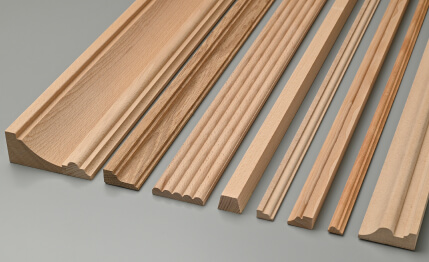
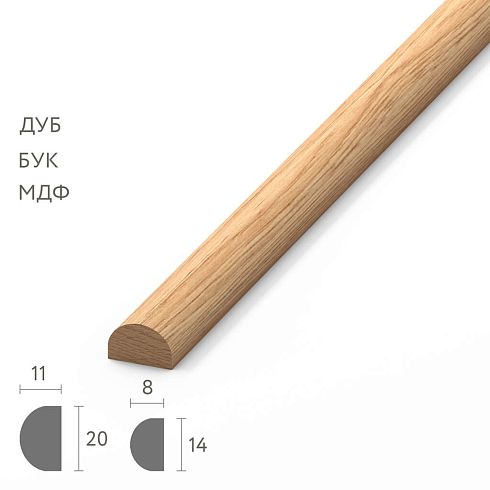
The main element of INTPAN-007 isWooden Molding MLD-027. It is this element that builds all lines: straight runs, vertical and horizontal frame borders, section outlines.
The profile is semicircular — this is fundamental. Why?
A rectangular molding profile creates a sharp shadow — harsh, rigid. It looks structural but not organic. A semicircular profile gives a soft, sliding shadow: light gradually wraps around the arc, the shadow builds smoothly. The result is a line that looks thin and elegant even with a small cross-section.
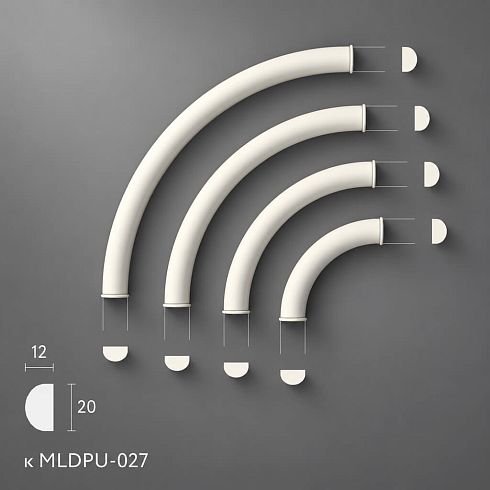
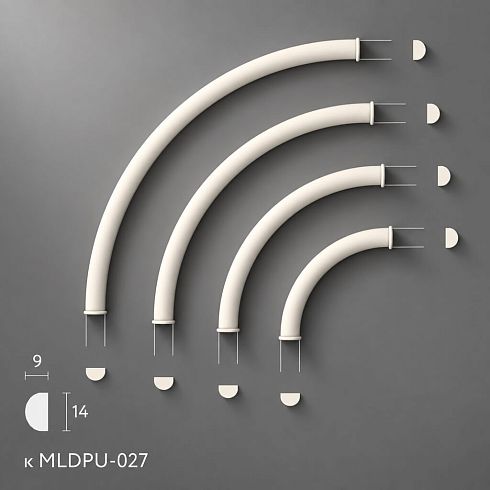
Two sizes: 14 × 9 mm and 20 × 12 mm. The smaller one is suitable for delicate frame solutions where minimal molding visibility is important. The larger one is for when the frame geometry needs to be readable even in bright side lighting, with a more expressive shadow.
MLD-027 material options
Oak. When tinted or with clear oil — a lively natural texture.Oak wood molding is suitable in interiors where the wall panel is created as part of a wooden ensemble: moldings, wooden doors, wooden furniture fronts, portal frames — all in a single natural tone.
Beech. A neutral, fine-grained wood. Beech molding with light tinting or white enamel is the optimal choice for a monochrome light interior, where the molding line should be noticeable by its relief, but not by the material.
MDF. For full painting in the wall color.Molding for MDF wall panelfor enamel — the most common solution for INTPAN-007: the molding dissolves into the wall color and works only with its relief.
Full assortment of STAVROS wooden moldings — in the catalog section on the website.
Corner elements MLD-027U-1 and MLD-027U-2: arch as an architectural pause
Here is a question often asked: why can't you just cut the molding at 45° at the corners? Technically — you can. The result is a traditional rectangular frame with a corner joint.
But there is a fundamental difference between a rectangular frame and a frame with a soft corner element.
A right angle stops the gaze abruptly. It is rigid, constructive, a bit tense. A corner element with an arch — on the contrary: the gaze goes around the corner smoothly, without stumbling. The feeling that such a molding pattern creates is soft, rounded, slightly airy.
Decorative corner element MLD-027U-1andMLD-027U-2 — these are precisely calculated corner inserts for the MLD-027 profile. They provide a smooth transition at the turning point of the molding: the arch strictly matches the radius, the cross-section matches the size of the run, the material matches the main molding.
The INTPAN-007 concept features two types of corner elements: U-1 and U-2. These are two different arch variants — different radius, different arch height. Using both in one panel allows creating arch frames of varying "softness": some with a slight rounding, close to a rectangle, others with a more pronounced arch, almost like in a Romanesque interior. Their combination on one surface creates a visual rhythm that is perceived as complex yet harmonious.
Three application scenarios for corner elements in INTPAN-007
Scenario 1: all corners with the same arch (only U-1 or only U-2). The result is a strict frame system with a uniform rhythm. Well suited for symmetrical panels in halls and entryways.
Scenario 2: bottom corners straight, top corners with an arch. The frame gets an "arched top" while maintaining a straight base. A classic architectural motif in a modern execution. This shape works well in a bedroom behind the bed — as a monumental headboard with a soft arch overhead.
Scenario 3: alternating U-1 and U-2 in different sections. A complex molding pattern with diverse geometry — for interiors that need decorative richness without heaviness. This technique is suitable for a living room with a large accent wall.
Allcorner elements and decor for moldingsfrom solid wood — in the STAVROS catalog.
Polyurethane version: the same idea — a different material language
Discussing polyurethane in the context of INTPAN-007 is a discussion about two different interior scenarios, not about a "cheap replacement for wood." Polyurethane moldings and wooden ones are different tools for different tasks.
Polyurethane molding MLDPU-027has exactly the same profile as the wooden MLD-027: 14 × 9 mm and 20 × 12 mm, semicircular cross-section, straight runs. Size, shape, installation principle — identical. But the material opens up other possibilities.
Polyurethane has no natural texture. The surface is uniform, without fibers, without pores. This allows applying any paint — water-based, acrylic, alkyd — directly onto the surface without prior priming. The molding takes the wall color perfectly evenly.
Polyurethane does not deform. Wood can slightly shrink and expand with changes in humidity, causing microcracks at the joints of molding over time. Polyurethane is stable under any conditions and significant temperature and humidity fluctuations. This is important for hallways with street access, kitchen-studios, and air-conditioned rooms.
Polyurethane is lighter. When installing on large surfaces, this makes work easier: runs glue faster, hold more reliably, and do not require reinforced fastening.
Polyurethane molding MLDPU-027U-1andMLDPU-027U-2— corner finishes for the polyurethane system. They fully match wooden counterparts in shape and size. Equipping runs and corner elements of the same material ensures uniform geometry and a homogeneous surface for painting.
Full catalog of polyurethane moldingsandpolyurethane molding — on the STAVROS website.
Solid wood or polyurethane: selection table
| Parameter | Solid wood MLD-027 | Polyurethane MLDPU-027 |
|---|---|---|
| Natural texture | Oak, beech — pronounced | No |
| For painting | Requires preparation | Ready for painting |
| For varnish / oil | Ideally | No |
| Stability | Standard | High |
| Moist areas | No | Yes |
| Installation | Adhesive + fasteners | Adhesive only |
| Compatibility with wood | Ideally | As needed |
| Price | Higher | Below |
Light palette: when color works in favor of relief
INTPAN-007 is a story about a light interior. Not white (white is cold and clinical), but a warm neutral that accepts light and creates the desired effect with the molding relief.
Which shades work in the INTPAN-007 logic?
Milky. Soft, creamy white with a slight cream undertone. Combined with molding relief, it creates the feel of fabric — thin, expensive, textured. Especially good in warm daylight.
Beige. A classic neutral shade that suits any furniture. The molding pattern on a beige background is literallywall panels with moldingsin the "quiet luxury" version: not a single flashy element, but the feeling of an expensive space is constantly present.
Sandy. A richer, warmer, almost terracotta neutral. In a living room with walnut or cognac-colored furniture — an ideal combination.light wall panelin a sandy shade with a molding pattern creates a cozy, intimate atmosphere.
Greige. Gray-beige is a versatile shade for a modern interior. It is neutral in temperature, accepting both cool metallic decor and warm wood well.Wall panels under enamelin greige with polyurethane molding — an ideal combination for contemporary interiors.
Ivory shade. A light yellowish warmth — the most "antique" of neutral shades. Ivory-colored molding works as a quiet reference to the classic boiserie aesthetic without its excess.
An important principle: the molding and background should be in the same color or very close tones. A sharp contrast (white molding on a beige background) shifts the idea from "architectural delicacy" to "applied details." It is monochrome that makes INTPAN-007 what it is: a textured surface, not a decorated one.
Light and shadow: the physics of delicate relief
Here we need to pause and discuss how exactly the molding relief is perceived visually. This is important for understanding why INTPAN-007 works in a wide variety of lighting conditions.
The semi-circular profile of the molding has three zones: the upper open part of the arc (receives direct light), the side slopes of the arc (create sliding chiaroscuro), and the base (contacts the surface and casts a thin shadow along the perimeter). It is this three-zone chiaroscuro that makes the MLD-027 profile visible in any lighting — even in diffused daylight without a clear source.
With directional lighting, the effect intensifies: the shadow from each molding line falls onto the surface, and the entire frame pattern becomes voluminous, almost sculptural.Decorative wall with backlightand molding relief — this is one of the best ways to create a "living" wall that changes character depending on the time of day and the position of the light source.
Practical recommendations:
-
for a warm natural atmosphere — LED strip 2700–3000 K in the upper horizontal gap above the panel
-
for a modern neutral character — 3500–4000 K
-
for commercial spaces with daytime operation — 4000 K with high CRI (95+) for accurate color rendering of milky and beige shades
Installation technique: from concept to finish
Installing a molding wall panel using INTPAN-007 logic is primarily a geometric task. A marking error is immediately visible and unforgivable.
Step 1. Designing the molding pattern
Before starting work, you need to answer the question: what is the section size? Typically, the height of the vertical frame is a multiple of the room height, accounting for offsets from the ceiling and floor. The section width is determined by the number of frames along the wall length. The standard approach: an odd number of frames (3, 5, 7) for symmetry relative to the central axis.
The layout is done on a scale sheet, considering the actual wall dimensions, window and door openings, and niches. The molding pattern should not 'break off' at the edge: frames near side walls, openings, and corners must be complete.
Step 2. Wall marking
A laser level is a mandatory tool. All vertical and horizontal lines are marked with a pencil along the laser projection. The diagonal of each frame is checked by measurement—right angles must be precise. Any deviation, even 2 mm in the diagonal, will be noticeable after molding installation.
Step 3. Preparing molding runs
MLD-027 runs are cut strictly to length. Ends are strictly at 90°, without bevels. Corner elementsMLD-027U-1andMLD-027U-2are installed at the joints of the runs—exactly according to the markings, without gaps. If geometry adjustment is needed, the corner element is slightly shifted within tolerance (up to 1 mm)—this is normal.
Step 4. Installation
Glue — acrylic or polyurethane mounting adhesive. Apply in a zigzag pattern to the back side of the molding. Press the piece against the surface strictly according to the markings, press down, and secure with finishing nails (for wooden molding) or clamping strips while drying (for polyurethane). Corner elements — only with glue, no mechanical fastening.
Step 5. Finishing
After the glue dries — fill the joints with acrylic sealant matching the finish color. Sand after drying. Prime (for wooden moldings — mandatory, for polyurethane — if necessary). Apply two coats of finishing enamel — use a roller for the wall and a brush for the molding to avoid drips on the relief.
Detailed instructions on how to work with moldings — in the section installation tipson the STAVROS website.
Where to use INTPAN-007: a space that asks for soft geometry
Living room: accent wall behind the sofa
Wall moldings in the living room — this is a classic task that INTPAN-007 solves better than most alternatives. An accent wall behind the sofa with molding frame geometry is a full-fledged architectural backdrop for the lounge area. The sofa, pillows, floor lamp — everything works brighter and cleaner when there is a structured wall behind them, not just a flat painted surface.
Recommendation: the height of the molding frames — from the floor (or from the baseboard line) to a level just below the ceiling. This creates the feeling of high boiserie, which visually elongates a standard room.
Bedroom: headboard without a headboard
The wall behind the bed with a molding pattern is one of the most elegant ways to create an accent without a furniture headboard.Light wall panels for the bedroom with arched molding frames above the pillows create an almost sacred architectural context: the arched top of the frame above the sleeper's head is a thousand-year-old architectural motif of comfort and protection.
For the bedroom, it is recommended to use a molding pattern with arched endings (corner elements U-2 — a more pronounced arch). The height of the arched area is at the level of the headboard, creating a "frame" around the bed.
Hallway and hall
Decorative panel in the entrywaywith a molding pattern turns a transit space into an architectural zone. In the hallway, there is usually no room for furniture accents — only walls. Molding geometry on a light background creates the necessary expressiveness without reducing the space.
For hallways and foyers, taller molding frames are often chosen — from floor to ceiling. This visually increases the height of the room.Decorating a wall in the hall with moldingsis one of the most popular commercial requests in the premium housing segment.
Corridor
A long corridor is a complex task for a designer. The INTPAN-007 molding pattern solves two problems at once: it rhythmically divides the long surface into sections (eliminates the "tunnel effect") and adds depth to a smooth wall.Moldings on the wall in the corridoris a working tool against architectural monotony.
Office and library
Wall panels for the studywith molding geometry are modern boiseries in the workspace. The frame grid structures the walls of the study, adding intellectual seriousness to the space. The ideal combination here is: side walls with INTPAN-007 molding panels, the wall behind the desk with bookshelves in the same color scheme.
Commercial spaces
Wall panels for commercial interiorsin the INTPAN-007 system is about creating an atmosphere of trust. Molding geometry in the meeting room, in the showroom's negotiation area, in the reception zone of a premium office — all of this creates an environment where the client automatically raises their assessment of the company's status.Decorative panels for reception deskwith a soft molding relief — a quiet statement: people with taste work here.
Stylistic contexts: in which interior INTPAN-007 is particularly convincing
Soft classic and modern classic
This is the native environment for INTPAN-007. Soft classic is a modern style that takes from classic its architectonic quality and order, but sheds heavy stucco and imperial attributes. The molding pattern with arched terminations is literally the language of soft classic: restrained, elegant, without a specific historical reference.
Soft classic style wall panelwith MLD-027 moldings — one of the most organic combinations in modern interior design.
Neoclassicism
A stricter version of the classic interior. In a neoclassical space, molding panels are a mandatory element. INTPAN-007 offers neoclassical tools in a concise modern execution: without baroque curls, without rosettes, without heavy cornices. Only a clean frame pattern with arched lines.
Wall panels in neoclassical stylein the INTPAN-007 execution — the right answer to the request for 'classic without obsolescence'.
Contemporary
Contemporary is a style without style. It accepts everything made with quality and measure. A molding relief in a contemporary interior is an architectural detail that adds character to the space without a stylistic declaration.Decorative panels in contemporary stylewith moldings — a neutral but not faceless solution.
Soft Art Deco
Arched lines are a direct reference to Art Deco. But in INTPAN-007, they are freed from the heavy attributes of the era: no gilding, no contrasting colors, no overloaded ornament. Only the geometry of the arch on a light background. This is soft Art Deco — a hint at the style, not its reproduction.
Japandi with a molding accent
An unexpected but convincing context. In Japandi, molding geometry is perceived not as "classic" but as architectural order — close to the Japanese shoji tradition, where the geometric grid pattern carries not a decorative but an architectural meaning. The milky background, thin oak moldings with clear oil, arched finishes — this is Japandi with European architectural culture.
Moldings in a modern interiorof the Japandi style — a rare but very expressive combination.
Molding decor and other STAVROS elements: how the system is built
INTPAN-007 is not an isolated idea. The molding decor logically continues on other surfaces of the interior.
Doors. The frame pattern with MLD-027 on the door leaf is a direct continuation of the molding grid from the wall panel. This connection of wall and door creates a unified architectural space: the door does not stand out from the wall but continues its rhythm. See ideas for using moldings on doors in the sectioninterior solutions.
Furniture facades. Molding on the facade of a cabinet, dresser, or built-in shelving is a continuation of the wall idea. When the molding pattern transitions from the panel to the furniture, the space acquires a unified architectural logic. This is especially valuable in small apartments, where built-in furniture should be "part of the wall" rather than a separate object.
Portals and frames.Decorative framesMoldings frame niches, TV areas, fireplaces, and mirrors. In the INTPAN-007 system, such frames are organically connected to the wall panel: one profile, one material, one color — a unified architectural environment.
AllSTAVROS moldings and decor catalog— on the website in the solid wood products section.All interior solutions— in a unified ideas section.
How the INTPAN-007 package is structured: what is needed for implementation
The INTPAN-007 idea involves two parallel sets of elements — solid wood and polyurethane.
Solid wood kit:
-
Wooden Molding MLD-027— runs for vertical and horizontal lines of the frame grid
-
MLD-027U-1— corner element for a soft arch of the first radius
-
MLD-027U-2— corner element for a more pronounced arch of the second radius
Polyurethane kit:
-
MLDPU-027— polyurethane molding, analog of MLD-027 in profile and size
-
MLDPU-027U-1— polyurethane corner element
-
MLDPU-027U-2— polyurethane corner element with extended radius
Both sets are fully geometrically compatible: if necessary, you can combine wooden purlins with polyurethane corner elements or vice versa.
To select the required assortment —decor for solid wood moldingsandpolyurethane moldingsin the STAVROS catalog.
FAQ: answers to popular questions about INTPAN-007
How is INTPAN-007 different from a regular wall with glued moldings?
In INTPAN-007, the molding pattern is a designed system: precise frame spacing, proportional height-to-width ratio of sections, arched completions through corner elements. This is not "moldings glued to a wall," but architectural geometry with a defined logic.
What specific moldings are needed to implement this idea?
Wooden moldingMLD-027 for straight runs, corner elementsMLD-027U-1andMLD-027U-2 for arched finishes. Alternatively — polyurethaneMLDPU-027, MLDPU-027U-1andMLDPU-027U-2.
Can the moldings be painted the same color as the wall?
Yes — and this is one of the best solutions for INTPAN-007. Molding in the wall color creates a monochrome relief that feels lighter and more modern than contrasting decor.Moldings for painting made of MDF or polyurethane analogs — the optimal choice.
How to correctly calculate the number of molding runs and corner elements?
Standard calculation: perimeter of each frame = 2 × (height + width) + a small margin. Number of corner elements = number of frames × 4 (2 U-1 corners and 2 U-2 corners for the arched top). Add 10% margin for trimming and defects to the result.
Is special wall preparation needed before installing moldings?
The wall must be level (deviation no more than 2 mm per 2 m), clean, and primed. If the wall will be painted in the final color, it is recommended to do the painting before installing the moldings — this way the joints are sealed with sealant against the finished background.
Is INTPAN-007 suitable for a modern interior without classic elements?
Absolutely. The laconic geometry of MLD-027 with arched endings works in contemporary, Japandi, and soft minimalism. Molding is not a style, it is an architectural tool. In a modern interior, it adds order and depth without imposing historical associations.
Where can I buy all the elements for INTPAN-007?
All necessary assortment —Wooden moldings, Decor for Molding, Moldings made of polyurethane — presented in the STAVROS catalog. Ideas for use and examples of interior solutions are in the sectionwall panels and boiserie and the general sectioninterior solutions.