





































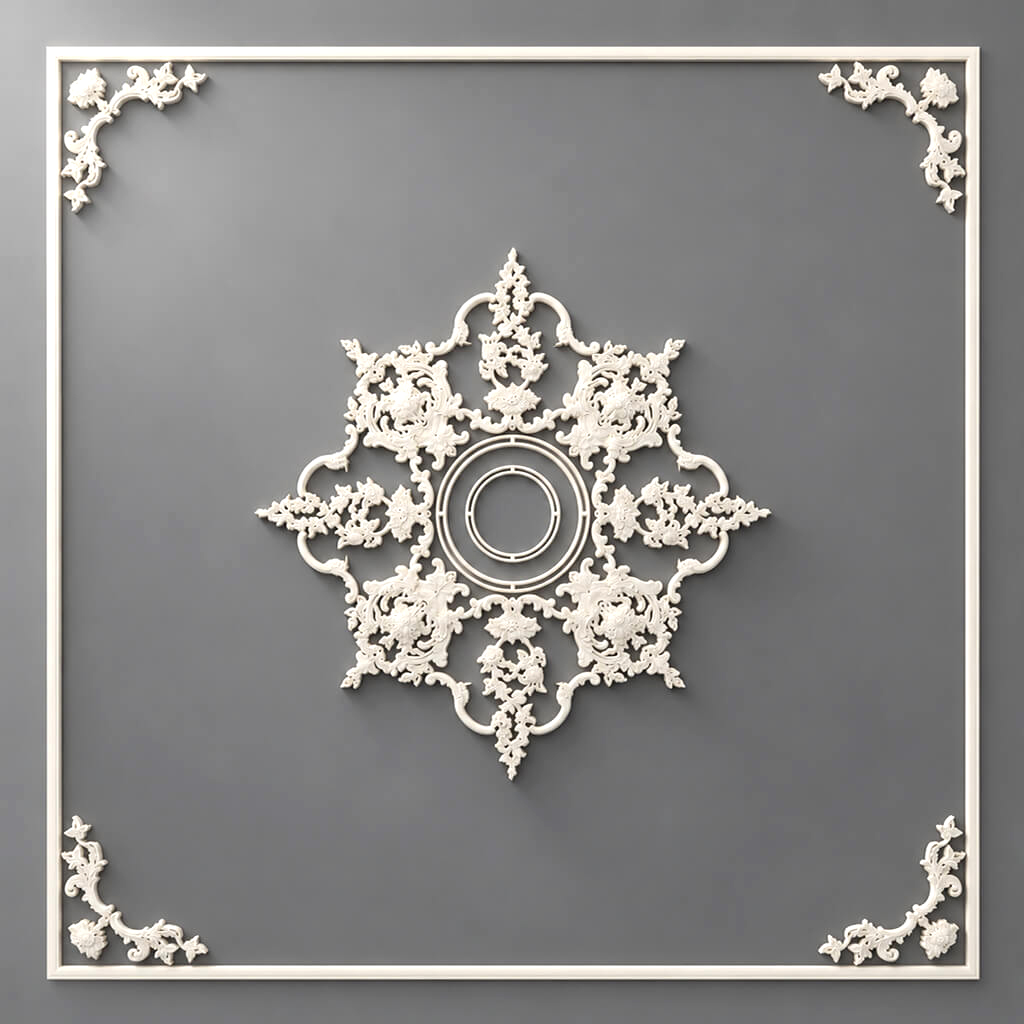

























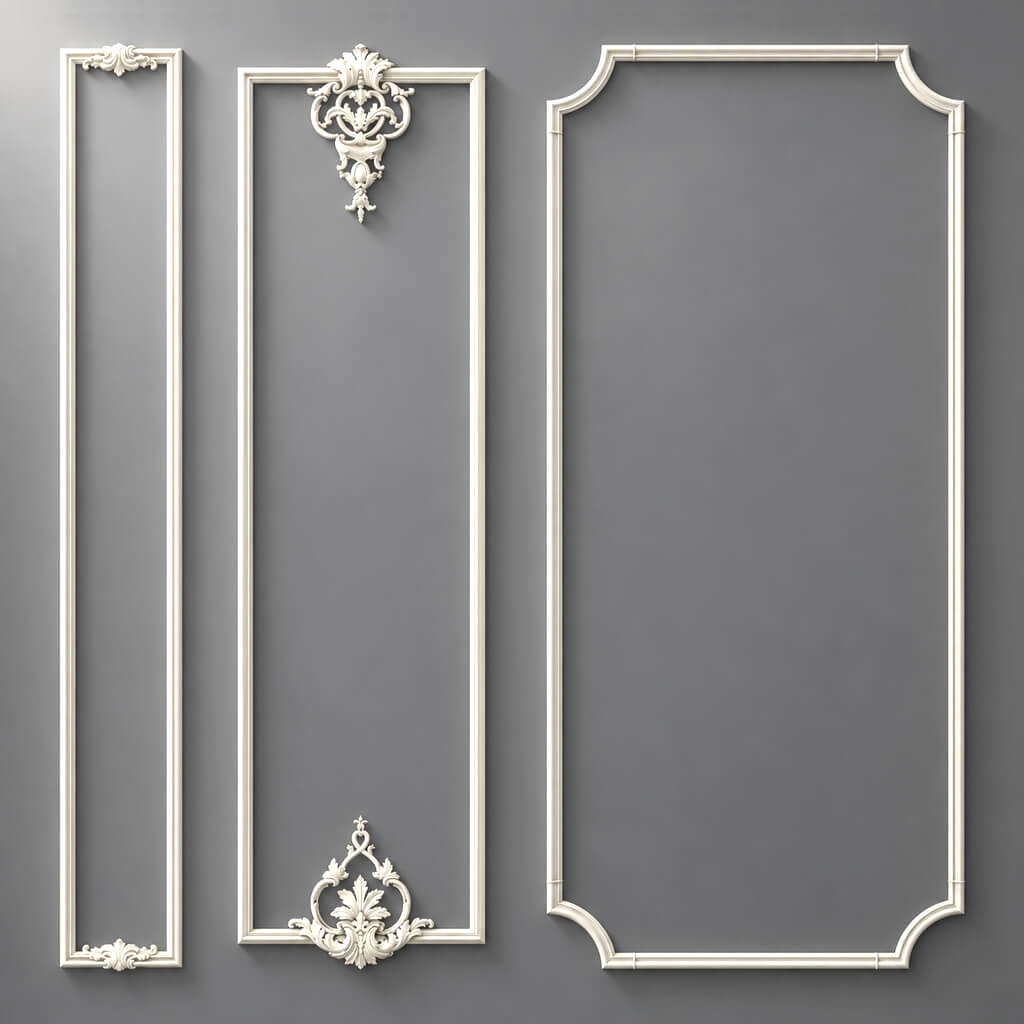
Decor idea for wall panels "Ekateringof" INTPU-032
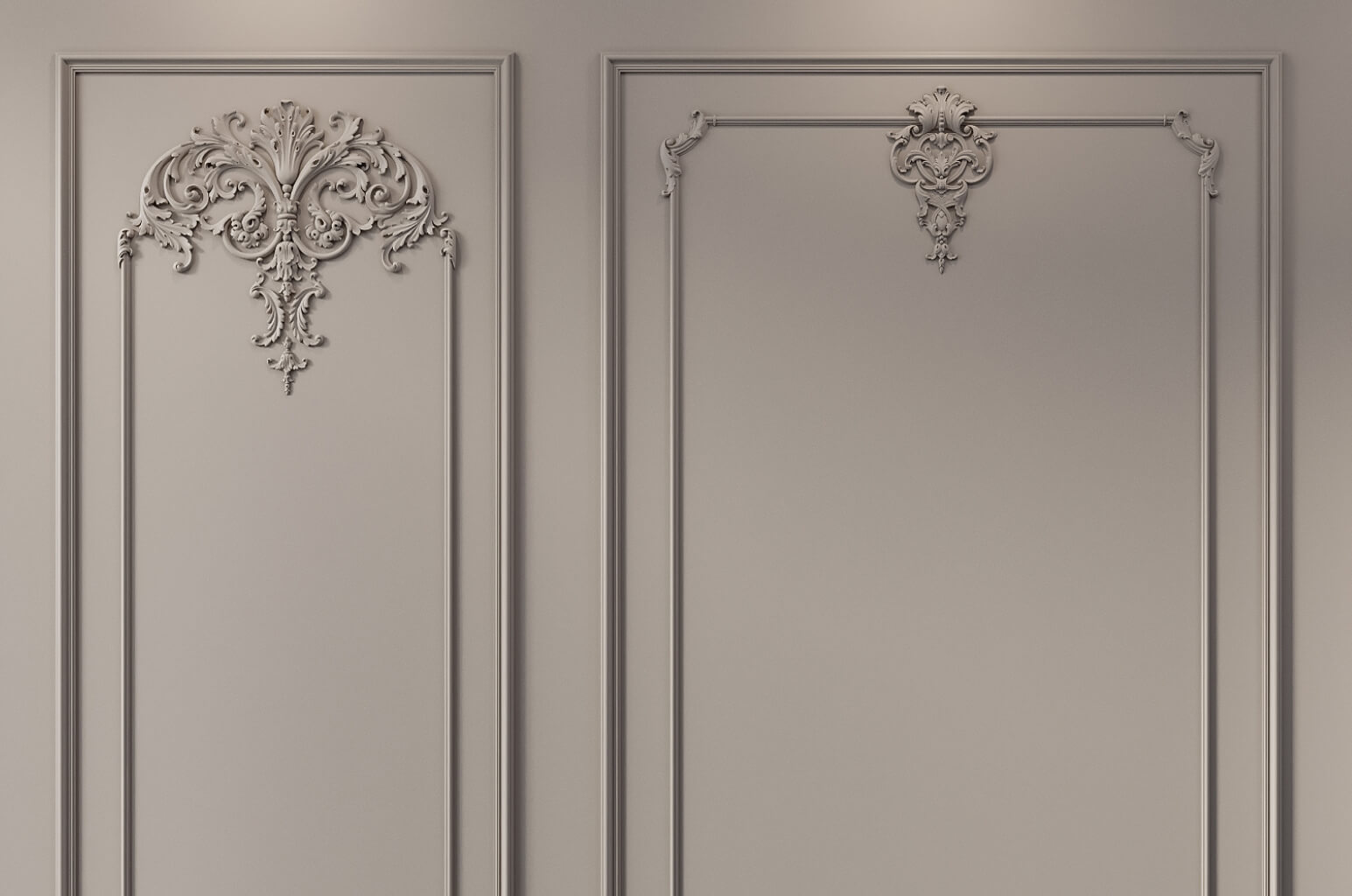
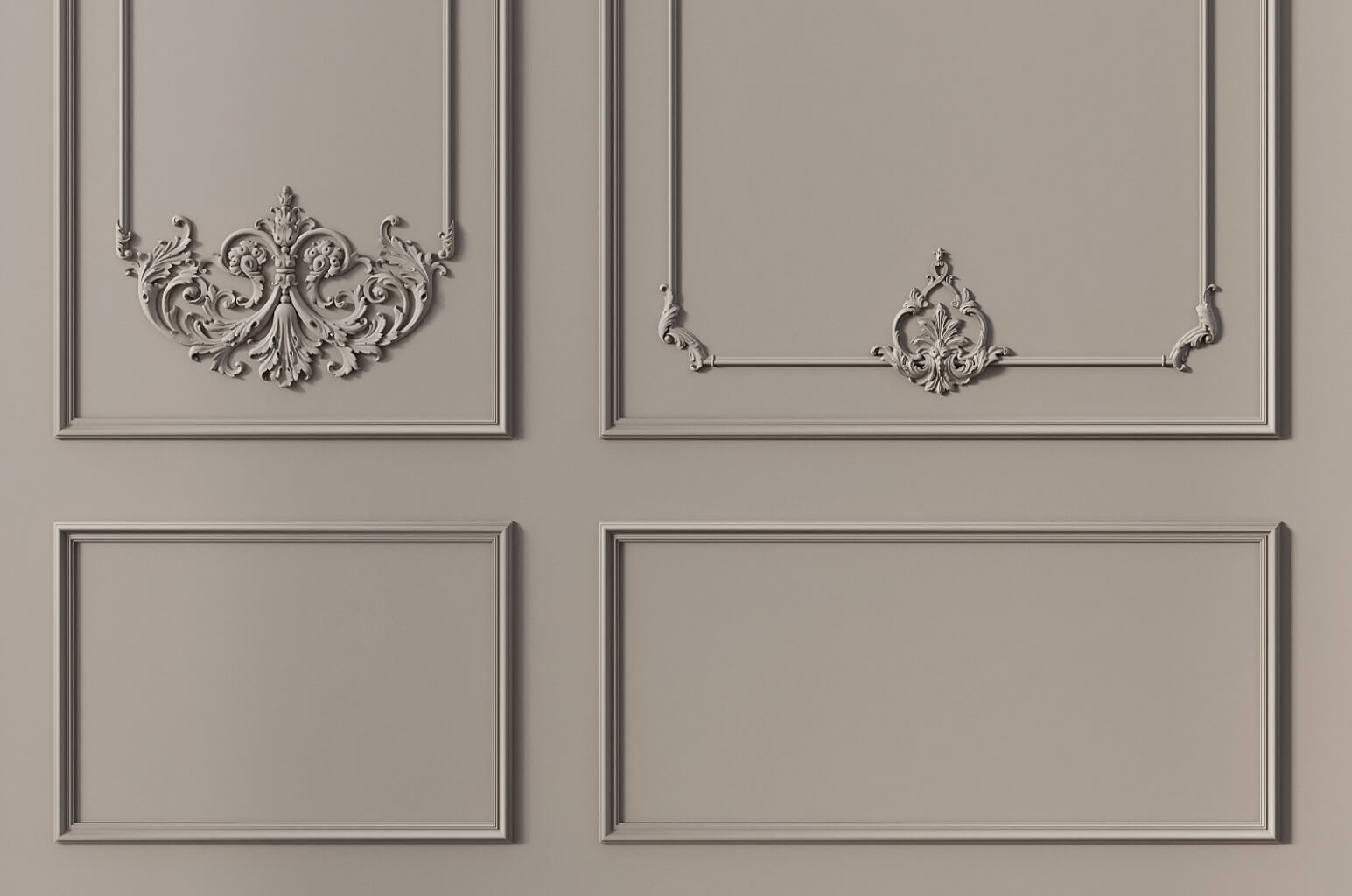
Used elements from the STAVROS array


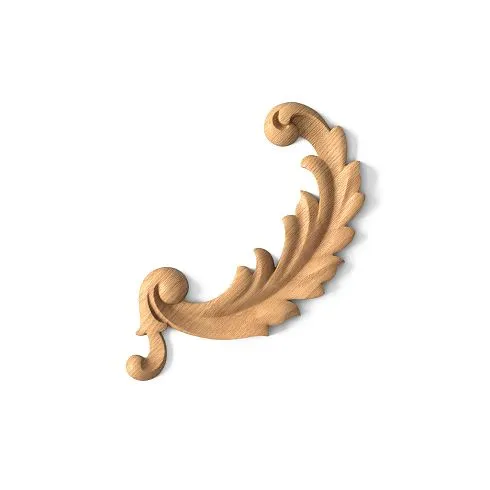


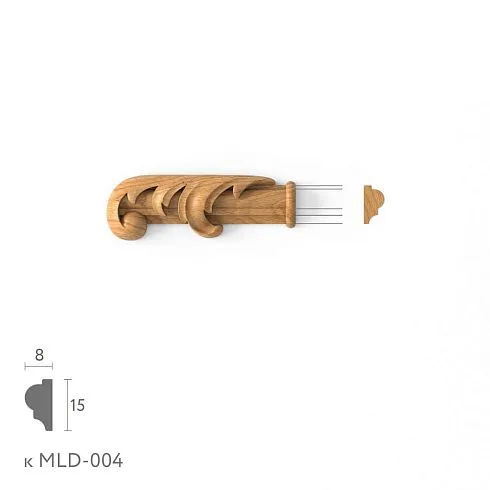
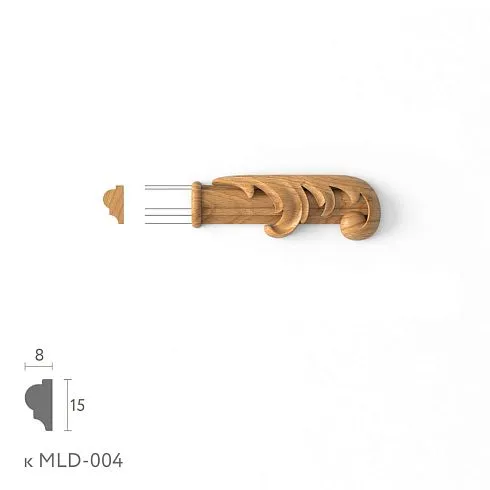

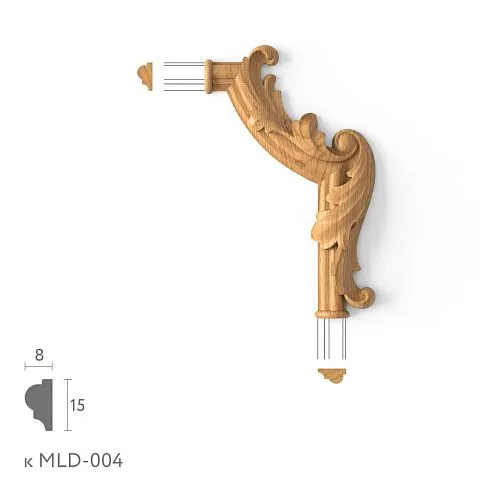
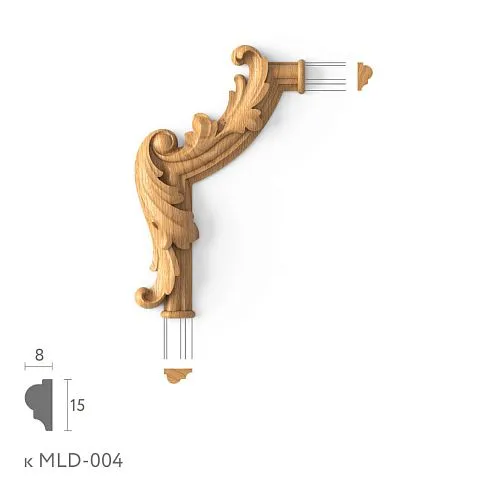
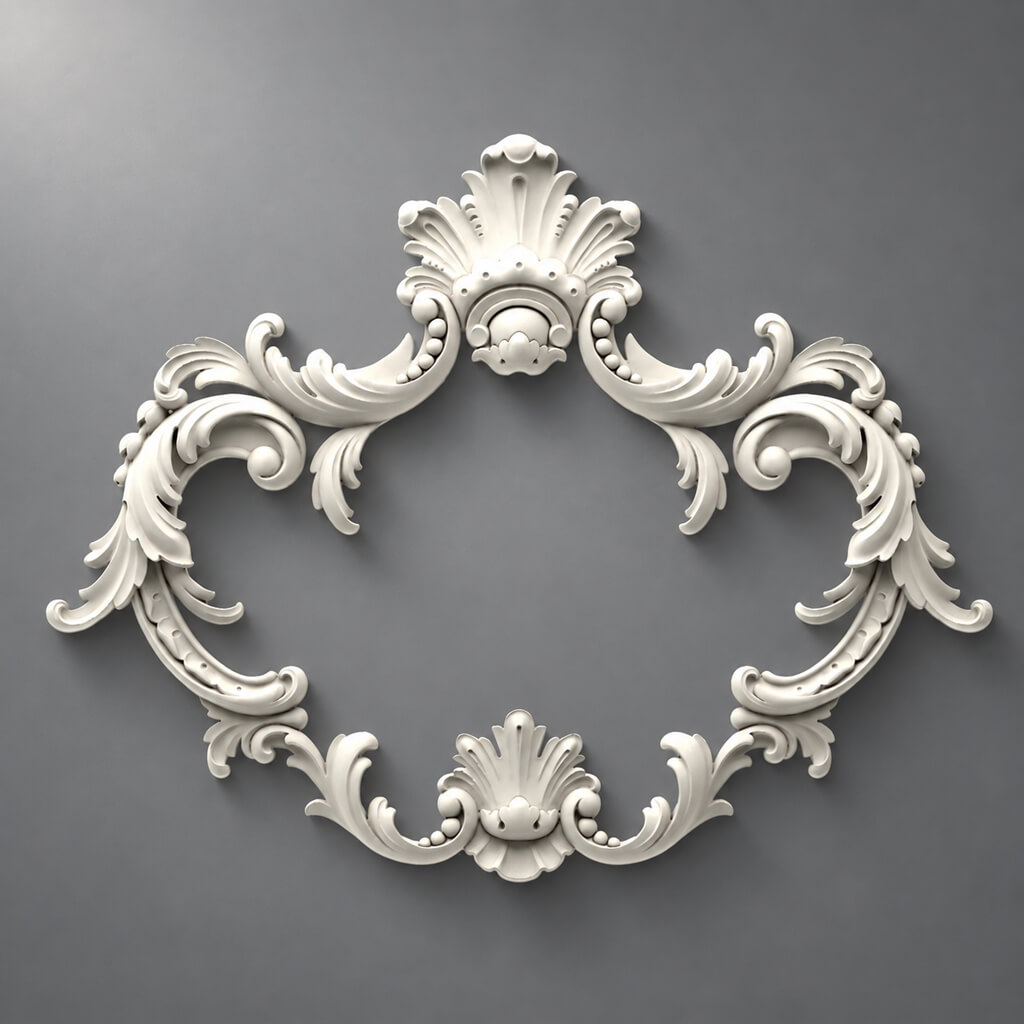
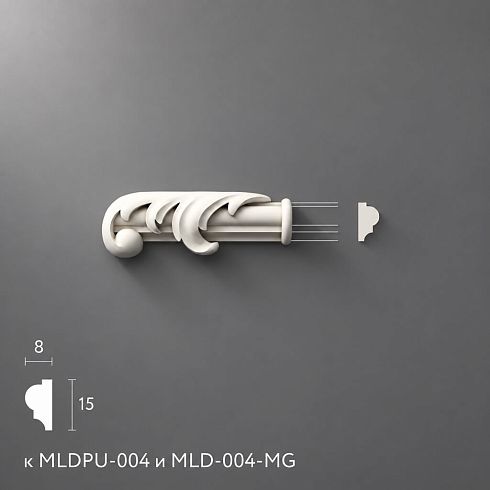
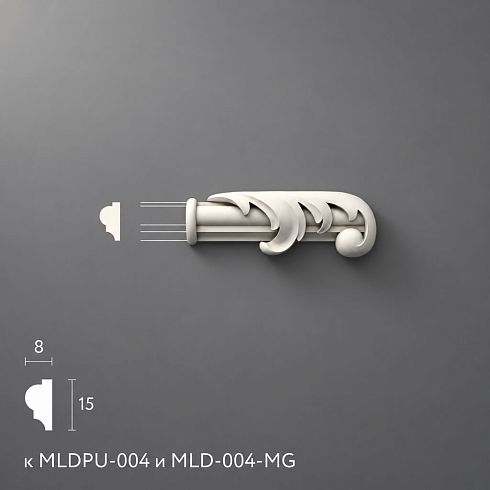
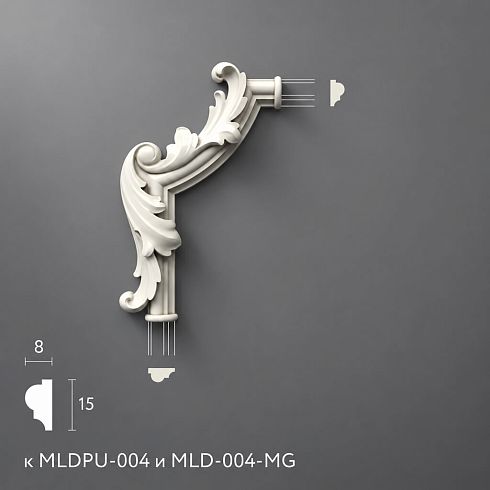
Polyurethane elements used: STAVROS







We will help you implement the project
Measurements
You send us furniture, interior, and preferences dimensions
Design
Our specialists will create a project (paid service, from 2000 rub.)
Kitting
After project approval, you receive a specification
Implementation
We will select partners in your city for painting and mounting decor
You may also be interested in


Frequently asked questions
Our showrooms are located in Saint Petersburg and Moscow. Production is located in Saint Petersburg.
Moscow contacts: https://www.stavros.ru/contacts_all/?tab=msk
Contacts of Saint Petersburg: https://www.stavros.ru/contacts_all/?tab=spb
- Send request by email [email protected]
- Write to us at Telegram
- Write to us at WhatsApp
- Order by phone +7 (800) 555-46-75
- Visit our showroom in Saint Petersburg and Moscow
Yes, we ship orders throughout Russia and to CIS countries.
We cooperate with transportation companies such as СДЭК and DPD.
You can also arrange pickup of your order through any convenient transportation company for you.
Delivery cost depends on the size, weight of the item, and delivery address.
When placing an order, the delivery cost is calculated automatically and displayed as a separate line on our website.
Prices and availability of items on the website are always current. Data is updated daily.
Note: items in stock are stored on the warehouse in unpolished form and shipped within 3 working days.
If the item is not in stock, average production time: 5–10 working days.
This is the quality of polishing of the items.
Standard — machine polishing, at a more attractive price.
Prestige — detailed hand polishing, items do not require further work.
More details: https://www.stavros.ru/information/kachestvo/
This is the type of veneer of the items.
Under enamel: produced by gluing wooden laminates without color and texture matching. Contrast tonal and textural differences are noticeable. This blank should be chosen if the item is intended for opaque coating.
Under tinting: produced by gluing wooden laminates with color and texture matching. Tonal and textural differences may occur. This blank should be chosen if the item is intended for semi-transparent finish.
More details: https://www.stavros.ru/information/kachestvo/
Beech — dense, non-porous wood, most often used for items covered with enamel.
Oak — dense, porous wood with clearly visible natural grain. Due to its strength and decorative properties, it is often used in items with semi-transparent coating, highlighting the wood pattern.
Custom-made, if non-standard items are required, we can produce products from other types of wood, including blanks provided by the customer, manufactured according to our technical specifications.
All our furniture legs can withstand a vertical load of at least 100 kg.
Average production time for custom-made items: 5–10 working days.
Most items are stored on the warehouse in unpolished form. We need time to polish and pack orders.
Yes, we manufacture non-standard items according to individual projects, but we only accept orders with a minimum quantity.
We can manufacture items of the desired size, but we only work with bulk orders. For details, please consult the sales department manager.
Yes, some of our products can be used outdoors. For example, polyurethane items, as well as carved door casings made of pine.
Other items are produced to order using PUR glue, if minimum quantity is available. No warranty is provided for such products, as outdoor conditions are considered aggressive.
Yes, we paint items when ordering products for a total amount of 150,000 rubles or more.
- Dust removal. After sanding, the surface must be dusted.
- Priming. Apply primer in an even layer.
- Matting. After the primer has fully dried, the surface should be matted (lightly sanded for better adhesion).
- Finish coating. Apply finish coating: lacquer or enamel, in 2 layers, with interlayer drying.
More details: https://www.stavros.ru/information/sovety/
Apply adhesive to the decor. Attach to the surface and press briefly. Then, remove the decor from the surface and leave it open for 3–5 minutes. Press the decor firmly onto the surface and hold for 5–10 seconds.
More details: https://www.stavros.ru/information/sovety/
Ideally, you should prepare a design project before placing an order.
You can do this yourself by downloading drawings of our products from our website, or you can order a project from us.
If the number of decorative elements and fittings is small, our company's manager can assist you with selection.
Unfortunately, this service is not provided.
The packaging method depends on the type of items, but in each case, we ensure sufficient protection for safe transportation.
We most often use corrugated cardboard and stretch film. Fragile items are additionally secured on a rigid base to prevent damage during transport.
We ship all items starting from 1 piece.
Room measurements and item installation can be performed by our partners — carpentry companies represented in most regions of Russia.
Also see
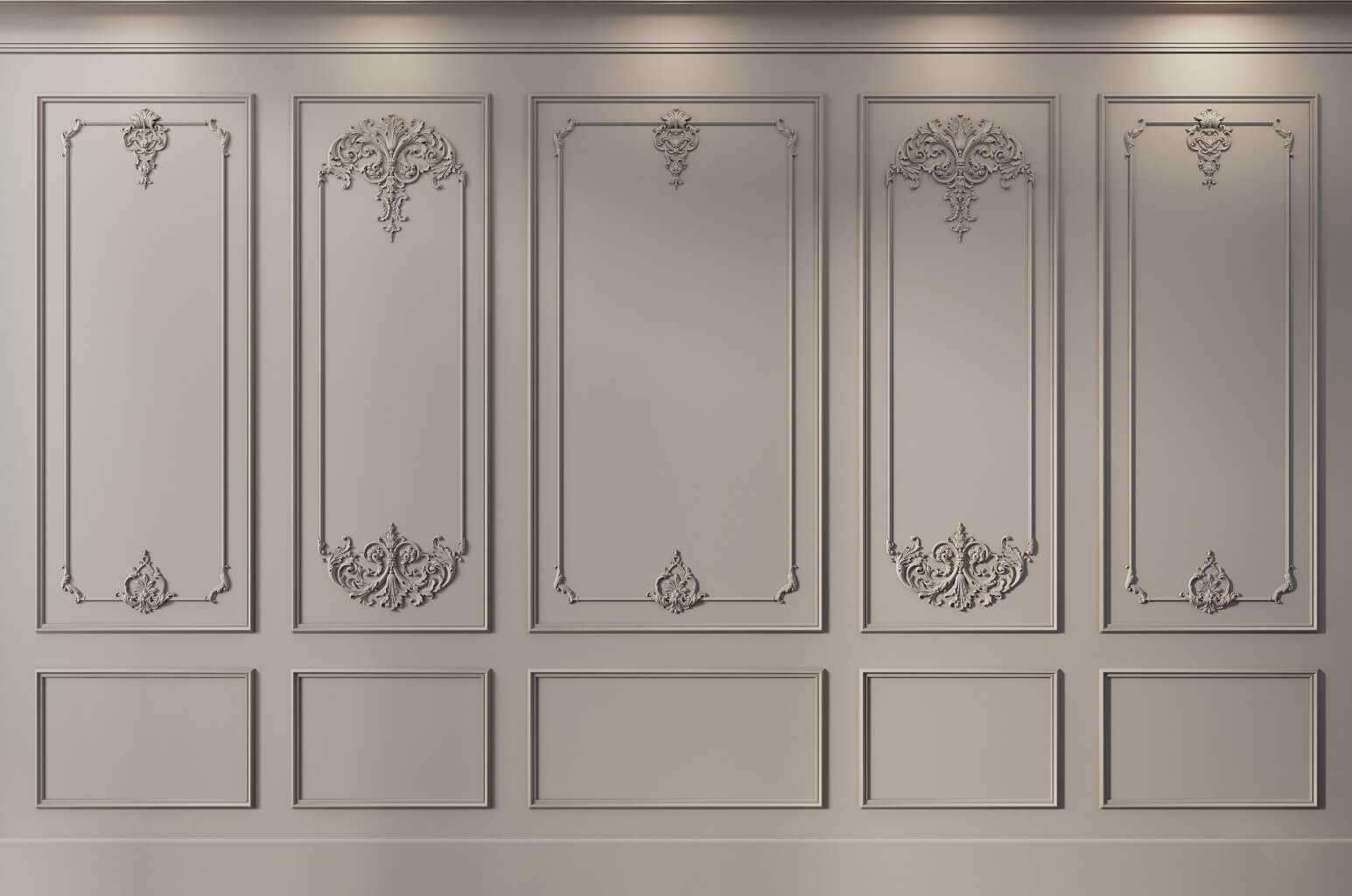
The idea of decorating wall panels Ekaterinhof INTPU-032 for a classic interior
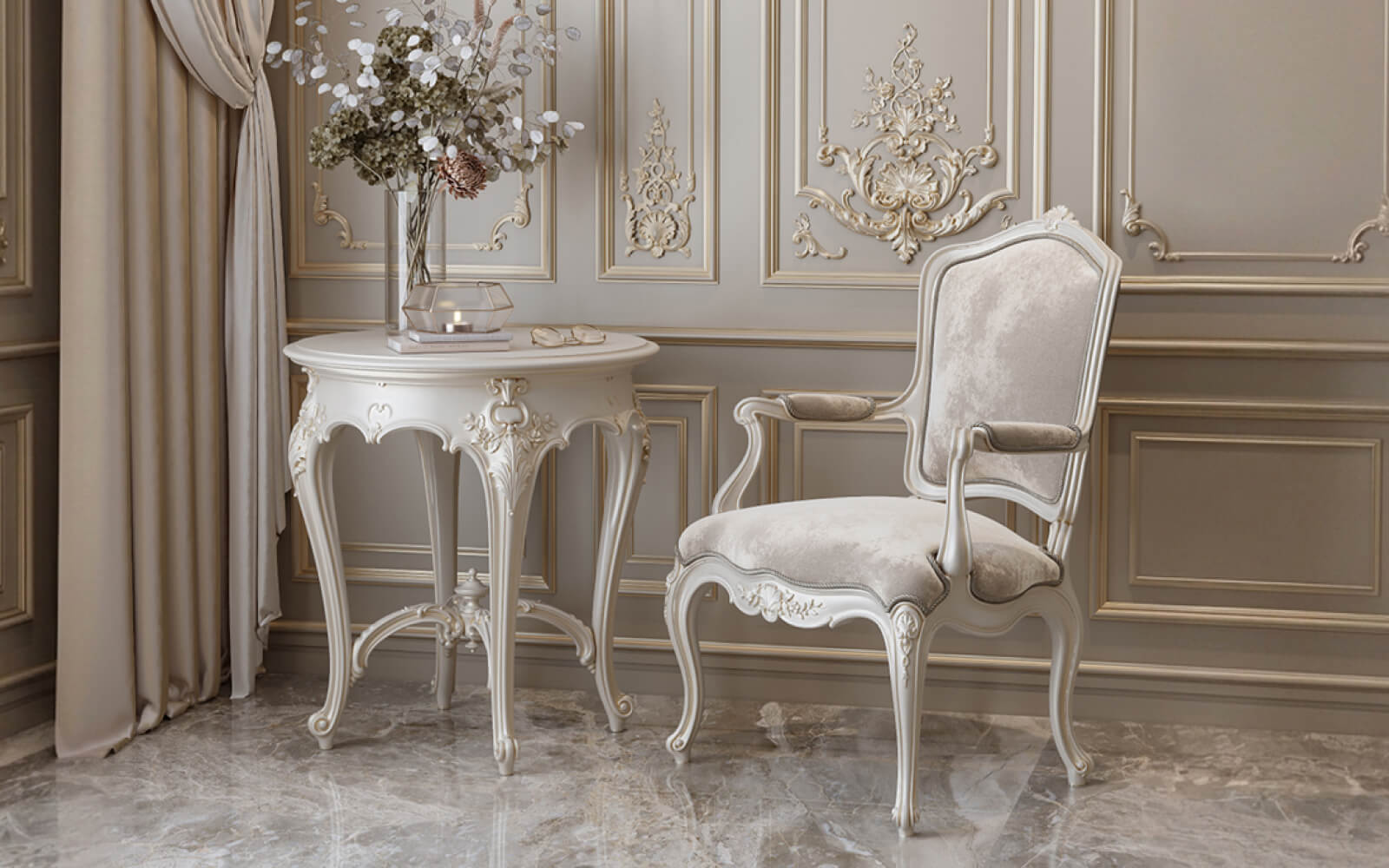
The name speaks for itself. Ekaterinhof is not just a toponym of St. Petersburg history. It is an image: a grand enfilade, high walls in gray-beige tones, a strict geometric rhythm of molding panels, a monumental lower belt and heavy ornamental overlays that hold the space like Atlases hold the vault. This is exactly the image embodied by INTPU-032 — not palatial excess, not a modest minimalist solution, but a measured, dignified, architecturally sound classic.
The idea of decorating wall panels "Ekaterinhof" INTPU-032 is a ready-made solution for a living room, hall, study, bedroom, corridor, restaurant or hotel, where the wall should make an impression immediately and for a long time. The composition combines high vertical panels, a lower rectangular decorative belt, Moldings made of polyurethane along the perimeter of the frames, corner elements and large ornamental Polyurethane decorative appliques in the upper and lower parts of the panels. All this — in a single calm gray-beige monochrome palette, with soft top lighting.
This is a decor that does not ask for permission. It simply exists — with all the power of good architecture.
What is the idea of INTPU-032
INTPU-032 "Ekateringof" is a two-tier wall panel system with accent decor. The easiest way to understand its structure is to imagine the wall as a miniature architectural facade: there is a base zone (lower panel belt), a main zone (tall vertical panels), and decorative accents that emphasize boundaries and create character.
Upper tall vertical panels
The main tier of the system consists of tall vertical panels that occupy most of the wall from the horizontal divider to the ceiling cornice. These are wide rectangular fields framed by molding borders. Their proportions—approximately 1:3 (width to height)—create an elongated, upward-reaching silhouette. These panels form the primary sense of height and grandeur.
At the top of each panel is a large ornamental overlay. Not a small medallion, not a thin linear ornament, but a large, substantial, character-defining element. It "holds" the upper zone of the panel, creates a decorative accent, and sets the style for the entire system. When painted monochromatically, this element is read through light and shadow—with proper lighting, it becomes the main feature of the wall.
Lower panel belt
The lower tier of the system is a horizontal belt of rectangular panels that wraps around the wall at a height of approximately 80–100 centimeters from the floor. These are shorter, more horizontal rectangles—the "base" of the entire system. At the bottom of each panel in the lower belt, there is an ornamental overlay of the same or smaller scale as the upper one, but with a different ornament or orientation.
The lower belt is an element that most interior solutions either ignore or reduce to a simple baseboard. "Ekateringof" restores its historical significance: in classical architecture, the base tier was always a full part of the decorative system—heavier, more stable, providing a foundation for everything above it.
Horizontal dividing molding
The boundary between the lower belt and the upper panels is a horizontal molding that runs around the wall at a height of 80–100 centimeters. This is not just a technical divider: it is an architectural "belt," analogous to an impost in a classical facade. It creates a clear horizontal line that organizes the entire wall space and sets its scale.
Corner elements and molding decor
Decor for Molding In the corners of the frames, corner trims complete the frames of the upper and lower panels. In "Ekateringof", the corner elements have a larger, more expressive ornament than in lighter collections. This is appropriate: the system is designed for a prestigious, expressive character, and the corner decor should match the scale of the entire system.
Soft upper lighting
An LED light line along the ceiling cornice or directional light from ceiling fixtures falling at an angle on the upper panels is a mandatory element of the INTPU-032 implementation. It is the upper lighting that creates shadows that "bring to life" the large ornamental overlays and make the relief of the molding frames three-dimensional. Without proper lighting Relief Decoration loses a significant part of its expressiveness.
Where to use Ekateringof wall panels INTPU-032
The range of application of "Ekateringof" is determined by its architectural character: it is not a universal neutral decor, but a strong, prestigious solution. It works where the wall should make a statement.
Living room: the ceremonial center of the interior
In the living room, the wall behind the sofa with INTPU-032 becomes the main architectural statement. This is especially true for living rooms with ceilings of 3.0 meters and higher — tall vertical panels here unfold in full force. The lower belt creates a base for the sofa or console, the upper panels with large overlays dominate the space.
For a living room with a fireplace, "Ekateringof" creates a monumental ceremonial backdrop: molding panels on both sides of the fireplace, a lower belt at the level of the mantelpiece, large ornamental overlays in the upper part of the panels — this is a classic image of a European formal living room, worthy of the best country houses.
The wall behind a console or TV area also gains a new architectural dimension with INTPU-032: the screen or console fits into the lower belt system, while the upper panels create a majestic backdrop.
Hall: first and last impression
The grand hall is a space for which "Ekateringof" was created especially. The long wall of the hall with INTPU-032 turns into an architectural enfilade: a rhythmic alternation of panels, the lower belt as a base tier, large ornamental overlays as rhythmic accents. This is a hall you want to enter and remember.
For a hall with a staircase, INTPU-032 can decorate the wall along the flight — and then climbing the stairs becomes a movement through a space with history and character.
Study: intellect and status
The wall behind the desk with INTPU-032 creates a background that speaks of the owner's seriousness, education, and professional level. The large ornamental overlays of "Ekateringof" are closer to academic tradition than to salon decoration. This is the study of a lawyer, historian, architect, manager — a person who knows the value of details.
For a library or study with bookshelves, INTPU-032 creates a unified architectural system: shelves are built into niches between molding panels or placed on the wall opposite the decorated one, receiving a worthy mirror in it.
Bedroom: monumental solemnity
In the bedroom, INTPU-032 creates an accent wall behind the headboard with a strong, solemn, but not overwhelming character. This is a solution for spacious bedrooms where the wall behind the bed has sufficient height and width to implement the full system.
For smaller bedrooms — a partial version: a lower belt from the baseboard to a height of 90 centimeters, above it — two or three vertical panels with ornamental overlays. The architectural character is preserved, the scale is adapted.
Corridor: rhythmic solemnity
A long corridor with INTPU-032 is a space where you want to walk slowly. The rhythmic alternation of panels, the regular repetition of large ornamental overlays, the lower belt as a continuous horizontal line — this is architecture that sets the pace and creates a mood.
Restaurant, hotel, commercial interior
For a restaurant with a classic concept — «Ekateringof» creates an atmosphere that no other design solution can create for a comparable cost. A guest sitting at a table against a wall with INTPU-032 is already satisfied in advance — because they are in a worthy place.
For a hotel lobby and corridors — a monumental, representative, time-resistant system. For a premium office or meeting room — architectural status that helps in negotiations. For a high-end beauty salon — an image that works better than any advertisement.
Classic wall decor with a lower panel belt
A question worth asking directly: why a lower panel belt? Aren't tall vertical panels with large overlays enough? The answer is no. And here's why.
Architectural meaning of the lower belt
In classical architecture, a wall never starts from the floor. It always has a base — a plinth that carries the visual weight of everything above it. In an interior, this role is played by the lower panel belt. Without it, tall vertical panels «hang» in the air — they have no foundation, and the space feels unstable.
The lower belt of «Ekateringof» does not just replace the baseboard. It creates a full decorative tier with its own frames and ornamental overlays. This is not a technical detail, but an architectural solution that makes the system complete.
Proportions: lower belt and upper panels
The ratio of the lower belt height to the upper panels in INTPU-032 is approximately 1:3 for ceilings of 3.0 meters and 1:3.5 for ceilings of 3.5 meters. This means that with a 3.0-meter ceiling, the lower belt is about 80–85 centimeters high, and the upper panels are about 200–215 centimeters (including the horizontal divider and cornice).
Violating these proportions is one of the most common mistakes in DIY two-tier systems. If the lower belt is too high, it overwhelms the upper panels. If it is too low, it loses its architectural role and turns into just a high baseboard.
Lower belt and furniture
Another practical function of the lower belt: it creates a decorative context for furniture placed along the wall. A sofa, console, chest of drawers, bench, library table — any piece of furniture against the background of the lower panel belt looks built-in, "at home," rather than randomly placed against the wall. This is what designers call "embedding furniture into architecture."
Lower belt in long rooms
For long walls of halls and corridors, the lower belt serves an additional role: it creates a continuous horizontal line that "guides" the eye along the room. In a long corridor without this horizontal line, the gaze gets lost in space. With the lower belt, it moves in an organized manner, from one rhythmic accent to another.
Why Ekaterinhof is suitable for calm classic style
"Calm classic" is a concept that is easy to declare but difficult to implement. Large ornamental overlays can easily turn into excessive decoration, and molding frames into a monotonous geometric pattern. Why does "Ekaterinhof" avoid these pitfalls?
Large decor controlled by symmetry
Large ornamental overlays are a potentially powerful and potentially dangerous element. Too much large ornament creates visual chaos. "Ekaterinhof" controls this risk through a strict placement system: one large overlay per vertical panel at the top, one overlay per panel of the lower belt at the bottom. No more. Large elements are placed symmetrically and regularly — and this regularity turns potential chaos into architectural order.
Gray-beige monochrome as a stabilizer
The uniform gray-beige coloring of the entire system — moldings, overlays, and background surfaces — is the main tool of "calmness" for INTPU-032. The monochrome palette prevents any element from breaking out of the overall system and starting to "scream" for attention. Each detail exists in one tone and is read only through light and shadow — this is the most sophisticated and most serene way to use decor.
Rhythm as anti-chaos
The regular rhythm of vertical panels and lower modules is an antidote to visual chaos. When the brain sees a repeating pattern, it relaxes: the rhythm is predictable, the space is clear, there is nothing to fear. This is why architectural spaces with regular decor — palace enfilades, grand vestibules, classic corridors — are perceived as solemn but not oppressive. Rhythm creates predictability, predictability creates peace.
Wall decor in the living room, hall, or study
Let's consider three key scenarios for INTPU-032 with specific parameters.
Living room: wall behind the sofa
Optimal scheme for a living room with a ceiling of 3.0 meters and a wall of 4–6 meters:
— Lower belt 85 centimeters high, with three to four rectangular panels and ornamental overlays at the bottom of each
— Horizontal dividing molding at a height of 85 centimeters
— Upper vertical panels: three wide panels 90–120 centimeters wide with large ornamental overlays at the top of each
— Corner elements at all intersection points of the moldings
— Ceiling cornice with a moderate profile
A sofa 240–280 centimeters wide is placed in front of the central panel and partially in front of the side panels. Its backrest "leans" against the lower belt — and this creates the feeling that the sofa is built into the architectural system, rather than just standing in front of the wall.
Sconces symmetrically on both sides of the central panel, at a height of 160–180 centimeters. Warm light (2700 K) is directed partly at the wall, partly downwards — to create a cozy atmosphere.
Hall: long wall
For a hall with a ceiling of 3.5 meters and a wall of 8–12 meters, INTPU-032 is implemented in an expanded, full-fledged format.
Scheme: lower belt 95–100 centimeters high with rectangular panels and lower overlays along the entire length. Upper vertical panels 80–100 centimeters wide with a regular spacing of 25–35 centimeters between panels (this is the distance between frames, not the width of the dividers).
With a wall length of 10 meters and a panel width of 90 centimeters, it is optimal to place 7–8 vertical panels with equal spacing. This creates a rhythm with a period of about 1.3 meters — ideal for pedestrian movement through the hall.
Soft lighting along the cornice — warm white LED strip (2700–3000 K) in a hidden box. The light falls down along the plane of the upper panels, creating an even, soft light that emphasizes the relief of the large overlays.
Study: status wall
For the study, the INTPU-032 scheme can be adjusted towards greater strictness: the lower belt without ornamental overlays (only molding frames), the upper panels with large overlays only in the central or accent position.
This is a more academic interpretation of "Ekaterinhof" — less decor, the same amount of architectural order. It better suits the cabinet-like character of the space, where the contents (books, documents, objects) are themselves decorative.
For a study with a fireplace — a symmetrical scheme with the fireplace in the center, two vertical panels with large overlays on the sides, and a lower belt at the level of the mantelpiece. This is one of the strongest interior images that can be created using "Ekaterinhof."
Large stucco overlays as the main accent
If the moldings in INTPU-032 represent architectural order, then the large ornamental overlays are character. It is they that turn a correct geometric system into "Ekaterinhof" with its St. Petersburg spirit and historical depth.
Upper overlays: decorative dominant
A large ornamental overlay in the upper part of the vertical panel is a decorative element that attracts the eye first. It occupies the upper third or upper quarter of the panel, is centered horizontally, and is placed with equal spacing from the top and side moldings.
Size of the upper overlay for INTPU-032: with a panel width of 90 centimeters — overlay width 50–60 centimeters, height 40–50 centimeters. With monochrome painting, this element creates a relief accent that looks sculptural and voluminous under directional lighting.
Typology of ornaments for the upper overlay of "Ekaterinhof": an expanded acanthus cartouche with symmetrical ornament, a rosette in a rectangular frame, a heraldic or architectural decorative insert, an Ionic ornament in a horizontal frame.
Lower overlays: balancing accent
The ornamental overlay in the lower part of the lower belt panel serves a different function: it creates a visual "base" for the upper overlay and balances the entire system vertically. Without the lower overlay, the upper accent seems to "hang" without a base. With the lower one, the system reads as complete, with a clear top and a clear bottom.
Lower overlays are typically somewhat smaller than upper ones — this aligns with the classical architectural tradition where lighter elements are placed above and heavier ones below. A typical size for a lower overlay is 70–80% of the size of the upper overlay.
The ornament of the lower overlay can be of the same type as the upper one (creating unity) or different — horizontal, more geometric (creating contrast, emphasizing the difference between the belts).
Placement of overlays: calculation
Polyurethane decorative appliques for INTPU-032 are mounted on a prepared surface using special polyurethane adhesive. Detailed installation technology is in guide to installing polyurethane stucco. The main requirement: precise centering along the horizontal and vertical axis of the panel. Even a shift of 1–2 centimeters will be noticeable — especially with a symmetrical system of several panels in a row.
Indentation of the upper overlay from the upper frame molding: 8–15 centimeters. Indentation of the lower overlay from the lower molding: 6–12 centimeters. These indentations create "air" around the overlays and allow each to function as an independent decorative element, rather than a detail "stuck" to the edge of the frame.
Which elements are used in the INTPU-032 system
The full composition of "Ekateringof" is a carefully built hierarchy of components, each performing its role.
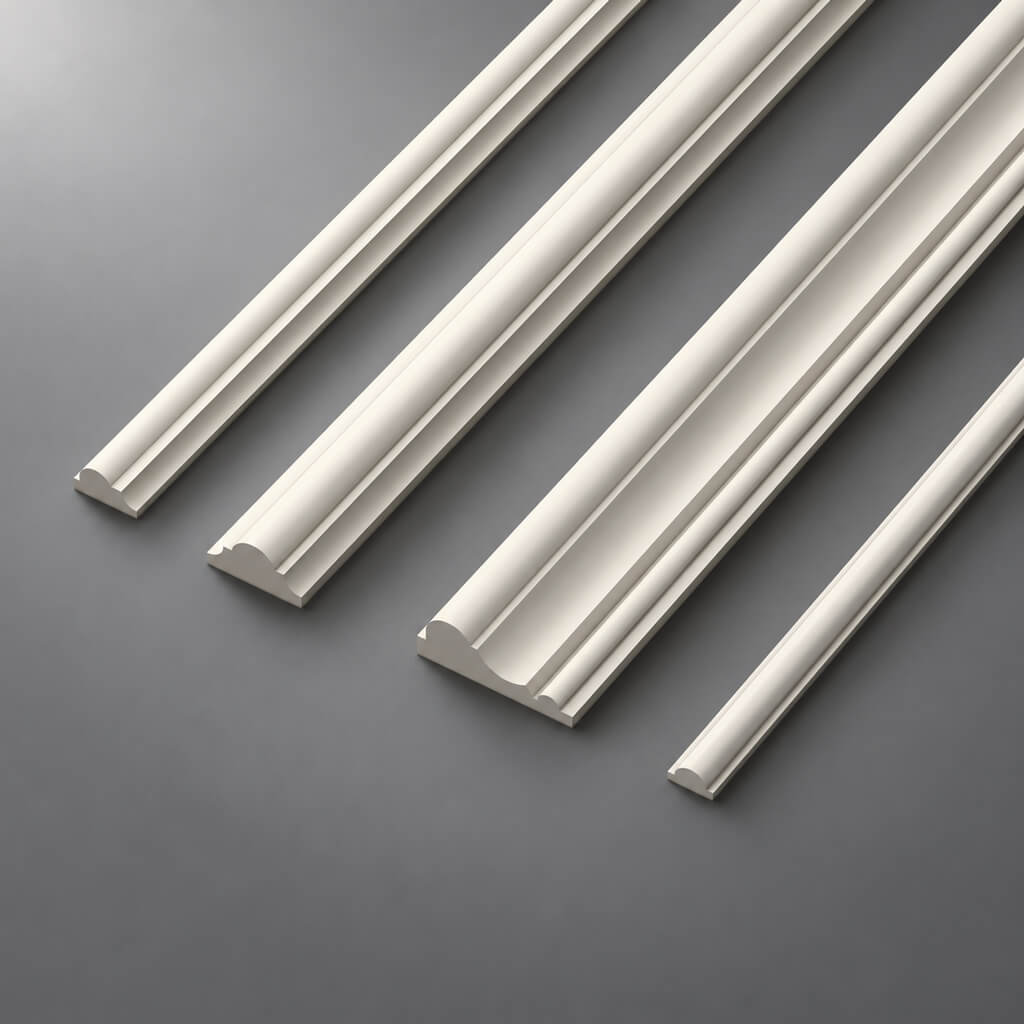
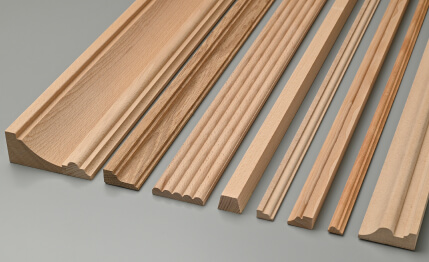
Moldings made of polyurethane — structural base. Straight profile strips for frames of upper and lower panels. For "Ekateringof," a more substantial profile is recommended — 45–55 mm for ceilings of 3.0 meters, 55–65 mm for ceilings of 3.5 meters and higher. The molding profile should be proportionate to the scale of large ornamental overlays: a too-thin molding will create dissonance with large decorative elements.
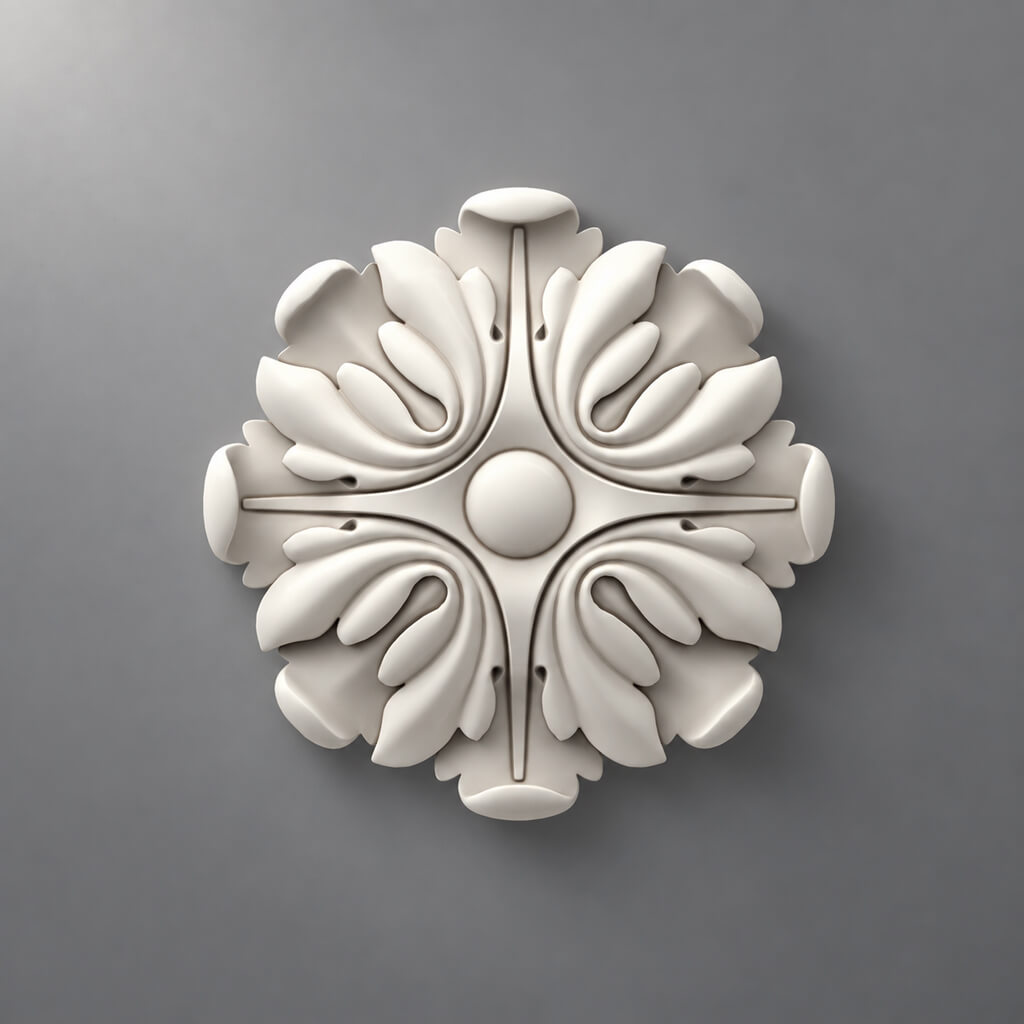
Corner decorative elements — Polyurethane appliqués for decorating frame corners. In "Ekateringof" — large, with expressive ornament matching the system's scale. 4 pieces for each frame of upper panels, 4 pieces for each frame of lower panels.
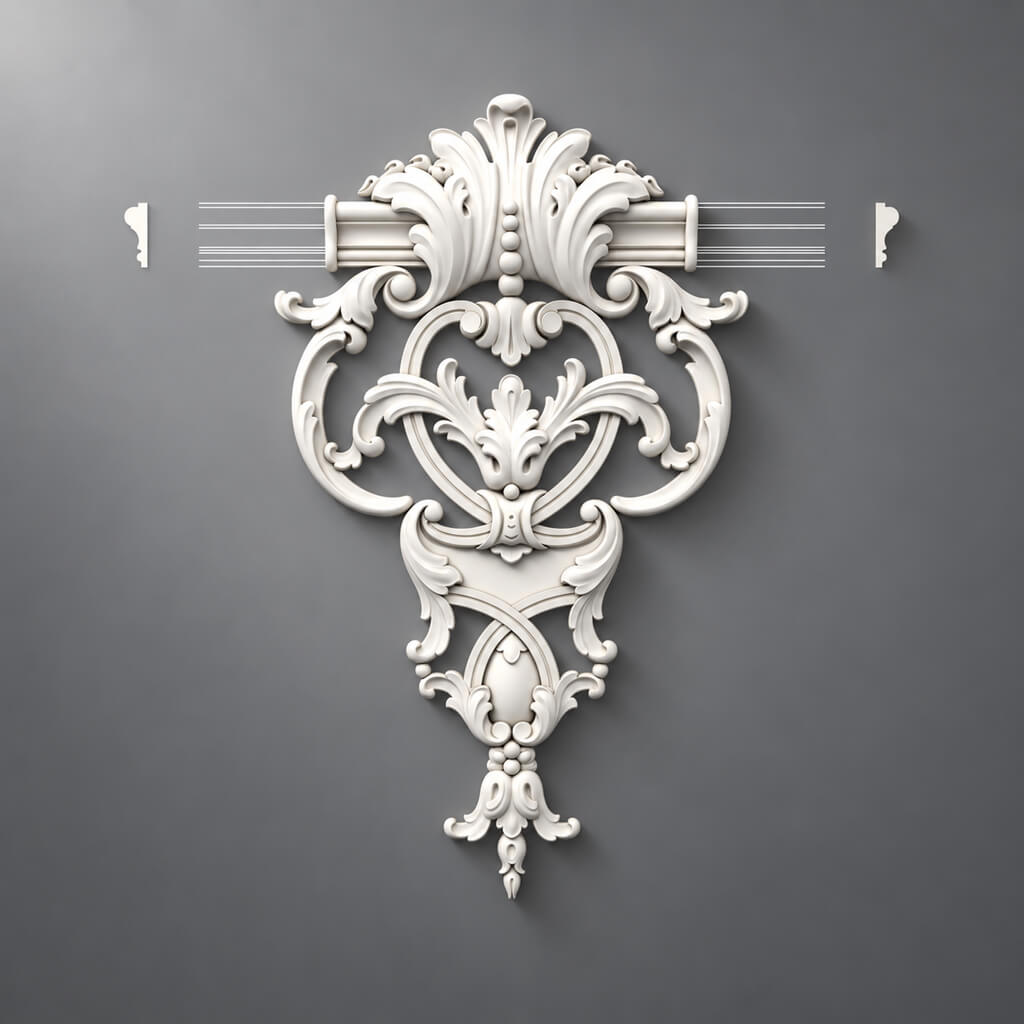
Large upper ornamental overlays are the main decorative element of the upper vertical panels. One overlay per panel.
Lower ornamental overlays are a decorative element of the lower belt panels. One overlay per lower belt panel.
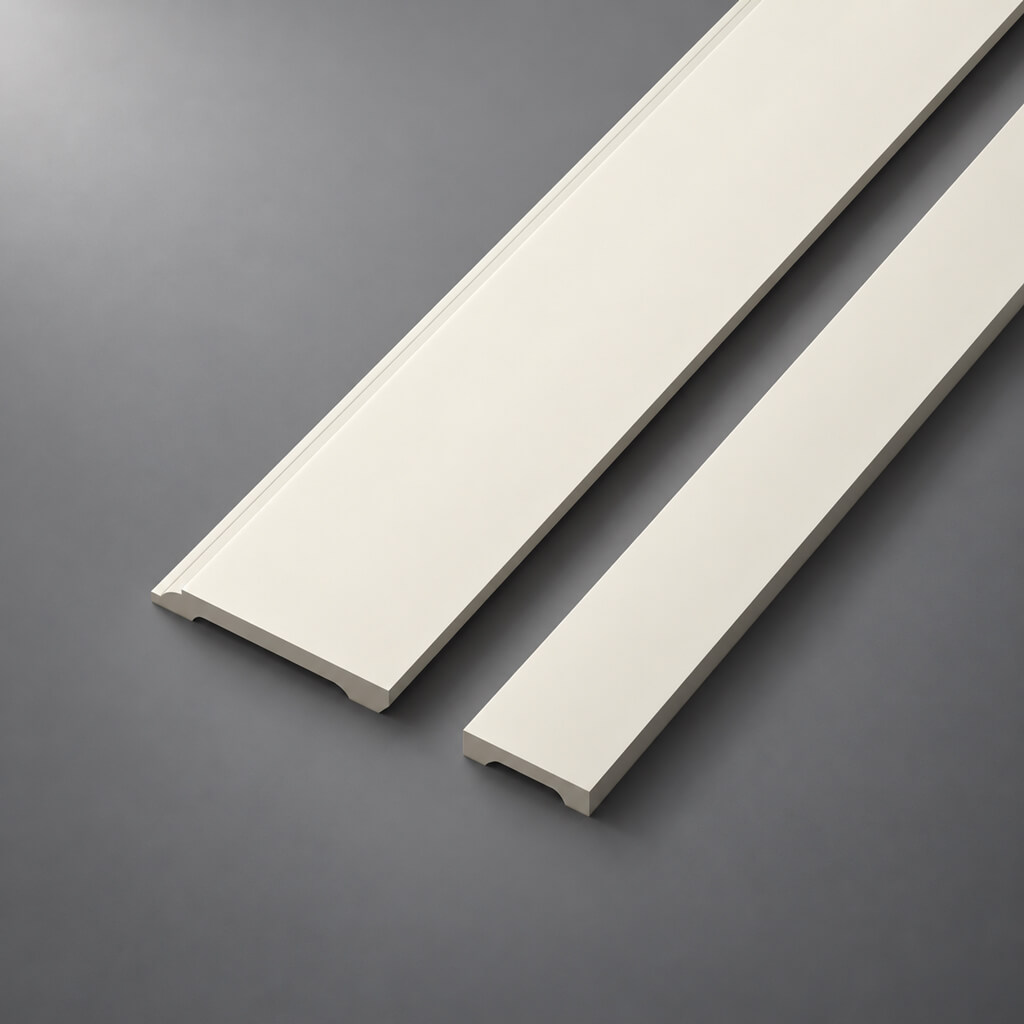
Horizontal dividing molding is a profiled strip separating the lower belt and upper panels. The profile is the same or slightly larger than that of the frame moldings.
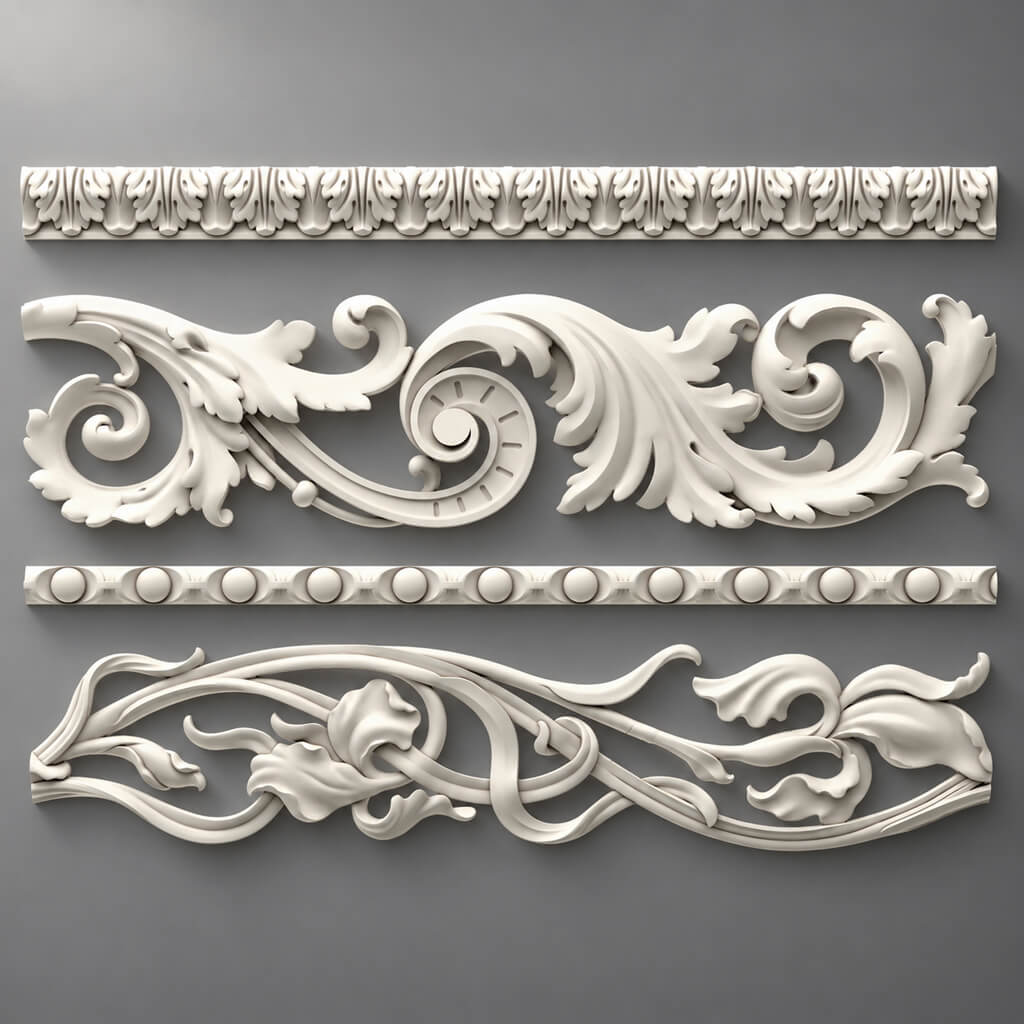
Decor for Molding — linear ornamental elements for additional decoration of the horizontal dividing molding profile or the upper cornice. In "Ekaterinhof", they are especially appropriate on the cornice and horizontal divider.
High baseboard — 15–22 centimeters. "Ekaterinhof" requires a high baseboard: it serves as the lower completion of the lower belt and must be proportionate to the entire system.
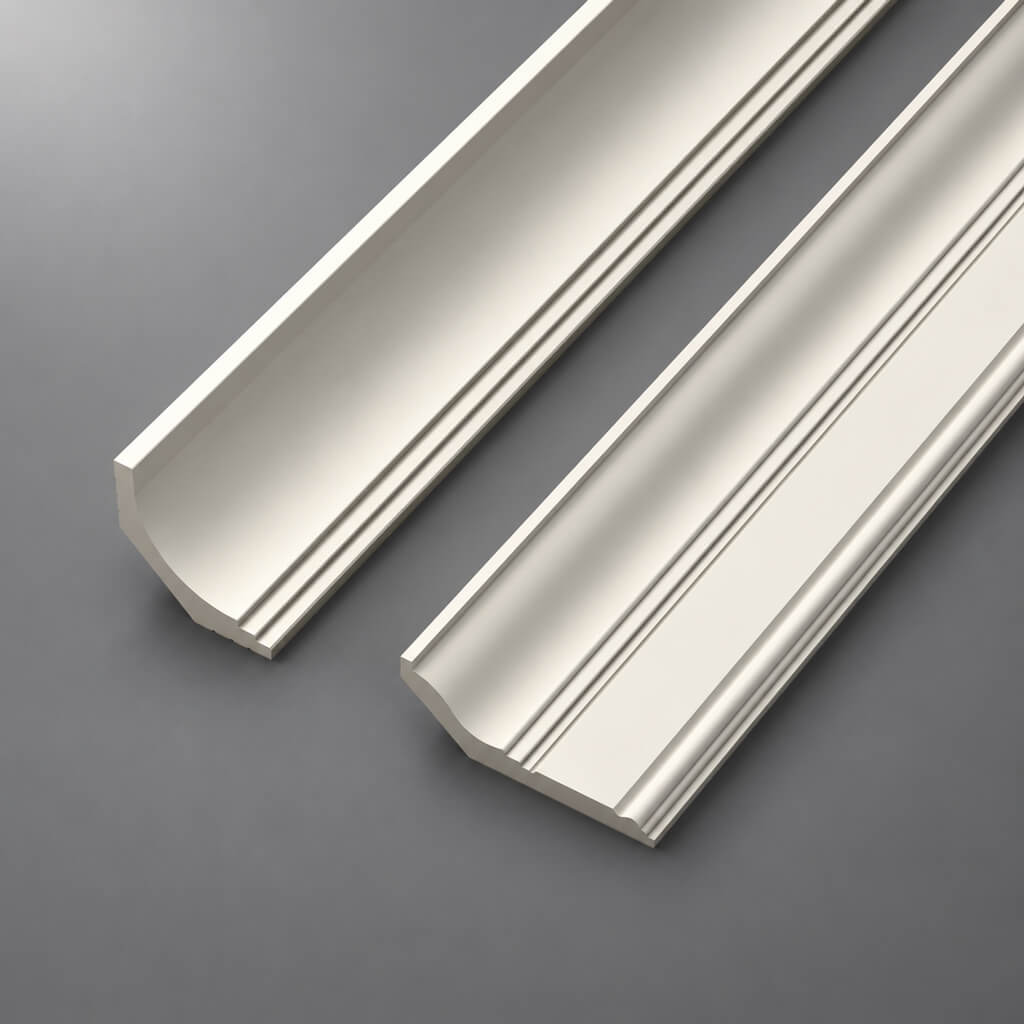
Ceiling cornice — the upper completion. For "Ekaterinhof", a cornice with a rich profile: stepped, with additional ornamentation or with a lighting box. The cornice completes the system just as the entablature completes a classical facade.
Vertical dividing profiles are narrow molding strips between vertical panels, if the scheme involves dividing wide panels.
How symmetry works in INTPU-032
"Ekaterinhof" is a system in which symmetry is not an option but a mandatory condition. Asymmetric implementation of INTPU-032 is technically possible but aesthetically incorrect: large ornamental overlays require symmetry just as a sculptural group requires a proper base.
Vertical symmetry: top and bottom
Within a single panel, symmetry is built vertically: a large overlay at the top, an ornamental detail at the bottom. The axis of symmetry runs horizontally through the center of the panel. This is "internal" symmetry, which makes each panel self-sufficient and complete.
Horizontal symmetry: left and right
Horizontally along the wall, all panels are symmetrical relative to the central axis. If the wall has an even number of panels, they are evenly distributed on both sides of the center. If odd, the central panel serves as the axis of symmetry, and the rest are arranged in pairs on the sides.
For walls with doors or windows, symmetry is built relative to the door or window opening, which becomes the center of the decorative scheme. This turns architectural constraints into design opportunities.
Lower belt and vertical panels: width coordination
A key technical point of symmetrical implementation of INTPU-032: the width of the rectangular panels of the lower belt must be a multiple of the width of the vertical upper panels or be evenly divisible by it. If the upper panel has a width of 90 centimeters, the lower belt can be divided into modules of 90, 45, or 180 centimeters. This creates vertical alignment of the molding lines of the upper and lower tiers — and it is this alignment that creates the feeling of a single, cohesive system.
Misalignment of the vertical moldings of the upper and lower tiers destroys this unity and creates the feeling of two unrelated systems superimposed on one another.
What to combine moldings and stucco decor Ekateringof INTPU-032 with
Color Solutions
Gray-beige monochrome is the basic and most advantageous solution for INTPU-032. All surfaces, moldings, overlays — in a single tone. Tone gradation: ceiling 1–2 tones lighter than the wall, cornice matching the ceiling or wall tone.
White upper panels + gray-beige lower belt — a two-tone option with moderate contrast. The horizontal divider creates a clear color boundary. Suitable for bright rooms with good natural lighting.
Taupe + brass — a taupe monochrome system with brass details: sconces, door hardware, furniture overlays. This is the "gold standard" for "Yekateringof" in high-end commercial and residential interiors.
Floor and coverings
Dark oak herringbone parquet — a classic and flawless partner for "Yekateringof". The contrast of the dark floor and light gray-beige wall system is an image found in the best European interiors of the 19th–20th centuries.
Natural stone (marble, limestone) in light gray or cream tones — the most luxurious solution. A natural stone floor with INTPU-032 on the walls creates an interior where every element contributes to the overall feeling of historical depth and quality.
Versailles pattern or woven parquet — another strong option for halls and living rooms with "Yekateringof".
Furniture
For the living room — a sofa with straight but soft lines, on wooden or metal legs. Classic or "modern classic" style. Upholstery in cream, milk, warm gray, or dusty rose. A coffee table with a stone or glass top. Armchairs with rounded backs and wooden armrests.
For the hall — a console on thin wooden legs of classic shape, a mirror in a wooden or gilded frame, a bench with upholstery matching the walls.
For the study — a desk made of dark walnut or oak with a high polish, a leather armchair, bookshelves with open sections.
Lighting
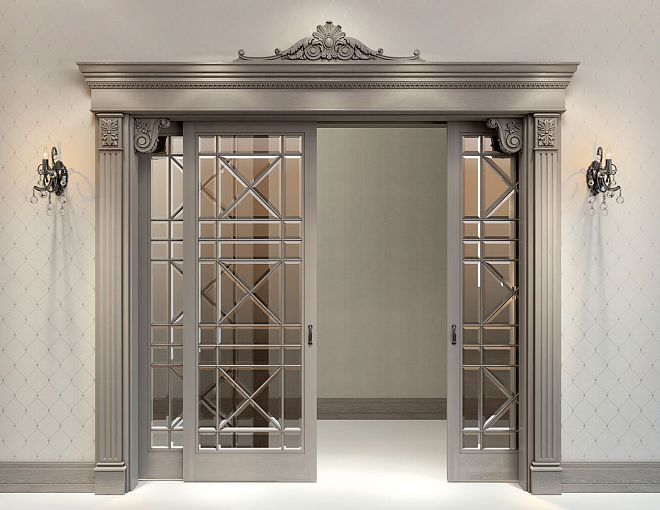
Sconces with brass fittings and a frosted glass or fabric shade — the main wall light for "Yekateringof". Placement: symmetrically, at a height of 155–175 centimeters from the floor, in the spaces between panels or on dividing profiles between vertical modules.
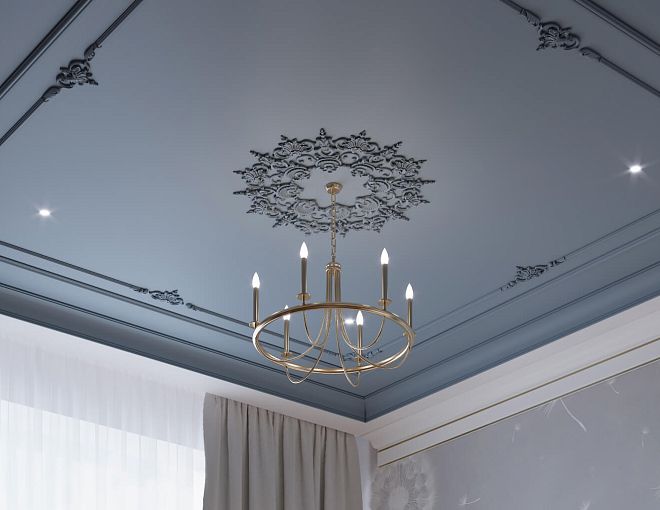
Chandelier — the central light fixture for living rooms and halls. Crystal, with bronze or gold fittings — the most appropriate choice for "Yekateringof". Chandelier diameter: at least 60–70% of the width of the decorated wall, if the chandelier is the main lighting accent of the room.
Hidden LED lighting along the cornice — warm white light (2700 K) directed downward along the wall plane. This lighting "activates" the relief of moldings and overlays in the evening.
Textiles
Floor-length curtains are mandatory. Heavy linen, damask, taffeta, or velvet. Tones: milky, cream, warm gray, pearl, dusty rose. Curtain rod — brass or dark wood.
Decorative pillows: dense fabrics with geometric or classic patterns in neutral or slightly accent tones.
Rug: large, with a classic pattern or solid. Flat-weave or high-pile in cream or gray-beige tone.
How to replicate the INTPU-032 idea
Implementing INTPU-032 is a project that requires careful planning. But every step is manageable and predictable if you follow the correct order.
Step 1. Detailed measurements. Take all dimensions of the walls to be decorated: width, height, location of doors, windows, niches, switches, sockets, existing electrical outlets. Record the location of planned furniture and light fixtures.
Step 2. Decision on coverage. Determine which walls (one, two, three, all four) are decorated with the INTPU-032 system. For most living spaces — one accent wall. For halls and corridors — two opposite walls or all perimeter walls.
Step 3. Determining the height of the horizontal divider. Based on ceiling height and proportions of 1:3 or 1:3.5, determine the height of the lower belt. For a 3.0 m ceiling — 80–85 centimeters. For a 3.5 m ceiling — 90–100 centimeters. For a 4.0 m ceiling — 100–110 centimeters.
Step 4. Panel layout. Draw a diagram of vertical panels for the upper tier. Panel width: 80–120 centimeters depending on wall width and desired number of panels. Rule: an odd number of panels creates a central accent, an even number creates symmetry without a clear center. The lower belt is divided in accordance with the vertical moldings of the upper panels.
Step 5. Selecting overlay sizes. For top overlays: width 55–65% of panel width, height 35–45% of panel height. For bottom overlays: 75–85% of top overlay size.
Step 6. Selecting molding profile. In the catalog moldings from STAVROS polyurethane select a profile of the appropriate width. Corner elements and Decor for Molding — in accordance with the selected profile.
Step 7. Material calculation. Calculate the number of linear meters of molding according to the diagram. Number of corner elements: 8 per vertical panel (4 corners of the top frame + 4 corners of the bottom frame of the lower belt). Number of ornamental overlays: 2 per position (top and bottom). 10% margin.
Step 8. Wall preparation. Leveling and puttying. Plane deviation no more than 3 mm per meter. Primer. Marking with a laser level: horizontal line of the divider, vertical axes of all panels.
Step 9. Installation according to technology. Strictly follow the installation guide for polyurethane moldings. Start of installation: horizontal dividing molding, then horizontal elements of the top and bottom panel frames, then vertical ones. Corner elements. Finally, ornamental overlays according to installation guide for stucco molding. All joints — acrylic sealant, sanding.
Step 10. Electrical preparation. Before painting — installation of socket boxes and outputs for sconces in planned locations. Hidden LED strip under the cornice — also installed before final finishing.
Step 11. Priming and painting. Primer on all surfaces, including polyurethane elements. Final painting in the selected gray-beige shade. All moldings, overlays, and background surfaces — in a single tone. Number of final paint coats: two, with interlayer sanding.
Step 12. Installation of lighting fixtures and styling. After the paint has fully dried — installation of sconces and chandelier. Furniture arrangement. Activation of the lighting scenario, effect check. Final arrangement of decorative details.
Who the INTPU-032 idea suits
For connoisseurs of architectural decor — those who understand the history of European interiors and know what they want. For them, "Ekateringof" is a statement about culture and taste.
For owners of spacious apartments and country houses with high ceilings. The full version of INTPU-032 requires ceilings from 2.9 meters — and the higher the ceiling, the stronger the result.
For interior designers in the "high classic" and "modern neoclassical" segments. "Ekateringof" is a tool for creating grand interiors with a European character.
For architects during comprehensive finishing of residential and commercial properties. INTPU-032 creates a cohesive, systematic, reproducible architectural environment.
For owners of restaurants with a classic concept. Walls with INTPU-032 create an atmosphere for which clients are willing to pay more — and return again.
For boutique hotels — where it is important to create an atmosphere of "home luxury" rather than a faceless hotel environment.
For high-end renovation studios — as a competitive advantage in the portfolio: a project with "Yekateringof" speaks to the professional level of the contractor.
For everyone tired of empty walls. An empty wall is not minimalism. Minimalism is conscious simplicity. An empty wall without a concept is just incompleteness. INTPU-032 completes it.
Buy decor for Yekateringof INTPU-032 wall panels
All components for implementing INTPU-032 "Yekateringof" are presented in the full catalog polyurethane products from STAVROS. The structural base is — Moldings made of polyurethane wide profile for frames of upper vertical panels and the lower belt. The main decorative accents are large ornamental overlays and corner elements from the catalog polyurethane decorative overlays. Detailing of profiles and cornices — Decor for Molding. Full assortment . Clear lines, created using modern technologies, emphasize the strict aesthetics of the room. Each decorative element harmoniously fits into the overall concept, creating a sense of order and thoughtfulness. allows you to assemble the "Yekateringof" system within a single order.
The system adapts to any wall size, ceiling height, and room purpose — from a compact bedroom to a grand hotel lobby. This is decor that is created once and remains forever.
FAQ — Frequently Asked Questions
Will INTPU-032 suit a classic interior?
Yes. "Ekateringof" is designed specifically for classic and neoclassical interiors. The two-tier system with molding frames, a lower belt, and large ornamental overlays is the linguistic norm of architectural decor in the tradition of European classicism.
At what ceiling height does INTPU-032 work best?
Optimally — from 3.0 meters. With lower heights, the system can be implemented by adjusting proportions: reducing the height of the lower belt, choosing a lighter molding profile, and reducing the size of ornamental overlays. With ceilings of 3.5–4.5 meters, "Ekateringof" unfolds to its full potential.
What is the lower panel belt for?
The lower belt is the base tier of the entire system. Without it, the tall vertical panels "hang" in the air, lacking a visual foundation. The lower belt completes the system from below, creates a base for furniture, and forms a full two-tier architectural wall system.
Can moldings and overlays be painted the same color as the wall?
Yes, and this is the recommended approach for "Ekateringof." Monochrome painting allows the large ornamental overlays to work through light and shadow rather than color contrast. The result is more refined, more professional, and more aesthetically durable.
How does "Ekateringof" differ from "Verona"?
"Verona" is a lighter, more versatile system with medium-sized vertical ornamental overlays. "Ekateringof" is a more monumental system with a two-tier wall division, a lower panel belt, and large accent overlays. "Verona" suits a wide range of spaces, while "Ekateringof" is for formal, prestigious interiors with high ceilings.
How long do polyurethane moldings and overlays last?
With proper installation and painting, it lasts for decades. Polyurethane does not react to humidity, does not crack with temperature changes, and is not affected by mold or insects. Painted surfaces can be repainted without dismantling, allowing you to update the interior color scheme without replacing the decor.