

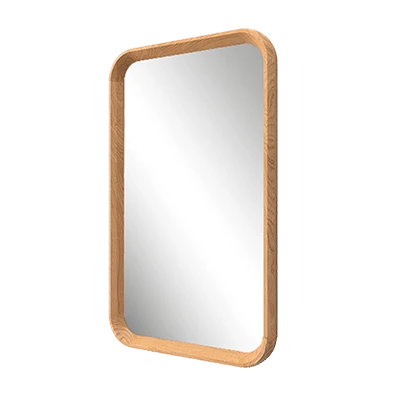
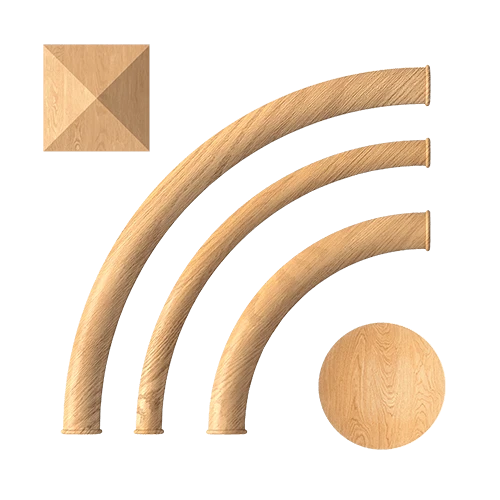
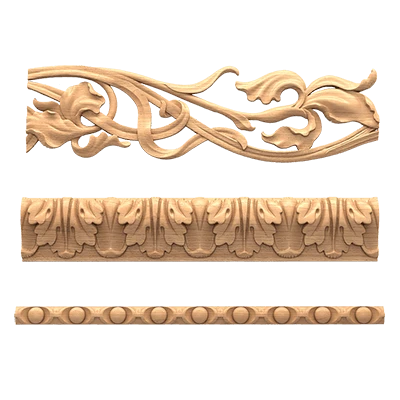
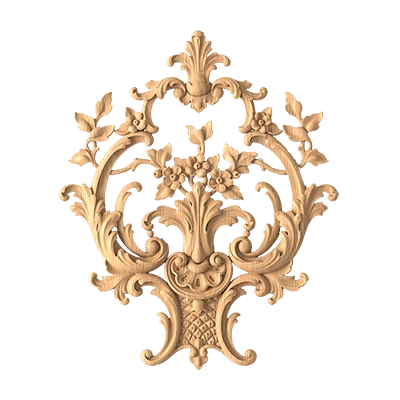
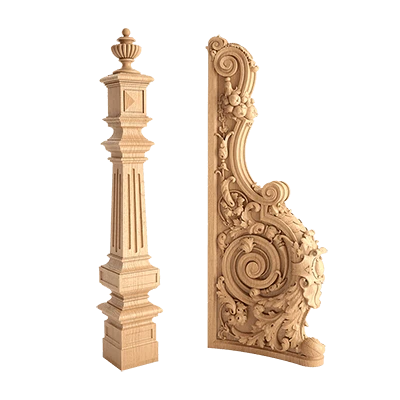
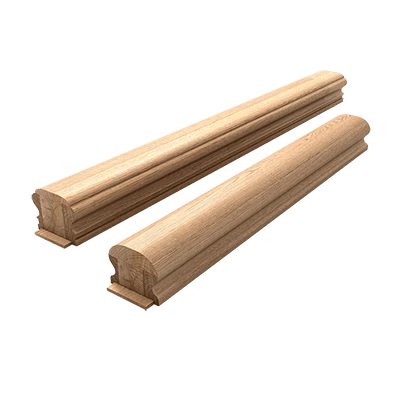
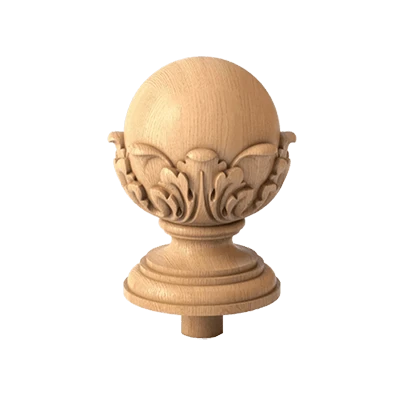
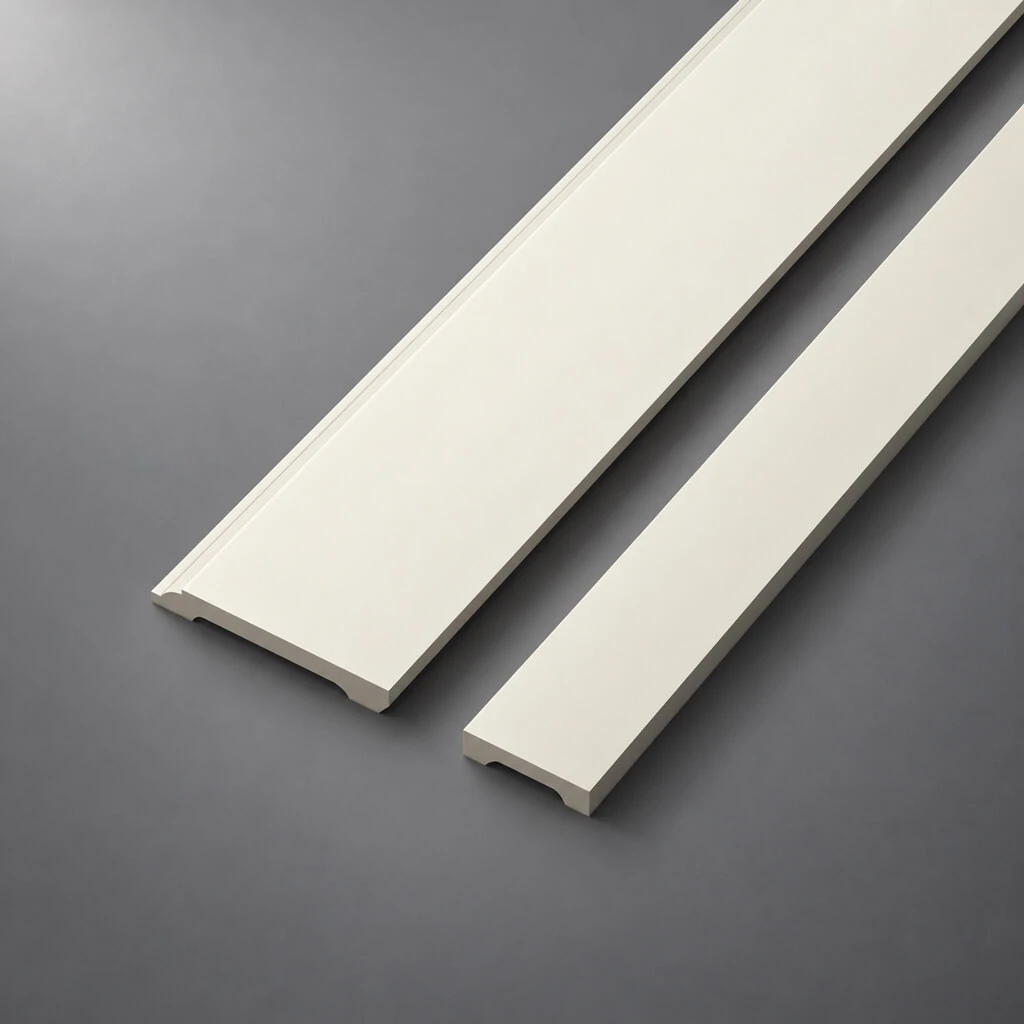
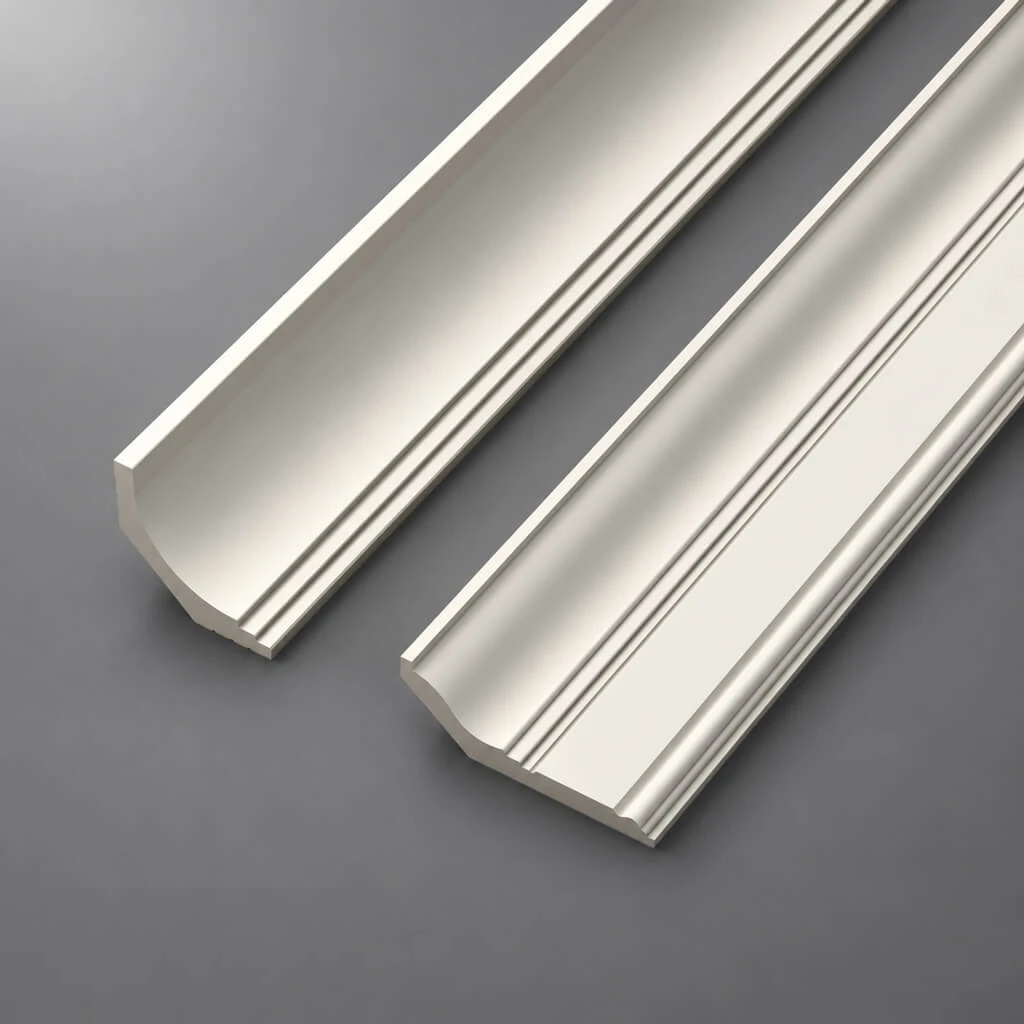
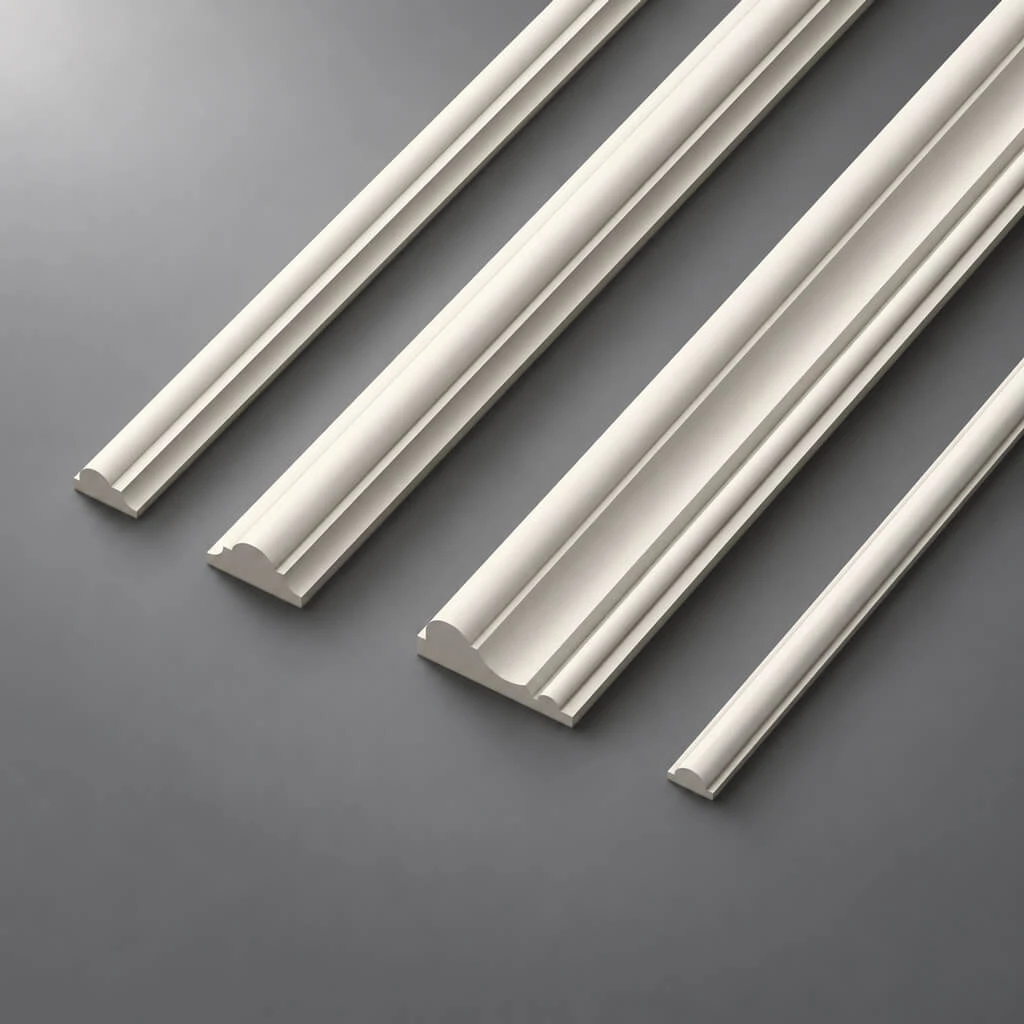
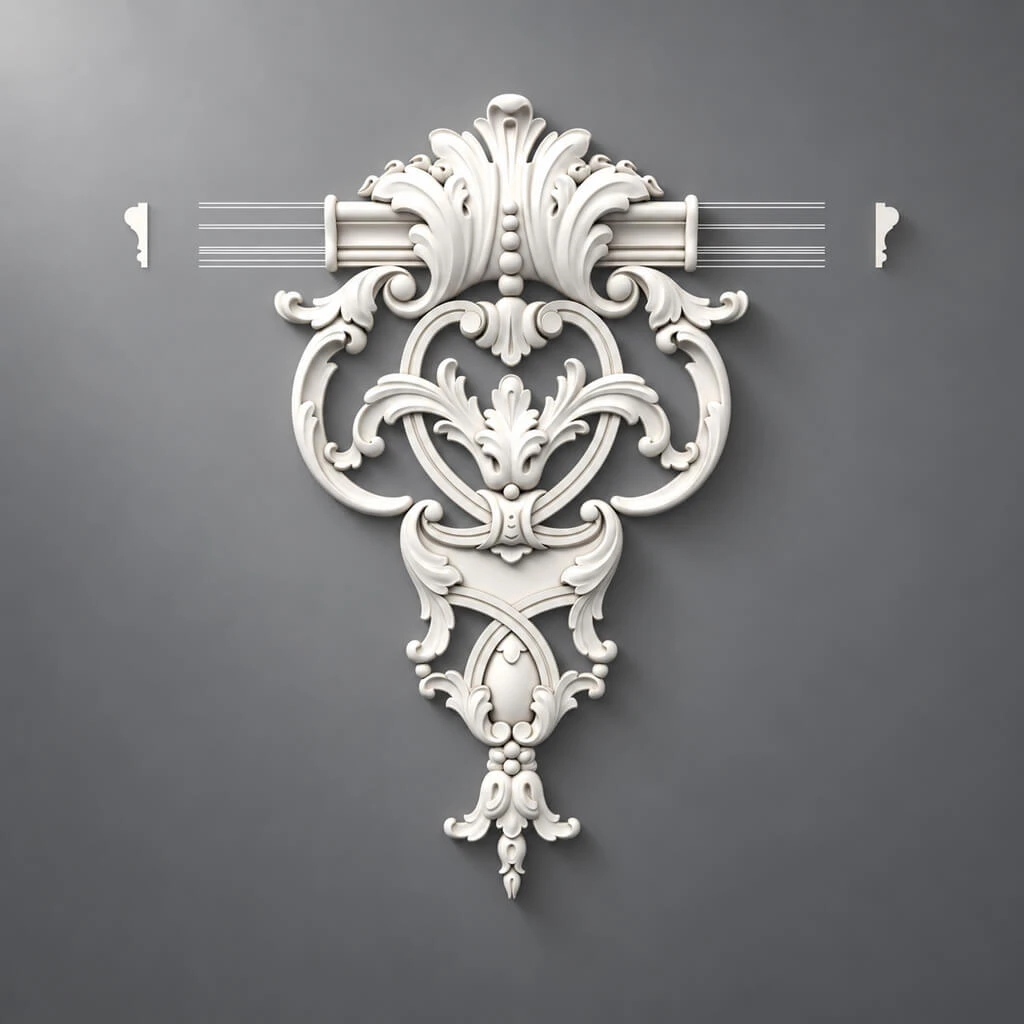























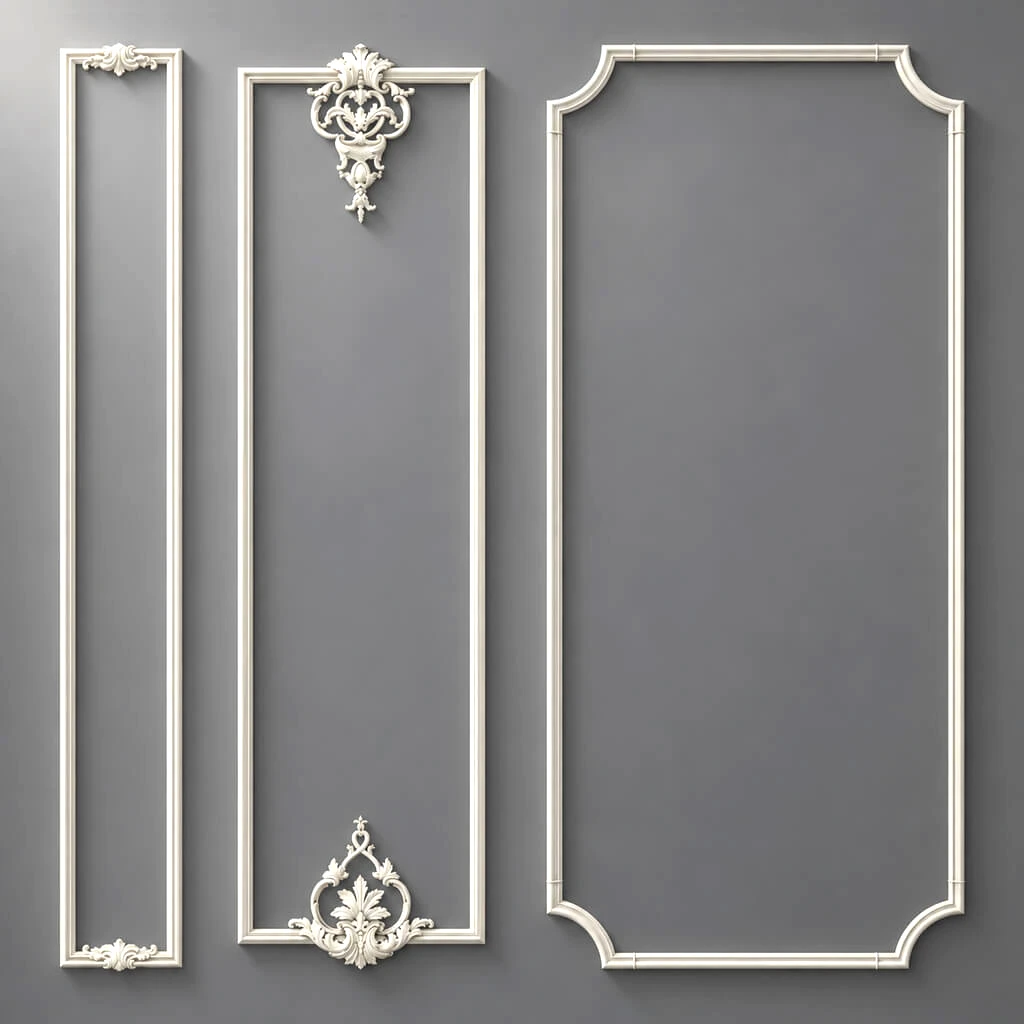

Set Composition


Description
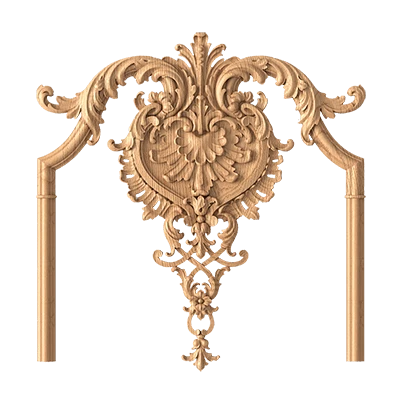
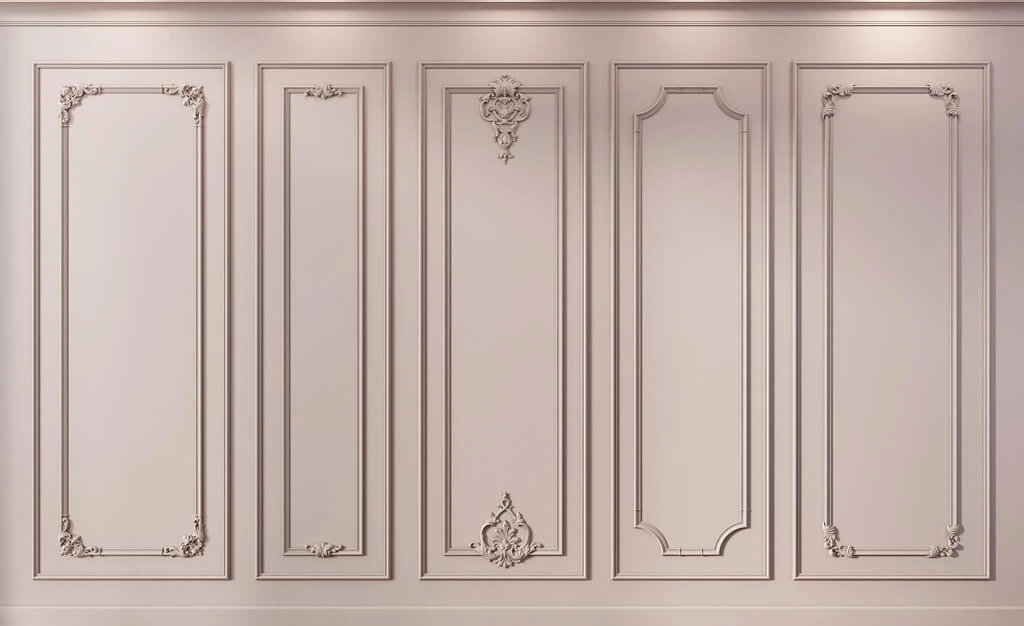
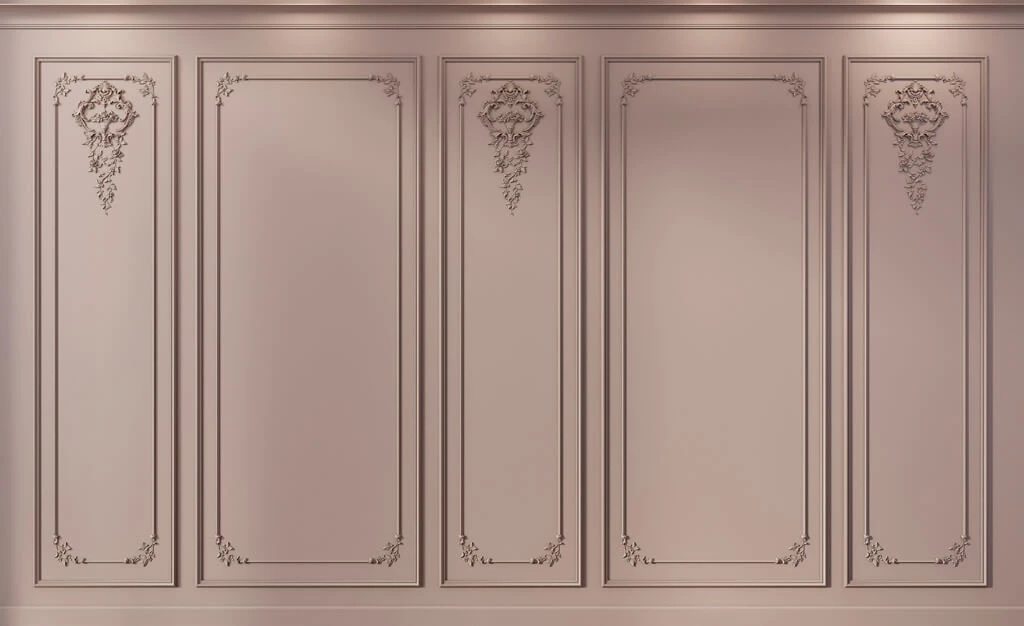
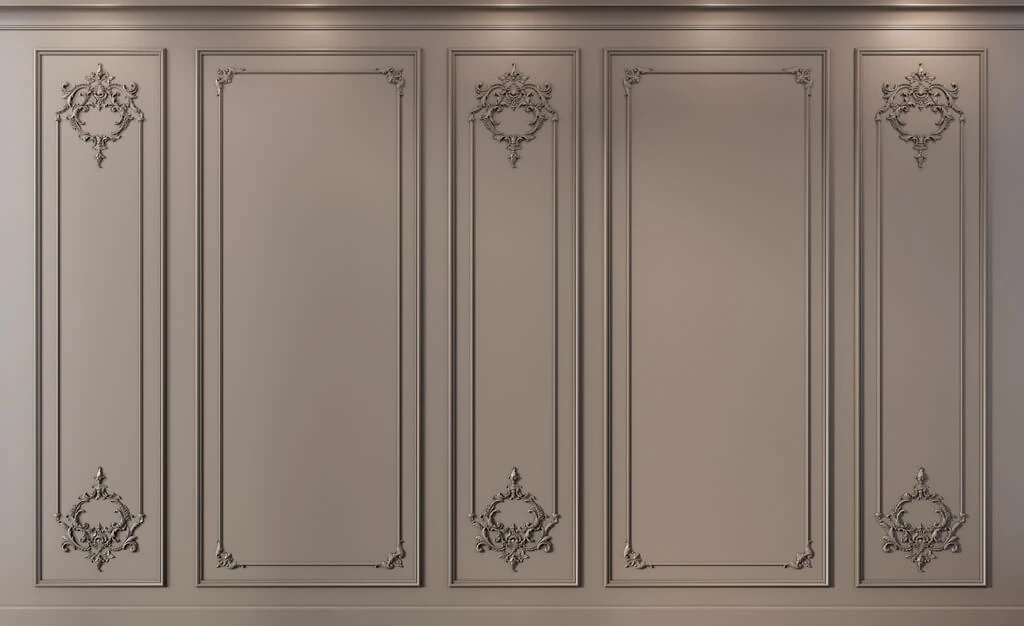
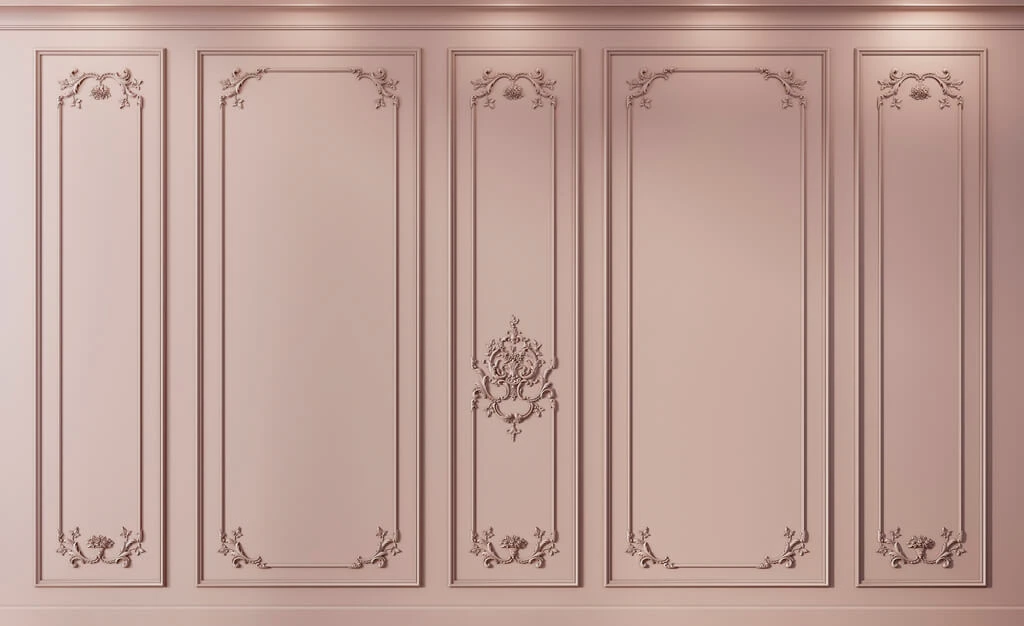
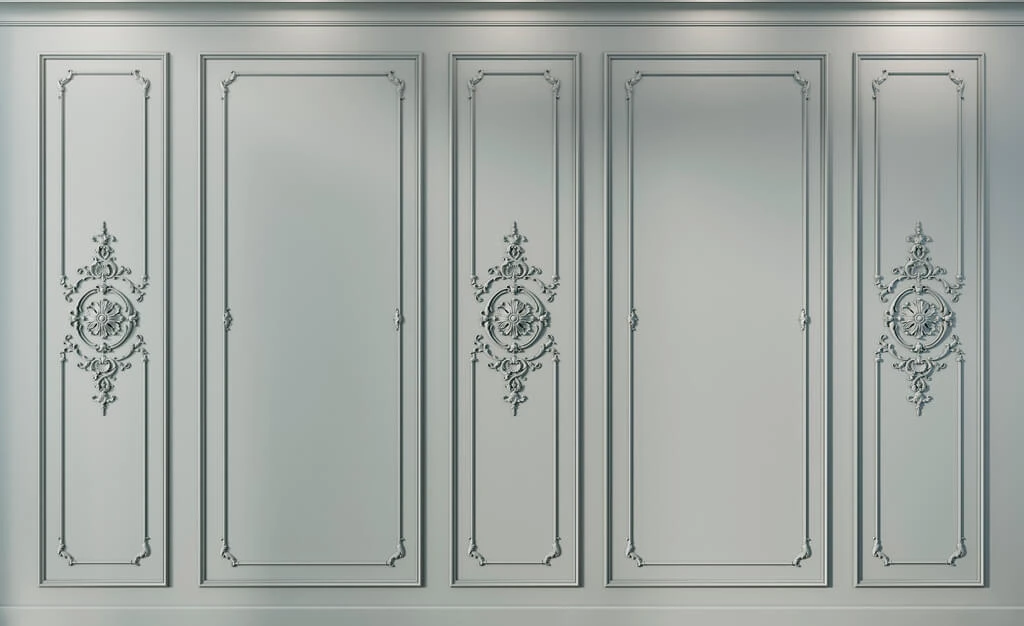
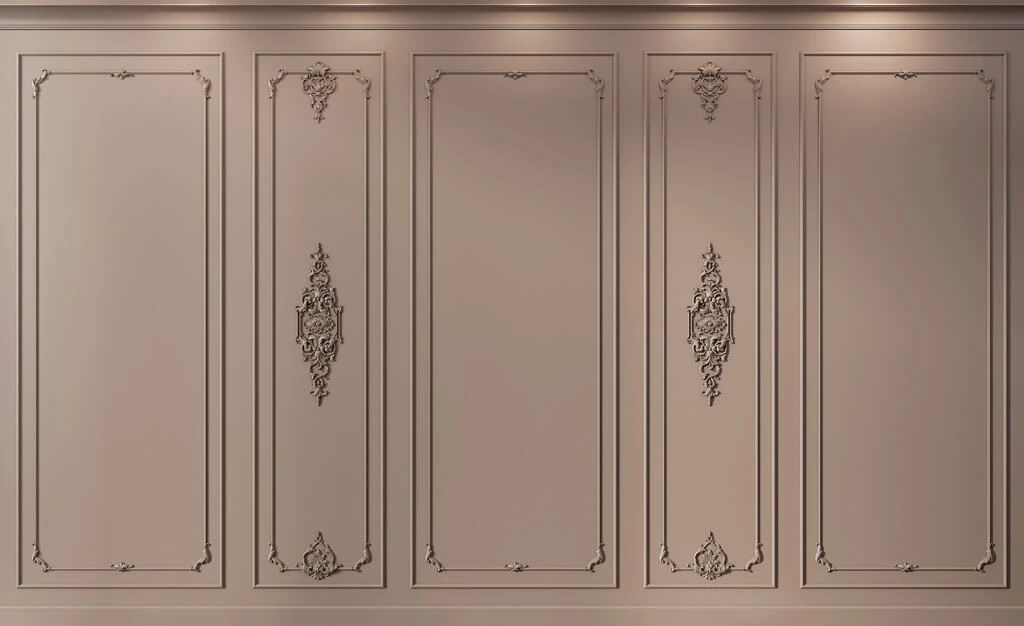
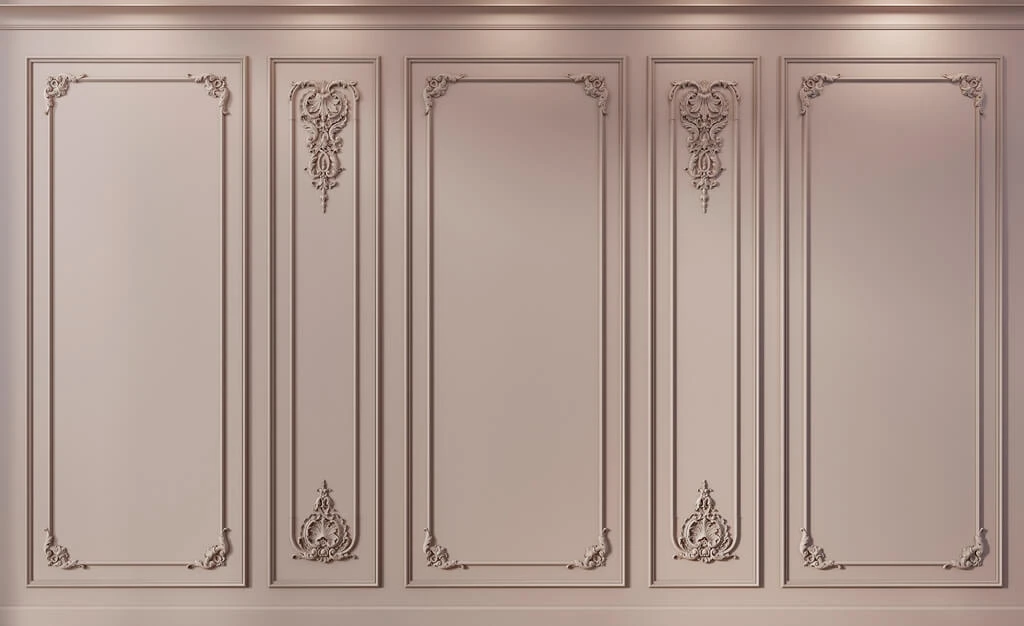
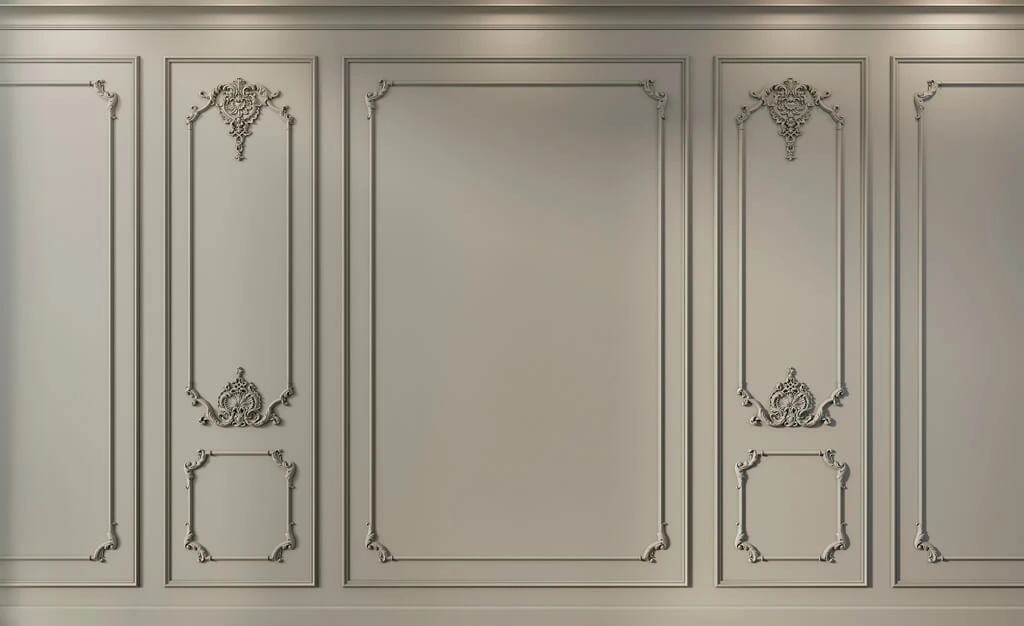
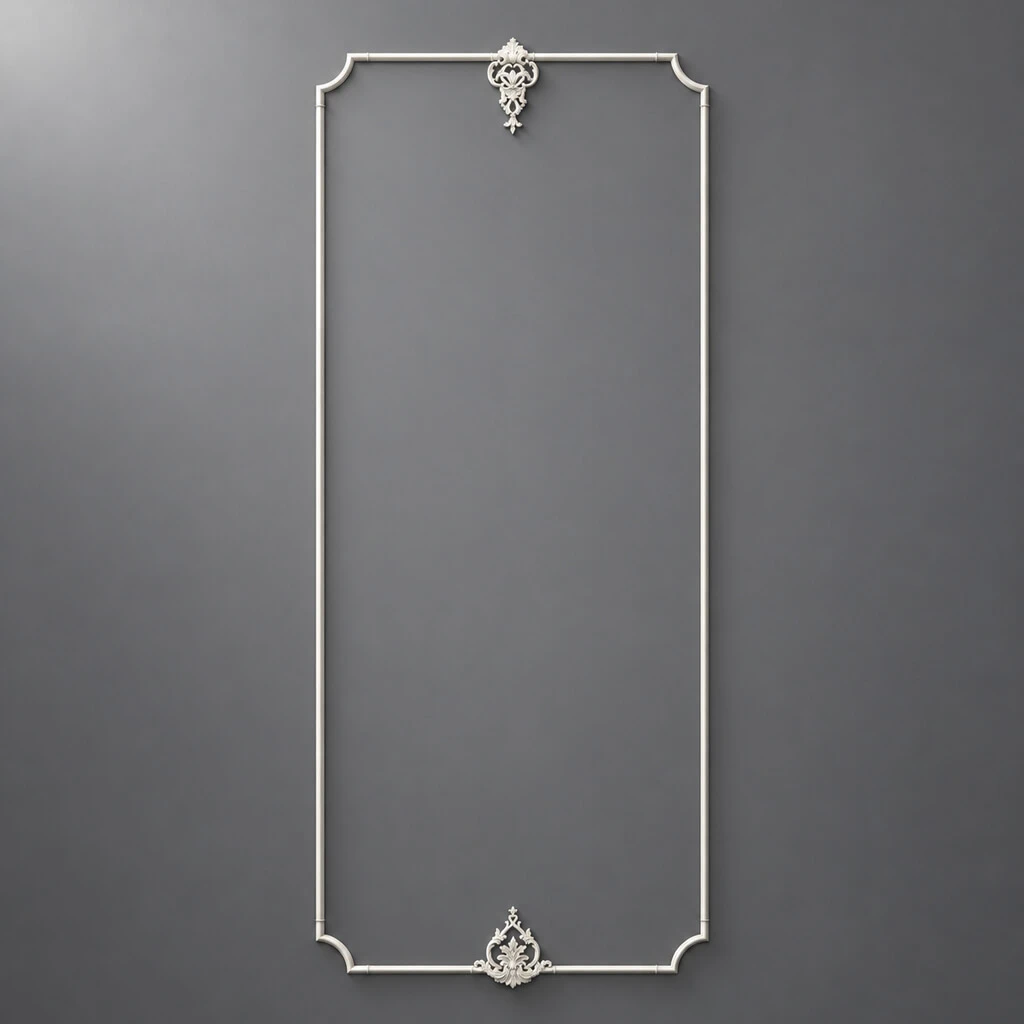
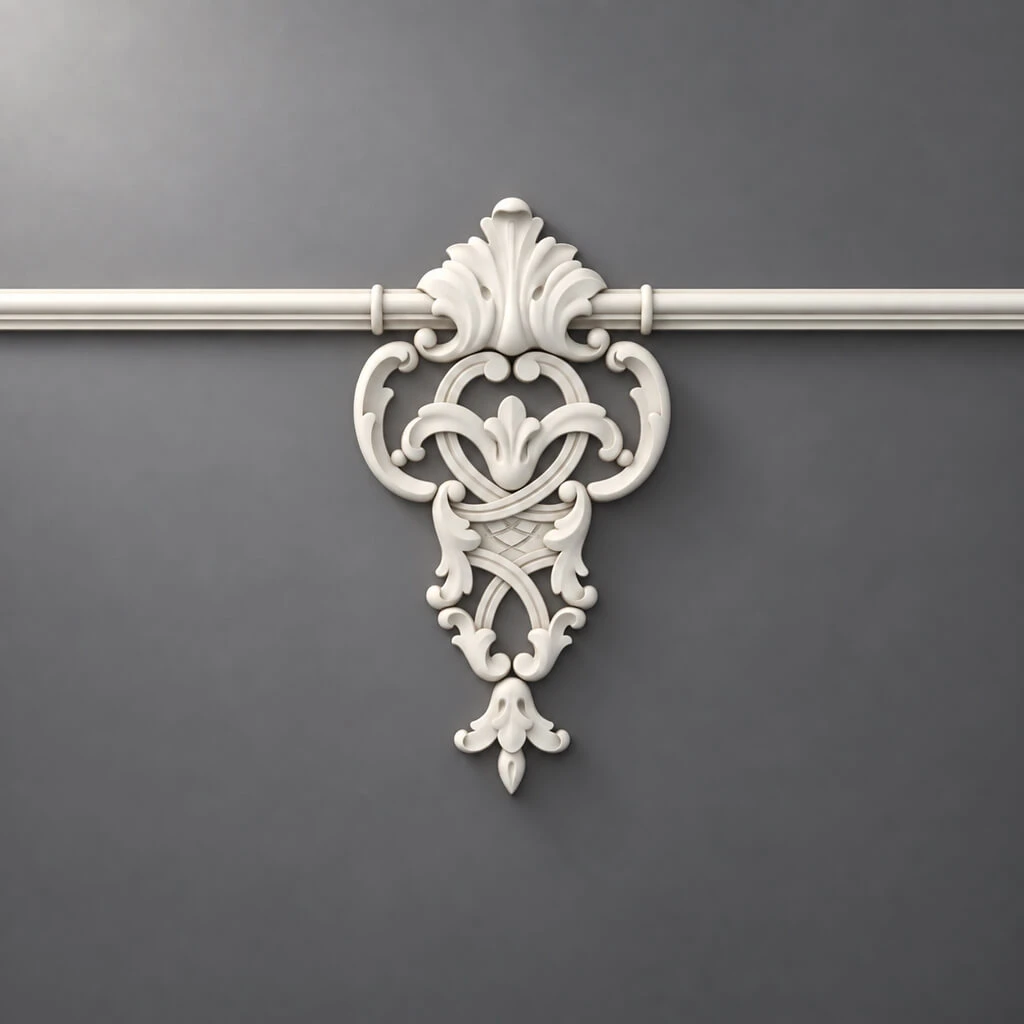
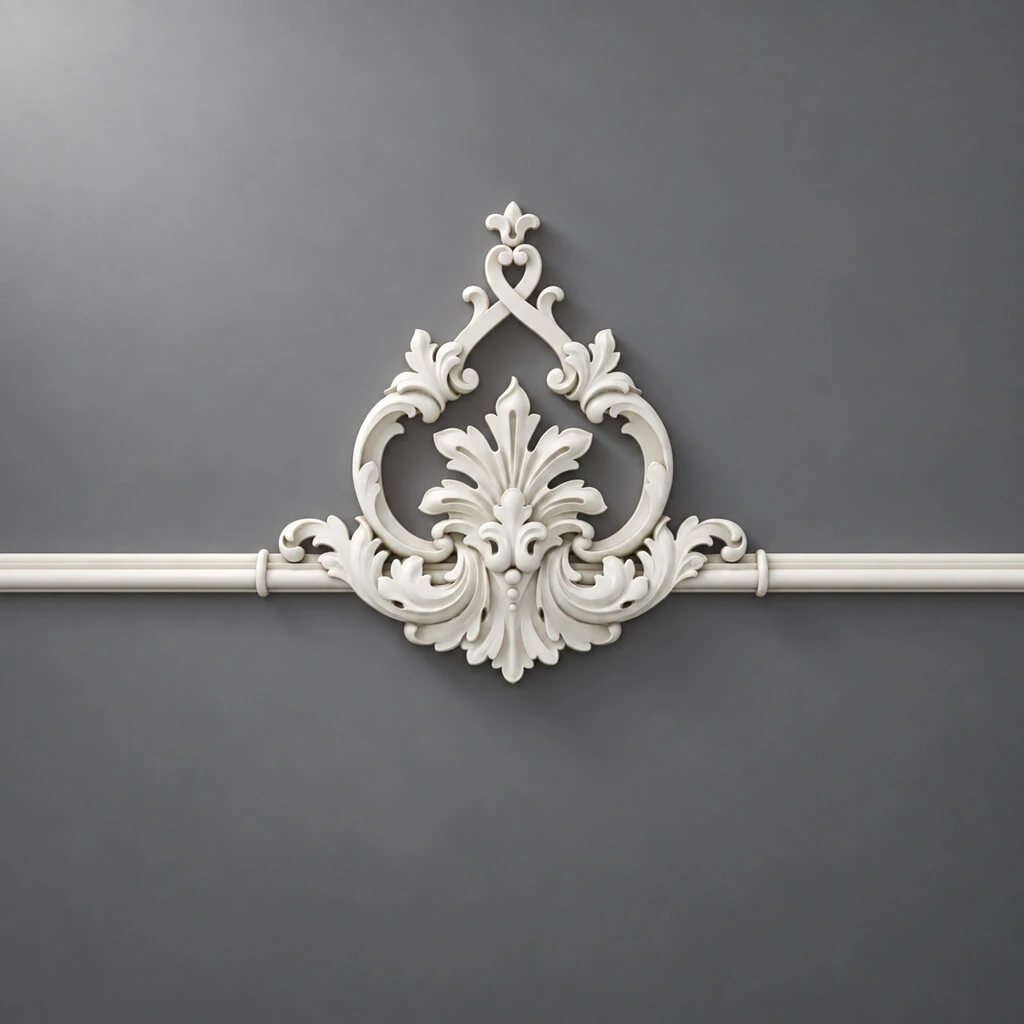
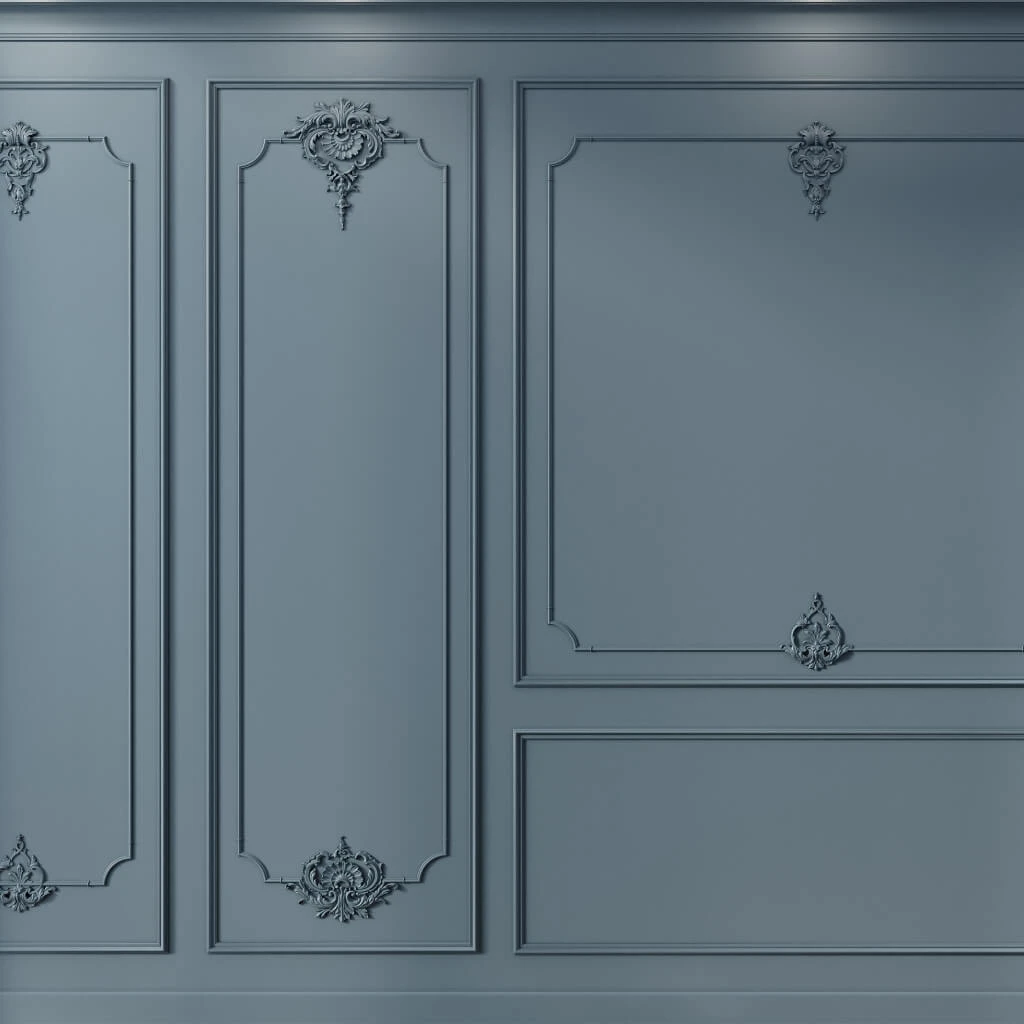
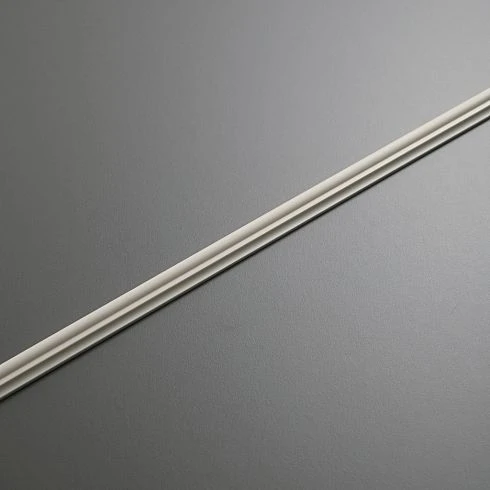
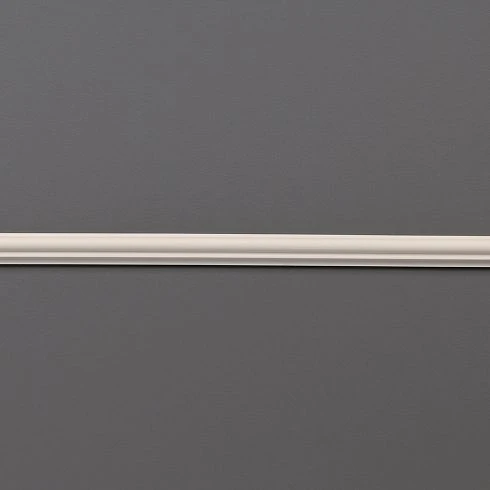
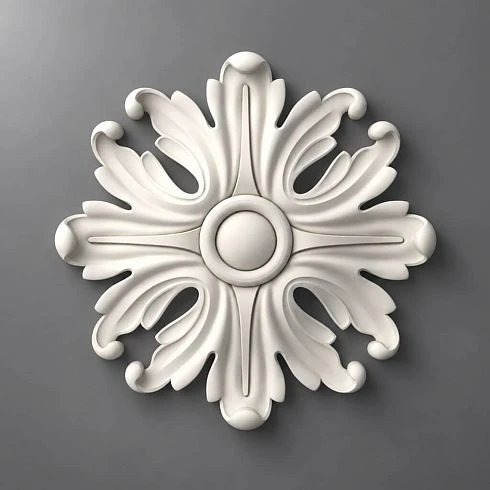
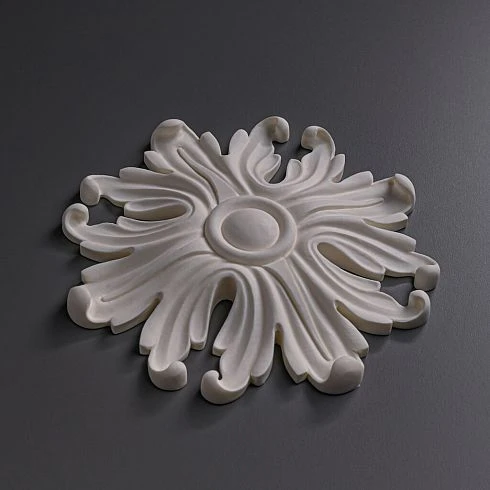
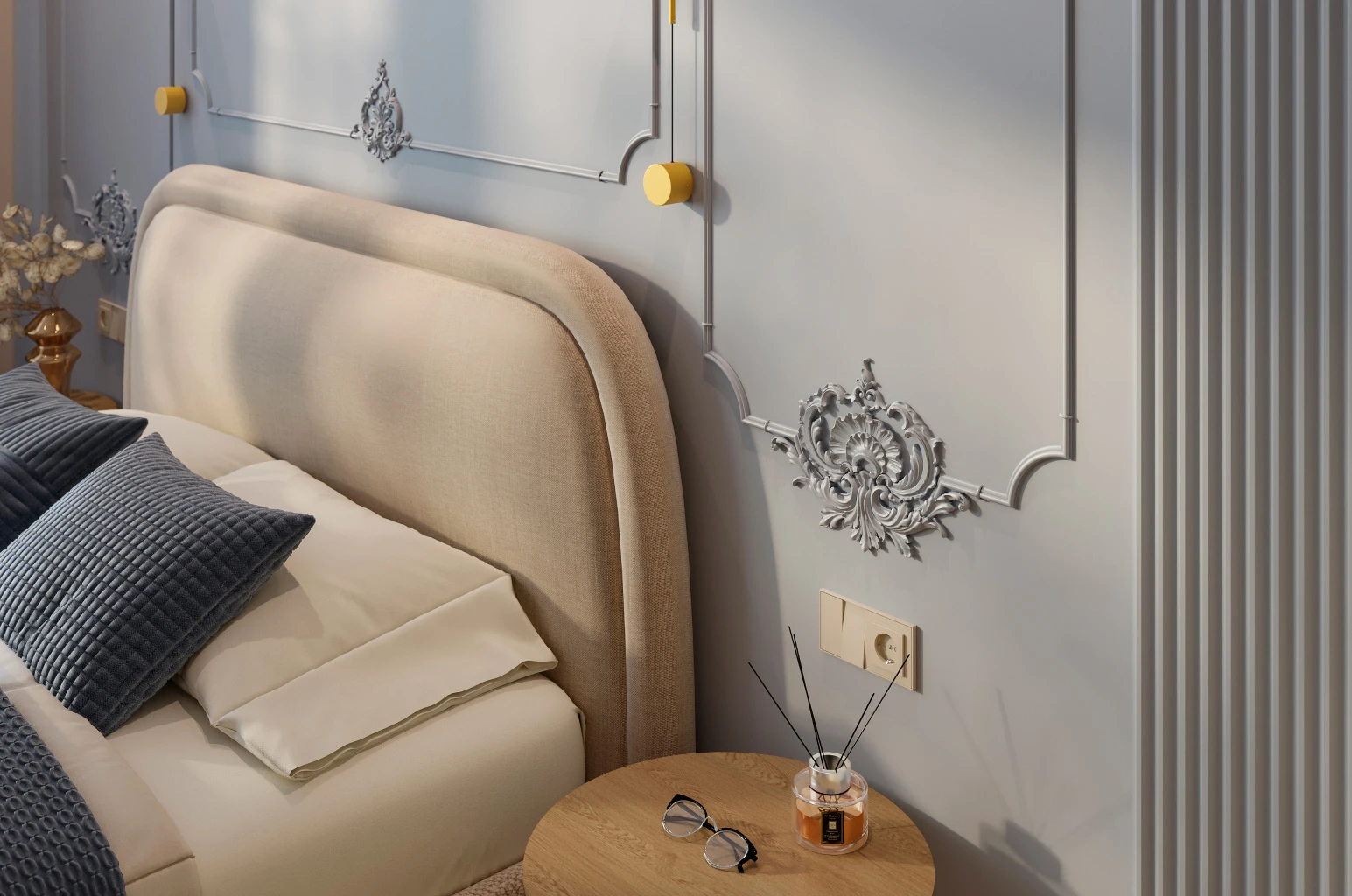
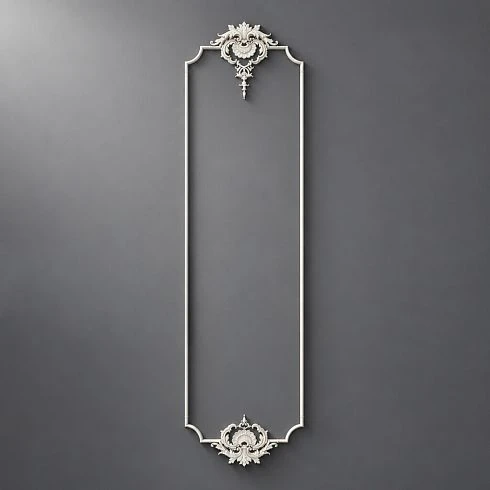
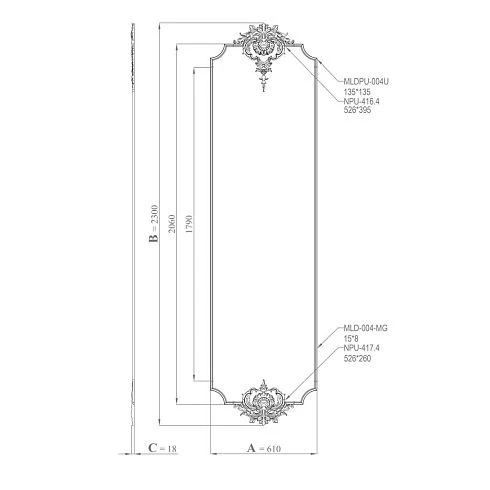
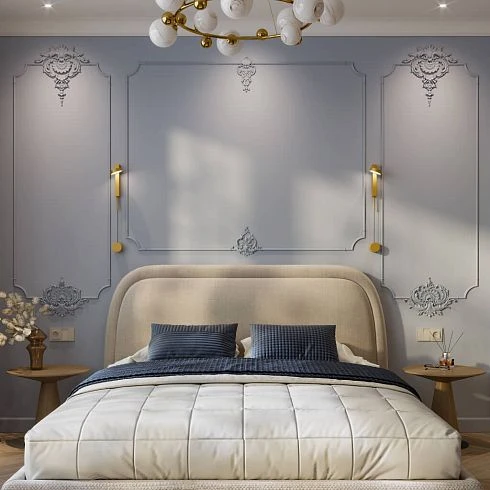
The wide vertical frame creates a central focal point and helps organize a large wall. The molding defines a clear architectural form, while the symmetrical relief decor at the top and bottom adds expressiveness while maintaining the restrained classical character of the "Petersburg" collection.
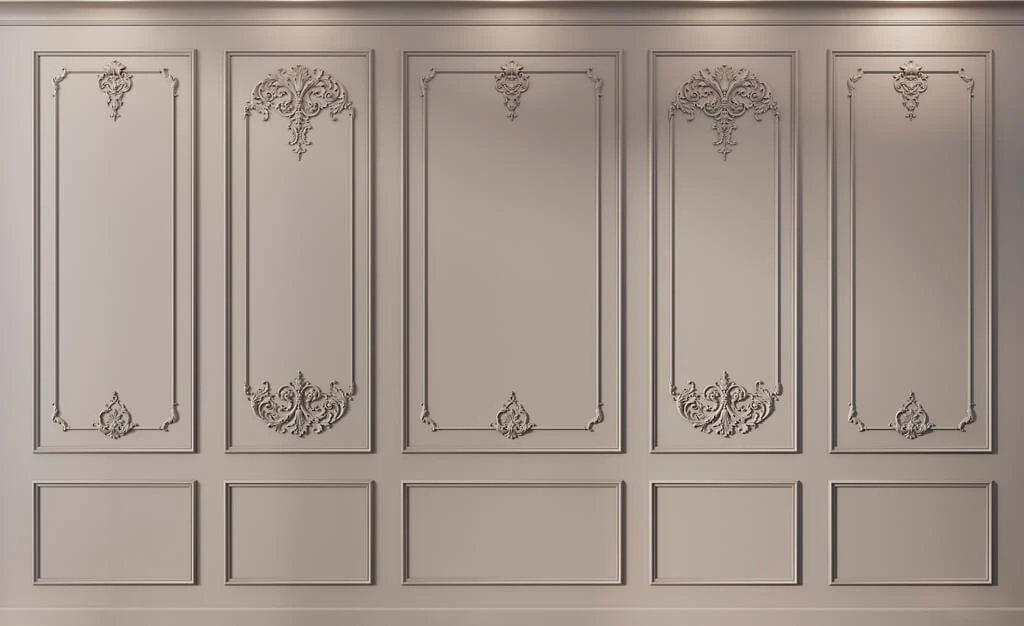
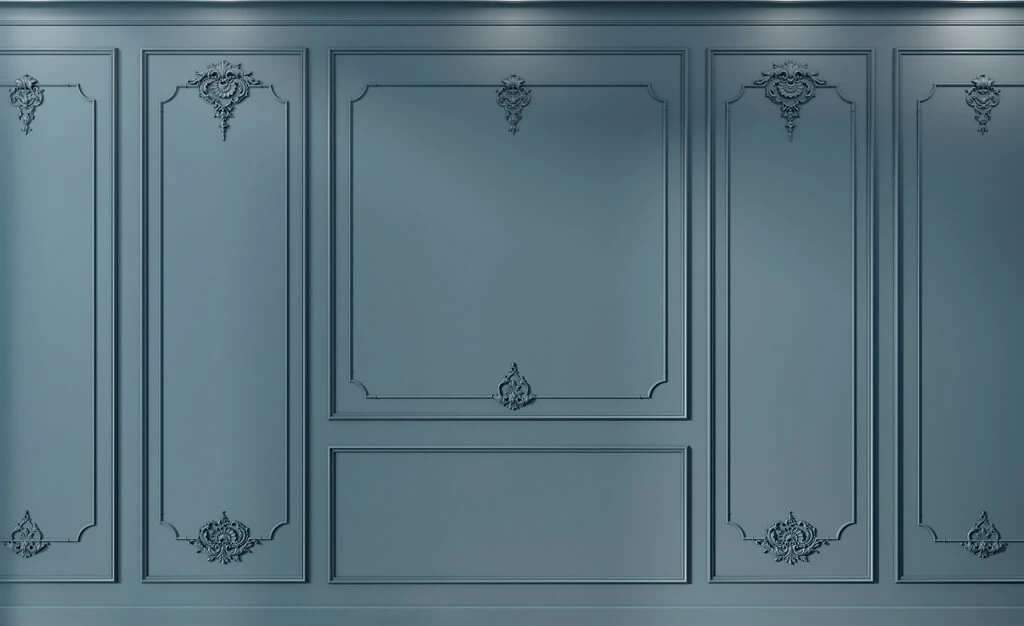
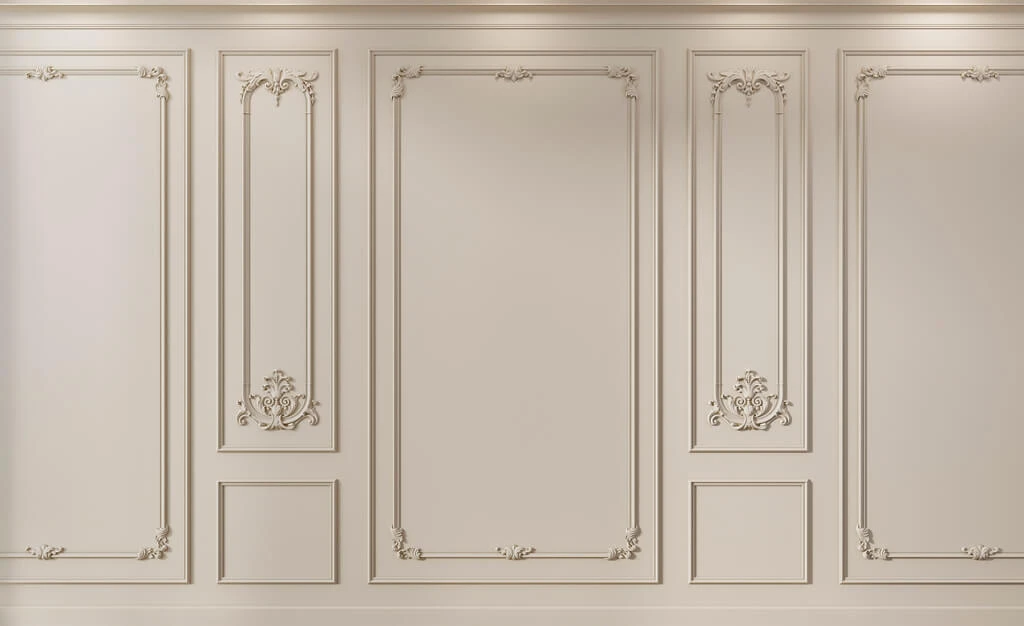
The ready-made wall decor set already combines an MDF molding and polyurethane elements into a cohesive composition. It can be used on its own or paired with the narrow CPU-12-1 on the sides. For a different layout, the collection's elements can be selected separately and used to create your own wall design.
Have questions?
Customers also buy


Ekaterina Y.
October 5, 2026
An excellent team! A huge selection of products! I recommend that craftsmen, designers, decorators, and home stagers take a tour of the production facility to immerse themselves and be inspired.
Alexander U.
October 2, 2026
I have been working with Stavros since 2024, and the quality of the products is top-notch. Customers are happy!!!
Elena G.
September 29, 2026
Daria is a very competent specialist; she provided consultation and helped us select items. They were sent promptly.
Polyurethane stucco decor
We have been on the market for over 20 years and are ready to offer you the best combination of aesthetics, quality, and practicality. Our polyurethane is not just a material, but a reliable foundation for flawless details, resistance to moisture and cracks, as well as convenient and quick installation. The company's success began in 2002, when two artists – Andrey Ragozin and Evgeny Tsapko – created a small creative workshop for making carved wooden products. The work of the craftsmen was quickly noticed, and within a year they were invited to participate in the reconstruction of the Konstantinovsky Palace in Strelna.
Every product in our range is the result of years of experience, thoughtful technology, and attention to detail. We constantly update our collections, follow and shape trends in interior design ourselves. From elegant neoclassicism to bold Art Deco, you will find the perfect accent for the interior of your dreams.
Choose durable polyurethane decor STAVROS — beauty proven by time and real projects, not just words.
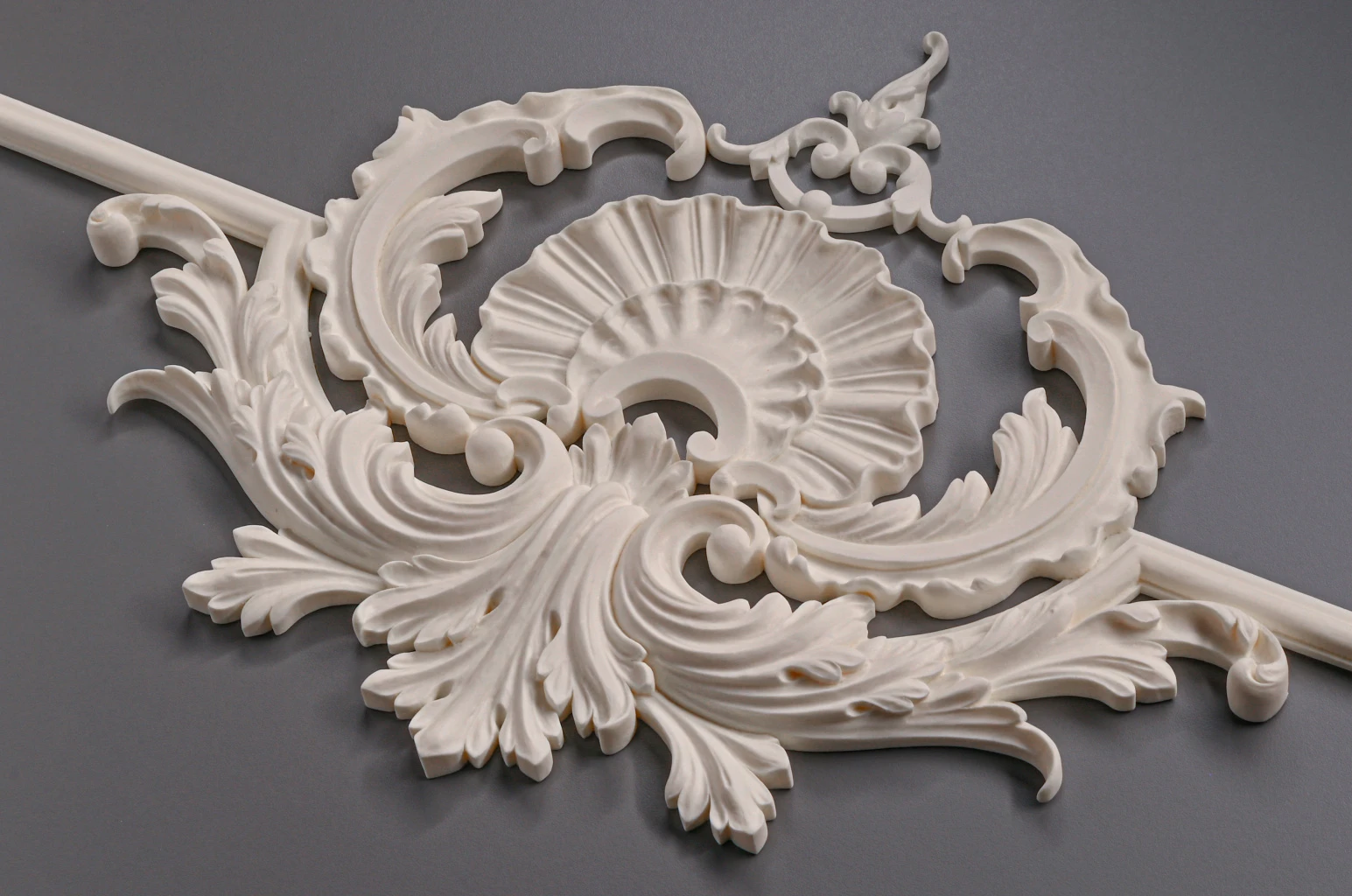
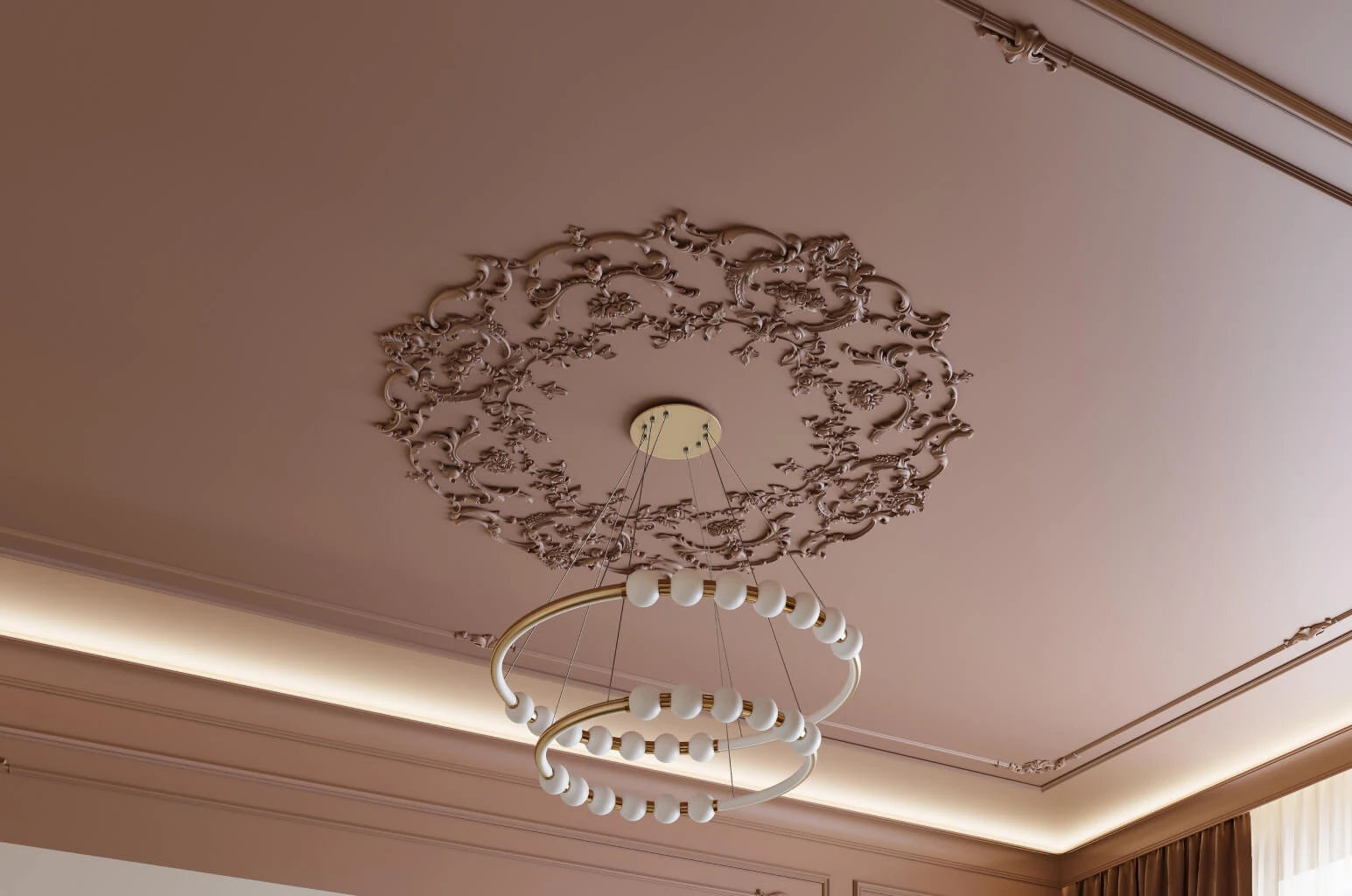
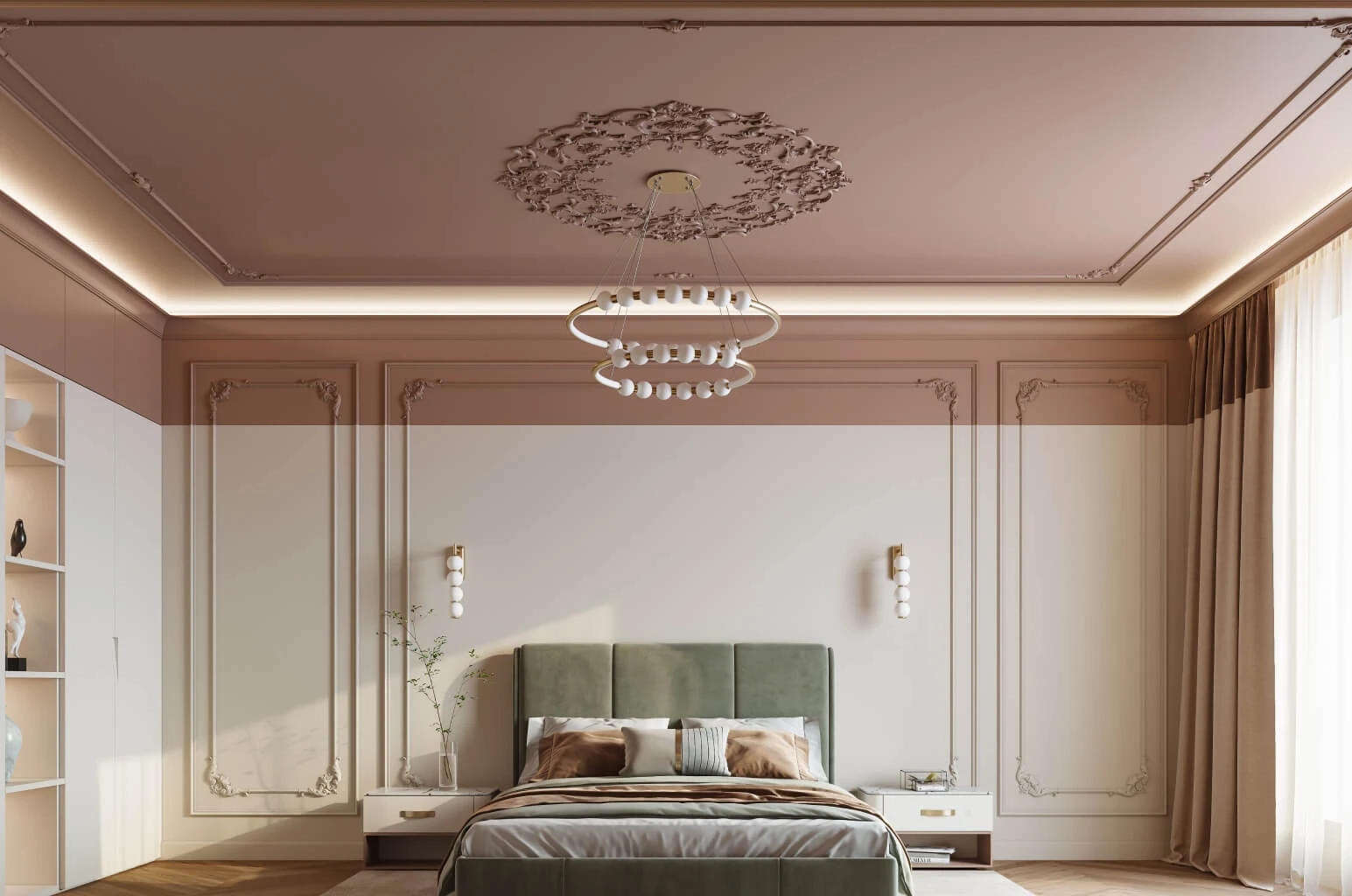
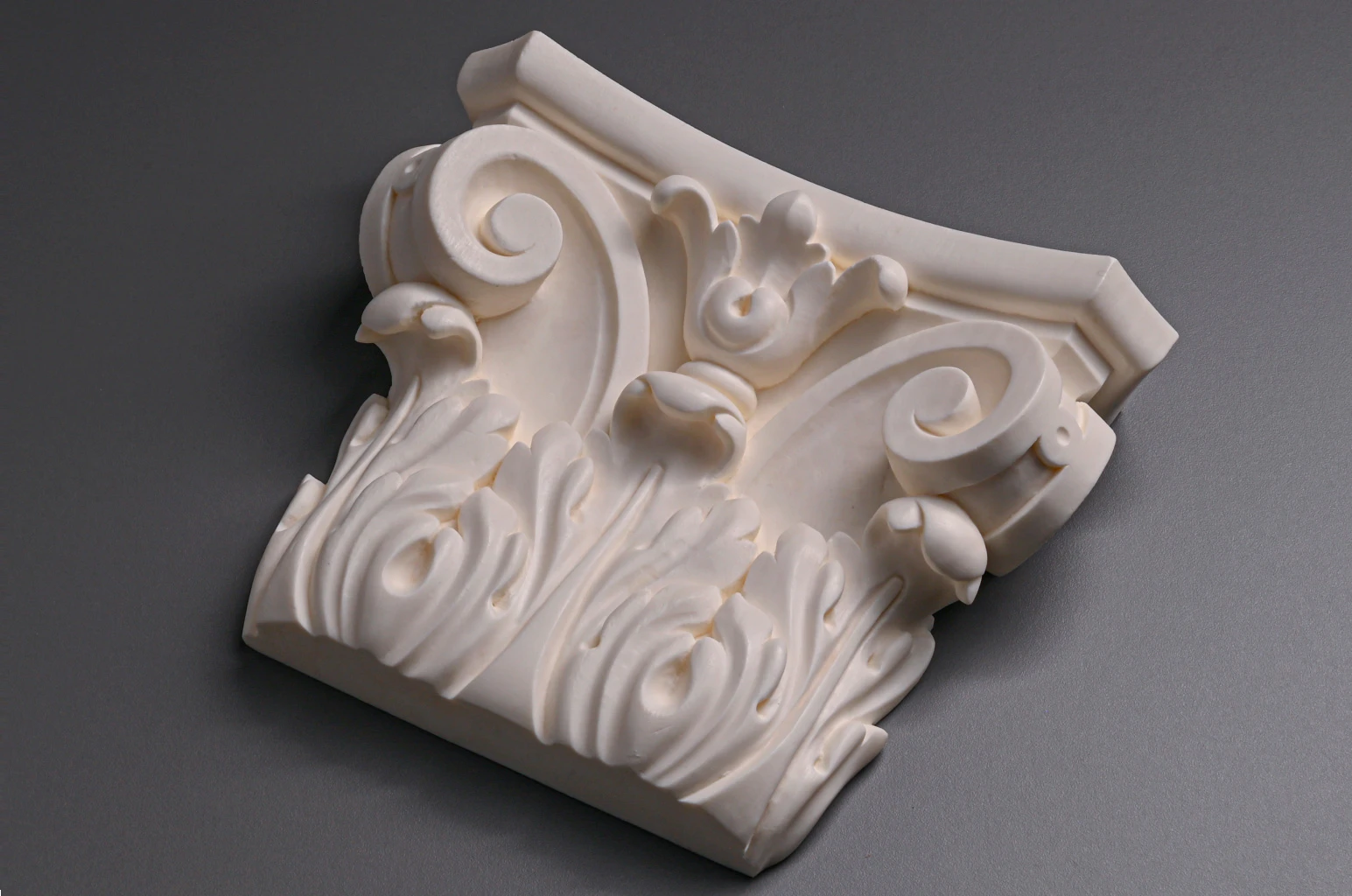
STAVROS Guarantees
Quality of products without complaints
We save your time, peace of mind, and budget
Large warehouse program
We solve your tasks with maximum speed
Adherence to production deadlines
Streamlined process reduces all risks
Delivery from 1 piece throughout Russia
Quality service regardless of order volume
Your positive business reputation
Reliable partner — the foundation of your business
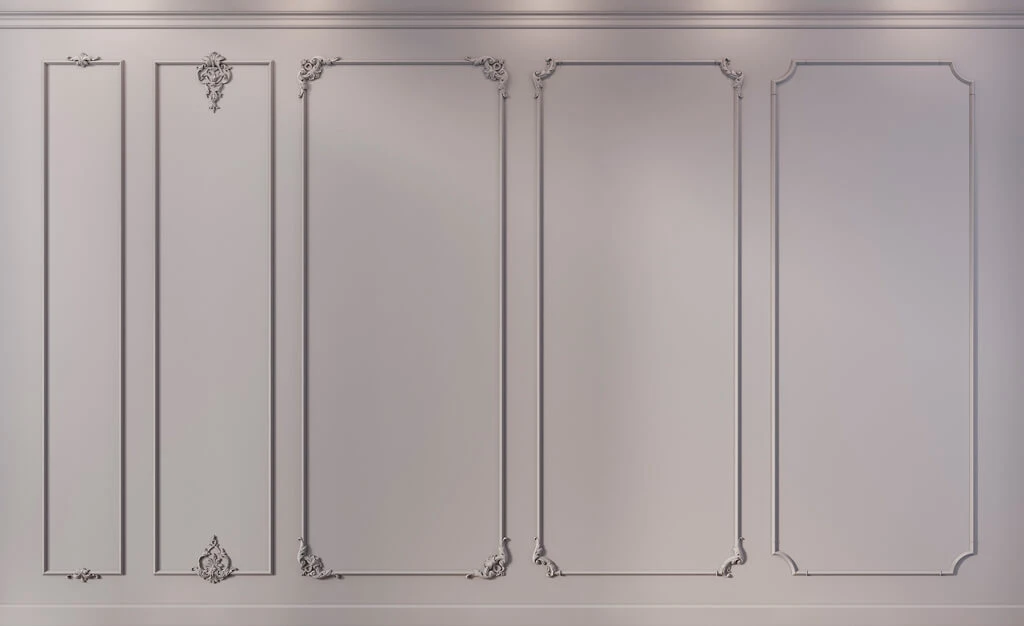
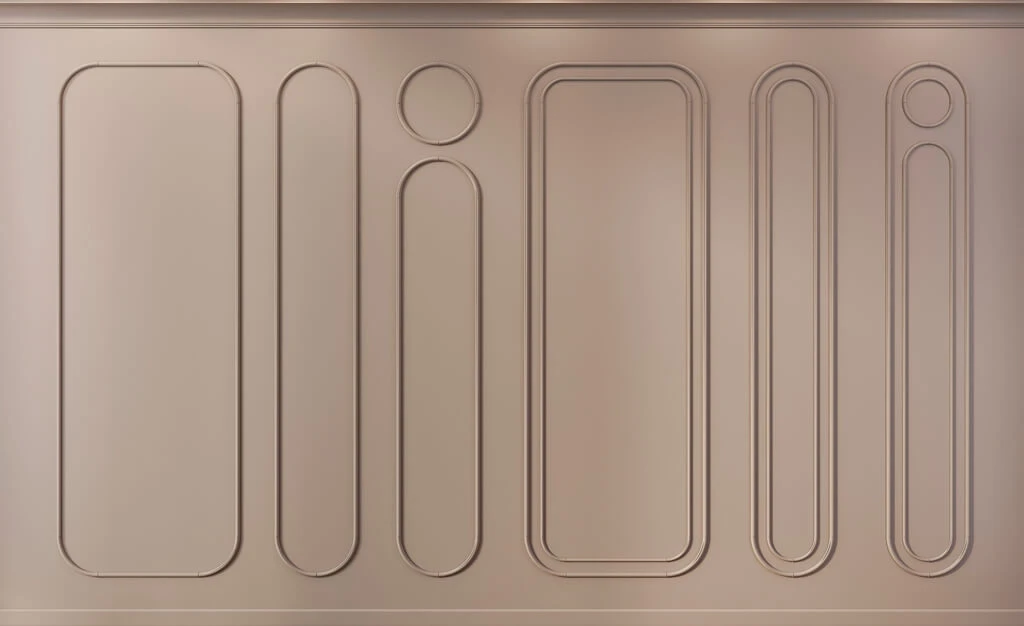
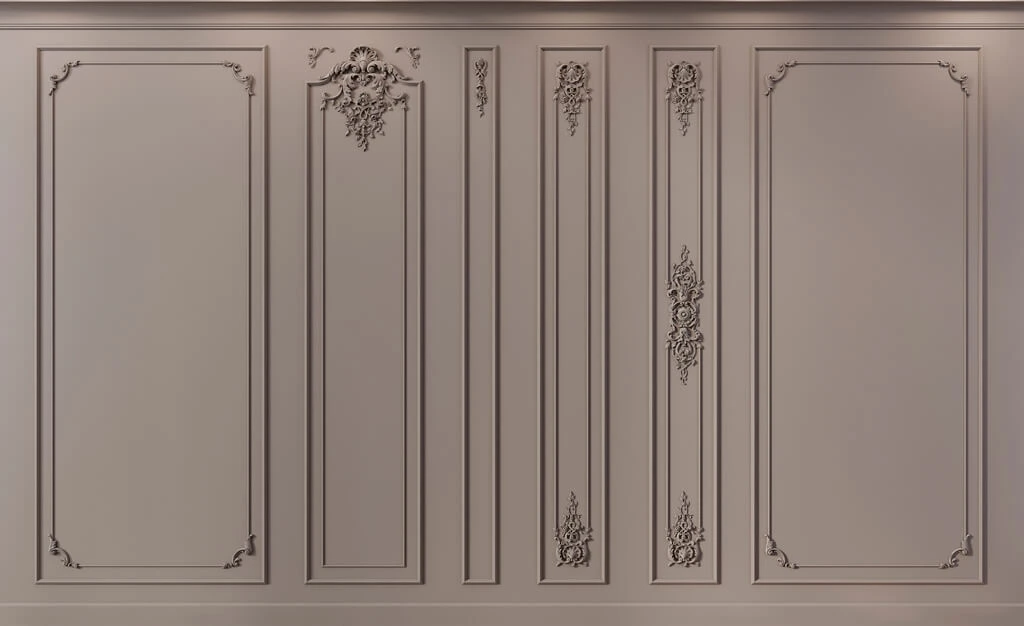
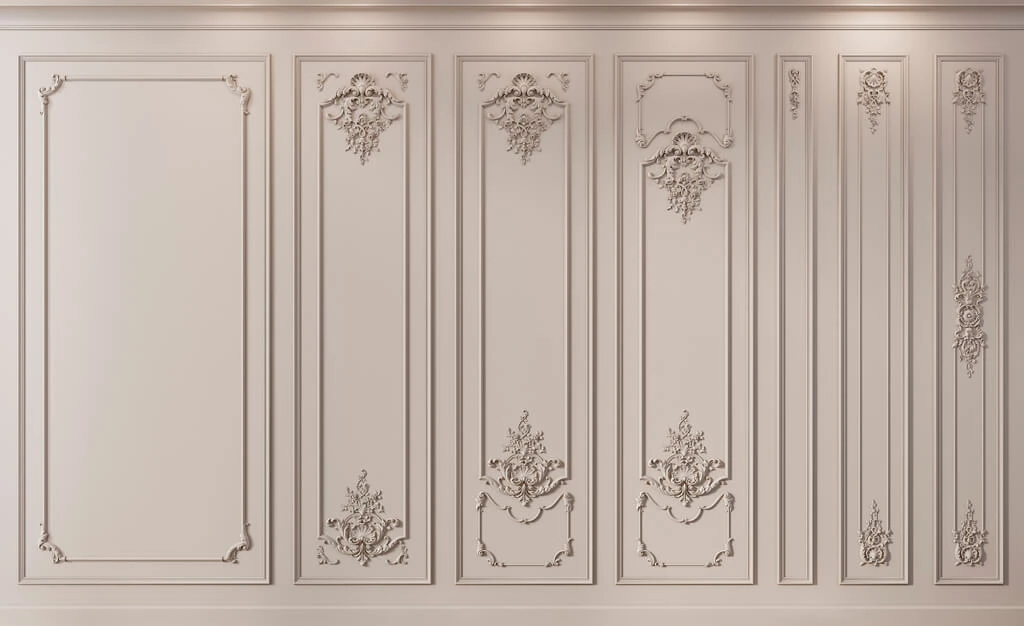
More products in the "Petersburg" collection
Frequently asked questions
Our showrooms are located in Saint Petersburg and Moscow. Production is located in Saint Petersburg.
Moscow contacts: https://www.stavros.ru/contacts_all/?tab=msk
Contacts of Saint Petersburg: https://www.stavros.ru/contacts_all/?tab=spb
- Send request by email [email protected]
- Write to us at Telegram
- Write to us at WhatsApp
- Order by phone +7 (800) 555-46-75
- Visit our showroom in Saint Petersburg and Moscow
Yes, we ship orders throughout Russia and to CIS countries.
We cooperate with transportation companies such as СДЭК and DPD.
You can also arrange pickup of your order through any convenient transportation company for you.
Delivery cost depends on the size, weight of the item, and delivery address.
When placing an order, the delivery cost is calculated automatically and displayed as a separate line on our website.
Prices and availability of items on the website are always current. Data is updated daily.
Note: items in stock are stored on the warehouse in unpolished form and shipped within 3 working days.
If the item is not in stock, average production time: 5–10 working days.
This is the quality of polishing of the items.
Standard — machine polishing, at a more attractive price.
Prestige — detailed hand polishing, items do not require further work.
More details: https://www.stavros.ru/information/kachestvo/
This is the type of veneer of the items.
Under enamel: produced by gluing wooden laminates without color and texture matching. Contrast tonal and textural differences are noticeable. This blank should be chosen if the item is intended for opaque coating.
Under tinting: produced by gluing wooden laminates with color and texture matching. Tonal and textural differences may occur. This blank should be chosen if the item is intended for semi-transparent finish.
More details: https://www.stavros.ru/information/kachestvo/
Beech — dense, non-porous wood, most often used for items covered with enamel.
Oak — dense, porous wood with clearly visible natural grain. Due to its strength and decorative properties, it is often used in items with semi-transparent coating, highlighting the wood pattern.
Custom-made, if non-standard items are required, we can produce products from other types of wood, including blanks provided by the customer, manufactured according to our technical specifications.
All our furniture legs can withstand a vertical load of at least 100 kg.
Average production time for custom-made items: 5–10 working days.
Most items are stored on the warehouse in unpolished form. We need time to polish and pack orders.
Yes, we manufacture non-standard items according to individual projects, but we only accept orders with a minimum quantity.
We can manufacture items of the desired size, but we only work with bulk orders. For details, please consult the sales department manager.
Yes, some of our products can be used outdoors. For example, polyurethane items, as well as carved door casings made of pine.
Other items are produced to order using PUR glue, if minimum quantity is available. No warranty is provided for such products, as outdoor conditions are considered aggressive.
Yes, we paint items when ordering products for a total amount of 150,000 rubles or more.
- Dust removal. After sanding, the surface must be dusted.
- Priming. Apply primer in an even layer.
- Matting. After the primer has fully dried, the surface should be matted (lightly sanded for better adhesion).
- Finish coating. Apply finish coating: lacquer or enamel, in 2 layers, with interlayer drying.
More details: https://www.stavros.ru/information/sovety/
Apply adhesive to the decor. Place it on the surface and press briefly. Then, lift the decor from the surface and leave it open for 3–5 minutes. Press the decor firmly onto the surface and hold for 5–10 seconds.
More details: https://www.stavros.ru/information/sovety/
Ideally, you should prepare a design project before placing an order.
You can do this yourself by downloading drawings of our products from our website, or you can order a project from us.
If the number of decorative elements and fittings is small, our company's manager can assist you with selection.
Unfortunately, this service is not provided.
The packaging method depends on the type of items, but in each case, we ensure sufficient protection for safe transportation.
We most often use corrugated cardboard and stretch film. Fragile items are additionally secured on a rigid base to prevent damage during transport.
We ship all items starting from 1 piece.
Room measurements and item installation can be performed by our partners — carpentry companies represented in most regions of Russia.
Often searched in category Wall Decor
Set of stucco decor CPU-12-2 from the "Petersburg" collection
There is a question that every person undertaking a serious interior design asks themselves sooner or later: where does a real wall begin? Not just a painted surface, not a wall with a painting or mirror, but a wall — one that makes an impression, holds the space, sets the scale. The answer, known to architects since ancient times: a wall begins with its architectural articulation.
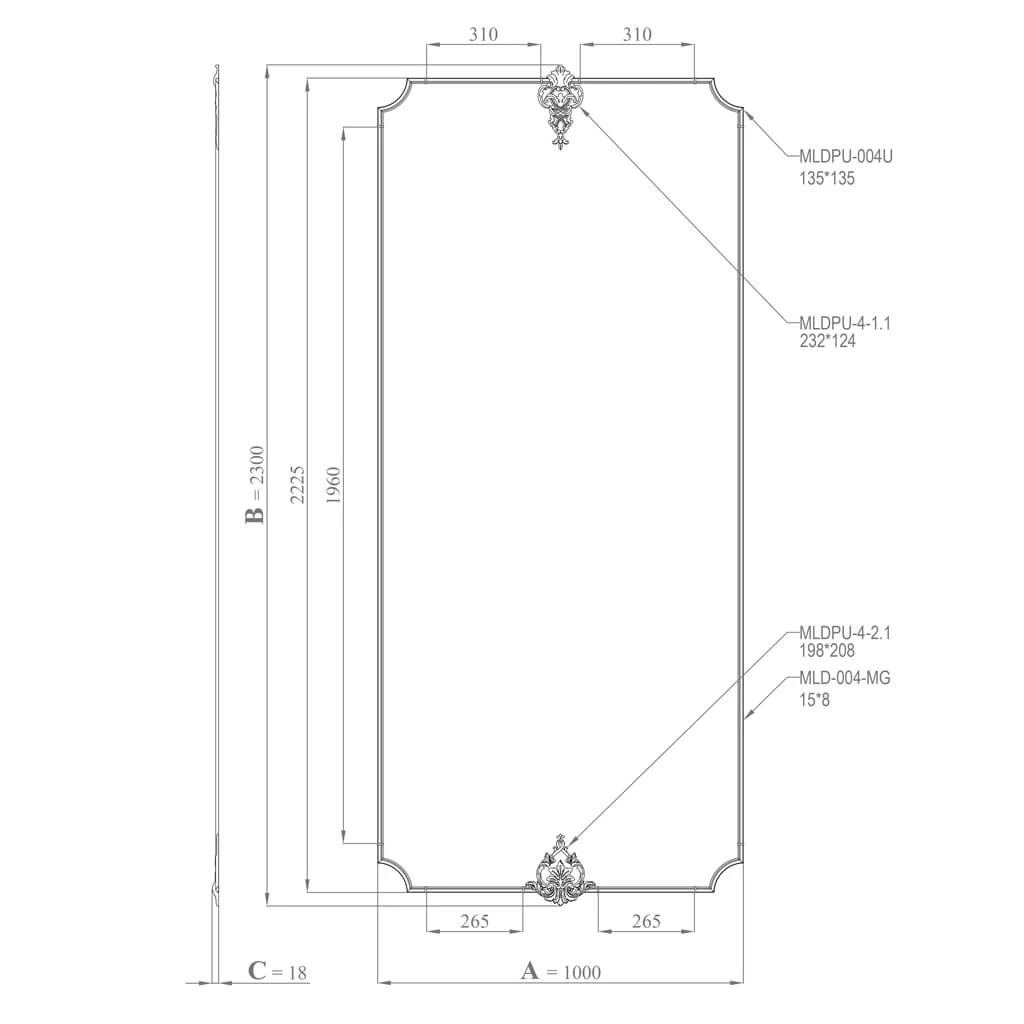
Set of stucco decor CPU-12-2— this is exactly the solution. A wide vertical composition from the «Petersburg» collection, size 1000 × 2300 × 18 mm, made of polyurethane and primed MDF. A ready-made frame for an accent wall — in the bedroom at the head of the bed, in the living room behind the sofa, in the hallway, in the study, or in any commercial space where the wall needs to speak for itself.
Starting point: why a width of 1000 mm changes everything
The difference between narrow and wide wall decor is not just a difference in centimeters. It is a difference in the character of the space, in its feel, in how the room is perceived and remembered.
Set CPU-12-1610 mm wide — this is a vertical detail. A precise, elegant accent that structures wall sections, frames a mirror, maintains rhythm in a row of several panels. It works like punctuation in text: a comma, a dash, a semicolon.
CPU-12-2, 1000 mm wide — this is different. This is no longer a detail, but a statement. The wide frame becomes the semantic center of the wall, around which everything else is built. This is not an addition to the interior — it is its foundation.
That is why CPU-12-2 has a special niche of application. It is not placed in a 700 mm wide wall section — it won't fit. It is not used as a «second plan» next to a larger element — it itself is the main element. It is chosen for places where scale is needed: a wide wall behind the bed, the central axis of the living room, the end wall of the hallway, a panel in an executive office.
«Petersburg» collection: classic ornament without compromise
"Petersburg" collection— this is a decorative system built around the St. Petersburg architectural tradition. If you want to understand its aesthetics through an image — imagine the grand halls of the Mikhailovsky Castle, the enfilades of the Tauride Palace, the St. Petersburg tenement houses of the Silver Age. Everywhere there is the same hand: restrained, precise, able to be rich without excess.
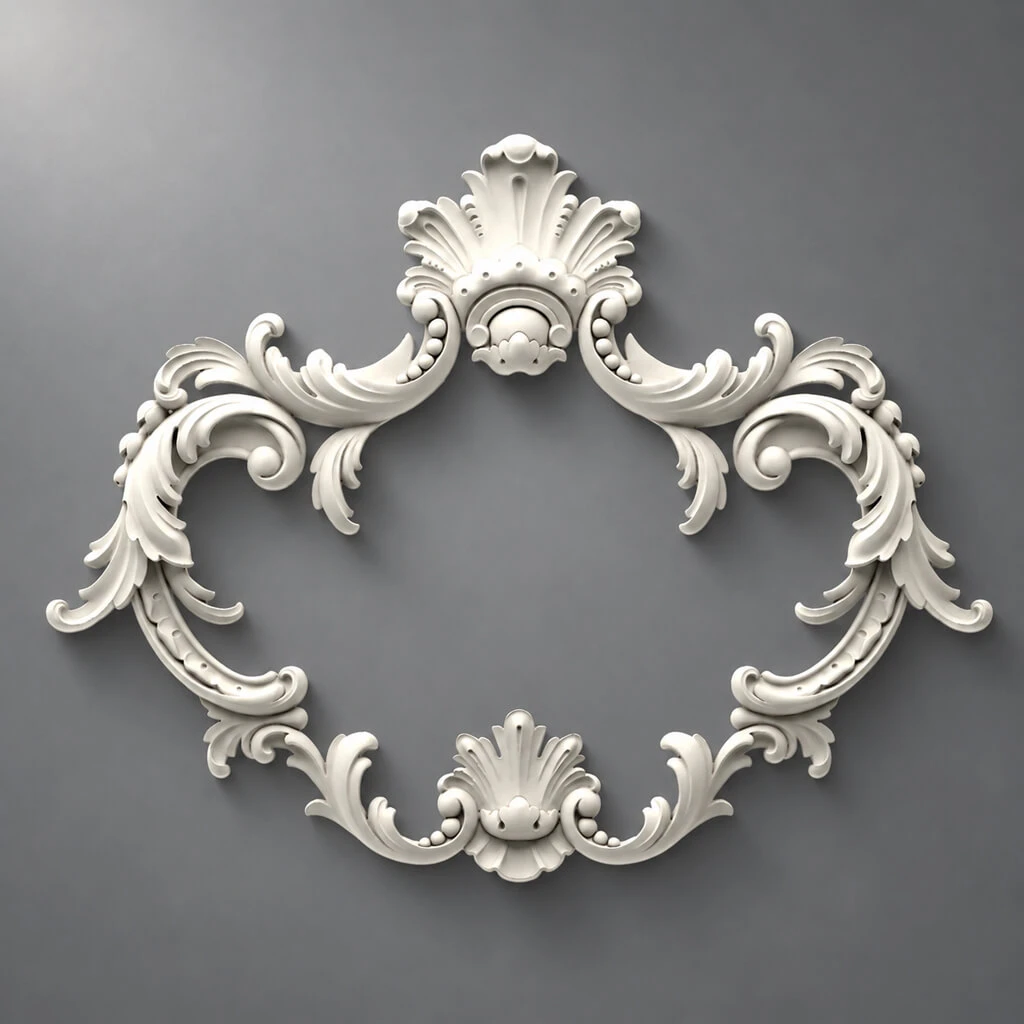
The ornamentation of the collection is built on several motifs: smooth figured lines at profile transitions, relief decorative elements in the upper and lower parts of the frame, which carry a classic botanical or geometric pattern — acanthus, palmette, cartouche, rosette. This is not a copy of a specific historical prototype, but a free interpretation of St. Petersburg classicism in formats convenient for a modern interior.
CPU-12-2 is the widest format in the collection line. The width of 1000 mm allows the frame to function fully: ornamental elements are not lost in the scale of the product, and the central field of the frame is large enough to be perceived as an architectural panel, not just a molding detail. This is the essence of the wide format: a scale at which decor begins to feel like architecture.
Technical parameters: everything you need to know before purchasing
| Parameter | Value |
|---|---|
| Article number | CPU-12-2 |
| Collection | "Petersburg" |
| Size | 1000 × 2300 × 18 mm |
| Width | 1000 мм |
| Height | 2300 мм |
| Profile depth | 18 мм |
| Material | Polyurethane + primed MDF |
| Surface | Primed, ready for painting |
| Installation | Mounting adhesive, liquid nails |
| Style | Classic, neoclassical, modern classic |
| Purpose | Accent wall: bedroom, living room, hall, study, commercial interior |
A few comments on parameters that are important for practical application.
Width 1000 mm. This is a monumental format in the context of wall decor. On a standard wall 3.5–4 m wide, two sets of CPU-12-2 with a distance of about 400–600 mm between them will create a full architectural wall layout with a strong rhythmic effect. One set in the center of the wall is a central axis sufficient to organize the entire space around it.
Height 2300 mm. Standard height for residential rooms with a ceiling of 2.7–3.0 m. The set is installed from the top edge of the floor baseboard with a gap of 30–50 mm to the bottom edge of the ceiling cornice with a gap of 50–100 mm. With a ceiling of 2.7 m and a baseboard of 80–100 mm, this means the set occupies almost the entire working height of the wall — from floor to ceiling, when looking at the central mass of the product.
Depth 18 mm. Sufficient for a confident relief under side lighting. Sconces, floor lamps, built-in spots — any light directed not strictly perpendicular to the wall will reveal the shape of the profile and create a play of shadows. This is what makesstucco decor for painting it alive, not flat.
CPU-12-2 construction: from inside out
The wide set is not just an enlarged version of the narrow one. It is a different design logic.
In CPU-12-2, the central field of the frame has different proportions: with a width of 1000 mm and a height of 2300 mm, the inner field becomes self-sufficient. This is no longer a "frame with emptiness inside" — it is a space where you can hang a mirror, a painting, a decorative panel, or simply leave it as a clean surface painted in a contrasting color relative to the frame itself. Two layers of perception — the surface and the frame — work together, creating depth.
Molding strips made of primed MDF form the perimeter of the frame. The width of the strips is selected in proportion to the overall format: wide enough for the frame to have visual weight, yet not so wide as to eat up the central field.
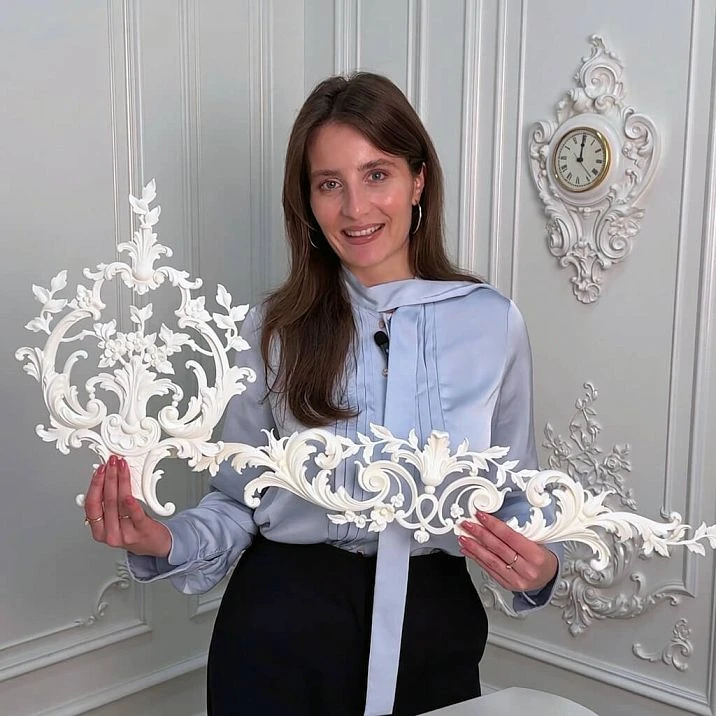
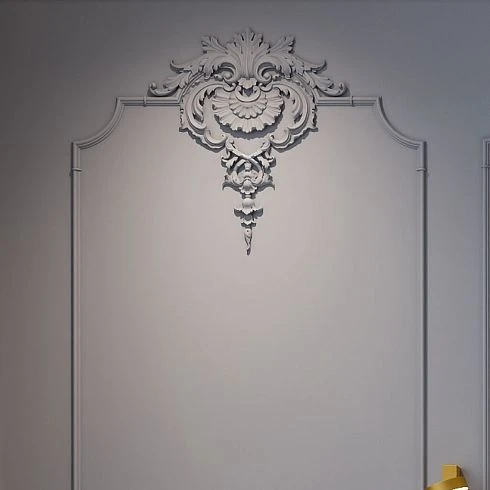
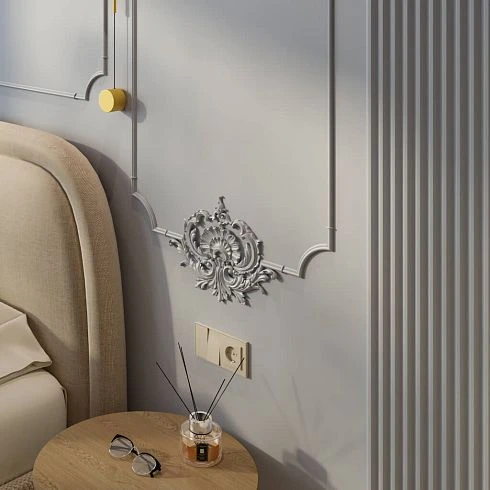
Decorative elements made of polyurethane in the upper and lower parts carry the ornamental load of the collection. They are attached to the base of the frame and are perceived as a single whole with it — these are not stickers or appliqués, but part of the structure that works in the same relief register as the molding profile.
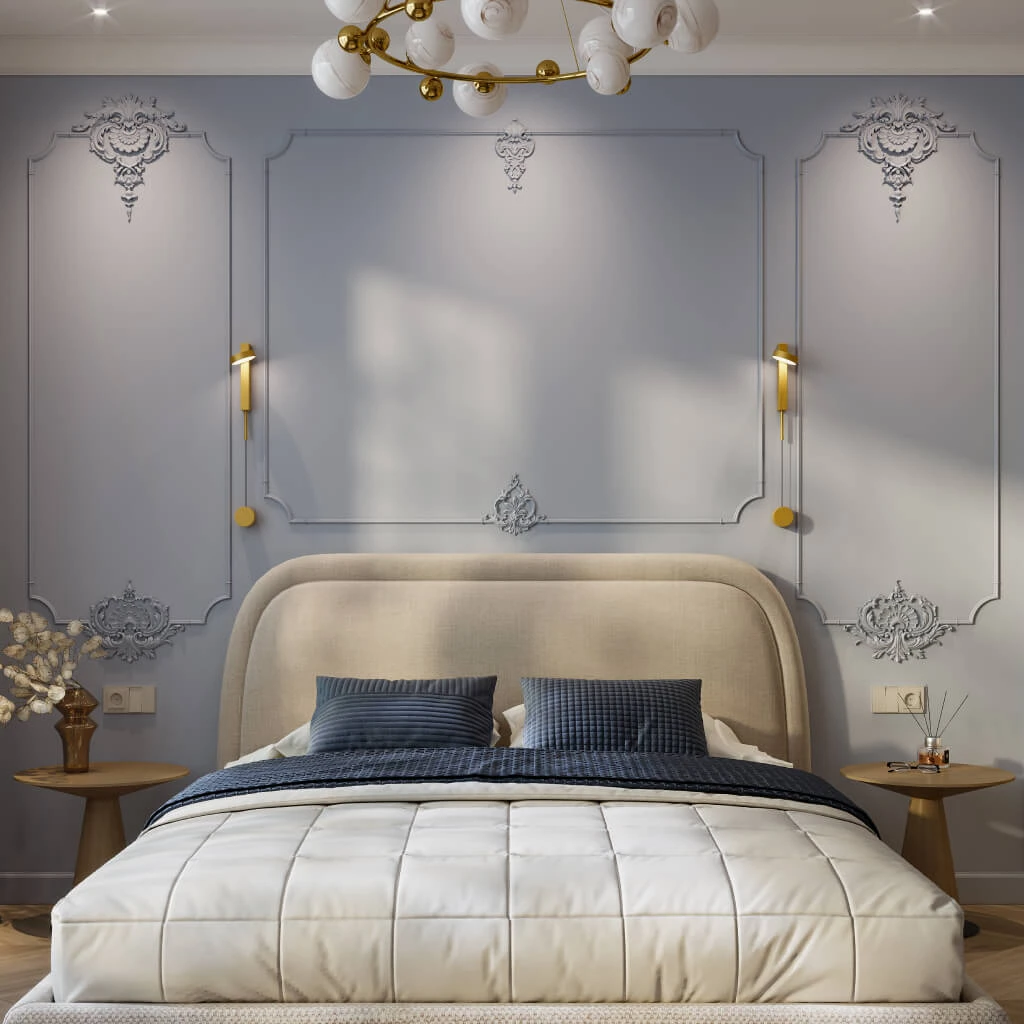
CPU-12-2 in the bedroom: how to properly design the wall at the head of the bed
The bedroom is a space with a precise rhythm. The principle of "less, but better" works here: one strong decorative gesture is better than several mediocre ones. And the wall at the head of the bed is the place for this gesture.
Why even design the wall behind the bed? A fair question. The answer lies in the psychology of space perception. A bed without framing "floats" in the room. It has no visual support, nothing "holds" it from behind. When an architectural frame appears behind the headboard —wall decor at the head of the bed— the bed immediately gains status. It ceases to be just furniture and becomes the center of the interior scene.
CPU-12-2 with a width of 1000 mm is exactly the size that is organic for a standard double bed with a width of 160–180 cm. The frame does not match the width of the bed and is not equal to it: it is slightly narrower — and that is correct. In architectural theory, this is called the "rule of excess": the framing element should be slightly smaller than the framed one, otherwise the visual hierarchy is lost. A frame with a width of 1000 mm for a bed of 180 cm creates exactly this correct ratio.
Layout options in the bedroom
One set of CPU-12-2 along the central axis of the bed. The simplest and most effective option. The frame is installed strictly along the horizontal axis of the bed — so that the center of the frame coincides with the middle of the bed. The effect is nobility, completeness, a feeling of a "high-end" interior.
CPU-12-2 in the center and two CPU-12-1 on the sides. A combined scheme for wide walls (from 400 cm): the central wide frame is flanked by two narrow ones. This is a classic three-part symmetrical composition, known since the Palladian era. This scheme is appropriate in a bedroom with high ceilings (from 3 m).
CPU-12-2 plus horizontal molding belts. If you add horizontalMoldings made of polyurethaneat the top and bottom — you get a wall panel. The horizontal belts will create a base part of the wall and a frieze under the ceiling, and the CPU-12-2 frame will occupy the central field. This is already an interior at the level of an author's design project — without the author's fee.
Lighting at the headboard and decor
Wall sconces at the headboard are not just convenience. They are an architectural element that, combined with decor, creates a scene. Sconces located on both sides of the CPU-12-2 frame or on the frame itself (inside the central field) work together with it: the side light from the sconces glides along the molding profile at an angle, reveals the relief of the ornament, making the product voluminous and alive.
CPU-12-2 in the living room: several application points
The living room is a room where the architectural wall decor has several "workstations" at once. And CPU-12-2 feels great at each of them.
Wall behind the sofa
This is the main accent surface of the living room. It is what everyone entering the room sees. It appears in the background of most family photos. It is where the gaze is directed during conversation when a guest looks ahead over the host's head.
Wide decor for the wall behind the sofain the 1000 mm format works here as a semantic anchor. It organizes the space around the sofa, gives the wall weight and depth, turning it from a background element into an architectural statement.
One set of CPU-12-2 in the center of the wall with the sofa beneath it is already a complete interior scene. Two sets on the edges of the sofa (where sconces or side floor lamps are) is a more complex and formal scheme.
TV area
A TV on the wall is always an aesthetic problem. A large black rectangle on a white wall looks technical and random. Designers have long known the solution: integrate the TV into a decorative system, make it part of the architecture, not an "object hanging on the wall."
CPU-12-2 here plays the role of framing. Scheme: a CPU-12-2 frame is mounted in the center of the wall, the TV is attached inside the central field of the frame — so that the TV panel is inscribed in the decorative frame like a painting in a frame. On the sides of the frame, you can addPolyurethane decorative appliquesor smaller frame elements for lighting.
Fireplace zone
A fireplace is the architectural center of the room. Two sets of CPU-12-2 or one CPU-12-2 combined with other elements of the collection on the sides of the fireplace turn the fireplace portal into a full-fledged ceremonial element. This is one of those techniques familiar to anyone who has been in five-star hotels or the grand halls of European residences.
Space above the console
A console with a mirror above it is one of the most common techniques in interior design. It works in the hallway, living room, and foyer. In this context, CPU-12-2 serves as the "background" for the entire scene. The frame is mounted on the wall behind the console so that both the mirror and the console itself are within the architectural framing. The result is that the area gains grandeur and completeness.
CPU-12-2 in the foyer and hallway
The foyer of a country house or apartment is a space with a fundamentally different task than the living room. Here, comfort is not created. Here, an impression is made. The foyer is the point of first contact: it is here that the guest decides what kind of home this is and what kind of people live here.
Wall-mounted stucco decorIn the foyer, it works precisely for this first impression. CPU-12-2, one meter wide on the end wall of the foyer or on the wall opposite the front door, is a strong, immediate, and convincing decorative gesture. It occupies just enough space to be noticed and carries enough classical ornament to speak of taste and status.
For large foyers of country houses — three or four sets with equal rhythmic spacing along a long wall. This is architectural rhythm that makes the long and "tunnel-like" space of the foyer structured and solemn.
CPU-12-2 in the study: dignity without pomposity
The study is a room where decor carries a special semantic load. Here, it is important not to decorate, but to assert: that this is the space of a person who knows what they want, knows how to work in a beautiful environment, and understands that the interior is not a background, but a context.
Classic wall decor in the studyIt works as an architectural background. CPU-12-2 behind the desk is a "backdrop" that makes the work area representative. One set on the wall behind the desk and two on the side walls next to the bookshelves — this is a scheme that can be seen in the best studies of European law firms, architectural bureaus, and private libraries.
In an office, the decor is usually painted to match the wall tone — monochromatically. The profile relief remains, the shadow from side lighting remains, but the color does not "scream." This is precisely the effect called "nobility": expensive without ostentation.
CPU-12-2 in commercial interiors
Any commercial space exists under conditions of fierce competition for client attention and trust. A restaurant competes with hundreds of restaurants. A boutique — with hundreds of boutiques. A hotel — with hundreds of hotels. And in this competition, the visual environment is one of the fastest and most effective tools for differentiation.
Polyurethane wall decorin a commercial interior creates an atmosphere commonly called "premium." This is not necessarily luxury — it is precision. Precise proportions, correct ornaments, a systematically built wall. It is this, not expensive materials, that creates the feeling of high class.
CPU-12-2 in a restaurant is a wall you want to photograph. In a boutique — it is a "frame" around a display window or fitting area. In a hotel — it is a wall in the lobby or in a business-class room. In a meeting room — it is the background behind the manager's seat. In each of these cases, the decor does the same thing: it tells the client "everything here is thought out," and the client feels it — even without realizing the source of this feeling.
Material: dual nature, single result
Polyurethane and primed MDF — two materials with different characters that complement each other in CPU-12-2 with the precision of a well-fitted mechanism.
What polyurethane can do
Polyurethanein decorative production is primarily the precision of relief reproduction. Injection molding into a matrix allows conveying an ornamental pattern with detail unattainable by hand modeling. Each instance of a decorative element is an exact copy of the original matrix: the same relief, the same transitions, the same depth of carving.
In addition to precision — lightness. Polyurethane is significantly lighter than plaster and even lighter than natural stone. The CPU-12-2 kit weighs several kilograms, allowing it to be mounted with assembly adhesive without mechanical fasteners and without specialized tools. The elasticity of polyurethane ensures resistance to mechanical impacts — the product does not crack or crumble upon accidental contact.
What primed MDF can do
MDF for linear slats is a choice for geometric precision. Long straight MDF moldings have no curvature or deformation along the entire length of 2300 mm. This is critical for vertical lines: any deviation from a straight line in a frame is immediately perceived as a defect.
Factory priming of the MDF surface serves to insulate the fibers and create an adhesive layer for paint. Without primer, MDF actively absorbs paint, leading to uneven coverage and the need to apply three to four coats instead of two. With primer, two even coats of acrylic or alkyd paint provide a stable, uniform color.
Three approaches to painting CPU-12-2
Approach one: "invisible architecture." The frame is painted exactly to match the wall — the same color, the same can, the same tool. The result is that the wall gains relief and depth, but the decor does not assert itself. The frame is read through shadow, not color. This is a technique for those who understand the difference between "obvious" and "subtle."
Approach two: "architectural accent." The frame is painted in a shade close to the wall, but two to three tones lighter or darker. The tonal contrast is soft, almost delicate. The frame is visible, its shape is readable, but it does not "jump out" from the wall surface. This is the most common solution in professional interior projects.
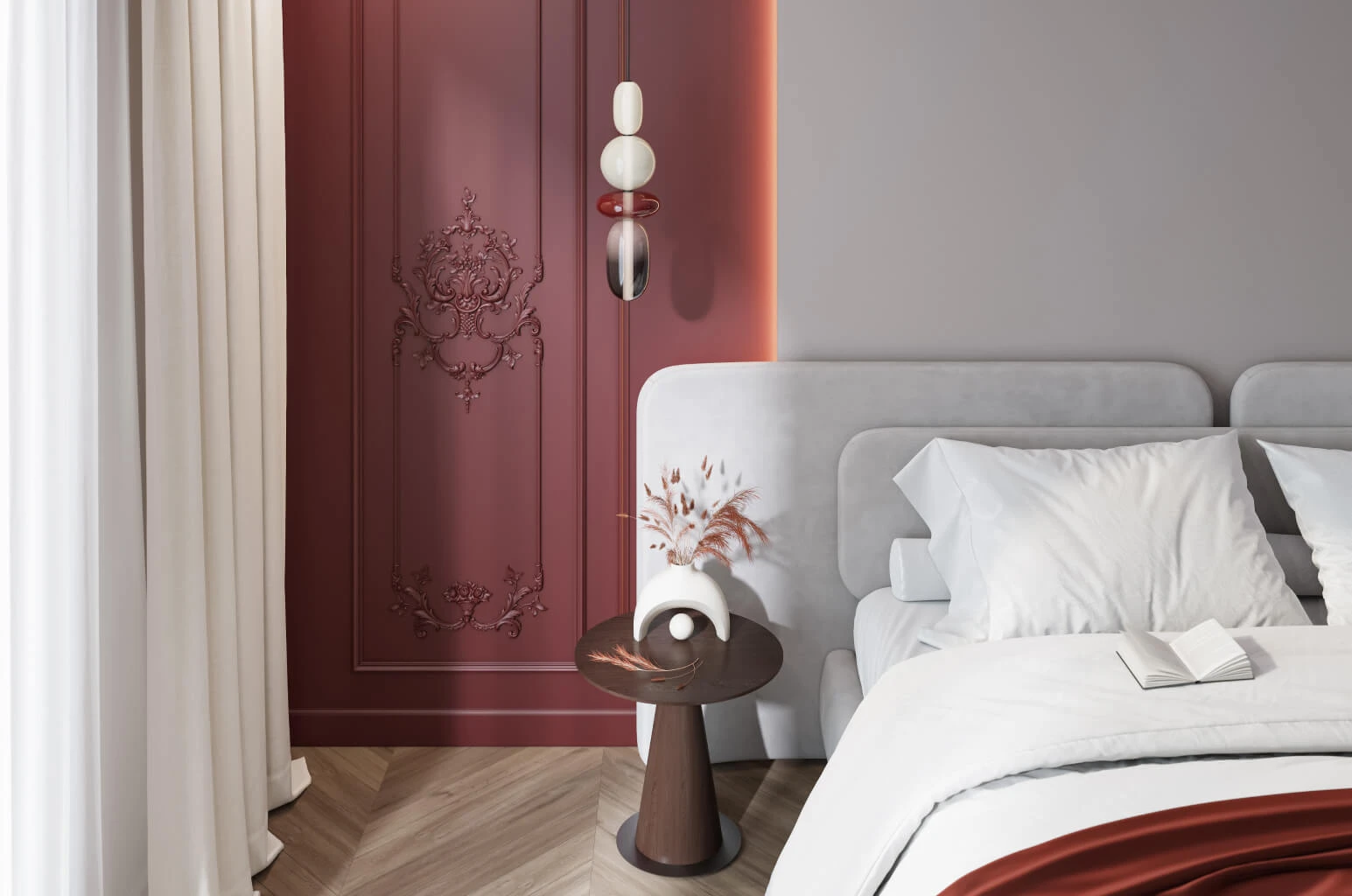
Approach three: "contrast frame." A dark frame on a light wall, or conversely, a light frame on a saturated background. This is a strong decorative gesture that turns CPU-12-2 into an independent artistic statement. A matte white set on a wall colored "sage" or "sea clay" is a modern classic that works equally well in residential and commercial spaces.
Comparison of CPU-12-1 and CPU-12-2: how to choose the right format
Both products belong to the same collection, are made in the same style and from the same materials. The difference lies in the width and, consequently, in the logic of application.
| Parameter | CPU-12-1 | CPU-12-2 |
|---|---|---|
| Width | 610 мм | 1000 мм |
| Height | 2300 мм | 2300 мм |
| Purpose | Piers, side zones, paired installation | Accent wall, central panel |
| Quantity | Usually 2 or more | Usually 1 or 2 |
| Character | Vertical rhythm, detailing | Monumentality, scale |
| Application | Pier, sconce, paired framing | Headboard, TV area, fireplace, hall |
In short: CPU-12-1 is a detail in the system. CPU-12-2 is the center of the system. Both can be used together: CPU-12-2 on axis, CPU-12-1 on the sides — a classic triad.
Systems thinking: CPU-12-2 in a full wall layout
One set of CPU-12-2 is already good. But Ready-made molded decor kits fully realize their potential when they become part of a system.
A full wall layout with CPU-12-2 looks like this:
The lower horizontal belt is a baseboard made of STAVROS moldings and cornices creates a clear lower contour of the wall.
A horizontal molding belt at a height of 90–100 cm divides the wall into a base zone and the main field. This is a classic three-part division, familiar from the architecture of Ancient Greece and not outdated for 25 centuries.
Vertical frames CPU-12-2 structure the main field of the wall. One to three frames with equal spacing or with an accent central frame, depending on the wall width and interior task.
Decor for Molding — decorative inserts at the corner points of horizontal belts that "close" the intersections and make the system monolithic.
Polyurethane appliqués — additional ornamental elements for central zones, frame corners, areas near sconces.
The upper cornice is the finishing horizontal band under the ceiling.
This system in its full form is an interior that, in a professional design project, costs significant money and time. In the version with ready-madepolyurethane products from STAVROSit is an affordable, logical, and systematically arranged solution.
Installation of CPU-12-2: step-by-step logic
A wide kit requires slightly more precision in marking than a narrow one. One mistake of 5 mm with a width of 1000 mm is already a noticeable shift from the central axis. Therefore, marking is a key stage.
Stage one: marking. Find the horizontal middle of the wall and mark the vertical central axis. Measure 500 mm from it in each direction — these are the outer edges of the kit. Check if there are any sockets, switches, pipes, or other obstacles nearby. Mark the vertical lines along the edges of the future frame using a laser level or a long straightedge.
Stage two: dry fit. Before applying glue, hold the kit against the wall "dry." Check verticality with a level. Ensure the top and bottom gaps are symmetrical.
Stage three: glue. Apply construction adhesive or liquid nails in a zigzag pattern on the back surface of the strips. Do not apply glue in intermittent dots — long strips ensure even pressure along the entire length.
Stage four: installation. Install the kit according to the markings, press it against the wall, and secure it. For the wide format, temporary fixation with painter's tape or wedges is recommended while the glue sets.
Stage five: joints and painting. Fill the joints between the kit elements and between the kit and the wall with finishing putty or acrylic sealant, sand them smooth. Then — painting.
Complete technical regulations for installing polyurethane products — in the article«Installation of polyurethane stucco molding: a practical guide for craftsmen».
Working with corner joints and hidden seams when adding molding belts to the system — in the material"Installation of polyurethane molding: clean corners, hidden joints, and painting".
CPU-12-2 and style contexts: full compliance
The wide format CPU-12-2 fits naturally into several style directions, and works differently in each.
Classic and Empire
A white or light cream frame on a wall of a similar but slightly richer shade. Furniture with carved legs, fabrics with classic patterns, gilded details of lamps. CPU-12-2 here is an absolutely organic element. This is its historical 'native' context.
Neoclassicism
Strict lines, neutral color palette, high quality materials and restraint in details.Neoclassical wall decorin the form of CPU-12-2 adds the only decorative note to this ascetic system — and it is this uniqueness that makes it especially valuable.
Modern classic
One of the most common styles in Russian apartments and houses: light palette, quality materials, classic ornaments without historical literalism. CPU-12-2 here is a key element that moves the space from the 'modern' category to the 'classic' category without overloading with details.
Art Deco
The geometric nature of the CPU-12-2 frame, with the right color presentation, works very precisely in Art Deco. A gold or bronze frame on a deep dark background — emerald, blue, anthracite — this is already pure Art Deco.
Five scenarios for those who are just choosing
Sometimes it's useful not to describe a product in general terms, but to show how it looks in specific situations. Here are five real-world scenarios for using the CPU-12-2.
Scenario one: "Classic bedroom." The wall behind the bed is 360 cm wide. In the center — a CPU-12-2 in the same color as the wall. On the sides, 30 cm from the frame — two sconces with fabric shades. Above the frame — a small painted panel. That's it. That's enough for a wall that people remember.
Scenario two: "TV in an architectural setting." An accent wall in the living room, 4 m wide. In the center — a CPU-12-2. The TV is mounted inside the frame area on a bracket. On either side of the CPU-12-2 — two CPU-12-1s with equal spacing. The entire wall is a unified decorative system. The TV ceases to be an "alien" object.
Scenario three: "Country house hall." A stair hall with an end wall 3.5 m wide. Three sets of CPU-12-2 with 25 cm spacing between them. Below — a horizontal molding strip. Above — a cornice. Color: the wall in a "warm gray" shade, the frames in a lighter tone of the same gray. The hall transforms into an architectural space.
Scenario four: "Meeting room." The wall behind the head of the table. One CPU-12-2 strictly in the center. On both sides — flat side panels made of primed MDF. All elements in the same dark shade — "dusty jade" or "matte anthracite." Nothing extra on the wall. This space speaks for itself.
Scenario five: "Boutique or showroom." A wall in the display area. Two CPU-12-2s on the sides of a central demonstration plane. Between them — space for the main "exhibit": a product, a mannequin, a display case. The frames create a ceremonial context for everything between them.
Practical tips: what to check before buying
A few specific steps that will save time and money.
First — measure the wall. Write down: the total width of the surface; the width of the free area (without furniture, doors, windows); the height from the finished floor to the ceiling; the height of the baseboard and cornice (if any).
Second — decide whether the CPU-12-2 will be standalone or part of a system. If standalone — make sure the margins from the edges of the wall are symmetrical and visually comfortable (at least 200 mm on each side).
Third, decide on the painting. Monochrome, tonal, or contrast? This affects the order of work: with monochrome, it's more convenient to paint after installation; with contrast, you can paint the frame before installation.
Fourth, check the wall for evenness. If the surface deviates more than 3–4 mm over a length of 2 m, preliminary leveling or pads under the slats are required.
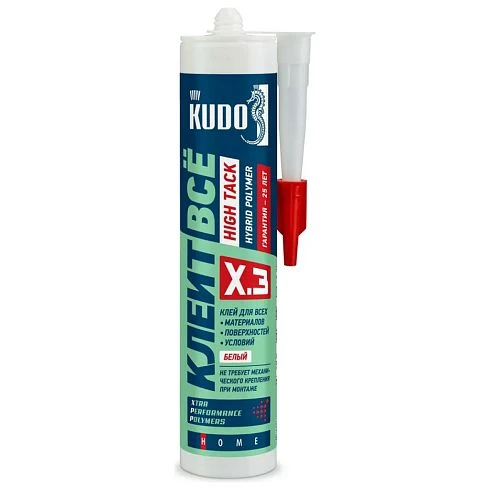
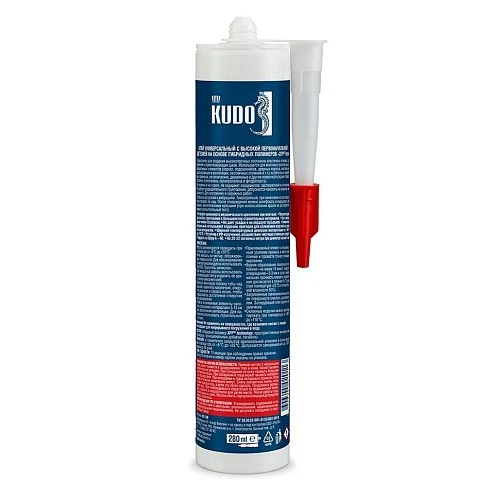
Fifth, choose the glue. Liquid nails with high initial grab (labeled as "initial grab" or "первоначальная фиксация") allow you to adjust the position within 2–3 minutes after application. This is important for wide formats, which are harder to align on the fly.
FAQ: all answers in one place
Can the CPU-12-2 kit be painted?
Yes, the surface of primed MDF and polyurethane is designed for painting. Acrylic or alkyd paint, two coats — and the product takes on the desired color. It can be painted to match the wall, in a contrasting shade, or using decorative techniques.
How does CPU-12-2 differ from CPU-12-1?
The width of CPU-12-2 is 1000 mm, CPU-12-1 is 610 mm. CPU-12-2 is intended for accent walls and central panels, CPU-12-1 for piers, side areas, and paired symmetrical solutions. Both belong to the same collection and are compatible in style.
For which rooms is CPU-12-2 suitable?
For the bedroom (wall at the head of the bed), living room (wall behind the sofa, TV area, fireplace area), hallway and foyer (end and accent walls), study, as well as for commercial spaces: restaurants, hotels, boutiques, showrooms, meeting rooms.
Are special tools needed for installation?
No. A laser or bubble level, tape measure, pencil, and assembly adhesive are sufficient. A hammer drill is only needed for non-standard surfaces.
Can CPU-12-2 be used without horizontal moldings?
Yes, the set works as a standalone product. HorizontalMoldings made of polyurethane are an optional extension for those who want to create a full wall layout.
What glue to use?
Assembly adhesive for MDF and polyurethane or liquid nails like Moment Assembly or similar. It is important to choose an adhesive with high initial tack — this will simplify fixing the wide product during curing.
How to care for CPU-12-2 after installation?
Wipe with a damp cloth as needed. No special care is required. If the surface is damaged — spot putty and repainting.
What does CPU-12-2 pair with from the STAVROS system?
With moldings and cornices, baseboards, overlays,decor for moldings and other products from the catalogof polyurethane interior decor STAVROSAll products are manufactured to a single standard and are stylistically compatible.
A wide wall requires a broad gesture. CPU-12-2 is precisely that gesture: precise, confident, classically flawless. 1000 × 2300 × 18 mm of polyurethane and primed MDF from«Petersburg» collection— and the wall becomes architecture. It is not decoration. It is structure. And that is what distinguishes a good interior from a merely beautiful one.
Your request has been sent!
Our manager will contact you within 5 minutes