

























 In stock
The "Wooden Baguette" section is a catalog of decorative wooden moldings for furniture and interior design. It features carved and geometric wooden profiles for furniture facades, wall panels, doors, mirrors, decorative frames, portals, and classic interior decoration. This is not just a frame baguette in the usual sense — it is a ready-made ornamental molding that allows you to add an expressive wooden accent to furniture or an interior without crafting each element from scratch.
Wooden baguette helps make furniture or an interior composition complete: emphasize a contour, frame a border, add a carved ornament, highlight a facade, wall panel, mirror, door, or decorative portal.
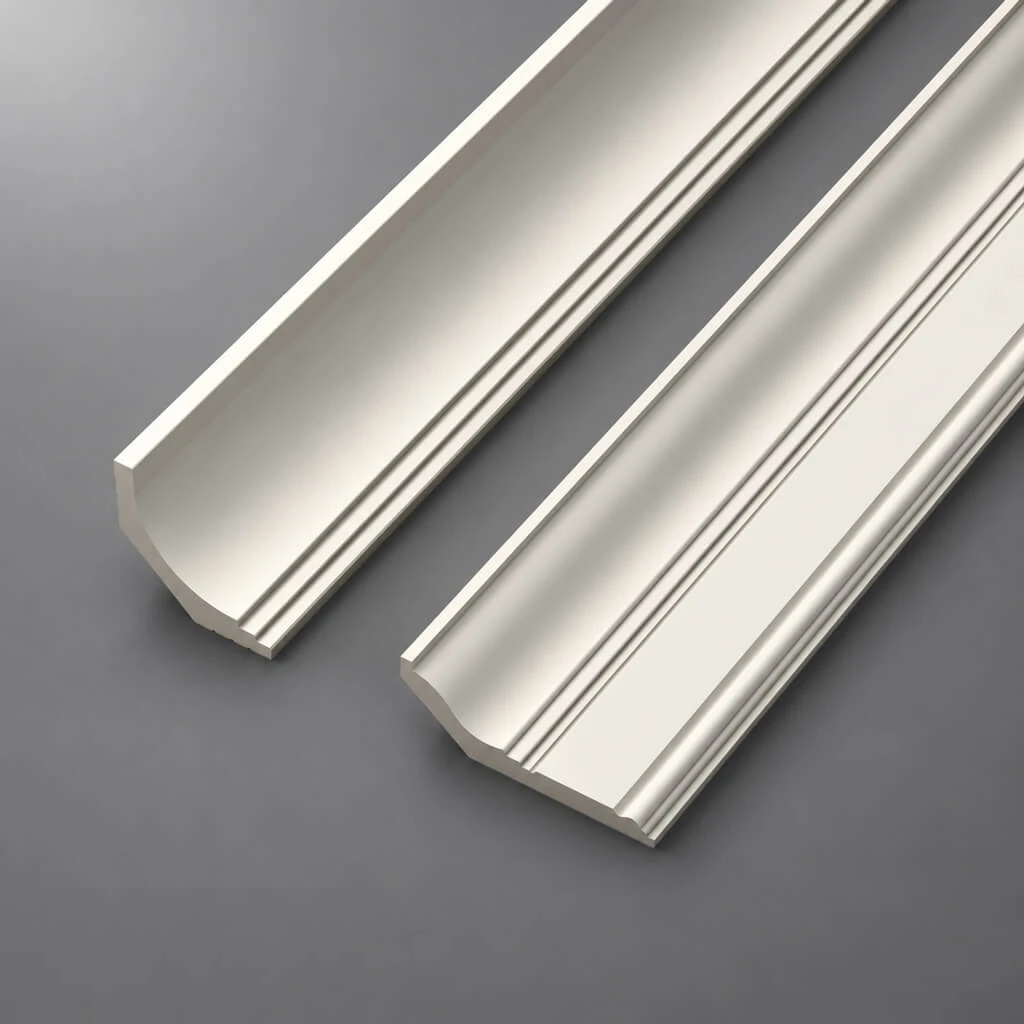
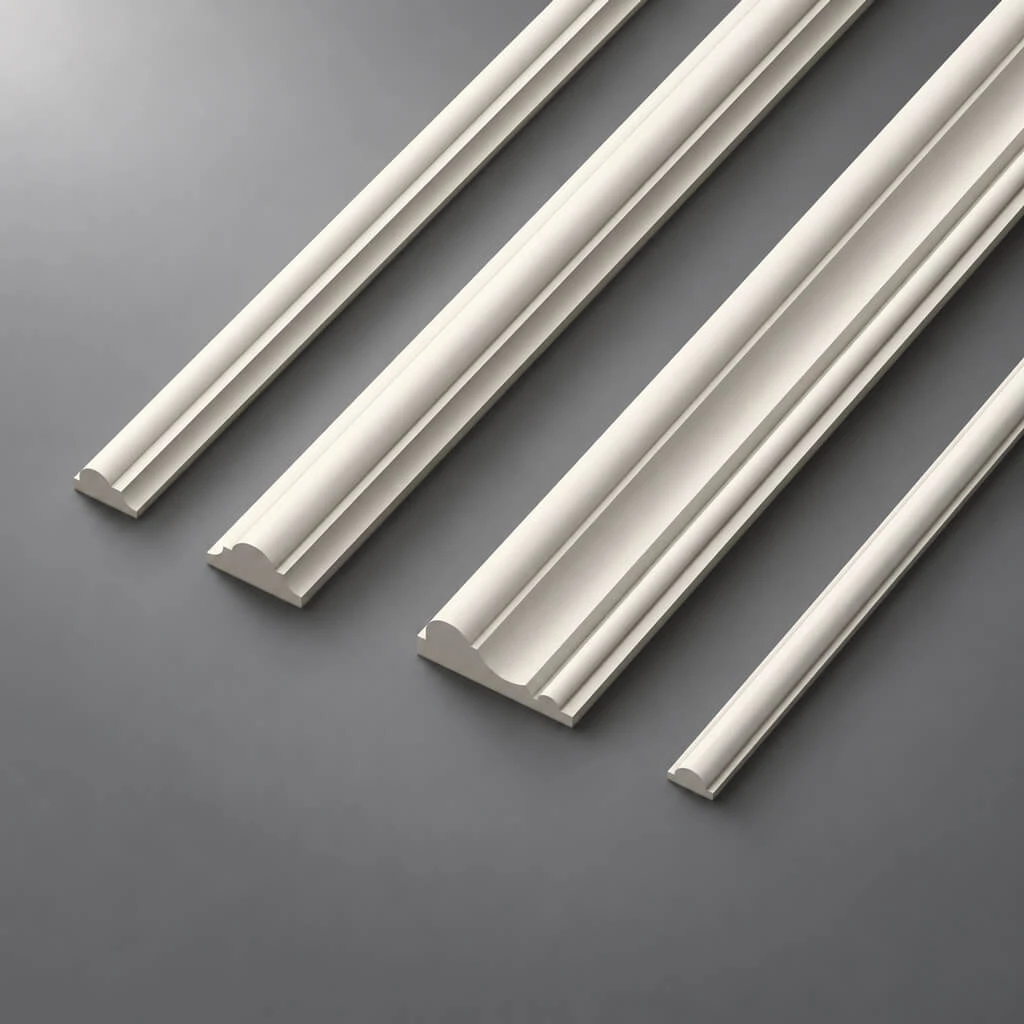
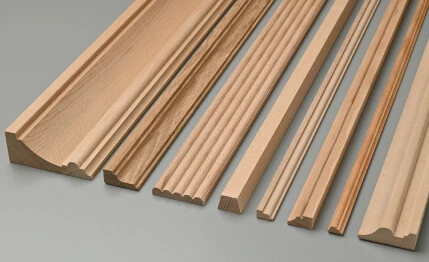
The "Wooden Baguette" section offers a wide range carved trim of decorative wooden profiles for various tasks and styles.
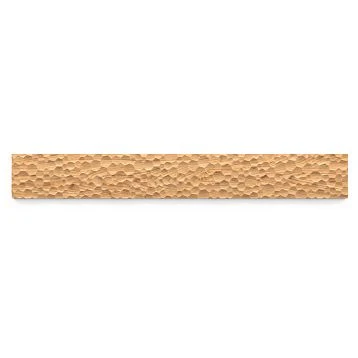
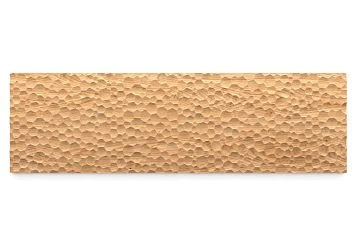
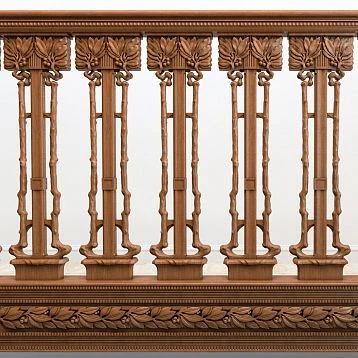
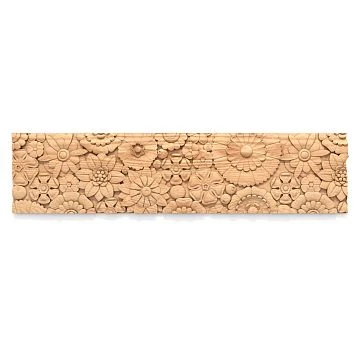
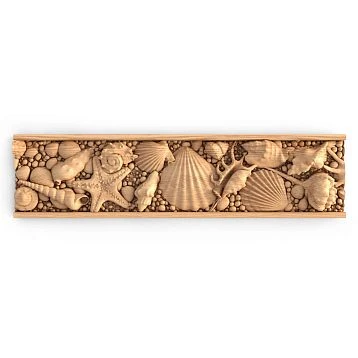
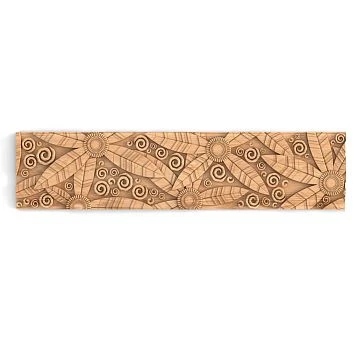
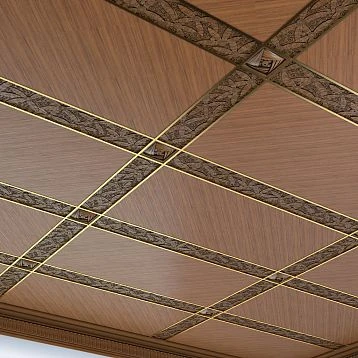
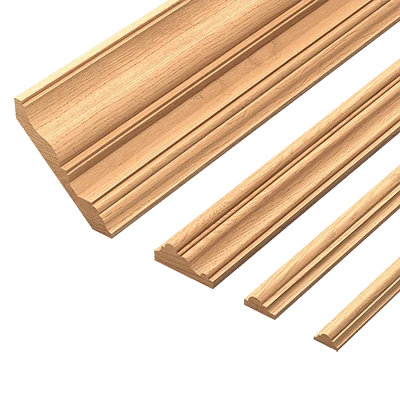
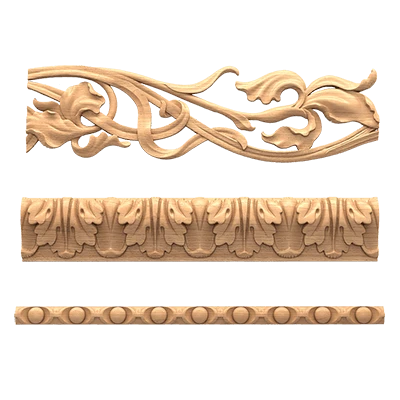
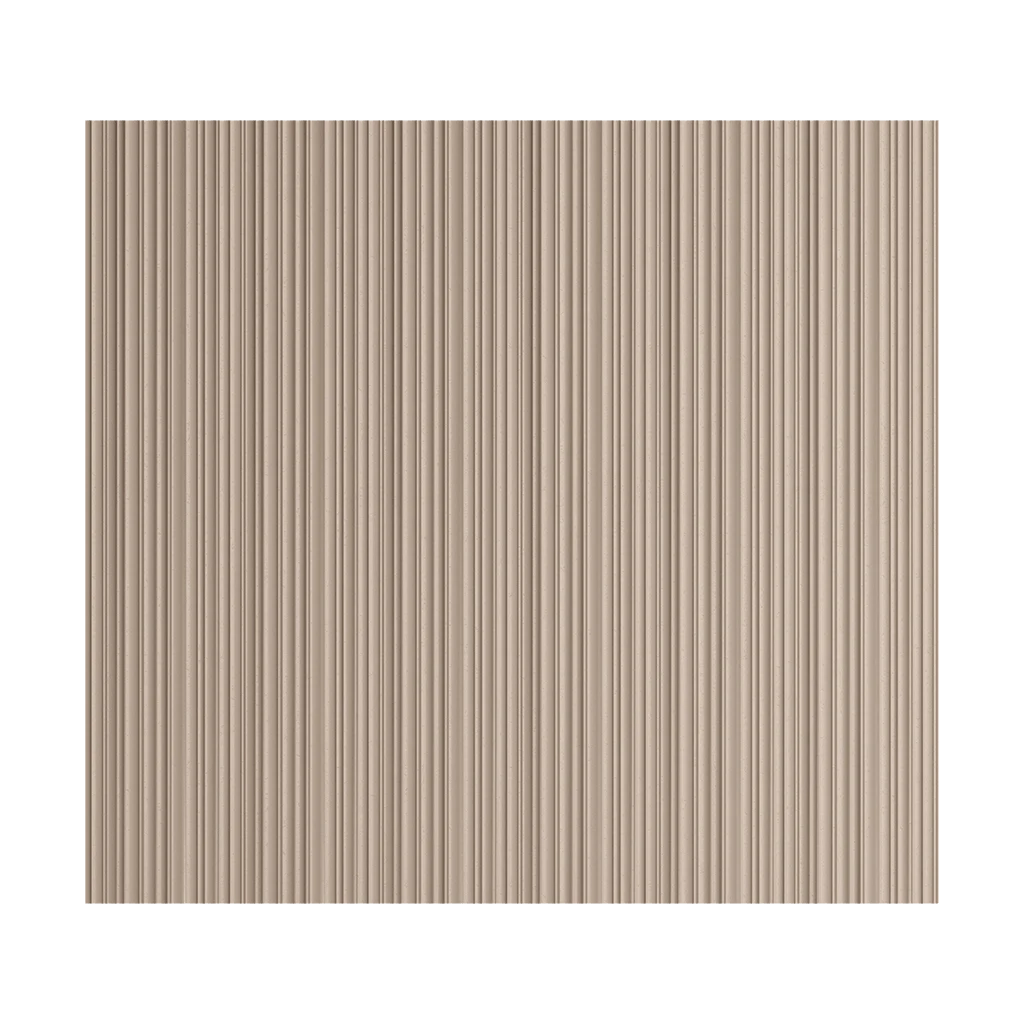
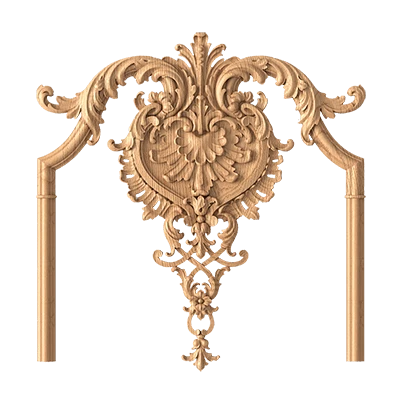
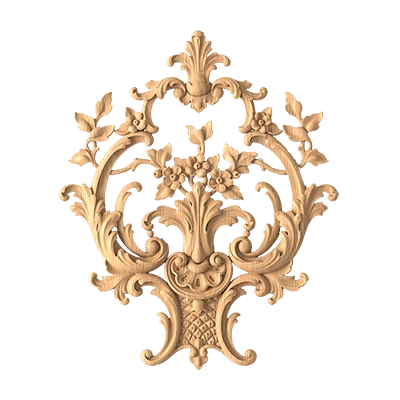
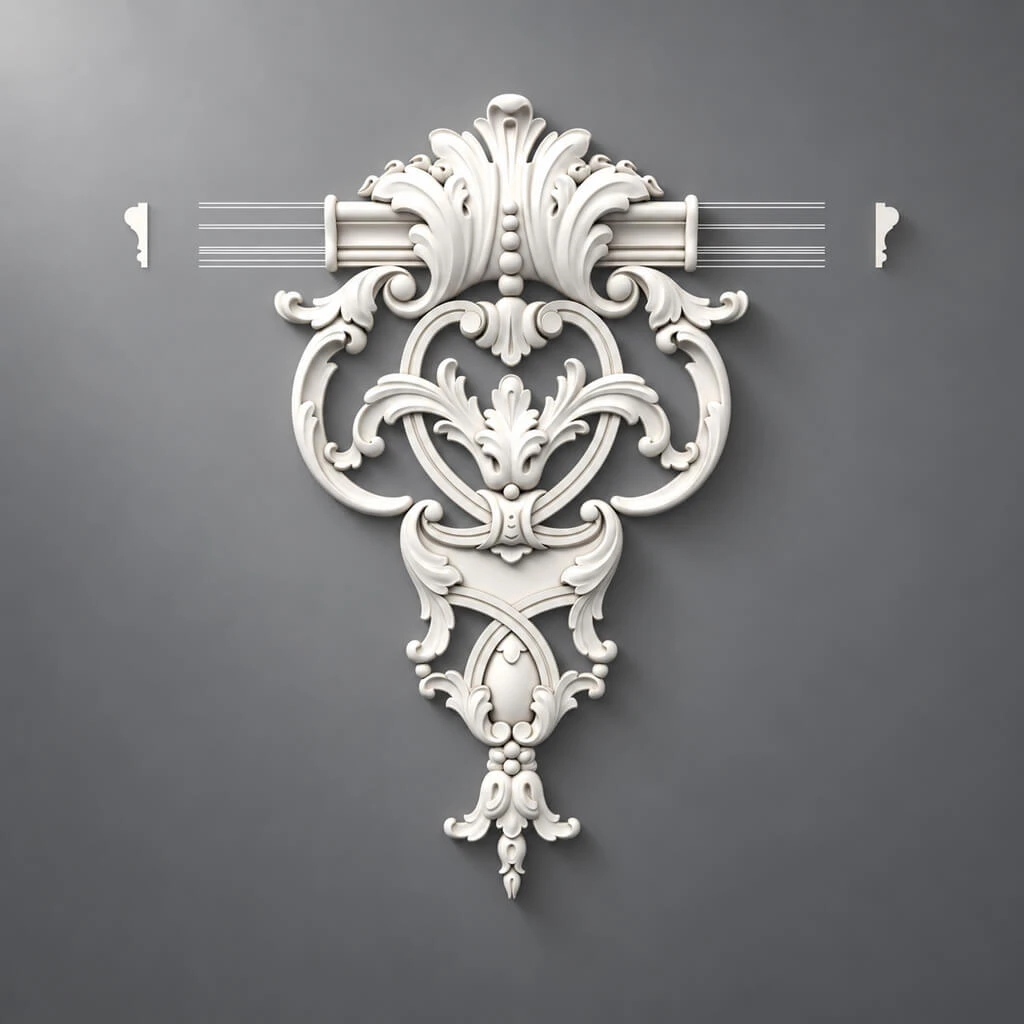
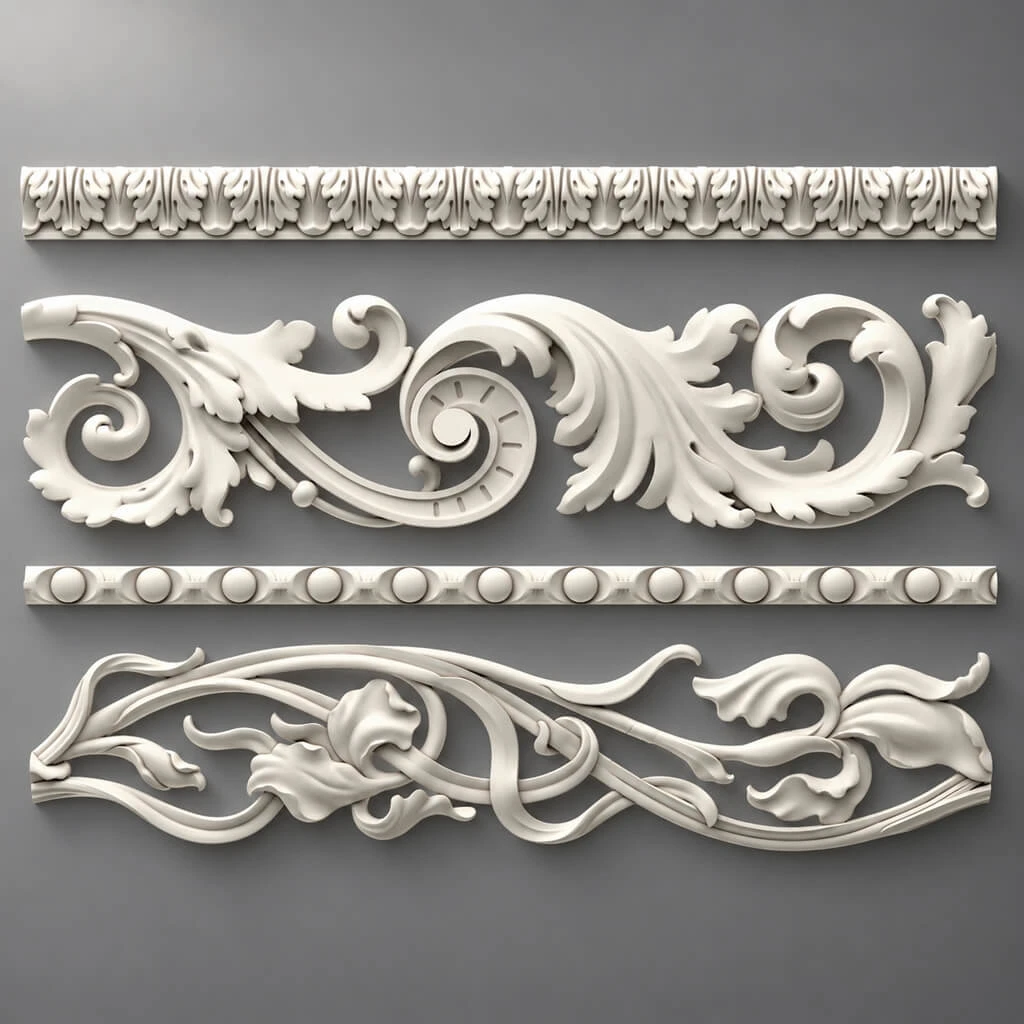
Carved wooden baguette — profiles with ornamental relief: geometric, floral, and frieze patterns. The carving makes the surface voluminous and lively: the play of light and shadow on the relief changes depending on the lighting angle, creating the effect of a live hand tool even in mass-produced items.
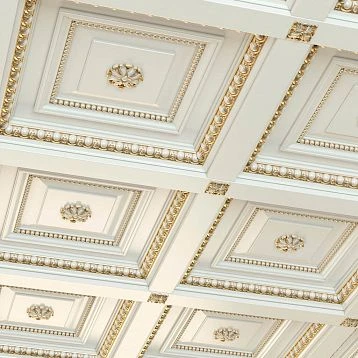
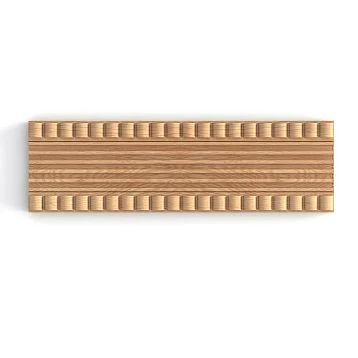
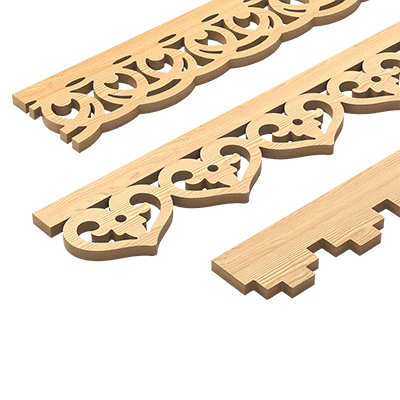
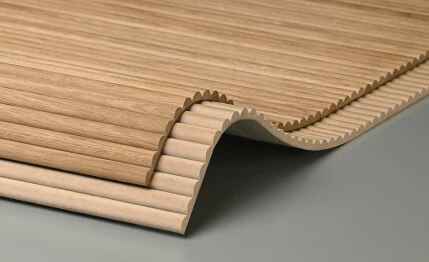
Ornamental strips and wooden profiles — decorative molding elements with a "bead" pattern, classic frieze motifs, and geometric ornaments. Used as a standalone accent element or in combination with wooden moldings as part of multi-level wall and furniture schemes.
Narrow and wide decorative profiles — narrow baguettes work delicately, creating a fine ornamental line on a facade or frame. Wide profiles become an independent decorative accent, a noticeable frieze or framing that organizes the entire composition.
The customer receives ready-made decorative elements that allow quickly adding a carved wooden accent to furniture or interior without creating an ornament from scratch.
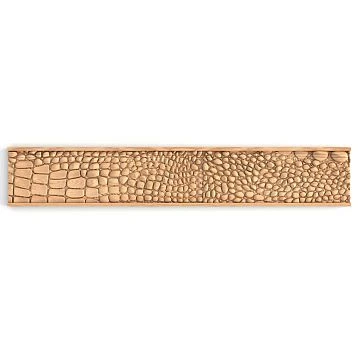
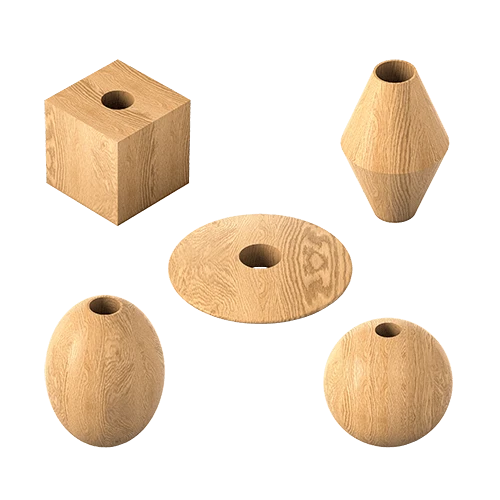
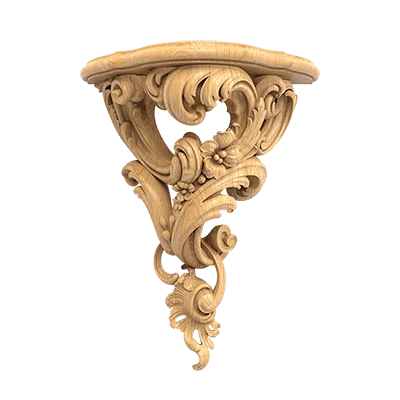
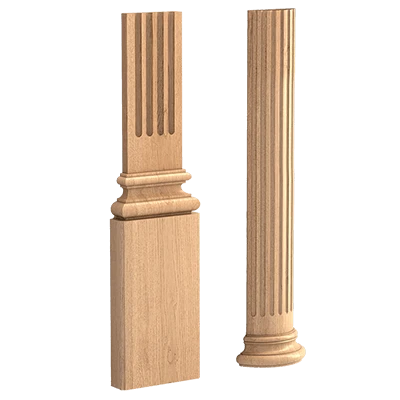
to buy, which will allow you to transform your furniture using carved wooden elements. You can use the C-003-3 decor set to decorate furniture, walls, doors, or any other surface. The C-003-3 decor set is made of oak or beech, known for their strength, durability, and beauty. You can buy the C-003-3 decor set at the Stavros decor store, which specializes in producing and selling decorative elements and hardware for furniture and interiors. At the Stavros decor store, you will find a wide selection of decor sets of various shapes, sizes, and styles. You can choose and interior from this section is used in a wide range of tasks — from finishing a single mirror to designing full-format wall panel schemes.
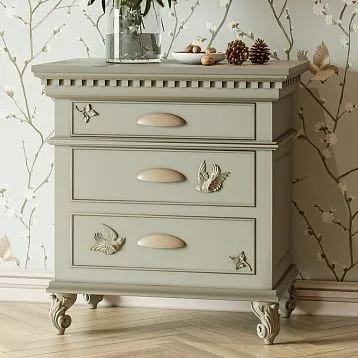
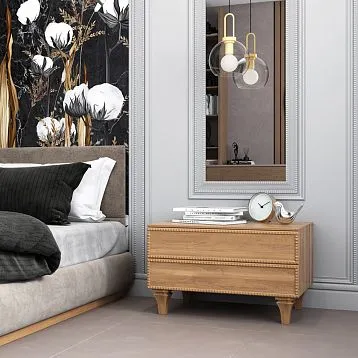
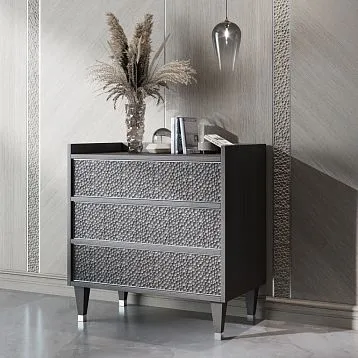
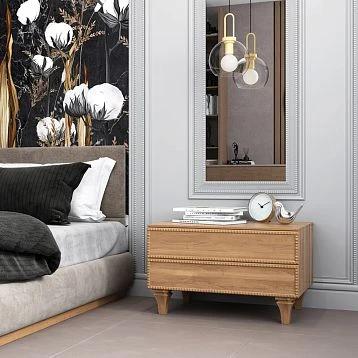
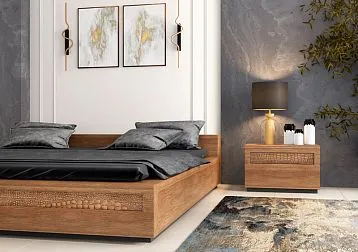
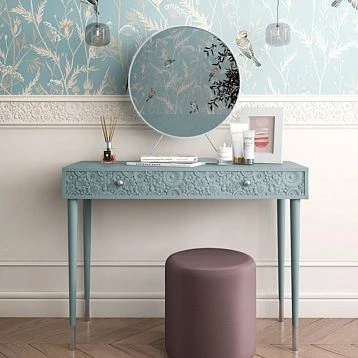
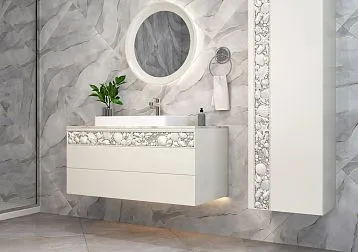
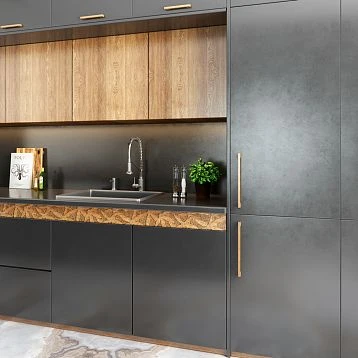
Furniture facades — one of the main scenarios for using wooden baguette. A carved strip on the facade of a cabinet, chest of drawers, nightstand or console turns an ordinary case surface into a decoratively detailed furniture piece. For this, both thin applied strips and wide frame profiles are used, which form a classic furniture layout.
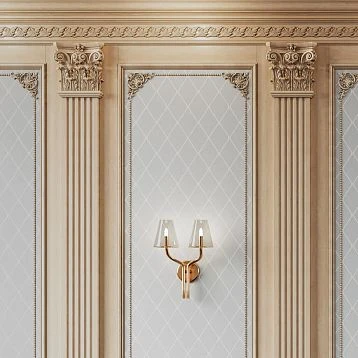
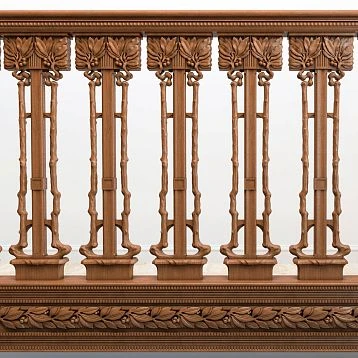
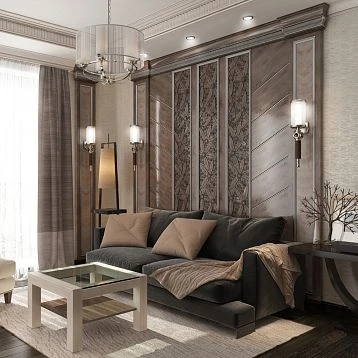
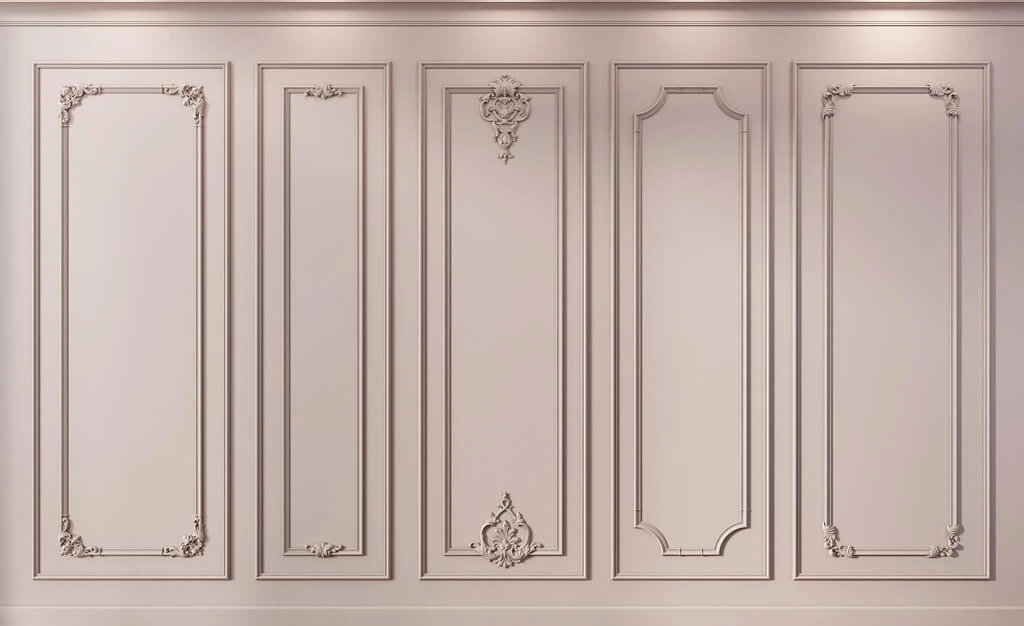
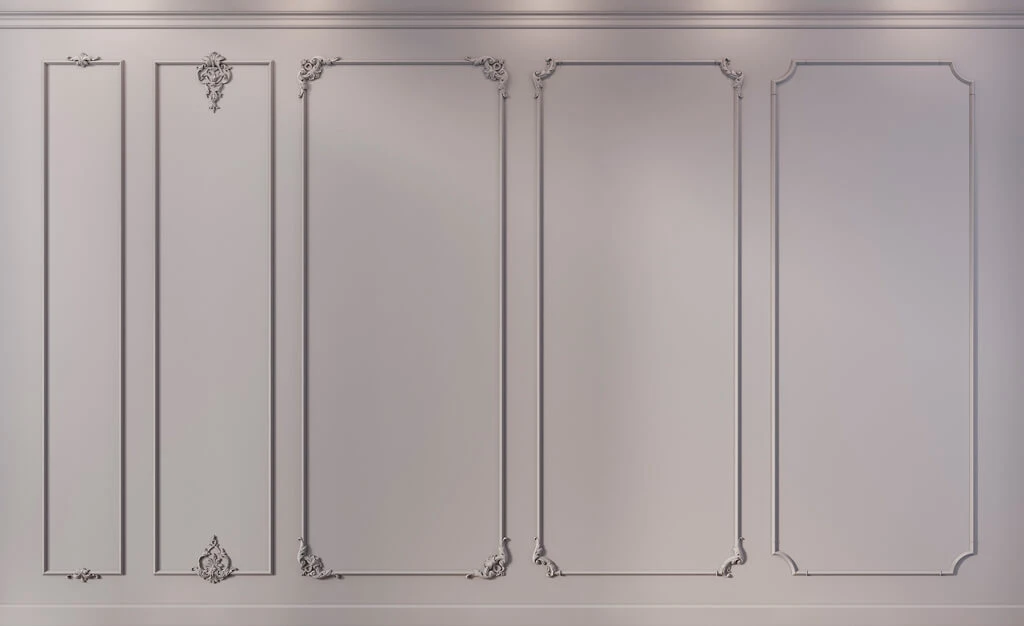
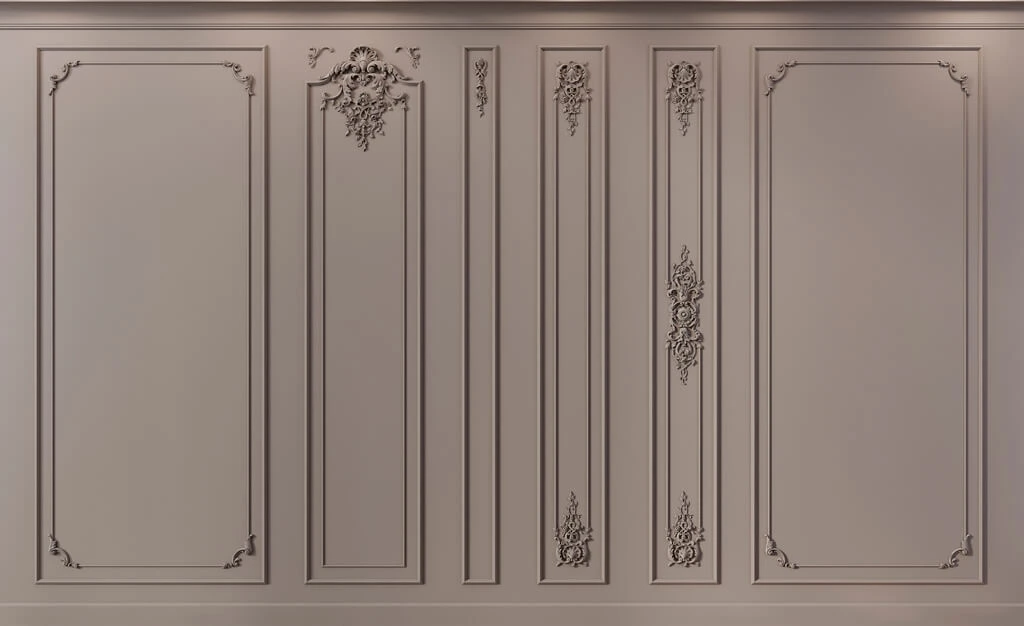
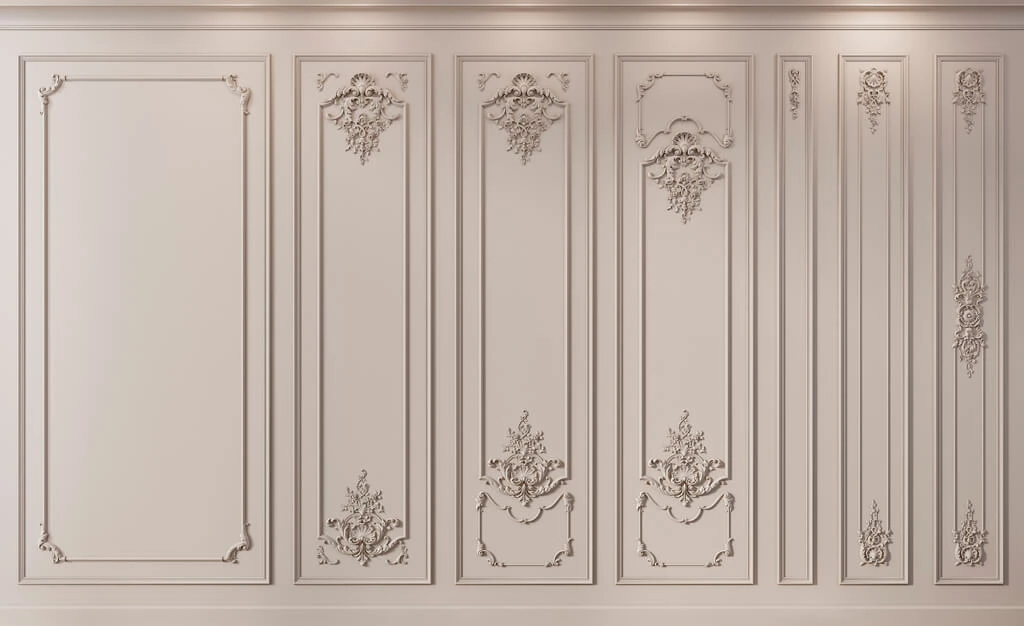
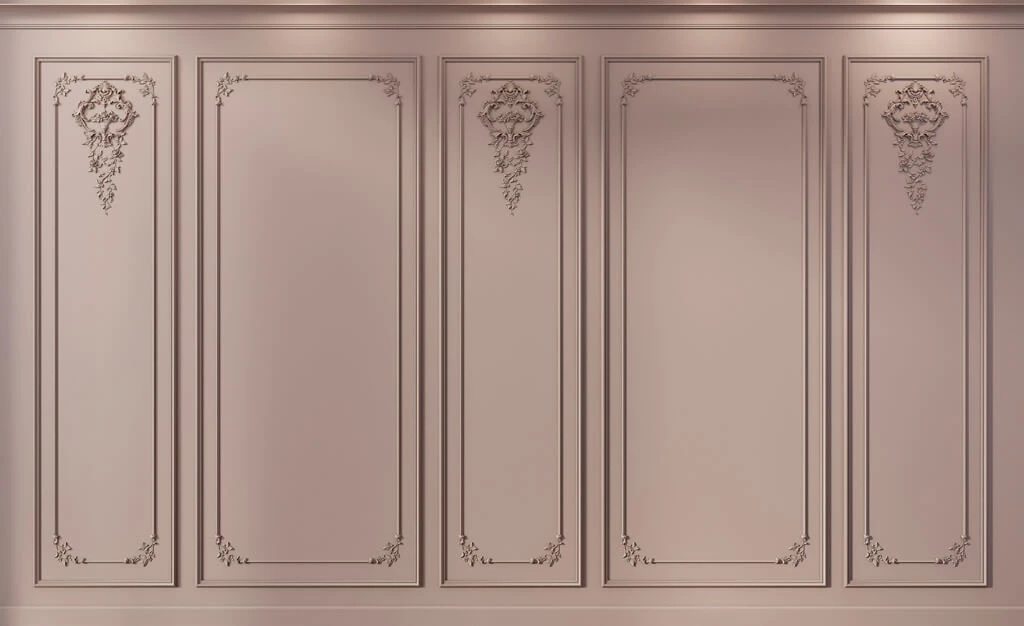
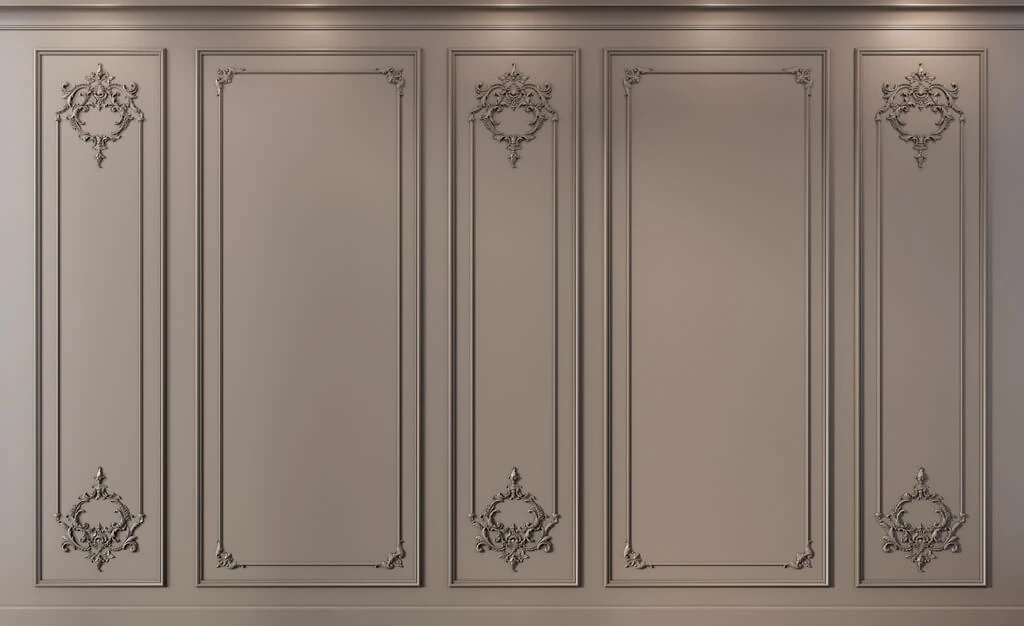
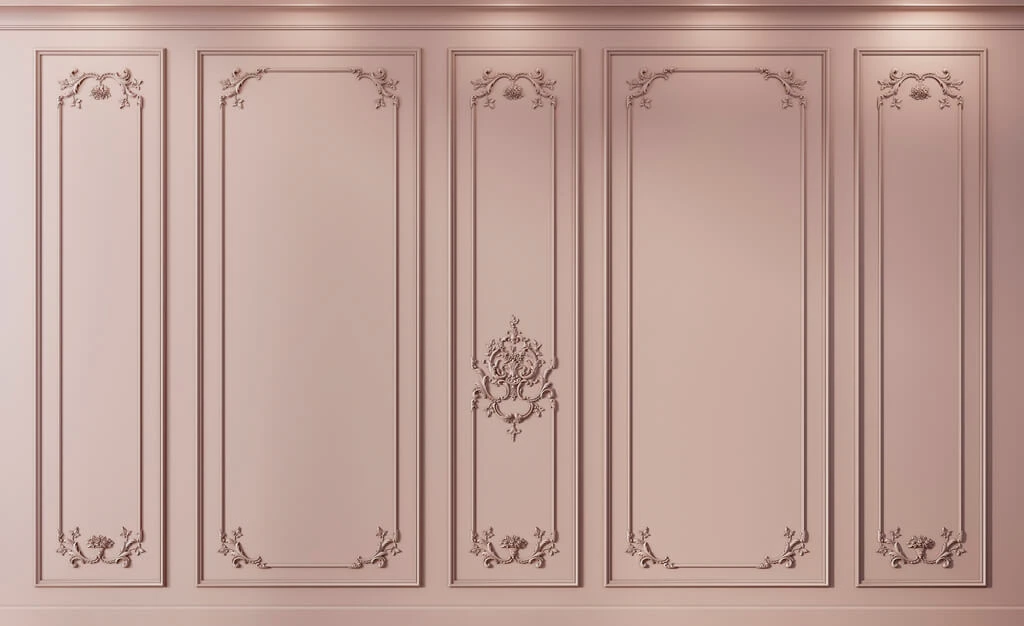
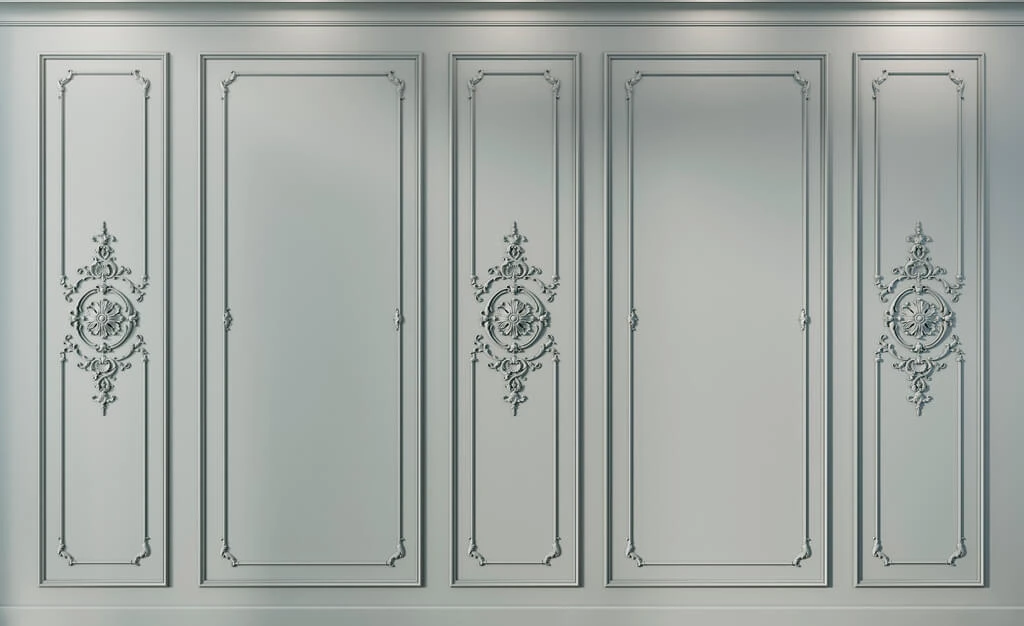
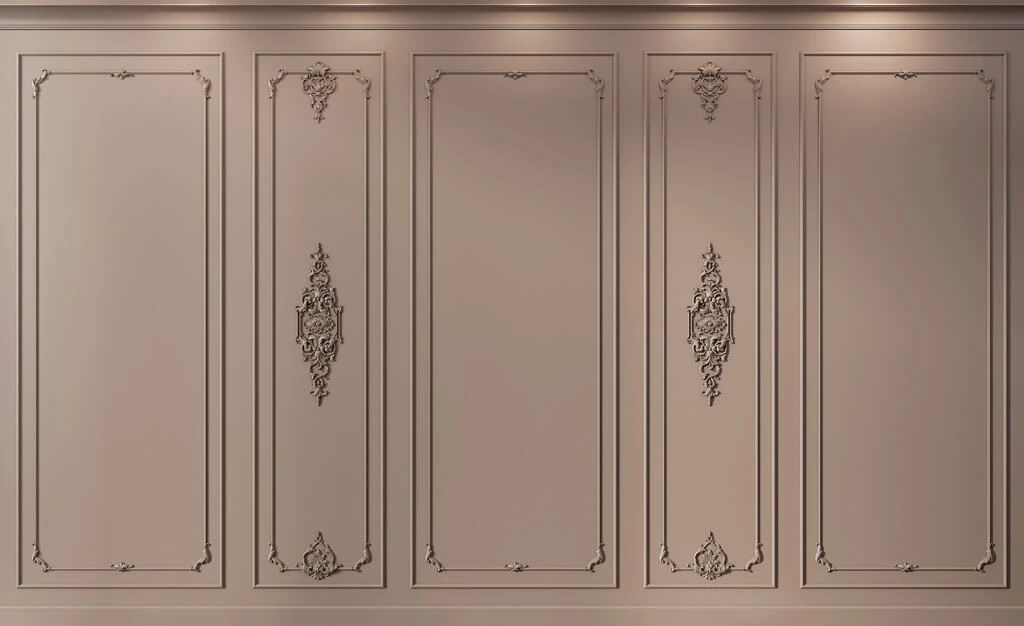
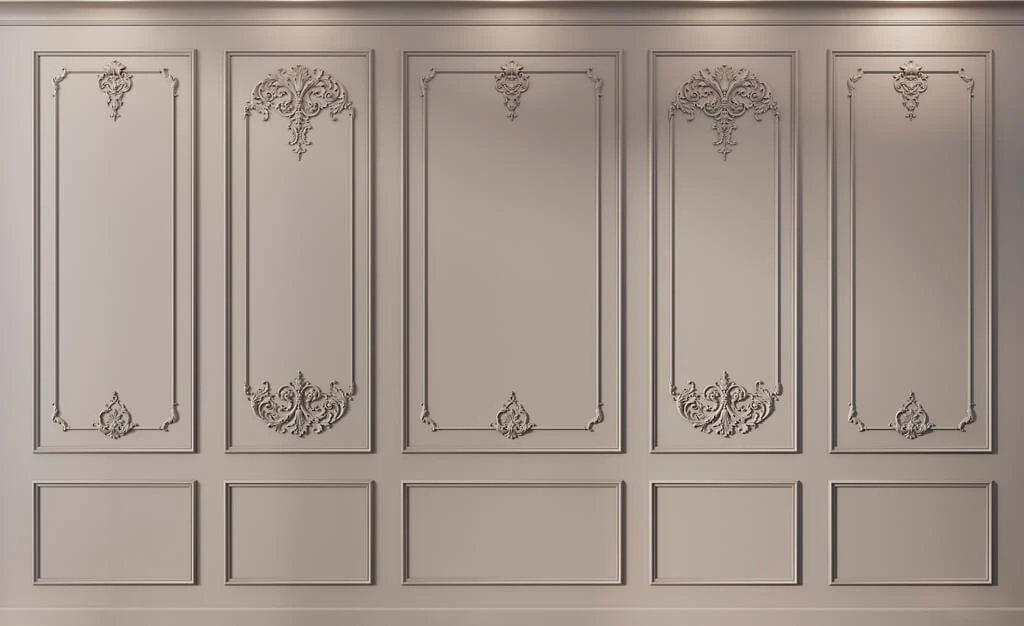
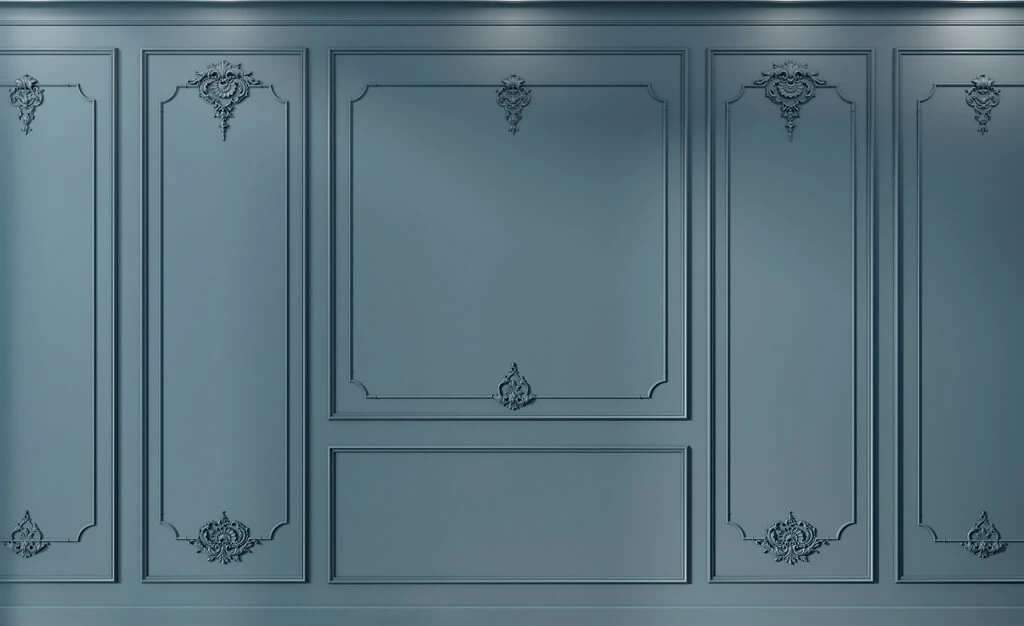
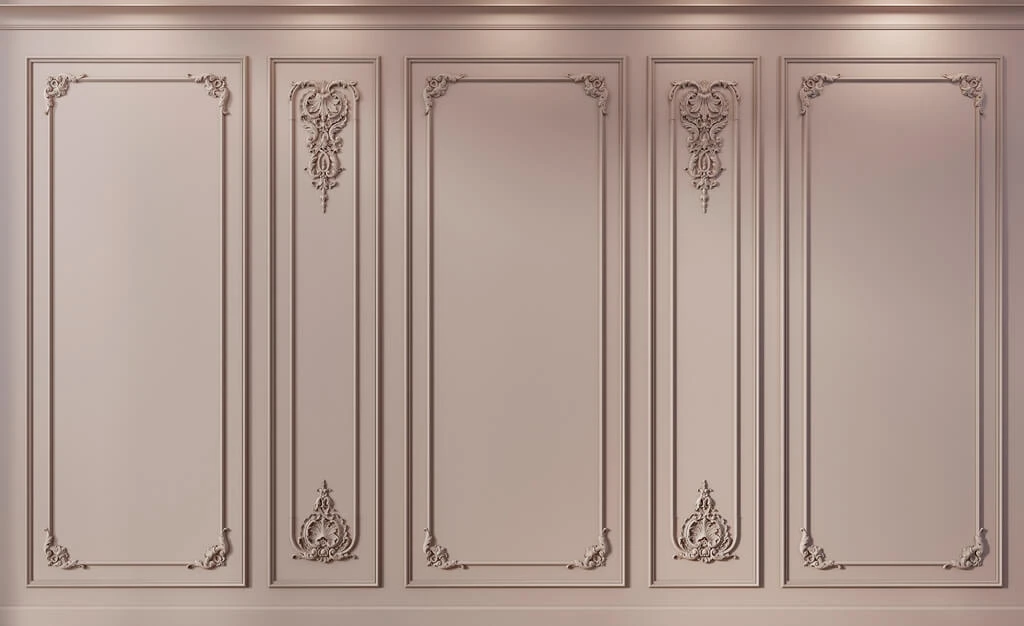
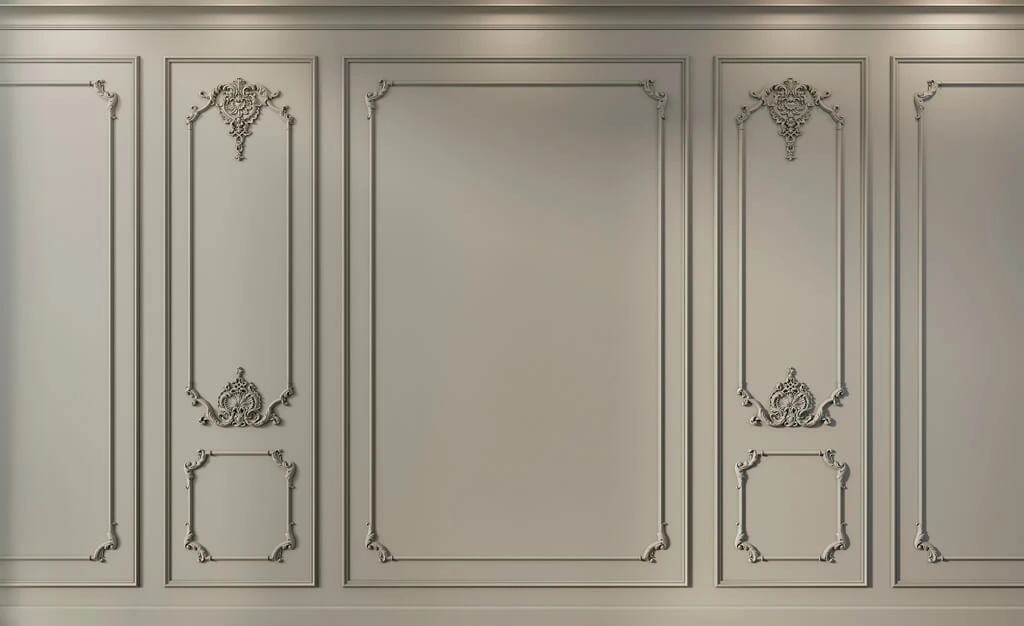
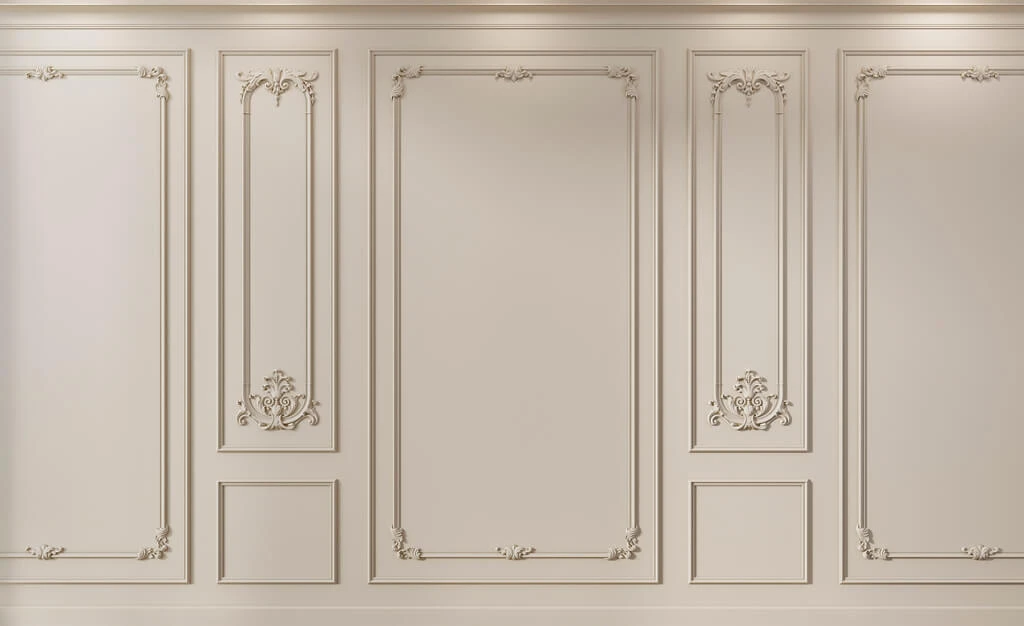
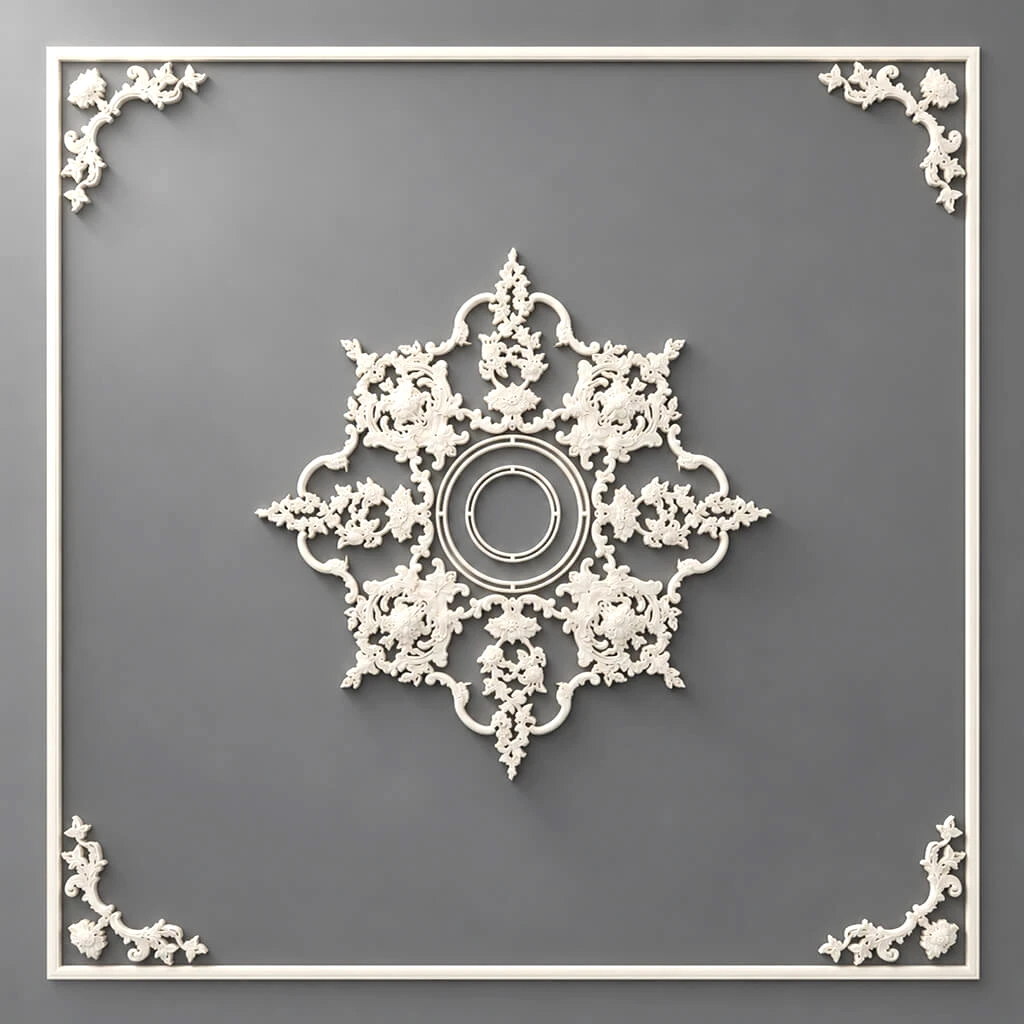
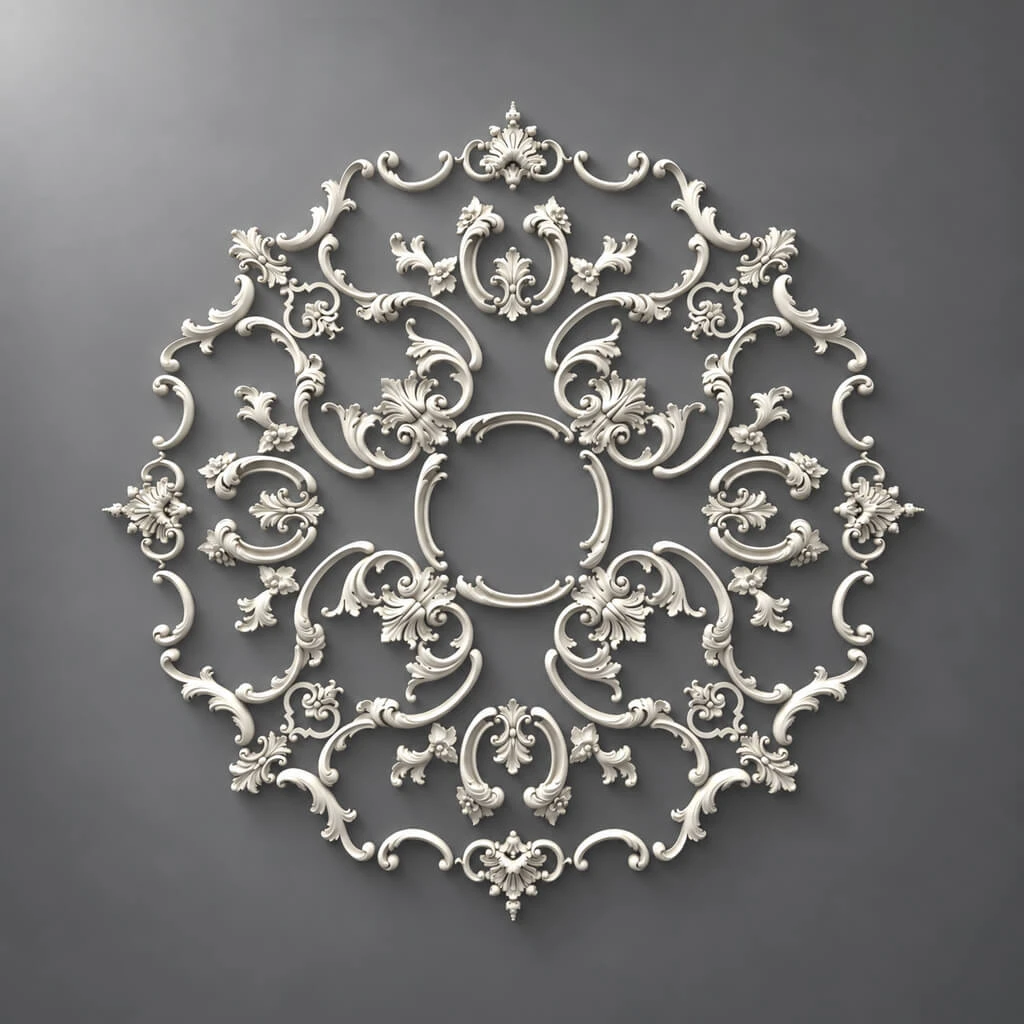
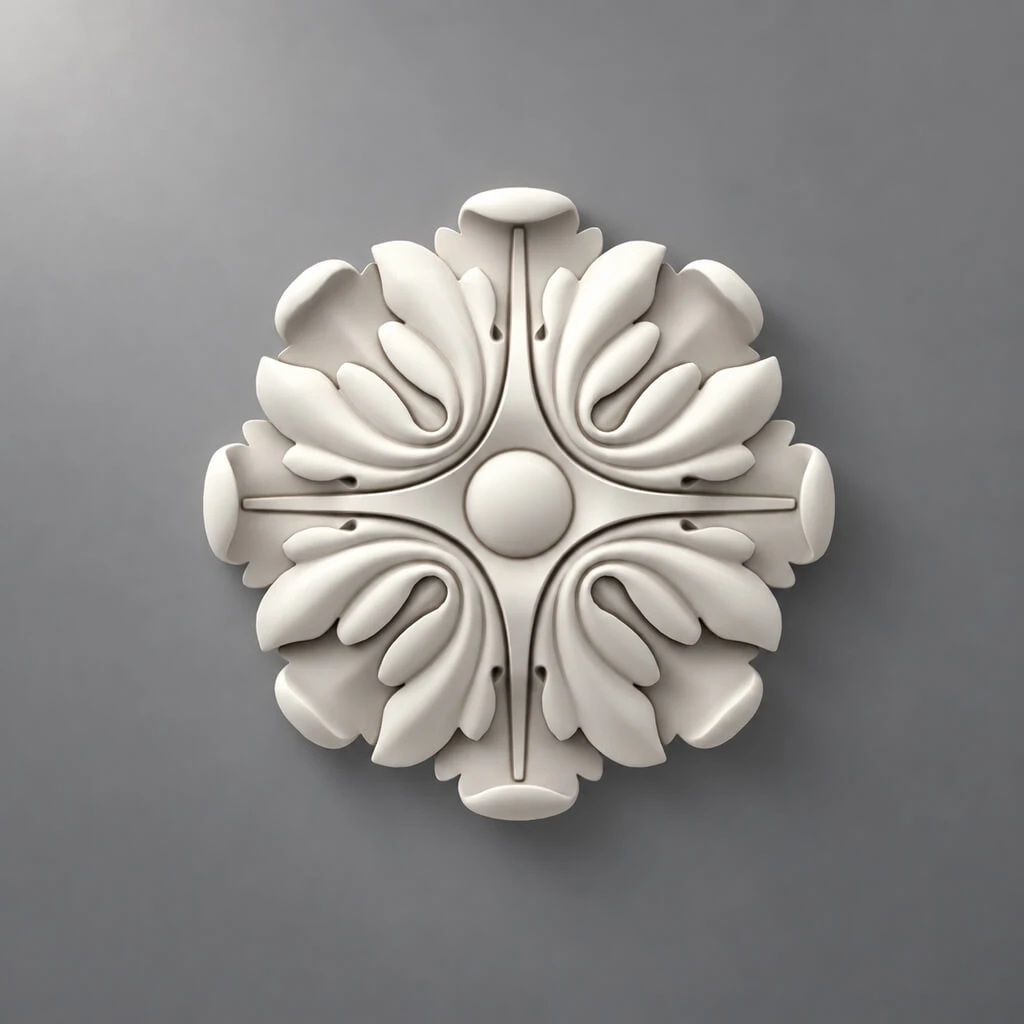
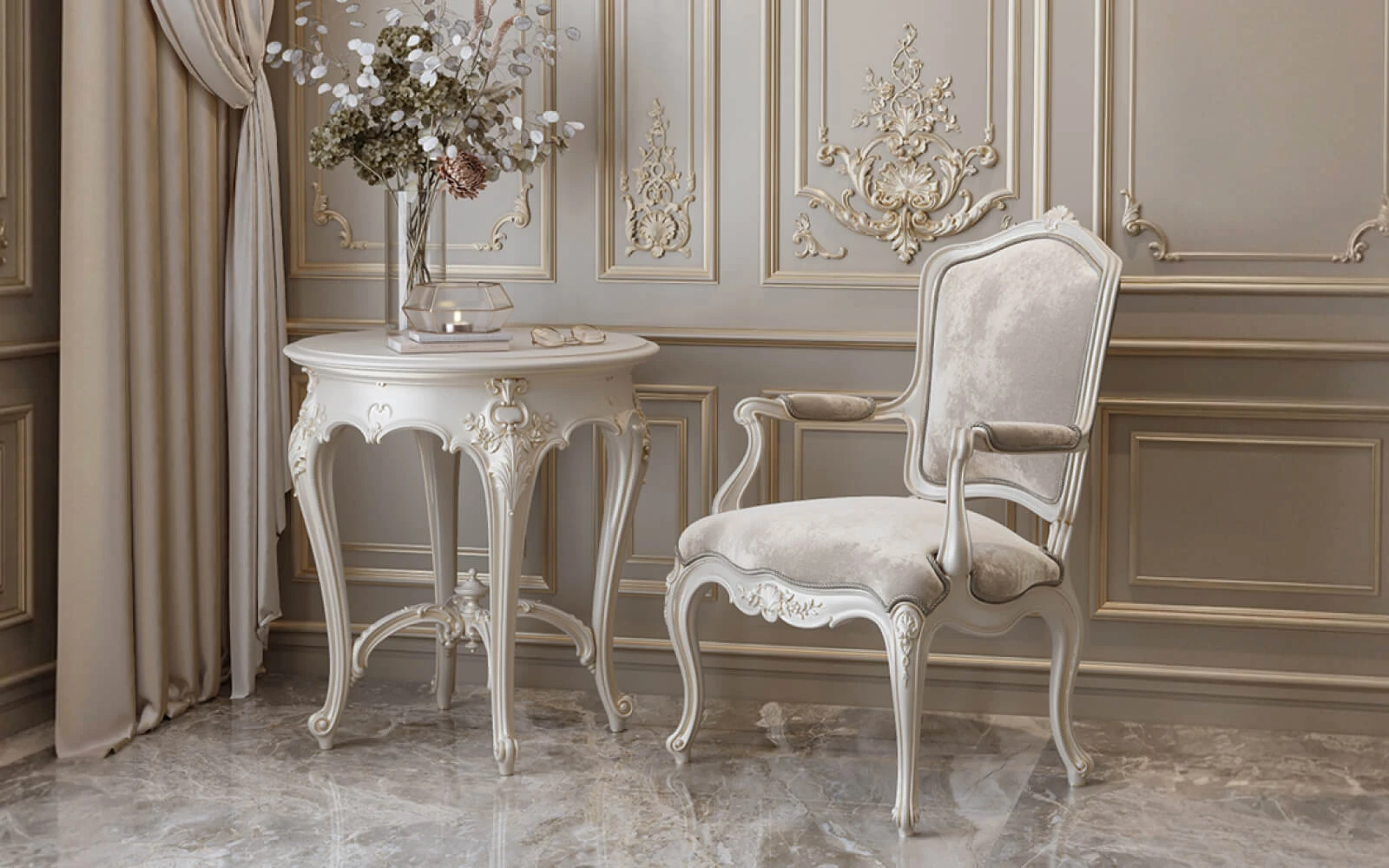
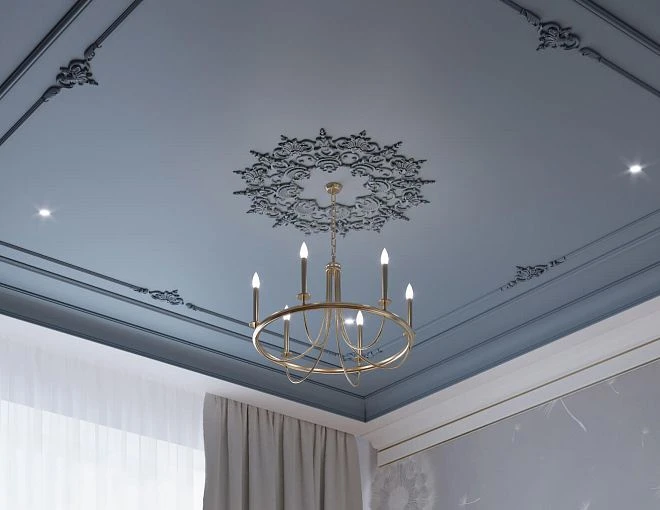
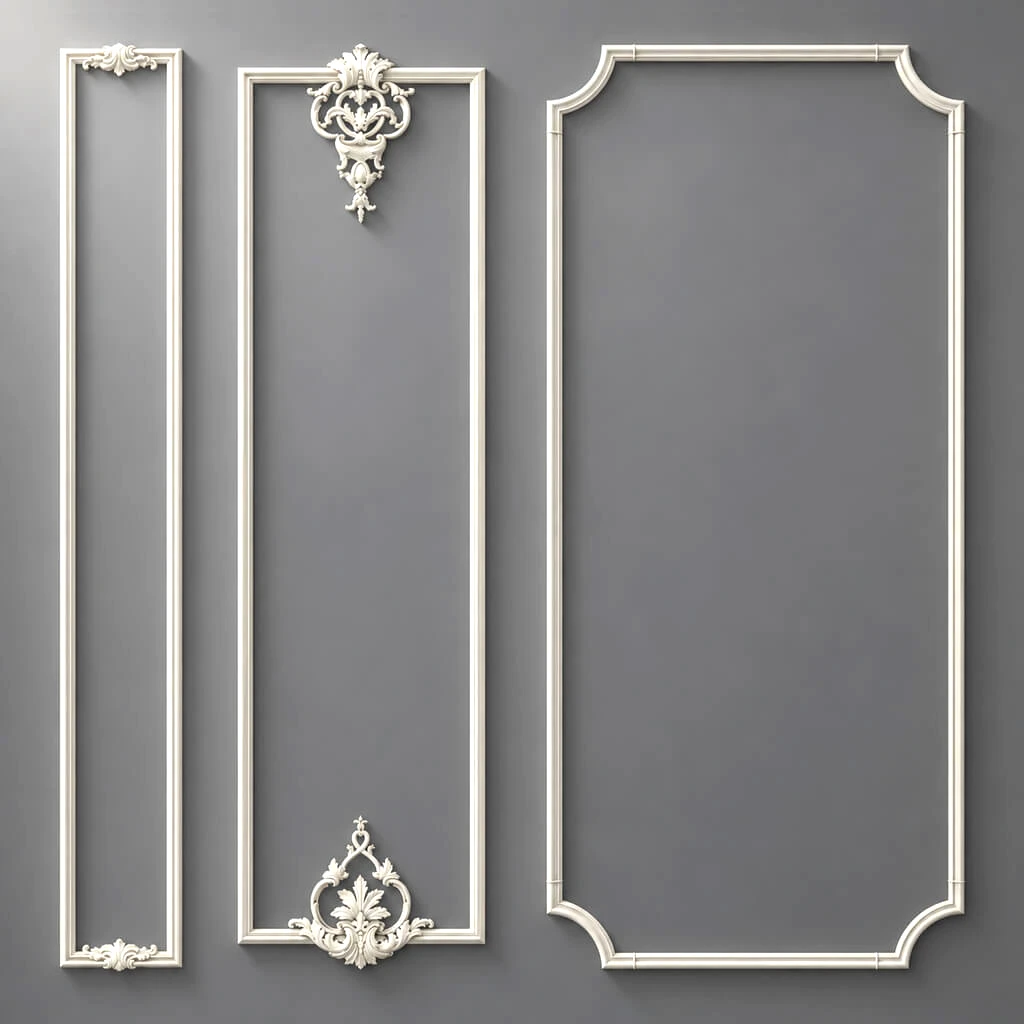
Wall panels and frame compositions — wooden baguette as a horizontal or vertical ornamental element in wall molding schemes. In combination with wooden decorative elements — rosettes, corner elements and finials — the baguette forms a complete decorative system for walls.
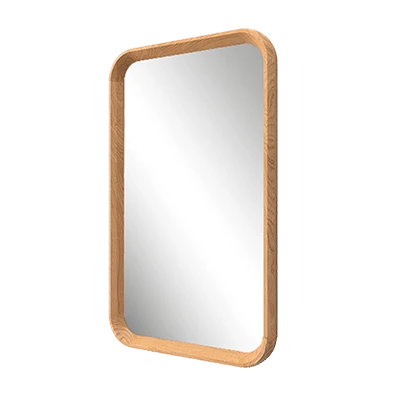
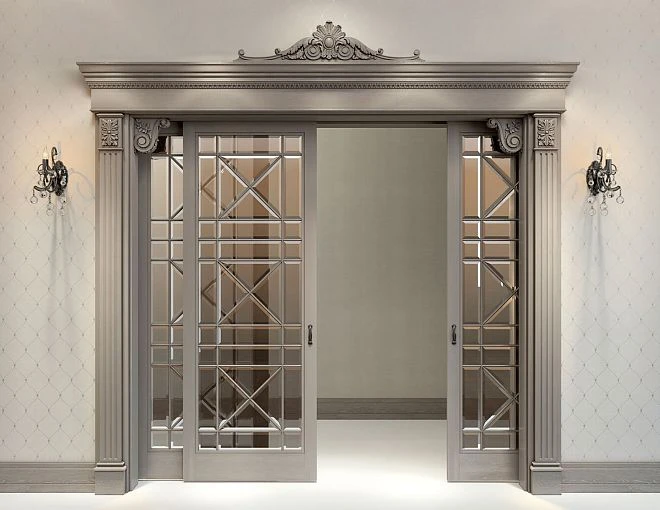
Doors, mirrors and portals — wooden baguette as a framing profile for door panels, mirror frames, fireplace portals and decorative niches. Classic frame baguette with a "bead" pattern or floral ornament in these contexts creates a recognizable traditional look.
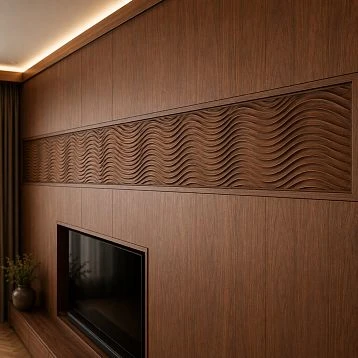
Friezes and decorative horizontal lines — ornamental strips as belt elements on walls, furniture, panels and portals. A frieze made of wooden baguette divides the vertical plane into zones, organizes it and gives the interior architectural structure.
Paintings, panels and custom furniture — Carved wooden decoration as part of frame structures for paintings, mirrors, and decorative panels, as well as an element of custom designer furniture.
Wooden baguette is used where a plain surface looks too simple and a decorative line, ornament, or expressive framing is required.
The choice of ornament determines the stylistic character of the entire composition that includes the baguette.
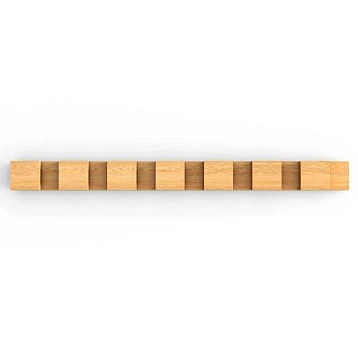
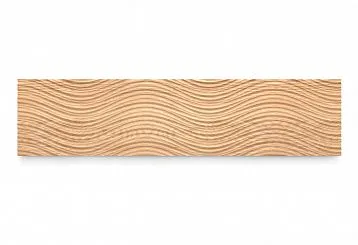
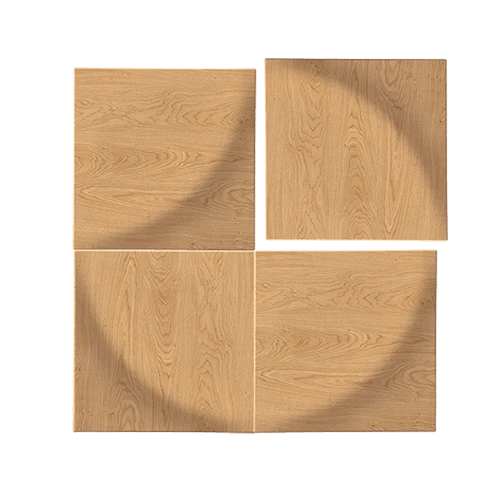
Geometric ornament — clear, regular shapes: rectangles, diamonds, triangles, and their combinations. Geometry in carving creates a rhythmic, graphic pattern that works well on facades with straight lines, in Art Deco interiors, and modern decorative schemes. Under enamel, the geometric ornament turns into a sculptural relief with sharp shadows.
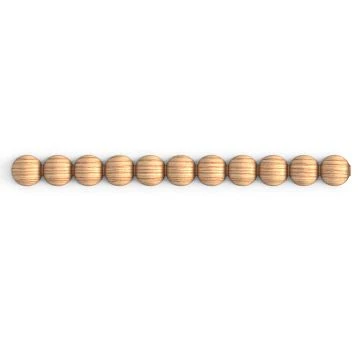
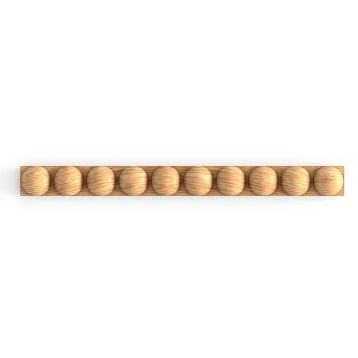
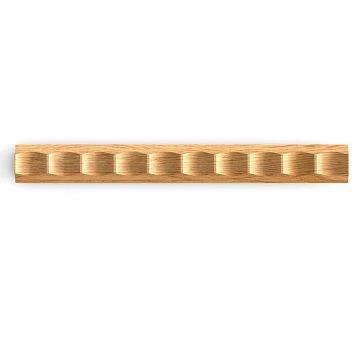
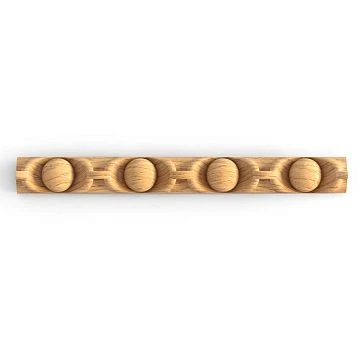
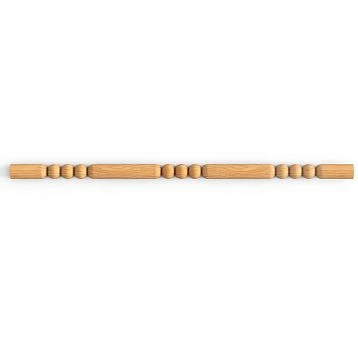
The "beads" pattern is a classic ornamental motif, one of the oldest and most versatile in the history of decorative wooden moldings. A rhythmic chain of spherical or oval elements creates a delicate, traditional accent that is equally organic in frame schemes, on furniture facades, mirrors, doors, and portals. The "beads" pattern pairs well with floral ornaments in classic and neoclassical wall schemes.
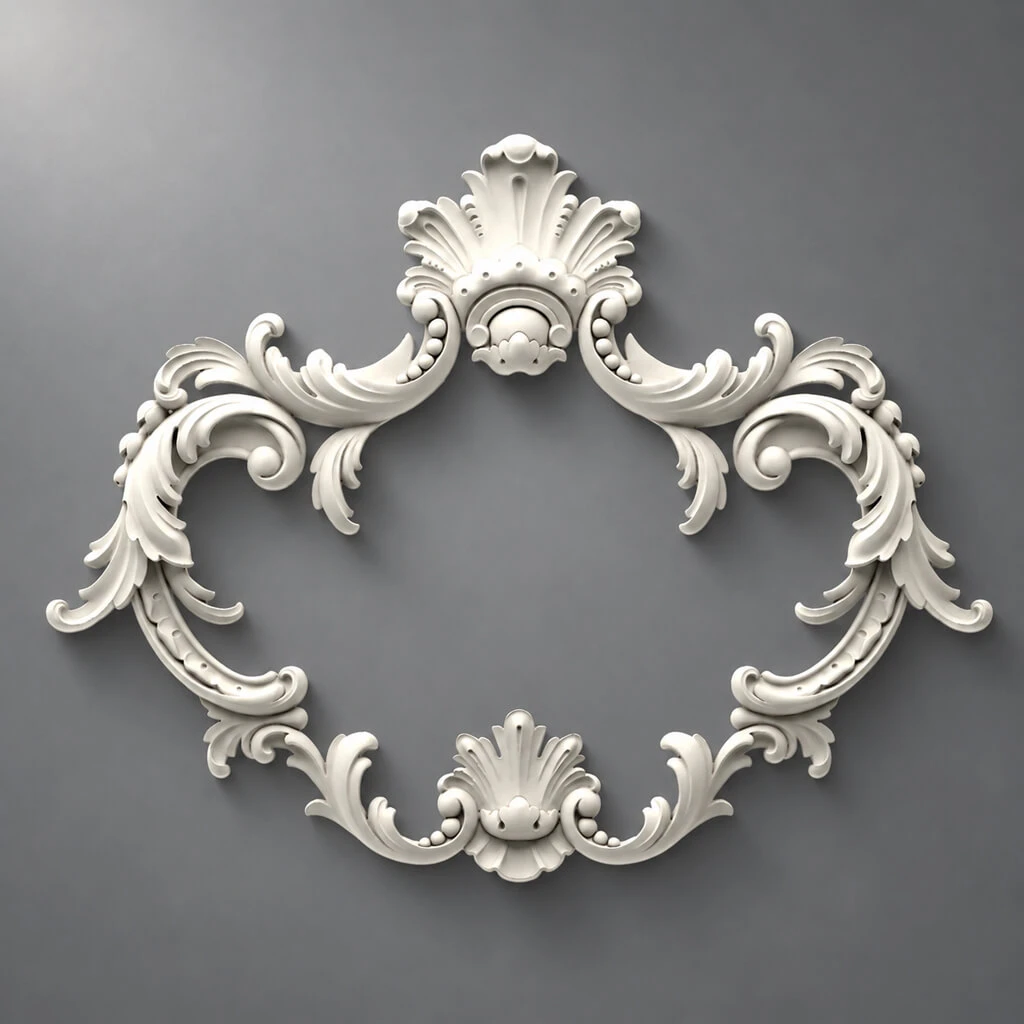
Floral ornament — ornaments based on stylized leaves, shoots, scrolls, and natural forms. Floral carving gives furniture and interiors organicity, warmth, and expressiveness. This type of ornament is characteristic of classicism, Empire style, and traditional European furniture production. It looks especially impressive in tinting and under patina: the relief fills with shadows, and the pattern gains depth.
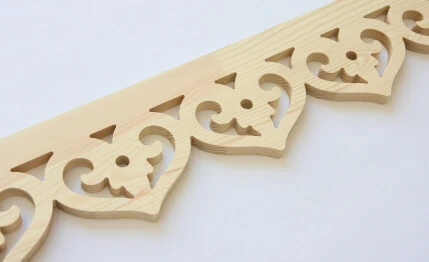
Frieze — a horizontal ornamental band used as a decorative line or insert on walls, furniture, panels, and portals. Frieze baguette divides the vertical plane, structures the interior, and adds architectural scale to it. Unlike point decorative elements, the frieze works as an extended accent, creating a horizontal rhythm along the entire length of the surface.
Empire — solemn ornaments with symmetrical motifs: laurel garlands, acanthus leaves, classic frieze elements. Suitable for furniture facades, portals, mirror frames, and decorative wall schemes where a majestic, ceremonial decorativeness is needed. The Empire collection blends organically with decorative elements made of solid wood in one interior system.
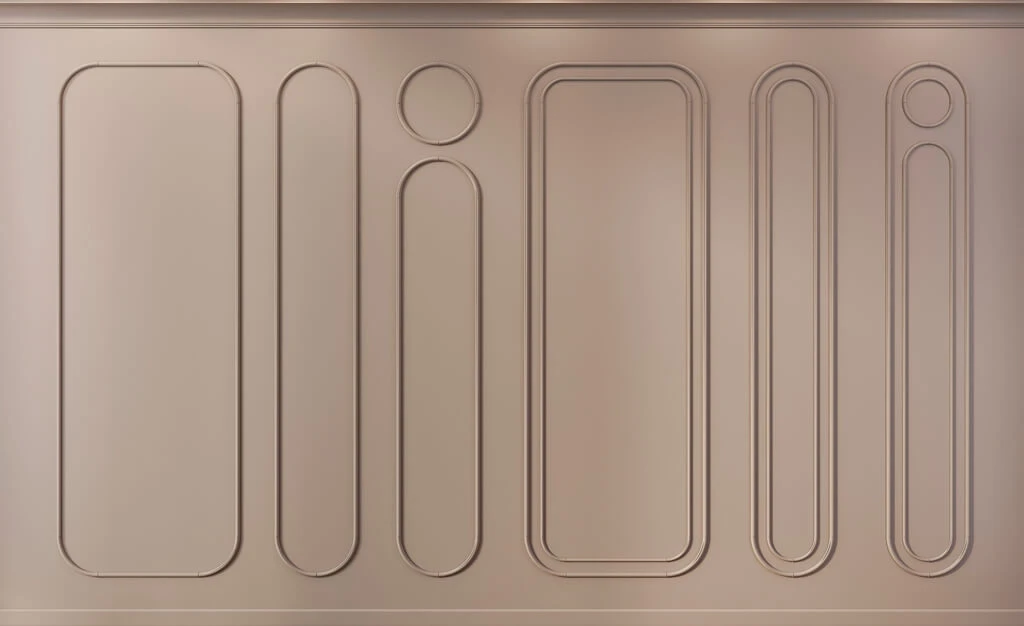
Art Deco — geometric ornaments with proportions characteristic of this style: strict horizontal lines, stepped motifs, rhythmic geometric inserts. Wooden baguette in Art Deco style is suitable for furniture, panels, doors, decorative frames, and interiors where graphic quality and symmetry are important.
Classic — a wide range of carved baguettes with plant patterns, friezes, beads, and traditional profiles. The collection covers tasks from neat furniture decor to full-size wall molding schemes in living rooms, bedrooms, and studies.
Modern collection — laconic profiles with minimal relief or delicate geometric ornament. They help add a wooden accent to a modern interior, preserving clean lines and avoiding visual overload.
The size of a wooden baguette determines its visual role in the composition and compatibility with a specific furniture or interior task.
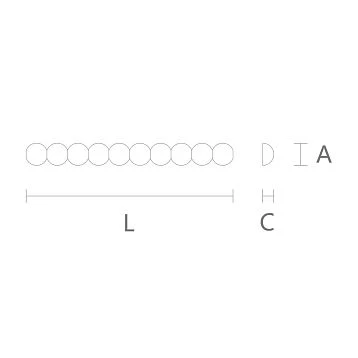
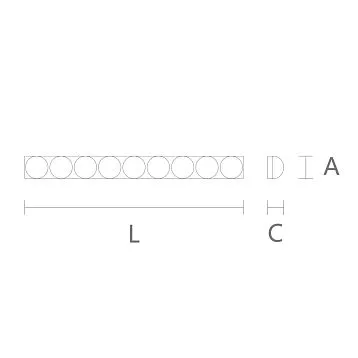
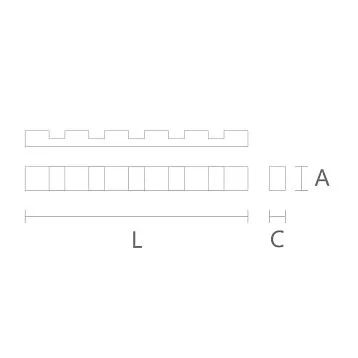
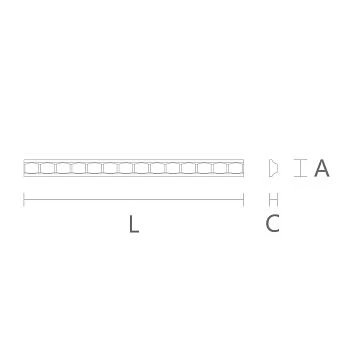
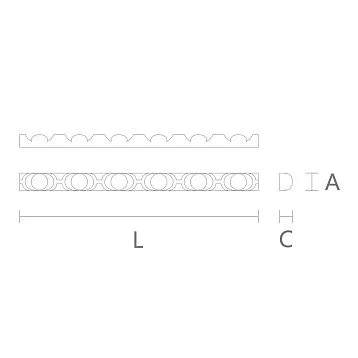
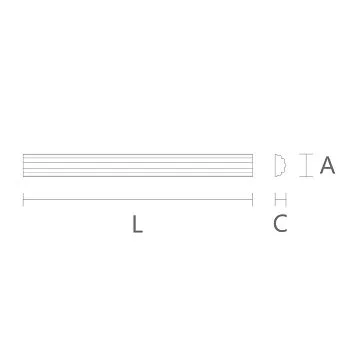
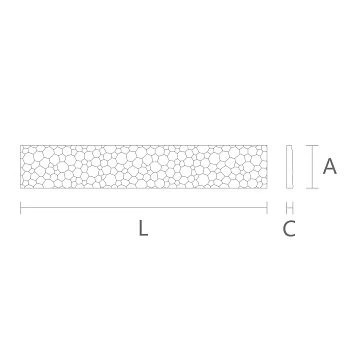
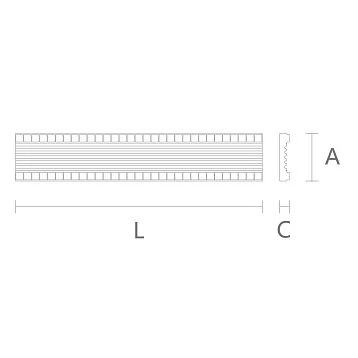
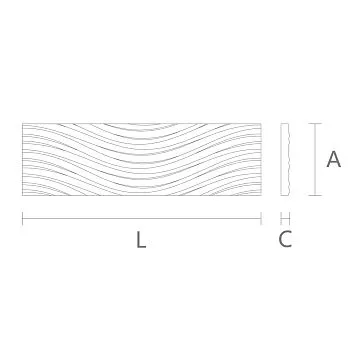
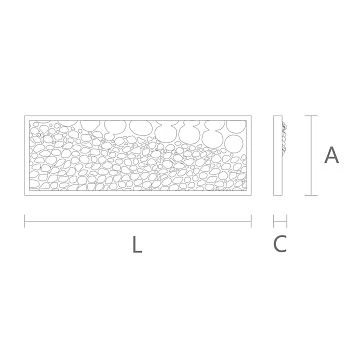
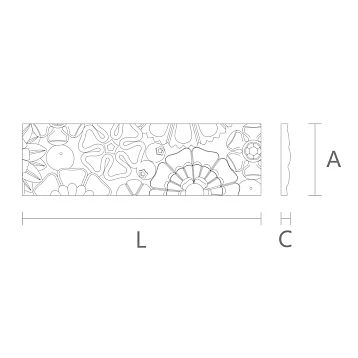
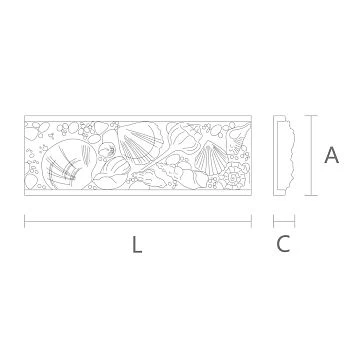
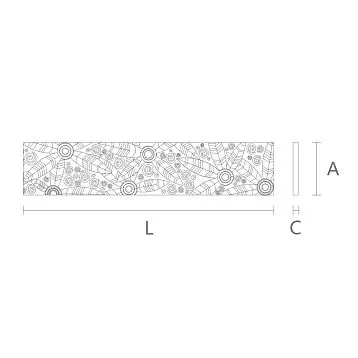
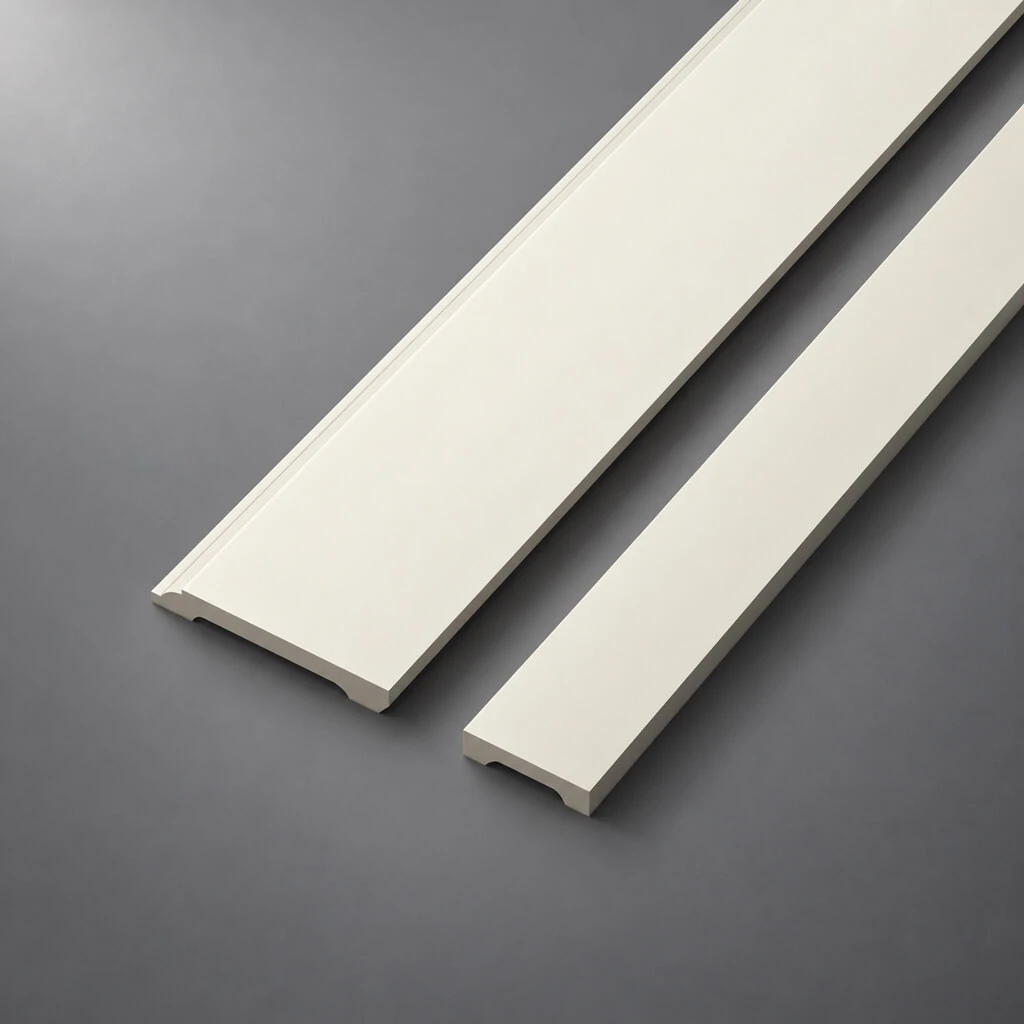
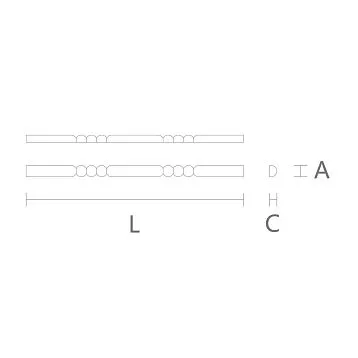
Narrow profiles (small A value) work delicately: they create a neat ornamental line on a furniture facade, a thin frame for a mirror or painting, a delicate accent within a molding scheme. Such a baguette does not dominate but supports — it adds a decorative nuance without disturbing the overall scale of the surface.
Wide profiles (larger A value) become an independent decorative accent: a noticeable frieze, a monumental portal framing, a large ornamental belt on the wall, or an expressive frame element on a large furniture facade. A wide baguette requires a corresponding surface scale — on a small object it looks overloaded.
The depth of profile C affects the volume and nature of the light-and-shadow play. Deep relief creates distinct shadows and makes the ornament well readable from a distance. Shallow relief works more subtly — it creates a delicate textural accent noticeable up close.
The wider and more voluminous the baguette, the more actively it participates in the composition. Narrow profiles work delicately, wide ones become an independent decorative accent.
Step 1 — define the task. A frame for a mirror, a frieze on the wall, a decorative line on a furniture facade, a door or portal casing — each task requires a different type of profile and ornament.
Step 2 — choose the style. Classic, Empire, Art Deco, or modern interior. The style determines the collection and type of ornament.
Step 3 — select the ornament. Geometric — for modern and Art Deco solutions. Floral and "beads" — for classic, Empire, and traditional interiors. Frieze — for horizontal decorative lines and bands.
Step 4 — check dimensions A and C against the installation location. The width and depth of the profile should be proportional to the furniture, frame, or surface. Mismatch in scale is the most common mistake when choosing a wooden baguette.
Step 5 — assess the scale. For small facades, thin frames, and neat lines — a narrow profile. For large walls, portals, mirrors, and monumental facades — a wide, expressive baguette.
Step 6 — consider the finish. Enamel, tinting, varnish, oil, or patina. The type of coating affects the character of the ornament: patina emphasizes the depth of carving, enamel turns the relief into a sculptural white accent.
Step 7 — calculate the amount of linear footage with allowance for trimming, joints, and corners. For complex multi-level schemes, prepare a layout diagram in advance to avoid material shortages and mismatches in the ornament rhythm at joints.
Wooden baguette is designed for finishing treatment, which is determined by the project style, material, and operating conditions.
Toning and patina are the most effective coatings for carved wooden baguettes. The toning compound unevenly fills the relief, deepening shadows in the cutouts and leaving lighter tops of the ornament. Patina creates an even more expressive effect of agedness and historicity, characteristic of classic and Empire styles.
Varnish and oil — allow preserving the natural color and texture of wood. Under varnish, wooden baguette acquires shine and emphasizes the material's grain. Oil gives a matte, warm result with an open pore — organic for natural and eco-interiors.
Enamel and paint — are optimal for geometric profiles in modern interiors and art deco. Under white or colored enamel, the ornamental relief reads as a sculptural surface with clear light-shadow transitions.
Before finishing, it is important to prepare the surface: if necessary, putty the joints, prime the ends, and prepare the edges at cut points. When installing on a wall or furniture, consider the base and choose the appropriate fastening method.
Furniture workshops and joinery productions — ready ornamental linear molding for serial and custom furniture: facades, doors, mirror frames, and decorative inserts. Using ready-made wooden baguette reduces the time for manufacturing ornamental elements and ensures consistent quality.
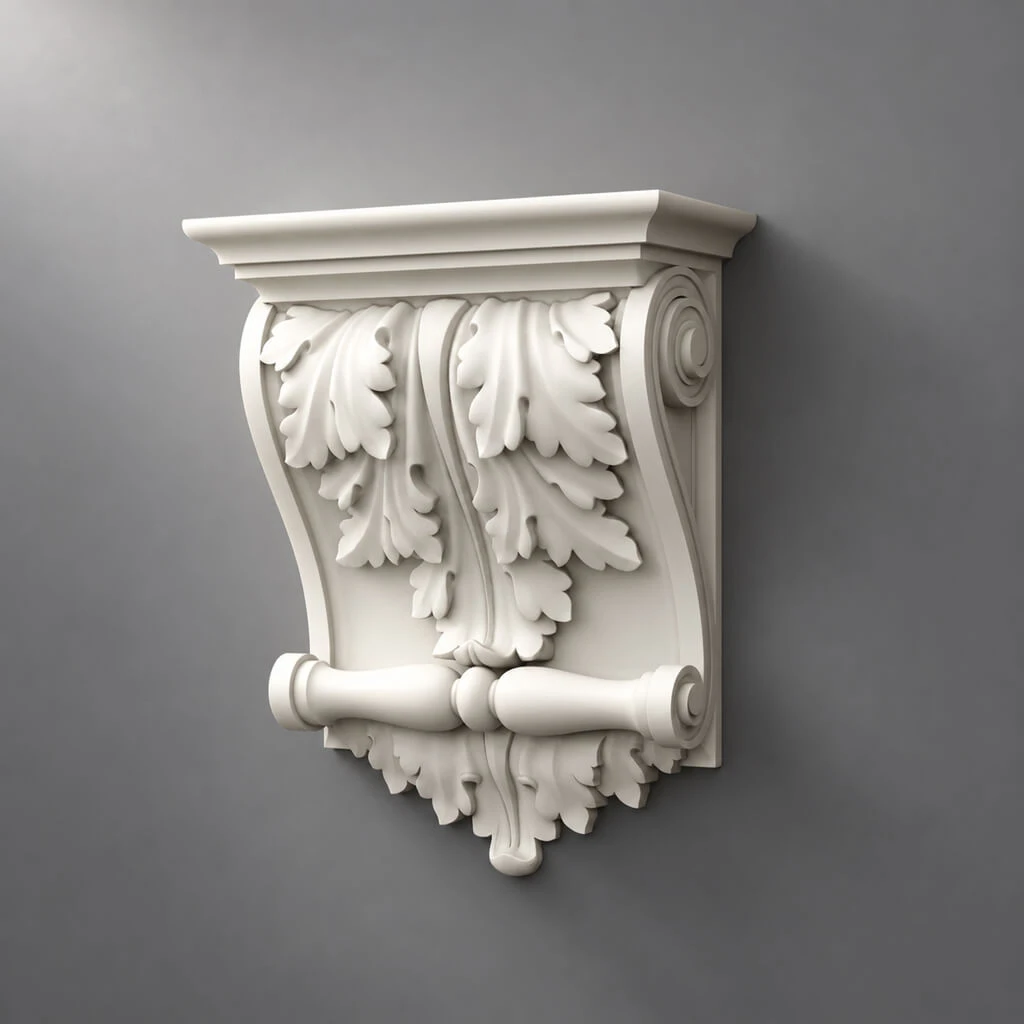
Facade manufacturers and wall panel craftsmen — wooden baguette as a component of wall molding schemes and facade layouts. In combination with wooden moldings и wooden decorative elements baguette forms a complete decorative system.
Interior designers and decorators — selection of profiles for a specific interior concept with the desired style, ornament, size, and finish.
Restorers — wooden baguette for restoring or replacing lost ornamental elements in historical furniture and interior objects. The catalog covers traditional ornamental motifs — "beads", floral patterns, friezes — making it useful for restoration tasks.
Private customers — all items are available for retail. This allows selecting a wooden baguette for a single task: framing a mirror, adding a frieze, creating a molding frame, or updating a furniture facade.
This section is suitable for those who want to add a ready-made wooden ornament to furniture or interior: not just to cover a joint, but to create an expressive frame, frieze, contour, or decorative border.
The "Wooden Baguette" section combines decorative molding, carved strips and wooden profiles for furniture, walls, facades, frames, mirrors, doors, panels, and interior decoration. Such Carved Trim helps to shape a contour, emphasize a decorative line, create a frame, frieze, or expressive border in classic, modern, art deco, or empire style.
The catalog features baguettes with geometric, floral, and frieze ornaments, as well as profiles with a "beads" pattern. Narrow elements are suitable for neat furniture details and frames, wider ones for noticeable decorative accents on walls, portals, mirrors, doors, and large facades.
Wooden baguette can be used in custom furniture, restoration, wall compositions, and interior projects. Before ordering, it is recommended to check the profile size, ornament type, collection style, and installation scheme. Related assortment: Solid wood decorative elements и Wooden moldings.
What is wooden baget used for?
Wooden baget is used for decorating furniture, facades, walls, mirrors, doors, frames, panels, portals, and decorative interior compositions. It helps emphasize contours, frame elements, or create ornamental lines.
How is wooden baget different from regular molding?
Baget is a decorative ornamental profile or trim for framing, borders, friezes, and facades with a pronounced relief pattern. Molding can be a more versatile smooth or profiled strip for walls, joints, and horizontal lines without accent ornamentation.
Can wooden baget be used for furniture?
Yes, baget is suitable for furniture facades, cabinets, dressers, nightstands, consoles, door panels, decorative inserts, and custom furniture. The choice of profile depends on the scale of the furniture piece and the project style.
Which ornament should I choose?
For classic and Empire styles, floral patterns, friezes, and «beads» are suitable. For Art Deco and modern interiors, it is better to choose geometric ornamentation and more minimalist profiles. For horizontal decorative belts, use frieze elements.
Can a wooden frame be painted?
Yes, wooden baget can be painted, tinted, varnished, oiled, or patinated. Tinting and patina especially effectively highlight carved relief. Enamel and paint are suitable for geometric profiles in modern solutions.
Have questions about our products or your project? Leave your contact details and our team will get back to you.
Our manager will contact you within 5 minutes