Article Contents:
- Gilding as the Art of Centuries: From Versailles to Modern Apartments
- Types of Gilding: From Gold Leaf to Modern Paint
- Styles of Gilded Frames: From Baroque Opulence to Restrained Neoclassicism
- Baroque: Opulence, Carving, Abundance of Forms
- Rococo: Lightness, Lacework, Playfulness
- Empire: Monumentality, Symmetry, Imperial Grandeur
- Art Deco: Geometry Plus Luxury
- Modern Classic: Restrained Gold
- Gold Mirror in Space: Where It Shines
- Living Room: Above the Fireplace or Between Windows
- Dining Room: Central Element of the Composition
- Bedroom: Headboard or Dressing Table
- Bathroom: Palace Luxury
- Color Combinations: What Goes with Gold
- Gold and White: Classic Elegance
- Gold and Navy Blue: Royal Luxury
- Gold and Emerald: Precious Harmony
- Gold and Black: Art Deco Drama
- Gold and Gray: Modern Elegance
- Sizes and Shapes: Geometry of Golden Splendor
- Oval Gilded Mirrors: A Tribute to Tradition
- Rectangular Mirrors: Versatility of Form
- Round Mirrors: Solar Disc
- Large Floor Mirrors: Palace Scale
- How to Avoid Overload: Gold Without Pomposity
- Rule of One Golden Accent
- Balance of Luxury and Restraint
- Gold on a Neutral Background
- Professional Designer Consultation
- Questions and Answers: Everything About Gold Mirrors
- Is Gilding Outdated in Modern Interiors?
- Is a Gilded Mirror Suitable for a Small Room?
- How to Care for a Gilded Frame?
- Can a Gold Frame Be Combined with Silver Elements in the Interior?
- Which Wood is Best for a Gilded Frame?
- How Much More Expensive is Gold Leaf Compared to Imitation Gold?
- Can I Order a Custom Gilded Frame?
- Gilded Mirror – Practical or Just Beautiful?
- Conclusion: Gold Mirror as an Investment in the Eternal

Gold is not just a color. It is a symbol of power, an eternal substance that has survived centuries and civilizations, embodying sunlight and the divine. When it comes to a gold frame for a mirror, we are not talking about an ordinary interior item, but about a philosophy of luxury, about the art of turning a reflection into a portal to a world of sophistication. A mirror in a gold frame is a manifesto of taste, a statement that beauty can and should be solemn, sensual, festive. In 2026, when minimalism is already beginning to tire with its asceticism, gilding is returning to interiors like a breath of fresh air, a reminder that life deserves celebration.


Gilding as the Art of Centuries: From Versailles to Modern Apartments
Why does gold never go out of fashion? Because it is embedded in our cultural DNA. For millennia, gold has adorned temples and palaces, monarchs' crowns and icon covers. Gilding was and remains the highest manifestation of craftsmanship, a technique requiring filigree precision, patience, and understanding of the material.
The history of gilded frames begins in the Renaissance, when Italian masters first applied the technique of applying the thinnest sheets of gold to a wooden base. These frames surrounded the masterpieces of great artists, emphasizing the value of painting and turning the painting into a sacred object. Later, in the 17th-18th centuries, gilded frames became an integral part of palace interiors – from Versailles to Peterhof.carved framesMirrors with gilding adorned royal chambers, creating an atmosphere of absolute splendor.
Gilding is not just decoration. It is an extremely complex process involving dozens of stages: preparing the wooden base, applying a multi-layer primer, polishing to a mirror-like smoothness, coating with a special adhesive (mordant or gesso), carefully applying gold sheets a fraction of a millimeter thick, polishing with an agate tool to create a mirror shine. A mistake at any stage – and the work is ruined.
Today, in the 21st century, gilded mirrors are experiencing a renaissance. After decades of dominance of cold minimalism, people are again drawn to warmth, to luxury, to visual richness. A mirror in a gold frame is no longer perceived as a relic of the past or a sign of bad taste – it becomes a sign of confidence, an ability to appreciate beauty, a willingness to surround oneself with the beautiful.




Types of Gilding: From Gold Leaf to Modern Paint
Not all gold is the same. Behind the outwardly similar shine lie different techniques, materials, levels of craftsmanship, and, of course, prices. Understanding these differences helps make an informed choice.
Gold leaf is true luxury, the pinnacle of jewelry art. These are the thinnest sheets of real gold (most often 23-karat), beaten to a thickness of a few microns. One gram of gold is turned into a sheet with an area of up to half a square meter. Working with gold leaf requires absolute precision – the slightest breath of wind, and the precious sheet flies away or tears. Gold leaf is applied to a specially prepared surface, glued, and polished. The result is a deep, warm, living shine that does not fade for centuries. Such gilding is a choice for those who value authenticity and are ready to invest in eternal beauty.
Imitation gold (composition leaf) is a more affordable alternative. It is an alloy of copper with zinc and other metals, imitating the appearance of gold. Imitation gold is cheaper, easier to work with, but it is inferior to real gold in durability and depth of shine. Over time, imitation gold can oxidize, darken, and require restoration. However, with proper varnish protection, imitation gold lasts for decades and is visually almost indistinguishable from gold leaf. This is a reasonable choice for those who want the effect of gilding without exorbitant costs.
Gold paint is a modern approach that uses pigments and metallic particles to create a gold coating. The paint is applied with a brush or sprayer and does not require complex preparatory stages. High-quality gold paint provides an even, rich coating that is resistant to wear. However, it does not have the depth and play of light characteristic of leaf gilding. Gold paint is a choice for modern, stylized interiors where the idea of gold is important, not its material authenticity.
Patinated gold is a technique that creates the effect of noble antiquity. Dark pigments (bitumen, umber, sepia) are applied to the gilded surface, filling the recesses of the carving, creating a contrast between the light protrusions and dark depressions. This mimics the natural darkening that occurs with gold over centuries. Patinated gold looks aristocratic, antique, historical.Patinationadds depth, volume, visual complexity, making the frame not just gold, but telling a story.
Matte or shiny gold is a choice of the degree of shine. Polished gold gives a mirror shine, play of light, drama. Matte gold is a restrained, noble shine without harsh highlights. The choice depends on the interior style and personal preferences: Baroque and Rococo gravitate towards shine, Neoclassicism and modern luxury – towards matte.
Our factory also produces:


Styles of Gilded Frames: From Baroque Opulence to Restrained Neoclassicism
A gold frame is not a universal element. Its character, shape, and degree of decoration are determined by the style in which it is created. Gold can be exuberant and expressive or quiet and elegant – it all depends on the artistic language of the era.
Get Consultation
Baroque: Opulence, Carving, Abundance of Forms
Baroque is a style that doesn't know the word 'enough.' It demands abundance, drama, and emotional intensity.Furniture in Baroque styleIt captivates the imagination with its opulence, and the gilded frame here is the main accent.
A Baroque gold frame is an explosion of ornamentation. Its wide profile, often reaching 15-20 cm, is entirely covered in carving. Here you will find acanthus leaves coiled into turbulent scrolls, cherubs with plump cheeks, garlands of flowers and fruits, seashells, volutes, and cartouches. The carving is so abundant that it is sometimes difficult to discern the base—it seems as if the frame is made of solid golden lace.
The shape of a Baroque frame is rarely strictly rectangular. The corners are adorned with cartouches—decorative shields with scrolls; in the center of each side are protruding ornamental elements. The vertical and horizontal parts of the frame are not of equal width—they play, curve, and create rhythm. Oval Baroque frames are especially effective—they are framed by a wreath of carved flowers and leaves, creating the impression of living, growing gold.
Gilding in Baroque is always abundant, bright, polished to a mirror shine. A combination of different shades of gold is often used—reddish (warm) and greenish (cool)—to create a play of tones. A Baroque gold frame requires space, high ceilings, and large-scale interiors. In a small room, it will be overwhelming; in a grand hall, it will reign.
Rococo: lightness, airiness, playfulness
Rococo is the younger, more graceful brother of Baroque. If Baroque is a mighty oak, then Rococo is a graceful willow. Here everything is lighter, finer, more playful. The gilded Rococo frame renounces Baroque power in favor of exquisite fragility.
The profile of a Rococo frame is narrower, more elegant. The carving is more filigree—instead of massive acanthus, there are thin scrolls resembling sea foam, shells, floral garlands of roses and lilies. A feature of Rococo is asymmetry. Unlike the strict symmetry of Baroque, Rococo allows decorative elements to be arranged freely, as if the carving grows on its own, following the inner logic of nature.
The color palette of gilding in Rococo is softer. Gold is often combined with white, blue, pink—the frame may be partially painted in pastel tones, and gilding is applied only to the protruding elements of the carving. This creates airiness, lightness, an almost confectionery-like decorativeness.
The shape of the mirror in Rococo is more often oval or with rounded corners. Rectangular frames are rare.Oval carved framesRococo resemble medallions, pendants, jewelry. They are intimate, designed for boudoirs, ladies' rooms, spaces where an atmosphere of refinement and coziness is important.
Empire: monumentality, symmetry, imperial grandeur
After the frivolous Rococo came the serious, solemn Empire style. This style, born in the Napoleonic era, demanded monumentality, strictness, and a return to ancient ideals. The gilded Empire frame is an architectural structure in miniature.
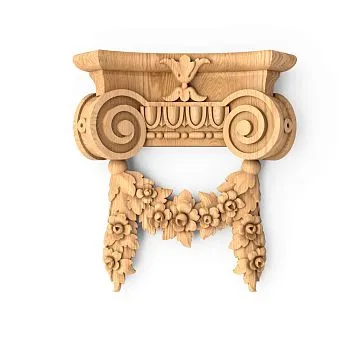
An Empire frame is strictly symmetrical. No playful scrolls or random elements—only geometry, order, rhythm. The frame profile is wide, often stepped, resembling an architectural cornice.Carved Elementsinclude classical motifs: laurel wreaths, palmettes, acanthus scrolls (but no longer Baroque, more strict, geometric), meanders, rosettes.
A feature of Empire is the use of military and imperial symbolism. On gilded frames, you can see eagles, lions, torches, crossed swords, shields, victors' wreaths. These elements emphasize the triumphal, ceremonial character of the style. Gilding in Empire is massive, saturated, often matte or semi-matte—there is shine, but it is noble, restrained, not flashy.
The shape of an Empire mirror is more often rectangular, vertical, with clear proportions. An Empire frame is monumental—it does not decorate the mirror but elevates it to the rank of a monument. Such mirrors are appropriate in spacious living rooms, above fireplaces, in ceremonial halls. Empire requires high ceilings, classical room proportions, and appropriate surroundings.
Art Deco: geometry plus luxury
Art Deco is the style of the 1920s-1930s that combined classical gilding with modernist geometry. Here, gold becomes part of a graphic composition, an element of design play.
A gilded Art Deco frame is distinguished by clear geometry. These can be stepped profiles, trapezoids, zigzags, concentric circles. Carving is replaced by geometric relief—fluting, diamonds, fans, sun rays. Gold is often combined with other materials: black lacquer (the classic Art Deco combination), mirror inserts, chrome details.
A feature of Art Deco is contrast and drama. A gold frame on a black background, a mirror with gold geometric inserts, alternating matte and polished gold—all these techniques create visual tension, making the mirror not just a functional object but an art object.
The shape of the mirror in Art Deco can be any—round, octagonal, with beveled edges. Compositions of several mirrors creating a complex geometric figure are often used. A gilded Art Deco frame is ideal for modern interiors with classical notes, for spaces where boldness, originality, and visual play are valued.
Modern classic: restrained gold
Modern classic is a style that takes the best from historical eras but adapts it to modern aesthetics. Here, the gilded frame loses excessive decorativeness, becomes cleaner, more laconic, but retains nobility and luxury.
The frame profile in modern classic can be simple—one or two levels, minimal carving or none at all. Gilding is used restrainedly: matte gold, sometimes with a light patina creating an aged effect. The color of gold can vary from classic yellow to pink or even silvery (silvering is a technique close to gilding, creating a cold shine).
The shape of the mirror in modern classic is more often rectangular or round, without frills. The size can be significant—large mirrors in gold frames, but without an abundance of decor, create an effect of restrained luxury. This is the choice for those who value elegance without pomp, nobility without shouting.
A golden mirror in space: where it reveals itself
A mirror in a gold frame is not an element that can be placed anywhere. It requires context, the right surroundings, an understanding of composition. Where does a gold frame reveal its beauty to the maximum?
Living room: above the fireplace or between windows
The living room is the heart of the home, a place for receiving guests, celebrating holidays, and gathering as a family. Here, a gilded mirror becomes the central element, setting the tone for the entire space.
Above the fireplace is a classic spot for a gold mirror. The fireplace itself is a symbol of the hearth, warmth, and coziness. A gilded mirror above it enhances this symbolism, adding solemnity and formality. Reflecting the fireplace light, the gold frame doubles the radiance, creating a festive atmosphere.
The mirror size should relate to the width of the mantel. Ideally, the frame width should be 60-80% of the fireplace width. A mirror that's too small will get lost; one that's too large will disrupt the proportions. The placement height should be such that the bottom edge of the frame is 10-20 cm above the mantel.
Between windows is another classic location, especially if the windows are symmetrically placed. A gilded mirror in the wall space catches and reflects light, making the room brighter and visually expanding the space. This technique was often used in 18th-19th century palace interiors and remains relevant today.
The mirror shape for placement between windows is often vertical, elongated—this emphasizes ceiling height and creates a sense of solemnity.Classic mirrors in framesMirrors made of solid wood with gilding are perfect for such placement.
Dining Room: The Central Element of the Composition
The dining room is a place where a meal becomes a ritual, where atmosphere is important. A gilded mirror here plays a role that is less functional and more symbolic—it creates a sense of festivity, abundance, and solemnity.
In the dining room, the mirror is most often placed on the main wall, opposite the dining table. It reflects the table setting, candles, chandelier—everything that makes the meal beautiful. The gold frame enhances the effect, adds sparkle, and creates the impression that the table is set for a royal reception.
The mirror size in the dining room can be substantial—from 120 to 200 cm in height. A wide gilded Baroque or Empire frame will be especially appropriate here. The shape is vertical rectangular or oval. An important point: the mirror should be placed so that those seated at the table do not constantly see themselves in the reflection—this can distract from conversation and the meal.
Bedroom: Above the Headboard or at a Dressing Table
The bedroom is a personal space, a place for rest and intimacy. A gilded mirror here adds a touch of luxury but requires delicate placement.
Above the headboard of the bed is a bold, dramatic solution. A gilded frame creates a crown effect, making the bed a throne-like place. This technique is characteristic of Baroque and Rococo, where the bedroom was not just a place for sleep but also a formal space. Important: the mirror must be securely fastened to avoid any concerns about it falling.
A dressing table is a more traditional option. A large floor or table mirror in a gold frame, placed on a chest of drawers or vanity, creates a functional area for personal care.console with mirrorA mirror in a gilded frame is a classic solution for a bedroom in a neoclassical or modern luxury style.
The gold frame in the bedroom can be patinated, aged—this creates an atmosphere of an antique, heirloom piece, adding warmth. The shape is often oval or with rounded corners, softer and less strict than in formal rooms.
Bathroom: Palace Luxury
Can you place a gilded mirror in the bathroom? Yes, if protective conditions are met. Humidity is the enemy of gilding, especially if gold leaf or gold paint is used. But with proper treatment (coating with protective varnish, using moisture-resistant wood), a gilded mirror feels perfectly fine in the bathroom too.
A gold frame in the bathroom creates an effect of palace luxury. Imagine: white porcelain fixtures, marble surfaces, chrome faucets—and a gilded mirror above the sink. The contrast of cold materials and warm gold creates visual tension, turning the bathroom from a merely functional space into one for aesthetic enjoyment.
The mirror size in the bathroom usually corresponds to the width of the sink or vanity. The shape can be any, but oval and round gilded frames are especially effective—they soften the angularity of ceramics and metal. Important: the mirror must have an anti-corrosion coating on the back; otherwise, moisture will penetrate behind the amalgam, and the mirror will begin to deteriorate.
Color Combinations: What Goes Well with Gold
A gold frame is a bright, active element. Which colors does it combine with most harmoniously?
Gold and White: Classic Elegance
White is the perfect backdrop for gold. It is neutral, doesn't compete for attention, yet emphasizes the warmth and shine of the gold frame. White walls, white furniture, white textiles—all this creates a clean canvas on which the gilded mirror becomes the main accent.
This combination is characteristic of neoclassical, modern classic, and French styles. It is elegant, fresh, and light. An important nuance: the shade of white matters. Cool white (with a bluish undertone) creates a contrast with warm gold, making it even brighter. Warm white (with a creamy or beige undertone) harmonizes with gold, creating a soft, cozy palette.
Gold and Navy Blue: Royal Luxury
Navy blue is a color historically associated with aristocracy, power, and luxury. Combined with gold, it creates a truly royal effect.
Navy blue walls, blue velvet on furniture, blue accents in textiles—and a gilded mirror like a precious gem in a crown. This combination was loved in European palaces and remains relevant today. Blue cools the gold, preventing it from becoming overly ostentatious, creating a balance between warmth and coolness, luxury and restraint.
Gold and Emerald: Precious Harmony
Emerald green is another color that pairs perfectly with gold. This combination is reminiscent of precious jewelry, gold settings with emeralds, and the richness of nature and metals.
Emerald walls (or an accent wall), green velvet, botanical motifs — and a gilded mirror reflecting all this green-gold opulence. This combination suits interiors in Art Deco, maximalism, and modern luxury styles. It is bold, expressive, and slightly exotic.
Gold and black: the drama of Art Deco
Black and gold — a classic Art Deco combination. It is dramatic, contrasting, and graphic. Black prevents gold from being too soft, and gold prevents black from being gloomy.
Black walls (or black furniture), glossy surfaces, geometric patterns — and a gilded mirror as a light spot, a spark in the darkness. This combination requires boldness, confidence, and a readiness for a visual challenge. It is not for everyone, but for those who choose it, it becomes a style manifesto.
Gold and gray: modern elegance
Gray is the most relevant neutral color in recent years. It has replaced beige, becoming the foundation for many modern interiors. And gold pairs beautifully with gray, creating a balance between modernity and luxury.
Gray walls (from light gray to graphite), gray furniture, concrete surfaces — and a gilded mirror as a warm accent, a reminder that the interior is created for people, not for a photoshoot. This combination is characteristic of modern classic, transitional styles, and spaces where elegance without pretension is important.
Sizes and shapes: the geometry of golden splendor
The shape and size of a gilded mirror are no less important than the gilding technique. They determine how the mirror will fit into the space and what role it will play.
Oval gilded mirrors: a tribute to tradition
The oval is the most traditional, classic shape for a gilded mirror. It is associated with portrait painting, with 18th-century ladies' boudoirs, and with the grace of Rococo.
An oval mirror in a gold frame is softer than a rectangular one; it has no sharp corners, creating a sense of fluidity and harmony. The oval shape visually elongates the face, making the reflection more flattering — it is no coincidence that oval mirrors were so beloved by ladies of past eras.
The size of an oval mirror can vary from compact 60x80 cm to majestic 100x150 cm. Small oval mirrors are good for bedrooms, boudoirs, and bathrooms. Large ones are for living rooms, hallways, and formal spaces.
Rectangular mirrors: the versatility of form
The rectangle is the most versatile shape. It suits any style — from Baroque to modern classic. A rectangular mirror in a gold frame can be vertical or horizontal, narrow or wide, tall or squat.
Vertical rectangular mirrors visually increase the height of a room, making ceilings appear higher. They are good for hallways, narrow corridors, and wall spaces between windows. Horizontal ones expand the space, making it feel more spacious. They are placed above sofas, fireplaces, and consoles.
The proportions of a rectangular mirror influence its character. Classic proportions (aspect ratios of 2:3 or 3:4) create harmony and stability. Elongated proportions (1:2 or 1:3) create dynamism and elegance. Almost square proportions convey modernity and conciseness.
Round mirrors: the solar disc
The circle is a shape that symbolizes perfection, infinity, and wholeness. A round mirror in a gold frame is often called a 'sun mirror' — the golden rays of the frame radiating from the round mirror center indeed resemble the sun.
Round gilded mirrors are especially popular in Art Deco and modern classic styles. The frame can be simple (a smooth gold rim) or complex (carved rays, waves, geometric elements radiating from the center). The diameter varies from 50 cm to 120 cm and more.
A round gilded mirror softens angular interiors, adding fluidity and organicity. It looks good in modern spaces where the geometry of furniture and architecture needs a soft counterbalance.
Large floor mirrors: palatial scale
A floor mirror in a gold frame is no longer just a piece of decor, but an architectural element. The height of such mirrors can reach 180-220 cm, allowing you to see yourself full-length and creating the impression of an additional door, a portal to another dimension.
Floor gilded mirrors require space. They are not for small rooms — their domain is spacious halls, large bedrooms, walk-in closets, and formal living rooms. The frame of a floor mirror should be massive, stable, often with a supporting leg at the back.
The stylistic design of a floor gilded mirror can be any, but Baroque and Empire models are especially effective — their monumentality, wide carved frames, and abundant gilding are fully revealed in a large format.
How to avoid overload: gold without pretension
Gold is a strong element. It is easy to overdo it, turning a refined interior into a museum exhibit or, worse, a display of bad taste. How to use a gilded mirror so that it decorates rather than overwhelms?
The rule of one golden accent
If there is a large gilded mirror in a room, other golden elements should be dosed. One mirror in a gold frame can be the central accent, but if you add golden furniture, golden lighting, golden textiles — it will become overloaded.
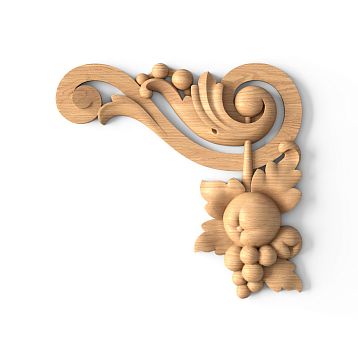
It is better to complement the golden mirror with a few small golden details: photo frames, furniture hardware,decorative inlaysThese repetitions will create a connection, compositional unity, but will not overload the space.
Balance of luxury and restraint
A gilded mirror requires a neutral environment. If the frame is lush, baroque, abundantly decorated, the walls should be calm—without patterned wallpaper, without excessive decor. Let the mirror speak, and the walls remain silent.
Conversely, if the interior is saturated with decor (patterned wallpaper, carved furniture, an abundance of textiles), the gilded mirror should be simpler—with a laconic frame, minimal carving, restrained gilding. Balance is the key to harmony.
Gold on a neutral background
White, gray, beige, cream—these colors are ideal as a background for a gilded mirror. They do not compete, do not distract, allowing the gold to reveal itself. If the walls are bright (blue, green, burgundy), the gold should be more restrained—matte, patinated, not too shiny.
Professional designer consultation
If in doubt—consult a professional. An interior designer will help choose the correct size, shape, style of the gilded mirror, determine the optimal placement location, and select the surroundings. This is especially important if you are working with an expensive mirror covered in gold leaf—a mistake will be costly not only financially but also aesthetically.
Questions and answers: all about gold mirrors
Has gilding become outdated in modern interiors?
No, gilding has not become outdated—it has transformed. Modern interiors use gold differently: more restrained, as an accent. Matte gold, patinated gold, combinations of gold with modern materials—all this keeps gilding relevant. The main thing is not to copy palace aesthetics literally, but to adapt it to a modern context.
Is a gilded mirror suitable for a small room?
Yes, but with caveats. The mirror should be proportionate to the space. In a small room, it is better to choose a medium-sized mirror (60-80 cm) with a not-too-wide frame. Avoid baroque opulence—it will overwhelm a small space. It is better to choose a more laconic gilded frame in the style of modern classicism or art deco.
How to care for a gilded frame?
Gilding is quite durable but requires delicate care. Remove dust with a soft dry brush or microfiber cloth. Do not use water or cleaning agents—they can damage the gold, especially if it is gold leaf gilding. If the frame is heavily soiled, consult a restorer. Avoid direct sunlight—it does not harm the gold but can accelerate the aging of the adhesive layer.
Can a gold frame be combined with silver elements in the interior?
Yes, but carefully. Gold and silver (chrome, nickel) are metals with different temperatures. Gold is warm, silver is cold. Their combination can create visual dissonance. If the interior has chrome-plated fixtures, faucets, hardware, it is better to choose a gilded mirror with a cool shade of gold (greenish) or use patinated gold, which softens the warmth.
Which wood is best for a gilded frame?
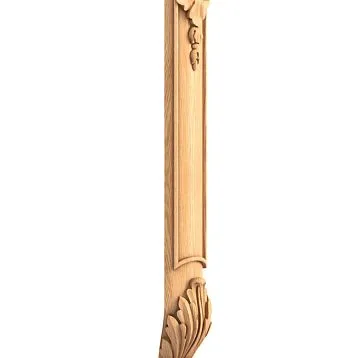
Traditionally, linden and alder were used for gilding—soft woods that are easy to carve.Carved wooden decorationWood from these species is ideal for gilding. Oak and beech are harder woods, more difficult to carve, but they are stronger and more durable. The choice depends on the frame style: for baroque with abundant carving, soft wood is better; for laconic modern classicism—hard wood.
How much more expensive is gold leaf compared to imitation gold leaf?
Gold leaf is 3-5 times more expensive. The price difference is due to the cost of the gold itself, the complexity of the work, and the durability of the result. If the budget is limited, imitation gold leaf is a worthy alternative, especially if the frame will be coated with protective varnish and not subjected to extreme conditions.
Can a custom gilded frame be ordered?
Yes, many workshops offer frame manufacturing based on custom sketches. You can choose the shape, size, profile, carving style, and gilding technique. A custom frame will be more expensive, but you will get a unique product that exactly matches your interior and taste.
Is a gilded mirror practical or just beautiful?
A gilded mirror is both. The mirror surface is functional—you see your reflection, the mirror expands the space, doubles the light. The gilded frame adds aesthetic value, turning a functional object into a work of art. This is not a choice between beauty and practicality, but their synthesis.
Conclusion: a gold mirror as an investment in the eternal
A mirror in a gold frame is not a fleeting whim, not a tribute to fashion that will pass in a year or two. It is an investment in eternal values: in beauty that does not age, in craftsmanship passed down through generations, in materials that endure for centuries. Gilding, especially gold leaf, is practically eternal—it does not tarnish, does not fade, does not lose its luster. Decades later, your gilded mirror will look just as beautiful as on the day of purchase, having acquired only the noble patina of time.
By choosing a gilded mirror, you are choosing history, tradition, a connection with great eras—with the Renaissance, Baroque, Empire. You are integrating your home into a cultural continuum where beauty is valued above all. You are surrounding yourself not just with things, but with works of art that will delight you, your children, and your grandchildren.
STAVROS deeply understands the philosophy of gilding and the value of genuine craftsmanship. Over half a century of experience in creatingcarved wooden interior elementsallows bringing the most demanding projects to life. Each gilded frame from STAVROS is the result of meticulous handcraft, where traditional gilding techniques are combined with a modern understanding of quality and durability.
From wood selection to the final polishing stroke — every stage of production is overseen by experienced craftsmen. Only time-tested materials are used: quality wood, professional primers, natural gold leaf, or high-quality imitation gold. Carving is done by hand,ornamentsare created with attention to every detail, gilding is applied using classic techniques tested over centuries.
STAVROS offers not just finished products, but also the possibility of creating mirrors based on custom projects. You can choose the style (Baroque, Rococo, Empire, modern classic), size, shape, carving character, and gilding technique. Experienced designers will help develop a sketch, select optimal proportions, and integrate the mirror into an existing interior.
When you buy a mirror in a gold frame from STAVROS, you get not just a decorative item, but also a guarantee of quality and the confidence that years later your mirror will look just as magnificent as at the moment of purchase. This is the choice of those who value authenticity, craftsmanship, and beauty without compromise. This is the choice of those who understand: true luxury does not shout about itself — it speaks with the quiet, yet confident voice of gold, polished by time and skill.