












































































Article Contents:
- History of mirrors with wooden frames
- From Antiquity to the Middle Ages
- Renaissance and Baroque
- Classicism and Empire
- Victorian era and modern
- Modern trends
- Types of wood for mirror frames
- Classic wood species
- Exotic wood species
- Modern alternatives
- Techniques for making wooden frames
- Traditional carpentry methods
- Modern Technologies
- Finishing and decorating
- Styles and design of mirrors with wooden frames
- Classical styles
- Ethnic and regional styles
- Modern trends
- Practical aspects of selection and use
- Selecting mirrors for different rooms
- Maintenance and care
- Restoration of antique mirrors
- Conclusion
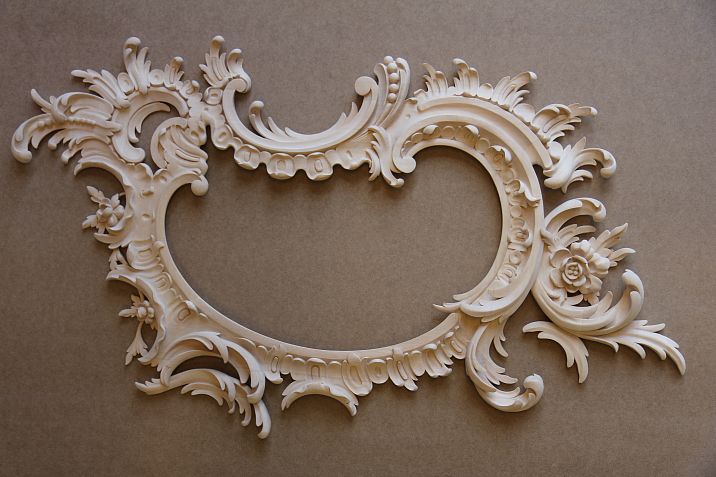
In the world of interior design, there are elements that never go out of fashion, maintaining their relevance for centuries. One such element is mirror with wooden framewhich not only performs a practical function but also becomes a true decoration of any room. The combination of the cold gleam of glass and the warmth of natural wood creates a unique aesthetic effect that cannot be achieved with other materials.
mirror with wooden frame It is not just an interior item, but a work of art, where the craftsmanship of the carpenter, the artistic vision of the designer, and centuries-old woodworking traditions come together. Each such item is unique, as the natural grain of wood is unique, and the techniques of processing and decorating can vary depending on the style, era, and regional characteristics.
In this article, we will thoroughly examine the history of the emergence and development of mirrors with wooden framesWe will cover the characteristics of different styles and manufacturing techniques, as well as provide practical recommendations on selecting, caring for, and restoring these exquisite interior items. Whether you are an antique collector, a professional designer, or simply wish to decorate your home with a beautiful and functional item, this information will be useful and interesting.


History of mirrors with wooden frames




From Antiquity to the Middle Ages
The history of mirrors spans millennia, but early mirrors bore little resemblance to modern ones. In antiquity, people used polished metal plates or containers of water to see their reflections. The first glass mirrors appeared in the 1st century AD in the Roman Empire, but they were small and produced distorted images.
A true breakthrough in mirror production occurred in the 13th century in Venice, when masters of the island of Murano developed a technology for producing relatively clear glass and learned to apply an amalgam of tin and mercury to it. It was then that the need arose to protect the fragile mirror surface, and mirrors with wooden frames became a common phenomenon.
In the Middle Ages, mirrors were rare and very expensive. They were considered luxury items and were accessible only to the aristocracy and wealthy merchants. Wooden frames for mirrors of that time were often adorned with intricate carving, gilding, and inlays, transforming a utilitarian item into a work of art.
Our factory also produces:


Renaissance and Baroque
With the advent of the Renaissance, interest in mirrors significantly increased. They became not only personal items but also important elements of interior design. During this period mirrors with wooden frames acquired particular elegance and luxury. Frames were made from precious woods such as walnut, ebony, and rosewood, and were adorned with intricate carvings featuring floral and mythological motifs.
In the 17th century, during the Baroque period, mirrors became even more important elements of palace interiors. They were used not only for reflection but also to enlarge space and enhance lighting. mirrors with wooden frames Mirrors of this period were characterized by opulence and theatricality. Frames often took the form of architectural elements such as doorways or windows and were richly decorated with carving, gilding, and sculptural elements.
Venetian mirrors deserve special mention, considered the pinnacle of craftsmanship. Their wooden frames were often adorned with elements of Murano glass, creating an effect of infinite reflection and play of light.
Get Consultation
Classicism and Empire
In the 18th century, with the arrival of the classicism style, mirrors with wooden frames they became more restrained and elegant. Frames adopted clear geometric forms and symmetrical proportions, inspired by ancient architecture. Popular decorative motifs included laurel wreaths, meanders, acanthus leaves, and other classical elements.
In the era of Empire, at the beginning of the 19th century, mirrors with wooden frames they acquired monumentality and grandeur. Frames often took the form of arches or portals and were decorated with military symbolism, such as eagles, laurel wreaths, and trophies. Gilding and bronze inlays were indispensable decorative elements.
Victorian Era and Modern
In the Victorian era, in the second half of the 19th century, mirrors with wooden frames they became more accessible to the middle class due to the development of industrial production. Frames of this period were eclectic, combining elements of various historical styles. Popular were carved frames with floral motifs, as well as frames imitating architectural elements such as columns and cornices.
With the arrival of the modern style at the end of the 19th – beginning of the 20th century, mirrors with wooden frames they acquired a new sound. Frames became smoother and more organic, with characteristic plant motifs and asymmetrical compositions. Masters experimented with various wood species, creating interesting textural and color combinations.
Modern trends
In the 20th century, with the emergence of new materials and technologies, wooden frames for mirrors temporarily took a back seat. However, in recent decades there has been a revival of interest in traditional materials and techniques. Modern mirrors with wooden frames combine classical traditions with innovative approaches.
Today designers and masters create mirrors with wooden frames in various styles – from precise reproductions of historical samples to avant-garde experimental forms. The ecological trend promotes the popularity of natural materials, while growing interest in handcraft and traditional crafts revives old woodworking techniques.
Types of Wood for Mirror Frames
Classic Wood Species
Choosing the type of wood for a mirror frame is of great importance, as it determines not only the appearance but also the longevity of the item. Traditionally, hardwoods are used for making frames, which are strong and easy to work with.
Oak – one of the most popular species for manufacturing mirrors with wooden framesIt is characterized by high strength, durability, and beautiful texture with distinct growth rings. Oak is easy to carve and can be stained in various shades. Over time, oak wood develops a noble patina, making it an ideal choice for classical and antique styles.
Walnut – a noble species with a rich dark-brown tone and beautiful natural grain. Walnut wood is easy to process and polish to a silky sheen. mirrors with wooden frames Frames made of walnut look luxurious and elegant, making them a popular choice for classical and neoclassical interiors.
Redwood (mahogany) – an exotic species with a characteristic reddish-brown tone. It is highly valued for its beauty, strength, and stability. Redwood was traditionally used to make high-class furniture, including mirrors with wooden frames in Georgian and Victorian styles.
Cherry – a species with a warm reddish-brown tone, which becomes even more saturated over time under the influence of light. Cherry wood has a fine, even texture and is easy to process. mirrors with wooden frames Frames made of cherry look elegant and harmoniously fit into classical and traditional interiors.
Exotic Wood Species
In modern production mirrors with wooden frames Exotic wood species are increasingly used, attracting attention with their unusual texture and color.
Ebony (black wood) – one of the most expensive and rare species with a deep black color and very dense structure. Ebony was traditionally used to make luxurious mirrors with wooden frames in Baroque and Rococo styles, often combined with inlays of ivory or mother-of-pearl.
Zebrawood is an exotic species with a striking striped texture resembling zebra coloring. Zebrawood has a light yellow background with dark brown or black stripes. mirrors with wooden frames Zebrawood looks very striking and becomes a bright accent in modern interiors.
Padauk is a species with rich dark brown or purplish-brown coloring and beautiful grain. Padauk is highly valued for its beauty and durability. mirrors with wooden frames Padauk looks luxurious and elegant, making it a popular choice for classical and oriental styles.
Tik has a golden-brown tone and high natural oil content, making it very resistant to moisture and decay. Tik wood has a beautiful texture and over time develops a silver-gray hue. mirrors with wooden frames Tik is especially suitable for rooms with high humidity, such as bathrooms.
Modern Alternatives
In modern production mirrors with wooden frames Not only solid wood, but also various derived materials, each with their own advantages, are used.
MDF (Medium Density Fiberboard) is a material made from wood fibers bonded with synthetic resins. MDF has high strength, dimensional stability, and a smooth surface, making it ideal for creating complex profiles and relief patterns. mirrors with wooden frames MDF is often veneered with valuable wood species or painted to imitate various textures.
Veneer is a material consisting of several layers of veneer bonded together. Veneer has high strength, stability, and resistance to deformation. Modern technologies allow creating complex curved shapes from veneer, opening new design possibilities. mirrors with wooden frames.
Reclaimed wood is a material obtained from old wooden structures, such as beams, floorboards, or furniture. Using reclaimed wood for manufacturing mirrors with wooden frames is not only eco-friendly but also gives products a unique character and historical value. Signs of time, such as scratches, cracks, and nail holes, become part of the design and create a unique patina effect.
Wooden Molding Manufacturing Techniques
Traditional Joinery Methods
Manufacturing mirrors with wooden frames Traditional methods are a true art requiring high skill and patience. The process begins with selecting and preparing wood, which must be well-dried and free of defects.
Frame Construction – a classic method of making wooden molding, where the frame is assembled from four separate elements connected together. Traditionally, corner joints such as 'birdsmouth' or tongue-and-groove are used, ensuring high strength and durability. After assembly, the frame is sanded, primed, and coated with protective finishes.
Carving – a technique that allows creating various patterns and relief images on the surface of wooden molding. There are several types of carving: flat relief, blind, incised, and three-dimensional. Each type requires special tools and skills. Carving can be simple geometric or complex figurative, depicting plants, animals, or people.
Turning – a method where a wooden blank rotates around its axis, and the craftsman uses special chisels to shape it. Turning allows creating round and cylindrical molding elements such as columns, balusters, spheres, and other decorative details.
Inlay – a technique of decorating wooden surfaces with inserts made of other materials, such as other wood species, metal, mother-of-pearl, ivory, etc. To create inlay, indentations are cut into the wooden base, into which decorative elements are inserted and secured. This technique allows creating complex patterns and images using contrasting colors and textures.
Modern technologies
Modern Production mirrors with wooden frames Combines traditional methods with innovative technologies, allowing to create high-quality products with less time and resource expenditure.
CNC Milling – a technology where wood processing is performed using computer-controlled machines. CNC milling allows creating complex profiles and patterns with high precision and repeatability. This technology is especially useful for producing mass-produced items or when precise reproduction of historical samples is required.
Laser Cutting and Engraving – methods that allow creating thin lines, patterns, and images on the surface of wood using a laser beam. Laser processing ensures high precision and line cleanliness, unattainable with hand carving. This technology is especially effective for creating delicate and filigree elements of wooden molding.
3D Printing – an innovative technology that allows creating three-dimensional decorative elements by layer-by-layer material buildup. Although the molding itself is usually made of wood, 3D printing can be used to create complex decorative elements that are then integrated into the wooden frame.
Vacuum Forming – a technology that allows creating curved and curved elements of wooden molding. Thin sheets of veneer or plywood are placed in a special mold and take the required shape under vacuum and heat. This technology is especially useful for creating mirrors with wooden frames complex shapes such as oval, wavy, or asymmetrical.
Finishing and Decoration
Finishing wooden molding – an important stage that determines the final appearance mirrors with wooden frames and its resistance to external influences.
Sanding and Polishing – processes that ensure smoothness and evenness of the wood surface. Sanding is performed using abrasive materials of varying grit, starting with coarse and ending with very fine. Polishing gives wood a luster and highlights its natural texture.
Staining and coloring – methods for changing the color of wood. Staining highlights the natural grain of the wood, making it more pronounced, while coloring can completely change the color while preserving the texture. Various substances are used for staining and coloring: stains, dyes, pigments.
Gilding – a technique of covering a surface with a thin layer of gold or a material that imitates it. Traditional gilding uses leaf gold – extremely thin sheets of real gold applied to a specially prepared surface. Modern methods include using gold foil, metallic powders, or special paints with a gold effect.
Patination – a technique that creates an aged effect and gives the item a vintage look. Patina can be natural, forming over time due to exposure to air, light, and touch, or artificial, created using special compounds and techniques. Patination is especially popular when creating mirrors with wooden frames in the antique or vintage style.
Lacquering and waxing – methods of protecting wooden surfaces from moisture, dirt, and mechanical damage. Lacquer creates a durable protective film on the wood surface and can be glossy, semi-matte, or matte. Wax penetrates the wood pores, protecting it from within, and creates a soft, silky sheen. The choice of protection method depends on the desired appearance and usage conditions mirrors with wooden frames.
Styles and design of mirrors with wooden frames
Classic styles
Classical styles mirrors with wooden frames are based on historical models and are characterized by elegance, symmetry, and attention to detail.
Baroque – a style that emerged in Italy in the 17th century and is characterized by opulence, dynamism, and theatricality. mirrors with wooden frames Mirrors in the Baroque style have complex shapes with curved lines and abundant ornamentation. Frames are often adorned with carvings featuring floral motifs, putti figures, mascarons, and other decorative elements. Gilding and polychrome painting are characteristic features of Baroque mirrors.
Rococo – a style that developed from Baroque in the 18th century and is distinguished by even greater refinement and lightness. mirrors with wooden frames Mirrors in the Rococo style have asymmetrical shapes with smooth, wavy lines. Frames are decorated with carvings featuring rocaille motifs (stylized shells), flowers, leaves, and amorini. Pastel tones and partial gilding are characteristic features of Rococo.
Neoclassicism – a style that emerged in France in the 18th century as a reaction against the excesses of Baroque and Rococo. mirrors with wooden frames Mirrors in the Neoclassical style have strict geometric shapes with straight lines and symmetrical proportions. Frames are adorned with carvings featuring classical motifs such as laurel wreaths, meanders, and acanthus leaves. A restrained color palette and partial gilding are characteristic features of Neoclassicism.
Empire – a style that emerged in France at the beginning of the 19th century during the reign of Napoleon. mirrors with wooden frames Mirrors in the Empire style have monumental shapes with straight lines and clear proportions. Frames are decorated with carvings featuring military motifs such as eagles, laurel wreaths, and trophies. Gilding and bronze inlays are characteristic features of the Empire style.
Ethnic and Regional Styles
Ethnic and regional styles mirrors with wooden frames reflect cultural traditions and artistic characteristics of various countries and regions.
Eastern style – unites traditions of various Asian cultures. mirrors with wooden frames Mirrors in the Eastern style may have diverse shapes and decorations depending on the specific tradition. Chinese mirrors are often adorned with carvings depicting dragons, phoenixes, plum, and peony flowers. Indian mirrors are distinguished by bright colors, inlays, and carvings with floral and geometric patterns. Japanese mirrors are characterized by minimalism, clean lines, and natural wood tones.
Mediterranean style – combines elements of Italian, Spanish, Greek, and Moroccan cultures. mirrors with wooden frames Mirrors in the Mediterranean style have simple shapes with smooth lines. Frames are often painted in bright colors (blue, terracotta, yellow) or have a weathered wood effect. Mosaic, ceramic inserts, and wrought iron elements are characteristic features of the Mediterranean style.
Scandinavian style – characterized by simplicity, functionality, and a love for natural materials. mirrors with wooden frames Mirrors in the Scandinavian style have minimalist shapes with clean lines. Frames are made from light-colored woods (birch, pine, beech) and often have a natural color or are painted white. Minimal decoration and emphasis on wood texture are characteristic features of the Scandinavian style.
Russian style – based on traditions of folk art and Orthodox culture. mirrors with wooden frames Mirrors in the Russian style may have the shape of a kokoshnik or onion dome. Frames are decorated with carvings featuring floral and geometric patterns, as well as elements of Russian iconography. Bright colors, gilding, and polychrome painting are characteristic features of the Russian style.
Modern trends
Modern trends in design mirrors with wooden frames reflect current trends in interior design and experimental approaches to traditional materials and techniques.
Minimalism – a style characterized by simplicity, clean lines, and absence of unnecessary details. mirrors with wooden frames Mirrors in the minimalist style have simple geometric shapes with thin frames. Frames are made from natural wood with minimal processing, highlighting the natural texture and color. Lack of decoration and emphasis on material quality and craftsmanship are characteristic features of minimalism.
Eco-style – a direction that emphasizes the ecological nature of materials and production processes. mirrors with wooden frames Mirrors in the eco-style are made from reclaimed or certified wood using non-toxic finishing materials. Frames often have an unprocessed or lightly processed appearance, preserving the natural beauty and texture of the wood. Combination with other natural materials such as stone, clay, jute – characteristic features of the eco-style.
Fusion – a style that combines elements of various cultures, eras, and directions. mirrors with wooden frames Fusion-style frames often have unusual shapes and eclectic decor. Frames frequently combine traditional woodworking techniques with modern materials and technologies. Bold color solutions, unexpected material and form combinations – characteristic features of fusion.
Industrial style – a direction inspired by industrial aesthetics. mirrors with wooden frames In industrial style, rough wood is often combined with metallic elements. Frames may have signs of use, such as scratches, cracks, or nail marks, which become part of the design. Dark wood tones, aged effects, and combinations with metal – characteristic features of industrial style.
Practical aspects of selection and use
Mirror selection for different rooms
Choosing mirrors with wooden frames For a specific room, one must consider its functional purpose, dimensions, lighting, and overall interior style.
Entryway – a space where a mirror serves both practical and decorative functions. mirror with wooden frame In the entryway, the mirror should be large enough to see oneself fully or at least up to the waist. Vertical mirrors visually increase the room’s height, which is especially important for small entryways. The frame style should match the overall entryway style and create the first impression of the home.
Living room – a space where the mirror primarily serves a decorative function and helps visually expand the space. mirror with wooden frame In the living room, the mirror can be large and striking, becoming a central element of the interior. Placing it above the fireplace, sofa, or console – traditional mirror locations in the living room. The frame style may be more decorative and match the overall living room style.
Bedroom – a space where the mirror should combine functionality and aesthetics. mirror with wooden frame In the bedroom, mirrors are often placed on a dressing table, wardrobe, or standalone frame. The size and shape of the mirror depend on its purpose and location. The frame style should match the overall bedroom style and create an atmosphere of comfort and relaxation.
Bathroom – a space with high humidity, requiring special attention to material selection. mirror with wooden frame For the bathroom, the mirror should be made from moisture-resistant wood species (teak, iroko) or have special moisture-resistant treatment. The size and placement of the mirror should ensure convenience during washing, shaving, or applying makeup. The frame style can be either simple and functional or decorative, depending on the overall bathroom style.
Dining room – a space where the mirror serves to visually expand the space and create an atmosphere. mirror with wooden frame In the dining room, mirrors are often placed opposite a window to reflect natural light, or opposite the dining table to create the effect of a more spacious room. The frame style should match the overall dining room style and complement other wooden interior elements, such as the table, chairs, and buffet.
corner trim
Proper care of Mirror with wooden frame Helps preserve its beauty and functionality for many years.
Cleaning the mirror surface – should be done regularly using special glass cleaners or a water and vinegar solution. It is important to avoid moisture on the wooden frame, so the cleaner should be applied to a soft cloth, not directly onto the mirror. After cleaning, the surface should be thoroughly dried with a soft, lint-free cloth.
Care for wooden frame – depends on the type of finish. Lacquered surfaces can be wiped with slightly damp soft cloth, then dried. Wax-finished surfaces require periodic renewal of the protective wax layer. Gilded and patinated surfaces require careful handling and use of special products.
Protection from moisture and sunlight – an important aspect of care for Mirror with wooden frameExcessive humidity may cause wood deformation and damage to the finish, while direct sunlight leads to fading and cracking. It is recommended to place the mirror away from moisture sources and direct sunlight, and maintain a stable humidity level (40–60%) in the room.
Preventive inspection and repair – necessary for timely detection and resolution of issues. Regularly check the mirror’s mounting to the frame and the frame’s mounting to the wall, the condition of the wooden frame (cracks, peeling, finish damage), and the mirror surface (stains, darkening, amalgam peeling). If problems are detected, it is recommended to consult a professional for repair.
Restoration of antique mirrors
Restoration of antique mirrors with wooden frames – a complex process requiring specialized knowledge, skills, and materials. However, basic understanding of this process may be useful for owners of such mirrors.
Assessment of condition and planning restoration – the first and most important stage. The mirror must be carefully inspected to identify all damage and determine its nature and extent. Based on this assessment, a restoration plan is developed, which may include various procedures depending on the mirror’s condition.
Restoration of wooden frame – may include structural repairs (reinforcing joints, filling cracks, restoring missing elements), cleaning from dirt and old finishes, restoring carvings and other decorative elements, applying new finishes (priming, painting, gilding, lacquering).
Restoration of mirror surface – may include cleaning from dirt and oxidation, restoring the amalgam or complete replacement of the mirror glass if severely damaged. When replacing, it is important to choose glass matching the mirror’s era in thickness, color, and reflection characteristics.
Assembly and final finishing – the final stage, where restored elements are assembled, final adjustments are made, and protective treatments are applied. It is important to preserve the authenticity of the antique mirrors with wooden framesIt is not just a functional item, but also a work of art that can become a central element of the interior and reflect your taste and style. Its rich history, variety of styles, and manufacturing techniques make these items especially valuable and interesting.
Conclusion
mirror with wooden frame A rich history, variety of styles, and manufacturing techniques make these items especially valuable and interesting.
When choosing mirrors with wooden frames It is important to consider not only its aesthetic qualities but also practical aspects: size, shape, material, finish, as well as the characteristics of the room where it will be placed. A properly chosen mirror can transform a space, visually expand it, add light, and create a unique atmosphere.
Care for Mirror with wooden frame Requires attention and careful handling, but with proper care, these items can serve for many years, preserving their beauty and functionality. And in the case of antique mirrors — even be passed down from generation to generation, becoming a family heirloom.
STAVROS company offers a wide range of mirrors with wooden frames In various styles and sizes. Each item is crafted using high-quality materials and traditional woodworking techniques. The masters' rich experience and modern equipment allow creating both classic models and exclusive designer solutions.
STAVROS delivers its products to any region of the Russian Federation, making the purchase mirrors with wooden frames accessible to residents across the entire country. Whether it's a classic mirror for the living room, a functional mirror for the hallway, or an exclusive designer solution for the bedroom — in STAVROS's assortment, everyone will find the perfect option for their interior.


