Article Contents:
- Advantages of Using Plank for Interior Finishing
- Natural Beauty and Unique Charm of Wood
- Ecological purity and safety
- Thermal and acoustic insulation
- Premium Wood and Production Stages
- Protective coatings and surface finishing
- Foundation Preparation
- Precise Marking and Work Planning
- Plank Installation
- Finishing
- Natural Harmony and Warmth of the Interior
- Modern Styles and Classic Motifs
- Play of Light and Shadow: Creating a Three-Dimensional Effect
- Creative Approach to Combining Materials
- Regular cleaning and maintenance
- Updating protective coating
- Control of Humidity and Temperature Regime
- Preventive Inspection and Timely Repairs
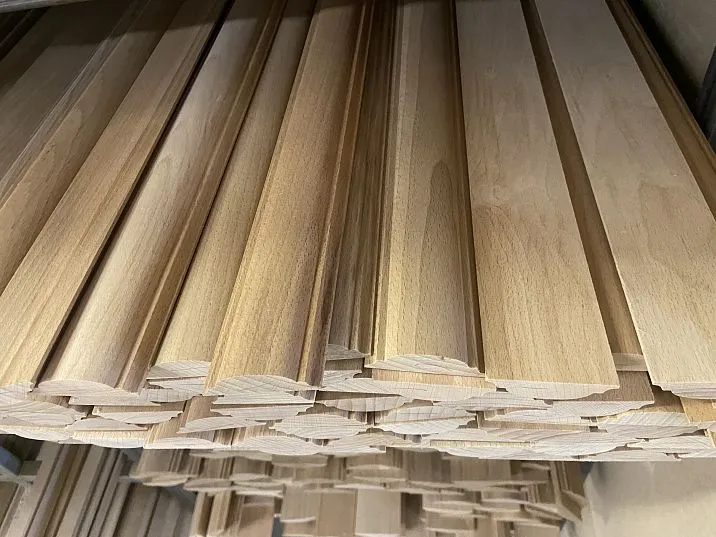
Interior wall finishing is one of the most important components that determines the appearance, atmosphere, and functionality of any living space. In this context,Wooden plank for interior wall finishing occupies a special place. Natural wood used in finishing is capable of transforming the interior, bringing warmth, coziness, and natural beauty into it. This article is devoted to a comprehensive examination of the features, advantages, and nuances of using plank for interior walls. We will discuss how to properly choose the material, what production and processing technologies are applied, how installation and maintenance are carried out, as well as how this element can become an accent in your interior.
In today's world, where the desire for eco-friendliness and naturalness is becoming increasingly relevant, finishing walls with natural materials is not just a trend, but a philosophy of creating a healthy and harmonious space. Wooden plank for interior wall finishing is an ideal solution for those who want not only to highlight the individuality of the interior, but also to ensure durability, practicality, and aesthetic appeal of finishing work.


Advantages of Using Plank for Interior Finishing




Natural Beauty and Unique Charm of Wood
One of the main advantages of wooden plank is its unique appearance. Each board has its own texture, shade, and pattern, making the interior lively and dynamic. Natural wood provides a sense of warmth and comfort, as well as creates a visual effect of a 'living wall' that seamlessly integrates into any style—from classic to modern minimalism.
UsageWooden plank for interior wall finishing allows achieving a sense of spatial unity, where every detail—from large panels to delicate decorative elements—contributes to creating a harmonious composition. Thanks to the natural texture of wood, the interior gains individuality, and the room is filled with natural light, which positively affects the overall well-being of the inhabitants.
Our factory also produces:


Ecological purity and safety
In the context of modern cities, the ecological component of finishing materials takes on special importance. Natural wood is a material that does not contain harmful substances, does not emit toxic vapors, and contributes to creating a healthy microclimate inside the room. When choosing plank for interior wall finishing, it is important to focus on an ecologically clean product that ensures comfortable living without health risks.
Due to its natural composition, wooden plank becomes an ideal choice for children's rooms, bedrooms, and bathrooms, where safety and eco-friendliness of materials are crucial. Modern processing technologies allow not only to preserve the natural properties of wood, but also to enhance them, creating additional protection against moisture, dust, and mechanical damage.
Get Consultation
Thermal and acoustic insulation
Wood is one of the best insulators, capable of retaining heat in cold seasons and creating comfortable conditions even with temperature fluctuations. Wooden plank for interior wall finishing has pronounced insulating properties, which is especially relevant in the context of modern urban climate and energy-efficient construction standards. In addition, natural wood helps reduce noise levels, creating favorable acoustic conditions in living spaces.
Such insulation allows significantly reduce energy consumption for heating, which positively affects the family budget in the long term. Comfortable temperature and low noise levels are two key parameters that make natural finishing attractive for those who strive to create a cozy and functional space.
Production and Processing Technologies of Plank
High-quality wood and production stages
The quality of the final product directly depends on the raw material used to manufacture it. For producing planks, wood from high-quality species such as pine, spruce, larch, or oak is used. Each of these species has its own unique characteristics: softness, texture, durability, and aesthetic appeal. On modern facilities, wood undergoes careful selection, drying, and initial processing, ensuring material uniformity and stability.
Modern wood processing technologies allow not only to preserve the natural beauty of the material, but also significantly enhance its durability. To protect the planks, various types of coatings are applied:
Protective coatings and surface finishing
● Lacquering. Lacquers create a smooth, glossy surface that reliably protects wood from moisture, mechanical damage, and ultraviolet rays. Lacquering can be performed in various finishes: from matte to glossy, allowing to choose the optimal solution for a specific interior.
● Oil finish. Oil enhances the natural texture of wood, giving it a warm, natural appearance. This type of treatment preserves the 'breathable' properties of the material, allowing wood to naturally respond to changes in the microclimate.
● Combined technologies. In some cases, a combined coating is applied, allowing to combine the advantages of several processing methods. Such a coating provides maximum protection for wood while preserving its original beauty.
Combined technologies. In some cases, a combined coating is used, which allows combining the advantages of several processing methods. Such a coating provides maximum protection for wood while preserving its original beauty.
Installation process for wall planks for interior finishing
Installation process for interior wall paneling
Preparation of the Base
Before starting work, it is extremely important to properly prepare the surface on which the planks will be installed. Walls must be flat, clean, and dry. Any irregularities, cracks, or contamination may negatively affect the final result. If the base requires additional work, it should be pre-leveled using putty and sanding to ensure ideal adhesion to the material.
Proper preparation of the base is the guarantee that the planks will fit tightly to the surface, and gaps between boards will be minimized. This not only improves the appearance of the finish, but also enhances its performance characteristics, such as thermal and acoustic insulation.
Accurate marking and planning of work
The next step is marking the walls and planning the placement of the planks. Using a level, tape measure, and pencil, precise marking must be done to ensure each board is installed with maximum accuracy. Special attention is paid to corners and joints, where minor inaccuracies may become noticeable in the finished interior.
Accurate marking helps avoid errors in subsequent installation stages and ensures even distribution of gaps between boards. This is especially important for creating a cohesive composition, where each detail contributes to improving the aesthetics and functionality of the finish.
Installation of planks
Installation of planks for interior wall finishing is performed using modern fastening methods. There are several ways to install: using screws, nails, or special mounting adhesive. The choice of method depends on the type of base, board thickness, and desired appearance.
When mechanically fastening boards, they are carefully attached to the prepared surface, paying attention to ensuring even gaps between them. This creates a monolithic panel effect, where transitions between individual elements are almost invisible. When using adhesive, boards are fixed to the base, allowing to avoid visible fasteners and maintain the cleanliness of the finish line.
Final finishing
After installing the planks, final finishing is performed, which includes sanding, polishing, and applying a protective coating. Final processing not only improves the appearance of the wooden panel, but also protects it from adverse external influences, extending the service life of the finish.
Depending on the chosen design and interior style, final finishing can be performed using lacquer, oil, or paint. Each of these options has its own advantages: lacquer gives the surface a gloss and protects against moisture, oil highlights the natural wood texture, and paint allows setting a specific color accent. Such a comprehensive approach allows achieving an ideal combination of aesthetics and functionality, creating an interior where every detail reflects a high level of craftsmanship and attention to quality.
Decorative finishing and design possibilities
Natural harmony and warmth of the interior
Natural wood always evokes associations with warmth, comfort, and tranquility. Using planks for interior wall finishing can create an atmosphere where every element contributes to creating a comfortable and cozy space. The natural texture of wood, enhanced by proper processing, gives the interior a unique charm that cannot be reproduced using synthetic materials.
Designers often use planks in combination with other decorative elements — door casings, moldings, baseboards — to create a harmonious space. Such combinations not only hide technical gaps but also emphasize the natural beauty of the material, which becomes a distinctive feature of modern interiors.
Modern styles and classic motifs
Depending on the interior concept, planks can be adapted to various styles — from strict minimalism to luxurious classicism. In modern interiors, clean lines and neutral tones prevail, allowing natural wood to serve as a warm accent. Classic interiors, on the other hand, are characterized by rich decorative finishes, carved elements, and intricate patterns. In this case, planks become an indispensable part of the composition, highlighting traditional craftsmanship and creating an atmosphere of refined elegance.
Play of light and shadow: creating a three-dimensional effect
Natural wood has an amazing ability to play with light. Under proper lighting, the surface of the planks gains additional depth, and due to smooth transitions between boards, a sense of volume and dynamism is created. This is especially relevant in interiors with high ceilings or large window openings, where the interplay of light and shadow can radically transform the space, making it more spacious and cozy.
Creative approach to combining materials
Modern designers actively experiment with combining natural materials. Planks for interior wall finishing can be successfully combined with elements made of metal, glass, stone, and even textiles. Such a mix of textures and materials allows creating unique interior solutions, where each element highlights the individuality of the space. At the same time, not only the materials themselves, but also the method of their installation play an important role, allowing to achieve an ideal visual balance and harmony.
Care for wooden planks: recommendations and practical tips
Natural wood requires regular care to maintain its original properties and aesthetic appearance. It is important to follow several simple rules that will help extend the lifespan of the finish and preserve its flawless look for many years.
Regular cleaning and maintenance
Periodic cleaning with a soft dry or slightly damp cloth will help remove dust and minor stains without damaging the protective coating. Avoid using aggressive cleaning agents, which may damage the natural wood texture and cause streaks or spots.
Updating protective coating
Over time, the protective coating, whether varnish, oil, or paint, may lose its properties. Regular renewal of the protective layer is a necessary condition for the longevity of wooden finishes. It is recommended to lightly sand the surface and reapply the protective treatment every few years to maintain the wood's gloss, color, and protective qualities.
Humidity and temperature control
Wood is sensitive to changes in humidity and temperature. A stable microclimate in the room will help prevent shrinkage, cracking, or deformation of the material. During winter, when the air becomes especially dry, using humidifiers will help maintain optimal conditions for the use of wooden items.
Preventive inspection and timely repairs
Regularly inspect the siding for signs of cracks, chips, or other defects. Early detection of minor damage will allow you to take prompt action—repair, fill damaged areas, and renew the protective coating. This comprehensive approach ensures the preservation of the finish's aesthetic and functional integrity.
Practical recommendations for professionals and DIY enthusiasts
To achieve a flawless result when usingWooden plank for interior wall finishingIt is important to follow a series of recommendations:
● Select high-quality material. Premium wood and modern processing technologies are the guarantee of longevity and aesthetic appeal of the product.
● Thorough surface preparation. A smooth, clean, and dry base ensures that the siding will fit securely and tightly, with minimal gaps between boards.
● Accurate marking and adherence to installation technology. Use a level, tape measure, and other measuring tools to achieve maximum precision. This is especially important for creating a cohesive and harmonious interior.
● Professional approach to fastening. Choose fasteners that will not damage the wood and will remain inconspicuous after completion of the work.
● Regular maintenance and prevention. Timely cleaning, renewal of the protective coating, and monitoring of the microclimate will help preserve the appearance and functionality of the wooden finish.
These recommendations will help both professionals and enthusiasts create an interior that will delight the eye and serve for many years.
Conclusion
UsageWooden plank for interior wall finishing It is not just a way to transform a space, but also an opportunity to infuse your soul into creating a unique interior filled with warmth, comfort, and natural harmony. Natural wood has the power to transform a space, making it more vibrant and authentic, and every detail—from large planks to neatly finished joints—contributes to creating a cohesive composition.
Modern wood production and processing technologies allow achieving the perfect blend of tradition and innovation, making wooden finishes not only aesthetically appealing but also extremely functional. Properly installed wooden siding for interior walls can provide excellent thermal and acoustic insulation, protect the space from external influences, and create a favorable microclimate for living.
Let your home become a reflection of your taste, commitment to quality, and love for natural materials. Creating an interior with natural wood means investing in the health, comfort, and longevity of your home. Follow the recommendations for selecting, installing, and caring for siding, and the result will exceed all expectations.
Natural wood will always remain a relevant material capable of giving your home a special atmosphere of warmth and coziness. Each element of the finish, whether siding, trim, moldings, or baseboards, plays its role in creating a unique space where every detail is thought out to the smallest detail. This approach allows you to create an interior that not only pleases the eye but also becomes a true fortress, capable of protecting and inspiring its inhabitants.
Thus,Wooden plank for interior wall finishing It is the choice of those who strive for perfection, value quality, and respect traditions. The proper combination of aesthetics, functionality, and ecological safety makes this material indispensable for creating a cozy and modern interior.
Let your interior finish become an example of high craftsmanship, embodying harmony and beauty, where every board, every joint, and every detail contributes to creating a space full of light, warmth, and inspiration. Your home deserves only the best, and natural wood is a material that always meets the highest standards of quality and aesthetics.