Article Contents:
- Aesthetics and practicality of wooden and MDF solutions
- Philosophy of material combination
- Technological superiority of modern materials
- Comparison of properties: wood texture versus MDF minimalism
- Tactile and visual characteristics
- Operational Characteristics and Longevity
- Baseboards and skirting boards as space-defining elements
- Architectural Role of Decorative Elements
- Zoning and structuring space
- Interior combination examples: wood and painted panels
- Modern classic: balance of traditions and innovations
- Scandinavian minimalism: purity of lines and naturalness
- Loft and industrial aesthetics: contrasts and textures
- How to choose material according to style
- Classic and neoclassic: wood as compositional base
- Modern and art deco: geometry and expressiveness
- Minimalism and contemporary: minimalism and functionality
- Care, installation, and longevity of STAVROS products
- Technology of Professional Installation
- Corner and joint processing
- Care rules for wooden and MDF elements
- Longevity and quality guarantees
- Sizes and profiles: selection for different rooms
- Baseboard height and space proportions
- Baseboard profiles for different styles
- Classic White
- Natural wood tones
- Painting and decorative finishes
- STAVROS comprehensive solutions for a cohesive interior
- Style unity through system elements
- Coordination with additional decorative elements
- Frequently Asked Questions
- Which material to choose for wet areas?
- Can wooden and MDF elements be combined in one room?
- How to determine the required amount of material?
- What tools are needed for self-installation?
- Is special wall preparation required before installation?
- How to care for painted MDF elements?
- Conclusion

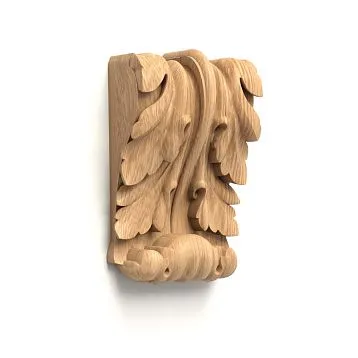
In modern interior design, elements that can unite different materials and styles into a single harmonious space are especially valued.Wooden baseboardandMDF Skirting Boardbecome universal solutions that allow creating a cohesive composition where natural wood coexists with technological panels, and classic forms complement modern minimalism.Wooden planktogether withwith wooden cornicescomplete the interior image, transforming ordinary rooms into spaces with character and style. STAVROS offers a wide range of products, where each element is thought out in detail and created to ensure architectural details support the overall design concept.


Aesthetics and practicality of wooden and MDF solutions




Philosophy of material combination
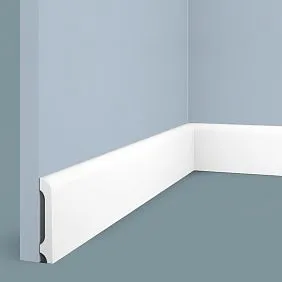
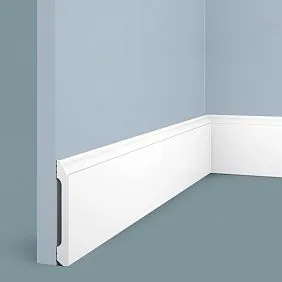
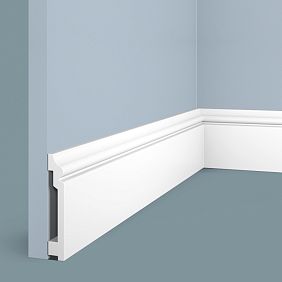
Modern interiors no longer require uniformity of materials. On the contrary, harmonious combination of natural wood and engineered solutions creates a multi-layered texture of space, where each element plays its own role.— is a horizontal element that frames the room at the bottom of the walls where the wall meets the floor. Skirting boards perform several functions: they hide the technological gap between the wall and floor covering (necessary for thermal expansion), protect the lower part of the wall from mechanical damage, create visual completion, and may conceal wiring.becomes an ideal backdrop for expressive wooden accents, andDecorative wooden stripadds warmth of natural material to painted surfaces. This approach allows creating interiors that are both practical and aesthetically perfect, where the technology of MDF complements the nobility of solid wood.
The aesthetic value of such a combination lies in the balance between strength and lightness, between expressiveness of texture and neutrality of painted surfaces.Wooden baseboardmade of oak or beech demonstrates the natural beauty of growth rings, unique wood grain patterns, and tactile warmth of natural material. At the same timeMDF Skirting Boardensures stable geometry, wide color palette, and affordable cost, making it indispensable for large projects and spaces where uniformity of elements is required.
Our factory also produces:


Technological superiority of modern materials
Wood and MDF have undergone a long path of technological refinement. TodayWooden baseboardis produced from wood that has undergone special kiln drying to a moisture content of 8±2 percent, guaranteeing dimensional stability and absence of deformation. Solid oak has natural moisture resistance and exceptional strength, withstanding mechanical loads and retaining its original appearance for decades. Beech wood features a smooth, fine-pored structure and light tone, ideally suited for painting in any color.
MDF Skirting Boardis manufactured from high-quality fiberboard using hot pressing, ensuring a uniform structure without natural wood defects. Such skirting boards have ideal geometry, are not prone to warping or cracking, are easy to process and paint.— is a horizontal element that frames the room at the bottom of the walls where the wall meets the floor. Skirting boards perform several functions: they hide the technological gap between the wall and floor covering (necessary for thermal expansion), protect the lower part of the wall from mechanical damage, create visual completion, and may conceal wiring.allows creating unique color solutions, adapting elements to any design concept.
Get Consultation
Comparison of properties: wood texture versus MDF minimalism
Tactile and visual characteristics
Natural wood possesses a unique tactile warmth that cannot be artificially reproduced. Touchingwooden skirting boardmade of oak delivers a sense of connection with nature, reminding of natural materials and centuries-old carpentry traditions. Wood texture is always unique — each element has an incomparable grain pattern, its own story of tree growth, captured in growth rings.Wooden plankespecially vividly demonstrates this natural beauty, transforming simple decorative elements into works of natural art.
In contrast to this organic expressiveness,MDF Skirting Boardoffers ideal smoothness and absolute uniformity of surface. This quality becomes an advantage in modern minimalist interiors, where clean lines and absence of visual noise are important. Painted MDF surface creates a calm background, on which natural wood accents particularly stand out.— is a horizontal element that frames the room at the bottom of the walls where the wall meets the floor. Skirting boards perform several functions: they hide the technological gap between the wall and floor covering (necessary for thermal expansion), protect the lower part of the wall from mechanical damage, create visual completion, and may conceal wiring.becomes a canvas for design solutions, accepting any shade and creating flawless color transitions.
Operational characteristics and durability
wooden corniceand skirting boards made of solid wood demonstrate exceptional durability with proper care. Oak wood is practically immune to rot, resistant to moisture and mechanical impacts. Over time, properly treated wood develops a noble patina, becoming even more attractive.Decorative wooden stripmade of beech or oak retains structural integrity for decades, without losing geometry or aesthetic qualities.
MDF Skirting BoardMaintains stable dimensions under any operating conditions. MDF panels do not react as strongly to humidity fluctuations as solid wood, making them a preferred choice for rooms with unstable microclimate. Modern manufacturing technologies endow MDF with high density and resistance to mechanical damage. The painted surface easily cleans off dirt and requires no special care, maintaining its original appearance with regular damp cleaning.
Baseboards and rails as spatial-forming elements
Architectural role of decorative elements
Wooden baseboardandMDF Skirting BoardPerform not only a decorative but also an important architectural function in interiors. They create a visual boundary between the wall and floor, forming a clear outline of the room and giving the space a sense of completion. Properly selected baseboards can visually alter the proportions of a room — tall baseboards visually increase ceiling height, while wide floor profiles add dignity and solidity to the space.
Wooden plankOpen up even broader possibilities for architectural experiments. Vertical rails visually elongate the space, making ceilings appear higher and the room more dynamic. Horizontal rails, on the contrary, widen walls, creating a sense of spaciousness. Combined rail constructions allow forming complex geometric patterns that become the main decorative accent in the interior.
Zoning and structuring space
wooden corniceTraditionally separates the wall and ceiling, creating a visual boundary between different planes. In modern interiors, this function expands — cornices become zoning elements, separating functional areas from each other. A wide cornice at the middle height of the wall can visually divide the room into two zones, creating a panel effect and adding architectural expressiveness to the walls.
Decorative wooden stripBecomes a universal tool for zoning open spaces. A vertical rail partition separates the living room from the dining room, without creating a sense of enclosure and while maintaining visual continuity between zones. Horizontal rails on the wall highlight the TV or fireplace zone, creating an accent surface with an active texture.— is a horizontal element that frames the room at the bottom of the walls where the wall meets the floor. Skirting boards perform several functions: they hide the technological gap between the wall and floor covering (necessary for thermal expansion), protect the lower part of the wall from mechanical damage, create visual completion, and may conceal wiring.Complements these compositions, providing a neutral frame and emphasizing the expressiveness of wooden elements.
Interior combination examples: wood and painted panels
Modern classic: balance of traditions and innovations
In interiors of modern classicismWooden baseboardMade of dark oak, combined with white walls andMDF baseboardOf the same profile, painted in the color of the walls. This solution creates an interesting play of accents — in the living room and dining room, wooden baseboards emphasize the grandeur of the space, while in hallways and bedrooms, painted MDF baseboards provide a calm background.wooden corniceMatches the tone of the floor baseboards, creating a visual frame for walls and unifying the composition.
Wooden plankIn such interiors, forms decorative panels on walls, imitating traditional boiserie. Vertical and horizontal rails create a geometric pattern, within which walls are painted in contrasting or nuanced shades.— is a horizontal element that frames the room at the bottom of the walls where the wall meets the floor. Skirting boards perform several functions: they hide the technological gap between the wall and floor covering (necessary for thermal expansion), protect the lower part of the wall from mechanical damage, create visual completion, and may conceal wiring.Frames these panels, creating clear boundaries and emphasizing the architectural logic of the composition.
Scandinavian minimalism: purity of lines and naturalness
Scandinavian style leans toward light tones and natural materials.Wooden baseboardMade of light beech, coated with white oil or enamel, harmoniously combines with white walls and light floors.MDF Skirting BoardWhite color complements the composition in less formal spaces, ensuring uniformity and reducing project costs.
Decorative wooden stripIn Scandinavian interiors, creates light partitions and decorative accents. Vertical rails separate the entryway from the living room, forming a semi-transparent boundary that allows light to pass through and preserves the sense of space.wooden corniceWith a simple, minimalist profile, completes the wall composition without overloading the space with decorative details.
Loft and industrial aesthetics: contrasts and textures
In loft interiors, the contrast between rough textures and elegant details creates a unique atmosphere.Wooden baseboardMade of dark oak with pronounced wood grain texture, combines with brick walls and concrete surfaces.Wooden plankMade of solid wood, forms accent zones — the wall behind the bed, the TV zone, the bar counter.
— is a horizontal element that frames the room at the bottom of the walls where the wall meets the floor. Skirting boards perform several functions: they hide the technological gap between the wall and floor covering (necessary for thermal expansion), protect the lower part of the wall from mechanical damage, create visual completion, and may conceal wiring.In such interiors, is painted in dark or bright colors, creating active lines against neutral walls.MDF Skirting BoardBlack color contrasts with light floors, emphasizing the graphic quality of the space.wooden corniceWith a simple profile, complements the composition without competing with the expressive textures of main surfaces.
How to choose material according to style
Classic and neoclassic: wood as the basis of composition
Classic and neoclassical interiors require the use of noble materials and precise proportions.Wooden baseboardWide baseboards 100-120 mm high with decorative profiles emphasize the dignity of the room and form the basis for further decoration.wooden corniceA profile with complex detailing and moldings completes the wall composition, creating a smooth transition to the ceiling.
Decorative wooden stripUsed to create decorative panels and wainscoting. Vertical and horizontal rails form a geometric pattern traditionally filled with wallpaper, fabric, or painted in contrasting colors.MDF Skirting BoardUsed rarely in classical interiors, but when necessary, models with wood grain imitation or paintable finishes matching main wooden elements are selected.
Modern and Art Deco: Geometry and Expressiveness
Modern and Art Deco styles require expressive lines and geometric clarity.Wooden baseboardA profile with straight lines and pronounced edges creates active graphics in the interior. Dark wood contrasts with light walls, emphasizing the architectural logic of the space.Wooden plankForms geometric compositions on walls and ceilings, creating decorative elements characteristic of these styles.
— is a horizontal element that frames the room at the bottom of the walls where the wall meets the floor. Skirting boards perform several functions: they hide the technological gap between the wall and floor covering (necessary for thermal expansion), protect the lower part of the wall from mechanical damage, create visual completion, and may conceal wiring.In such interiors, it is painted in deep, saturated colors — emerald, burgundy, dark blue.wooden corniceA geometric profile complements the composition, creating clear lines at the junction of wall and ceiling.MDF Skirting BoardWith a metallic finish, it can become an accent element highlighting the glamorous aesthetic of Art Deco.
Minimalism and Contemporary: Simplicity and Functionality
Minimalist interiors require restraint in the use of decorative elements.MDF Skirting BoardBecomes a preferred choice due to its ideal geometry and ability to create a seamless transition between wall and floor.— is a horizontal element that frames the room at the bottom of the walls where the wall meets the floor. Skirting boards perform several functions: they hide the technological gap between the wall and floor covering (necessary for thermal expansion), protect the lower part of the wall from mechanical damage, create visual completion, and may conceal wiring.Painted to match wall color, visually blending into the space without creating unnecessary accents.
Wooden baseboardIn minimalist interiors, it is used sparingly as an accent element. A narrow baseboard 60-70 mm high made of light wood creates a subtle line at the wall-floor junction without disrupting the overall simplicity of the space.Decorative wooden stripForms accent zones — the wall behind the bed or TV — creating a textural accent against smooth, painted surfaces.
Care, Installation, and Durability of STAVROS Products
Professional installation technology
Quality installation of baseboards and rails determines the durability and aesthetics of the final result.Wooden baseboardRequires preliminary acclimatization in the room for 48-72 hours. Wood must adapt to the room’s temperature and humidity to avoid deformation after installation. Mounting is done using self-tapping screws with pre-drilled holes, or specialized mounting adhesives for wooden products.
MDF Skirting BoardMounted in several ways depending on the chosen mounting system. Adhesive mounting is suitable for flat walls and involves applying special MDF adhesive in a zigzag pattern with 15-20 cm intervals. The clip system allows for hidden mounting with the possibility of disassembly, which is convenient when access to utility systems is required.— is a horizontal element that frames the room at the bottom of the walls where the wall meets the floor. Skirting boards perform several functions: they hide the technological gap between the wall and floor covering (necessary for thermal expansion), protect the lower part of the wall from mechanical damage, create visual completion, and may conceal wiring.Painted after installation, allowing seams to be masked and creating a visually unified line.
Professional corner treatment determines the quality of the entire work.
Requires precise 45-degree beveling using a circular saw or quality miter box. It is important to measure the actual angle of the room in advance, as walls rarely form perfect 90-degree angles. After beveling, parts are fitted to the location using fine sandpaper, and joints are filled with acrylic sealant or wood-colored putty.Wooden plankandWooden baseboardA profile with complex detailing requires special skill to create corner joints. Some profiles come with pre-made corner elements that significantly simplify installation and ensure perfect alignment.
wooden corniceOften comes with plastic corner elements and end caps that mask ends and create neat joints without requiring precise beveling.MDF Skirting BoardRules for caring for wooden and MDF elements
Elements with oil or wax finish require periodic renewal of the protective layer. It is recommended to clean the surface once a year from dust and dirt using a soft cloth soaked in a special wood care product, then apply a thin layer of oil or wax. Lacquered wooden elements can be wiped with a damp cloth, avoiding abrasive cleaning agents.
Wooden baseboardSurfaces with oil or wax finish require periodic renewal of the protective layer. It is recommended to clean the surface once a year from dust and dirt using a soft cloth dampened with a special wood care product, then apply a thin layer of oil or wax. Lacquered wooden elements can be wiped with a damp cloth, avoiding abrasive cleaning agents.
Decorative wooden stripDust accumulates in the grooves between elements, therefore requires regular vacuuming with a soft brush attachment.— is a horizontal element that frames the room at the bottom of the walls where the wall meets the floor. Skirting boards perform several functions: they hide the technological gap between the wall and floor covering (necessary for thermal expansion), protect the lower part of the wall from mechanical damage, create visual completion, and may conceal wiring.Painted MDF elements are easily cleaned with a damp sponge and neutral cleaning agent. Minor scratches on painted surfaces are easily masked with touch-up paint, allowing elements to remain in perfect condition for many years.
Durability and Quality Guarantees
STAVROS products are manufactured from premium materials using modern, high-precision equipment, ensuring stable quality and longevity of the items.Wooden baseboardMade from oak or beech, with proper care, it serves for several decades, maintaining structural integrity and aesthetic qualities.wooden corniceandWooden plankDemonstrate similar durability, without losing geometry or decorative qualities.
MDF Skirting BoardFeatures stable dimensions and resistance to deformation. High-quality laminate coating does not fade under sunlight and does not wear under mechanical impact.— is a horizontal element that frames the room at the bottom of the walls where the wall meets the floor. Skirting boards perform several functions: they hide the technological gap between the wall and floor covering (necessary for thermal expansion), protect the lower part of the wall from mechanical damage, create visual completion, and may conceal wiring.After proper painting, it is resistant to wet cleaning and retains color for years. STAVROS company provides warranty on all products and offers professional technical support at every stage of working with the items.
Sizes and Profiles: Choice for Different Rooms
Pile Height and Space Proportions
The height of the baseboards and the scale of the room.Wooden baseboardorMDF Skirting Board70-80 millimeters. This size creates harmonious proportions, does not overload the space, and provides reliable protection for the lower part of the walls.
In rooms with high ceilings of 3 meters or more, it is appropriate to useWooden baseboard100-120 millimeters. A wide baseboard emphasizes the spaciousness of the room and creates a dignified interior appearance.— is a horizontal element that frames the room at the bottom of the walls where the wall meets the floor. Skirting boards perform several functions: they hide the technological gap between the wall and floor covering (necessary for thermal expansion), protect the lower part of the wall from mechanical damage, create visual completion, and may conceal wiring.Similar-sized alternatives provide the same visual effects at a lower cost, which is important for large-scale projects.
Baseboard Profiles for Different Styles
Straight ProfileMDF Skirting BoardsIdeal for modern minimalist interiors. Sharp edges and absence of decorative elements create a clean line at the junction of wall and floor. A beveled profile adds dynamism, creating light and shadow play on the top edge of the baseboard. A profile with moldings suits classic interiors, creating smooth transitions and elegant curves.
wooden corniceAvailable in an even wider variety of profiles. A simple rectangular molding suits modern interiors, a molding with one or two moldings suits classic and neoclassical styles, complex multi-level profiles with ornamentation suit luxurious historical styles.Decorative wooden stripMay have square or rectangular cross-sections, as well as decorative shapes with rounded edges or bevels.
Color Solutions and Final Finish
Natural wood tones
Wooden baseboardOak wood displays a wide range of natural tones—from light honey to dark brown with gray undertones. The choice of tone depends on the color of the flooring and the overall color scheme of the interior. Light oak harmonizes with light floors and walls, creating an airy atmosphere typical of Scandinavian interiors. Dark oak adds depth and elegance to the space, emphasizing the classic character of the interior.
Beech wood has a smooth light tone with a slight pinkish hue.Wooden plankBeech wood is ideal for painting, as it has a fine-pored structure and evenly absorbs dyes.wooden corniceBeech wood can be stained in any shade—from white to black—creating necessary color accents.
Painting and Decorative Coatings
— is a horizontal element that frames the room at the bottom of the walls where the wall meets the floor. Skirting boards perform several functions: they hide the technological gap between the wall and floor covering (necessary for thermal expansion), protect the lower part of the wall from mechanical damage, create visual completion, and may conceal wiring.Offers unlimited possibilities for creating color solutions. White baseboards remain a classic choice for most interiors, creating a fresh and elegant look. Gray shades—from light gray to graphite—are popular in modern interiors, adding sophistication and restraint to the space.
Colored baseboards become a bold design solution.MDF Skirting BoardPainted in bright colors—blue, green, terracotta—creates dynamic lines in the interior and highlights architectural features of the space. Baseboards in wall colors visually blend into the space, creating an effect of endless walls and visually enlarging the room.
STAVROS Comprehensive Solutions for a Cohesive Interior
Unity of style through a system of elements
STAVROS Company offers a comprehensive approach to interior design, whereWooden baseboard, wooden corniceandDecorative wooden stripelements are created in a unified style and from a single type of wood. This allows achieving absolute harmony of all architectural interior elements. Oak skirting boards, cornices, and rails create a unified wooden frame of the space, emphasizing the respectability and thoughtful design.
MDF Skirting Boardand— is a horizontal element that frames the room at the bottom of the walls where the wall meets the floor. Skirting boards perform several functions: they hide the technological gap between the wall and floor covering (necessary for thermal expansion), protect the lower part of the wall from mechanical damage, create visual completion, and may conceal wiring.complement wooden elements in areas where budget reduction or a more neutral background is required. Such a mix of materials allows creating economically efficient projects without compromising overall aesthetics, where wooden elements are used in representative zones, and MDF in functional rooms.
Coordination with additional decorative elements
In addition to skirting boards, cornices, and rails, STAVROS produces a wide range of additional decorative elements that allow creating a complete interior composition. Door and window casings, made from the same wood as the skirting boards, create unity among all openings in the room. Corners and overlays protect protruding wall angles and simultaneously serve as decorative accents.
Combining wooden elements with polyurethane decor opens additional possibilities. White polyurethane molding on walls and ceilings harmoniously complements wooden skirting boards and rails, creating an interesting contrast between classical ornamentation and modern minimalism. Such a combination is especially effective in neoclassical interiors, where traditional forms are reinterpreted through a modern aesthetic lens.
Frequently asked questions
What material to choose for wet areas?
For bathrooms and kitchens, it is preferable to useMDF Skirting Boardwith a moisture-resistant coating orWooden baseboardoak with protective lacquer coating. MDF is less sensitive to humidity fluctuations and maintains stable geometry. Oak has natural moisture resistance but requires quality protective treatment.Decorative wooden stripSpruce-based material will be the optimal choice for wet areas due to its high natural resin content.
Can wooden and MDF elements be combined in one room?
CombinationSolid Wood Skirting BoardandMDF Skirting BoardsCombining wooden and MDF elements in one room is possible and commonly practiced in modern interiors. The key condition for successful combination is the unity of profile and color.— is a horizontal element that frames the room at the bottom of the walls where the wall meets the floor. Skirting boards perform several functions: they hide the technological gap between the wall and floor covering (necessary for thermal expansion), protect the lower part of the wall from mechanical damage, create visual completion, and may conceal wiring.MDF elements can be painted to match wooden elements or, conversely, create contrast to emphasize spatial zoning.
How to determine the required amount of material?
To calculate the amount of skirting boards, measure the room’s perimeter and subtract the width of door openings. Add 10 percent to the result for trimming and potential installation errors.wooden corniceThe calculation for ceiling rails is similar, based on the ceiling perimeter.Wooden plankCalculating the amount for rail systems requires more complex calculations, taking into account the spacing between elements and the method of installation.
What tools are needed for self-installation?
For installingSolid Wood Skirting BoardYou will need a miter saw or a miter gauge for precise cutting of angles, a drill for drilling holes for self-tapping screws, a tape measure, a level, and a pencil for marking.MDF Skirting BoardCan be mounted using adhesive, requiring special mounting adhesive, a putty knife for application, and painter’s tape to secure elements until the adhesive sets.
Is special wall preparation required before installation?
Walls must be flat, dry, and free of dust and contaminants. Significant irregularities should be leveled with plaster or drywall.Wooden baseboardWooden elements partially conceal minor irregularities due to their rigidity, but a flat base is required for ideal fit.MDF Skirting BoardMDF elements are more demanding in terms of wall flatness, especially when using adhesive mounting.
How to care for painted MDF elements?
— is a horizontal element that frames the room at the bottom of the walls where the wall meets the floor. Skirting boards perform several functions: they hide the technological gap between the wall and floor covering (necessary for thermal expansion), protect the lower part of the wall from mechanical damage, create visual completion, and may conceal wiring.After proper painting, MDF elements require minimal maintenance. Simply wipe the surface regularly with a damp soft cloth, avoiding abrasive cleaning agents and harsh sponges. Minor scratches and scuffs are easily concealed with touch-up paint. For significant damage, local sanding and repainting of the affected area are recommended.
Conclusion
Creating a harmonious interior requires careful attention to every detail, and architectural elements play a key role in this process.Wooden baseboardandMDF Skirting BoardSTAVROS Company’s products represent universal solutions that allow combining different materials and styles into a single space.Wooden plankandwooden corniceThey complete the composition, creating a finished interior image where each element contributes to the overall design concept.
— is a horizontal element that frames the room at the bottom of the walls where the wall meets the floor. Skirting boards perform several functions: they hide the technological gap between the wall and floor covering (necessary for thermal expansion), protect the lower part of the wall from mechanical damage, create visual completion, and may conceal wiring.andDecorative wooden stripThey open up wide possibilities for implementing the boldest design ideas. Combining natural wood and technologically advanced panels allows creating interiors that are simultaneously practical, aesthetically perfect, and economically efficient. STAVROS products are distinguished by high quality, European manufacturing standards, and professional technical support, making the company a reliable partner in creating interiors of any complexity.