












































































Article Contents:
- Philosophy of Modern Street Decor
- Evolution of Stylistic Preferences
- Psychology of Perceiving Architectural Decor
- Materials and Technologies in Modern Decor
- Wooden Solutions: Traditions and Modernity
- Polyurethane Innovations in Architectural Decor
- Composite materials of new generation
- Stylistic Directions in Street Decor
- Classical Heritage in Modern Interpretation
- Ethnic motifs and regional traditions
- Modern Minimalism and Its Features
- Functional Aspects of Decorative Design
- Protective Functions of Decorative Elements
- Ergonomic Considerations in Design
- Production and Installation Technologies
- Digital Design and Modeling
- High-precision manufacturing methods
- Modern Installation Methods
- Climate Factors and Their Influence on Design Choices
- Northern Regions and Their Specifics
- Southern Regions: Sun and Humidity
- Transitional Climate Zones
- Technologies of the Future in Decorative Arts
- Analysis of Price-to-Quality Ratio
- Impact on property value
- Industry development trends
- Digitalization of Production Processes
- Ecological innovations
- Personalization and customization
- Russian traditions of wooden architecture
- Northern Traditions of Wooden Architecture
- Southern Russian Motifs
- Urban and Country House Traditions
- Practical recommendations for selection and application
- Analysis of Architectural Context
- Project Planning and Budgeting
- Choosing Contractors and Quality Control
- Innovations in Decorative Materials
- Self-Cleaning Surfaces
- Thermochromic and Photochromic Materials
- Biodegradable Composites
- Frequently Asked Questions

When We SayOutdoor decorationIn our imagination, we conjure images of majestic mansions with carved door frames, cozy country cottages with delicate cornices, and modern chalets with refined architectural elements. Exterior decorative finishing is not merely a fashion trend or a way to stand out among neighbors. It is a philosophy of creating a space that reflects the owner’s character, taste, and attitude toward beauty.
The modern approach to outdoor space design has fundamentally changed over the past decades. If decorative elements were once a privilege of palace complexes and aristocratic estates, today high-qualityFacade Decorationhas become accessible to a wide range of homeowners. Production technologies allow creating elements that combine historical authenticity with modern practicality.
What makes a house's exterior truly expressive? The answer lies in the harmonious combination of architectural forms, materials, and decorative elements. Every detail matters — from color palette selection to placement of accent elements. Properly chosen decoration can visually alter a building's proportions, highlight its strengths, and conceal its weaknesses.



Philosophy of Modern Outdoor Decoration
A true renaissance of decorative art is taking place in the world of architectural design. Minimalism, which dominated in recent years, is gradually giving way to more expressive solutions. Homeowners strive to create not just a dwelling, but a true home with soul, character, and history.




Evolution of Stylistic Preferences
Modern trends in exterior design demonstrate an amazing variety of approaches. Classical motifs are reinterpreted through the prism of modern technologies and materials.decor for exterior wallsbecomes increasingly sophisticated, yet retains its functional component.
The Neo-Russian style is experiencing a second birth. Carved casings, ornate cornices, complex ornaments — all of this finds application in modern architecture. However, now these elements are manufactured using advanced technologies, ensuring their durability and resistance to climatic influences.
Conversely, the Scandinavian approach leans toward simplicity of forms and naturalness of materials. Wooden panels, minimalist geometric shapes, muted colors — all of this creates an atmosphere of northern restraint and elegance.
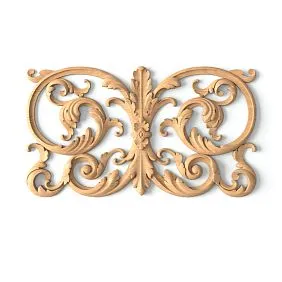
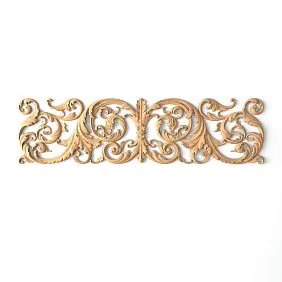
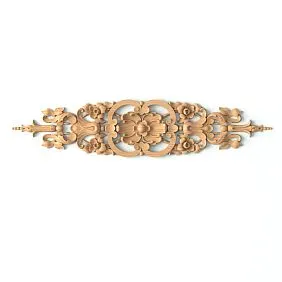
Our factory also produces:



Psychology of Architectural Decoration Perception
Human perception of architecture is a complex and multifaceted process. We subconsciously read information about the owner's social status, aesthetic preferences, and attitude toward traditions.Outdoor home decorationbecomes a kind of business card, forming the first impression of the dwelling and its inhabitants.
Research in architectural psychology shows that decorative elements influence not only external perception but also the self-perception of residents. A beautifully designed facade enhances pride in one’s home, creating a sense of coziness and security.
Color solutions play no less important a role. Warm wood tones create an atmosphere of home comfort, while cool tones of stone and metal emphasize status and modernity. Thoughtful combination of different materials allows achieving an ideal balance between tradition and innovation.
Get Consultation
Materials and Technologies in Modern Decoration
Choosing a material for exterior decoration is a decision that determines not only appearance but also durability, maintenance cost, and ecological soundness. The modern market offers a wide range of options — from traditional natural materials to innovative composites.
Wooden Solutions: Tradition and Modernity
Natural wood remains one of the most popular materials for creatingoutdoor decoration woodIts appeal lies in its unique texture, possibility of fine processing, and eco-friendliness. Modern protective treatment technologies significantly extend the service life of wooden elements in outdoor conditions.
Different wood species provide designers with a rich variety of options. Oak is distinguished by its noble texture and high strength, making it ideal for creating massive decorative elements. Pine is more affordable and easier to process, allowing for complex carved compositions. Larch has natural resistance to moisture and insects, which is especially valuable for exterior applications.
Modern wood treatment methods include deep impregnation with antiseptics, application of protective lacquers with UV filters, and thermal modification to improve dimensional stability. These technologies allow wooden elements to retain their original appearance for decades, even in harsh climatic conditions.
Polyurethane Innovations in Architectural Decoration
The development of the chemical industry has gifted architects and designers an amazing material — polyurethane.Facade decoration made of polyurethanecombines the advantages of traditional materials with modern performance characteristics.
Polyurethane elements are practically unaffected by moisture, do not rot, and do not crack from freezing. At the same time, they have a low weight, simplifying installation and reducing load on load-bearing structures. The ability to precisely reproduce complex shapes allows creating elements indistinguishable from wood or stone carving.
Modern polyurethane compositions can imitate almost any texture — from rough unprocessed stone to delicate wood carving. Special additives ensure color fastness, resistance to UV radiation, and temperature fluctuations.
New-generation composite materials
Fiber-cement panels, wood-plastic composites, aluminum profiles with polymer coating — all these materials find application in creating modern exterior decoration. Each of them possesses unique properties that can be maximally effectively utilized under specific conditions.
Fiber-cement is distinguished by high strength and fire resistance, making it ideal for creating large architectural elements. Wood-plastic composites combine the aesthetics of natural wood with the practicality of plastic. Aluminum profiles ensure ideal geometry and longevity of structures.
Stylistic Directions in Street Decor
The diversity of architectural styles provides broad opportunities for creative self-expression. Each direction has its distinctive features, compositional principles, and material preferences.
Classical Heritage in Modern Interpretation
Classical order systems developed by ancient architects continue to inspire modern architects. Columns, pilasters, cornices, and pediments — all these elements find application in decorating modern homes.Outdoor decoration elementsin the classical style emphasize the status and respectability of the residence.
Modern interpretations of classicism differ in greater freedom regarding proportions and combinations of elements. Designers boldly combine elements of different orders, adapt historical forms to modern functional requirements. The use of new materials allows achieving historical authenticity at significantly lower costs for manufacturing and maintenance.
Color solutions in the classical style lean toward noble restraint. White, cream, beige, gray — these colors create an atmosphere of aristocratic elegance. Contrasting accents are used sparingly, highlighting the most important architectural elements.
Ethnic motifs and regional traditions
The revival of interest in national traditions is reflected in architectural decoration as well. Russian wooden carving, Caucasian stone ornaments, Siberian wooden lace — each region has its unique traditions, which are reflected in modern architecture.
Regional approaches to decoration take into account not only aesthetic preferences but also climatic characteristics of the area. Northern traditions imply the use of massive structures capable of withstanding snow loads. Southern regions prefer light, delicate elements ensuring natural ventilation and protection from the sun.
Ethnic ornaments carry deep symbolic meaning. Ancient patterns do not merely decorate facades — they tell stories, convey wishes for prosperity, and protect homes from evil forces. Modern interpretations of these motifs preserve their symbolic significance, adapting forms to contemporary manufacturing technologies.
Modern Minimalism and Its Features
A minimalist approach to exterior decoration does not mean the complete absence of decorative elements. It is a philosophy where every detail is carefully considered and carries maximum semantic load.Outdoor decoration for a dachain the minimalist style is characterized by simplicity of forms and high-quality execution.
Geometric shapes, clean lines, contrasting textures — these are the main techniques of minimalist decoration. Here, ornament complexity is not important, but perfection of proportions and quality of materials. A single correctly placed accent element can radically change the perception of the entire facade.
The color palette of minimalism leans toward monochromaticity. Various shades of one color, play of light and shadow, contrast of textures — these techniques create visual interest without excessive ornamentation. Use of natural materials — wood, stone, metal — emphasizes connection with the surrounding environment.
Functional aspects of decorative finishing
The beauty of architectural decoration should be combined with practicality. ModernOutdoor decoration elementsperform not only an aesthetic but also a protective function, extending the service life of the building's main structures.
Protective Functions of Decorative Elements
Mouldings around windows not only decorate the facade but also protect the junctions between window frames and walls from moisture penetration. Properly designed decorative canopies over entrances protect doors from rain and snow. Decorative gutters not only emphasize architectural lines but also ensure water runoff from building walls.
Projecting decorative elements create play of light and shadow, which not only adds visual interest but also contributes to natural facade ventilation. This is especially important for wooden and other 'breathing' materials, which require air circulation to prevent condensation formation.
Thermal characteristics of decorative elements also play an important role. Properly designed protrusions can create shaded zones in summer, reducing wall heating, and provide additional thermal insulation in winter.
Ergonomic Considerations in Design
Human scale should be a fundamental principle when designing decorative elements. Sizes of ornaments, proportions of elements, height of placement — all this affects the comfort of perception.Decor for an outdoor doorshould not only decorate the entrance group but also emphasize its functional purpose.
Safety of operation is another important aspect. Projecting elements should not create hazardous situations. Surfaces where water may run should be designed to prevent ice formation during winter.
Ease of maintenance should also be considered during the design phase. Decorative elements should be accessible for periodic cleaning and renewal of protective coatings. The construction should allow replacement of individual elements without dismantling the entire composition.
Production and installation technologies
Modern manufacturing technologies open up new opportunities for creating complex decorative elements. Computer modeling, CNC machines, 3D printing — all these technologies are applied in architectural decoration production.
Digital design and modeling
The modern process of creating decorative elements begins with computer modeling. Specialized programs allow creating complex three-dimensional models, conducting engineering calculations, and visualizing the future result under various lighting conditions.
Parametric modeling allows quickly adapting base elements to specific dimensions and project requirements. The designer can modify proportions, scale, and ornament detail level, obtaining an instant visual result.
Calculating stresses and deformations allows optimizing element construction, ensuring required strength with minimal material consumption. This is especially important for large decorative elements subjected to significant wind and temperature loads.
High-precision manufacturing methods
CNC machines have revolutionized the production of wooden decorative elements. The precision of processing, unattainable with manual manufacturing, allows creating elements of complex geometry with perfect surface quality.
Additive technologies (3D printing) are used in manufacturing prototypes of complex decorative elements, as well as for creating small details from special materials. The development of concrete 3D printing opens prospects for creating large architectural elements by layer-by-layer growth.
Modern mounting methods
Modern mounting methods
The quality of mounting largely determines the durability and appearance of decorative elements. Modern fastening systems provide secure fixation with minimal impact on the structure's appearance.
Hidden fasteners are becoming increasingly popular. Systems of locks, slots, and magnetic connections allow installing decorative elements without visible fasteners. This not only improves aesthetics but also simplifies disassembly for maintenance or repair.
New-generation adhesive joints provide high-strength connections while maintaining a certain degree of elasticity. This is especially important for outdoor applications, where elements are subjected to thermal deformation.
Climate factors and their impact on solution selection
The Russian climate imposes special requirements on materials and exterior decoration structures. Sharp temperature fluctuations, high humidity, and ultraviolet radiation — all these factors must be considered during design.
Northern regions and their specifics
In harsh northern climates, priority is given to the strength and reliability of structures. Snow loads can reach significant values, requiring reinforcement of fastening systems and increasing the cross-sections of load-bearing elements.
Material freezing creates additional stresses in structures. Materials must have a low coefficient of thermal expansion or the structure must include compensatory gaps.
The short construction season requires technologies that allow mounting at low temperatures. Special frost-resistant adhesives, insulated mounting boxes, and heated work zones — all of these become necessary in northern conditions.
Southern regions: sun and humidity
Intense ultraviolet radiation is the main destructive factor for most materials in southern regions. Plastics lose strength and change color, wood cracks, and metals heat up to critical temperatures.
UV-filter coatings have become mandatory for all materials exposed to direct sunlight. Light colors are preferable to dark ones, as they reflect a greater portion of solar radiation.
High humidity, characteristic of many southern regions, promotes the development of mold and fungal damage. Antiseptic treatments, ensuring ventilation, and using moisture-resistant materials — necessary protective measures.
Transitional climatic zones
Central regions of Russia are characterized by a moderate climate with relatively mild winters and warm summers. This creates optimal conditions for using a wide range of materials and technologies.
However, the variability of weather conditions requires universal solutions capable of withstanding both cold and heat, drought and heavy rains. The safety margin of structures must account for the entire range of possible loads.
Autumn-winter periods with frequent freeze-thaw cycles are especially dangerous for materials with high water absorption. Water freezing in pores creates tensile stresses leading to material destruction.
Economic aspects of decorative finishing
The cost of creating quality exterior decoration is composed of multiple factors: material selection, manufacturing complexity, volume of work, and executor qualifications.outdoor decoration storeoffers solutions for various budget categories.
Price-to-quality analysis
Initial investments in quality decoration may seem significant, but long-term savings through reduced maintenance and repair costs often offset high initial expenses. Quality materials and professional installation ensure decades of flawless service.
Cheap solutions often result in additional expenses. Poor-quality materials quickly lose their original appearance, require frequent repairs or complete replacement. Unqualified installation may damage the building's main structure.
Phased project implementation allows distributing financial load over time. Starting with basic elements, one can gradually add more complex decorative details, creating a complete composition.
Impact on property value
Quality decorative finishing significantly increases the market value of real estate. Professionally executed decoration signals buyers about the high level of property maintenance, attention to detail, and the owner's status.
The uniqueness of an architectural solution creates additional value. In a sea of standard buildings, a house with individual decoration stands out and attracts potential buyers. This is especially important in the suburban real estate segment.
Regional specificity also affects how buyers perceive decoration. In city historical centers, stylistic unity with surrounding buildings is valued. In contrast, in new districts, originality and modernity of solutions attract attention.
Industry development trends
The architectural decoration industry is dynamically developing, absorbing the latest technological achievements and responding to changing consumer needs.Production of facade decorationIt implements innovative solutions that improve quality and reduce product cost.
Digitalization of Production Processes
Integration of digital technologies covers all stages — from design to installation. Cloud services allow designers and clients to collaborate on projects, making real-time changes and instantly viewing results.
Automation of production reduces product cost while improving quality. Robotic complexes ensure manufacturing precision unattainable by manual labor. Quality control systems automatically reject items that do not meet specified parameters.
Digital marketing technologies allow manufacturers and designers to showcase their products in virtual reality. Clients can "walk through" a house with various decoration options, selecting the most suitable one.
Ecological Innovations
Rising consumer environmental awareness stimulates the development of "green" materials and technologies. Biodegradable composites, waste recycling, and use of renewable energy sources — all of these are becoming standards of modern production.
The concept of lifecycle assessment (life cycle assessment) considers the environmental impact of a product from raw material extraction to disposal. Manufacturers strive to minimize the carbon footprint of their products by using local materials and optimizing logistics chains.
Certification of environmental friendliness is becoming an important competitive advantage. International standards such as LEED and BREEAM include requirements for decorative materials, encouraging the development of eco-friendly solutions.
Personalization and Customization
Modern consumers seek uniqueness, rejecting mass solutions. Parametric design technologies allow creating personalized decorative elements tailored to specific client requirements.
Modular systems provide flexibility in creating compositions. Basic elements can be combined in various configurations, creating unique solutions using standardized components.
Interactive configurators allow clients to create decoration variants themselves, instantly seeing the result and receiving cost information. This democratization of design makes professional design accessible to a broad range of consumers.
Regional characteristics and cultural traditions
Russia is a country with a rich architectural heritage and diverse regional traditions.Facade decoration MoscowIt differs from Petersburg traditions, Siberian traditions are unlike Southern Russian ones. Understanding these differences is critically important for creating authentic and harmonious decoration.
Northern traditions of wooden architecture
Russian North gifted the world with a unique tradition of wooden architecture. Massive structures capable of withstanding harsh winters combined with elegant carving, creating the distinctive appearance of northern towns and villages.
Modern interpretations of northern traditions use historical motifs, adapting them to contemporary materials and technologies.Architectural facade decorationIn the northern style, it is characterized by monumental forms and rich decorative elements.
The color palette of the northern style leans toward natural wood tones — from light pine to dark oak. Contrasting coloring of individual elements highlights architectural details and creates visual interest.
Southern Russian Motifs
The warm climate of southern regions allowed using lighter constructions and open architectural forms. Galleries, terraces, and gazebos — elements characteristic of Southern Russian architecture — find application in modern decoration.
Plant motifs, solar symbols, geometric patterns — traditional Southern Russian decorative motifs are reinterpreted in modern contexts. Use of bright colors and contrasting combinations creates a festive atmosphere.
Integration with the landscape is an important feature of the southern approach to decoration. Architectural elements seamlessly transition into garden structures, creating a unified space of house and garden.
Urban and country house traditions
Urban architecture of the 18th-19th centuries created classical canons of decorative design that continue to influence modern construction. Strict proportions, noble materials, restrained color schemes — characteristic features of urban style.
Country house culture, on the contrary, allowed greater freedom in decorative design. Romantic motifs, use of local materials, integration with natural landscape created a unique atmosphere in country residences.
Modern suburban homes often turn to country house traditions, adapting them to contemporary lifestyles.catalog of facade decorationOffers elements that allow creating the atmosphere of a classic estate with a modern level of comfort.
Practical recommendations for selection and application
Creating a harmonious exterior decoration requires a systematic approach and consideration of multiple factors. From the initial idea to the final implementation — each stage is important for achieving the desired result.
Architectural context analysis
Decoration must harmoniously match the architectural style of the main building and surrounding structures. Inappropriate elements can not only spoil the appearance of one's own home but also disrupt the integrity of the urban environment.
Studying the historical context helps understand the logic of architectural form development and avoid stylistic errors. Professional designers always analyze the architectural environment, identifying characteristic features and successful solutions.
The scale of decorative elements should correspond to the size of the building. Small details are lost on large facades, while large elements may overwhelm smaller structures.
Project Planning and Budgeting
Comprehensive planning allows optimizing costs and ensuring high-quality results. Detailed development of all elements during the design stage eliminates unexpected expenses during implementation.
Material selection should consider not only initial cost but also maintenance expenses. More expensive but durable materials often prove more economically advantageous than cheaper alternatives.
Phased implementation allows starting with basic elements and gradually adding more complex decorative details. This distributes financial burden and allows project adjustments during implementation.
Selection of Executives and Quality Control
The qualification of executors is critically important for achieving high-quality work. Experienced craftsmen not only flawlessly perform installation but can also suggest improvements based on practical experience.
A portfolio of completed projects is the best way to assess the qualifications of executors. Personal visits to sites allow evaluating work quality several years after completion, which is especially important for exterior works.
Quality control must be conducted at all stages — from material acceptance to final inspection of the completed object. Clear technical requirements and regular inspections ensure the result meets the client's expectations.
Innovations in Decorative Materials
Scientific and technical progress continuously expands the range of materials available for architectural decoration. Nanotechnology, biomimetics, smart materials — all these fields find application in architecture.
Self-cleaning surfaces
Coatings with photocatalytic properties can break down pollutants under ultraviolet radiation. Titanium dioxide applied to the surface generates active radicals that oxidize organic contaminants.
Superhydrophobic coatings create a "lotus effect" — water beads roll off the surface, carrying away contaminants. This is especially effective for vertical surfaces, where natural water runoff promotes self-cleaning.
Antibacterial additives prevent microbial growth on decorative element surfaces. This is especially important in humid climates, where biological contaminants can significantly degrade the appearance of decoration.
Thermochromic and photochromic materials
Materials that change color depending on temperature or lighting conditions open new possibilities for creating dynamic decoration. A facade may change its appearance throughout the day or depending on the season.
Thermochromic pigments react to temperature changes, creating color transitions or revealing hidden patterns. This is not only a decorative effect but also a way to visualize thermal processes in enclosing structures.
Photochromic materials react to light intensity, automatically adapting to operating conditions. On bright sunny days, the surface darkens, reducing heating; on cloudy days, it becomes lighter, improving room insulation.
Biodegradable composites
Environmental requirements stimulate the development of materials based on renewable resources. Wood-polymer composites with biodegradable matrices combine the strength of synthetic materials with the eco-friendliness of natural materials.
Fillers made from agricultural waste — cereal husks, flax, hemp fibers — create a unique texture and reduce material cost. Properly selected additives ensure required operational characteristics.
Biodegradation occurs only under special conditions — high temperature and humidity, presence of specific microorganisms. Under normal operating conditions, such materials remain stable for decades.
Frequently asked questions
Which material is better to choose for decoration in a harsh climate?
For harsh climatic conditions, the optimal choice are polyurethane elements or thermally treated wood. Polyurethane is not susceptible to freeze-thaw cycles, does not absorb moisture, and maintains dimensional stability. Thermally treated wood gains increased stability and resistance to biological damage.
How long do decorative elements last without updates?
Service life depends on the material and installation quality. Polyurethane elements can last 25-30 years without repainting. Well-treated wood requires protective coating renewal every 5-7 years, but with proper care can last for decades. Metal elements with polymer coating last 15-20 years.
Is it possible to install decor in winter?
The possibility of winter installation depends on the type of fastening and materials. Mechanical fastening can be performed at any temperature, observing safety precautions. Adhesive bonding requires positive temperature — for this, thermal guns and temporary coverings for the work area are used.
How to calculate the required number of elements?
Calculation is performed based on a detailed facade measurement, taking into account all architectural features. Professional designers use specialized software for accurate calculation. When calculating independently, it is necessary to provide a reserve of 10-15% for cuts and possible defects.
Is special permission required for installing decor?
In most cases, decorative elements that do not change the building's dimensions do not require special permits. However, in city historical centers and protected zones, approval from monument protection authorities may be required. It is recommended to clarify requirements with local administration.
How to care for decorative elements?
Main maintenance includes periodic cleaning from dirt and monitoring the condition of protective coatings. Polyurethane elements can be washed with water and mild detergent. Wooden elements require periodic treatment with protective compounds. Metal parts require monitoring of corrosion processes.
Creating a beautiful and functionaloutdoor decoris an art requiring deep knowledge, experience, and sense of style. Modern materials and technologies open boundless opportunities for creative self-expression, allowing to realize the most daring architectural concepts.
Properly selected and professionally executed decor not only beautifies the house but also protects it from adverse influences, increases living comfort and property value. This is an investment in beauty that pays off in many ways — from aesthetic pleasure to practical benefits.
Where to buy facade decoration— a question that concerns many homeowners. Choosing a reliable supplier offering quality products and professional services is critically important for project success.
For many years, STAVROS has been a leader in the Russian architectural decor market. We offer a full cycle of services — from design to installation — using only high-quality materials and advanced technologies. Our products adorn thousands of homes across Russia, creating a unique atmosphere of coziness and beauty.
STAVROS offersFacade decoration elementsmade from various materials — from traditional wood to modern composites. We help clients choose optimal solutions, considering architectural features of the object, climatic conditions, and budget constraints.


