Article Contents:
- Physics and Psychology of Volume
- How the Brain Processes Volume
- Materials of the 3D World
- Gypsum: Classic Volume
- Polyurethane: Revolution in Lightness
- Wood: Organic Volume
- MDF: Accessibility and Variability
- Polymers: Futuristic Forms
- Technologies for Creating Volume
- Panel Systems: Construction Kit for Adults
- Moldings and Frames: Creating Volume from Flat Surfaces
- Linear Systems: Play of Lines and Shadows
- Plaster: Handcrafted Relief
- Design Techniques for 3D Finishes
- Geometric Patterns
- Natural Motifs
- Abstraction: Freedom of Form
- Light as a Tool for Volume
- Natural Lighting
- Artificial Lighting
- Light Accents
- Functional Solutions
- Acoustic Correction
- Space zoning
- Defect Concealment
- Application in Different Rooms
- Living Room: Theater of Impressions
- Bedroom: Volumetric Calm
- Office: Volume for Concentration
- Kitchen and dining area: volume for appetite
- Bathroom: moisture-resistant volume
- Hallway: first impression in 3D
- Color and volume
- Monochromatic solutions
- Contrasting combinations
- Gradients and transitions
- Installation and mounting
- Surface Preparation
- Mounting with adhesive
- Mounting on frame
- Finishing
- Maintenance and operation
- Cleaning and maintenance
- Repair of damage
- Cost and Budgeting
- Budget-friendly solutions
- Premium segment
- Hidden Costs
- Trends and the future
- Technology integration
- Ecology and sustainability
- Personalization and customization
- Questions and Answers
- Which material is better for 3D finishing in living spaces?
- Can 3D panels be installed by oneself?
- How does 3D finishing affect room acoustics?
- How much does 3D wall finishing cost?
- How to care for 3D finishing?
- Can 3D finishing be used in wet areas?
- How does 3D finishing affect the perception of space?
- Does 3D finishing require special lighting?
- Conclusion: volume as philosophy of space

It transforms a mundane vertical surface into a complex play of volumes, light, and shadow. This is not just decoration — it is a revolution in the perception of space, where physics meets psychology, and technology serves beauty.3D wall finishingIt transforms a mundane vertical surface into a complex play of volumes, light, and shadow. This is not just decoration — it is a revolution in the perception of space, where physics meets psychology, and technology serves beauty.
3D wall solutions are no longer a luxury reserved for the elite. Modern materials and technologies have democratized three-dimensional design. 3D effects in interiors create depth where there is none, expand narrow rooms, and lift low ceilings. Multi-level finishing works as an optical illusion, directing viewer attention, guiding the gaze, and creating visual pathways through the room.
When a wall stops being flat, it comes alive. It changes throughout the day, following the sun. Morning light glides over the relief, creating soft shadows. Midday sun reveals the depth of every recess. Evening side lighting turns the wall into a dramatic panel. Artificial lighting opens up even more possibilities — under-lighting, top lighting, or internal illumination within the structure creates effects unattainable in nature.


Physics and psychology of volume
Why does the human brain react so strongly to volume? Evolution. For millions of years, we lived among three-dimensional objects — trees, rocks, caves. Our vision is tuned to perceive depth, assess distance, and read relief. Flat surfaces — an artifact of civilization — contradict our nature.Relief wall finishingIt returns walls to their naturalness, making them closer to natural forms.
Volume affects the acoustics of a space. Flat walls reflect sound waves, creating echoes. Textured surfaces scatter sound, absorb frequencies, and improve acoustic comfort. In a home theater, music room, or conference room3D Wall Finishing— not only an aesthetic but also a functional solution.




How the brain processes volume
Binocular vision gives us a stereoscopic effect. Each eye sees an object at a slightly different angle. The brain compares the two images and calculates depth. A textured wall activates this mechanism, making the visual system work more intensely. Paradox: such a wall requires effort to perceive, but it is precisely this that makes it interesting. The brain loves challenges it can solve.
The play of light and shadow — the key mechanism for perceiving volume. Shadow informs the brain about depth. The more contrasted the shadow, the more pronounced the relief appears.decorative wall finishingDesigned with 3D elements and taking lighting into account. Properly directed light transforms a simple relief into a sculpture.
Our factory also produces:

Materials of the three-dimensional world
Get Consultation
Gypsum: the classic of volume
Gypsum — the oldest material for creating relief.Plaster wall finishingIt allows creating any forms — from the finest bas-reliefs to deep high-reliefs. The material is malleable during work and durable after setting. Gypsum breathes, regulates humidity, and creates a healthy microclimate.
Modern gypsum 3D panels are produced by casting into molds. One design can be reproduced infinitely, but each panel retains a handmade quality. Gypsum is easily painted — any color can be achieved, from snowy white to deep black. Patina, gilding, and aging effects are possible.
The drawback of gypsum is its weight and fragility. Heavy panels require strong mounting. Gypsum can crack upon impact. But for stationary finishes not subjected to mechanical stress, gypsum is ideal.Sculptural decorationsMade of gypsum, they create an atmosphere of luxury and eternity.
Polyurethane: revolution in lightness
Polyurethane wall claddingSolved the main problem of gypsum — weight. Polyurethane is dozens of times lighter with comparable strength. A panel a meter long weighs only a few hundred grams. This opens new mounting possibilities — elements are attached with ordinary glue, no screws or anchors needed.
Polyurethane is moisture-resistant. It can be used in bathrooms, kitchens, even in swimming pools. The material does not fear temperature fluctuations, does not deform, does not crack. The service life of polyurethane elements is measured in decades — properly installed, they will outlast most other finishing materials.
Manufacturing technology allows creating the finest details. Polyurethane conveys nuances that are difficult to reproduce in gypsum. Floral ornaments, geometric patterns, abstract forms — all of this is available in polyurethane execution.Sculptural wall decorationMade from this material, it combines the beauty of classical moldings with the practicality of modern technologies.
Wood: organic volume
Wooden wall claddingCreates volume through texture and form. Natural wood has an inherent relief — growth rings, fibers, knots create micro-relief. This is the basic level of volume that can be enhanced by processing.
Brushing reveals the structure of wood. Soft fibers are brushed away, hard ones remain. This creates an expressive relief that highlights the natural beauty of the material. A brushed board on the wall plays with light, creating both tactile and visual texture.
Carving transforms wood into sculpture. Modern CNC machines allow creating the most complex three-dimensional compositions. Geometric patterns, floral ornaments, abstract forms are cut with jewel-like precision. The depth of carving can reach several centimeters, creating a dramatic relief.
Plank wall cladding— a minimalist way to create volume. Boards of different thicknesses and widths create a rhythmic relief. By varying the distance between boards, you can control the depth of shadow. Closely spaced boards create a fine, rich relief. Sparse boards create a graphic, contrasting effect.
MDF: accessibility and versatility
MDF panels combine accessibility and design possibilities. The material is easily machined, allowing any shapes. Machined panels imitate wood, stone, abstract patterns. The depth of machining reaches 1–2 centimeters — sufficient for expressive relief.
MDF is paintable — a universal solution.Wall cladding for paintingIt allows creating any color. Want to change the interior in a few years? Repaint the panels — and the room transforms. No need to dismantle the finish or buy new materials.
Polymers: Futuristic Forms
Modern polymers open fantastic possibilities. Thermoforming creates complex curved surfaces. Vacuum forming allows deep relief. Polymer panels are lightweight, strong, and moisture-resistant.
Transparent and translucent polymers create a sense of depth. Lighting is installed behind the panel — resulting in a glowing three-dimensional composition. During the day, the relief pattern is visible; at night, the wall becomes a light fixture. Such3D wall finishcreates a futuristic atmosphere.
Technologies for creating volume
Panel systems: a kit for adults
Panel systems — the simplest way to create3D wall finish. Panels of standard size are mounted on the wall, forming a unified composition. Joints between panels are almost invisible — resulting in a seamless relief surface.
The advantage of panel systems is modularity. You can cover any area, from an accent wall to the entire room. It's easy to calculate the amount of material — measure the wall area and divide by panel size. A damaged panel can be replaced without touching the others.
Installation is simple — panels are glued to a prepared surface. No special skills or tools are required. Even a non-professional can handle it. This makes 3D wall finishing accessible for DIY implementation.
Moldings and frames: creating volume from flat surfaces
Wall finishing with moldings— a classic way to add relief. Moldings — surface-mounted strips with profiled cross-sections — create linear volume. By combining moldings, you can create complex compositions.
Frames made of moldings divide the wall into panels. Contrasting finishes — wallpaper, paint of another shade, mirror panels — are placed inside the frame. This creates a multi-level surface: the main wall is the first level, the molding is the second, and the frame filling is the third. Three levels create a visually complex and interesting composition.
Plaster ornaments for walls— include not only moldings. Outlets, consoles, brackets, corner elements add volume at specific points. An outlet on the wall becomes a focal point. Consoles create an illusion of support for a shelf. Corner elements emphasize the architecture of the room.
Slatted systems: play of lines and shadows
Decorative wall panelingcreates a linear rhythmic relief. Racks mounted on a base are spaced several centimeters away from the wall. This creates shadow gaps, adding visual depth.
By varying parameters, different effects are achieved. Thick slats with narrow gaps — a massive, rich relief. Thin slats with wide gaps — a graphic, light effect. Slats of different thicknesses create a complex, irregular rhythm.
The orientation of slats changes the perception of space. Vertical slats visually raise the ceiling — the gaze moves from bottom to top, making the room appear higher. Horizontal slats expand the space — the eye glides along the wall, making the room appear wider. Diagonal slats create dynamism, a sense of movement.
Racks for internal wall cladding— are mounted on a hidden frame. An LED strip can be placed between the slats. Internal lighting creates a floating effect, enhancing volume. At night, the slatted wall transforms into a light installation.
Plaster: handcrafted relief
Decorative plaster allows creating a unique relief. The artisan forms the volume manually, using trowels, floats, and special tools. Two square meters executed by the same artisan will be similar but not identical. This is a handmade art where each piece is unique.
Venetian plaster creates a marble effect. Multi-layer application of the material creates depth of color and fine relief. The glossy surface reflects light, enhancing the volumetric effect. Properly executed Venetian plaster is indistinguishable from polished stone.
Textured plasters create pronounced relief. 'Woodworm' — grooves resembling the paths of a woodworm. 'Burr' — fine-grained surface. 'Fur' — coarse-grained texture. All these techniques create volume at the micro-level, working on tactile and visual sensations.
Design techniques for 3D finishing
Geometric patterns
Geometry — a universal language of design. Geometric 3D panels create a modern, technological atmosphere. Cubes, pyramids, hexagons, waves — these forms work in any style, from minimalism to futurism.
Repeating pattern creates rhythm. Rhythm calms and structures space. The gaze easily glides over a rhythmic surface, not getting caught in chaos. This is especially important in living spaces, where a calm atmosphere is needed.
Pattern scale affects perception. A small pattern creates a rich, detailed surface. From afar, the overall texture is visible; up close — numerous details. A large pattern makes a graphic, expressive statement. Each element is perceived individually.
Natural motifs
Nature is an inexhaustible source of inspiration. Plant ornaments, imitation of stone, wood, water create a connection with the natural world.Decorative wall finishing for interiorswith natural motifs creates a calming, harmonious atmosphere.
Imitation of stone creates a sense of monumentality. Relief panels reproduce the texture of slate, sandstone, quartzite. This is cheaper and lighter than natural stone, but the visual effect is comparable. A stone wall in the living room or fireplace area creates powerful natural energy.
Plant reliefs — classic decorative art. Leaves, flowers, vines, executed in three dimensions, create a luxurious atmosphere.Plaster ornament for walls and ceilingswith floral motifs suits classical, neoclassical, art deco interiors.
Abstraction: Freedom of Form
Abstract 3D compositions do not follow rules. Free forms, unexpected combinations, play of volumes create a modern, dynamic atmosphere. Abstraction works well in creative spaces — studios, galleries, modern offices.
Chaotic reliefs create visual complexity. The gaze wanders across the surface, revealing new details. Such a wall never gets boring — you always see something new. This works like modern art that requires time to perceive.
Wavy panels create a sense of movement. Smooth curves soothe, sharp angles excite. By controlling the shape of the wave, the designer controls the emotional impact.Decorative Wall Finishing in a Roomwith wavy relief suits meditative spaces, spa zones, bedrooms.
Light as a Tool for Volume
Natural lighting
Sunlight — the best way to reveal volume. Changing throughout the day, it illuminates the relief differently. In the morning, side light creates long shadows, emphasizing every protrusion. At noon, vertical light makes shadows short, and the relief appears softer. In the evening, side light returns, but from the other side — the wall looks different from morning.
When designing3D wall finishConsider window placement. The wall opposite the window is evenly lit — the relief is visible but not dramatic. The wall perpendicular to the window receives side lighting — the relief is most expressive. The wall with the window is lit from behind — the relief is almost invisible, only the shape works.
Artificial lighting
Artificial light provides full control. Direction, intensity, color — all can be adjusted. Side lighting with spotlights creates a dramatic effect. Light directed from below upward creates a theatrical atmosphere. Lighting from above downward makes the relief softer, more natural.
Hidden backlighting creates a floating effect. An LED strip, hidden behind panels, illuminates the wall from within. Panels appear detached from the wall, floating in the air. This is a futuristic effect, ideal for modern interiors.
Colored backlighting opens an additional dimension. RGB strips allow changing color with one button press. In the morning — cool white for alertness. During the day — neutral for work. In the evening — warm for relaxation. Party? Activate dynamic color changes.Decorative wall and ceiling finishingwith built-in backlighting transforms the room into an interactive space.
Light Accents
Spot lighting highlights specific zones. A spotlight directed at a section of a relief wall creates a focal point. The rest of the space remains in half-shadow — attention is concentrated on the illuminated area.
Light lines create graphic effects. Linear fixtures installed along the relief surface emphasize geometry. Vertical light lines enhance the verticals of the relief. Horizontal lines create a layered effect.
Functional solutions
Acoustic Correction
3D Wall Finishingimproves room acoustics. Relief surfaces scatter sound waves, preventing echoes. Deep relief absorbs low frequencies. Fine relief works with high frequencies.
In home theaters, acoustics are critical. Special acoustic panels combine sound-absorbing material with decorative relief. The result is a surface that looks great and optimizes sound. Movies sound like in a real theater.
Music rooms and recording studios use diffusive panels. Complex geometric relief scatters sound in all directions, creating an even acoustic field. This eliminates dead zones and resonances.
Space Zoning
A volumetric wall visually divides a space without erecting partitions.wall finishing with lathscreates a semi-transparent screen. From one side, you can see what happens on the other, but the zones are clearly separated.
In a studio apartment, a slatted wall separates the sleeping area from the living room. In an open-plan office — the meeting area from workstations. In a restaurant — the VIP area from the main hall. This is delicate zoning that preserves the feeling of a single space.
Volumetric finishes mark functional zones. A relief wall in the kitchen's dining area highlights this space. In the living room — emphasizes the lounge or TV area.Wall room finishingUsing volume creates visual hierarchy and structures space.
Defect Concealment
Uneven walls are a problem for many old buildings. Leveling is expensive and labor-intensive.3D wall finishIt hides unevenness. Volume panels are mounted on a frame that levels the surface. Behind the panels, significant defects can be concealed.
Communications spoil the look of a room. Pipes, wires, cables — all of this can be hidden behind volumetric cladding. A slatted system creates space between the slats and the wall — communications are laid there. Volume panels on the frame hide even more.
Application in Different Rooms
Living Room: Theater of Impressions
The living room is a formal space. Here, dramatic solutions are appropriate. An accent wall behind the sofa or TV, clad in volumetric panels, becomes a compositional center.Wall cladding optionsFor the living room, they include the most expressive solutions.
Large geometric relief creates a modern atmosphere. Hexagonal panels, waves, abstract forms transform the wall into a piece of modern art. This works in minimalist, high-tech, and futuristic interiors.
Classic moldings withwall moldingsCreate a respectable atmosphere. Symmetrical compositions of moldings, pilasters, and rosettes transform a modern apartment into a palace. This is a choice for classical, neoclassical, and art-deco interiors.
Bedroom: Volumetric Calm
The bedroom requires restraint. Aggressive relief excites and hinders relaxation.Internal decorative wall claddingIn the bedroom, it should be soft and smooth.
Wavy panels create a meditative atmosphere. Smooth curves soothe and prepare for rest. Backlighting behind the panels creates soft glow — ideal night lighting. Falling asleep under such light is easy and pleasant.
The wall behind the headboard is a natural place for volumetric cladding. Soft panels with subtle relief create focus without overloading the space.Decorative wall finishing with woodWith light relief, it combines natural warmth and visual interest.
Office: Volume for Focus
A home office requires an atmosphere conducive to work. A relief wall creates visual complexity, stimulating thought. But it should not distract — a balance between interest and calm.
Built-in bookshelves within relief cladding create a library atmosphere.Wooden wall claddingWith relief panels, they frame shelves, turning them into an architectural element. This looks solid and respectable.
Acoustic cladding in the office solves a practical problem. Video conferences require good sound. Relief sound-absorbing panels improve audio quality while simultaneously creating a stylish backdrop for video.
Kitchen and Dining Room: Volume for Appetite
The kitchen is a space with special requirements. Materials must be moisture-resistant and easy to clean.Polyurethane wall claddingIdeal for the kitchen. Polyurethane does not fear moisture, is easy to clean, and is long-lasting.
The dining area stands out with volumetric cladding. A relief wall behind the table creates a cozy atmosphere, inviting long meals.Decorative wall finishingIn the dining area, it zones the space, making it structured.
The backsplash — the working zone between the countertop and wall-mounted cabinets — can be volumetric. Relief tiles and volumetric panels create visual interest in the functional zone. The main thing is practicality. The surface must easily clean grease and dirt.
Bathroom: Moisture-Resistant Volume
The bathroom is a kingdom of water. Materials must be absolutely moisture-resistant. Polyurethane, plastic, ceramic — these are materials for3D wall finishin the bathroom.
3D tiles create a water theme. Wavy panels, imitation of sea foam, relief of droplets — all this emphasizes the purpose of the room. Blue and green shades enhance the aquatic association.
Wall and ceiling decorative moldingMade of polyurethane, it transforms an ordinary bathroom into a luxury restroom. Cornices, outlets, moldings create classic elegance. Polyurethane's moisture resistance guarantees longevity under these extreme conditions.
Hallway: first impression in 3D
The hallway — the first thing guests see.Decorative corridor wall finishingIt should create a wow effect. 3D finishing turns a narrow transit space into a gallery.
Vertical relief visually raises the ceiling in the hallway. The narrow space appears higher, compensating for the lack of width. Light 3D panels further expand the space by reflecting light.
Practicality is important in the hallway. Walls are exposed to dirt. Washable 3D panels made of polyurethane or plastic combine effect and practicality.Buy internal wall claddingFor the hallway — means choosing a balance of beauty and functionality.
Color and volume
Monochromatic Solutions
One color emphasizes the shape. When a 3D wall is painted in a single shade, attention is focused on the relief. The play of light and shadow creates visual interest without color contrasts.
White — classic 3D finishing. WhiteSculptural decorationson a white wall create a delicate, refined composition. The relief is visible due to shadows, but the overall impression is cleanliness and lightness.
Black creates a dramatic effect. A black relief wall — a bold solution suitable for modern interiors. Deep shadows on a black background create a mysterious atmosphere. This is a choice for those who are not afraid of experiments.
Contrasting Combinations
Contrast enhances volume. Dark recesses on a light background create expressive shape play. Light protrusions on a dark background create a bas-relief effect.
Classic combination — white molding on a colored wall. White moldings on dark blue, emerald, burgundy backgrounds create a luxurious atmosphere. This is a traditional technique of classic interiors, working reliably.
Gold on white — palace luxury. Gildedmoldings for walls and ceilingson a snowy white background create maximum contrast and visual richness. This is appropriate for grand interiors, where luxury is a deliberate choice.
Gradients and transitions
Smooth color transitions add another dimension to the volume. Gradient from light to dark creates an illusion of greater depth. Protruding parts are lighter, recesses darker — the volume appears deeper than it actually is.
Relief wall with ombre creates a complex visual effect. Color changes not only across the surface but also according to the depth of the relief. This requires careful work, but the result is impressive.
Installation and Mounting
Surface preparation
The quality of installation determines the result.Wall Finishing ElementsRequire a properly prepared base. The first step — assessing the wall's condition. Strength, flatness, absence of moisture — critical parameters.
Old finish is completely removed. Wallpaper, paint, plaster that is peeling — everything must be scraped off. The surface must be strong, otherwise the finish will peel off along with the base.
Leveling depends on the type of finish. For panels mounted on a frame, perfect flatness is not required — the frame levels the surface. For adhesive mounting, a flat wall is required — deviations no more than 2-3 mm per meter.
Priming is mandatory. Primer strengthens the surface, improves adhesive bond. Different primers are used for different substrates. Consult the seller or read the adhesive package instructions — the appropriate primer is usually indicated there.
Mounting with adhesive
Adhesive mounting — the simplest method. Suitable for lightweight materials — polyurethane, lightweight plastic, thin MDF panels. Special mounting adhesive ensures a strong bond.
Adhesive is applied to the back of the element. For small details — spot application, for large panels — in strips or with a notched trowel. The element is pressed against the wall and held for several seconds. Modern adhesives set quickly — after one minute, the element holds firmly.
Joints between elements are filled with acrylic sealant. Sealant is chosen to match the finish. Excess is wiped off with a damp sponge before it dries. After drying, joints are almost invisible.
Mounting on frame
Frame mounting is suitable for heavy materials — gypsum, thick MDF, natural wood. The frame made of wooden beams or metal profile is mounted to the wall. Panels are attached to the frame using screws, nails, or clips.
The frame solves several tasks. It levels the surface — a beam can be set perfectly straight, compensating for wall irregularities. It creates an air gap — space remains between the wall and finish for wiring and ventilation. It strengthens the structure — the frame distributes load, allowing heavy elements to be hung.
Plank wall claddingIs practically always mounted on a frame. Rails are attached to beams, creating a flat surface. Space remains between the rails and the wall — lighting and sound insulation are installed there.
Final finishing
After installation, elements often require additional processing.Wall cladding for paintingRequires priming and painting after installation.
Primer for MDF and wood seals pores, creating a smooth base for paint. Applied with a brush or roller, dries in 2-4 hours. After priming, paint is applied — usually in two coats for even color.
Patina creates an aging effect. Light paint or paste is applied to raised areas. Result — contrasting relief, emphasizing volume. Popular in classical interiors.
Care and Maintenance
Cleaning and maintenance
Buy decorative wall finishes— an investment requiring care. Proper cleaning extends the life of the finish and preserves its appearance.
Polyurethane elements are easy to clean. A damp cloth with mild detergent removes everyday dirt. Do not use abrasives — they scratch the surface. For stubborn stains, diluted alcohol works well.
Wooden elements require care. Wood is sensitive to excess moisture. Wipe with a slightly damp, well-wrung cloth. Dry immediately. Periodically renew protective coating — oil or wax.
Gypsum elements are the most delicate. Gypsum is porous and absorbs dirt. Painted gypsum can be wiped with a damp cloth. Unpainted gypsum is better cleaned with dry methods — vacuum cleaner with soft attachment, dry brush.
Repair of damage
Mechanical damage occurs. A hit, scratch, chip — all of this can be fixed. Polyurethane elements are easy to replace. The damaged fragment is removed and replaced with a new one. The joint is filled with sealant and painted — the damage is not noticeable.
Wooden elements are restored. Scratches are sanded, then the area is coated with the same compound as the entire surface. Deep damage is filled with wood putty, sanded, and stained to match the wood color.
Gypsum elements are repaired with gypsum plaster. The chip is filled, shaped, and after drying, sanded. A professional restorer can even repair significant damage so that the repair site is not noticeable.
Cost and Budgeting
Budget Solutions
Decorative wall finishing priceStarts with affordable options. Plastic 3D panels cost from several hundred rubles per square meter. They are lightweight, easy to install, and available in a wide range of designs.
MDF panels with milling — mid-range price segment. They are stronger than plastic and look more substantial. Cost ranges from 1,000 to 3,000 rubles per square meter depending on the complexity of the relief.
Polyurethane elements are affordable. Molding costs from several hundred rubles per meter.Sculptural decorations— from 100 rubles for simple elements to several thousand for complex compositions.
Premium Segment
Handmade gypsum molding — premium choice. Uniqueness, natural material, handmade quality cost more. Price starts from several thousand rubles per square meter and may reach tens of thousands for exclusive work.
Natural wood of valuable species — an investment in longevity and luxury.Wooden wall claddingWood from walnut, oak, exotic species costs from 5,000 to 10,000 rubles per square meter.
Custom projects, exclusive designs go beyond standard pricing. The designer develops a unique solution, elements are made to order. Cost depends on project complexity and scale.
Hidden Costs
Budget must include not only materials. Surface preparation can cost as much as the finish itself. Leveling, priming, removal of old finish — all of this is charged separately.
Installation — a significant expense. Professional installation costs from 30% to 100% of material cost depending on complexity. Simple panels are installed quickly and cheaply. Complex molding requires a skilled craftsman and time.
Additional materials — adhesive, sealants, fasteners, paint — add 10-20% to the budget. Tools, if you don’t have them — another few thousand rubles. Set aside a reserve of 20-30% over the initial estimate.
Trends and the future
Integration of technologies
3D wall finishThe future integrates technology. Panels with built-in screens already exist. A wall section becomes a display showing images, video, information. During the day, it’s a regular wall; at night — a multimedia surface.
Smart materials react to the environment. Thermochromic coatings change color depending on temperature. Photochromic coatings — depending on lighting. The wall becomes a living, responsive system.
Interactive panels respond to touch. Touch-sensitive surfaces control lighting, multimedia, and climate. The wall becomes the smart home interface.
Ecological and sustainable design
Ecological awareness is transforming the industry. Recycled materials, renewable resources, non-toxic production — new standards.Internal wall finishingMade from eco-friendly materials is no longer a niche product.
Biodegradable panels made from plant fibers are entering the market. After their service life, they compost without polluting the planet. This is a revolution in the construction industry, traditionally creating mountains of waste.
Durability has become an ecological virtue. Finishing that lasts 50 years is more eco-friendly than one that is replaced every 10. Less waste, less resource consumption for producing new materials.
Personalization and Customization
The era of mass production is fading. People want uniqueness. Digital technologies make personalization accessible. 3D printing creates unique panels according to individual design. Upload a model — get an element that no one else has.
CNC milling allows cutting any shape. Upload a design — the machine will reproduce it in wood, MDF, or plastic. Your photo, company logo, or child’s drawing can become the basis for 3D finishing.
Online configurators allow you to design finishing yourself. Choose pattern, color, size — the system calculates material quantity, cost, and visualizes the result. Such tools democratize design, making it accessible without professional designers.
Questions and answers
What material is best for 3D finishing in residential spaces?
Polyurethane — the optimal choice for most cases. It is lightweight, durable, moisture-resistant, and affordable.Polyurethane wall claddingSuitable for any residential space, including bathrooms and kitchens. For premium interiors, consider plaster or natural wood.
Can 3D panels be installed by oneself?
Yes, most systems are designed for self-installation.DIY decorative wall finishingPanels made from polyurethane or lightweight plastic do not require special skills. Basic tools and care are needed. Complex systems or heavy materials are better left to professionals.
How does 3D finishing affect room acoustics?
Positively. The textured surface scatters sound waves, reducing echo. Deep relief absorbs sound, improving acoustic comfort. For maximum effect, use special acoustic panels with sound-absorbing fillers.
How much does 3D wall finishing cost?
Decorative interior wall finishing priceIt depends on the material and complexity. Budget solutions — from 500 rubles per square meter. Mid-range segment — 2000–5000 rubles. Premium materials — from 5000 rubles and above. Don’t forget to budget for surface preparation and installation.
How to care for 3D finishing?
Care depends on the material. Polyurethane can be cleaned with a damp cloth and mild detergent. Wood requires moisture protection and periodic oiling. Plaster is delicate — better to clean with dry methods. Regular vacuuming prevents dust accumulation in the relief.
Can 3D finishing be used in humid areas?
Yes, if you choose the right material.Polyurethane wall claddingIdeal for bathrooms and kitchens. Plastic is also moisture-resistant. Avoid MDF without hydrophobic coating and untreated wood.
How does 3D finishing affect the perception of space?
3D Wall FinishingIt can visually alter the proportions of a room. Vertical relief raises ceilings, horizontal relief expands space. Light-colored 3D panels make a room appear larger, dark ones make it feel more intimate. Properly designed finishing corrects room deficiencies.
Does 3D finishing require special lighting?
Desirable. Volume reveals itself under proper lighting. Side lighting creates dramatic shadows, emphasizing relief. Diffused light softens the volume. Hidden backlighting creates dramatic effects. Design lighting together with finishing for maximum effect.
Conclusion: Volume as a philosophy of space
3D wall finishing— more than a decorative technique. It is a way of thinking about space, where the plane ceases to be a boundary and becomes a field for creativity. Volume returns nature to walls, making the interior alive, breathing, and changing.
We spend most of our lives indoors. The quality of this time is determined by what surrounds us. Three-dimensional finishing creates visual complexity, stimulating perception. The brain gets nourishment, the eyes — pleasure. This is an investment not only in beauty, but in the quality of life.
Technology has made three-dimensional finishing accessible. No palace budgets are needed to surround yourself with three-dimensional beauty. Modern materials combine accessibility and quality. Installation is simplified to a level accessible to non-professionals. Barriers are removed — only your desire and imagination remain.
STAVROS — your guide into the world of three-dimensional design. For more than twenty years, we have helped create unique interiors where every wall tells a story. Our assortment includes everything necessary to realize the most ambitious projects.
Sculptural decorationsSTAVROS made from premium polyurethane embody the beauty of classical moldings in a modern interpretation. Lightweight, durable, moisture-resistant — these elements transform an ordinary wall into a work of art. Moldings, cornices, rosettes, consoles, pilasters — each element is crafted with jewel-like precision, conveying the finest nuances of relief.
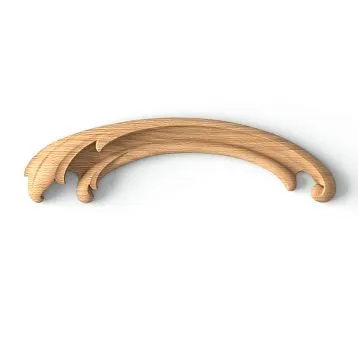
Wooden elementsSTAVROS are crafted from select wood. Racks, panels, moldings from natural wood create organic volume, filling space with natural energy. Any finish is possible — brushing, patination, painting, toning.
decorative panelsSTAVROS — premium-grade boiserie for creating classical interiors. Made from natural wood or MDF, they create a noble atmosphere, transforming walls into architectural elements.
Visit the STAVROS showroom in Moscow to see materials in person. Feel the relief, assess the quality, imagine how it will look in your home. Our specialists will consult you, help you choose optimal solutions, and calculate the amount of materials.
We offer not just materials — we offer the opportunity to create your dream space. A space where flat surfaces become three-dimensional, walls come alive, and interiors breathe. With STAVROS, a three-dimensional world becomes reality. Create, dare, bring to life — we provide materials of the highest quality.
Delivery across Russia makes STAVROS products accessible in any region.Buy decorative wall finishesAvailable online with quality guarantee and prompt delivery. Our online catalog is constantly updated, offering the latest solutions in the world of three-dimensional design.
STAVROS is not just a materials supplier. It is a team of like-minded individuals passionate about interior beauty. We know that every project is unique, and each client has their own vision. Therefore, we offer an individual approach, professional consultations, and support at every stage of project implementation.
Our experience — your confidence. Thousands of completed projects, from apartments to palaces, prove: with STAVROS, dreams become reality.3D wall finishingThree-dimensional finishing ceases to be an unattainable luxury and becomes an accessible tool for creating unique interiors.
Contact us in any convenient way. Phone, email, messengers — we are always available. Ask questions, share ideas, request calculations. Our goal is to help you bring your vision to life.
Three-dimensional wall finishing — the future of interior design. A future that has already arrived. Don’t wait — start creating your unique space today. STAVROS will provide everything necessary to realize the boldest ideas.
Your home — your creation. Make it three-dimensional, expressive, unique. Let every wall tell a story, create an atmosphere, inspire. With STAVROS, this is not a dream — it is reality, available here and now.