Article Contents:
- Aesthetics of minimalism and clean lines
- Philosophy of reduction to essence
- Horizontality as a principle
- Abandonment of decoration
- White MDF and natural wood: contrast of modernity
- White as a universal language
- Natural wood as an accent
- Balance of cold and warm
- Geometry of light: how profiles reflect and direct the flow
- Physics of reflection on architectural elements
- Rails as light control
- Integration of artificial lighting
- Combination of materials in the modern style
- MDF as the basis of neutrality
- Wood as the soul of space
- Combination strategies
- Decorative rails as accent and rhythm
- Rhythmic structures
- Direction and dynamics
- Accent zones
- Tips for selection and installation
- Selection of cross-section and species
- Calculation of quantity and spacing
- Foundation Preparation
- Technology of rail installation
- Final finishing
- Conclusion

Modern interiors are built on the philosophy 'less is more', where each element carries semantic weight and aesthetic value.Wooden plankhas ceased to be a utilitarian building material, transforming into the primary tool for creating rhythmic structures and controlling light.White MDF Skirting Boardhas become a symbol of minimalist aesthetics, where the purity of lines and absence of decorative excesses create visual harmony.wooden baseboardmaintains a connection with nature, introducing tactile warmth into technological spaces.form the architecture of walls and ceilings, creating a play of light and shadow.opens up limitless possibilities for color solutions.— is a horizontal element that frames the room at the bottom of the walls where the wall meets the floor. Skirting boards perform several functions: they hide the technological gap between the wall and floor covering (necessary for thermal expansion), protect the lower part of the wall from mechanical damage, create visual completion, and may conceal wiring.completes the vertical composition, creating a smooth transition to the ceiling.Wooden cornicecompletes the vertical composition, creating a smooth transition to the ceiling.


Aesthetics of minimalism and clean lines




Philosophy of reduction to essence
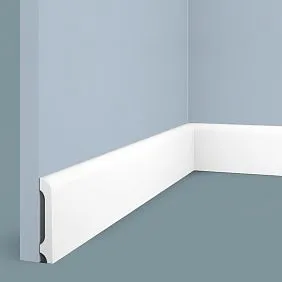
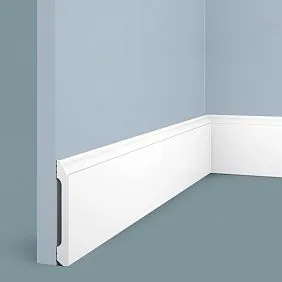
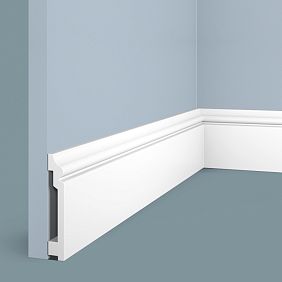
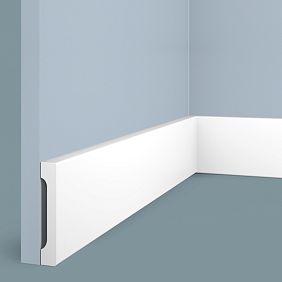
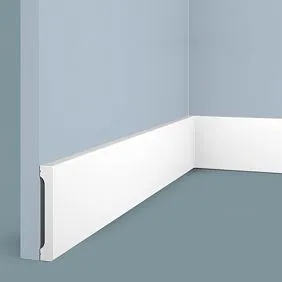
A minimalist approach to interior design is based on the principle of eliminating everything unnecessary. Each element must be functionally justified and visually restrained.White MDF Skirting Boardperfectly embodies this philosophy - a simple rectangular profile without decorative moldings, grooves, or carved elements. A height of 60-70 millimeters creates a delicate line that finishes the wall without drawing excessive attention.
Clean lines are achieved through geometric precision. Perfectly straight edges, sharp 90-degree angles, and the absence of rounding create graphic clarity.— is a horizontal element that frames the room at the bottom of the walls where the wall meets the floor. Skirting boards perform several functions: they hide the technological gap between the wall and floor covering (necessary for thermal expansion), protect the lower part of the wall from mechanical damage, create visual completion, and may conceal wiring.ensures perfect surface smoothness without pores or wood fibers. After priming and painting, it becomes an absolutely flat surface that reflects light evenly, without texture distortion.
The color palette of minimalism is built on neutral shades - white, gray, beige. White dominates due to its ability to visually expand space and reflect maximum light.White MDF Skirting Boardpainted in pure white creates an effect of seamless transition between wall and floor, when the skirting board blends into the wall, becoming its continuation rather than a separate element.
Our factory also produces:


Horizontality as a principle
Minimalist interiors tend to emphasize horizontal lines, which create a sense of stability and calm. The baseboard becomes the first horizontal line, defining the basic spatial line. In minimalism, the height of the baseboard is intentionally reduced - 50-70 millimeters compared to 100-150 millimeters in classical interiors.wooden baseboardof simple rectangular cross-section creates a thin line that organizes the transition between the vertical wall and the horizontal floor.
The absence of vertical decorative elements enhances the horizontal orientation of the space. No pilasters, vertical moldings, carved appliqués - only clean wall surfaces bounded by horizontal lines of baseboards below and cornices above.Wooden corniceof a minimalist profile at the junction of wall and ceiling completes the composition, creating the upper horizontal boundary.
Get Consultation
Rejection of decoration
Traditional decorative elements - carving, inlay, patination - are completely excluded from minimalist aesthetics. Beauty is created not by adding decoration, but by perfection of proportions, geometric precision, and quality of materials.— is a horizontal element that frames the room at the bottom of the walls where the wall meets the floor. Skirting boards perform several functions: they hide the technological gap between the wall and floor covering (necessary for thermal expansion), protect the lower part of the wall from mechanical damage, create visual completion, and may conceal wiring.demonstrates this philosophy - perfectly smooth surface without the slightest irregularities, sharp edges, precise dimensions become the only decoration.
Natural wood texture in minimalism is used sparingly, as a subtle accent reminding of its natural origin.form the architecture of walls and ceilings, creating a play of light and shadow.can create a single accent wall, where the natural wood grain contrasts with painted smooth surfaces of other walls. This technique adds warmth to the cold minimalism without violating the overall philosophy of restraint.
White MDF and natural wood: contrast of modernity
White as a universal language
White has become a symbol of modern design, a universal language spoken by various styles, from Scandinavian minimalism to Japanese Zen.White MDF Skirting Boardcreates a visual frame for space, expanding boundaries, reflecting light, forming a sense of purity and freshness. The physics of white color explains its visual impact - reflection of the entire visible spectrum creates maximum brightness without color distortion.
associates white with purity, order, clarity of thought. White interiors create an atmosphere of calm and concentration, which is especially valuable in the information-overloaded modern world.— is a horizontal element that frames the room at the bottom of the walls where the wall meets the floor. Skirting boards perform several functions: they hide the technological gap between the wall and floor covering (necessary for thermal expansion), protect the lower part of the wall from mechanical damage, create visual completion, and may conceal wiring.allows achieving perfect whiteness due to a smooth, non-porous surface that does not absorb paint unevenly.
Different shades of white create subtle mood nuances. Cool white with a slight blue undertone forms a sense of coolness, freshness, and modernity. Warm white with a cream tone adds coziness, softness, and tradition.White MDF Skirting Boardcan be painted in any of these shades, creating the desired emotional effect.
Natural wood as an accent
In the sea of white surfaces, natural wood becomes a precious accent, a focal point that draws attention and creates visual warmth.wooden baseboardMade from light oak or ash, it creates a delicate contrast with white walls without disrupting the overall light palette. The natural wood texture, with its distinctive growth rings, adds visual complexity to smooth painted surfaces.
form the architecture of walls and ceilings, creating a play of light and shadow.The tactile qualities of natural wood cannot be artificially reproduced. Touching a warm wooden surface creates unique sensations that cold painted surfaces cannot provide.
The tactile qualities of natural wood cannot be artificially reproduced. Touching a warm wooden surface creates unique sensations that cold painted surfaces cannot provide.Wooden plankBecomes not only a visual but also a tactile accent, inviting physical contact with the natural material.
Balance of cold and warm
A successful modern interior is built on the balance between the cold technological nature of white surfaces and the warmth of natural materials.White MDF Skirting BoardFrames the perimeter of the room, creating a neutral frame.wooden baseboardIn central living zones, it adds warmth.form the architecture of walls and ceilings, creating a play of light and shadow.Creates accent points.
Made from light ash at the junction of white walls and white ceiling, it creates a subtle line of natural material within the white space.Wooden corniceThe light beech trim at the junction of white walls and white ceiling creates a subtle line of natural material in the white space.
Geometry of light: how profiles reflect and direct the flow
Physics of reflection on architectural elements
The interaction of light with architectural elements determines the visual perception of space. A flat vertical surface of the skirting board reflects light depending on the angle of incidence.White MDF Skirting BoardA matte finish creates diffuse reflection, where light reflects evenly in all directions. A glossy finish forms a mirror-like reflection, creating highlights and enhancing illumination.
Allows you to choose the degree of gloss of the finish, controlling the nature of reflection.— is a horizontal element that frames the room at the bottom of the walls where the wall meets the floor. Skirting boards perform several functions: they hide the technological gap between the wall and floor covering (necessary for thermal expansion), protect the lower part of the wall from mechanical damage, create visual completion, and may conceal wiring.A small bevel on the top edge of the skirting board creates an additional reflective plane at a 45-degree angle. Light falling on the bevel reflects at another angle, creating a thin glowing line. This technique adds visual complexity to a simple profile without compromising minimalist philosophy.
With a bevel, it creates a more expressive play of light due to the natural wood texture.wooden baseboardWith a beveled edge, it creates a more expressive play of light due to the natural wood texture.
Racks as light control
form the architecture of walls and ceilings, creating a play of light and shadow.Create a complex lighting environment. Vertical slats form alternating illuminated and shaded bands. Light falling from the side illuminates the vertical surfaces of the slats facing the source, leaving the opposite sides in shadow. The gaps between the slats form dark bands, contrasting with the light slats.
Becomes a dynamic element, changing character depending on lighting.Wooden plankThe gaps between the slats determine the degree of contrast between light and shadow. Narrow gaps of 20-30 millimeters create frequent thin shadows, forming a dense texture. Wide gaps of 80-100 millimeters create broad bands of light and shadow, forming a graphic structure.
With variable spacing, they create a complex irregular pattern, adding visual interest.form the architecture of walls and ceilings, creating a play of light and shadow.Integration of artificial lighting
Modern technologies allow integrating lighting directly into architectural elements.
With a special groove for LED strip, it creates hidden ceiling lighting. LEDs are placed on the horizontal shelf of the cornice, directing light upward onto the ceiling. The ceiling reflects light downward, creating soft diffused lighting without harsh shadows.Wooden corniceThe ceiling reflects light downward, creating soft diffused lighting without harsh shadows.
The color temperature of the backlight determines the atmosphere of the space. Warm white light at 2700–3000 Kelvin creates a cozy, relaxing atmosphere suitable for evening hours. Neutral white at 4000–4500 Kelvin provides comfortable lighting for work and daily activities. Cool white at 5500–6500 Kelvin creates an invigorating atmosphere suitable for morning hours.
Backlighting between slats creates an effect of a floating glowing surface. The LED strip is placed behind the slats in the gap between the slat structure and the base wall. Light passes through the gaps between the slats, creating alternating glowing stripes.Wooden plankSemi-transparent light-colored wood allows part of the light to pass through, creating an effect of the slats themselves glowing.
Combination of materials in modern style
MDF as a basis for neutrality
— is a horizontal element that frames the room at the bottom of the walls where the wall meets the floor. Skirting boards perform several functions: they hide the technological gap between the wall and floor covering (necessary for thermal expansion), protect the lower part of the wall from mechanical damage, create visual completion, and may conceal wiring.Creates a neutral background on which accent elements made of natural wood stand out. Painting in white, light gray, or beige ensures visual uniformity of most architectural elements. The smooth matte surface of MDF does not compete for attention with the expressive texture of wood.
The economic efficiency of MDF allows its use for extended elements — baseboards around the entire perimeter of the room, ceiling moldings, framing of door and window openings.White MDF Skirting BoardCosting 150–300 rubles per linear meter, it ensures accessibility of quality finishing. Savings on background elements allow investing in expensive wooden accents.
The geometric stability of MDF is critical in modern interiors, where precision of lines is valued. The linear expansion coefficient is 0.02 percent per 10 degrees of temperature change, which is minimal. After installation, MDF baseboards retain a perfectly straight line without deformation.— is a horizontal element that frames the room at the bottom of the walls where the wall meets the floor. Skirting boards perform several functions: they hide the technological gap between the wall and floor covering (necessary for thermal expansion), protect the lower part of the wall from mechanical damage, create visual completion, and may conceal wiring.Ensures predictable results for years of use.
Wood as the soul of space
Natural wood brings soul, connection to nature, and tactile warmth into a technologically clean white space.wooden baseboardUsed in main living rooms — living room, bedroom, office. Solid oak or ash creates a premium feel, emphasizing the status of the space. Natural texture with distinctive growth rings adds visual complexity to minimalist interiors.
form the architecture of walls and ceilings, creating a play of light and shadow.Create the main visual accent of the interior. Accent walls behind the headboard of the bed or behind the sofa in the living room are finished with vertical slats made of solid wood. Such concentration of natural material in one zone creates a focal point that attracts attention and defines the character of the entire space.
The choice of wood species determines the color palette and character of the interior. Light species — ash, maple, birch — create a Scandinavian aesthetic with a predominance of white and light tones.Wooden plankAsh in light tones demonstrates expressive texture. Medium tones — oak, beech — are universal and suitable for most concepts. Dark species — walnut, wenge — create dramatic contrasts with white surfaces.
Strategies for combining materials
Vertical zoning of materials creates a logical hierarchy of elements.wooden baseboardMade of solid oak, it forms a strong foundation for the interior. The middle part of the walls remains neutral — painted white surfaces orform the architecture of walls and ceilings, creating a play of light and shadow.On accent walls.Wooden corniceorWhite MDF Skirting BoardComplete the composition from the top.
Horizontal zoning divides spaces by functional purpose. The entrance zone — living room — receives the maximum concentration of natural wood. Private zones — bedrooms — use wood sparingly. Technical spaces — corridors, bathrooms — are primarily finished with MDF.— is a horizontal element that frames the room at the bottom of the walls where the wall meets the floor. Skirting boards perform several functions: they hide the technological gap between the wall and floor covering (necessary for thermal expansion), protect the lower part of the wall from mechanical damage, create visual completion, and may conceal wiring.Creates stylistic unity while optimizing the budget.
Decorative slats as accent and rhythm
Rhythmic structures
form the architecture of walls and ceilings, creating a play of light and shadow.Create a rhythmic structure that organizes chaotic perception of space. Regular repetition of vertical or horizontal lines forms a visual grid that structures the flat surface of the wall. The human brain perceives rhythmic structures as ordered and harmonious, creating a sense of psychological comfort.
Frequent rhythm with 20–30 millimeter spacing between slats creates a dense, active texture that reads as a single surface with complex relief.Wooden plankSlats with a 20x40 mm cross-section and 25 mm spacing form almost a continuous surface with narrow vertical grooves.
Sparse rhythm with 80–100 mm spacing creates a graphic structure of individual lines. Each slat is perceived individually, and the gaps between slats become significant compositional elements.form the architecture of walls and ceilings, creating a play of light and shadow.Slats with a 40x40 mm cross-section and 80 mm spacing create an alternation of solid wooden elements and empty gaps.
Vertical orientation of the slats creates an upward dynamic, visually elongating the space. The gaze involuntarily follows the vertical lines from bottom to top, creating a sense of increased room height.
Vertical installation is recommended for rooms with low ceilings of 2.5–2.7 meters, where every visual trick to increase height matters.Wooden plankHorizontal orientation creates a calm, static atmosphere and visually expands narrow walls. Horizontal lines connect with the horizon line, creating associations with spaciousness and openness.
Horizontal installation suits narrow corridors and elongated rooms where visual expansion is required.form the architecture of walls and ceilings, creating a play of light and shadow.Horizontal installations are suitable for narrow corridors and elongated rooms where visual expansion is required.
At a 45-degree angle, it creates the most active surface.Wooden plankAt a 45-degree angle, it creates the most active surface.
Accent Zones
Slat cladding is used selectively, creating focal zones that attract attention. The wall behind the bed in the bedroom becomes the main visual accent of the room.form the architecture of walls and ceilings, creating a play of light and shadow.Made from dark oak, they create an expressive background on which white bedding reads particularly contrastingly. The wood texture adds warmth and coziness, important for a sleeping space.
The wall behind the TV in the living room is finished with horizontal slats, which visually expand the zone and create a structured background for the equipment. Dark slats absorb light from the screen, reducing glare and improving viewing conditions.Wooden plankWith built-in shelves for equipment, it combines decorative and functional roles.
The fireplace or decorative hearth is framed by vertical slats, creating an architectural portal. Symmetrical composition with slats on both sides of the hearth emphasizes the centrality of the element.form the architecture of walls and ceilings, creating a play of light and shadow.From floor to ceiling, they create vertical columns framing the fire.
Advice on Selection and Installation
Selection of Section and Species
For compact rooms up to 15 square meters, slats with a cross-section of 20x40 or 30x40 millimeters are suitable.Wooden plankFor spacious rooms of 25 square meters and above, more substantial slats of 40x40 or 50x50 millimeters are used, which are readable from a distance.
Light-colored species — ash, maple — suit Scandinavian interiors dominated by white. Medium tones — oak, beech — are universal for most styles.form the architecture of walls and ceilings, creating a play of light and shadow.Oak species demonstrate an expressive texture with large pores, suitable for creating active surfaces.
The choice between solid and veneered slats is determined by budget and requirements for eco-friendliness. Solid slats are 1.5–2 times more expensive but provide authenticity of material and the possibility of deep restoration. Veneered slats with an MDF base are more affordable with visually comparable results.Wooden plankSolid slats are preferable for accent zones where tactile quality is important.
Calculating the required number of slats begins with determining the spacing. For a dense structure, the spacing is 20–30 millimeters; for medium, 40–60 millimeters; for sparse, 80–100 millimeters. The wall area is divided by the width of one slat plus the spacing.
Calculating the required number of planks begins with determining the spacing. For a dense structure, the spacing is 20-30 millimeters; for medium, 40-60 millimeters; for sparse, 80-100 millimeters. The wall area is divided by the width of one plank plus the spacing.form the architecture of walls and ceilings, creating a play of light and shadow.Slats with a 40-millimeter cross-section and 60-millimeter spacing require 10 pieces per linear meter of wall.
The height of the room determines the length of each slat. Standard ceiling height of 2.7 meters requires slats 2.6 meters long, accounting for 50-millimeter gaps at the floor and ceiling.Wooden plankSlats of standard length 2.4 meters are suitable for rooms up to 2.5 meters high. For higher ceilings, non-standard lengths or segment joints are required.
Material reserve is 10–15 percent of the calculated amount. This compensates for possible cutting errors, damage during transport, and the need to replace individual elements in the future.form the architecture of walls and ceilings, creating a play of light and shadow.The wall must be perfectly flat for installing slats. Verticality is checked with a plumb bob or laser level. Deviations exceeding 5 millimeters in height require leveling.
Foundation Preparation
The wall must be perfectly flat for installing slats. Verticality is checked with a plumb bob or laser level. Deviations exceeding 5 millimeters in height require leveling.Wooden plankOn an uneven wall, it will create gaps in some places and butt against protrusions in others.
The base is painted in a dark color — black, dark gray, dark brown. This creates a contrasting background visible between the boards, enhancing the graphic composition.form the architecture of walls and ceilings, creating a play of light and shadow.Light tones on a dark background create maximum contrast.
The frame is assembled from horizontal 40x40 mm beams with a 60-80 cm spacing for vertical boards. Vertical posts of the same cross-section are installed for horizontal boards. The frame is leveled, and wall irregularities are compensated with shims. This ensures a single plane for the board structure.
Board Installation Technology
The first board is installed from the corner of the room or from a predetermined mark according to the preliminary marking. Vertical alignment is controlled using a level at least as long as the board height.Wooden plankIt is fastened to the frame with concealed-head screws 30-40 mm long. Pre-drilling holes 1 mm smaller in diameter than the screw prevents splitting.
The spacing between boards is marked using a template — a wooden strip of the required width. The template is placed next to the fixed board, the next board is placed against the template and secured. Using a template ensures perfectly even spacing along the entire wall length.form the architecture of walls and ceilings, creating a play of light and shadow.With precise intervals, they create a rhythmic structure.
Screw heads remain visible or are masked. Visible fastening emphasizes the constructive honesty characteristic of Scandinavian style. Stainless steel screws create metallic accents on wooden surfaces. Concealed fastening is achieved by recessing the heads 2-3 mm and then filling with wooden plugs or wood putty matching the wood tone.
Final finishing
Wooden plankIt requires protective coating for longevity. Oil-based stains preserve the natural wood texture and tactile warmth. Oil is applied with a brush or cloth in two coats with 12-hour drying in between. Hard wax-oil creates a protective film resistant to abrasion and moisture.
Matching matte oil corresponds to modern aesthetics of naturalness.form the architecture of walls and ceilings, creating a play of light and shadow.With matte oil, they match modern aesthetics of naturalness.
Painting hides the wood texture, creating a uniform colored surface. Preliminary priming fills pores and equalizes absorption. Paint is applied in two to three coats with intermediate sanding using fine-grit sandpaper.Wooden plankPainted white, gray, or black, it creates graphic compositions without natural texture.
Conclusion
Modern interior design has found in skirting boards and boards powerful tools for creating spaces of a new generation.White MDF Skirting BoardIt has become a symbol of minimalist aesthetics of clean lines and neutral surfaces.wooden baseboardIt maintains a connection with nature, introducing tactile warmth into a technologically advanced space.form the architecture of walls and ceilings, creating a play of light and shadow.They create rhythmic structures, control light, and form accent zones.
— is a horizontal element that frames the room at the bottom of the walls where the wall meets the floor. Skirting boards perform several functions: they hide the technological gap between the wall and floor covering (necessary for thermal expansion), protect the lower part of the wall from mechanical damage, create visual completion, and may conceal wiring.It provides unlimited color solution possibilities at an accessible cost.Wooden corniceIt completes the vertical composition, creating a smooth transition to the ceiling.Wooden plankIt has become the main tool of modern design, where simplicity of form generates complexity of perception.
Since 2002, the company STAVROS has created decorative elements that define the character of modern interiors. Understanding the interaction of light, line, and form allows creating spaces where each element contributes to overall harmony. European quality standards, domestic production, and professional consultation ensure success for any project, from compact apartments to spacious country homes.