












































































Article Contents:
- Philosophy of Space: The Living Room as the Heart of the Home
- Zoning Without Walls
- Minimalism as Mindfulness
- Upholstered Furniture 2026: Comfort Meets Sustainability
- Eco-friendly materials and production
- Modularity and Transformability
- Color Trends: From Neutrals to Earth Tones
- Case Furniture: Lightness and Functionality
- TV Stands: Disappearing Technology
- Shelving: Open Storage as Art
- Hidden Storage: Order Without Visible Effort
- Living Room Interior Decor: Architecture as Art
- Slat Systems: Rhythm and Acoustics
- 3D Panels: Volume and Light Play
- Moldings and Frames: The New Classic
- Lighting: Smart and Multi-Layered
- Smart Lighting: Automation and Personalization
- Decorative Lighting: Art Objects
- Accent Lighting: LED Technologies
- Textiles and Accessories: Coziness Without Cloying Sweetness
- Fabrics: Natural and Tactile
- Rugs: Zoning and Ecology
- Pillows and throws: layers of comfort
- Frequently Asked Questions
- How to Choose a Sofa That Will Last 15–20 Years?
- Is It Worth Investing in Designer Furniture or Can You Get By with Mass-Market?
- How to Integrate Modern Furniture into an Apartment with Classic Finishes?
- What Colors Are Relevant for a Living Room in 2026?
- How to Create Coziness in a Minimalist Living Room?
- Are Curtains Needed in a Modern Living Room?
- How Much Does It Cost to Furnish a Modern Living Room from Scratch?
- Conclusion: Create the Space of the Future Today

What has changed in the approach to living room design over the past year? It might seem that furniture is still furniture, a sofa is a sofa, but 2026 brings a new philosophy. It's no longer about buying a ready-made set from a catalog. It's about creating a space that breathes your individuality, reflects your values, and serves your real life.furniture in the living roomIn 2026, it's a conscious choice for every element, understanding why it's needed, how it fits into the overall picture, how it will age and change over time.
Furniture Market 2026It reflects global shifts: environmental awareness, a return to craftsmanship, a rejection of mass consumption in favor of quality and durability. Disposable furniture made of pressed sawdust with a five-year lifespan is giving way to pieces that will outlive their owners.Modern Furniture2026 is about investment, not purchase.


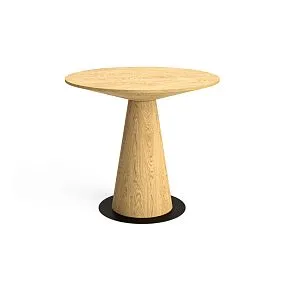
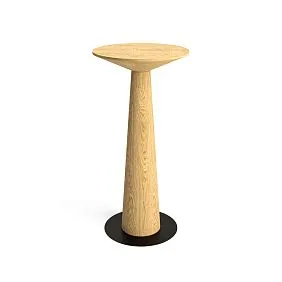
The philosophy of space: the living room as the heart of the home
The living room in 2026 is not just a room with a sofa and a TV. It's a territory where family life is concentrated. Here, people have breakfast at the coffee table, work on a laptop, do yoga on the rug, watch movies in the evening, host guests on weekends, and read bedtime stories to children. Multifunctionality requires flexibility.




Zoning without walls
Instead of dividing space with partitions, the modern approach uses furniture, lighting, and finishes. A sofa positioned perpendicular to a wall, rather than facing it, creates a boundary between the living and dining areas in an open-plan layout. A bookshelf without a back panel, allowing light to pass through, separates the work zone from the relaxation zone. A rug defines the soft furniture area. Different lighting levels (bright over the desk, subdued over the sofa) create visual separation.
Mobility is the keyword. Furniture on wheels, foldable, convertible, allows for quick configuration changes. In the morning, the coffee table is in front of the sofa; in the afternoon, it's pushed against the wall, freeing up space for children's play. In the evening, an additional sofa section unfolds for guests.
Our factory also produces:


Minimalism as mindfulness
Minimalism in 2026 is not about ascetic emptiness, but about mindful ownership of things. Every item in the living room should be either functional or emotionally significant. A decorative vase you brought back from a trip that evokes memories — yes. A set of generic mass-market figurines — no.
The principle of 'less but better' guides the choiceof furniture and interior items. One high-quality sofa made of natural materials is better than three cheap ones that will fall apart in three years. One expressive handmade lamp is better than ten standard light fixtures.
Get Consultation
Upholstered furniture in 2026: comfort meets sustainability
The sofa remains the center of the living room, but its design and production are changing under the influence of new demands.
Eco-friendly materials and production
2026 is a time of environmental responsibility. Buyers ask: what is the sofa frame made of, what adhesives were used, where does the wood come from, how is the material disposed of after its service life ends? Manufacturers respond: frames made of FSC-certified wood (from sustainably managed forests), water-based adhesives without formaldehyde, fillers made from recycled polyester or natural latex, upholstery made from organic cotton or linen.
Leather for upholstery — only vegetable-tanned (without toxic chromium), with traceable origin. Or alternatives: 'vegan leather' made from pineapple fibers (Piñatex), mushroom mycelium (Mylo), apple waste (AppleSkin). These materials look and feel like leather but are produced without animals and with a smaller environmental footprint.
Modularity and Transformability
Modular sofas have evolved. Now they are not just a set of sections that can be rearranged. They are smart systems with integrated functions: USB ports for charging, wireless charging pads in the armrests, built-in reading lights, secret compartments for storing blankets and pillows.
Convertible sofas — fold-out, pull-out — have become more elegant. The mechanisms operate smoothly, effortlessly, often electrically (press a button — the sofa turns into a bed). The mattresses for sleeping are of high quality, with orthopedic properties, not thin foam mats.
Color trends: from neutrals to earth tones
Gray is still relevant, but it is being complemented and displaced by earth tones. Terracotta (fired clay), ochre (yellowish-brown), sienna (reddish-brown), umber (dark brown with a greenish tint) — colors taken from nature, creating warmth and a sense of being grounded.
Deep blue — from cobalt to indigo — is a 2026 trend. A blue sofa against light walls creates a dramatic contrast without being gloomy. Green palette — from olive to emerald — brings nature into the interior, calming and refreshing.
Monochromatic interiors (all shades of one color) are gaining popularity. A living room in fifty shades of beige or gray is not boring, but sophisticated, if you play with textures and finishes.
Case goods: lightness and functionality
Bulky wall units are definitively a thing of the past. They have been replaced by lightweight modular systems, wall-mounted furniture, minimalist cabinets.
TV stands: disappearing technology
TVs are becoming thinner, often mounted on the wall without visible brackets (Samsung's The Frame technology, LG OLED panels). The TV stand turns into a decorative element that may not contain any technology at all — everything is hidden in the wall or a cabinet.
Wall-mounted cabinets (attached to the wall, with the floor beneath them free) visually expand the space and simplify cleaning. They can be any length — from compact 120 cm to monumental 300 cm, covering an entire wall. Facades are smooth, without handles (push-to-open system or touch opening).
Materials: painted MDF (matte or glossy enamel), veneered MDF (natural oak, walnut, ash veneer), solid wood (for the premium segment). Combinations: wood + glass, wood + metal, wood + stone (marble, granite, quartz agglomerate countertop).
Shelving: open storage as art
A shelving unit in 2026 is not a storage space for books, but a sculptural object, a gallery for displaying collections, plants, art objects. Asymmetric compositions, where shelves are of different lengths and heights creating dynamism, are more popular than symmetric ones.
Shelving materials: metal frame (black, brass, copper) + wooden or glass shelves. Industrial aesthetics mixes with natural materials. Or fully wooden shelving made of solid wood with visible texture, emphasized by oil or wax.
Shelf lighting — LED strips or built-in fixtures — transform shelving into a luminous object, highlighting displayed items. Smartphone-controlled lighting allows changing color and intensity.
Hidden storage: order without visible effort
Hidden storage systems integrate into walls, under podiums, into niches. Pull-out drawers under sofas (in the plinth area), flip-top pouf seats (inside — space for blankets, toys), shelves behind mirrored or sliding panels — all conceal household clutter while maintaining visual cleanliness.
Living room interior decor: architecture as art
Walls in 2026 are not just a background, but an active participant in the interior. Architectural solutions transform flat surfaces into volume, create rhythm, and manage light.
Slat systems: rhythm and acoustics
Wooden slats on walls — a trend that originated from Scandinavian interiors and gained global popularity. In 2026, it evolves: slats become functional, not just decorative. They hide wires, TV mounts, and audio systems. LED strips are placed between the slats, creating a glowing wall effect.
Slats are made from solid wood (oak, ash, pine) or MDF with natural veneer. They are painted in natural tones (2026 trends: terracotta, ochre, deep blue, emerald, mahogany) or left natural with oil finish. Installation has simplified: ready-made modular panels are available, where slats are pre-attached to a base — mounted on the wall in an hour.
The acoustic properties of slat systems are not a myth. They diffuse sound, reduce echo in large spaces with hard surfaces. To enhance the effect, sound-absorbing material is placed behind the slats.
3D panels: volume and play of light
Three-dimensional wall panels made of plaster, wood, MDF, polyurethane create a textured surface that comes alive from the interplay of light and shadow. Geometric patterns (hexagons, rhombuses, waves), natural motifs (leaves, bark, stones), abstract forms — the choice is vast.
Panels are painted to match the wall (monochrome texture) or in contrast (white panels on a gray wall). The effect is enhanced by directional lighting: a spotlight directed from the side reveals every fold of the texture.
In 2026, panels with built-in lighting are popular: LED strips are hidden within the pattern, making the wall glow from within. Color and intensity control via an app allows changing the mood of the space.
Moldings and frames: new classic
Moldings are not just for palace interiors. In modern living rooms, they are used minimally: thin profiles, clean lines, no excessive decor. A frame around the TV turns it into a painting. A horizontal molding line at 100–120 cm visually divides the wall, creating proportion.
Molding colors in 2026 are not necessarily white. Black moldings on a light wall — graphic. Gold or brass inserts — accents. Painted to match the wall — monochrome texture.
Lighting: smart and multi-layered
Light in 2026 is not just a bulb under the ceiling. It's a complex system creating different scenarios, controlled by voice or smartphone, adapting to the time of day and activity.
Smart lighting: automation and personalization
Smart home systems (Apple HomeKit, Google Home, Yandex Alice) integrate lighting. You say 'movie night' — the living room lights dim, backlighting behind the TV turns on. 'Bright day' — all lights at maximum. 'Romance' — warm soft light, LED strips in color.
Motion and light sensors automatically turn lights on when you enter a room and off when you leave. They adjust brightness based on natural light from the window.
Circadian lighting — a 2026 trend. Light changes color temperature throughout the day: morning — cool invigorating, afternoon — neutral, evening — warm relaxing. This supports natural biorhythms, improves sleep and well-being.
Decorative lighting: art objects
Light fixtures in 2026 are sculptures that are beautiful even when turned off. Designer chandeliers from blown glass (Lindsey Adelman, Tom Dixon), brass and marble (Apparatus), recycled materials (Moooi) are expensive but turn the living room into a gallery.
An alternative to designer pieces — custom light fixtures from local artisans. Each is unique, handmade, carries the creator's energy. This aligns with the trend of personalization and supporting small businesses.
Arched floor lamps, hovering over an armchair or sofa, remain relevant. They are functional (provide directional light for reading) and aesthetic (graphic line, elegant shape).
Accent lighting: LED technologies
LED strips are hidden everywhere: behind cornices (ceiling glows around the perimeter), under furniture (sofa appears to float above the floor), behind wall panels and slats (wall glows from within), inside shelving (highlighting objects). RGB strips allow choosing any color, creating dynamic scenes (color smoothly changes, pulses).
Neon signs and figures — not just for bars. Neon art objects appear in home living rooms: phrases, symbols, abstract forms. They add personality, light irony, urbanity.
Textiles and Accessories: Cozy Without Cloying
A modern living room risks becoming cold if it only has hard surfaces. Textiles add warmth, but in 2026 they are restrained, natural, and textural.
Fabrics: Natural and Tactile
Linen, cotton, wool, jute — materials that breathe, age beautifully, and are pleasant to the touch. Synthetics are used only functionally (sofa upholstery with stain-resistant treatment) or when they mimic natural materials indistinguishably.
Texture is more important than pattern. Instead of bright prints — textured fabrics: bouclé (with knots), chenille (velvety), waffle weave, herringbone. Solid colors, but with volume.
Rugs: Zoning and Ecology
A rug in the living room defines the soft furniture zone. In 2026, handmade rugs from natural materials are popular: wool, jute, cotton, sisal. Persian and Turkish vintage rugs (real antique or skillfully distressed) add history and soul.
Eco-friendly rugs made from recycled plastic bottles (look like wool but are moisture-resistant and easy to clean) — a choice for those who value sustainability. Rugs made from seaweed, hemp, bamboo — exotic options with a low environmental footprint.
Rug size: large enough so that the front legs of all soft furniture stand on it. A rug that's too small looks accidental. Color: neutral (beige, gray, terracotta) or accent (deep blue, emerald) — depending on its role in the interior.
Pillows and Throws: Layers of Comfort
A multitude of cushions on the sofa is not necessary. In 2026, 3–5 quality cushions of different sizes and textures are enough. Large ones (60x60 cm) for back support. Medium ones (45x45 cm) for decor. Small neck rolls. Covers made of linen, corduroy, bouclé — natural, tactile. Colors within the overall palette.
A throw — not just for warmth, but also for visual softness. Casually draped over a sofa arm, it creates a lived-in, inhabited look. Wool, cashmere, cotton — natural, pleasant, durable.
Frequently asked questions
How to choose a sofa that will last 15–20 years?
Pay attention to the frame (solid hardwood, not particleboard), spring system (independent springs or sinuous wire made of quality steel), filling (high-density polyurethane foam or natural latex), upholstery (wear-resistant fabric with a Martindale abrasion rating from 30,000 cycles or genuine leather). Check the manufacturer's reputation, warranty (minimum 3 years), and the possibility of reupholstering.
Is it worth investing in designer furniture or can you get by with mass-market?
Depends on budget and values. Designer furniture is more expensive but more durable, unique, and often more eco-friendly. It doesn't depreciate, sometimes even increases in value (vintage pieces). Mass-market is cheaper, more accessible, but has a shorter lifespan; you'll need to replace it in 5–7 years. A compromise: key pieces (sofa, table) — quality; additional ones (armchairs, poufs) — mass-market.
How to integrate modern furniture into an apartment with classic finishes?
Modern furniture with clean lines can harmonize with classic architecture if proportions and materials are respected. Choose furniture made of natural wood (echoing classic parquet, doors), in neutral colors. Avoid futuristic shapes and bright plastics. Add transitional elements: a rug with a classic pattern, a mirror in a carved frame.
What colors are relevant for a living room in 2026?
Earth tones (terracotta, ochre, sienna, umber), deep blue (cobalt, indigo), green palette (olive, moss, emerald), warm neutrals (beige, cream, caramel), monochromatic schemes (all shades of one color). Avoid cold grays, bright neons, cloying pastels.
How to create coziness in a minimalist living room?
Add layers: textiles (rug, cushions, throw), plants (live ones in planters), warm light (floor lamps, candles), natural materials (wood, stone, ceramics), personal items (books, photos, collections). Minimalism doesn't mean emptiness. It means every item is in its place and has meaning.
Are curtains needed in a modern living room?
Not necessarily. If the windows face private property and sun protection isn't needed, you can do without curtains. If privacy is needed — roller blinds, Roman shades, or blinds are more compact and functional than heavy drapes. If you want softness — linen or cotton drapes on a simple rod without lambrequins.
How much does it cost to furnish a modern living room from scratch?
Depends on area, furniture choice, finishes. Budget option (20 sq.m living room, IKEA furniture, minimal finishes) — from 150–200 thousand rubles. Mid-range (furniture from Russian manufacturers, quality finishes, decor) — 500–800 thousand. Premium (designer furniture, natural materials, custom decor) — from 1.5 million.
Conclusion: Create the space of the future today
2026 is a time to rethink our relationship with home. The living room is not a place where random furniture is placed. It is a space that reflects your life philosophy, your values, your individuality.furniture in the living roomFurniture is chosen consciously: from natural materials, durable, functional, beautiful.interior decorationDecoration supports the furniture, creates an architectural context, adds depth and character.
2026 trends are a return to nature (natural materials, earth tones, plants), technological integration (smart lighting, transformable furniture), personalization (custom pieces, collections, items with history), environmental responsibility (sustainable production, recycling, durability). It's a balance between comfort and aesthetics, function and beauty, modernity and coziness.
For over twenty years, STAVROS has been creatingFurniture and interior items, meeting the highest quality standards and current trends.Modern FurnitureSTAVROS catalog items are solid oak, beech, and ash products crafted on high-tech equipment with hand-finished details. Architectural decor—slat systems, wall panels, moldings, carved overlays—transforms a standard apartment into a space with character. The option for custom tinting in any shade (including 2026's trending terracotta, indigo, emerald, and mahogany) offers freedom for personalization. STAVROS provides not only ready-made solutions but also custom manufacturing—especially valuable when you seek uniqueness. Professional consultants will help select elements, create a harmonious composition, and account for the specifics of your space and lifestyle. With STAVROS, you create not just a living room, but a future-ready space that will serve for decades, remaining relevant, beautiful, and comfortable.
Live in a space that inspires. Choose consciously. Create the future today.


