
























Article Contents:
- What is a carved window casing and why does the facade need it
- Decorative function
- Visual framing of the window
- Enhancing architectural character
- How a carved window casing differs from a smooth one
- Which houses are best suited for carved window casings
- Wooden house made of timber or logs
- House in Russian style
- Country house, bathhouse, tower facade
- Classic country house
- Modern house with wooden accents
- What types of carved architraves exist: types and varieties
- Smooth profile with carved inserts
- Fully carved window trim
- Classic carved window trim
- Architrave in Russian style
- Modern minimalist carved architrave
- How to choose an ornament: from geometry to Russian tradition
- Geometric ornament
- Floral ornament
- Traditional Russian ornament
- Classic profile ornament
- How not to overdo it with the pattern
- Proportions: how to choose the width and scale of carving for the window and facade
- Narrow vertical windows
- Tall windows with a rich top element
- Wide facades with groups of windows
- Small country house
- Ratio of casing width to pattern saturation
- How to choose a carved casing to match the facade style
- Russian style
- Classic
- Neoclassicism
- Eclecticism
- Modern house with wooden accents
- What to pair carved casings with: systemic logic of facade decor
- Cornices
- Brackets
- Connecting elements
- Wooden facade decor
- Symmetry of window groups
- Typical mistakes that ruin the facade
- Material of carved architraves: what to choose and why
- Spruce
- Larch
- Oak
- Cedar
- The importance of protective coating
- How to calculate dimensions: practical guidelines
- Coating and color of carved architraves: how to choose and not make a mistake
- In the color of the facade
- Contrasting architrave
- Natural wood without painting
- Traditional folk palette
- Where to buy carved window trim for the house
- Ready-made models from the catalog
- Kit for project
- Selection by style
- Custom profile based on drawing or sample
- System approach: carved architrave as part of the facade ensemble
- Installation of carved architraves: what is important to know
- Attachment to the wall and window frame
- Joints and gaps
- Ventilation gap
- Regular Maintenance
- Trends 2025–2026: how the aesthetics of wooden facade decor are changing
- Special cases: non-standard windows and openings
- Arched Windows
- Non-standard windows: wide, small, with unusual placement
- Doorway with carved architrave
- How to choose a set of carved window casings for multiple windows
- FAQ: Answers to Popular Questions
- STAVROS: wooden facade decor with character
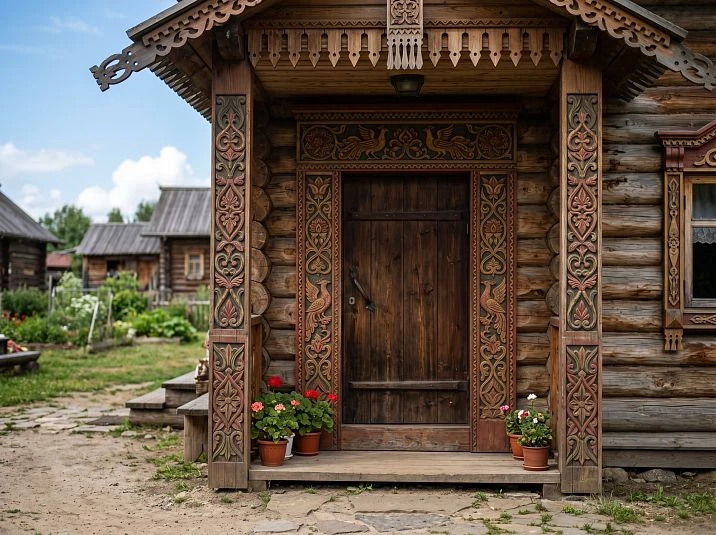
There are houses that catch your eye right from the street. Not because they are huge or flashy. No — it's just that their appearance has a detail that brings everything together: a carved window casing. A patterned frame around the window that embodies character, tradition, craftsmanship. But there is another story: when the owner, inspired by beautiful pictures, hangs heavy carvings on the facade — and the house, instead of nobility, gets overload, clutter, visual noise.
The difference between the first and second result is not in the price of the material or the quality of execution. It lies in understanding three things: ornament, proportions, and the stylistic context of the facade. That's what this article is about.
Carved window casing for a house is not just a beautiful detail. It is an architectural statement. And like any statement, it must be precise, proportionate, and appropriate. There are no trifles here: the depth of carving, the width of the frame, the type of ornament, the combination with the cornice, the scale relative to the window itself — all of this determines whether the facade will be expressive or overloaded.
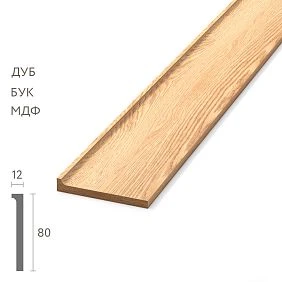
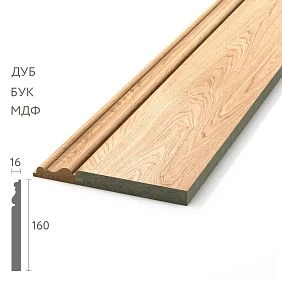
What is a carved window casing and why does the facade need it
From a technical point of view, a casing is the framing of a window or door opening. But when it comes to a carved casing, especially a wooden one, it is no longer just a functional detail. It is an architectural accent that shapes the face of the house.
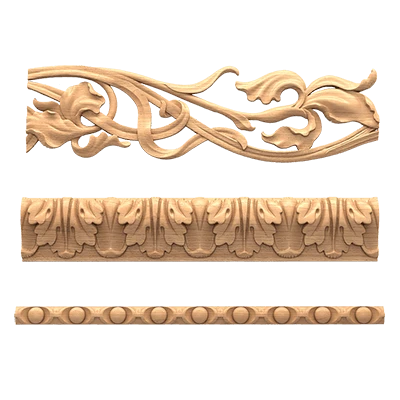
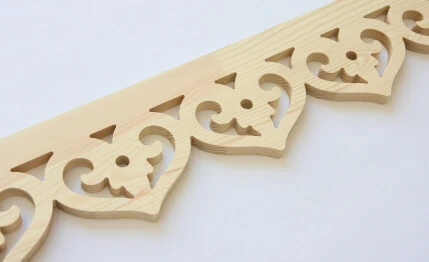
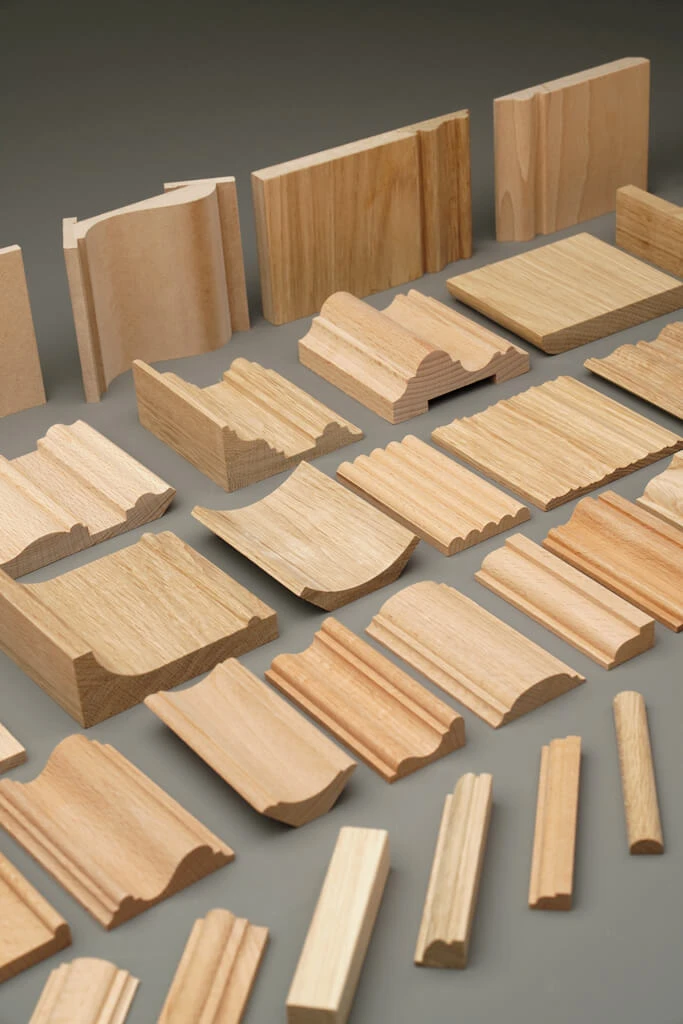
A smooth casing covers the joint between the wall and the window frame. A carved casing does the same — and simultaneously declares the style, the character of the owner, the house's belonging to a certain tradition or aesthetic.Carved Mouldings is wooden lace that turns an ordinary facade into something worth looking at.
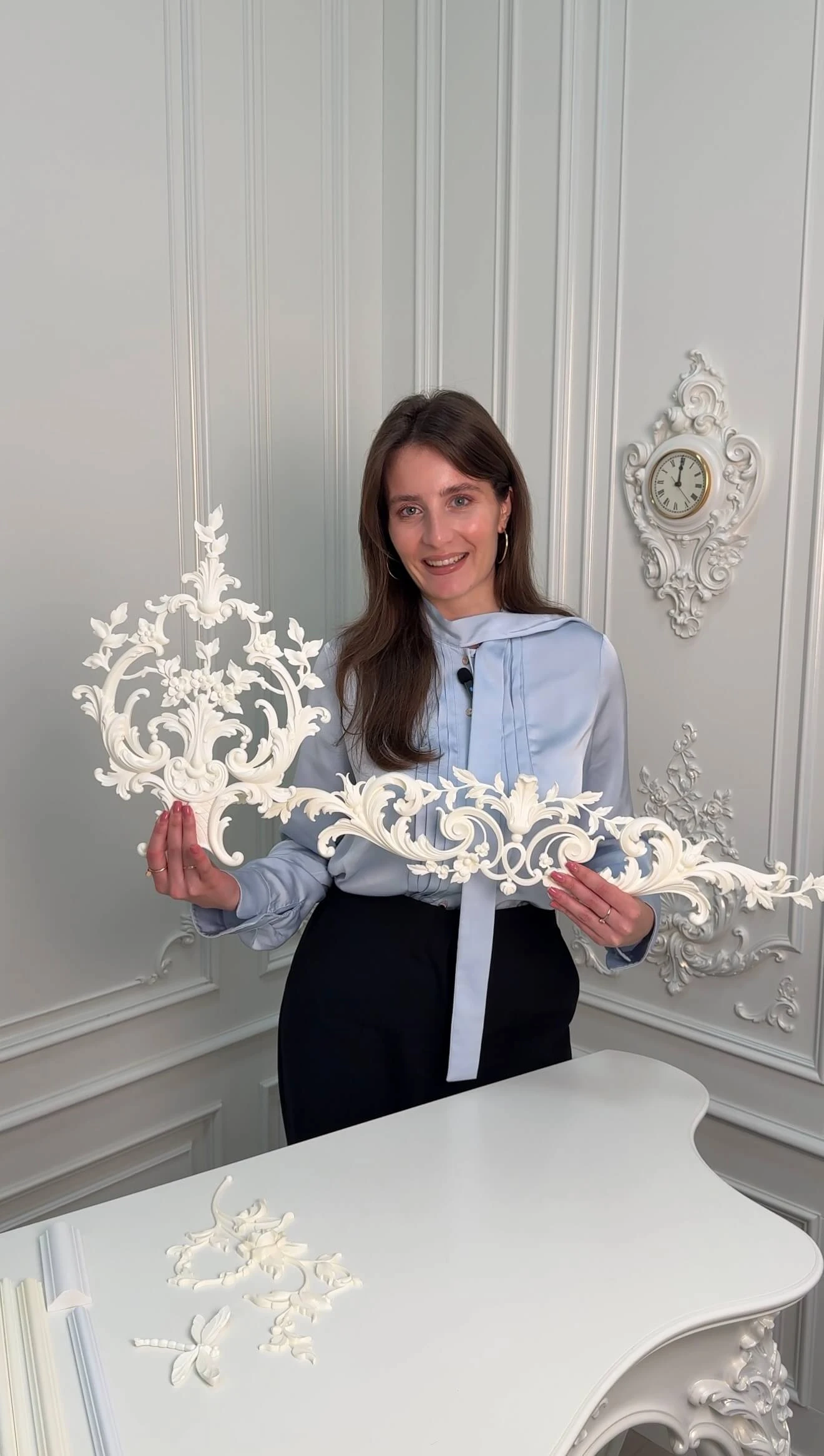
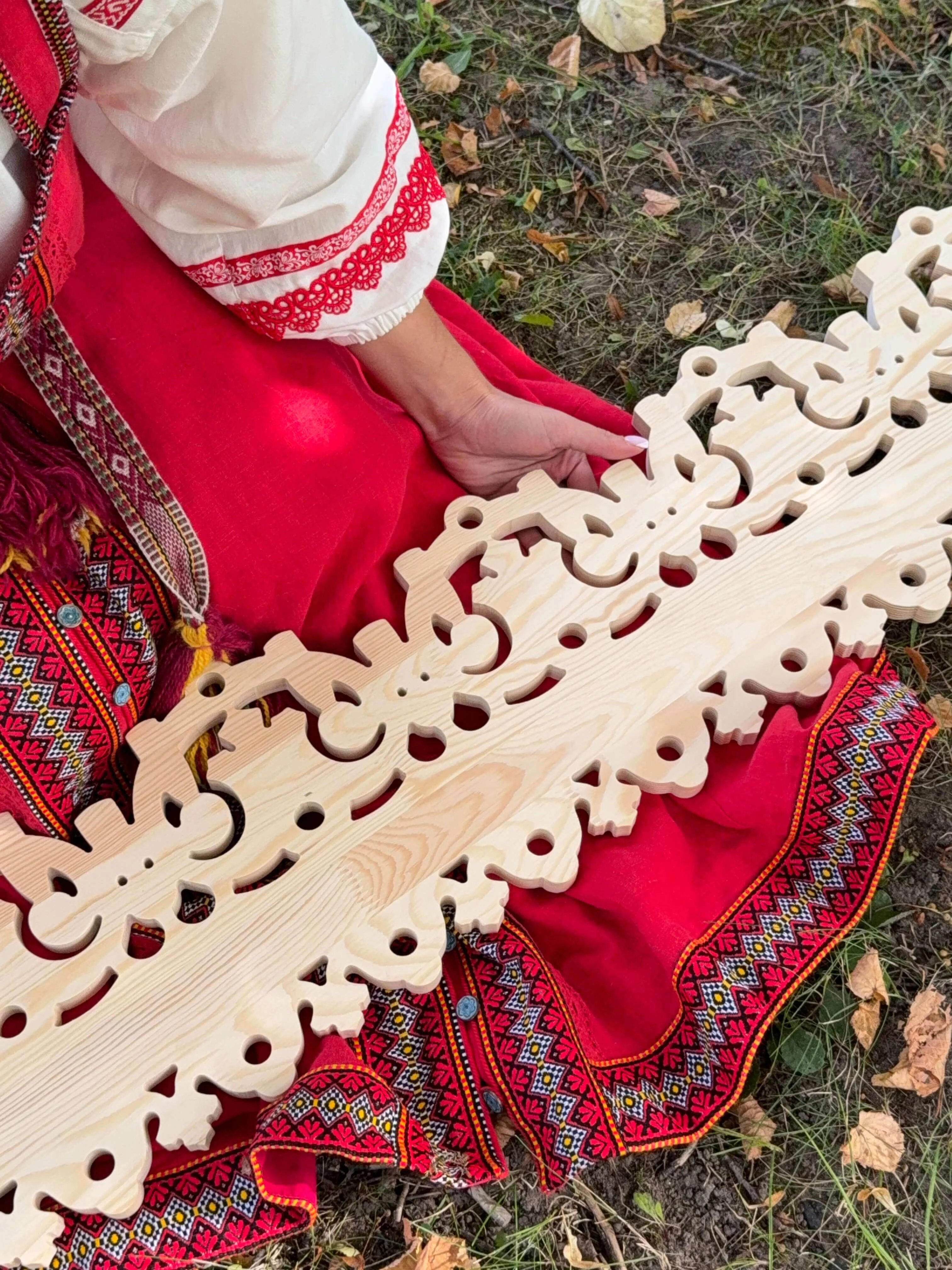
Decorative function
The main role of a carved window casing is decorative. The ornament attracts the eye, holds attention, and creates a feeling of a "living" facade. This is why houses with carved casings are perceived as warmer, more homely, and more individual than houses without decoration.
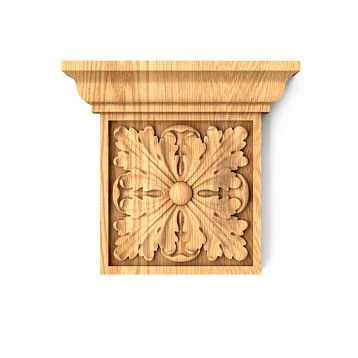
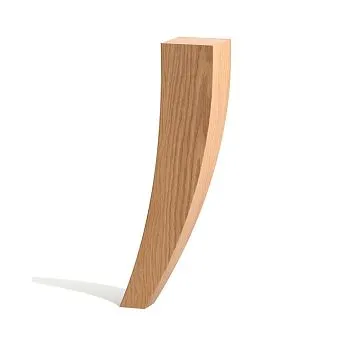
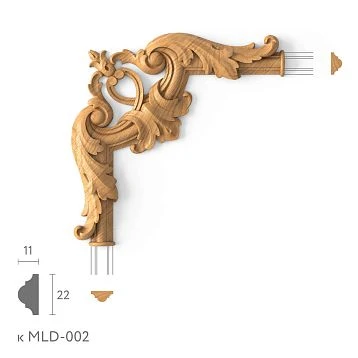
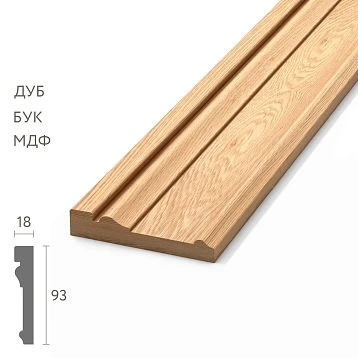
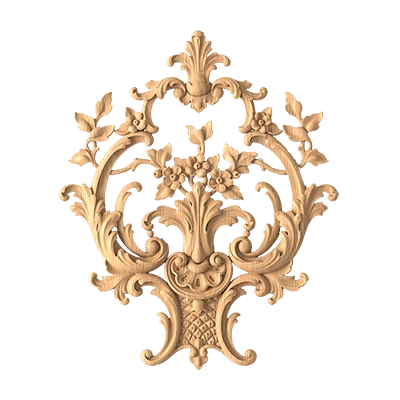
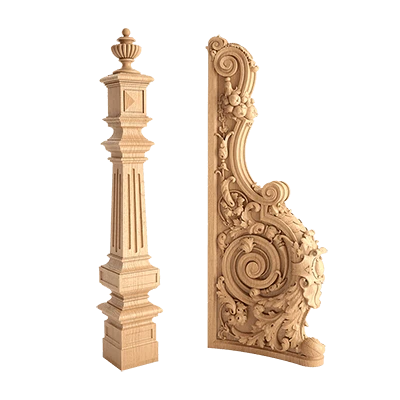
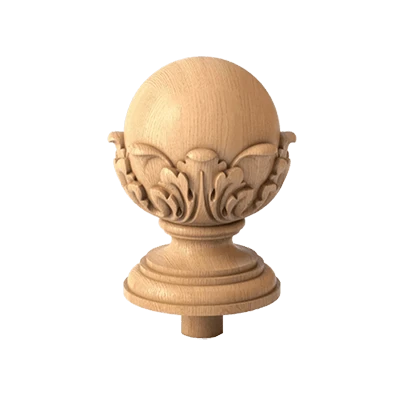
Our factory also produces:
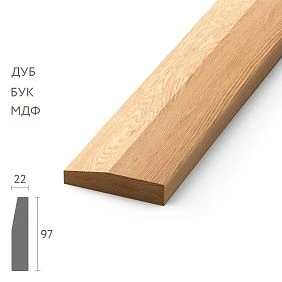
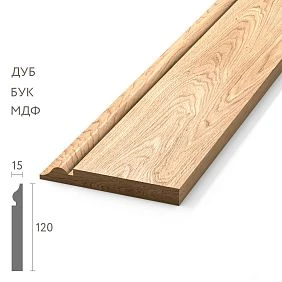
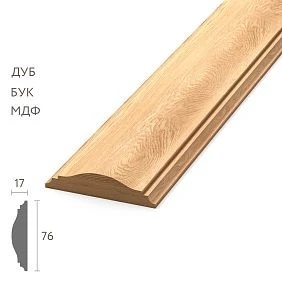
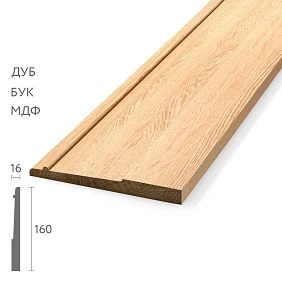
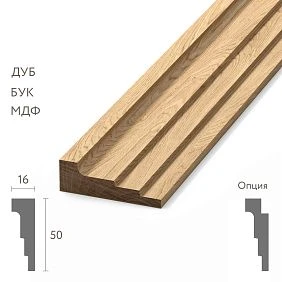
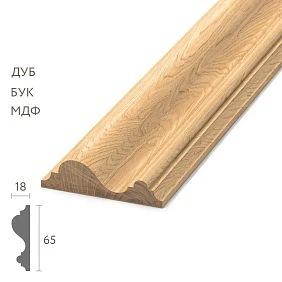
Visual framing of the window
A window itself is a rectangular opening. A carved frame around it structures this rectangle, making it a complete element of the facade composition. Without a casing, the window "floats" in the wall. With a casing, it stands in its place, like a painting in a frame.
Get Consultation
Enhancing architectural character
Each style has its own vocabulary of details. For Russian wooden architecture, this includes lush plant carvings, openwork ornamentation, and multi-tiered casings. For classicism, it is a strict profile with a pediment. For a modern wooden house, it is a laconic geometric pattern. A correctly chosen carved casing enhances the architectural character of the house, while an incorrect one breaks it.
How a carved casing differs from a smooth one
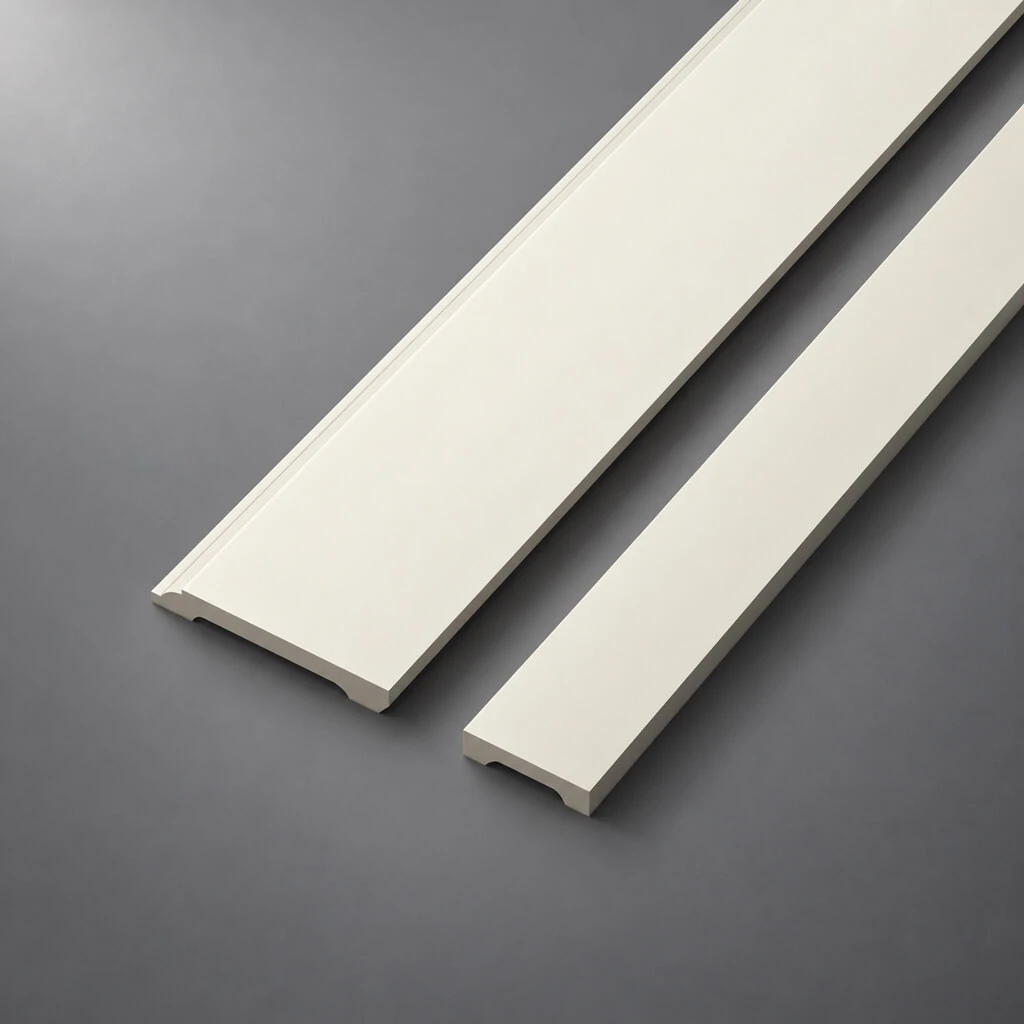
A smooth casing works as a neutral frame. A carved one works as an accent. The difference is roughly the same as between a white mat and a gilded frame: both hold the picture, but produce a completely different impression.Carved window casingsadd depth, shadow, and texture to the facade—something that smooth profiles lack.
For which houses is a carved casing best suited
The question is not idle. A carved casing is a strong statement, and it must match what the entire house is saying.
A wooden house made of timber or logs
Here, carving is organic by definition. Wood as a wall material and wood as a trim material speak the same language. A carved wooden trim on a log house looks as natural as an ornament on birch bark. Deep three-dimensional carving, lush side posts, an upper "cap" with a figured finish — a classic of wooden architecture that never goes out of style.
A house in the Russian style
The Russian style is a special conversation.Russian-style casings— it's not just decor, it's a cultural code. Solar signs, plant shoots, birds, sirin, lion — each element carries a meaning rooted in folk tradition. For such houses, a carved trim is not an option, but a mandatory part of the image.
Dacha, bathhouse, tower facade
A dacha is an ideal place for experiments with carving. A cheerful geometric ornament, a light openwork trim, and traditional sawn carving are all appropriate here. A bathhouse with carved trims acquires a cozy, almost fairy-tale look. A tower facade without carving is like a pie without filling: the form is there, but the main thing is missing.
Classic country house
A brick or plastered country house in a classic style can also be adorned with a carved trim — but of a different kind. Here, a more restrained, less lavish carving is appropriate: a geometric ornament, a classic profile with relief inserts, a sandrik above the window. This solution adds solidity to the house without overloading the facade.
Modern house with wooden accents
This is the least obvious scenario, but with the right approach, it is very winning. A modern house with large windows, clean geometric lines, and wooden decorative elements can feature a carved architrave as a point accent. The main thing is to choose a laconic ornament that does not overload the facade and maintain a unified style for all wooden details.
windows with cornices in Russian styleshow how expressive a facade can become when the carving is chosen precisely to match the character of the house — without compromise and without random decisions.
What types of carved architraves exist: types and varieties
The market offers a wide range of carved architraves — from a modest strip with a simple ornament to genuine works of joinery art. Let's break down the main types.
Smooth profile with carved inserts
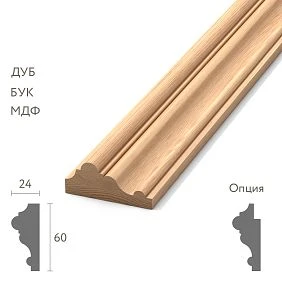
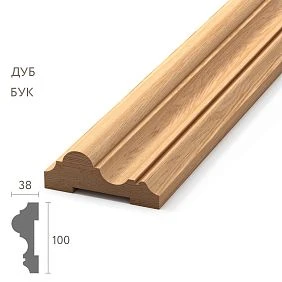
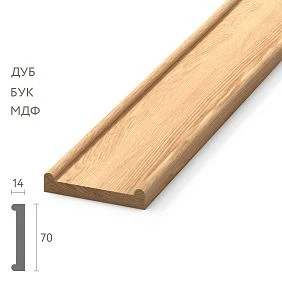
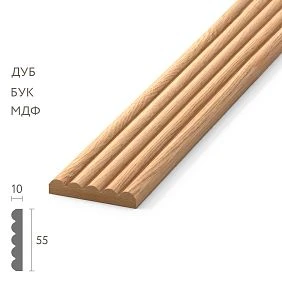
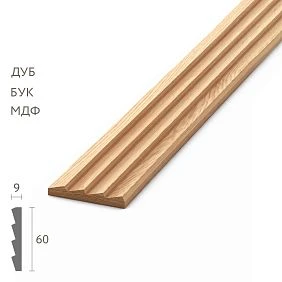
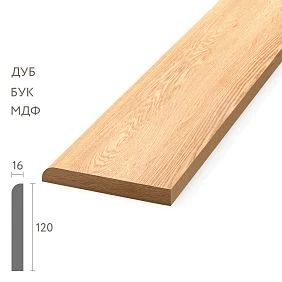
The most restrained option: the base of the architrave is smooth, while the carving is concentrated in specific areas — the upper cornice element, corner rosettes, central insert of the side post. This approach allows adding character to the facade without overloading it. It works well on classic and neoclassical houses, on country cottages in a restrained style.
Fully carved casing
Here, the ornament covers the entire surface of the architrave — both the side posts and the upper part. This is the most saturated solution, requiring an appropriate context: a wooden house, a terem style, a rich classical facade.Wooden casingswith full carving on the surface — this is no longer a detail, but an architectural work.
Classical carved window trim
Strict symmetrical ornament, verified proportions, profiled base. The upper element is a triangular or arched pediment, the side posts have a repeating pattern. Such an architrave is appropriate on classic dachas, country houses with regular architecture, brick estates.
Architrave in Russian style
Lush, multi-layered, with elements of folk ornament. The upper "cap" has a figured finish (semicircle, kokoshnik, stepped cornice), the side posts have repeating carvings, and the lower element has a valance or fringe. This is the most recognizable type of carved window casing in Russia.Carved casings and facade decor— it is in this context that the window casing in the Russian style reveals itself in its entirety.
Modern laconic carved window casing
Geometric ornament, clear lines, minimal details — but with a lively texture of carving. Such a window casing does not claim historical depth, but adds warmth and individuality to the facade. It works well on Scandinavian houses, chalet-style houses, and modern wooden buildings.
How to choose an ornament: from geometry to Russian tradition
An ornament is not just a pattern. It is a statement about style, tradition, and taste. A mistake in choosing an ornament — and the highest quality window casing will look alien on the facade.
Geometric ornament
The most versatile. Diamonds, triangles, weaves, meander — geometric patterns are not tied to a specific era or tradition. They work well on modern houses, on houses without a pronounced historical style. Geometric carving reads clearly from a distance and does not lose its pattern when lighting changes.
Floral ornament
Leaves, shoots, flowers, berries — floral ornament adds liveliness and naturalness to the facade. It is appropriate in almost any style, but works especially well in an organic environment: a country house among greenery, a wooden house by the lake, a dacha with a garden. Important: the saturation of the floral ornament should match the scale of the house — a large motif for a large facade, a small one for a small one.
Traditional Russian ornament
This is a special category. Birds (sirin, pheasant, rooster), solar circles, diamonds with dots, tulips, vases with flowers — each element carries an archaic meaning, dating back to pre-Christian tradition or folk lubok. Such an ornament requires an appropriate architectural context: a wooden house, Russian style, a banya, a terem appearance.
wooden house carving — is a vast world where every pattern carries its own story. Before choosing an ornament, it's worth getting to know this world.
Classic profile ornament
Less 'pattern' — more profile. Steps, scotias, cyma reversas, ovolos — elements characteristic of ancient and European classical architecture. Such an ornament emphasizes the strictness and orderliness of the facade.
How not to overdo it with the pattern
This is perhaps the most important principle. A rich ornament on a small area creates disturbing visual noise. The more complex the pattern, the larger the 'breathing' smooth area around it should be. A good rule: if in doubt, choose a simpler ornament. Simplicity in carving is a virtue, not a flaw.
Proportions: how to choose the width and scale of the carving for the window and facade
Choosing the right ornament is half the battle. The other half is the right proportions. A window casing, beautiful in itself, can ruin the facade if its scale does not match the scale of the window and the entire house.
Narrow vertical windows
A narrow window itself creates a vertical accent. The casing should not 'push' this window apart — otherwise the vertical rhythm will break. Here, a casing of moderate width (80–110 mm on the jambs) with a vertically oriented ornament — shoots going upward, or a narrow repeating geometric pattern — will work.
Tall windows with a rich top element
A tall window allows for a powerful upper part of the casing — a "cap" with a figured finish. This is where the main decorative accent is concentrated: a carved kokoshnik, an arched cornice, a sandrik with a relief ornament. With a tall window, the side posts can be relatively modest — the upper element speaks for itself.
Wide facades with groups of windows
A wide facade with several windows requires a unified logic for the casings. All windows are in the same series, one ornament, one width. Differences are only allowed in size (the central window is wider than the side ones — the upper element of the central casing is larger). A mix of ornaments on one facade is chaos, not individuality.
A small country house
For a small house, the rule of proportionality applies: do not overload. A wide, heavy casing with a dense pattern will weigh down a small facade, making it fussy. Choose a casing 70–90 mm wide with a light, "airy" ornament — openwork through carving or a modest geometric design.
The ratio of casing width to pattern saturation
This is a principle that is difficult to describe with a formula but easy to feel: the wider the casing, the richer the ornament can be. And vice versa — a narrow casing with a dense, fine pattern turns into an unreadable strip. The optimal ratio: the ornament occupies no more than 60–70% of the casing surface, the rest is a neutral background that provides "air" for the pattern.
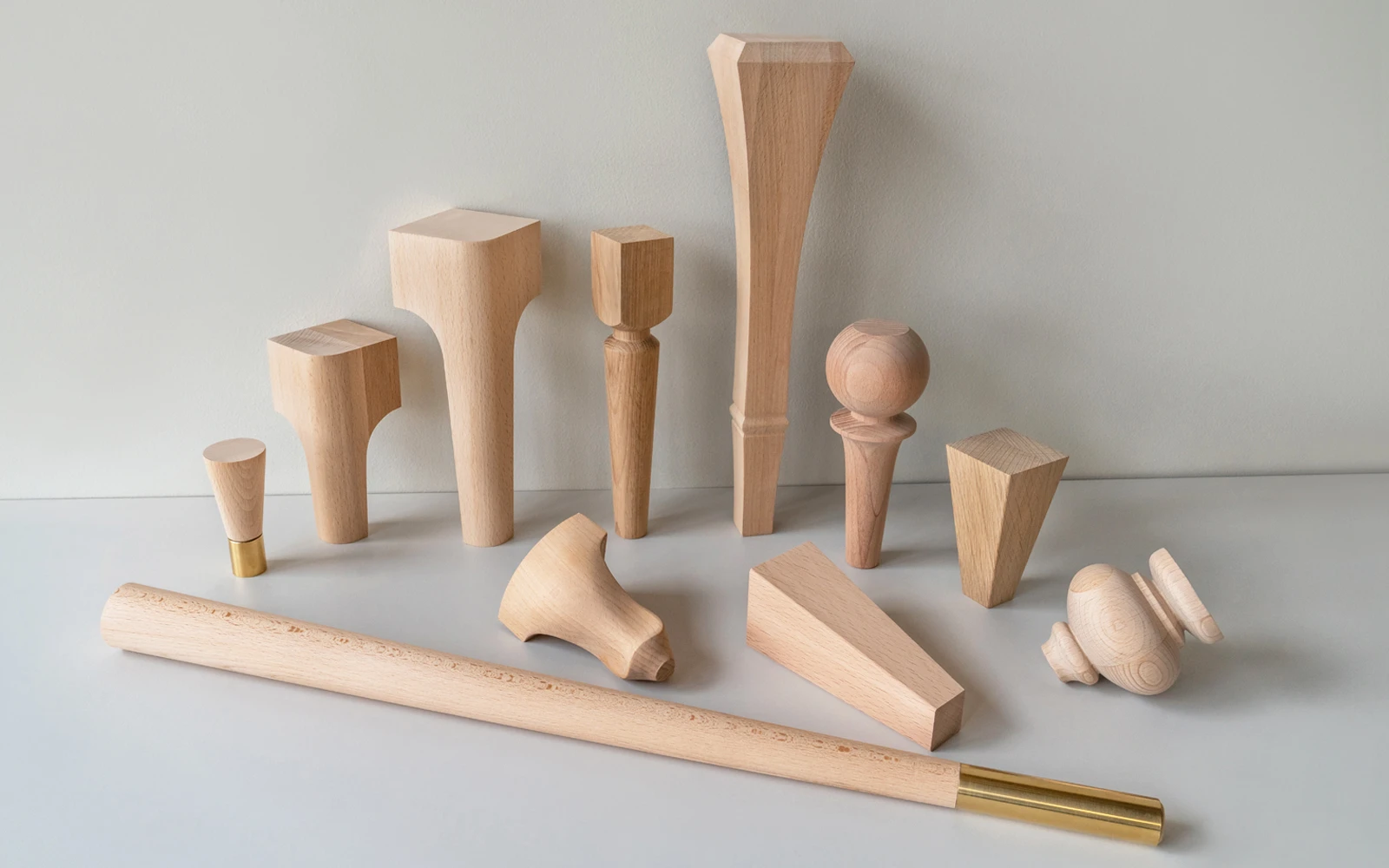
Carved wooden elements — this material shows in detail how different types of carved products work at the scale of the facade, and which proportions are considered classically balanced.
How to choose a carved casing to match the facade style
This is the central question — and this is where most people make mistakes. The style of the casing and the style of the facade must match in their "vocabulary." If they speak different languages, there will be no compromise.
Russian Style
This is a territory of maximum freedom for carved window frames. Lush multi-tiered ornament, folk motifs, bright colors (traditionally blue, green, ochre, white), the top element in the form of a kokoshnik or semicircle with an openwork finish.windows with cornices in Russian style— this is a separate aesthetic living by its own laws: here the richness of ornament is a virtue, not a mistake.
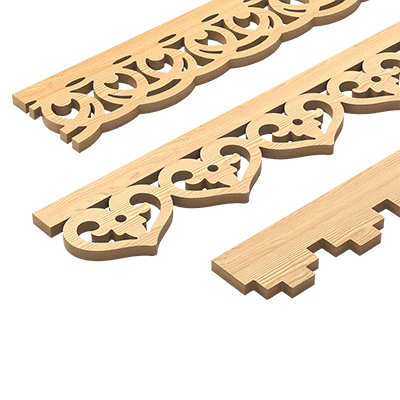
For houses in the Russian style, window frames with slotted (openwork) carving are recommended, where the pattern is literally "cut" through. Such a frame creates a play of light and shadow on the wall, changing depending on the time of day and lighting.
Classic
Strict symmetry, profiled base, restrained ornament. The classic facade is characterized by a window frame with a horizontal sandrik above the window — a triangular or arched pediment. Side posts — with a repeating rhythmic pattern. No asymmetry, no "violations" of rhythm. Color — white or ivory.
Neoclassicism
A modern interpretation of the classics. The frame may be less ornamentally rich but retains architectural logic: sandrik, pilasters on the sides, clear structure. Ornament — geometric or profiled, without historically specific motifs.
Eclecticism
Eclecticism is a mixture of styles, but conscious. Here, a carved window frame can be a combination, for example, of a classic profile with a folk floral ornament. The main thing is that this mixture is intentional, not accidental.
Modern house with wooden accents
For a modern house, choose a window frame with minimal but high-quality ornament. Geometric carving, textured surface without unnecessary details, natural coating (oil, varnish) — all this works as a delicate accent that does not claim the main role.
Carved casings and facade decor— this is a comprehensive topic in which the style of the window frame and the style of the facade must be connected by a single logic. This material describes in detail how decoration traditions are combined with modern tasks.
What to combine carved window frames with: systemic logic of facade decor
A carved window frame is beautiful on its own. But the facade becomes truly expressive when the frame works in a system — together with other wooden elements.
Crown mouldings
The cornice is a horizontal wooden element running along the roof around the perimeter of the house. It is the "frame" of the facade, which unites all other elements. If the architraves are carved, the cornice should be decorated in the same manner: either carving of the same character, or a profiled cornice with carved brackets. A cornice without decoration with rich architraves is incompleteness.
Brackets
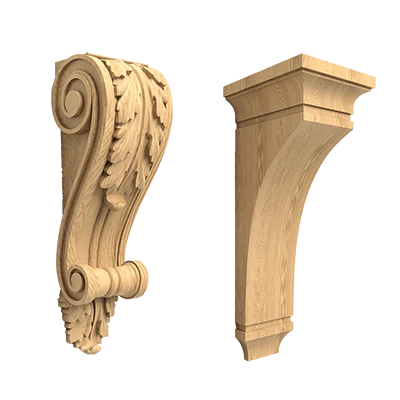
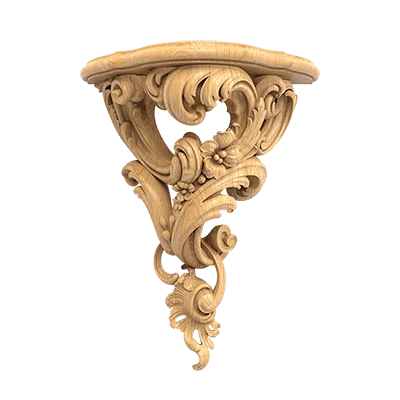
Brackets support the cornice from below — functionally and visually. A carved bracket with an ornament that echoes the architrave creates a sense of a cohesive ensemble. The bracket is a small element, but it often becomes the "connecting link" between the architrave and the cornice.
Connecting elements
When windows are located close to each other, connecting strips or inserts with ornaments are often installed between their architraves. This creates a single horizontal band of decor across the facade, uniting the window row into one composition.
Facade wooden decor
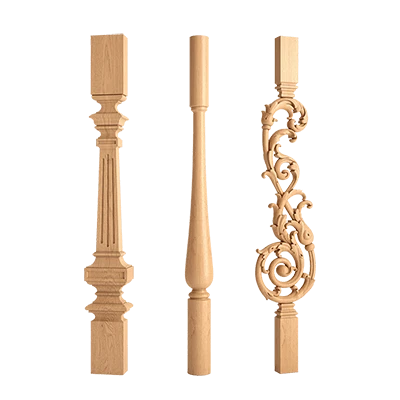
Balusters, pilasters, corner overlays, soffits around the balcony perimeter — all these are elements of one decorative system.wooden house carving — this is a comprehensive approach in which the architrave is a basic but not the only element. It is in a system with other products that it fully reveals its potential.
Symmetry of window groups
This is a principle, the violation of which immediately catches the eye. If a house has three windows in a row — all three should be designed identically. An exception is permissible only with a deliberate accentuation of the central window (for example, with a larger top element). Random variety in architraves is perceived as sloppiness, even if each architrave is beautiful on its own.
Typical mistakes that spoil the facade
Professional experience shows: most unsuccessful facade solutions result from a few recurring mistakes. Knowing them means avoiding them.
Ornament too fine on a large facade. From a distance of 10–15 meters, fine carving turns into a gray spot. The facade loses structure, the casing becomes unreadable. Large houses require bold, confident carving with clear, well-visible elements.
Carved decor too heavy on a small house. The reverse mistake: massive, ornate casings on a small cottage "weigh down" the facade, making it fussy and overloaded. A small house requires light, "airy" carving.
Mixing different styles. Folk ornament on one window, a classic pediment on another, a geometric pattern on a third. Such a facade looks like a museum of random finds, not a deliberate architectural object.
Disproportion between the top and side parts of the casing. If the top element ("cap") is significantly heavier than the side posts, the casing loses balance. Conversely: massive side posts with a small cap create a sense of incompleteness. Proportions must be balanced.
Lack of support from other facade decor. A lone carved casing on a bare facade is like a flower in a desert. Without a cornice, without brackets, without an overall decorative logic, the casing looks like a random element, not an architectural solution.
Wrong choice of coating. A carved casing with poor-quality paint or peeling varnish is worse than a smooth, clean casing. The coating must be resistant to weather conditions, applied correctly, with primer and protective layers.
Material for carved casings: what to choose and why
For facade casings, material choice is a fundamental issue. A facade element operates under conditions inaccessible to interior trim: rain, snow, frost, ultraviolet radiation, temperature fluctuations.
Spruce
The most common and affordable option. Pine is easy to work with and accepts carving well. With proper impregnation and painting, a pine casing lasts 15–25 years. Important: pine contains resin, which, if not properly treated, "seeps" through the paint. Pre-treatment with an antiseptic and special primer is necessary.
Larch
Denser and more moisture-resistant than pine. Larch contains natural resins that make it resistant to rot. For facade use in high-humidity areas, it is an excellent choice. Carving larch requires a bit more effort, but the result is more durable.
Oak
The most durable and prestigious option. Oak is hard, resistant to moisture, rot, and mechanical impact. An oak carved casing is a product for generations. The price is corresponding. For facade use in premium projects, it is an absolute favorite.
Cedar
Natural resistance to moisture, pleasant aroma, beautiful texture. Cedar casings are not often found in mass production, but for custom orders, they are an excellent solution for a country house.
Importance of protective coating
No matter which material you choose, without proper coating it will not last long. For facade casings, the following are used: antiseptic impregnation (mandatory), facade paint or glaze (with UV protection), finishing varnish or oil (for a natural look). The coating should be renewed every 5–7 years under intense atmospheric loads.
How to calculate dimensions: practical guidelines
Before ordering a carved casing, you need to know the exact window dimensions. Standard parameters:
Side posts — length equals the height of the window opening plus 30–50 mm on each side to cover the installation gap.
Top element ("cap") — width equals the width of the assembled casing (window width plus 2 × width of the side post). Height of the top element — from 15 to 40% of the side post height, depending on the style.
The lower element (drip cap, flashing) is not always installed. When present, it provides water drainage and visually "grounds" the casing.
The width of the side stile ranges from 70 mm (a minimalist modern option) to 150–200 mm (a lush folk tradition). For most country houses, the optimal width is 90–120 mm.
When ordering a set for multiple windows, it is important to specify the dimensions of each window separately — in older houses, windows are rarely identical.
Coating and color of carved casing: how to choose and not make a mistake
The color of the casing is another point where you can win or lose. Several working strategies.
In the color of the facade
A casing in the tone of the wall creates a unified surface where the carving works as a relief — texture without sharp color contrast. This is a calm, intelligent solution. It looks especially good on houses with warm tones — ochre, terracotta, pastel green.
Contrasting casing
White casing on a dark facade is the most famous contrast. It makes the casing the main accent of the facade, attracts the eye, and creates a clear pattern. Dark casing on a light facade is a less common but no less interesting option.
Natural wood without painting
Oil or clear varnish reveal the natural wood grain. Such a trim blends softly into the facade without drawing attention. It is especially good on houses made of profiled timber or rounded logs, where wood plays the main role.
Traditional folk palette
In the Russian tradition, trims were painted in rich, joyful colors: sky blue, emerald, ochre, burgundy, white. This palette creates a lively, festive look — exactly what is appropriate for houses in folk style.
Where to buy carved casing for a house
Ready-made models from the catalog
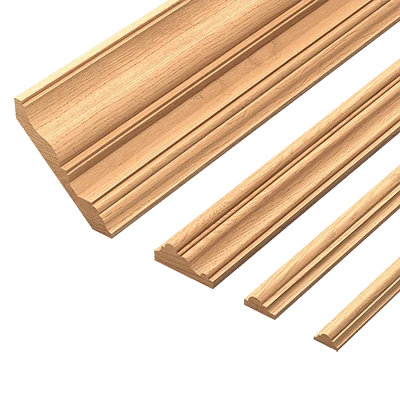
A quick way: choose from the existing range of ready-made carved trims.Carved Mouldingsin the STAVROS catalog — this is a wide selection of models in standard sizes with indication of material, ornament, and status (stock item or made to order).
Set for a project
If you need to decorate several windows in a unified system, it is more reasonable to order a set: one series, one ornament, coordinated sizes. This guarantees facade unity and eliminates color mismatches.
Selection by style
For houses with a complex stylistic task — historical interior, restoration, custom project — consultation with a specialist is important, who will help select or develop the required profile and ornament.
Custom profile by drawing or sample
When the standard range doesn't fit, the manufacturer will make a trim according to the provided drawing or sample.Window and door trim — here you can get acquainted with basic models and discuss individual requirements.
Systematic approach: carved trim as part of the facade ensemble
One of the most important principles to understand before starting the selection: a carved trim is not an independent object, but part of a system. The facade, like the interior, works through the consistency of details.
The correct facade ensemble is built as follows:
-
Base — trims on all windows in a single series;
-
Framing — a cornice with the same carving style;
-
Support — brackets, balusters, corner overlays;
-
Details — under-eave boards, connecting elements, decorative inserts.
Each subsequent level enhances the effect of the previous one. That is whywooden house carvingis considered by professionals as a comprehensive discipline, not a set of separate purchases.
Installation of carved architraves: what is important to know
Attachment to the wall and window frame
The carved architrave is attached either to the wall or to the window frame — depending on the design. On a wooden house — to a log or beam. On a brick or concrete facade — using dowels. It is important to use fasteners made of stainless steel or galvanized steel — ordinary steel quickly rusts and leaves marks on the architrave.
Joints and gaps
The connection points of the architrave elements — the junction of the side posts with the top element — must be precise. Gaps are unacceptable: water gets into them, accelerating destruction. All joints after installation must be treated with weather-resistant sealant.
Ventilation gap
It is recommended to leave a small gap between the architrave and the wall for ventilation. This prevents moisture accumulation and rotting of the back surface of the architrave. For wooden houses, where the wall "breathes", this is especially relevant.
Regular Maintenance
The facade architrave requires regular monitoring of the coating condition. Inspect the architraves in spring and autumn. If cracks appear in the paint, immediately restore the coating, otherwise moisture will begin to destroy the wood from the inside.
Trends 2025–2026: how the aesthetics of wooden facade decor are changing
The modern market of wooden facade decor is experiencing an interesting moment: interest is simultaneously growing in both authentic Russian tradition and laconic modern solutions.
Trend 1: The Return of Through-Carving. Openwork, "lace-like" window casing, cut all the way through, is experiencing a true renaissance. It is both a historical tradition and a very photogenic solution — a house with such a casing is instantly recognizable on social media.
Trend 2: Monochrome Facade with a Carved Accent. A white house — a white window casing, but with carving. Minimalism in color, maximum in texture. This is a modern interpretation of a classic tradition.
Trend 3: Wood + Other Materials. A metal facade with wooden carved window casings. Cement plaster with wooden decor. Contrast of textures is one of the strongest design techniques.
Trend 4: Geometric Carving on Modern Houses. Clear geometric ornaments without historical references — for houses in a minimalist or Scandinavian aesthetic.
Trend 5: Natural Wood Color. Rejecting paint in favor of transparent oils and varnishes. Wood itself is a luxury, and revealing its texture is a bold and winning solution.
Special Cases: Non-Standard Windows and Openings
Arched Windows
An arched window requires a special approach: a rectangular carved casing will not work here. A casing with an upper part that repeats the shape of the arch is needed — either bent or composite of several elements. This is a more complex and expensive task, but the result is worth it.
Non-Standard Windows: Wide, Small, with Non-Standard Placement
Non-standard windows require an individual approach. When ordering, it is important to provide accurate dimensions — not only the width and height of the opening, but also the wall thickness, the depth of the reveal, and the position of the window frame relative to the wall plane.
Doorway with carved architrave
For an entrance door, a carved architrave creates a grand effect. Here, the scale of decor can be maximal — the door allows it. A harmonious connection between window and door architraves on the same facade is another sign of a professionally executed project.
How to choose a set of carved architraves for several windows
A few practical steps that will save time and money.
-
Take a photo of the facade and apply the proposed architraves to the photo — this helps assess proportions before purchase.
-
Make a list of all windows with dimensions — height and width of each opening.
-
Decide on the series and ornament — one ornament for the entire facade or a deliberate division (one type for the main facade, another for the side ones).
-
Calculate the linear footage — total length of all side posts and top elements with a 10% margin.
-
Order the entire set at once — this guarantees uniformity of color, texture, and dimensions.
FAQ: Answers to popular questions
Which carved architraves are suitable for a small house?
Choose a light, "airy" ornament — openwork saw-cut carving or a simple geometric pattern. The width of the side posts is 70–90 mm. Avoid heavy, massive top elements — they will weigh down a small facade.
What to choose: a shaped or fully carved architrave?
Shaped (with a profiled base and carved inserts) — more versatile and easier to install, works well in most styles. Fully carved — for houses with a pronounced Russian or folk character, where the richness of decor is appropriate and organic.
Can carved architraves be combined with smooth facade elements?
Yes, and this often works very well. Smooth elements create "pauses" in the ornament — the facade breathes. The main thing is not to mix carved and smooth architraves on the same level of the facade: let each element have its own zone.
Which material is best for a facade carved architrave?
For a climate with distinct seasons — larch or oak: high resistance to moisture and temperature changes. For a temperate climate with proper care — pine. The main thing is high-quality treatment with an antiseptic and a durable facade coating.
How to choose a set for several windows of different sizes?
A single series of ornament, the same width of side posts. The top element is scaled proportionally to the window width — this preserves unity and accounts for size differences.
Can a non-standard ornament be ordered?
Yes, with an individual order, the manufacturer can develop or repeat any ornament — based on a sample, photo, drawing, or sketch.Carved wooden elements— here are the possibilities of custom manufacturing.
How often should the coating of a carved architrave be updated?
On average, once every 5–7 years — when using high-quality facade paint or glaze. In regions with harsh climates — more often. At the first signs of coating cracking — immediately, without delaying until the next season.
What is the difference between through-cut carving and applied carving?
Through-cut (openwork) — the ornament is cut through, creating a lace effect. Applied — a relief pattern on a smooth base, the ornament is voluminous, but the background is not through. Through-cut is visually lighter, applied is more massive and dense.
Is a lower element of the architrave (undersill) necessary?
Not necessarily, but desirable. The undersill protects the lower end of the side posts from direct water ingress and at the same time completes the composition of the architrave. In traditional Russian style, the undersill is a mandatory element.
STAVROS: wooden facade decor with character
When it comes to high-quality carved architraves for a house — those made from the right material, with a precise ornament and coating designed for years of facade service — STAVROS has long taken its place as a manufacturer trusted by many.
STAVROS is a full cycle: from profile development to the finished product. The company's assortment includes —Carved Mouldingsfor windows and doors, cornices, brackets, soffits, connecting elements — everything needed to create a cohesive facade ensemble. Materials are proven wood species: pine, larch, oak, beech. Possibility to order both ready-made models and custom designs based on individual drawings and samples.
It is important to understand: a good carved architrave is not just a beautiful product. It is an item that embodies precision of calculation, quality of material, craftsmanship of carving, and proper coating. STAVROS produces exactly such architraves — for those who understand the difference between 'buying' and 'investing in a home.'
Window and door trimfrom the STAVROS catalog is a starting point for those who want to design a facade correctly: with respect for the home's architecture, the tradition of wooden architecture, and their own taste.
Choose STAVROS — and your home will receive an architrave that will last not just a year or two, but as long as the house itself stands.