












































































Article Contents:
- Evolution of Decorative Planks in Interior Design
- From functionality to aesthetics
- Psychology of Perception of Wooden Finishes
- Technical Aspects of Decorative Planks
- Material Science: Choosing Wood Species
- Geometric Parameters and Their Impact on Perception
- Design Possibilities of Plank Structures
- Space zoning
- Accent Walls and Compositional Centers
- Integration of Lighting
- Stylistic Directions in Using Planks
- Scandinavian minimalism
- Japanese Minimalism and Wabi-Sabi Philosophy
- Modern Classicism and Neoclassicism
- Loft and Industrial Style
- Technology of Producing Decorative Planks
- Raw Material Preparation and Processing
- Drying and Stabilization Process
- Mechanical Processing and Finishing
- Installation of Plank Structures
- Surface Preparation and Planning
- Marking and Installing the Frame
- Methods of Attaching Planks
- Finishing Work
- Maintenance and Care of Plank Structures
- Regular maintenance
- Controlling microclimate
- Restoration and repair
- Ecological Aspects of Using Wooden Planks
- Sustainable forestry
- Carbon Footprint and Climate Benefits
- Impact on Room Microclimate
- Economic Aspects of Using Decorative Planks
- Cost of Ownership Analysis
- Impact on property value
- Regional pricing characteristics
- Innovations and development prospects
- New Processing Technologies
- Production digitization
- Integration with smart technologies
- FAQ - Frequently Asked Questions
- What plank sizes are optimal for decorating walls in residential spaces?
- Which wood species to choose for humid areas?
- Can wooden planks be painted and what paints to use?
- How to calculate the required number of planks for a project?
- Which method of attaching planks is most reliable?
- Is special treatment of planks required before installation?
- How to properly care for lath structures?
- What is the approximate cost of finishing a wall with wooden laths?
- Are wooden laths suitable for children's rooms?
- Can lath structures be dismantled without damage?
- Conclusion
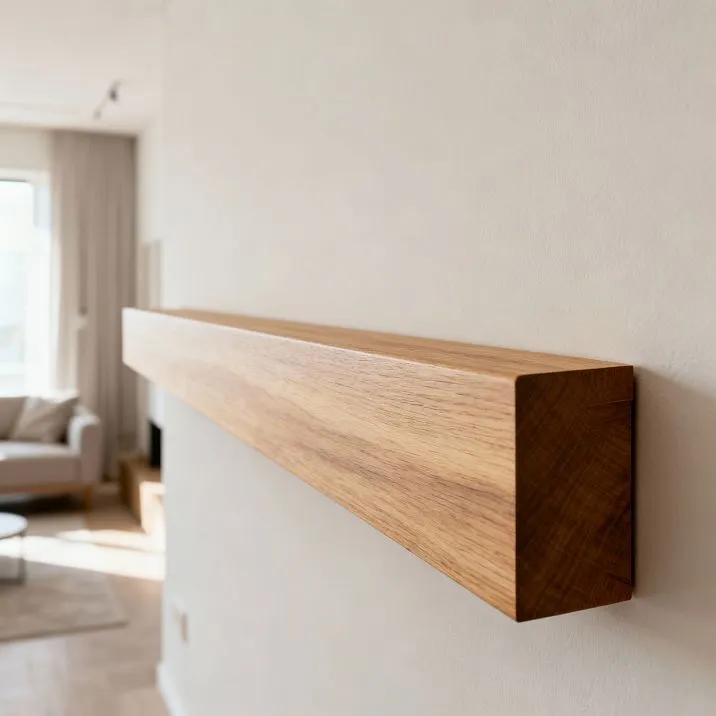
Modern interior design is experiencing a real boom in natural materials, among which a special place is occupied byWooden planks for wall decorationThis material, seemingly simple and unassuming, is capable of radically transforming any room, creating an atmosphere of warmth, coziness, and elegance. In a world where plastic and composites gradually replace traditional materials, wooden laths have become a symbol of returning to the roots, to natural beauty and ecological purity.
What makes wooden laths so attractive to modern designers and homeowners? The answer lies in their remarkable versatility and ability to seamlessly fit into any interior style - from strict minimalism to luxurious classicism. Thesesolid wood trim piecespossess a unique property of creating volumetric compositions, playing with light and shadow, visually altering the geometry of the room.
In the era of open floor plans and multifunctional spaces, decorative wooden laths solve one of the main problems of modern housing - zoning without losing light and the feeling of spaciousness. They create visual boundaries without blocking natural lighting, which is especially valuable in city apartments with limited window space.


Evolution of decorative laths in interior design




From functionality to aesthetics
The history of using wooden laths in construction spans centuries, but their use exclusively for decorative purposes is a relatively new phenomenon. Initially, laths served purely practical functions: they were used as framing, structural elements, or as a base for various coverings. However, the creative vision of modern designers has opened up entirely new possibilities for using this material.
The revolution began in Scandinavian countries, where principles of minimalism and closeness to nature gave rise to unique interior solutions.Wooden planks for wall decorationThey became an integral part of Scandinavian style, creating a characteristic graphic of vertical or horizontal lines that visually structure the space.
Gradually, this trend spread worldwide, adapting to local traditions and preferences. In Japanese interiors, wooden laths embodied the philosophy of wabi-sabi - the beauty of imperfection and naturalness. In American lofts, they became a contrasting element, softening the industrial rigidity of metal and concrete.
Our factory also produces:


Psychology of perception of wooden finishes
Scientific studies confirm the beneficial effect of natural materials on a person's psycho-emotional state. Wooden surfaces reduce stress levels, normalize blood pressure, and improve concentration. This occurs at a subconscious level - our brain perceives wood as part of the natural environment, activating relaxation mechanisms.
The rhythmic structure of lath compositions creates a unique visual effect reminiscent of natural patterns - sunlight filtering through tree canopies or shadows from a fence at sunset. This associative connection with nature makes the interior more comfortable and harmonious.
The color palette of natural wood - from light golden to deep brown tones - creates a sense of warmth and coziness. Unlike the cold tones of modern materials, wood radiates life energy, making the space more vibrant and alive.
Get Consultation
Technical aspects of decorative laths
Wood Science: Choosing Wood Species
The choice of wood species for decorative laths is determined not only by aesthetic preferences but also by technical requirements of a specific project. Each species has a unique set of properties affecting the durability, stability, and appearance of the finished structure.
Coniferous species are traditionally the most popular choice due to their accessibility, excellent technical characteristics, and natural resistance to biological damage. Pine attracts with its golden color and expressive grain of annual rings. The resins contained in it provide natural wood preservation, which is especially important under varying humidity conditions.
Spruce differs with a lighter, almost white tone and uniform structure. It is ideal for creating Scandinavian interiors, where purity and simplicity of color solutions are valued. The lower resin content of spruce makes it more suitable for painting and staining.
Larch deserves special attention as a species with unique operational characteristics. Its density approaches that of hardwoods, and its natural resistance to moisture makes larch an ideal choice for rooms with high humidity.
Hardwood species are used in premium projects where not only technical but also status characteristics of the material are important. Oak - a symbol of reliability and longevity - creates interiors radiating respectability and solidity. Its expressive texture with clear annual rings and medullary rays makes each lath a unique piece of natural art.
Beech attracts designers with its versatility and excellent workability. The uniform structure and soft tone of beech wood harmonize beautifully with various interior styles. The high density of beech allows for the creation of thin, elegant profiles without sacrificing strength.
Ash is distinguished by a unique combination of strength and elasticity. Its light wood with wavy texture creates elegant patterns, especially effective under appropriate lighting.
Geometric parameters and their influence on perception
The dimensions of decorative laths significantly influence the visual perception of space and the overall character of the interior. Understanding these patterns allows designers to create desired effects and solve specific tasks.
Thin slats (section 10-20 mm) create a delicate, almost graphic texture. They are ideal for small rooms, where bulky elements might appear cumbersome. The frequent rhythm of thin slats creates a dynamic surface, attracting attention with its detailed finish.
Medium slats (section 20-40 mm) are the most versatile solution. They provide an optimal balance between expressiveness and restraint, suitable for rooms of various sizes. This size range is most often chosen for creating accent walls in residential interiors.
Wide slats (section over 40 mm) create a more calm, monumental effect. They are suitable for spacious rooms with high ceilings, where they can fully realize their decorative potential. Wide slats are often used in public interiors — hotels, restaurants, executive offices.
The distance between slats also plays an important role in forming the visual effect. Dense placement creates almost a solid surface with a fine shadow structure, while sparse placement emphasizes the composition's rhythm and creates a more pronounced play of light and shadow.
Design possibilities of slat structures
Space Zoning
One of the main advantagesof wooden slats for wall decoration— the ability to gently divide space without creating solid partitions. In modern studio apartments, where the kitchen, living room, and dining area are combined into one space, slat structures allow creating psychological boundaries between functional zones.
A semi-transparent slat partition 2-2.5 meters high effectively separates the work area from the relaxation zone, without blocking natural light and preserving the feeling of a single space. Such a solution is especially valuable in urban apartments with limited floor area, where every square meter must be used as efficiently as possible.
Vertical slat elements can serve as a natural transition between different functional zones. For example, changing the direction of slats from vertical to horizontal can mark the boundary between the living room and dining area, creating a smooth transition without abrupt visual breaks.
Accent walls and compositional centers
Creating accent walls is one of the most effective applications of decorative slats in interior design. An accent wall becomes the compositional center of the room, drawing attention and setting the overall style of the space.
The placement of slats can vary: vertical slats visually increase ceiling height, which is especially important in standard apartments with low ceilings. Horizontal placement, on the other hand, expands the space, making narrow rooms more proportionate.
Diagonal placement of slats creates a dynamic composition, introducing movement and energy into the interior. This solution is especially effective in modern styles — high-tech, modern, contemporary.
Combining different orientations allows creating complex geometric compositions. Slats intersecting at an angle form rhomboid or triangular cells, creating a volumetric structure with rich play of light and shadow.
Integration of lighting
Modern slat systems are often integrated with various types of lighting, opening additional decorative possibilities. Hidden backlighting placed behind or between slats creates soft diffused lighting, highlighting the wood texture.
LED strips installed in grooves between slats create a "floating" slat effect, especially impressive at night. Such lighting is not only decorative but also functional — it can serve as ambient lighting or create various lighting scenarios for different times of day and moods.
Directional lights installed at an angle to the slat surface create expressive play of light and shadow, emphasizing the structure's volume. Changing the lighting angle can dramatically alter the perception of the same slat composition.
Colored backlighting opens possibilities for creating dynamic interiors capable of transforming depending on the room's function or time of day. RGB strips allow creating any color scenarios — from warm golden glow for evening relaxation to cool blue for work-related moods.
Stylistic directions in using slats
Scandinavian minimalism
Scandinavian style became the cradle of modern useof wooden slats for wall decorationThe philosophy of this direction — maximum functionality with minimum means — is perfectly embodied in minimalist slat compositions.
In Scandinavian interiors, slats are usually painted white or light gray, matching the overall color concept of the style. Preference is given to thin slats with small gaps, creating a delicate graphic texture that does not overload the space.
In Scandinavian interiors, vertical slat placement serves not only decorative but also practical purposes. Slat panels can be integrated with storage systems, concealing shelves and clothing hooks. Such a solution is especially popular in hallways and bedrooms.
A characteristic feature of Scandinavian use of slats is their integration with furniture. Slat elements are repeated in the design of cabinets, beds, shelves, creating a unified stylistic concept for the entire space.
Japanese minimalism and wabi-sabi philosophy
Japanese aesthetics brought to the world of interior design a unique understanding of the beauty of wooden slats. Here, the natural wood texture, minor imperfections, traces of time, and the material's natural origin are valued.
In Japanese interiors, slats are rarely painted — preference is given to natural wood tones, treated with transparent oils or left untreated. This approach highlights the material's natural beauty and aligns with the philosophy of harmony with nature.
Japanese masters skillfully use the play of light and shadow created by slat structures. Slats are arranged so that natural lighting creates changing patterns on walls and floors throughout the day, introducing an element of living nature into the interior.
A characteristic feature of Japanese style is the use of beams of different thicknesses in one composition. This creates a more complex rhythm, reminiscent of the natural irregularity of natural objects—bamboo stalks or tree branches.
Modern Classicism and Neoclassicism
In classical interiors, wooden beams play the role of a modern interpretation of traditional decorative elements. They can replace pilasters, columns, or boiserie panels, bringing a contemporary sound to classical interiors.
Trimming ItemsIn classical interiors, beams are often combined with traditional moldings and cornices. Beams can serve as fillers between more complex profiles, creating multi-level compositions with rich play of light and shadow.
In neoclassical interiors, beams are usually painted in noble colors—deep blue, emerald, burgundy. Such a palette emphasizes the status of the interior and creates a sense of luxury and respectability.
A special effect is achieved when using gilded or patinated beams. Such elements become true works of decorative art, highlighting the elegance and refinement of the interior.
Loft and industrial style
In loft interiors, wooden beams play the role of a counterpoint to rough industrial materials—brick, metal, concrete. Natural wood softens the harshness of industrial aesthetics, adding warmth and humanity to urban spaces.
In lofts, beams are typically used in their natural state—unpainted, with visible knots, cracks, and signs of processing. Such "roughness" is part of the stylistic concept, emphasizing authenticity and contrasting with glossy modernity.
In lofts, beams are often combined with metal structures. The contrast between warm wood and cold metal creates expressive compositions, highlighting the industrial character of the style.
Weathered or charred beams look especially striking. The charring technique imparts deep black color to the wood while preserving its texture, creating a dramatic effect that fits perfectly into loft aesthetics.
Production Technology of Decorative Beams
Log Preparation and Raw Material Preparation
The quality of finished decorative beams largely depends on the correctness of log preparation and raw material preparation. The process begins with careful selection of wood meeting technical requirements and aesthetic standards of future products.
The time of log preparation plays a critical role in the quality of future products. The optimal period is late autumn and winter, when sap movement in the wood is minimal and stem moisture is at its lowest level. This ensures better dimensional stability of finished products and reduces the risk of deformation during use.
Log selection takes into account multiple factors: wood species, tree age, growing conditions, absence of visible defects and signs of disease. Preference is given to trees grown in northern regions with slower growth, which ensures denser, stronger wood with pronounced texture.
Primary processing includes debarking, trimming ends, and cutting into required sizes. At this stage, the cutting scheme is determined, which may be radial, semi-radial, or tangential depending on the wood species and requirements for the finished product.
Drying and Stabilization Process
Drying wood to optimal moisture content is one of the most critical stages of production, determining the dimensional stability and longevity of finished products. For decorative beams, uniform drying is especially important, eliminating internal stresses and deformations.
Kiln drying is performed in specially equipped drying chambers with automatic control of temperature, humidity, and air circulation. Drying regimes are individually selected for each wood species, taking into account the thickness of the blanks and quality requirements.
The process includes several stages: initial heating, main drying, conditioning, and cooling. Each stage is characterized by specific temperature and humidity parameters, with gradual changes ensuring even moisture removal without damaging the wood structure.
The final moisture content for decorative beams is 8–12%, corresponding to equilibrium moisture in heated indoor environments. This moisture level ensures dimensional stability and prevents cracking or warping of the material.
Mechanical Processing and Finishing
The final production stage includes mechanical processing of dried blanks to obtain finished products with required geometric parameters and surface quality.
Planing is performed on high-precision four-sided machines that process all faces of the blank in one pass. The quality of planing depends on the condition of the cutting tool, feed rate of the material, and its moisture content. Properly set-up equipment allows achieving surface roughness less than 40 micrometers.
Calibration ensures dimensional accuracy of finished products. Tolerances for thickness and width of high-quality decorative beams should not exceed ±0.5 mm, achieved through use of precision equipment and continuous monitoring of geometric parameters.
Finishing processing may include sanding for an ideal smooth surface, profiling with milling for decorative elements, and end-cutting for precise length dimensions.
Quality control is performed at every production stage. Finished products undergo visual inspection, geometric parameter checks, moisture content determination, and sorting by quality class.
Installation and Mounting of Beam Structures
Surface Preparation and Planning
Successful installation of decorative beam structures begins with careful preparation of the base and detailed planning of all work stages. The quality of preparation largely determines the final result and longevity of the entire structure.
The wall surface must be cleaned of old coatings, dust, and contaminants. Irregularities exceeding 3-5 mm should be removed by spackling or plastering. For wet areas, the surface must be treated with antiseptic compounds and primed with a penetrating primer.
Planning includes creating a detailed drawing indicating all dimensions, distances between elements, and locations for fasteners. Special attention is given to calculating material quantities, accounting for waste from cutting and potential defects.
Material acclimatization is a critically important stage often underestimated.Wooden planks for wall decorationMaterials must remain in the installation room for at least 48-72 hours to equalize humidity with the surrounding environment. This prevents deformation after installation.
Framing Layout and Installation
Accurate layout is the foundation of quality installation. Laser levels, construction levels, tape measures, and squares are used to ensure the ideal geometry of the structure.
The base line is determined — usually a horizontal line at the bottom or top of the wall, from which further layout is conducted. For vertical rails, mounting points are marked according to the installation spacing, typically 40-60 cm.
Rails are typically mounted not directly to the wall, but to an intermediate frame. The frame can be wooden (from 40×40 or 50×50 mm beams) or metal (from galvanized profiles).
A wooden frame is preferable for residential spaces due to its ecological nature and ease of processing. A metal frame is used in humid areas or where high fire safety requirements are needed.
Frame elements are set precisely level and securely fastened to the wall. The frame mounting spacing is determined by the weight of the rail structure and is typically 30-40 cm. For heavy structures made of hardwood, the spacing may be reduced to 20-30 cm.
Methods of Rail Fastening
The choice of fastening method depends on the type of structure, aesthetic requirements, operating conditions, and potential for future disassembly.
Open fastening with screws — the simplest and most reliable method. Rails are fastened to the frame with screws, whose heads remain visible. For improved appearance, decorative screw heads or painting the heads to match the rails can be used.
Hidden fastening with nails provides a more aesthetic appearance. Thin nails are driven at an angle through the side edges of the rails, then the heads are countersunk and masked with spackle or wax pencils.
Clip fastening uses special metal clips that are attached to the frame, and rails snap into them. This system allows for disassembly of individual elements without damaging the entire structure.
Adhesive fastening is used for lightweight rails on flat surfaces. Polyurethane adhesives or specialized mounting adhesives are used. This method provides invisible fastening but makes disassembly difficult.
Finishing Work
After installing all rails, finishing work is performed, including sealing joints, treating ends, and installing decorative elements.
Joints between rails and junctions to the ceiling and floor are sealed with sealant or decorative strips. The sealant color is matched to the rails or contrasted to create an additional decorative effect.
Rail ends, especially visible ones, require special attention. They are sanded, optionally tinted or painted as needed. A special wax may be applied to ends to protect against cracking.
Final stage — installation of additional lighting, if specified in the design. LED strips or spotlights are integrated into the structure while complying with all electrical safety requirements.
Maintenance and Care of Rail Structures
Regular Maintenance
Proper care of wooden rail structures ensures their longevity and maintains an attractive appearance for many years. The care system must consider the wood species, finish type, and operating conditions.
Daily care involves removing dust from rail surfaces. This is done using a soft dry cloth or a special brush with natural bristles. It is important to clean along the direction of the wood grain to avoid scratches.
Weekly wet cleaning is performed using slightly damp cloth without aggressive cleaning agents. Wood care products diluted in warm water according to manufacturer instructions can be used for cleaning.
Hard-to-reach areas between rails are cleaned using a vacuum cleaner with a soft brush or long-handled special brushes. Regular cleaning prevents dust and dirt accumulation, which may cause discoloration of the wood.
Microclimate control
Wooden structures are sensitive to changes in temperature and air humidity. Optimal operating conditions: temperature 18-24°C, relative air humidity 40-60%. Significant deviations from these parameters may cause deformation and cracking.
During the heating season, when air humidity drops to 20-30%, humidifiers are recommended. Excessively dry air may cause wood shrinkage and cracking, especially noticeable in rails made of hardwood.
In summer, it is important to monitor excessive humidity, which may cause wood swelling and structural deformation. Effective ventilation and air conditioning help maintain optimal microclimate conditions.
Direct sunlight may cause uneven color changes in wood. Windows facing south are recommended to be shaded with curtains or blinds during peak sun exposure hours.
Restoration and repair
Over time, wooden surfaces may lose their original luster, developing minor scratches and scuffs. Timely restoration of the finish allows maintaining the ideal appearance of the structures.
Minor scratches and chips are repaired using wax pencils of the appropriate color or special repair compounds. After drying, the repaired area is sanded with fine-grit sandpaper and polished.
More serious damage requires local restoration of the finish. The damaged area is cleaned, sanded, and covered with the same compound used during the initial finishing.
In case of significant wear of the finish, complete renewal may be required. The old finish is removed by sanding, the surface is dusted, and a new compound is applied. This process is best entrusted to professionals, especially when dealing with expensive wood species.
Ecological aspects of using wooden planks
Sustainable Forestry
In an era of growing ecological awareness, the origin of materials used becomes especially important.Wooden planks for wall decorationWood harvested in accordance with sustainable forestry principles allows creating ecologically responsible interiors.
FSC (Forest Stewardship Council) certification guarantees that the wood comes from forests managed according to high ecological and social standards. Such forests not only provide renewable raw materials but also support biodiversity, preserve soils and water resources.
An alternative certification system, PEFC (Programme for the Endorsement of Forest Certification), also ensures control over sustainable forestry. Products with such certifications give consumers confidence in the ecological responsibility of their choice.
Local production further reduces the ecological footprint of the product by reducing transportation costs. Using local wood species also supports traditional skills and contributes to preserving cultural heritage.
Carbon footprint and climate advantages
Wood is the only building material that absorbs carbon dioxide from the atmosphere during growth. One cubic meter of wood binds approximately one ton of CO2, making wooden structures an effective tool in combating climate change.
When properly disposed of, wood remains carbon-neutral — burning or decomposition releases only the amount of carbon that was absorbed during tree growth. This fundamentally distinguishes wood from fossil materials, whose use increases CO2 concentration in the atmosphere.
Energy consumption in producing wooden products is significantly lower than for alternative materials. Most energy is spent on drying wood, but even with this, overall energy consumption remains minimal compared to producing metal, plastic, or composite materials.
Impact on room microclimate
Wooden surfaces actively participate in regulating room microclimate. Wood has the ability to absorb excess moisture when humidity is high and release it when moisture is low, acting as a natural regulator.
This hygroscopic property is especially valuable in modern sealed buildings, where natural humidity regulation is difficult. Wooden plank structures help maintain a comfortable humidity level without additional equipment.
Wood also possesses natural antibacterial properties. Some species, especially conifers, release phytoncides — natural antiseptics that purify the air from harmful microorganisms and create a healthier atmosphere indoors.
Economic aspects of using decorative planks
Analysis of ownership cost
When selecting finishing materials, it is important to consider not only the initial cost but also the total costs over the entire life cycle. Wooden planks, despite their higher initial price compared to some artificial materials, often prove more economical in the long run.
The durability of high-quality wooden planks from hardwood species can reach 50-80 years with proper use. Coniferous species last 20-40 years, which still exceeds the lifespan of most artificial alternatives.
Wooden structures are easy to repair and update. A worn surface can be sanded and re-coated, damaged elements can be replaced. This allows maintaining the original appearance of structures for decades with minimal costs.
The residual value of wooden elements remains high even after many years of use. High-quality wooden planks can be dismantled and reused in other projects, further reducing overall ownership costs.
Impact on property value
Quality finishing with natural materials significantly increases property value. Wooden plank structures are associated with the premium segment, ecological responsibility, and good taste of the owner.
In the luxury real estate segment, natural materials are practically mandatory. Buyers are willing to pay extra for apartments with quality wooden finishes, viewing it as an investment in comfort and prestige.
The versatility of wooden plank structures ensures their relevance regardless of changing fashion trends. Unlike some modern materials that may go out of style, natural wood remains timeless and style-neutral.
Regional pricing features
The cost of wooden planks varies significantly depending on the region, availability of raw materials, development of the woodworking industry, and logistics infrastructure.
In regions with a developed forestry industry, planks from local species are significantly cheaper due to the absence of transportation costs and direct links with manufacturers. Conversely, in regions with limited forest resources, prices may be considerably higher.
Seasonality also affects cost. Peak demand for construction materials during the spring-summer period may lead to price increases, while winter purchases are often cheaper.
Purchase volume significantly affects unit cost. Large orders are supplied with substantial discounts, making bulk purchases or buying material for multiple projects simultaneously advantageous.
Innovations and development prospects
New processing technologies
The woodworking industry continuously develops, adopting new technologies that expand the possibilities of wood use and improve the characteristics of finished products.
Thermal modification of wood significantly improves its operational properties. Processing at 160-220°C in an oxygen-free environment increases dimensional stability, reduces hygroscopicity, and enhances resistance to biological damage.
Pressure impregnation ensures deep penetration of protective compositions into the wood structure. Modern autoclave installations allow treating planks with antiseptics, fire retardants, and water-repellent agents to significant depths.
The pressing technology allows creating composite planks from wood processing waste, preserving the natural wood's appearance and tactile qualities while improving operational characteristics.
Digitalization of production
The introduction of digital technologies fundamentally changes the production and quality control processes of wooden products. Modern production lines use computer vision systems for automatic sorting of raw materials by quality and dimensions.
CNC equipment enables manufacturing of planks with complex profiles at high precision. Programmable machines can produce items according to the customer's individual drawings without additional setup.
Tracking systems ensure full transparency of the production process—from raw material to delivery of finished products. Clients can track the status of their order in real time.
Integration with smart technologies
The future of wooden plank structures is linked with the integration of smart technologies. Planks can be embedded with temperature and humidity sensors, lighting systems with remote control capabilities.
Augmented reality technologies allow clients to visualize plank structures in their interiors even before purchasing the material. Special applications create virtual room models with various finishing options.
Artificial intelligence is used to optimize material cutting, minimize waste, and forecast demand. This allows reducing product costs and shortening manufacturing times.
FAQ - Frequently Asked Questions
What plank sizes are optimal for decorating walls in residential spaces?
For most residential spaces, optimal plank sizes are 20×40 mm or 30×40 mm. These dimensions provide sufficient structural expressiveness without overloading the interior. In small rooms, thinner planks of 15×25 mm are preferable, while spacious rooms can use wider planks up to 50-60 mm.
What wood species to choose for humid rooms?
For bathrooms and other humid areas, spruce is the best choice due to its natural moisture resistance. Alternatively, thermally modified wood of any species or planks treated with special moisture-resistant compositions can be used. Use stainless steel fasteners and ensure good ventilation.
Can wooden planks be painted and what paints to use?
Yes,Wooden planks for wall decorationPlanks can be painted with any wood paint. For interior use, water-based acrylic paints are recommended—they are eco-friendly, odorless, and dry quickly. For semi-transparent finishes that preserve wood texture, stains and tinting compositions are used.
How to calculate the required number of planks for a project?
The calculation depends on the mounting method and spacing between planks. For tight mounting without gaps, the quantity is calculated as the ratio of wall area to plank cross-sectional area. When mounting with gaps, plank width and spacing are considered. Add 10-15% to the result for cutting waste.
What is the most reliable way to mount planks?
The most reliable method is mounting to a wooden frame using self-tapping screws with pre-drilled holes. For concealed mounting, clip systems or angled nail mounting through side edges can be used. Adhesive mounting is suitable only for lightweight planks on perfectly flat surfaces.
Is special treatment of boards required before installation?
High-quality kiln-dried planed planks are usually ready for use. However, for additional protection, it is recommended to treat them with antiseptic compositions, especially for humid areas. Final finishing (varnishing, painting) can be done either before or after installation.
How to properly care for plank structures?
Regular dry cleaning with soft cloth or brush prevents dust accumulation. Wet cleaning is done with slightly damp cloth without aggressive cleaning agents. It is important to maintain a stable microclimate—temperature of 18-24°C and humidity of 40-60%. For minor damages, use wax pencils of the appropriate color.
What is the approximate cost of finishing walls with wooden planks?
Material costs range from 1000 rubles (coniferous species) to 3500 rubles (oak, beech) per square meter, depending on wood species and processing quality. Installation costs are 800-1500 rubles per square meter. The total cost of finished installation is 1800-5000 rubles per square meter.
Are wooden planks suitable for children's rooms?
Yes, natural wooden planks are ideal for children's rooms due to their eco-friendliness and hypoallergenic properties. It is recommended to use coniferous species, which emit beneficial phytoncides. Ensure thorough surface sanding, absence of sharp edges, and use of safe water-based finishes.
Can plank structures be dismantled without damage?
Dismantling feasibility depends on the mounting method. Structures on clip or bolted connections are easily disassembled. Planks screwed with self-tapping screws can also be removed, but with a risk of minor damage at mounting points. Adhesively mounted planks are difficult to dismantle but can be removed using special solvents.
Conclusion
The modern interior design world is experiencing a true renaissance of natural materials, andWooden planks for wall decorationhave become one of the brightest symbols of this movement. Their popularity is explained by a unique combination of aesthetic qualities, functional capabilities, and ecological advantages that cannot be found in artificial analogs.
The versatility of wooden planks allows them to seamlessly fit into any interior style—from strict minimalism to luxurious classic. They can solve the most diverse design tasks: zone spaces, create accent surfaces, conceal wall imperfections, and integrate with lighting systems. At the same time, wooden planks maintain a connection with nature, creating a warm and cozy atmosphere in the home.
Wood processing and production technologies continue to evolve, offering new opportunities to enhance the material's performance. Thermal modification, impregnation, and new fastening methods—all of these expand the application areas of wooden planks and increase their durability.
The ecological advantages of natural wood make it a conscious choice for consumers concerned about family health and environmental conditions. Wood's ability to regulate indoor microclimate, absorb carbon dioxide, and be fully recycled at the end of its service life makes wooden planks an ideal material for sustainable construction.
Investments in high-quality wooden plank structures pay off through longevity, renewability, and positive impact on property value. With proper care, such structures can serve for decades, preserving their original beauty and functionality.
Choosing a quality supplier plays a decisive role in the success of the project. The company STAVROS, with extensive experience working with natural wood, offers a full range ofwooden trim productshigh-quality products. Modern equipment, strict control at all production stages, and deep understanding of designers' and architects' needs make STAVROS an ideal partner for implementing the most ambitious interior design projects using natural wooden materials.


