












































































Article Contents:
- The Art of Veneering: The Philosophy of Thin Layers
- The Process of Creating Veneer: From Wood to Art
- Stabilization and Processing of Veneer
- Technological Features of Producing Veneered Strips
- Preparation of MDF Base
- Adhesive Systems and Pressing Technology
- Final Processing and Profiling
- Wood Species for Veneering: Choice for Connoisseurs
- Classic European Species
- Exotic species and their characteristics
- Domestic High-Quality Species
- Design Applications: From Tradition to Innovation
- Classic Interiors and Historical Styles
- Modern Styles and Current Trends
- Technical Advantages of Veneered Strips
- Dimensional and Shape Stability
- Mechanical properties
- Ecological safety
- Installation Technology and Working Characteristics
- Preparation Stage and Planning
- Fastening Systems for Veneered Strips
- Joint Processing and End Protection
- Maintenance and Operation: Preserving Beauty for Years
- Daily care and prevention
- Protective Coatings and Their Renewal
- Local Repair of Damage
- Economic Aspects of Choosing Veneered Strips
- Cost Comparison with Solid Wood
- Long-Term Economic Efficiency
- Innovative Technologies in Veneer Production
- Radio Frequency Drying and Stabilization
- Laser Processing and Artistic Carving
- Ecological aspects and sustainable development
- Rational Use of Wood Resources
- Recycling and reuse
- Trends in development and prospects
- Digital technologies in production
- New Species and Hybrid Materials
- Conclusion
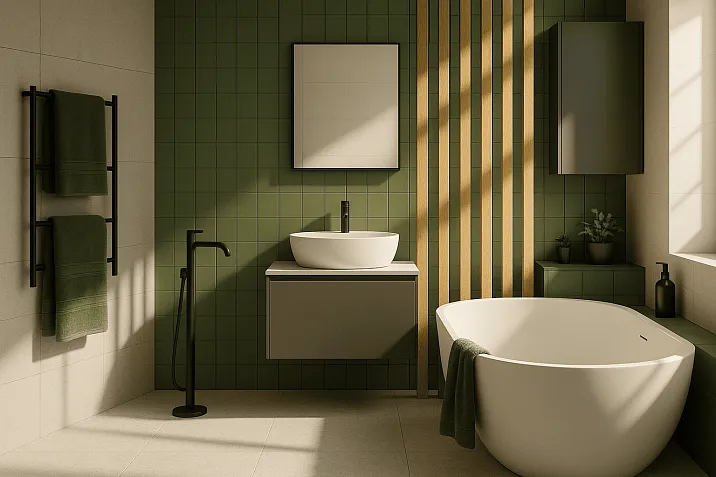
When masters of the past created their masterpieces, they did not know of the existence of MDF. But they certainly knew the value of real veneer—the finest layers of natural wood capable of transforming any surface. Today MDF veneer strip combines centuries-old woodworking traditions with the advantages of modern technologies, creating a material that surpasses the expectations of the most discerning connoisseurs of quality.
This unique symbiosis raises the question: can we improve upon nature's perfection? The answer lies in understanding that true craftsmanship lies not in imitation, but in harmoniously enhancing natural properties with technical advantages.


The Art of Veneering: The Philosophy of Thin Layers
Veneering is not merely a technological process. It is a philosophy based on the understanding that the beauty of wood lies in its surface, in the play of fibers and the interplay of tones. Masters of antiquity intuitively understood: to make beauty accessible, one must learn to 'reproduce' it, while preserving its authenticity and uniqueness.
Modern Veneered MDF strip Continues this tradition by using advanced technologies to achieve results that often surpass the capabilities of solid wood. The thickness of natural veneer is only 0.6–3.0 mm, but it is precisely in this thin layer that all the aesthetic value of the wood is concentrated.




Veneer production: from wood to art
The production of high-quality veneer begins with careful selection of wood. Logs undergo a multi-stage inspection: density, moisture content, presence of defects, and fiber growth pattern are evaluated. Only wood of the highest quality proceeds to the production line.
Wood is steamed at a temperature of 40–60°C for several hours, softening fibers and facilitating cutting. This technology allows obtaining veneer of incredible thinness without compromising the integrity of the wood structure.
Veneer is cut on special machines, where sharp blades slice a continuous veneer strip. Cutting speed reaches 200 meters per minute, but each millimeter is controlled with micron-level precision. veneer MDF strip Obtains a coating that preserves all unique characteristics of the original material.
Our factory also produces:


Stabilization and processing of veneer
Freshly cut veneer contains excess moisture and internal stresses that may lead to deformation. The stabilization process includes controlled drying at a temperature of 60–80°C until reaching a moisture content of 8–12%. Modern drying chambers maintain precise temperature and humidity parameters, preventing cracking and warping.
Thickness calibration of veneer is performed on precision grinding machines. The thickness tolerance is ±0.1 mm, which is critically important for uniform bonding to the base. This precision ensures the absence of bubbles and unevenness on the finished surface.
Get Consultation
Technological features of veneered strip production
MDF base preparation
Quality MDF material Determines the longevity of the entire product. The base density must be 720–780 kg/m³ to ensure strong bonding with the veneer. The MDF surface is sanded to achieve a roughness of Ra 6.3–12.5 μm — optimal for adhesive layer adhesion.
The base moisture is stabilized at 6–8%. Exceeding this level may cause warping of the finished product, while insufficient moisture reduces adhesive penetration into the material’s pores. Control is performed at every stage of production.
Adhesive systems and pressing technology
The choice of adhesive is critically important for the longevity of the veneer-to-base bond. Modern manufacturers use formaldehyde-based resins of class E1 or E0, providing minimal emissions while ensuring maximum bonding strength. The adhesive joint strength reaches 1.2–1.5 MPa, exceeding the veneer’s own tensile strength.
Adhesive is applied using roller systems with dosage accuracy of ±5%. Layer uniformity is controlled by optical sensors, preventing uncoated areas. Adhesive consumption is 120–150 g/m², ensuring a reliable bond without excess that could seep through the veneer’s pores.
Pressing is performed in multi-tier presses at a pressure of 1.2–1.8 MPa and temperature of 120–140°C. Holding time is calculated based on product thickness and lasts 8–12 minutes. The heating gradient must not exceed 2°C per minute to prevent internal stresses.
Final processing and profiling
After pressing MDF veneer strip Undergoes a conditioning stage at room temperature for 24–48 hours. This process stabilizes internal stresses and completes the polymerization of the adhesive layer.
Size calibration is performed on high-precision machines with tolerances of ±0.1 mm for thickness and ±0.5 mm for width. Profile milling is carried out using carbide tools at speeds of 60–80 m/s. Proper cutting parameters ensure surface cleanliness without veneer chips or scratches.
Wood species for veneering: choice for connoisseurs
Classic European species
Oak remains the undisputed leader among veneer species due to its expressive texture and noble color. Oak veneer is characterized by prominently visible medullary rays, which create the distinctive "tiger stripe" pattern when radially cut. MDF Interior Strip With oak veneer, interiors gain solidity and elegance.
Beech attracts designers with its uniform, fine-grained texture. The color range varies from light pink to reddish-brown depending on growing conditions. When steamed, beech acquires a distinctive pinkish-brown hue, expanding its application possibilities in various stylistic solutions.
Exotic species and their characteristics
Central African wenge has a unique dark-brown color with nearly black streaks. Wood density reaches 900 kg/m³, creating certain processing challenges, but the result justifies the effort. Wenge veneer adds sophistication and exclusivity to interiors.
Zebrawood is renowned for its contrasting stripes resembling the coloring of an African zebra. Light yellow and dark brown fibers create a unique pattern that becomes a dominant element in any interior. MDF planks This veneer requires careful application and a professional design approach.
Domestic high-quality species
Karelian birch is a unique phenomenon in the world of wood. The irregular grain structure creates a marble-like pattern with a mother-of-pearl sheen. This veneer is prized by collectors and used in exclusive projects where the uniqueness of each element is important.
Walnut has a rich color palette ranging from light brown to dark chocolate. The wavy texture creates an effect of light and shadow play, especially noticeable under side lighting. Walnut veneer is versatile and suitable for both classic and modern interiors.
Design applications: from traditions to innovations
Classic interiors and historical styles
In classical interiors veneered MDF strips are used to recreate traditional wall panels – boiserie. French palace interiors from the 17th-18th centuries serve as a model for modern designers. Panel height is 1/3 or 2/3 of the room’s height according to the golden section canon.
The English style prefers darker wood species and strict geometry. Oak panels combined with textile wallpaper create the atmosphere of an old library or gentleman’s study. Profiled strips with routed grooves imitate traditional moldings.
Russian estate culture primarily used local species – birch, oak, pine. A modern interpretation of this style involves using light-toned veneers with natural, understated texture. Finishing MDF rails In the Russian style, it creates an atmosphere of coziness and home warmth.
Modern styles and current trends
Minimalism requires a special approach to using veneered strips. Emphasis is placed on line purity and material quality. Preference is given to species with even, calm texture – beech, maple, birch. Vertical strip placement emphasizes height, creating a sense of spaciousness.
Scandinavian style values naturalness and eco-friendliness of materials. Light wood species – ash, birch, pine – harmonize with the philosophy of northern design. Matte veneer surface is preferred over glossy, as it better conveys the naturalness of the material.
Loft and industrial styles use contrast between rough textures and noble wood. Dark veneer species against brick walls or concrete surfaces create an interesting play of opposites. Horizontal strip placement emphasizes industrial aesthetics.
Technical advantages of veneered strips
Dimensional and shape stability
MDF base provides exceptional dimensional stability of the finished product. The swelling coefficient is only 8-12% after 24 hours of immersion in water, which is 2-3 times better than solid wood. This allows using veneer MDF strip even in rooms with variable humidity.
The linear expansion coefficient of MDF is 8-12×10⁻⁶ 1/°C, minimizing thermal deformation. Natural veneer, firmly bonded to a stable base, cannot warp or crack as happens with solid wood.
Mechanical properties
The bending strength reaches 25-30 MPa for veneered strips, comparable to coniferous wood species. Elastic modulus 2800-3200 MPa ensures sufficient rigidity of structures with minimal product mass.
Surface hardness is determined by the veneer species and may vary from 2.5 HV for pine to 4.2 HV for oak. This allows selecting material depending on usage conditions and wear resistance requirements.
Ecological safety
Modern adhesive systems of class E1 limit formaldehyde emission to 0.124 mg/m³ of air, meeting requirements for residential spaces. Class E0 reduces this indicator to 0.05 mg/m³ – the level of natural wood.
Natural veneer contains no synthetic additives or dyes, preserving all ecological properties of the original wood. This makes veneered strips suitable for children’s rooms, bedrooms, and other spaces with higher ecological requirements.
Installation technology and working features
Preparation and Planning
Installing veneered strips requires special attention to the direction of veneer grain. Unlike artificial coatings, natural veneer has a clearly defined texture orientation that must be maintained across the entire surface. Preliminary layout helps assess the overall result and adjust the installation sequence if necessary.
Room humidity should stabilize at 45-65% for 48 hours before work begins. Sudden humidity fluctuations may cause veneer deformation and disrupt the structure’s geometry. Air temperature is maintained within 18-22°C.
Fastening systems for veneered strips
Hidden clip systems are preferred for veneered strips, as they prevent damage to the expensive finish. Stainless steel clips do not cause corrosion spots that may show through the thin veneer layer.
Adhesive fastening is used only on perfectly prepared surfaces. Polyurethane adhesives have sufficient elasticity to compensate for minor foundation movements. Setting time of 20-30 minutes allows adjusting strip positions during installation.
Joint processing and end protection
The ends of veneered planks require mandatory protection against moisture penetration. Special acrylic-based end sealants create a reliable barrier while maintaining the material's breathability. The sealant color is matched to the main finish.
Jointing planks is performed with great care. The gap must not exceed 0.2 mm, and the grain direction of adjacent elements must align. When necessary, planks are selected by pattern and color to create the impression of a continuous surface.
Care and maintenance: preserving beauty for years
Daily care and prevention
Decorative MDF rails Veneered surfaces require gentle care to maintain their original appearance. Dry cleaning with a soft cloth or vacuum cleaner with a soft attachment removes surface dirt without damaging the thin layer of natural wood.
Wet cleaning is performed with a slightly damp microfiber cloth without abrasive agents. The direction of movement should align with the grain of the wood to prevent scratches. Moisture residues are immediately removed with a dry cloth.
Protective coatings and their renewal
Finish varnishes and oils not only protect veneer from external influences but also accentuate its natural beauty. Polyurethane varnishes create a durable film with high resistance to abrasion and moisture. Matte finishes better conceal minor defects and create a more natural appearance.
Natural oils and waxes deeply penetrate the veneer structure, nourishing the wood and highlighting its texture. Such coatings require periodic renewal every 2-3 years but provide the most natural appearance and tactile feel.
Local repair of damage
Minor scratches and scuffs on veneered surfaces are removed using special retouching pencils or mastics matched to the finish color. Deep damage may require local replacement of the veneer section, which requires professional skills.
Delamination of veneer is corrected by re-adhering with a thin layer of PVA or special veneer glue. The area is clamped under weight for 24 hours until the glue fully sets. Excess material is removed with a sharp knife following the grain direction.
Economic aspects of choosing veneered planks
Comparison of cost with solid wood
Natural solid wood planks cost 4-7 times more than veneered equivalents with comparable appearance. Savings become especially significant with exotic species, where the price difference may reach 10-fold.
The cost of installing veneered planks is 25-40% lower due to their dimensional stability and ease of processing. The absence of the need for fitting and additional acclimatization reduces work time and labor costs.
Long-term Economic Efficiency
The service life of quality veneered planks ranges from 15-25 years depending on usage conditions and care quality. Dimensional stability eliminates the need for tightening fasteners and geometry adjustments typical of solid wood.
The possibility of local repair of damage without dismantling the entire structure reduces operational costs. Renewing the protective coating extends service life and allows refreshing the appearance without replacing the material.
Innovative technologies in veneer production
Radio frequency drying and stabilization
Modern radio frequency drying technologies allow uniform moisture removal from the thickness of veneer without surface deformation. The 2.45 GHz frequency ensures simultaneous heating of the entire material thickness, eliminating moisture gradient effects.
Vacuum stabilization under 0.1 atm pressure removes air from wood pores and fills them with special stabilizing compounds. This increases the density and strength of the veneer, reduces its hygroscopicity, and improves adhesion to the adhesive layer.
Laser processing and artistic carving
Laser systems enable the creation of complex relief patterns and ornaments on the veneer surface. The engraving depth is controlled to within 0.01 mm, ensuring high-quality artistic processing without damaging the base.
Selective laser processing can change the color of individual veneer areas without using dyes. Controlled burning creates color gradients and highlights the natural wood texture.
Ecological aspects and sustainable development
Rational use of wood resources
Veneering allows increasing the surface area obtained from one cubic meter of valuable wood by 20-30 times. This drastically reduces pressure on forest resources and makes expensive species accessible to a broader consumer base.
Using fast-growing species for producing MDF base reduces the overall ecological footprint of the product. Poplar, eucalyptus, and acacia reach commercial sizes in 8-12 years compared to 60-100 years for oak or ash.
Recycling and reuse
Veneered planks after reaching end-of-life can be recycled into new panel materials or used as biomass fuel. Natural veneer is fully biodegradable and does not create ecological problems during disposal.
Removal of planks on clip systems allows their reuse in other projects. This is especially relevant for temporary structures and exhibition pavilions, where materials are used multiple times.
Trends in development and prospects
Digital Technologies in Production
Machine vision systems control veneer quality at all production stages, automatically rejecting defective areas. Artificial intelligence analyzes texture and selects optimal sheet combinations to create a harmonious pattern.
Robotic systems ensure precise veneer positioning during gluing and pressing. This eliminates human error and guarantees consistent product quality.
New Species and Hybrid Materials
Selection of fast-growing species with enhanced decorative properties expands the range of available veneers. Poplar-osina hybrids combine rapid growth with attractive texture.
Composite veneer made from recycled wood fibers allows creation of unique textures and colors unattainable in natural wood. This material combines eco-friendliness with design possibilities.
Conclusion
World MDF veneered planks It is a remarkable example of how traditional crafts are revitalized through modern technologies. This material serves as a bridge between the past and the future, preserving the beauty and nobility of natural wood while surpassing it in many practical aspects.
The technological evolution of veneering demonstrates humanity's continuous pursuit of perfection. From early primitive attempts to 'replicate' the beauty of wood to today's precision production with digital control — every step was aimed at enhancing the quality and accessibility of this remarkable material.
The ecological responsibility of modern veneered plank production responds to the challenges of our time. Rational use of forest resources, application of eco-friendly technologies, and recyclability make this material a choice for conscious consumers.
Economic advantages are obvious and multifaceted. Accessibility of the beauty of valuable wood species, ease of installation, durability in use — all these factors make veneered planks an optimal solution for a wide range of projects.
Design possibilities of the material are practically limitless. From recreating historical interiors to realizing the boldest modern concepts — veneered planks find their place in any stylistic paradigm.
The technical excellence of modern veneered planks is the result of years of experience and continuous technological refinement. Dimensional stability, structural strength, and ecological safety — all these qualities are achieved through a scientific approach and the use of advanced developments.
The future of veneered planks lies in further technological development, expansion of species range, and integration of smart features. This material will continue to evolve, remaining true to its core mission — making the beauty of natural wood accessible to everyone.
STAVROS Company, with its rich experience and unwavering commitment to innovation, continues to remain a leader in producing high-quality veneered planks. Every STAVROS product is a synthesis of traditional craftsmanship and modern technology, the result of deep understanding of the needs of designers and architects striving to create interiors that will delight and inspire for many years.





