




































Article Contents:
- Aluminum slatted ceiling: the architecture of rhythm overhead
- The constructive logic of an aluminum slatted ceiling
- What an aluminum slatted ceiling brings to a space
- Where aluminum panel slatted ceilings are used
- Ceiling molding: the architecture of plasticity
- What molding does to a space
- Polyurethane as a material for ceiling decor
- When these two approaches conflict
- Stylistic Conflict: Industry vs. Classic
- Large-Scale Conflict: Detail vs. Rhythm
- Zonal Conflict: Ceiling as a Single Plane
- Where Partial Overlap is Acceptable
- Scenario One: Zoning Through Different Systems
- Scenario Two: Molding as a Transitional Element
- Scenario Three: Geometrically Strict Decor as a Mediator
- Commercial Scenarios: Metal and Molding in One Building
- Hotel: Zoning Through Ceiling Systems
- Restaurant: Slatted Bar and Classic Hall
- Office center: reception with molding, open space with slats
- Technical scenarios: bathrooms, kitchens, swimming pools
- Bathroom: slatted ceiling as a base
- Swimming pool: slatted ceiling with geometric moldings
- Residential scenarios: private house and apartment
- Apartment with high ceilings
- Private house: functional and formal areas
- How to avoid making the interior stylistically schizophrenic
- Compatibility table: quick orientation
- About the Company STAVROS
- FAQ: Answers to Popular Questions
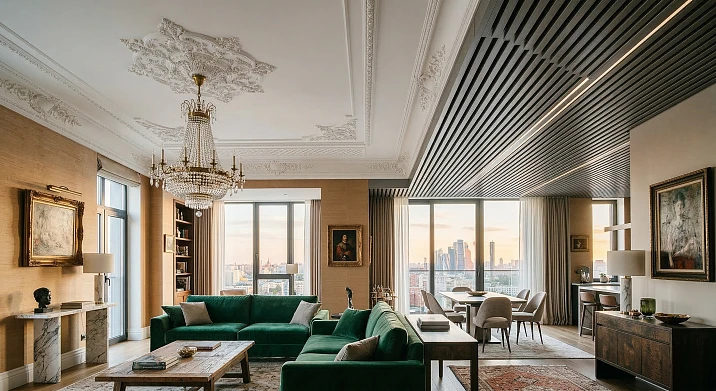
The question may seem provocative, but it's quite real: can you use an aluminum panel slatted ceiling and ceiling molding in the same room—or at least in the same building? At first glance—two architectural antipodes. A metal grid of slats versus plastic ornamentation; industrial rigor versus classical opulence. But design hasn't lived by the laws of 'either-or' for a long time. It lives by the laws of context, proportion, and understanding. Let's examine when these two approaches can coexist, when they kill each other—and what you need to know to avoid making an expensive mistake.

Aluminum Slat Ceiling: The Architecture of Rhythm Overhead
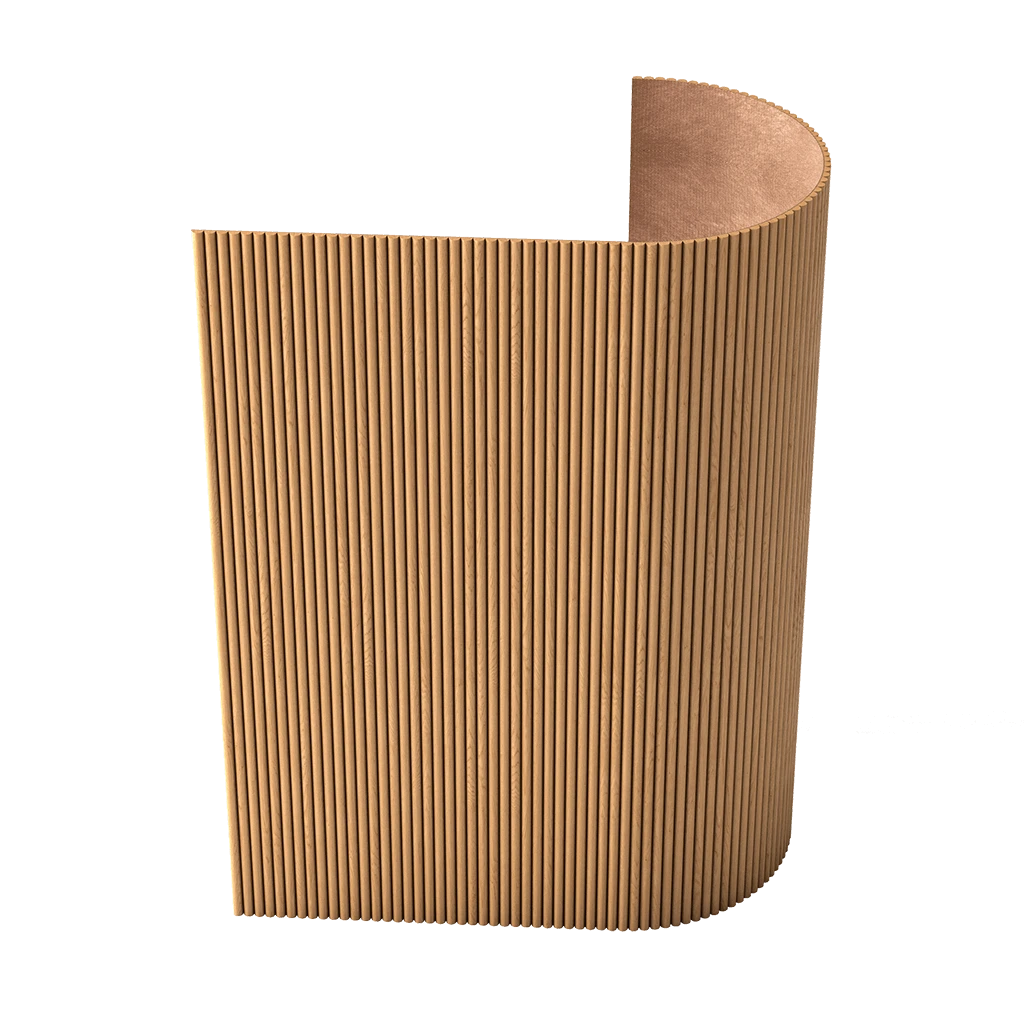
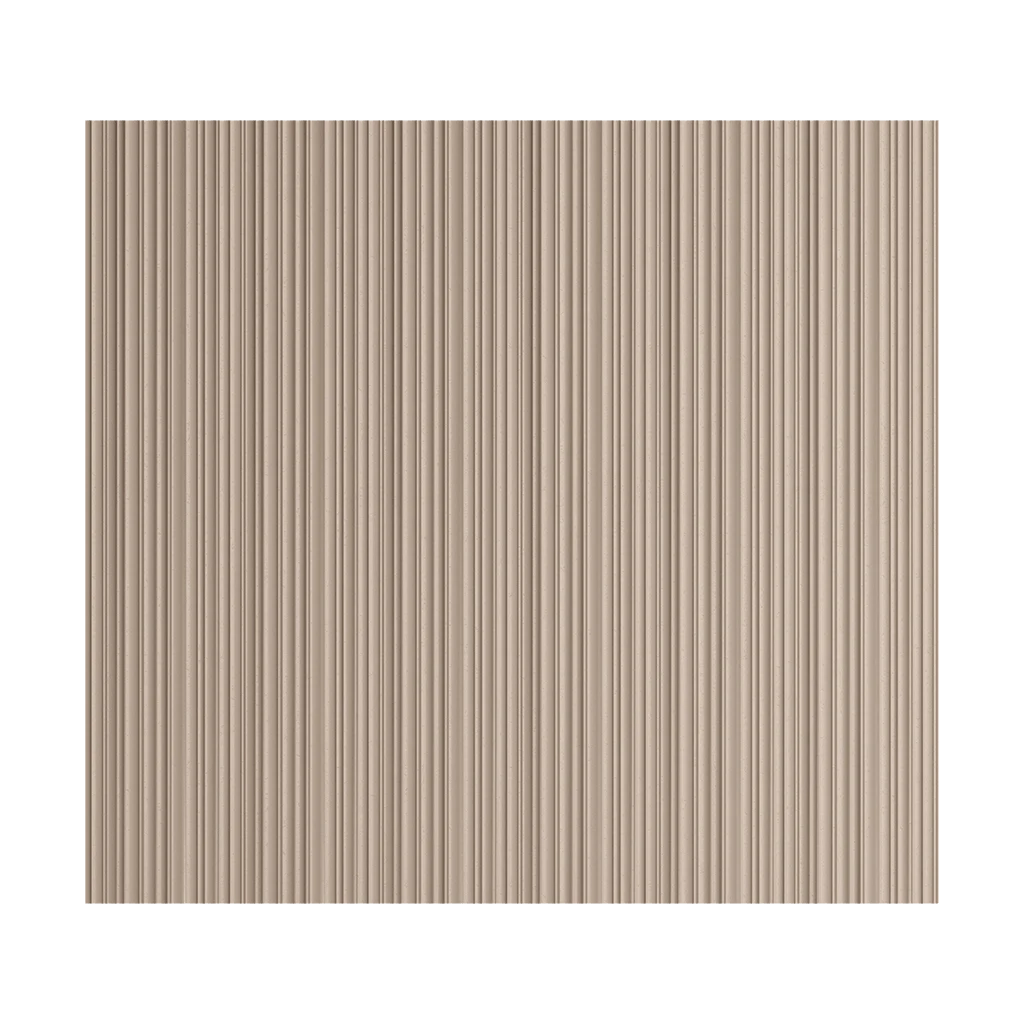
Let's start with the basics. An aluminum slat ceiling is a suspended system where metal profiles of a specific width are attached to load-bearing guides at a set interval. The slat profile can be open (with a gap between slats), closed (slats join without a gap), or semi-open.


The Structural Logic of an Aluminum Slat Ceiling
An aluminum slat is not just a decorative ceiling overlay. It is a complete structural system with a load-bearing frame (suspensions and guides) that takes all the load. A suspended aluminum slat ceiling lowers the ceiling level by 50 to 200 mm — depending on the configuration of the suspension system and the need to conceal utility lines.
This 'behind-the-scenes' function is one of the main practical arguments in favor of an aluminum slat ceiling. Air ducts, cables, pipes, fire suppression systems — all of this is hidden in the space between the base and suspended ceilings, leaving a clean, rhythmic relief below. In commercial and technical spaces, this is not an option but a necessity.
Slat width in modern systems: standard range — 84 mm, 100 mm, 150 mm, 200 mm. Gap between slats in open systems: 10–25 mm. Slat length: up to 6 m without a joint. Finish: powder coating in RAL colors, anodizing, mirror polishing, matte finish.
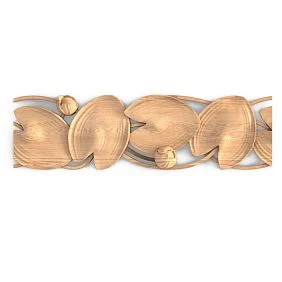
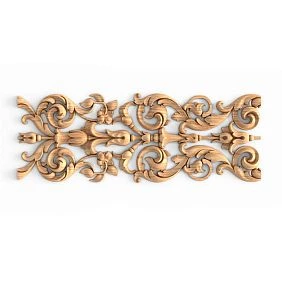
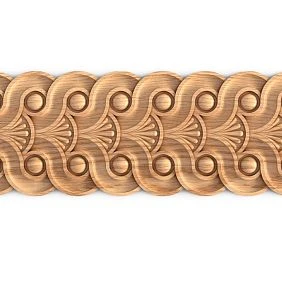
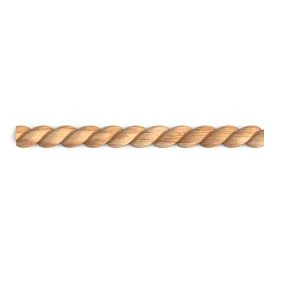
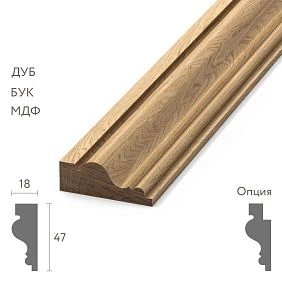
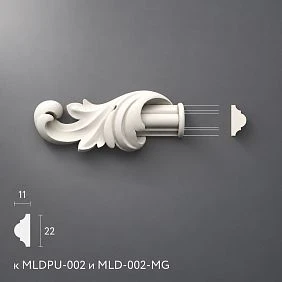
Our factory also produces:

What an Aluminum Slat Ceiling Brings to a Space
Aluminum slat ceiling panels are not just a structural element. They are a visual solution with their own language.
Linear Rhythm. Parallel slats establish a perceptual axis. If the slats are oriented along the long side of the room — they elongate the space in depth. Transverse orientation — creates a sense of width. Diagonal — the most dynamic option, rarely used but makes a strong impression.
Three-Dimensional Shadow. The gaps between slats create shadow stripes that change with the angle of lighting. An aluminum slat ceiling is never visually 'flat' — even with standard lighting, it lives, breathes, and changes character.
Functional flexibility. Spotlights, air intake grilles, sensors, and diffusers are integrated into the gaps between the slats. Nothing unnecessary on the outside—all technology is hidden, and the ceiling remains clean.
Lightness. An aluminum slatted ceiling visually 'weighs' less than a solid drywall construction. In low rooms, this is crucial: the linear pattern of the slats doesn't feel oppressive but rather guides the gaze.
Get Consultation
Where aluminum panel slatted ceilings are used
The scope of application is almost limitless, but there are obvious leaders.
Wet and technical rooms. Bathrooms, kitchens, swimming pools, high-humidity areas—places where drywall warps and molds, and wooden ceilings require constant maintenance, aluminum slatted ceilings work flawlessly for decades. Aluminum does not corrode, does not absorb moisture, and withstands periodic wet cleaning.
Commercial premises. Offices, sales floors, restaurants, hotel lobbies—where durability, ease of maintenance, and integration of engineering systems are required. Suspended aluminum panel slatted ceilings are an industrial standard for commercial facilities.
Residential interiors in loft, high-tech, and industrial styles. Here, a metal slatted ceiling is a deliberate stylistic choice. It shapes the character of the space and sets the theme.
Open and semi-open spaces. Atriums, passages, galleries—large spaces with high ceilings where the slatted system creates scale and rhythm without overwhelming the space.
Ceiling molding: the architecture of plasticity
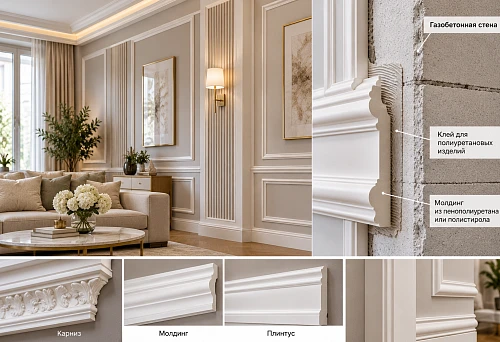
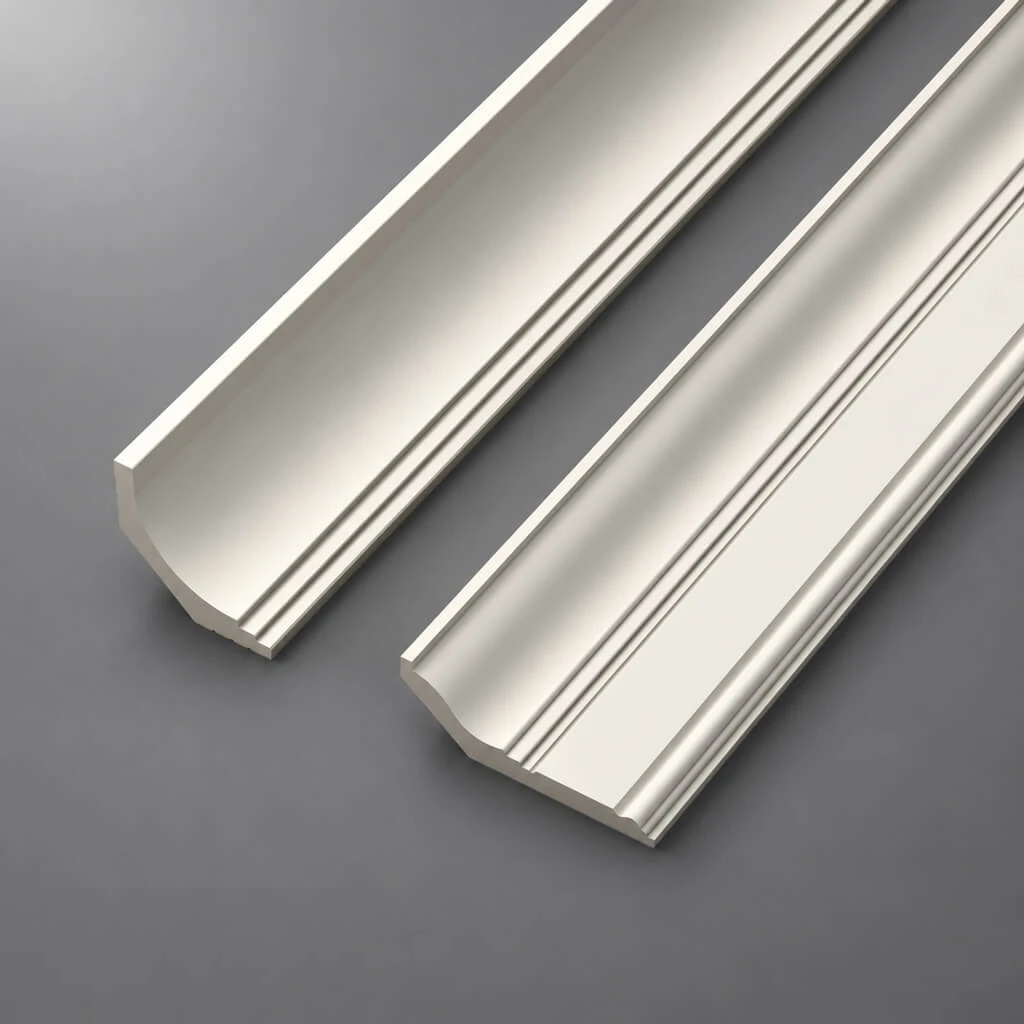
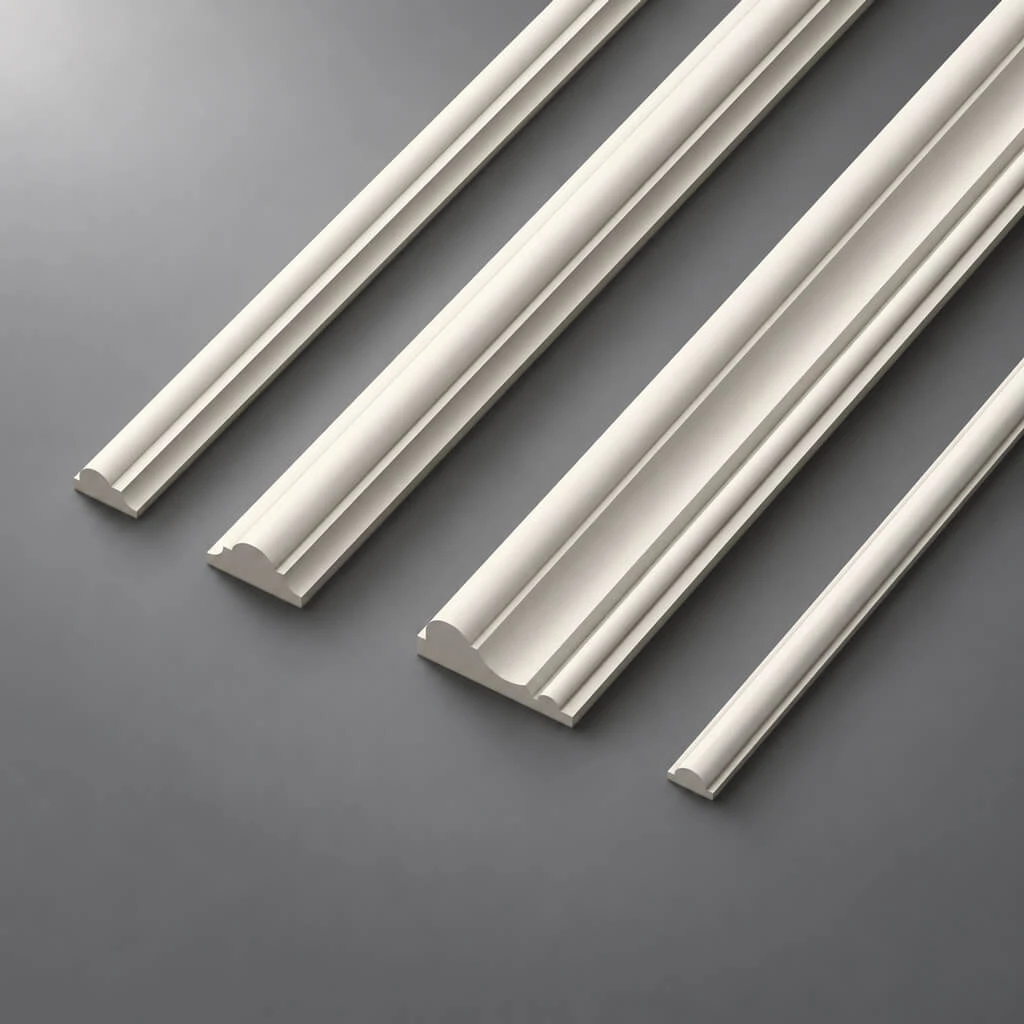
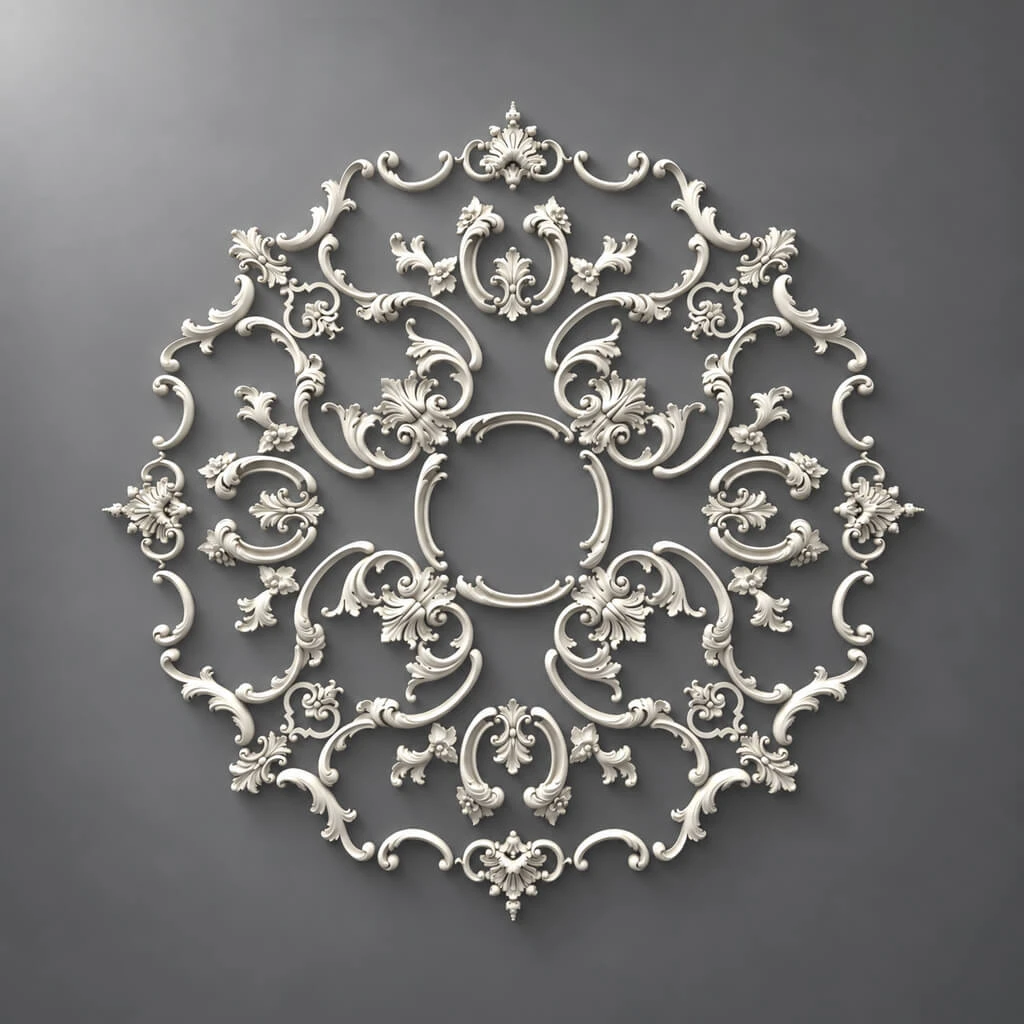
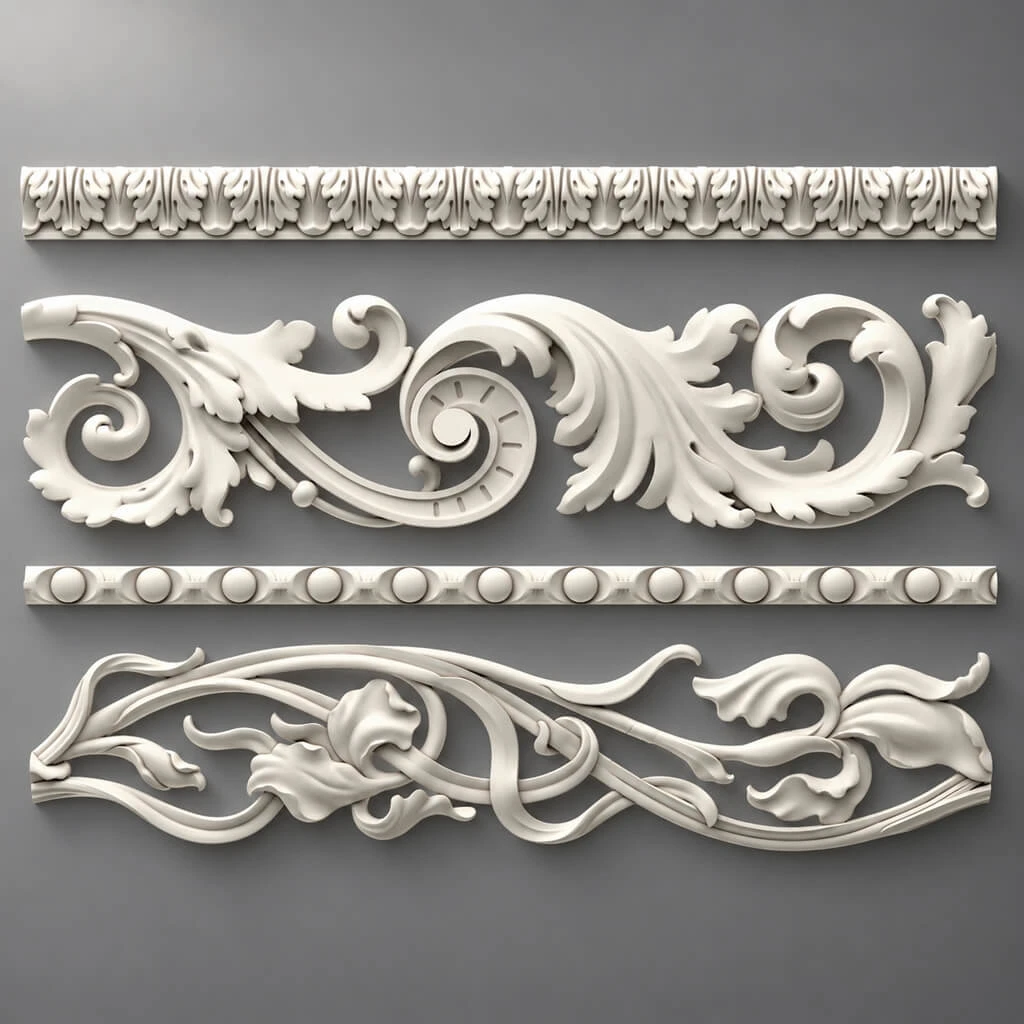
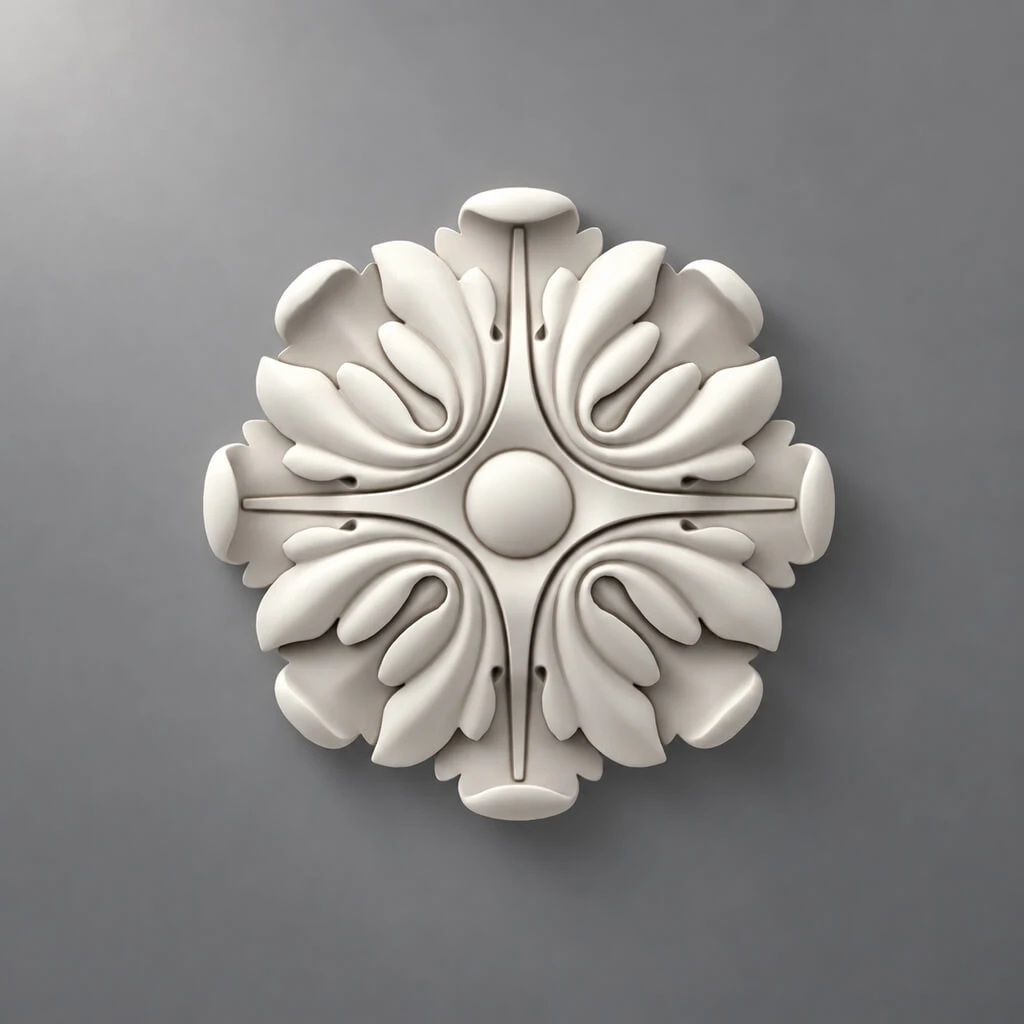
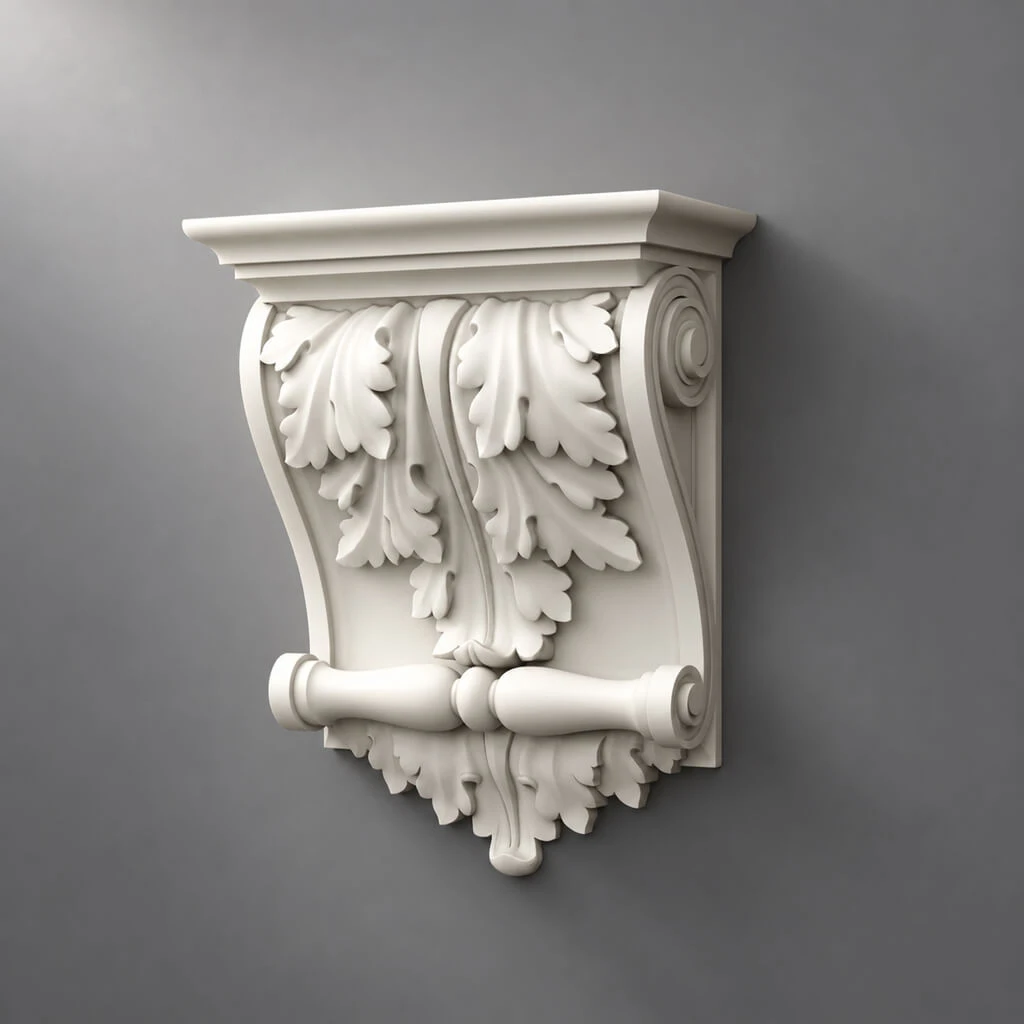
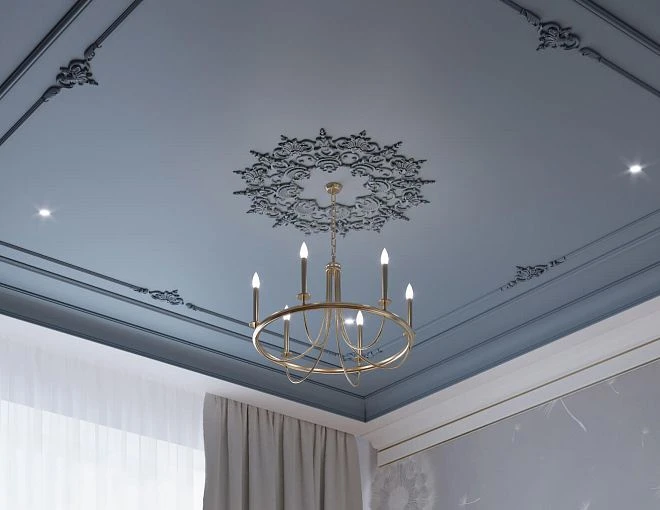
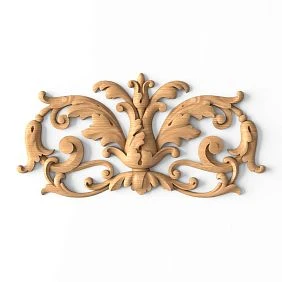
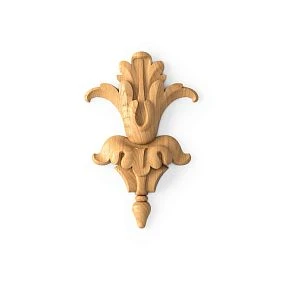
Now—about a different frame of reference.Ceiling molding— is a system of decorative elements that creates a plastic relief on the horizontal surface overhead. Cornices, rosettes, moldings, coffers, medallions — each element plays its role in the overall architectural score.
What does stucco do to a space
Ceiling with molding fundamentally changes the perception of a room. It's not a quantitative improvement ('became a bit prettier'), but a qualitative shift: the space begins to have architectural character, not just square footage.
A cornice along the perimeter of the ceiling is the 'frame' of the room. Without a frame, the wall and ceiling merge into a single, structureless plane. The cornice creates a boundary — visually clear, psychologically important. A rosette in the center above the chandelier turns a random suspension point into an architectural event. Frame moldings on the ceiling divide the horizontal plane into zones with a clear hierarchy.
An additional function that is often overlooked: a cornice with a groove for an LED strip is simultaneously a decorative element and a technical profile for hidden lighting.Ceiling molding with such a structure creates diffused contour lighting along the perimeter of the ceiling — an effect used by leading designers in the most expensive residential projects.
Polyurethane as a material for ceiling decor
The most important question: what to make stucco from? Plaster is a historical material, beautiful, but heavy, fragile, and afraid of moisture. In modern conditions, plaster stucco is giving way to polyurethane in almost all scenarios.
Polyurethane decor is lightweight — 8–12 times lighter than its plaster counterpart. This means: installation with adhesive only, without drilling into the ceiling slab. Polyurethane is elastic: upon impact — it doesn't chip, but deforms and returns to shape. Polyurethane is moisture-resistant — applicable in bathrooms, kitchens, rooms with unstable humidity. Polyurethane is precise: modern casting molds reproduce relief with an accuracy of fractions of a millimeter.
It is precisely these properties that make polyurethane stucco not a 'budget substitute' for plaster, but an independent professional material.
When these two approaches conflict
An honest conversation about incompatibility is more important than listing possibilities. Because an aluminum slatted ceiling and molding in the same room are two different architectural statements that may not only fail to complement each other but also mutually destroy one another.
Stylistic conflict: industry versus classicism
Aluminum slatted systems carry the aesthetics of functionalism. Their origin is industrial architecture, high-tech, minimalism. Classical molding—acanthus leaves, scrolls, rosettes with ornamentation—carries the aesthetics of historical architecture, palace interiors, academic decor. When these two languages meet in one space without architectural logic, the result reads as stylistic confusion.
Imagine: an office space with a suspended slatted ceiling made of aluminum panels and—around the perimeter—a baroque plaster cornice with an acanthus leaf. This is not 'rich.' This is 'unclear.' Each element on its own may be of high quality, but together they do not form an architectural idea.
Scale conflict: detail versus rhythm
A slatted ceiling operates at the level of rhythm—a repeating module perceived as a whole. Molding operates at the level of detail—ornamentation that is examined up close. When these scales meet in one room without a mediator, conflict occurs: the eye does not know where to focus.
The rhythm of the slats 'absorbs' the fine molding detail. The molding detail 'destroys' the rhythm of the slats. The result is visual noise instead of architectural clarity.
Zonal conflict: ceiling as a single plane
If an aluminum slatted ceiling covers the entire area of the room as a continuous surface, and molding is placed on its surface or along the perimeter, a systemic problem arises. A suspended slatted ceiling and fixed molding on the base ceiling are different planes, different structural systems. Their physical combination requires a special design solution; otherwise, the result is a mechanical pun.
Where partial combination is acceptable
Nevertheless, there are scenarios where aluminum slatted ceilings and moldings are not only compatible but create an interesting architectural dialogue.
First scenario: zoning through different systems
The space is divided into zones, each with its own ceiling system. In functional zones—kitchen, bathroom, work area—suspended slatted ceilings made of aluminum panels. In representative zones—living room, dining room, study—classical plastered ceilings with moldings.
The boundary between zones is an architectural level change or a clear geometric line. Each zone exists within its own system without disrupting the logic of the adjacent one. This is not a mixing of styles—it's a multilingual interior where each 'language' speaks in its own zone.
Second scenario: molding as a transitional element
In a room with an aluminum slatted ceiling, the entrance area or niche is highlighted differently: the base ceiling here is not covered with slats but is decorated with molding. This is an accent point—an 'intro screen' upon entry that shifts perception from functional to representative.
This technique works in residential homes where the hallway is decorated with molding, and adjacent functional rooms have slatted ceilings. The transition through the doorway is precisely the boundary between the two systems.
Third scenario: geometrically strict decor as a mediator
What if the ceiling decor is not classical but geometrically strict? Rectangular molding frames on the ceiling that divide it into cells following the same logic as the slats—parallel lines, right angles, modular rhythm. This is no longer a contradiction. This is—affinity.
Geometrically strictCeiling moldingwith a minimalist molding profile can organically combine with an aluminum slatted ceiling in adjacent zones, supporting the overall linear theme of the interior. Different materials — a unified architectural language.
Commercial scenarios: metal and molding in one building
Commercial architecture is perhaps the richest platform for understanding how a slatted ceiling and molding can coexist within a single project.
Hotel: zoning through ceiling systems
A typical scenario for a five-star hotel: in technical and service spaces — corridors, bathrooms, kitchens — suspended slatted ceilings made of aluminum panels. In formal areas — the lobby, restaurant, ballrooms — a classic plastered ceiling with molding. This is not architectural inconsistency, but a smart allocation of resources: functionality where operation is important, luxury where image is important.
The boundary between these zones is delineated architecturally: a threshold, a door, a change in level. Each system exists within its own 'territorial' space.
Restaurant: slatted bar and classic dining room
A restaurant with a loft-style bar counter and a classic main dining room is another working scenario. Above the bar — an aluminum slatted ceiling in dark anthracite, built-in lights, exposed utilities. Above the dining tables — a leveled ceiling with moldings and a rosette above each table. Two characters — bar and restaurant — are clearly separated by the ceiling even before the guest has a chance to assess the furniture.
Office center: reception with molding, open space with slats
The reception area is the first thing a visitor sees. It features a high ceiling, moldings, cornices, and possibly a rosette. This is the company's image. Next is the open space with workstations: a suspended aluminum panel ceiling, integrated lighting, ventilation. This is about function. The logic is clear: the reception area speaks the language of classicism, the work area speaks the language of efficiency.
Technical scenarios: bathrooms, kitchens, swimming pools
In technical spaces, the issue of combining elements is approached differently—based not on style, but on operating conditions.
Bathroom: a slatted ceiling as the foundation
An aluminum slatted ceiling in the bathroom is a proven solution for wet areas. Aluminum is unaffected by steam, easy to clean, and integrates ventilation grilles. If the bathroom is designed in a classic style, the question arises: can moldings be added?
Answer: yes, under certain conditions.Polyurethane Ceiling MoldingsPolyurethane moldings are permissible in wet areas. Polyurethane is not afraid of moisture and does not deform from steam. A polyurethane cornice around the perimeter of the bathroom, below the level of the slatted ceiling (attached to the wall), is a technique that allows combining a functional slatted ceiling and a decorative architectural accent in one space.
The main condition: the molding element must not interfere with the function of the slatted ceiling—ventilation, access to utilities, or free drainage of condensation.
Swimming pool: a slatted ceiling with geometric moldings
In an indoor swimming pool, an aluminum slatted ceiling is almost the only choice due to operating conditions. But the pool space is often desired to be beautifully designed, moving away from the feel of a gym. Here, geometrically strict polyurethane molding belts around the perimeter (below the level of the slatted ceiling, on the walls) create an architectural frame for the space without competing with the ceiling system.
Living scenarios: private house and apartment
Apartment with high ceilings
An apartment with 3.2–3.5 m ceilings is a luxurious resource that can be realized in two ways. First: a suspended slatted ceiling made of aluminum panels in the bathroom and kitchen, a classic ceiling with molding in the living rooms. This is the most common and logical scenario. Second: a unified loft style throughout the entire apartment, where aluminum slats are in every room, and minimalist geometric molding is only in the living room as the sole decorative accent.
In both cases, the key is clarity of the solution. Blurred boundaries, random combinations are not acceptable.
Private house: functional and formal zones
In a private house, the possibilities for zoning through different ceiling systems are maximized. Technical zone (garage, boiler room, laundry room) – slatted aluminum ceiling. Kitchen-dining room – slatted ceiling with integrated ventilation. Living room – classic ceiling with cornice and rosette. Study – coffered ceiling made of moldings. This is an organic multi-level system where each room has a ceiling solution corresponding to its function and character.
How to avoid making the interior stylistically schizophrenic
This is the key practical question. Let's give specific answers.
Rule one: determine the leading style of the space before choosing materials. If the style is minimalism or loft, a slatted aluminum ceiling can be in any room, molding – only geometrically strict, point-based, without ornamentation. If the style is classic or neoclassical, molding – in living areas, aluminum slats – only in technical ones.
Rule two: do not mix in one room. One room – one ceiling system. Exception: architecturally justified boundary (niche, arch, different ceiling level).
Rule three: if mixing is unavoidable — a common color unifies. If both a metal slatted ceiling and molding are present in the space, painting all elements in a single neutral color (white, light gray) reduces stylistic tension. Color is the binder that can unite disparate materials.
Rule four: scale must correspond. A small molded ornament next to large, wide slats — a conflict of scales. Either a large, strict molding, or none at all.
Rule five: a professional eye before starting. When the space is complex and the task is non-trivial — consulting an architect or designer before starting work is cheaper than redoing it.
Compatibility table: quick orientation
| Scenario | Aluminum slatted ceiling | Ceiling molding | Compatibility |
|---|---|---|---|
| Bathroom in classic style | Slats in the ceiling | Polyurethane cornice on the wall | Yes, when dividing planes |
| Open space office | Rails across the entire area | No | — |
| Reception / vestibule | No | Cornice + socket | — |
| Loft-style living room | Rails | No | Incompatible |
| Neoclassical living room | No | Cornice + moldings | — |
| Kitchen + living room (adjacent) | Kitchen — slats | Living room — molding | Yes, with a clear boundary |
| Private house (different rooms) | Technical areas | Living areas | Yes, when zoning |
| Restaurant (bar + hall) | Bar area | Main hall | Yes, with a clear boundary |
About the company STAVROS
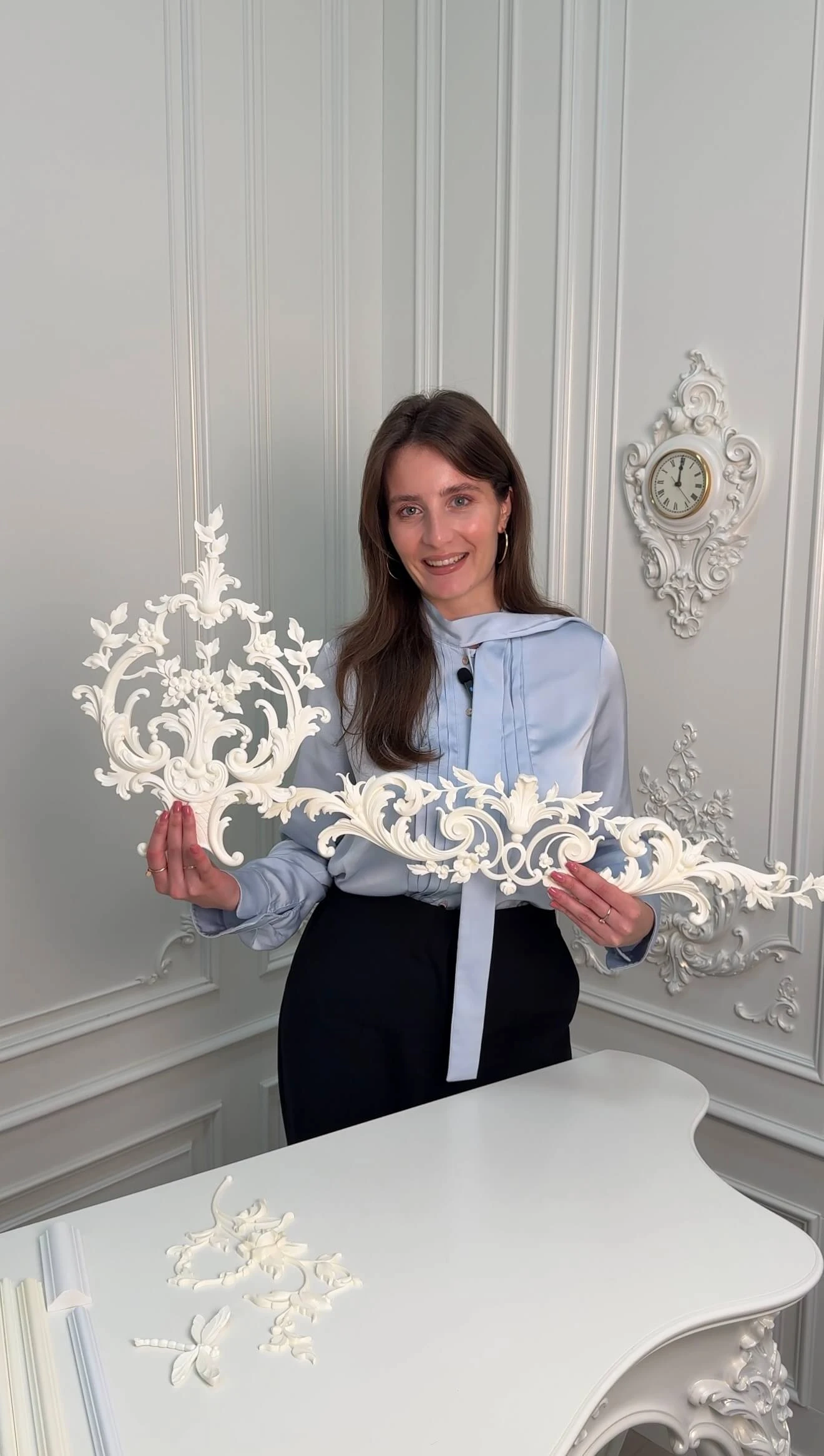
A ceiling solution is a system, not a set of random elements. STAVROS produces a full range of decor for professional ceiling design in any style and any room. The company's catalog features Ceiling molding made from high-density polyurethane: cornices, rosettes, moldings, coffered systems — for residential interiors, public buildings, and technical rooms with high humidity.
STAVROS is a full-cycle in-house production, European raw materials, more than 200 cornice profiles and over 100 rosette models in the current catalog. Each product has precise geometry, clear relief, and stable dimensions — what's important for professional installation. For architects and designers, STAVROS provides technical consultations on element selection, linear footage calculation, and compatibility with various ceiling systems.
The right ceiling solution starts with the right material choice. STAVROS helps make this choice justified.
FAQ: Answers to popular questions
Can a polyurethane cornice be installed next to an aluminum slatted ceiling?
Yes, if the cornice is attached to the wall below the level of the slatted ceiling. This creates an architectural frame for the space without violating the structural logic of the slatted system.
Is special glue needed for polyurethane molding in a bathroom with a slatted ceiling?
In the bathroom — acrylic moisture-resistant mounting adhesive (type 'liquid nails' for wet rooms) plus silicone sealant for sealing joints. Ordinary acrylic adhesive loses adhesion after 1–2 years under constant humidity conditions.
Slatted ceiling in the kitchen, molding in the living room — is this normal?
Yes, this is one of the most competent and common scenarios. The main thing is a clear boundary on the plan: a doorway, arch, partition. Without a clear boundary, the two styles 'flow' into each other and create a sense of incompleteness.
What width of cornice to choose for a room with a 2.7 m ceiling?
For a standard height of 2.5–2.7 m — a cornice width of 80–120 mm. A wider one visually lowers the ceiling, unless hidden lighting behind the cornice compensates for this effect.
How to combine a slatted ceiling and stucco by color?
If both elements are present in one space (in different zones or on different planes) — a neutral unified color (white, light gray) unifies them. Contrasting coloring accentuates the difference between zones but requires a clear architectural solution.
Can stucco be applied to the ceiling in an unheated room (dacha, veranda)?
Polyurethane stucco withstands a temperature range from -40°C to +80°C — it does not crack from frost. The problem is different: the adhesive can lose adhesion during sharp temperature fluctuations. For unheated rooms, mechanical fastening (dowels) in addition to adhesive is recommended.
An aluminum slatted ceiling looks too 'cold' visually — how to fix it without stucco?
There are several options: warm coloring of the slats (wood tone, warm beige, warm gray), wooden accents on the walls (wooden slatted panels), textile decor, warm color temperature of lighting (2700–3000 K). Stucco is not the only way to 'warm up' a metal ceiling.