




































































Article Contents:
- Why the bedroom is the perfect space for slatted panels
- The wall behind the headboard: the main stage of the bedroom
- Materials for slatted panels in the bedroom: what to choose
- Natural oak: the absolute favorite of the bedroom
- MDF: color and geometry precision
- Ash and birch: more affordable, no less beautiful
- Soft panels with felt backing: acoustics and tactility
- Color concepts for slatted panels in the bedroom
- Light tones: bedroom as dawn
- Dark tones: bedroom as a refuge
- Natural tones: natural oak and its shades
- Slat panel parameters for the bedroom: detailed breakdown
- Slat Width
- Gap between slats
- Slat orientation
- Height of the slatted field
- Slat panels in the bedroom: styles and ready-made looks
- Scandinavian bedroom: naturalness and tranquility
- Japandi bedroom: emptiness as a value
- Neoclassical bedroom: natural aristocracy
- Minimalist bedroom: slats as the only element
- Dark bedroom-refuge: depth and intimacy
- Lighting of slatted panels in the bedroom: a key element of the look
- Hidden LED backlighting behind the slats
- Wall sconces on the sides of the slatted field
- Track spotlight directed at the slatted wall
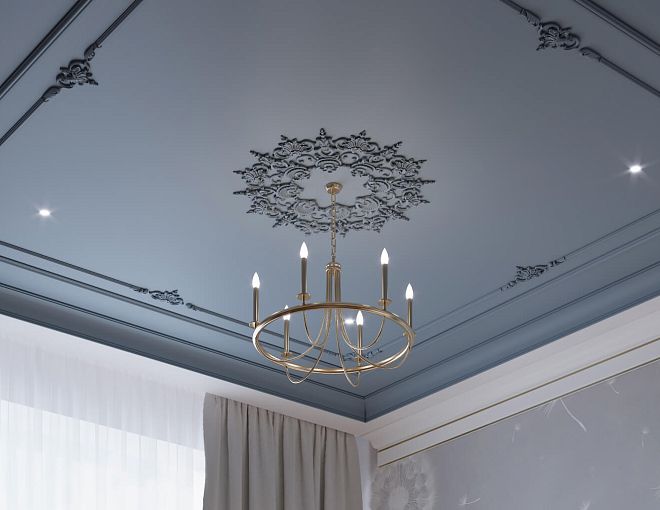
- Cornice with hidden lighting
- Slatted panels and ceiling in the bedroom
- Installation of slatted panels in the bedroom: what to consider
- Material acclimatization
- Acoustic underlay
- Hidden wiring
- How to attach slatted panels in the bedroom: main methods
- Finishing the slatted field in the bedroom: details that create a 'luxury' result
- Common mistakes when creating a slatted bedroom
- Frequently asked questions about slatted panels in the bedroom
- Is special wall preparation needed before installing slatted panels?
- Can slatted panels be used in a bedroom with underfloor heating?
- Do slatted panels collect more dust than regular walls?
- How to combine slatted panels with textiles in the bedroom?
- Are slatted panels suitable for a children's bedroom?
- Can slatted panels be installed in the bedroom independently?
- What is the minimum bedroom area for slatted panels?
- Conclusion

The bedroom is the only place in the house where a person is alone with themselves. Not with guests, not with colleagues, not with household chores. It is here, in these few square meters, that the quality of sleep, the depth of rest, and the ability to recover after a day that was not always kind are formed.
And that is precisely why the bedroom is the most demanding room in terms of finishing. Not in the sense of technical difficulties, but in the sense of psychological precision. Here, a mistake in material, color, or surface texture is felt physically: you can't fall asleep, you wake up exhausted, you want to leave as soon as possible.
Slatted panels in the bedroom interior did not appear as a designer's whim or as a tribute to the fashion for Scandinavian interiors. This is a solution that came from an understanding of the nature of sleep and rest: for recovery, a person needs natural materials, warm tones, rhythmic surfaces without visual 'noise'. All of this is provided by slats of natural wood on the wall behind the headboard.
But a slatted bedroom is not just 'beautiful'. It is a system that needs to be designed consciously: choosing the right wall, the right material, the right color, and the right lighting. This article contains everything you need to know to make a slatted bedroom exactly what it should be: quiet, natural, and profoundly beautiful.


Why the bedroom is the ideal space for slatted panels
Before moving on to practice — why slats in the bedroom at all? Wouldn't it be more logical to use them in the living room, where more people would see them?
Logical. But not accurate.
The living room is a space for demonstration. The bedroom is a space for recovery. These are fundamentally different functions, and they require different material solutions. In the living room, you can experiment with graphics, contrasts, and bright accents. The bedroom requires something else: material quietness, naturalness, and an absence of visual 'pressure'.
Wooden slat panelsSlatted panels precisely meet these requirements. A rhythmic surface with the warm tone of wood is visually 'calm', does not require deciphering, and does not impose attention. It is present but does not shout. Exactly what a space for sleep needs.
There is also a neuroscientific justification. Research in the field of biophilic design shows: natural materials and organic forms reduce cortisol levels — the stress hormone — and activate the parasympathetic nervous system, responsible for relaxation. A wooden surface, a natural tone, a living wood grain pattern — all of this works as a physiological 'signal': it is safe here, you can relax here.
And finally — acoustics.Rafter panelswith an acoustic felt backing absorb sound. In the bedroom, where silence is a condition for quality sleep, this is not a decorative detail, but a functional solution.




The wall behind the headboard: the main stage of the bedroom
If there is one place in the bedroom interior that defines the entire impression of the room, it is the wall behind the headboard of the bed. It is what you see when you wake up. It is what catches your eye before falling asleep. It is the 'background' for the entire visual story of the bedroom.
And it is here that slatted panels work with maximum force.
A slatted panel behind the headboard is not just an accent wall. It is an architectural 'headboard' that sets the scale and rhythm for the entire room. The slats rise vertically from floor to ceiling or are limited to the headboard area—in any case, they create a natural 'backdrop' against which the bed looks like part of a thoughtful system, not just furniture placed against a wall.
The parameters of the slatted field behind the headboard depend on the size of the bed and the height of the ceiling:
| Bed width | Recommended slatted field width | Slatted field height |
|---|---|---|
| 140 cm (twin) | 180–220 cm | From floor to ceiling or 160–180 cm from the floor |
| 160 cm (double bed) | 200–260 cm | From floor to ceiling or 160–180 cm from the floor |
| 180 cm (King Size) | 240–300 cm | From floor to ceiling |
| 200 cm (Super King) | The entire width of the wall | From floor to ceiling |
The slatted field should be 20–40 cm wider than the bed on each side — the golden rule. This creates a sense of 'framing,' not just 'wallpaper behind the bed.'
Our factory also produces:


Materials for slatted panels in the bedroom: what to choose
The bedroom is a 'soft' zone in terms of operating conditions. No humidity (unless there's a combined bathroom), minimal mechanical loads on the walls, stable temperature conditions. This means that practically any material works here — the choice is determined by aesthetics and budget, not technical limitations.
Get Consultation
Natural oak: the absolute favorite for the bedroom
Oak is the most in-demand material for slatted panels in the bedroom. The reason lies in the unique combination of visual qualities: warm amber tone, pronounced natural grain pattern, tactile warmth of the surface. With an oil finish, oak 'breathes' — the surface remains alive, slightly rough, natural.
Wooden slat panelsOak slatted panels with an oil finish in the bedroom are not just decor. It's a living natural object that changes slightly every year: the tone deepens, patina enriches the surface, the wood 'ages' with dignity. After 10 years, an oak slatted wall looks better than on the first day — a property unavailable to either MDF or PVC.
Finishes for oak slats in the bedroom: oil-wax — a natural, tactilely pleasant finish, delicate sheen. Matte lacquer — more practical, less natural. Oil-wax in the bedroom is the unequivocal choice if intensive mechanical contact with the surface is not anticipated.
Oak toning for the bedroom: natural (amber), bleached (light Scandinavian), 'tobacco' (warm brown), 'dark walnut' (for deep dark concepts).
MDF: color and geometry precision
MDF Slatted Wall PanelMDF slatted panels in the bedroom are the choice for those who value precise color solutions and geometric perfection. MDF slats with matte enamel provide an even, rich, stable color across the entire surface — without the natural tonal variations inherent to solid wood.
For monochrome bedroom concepts (everything in one tone — walls, slats, furniture fronts) MDF is more practical than solid wood: you can select an exact RAL color and achieve perfect matching of all surfaces.
paintable slatted wall panelsMDF — an investment in a system with repainting capability. After a few years, if you want a different bedroom concept — repaint the slats, change the bedding and curtains. Renovation without renovation.
Ash and birch: more affordable, no less beautiful
Ash — has a more pronounced, 'nervous' grain pattern compared to oak. With white oil, it creates a light Scandinavian look. With a 'dark walnut' tint — a deep, rich tone. Birch — a subtle, delicate pattern, light natural tone. With a 'natural oak' tint — looks like oak, but more affordable.
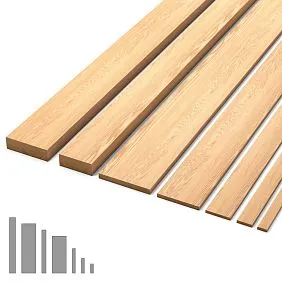
Pogonazh iz massivafor slatted panels in the bedroom — in various species and cross-sections. Ash, birch, pine — each species with its own natural character and price category.
Soft panels with felt backing: acoustics and tactility
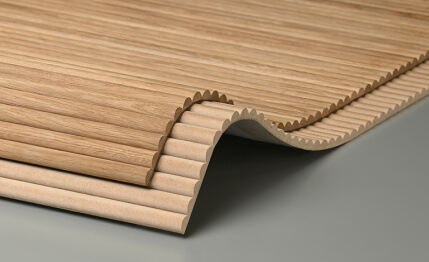
soft slat panels— a special option for the bedroom. Wooden slats on felt or fabric backing. The felt between the slats absorbs sound, creating a natural acoustic buffer. In the bedroom, where silence is a condition for quality sleep, this option is a functionally justified solution.
The tactility of the felt in the gaps between the slats — an additional natural note. Neutral gray or beige felt creates a warm undertone between the slats of natural wood.
Color concepts for slatted panels in the bedroom
The color of slatted panels in the bedroom is perhaps the most important decision. It is the color that determines the emotional 'climate' of the sleep space.
Light tones: bedroom as dawn
White, cream, and bleached tones are the most 'sleep-friendly' colors for slatted panels. They create a sense of lightness, airiness, and emptiness of space—a crucial psychological condition for relaxation.
White slats in the bedroom are not 'sterile' like in a hospital. With a matte finish, warm backing, and proper warm lighting, white slats produce a soft, enveloping light on the surface.
Bleached oak is a compromise between white and natural: the natural wood grain remains visible, but the tone is light, Scandinavian. The best of both worlds: naturalness and lightness.
Ivory (RAL 1013) is for bedrooms in neutral warm tones: beige walls, linen curtains, natural fabrics on the bed. The soft warm tone of the slats becomes part of the natural color system.
Dark tones: the bedroom as a refuge
Dark slatted panels—anthracite, dark green, deep blue, wenge—create a bedroom-refuge. Psychologically, dark tones 'compress' the space, making it more intimate and protected. For those who have trouble falling asleep in a feeling of 'too open' space—dark slats behind the headboard can genuinely improve sleep quality.
Important condition: dark slats only on one wall (behind the headboard). The other walls should be neutral or light. The dark accent 'frames' the bed without 'swallowing' the entire room.
Dark green is one of the most 'biophilic' colors for the bedroom. Association with the forest, nature, tranquility. Combined with natural wood on other surfaces—it creates the image of a 'natural shelter'.
Natural tones: natural oak and its shades
The tone of natural oak—warm amber with a golden undertone—is the most 'sleep-friendly' of all natural tones. It requires no 'justification': a natural material with a natural color. The gaze before sleep 'rests' on this surface and finds peace.
Tone "Tobacco" (warm brown) – slightly darker than natural, more "mature," deep. For bedrooms in rich neutral tones.
Tone "Dark Walnut" – for bedrooms where naturalness combines with depth and a certain solemnity. Not for small bedrooms: in a limited space, this tone can "overload."
Parameters of slatted panels for the bedroom: a detailed breakdown
Correctly selected parameters are what distinguishes a professional result from "done by intuition."
Slat width
15–20 mm – for a very delicate, "jewelry" rhythm. The slats are barely noticeable individually, creating a single vibrating field. Suitable for small bedrooms and in light finishes.
25–35 mm – the optimum for most bedrooms. A sufficiently expressive rhythm that does not overload the space. For ceilings 2.4–2.7 m.
40–50 mm – for spacious bedrooms (from 20 sq. m) with high ceilings (2.7+ m). An expressive, "mature" rhythm. Carries architectural weight.
55–70 mm – for large bedrooms with ceilings 3+ m. Wide slats with wide gaps – almost an architectural installation.
Rule of proportionality: the smaller the bedroom and the lower the ceiling – the narrower the slat.
Gap between slats
The gap is not a technical detail, but an active design element. Its width determines the "density" of the slatted field and the degree of presence of the substrate.
Gap 10–12 mm (with 30 mm slats): dense field, slats dominate, the substrate is barely visible in the gap. Effect — an almost solid surface with delicate lines. For light monochrome solutions.
Gap 15–18 mm (with 30–35 mm slats): balanced rhythm — slat and gap are approximately equal. The substrate actively participates in the color scheme. Standard for most bedrooms.
Gap 20–25 mm (with 40–50 mm slats): airy field. The substrate is present as a full-fledged color element. Wooden slats 'float' on a dark or contrasting background.
Gap 30+ mm (with 45+ mm slats): wide-airy field. Between the slats — 'windows' of the substrate. For large bedrooms with high ceilings. Creates a sense of architectural installation.
Slat orientation
Vertical — to increase the perceived ceiling height. The absolute choice for ceilings below 2.7 m. Vertical lines behind the headboard 'pull' the ceiling upward — the bedroom appears taller and more spacious.
Horizontal — to expand the space horizontally. In a bedroom with high ceilings (2.8–3.2 m) — horizontal slats balance the vertical. Horizontal slats behind the headboard create a 'hugging' effect — the bedroom becomes psychologically cozier, more 'enveloping'.
Diagonal — an artistic gesture for accent solutions. In a bedroom, it is appropriate only with a conscious design decision and, as a rule, only on one wall.
Height of the slatted field
From floor to ceiling — maximum height, maximum 'lifting' effect on the ceiling. For vertical orientation and ceilings up to 2.8 m — the most common option.
Limited height (150–180 cm from the floor) — a slatted panel as a 'headboard' without reaching the ceiling. Functions as a large-scale bed headboard. Requires a horizontal molding along the top edge for completeness.
Slatted field from mattress height (55–60 cm from the floor) to the ceiling — slats start at the level of the mattress surface. The lower part of the wall is neutral, painted or plastered.
Slatted panels in the bedroom: styles and ready-made looks
Let's consider specific style solutions — not abstractly, but with precise parameters.
Scandinavian bedroom: naturalness and tranquility
Material: birch or ash with whitewashed oil finish. Slat width: 25 mm. Gap: 12–15 mm. Orientation: vertical. Height: floor to ceiling. Backing: light natural felt or white wall.
Other walls: white or linen color. Floor: light parquet or laminate in 'whitewashed oak'. Bedding: linen, white or gray. Curtains: natural-colored linen.
Look: clean, airy, natural. A bedroom like a Scandinavian summer house — where the window opens to a view of a birch forest, and the air smells of wood.
Japandi bedroom: emptiness as a value
Material: tinted oak 'tobacco' (warm dark brown). Slat width: 20–25 mm. Gap: 12 mm. Orientation: vertical. Height: floor to ceiling. Backing: dark gray or anthracite felt.
Other walls: warm light beige (shade 'clay' or 'sand'). Floor: dark parquet or matte porcelain stoneware. Bed: low, in Japanese style, natural oak veneer. Bedding: white or cream linen.
Look: meditative, slow, 'empty' in the best sense. A bedroom japonisé — where every detail is intentional, and the space 'breathes'.
The key to this look is the absence of excess. The battens are the only decorative element. Everything else is natural materials without ornament.
Neoclassical bedroom: natural aristocracy
Material: natural oak with 'walnut' or 'dark tobacco' tint. Batten width: 35–40 mm. Gap: 18–20 mm. Orientation: vertical. Height: from floor to ceiling or batten wainscoting (110 cm) with molding at the border.
Other walls: warm cream or 'ivory' shade. Floor: herringbone parquet in oak. Bed: with a soft headboard in velvet or velour. Lighting: recessed ceiling lights + wall sconces by the bed.
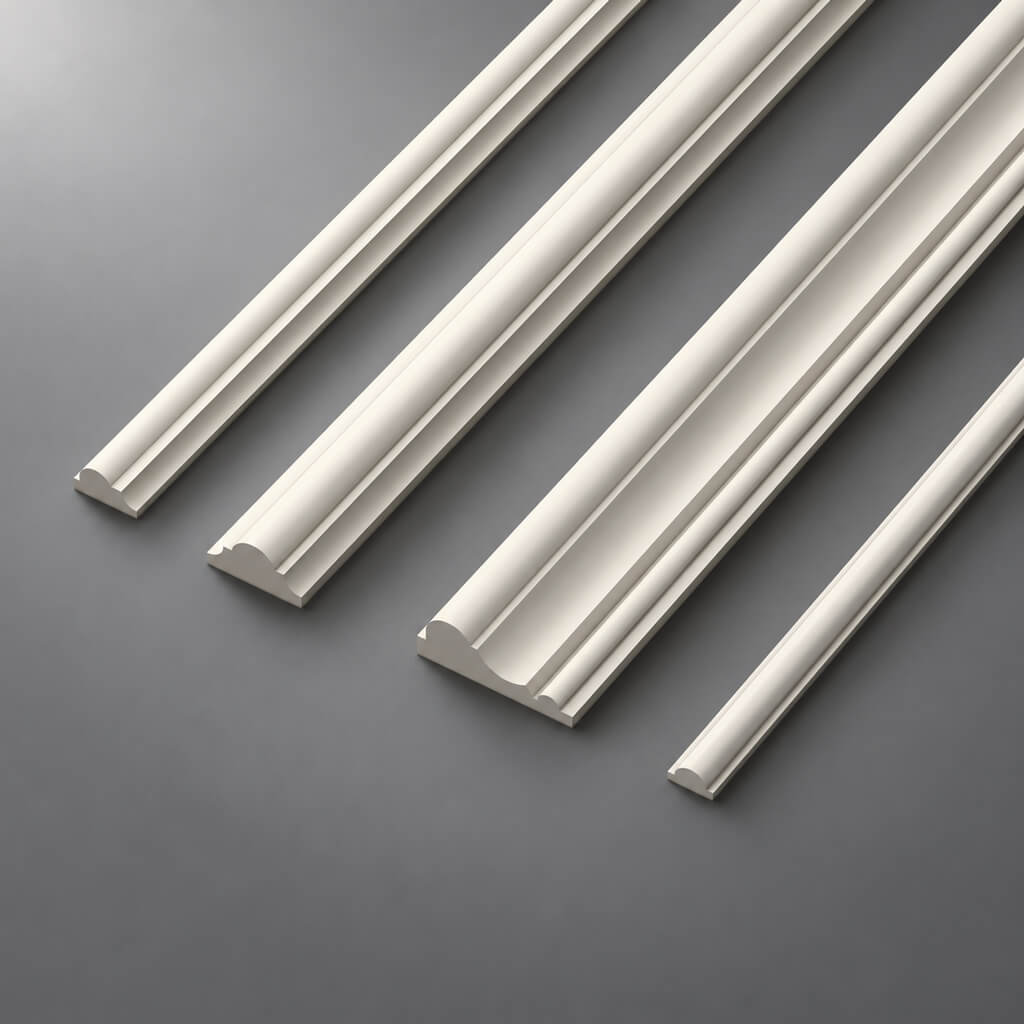
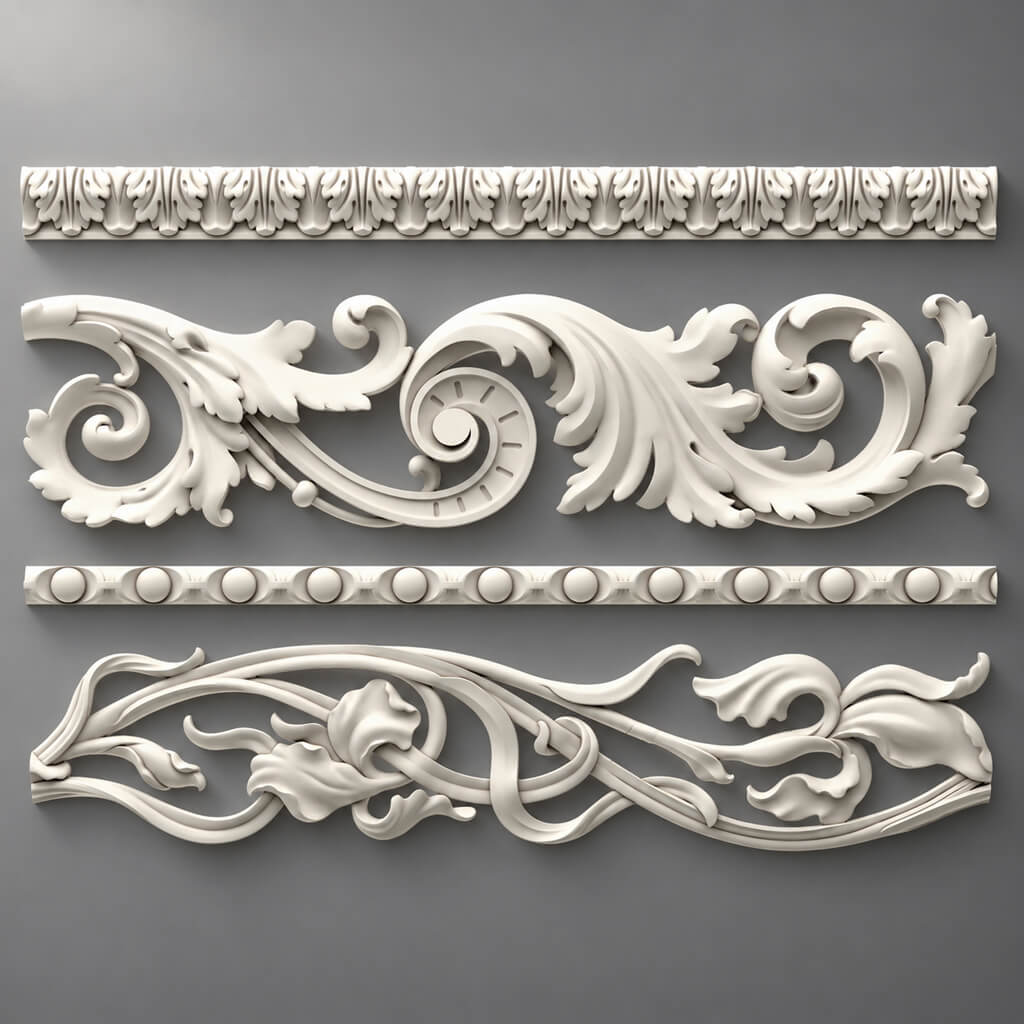
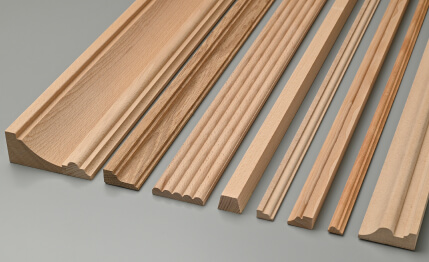
Solid wood moldingalong the upper edge of the batten field is a mandatory architectural element in a neoclassical solution. It is the molding that 'completes' the system and gives it an 'aristocratic' look.
Look: a warm, dignified bedroom for an adult who values natural materials and does not need embellishment.
Minimalist bedroom: battens as the sole element
Material: MDF with matte enamel in the wall color or slightly darker. Batten width: 30 mm. Gap: 15 mm. Orientation: vertical. Height: from floor to ceiling. Backing: to match the walls.
The batten surface behind the headboard, in the tone of the main walls, is an 'almost invisible' solution. Under direct lighting, the wall appears almost monotone. Under oblique or side lighting, the relief of the battens emerges as a subtle play of light and shadow. This is minimalism of the highest order: beauty that needs to be 'discovered,' not one that shouts.
Dark bedroom-sanctuary: depth and intimacy
Material: MDF with matte enamel "anthracite" (RAL 7016) or "dark green" (RAL 6005). Slat width: 40–50 mm. Gap: 20–25 mm. Backing: black felt or matte black surface.
Other walls: a dark shade from the same palette or a neutral medium gray. Bedding: white or cream — to contrast with the dark background. Lighting: exclusively warm (2700K), only subdued.
Concept: "den" — what everyone dreams of who can't sleep in a standard "white box." Dark slats create a sense of security and shelter — psychologically, this is exactly what an anxious mind needs to fall asleep.
Lighting for slatted panels in the bedroom: a key element of the concept
Without proper lighting, slatted panels in the bedroom are just planks on the wall. With proper lighting — it's a living, sculptural surface that changes throughout the day and in the evening.
Hidden LED backlighting behind the slats
Built-in LED strip behind the slatted field creates a soft glow in the gaps. For the bedroom — warm light 2700K or ultra-warm 2200K. This range does not interfere with melatonin production and does not disrupt falling asleep.
Practical function: night mode. LEDs behind the slats at minimum brightness — a nightlight that doesn't blind when getting up at night but provides enough light to navigate the bedroom.
Effect: in the evening, with the main lighting off, the slatted wall behind the headboard glows with warm, soft light. The bedroom begins to resemble the interior of a Japanese ryokan or a Scandinavian country house.
Technically: LED strip is mounted on the backing behind the slats, density at least 60 diodes/meter, protection class IP20 (for dry rooms), dimming is mandatory.
Wall sconces on the sides of the slatted panel
Wall sconces installed on the side edges of the slatted panel or directly in the slats are a classic solution for the bedroom. The light from the sconces falls on the slats at a side angle, creating expressive chiaroscuro in the gaps. The surface comes to life, becoming sculptural.
Choosing sconces: a shade that directs light downward (does not glare when reading while lying down). Warm light 2700–3000K. Matte shade surface (not glossy).
Track spotlight directed at the slatted wall
Directional track lighting from the ceiling at a 30–40° angle to the slatted surface creates a theatrical effect. Each slat casts a shadow into the gap. The surface gains depth and three-dimensionality.
For natural oak: warm track lighting at 2700K 'reveals' the golden tone and natural grain pattern. The slats 'glow' with an amber color.
Cornice with hidden lighting
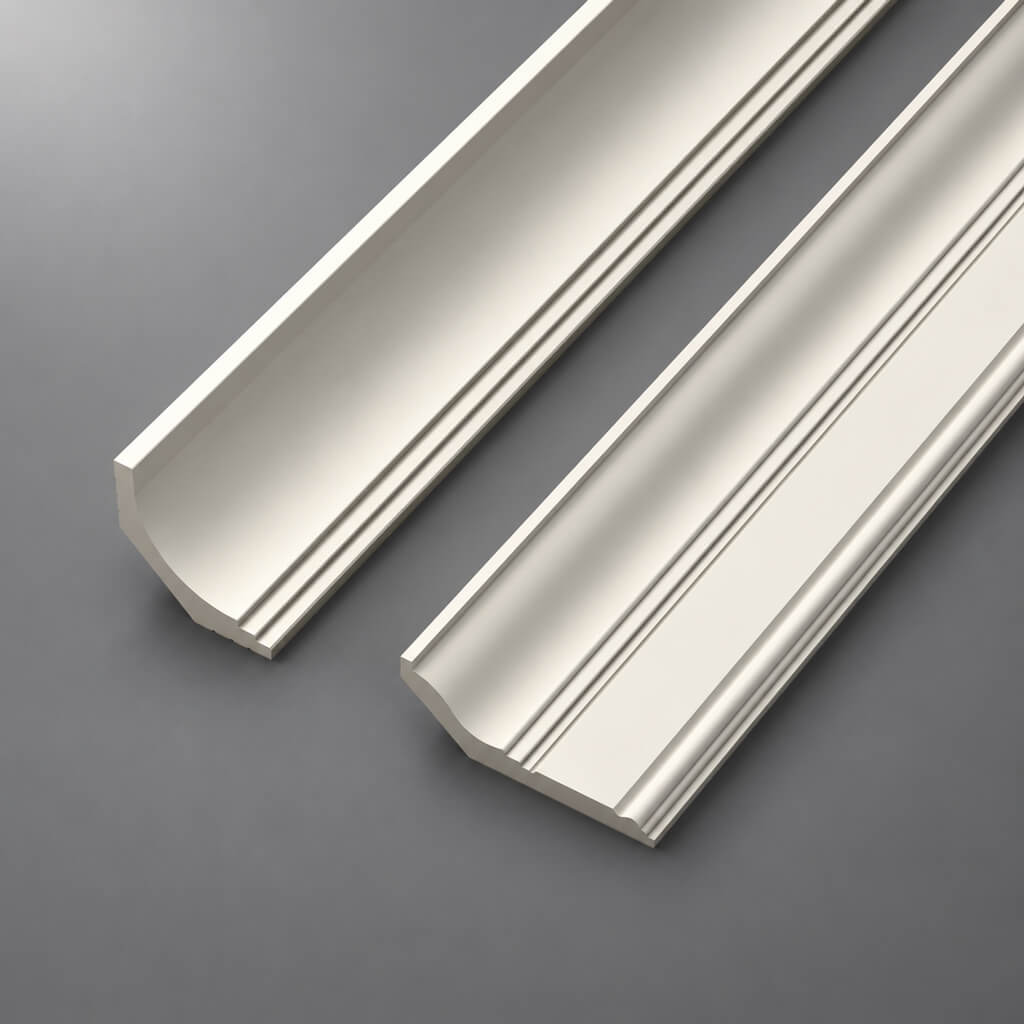
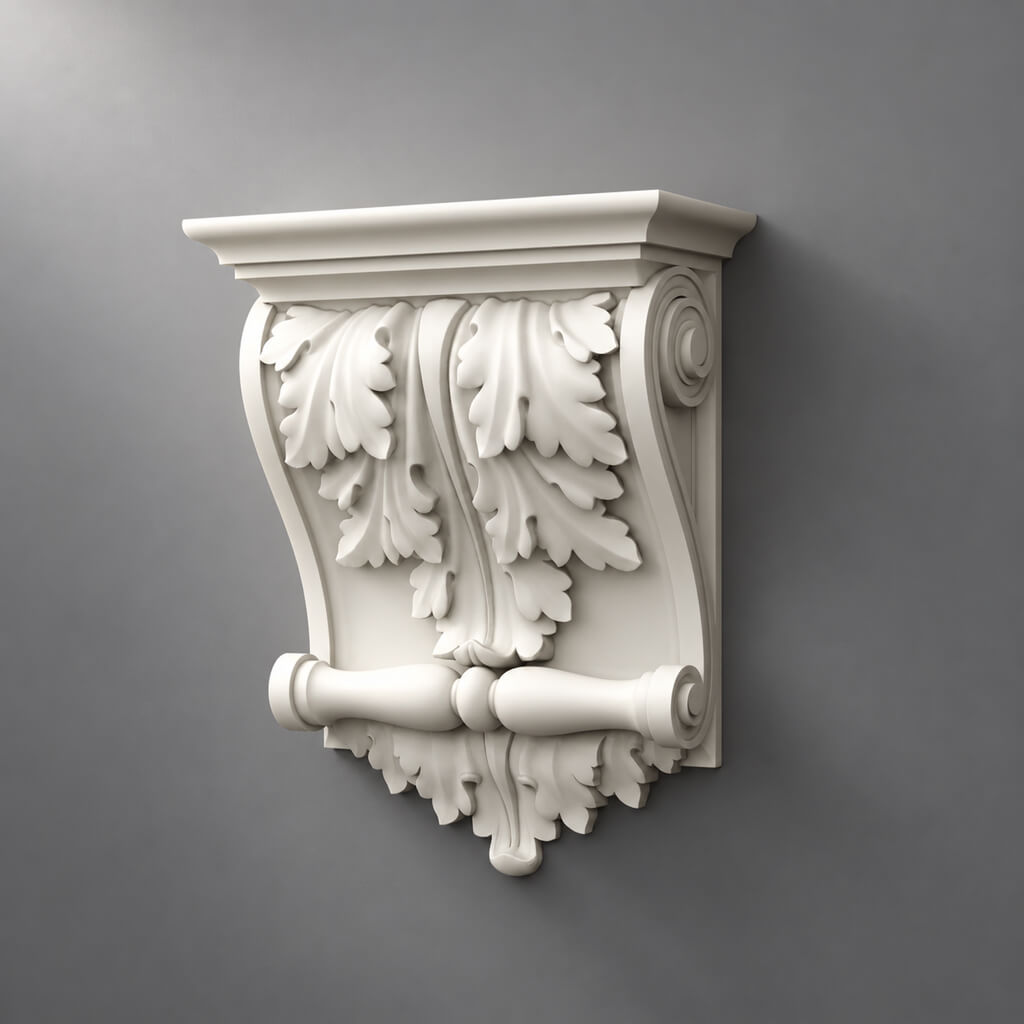
a polyurethane cornicewith a groove for an LED strip along the top edge of the slatted panel — light 'flows' from top to bottom along the slats. Effect: the slatted wall 'glows' from the cornice — the source is not visible, only the result is present. For the bedroom — one of the most elegant lighting solutions.
Slatted panels and ceiling in the bedroom
If the wall behind the headboard is the 'main character' of the slatted bedroom, then the ceiling is the 'supporting actor' that can dramatically enhance the image.
Batten panels for ceilingsIn the bedroom — a non-standard but very effective solution. Slats above the bed — like a canopy, a 'canopy,' creating the effect of a quiet shelter under a wooden 'sky.'
Options for slatted ceilings in the bedroom:
Full slatted ceiling — slats across the entire bedroom ceiling. For bedrooms with a ceiling height of 2.8 m or more (a slatted ceiling 'takes up' 5–7 cm of height). Creates a complete natural 'envelopment': wood above and on one side. Requires proper lighting — recessed lights between the slats.
Slatted 'island' above the bed — a slatted ceiling only in the area above the bed, 20–40 cm wider than the bed. A partial technique that highlights the sleeping area. Creates the effect of an 'alcove' space without physical walls.
Slatted beam — one wide decorative solid wood beam in the center of the ceiling above the bed.Solid wood beams— a separate architectural element that, combined with a slatted wall, creates a unified natural system.
Important: with a slatted ceiling in the bedroom — the ceiling slats are perpendicular to the wall slats. This creates a dynamic 'intersection' of rhythms, which looks professional and architecturally sound.
Installation of slatted panels in the bedroom: what to consider
The bedroom is a 'soft' room in terms of installation. No specific humidity, even walls (usually), no extreme temperature fluctuations. However, several points are particularly important for the bedroom.
Material acclimatization
Natural wood is a living material. Before installation, solid wood slats must acclimate in the room for at least 48–72 hours. In a bedroom where constant temperature and humidity are maintained, this is sufficient. Failure to acclimate properly may cause the slats to warp or gaps to appear at the joints after installation.
Acoustic underlay
In the bedroom, acoustic underlay behind the slats is especially relevant. Felt with a density of 100–200 g/sq. m, secured between the slats on the underlay surface, significantly reduces background noise. If the wall borders a noisy area (staircase, street), an additional layer of sound insulation behind the battens is recommended.
Hidden wiring
When installing a slatted wall behind the headboard, it is essential to plan for concealed wiring for wall sconces and LED lighting before starting the slat installation. After installation, access to the wiring is blocked. Wires are placed in a corrugated tube and run along the battens. Outlets for sconces should be at the desired height (standard for wall sconces: 150–160 cm from the floor).
How to install slatted panelsin the bedroom: main methods
Adhesive method (directly on the wall) — for a flat wall (tolerance of 3 mm over 2 m). Mounting adhesive is applied to the back surface of the slat. Fast, no battens required. Limitation: not applicable on uneven walls.
Method with battens — wooden battens 40×20 mm spaced 400–500 mm apart. Slats are attached to the battens with finishing nails or hidden clips. Universal for any walls. Allows for thermal or sound insulation to be placed within the batten cavity.
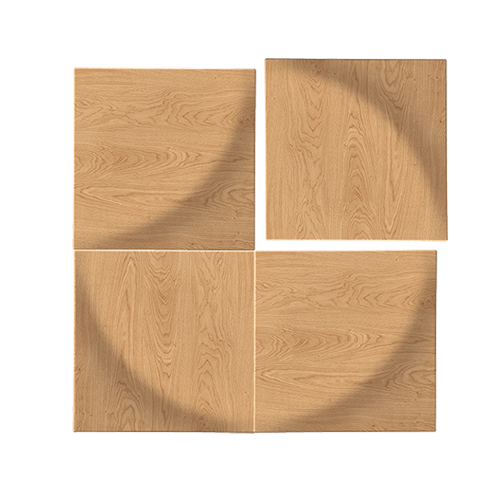
Modular system —slatted modular wall panelwith slats pre-fixed on a backing at a specified gap. Installed as a single module. Fast, precise, minimal risk of gap errors.
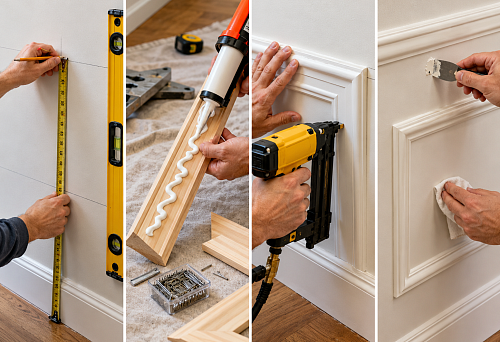
Detailed step-by-step installation — inInstructions for DIY installation of slatted panels.
Finishing a slatted wall in the bedroom: details that create a 'luxury' result
A slatted wall without proper finishing is an unfinished story. It's the perimeter finishing that distinguishes a professional interior from a 'handmade' one.
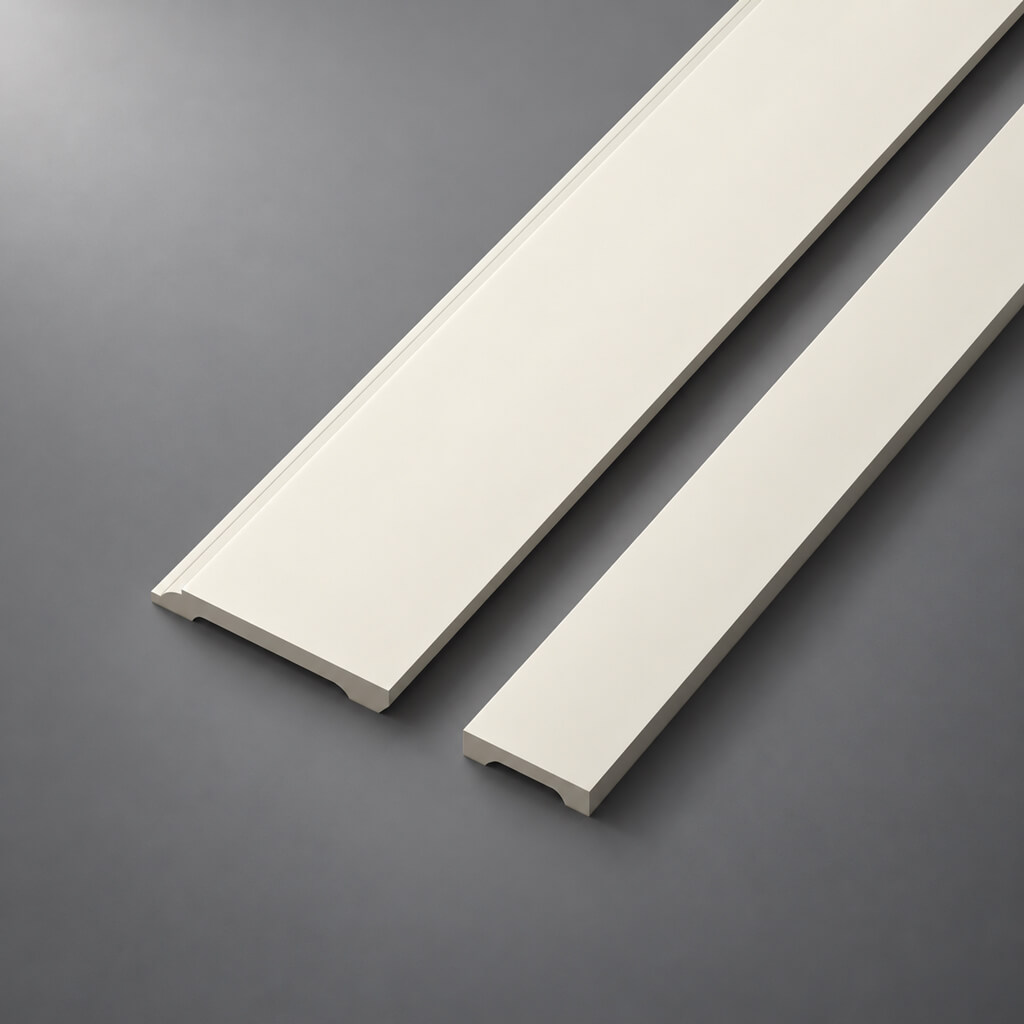
Baseboard.solid wood baseboardIn the color of the slatted panels — bottom finishing. Skirting board height: 60–80 mm for ceilings 2.4–2.6 m, 80–100 mm for ceilings 2.7+ m. Skirting profile: straight (modern style) or profiled (classic).
Cornice.a polyurethane corniceAlong the top edge of the slatted field covers the top end of the slats. With LED lighting — a cornice with a groove for the tape.
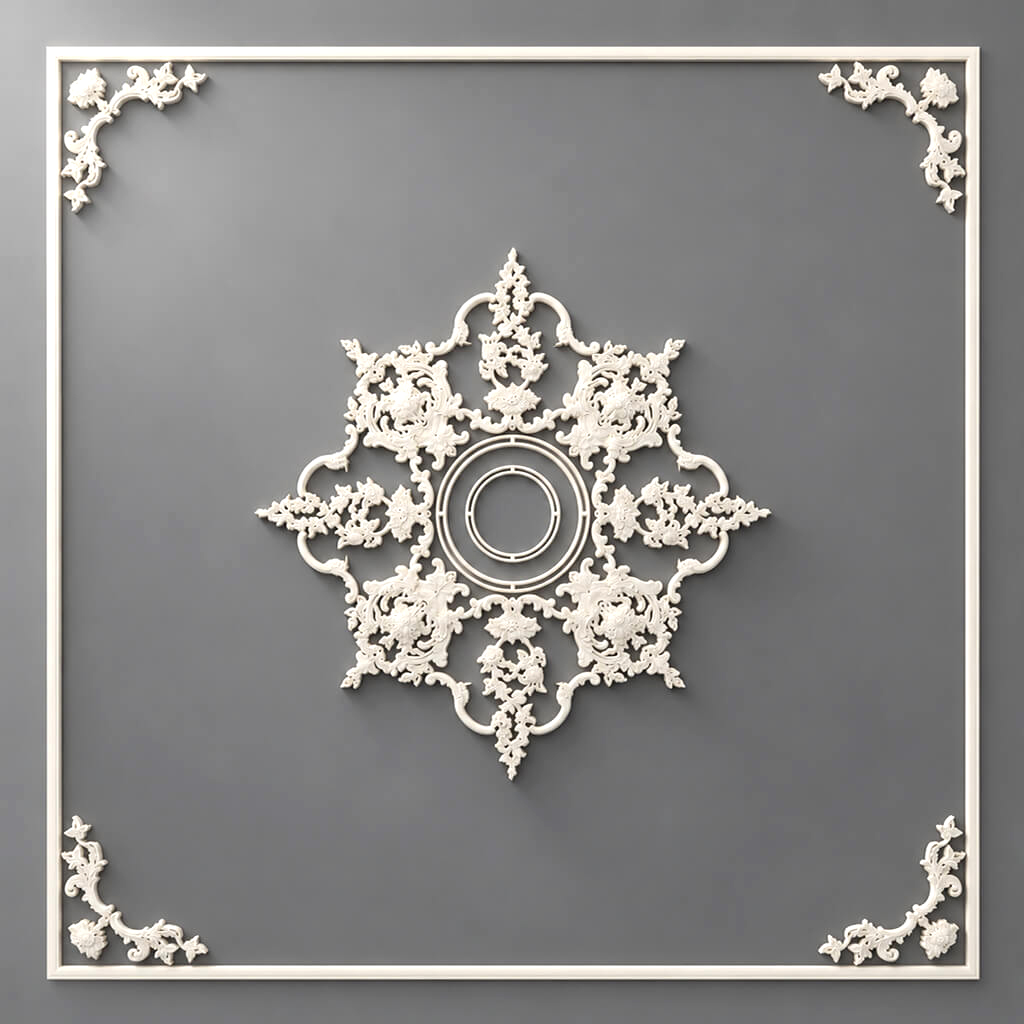
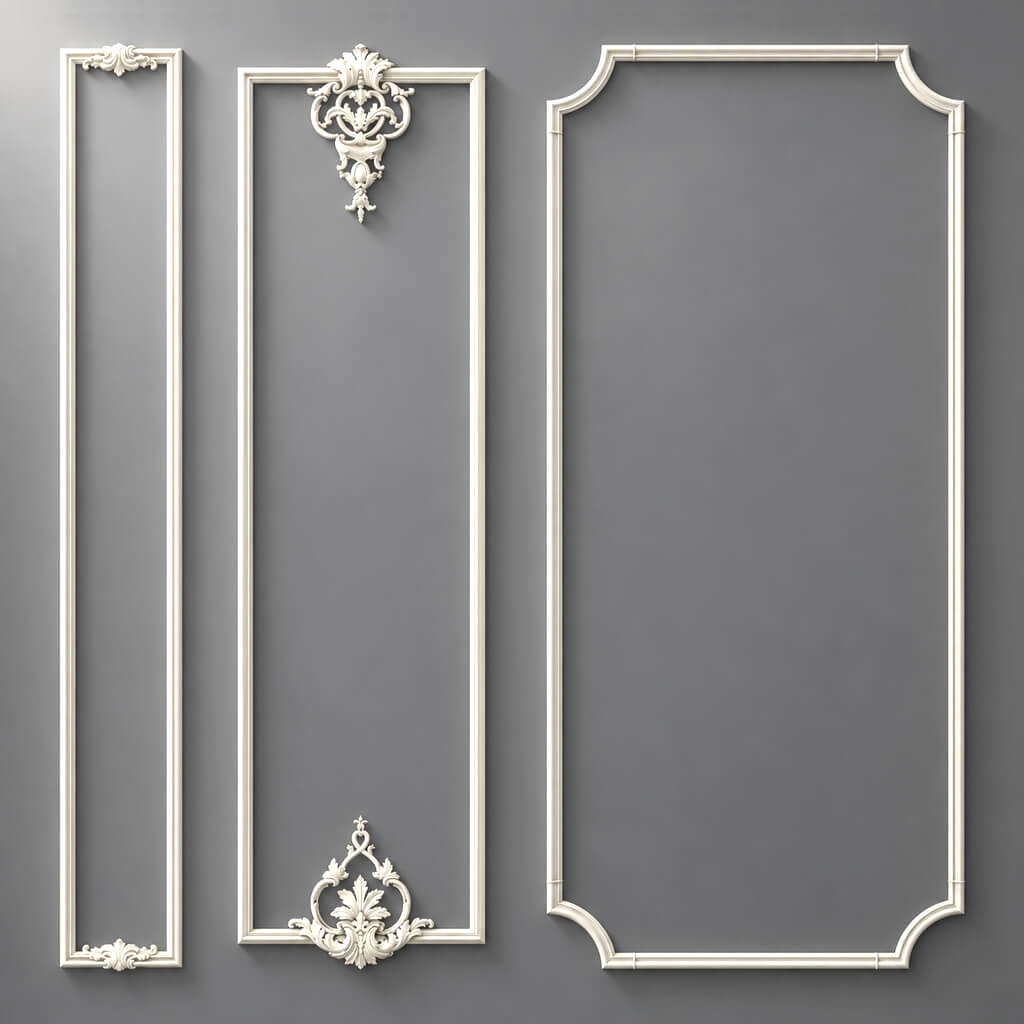
Molding.Solid wood moldingAlong the side edges of the slatted field — a frame, 'framing' the slatted panel like a painting. Gives completeness and a 'luxury' look.
Corner overlays. When the slatted field is in the corner of the room — wooden corner overlays hide the ends of the slats. A clean corner without visible cuts is a sign of professional installation.
Common mistakes when creating a slatted bedroom
An honest breakdown of what goes wrong — because a slatted bedroom can be ruined by several typical mistakes.
Slats on all four walls. Even in a spacious bedroom — slats on all walls create a 'cage' or 'barrel'. Maximum — two walls. Classic: one accent slatted wall + neutral others.
Slats that are too wide in a small bedroom. In a 12–14 sq. m bedroom, 60 mm slats overwhelm the space. Follow the rule: slat width should not exceed 1/50 of the bedroom area in centimeters.
Incorrect lighting temperature. Cool white light (4000–6500K) with slatted panels neutralizes the natural warm tone of wood. Only warm (2700K) or ultra-warm (2200K) light for a slatted bedroom.
Installation without acclimatization. Consequence — slat deformation, opened gaps, 'waviness' on the surface.
Lack of perimeter finishing. Slats without baseboard and cornice — an incomplete system that 'reads' as a temporary solution.
Frequently asked questions about slatted panels in the bedroom
Is special wall preparation needed before installing slatted panels?
For adhesive installation: the wall must be level (tolerance 3 mm/2 m), dry, and dust-free. For installation on battens: wall requirements are minimal — the batten compensates for irregularities up to 20–25 mm.
Can slatted panels be used in a bedroom with underfloor heating?
Yes. Natural wood with oil finish with underfloor heating — no restrictions. MDF — similarly. Important: wooden baseboard at the floor with a 5–10 mm ventilation gap between the lower end of the slats and the floor — for thermal expansion of the material.
Do slatted panels collect more dust than regular walls?
Horizontal surfaces (top ends of slats) — collect dust. Vertical slats — no more than a regular wall. Solution: a cornice along the top edge, covering the top ends of the slats — eliminates dust collectors. Maintenance: light wiping with a microfiber cloth once every 1–2 weeks.
How to combine slatted panels with textiles in the bedroom?
Natural oak — with linen, cotton, velvet in natural tones. White MDF slats — with any color of bedding, from white to dark blue. Dark slats — with white or cream bedding (contrast). General principle: textiles should be made from natural fabrics — synthetic materials 'clash' with natural materials.
Are slatted panels suitable for a children's bedroom?
For a children's bedroom — MDF with a lacquered finish is more practical than oiled wood. The lacquered surface is easier to clean. Height of the slatted field: from floor to ceiling or limited to the headboard area. Color: light (white, bleached oak) for a children's room — creates a feeling of lightness and safety.
Can slatted panels be installed in the bedroom independently?
With basic construction skills, a laser level, and a miter saw — yes. The adhesive method on a flat wall is quite simple. Installation on a frame requires more experience.DIY Batten Panels— detailed instructions with step-by-step description.
What is the minimum bedroom area for slatted panels?
There is no lower limit. In an 8 sq. m bedroom, a slatted wall behind the headboard (width 180–200 cm) is absolutely appropriate and visually expands the space due to the vertical rhythm. The main rule for small bedrooms: only one slatted wall, light tone, narrow slats (20–25 mm).
Conclusion
Slatted panels in bedroom interiors are not a trend that will fade with the season. This is a material solution that addresses a fundamental human need: to feel safe, warm, and close to nature in the bedroom. The wooden rhythm of vertical slats behind the headboard, warm light filtering through the gaps, the natural texture of oak or ash—all of this creates a space where falling asleep is a pleasure and waking up is a joy.
Wall finishing with slatted panelsIn the bedroom, it's a system that requires thoughtful selection of material, parameters, color, and lighting. Natural oak fromsolid wood trim, Wooden baseboardanda polyurethane corniceFinally, STAVROS offers a complete natural finishing system for a bedroom of any scale and style.
STAVROS manufactures slatted panels from natural wood with a full range of components for completing the interior: moldings, cornices, baseboards,Wooden furniture handles. Everything needed for a slatted bedroom—from the first slat to the last detail. Because sleep is too important a part of life to economize on the space where it happens.