Article Contents:
- Introduction to plank panels
- Advantages of plank panels
- Tools and Materials
- Step 1: Preparing the wall surface
- Step 2: Marking and installing guides
- Step 3: Installing planks on the wall
- Step 4: Finishing with moldings and baseboards
- 1. Panels with contrasting paint
- 2. Alternating plank widths
- 3. Lighting for a 3D effect
- 4. Plank panels for space zoning
Introduction to plank panels
Plank panels are a popular solution for wall decoration, giving interiors an elegant and modern look. They can be made from various materials such as wood, MDF, or plastic, and are suitable for decorating any room — from living rooms and bedrooms to kitchens and offices. Plank panels not only serve as stylish decorative elements but also offer several functional advantages, such as improved sound insulation and hiding wall imperfections. In this article, we will explain how to make and install plank panels yourself.




Advantages of plank panels
Plank panels have become one of the main trends in modern interior design due to their range of advantages:
-
Aesthetic appearance: Plank panels give a room a modern and elegant look, creating depth and texture on walls.
-
Ease of installation: Panels are easy to install and can be mounted on walls without complex preparatory work.
-
Functionality: Plank panels can be used to hide wall imperfections or wiring, as well as to improve sound insulation.
-
Ecological safety: Using natural materials such as wood allows for creating an eco-friendly finish.
Our factory also produces:
Choosing materials for plank panels
For making plank panels yourself, the optimal choice will be Wooden plankswhich give interiors a natural and warm look. Wooden planks are easy to work with, can be painted or varnished to achieve the desired shade and protection. As additional elements for mounting and decoration, you can use Moldings и Baseboards from the company Stavros, which will help create a neat and finished look.
Get Consultation
Tools and materials
To make plank panels yourself, you will need:
-
Wooden planks of the required size;
-
Moldings and baseboards for finishing edges and transitions;
-
Fasteners: screws, nails, or adhesive;
-
Tools: drill, screwdriver, level, tape measure, jigsaw or handsaw for trimming battens.
Step-by-step guide to installing batten panels on a wall
Step 1: Surface preparation of the wall
Before starting work, ensure the wall is clean and flat. It is important to remove old coatings or paint, as this will allow the batten panels to adhere better to the surface.
-
Clean the surface of dust and dirt to ensure proper adhesion of the battens.
-
If necessary, prime the wall for better adhesion, especially if you plan to mount the battens using adhesive.
Step 2: Marking and installing guides
-
Using a level and tape measure, mark the wall. This will allow you to install the battens evenly and symmetrically. Start from the bottom of the wall and mark the locations where the first battens will be mounted.
-
To create a frame to which the panels will be attached, use wooden beams or guides. Secure them along the horizontal marking line. They will serve as a base for mounting the battens and help create even spacing between the panels.
Step 3: Installing battens on the wall
Now you can proceed to install the battens, which will form the base of the panels. Wooden battens from Stavros are ideal for this purpose: they are easy to work with and also give the interior a stylish and natural look.
-
Install the first batten along the guide, securing it to the frame with screws or nails. Ensure the batten is installed evenly.
-
Install subsequent battens at equal distances from each other. You can use small spacers to maintain an exact gap between battens, ensuring a uniform panel appearance.
-
Repeat the process for all battens, ensuring even installation and precise spacing.
Step 4: Finishing with moldings and baseboards
To give the panels a finished and neat appearance, it is recommended to use Moldings и Baseboards along the edges and at joints. These decorative elements conceal possible irregularities and provide a smooth transition between panels and the wall.
-
Install moldings along the edges of the panel to cover the ends of the battens and give a finished look.
-
Baseboards can be installed along the bottom edge of the panel or around the room perimeter for a smooth transition from wall to floor.
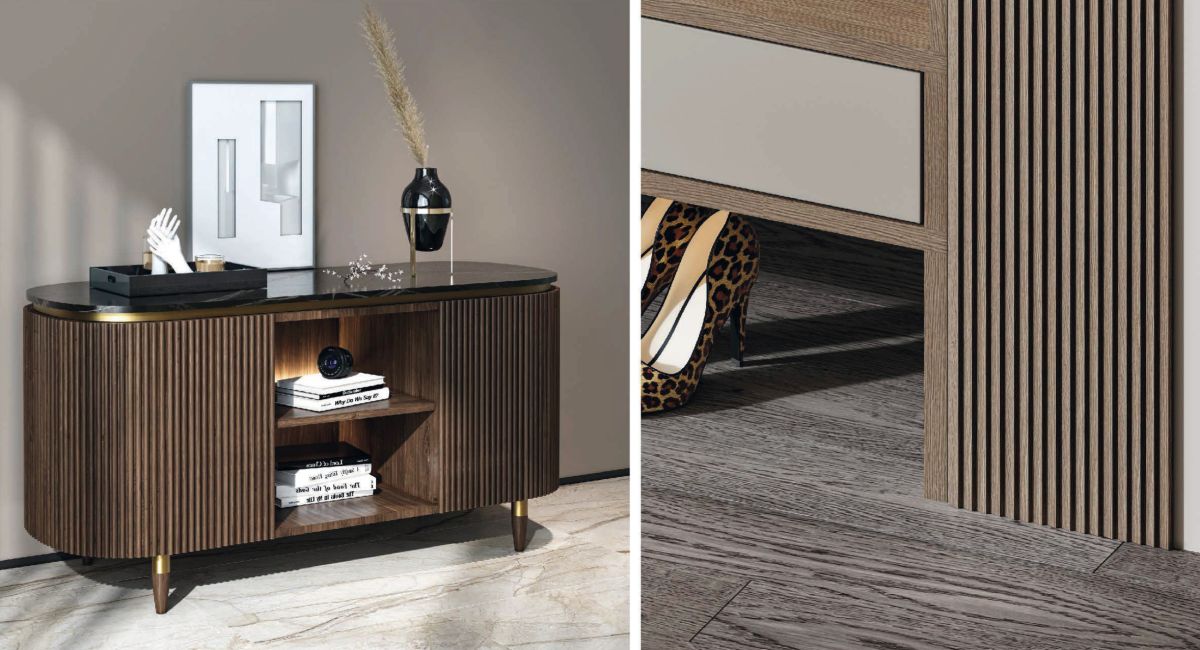
Ideas for decorating batten panels
1. Panels with contrasting paint
To create a striking accent on the wall, you can paint the wooden battens in a contrasting color. This will add expressiveness and individuality to the interior. For example, light battens on a dark wall—or vice versa—will highlight decorative elements and emphasize the uniqueness of your interior.
-
Tip: Use eco-friendly acrylic paints to preserve the wood texture while protecting the surface from damage.
2. Alternating batten widths
To create a more dynamic and interesting look, you can use battens of different widths, alternating them. This allows you to create an unusual pattern on the wall and add layering and textural variety to the interior.
3. Lighting for a 3D effect
Using built-in backlighting behind the batten panels adds depth and a floating visual effect to the wall. LED strips placed behind the panels will highlight the wood texture and create a cozy atmosphere.
-
Tip: Use warm light tones to create a cozy atmosphere or cool tones for a modern high-tech interior style.
4. Recessed panels for space zoning
Recessed panels can become an ideal solution for zoning open spaces, especially in studio apartments or offices. By installing a panel on a specific part of the wall, you can visually separate zones such as the kitchen and living room, while maintaining harmony throughout the space.
Conclusion
Creating recessed panels yourself is an excellent way to refresh your interior and give it a stylish, modern look. Using wooden planks, moldings, and baseboards from Stavros, you can achieve a professional result that highlights the uniqueness of your home. Recessed panels are easy to install, suitable for various interiors, and allow you to express your creativity in design.