




























Article Contents:
- Oak: why this particular species defines the character of the interior
- Structure and texture: what makes oak unique
- Hardness and durability
- Chemical composition: why oak is resistant to moisture
- Visual effect of oak slatted panels: what happens to the wall
- Rhythm and structure of space
- Shadow as a tool of volume
- Tactile provocation
- Wooden products in interior systems: what besides panels
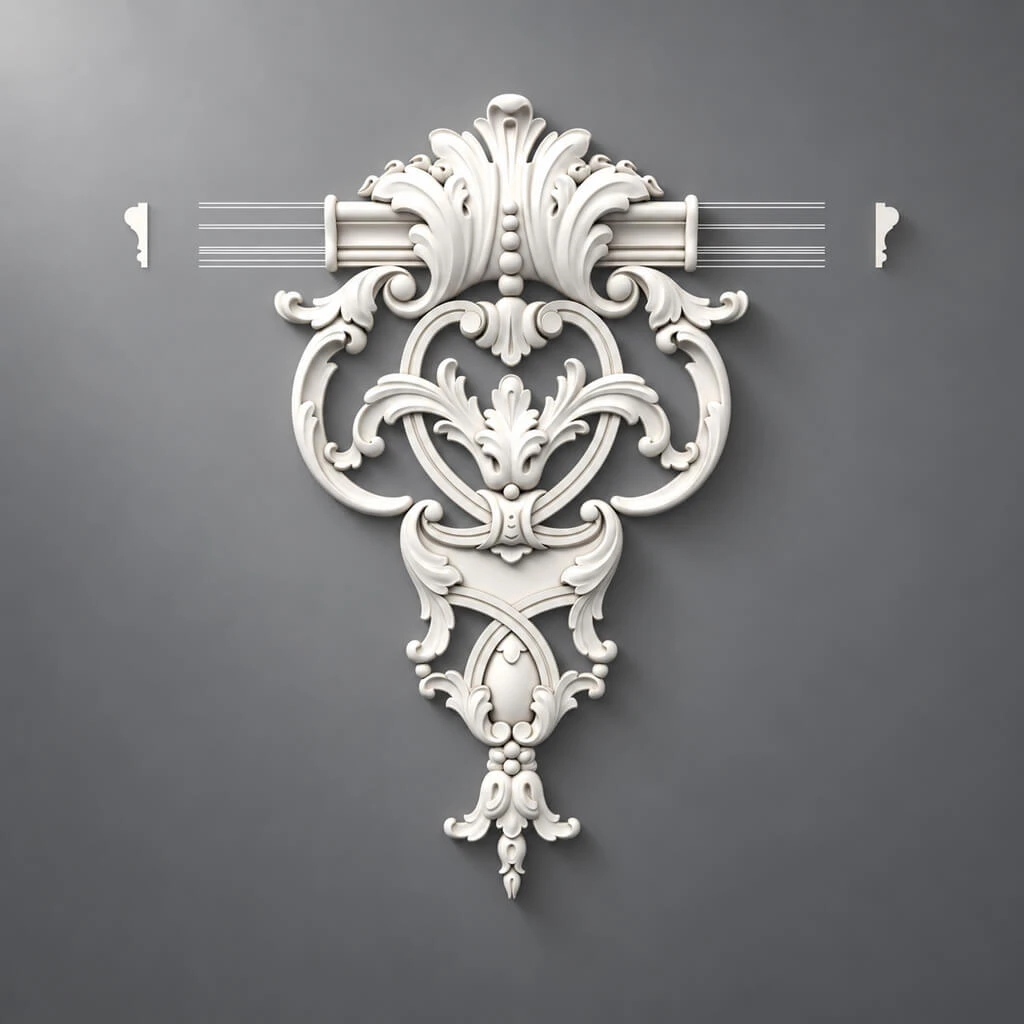
- Wooden cornice: the horizontal boundary at the top
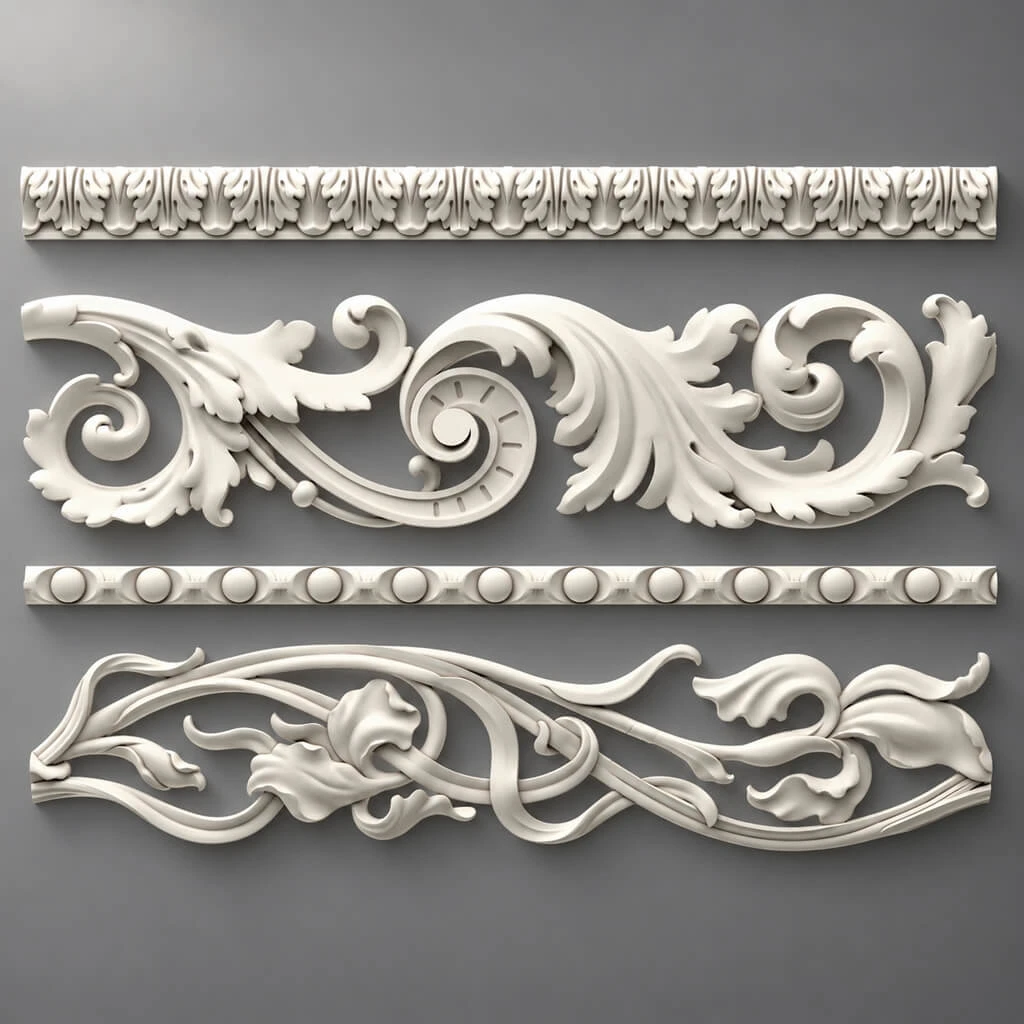
- Wooden moldings: wall division and field creation
- Wooden baseboard: the foundation of the system
- Solid wood trim: casings, thresholds, frames
- How to combine oak slat panels with other wooden elements
- The rule of unity in wood species or tone
- Combining oak with other wood species: what is acceptable
- Finish as a coordination tool
- Which elements enhance the premium quality of a wooden interior
- Wooden Ornament and Carving: When It's Appropriate
- Oiled Surface vs. Varnish: What It Says About Quality
- Precise Finish Joints
- Profile consistency
- Where Solid Oak Works Especially Well
- Living Room: Accent Wall with Slats as a Dominant Feature
- Study: Wood as a Professional Argument
- Bedroom: Warmth on the Wall Behind the Headboard
- Hall and Entryway: The First Tangible Impression
- Kitchen: With Intelligence and the Right Material
- How to Choose the Shade and Texture of Oak: A Practical Guide
- Radial vs. Tangential Cut
- Brushing: Open Pore
- Thermo Oak: Dark and Stable
- Oil Finish Shades: How to Stain Oak
- Wooden Patterns and Ornaments: When Batten is Not the Only Pattern
- Geometric Inserts and Inlays
- Milled Elements from Solid Wood
- Mistakes in Wood Selection: Honest Analysis
- First Mistake: Mixing 'Wood' and 'Wood-Look'
- Second Mistake: Ignoring Acclimatization
- Mistake three: incorrect coverage without considering the area
- Mistake four: tonal conflict between wooden elements
- Mistake five: too many species without systematic logic
- Mistake six: ignoring the direction of the grain
- Practical scenarios: wooden systems for different styles
- Modern classic: natural oak + white profiles
- Scandinavian style: whitewashed oak + light moldings
- Dark neoclassicism: mocha oak + tinted profiles
- Eclecticism: thermo oak + metal + wooden ornament
- Table: combination of oak shades with space materials
- STAVROS: natural oak and wooden millwork as a unified system
- FAQ
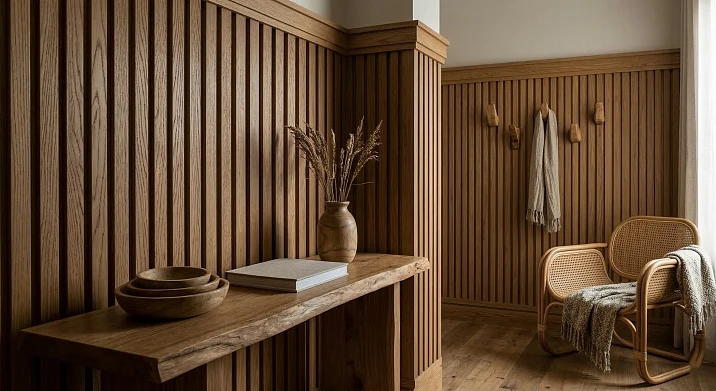
There is a moment when a person enters a room and says: 'It feels good here.' Without explaining why. Without analyzing the materials and proportions. Simply—good. Warm. Genuine. Almost always, such a room contains wood. Not an imitation of wood, not laminate with a 'woodgrain' print—real solid wood. Living texture. A tactile surface you want to touch.
Oak Slat Panel— this is not a decorative technique, it is a material statement. A statement that in this space, the real has been chosen over imitation. And when otherWooden items— cornices, baseboards, moldings, solid wood millwork—appear next to a slatted oak wall, the interior ceases to be 'finishing' and becomes architecture. Organic, warm, alive.
How is this built? By what principles? And where do mistakes most often occur when trying to create a 'wooden' interior? Let's examine in detail.
Oak: why this particular species defines the character of an interior
To speak ofwooden itemsin an interior inevitably means returning to oak. Not because other species don't exist. Because oak occupies a special place in the hierarchy of woods—both in terms of physical characteristics and in terms of visual and psychological impact.

Structure and texture: what makes oak unique
Oak is a hardwood species with a pronounced large-pored structure. The pores in oak are large, clearly visible to the naked eye. Medullary rays—pearly stripes perpendicular to the annual rings—give quarter-sawn oak its characteristic 'silky' sheen. Plain sawn (tangential) cut yields a pronounced wavy pattern, which in an interior reads as energy and movement.
This means:Oak Slat Panel— a surface that changes with viewing angle and light direction. In the morning under natural light — one pattern. In the evening under warm spot lighting — another. This 'liveliness' is something no synthetic material can provide.
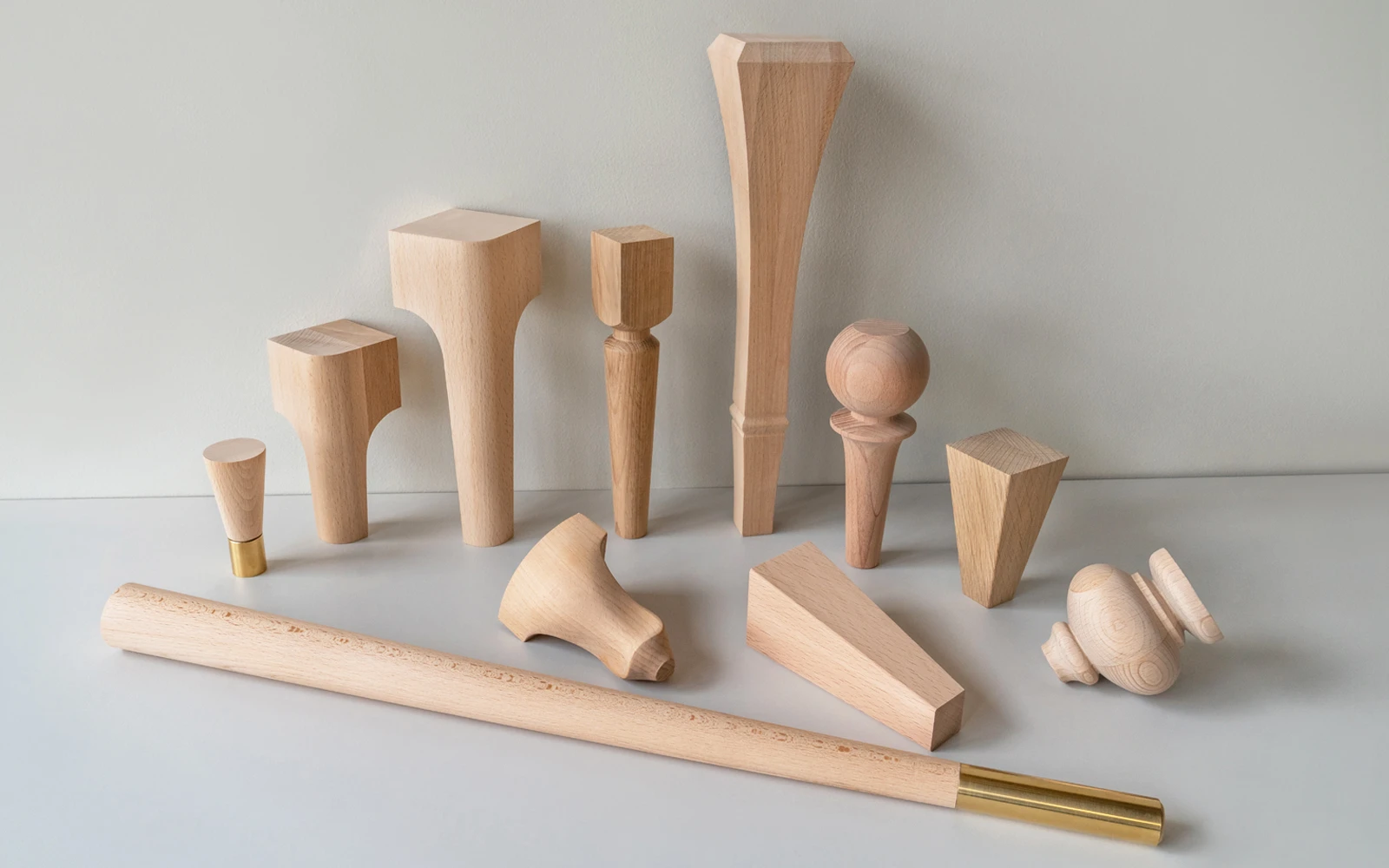
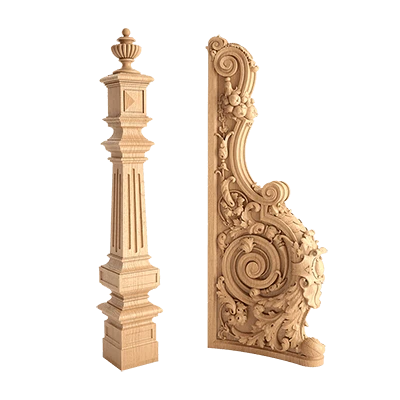
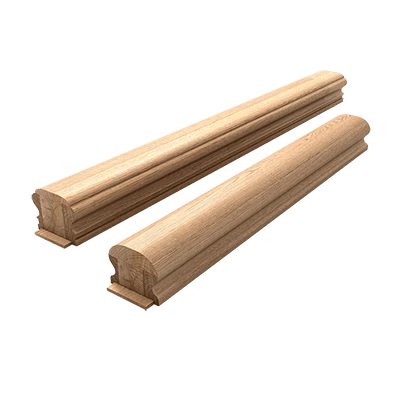
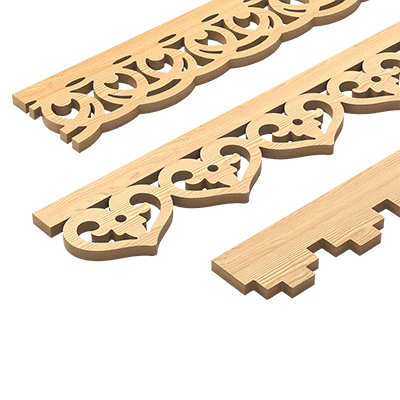
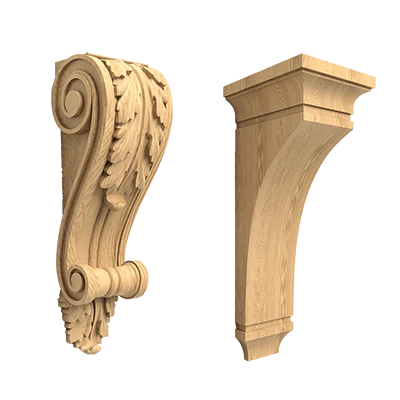
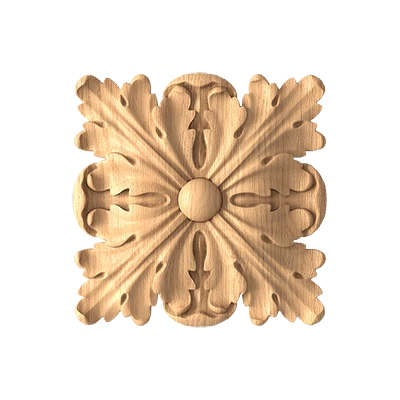
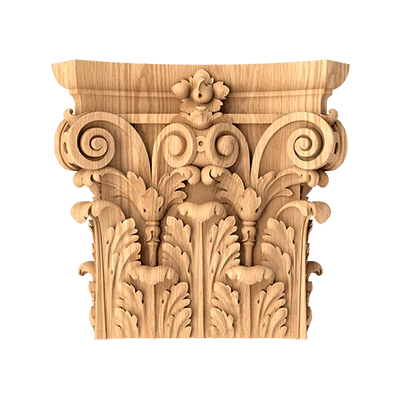
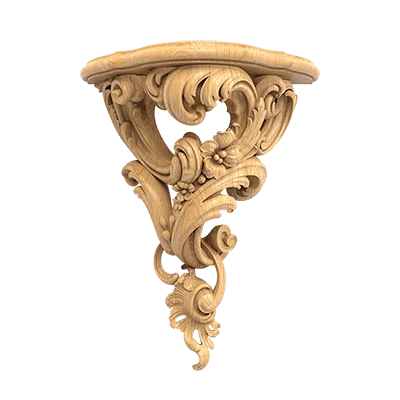
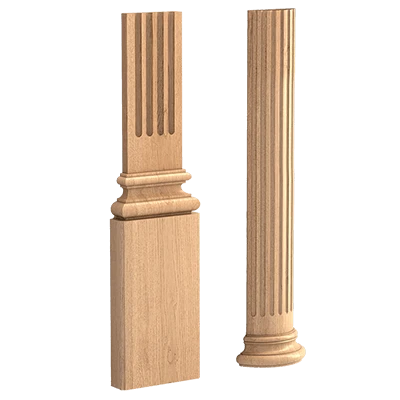
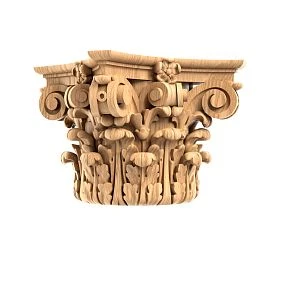
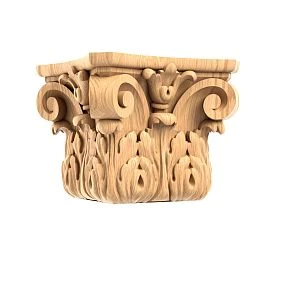
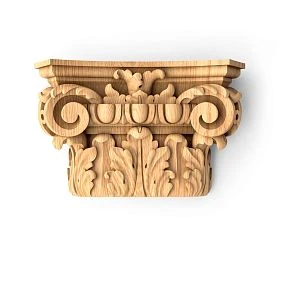
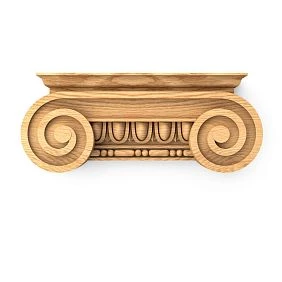
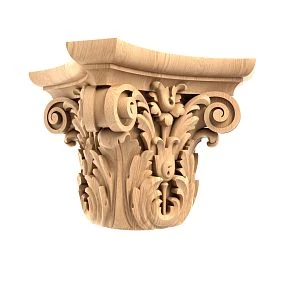
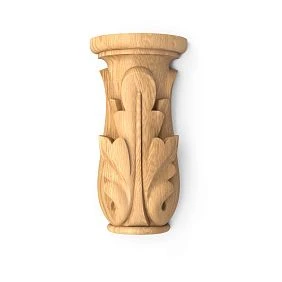
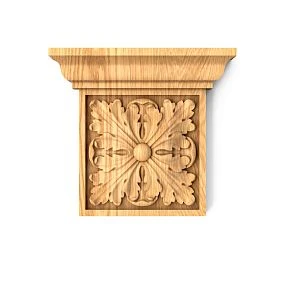
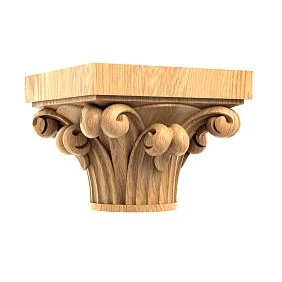
Our factory also produces:
Hardness and durability
On the Janka scale (wood hardness), oak falls into the hardwood category. This means resistance to mechanical damage, which is significant for wall panels in high-traffic areas.planks made of wood— this is not fragile decor that fears accidental contact. It's a durable surface with a long lifespan.
With proper oil or varnish treatment, the oak surface maintains its character for decades. Over time, oak develops a patina — a warm brownish coating that only enhances its natural character. This is that very 'ages beautifully' quality never mentioned in relation to any synthetic material.
Get Consultation
Chemical composition: why oak is resistant to moisture
Oak wood has high tannin content — natural tanning substances that protect the fibers from fungus, rot, and certain insect pests. This is precisely why oak has historically been used in shipbuilding — a material that performs in extreme humidity conditions. In interior applications, this means greater resistance to humidity fluctuations compared to softwoods.
This is important for wall panels: with proper acclimatization (2–5 days in the room before installation) and proper coating, oakRack panelin normal living conditions won't dry out or warp.
The visual effect of oak slat panels: what happens to the wall
When aoak slat panelis mounted on the wall, several things happen to the space simultaneously. It's not just 'the wall became beautiful.' It's more complex and precise.
Rhythm and structure of space
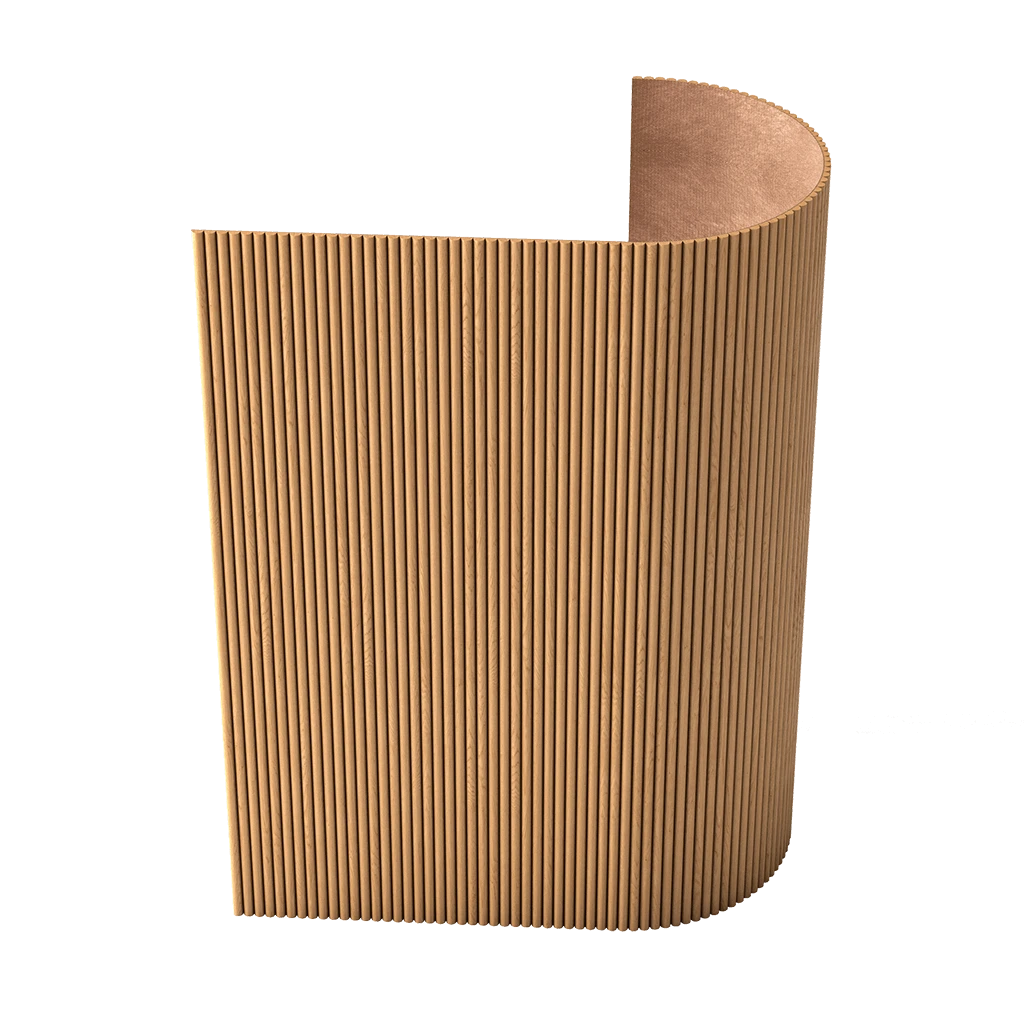
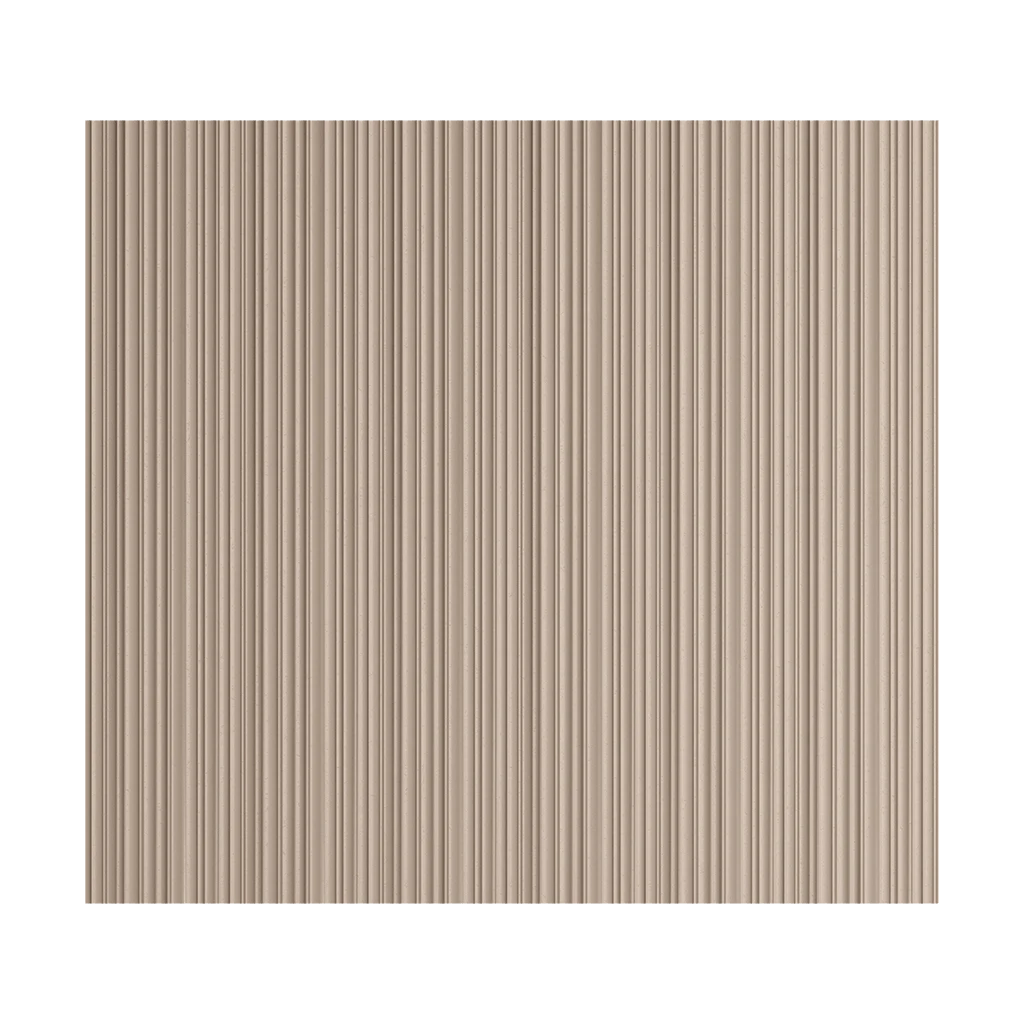
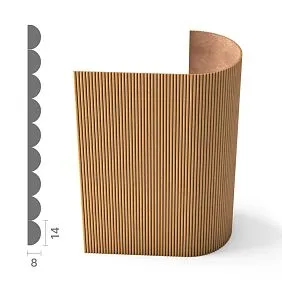
Slats create a vertical rhythm. Vertical rhythm in a space works as an upward aspiration: the eye follows the vertical lines and rises toward the ceiling. This is especially valuable in rooms with standard heights of 2.7–2.8 m, where walls can appear 'squat.'
The rhythm of oak slats structures the wall: it ceases to be a neutral background and becomes an ordered, organized surface. A room with such a wall feels intentionally designed—and it's precisely this sense of 'intention' that reads as quality.
Shadow as a tool for volume
The gap between the slats is not just a 'clearance.' It's a shadow. Constant, stable, giving the surface three-dimensionality. On a flat painted wall, there are no shadows, no depth—only color. On an oak slat wall, shadows change with the angle of light.
Wooden slat panelswith backlighting—LEDs in the gaps—amplify this effect many times over: warm light, filtered through the wooden rhythm, creates an atmosphere that cannot be described more accurately than 'a living wall.'
Tactile Provocation
An oak wall invites touch. This is not a metaphor—it's a physiological fact. Humans react differently to natural textures than to smooth or synthetic ones. Natural wood activates tactile memory—sensations associated with nature, warmth, and protection.
This is why people feel a comfort in rooms with oak slatted walls that is difficult to explain logically. It's not about 'beauty'—it's about a tactile signal that the brain perceives as 'safe, warm, familiar.'
Wooden products in an interior system: what besides panels
A slatted panel is a powerful element, but not self-sufficient. An interior with only one wooden slatted wall and everything else being neutral finishes without material connection is an interior with one accent and no system.
A system emerges when wood is present in several points of the space and all these points are connected by a single logic.Wooden items—moldings, cornices, trims, baseboards—these are the elements that create this system.
Wooden cornice: the horizontal boundary from above
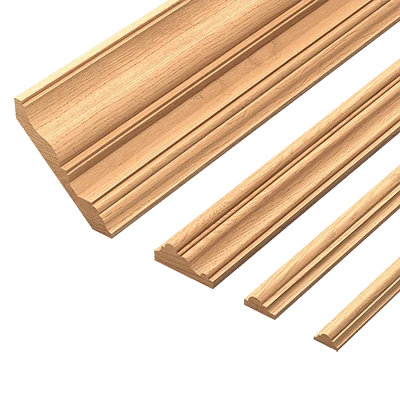
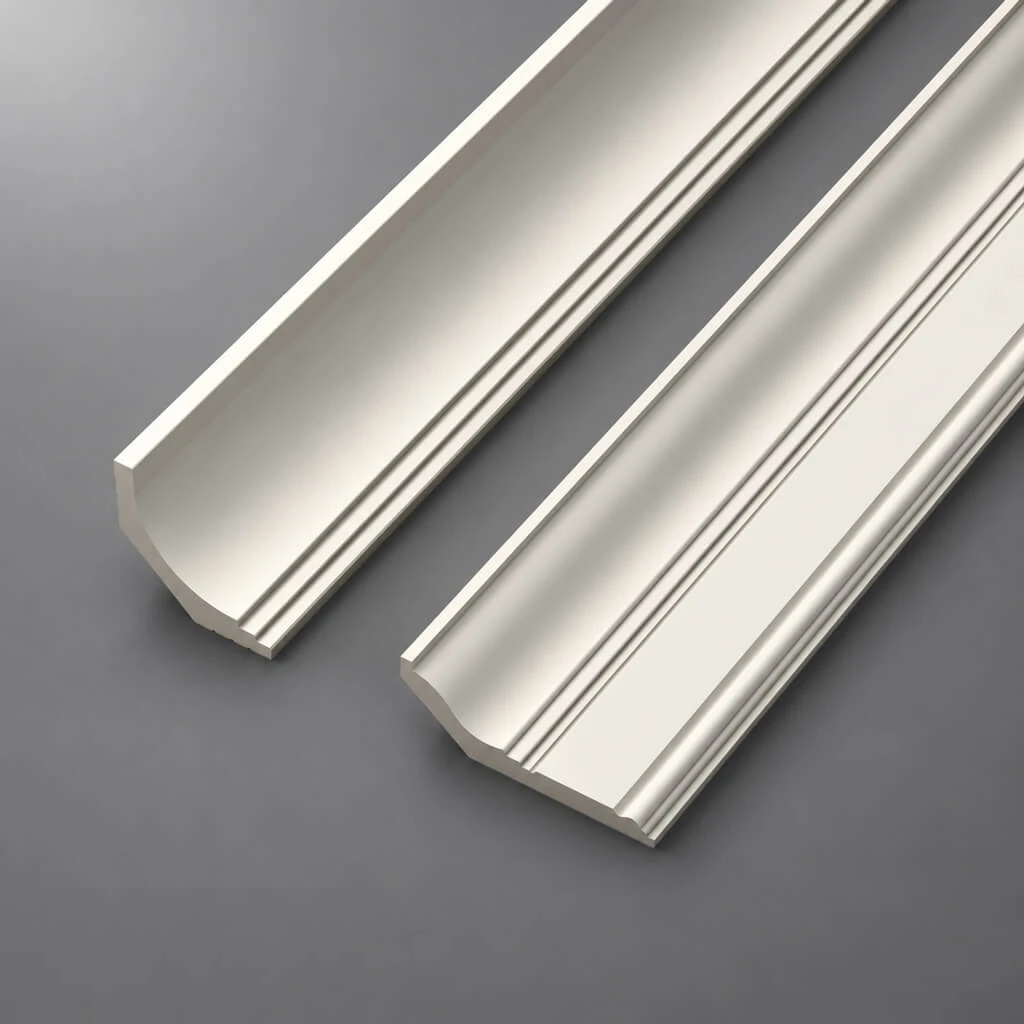
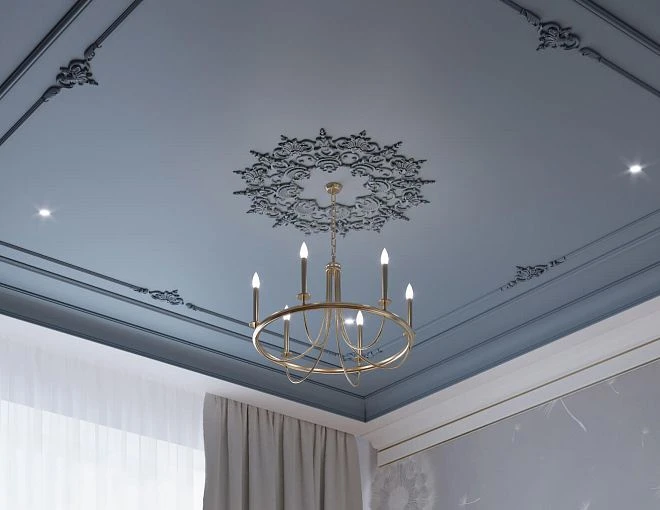
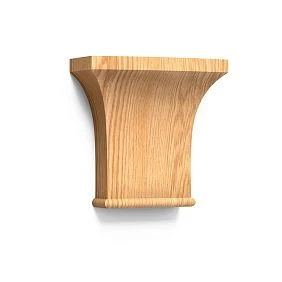
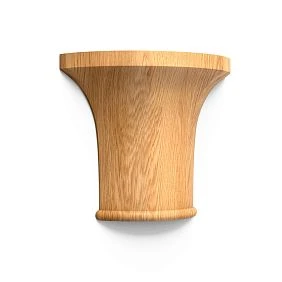
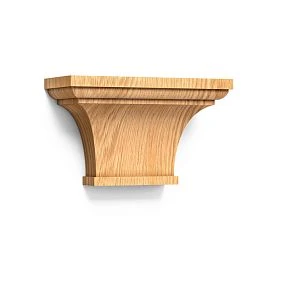
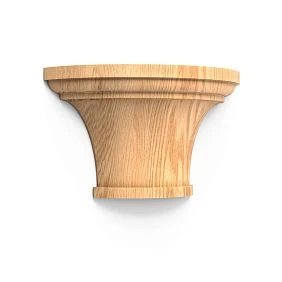
wooden cornice—a ceiling element separating the wall from the ceiling. In an interior with oak slatted panels, a wooden cornice is not a random addition but an obligatory part of the system. It 'receives' the vertical rhythm of the slat and completes it with a horizontal line.
When the cornice is made from the same oak as the slatted panel—or from a similar species coordinated in tone and texture—the wall-ceiling boundary becomes an architectural detail, not a technical joint.
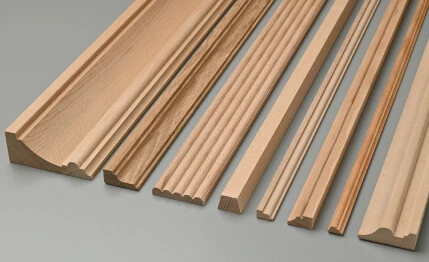
The cornice profile should match the character of the slat: for wide, powerful oak slats—a developed cornice with a protruding shelf; for thin, delicate slats—a light profile without excessive scale.
Wooden moldings: wall articulation and field creation
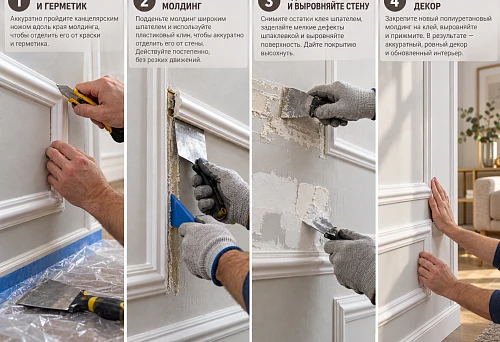
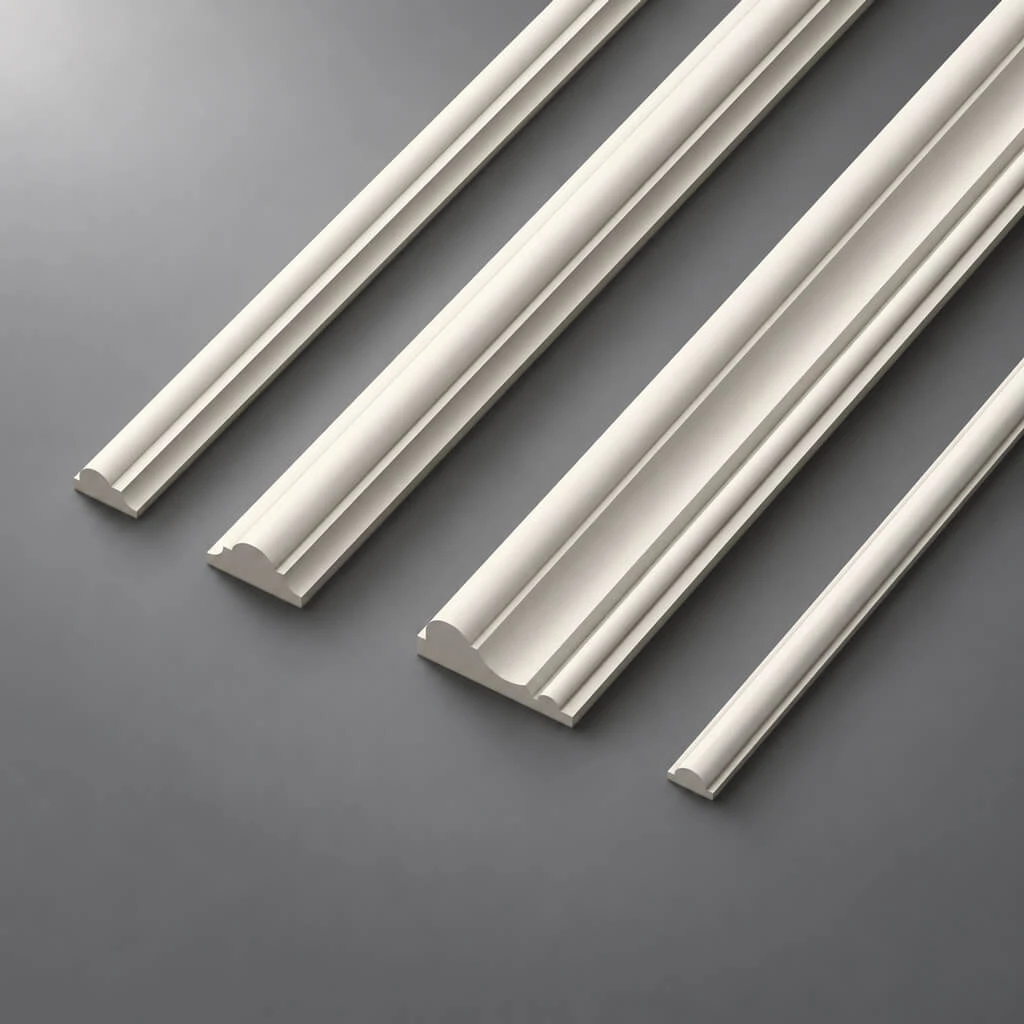
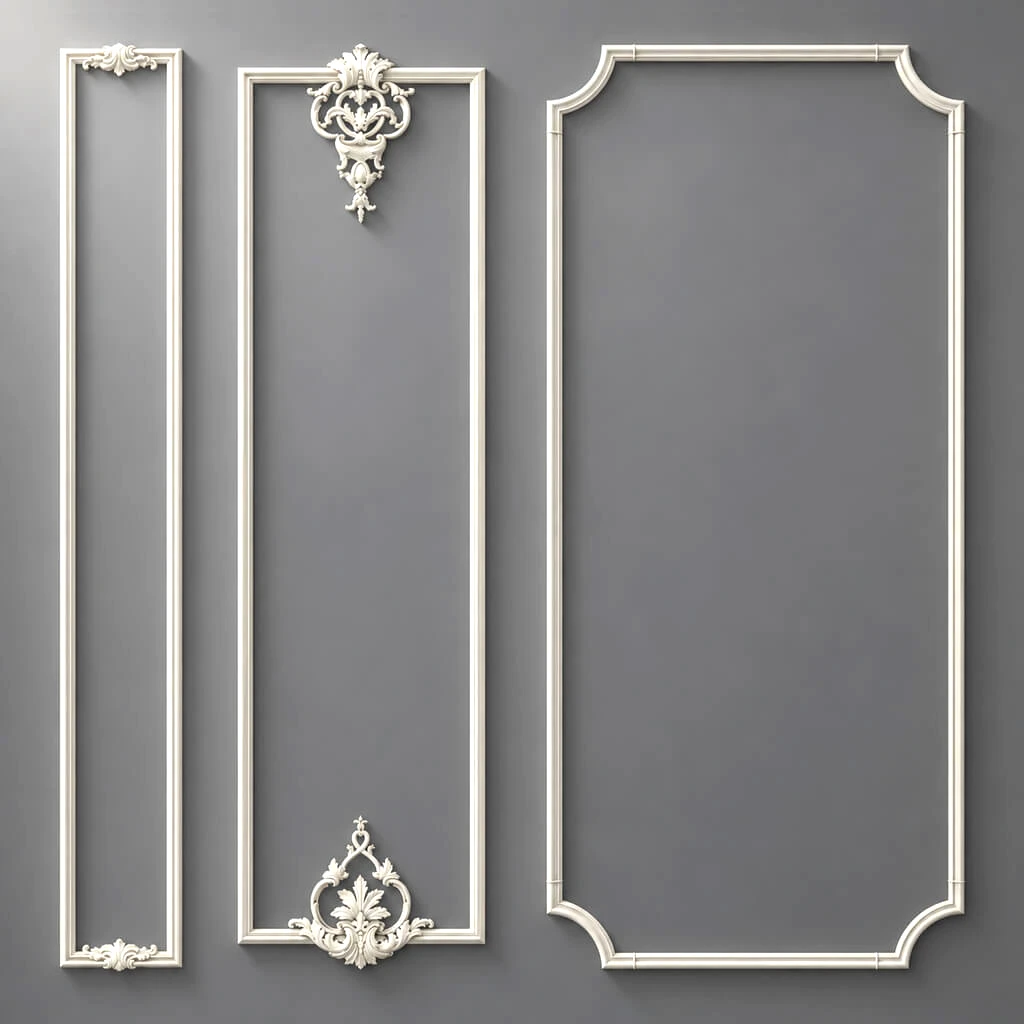
Wooden moldings— horizontal and vertical profiles that divide the wall into fields. On a wall without a slatted panel—they create structure. On walls adjacent to a slatted panel—they transfer the rhythm logic from the slatted surface to neutral walls.
An important rule mentioned earlier: wooden moldings are not applied over the slatted surface. They are on neutral walls, at ceiling transitions, on door/window reveals.
Wooden baseboard: the foundation of the system
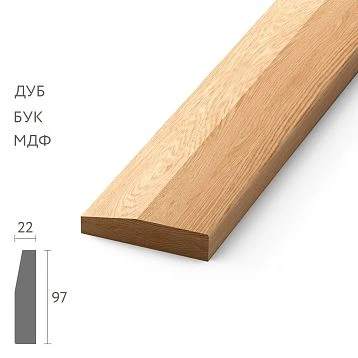
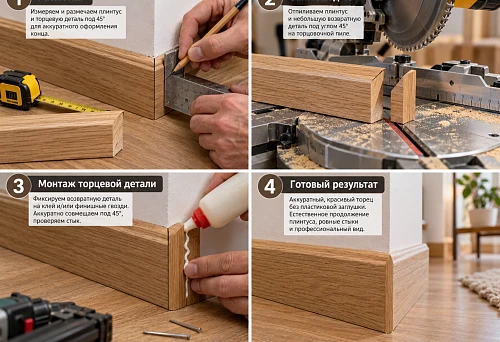
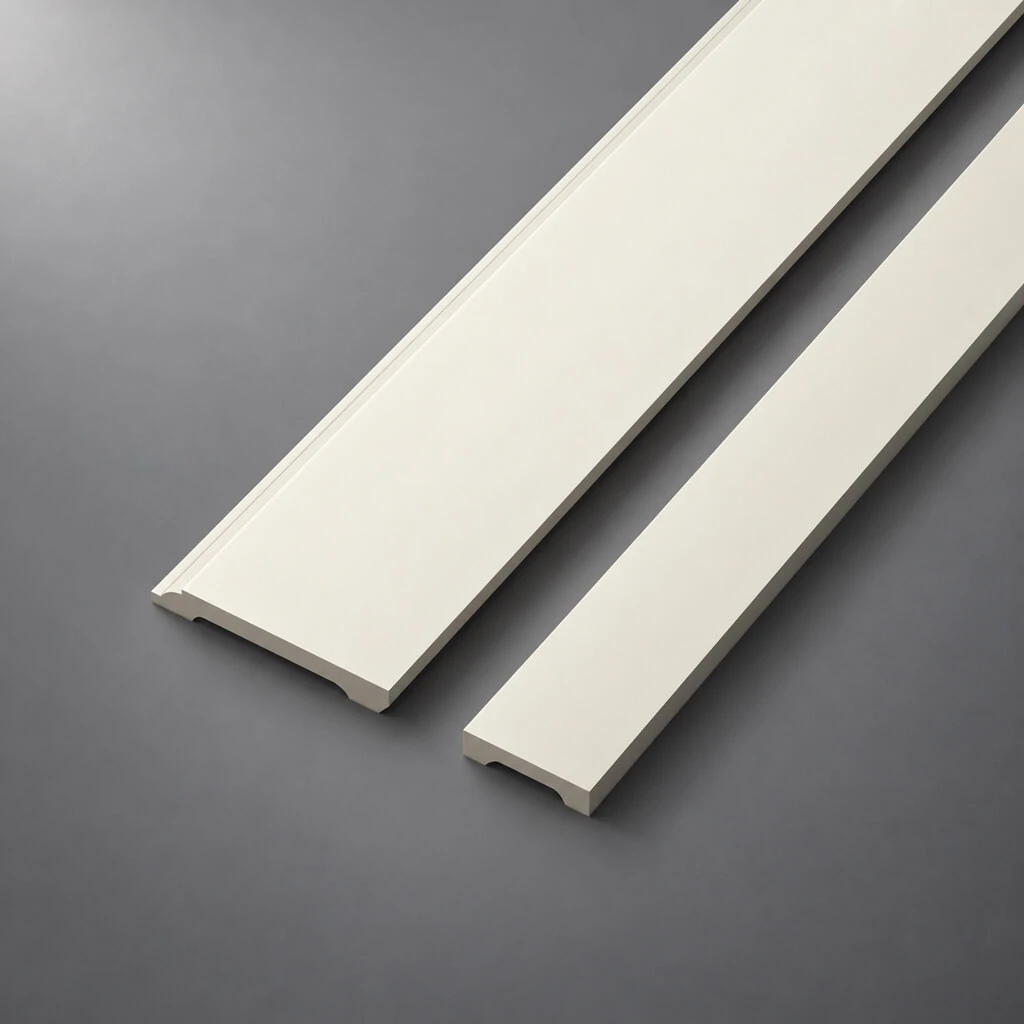
A solid oak baseboard is the lower boundary of the system. It harmonizes the floor and wall, 'closes' the lower end of the slatted panel, and creates a horizontal rhythm at the base of the walls.
A tall solid baseboard (88–108 mm) with a protruding shelf in an interior with oak slatted panels is a detail that immediately communicates the quality of the finish. It is visible. It is felt. It does not get lost against the floor.
Coordinating the tone of the baseboard and slat is not a mandatory match. It can be a contrast: a dark slat and a baseboard one or two tones darker or lighter. Or a unified tone for both elements—when using an oil finish of the same composition.
Solid wood millwork: casings, thresholds, trims
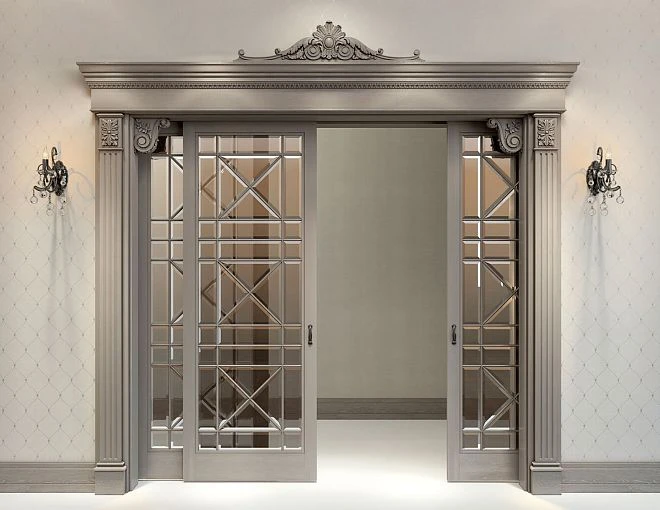
Pogonazh iz massiva— these are door casings, window trims, thresholds, corner profiles. In a natural wood interior, they complete the system: oak slats on the wall, oak casings at the door, an oak threshold, an oak baseboard—the space becomes a unified material statement.
True quality is revealed in the details. A cheap laminated MDF architrave against an oak slatted wall is a material dissonance that undermines the entire effect. A solid oak or ash architrave is a detailed confirmation of the chosen material code.
How to combine oak slatted paneling with other wooden elements
This is a question asked less often than it should be. And there are exactly as many mistakes here as in the choice of the material itself.
The rule of unity of species or tone
It is not necessary for all wooden elements to be of the same species. But it is essential that they are coordinated in tone. Oak slats with a cool gray tint and warm walnut in the cornice is a tonal conflict. Dark mocha oak and natural ash on the light side is an acceptable contrast, provided it is intentional and maintained throughout the space.
The safest solution: all wooden elements are made of oak. Uniform texture, uniform tone, uniform character. No dissonance.
Combining oak with other species: what is acceptable
Oak + ash: ash is lighter, with a pronounced straight grain. A good combination: oak slats on an accent wall, ash moldings. Contrast of textures without tonal conflict.
Oak + walnut: walnut is darker than oak, with a softer, wavy grain. Works as a 'dark accent' against a medium-toned oak background. A walnut baseboard against an oak slatted wall is an elegant solution that makes the lower part of the wall visually heavier (creating stability).
Oak + pine: a complex combination. Pine is a softer species with rich resin channels, a more 'rustic' character. Oak is strict, urban, architectural. Works when intentionally combined (eco-style, rustic). In modern classic or neoclassical styles — no.
Oak + Thermowood: Thermally modified oak is dark, evenly colored, with almost no visible pores. Works well as a 'dark version' of oak when paired with light natural oak slats. Used for contrast zones.
Finish as a coordination tool
Different elements made from different wood species can be coordinated through finish. Applying an oil stain of the same tone to oak slats, an ash cornice, and pine trim will not make them identical (the texture will differ), but the tone will be unified. This is a practical technique for creating a 'wooden' space with multiple species.
Which elements enhance the premium feel of a wooden interior
The word 'premium' in an interior context is often understood as 'expensive materials.' In reality, it's about precision in details. It is the details that distinguish a well-executed interior from a rich but sloppy one.
Wooden ornament and carving: when appropriate
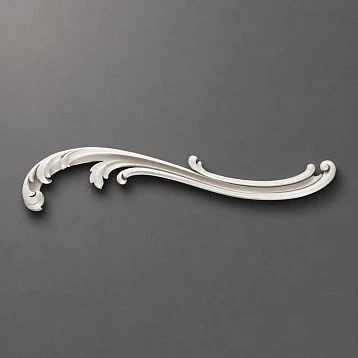
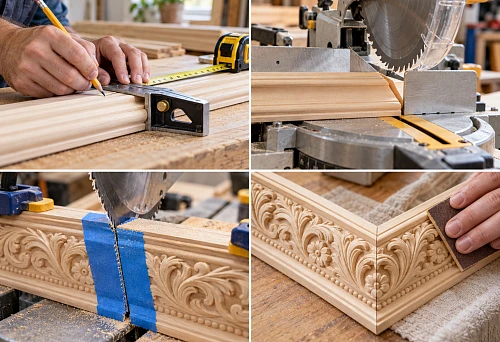
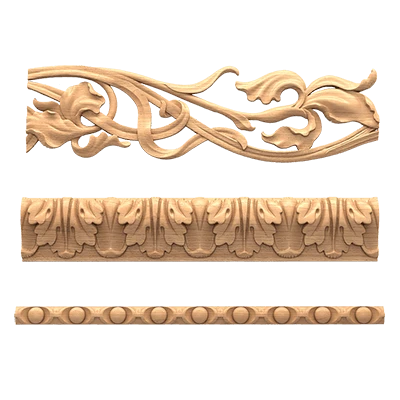
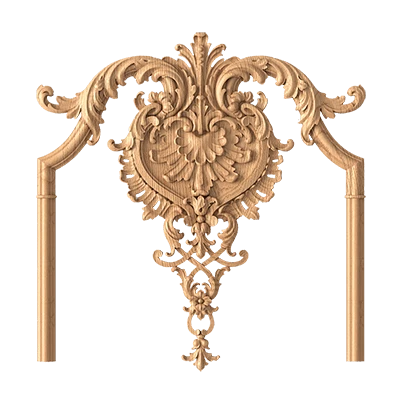
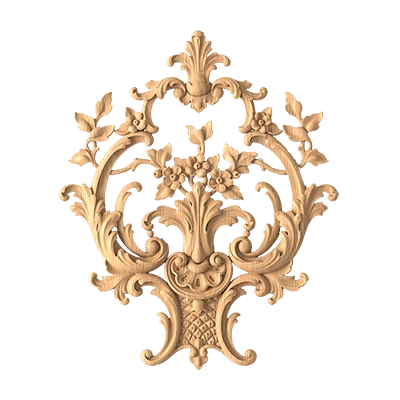
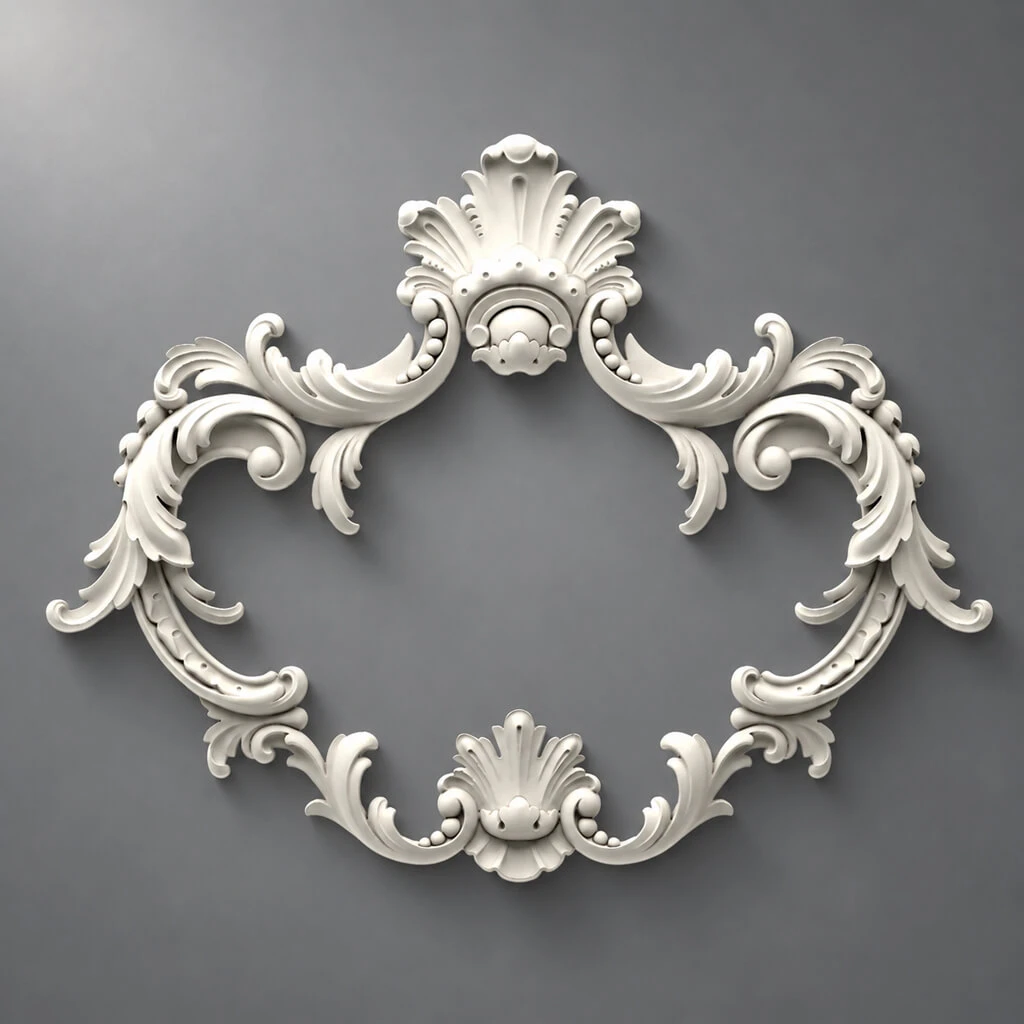
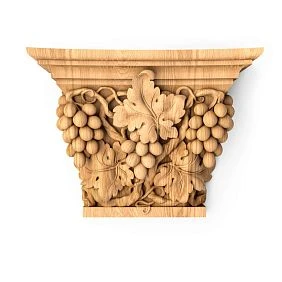
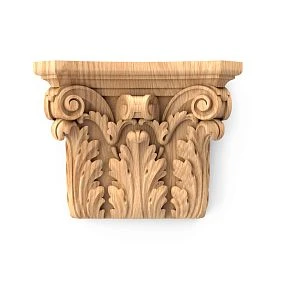
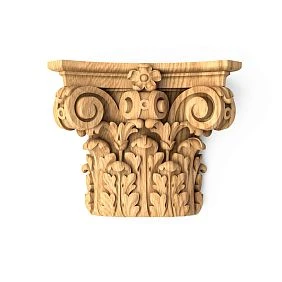
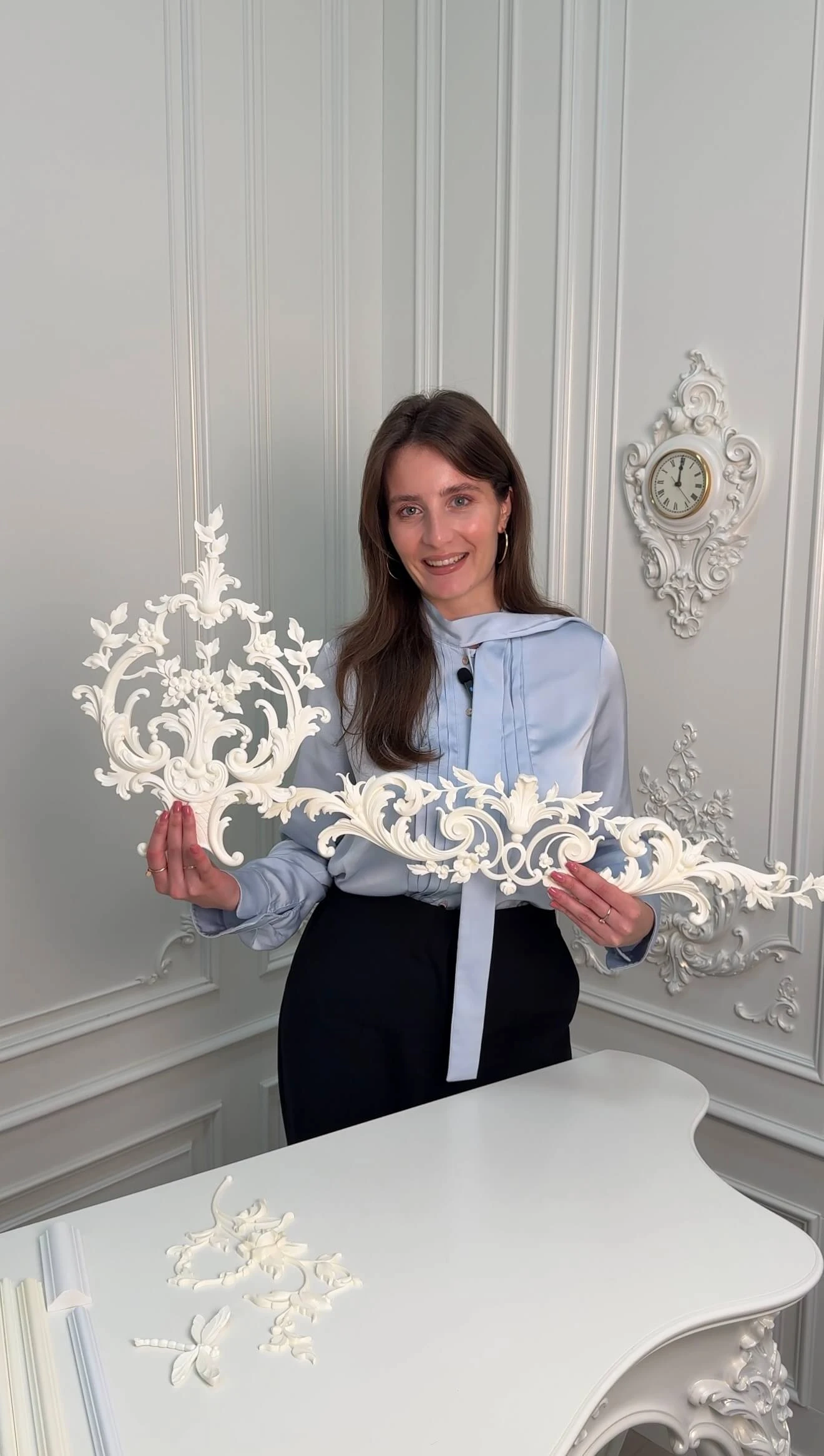
wooden ornamentIn a modern interior, it's not necessarily baroque-style carving. It could be a geometric relief pattern on a cornice shelf, a decorative inlay in molding, or a profiled edge on a casing. Each such element signals: details were considered here.
Hand-carved or milled carving on wooden elements is for classic and historically styled interiors. Clean geometry without ornament is for modern classic and minimalism. The main condition is stylistic unity. A geometric ornament on a cornice paired with thin oak slats is possible. Baroque carving with thin oak slats is a stylistic contradiction.
Oiled surface vs. lacquer: what it says about quality
Lacquered oak is a 'closed' surface. The wood's pores are sealed, tactility is neutralized. The surface becomes smooth, sometimes glossy.
Oil impregnation — an 'open' surface. The pores remain alive, the texture is tactilely perceptible, the wood grain is fully expressed. A matte oil finish is one of the main markers of a quality wooden interior. It is precisely this that creates that feeling of 'authenticity' mentioned at the beginning.
Solid oak slat panelsPanels with an oil finish — are fundamentally different visually and tactilely from the same panels under varnish. Matte oil — is a choice that speaks to an understanding of the material.
Precise finish joints
The joint of a wooden cornice with a slatted panel. The joint of a baseboard with a threshold. The joint of a casing with a reveal. Each of these joints is a place where the level of execution is revealed. Perfectly fitted ends, sealed with an acrylic compound, without gaps or protrusions — this is a detail seen by everyone who enters the room, even without understanding why 'it looks neat here'.
An open end of an oak slat without a finishing profile — is immediately noticeable. An ill-fitted corner of a wooden cornice — is noticeable. Correctinstallation of slatted panelsPanels with closed ends and precise joints — that is precisely what 'well-made' means.
Profile coordination
The profile of a wooden cornice, the profile of a molding, the profile of a baseboard — they should belong to the same 'language' of forms. Geometric, rectilinear profiles — a modern language. Profiles with an ogee, a cavetto, an astragal — a classical language. Mixing languages in profiles — is chaos that is felt, even if a person cannot articulate it.
Where solid natural oak works especially well
Not every room is equally ready for solid wood. There are zones where oak fully reveals itself.
Living room: an accent wall with slats as a dominant feature
Wooden slat panels in the living room— an accent TV wall or wall behind the sofa. This is a space where wood is visible from a distance — and it's precisely here that the oak texture is fully appreciated. Straight vertical slats, pronounced texture, oil finish — this is a statement that is perceived first upon entering the room.
Oak cornices and moldings along the perimeter of the living room — the second layer of the wooden system. Wooden door trims and window frames — the third layer. All together — a space where wood is present systematically, not sporadically.
Study: wood as a professional argument
The study — a space with the highest concentration of wooden elements in a historical interior. Oak bookshelves, oak writing desk, oak wall panels — this is classic because it works.Wooden slat panelsin the study on the working wall create a background surface that densifies the space and gives a sense of seriousness. Not pretentiousness — precisely seriousness.
Dark oak in the study — a traditional and infallible choice. Natural light oak — more contemporary, suitable for studies with large windows and good daylight.
Bedroom: warmth on the wall behind the headboard
slatted panels in the bedroom— this is not just decor. It's a material context in which a person falls asleep and wakes up. Wood in the bedroom — a biologically correct choice: it doesn't create a feeling of coldness (unlike stone or metal), doesn't feel oppressive (unlike dense dark fabrics on walls), doesn't irritate the eye.
Light oak or ash behind the headboard — a delicate, calming surface. Dark oak — in a bedroom with good lighting and large area.
Hall and Entrance Hall: The First Material Impression
Upon entering a space, a person reads the materials in fractions of a second. Oak slats in the entrance hall —Slatted panels in the hallway interior— are the first and most accurate signal about the character of the home. The protective zone (lower register, 110–130 cm) made of oak is practical: resistant to mechanical damage, easily refreshed with an oil finish. Wooden skirting boards and architraves from the same solid wood complete the system.
Kitchen: With Sense and the Right Material
The kitchen is not an obvious zone for oak slat panels. Steam, grease, and humidity create conditions that wood tolerates with limitations. However — with proper application — oak in the kitchen is possible.
Slatted panels in the kitchenOak is suitable for the dining area, a decorative wall opposite the work zone, areas without direct contact with steam and splashes. The finish should be a dense oil or varnish composition with a high degree of protection. Regular renewal every 2–3 years.
How to Choose the Shade and Texture of Oak: A Practical Guide
Oak is not uniform. Depending on the cutting method, processing, and final finish, the same oak can look completely different.
Radial vs. Tangential Cut
Radial cut — the cut passes through the core of the trunk. Pronounced medullary rays create a 'silky', shimmering pattern. The texture is more uniform, business-like, architectural. Less warping with changes in humidity.
Tangential cut - a cut parallel to the tangent of the annual rings. Pronounced wavy 'flaming' pattern. More emotional, rich surface. Reacts more strongly to humidity changes.
For slatted wall panels, radial cut is preferable: more stable and provides uniform rhythm in the slat array on the wall. Tangential - as an intentional accent.
Brushing: open pore
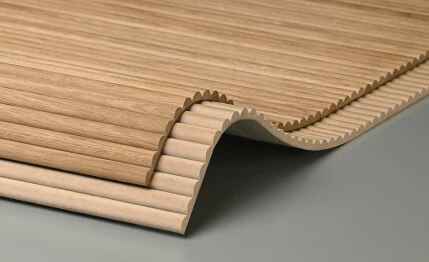
Solid oak slat panelswith brushing - mechanically treated surface where soft fibers are combed out and wood pores are opened. Brushed oak has pronounced relief: the hand feels ridges and valleys of the texture. This is the most 'tactile' option.
Brushed oak has a darker character - even with light tinting - due to shadows in open pores. Pairs well with matte oil finish.
Thermo-oak: dark and stable
Thermally modified oak undergoes treatment at 180–220°C. This changes the wood structure: it becomes darker (from light brown to chocolate depending on heat treatment intensity), more moisture resistant, less prone to biological degradation.
Thermo-oak in slatted panels - dark, uniform, with restrained character. Suitable for modern interiors, eco-style, minimalist spaces.
Oil finish shades: how to tint oak
Oil compositions allow changing oak shade without obscuring the grain:
| Oil shade | Result | Suitable for |
|---|---|---|
| Natural (colorless) | Golden warm oak, pronounced texture | Scandinavian style, modern classic |
| White oil (bleaching) | Gray-whitish oak, "faded" effect | Scandinavian style, beach, Provence |
| Gray oil | Gray-smoky oak, cold and restrained | Minimalism, loft, modern style |
| Mocha oil | Dark brown, rich | Classic, study, neoclassical |
| Walnut oil | Medium brown with a reddish tint | Classic, eclectic |
| Black graphite oil | Very dark, almost black | Modern interior, loft, contrast |
Wooden patterns and ornaments: when slats are not the only pattern
Oak slat panels— a straight, geometrically strict pattern. ButWooden itemsallow working with more complex wooden patterns.
Geometric inserts and inlays
Wooden inserts with geometric patterns — in door panels, furniture surfaces, decorative wall panels — create a pattern within the wooden material. This is a 'wooden pattern' in the literal sense: a design created by the shape and arrangement of wooden elements.
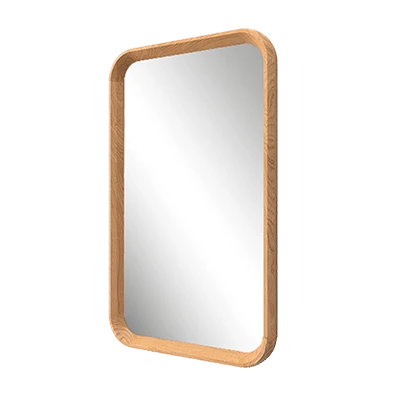
With oak slat walls, geometric wooden inserts — in niches, central furniture elements, mirror frames — work as an 'amplifier' of the wooden character of the space.
Milled elements from solid wood
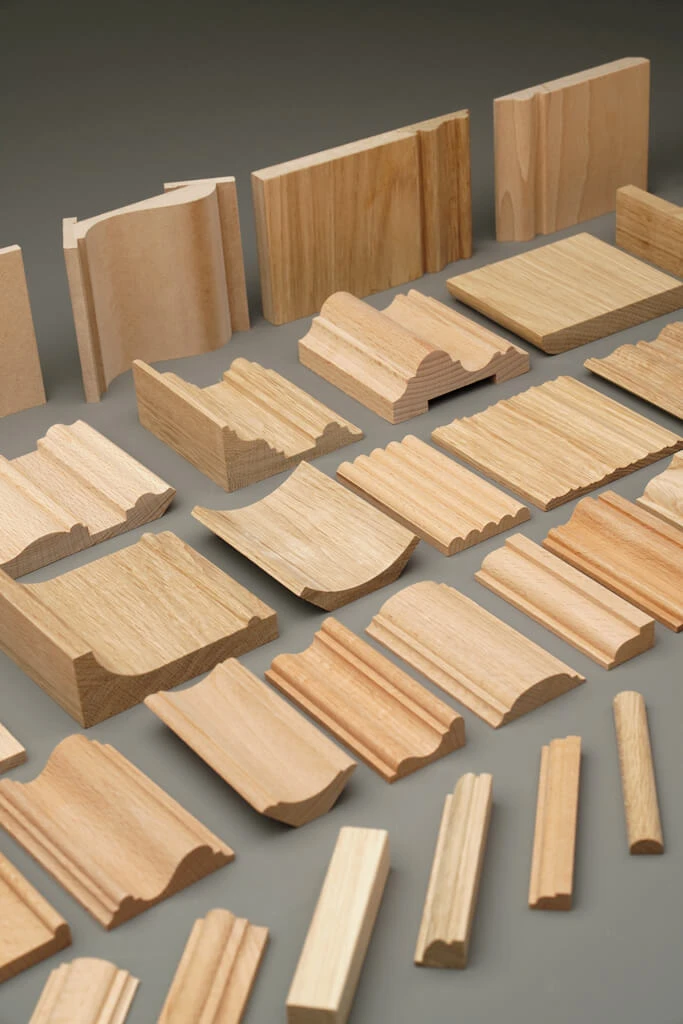
Wooden moldingswith milled profiles are applied wooden ornaments. Ogee, torus, astragal, cyma — profiles that architects have used for thousands of years precisely because they work: create shadow play on horizontal transitions, make boundary elements 'alive'.
A wooden cornice with a goose neck combined with oak slat panels is a classic architectural combination that has stood the test of time.
Mistakes in wood selection: an honest breakdown
First mistake: mixing 'wooden' and 'wood-like'
This is the main mistake in wooden interiors. Natural oak on a slat wall—and 'oak-like' laminate on the floor, and a door with PVC film 'like walnut', and an MDF cornice with 'wooden' decor. The eye instantly registers it: next to real oak, any imitation looks like a fake.
Rule: if there is natural solid wood in the space—all other wood elements must either also be natural or neutral (white MDF, painted metal, stone). Never—imitation next to the original.
Second mistake: ignoring acclimatization
Oak is a living material. Before installation, it must undergo acclimatization in the room at operating temperature and humidity for at least 48–72 hours.Wooden slat panelsWithout acclimatization, gaps may appear or warping may occur after installation—especially if installation was done in winter in an unheated room.
Third mistake: incorrect coating without considering the zone
Oil without a final hard protective layer—suitable for walls. For horizontal surfaces (countertops, shelves) it requires regular renewal. Varnish—a more rigid protection, but closes the pores. The choice of coating must correspond to the operating conditions of the zone.
Mistake four: tonal conflict between wooden elements
Warm oak in a natural tone (golden, amber) + cold gray ash in the cornice — a conflict in tonal temperature. Both can be quality materials, but together they create visual tension that disrupts the sense of unity.
The tonal temperature of all wooden elements should belong to one group: either warm tones (golden, amber, brown) or cold tones (gray, ashy, whitish).
Mistake five: too many wood species without systematic logic
Three to four wood species in one room is almost always overload. Oak, birch, pine, and walnut in one room — not 'variety,' but material chaos. One to two species, coordinated in tone — the correct system. Three — only with a clear authorial concept and professional selection.
Mistake six: ignoring the direction of the grain
Vertical slats with a horizontal direction of the wood grain — this is a technical signal of improper cutting. In a properly manufacturedoak slatted panelthe grain pattern runs along the slat, creating a visual vertical. Grain across the slat — a violation of production logic.
Practical scenarios: wooden systems for different styles
Modern classic: natural oak + white profiles
Oak slats in a natural tone (golden-amber). Wooden cornices and moldings are white (either MDF for painting or painted wood). The contrast of warm wood and white profiles is the most common and reliable solution for modern classic.
Parameters: slat width 62–85 mm, spacing 50–70 mm. Cornice 95–115 mm. Baseboard 88–108 mm. Neutral walls in off-white or soft beige tone.
Scandinavian style: whitewashed oak + light millwork
Oak with white or gray oil finish — light, 'faded' effect. Cornices and moldings — from the same or similar wood in the same tone. Or white. Floor — light parquet or tile. Overall tone — very light, almost monochrome.
Parameters: slat width 45–65 mm, spacing 40–60 mm. Narrow cornice 65–82 mm. Baseboard 72–88 mm. Walls neutral white or slightly warm.
Dark neoclassical: mocha oak + tinted profiles
Dark oak slats — mocha oil or black graphite oil finish.wooden corniceand moldings — tinted in the same tone or polyurethane in white/cream (contrast scenario). Walls — rich neutral tone (dark gray, dark blue, anthracite).
Parameters: slat width 75–100 mm, spacing 60–90 mm. Cornice 108–130 mm. Baseboard 100–125 mm. Ceiling height — from 2.85 m.
Eclectic: Thermowood + Metal + Wooden Ornament
Dark-toned thermowood slats on one accent wall. Metal inserts or profiles on other elements. Wooden ornament in separate details (mirror frame, decorative insert). Neutral concrete or stone background on other surfaces.
This is an author's concept requiring professional selection. But with precise execution, it is one of the most expressive.
Table: Combination of Oak Shades with Space Materials
| Oak Shade | Floor | Walls (Neutral) | Moldings | Metal (Hardware) |
|---|---|---|---|---|
| Natural (Golden) | Light parquet | Off-white, soft beige | White or cream | Matte gold, brass |
| Gray (whitish) | Gray stone, light parquet | White, Light Gray | White | Matte nickel, chrome |
| Mocha (dark brown) | Dark parquet or neutral | Taupe, deep gray | White or taupe | Matte black, anthracite |
| Thermowood (chocolate) | Dark floor | Anthracite, dark blue | White (contrast) | Matte black |
| Brushed natural | Neutral parquet | Warm white | White or wooden | Bronze, aged brass |
STAVROS: natural oak and wooden millwork as a unified system
Building an interior onoak slatted panelsand coordinatedwooden items— this is a task that is solved correctly only with a single manufacturer whose product line covers all necessary elements.
STAVROS produces slatted wall panels from natural oak, ash, thermowood, and other species — in a wide range of widths, profiles, and finishes. And simultaneously — a completePogonazh iz massiva: cornices, moldings, baseboards, casings, battens — coordinated in scale and character, made from the same wood species.
This means: you are not assembling a 'wooden' interior from elements of different manufacturers, matching tones from samples in different stores. You get a ready-made system: slatted panels + millwork + cornices — from a single source, with proven compatibility of material, tone, and scale.
Consultation. Millwork calculation. Finish samples. Delivery across all of Russia.
Real wood is not just a material choice. It is a choice of a space where you want to stay.
FAQ
What is the optimal width for oak slats in a standard apartment?
For a ceiling height of 2.7–2.8 m — slat width of 55–80 mm with a spacing of 50–70 mm. This is a moderate, readable rhythm that works in living rooms, bedrooms, and studies without feeling overloaded.
Is it possible to mix oak and oak with different finishes in the same room?
Yes, provided the contrast is intentional. Natural oak on the wall and thermo-treated oak on the baseboard — a contrast of light and dark. That works. Natural oak and oak with gray oil in a random combination — does not.
Is a protective impregnation needed for oak slat wall panels?
Absolutely. Unprotected oak on a wall will gradually darken unevenly and absorb dirt. Oil impregnation — at least two coats. Or a varnish finish for high-traffic areas (hallways).
How often should the oil finish on oak slat panels be renewed?
For wall panels under normal living conditions — every 4–7 years. A sign that renewal is needed: the surface starts absorbing water (a water droplet doesn't bead up but soaks in). Renewal involves sanding with fine sandpaper and applying a new coat of oil.
How to install oak slat panels — with adhesive or on battens?
On a flat wall (deviation up to 3 mm/m) — adhesive installation. On an uneven wall — battens. For oak panels, battens are preferable: the ventilation gap protects the wood from condensation. Details are in the guide for %s.installation of slatted panels.
Where to buy oak slatted panels in Saint Petersburg with Contact us to confirm shipping to your destination.?
STAVROS producesSolid oak slat panelsand provides Contact us to confirm shipping to your destination. Consultation on parameters and calculation of material quantity — before placing an order.