












































































Article Contents:
- Why photos of slatted panels are so important when choosing
- First look: living room with an accent slatted wall in dark oak
- Second look: bedroom with light slats behind the bed
- Third look: study with dark slats — an image of competence
- Fourth look: hallway — narrow and tall, vertical slats
- Fifth look: kitchen-living room, zoning with a slatted partition
- Sixth look: children's room — light slats and playful rhythm
- Slatted panels in different interior styles: a photo comparison in words
- Scandinavian Style
- Japanese wabi-sabi style
- Modern interior with concrete
- Classic with wooden panels
- What defines the visual appearance of slatted panels: a detailed breakdown for those choosing by photo
- Slat width and its impact on photos
- Gap between slats and substrate color
- Slat orientation: vertical vs horizontal
- Lighting in photos: how light changes everything
- Photos of slatted panels in commercial spaces: restaurants, offices, hotels
- Restaurant with wooden slats: atmosphere image
- Office space: slats as a tool for corporate image
- Hotel lobby: columns with slat cladding
- Slat panels for walls in different colors: visual scenarios
- White slat panels: photos in interiors
- Gray slatted panels
- Dark slat panels: wenge and anthracite
- Natural oak: the most 'photographed' tone
- Slat panels and finishing system: finishing elements in photos
- How to 'read' a photo of slat panels before choosing
- Mistakes when choosing from photos: what to consider
- Frequently Asked Questions
- Where to find photos of slat panels for walls in completed interiors?
- How to tell from a photo if it's solid wood or MDF?
- Can I order slats to match the color from a photo?
- Slatted panels in photos always look 'expensive' — is this an expensive material?
- Why do some photos make slats look three-dimensional, while others look flat?
- What's more important: the tone of the slats or the tone of the floor in the photo?
- Can different slat widths be combined in one interior based on a photo?
- Conclusion

When someone searches for 'slatted wall panels photo', they're not just looking for pictures — they're looking for an answer to the question: 'How will this look in my space?' This is the most honest and correct approach to choosing a finishing material. Don't trust descriptions. Don't rely on abstract characteristics. Look. Compare. Imagine.
That's why this article is structured as a visual guide: detailed verbal descriptions of specific interior solutions with slatted panels that provide as clear an idea of the result as a high-quality photograph. Each described look is a realized design scenario where you can recognize your own space.
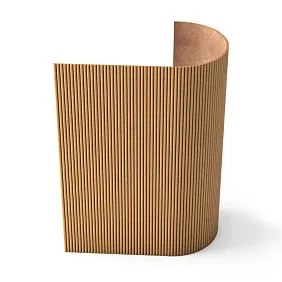
Why photos of slatted panels are so important when choosing
Wooden slatted paneling is a material where everything is determined visually. Slat width, gap spacing, tint tone, finish character, slat orientation, lighting — changing any of these parameters radically alters the final look. Two interiors with 'oak slatted panels' can look completely different: one warm and intimate, the other strict and monumental.
Photosslatted wall panels— are the only tool that allows you to understand what the result will be before installation. Professional photos of completed projects are a source of information that complements catalog descriptions and makes the choice informed.
The verbal descriptions you'll find below are a full-fledged equivalent of a photo gallery: each image is detailed and specific, with all visually significant parameters indicated.




Image one: living room with an accent slatted wall in dark oak
Imagine a living room of 28 square meters with a ceiling height of 2.7 meters. One wall—the one behind the sofa—is completely covered with oak slatted panels. The slats are 40 mm wide, with a 20 mm gap, vertical orientation, and run from floor to ceiling. The finish is 'anthracite': a deep dark gray with a warm brown undertone, through which the natural grain of the oak fiber is visible beneath the rich color.
Walls—light warm gray. Sofa—sand-colored velour. Floor—oak parquet in a natural tone. Three directional spotlights on a ceiling track shine onto the dark slatted wall at a 45° angle. In the gaps between the slats—deep shadows that emphasize the relief. On the slats—a play of light and shadow from the natural grain pattern.
This is the photo that most often appears in search results for the query 'slatted wall panels for living room photos'—and for good reason. A dark slatted accent wall in a light living room is one of the most expressive and universally effective interior scenarios. The contrast of dark slats and a light space creates a depth that no other material can achieve.
Our factory also produces:
Image two: bedroom with light slats behind the bed
slatted panels for wallsin the bedroom is primarily the wall behind the bed headboard. Let's describe a specific image: a bedroom of 16 sq. m, white ceiling, walls in 'warm white' color. The wall behind the bed—vertical ash slats 30 mm wide, 15 mm gap, finish—oil with a white pigment. The tone of the slats is warm white with a slight grayish undertone, through which the natural grain of the ash is visible. The height of the slatted field is from the bed to the ceiling (approximately 1.4 meters from the floor). At the bottom—a horizontal slat as a divider, at the top—a concealed light cornice with LED lighting.
Lighting: a warm LED strip behind the cornice directs soft light from top to bottom along the slats. The shadows in the gaps are light, delicate. The overall image is Nordic, natural, very calm. This is exactly the kind of interior you want to fall asleep in.
A bed with a natural linen-colored linen headboard, white bedding, wooden bedside tables matching the slats — the look is complete. This is a photo you want to show as 'this is how I want it.'
Get Consultation
Third look: a study with dark slats — an image of competence
A home study of 12 sq. m. The wall behind the desk — horizontal oak slats 50 mm wide, 25 mm gap, 'walnut' tint: deep dark brown with a reddish undertone. The horizontal orientation of the slats creates a sense of 'expanded' space — the study appears wider than it is.
On the slatted wall — built-in shelves mounted flush with the slats, looking like an extension of the slatted field. A solid oak desk matching the slatted panels. A directional desk lamp and a side window create side lighting that emphasizes the horizontal rhythm of the slats.
This is an interior that looks superb in photos and video calls. Horizontal dark slats behind you — an image perceived as professionalism, confidence, solidity. It's no coincidence that top managers choose such studies for home calls.
Fourth look: an entrance hall — narrow and tall, vertical slats
An entrance hall in a city apartment: 2 meters wide, 4 meters long, ceiling 2.5 meters high. A classic 'tube' that seems smaller and lower than it is. Design solution: one long wall — vertical slatted panels of oak, 25 mm wide, 15 mm gap, 'cognac' tint — a rich amber-gold. Slats from floor to ceiling without horizontal breaks. At the top —a polyurethane cornicematching. At the bottom —Wooden baseboardin tone.
What happens to the space: vertical thin slats running full height visually 'stretch' the ceiling. The warm golden tint 'warms up' the narrow, cold space. The wooden slats on the right contrast with the mirrored wall on the left — and the mirror reflects the slatted image, doubling it. As a result: the entrance hall appears twice as wide and significantly taller, and its look — rich and memorable.
It is this photo of the entrance hall with vertical slatted panels that appears in top search results — because this solution simultaneously visually corrects the space and creates a strong architectural image.
Image five: kitchen-living room, zoned with a slatted partition
Open plan, combined kitchen-living room 38 sq. m. Task: visually separate the kitchen area from the living area without closing off the space with a physical wall. Solution: a slatted partition 2.2 meters high (0.5 meters below the ceiling), 1.5 meters long, made of oak slats 35 mm wide with a 30 mm gap. Finish — dark walnut. The partition stands on a metal base, 'floats' above the floor and does not reach the ceiling.
What this gives visually: the slats are spaced widely enough for the kitchen to be visible through them — the space remains unified. But the slatted plane creates a 'background' that psychologically separates the zones. From the living room side — a dark slatted partition with directional lighting — it's an architectural object. From the kitchen side — the same object looks like a decorative frame around the living room.
This is one of the most 'photographed' interior elements — precisely because the slatted partition in an open plan is both functional and visually active.
Image six: children's room — light slats and playful rhythm
Children's room for a child aged 5–10. One wall — accent, with slatted panels made of ash 20 mm wide, gap 20 mm, finish — white oil. Height of the slatted field — 1.5 meters (to the child's eye level standing). Above — a white wall.
On the slatted wall — hanging shelves for books and toys, which are attached directly to the slats. The slats act as a 'rail' system for storage — shelves can be repositioned in height to any location. This is both decor and a functional storage system.
Visually: white slats on a white wall — a delicate rhythm, almost imperceptible, but creating a tactile richness of the surface. Natural light from the window falls on the slats — light shadows in the gaps. Colored books and toys on the shelves — accent color on a neutral background. This is a calm, cozy, functional children's room — where both the background and the function are thought out to the smallest detail.
Slatted panels in different interior styles: photo comparison in words
Scandinavian style
White or light gray vertical slats made of birch or ash, spacing 15–20 mm, matte oil finish. White ceiling, light plank floor, minimal furniture — everything light, airy, natural. The slats are barely noticeable against the white walls, but create that very 'texture' that distinguishes a Scandinavian interior from just a white box.
In the photo, this interior looks 'breathable' — there's plenty of air, plenty of light, and the slatted wall doesn't dominate but is delicately present.
Japanese wabi-sabi style
Narrow (15–20 mm) pine slats with natural knots and wood grain imperfections, finished with clear untinted oil preserving the natural tone. Dark wall behind the slats. Spacing — 25–30 mm. Tatami mats on the floor, wooden objects, natural linen textiles.
The photo shows the natural, imperfect grain of pine playing in the shadows behind the slats. This is an image of conscious 'imperfection', which embodies the beauty of Japanese aesthetics.
Modern interior with concrete
Dark slats — anthracite or graphite — against a concrete wall. Slats 40 mm wide, 20 mm gap, mounted on a metal frame with an air gap. Track lights under the ceiling, angled at 45°.
The photo shows a powerful contrast between warm, dark wooden slats and cool gray concrete. This is an image popular in lofts and modern apartments with architectural design.
Classic with wooden panels
Warm oak slats 50–60 mm wide, 25 mm gap, 'tobacco' tint — on the lower third of the wall. HorizontalPolyurethane molding molding at the border of the slatted field and the upper part of the wall. The upper part is painted to match the molding.a polyurethane cornicearound the perimeter of the ceiling. The floor is herringbone oak parquet.
The photo shows an interior that quotes the tradition of wooden paneling in classic European homes, reinterpreted in a modern way. Warmth, richness of material, architectural completeness.
What defines the visual appearance of slatted panels: a detailed breakdown for those choosing based on photos
When you look at photos of slatted wall panels and try to decide 'do I want the same or not?' — it's useful to know exactly which parameters create the image you see.
Slat width and its influence in photos
In photos with narrow slats (15–25 mm), the surface looks dense and delicate. The slatted rhythm is frequent, shadows are narrow, the surface appears almost uniform. With side lighting — a rich play of small shadows.
In photos with wide slats (60–80 mm) — a monumental, large-scale rhythm. Each slat is a full-fledged element. Shadows are wide and deep. The grain pattern of each slat is clearly visible in the photo. Such slats 'work' on large surfaces and in high rooms.
Gap between slats and backing color
In most photos of slatted panels, the main 'secret' of depth is the dark gap. A dark backing (black felt, dark gray surface, dark-painted wall behind the slats) creates the illusion of great depth between the slats. Light slats on a dark background — maximum contrast and sense of volume.
Light slats on a light background — a delicate, subtle solution. Dark slats on a dark background — an immersed, meditative image with minimal contrast.
Batten orientation: vertical vs horizontal
In the photo with vertical battens: the space 'grows upward', the ceiling appears higher. Vertical rhythm is active, dynamic.
In the photo with horizontal battens: the space 'expands', the wall appears longer. Horizontal rhythm is calm, meditative.
Lighting in the photo: how light changes everything
The same batten panels under different lighting conditions are fundamentally different photographs. Side directional light at a 30–45° angle — maximum relief, deep shadows, dramatic look. Diffused frontal light — even surface, neutral tone, minimalist look. Bottom-up lighting — inverted shadows, unexpected accent. Top-down lighting from a cornice — 'washing' the wall, delicate uniform play of shadows.
This is exactly what needs to be considered when planning lighting in your own interior with batten panels: catalog photos are taken under specially selected lighting. Your result will be the same — if you plan the lighting as carefully as the battens themselves.
Photos of batten panels in commercial spaces: restaurants, offices, hotels
Restaurant with wooden battens: atmosphere image
A restaurant hall with wooden batten panels is one of the most common interior scenarios in modern food service. Description of a specific implemented image: restaurant area 80 sq. m, two longitudinal walls — vertical oak battens 35 mm wide, 20 mm gap, 'tobacco' tint. Ceiling — wooden beams in the same tone. Floor — large terracotta tiles. Track lights are directed at the batten walls at an angle.
In a photo of such a restaurant: warm dark brown battens with bronze shadows in the gaps. Light from the track creates directional spots that move across the batten surface with every visitor opening the door. This is a living, 'breathing' space — wooden battens react to light like a living surface.
Office space: slats as a tool for corporate image
Meeting room with an area of 20 sq. m. One wall is horizontal oak slat panels in 'graphite' tint. A long table with glass tops, white chairs. A presentation screen on the slatted wall. Directional lighting from recessed ceiling fixtures.
In the photo: the strict horizontal texture of the dark slatted wall creates a serious, corporate image. Corporate materials on the screen look solid against the dark wooden background. This is a meeting room where decisions are made seriously.
Hotel lobby: columns with slatted cladding
Hotel lobby with four load-bearing columns, 500 mm in diameter. Each column is fully clad with vertical flexible oak slats, 30 mm wide, 15 mm gap, 'natural oak' tint. The slats wrap around the column continuously, without seams. Directional ceiling fixtures illuminate each column.
In the photo: four wooden 'trees' in the lobby space. This is precisely the feeling—a natural presence in the architectural space—created by the slatted cladding of the columns. It's an image that a hotel guest remembers and associates with the establishment's quality.
Slatted wall panels in different colors: visual scenarios
White slatted panels: photo in interior
White slatted panels are one of the most popular photographic solutions. MDF slats for painting with white matte enamel, or ash with white oil—two different options for the same color scenario.
MDF for white painting: perfectly smooth surface, zero pattern, absolutely uniform white. In the photo—a clean geometric rhythm on a white background. Shadows in the gaps are the only 'pattern' on the surface.
Ash with white oil: a white tone with a translucent natural grain. In the photo — a warm, living white with a delicate natural texture. Unlike painted MDF — this is a 'living' white.
Gray slatted panels
Gray slats are the most versatile solution for modern interiors. The 'graphite' (dark gray) or 'light gray' tint — different poles of the same color range. Gray slats combine with concrete, wood, metal, leather, fabric — practically with any material and color.
In the photo, gray slatted panels look neutral and modern. They don't 'shout' — but they are present. This is a background image that allows furniture, textiles, and details to take center stage.
Dark slatted panels: wenge and anthracite
Dark slatted panels in the photo are always dramatic and convincing. The 'wenge' (dark chocolate) or 'anthracite' (dark gray with a warm tone) tint on oak slats — this is a rich, complex image.
Dark slats require sufficient lighting — without it, a space with dark walls 'collapses'. With proper directional lighting — dark slats create one of the strongest visual maps in an interior.
Natural oak: the most 'photographed' tone
For the query 'slatted wall panels photo', natural oak most often appears in the results — a warm golden tone without additional tinting, with an open natural grain. This is the most in-demand choice — and for good reason. Natural oak combines with any style, any color, any type of lighting.
Solid oak slat panelsIn a natural tone — this is an image that only improves over time: the wood acquires a 'patina', the grain becomes deeper, the tone — richer.
Slatted panels and finishing system: finishing elements in the photo
One of the most common questions among those studying photos of slatted panels is: 'Why do they look finished and expensive in some interiors, but like an unfinished renovation in others?' The answer lies in the details.
Cornice along the top edge of the slatted field. In photos of professional interiors, the slatted field is always finished at the top with a horizontal element.a polyurethane cornice— matching the color of the slats or the ceiling — is a mandatory element. Without it, the slatted wall looks 'cut off'.
Baseboard along the bottom edge.with a classic profile creates a sense of solidity, reliability.— matching the color of the slats — is the transition from the vertical slatted surface to the horizontal floor. This is a detail that, without which, the transition looks random. With it — systematic.
In professional photos of slatted interiors, there is always unity: slats, baseboard, cornice — from the same family of materials, in a coordinated tone. This is precisely what creates the feeling of 'expensive' and 'thought-out'.
Moldings for two-zone solutions. Slatted field on the lower part of the wall + neutral wall above — a popular scenario. A horizontal molding at the border of the zones is an element that makes the transition architectural, not random.
How to 'read' a photo of slatted panels before choosing
If you are looking at photos of slatted panels for walls in search of your solution — here are the parameters you need to 'read' from each photo:
-
Slat width — visually assess the ratio of the slat width to the gap
-
Orientation — vertical, horizontal, diagonal
-
Tint tone — light / medium / dark, warm / cool
-
Coating type — matte (natural look) / semi-gloss / gloss
-
Background (gap) color — dark / neutral / light
-
Lighting — directional / diffused / combined
-
Perimeter finishing — whether there is a cornice at the top and a baseboard at the bottom
-
Combination with floor — floor tone coordinated with slat tone or contrasting
-
Furniture and textiles — how they interact with the slatted background
Mistakes when choosing from photos: what is important to consider
The photo was taken under studio lighting. In the catalog, the slats look perfect under professional lighting. In your apartment, the lighting is different. Request samples and evaluate them exactly under the lighting that will be in your space.
The tone on screen differs from reality. Color reproduction varies between monitors and phones. 'Warm walnut' on one screen and on another screen are different colors. A physical sample in hand is the only reliable source of information about the tone.
The scale in the photo does not match your space. Battens that look 'delicate' in a photo from a spacious living room will appear monumental in a small room. Assess the scale of the batten relative to the dimensions of your own room.
Missing finishing elements in the photo. If the photo shows batten panels without cornice and skirting — it's an unfinished solution. Consider it together with the perimeter finishing.
Frequently asked questions
Where to find photos of wall batten panels in completed interiors?
On the websites of manufacturers and professional suppliers of batten panels, there is always a gallery of completed projects. This is the most reliable source — you see the real result, not a render.
How to tell from a photo if it's solid wood or MDF?
Solid wood has a natural grain pattern visible even with tinting. Tone transitions, medullary rays, annual rings — these are signs of solid wood. MDF is a uniform surface without a grain pattern.
Can I order battens to match the color from a photo?
Yes. Professional manufacturers work with tinting samples. If you liked a tone in a photo — request the closest possible sample from the manufacturer's palette.
Batten panels in photos always look 'expensive' — is this an expensive material?
The price range is wide. MDF slats are budget-friendly. Solid oak with professional tinting is more expensive. However, the visual result is largely determined not by the material's price, but by the thoughtful selection of parameters (width, spacing, tone, finish) and proper installation with perimeter completion.
Why do the slats look three-dimensional in some photos and flat in others?
Volume is created by directed side lighting. A flat appearance is the result of diffused frontal light. These are not different panels—it's different lighting of the same material.
What is more important: the tone of the slats or the tone of the floor in the photo?
Both are important and should be coordinated. Traditional approach: slats in the same tonal range as the floor—a unified natural space. Modern approach: contrast—light slats + dark floor or vice versa. Both work if chosen consciously.
Can different slat widths be combined in one interior, based on photos?
Yes, this is a design technique—alternating wide and narrow slats creates a non-standard rhythm. In photos, this looks more complex and original than uniform spacing. Requires more careful planning.
Conclusion
Searching for 'wall slat panels photo' is the beginning of the journey. A journey that ends not in search results, but in your own interior: with wooden slats you have chosen consciously, understanding every parameter that creates the image you want to see.
Solid oak slat panelswith professional tinting,decorative cornices and moldings made of polyurethaneto complete the perimeter,Wooden baseboardfor a unified natural system — all this is in the STAVROS company catalog with the option to order samples before purchase.
STAVROS — production of decorative interior solutions with European quality standards. Slatted panels, skirting boards, moldings, cornices, elements for stairs and furniture — a complete system of natural interior solutions for those who choose consciously and build a space worth photographing.


