Article Contents:
- Variety of Forms: Typology of Modern Ceiling Moldings
- Rosettes and Medallions
- Cornices and Molding
- Coffers and Panels
- Material Embodiment of Beauty: Technologies and Materials
- Corner Elements
- Polyurethane: Revolution in Decorative Arts
- Gypsum: Genre Classic
- Polystyrene: Budget Solution
- Wood: Natural Beauty
- Advantages of Using Ceiling Moldings in Interior Design
- Visual Space Expansion
- Covering Defects
- Creating a Unique Character
- Enhancing the Status of the Room
- The Art of Selection: How to Buy the Perfect Ceiling Molding
- Analysis of Existing Interior
- Adherence to Proportions
- Quality of Materials and Manufacturing
- Craftsmanship of Installation: From Idea to Realization
- Mounting Techniques
- Surface Preparation
- Marking and Planning
- Style Directions: From Classicism to Modernism
- Finishing
- Classicism: Geometry of Perfection
- Baroque: Triumph of Ornamentation
- Empire: Grandeur of the Empire
- Modernism: Natural Forms
- Color Solutions and Final Finishing
- Modern Interpretations
- Classic White
- Classic White
- Golden Luxury
- Modern Color Solutions
- Integration with lighting systems
- Hidden Lighting
- Accent Lighting
- Dynamic Lighting
- Maintenance and Durability
- Regular Cleaning
- Preventive Maintenance
- Recoating
- Economic Aspects of Usage
- Price-to-Quality Ratio
- Impact on property value
- Modern Trends and Future Development
- Digital design
- New Materials
- Ecological Considerations
- Professional Secrets of Designers
- Play of Scales
- Rhythm and Repetitions
- Composition Centering
- Conclusion
Imagine the moment when you raise your eyes to the ceiling and instead of a dull white surface, you see a true work of art. Ceiling molding is capable of transforming an ordinary dwelling into palace apartments, where every element tells a story of grandeur and elegance.
What does this amazing decorative element represent? Ceiling decoration is not just ornamentation—it is the philosophy of space embodied in relief forms and elegant lines. It combines centuries-old craftsmanship traditions with modern manufacturing technologies, creating an unparalleled atmosphere of aristocracy and refinement.
In the world of interior design Ceiling molding holds a special place. It is like a bridge between eras, connecting classical traditions with modern needs. Every rosette, every molding, every cornice—is a small detail of a grand symphony that we call home.


History of Splendor: from ancient temples to modern apartments
The roots of ceiling decoration go deep into the history of human civilization. Even in ancient temples of Greece and Rome, masters created breathtaking coffered ceilings adorned with complex relief compositions. These works of art not only demonstrated the craftsmanship of artisans but also carried deep symbolic meaning.
In the Renaissance Ceiling molding reached new heights of perfection. Italian masters created true masterpieces, where every swirl, every rosette was imbued with the spirit of the time and reflected the philosophy of the era. Palaces of Versailles, halls of the Hermitage, mansions of European nobility—all were adorned with exquisite ceiling compositions.
Baroque brought unprecedented opulence and theatricality to the art of molded decoration. Ceiling molding for chandelier becomes not just a functional element, but a central compositional detail around which the entire decorative program of the room unfolds.
Neoclassicism introduced strictness and geometric precision into ceiling decoration. ceiling molding rosette acquires clear, mathematically precise forms reflecting the ideals of the Enlightenment and rationalism. Each element adheres to strict compositional logic, creating a sense of harmony and order.




Variety of Forms: Typology of Modern Ceiling Moldings
Modern World ceiling moldings is impressive in its variety. Manufacturers offer a vast range of products capable of satisfying the most refined tastes and realizing the boldest design concepts.
Our factory also produces:


Rosettes and Medallions
Ceiling rosettes are true jewels of decorative art. They serve as central compositional elements, drawing attention with elegant forms and delicate detailing. ceiling molding rosette can be executed in various styles—from strict geometric forms of Neoclassicism to lavish Baroque compositions.
Medallions are larger decorative elements, often oval or rectangular in shape. They may contain complex relief compositions with botanical motifs, mythological scenes, or heraldic symbols.
Get Consultation
Crown mouldings and mouldings
Ceiling cornices perform an important function of transition between the wall and the ceiling, creating a smooth connection between different planes of the room. Ceiling moldings for painting provide designers with unlimited possibilities for color solutions in interior design.
Cornices can be simple and minimalist or richly decorated, depending on the overall interior concept. They not only decorate the room but also visually alter its proportions, making ceilings appear higher or creating a sense of coziness.
Cassette and panels
Cassette ceilings are a system of recessed decorative panels that create a rhythmic composition on the ceiling surface. Each cassette can be adorned with a rosette or other decorative elements, creating a rich play of light and shadow.
Corner elements
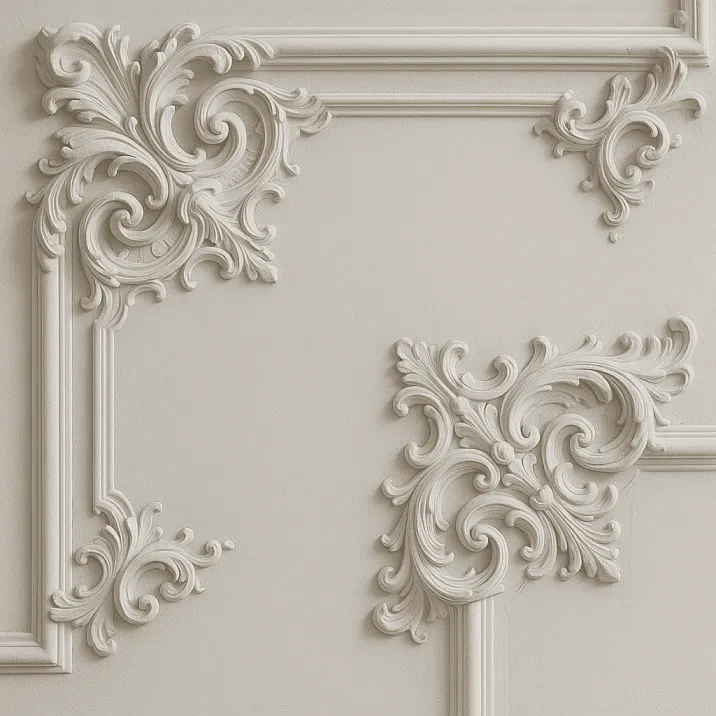
Corner decorative elements play a special role in creating a finished composition. They ensure a smooth transition between different planes and create a sense of continuity in the decorative program.
Material embodiment of beauty: technologies and materials
Choice of material for ceiling moldings is not only an aesthetic issue but also practical considerations. Each material has its unique characteristics that affect the appearance, durability, and cost of the products.
Polyurethane: revolution in decorative art
Polyurethane Ceiling Moldings has become a true breakthrough in the world of decorative art. This modern material combines lightness, strength, and the ability to create the most complex forms. Polyurethane mouldings are not afraid of moisture, do not crack due to temperature fluctuations, and retain their original appearance for many years.
Manufacturing technology allows creating items with the finest details, which were previously accessible only through handcrafting. At the same time, the cost of polyurethane items is significantly lower than traditional materials, making luxury accessible to a wide range of consumers.
Gypsum: genre classic
Gypsum mouldings are a traditional material used by artisans for centuries. Gypsum has a unique ability to convey the most delicate nuances of form, creating works of exceptional beauty. However, this material requires special care and professional installation.
Polystyrene: budget solution
Polystyrene items represent the most affordable option for ceiling decoration. When properly processed and painted, they can create a quite decent visual effect, although they are inferior in quality to more expensive materials.
Wood: natural beauty
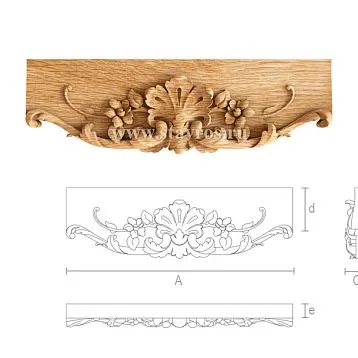
Wooden Ceiling molding elements possess a special warmth and natural beauty. Wood carving allows creating unique works that cannot be reproduced by machine. Each item carries the imprint of the master's hand and has an individual character.
Advantages of using ceiling mouldings in interior design
Why turn to classic decorative forms in the era of minimalism and high-tech? The answer lies in the unique opportunities provided by Ceiling molding for creating unique interiors.
Visual space expansion
Thoughtfully selected ceiling decoration elements can dramatically change the perception of space. Cornices and mouldings create additional horizontal lines that visually expand the room. Rosettes and medallions serve as compositional centers, organizing space around them.
Covering flaws
Ceiling mouldings are not only decoration but also a practical solution for masking various surface defects. Cornices can hide unevenness at wall-ceiling junctions, while rosettes can mask traces of old fasteners or small cracks.
Creating a unique character
in the world of standard layouts and conventional solutions Ceiling molding becomes a way to give the interior individuality. Each element tells its own story and creates a unique atmosphere.
Enhancing the status of the room
Quality molding instantly enhances the perceived status of the interior. It creates a sense of luxury and opulence, even when used in combination with simpler materials.
The Art of Selection: How to Buy the Perfect Ceiling Molding
Selection Process ceiling moldings requires careful attention and understanding of the basic principles of decorative art. Incorrectly chosen elements may not only fail to enhance the interior but may also create an impression of poor taste.
Analysis of the Existing Interior
Before Buy ceiling moldingit is necessary to carefully analyze the existing interior. The style of the room, its dimensions, ceiling height, color palette — all these factors influence the choice of decorative elements.
In classical interiors, richly decorated elements with floral motifs and complex compositions are appropriate. Modern styles require more minimalist forms and clean lines. Eclectic interiors allow bold experiments with combining various stylistic elements.
Adherence to Proportions
Correct proportions are the foundation of a successful design. Too large elements in a small room will create a feeling of confinement, while small details in a spacious hall will be lost and fail to make the desired impression.
Ceiling height directly affects the choice of cornices and moldings. In rooms with low ceilings, it is advisable to avoid bulky elements, preferring thin profiles. High ceilings, on the contrary, allow the use of richly decorated cornices of significant height.
Quality of Materials and Manufacturing
When selecting items, attention must be paid to the quality of the material and precision of execution. Ceiling molding elements must have a clear relief without casting defects, straight edges, and uniform material structure.
Special attention should be paid to the compatibility of different elements. Cornices, rosettes, and moldings must harmoniously match each other in style and scale, creating a unified composition.
Craftsmanship of Installation: From Idea to Realization
Installation ceiling moldings is a responsible process requiring professional skills and precision. Even the highest quality items may lose their beauty if improperly installed.
Surface preparation
Quality preparation of the base is the guarantee of the longevity and beauty of decorative elements. The surface must be flat, clean, and dry. All cracks and irregularities must be eliminated, and the surface must be primed with a special compound.
Marking and Planning
Precise marking is the foundation of professional installation. Central elements, such as rosettes, must be positioned strictly at the center of the room or according to the compositional concept. Cornices and moldings require perfectly straight lines and precise angles of connection.
Mounting Techniques
Different materials require different mounting approaches. Lightweight polyurethane items can be mounted using special adhesive, while heavy plaster elements require additional mechanical fastening.
Requires special attention Ceiling molding for chandelierWhen installing it, the weight of the light fixture must be considered and the entire structure must be securely fastened.
Final Finishing
After installation, all joints must be carefully spackled and sanded. Quality painting gives the items a finished appearance and protects them from external influences.
Stylistic Directions: From Classicism to Modernism
Ceiling molding is remarkably versatile in its ability to adapt to various stylistic directions. Each era has contributed to the development of decorative art, creating a rich palette of stylistic solutions.
Classicism: Geometry of Perfection
The classical style is characterized by strict proportions and geometric clarity of forms. decorative interior ornaments In this style, are based on classical models and are distinguished by noble restraint.
Ceiling rose in the classical style often have a round shape with concentric circles of different relief. Cornices are characterized by clear profiles and repetition of classical architectural orders. The color palette is usually limited to white or soft pastel tones.
Baroque: Triumph of Ornamentation
Baroque Ceiling molding It is the peak of decorative art. Complex compositions with scrolls, shells, garlands, and arabesques create an atmosphere of luxury and theatricality.
Baroque-style rose are impressive for their complex relief and richness of details. Cornices become true sculptural works, where each element carries semantic meaning. Gilding and polychromy enhance the impression of wealth and grandeur.
Empire: Glory of the Empire
The Empire style introduced military symbolism and imperial opulence into decorative art. Eagles, laurel wreaths, military trophies, and classical motifs create an atmosphere of solemnity and power.
ceiling molding rosette In the Empire style, cornices are often decorated with symbols of victory and glory. Cornices acquire monumentality and include elements of military insignia.
Modern: Natural Forms
The Modern style revolutionized decorative art, abandoning historical stylization in favor of natural forms. Botanical motifs, flowing lines, and asymmetrical compositions create a sense of living nature.
Ceiling moldings in the Modern style are characterized by smooth forms and organic compositions. Rosettes may imitate flowers or leaves, and cornices — waves or tree branches.
Modern Interpretations
Modern designers do not limit themselves to copying historical samples, creating new interpretations of classical forms. Minimalist profiles, geometric compositions, and unexpected color solutions open new possibilities for creativity.
Color Solutions and Finishing
Color ceiling moldings Plays a decisive role in creating the overall impression of the interior. A properly chosen color palette can emphasize the beauty of decorative elements or, conversely, make them inconspicuous.
Classic White
White color remains the most popular choice for ceiling moldings. It is universal, visually increases space, and suits any interior color palette. White molding creates a sense of purity and freshness, especially striking against contrasting dark surfaces.
Golden Luxury
Gilding traditionally associates with luxury and grandeur. Gilded molding creates an atmosphere of palace grandeur and requires appropriate framing in the form of quality furniture and fabrics.
Modern Color Solutions
Modern designers are not afraid to experiment with color. Silver, bronze, and copper finishes create various effects and moods. Patination gives items a noble patina of antiquity.
Contrasting coloring, when molding stands out against the ceiling background, creates a dramatic effect and emphasizes the architectural expressiveness of elements.
Integration with Lighting Systems
Modern lighting technologies open new possibilities for using ceiling moldings. Properly organized backlighting can turn decorative elements into independent sources of artistic effect.
Concealed Backlighting
Cornices and moldings can hide LED strips, creating an effect of floating ceiling. Soft diffused light highlights the relief of decorative elements and creates a cozy atmosphere.
Accent Lighting
Directional fixtures can highlight the most interesting elements of the composition, creating a play of light and shadow. Ceiling molding for chandelier Becomes not just a decorative frame, but an active participant in lighting design.
Dynamic Lighting
Modern control systems allow creating dynamic lighting effects that change throughout the day or depending on mood. Colored backlighting can radically alter the perception of decorative elements.
Care and longevity
Proper care of ceiling moldings ensures the preservation of its beauty for many years. Different materials require different approaches to maintenance and repair.
Regular cleaning
Dust is the main enemy of decorative moldings. Regular dry cleaning with a soft brush or vacuum cleaner with a brush attachment will help preserve the clarity of the relief. For wet cleaning, use soft cleaning agents without abrasive particles.
Preventive repair
Small damages are better addressed immediately, without waiting for them to spread. Cracks in plaster moldings can be filled with special putty, and polyurethane items are often repairable using the same material.
Coating renewal
Periodic repainting of the finish not only refreshes the appearance but also protects the material from external factors. When repainting, it is important to preserve the clarity of the relief, avoiding thick paint layers that fill in recesses.
Economic aspects of use
Investments in quality ceiling molding are repaid not only by aesthetic pleasure but also by an increase in property value. Professionally executed decoration significantly increases the attractiveness of an object on the market.
Price-to-quality ratio
When selecting items, it is important to find the optimal balance between price and quality. Cheap materials may require frequent replacement, while quality items serve for decades without losing their appearance.
Impact on property value
Professionally executed decoration can increase property value by 10-15%. This is especially relevant for luxury housing, where every detail affects the overall impression.
Modern trends and future development
World interior decorative ornaments continuously evolves, reflecting changes in lifestyle and aesthetic preferences of society. Modern technologies open up new opportunities for creativity and experimentation.
Digital design
3D modeling allows you to preview the result and make necessary adjustments. Virtual reality allows you to 'walk through' the future interior and evaluate the effect of different decoration options.
New materials
The development of the chemical industry leads to the emergence of new materials with improved characteristics. Modern polymers combine lightness, strength, and the ability to create complex shapes.
Ecological considerations
Growing consumer environmental awareness stimulates the development of eco-friendly materials and production technologies. Recycling old items and using renewable resources are becoming important factors when selecting decorative elements.
Professional designer secrets
Experienced designers know many subtleties that allow them to maximally effectively use ceiling molding in interior solutions.
Scale play
Skillful combination of large and small elements creates a dynamic composition and prevents monotony. Large rosettes combine well with delicate moldings, creating a hierarchy of element importance.
Rhythm and repetition
Rhythmic repetition of identical elements creates a sense of order and harmony. However, it is important not to overdo repetition to avoid creating a sense of monotony.
Composition centering
Central elements must be precisely aligned relative to the architectural features of the room. A misaligned outlet or uneven cornice can ruin the entire impression of the interior.
Modern masters increasingly turn to unexpected solutions such as Corner decorative elements, which create interesting accents in the most unexpected places in the room.
Conclusion
Ceiling molding — it is not just a decorative element, but a way to express your individuality and create a unique atmosphere in your home. It combines centuries-old craftsmanship traditions with modern technologies, allowing each person to feel like the owner of a work of art.
In a world where uniqueness and individuality are increasingly valued, ceiling molding offers unlimited opportunities for creative self-expression. Whether it's a classic mansion or a modern apartment, properly selected decorative elements can transform any space, filling it with elegance and sophistication.
Choosing Ceiling molding elements, it is important to remember that this is an investment in comfort and beauty for many years. Quality items not only decorate the interior, but also elevate the owner's status, creating an atmosphere of success and good taste.
For many years, the company STAVROS has been engaged in the production and supply of high-quality molding and decorative elements. Rich experience, modern technologies, and dedication to craftsmanship traditions allow creating items that adorn various interiors — from classic mansions to ultra-modern apartments. STAVROS specialists will help realize any design concepts, offering optimal solutions for each specific project. Entrusting your interior to STAVROS professionals, you receive not just decorative elements, but works of art that will delight you and your guests for many years.