

























Article Contents:
- What is molding for frames and how it differs from a ready-made frame
- What the customer buys
- Molding, molding stock, and frame profile: what's the difference
- When profile is more profitable than a ready-made frame
- What tasks it's suitable for
- Which frames are most often made from molding stock
- Decorative wall frames: interior as a gallery
- Picture frames: about proportion and respect for art
- Photo Frames: Non-Standard Formats and Serial Production
- Mirror Frames: Character Through Molding
- Frames for Panels and Posters
- Which Frame Molding to Buy: Narrow, Wide, Smooth, or Carved
- Narrow Profile (10–25 mm): Purity and Modernity
- Wide Profile (45–100 mm): Scale and Seriousness
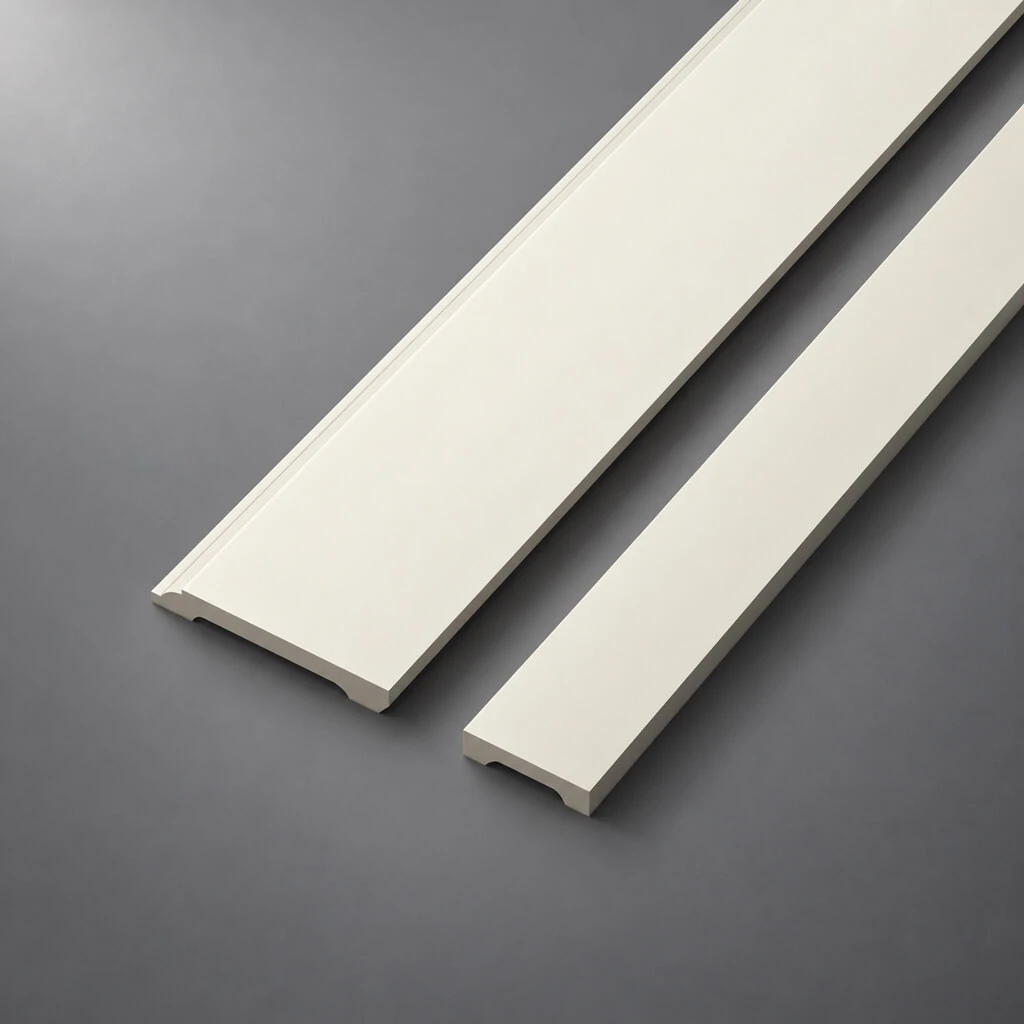
- Smooth Profile: Universal Neutrality
- Carved Profile: History and Character
- For Accent Decorative Compositions
- When It's Better to Buy Frame Molding by the Meter
- If a non-standard size is needed
- If you are making a series of frames
- If you need self-assembly
- If precise fitting to the object is required
- Molding for picture, photo, mirror, and panel frames: what to choose
- For a painting: proportion and style
- For a photograph: neutrality and repeatability
- For a mirror: character and stability
- For a poster: lightness and series unity
- For a decorative wall frame
- How to calculate the amount of molding for a frame
- Calculation for one frame
- Calculation for a series of frames
- Calculation with pattern matching
- When custom sizing is needed
- What determines the price of molding for frames
- Material: oak, beech or MDF
- Profile width
- Complexity of relief
- Finish Coating
- Rail length and order volume
- Profile nuances: rabbet, shelf width and groove depth
- Rabbet (groove for the object)
- Inner shelf width
- Profile bevel and tilt
- Wooden frame molding in interior: style and consistency
- DIY assembly of frames from wooden molding: what you need to know
- Tools
- Adhesive and fasteners
- Finish
- Where to buy frame molding without mistakes
- What to check before ordering
- What size to specify
- When to buy molding by the meter
- When it's better to order custom size
- How to choose profile style and width
- About the Company STAVROS
- FAQ: Answers to Popular Questions About Wooden Picture Frame Molding
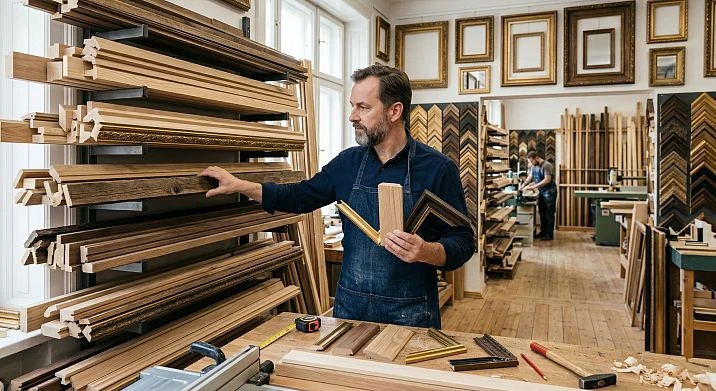
Buy a ready-made frame in a store? You can. But a ready-made frame is always a compromise: standard size, standard profile, standard material. What if the painting is non-standard? If a mirror needs to fit into a specific niche? If you are creating an interior gallery of twelve posters and want a unified framing system? Then there is only one answer: buy picture frame molding by the meter and assemble exactly what you need.
This article contains everything you need to know about frame profile: which wooden molding to choose, for which task, how to calculate the quantity, what the price depends on, and where not to make a mistake with your order.
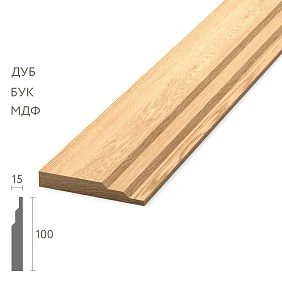
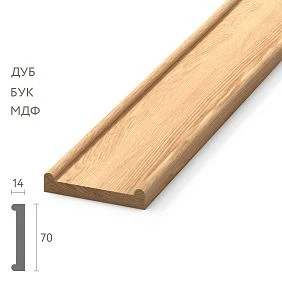
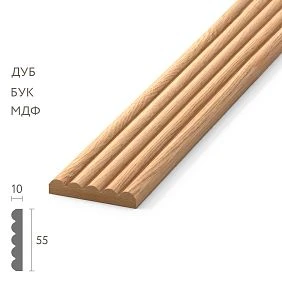
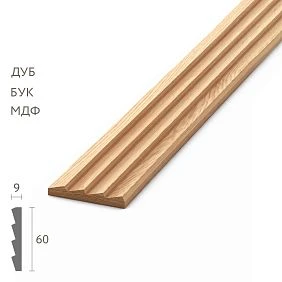
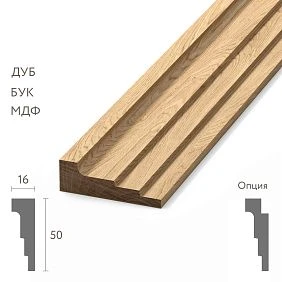
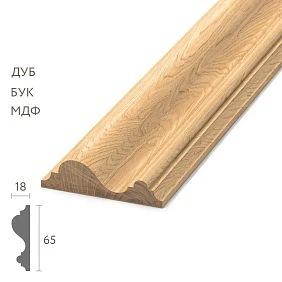
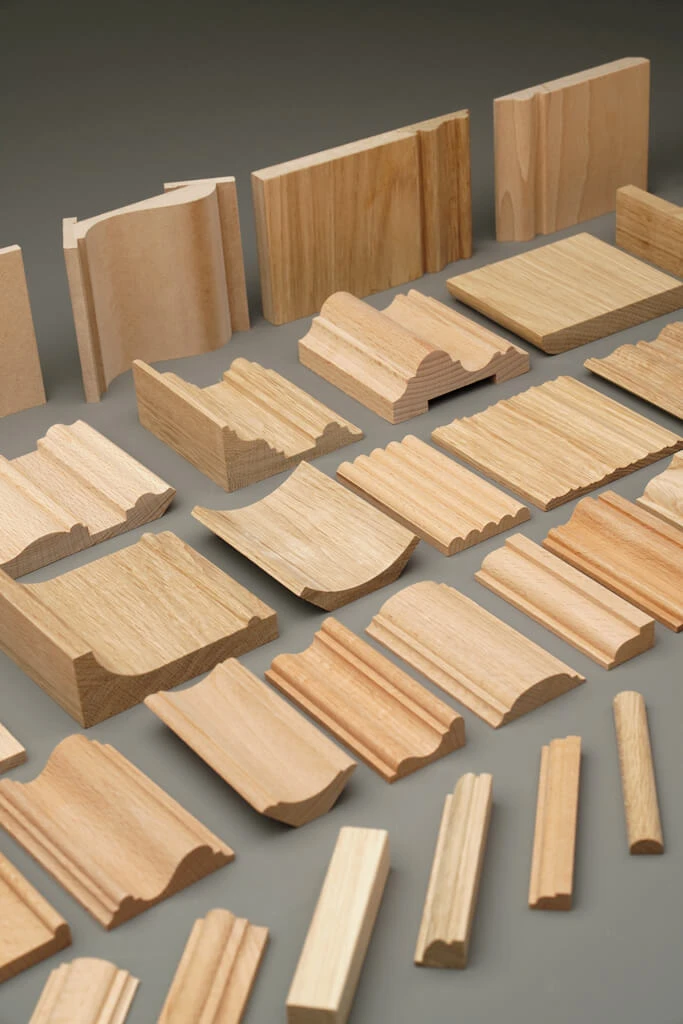
What is picture frame molding and how is it different from a ready-made frame
What the customer is buying
When a person searches for 'picture frame molding' or 'buy wooden molding for picture frames' — they are not looking for a finished product. They are looking for material for their specific task. This is a fundamental difference. A ready-made frame is a finished product with glass, a back, and a fixed size. Frame profile is a molding strip of a certain cross-section, from which a frame is assembled to the required size.
This approach offers three key advantages:
-
Any size — a frame exactly for the painting, mirror, or panel without 'extra' space
-
Unified style — all frames in the interior from one profile, one material, one finish
-
Save on series — buying by the meter is significantly cheaper than ready-made frames when making several pieces
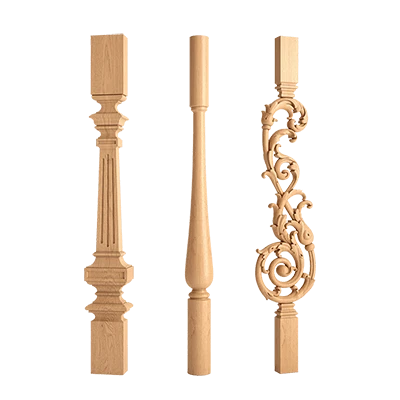
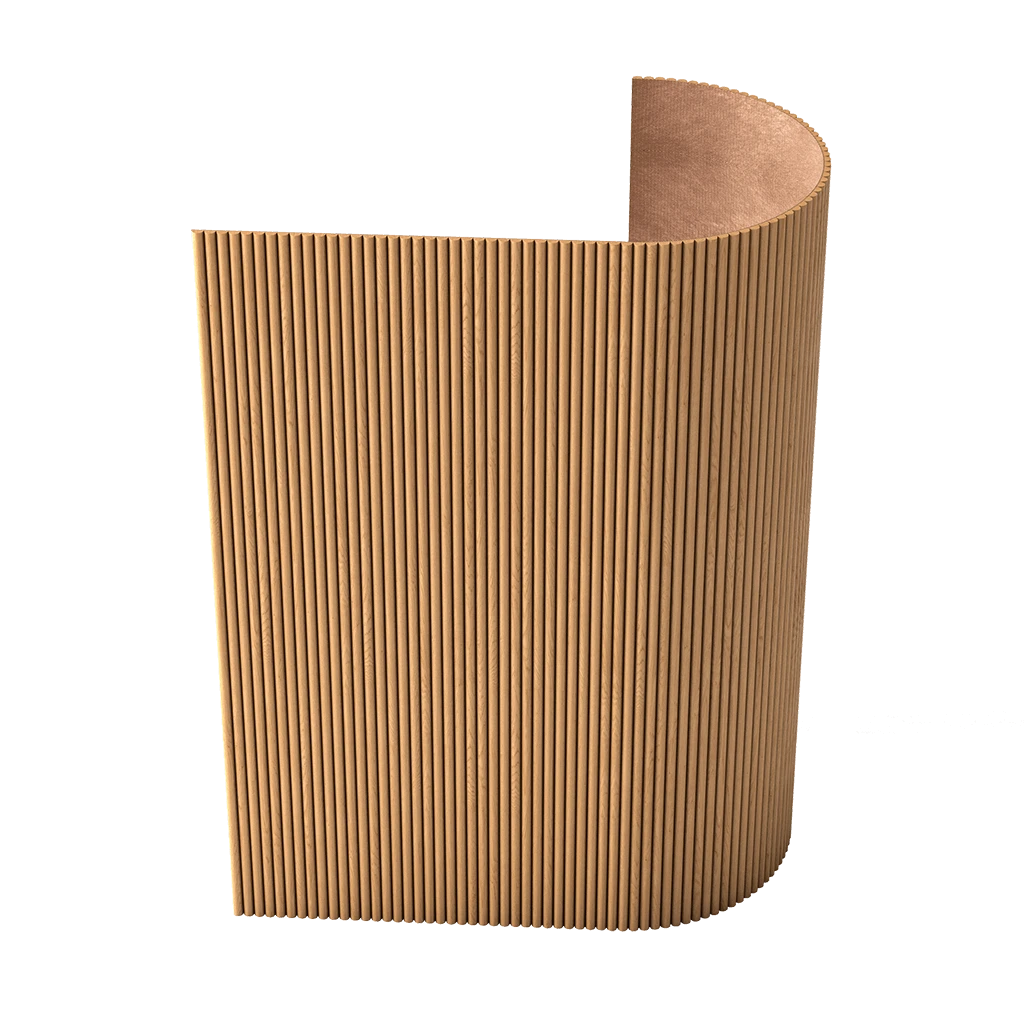
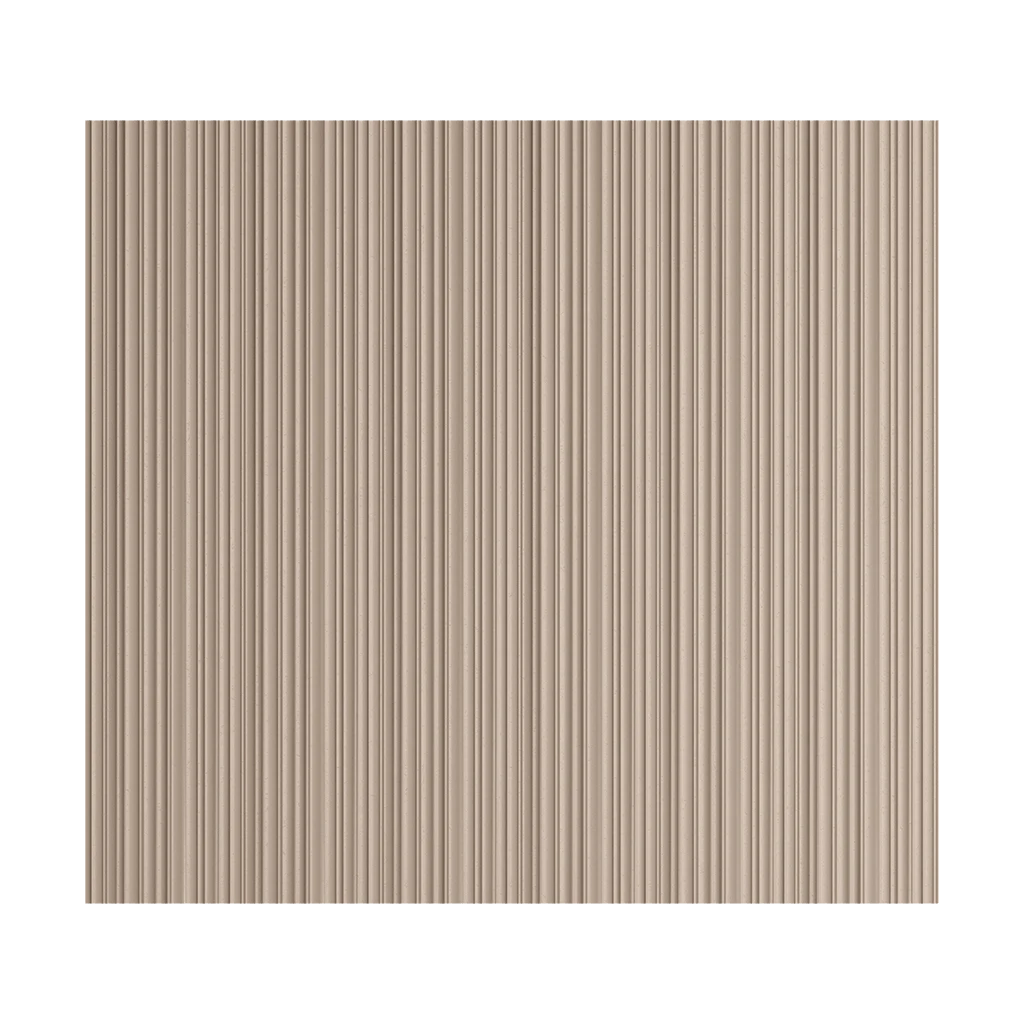
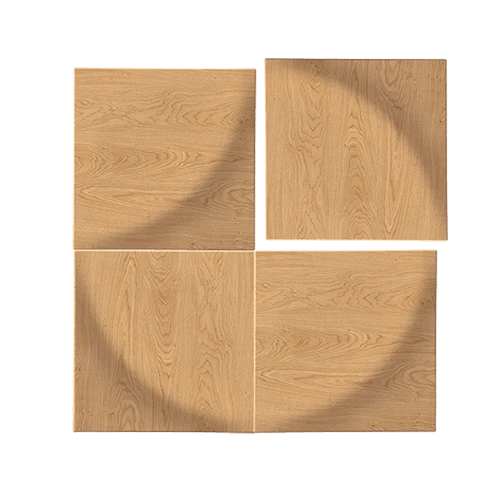
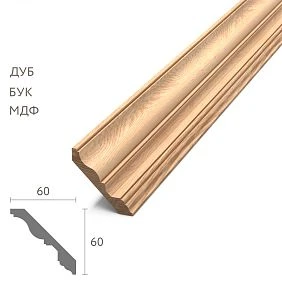
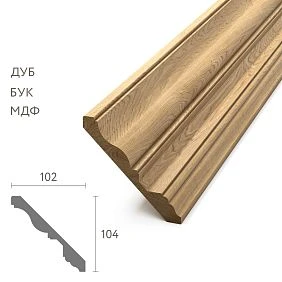
Our factory also produces:
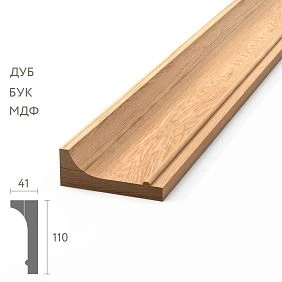
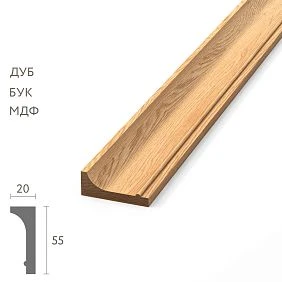
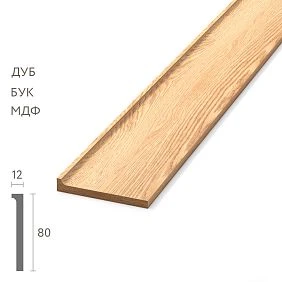
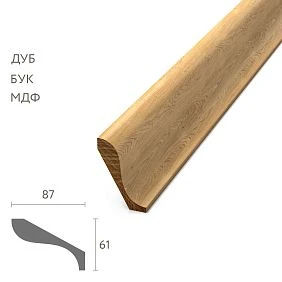
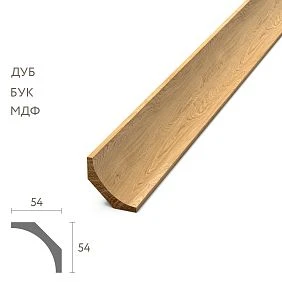
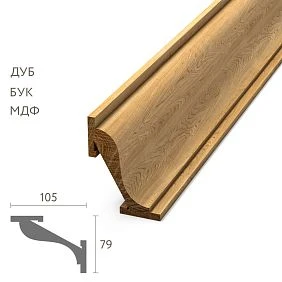
Molding, millwork, and frame profile: what's the difference
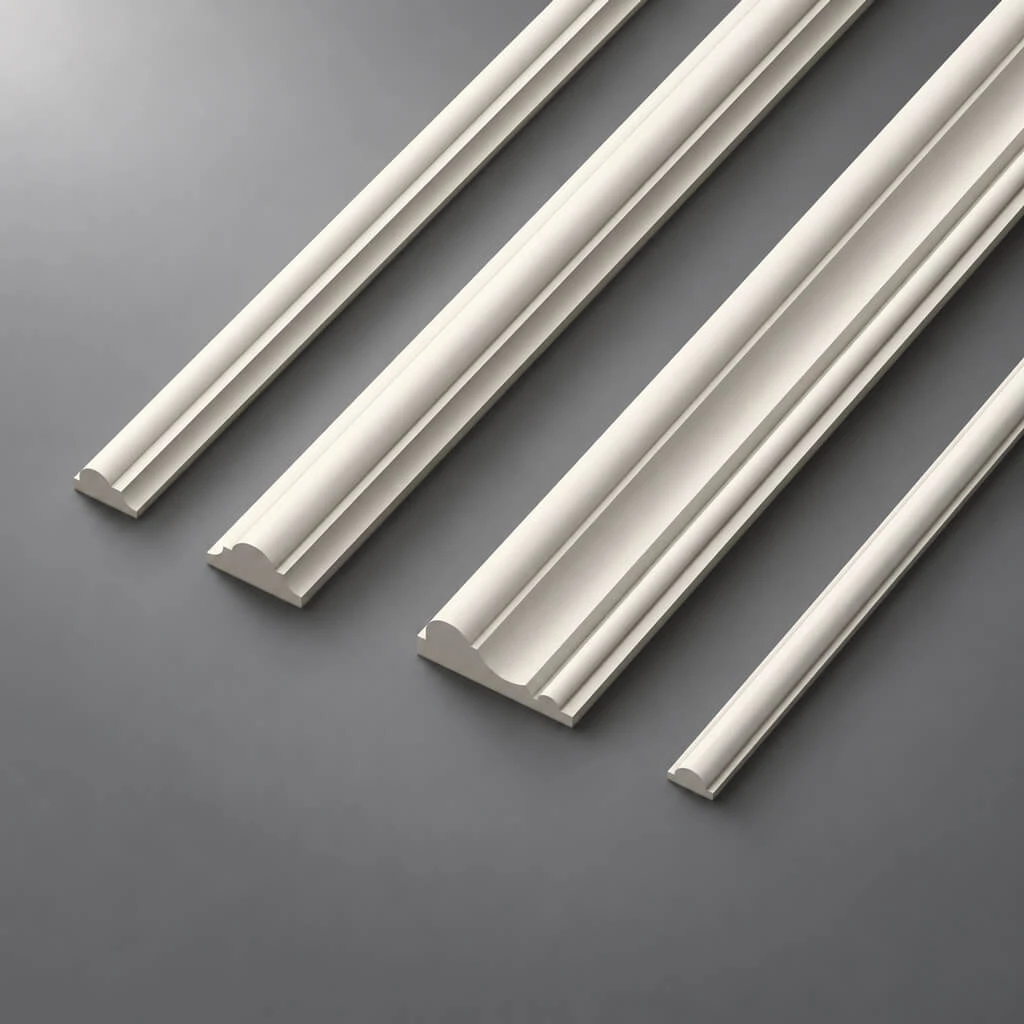
Three words — one essence with nuances. Molding is a historically established term in the professional environment of framers and artists: a profile strip for assembling a frame. Millwork is a broader concept that includes any profile products sold by the meter. Frame profile is an engineering designation for a cross-section suitable for frame structures.
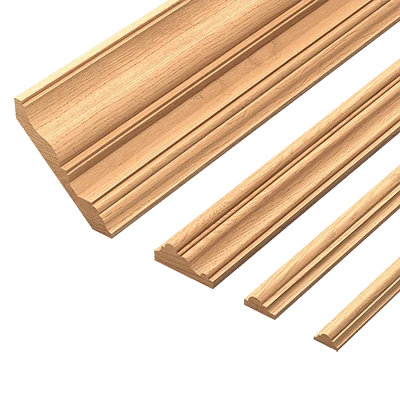
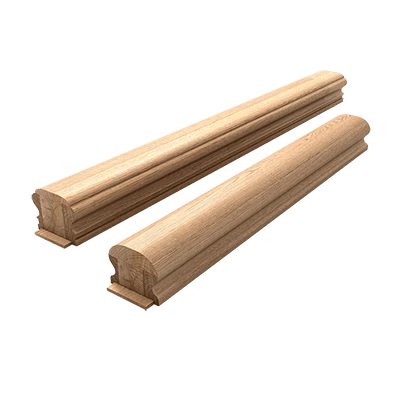
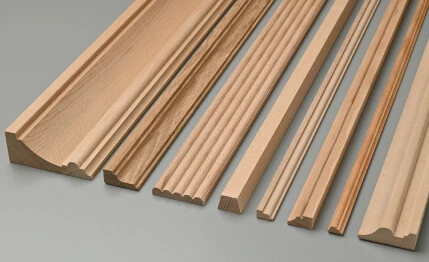
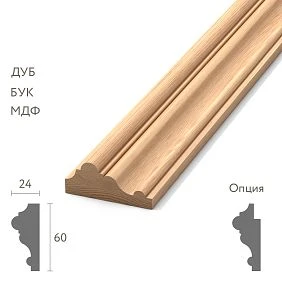
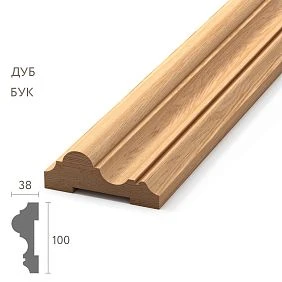
In practice, these are synonyms in the context of framing.Solid wood moldings— are precisely millwork: a strip of a specific profile that is sold in lengths of 2–3 m and cut to the specific size of the frame.
Get Consultation
When profile is more advantageous than a ready-made frame
A ready-made frame is advantageous under one condition: you need a standard size (A4, A3, 30×40, 50×70) and you are satisfied with the standard profile. In all other cases — millwork is cheaper and more precise.
Let's give an honest calculation. A ready-made wooden frame 60×80 cm retails from 1,200 to 4,000 rubles. Millwork for the same frame: perimeter 60×80 = (60+80)×2 = 280 cm = 2.8 m + allowance = 3.5 m. At the price of a good profile of 400–700 rub./m, the final cost of the material is 1,400–2,450 rubles. And at the same time, you get a profile of exactly the size, style, and material you want.
For which tasks it is suitable
Frame molding is used for:
-
Assembling frames for pictures, posters, reproductions
-
Photo frames for non-standard formats (panoramas, collages)
-
Mirror frames — floor-standing, wall-mounted, for bathrooms
-
Decorative wall frames without content (interior design technique)
-
Frames for panels, embroidery, textile objects
-
Gallery installations with uniform design of a series
-
Restoration and replacement of damaged profiles in existing frames
What frames are most often made from molding
Decorative wall frames: interior as a gallery
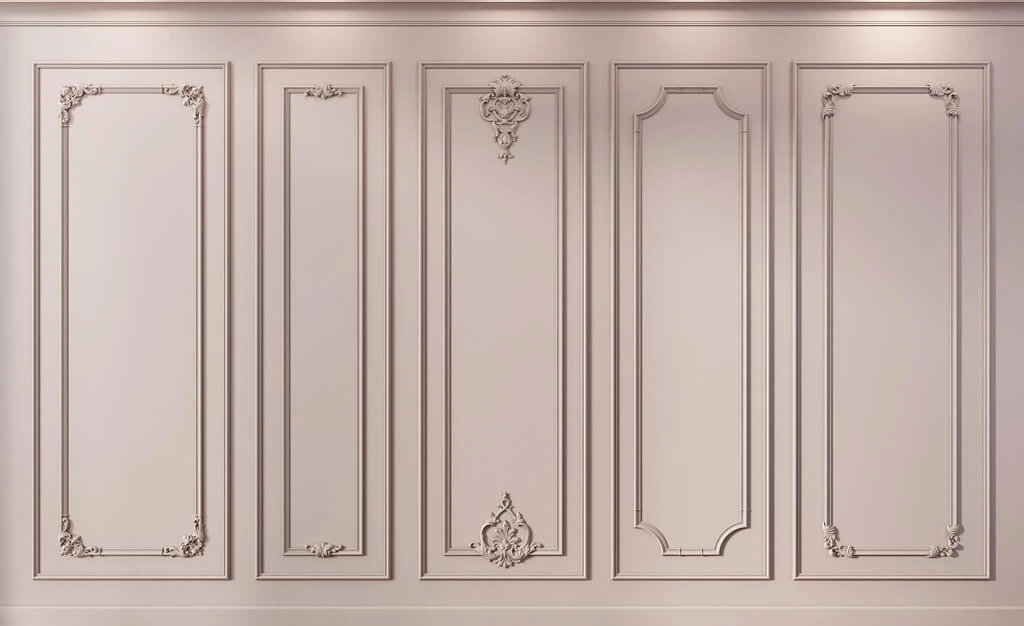
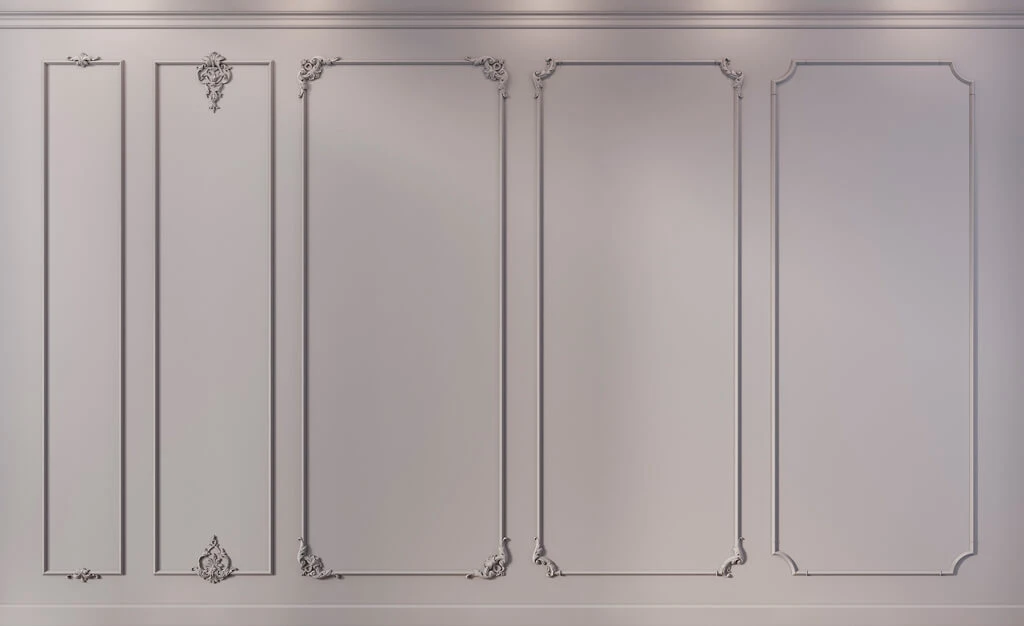
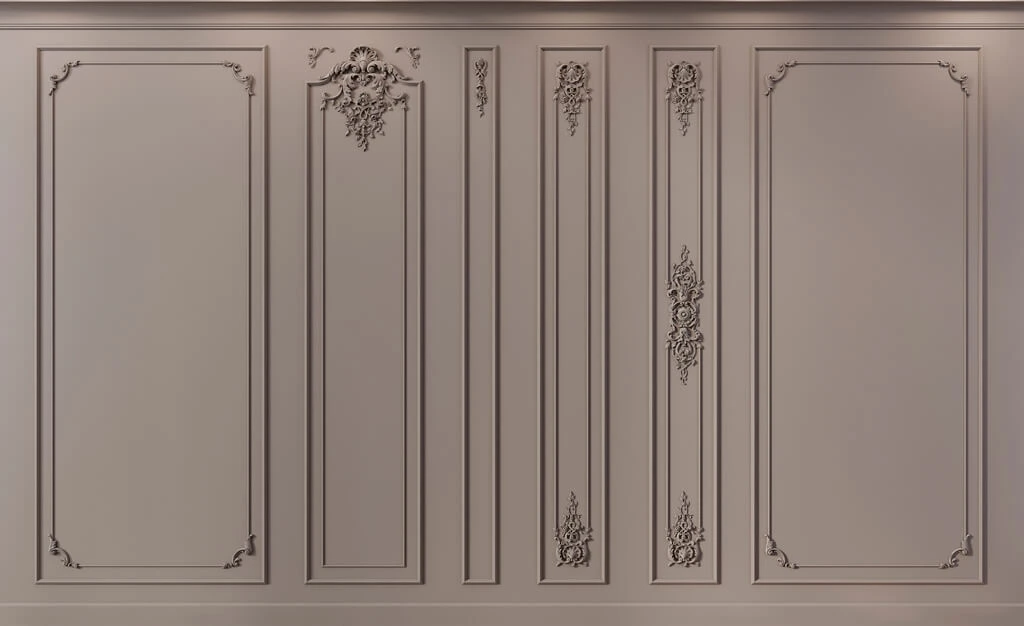
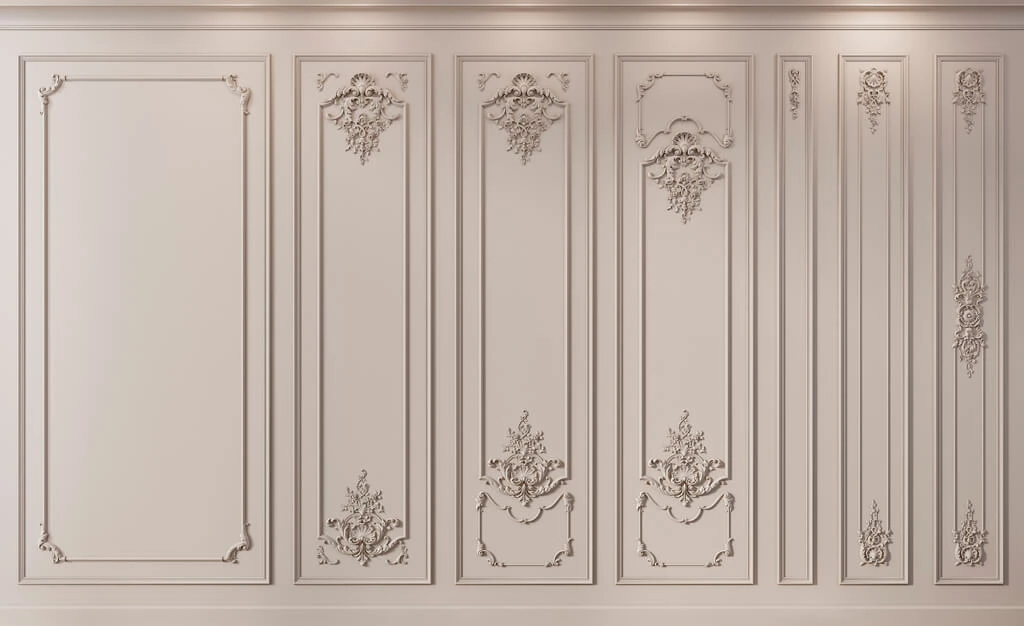
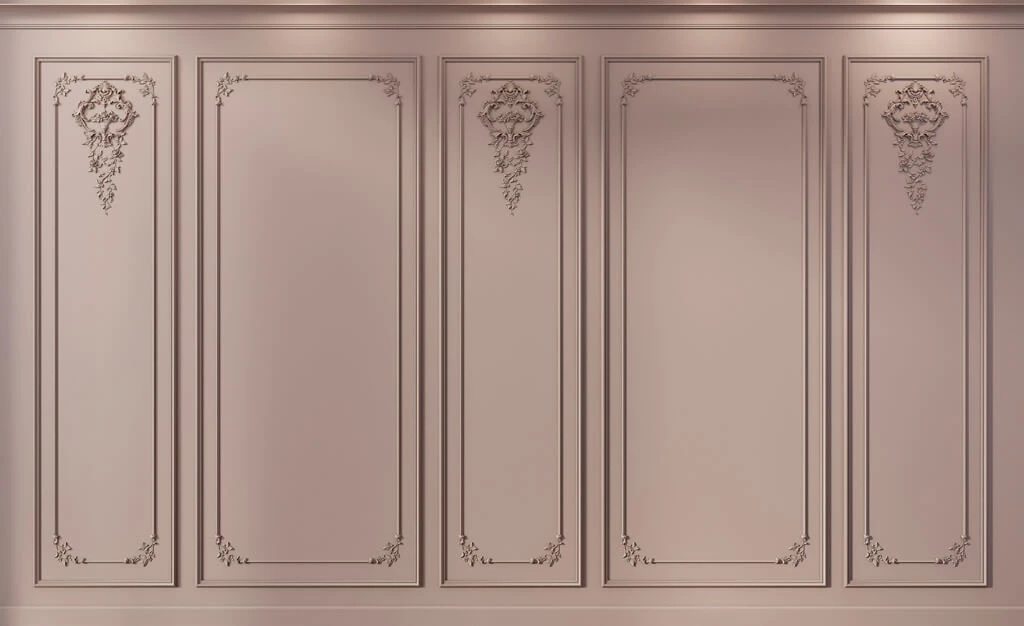
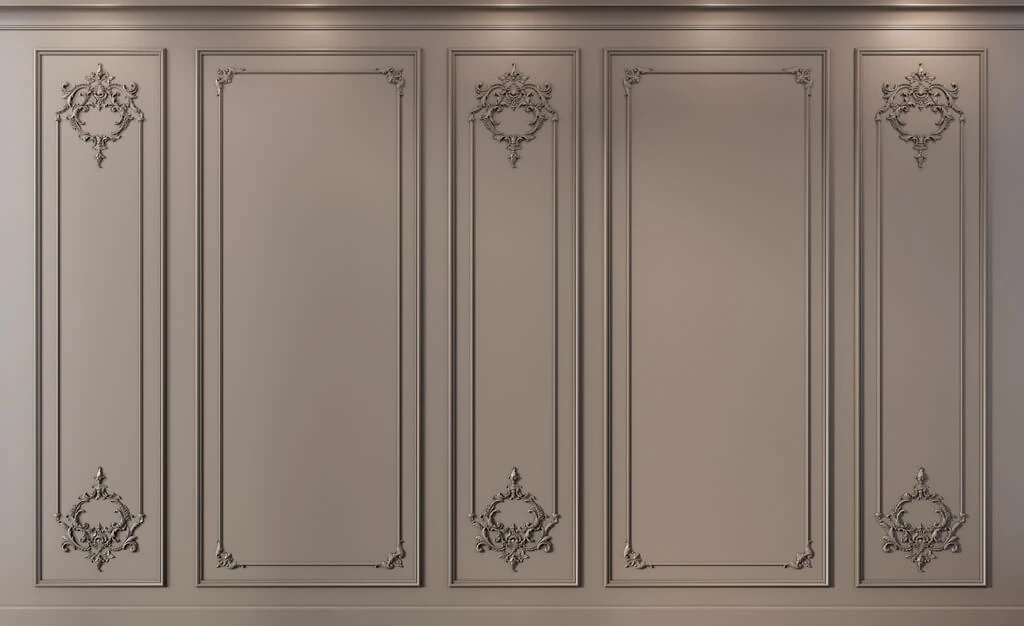
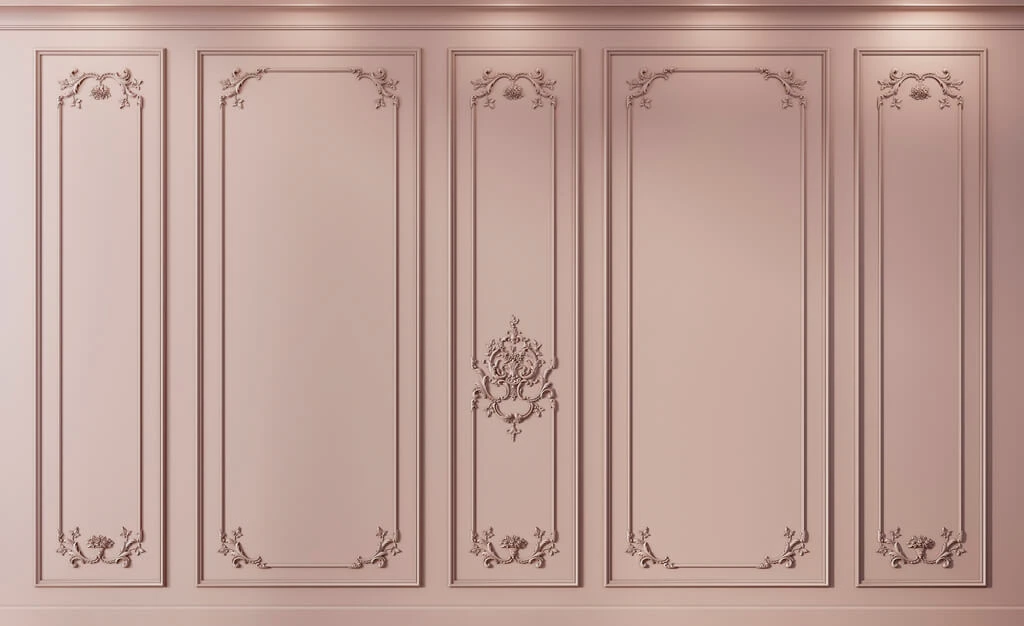
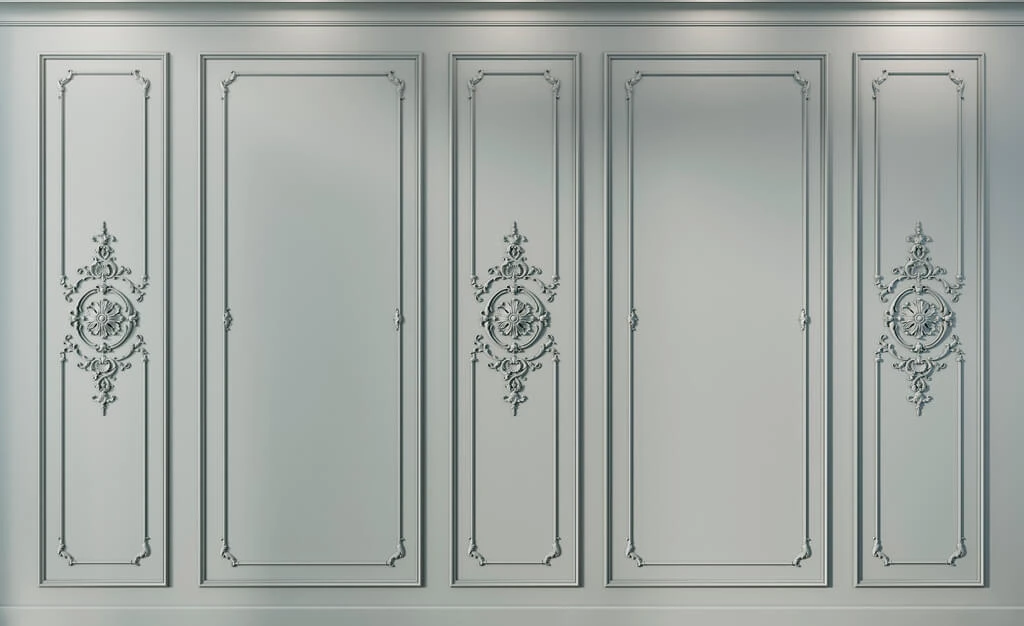
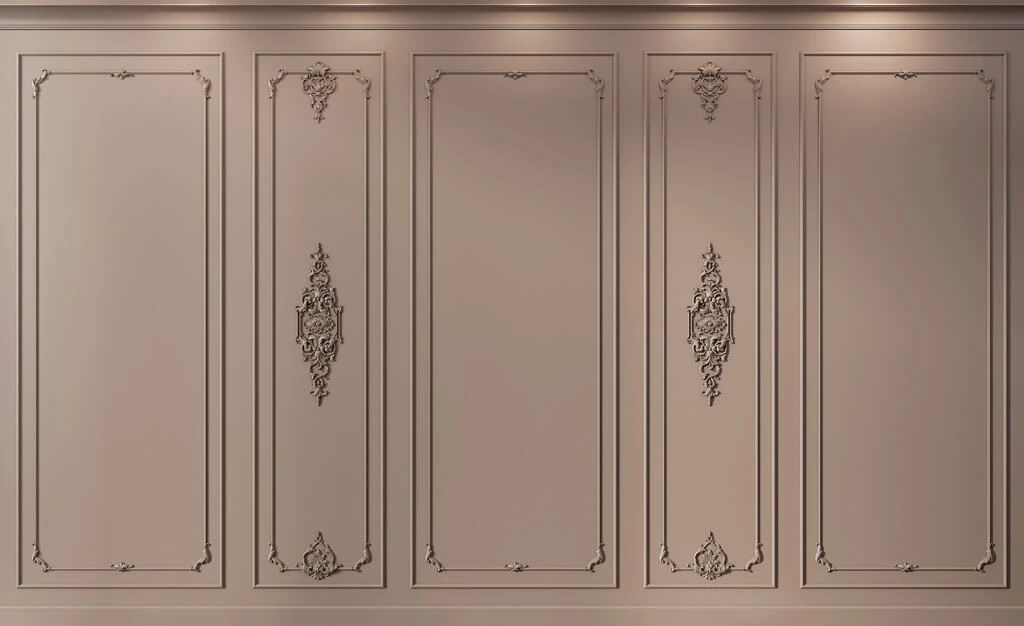
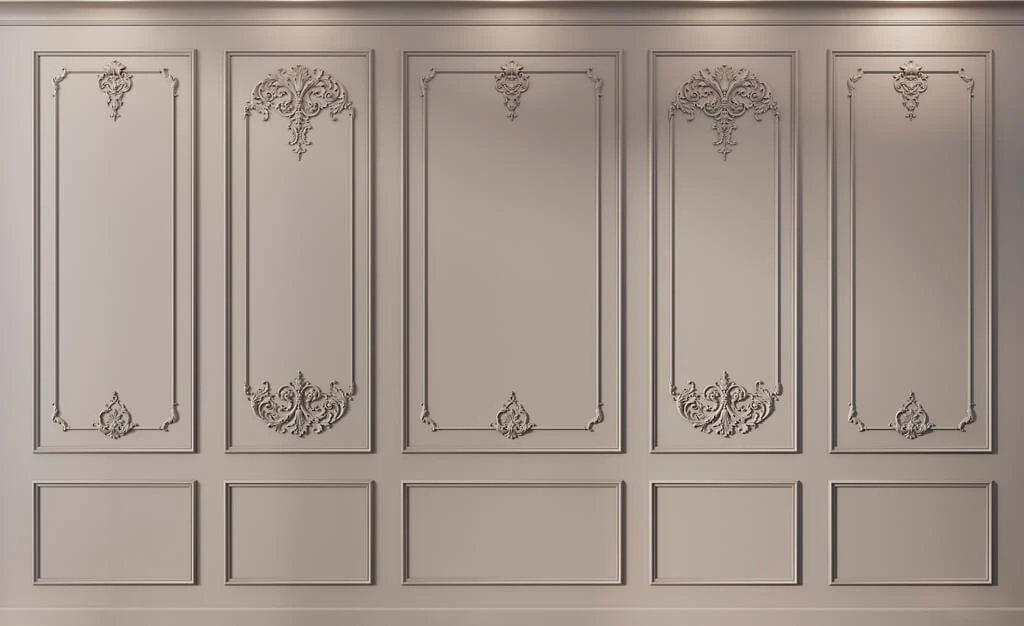
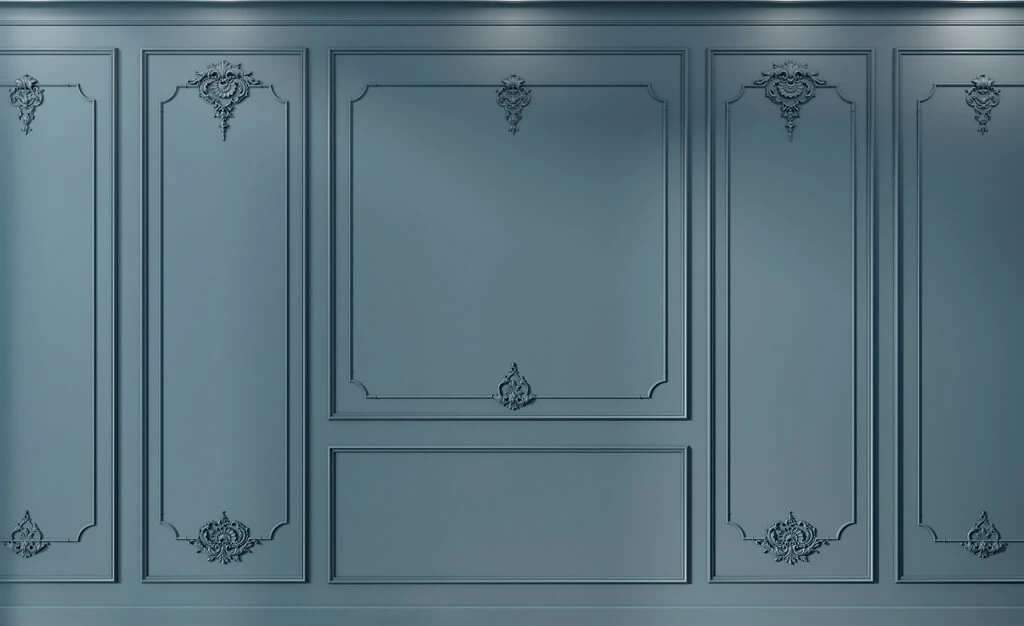
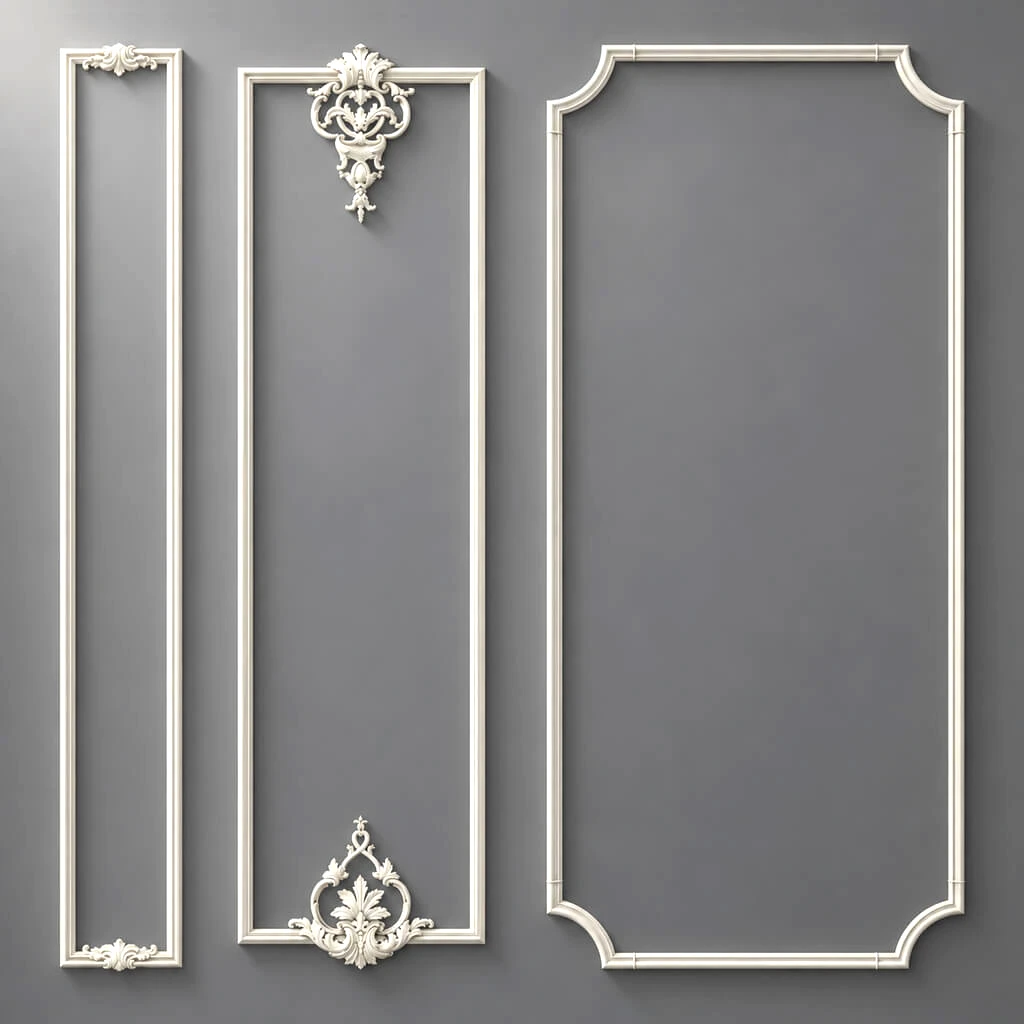
In modern interior design, a decorative wall frame is an independent artistic object. It doesn't have to 'hold' anything: an empty frame on the wall, painted in an accent color, is already an interior statement. Several frames of different sizes but the same profile form a gallery wall—one of the most enduring trends in residential design in recent years.
For such tasks, a unified profile is especially important:molding for framesmade of oak or beech of the same cross-section allows you to create as many frames of identical style as you like—simply by adjusting the cutting size. This cannot be achieved with ready-made frames from different batches.
Picture frames: on proportion and respect for art
A picture frame is not a neutral border. It is an extension of the artwork into space. A frame that is too thin 'gets lost'; one that is too wide overwhelms. One that is too bright competes with the content; one that is too modest doesn't allow the painting to 'breathe'.
This is why professional framers insist: the width of the frame profile should be proportional to the size of the canvas. For a small watercolor 30×40 cm—a profile of 20–35 mm. For a large canvas 80×100 cm—a profile of 50–80 mm is acceptable. A wide classic molding for frames made of oak with gilding or patina is a traditional solution for oil paintings in a classic interior.
How to create a decorative frame from molding—this is a topic that STAVROS covers separately: a step-by-step process from profile selection to final assembly.
Photo frames: non-standard formats and serial production
Photography as home decor is no longer just about 'hanging a picture.' It's a gallery of memories, thoughtfully planned in terms of format, placement, and frame style unity. The main problem with ready-made photo frames is standardization: they are designed for typical formats. Panoramic shots, square film frames, or 40×55 collage formats don't fit the standards.
Metered molding for frames solves this problem radically. One profile, cut to any size—and you assemble a frame for any photograph. At the same time, the entire gallery is in a unified material and profile.
Frames for Mirrors: Character Through Molding
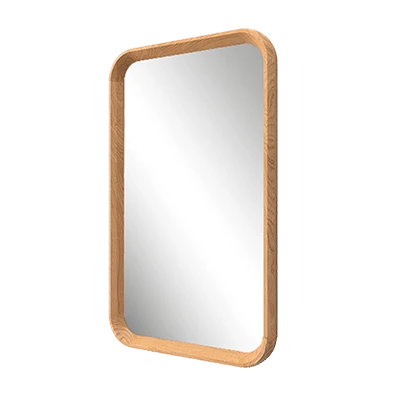
A framed mirror is always a statement of style. A mirror without a frame is just a function. Wooden molding for a mirror frame can be thin and elegant (for a modern interior), wide and carved (for a classic bathroom or hallway), or a concise geometric shape (for a minimalist space).
A key feature of mirror frames: the profile must have a groove (rebate) of sufficient depth to hold the mirror sheet. The standard rebate depth for a 4 mm thick mirror is 5–6 mm. For a 6 mm mirror—a 7–8 mm rebate.
Frames for Panels and Posters
A poster is a democratic object, but it deserves a good frame. Especially in an interior that aspires to style. The rightFrame profilewooden frame instead of a plastic 'mass-market' frame immediately elevates the poster to a different visual category. Panels—textile, woven, decorative—also require a frame that holds its shape and defines the style.
Which Molding to Buy for Frames: Narrow, Wide, Smooth, or Carved
This is the key choice. Let's go through all the options without unnecessary words.
Narrow profile (10–25 mm): purity and modernity
Narrow molding — the language of contemporary design. Minimal border, clean line, emphasis on the content, not the frame. The right choice for:
-
Black-and-white photography in Scandinavian interiors
-
Posters with bright graphic patterns that 'don't need to be constrained'
-
Gallery installations where the frame is a neutral module
-
Small sketches, watercolors, small-format graphics
Material: beech under white or black enamel. Or natural-tone oak with oil-wax. Profile — rectangle with one bevel or without.
Wide profile (45–100 mm): scale and seriousness
Wide molding requires confidence. It is a frame that itself is an artistic object. The right choice for:
-
Oil paintings, especially large-format
-
Parade mirrors in hallways and living rooms
-
Classical interiors with high ceilings
-
Gallery objects with a claim to academic tradition
A wide wooden molding for oak frames with dark walnut tinting or patina is a very substantial solution. But it requires a corresponding scale of space.
Smooth profile: universal neutrality
A smooth molding without relief is the most universal. It works in classical and contemporary interiors, with painting and photography, with posters and mirrors. Its main quality is not to interfere with the content. Not to compete with the painting, not to draw attention away. Simply neatly enclose the space of the frame.
A wide smooth profile can be very elegant: a flat surface 60–80 mm without a single ornament, made of dark oak with matte varnish — this is almost a museum standard.
Carved profile: history and character
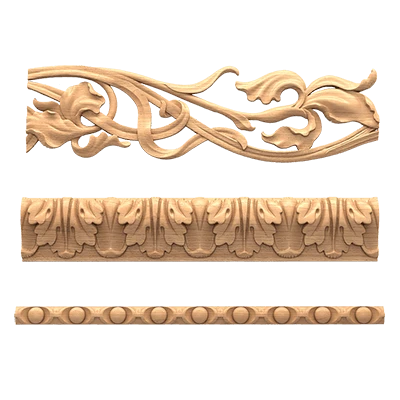
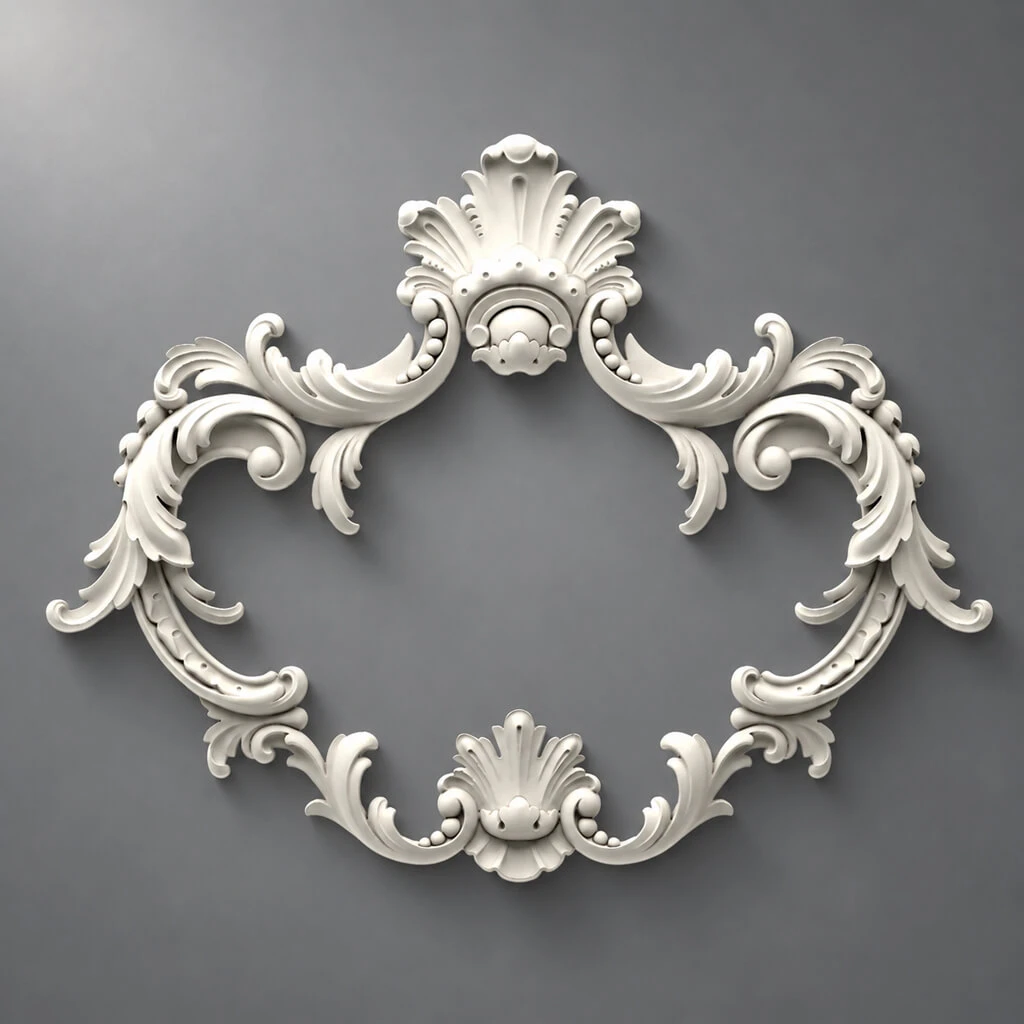
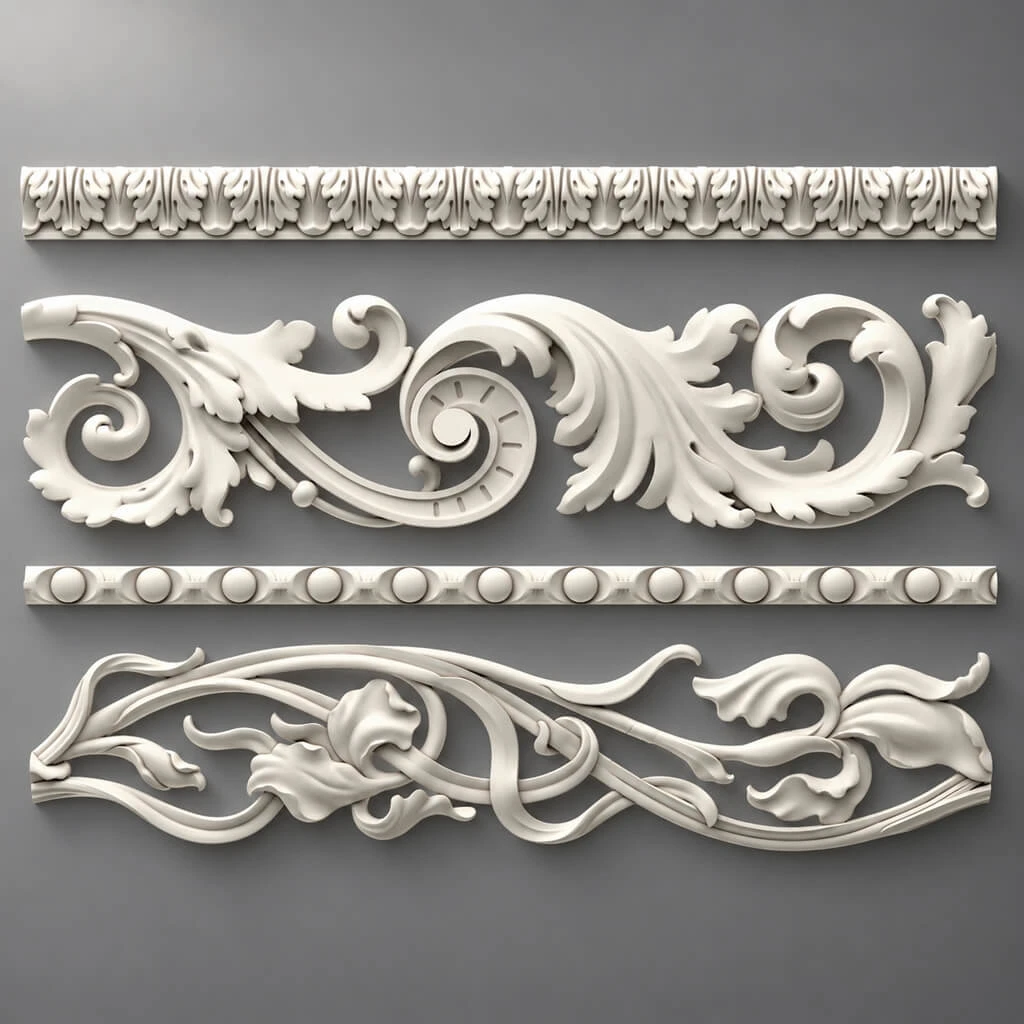
Carved molding for frames is a conversation with tradition. Floral ornament, acanthus leaves, geometric meanders, pearl borders — each motif has a historical origin and its place in the decorative system. A carved oak profile with gilding is a classic of academic painting framing.
Wooden molding trim and picture frames— in this article, STAVROS examines in detail the very issue of art framing in interior design: how to match a profile to a painting, how to integrate a frame into the overall room decor.
For accent decorative compositions
A decorative frame as an independent object on the wall is not a picture inside a frame, but a frame as a statement. In such a scenario, the profile is deliberately chosen to be expressive: molded relief, complex toning, patina, gilding. The frame exists on its own—and it is precisely what creates the accent.
When it's better to buy frame molding by the meter
If a non-standard size is needed
80% of framing tasks are non-standard. A painting of a non-standard format, a mirror for a specific niche, a poster with atypical proportions—all require custom cutting to size. Buying a ready-made frame 'with extra' and trimming it is pointless: a ready-made frame is already assembled with corner joints and cannot be altered. Only molding by the meter provides complete size flexibility.
If you're making a series of frames
An interior gallery, a series of posters, a collection of family portraits on a staircase wall—this is not one frame, but a system. And a system requires a uniform material. Buyingwooden frame profileof one cross-section by the meter means ensuring perfect uniformity for the entire series, regardless of the number and sizes of frames.
The economics are obvious: when ordering 10–15 meters or more by the meter, the price per linear meter decreases compared to retail. The final cost of a series of frames made from profile is 1.5–2 times lower than the cost of similar ready-made frames.
If self-assembly is needed
Self-assembly of frames from wooden molding is not difficult if you have a miter box (a tool for cutting at 45°) and wood glue. Four segments cut at 45° while maintaining the internal dimensions — and the frame is assembled. Small nails 'in the corner' or metal brackets provide strength.
That is why molding for self-assembly frames is a separate market segment: craftsmen, carpenters, art framers, designers, creative workshops — all of them prefer to work with profile by the meter, rather than with ready-made frames.
If precise fitting to the object is required
A mirror of non-standard size, a painting with an atypical stretcher thickness, a panel with non-standard framing — all of this requires exact matching of the rabbet depth and profile width to the specific object. Only molding for cutting allows achieving a perfect seating place without gaps and distortions.
Molding for picture, photo, mirror, and panel frames: what to choose
Different objects — different requirements for the profile. Here is a practical breakdown.
For a painting: proportion and style
An oil painting in a classical style — a wide profile (40–80 mm) with relief or gilding, made of oak, stained dark walnut or with patina. Watercolor or pastel — a narrow elegant profile (15–30 mm), neutral tone. Contemporary painting (abstraction, expressionism) — a smooth profile 25–40 mm, often in black or natural wood.
For photography: neutrality and repeatability
The photo frame should be neutral. The goal is not to compete with the photograph, but to neatly integrate it into the wall space. A narrow or medium smooth profile (15–30 mm) made of beech with white or black enamel is a classic choice for a photo gallery. Or natural oak without tinting — for a Scandinavian interior.
For a mirror: character and stability
A mirror frame carries not only a decorative but also a structural load: a mirror is heavier than glass, and the frame must securely hold it. Choose a profile with sufficient rabbet depth (5–8 mm) and sufficient cross-section for mounting hardware.
Decoratively: a wide carved oak profile in the hallway makes a statement about the home's style right from the threshold. A narrow smooth profile in the bathroom — function plus minimal decor. A mirror in a gilded frame in the bedroom is a classic technique for creating a 'focal point' on the wall.
For a poster: lightness and series unity
A poster is a democratic genre, but that doesn't mean 'without style.' The right wooden frame made of natural oak or beech instantly elevates a poster from 'cheap' to 'conscious design.' The profile is narrow or medium, smooth or with a single bevel.
If you are creating a gallery wall from posters — a uniform profile for the entire series is critically important. A mismatch of frames destroys the unity of the composition.
For a decorative wall frame
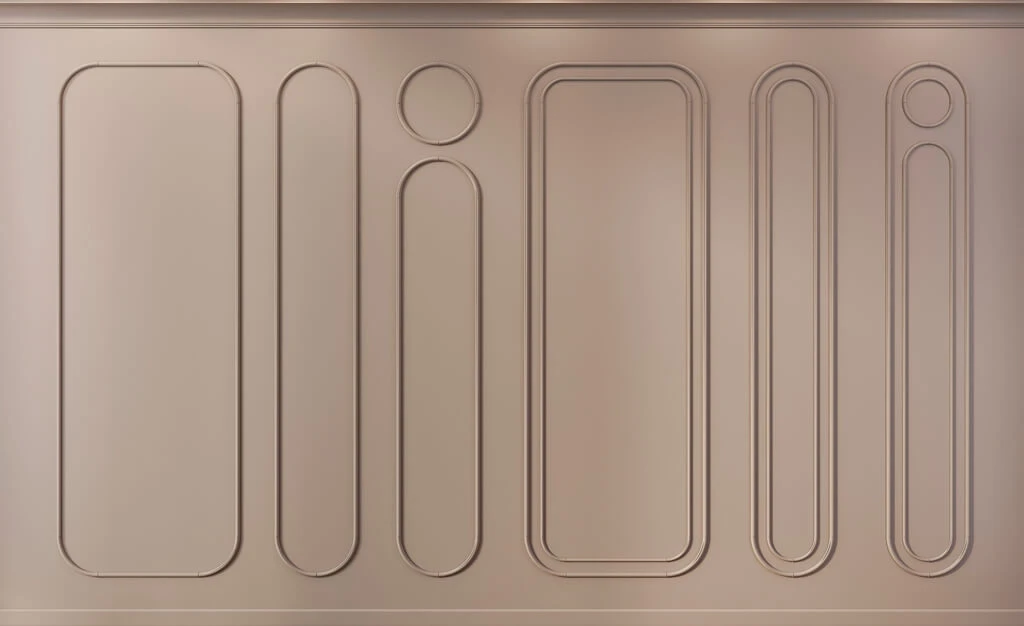
A decorative frame without content is one of the most effective and yet accessible designer techniques. Several frames of different sizes on a wall, painted the same color as the wall or in a contrasting accent color, create 'architecture' on the surface — without pictures, without mirrors, simply through geometry.
For this technique, choose a medium profile 25–45 mm with moderate relief. The finish is for painting: the beech profile is primed and coated with the same paint as the wall, or in an accent color.
How to calculate the linear footage for a frame
Calculation for a single frame
The formula is simple: (frame width + height) × 2 + allowance.
Allowance is mandatory. When cutting at a 45° angle, each corner 'consumes' an extra piece of the profile. The standard allowance is 15–20%.
Example: a frame for a 50×70 cm mirror.
-
(50+70) × 2 = 240 cm = 2.4 m
-
20% allowance: + 0.48 m
-
Total: 2.88 m → take 3 m
Calculation for a series of frames
Sum up the perimeters of all frames in the series. Add a total allowance of 15% (batch cutting is more efficient: waste from one frame can sometimes cover the needs of another).
Example: 8 frames — 4 pieces 30×40 cm and 4 pieces 40×50 cm.
-
4 × (30+40)×2 = 560 cm = 5.6 m
-
4 × (40+50)×2 = 720 cm = 7.2 m
-
Total: 12.8 m + 15% = 14.72 m → take 15–16 m
Calculation including pattern matching
Carved or ornamented moulding requires additional allowance for pattern matching at the corners. If the pattern has a regular repeat of 10–15 cm, add another 10–15% to the standard allowance from the total footage.
When a custom size order is needed
If you have an unusual item — a mirror of non-standard shape, a painting with an atypical stretcher, a panel of complex configuration — order a preliminary calculation from a manager. A STAVROS specialist will help calculate the exact footage, taking into account the features of the moulding and installation.
What determines the price of linear footage for frames
The price range of wooden moulding for frames is from 200 to 5,000+ rubles per linear meter. We will honestly break down what exactly the buyer is paying for.
Material: oak, beech, or MDF
Solid oak — dense, hard, durable, with a pronounced texture. The best choice for frames with a natural or tinted surface. 15–25% more expensive than beech.
Solid beech — fine-pored, uniform, takes paint perfectly. The best choice for frames under enamel. More affordable than oak.
High-density MDF — cheaper than both, mills well, but inferior in durability and the 'serious' feel in the hand. Suitable for budget and temporary solutions.
Profile width
Direct correlation: wide profile = more material per linear meter = higher price. A narrow 15 mm beech profile is one price zone. A wide 80 mm oak profile is 4–6 times more expensive.
Complexity of relief
Smooth rectangular profile — minimal processing. A shaped profile with two transitions — several milling operations. Carved ornament on the surface — 3D milling + manual finishing. The price gap between a smooth and a carved profile of the same width is 3–8 times.
Finishing coating
Blank 'for painting' — base price. Tinting, varnish, oil-wax, patina, gilding — surcharge for work and materials. Choose based on the final task: if you plan to paint it yourself to match the interior color — take the blank.
Length of the slat and order volume
Retail purchase of 2–3 m — maximum retail price. Order of 15–20 m — wholesale terms. For regular orders (studios, workshops, design bureaus) — a contract with STAVROS for ongoing supplies.
| Profile type | Material | Width | Approximate price |
|---|---|---|---|
| smooth | Beech | 15–25 mm | from 200–400 rub./m |
| Decorative | Oak/beech | 30–50 mm | from 450–900 RUB/m |
| Geometric | Oak | 45–70 mm | from 800–2,000 RUB/m |
| Carved | Oak | 50–100 mm | from 2,000–8,000 RUB/m |
| Wide Classic | Oak | 80–120 mm | from 3,500–15,000 RUB/m |
Profile nuances: rabbet, shelf width, and groove depth
Technical parameters of a frame profile are not boring numbers. They determine whether your molding will suit a specific project.
Rabbet (groove for the object)
The rabbet is a groove on the inner side of the profile where the glass (or mirror), mat, and backing are inserted. Its depth determines the 'stack' of materials the frame can hold.
Standard rebate depth for a photo frame (2 mm glass + mat board + backing) is 8–12 mm. For a canvas painting (18–22 mm stretcher bar) — 20–25 mm rebate. For a 4 mm mirror — 5–7 mm rebate. If the rebate depth does not match the total thickness of the contents — the frame will either not close or will be loose.
Inner sight width
This is the horizontal surface of the profile that is visible from the front between the edge of the object and the outer edge of the frame. It is this width that creates the 'framing effect'. For a narrow profile — 10–20 mm. For a medium profile — 25–45 mm. For a wide profile — 50–100 mm.
Profile bevel and slope
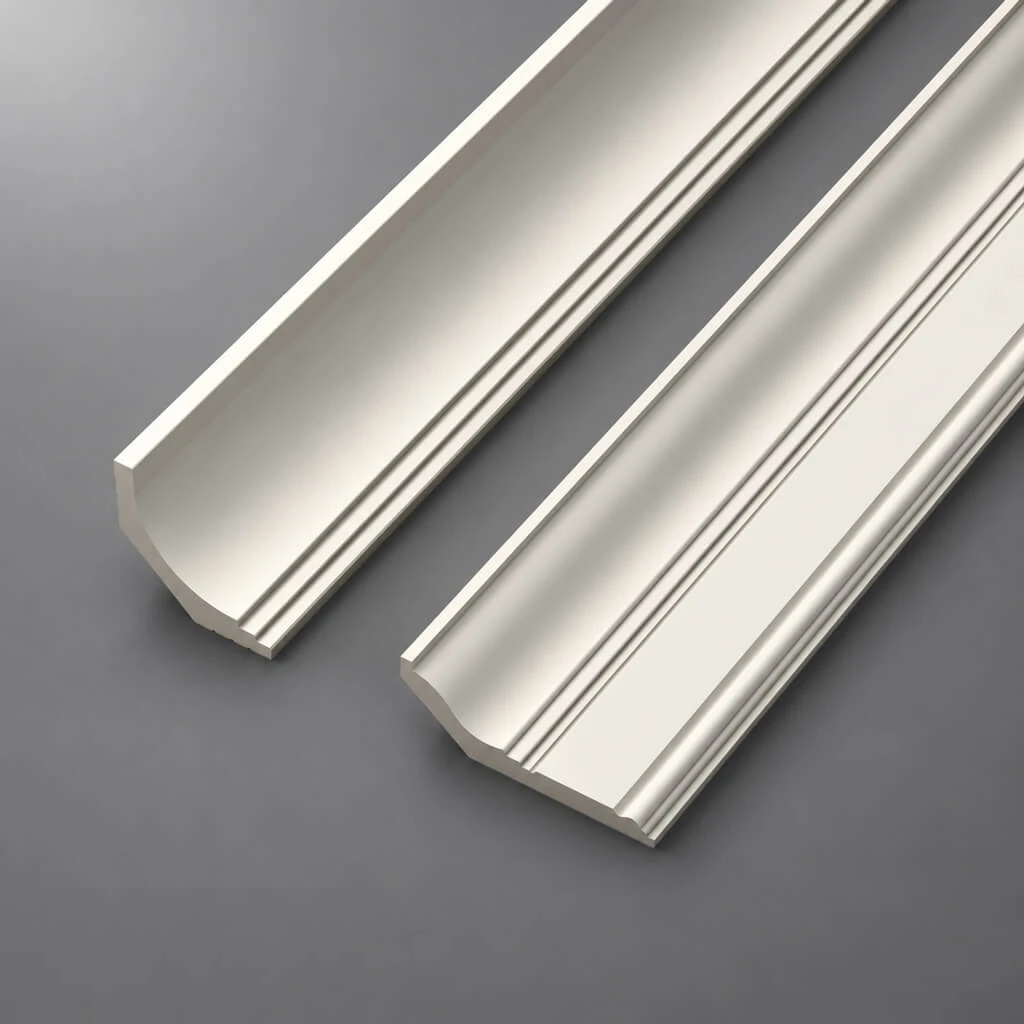
Many frame profiles have a beveled front surface: the outer edge is higher, the inner edge is lower. This creates a visual 'transition' to the contents, emphasizes depth, and forms a shadow on the inner edge. The classic 'theatrical curtain' effect around the image.
Wooden frame profile in interior: style and consistency
Frames on a wall are not a sum of separate objects. It is a system. And this system works only if one rule is followed: unity of material and profile.
This is why professional interior designers never mix wooden frames from different sources. One profile, one material, one finish — and the entire wall gallery reads as a single work, not as a random collection.
For a classic interior — a wide oak profile with a dark walnut or patina finish. For Scandinavian — narrow natural oak with oil-wax. For modern minimalist — black beech or matte white beech. For 'warm minimalism' — a medium profile of oak in a natural tone without staining.
How to create a decorative frame from molding— material that STAVROS has prepared specifically for those who assemble frames themselves: a step-by-step process from profile to finished product.
DIY Frame Assembly from Wooden Molding: What You Need to Know
Tools
For 45° cuts, you need a miter box (an angled guide for the saw) or a miter saw set to the desired angle. Cutting accuracy is critical: a 1 mm gap in the corner joint is visible on the finished frame. When using a manual miter box, it is recommended to check each cut with a trial assembly before applying glue.
Glue and Fasteners
Wood glue (PVA) is the primary bonding agent. Corners are additionally reinforced with 1.2×15 mm brad nails (driven into the corner end through the adjacent strip) or metal corner brackets ('angle brackets') on the back side. After the glue dries (12–24 hours under clamps), the frame is ready for sanding and finishing.
Finish
If the profile is 'for painting' — sand with fine-grit sandpaper (180–220 grit), prime, apply enamel in 2 coats. For tinting on natural wood — apply stain or tinting oil before assembly, join already tinted parts, and touch up the joints after assembly.
Where to Buy Molding for Frames Without Mistakes
What to Check Before Ordering
Three questions you need to know the answers to before placing an order:
-
What object is being framed? (painting, mirror, photo, panel) → determines the required rabbet depth
-
What is the interior style? → determines the width and character of the profile
-
Planned painting or natural finish? → determines material (beech or oak)
What size to report
To order a profile for a specific frame, specify: the inner frame size (by object) and the overall size (with profile width). If the profile is 35 mm and the object is 50×70 cm, then the outer frame size will be 50+35×2 = 120 mm on each side.
When to take profile by the meter
In most cases — by the meter. This is both more flexible (cutting to any size) and more economical for volume. The minimum retail purchase at STAVROS is from 1 linear meter. For small tasks, this is the ideal format.
When it's better to order custom-sized
If you don't have a tool for cutting at 45° (a miter box or miter saw) — order cutting from the manufacturer. STAVROS can perform cutting to a specified size with subsequent readiness for assembly — check this possibility with the manager.
How to choose profile style and width
Rule of three proportions:
-
Small object (up to 30×30 cm) → profile 15–25 mm
-
Medium object (30×40 — 50×70 cm) → 25–45 mm profile
-
Large object (60×80 cm and larger) → 40–80 mm profile
For frame profiles, selection advice, and quantity calculation — contact STAVROS specialists directly.
About the company STAVROS
STAVROS is a Russian manufacturer of wooden moldings, trim, decorative frame profiles, and interior decor elements made from solid oak and beech. Founded in 2002 in Saint Petersburg. The company's history began with the restoration of historical interiors — the Hermitage, Konstantinovsky Palace, cultural heritage sites requiring precise historical profiles.
STAVROS production standards: wood drying to 8–12% moisture content, four-sided planing, 3D milling with a tolerance of ±0.1 mm per linear meter, manual finishing on complex profiles. Assortment — over 50 series of moldings, wooden baguettes and frame profiles, trims, battens, cornices, decorative overlays.
STAVROS works retail — from 1 linear meter — and wholesale for design bureaus, workshops, and manufacturers. Showrooms in Moscow and Saint Petersburg. Contact us to confirm shipping to your destination. and CIS. Phone: 8 (800) 555-46-75 (free call within Russia).
FAQ: answers to popular questions about wooden baguette for frames
What's better: a ready-made frame or molding for frames?
Ready-made frame — for standard sizes and when you don't want to assemble it yourself. Molding — for non-standard sizes, series of frames, custom projects, and where economy matters: linear profile is cheaper than a ready-made frame for volumes of 3–4 pieces or more.
How much baguette is needed for one frame?
Formula: (width + height) × 2 + 20% margin. For a 50×70 cm frame — approximately 3 m. For a 30×40 cm frame — about 2 m.
Can I buy molding for frames in a specific size?
Yes. STAVROS sells profile by the meter from 1 m. Cutting to a specific frame size is best done yourself or check for this service with a manager when ordering.
What molding is best for a painting?
Depends on the painting style. For oil in a classic interior — a wide (40–80 mm) oak profile with toning or patina. For watercolor or graphics — a narrow (15–25 mm) neutral profile. For contemporary painting — a smooth medium profile 25–40 mm.
What profile to choose for a decorative wall frame?
Medium profile 25–40 mm for painting, made of beech. Painted to match the wall color or an accent tone. Creates an architectural effect without content inside.
What affects the price of wooden molding for frames?
Material (oak is more expensive than beech), profile width, complexity of relief (smooth → figured → carved), finish (blank for painting is cheaper than toned), order volume (wholesale is cheaper than retail).
Can I assemble a frame without professional tools?
Possible, but with limitations. Cutting a precise 45° angle by hand without a miter box is difficult—requires a skilled hand. For a one-time task, even a simple plastic miter box is better. For regular work—a miter saw with an angle stop.
How to attach a wooden molding at the corners of a frame?
Cut at 45°, apply PVA wood glue to the corner, clamp with clamps or binding tape for 24 hours. Additionally—1.2×15 mm nails into the end grain or metal corner brackets on the back of the frame.
Can I paint a wooden molding myself?
Yes. A 'for painting' profile made of beech is sanded (180–220 grit), primed, painted with acrylic enamel in 2 coats. The result—professional painting with minimal experience.
How to correctly choose the rabbet depth for an object?
Measure the total thickness of the insert package: glass + mat (if any) + object + backing. Add 1–2 mm allowance. The resulting value is the minimum required rabbet depth of the profile.