Article Contents:
- Anatomy of the Table Base: Structural Elements
- Table Base Types by Construction
- Fastening to the Tabletop: Methods and Technologies
- Overhangs: Calculating Distance from Tabletop Edge
- Structural Stability: Physics and Geometry
- Table Base Materials: Wood vs. Metal
- Load Calculations and Safety Factor
- Errors in Choosing and Installing Table Base
- Features of Table Bases for Different Table Types
- Installing the Table Base: Step-by-Step Guide
- Frequently Asked Questions
- Conclusion

A tabletop without a reliable support is merely a beautiful board.Countertop substructureIt transforms material into a functional piece of furniture, defining its strength, stability, and longevity. The reliability of the table’s service life—whether it will last decades or collapse within a year—depends on the correct selection and installation of the table base. Will it stand immobile on any floor, or will it wobble at the slightest touch? Will it withstand family gatherings or collapse under the weight of dishes?
Three factors determine the quality of the table base—the method of fastening to the tabletop, the extent of overhangs from the edge, and the overall structural stability. Weak fastening leads to loosening, creaking, and tabletop detachment. Incorrect overhangs make the table uncomfortable—knees hit the legs, chairs cannot be pushed under, and the structure loses balance. Insufficient stability turns a dining table into a constant source of anxiety—will it tip over, will it hold up, or will it break?
In this article, we will thoroughly examine all aspects of choosing and installing a table base. You will learn about fastening types for different tabletop materials, how to calculate optimal overhangs, and understand the principles of creating a stable structure. We will discuss table base materials, load calculation methods, and common installation errors. Each recommendation is backed by practical experience from carpenters and engineering calculations.


Anatomy of the Table Base: Structural Elements
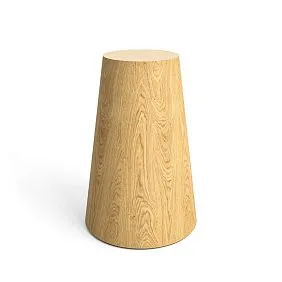
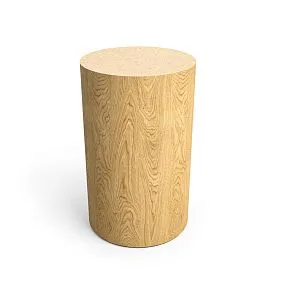
the base for a tableIt is a load-bearing structure connecting the tabletop to the floor. Understanding the elements of the table base is necessary for informed selection and proper installation.
Legs or supports—vertical elements that bear the main load. The number varies from one central leg to eight or more for long tables.Furniture legsThey can be cylindrical, square, shaped, straight, or curved. Material options include wood, metal, or combinations thereof.
Struts are horizontal beams between legs, forming a rigid frame. Struts are critical for large tables and thin tabletops. They prevent tabletop sagging, prevent legs from spreading apart, and significantly reinforce the structure. Struts are placed around the perimeter of the base or in a cross pattern for additional reinforcement.
Cross braces are additional horizontal elements below struts, connecting legs at a height of ten to twenty centimeters from the floor. Cross braces enhance stability, serve as foot supports, and add decorative appeal. Not required for compact tables, but desirable for large dining tables.
Mounting platforms are elements on the top ends of legs or struts to which the tabletop is fastened. Platforms can be integrated (part of the leg) or separate (individual components). The size and shape of the platform determine the number and placement of fasteners.
Corner blocks or dowels are wooden or plastic elements installed at the corners between struts and tabletop. They reinforce the connection, distribute load, and prevent deformation. Particularly important for solid wood tables, where wood moves due to changes in humidity.
A central column for round or square tables replaces four legs. A massive support with a diameter of fifteen to twenty-five centimeters and a wide base ensures stability and frees up space for feet. Requires precise centering and secure fastening.
X-shaped base or cross base—an alternative to traditional four legs. Two intersecting beams create a stable support and visually lighten the structure. Used in modern design, require strong fastening at the center of the tabletop.
Adjustable leveling feet at the bottom ends of legs compensate for uneven floors. A screw mechanism allows leveling the table and preventing wobbling. Essential for installation on old floors, recommended always.
Understanding the constructioncountertop supportsIt helps assess its quality, choose the appropriate type, and install correctly. Each element performs its function, and neglecting even one reduces the reliability of the entire structure.




Table Base Types by Construction
The variety of table base constructions is determined by tabletop shape, interior style, and functional requirements. Each type has advantages and limitations.
Four separate legs—a classic construction for rectangular and square tables. Legs are positioned at the corners of the tabletop with clearance from the edge. Advantages—simple manufacturing, even load distribution, easy chair placement. Disadvantage—knees of seated individuals may hit the legs if improperly positioned.
Frame base with four legs connected by aprons around the perimeter. Aprons form a rigid rectangular frame to which the tabletop is attached. This is the strongest construction for rectangular tables, preventing sagging of long tabletops. Required for tables longer than two hundred centimeters.
T-shaped base with two wide pedestal legs at the ends of the table, connected by a longitudinal beam. The structure is monumental, frees up space for feet in the central area, suitable for long dining tables. Requires massive end supports for stability.
Central column with base — a popular solution for round and square tables up to one hundred twenty centimeters in diameter. A heavy turned or carved column is attached to a wide base (crosspiece, circular platform). Advantage — maximum freedom for placing chairs around. Disadvantage — stability decreases with larger tabletops.
Triangular base with three legs evenly spaced around the circumference. Geometrically, a triangle is always stable, even on uneven floors. Used for small and medium-sized round tables, mid-century modern style tables. Requires precise calculation of leg placement relative to the center of gravity.
Cross or X-shaped base made of two intersecting beams. Visually lightweight, structurally strong, suitable for modern rectangular and square tables. Attachment to the tabletop is centered, requiring reinforcement of this zone.
Braces or A-shaped supports at the ends of the table. Two inclined legs on each side, connected by a horizontal crossbar, create a stable structure without aprons under the tabletop. Style: rustic, loft, Scandinavian minimalism. Advantage — complete freedom for feet; disadvantage — occupies more space in width.
Console base for wall-mounted tables. Two legs at the front edge, the rear part of the tabletop is attached to the wall. Saves space, suitable for narrow hallways, workspaces. Requires secure wall mounting capable of bearing the load.
The choice of base type depends on the shape and size of the tabletop, interior style, and ergonomic requirements. For a classic dining table, the optimal base is a frame base with four legs and aprons. For a modern round table — a central column. For a long work table — a T-shaped structure.
Our factory also produces:


Tabletop mounting: methods and technologies
The table's reliability depends on 70% on the quality of the base-to-tabletop connection. Several proven methods exist, each suitable for specific materials and constructions.
Screws through mounting plates — the simplest and most common method. Mounting plates with pre-drilled holes are located on the top ends of legs or aprons. Screws are screwed from below through the plate into the tabletop. Suitable for solid wood, MDF, and particleboard thicknesses of 25 mm and above.
Screw length is critical. The calculation formula — two-thirds of the tabletop thickness, but no more than 50 mm. For a 40 mm thick tabletop, 25–30 mm screws are optimal. Too short screws cannot bear the load, while too long ones penetrate the tabletop completely. Diameter — at least 4 mm, material — hardened steel with anti-corrosion coating.
Bolted connection through through-holes provides maximum strength. Holes with diameters of 8–10 mm are drilled in the tabletop, into which bolts are inserted. On the reverse side, legs or aprons are secured with a nut and washer. Suitable for solid wood, thick plywood, and composite materials. Requires precise marking and quality drilling.
Hidden holes conceal bolt heads. The hole is drilled in two stages — first with a larger diameter (15–20 mm) to a depth of 10–15 mm for the hidden head, then with a smaller diameter (8 mm) through the entire thickness. After installing the bolt, the recess is filled with a wooden plug or spackled. Aesthetically pleasing but labor-intensive.
Furniture clamps (conformers or euro screws) — special fasteners for particleboard and MDF. A thick screw with coarse thread and hidden head creates a strong connection. A blind hole with a 5 mm diameter is drilled in the tabletop, and a through hole with a 7 mm diameter is drilled in the leg or apron end. The head is pressed into the material and covered with a decorative plug.
Furniture eccentric clamps (minifix) — invisible fastening for disassemblable furniture. Consist of a cylindrical body inserted into the leg end and an eccentric with a screw installed in the tabletop. When the eccentric is turned, the parts are tightened. Advantage — allows multiple assembly/disassembly cycles; disadvantage — complex installation, requires precise drilling of holes.
Metal mounting plates distribute load over a larger area. A 2–3 mm thick plate with several holes is simultaneously screwed to the leg and tabletop. Especially effective for heavy stone tabletops, thin sheet materials, and wood-metal connections.
Corner blocks reinforce connections at table corners. A wooden block with a 30x30 or 40x40 mm cross-section is glued and screwed simultaneously to the apron and tabletop, creating a rigid triangular joint. Prevents deformation of right angles, especially important for solid wood tables.
Adhesive bonding complements any mechanical fastening. Woodworker's PVA or polyurethane glue is applied to contact surfaces before installing screws or bolts. After drying, it creates an additional bond, preventing play and squeaks. Glue is not used for temporary or disassemblable furniture.
Combined method — screws or bolts plus glue plus corner blocks — provides maximum reliability. Used for heavy tables under heavy loads, public space furniture, antique restoration projects. Labor-intensive but guarantees decades of service.
The choice of fastening method depends on the tabletop material, base type, and expected loads. For a home dining table made of solid wood, screws with glue and corner blocks are sufficient. For a heavy stone table, bolts and metal plates are required. For disassemblable furniture — eccentric clamps.
Get Consultation
Projection: calculating distance from tabletop edge
Projection — distance from the edge of the tabletop to the center of the leg or to the outer edge of the apron. Correct projection ensures convenient table use and structural stability. Incorrect projection makes the table inconvenient or unsafe.
Minimum projection for stability is 15–20% of the corresponding tabletop dimension. For an 80 cm wide table, the minimum projection is 12–16 cm on each side. With less projection, the center of gravity shifts, making the table unstable and prone to tipping under lateral pressure.
For ergonomic reasons, seated users should not have their knees hitting the legs. Standard chair seat depth is 40–45 cm, with knees extending forward another 10–15 cm. Therefore, legs must be at least 15 cm from the tabletop edge, ideally 20–25 cm.
For rectangular tables, projections along the long and short sides may differ. Along the length (where people sit), a 20–25 cm projection ensures comfort. Along the width, it can be reduced to 15–20 cm for narrow tables or increased to 30 cm for wide tables. The key is to maintain balance and stability.
For round tables with a central leg, projection is calculated from the radius. The base diameter of the central column should be at least 50–60% of the tabletop diameter. For a 100 cm diameter round table, the base should be at least 50–60 cm. Less than this makes the table unstable.
For tables with three legs, the calculation is more complex. Legs are positioned on a circle with a diameter of 60–70% of the tabletop diameter. For a 90 cm diameter table, legs are positioned on a circle of 54–63 cm. This provides a 15–18 cm projection, sufficient for stability.
The angle of leg placement affects stability. Vertical legs are less stable than angled (splayed) legs. Angling legs 3–5 degrees from vertical increases floor contact area and stability. However, this complicates manufacturing and requires precise angled cuts.
Aprons change the effective projection. If legs are 20 cm from the tabletop edge and the apron is 10 cm wide, only 10 cm of clearance remains for knees. Consider apron dimensions when calculating leg placement.
Practical clearance check is performed before final installation. Temporarily install
without fixing, place the chair, sit down. Are your knees free? Does the table wobble under pressure on the edge? If yes — the clearances are correct. If not — adjust the position.Countertop substructureClearance adjustment is possible by shifting the base relative to the tabletop until final mounting. Mark the position with a pencil, check, and if necessary, shift by one to two centimeters. After mounting, clearances cannot be changed without re-drilling holes.
The golden rule of clearances — balance between stability and ergonomics. Legs should not be too close to the edge (table will tip) and too far from it (knees will hit). For a standard dining table, optimal clearance is twenty to twenty-five centimeters on all sides.
The golden rule for overhangs is a balance between stability and ergonomics. The legs should not be too close to the edge (it will tip over) nor too far from it (knees will bump). For a standard dining table, the optimal overhang is twenty to twenty-five centimeters on all sides.
Structural stability: physics and geometry
Table stability is determined by several physical factors. Understanding these principles allows creating reliable structures and avoiding dangerous mistakes.
Center of gravity — the point where the entire mass of the structure is concentrated. For a table, the center of gravity must project within the area bounded by the supports. If the projection of the center of gravity extends beyond this area, the table will tip over. The lower the center of gravity, the more stable the structure.
Support area — the polygon formed by the points of contact of the legs with the floor. For four legs, this is a rectangle or trapezoid. The larger the support area, the more stable the table. Widely spaced legs are better than narrowly spaced ones. Tilted legs increase the support area compared to vertical ones.
Height of the center of gravity affects stability. A low, heavy table is more stable than a high, light one. A solid oak tabletop, 5 cm thick, with its center of gravity at 75 cm height, is more stable than a thin 10 mm tabletop at the same height. Solidthe base for a tablelowers the center of gravity, increasing stability.
The overturning moment is calculated as the product of weight and the distance from the center of gravity to the axis of rotation (edge of the support area). To tip over the table, you need to create a larger opposing moment — press on the edge with a certain force. The greater the leg clearance, the greater the resistance moment against overturning.
Frame stiffness prevents lateral displacement. Legs without braces may shift under lateral loads, causing the table to wobble and deform. Braces create rigid triangles, making the frame work as a single unit. Even under significant lateral loads, a strong frame does not deform.
Diagonal braces strengthen the rectangular frame. Braces form a rectangle, which geometrically can deform into a parallelogram under lateral load. A diagonal brace from corner to corner turns the rectangle into two triangles, eliminating deformation. Diagonal braces are desirable for large tables.
Mounting to the floor — a radical way to ensure stability.Furniture Supportsare anchored or screwed to the floor. This method is used for tables in public places, bar counters, outdoor furniture. It is excessive for home furniture but permissible.
Tabletop weight as a stability factor is underestimated. A heavy marble or oak tabletop weighing 100 kg lowers the center of gravity, increases inertia, making the table very stable. A light, thin tabletop weighing 5 kg on the same legs is much less stable. Under equal conditions, a heavy tabletop is preferable.
Uneven floor — enemy of stability. If the floor has a drop of even two to three millimeters over the length of the table, one leg will hang, causing the table to wobble. Adjustable leveling feet on all legs solve the problem. If there are no leveling feet, use shims — coins, cardboard pieces under the short leg.
Stability testing is performed after installation. Press on the corner of the tabletop with a force of ten to fifteen kilograms. The table should not wobble or lift the opposite legs off the floor. Try to rest your entire weight on the edge of the table — a sturdy construction will withstand seventy to eighty kilograms without deformation.
Stability criterion — the table withstands a horizontal load on the edge equal to twenty percent of the tabletop weight. For a 50 kg tabletop — horizontal force of 10 kg on the edge without tipping. If the criterion is not met, increase leg clearances or add weight to the base.
Materials for table bases: wood versus metal
Material selectioncountertop supportsis determined by interior style, load characteristics, budget, and aesthetic preferences. Two main materials — wood and metal — have fundamental differences.
Solid wood — traditional material for table bases. Oak, beech, ash have sufficient strength for manufacturing load-bearing elements.Legs for tablesSolid oak beams with 8x8 cm cross-section can each support up to 200 kg. Wood feels warm to the touch, looks aesthetically pleasing, is easy to work with, and repairable.
Oak — king of furniture wood. Hard, dense, with beautiful grain, resistant to moisture and wear. An oak base lasts fifty to seventy years without loss of strength. Color ranges from light golden to dark brown. Drawback — high price, heavy weight.
Beech — optimal price-to-quality ratio. Dense, uniform wood without pronounced grain is strong, stable, and easily painted. A beech base is thirty to forty percent cheaper than oak, with strength only slightly lower. Requires protection from moisture with quality lacquer.
Ash is similar to oak in properties, slightly less dense, lighter in tone. AshFurniture legsis strong, elastic, withstands impact loads. Beautifully pronounced grain makes products expressive even without decoration. Price is between beech and oak.
Spruce and conifers — budget option. Softwood is easy to work with but cannot withstand heavy loads, gets compressed by fasteners, resin pockets spoil the appearance. Suitable only for light coffee tables, children’s furniture, temporary structures. Insufficient for dining tables.
Metal — strength and modernity. Steel pipes with square or round cross-sections, profiles, and strips create load-bearing structures of any complexity. A metal base withstands loads many times greater than a wooden one with a smaller cross-section. Steel is not afraid of moisture (with anti-corrosion coating), and does not deform due to temperature.
A steel square tube 40x40 mm with a wall thickness of 2 mm withstands a load of up to 500 kg. For comparison, a wooden leg of the same cross-section — about 150 kg. Metal allows creating elegant structures with minimal visual volume while maintaining maximum strength.
Black steel requires corrosion protection. Powder coating in any RAL catalog color provides a durable and attractive finish. Blackening and patination create an industrial aesthetic. Stainless steel does not rust, but is two to three times more expensive and more difficult to process.
Aluminum — lightness and corrosion resistance. Aluminum profiles are strong, do not rust, and weigh three times less than steel. Used for portable, transformable, and outdoor furniture. The downside — softer than steel, scratches easily, more expensive. Anodizing provides various shades — from silver to black.
Combined bases combine the advantages of materials. A metal frame with wooden aprons — the strength of steel and the aesthetics of wood. Wooden legs with metal struts — classic appearance and modern reliability. Combinations expand design possibilities.
Material selection is determined by context. For a classic home interior — solid oak or beech. For loft or minimalism — black metal. For Scandinavian style — light wood. For kitchen or terrace — stainless steel or painted steel. For workshop — only metal.
The cost of a wooden base made of oak ranges from 15,000 to 30,000 rubles depending on complexity. A metal base of similar strength — 10,000 to 25,000 rubles. At equal price, metal is stronger; at equal strength, metal is more compact. But wood is warmer, cozier, and more traditional.
Load calculation and safety factor
Correct load calculation guarantees thatBuy table baseit will withstand use without deformation or damage. An engineering approach prevents errors and disappointments.
Static load — the constant weight of the tabletop and base. Solid oak with a density of 700 kg/m³, a tabletop measuring 160x80x4 cm weighs about 36 kg. Wooden base — another 10–15 kg. Total static load — 50 kg.
Operational load — the weight of items on the table. A dining table holds dishes, cutlery, plates, and drinks. Full service for eight people weighs 20–30 kg. A work table — monitor, computer tower, books — up to 50 kg. A kitchen island — appliances and products — up to 80 kg.
Dynamic loads occur during use. Elbow support during eating — 5–10 kg per elbow. Hand support during standing — 20–30 kg temporarily. Accidental impacts or falling heavy objects — peak loads up to 100 kg.
Horizontal forces test stability. Kicking the table with your foot, pushing a chair under the table, or standing with support on the edge create lateral loads of 5–20 kg. The base must withstand these without shifting or rocking.
Total calculated load is the sum of all components. For a dining table — tabletop 36 kg, base 15 kg, service 30 kg, elbows of four people 40 kg, dynamic reserve 30 kg. Total — 150 kg. This is the minimum load the base must withstand.
Safety factor — the ratio of breaking load to calculated load. For furniture, the accepted factor is 2–3. That is, if the calculated load is 150 kg, the base must withstand 300–450 kg without failure. This guarantees longevity and safety.
Load distribution among legs depends on their number and placement. Four legs at the corners of a table with uniform load on the tabletop each carry 25% of the weight. But under localized load (all seated on one side), distribution is uneven — the two nearest legs each carry up to 40%.
Tabletop deflection occurs with large spans and loads. A wooden tabletop 2.5 cm thick with a 180 cm span without support deflects 1–2 cm under a 50 kg load at the center. Aprons or additional support prevent deflection.
Critical free span lengths vary by material. Solid oak 4 cm thick — up to 200 cm without deflection. Solid beech 3 cm thick — up to 160 cm. MDF 25 mm — up to 120 cm. Exceeding critical length requires additional supports.
Practical strength testing is performed after installation. Load the table with calculated weight (sandbags, water jugs). Measure deflection at the tabletop center with a ruler. Allowable deflection — no more than 1/300 of the span length. For a 180 cm table — no more than 6 mm.
Supporting the entire weight on a tabletop corner — an extreme test. A person weighing 80 kg carefully rests on a table corner. If the structure does not rock, does not deform, and opposite legs do not lift off the floor — the safety factor is sufficient.
Longevity depends on the ratio of working loads to maximum limits. If a table is used at loads 30–50% of maximum — it will last decades. At constant operation at 70–80% of maximum — 5–10 years. With regular overload — failure is inevitable.
Errors in choosing and installing the base
Even high-qualityCountertop substructuremay disappoint if typical errors in selection or installation are made.
First error — incorrect dimensions. Buying a base without precise measurements of the tabletop results in legs being too close to the edge or too far away. The table rocks or knees hit the legs. Correct — measure the tabletop, calculate optimal overhangs, choose a base of the appropriate size.
Second error — insufficient load-bearing capacity. Elegant thin legs under a heavy 3-meter oak tabletop — a catastrophe. Legs bend, crack, and fasteners pull out. Calculate the tabletop weight, add operational load, multiply by three — choose a base with a safety margin.
Third error — incorrect fastening type. Self-tapping screws into thin veneer do not hold — they will pull out under the first load. Through bolts through expensive marble slabs — damage the appearance. Adhesive bonding metal to plastic — will delaminate within a month. Choose the fastening method according to the tabletop and base materials.
Fourth error — absence of aprons for long tables. Four legs at the corners of a 2-meter-long table without horizontal braces — the table becomes unstable within half a year, the tabletop deflects. Aprons are mandatory for tables longer than 160 cm.
Fifth error — ignoring floor unevenness. Installing a rigid base without adjustment on an uneven floor — guaranteed rocking. One leg hangs, three touch the floor, the table is unstable. Adjustable feet or shims solve the problem.
Sixth error — style mismatch. Baroque carved legs under a rough, unfinished plank tabletop in a loft style — tasteless. Minimalist metal spikes under a classic oak table — dissonant. Coordinate the base style with the tabletop and interior design.
Error number seven — weak fastening. Using pre-assembled thin screws made of soft steel — they bend and shear under load. Saving 100 rubles on quality screws leads to loosening after a year. Purchase hardened fasteners of sufficient length and diameter.
Error number eight — absence of glue. Mechanical fastening with screws without glue will loosen over time, causing gaps and squeaks. Woodworker's PVA costs almost nothing but significantly strengthens the joint. Don't be lazy — apply glue before installation.
Error number nine — inaccurate marking. Marking leg positions by eye without a tape measure and square — legs will not be on the same line, not parallel, not perpendicular. The table will be uneven. Spend half an hour on accurate marking — it will save you from redoing work.
Error number ten — installation on a wet or dusty tabletop. Glue does not set on a wet surface, and does not adhere on a dusty one. Before installing the base, wipe the tabletop dry with a cloth and let it dry. This is critical for connection reliability.
Error number eleven — over-tightening fasteners. Excessive force when tightening screws compresses wood, breaks screw heads, and strips threads. Tighten until contact, then an additional half-turn. No Hercules strength is needed — just tight contact is sufficient.
Error number twelve — ignoring floor protection. Unprotected wooden or metal legs scratch parquet, leave dents on linoleum. Felt pads or rubber caps cost almost nothing but save your expensive floor.
Avoiding mistakes is simple — follow recommendations, don't rush, use quality materials, measure twice, cut once. A correctly chosen and installed base will serve for decades without problems.
Features of bases for different types of tables
Each type of table has specific requirements for its base. There is no universal solution — dining, work, and coffee tables require different approaches.
Dining table — maximum requirements for stability and ergonomics. Four to twelve people sit at it, and the load from serving and elbows is significant.Base for Dining TablesIt must provide leg clearance, withstand uneven loads, and not wobble when standing. A frame construction with aprons — the optimum.
Leg overhangs of twenty to twenty-five centimeters ensure comfort. Aprons eight to twelve centimeters high do not interfere with knees. Toe caps at fifteen centimeters serve as foot support. Adjustable levelers compensate for floor unevenness.
Office or home desk requires stability without vibrations. Typing on a keyboard and using a mouse create micro-vibrations, which are amplified by an unstable base. A rigid metal frame with diagonal braces or a heavy wooden base with aprons ensures stability.
Ergonomics of a work desk is specific. Space for legs must be free — legs should be positioned as far as possible toward the corners. For a computer desk, cable routing inside the aprons or special cable channels is desirable. Adjustable base height allows adapting the desk to the user's height.
Coffee table — minimal loads, maximum aesthetics.furniture legsThey can be elegant, thin, decorative. The main thing — visual lightness and matching the interior style. Load-bearing capacity required is small — ten to twenty kilograms is sufficient.
Coffee table height of forty-five to fifty-five centimeters corresponds to sofa height. Leg height of thirty-five to forty-five centimeters, accounting for tabletop thickness. Construction can be on four thin legs, on three for visual dynamism, or on one central leg for minimalism.
Wall-mounted console table uses the wall as support. TwoLegs for tablesat the front edge, the back of the tabletop is mounted to the wall with brackets. Load is distributed between legs and the wall. Requires a strong wall (brick, concrete) capable of supporting twenty to thirty kilograms per bracket.
Foldable table-transformer requires a special base with a synchronized leg extension mechanism. When unfolding the tabletop, legs automatically spread apart, maintaining stability in any position. Complex construction, usually metal, requires precise adjustment.
Bar counter or high table — specific requirements. Height of one hundred to one hundred ten centimeters, legs accordingly ninety to one hundred centimeters. At such height, the center of gravity is high, stability decreases. Requires a wide base, weight distribution, possibly floor mounting.
Outdoor table is exposed to moisture, temperature, and wind. Base made of stainless steel or painted steel with anti-corrosion coating, mandatory floor mounting for wind resistance. Height adjustment compensates for unevenness of terrace or lawn.
Installing the base: step-by-step guide
Correct installationcountertop supportsrequires care, precision, and appropriate tools. Follow the step-by-step guide for guaranteed results.
Step one: prepare tools and materials. You will need: tape measure, carpenter's square, pencil, drill or screwdriver, drill bits (if pre-drilling is required), screwdriver bits, level, clamps (recommended). Fasteners — screws three-quarters the thickness of the tabletop, carpenter's PVA glue, felt pads for legs.
Step two: inspect and prepare the tabletop. Place the tabletop upside down on a flat surface, placing a soft cloth underneath to protect the top side. Clean the underside of dust and sawdust with a dry cloth. Ensure the tabletop is dry — moisture will prevent proper gluing.
Step three: mark the base position. Measure the tabletop, determine the center. From the edges of the tabletop, mark calculated overhangs (usually twenty to twenty-five centimeters). Mark the positions of the base corners or leg centers with a pencil. Use a square to check perpendicularity, a tape measure to check diagonal equality.
Step four: temporary installation and check. Place the base on the tabletop according to the markings. Do not fasten yet. Visually check symmetry of placement. Measure distances from legs to tabletop edges on all sides — they should be equal. If there are deviations, adjust the position.
Step five: check functionality. Flip the structure over and place the table on its legs. Check the tabletop's levelness with a level. If it wobbles — the floor is uneven, adjustable levelers are needed. Sit on a chair and check if knees hit legs or aprons. If uncomfortable — adjust overhangs.
Step 6: Final marking for fasteners. Ensure the position is optimal, then trace the base outline on the tabletop with a pencil. Mark the centers of screw holes — usually located on leg or apron mounting plates. Remove the base, place the tabletop with the underside up.
Step 7: Pre-drilling (if required). For hardwoods (oak, beech), it is recommended to pre-drill holes 1 mm smaller than the screw diameter. This prevents wood cracking. Drill depth — two-thirds of screw length. For softwoods and MDF, pre-drilling is not necessary.
Step 8: Applying glue. Apply a thin layer of PVA wood glue to the contact surfaces of the base’s mounting plates. Do not overfill — excess will squeeze out upon pressing. Allow the glue to soak in for thirty seconds.
Step 9: Installing and securing the base. Place the base on the tabletop exactly according to the marking. Press down to ensure glue contacts the wood. Drive screws into each leg alternately using a drill. Do not tighten immediately to full torque — first, pre-tighten all screws, ensure the base hasn’t shifted, then fully tighten.
Step 10: Installing corner blocks (if applicable). Install wooden corner blocks at the junctions between aprons and tabletop. Apply glue, press down, and secure with screws from both sides — into the apron and into the tabletop. Corner blocks reinforce the joint and prevent deformation.
Step 11: Removing excess glue. Wipe away any glue squeezed out during pressing immediately with a damp cloth. Dry PVA is difficult to remove. Check all joints — there should be no gaps, seepage, or voids.
Step 12: Drying time. Allow the glue to dry for at least two hours, preferably overnight. Do not flip or load the table until fully dry. PVA reaches full strength after twenty-four hours.
Step 13: Installing floor protection. Attach felt pads to the bottom ends of all legs. Alternatively, install rubber or plastic caps. This protects the floor from scratches and ensures silent table movement.
Step 14: Final inspection. Flip the table and place it on its legs. Check for levelness with a level. Gently rock the table at the edges — there should be no wobble or squeaking. Press down on a corner — opposite legs should not lift off the floor. If everything is in order, installation is complete.
Frequently Asked Questions
Can a base from one table be used with another tabletop?
Yes, if dimensions are compatible. The main thing is that the overhangs must match the new tabletop (fifteen to twenty-five centimeters from the edge), and the load-bearing capacity must match its weight. Screw holes may not align — you’ll need to drill new ones. If the base is metal, size adjustments can be made via welding.
How to determine the correct base height?
Standard dining table height is seventy-five to seventy-eight centimeters from floor to tabletop. Subtract the tabletop thickness — this gives the base height. For a four-centimeter thick tabletop, the base should be seventy-one to seventy-four centimeters. For a standing work table — total height ninety to one hundred centimeters. For a bar-height table — one hundred to one hundred ten centimeters.
Are aprons necessary for a dining table?
Required for tables longer than one hundred sixty centimeters or with thin tabletops (less than three centimeters). Aprons prevent tabletop sagging and leg loosening. For compact tables with thick tabletops (four to five centimeters), four individual legs suffice.
What is the most reliable mounting method?
Bolted connection with corner blocks and glue — maximum reliability. Bolts clamp the base to the tabletop, corner blocks reinforce the corners, and glue prevents play. This joint withstands extreme loads and lasts for decades.
What to do if the table wobbles after installation?
Causes: uneven floor or legs of different lengths. Check the floor with a level. If uneven — use adjustable leg pads or place coins or cardboard under the shorter leg. If legs are uneven — trim the longer ones or extend the shorter ones with shims.
Can a metal base be mounted to a wooden tabletop?
Yes, use bolted connections or screws with metal mounting plates. Bolts with nuts securely clamp metal to wood. It’s important to use washers to distribute load — without washers, metal will crush soft wood.
How to calculate the required number of legs?
For rectangular tables up to two meters — four legs. For tables two to three meters — six legs (four at corners, two along long sides). For round tables up to one meter in diameter — one central leg. For larger round tables — three to four legs around the perimeter.
Is floor protection on legs necessary?
Required. Unprotected wooden legs scratch parquet and laminate; metal legs leave marks on any finish. Use felt pads for hard floors, rubber for soft (vinyl, carpet). Cost-effective, but saves expensive flooring.
Can a finished base be extended or shortened?
Wooden — can be shortened (cut legs), extending is difficult (requires dowel jointing).
Metal — easy to shorten (cut pipe), extending possible via welding an additional segment. However, changing height affects proportions and stability.
How often should fasteners be tightened?
With proper installation using glue — almost never. Without glue — check screw or bolt tightness once a year, tighten as needed. Adjustable connections (eccentric clamps) require inspection every six months.
Should you buy a ready-made base or order a custom one?
For standard countertop sizes (120x80, 160x80), ready-made bases are optimal — cheaper and immediately available. For non-standard sizes, unique designs, or specific requirements — ordering is justified.Buy a pedestalReady-made or custom — depends on the project.
Conclusion
Countertop substructureNot just a support, but an engineering structure defining the table's functionality, safety, and longevity. Three key aspects — fastening, overhangs, stability — require careful attention, precise calculations, and proper execution. Weak fastening leads to loosening and destruction. Incorrect overhangs make the table uncomfortable or dangerous. Insufficient stability turns furniture into a constant source of worry.
Choosing a base begins with analyzing requirements. What countertop? Material, size, weight? Where will the table be placed? Dining area, office, terrace? Interior style? Classic, loft, minimalism? What loads are expected? Family meals, work tasks, occasional use? Answers to these questions determine the type of construction, material, and fastening method.
Calculations precede purchase. Countertop weight, operational load, safety factor, optimal overhangs, load distribution among legs — all require at least approximate calculations. A professional approach guarantees thatBuy table basewill meet requirements, withstand loads, and last a long time.
Material quality and manufacturing determine longevity. A solid oak base with classic joinery lasts 50–70 years. A metal structure made of quality steel with anti-corrosion coating — no less. A cheap pine base on thin screws will collapse within 5–10 years.
Correct installation is no less important than the quality of the base itself. Accurate marking, pre-drilling, quality fastening, use of glue, and allowing drying time — each step is critical. Negligent installation destroys even the best base. A 2mm marking error — and the table wobbles. Skipping glue — after a year, the joint loosens. Weak fastening — it will tear out under load.
Professional consultation before purchase saves time and money. Describe your project to the specialist — countertop dimensions, material, table purpose, expected loads. Get recommendations on selecting a specific base model, fastening method, and required additional elements. Professionals consider nuances that beginners may overlook.
Invest in quality, not in economy.Base for countertopSolid oak bases cost more than pine legs with screws, but the difference is repaid by decades of reliable service. A quality base is the foundation of the table, which will serve generations, become part of family history, and retain value.
If you are looking for a reliable solution for your project, pay attention to the company STAVROS — a manufacturer with years of experience working with natural wood and deep understanding of structural requirements for furniture.
STAVROS specializes in producingbases for countertopsmade from solid noble wood. The catalog features ready-made constructions of various sizes and configurations — from compact ones for coffee tables to massive ones for three-meter dining tables. Each base is made from carefully selected solid oak or beech, dried in a kiln to 8–10% moisture.
STAVROS constructions feature thoughtful engineering. Framed bases with aprons provide maximum rigidity and prevent sagging of long countertops.furniture legsIn various styles — from classic turned to modern straight — allow creating a base to match any interior. All joints are made using classic joinery techniques with dowel joints, reinforced with glue and fasteners.
Mounting platforms on the upper ends of legs and aprons have pre-drilled holes for attaching to the countertop. This simplifies installation, ensures accurate positioning, and prevents errors. The package includes high-quality fasteners made of tempered steel — screws of correct length and diameter, designed for the specific construction.
In addition to ready-made models, STAVROS offers custom-made bases. You can order a construction for a non-standard countertop, with unique overhangs, specific height, special leg design. For furniture manufacturers and furniture workshops, it is possible to produce bases in series according to your drawings with a guarantee of stable quality.
Base finishing is done with eco-friendly compositions. Transparent oil or varnish highlights the natural beauty of wood, preserving the visible texture. Stain creates any shade — from light bleached to dark wenge. Enamel painting in any RAL color allows integrating the base into the interior color scheme.
Accessories expand possibilities.Solid wood decorative elementsFor decorating legs and aprons.Furniture HandlesFor drawers in the base. Felt pads on legs for floor protection. Adjustable levelers for leveling on uneven surfaces.
To create a cohesive architectural ensemble, STAVROS offers the full range of complementary products.Wooden Skirting BoardsMade from the same wood species as the base, they create material unity in the interior.Ceiling Molding, Casings, decorative rose outletsComplement the style.
Consultative support is an essential part of STAVROS service. Specialists will help calculate optimal base dimensions for your countertop, select a construction considering loads, recommend a fastening method, and advise on installation. Years of experience with thousands of completed projects allow anticipating potential problems and offering optimal solutions.
STAVROS product quality is confirmed by compliance certificates and positive customer reviews. The company uses only legal, certified wood, avoids harmful materials, and follows technological standards. Each item undergoes multi-stage quality control — from raw material selection to final packaging.
Popular models' warehouse stock ensures prompt shipment. Own warehouses in Moscow and Saint Petersburg, partnership with reliable transport companies guarantee delivery to any region of Russia. Professional packaging protects items during transit, preventing damage and scratches.
The STAVROS online store provides convenient access to the full catalog. Detailed descriptions of each model with technical specifications, dimensions, weight, load capacity. High-quality photos from various angles showcase construction details, leg profiles, and connection methods. Filter system by size, material, style quickly finds the right option.
Honest prices without hidden markup — the principle of operation of STAVROS. Direct sales from the manufacturer, absence of intermediary markups, wholesale discounts for large orders, loyalty program for regular customers make quality items accessible. At the same time, the company never compromises on material quality and processing — every base deserves its price.
STAVROS product warranty — confirmation of the manufacturer's confidence in quality. If defects in material or manufacturing occur during use under specified conditions, the company will replace the item or refund the money. This is your investment protection, risk mitigation.
Choosing STAVROS, you get not justCountertop substructureand an engineered construction that ensures stability, durability, and safety of your table for decades. Quality wood, correct geometry, reliable connections, thoughtful fastening — all of this is the result of years of experience and professional approach.
Create tables that will become the center of family life. Around which generations will gather, share news, celebrate events, work, and create. Tables that will withstand the weight of life, retain stability, and preserve beauty. With a reliablebase made of solid woodSTAVROS bases will provide your tabletops with a sturdy foundation, and interiors with completeness and functionality.
Remember — fastening, overhangs, and stability — three pillars on which table quality rests. Neglecting even one leads to problems. But a proper approach, use of quality materials, professional installation guarantee a result you’ll be proud of.
STAVROS — your reliable partner in creating furniture that serves generations!