





























































Article Contents:
- Why baseboards for different rooms should be chosen differently
- Different functional loads
- Different lighting and visual conditions
- Different styles and interior scenarios
- Different floor coverings
- Which baseboards are best for living rooms: material overview
- Wooden baseboard
- Solid wood skirting board
- MDF Skirting Board
- Skirting for painting
- Baseboard for living room: aesthetics as the main criterion
- For a modern living room
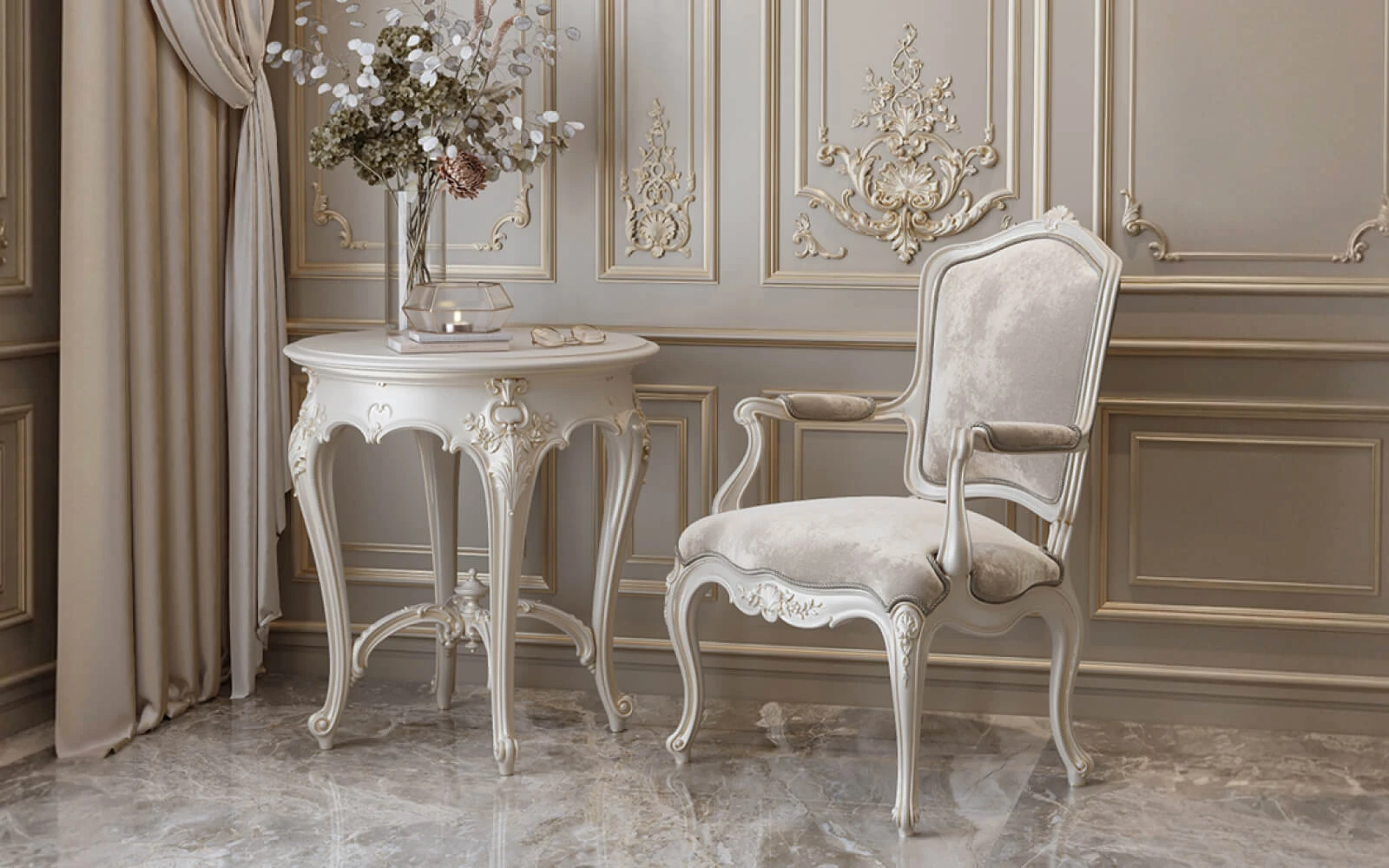
- For a classic living room
- For a large room
- For the TV area and accent wall
- Baseboard for the bedroom: when quietness is more important than expressiveness
- Calm shades and soft profile
- Wooden baseboard in the bedroom
- Consistency with the floor and doors
- MDF in the bedroom
- Baseboard for the hallway and corridor: practicality without sacrificing aesthetics
- Practical solutions and durability
- Color choice
- Medium and increased profile height
- Skirting board for kitchen and dining area: moisture resistance plus style
- Combination with tiles
- Practical surfaces
- Light and dark solutions
- Skirting board for children's room: safety, simplicity, coziness
- Safe design
- Neutral shades and easy care
- How not to overload the interior of a children's room
- MDF skirting board or wooden skirting board: which is better for different rooms
- Where wood works best
- Where MDF performs well
- Where solid wood wins
- How to choose skirting board color and height for a room
- White skirting board: a universal choice
- Skirting board matching floor color
- Skirting board matching wall color
- Skirting board height relative to ceiling height
- Narrow skirting board for compact spaces
- How to coordinate skirting board with room interior
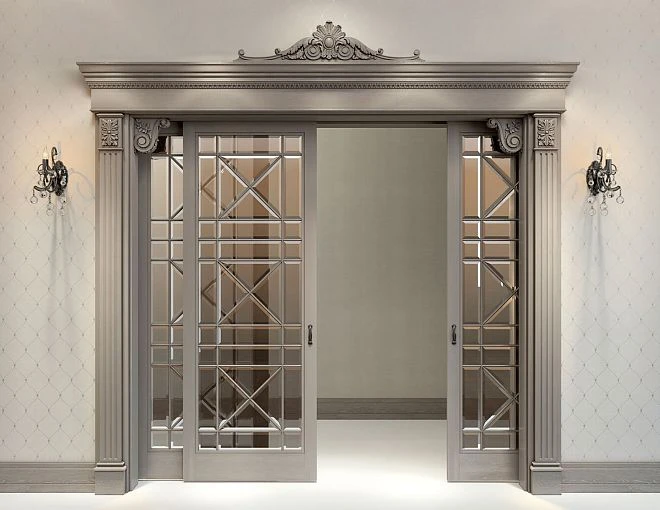
- Baseboards and doors
- Skirting boards and moldings
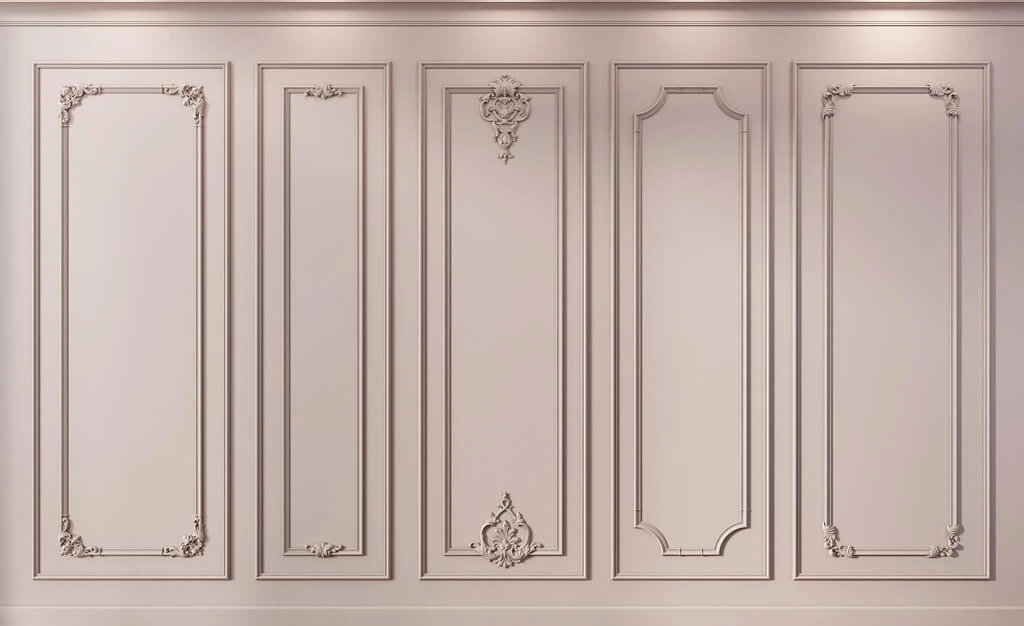
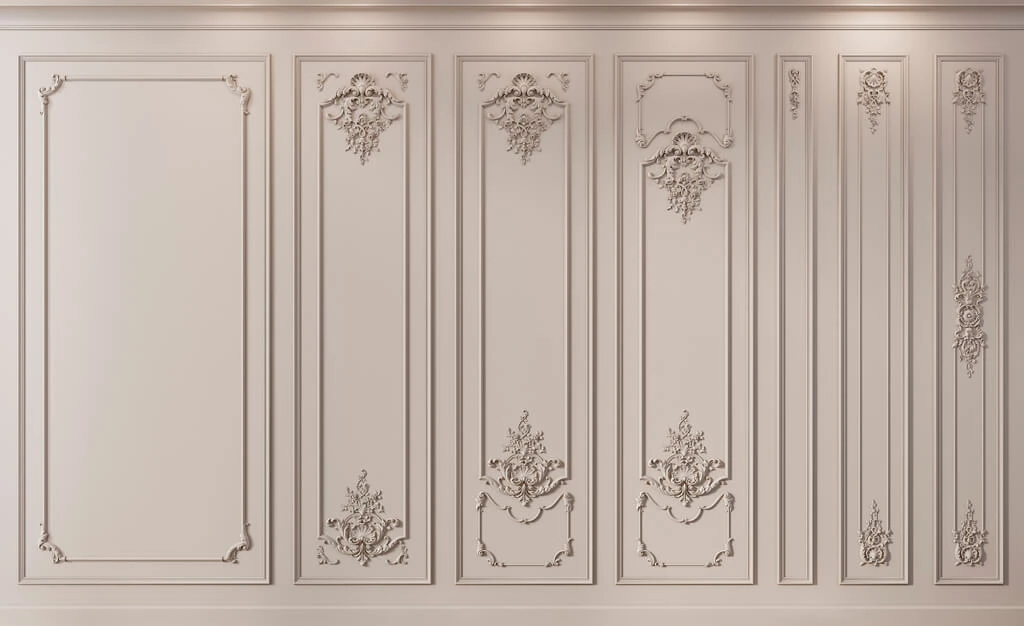
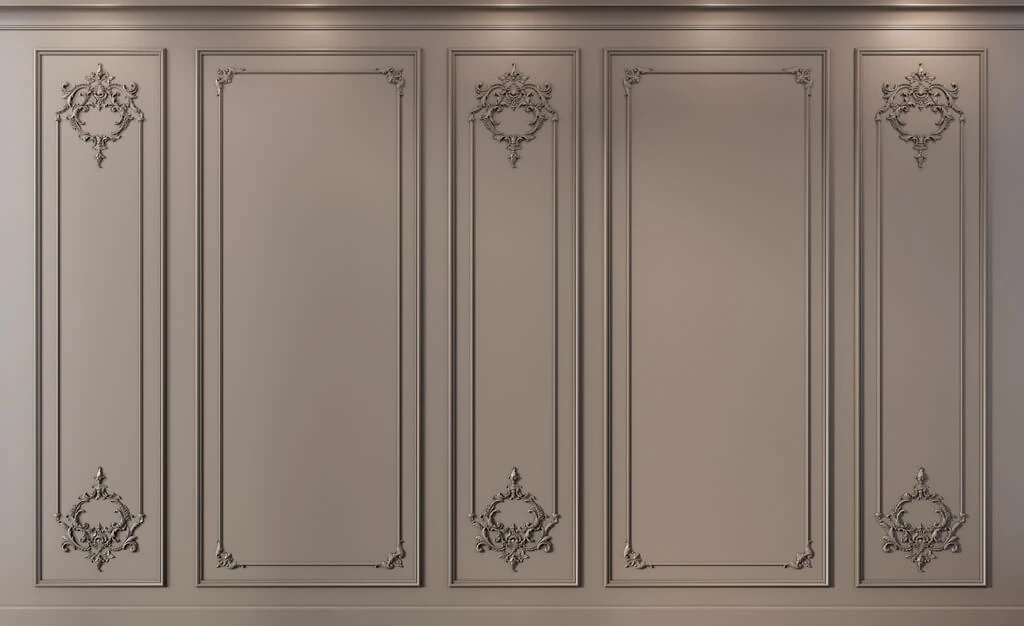
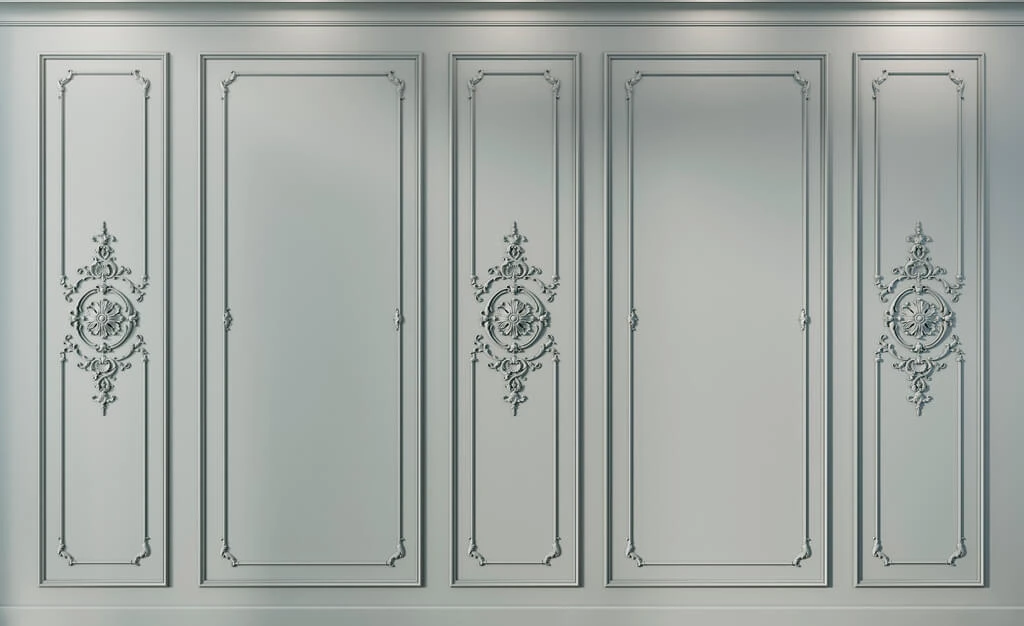
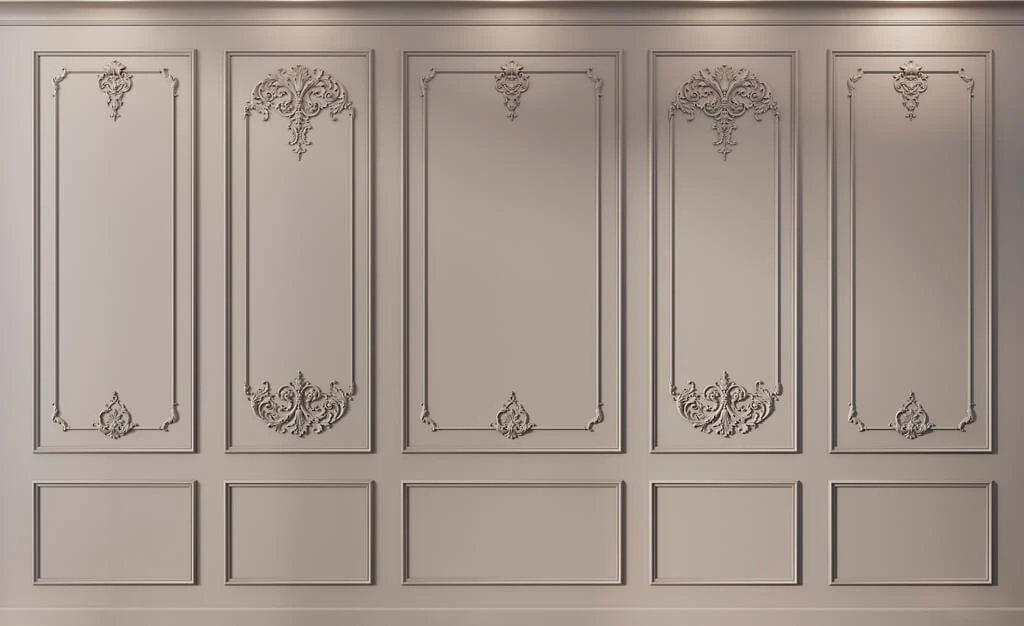
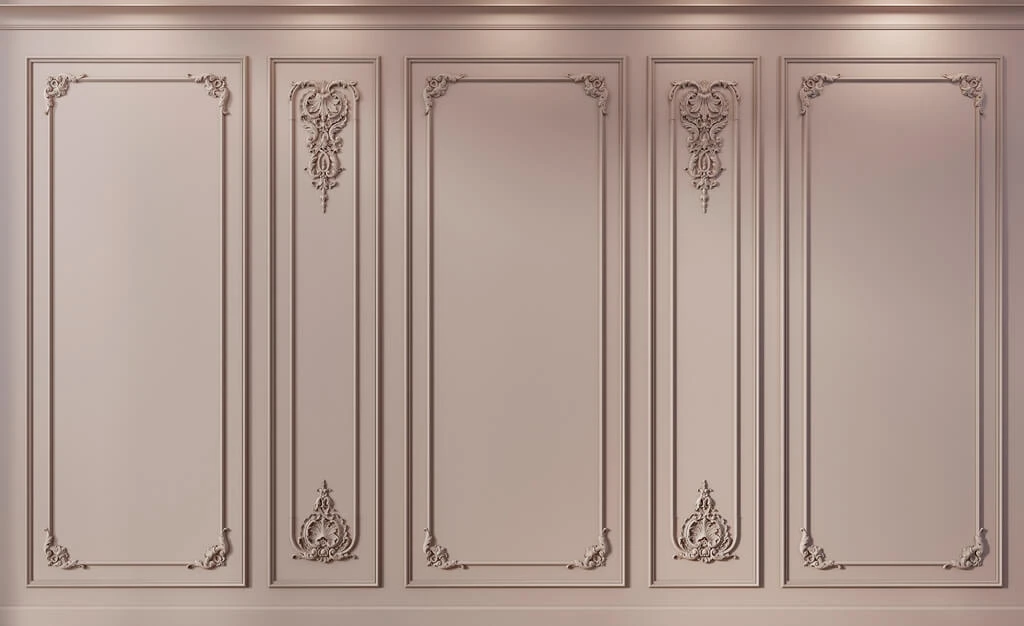
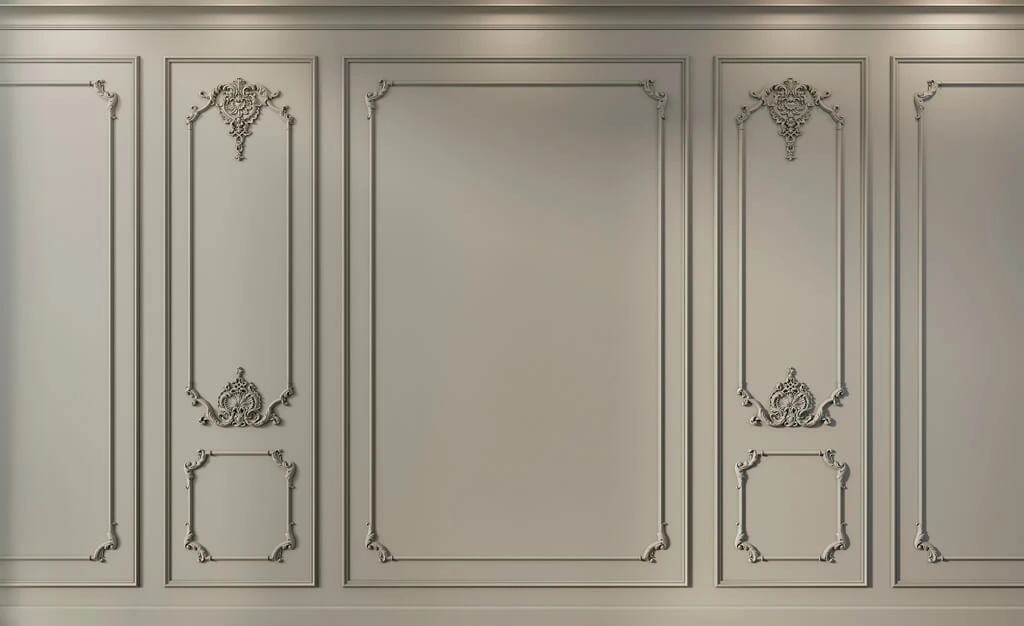
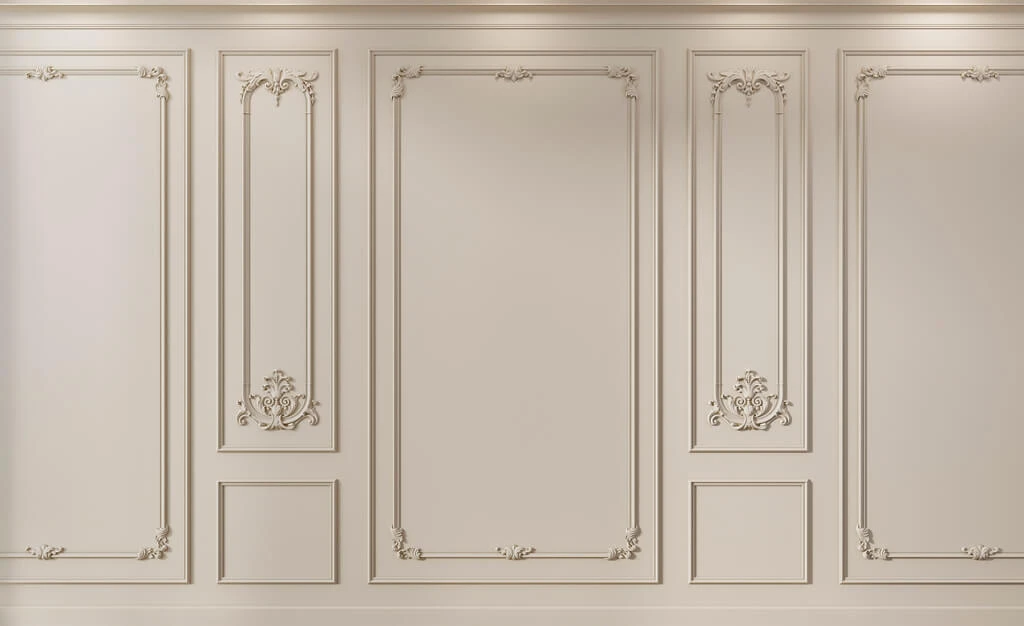
- Baseboards and wall panels
- Baseboard and flooring
- Where to buy baseboards for rooms: what's important to know before buying
- Look at the material and profile, not just the price
- Choose baseboards for a specific room
- Why it's beneficial to buy from a manufacturer with a large catalog
- Common mistakes when choosing baseboards for a room
- Mistake 1: One baseboard for all rooms without considering the purpose
- Mistake 2: Too low a profile in a high room
- Mistake 3: Random color choice
- Error 4: Conflict with doors
- Error 5: Too complex profile pattern in modern interior
- Error 6: Choosing based only on price
- Error 7: Ignoring the finishing system
- Study, hall and small rooms: additional scenarios
- Baseboard for study
- Baseboard for hall
- Baseboard for small room
- Conclusion: which baseboard to choose for rooms
- About the Company STAVROS
- Frequently asked questions about baseboards for rooms

Ask yourself one question: when was the last time you consciously thought about baseboards—not as 'something that runs along the perimeter of the wall,' but as a full-fledged interior solution that determines how complete a room will feel? Honestly—rarely. And therein lies the cause of most renovation disappointments: baseboards are chosen last, almost mechanically, and then people wonder why the interior 'doesn't work.'
Baseboards for a room—are not a final detail. They are a fundamental finishing element that sets the tone for the lower zone of a space, connects the floor and wall, and harmonizes all other elements. And the main mistake is choosing the samebaseboards for roomswithout considering the specifics of each space.
A living room is not an entryway. A bedroom is not a kitchen. A nursery is not a study. Different rooms impose different requirements on finishing materials: in terms of durability, visual role, style, and profile height. This article is a detailed guide that will help you choosebaseboards for each roomwith the precision of a designer and the taste of an interior decorator.
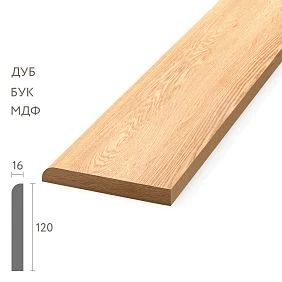
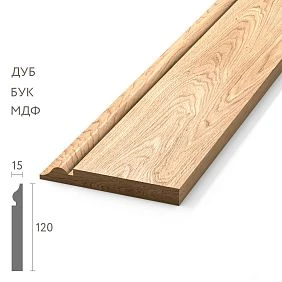
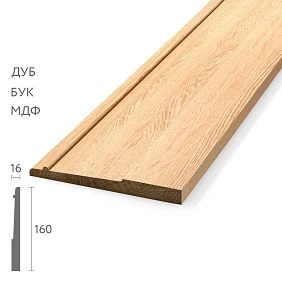
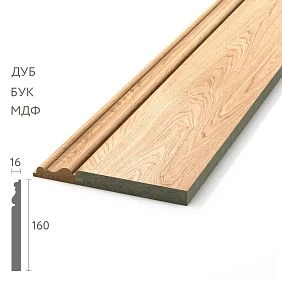
Why baseboards for different rooms should be chosen differently
There's a temptation to simplify the task: buy one type of baseboard, install it throughout the apartment, and forget about it. This is a functional strategy from the perspective of interior unity, but it requires the right initial choice. If baseboards are chosen without considering the specifics of the rooms—you'll get universal mediocrity. Every room will say 'almost fits,' and none will say 'exactly.'



Different functional loads
The hallway and corridor are areas of maximum mechanical load. Here, the baseboard regularly comes into contact with shoes, suitcases, children's scooters, and everything people bring in from the street. The kitchen is an area with humidity, grease vapors, and frequent cleaning. The bedroom is a zone of tranquility, where the baseboard hardly comes into contact with anything, but is part of an intimate, personal space. This contrast is fundamental.
Our factory also produces:


Different lighting and visual conditions
The living room usually has a lot of natural light, the space is open—the baseboard is clearly visible and participates in shaping the room's overall silhouette. In the bedroom, the light is softer, the space is more intimate—here the baseboard works differently: not as an expressive accent, but as a delicate finishing element. This influences the choice of height, profile, and shade.
Get Consultation
Different styles and interior scenarios
A living room in a classic style requireswooden baseboarda baseboard with a relief profile—this is the language of architectural tradition. A bedroom in Scandinavian style—a white baseboard with a simple profile, laconic and weightless. A child's room—neutral, non-traumatic, visually 'quiet'. Each scenario has its own logic.
Different floor coverings
Parquet in the living room, tile in the kitchen, laminate in the bedroom, carpet in the child's room—all of this influences what the baseboard should be like: in terms of color, height, method of attachment, and behavior at the junction with the covering.Baseboard for roomsis always chosen together with the flooring, not separately from it.
Which skirting boards are best for living rooms: material overview
Before we go room by room, let's review the main materials — so that further discussion is specific, not abstract.
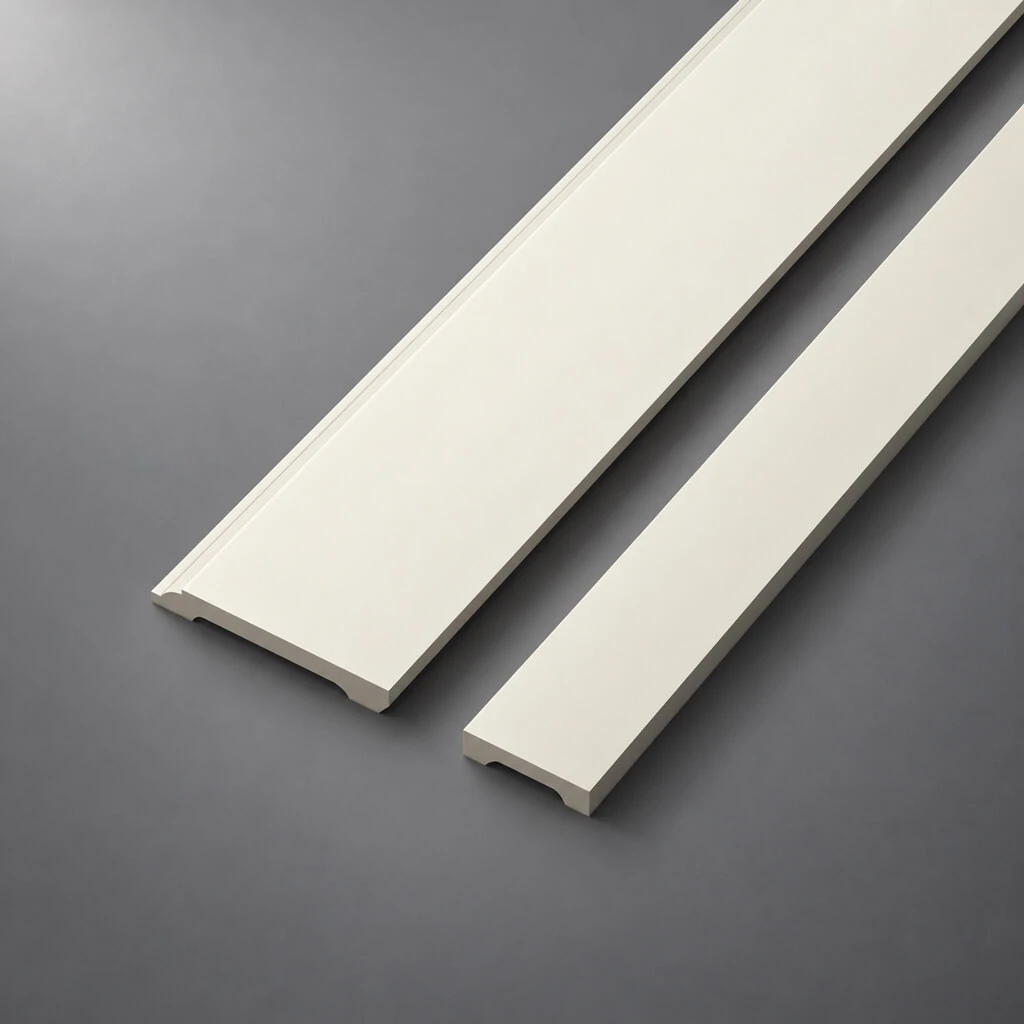
Wooden skirting board
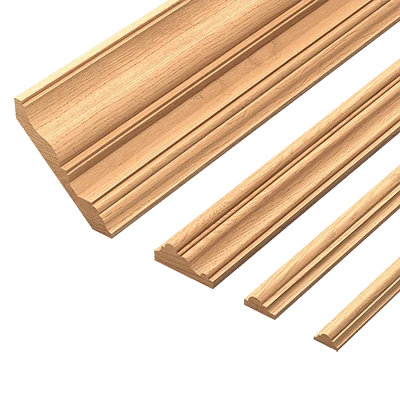
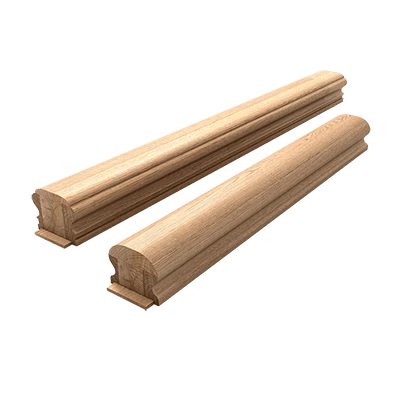
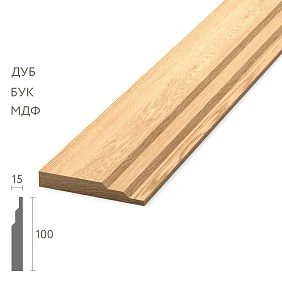
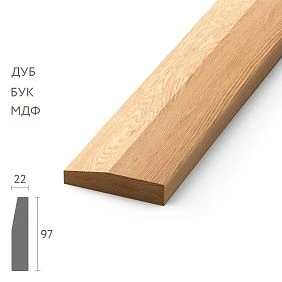
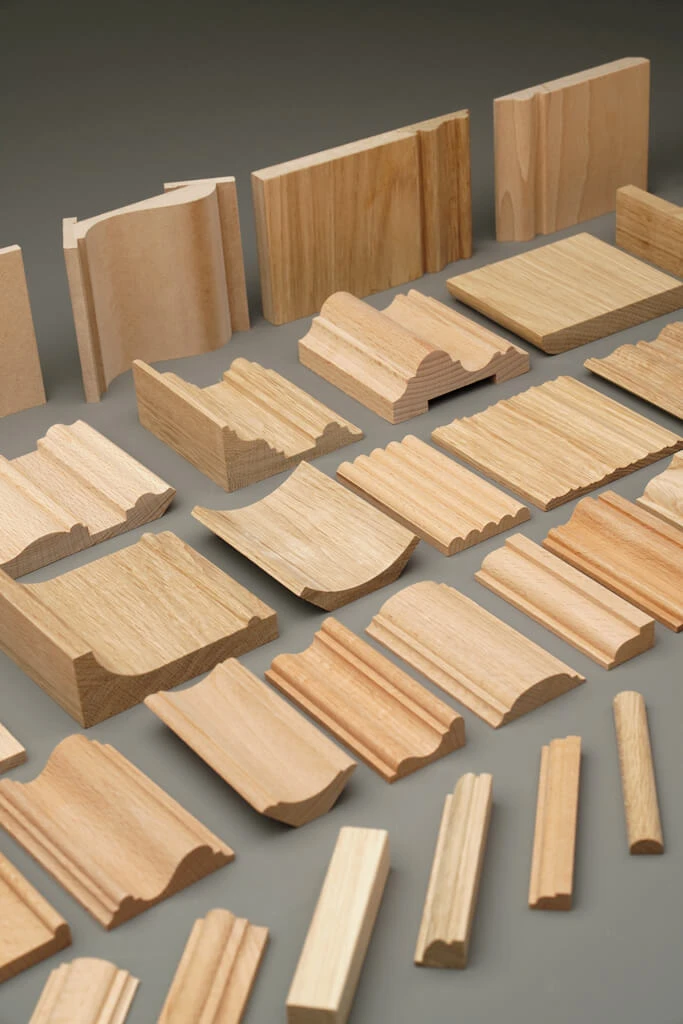
Wooden skirting board for a room— is a natural material with a living texture, warm character, and high durability. Its main quality — it ages beautifully: over time it acquires a patina, becomes slightly darker, but does not lose its dignity. A wooden skirting board can be sanded and repainted — this makes it an investment for decades.
Works well in: living room, bedroom, study, library, children's room (with protective coating), hallway.
Solid wood baseboard
Solid wood skirting board for a room— is the highest tier in the wooden products line. Solid wood provides density, durability, and a sense of 'architectural weight' that lighter materials lack. Wide and tall profiles with rich relief are made from solid wood. This is a solution for classic, neoclassical, and formal interiors.
MDF skirting board
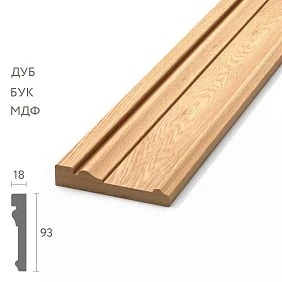
MDF skirting board for a room— smooth, stable, takes paint well, available in a wide range of profiles. Ideal for modern interiors where clean lines are important. With proper installation and painting, it looks very respectable — especially white.Floor MDF skirting boardin neutral interiors.
Skirting board for painting
This is a separate category: products without a finish coating, ready for applying paint of any color. Such a baseboard gives freedom of color — you can precisely match the tone of the walls, doors, or floor. Most often, this is a wooden baseboard or MDF with a smooth surface. A choice for those who build an interior according to a color system, rather than selecting elements 'by eye'.
Baseboard for the living room: aesthetics as the main criterion
The living room is a statement space. Here, guests are received, people relax, and the family gathers. Every detail of this room is like an argument in a conversation about the owner's taste.Baseboard for the living roomshould be noticeable enough to complete the interior, but not so much as to draw attention to itself.
For a modern living room
A wide white baseboard with a clean, geometrically clear profile is the standard of modern interior. A height from 7 to 10 cm with ceilings of 2.7–3 m creates a proportional foundation for the room. If the living room is done in neutral tones — gray, white, beige — a white wooden baseboard of a simple profile or MDF fits in perfectly without extra effort.
Important: in a modern living room, the baseboard must coordinate with the door trims. Lack of coordination here is the most common and most noticeable mistake.
For a classic living room
Here you need Wooden baseboard with an expressive, relief profile. Height — from 10 to 15 cm and above for ceilings from 2.8 m. A classic living room without a high skirting board is like a suit without a tie: formally ready, but something is subtly off.Skirting made of solid woodin combination withwall moldings creates that very architectural frame of the room, which distinguishes an interior with character from an ordinary renovation.
For a large room
In a spacious living room with high ceilings, the skirting board should be high — otherwise it gets lost. The lower zone of the wall without a substantial skirting board looks 'empty', and the space — unfinished. Choose profiles from 10 cm; for ceilings above 3 m — from 12 cm. A wide skirting board in a large room additionally 'grounds' the space, preventing it from seeming too tall and faceless.
For TV zone and accent wall
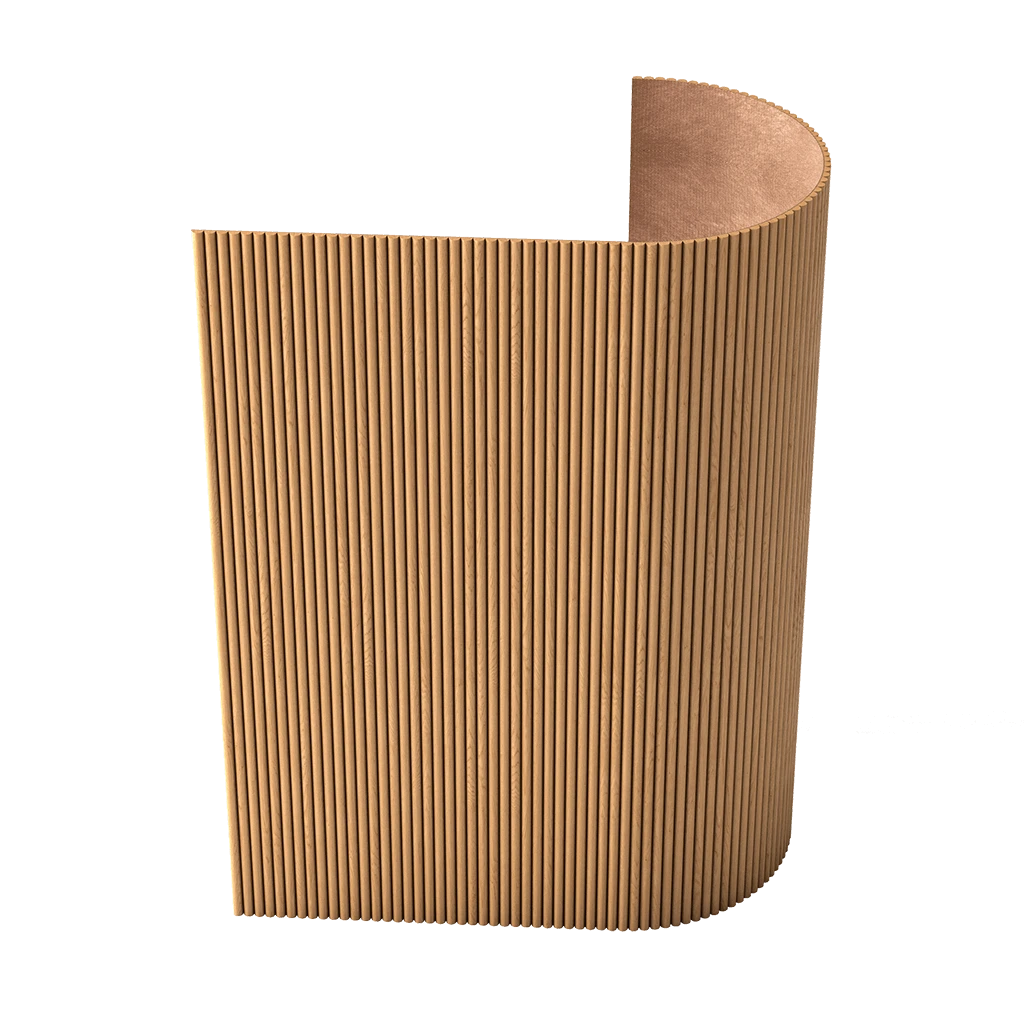
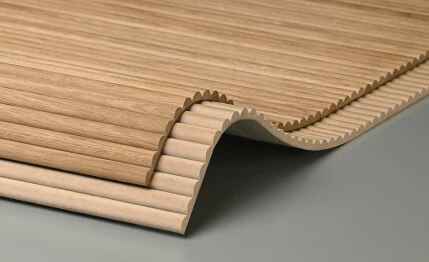
In living rooms with an accent wall — for the TV, with decorative panels, with mural wallpaper — the skirting board should support, not compete. If the accent wall is finished with wood or decorative slatted panels, the skirting board is chosen from the same material or within the same color system. This is the principle of architectural unity.
Skirting board for the bedroom: when quietness is more important than expressiveness
The bedroom is a place of restoration. Here, the interior should work for relaxation, not for activating attention. This directly affects what the skirting board for the bedroom.
Calm shades and soft profile
For the bedroom, avoid overly contrasting combinations. A white baseboard on light walls is an almost perfect solution: it doesn't stand out, doesn't create visual noise, but neatly closes the contour of the room. If the walls are warm shades - beige, sand, taupe - choose a baseboard in the same temperature range.
For the bedroom, it's better to choose a profile without excessive ornamentation. Even if you're building a classic bedroom - a restrained relief works better here than baroque molding near the floor.
Wooden baseboard in the bedroom
Natural wood in the bedroom is a choice in favor of warmth and organic feel.Wooden baseboard for the roomwith light stain or white enamel looks good in a bedroom in Scandinavian, Provence, or classic style. Dark wood is appropriate only if the entire color scheme of the bedroom is built on dark accents - otherwise the baseboard will look heavy and unsettling.
Consistency with the floor and doors
In the bedroom more often than in other rooms, an accent headboard is made - wooden, fabric, paneled. If in the interior there appearsRack panelbehind the bed, the baseboard along the same wall should be selected in the same color group as the panel. This rule works flawlessly: when all elements of the lower wall zone are coordinated, the bedroom feels designed, not assembled.
MDF in the bedroom
Floor MDF skirting boardin the bedroom — a workable option provided the correct profile and painting. White MDF on white walls almost 'dissolves' in the space — exactly what a bedroom needs when you don't want to overload it with details.
Baseboard for the hallway and corridor: practicality without sacrificing aesthetics
The hallway is the zone of first impression and maximum load. This is where the baseboard experiences everything: impacts, moisture from shoes, contact with suitcases and bags. And at the same time, this is where the first impression of the apartment as a whole is formed.
Practical solutions and durability
Baseboard for the hallwayshould have a durable protective surface: varnish or enamel that can be easily wiped with a damp cloth. A wooden baseboard with a quality varnish coating handles this task excellently. The key requirement is the absence of open pores and seams where moisture and dirt can get in.
Height in the hallway — optimally from 7 to 10 cm. This ensures reliable coverage of the floor gap, withstands mechanical impacts well, and does not overload the lower zone of a small space.
Color choice
In a hallway with a dark floor — a light baseboard will 'open up' the space. In a hallway with a light floor — a baseboard matching the floor color creates a sense of continuity. A contrasting baseboard in a narrow corridor compresses the space, so neutral solutions work better for small hallways.
If in the hallwayslatted panels for walls— to create vertical rhythm and visually elongate the space — the baseboard becomes the foundation of this composition. It should be chosen together with the panels, not separately.
Medium and increased profile height
In a hallway with good ceiling height (2.7 m and above), you can afford a baseboard of 10–12 cm. This adds solidity to the space and simultaneously protects the lower zone of the wall along the entire perimeter. For a corridor — elongated, with repeating verticals of doors — a high baseboard emphasizes the rhythm of the room.
Baseboard for kitchen and dining area: moisture resistance plus style
The kitchen imposesbaseboard for roomscompletely special requirements. Here moisture, vapors, oil droplets, regular cleaning with chemical agents are at work. And at the same time, the kitchen is an area that people design with great care. The baseboard must match this level of attention to detail.
Combination with tiles
If the kitchen floor is made of tiles —Kitchen skirting boardIt is selected according to one of two principles: matching the tile color (for maximum delicacy) or in neutral white (for cleanliness and ease of maintenance). A white wooden skirting board with a lacquered finish on light tiles is a classic kitchen solution that never goes out of style.
Important: in the kitchen, the skirting board must be pressed as tightly as possible against the floor. Any gap becomes a trap for dirt and moisture. This must be checked separately during installation.
Practical surfaces
For the kitchen, the best choice is a wooden skirting board with an enamel or lacquer coating that can withstand regular washing. The surface should be smooth, without deep relief grooves where grease can accumulate. A simple, clean profile is more practical than intricate molding.
Light and dark solutions
In a kitchen with white cabinets, a white skirting board creates integrity in the lower zone of the room. In a kitchen with a dark countertop and dark floor, you can opt for a skirting board in a darker shade that will continue the spatial graphics. In combined kitchen-living room areas, the skirting board should be uniform along the entire perimeter: different skirting boards in one open area create a sense of incompleteness.
Skirting board for a children's room: safety, simplicity, coziness
A child's room is a special space. Here they live, play, crawl, run, and reach out with their hands to everything they can touch.Skirting board for a children's roomshould be safe, easy to maintain, and visually not overload the space.
Safe design
No sharp protruding edges, deep gaps, or chips. The baseboard in a child's room should have a rounded or smooth profile without sharp edges. A wooden baseboard with high-quality varnish is the optimal choice: it does not emit any substances, does not heat up, and does not create electrostatic attraction for dust.
Neutral shades and ease of maintenance
A child's room often changes its 'theme': first neutral for a baby, then thematic, then teenage. A baseboard chosen for the long term should be neutral — white or light beige. It won't become outdated along with Star Wars or princesses.
Maintenance: the surface of the baseboard in a child's room should be easy to clean. Marker drawings, toy marks, accidental impacts — all of this is part of the norm. A wooden baseboard with enamel coating is easily cleaned with standard products.
How not to overload the interior of a child's room
A child's room is already full of details even without a baseboard: bright furniture, wall drawings, toys. The baseboard here should work in 'invisible' mode — not attract attention to itself, neatly close the perimeter, and leave space for other accents. A narrow or medium white baseboard is a foolproof solution for most children's rooms.
MDF baseboard or wooden baseboard: which is better for different rooms
This question arises for everyone who approaches the choice consciously. The answer is not about what is 'better' in the abstract, but about what is right for a specific room and a specific task.
| Parameter | Wooden skirting board | MDF skirting board |
|---|---|---|
| Texture | Live, natural | Uniform, for painting |
| Strength | High | Medium |
| Moisture resistance | Good when processed | Standard is worse, moisture-resistant is better |
| Painting | Possible (with preparation) | Easy to paint without primer |
| Restoration | Possible: sanding, repainting | Limited |
| Service life | Decades | 5–15 years with normal use |
| Best room | Living room, bedroom, study, classic | Modern interior, neutral zones |
| A sense of class | Premium | Good when executed properly |
Where wood is better
Living room with parquet — definitely wood. Bedroom with classic interior — wood. Study — wood. Hallway with natural materials — wood with moisture-resistant treatment. Everywhere where durability, repairability, and a sense of naturalness are important —Wooden baseboard for the roomwins.
Where MDF works well
Modern interiors with white walls and laminate. Children's room, where simplicity and affordability are important. Areas where the baseboard should 'dissolve' into the space and not draw attention to itself. If you want a white, minimalist baseboard for painting without complex surface preparation —MDF Skirting Board— is the right choice.
Where solid wood wins
Solid wood skirting board for a room— is a premium finish level. It is appropriate wherever other interior elements are also high-class: oak parquet, solid wood doors, handmade furniture. Solid wood sets the tone for the entire finish — it is not just an element, but a quality standard.
How to choose the color and height of a baseboard for a room
Two parameters that raise questions more often than others. We will examine each thoroughly.
White baseboard: a universal choice
WhiteBaseboards for a room— is the most popular solution in modern interiors for a reason. It works with almost any walls, does not require precise matching to the shade, visually lightens the lower zone of the wall and creates a sense of cleanliness. Under white walls, it 'disappears' — the space appears taller. Under colored walls — it creates a clear boundary, like a picture frame.
Baseboard matching the floor color
A classic strategy that works especially well in rooms with dark floors. Dark floor + dark baseboard = a heavy, 'grounded' lower zone. This works in classic and formal interiors. In small rooms with low ceilings — it is better to avoid: a dark baseboard on a dark floor can compress the space.
Baseboard matching the wall color
A baseboard that matches the wall color 'blends' with them — the lower boundary of the room visually rises, the space is perceived as taller. This is a technique actively used by designers in apartments with non-standard ceiling heights.
Skirting board height relative to ceiling height
The rule is simple and effective:
-
Ceiling up to 2.5 m — skirting board 4–6 cm; narrow, not oppressive to the space
-
Ceiling 2.5–2.7 m — skirting board 6–8 cm; medium, universal
-
Ceiling 2.7–3 m — skirting board 8–12 cm; tall, with an accent profile
-
Ceiling above 3 m — skirting board from 12 cm; an architectural element with pronounced relief
Important: skirting board height affects the visual proportions of a room more than it seems. Too low a skirting board in a tall room makes the space feel 'empty' at the bottom. Too high in a small room visually 'weighs it down'.
Narrow skirting board for compact spaces
For small rooms, children's rooms, and bathrooms — a narrow skirting board 4–5 cm high works optimally. It fulfills its function — covering the gap, finishing the perimeter — without claiming a decorative role. The smaller the room, the more laconic the skirting board should be.
What to pair skirting board with in a room's interior
A baseboard never exists in isolation. It is always seen in context—next to doors, casings, walls, flooring. And how well it coordinates with this environment determines how 'put-together' the interior will be.
Baseboard and Doors
The main principle: the baseboard should coordinate with the door casings in style, color, and material. This doesn't mean 'identical'—it means 'speaking the same language.' A casing with a figured relief—a baseboard with a related profile. A casing that is straight and laconic—a baseboard without excessive ornamentation.Wooden baseboard for an apartmentto wooden doors—this is not a coincidence, it's a system.
Baseboard and Molding
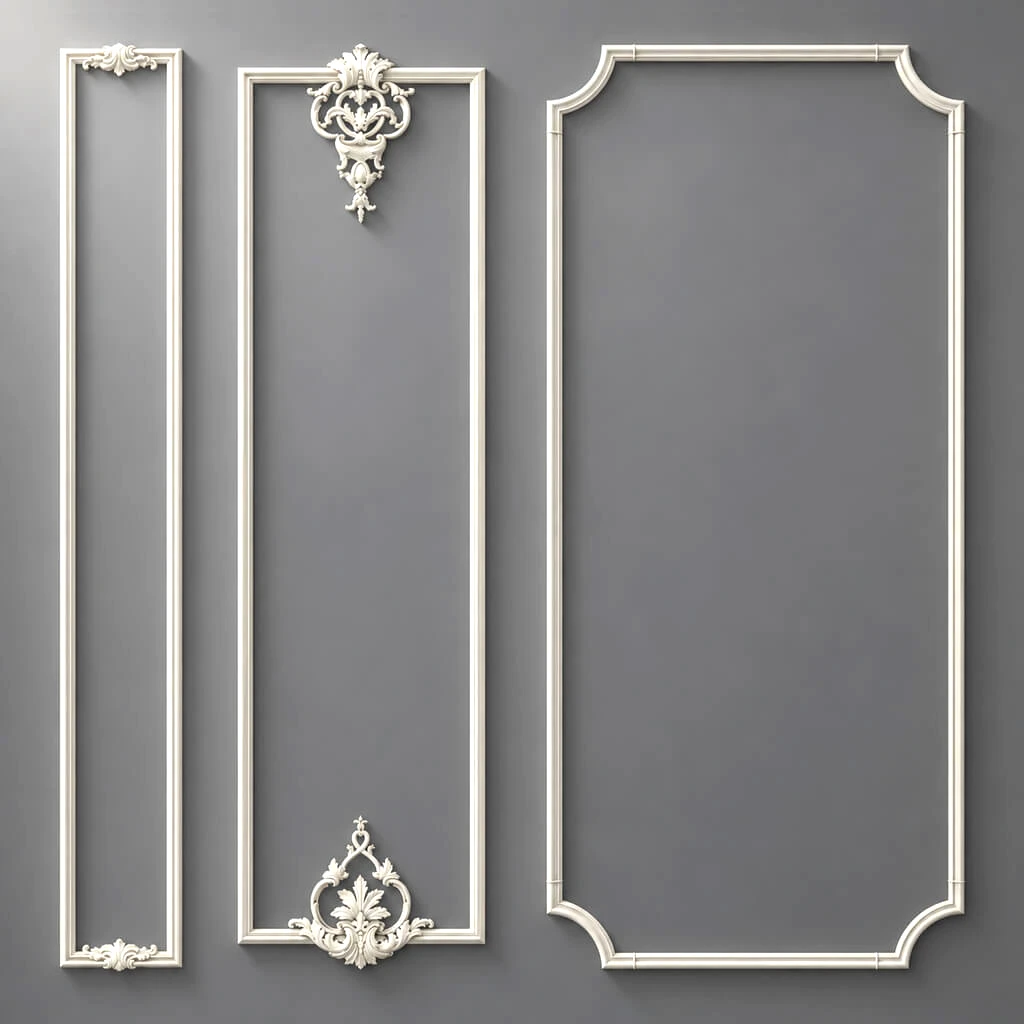
If the room usesMoldings for walls—in frame trim, around panel perimeters, or as decorative horizontal elements—the baseboard should visually 'rhyme' with them. This is the principle of a vertical system: baseboard at the bottom, molding on the walls, cornice at the top—three elements that together create the architectural framework of the room.
Moldings for walls to buyshould be chosen simultaneously with the baseboard—this allows selecting a unified profile and eliminating mismatches.
Baseboard and Wall Panels
When wooden wall panels orRafter panels— the baseboard becomes the foundation of this system. For such cases, there are special profiles — you can read more about this in the article aboutbaseboards for panels: it explains in detail how to properly match baseboards with slatted and wall panel systems.
Skirting board and floor covering
Once again: choose the baseboard together with the floor, not after it. When purchasing flooring — immediately take samples and select the baseboard nearby. A difference in shade that seems insignificant on samples can be very noticeable in the room.
Where to buy baseboards for rooms: what's important to know before purchasing
The question 'where to buy' is no less important than 'what to buy'. Because even a correctly chosen baseboard can disappoint if purchased from a supplier without a systematic assortment.
Look at the material and profile, not just the price
Two baseboards at a similar price can differ fundamentally: one — with a precise profile, even geometry, and uniform surface. The second — with wavy edges, unstable height, and poor-quality coating. The second is harder to install, it creates gaps in corners and starts 'shifting' at joints after a year.
Before purchasing, always check: the plank should be straight, without warping, the surface — without bubbles or unevenness, the ends — clean.
Choose baseboards for a specific room
Don't look for 'baseboards for the entire apartment'—look for baseboards for a specific task. For the living room—one profile and material. For the kitchen—a different priority. What unites them is a unity of style and color system, but not necessarily literally the same item.
Why it's beneficial to buy from a manufacturer with a large catalog
With a manufacturer that has a developed assortment, you canbuy baseboards for a roomin a system with moldings, cornices, panels, and otheritems from the solid wood. This eliminates the situation where baseboards are bought in one place, trims in another, moldings in a third, and all of it 'almost fits' but doesn't match.
A systematic approach to purchasing finishing elements saves time and resources. And above all—it guarantees results.
Common mistakes when choosing baseboards for a room
Let's examine specific scenarios that lead to rework and disappointment.
Mistake 1: One baseboard for all rooms without considering the purpose
This isn't always a mistake—if chosen correctly. But more often than not, 'one for all' is chosen as a compromise: neither too complex nor too expensive. As a result, the living room doesn't get the needed weight, nor does the hallway get the required durability.
Correct logic: unified style and material—yes. Unified item number without regard for specifics—no.
Mistake 2: Too low a profile in a high-ceilinged room
A 4 cm baseboard in a room with a 3 m ceiling is like a thin frame on a large canvas. The lower zone of the wall looks unfinished. The space seems 'suspended.' A high room requires a tall baseboard—otherwise, the proportions don't work.
Mistake 3: Random color choice
'Picked something similar to the floor'—a classic scenario that leads to mismatch. 'Almost' white next to real white—this is clearly visible. 'Almost' oak next to real oak—even more noticeable. Either an exact match or a deliberate contrast.
Mistake 4: Conflict with doors
Light doors with a dark baseboard—this isn't always bad, but it requires intent and a system. A random dark baseboard under light doors reads as a mistake, not as a solution.
Mistake 5: Too complex a profile pattern in a modern interior
A baroque relief profile in a Scandinavian living room is not a 'historical accent.' It's a mismatch that disrupts the stylistic logic of the space. The skirting board profile should belong to the same aesthetic vocabulary as the rest of the interior.
Mistake 6: Choosing based solely on price
The cheapest skirting board is not always the most economical. Poor-quality material with unstable geometry will require more time for installation, create gaps, and begin to deform within a year. In the end, redoing the work will cost more than making the right choice from the start.
Mistake 7: Ignoring the finishing system
A skirting board chosen without considering moldings, architraves, and wall solutions is a detail out of context. An interior is assembled from elements of the same language. If the skirting board is selected systematically — taking into accountwall moldingsand wall panels — the result is always better.
Study, hall, and small rooms: additional scenarios
Skirting board for a study
A study is a space for concentration and authority. Here, aWooden baseboarddark or natural-toned skirting board with an expressive profile works well. A wooden skirting board in a study harmonizes with bookshelves, a wooden desk, and a leather armchair — this is a space where natural materials speak the same language.
Baseboard for the living room
If the "living room" is a large lounge, see the section about the lounge. If it's a separate guest reception area with a formal character — a high-profile solid wood baseboard, possibly with gilding or walnut tinting. This is an interior that makes a statement.
Baseboard for a small room
A small space requires delicacy. A narrow baseboard in a light shade, a minimal profile, and a uniform color with the walls — these three rules make a small room visually more spacious. A dark, tall baseboard in a small room with low ceilings is the worst-case scenario.
Conclusion: which baseboard to choose for rooms
Let's get to the final point — specifically and without unnecessary reservations.
For the living room:Wooden baseboardwith an expressive profile or white MDF — depending on the style. Height — from 8 to 12 cm for standard ceilings.
For the bedroom: a neutral baseboard with a medium profile, white or matching the walls. Emphasis on coordination with doors and headboard trim.
For the hallway and corridor: a durable baseboard with a moisture-resistant coating, medium height, color matching the floor or neutral. Installation with maximum tight fit to the floor.
For the kitchen: a wooden baseboard with varnish or enamel, simple profile, white or matching the floor. Tight fit — without gaps.
For children's rooms: white or neutral skirting board with a smooth profile, without sharp edges. Ease of maintenance is a mandatory requirement.
For a comprehensive solution:buy skirting boards for roomsit's worth doing systematically — together with moldings, architraves, and wall panels. Systematic selection yields results that cannot be achieved with disparate purchases. And choosing all of this from a single catalogof solid woodmeans ensuring the compatibility of materials, profiles, and shades from the very beginning.
About the company STAVROS
STAVROS is a Russian manufacturer of products made from solid natural wood. The company's production line includes a full range of finishing elements for residential and commercial interiors: skirting boards, moldings, cornices, balusters, slatted panels, decorative profiles, and system solutions for wall finishing.
STAVROS production is built on the principle of systematicity: all elements in the catalog are coordinated with each other in terms of profile, material, and shade. This allows designers, decorators, and private clients to select a comprehensive solution — from skirting board to wall panels — in a unified stylistic key.
STAVROS works with both end customers and professional market participants: construction companies, design studios, architects. Stable stock availability, technical consultations, the possibility of supply for large-scale projects — all this makes the company a reliable partner for tasks of any scale.
Frequently asked questions about skirting boards for rooms
Is it necessary to choose different skirting boards for different rooms?
It doesn't have to be a different article number, but it must be chosen with the specifics in mind. The hallway requires greater durability, the kitchen requires moisture resistance, the living room requires a more expressive profile. Using the same material throughout the apartment is a good solution, but only if it is correctly chosen considering all operating conditions.
What is the best baseboard for a bedroom?
White or neutral, medium profile (5–8 cm for standard ceilings), coordinated with the door casings. Wooden for a natural and classic style, MDF for modern and minimalist.
What height should the baseboard be in a room?
Depends on the ceiling height. Up to 2.5 m — 4–6 cm. Up to 2.7 m — 6–8 cm. Up to 3 m — 8–12 cm. Above 3 m — from 12 cm. Rule: the higher the ceiling, the higher the baseboard should be.
What is better for a living room: wood or MDF?
In a living room with parquet and a classic interior — definitely a solid wood baseboard. In a modern living room with laminate — MDF works well. Principle: the baseboard should match the 'status' of the floor and the room's style.
How to choose a baseboard for laminate flooring?
Matching the laminate color or in white — both options are correct. Important: the baseboard is attached to the wall, not to the laminate, so the flooring can expand freely.
Can a wooden skirting board be used in the kitchen?
Yes, provided it is treated with varnish or enamel with moisture-resistant properties. The profile should be simple, without deep grooves. Installation — with a tight fit to the floor without gaps.
What is solid wood skirting board and how does it differ from regular wooden one?
Solid wood skirting board is made from solid wood without gluing or pressing. It is denser, heavier, stronger, and more durable. It is used in high-end interiors alongside parquet, expensive doors, and professional finishes.
Where to buy skirting board for rooms from the manufacturer?
From a manufacturer with a systematic catalog — where skirting boards, moldings, and panels are coordinated with each other. STAVROS is one such manufacturer, with a wide range of products made from natural solid wood for any interior tasks.