




























Article Contents:
- Quick Jump to Catalogs
- What is Oak Floor Skirting and Its Advantages
- Advantages of Oak Floor Skirting
- Which Floor Coverings Oak Skirting is Suitable For
- For parquet
- For engineered board
- For Oak-Look Laminate
- For Quartz Vinyl and SPC
- For Combined Floors
- Types of Oak Floor Skirting
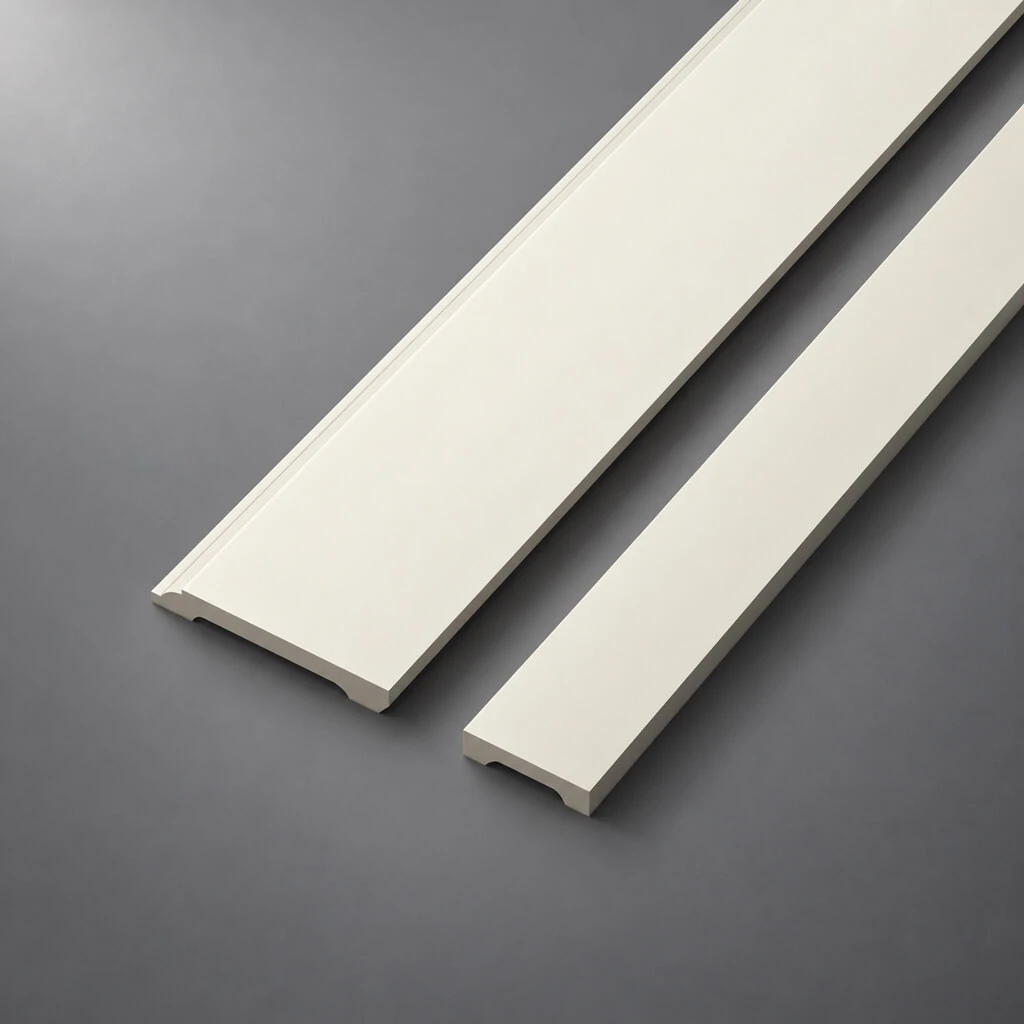
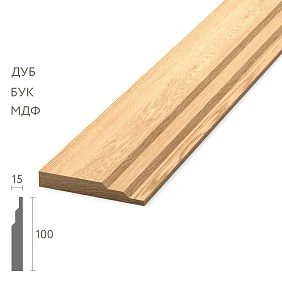
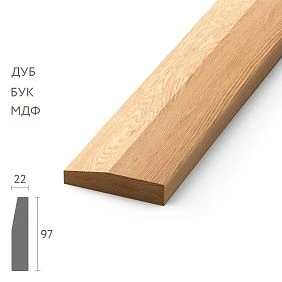
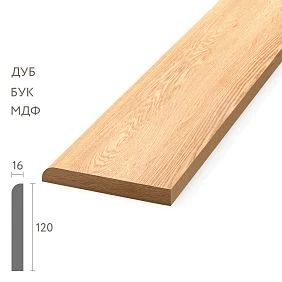
- Straight oak skirting board
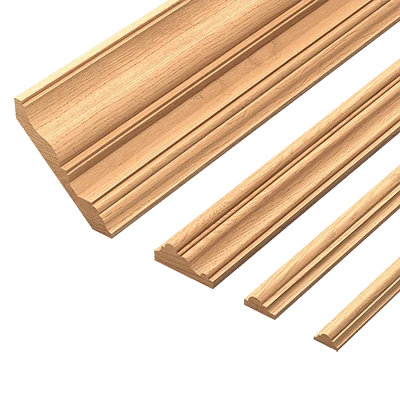
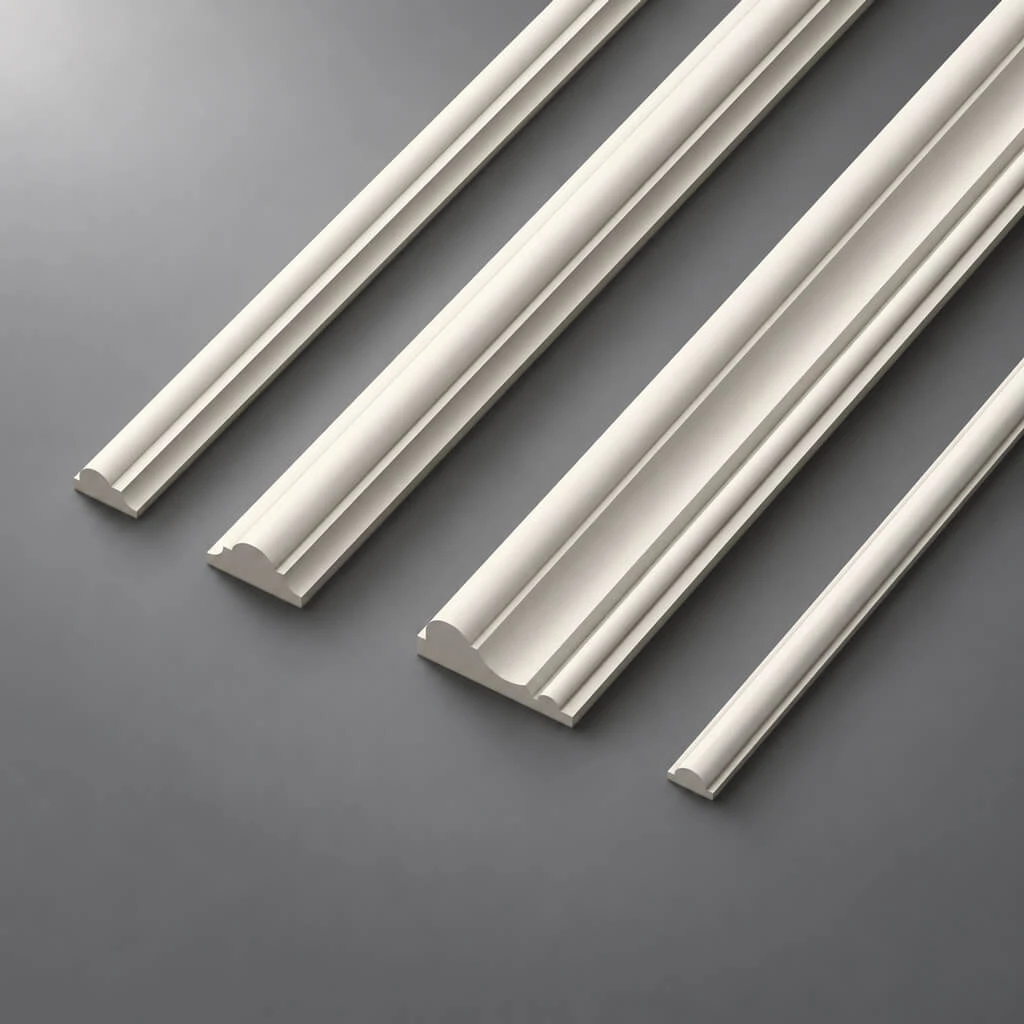
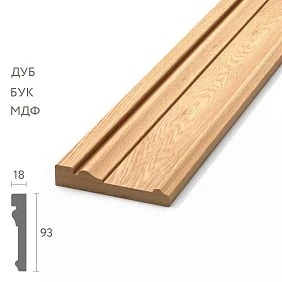
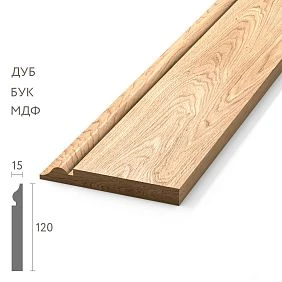
- Profiled oak skirting board
- Tall oak skirting board
- Narrow oak skirting board
- White skirting board under oak / oak under enamel
- Solid oak skirting board under oil or varnish
- How to choose an oak floor skirting board by size
- Skirting board height: how to calculate correctly
- Skirting board thickness
- Length of the strip
- What size to choose for an apartment
- What size to choose for a house and high ceilings
- Which oak skirting board to choose for interior style
- Modern Interior
- Classic Interior
- Neoclassicism
- Scandinavian Style
- Interior with natural wood
- Color and finish of oak skirting board
- Natural oak
- Light oak
- Dark oak
- Oak skirting board under varnish
- Oak skirting board under oil
- Oak under enamel / painted option
- What to choose better: oak skirting board, MDF or other material
- Material Comparison
- How to combine oak skirting board with doors, slats and walls
- Oak skirting + doors
- Oak skirting + wall panels
- Oak skirting + wooden battens
- Oak skirting + moldings
- Oak skirting + stairs and steps
- Installation of oak floor skirting
- Using adhesive
- On mechanical fasteners
- How to finish corners
- How to join planks
- How to prepare oak skirting for finishing
- Oak skirting board in different rooms
- In the living room
- In the bedroom
- In the entryway
- In the study and library
- In a Children's Room
- Where to buy oak floor skirting board
- Why oak floor skirting board is chosen at STAVROS
- FAQ: popular questions about oak floor skirting board
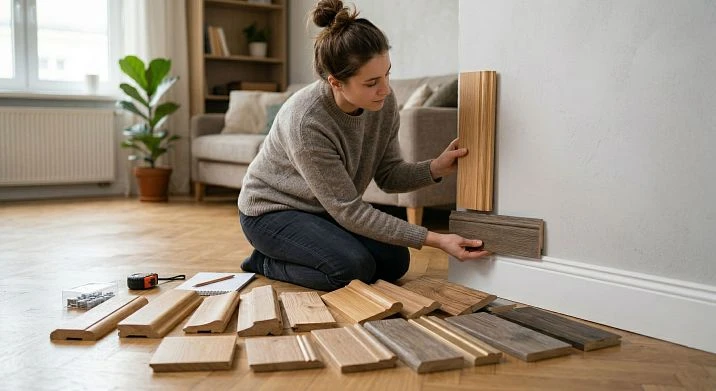
Oak is not just a type of wood. It's a reputation. When people say 'oak floor skirting board', they don't mean a budget compromise or an imitation of something more expensive. This query reflects a conscious choice: a natural material that lasts for decades, retains its color, can be restored, and looks expensive even without complex profiles. That's whyoak floor skirting boardis one of the most sought-after queries among those who renovate with years in mind, not just a season.
This article is a practical guide for those who want to choose an oak floor skirting board not by the principle of 'taking the first one you find', but with understanding: which profile, which height, for which flooring, in which interior style, and with which adjacent elements.
Quick jump to catalogs
-
Skirting made of solid wood— oak and wooden floor skirting boards
-
All wooden skirting boards— full range by type
-
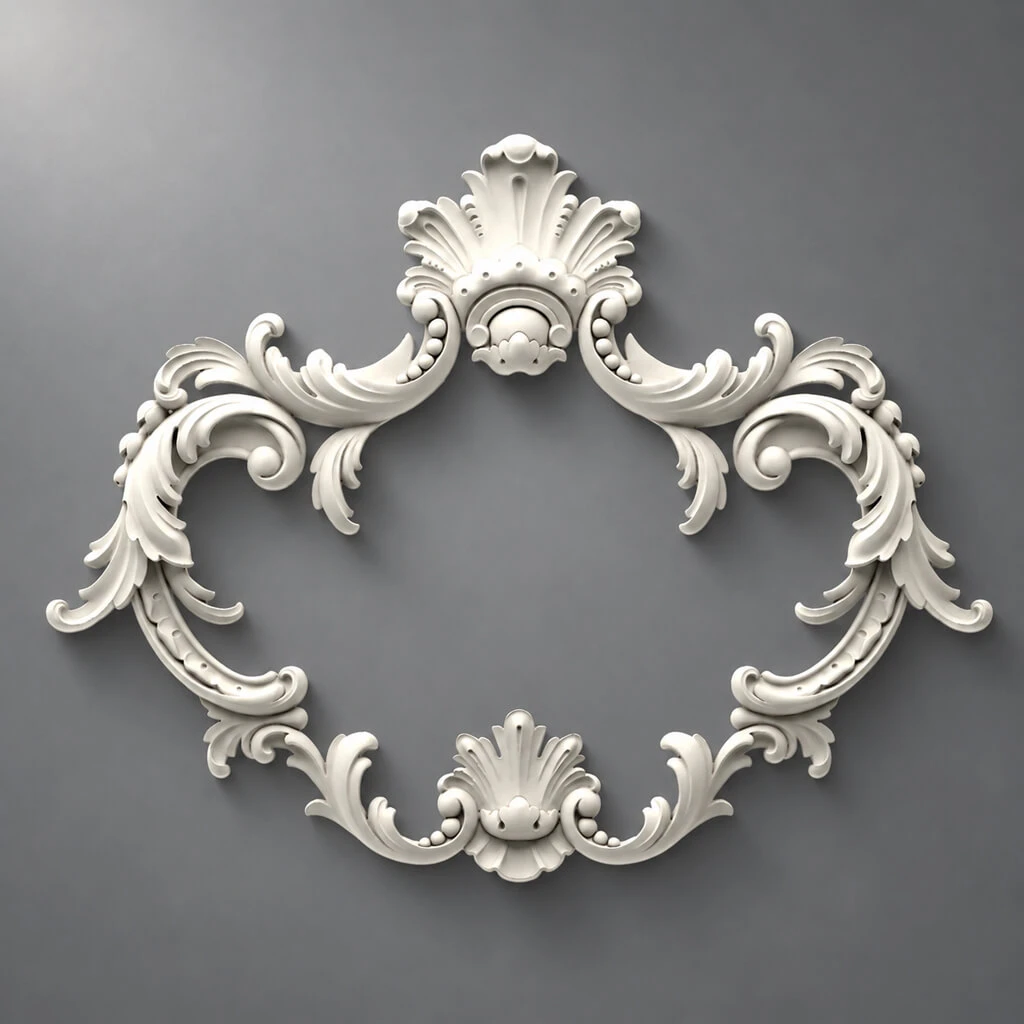
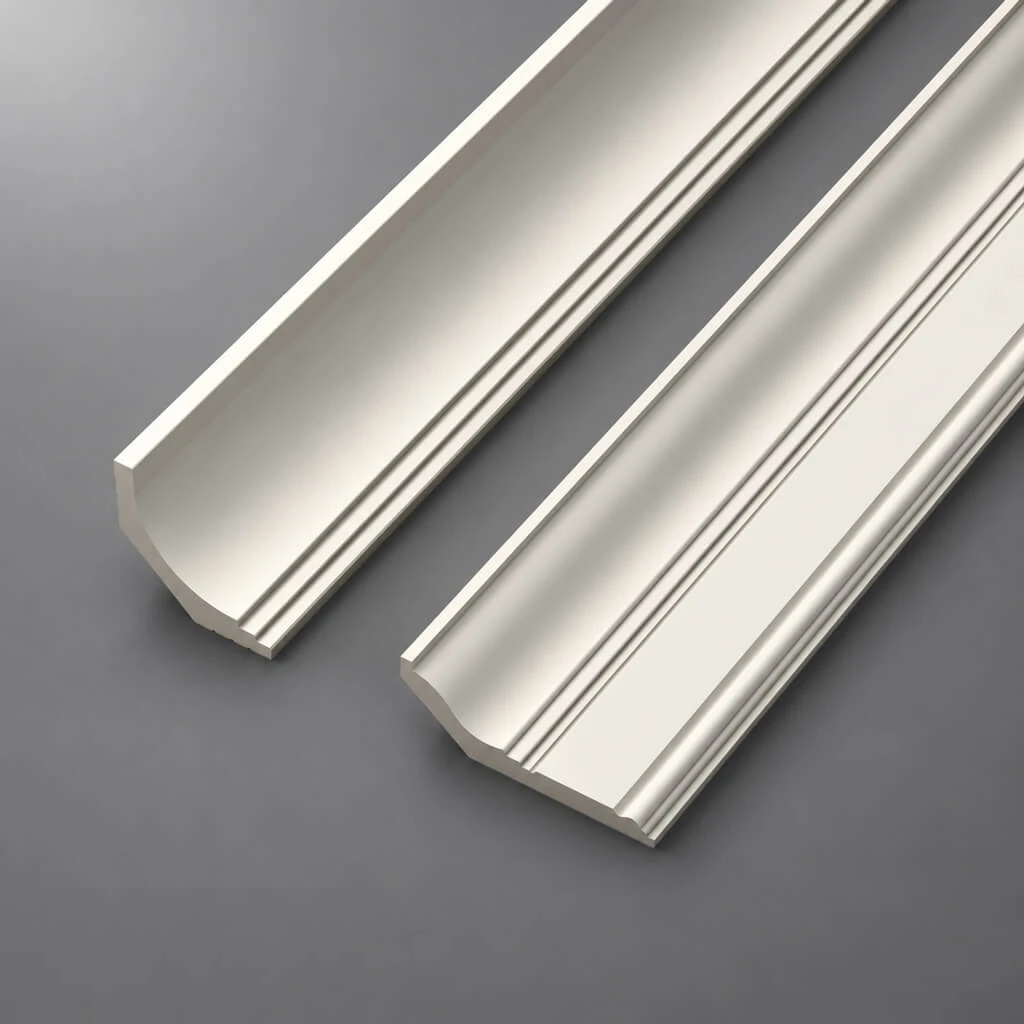
Pogonazh iz massiva— moldings, cornices, battens, corners
What is an oak floor skirting board and what are its advantages
An oak floor skirting board is a profiled strip made from solid oak wood, installed around the perimeter of a room at the junction of the wall and floor. Its purpose is to cover the expansion gap, protect the wall base from mechanical damage, and give the lower line of the space clarity and completeness.
ButSolid oak skirting board— it is more than a technical element. It carries a material message: real wood was used here. Not a film with an oak texture, not foamed plastic under an 'eco-friendly' finish, but a living, breathing solid wood with natural texture, tactile warmth, and organic volume.
How does an oak skirting board differ from alternatives? Fundamentally: MDF lacks a living texture and has limited moisture resistance in the long term. A veneered skirting board is a thin layer of wood over HDF; it looks good but cannot be sanded or repainted. PVC and polyurethane are artificial materials that imitate oak, but upon impact, scratching, or changes in lighting, they immediately reveal their origin.
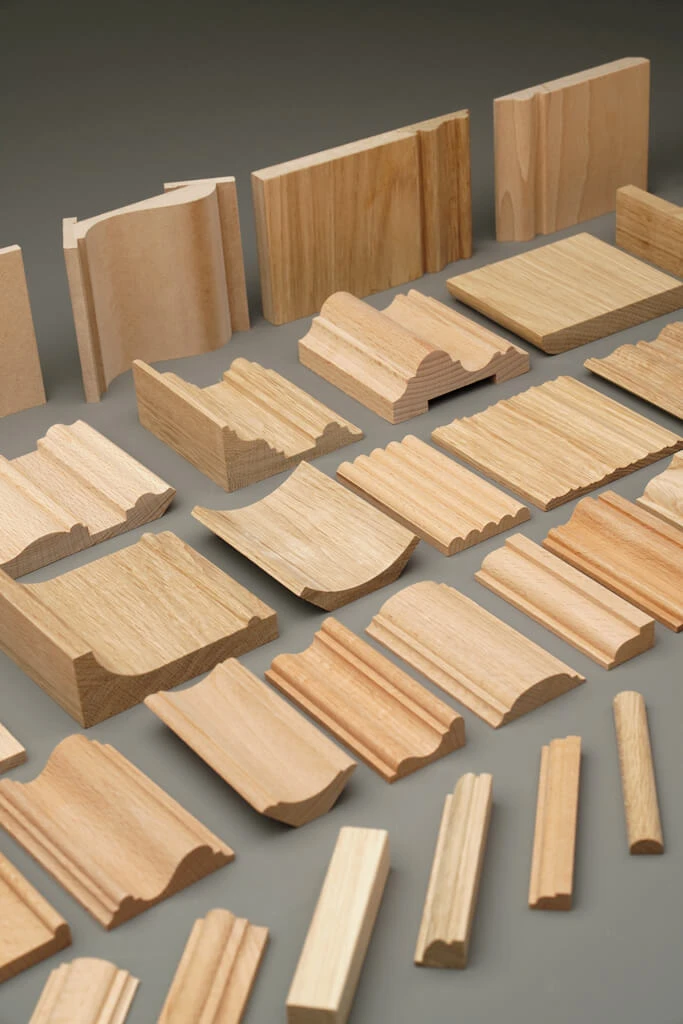
Our factory also produces:
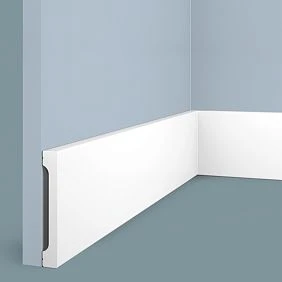
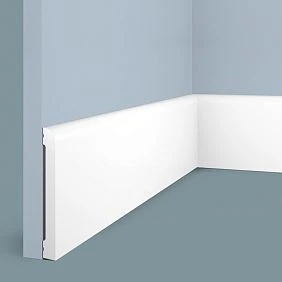
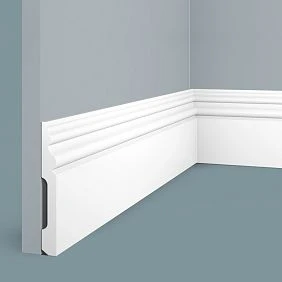
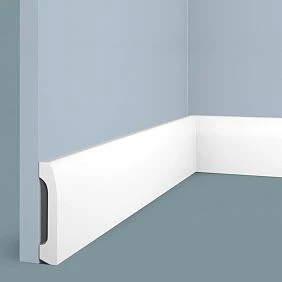


Advantages of oak floor skirting board
-
Exceptional density. Oak is one of the hard European species: density about 700 kg/m³. Such a skirting board does not dent from accidental impact by a vacuum cleaner or cart.
-
Long service life. With proper installation and treatment, an oak skirting board lasts as long as parquet or engineered flooring—20–40 years without replacement.
-
Noble texture. Large, clear, expressive oak grain is a natural pattern that cannot be precisely reproduced artificially. Each plank is unique.
-
High repairability. Scratches or scuffs appeared? An oak skirting board can be carefully sanded and refinished with oil or varnish — and it's as good as new. This is not possible with MDF, let alone PVC.
-
Full range of finishes. Paint with white enamel, stain, coat with natural oil, apply glossy or matte varnish, leave in its natural state — oak accepts any option.
-
Environmental purity. Natural wood without synthetic fillers is an important argument for living spaces, especially children's rooms.
Get Consultation
For which floor coverings is oak skirting suitable
One of the main questions when choosing: is oak skirting compatible with the floor covering that is already installed or planned? The answer in most cases is yes. But with important nuances.
For parquet
This is the most organic combination. Oak parquet + floorskirting floor oak— a unified material system. It's ideal when the skirting and parquet are of the same wood species, from the same manufacturer, and in the same finish: oil, varnish, or wax in a matching shade. Such a combination requires no additional explanation — it simply looks right.
For engineered wood
Engineered board based on oak is a widely used option. The top layer is oak veneer 4–6 mm thick, the lower layers are a stabilizing substrate.Oak floor skirting boardSolid wood here is even 'better' than engineered board in terms of natural expressiveness. The main thing is to choose the shade and degree of texture expression: if the board is bleached, the skirting board should also be light.
For oak-look laminate
Here the principle of 'honest' or 'dishonest' solution works. Honest: laminate with oak imitation + natural oak skirting board. Result: the floor visually wins because real wood appears in the skirting line. Especially appropriate in bedrooms, living rooms, and studies.
Dishonest is laminate skirting board matching the laminate color. Technically works, aesthetically loses.
For quartz vinyl and SPC
Quartz vinyl is a pragmatic modern flooring. You can install wooden skirting board with it, and this works in interiors where wood is present in other elements: doors, furniture, slats. If quartz vinyl is used in a 'minimalist' space without wooden accents, a laconic MDF skirting board matching the wall color will be more appropriate.
For combined floors
In modern interiors, several floor coverings are often combined in one space: for example, wooden floor in the living room and quartz vinyl in the kitchen-studio. Oakskirting made of solid woodcan act as a unified connecting element around the entire perimeter — creating a continuous horizontal line that unites different zones.
What types of oak floor skirting boards are there?
Before clicking 'buy', it's important to understand: oak skirting boards vary — in cross-sectional shape, height, profile, and finish. Each option has its own audience and its own tasks.
Straight oak skirting board
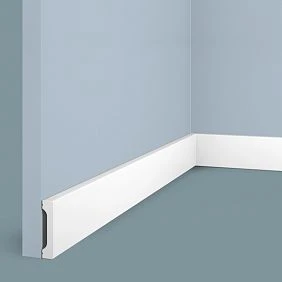
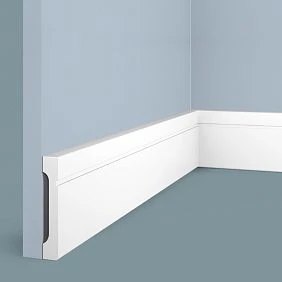
A profile without figured relief, with a flat or slightly beveled front plane. This is the choice for modern and Scandinavian interiors: a clean line, no unnecessary details. Such a skirting board 'dissolves' into the space and doesn't distract attention — that's exactly what minimalism wants.
Figured oak skirting board
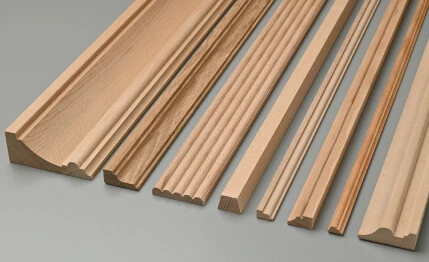
A profile with pronounced relief: beads, quarters, round grooves, 'boot'. This is the language of classic and neoclassical styles. The figured profile makes the skirting board an independent decorative element — it is visible, it is readable, it 'speaks' about the interior style.
Tall oak skirting board
Height from 80 mm and above — this is a solution for rooms with ceilings from 3 meters, for classic and formal interiors, for large living rooms and studies.Tall oak skirting boardsets the scale for the entire room: the taller the skirting board — the more 'important' the space. A wide oak skirting board of 100 mm or more is already a statement.
Narrow oak skirting board
Height up to 60 mm — for apartments with low ceilings, for spaces where you don't want to emphasize the bottom line. The narrow profile is delicate and unobtrusive: it performs its technical function without claiming the role of a design accent.
White skirting board under oak / oak under enamel
One of the most popular requests in recent years: oak skirting board coated with white enamel. This is a solution for interiors where the walls are white or light, and the floor is dark or natural. White skirting board made of solid oak is a premium solution: the material is natural, the coating is modern.
Skirting board made of solid oak under oil or varnish
Oil is an open coating: it does not form a film, is absorbed into the wood, preserving tactile warmth and natural matte finish. Varnish is a film coating: it gives a brighter color, gloss or satin, and provides better protection against moisture. The choice between oil and varnish is a matter of taste and operating conditions.
How to choose a floor skirting board oak by size
The correct size is not the one you liked in the picture. It's the one that works in a specific space.
Skirting board height: how to calculate correctly
There is a classic design rule: the height of the skirting board should be about 1/20 of the height of the room. For standard ceilings:
-
Ceilings 2.4–2.6 m — recommended skirting board height 50–70 mm. Oak skirting board 60 mm is a universal solution.
-
Ceilings 2.7–3.0 m — skirting board 70–90 mm. An oak skirting board 80 mm will look harmonious here.
-
Ceilings 3.0–3.5 m — skirting board 90–120 mm. An oak skirting board 100 mm creates the necessary scale.
-
Ceilings from 3.5 m — skirting board 120–200 mm. In formal rooms and mansions, an oak skirting board 150 mm and above is not a luxury, but the norm.
Rule adjustment: in minimalist interiors, the skirting board is taken slightly below the norm — so it 'doesn't catch the eye'. In classic and neoclassical styles — slightly higher, for solidity.
Skirting board thickness
Standard thickness of solid oak skirting board — from 12 to 22 mm. Thin profiles (12–15 mm) — for light modern interiors. Dense ones (18–22 mm) — for classic rooms, for interiors with heavy furniture and high ceilings. The thicker the skirting board, the more 'substantial' it looks.
Length of the plank
Standard lengths: 1.2 m (for small rooms and complex geometries), 2.0–2.4 m (for most tasks), 3.0 m (for long walls, minimizing joints). The longer the plank — the fewer joints on the wall. This is aesthetically better, especially in rooms with long straight walls.
What size to choose for an apartment
For an apartment with ceilings 2.7–2.8 m, optimal isskirting floor oaka height of 70–80 mm. It is noticeable enough to define the lower line of the space, and not so large as to 'eat up' the height.
What size to choose for a house with high ceilings
In a private house with ceilings 3 m and abovewide oak skirting boardfrom 100 mm looks organic. It is proportional to the room and creates a sense of 'correct' scale. A narrow skirting board in a high room seems accidental—like a thin frame on a large painting.
Which oak skirting board to choose based on interior style
Oak is a universal material. This is a rare quality: it is appropriate both in conservative classic and modern loft styles. But the profile shape, height, and finish drastically change its character.
Modern interior
Straight profile without relief, height 60–80 mm, finish—oil in natural or slightly tinted version. Such an oak skirting board does not draw attention and works as a delicate base for the entire space. Pairs well with wooden slats on walls—if the interior includes vertical wooden accents.
Classic interior
Figural profile, height from 80 to 120 mm, lacquer finish or tinting in a warm shade. The oak skirting board here is part of a larger system: cornice at the ceiling, moldings on walls, door trims. All elements should be from the same wood species or in the same style. The catalogwood trimallows you to select the entire system in a unified style.
Neoclassicism
Neoclassicism is modernity with a classical vocabulary. Here, a high skirting board (80–100 mm) with moderate relief, white enamel or lacquer in 'whitewashed oak' color is appropriate. Wall—light gray or white. Floor—natural plank or tile under wood. An oak skirting board under enamel creates contrast with the floor and sets a strict horizontal line.
Scandinavian style
Light wood, minimal texture, naturalness in everything. Oak skirting board in Scandinavian style — narrow or medium height, with oil finish in light beige or natural shade. No decorative profiles — only clean lines.
Interior with natural wood
When wood is present everywhere in a room — floor, doors, ceiling beams, wall panels or slats — oak skirting becomes part of a unified wooden space. It's important to maintain tonal unity: all wooden elements should be within the same color palette.
Color and finish of oak skirting board
Color is the second most important parameter after profile. It's easy to make a mistake here: choosing a skirting board 2 shades darker than the floor — and the space visually 'shrinks'.
Natural oak
Classic light honey shade with clearly visible grain. Suitable for most natural-toned floorings. Looks equally dignified in both an apartment and a country house.
Light oak
Light oak skirting board — is oak that has been bleached with oil or treated with a special compound. This shade is popular in Scandinavian and modern interiors, perfectly complements light floors and walls.
Dark oak
Toning in bog oak, chocolate, or dark brown shade. This option is chosen for classic and 'masculine' interiors: studies, libraries, living rooms with dark furniture. Dark oak skirting requires balance: if the floor is also dark, the walls should be light — otherwise the room will feel 'cramped'.
Oak skirting board under varnish
Varnish creates a protective film on the surface. Glossy varnish gives a rich color and shine. Matte or satin is a more restrained option for modern spaces. Varnish coating provides good protection for skirting boards in areas that may require wet cleaning.
Oak skirting board under oil
Oil coating is the choice for those who value naturalness. Oil penetrates the wood structure, does not form a film, emphasizes the natural matte finish and tactile warmth of oak. The color becomes slightly richer compared to an untreated surface. Such coating is easier to renew: just sand and reapply oil.
Learn more about how to properly paint and treat wooden skirting boards in the article Painting wooden skirting boards.
Oak under enamel / painted option
White oak skirting board under enamel is a paradox that works. The material is natural, the coating is neutral. This solution is universal: white oak skirting board doesn't 'clash' with any floor and is appropriate in any interior with light walls. For this option, you can take an unfinished skirting board and paint it yourself — read about how to do it correctly in the article Painting wooden skirting boards.
What to choose: oak skirting board, MDF or other material
This question is asked so often that it deserves an honest, detailed answer.
Material Comparison
| Criterion | Oak (solid wood) | MDF | Veneer | PVC / Polyurethane |
|---|---|---|---|---|
| Naturalness | ✅ Yes | ❌ No | Partially | ❌ No |
| Durability | ✅ High | Medium | Medium | Low-Medium |
| Repairability | ✅ Can be sanded | ❌ Cannot | Limited | ❌ Cannot |
| Painting | ✅ Any | ✅ Good | Limited | Limited |
| Price | High | Affordable | Medium | Low |
| View | ✅ Premium | Good | Good | Imitation |
MDF Skirting Board— a worthy alternative for modern interiors where a smooth white surface for painting without natural nuances is important. Read more in the article MDF skirting board: types, sizes, installation.
Veneered skirting board is a compromise: it looks like wood, but it's practically impossible to sand due to the thin veneer layer. PVC is a budget option for offices and utility rooms, but not for residential spaces with aspirations.
The conclusion is clear: oak floor skirting board is the choice for those who want naturalness, durability, and the ability to refresh the appearance without complete replacement. It's an investment that pays off over time.
How to combine oak skirting board with doors, battens, and walls
Oak skirting board + doors
If the doors are wooden, the oak skirting board should be from the same species or have a similar shade. This is a basic rule of interior unity. Solid oak door + oak skirting board + oak architraves — this system makes the space cohesive.
If the doors are white, the oak skirting board can be either in a natural shade (contrasting with the floor) or also white under enamel.
Oak skirting board + wall panels
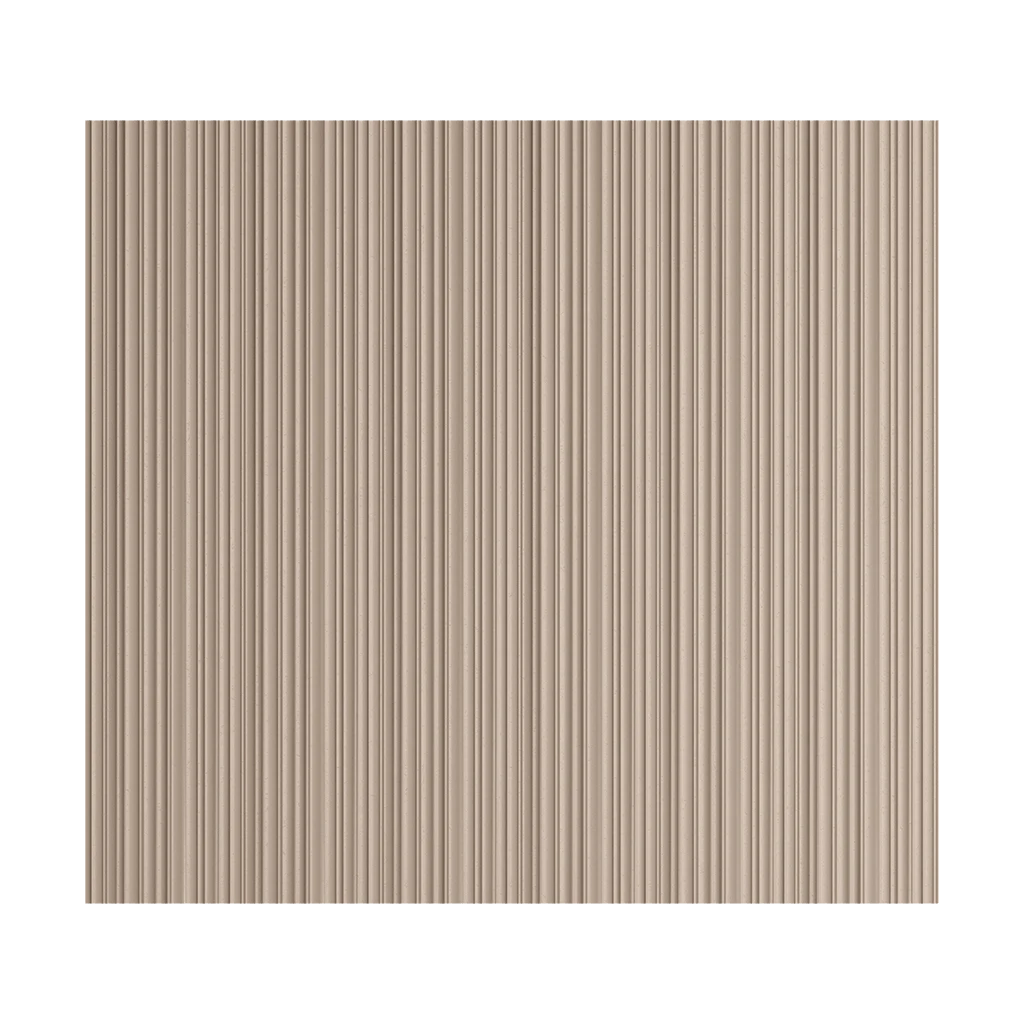
Wooden wall panels require a bottom finish — and oak skirting board works perfectly here, especially when both the panels and the skirting board are from the same species.Rafter panelsin combination with oak floor skirting board — one of the most popular complete solutions for a modern wooden interior.
Oak skirting board + wooden battens
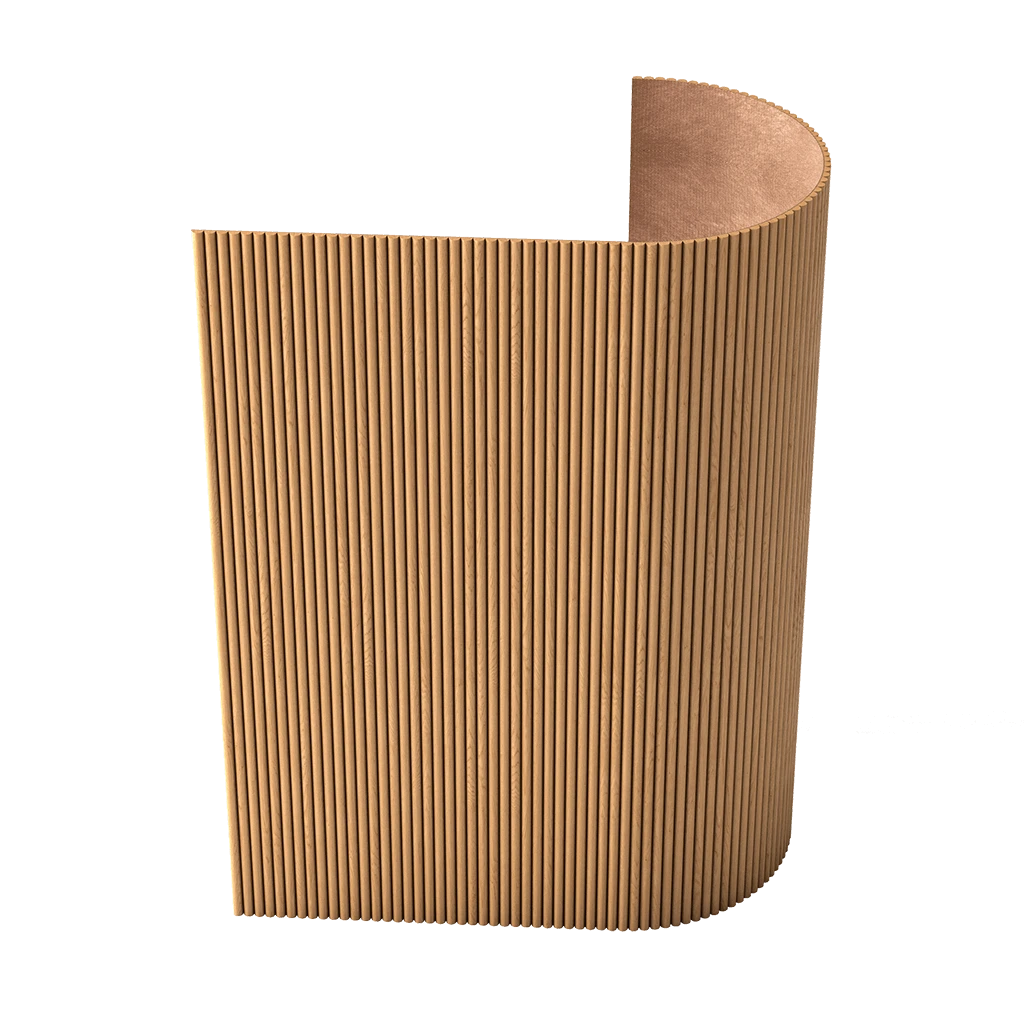
If the wall is decorated with vertical wooden slats, the floor skirting board serves as the horizontal foundation of the entire structure. The slats 'grow' from the skirting board—this creates a sense of systematic design and thoroughness.Wooden planksin the same wood species as the skirting board—is the optimal choice.
Oak skirting board + moldings
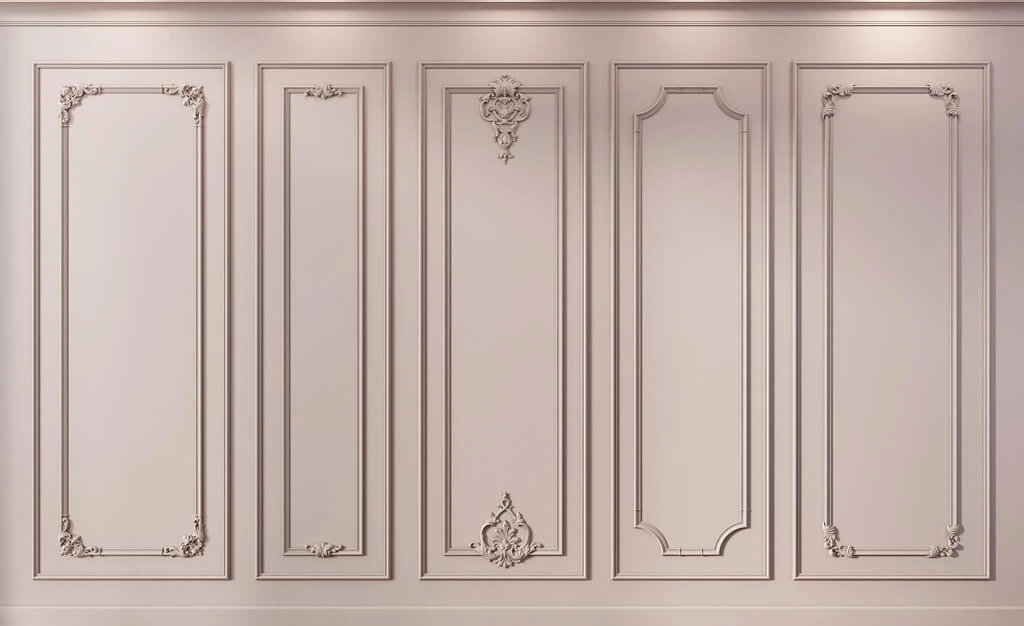
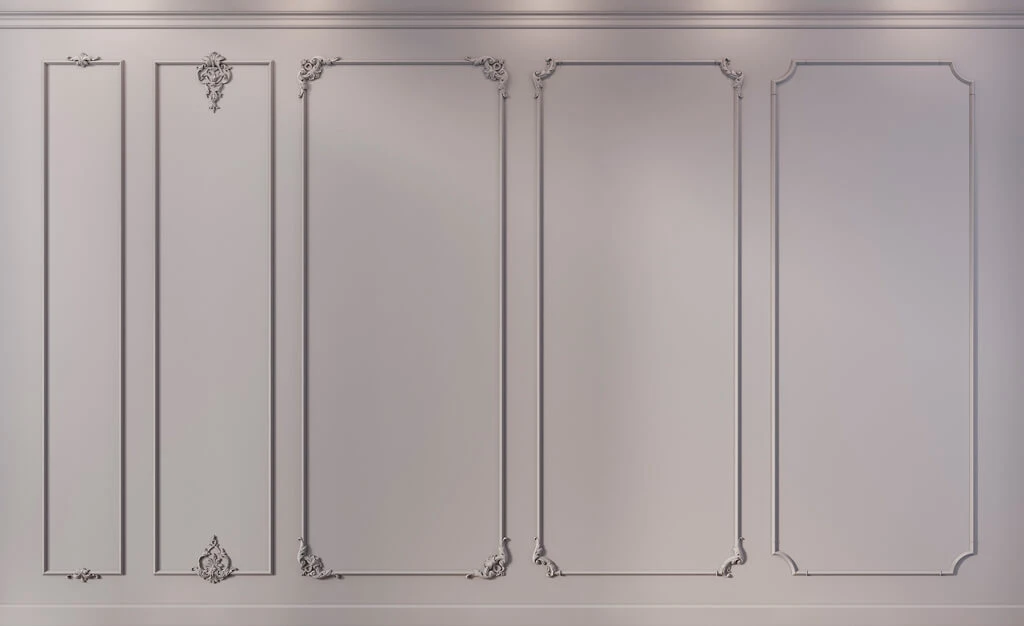
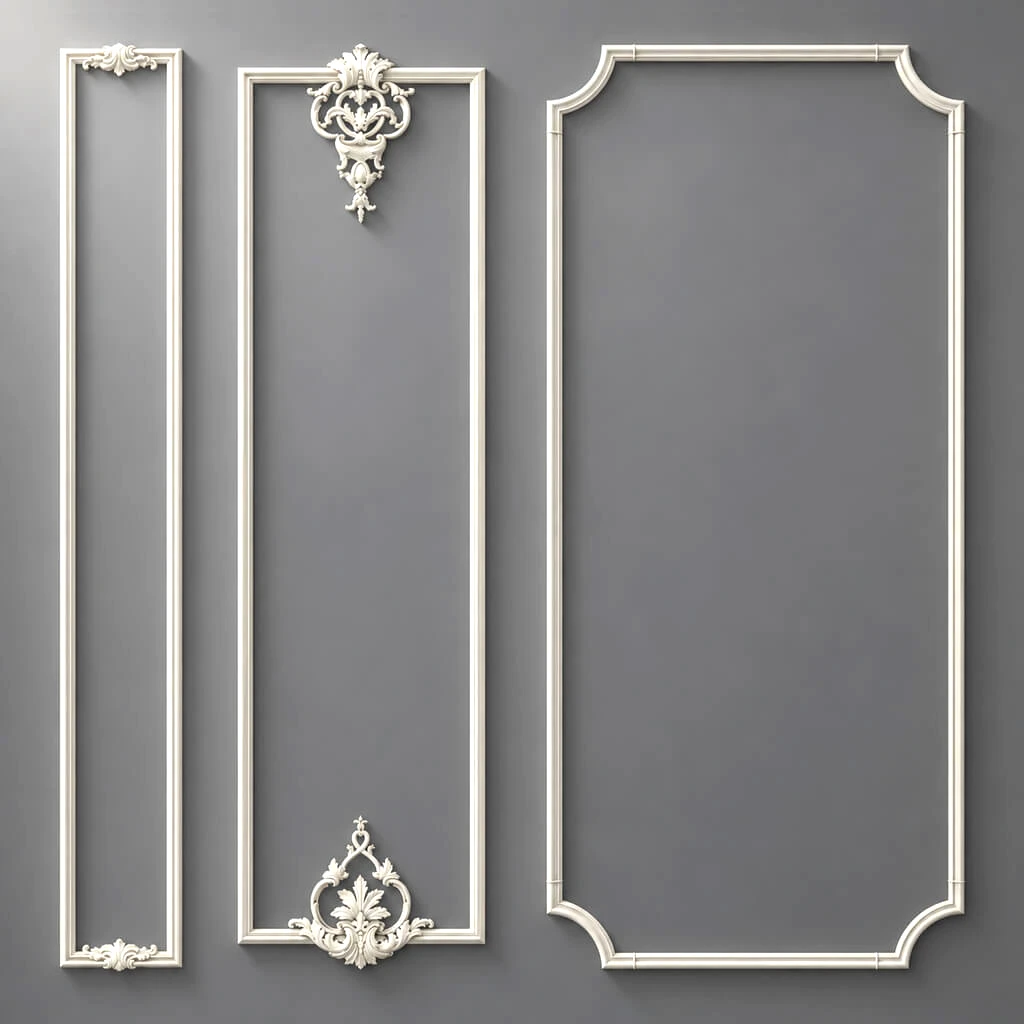
Wall moldings above the skirting board—a classic technique for framed panels. The oak skirting board creates the foundation,wooden molding—framed accents above. The 'skirting board + molding' system is an architectural wall finish in a classic or neoclassical style.
Oak skirting board + staircase and steps
In homes with wooden staircases, oak skirting board is an organic continuation of the overall wooden system. Risers, treads, balusters, handrails, and skirting board made from the same wood species—this is a space that speaks for itself.
Installation of oak floor skirting board
Installation is the final exam. An expensive skirting board installed with crooked joints and gaps in the corners loses all meaning. Precision is essential here.
For adhesive
Mounting adhesive is the most common and quickest method. Adhesive is applied in a zigzag pattern to the back of the skirting board, the plank is pressed against the wall and held for several seconds. The wall and floor surfaces must be clean and dry. For solid oak skirting boards 80 mm wide or more, adhesive alone is often insufficient—additional fasteners are needed.
On mechanical fasteners
Finish nails or thin screws — for reliable fixation of heavy and wide baseboards. Fastener heads are countersunk, followed by wood-colored putty or cork plugs. This installation is more durable and does not depend on the quality of the substrate.
How to finish corners
Corners are the main point of vulnerability. Two approaches: a 45° cut on a miter saw or corner inserts. A 45° cut is classic and requires precise tools. When working with solid oak, it is recommended to first make a test cut on a scrap piece: the wood is dense, and the saw must be sharp.
If the corner is not perfectly straight (which is often the case in real rooms), corner inserts or a 'live' corner with a slight undercut are a more practical solution.
How to join planks
On long walls, planks of one length may not be enough. The joint of two planks is made at a 45° angle (not a straight cut — it will be visible) or using a special connecting element. Joints should be placed in less noticeable areas — not near the room entrance.
How to prepare oak baseboard for finishing
If the baseboard is supplied without a finish, it must be prepared before or immediately after installation:
-
Sanding with fine sandpaper (grit 120–180) to level the surface.
-
Priming for oil or special primer for varnish.
-
Applying the finish coating (oil, varnish, enamel) in 2 coats with intermediate sanding between coats.
Reference material on the topic — in the complete encyclopediaWood Trim.
Oak skirting board in different rooms
In the living room
Living room — a space of maximum 'publicness'. Here every detail works towards the overall impression.Tall oak skirting boardin a living room with high ceilings creates a sense of the space's significance. Profile — expressive, figured, or moderately relief. Coating — varnish or oil in a natural or tinted variant.
In the bedroom
In the bedroom, intimacy is important. Here, a medium-sized oak skirting board (60–80 mm) with a warm oily coating works. Natural oak in the bedroom is coziness and organic feel.
In the hallway
Hallway — a high-traffic area. Shoe impacts, wet cleaning, intensive use. Oak skirting board with a varnish coating is preferable to oil here: varnish provides better moisture protection. Corner elements — from the same wood species.
In the study and library
Here oak is in its element. Dark oak skirting board with a figured profile, wooden shelves, oak parquet — all together create an atmosphere that cannot be reproduced with synthetic materials.Oak wooden baseboardin the study — is an investment in atmosphere, not just a finishing element.
In the children's room
In a child's room, eco-friendliness is important. Solid oak without synthetic impregnations, coated with a water-based natural oil is a safe solution. Medium-height skirting board, straight profile, light shade.
Where to buy oak floor skirting board
To buy oak floor skirting board means finding a supplier who has both the right profile and the right size, and compatible adjacent elements. Searching for skirting board separately and then buying moldings and cornices for it elsewhere is a path to mismatches.
What is important when choosing:
-
Wood species — specifically oak, without replacement with 'coniferous or deciduous solid wood';
-
Profile — straight, shaped, 'boot' — in accordance with the interior style;
-
Height — according to the rule of 1/20 of the room height;
-
Finish — for painting, for oil, for varnish — what is planned in the interior;
-
Compatible elements — cornices, moldings, slats in the same wood species.
Buy oak floor skirting board with the ability to select the entire set of wooden trim — in the STAVROS catalog. Here, each element exists not on its own, but as part of a well-thought-out system.
To explore the full range of wooden moldings —wood trim items.
Why oak floor skirting boards are chosen at STAVROS
Among all options for those who want natural wood, the right profile and system, not a random set of elements — STAVROS offers:
-
Wide assortmentsolid wood skirting, including oak profiles of different heights and shapes;
-
A complete system of wooden moldings: skirting boards, cornices, moldings, rails, corner pieces — all from one catalog, everything matches;
-
Materials to choose from: solid wood, MDF, polyurethane — for any budget and task;
-
Solutions for both classic interiors (figured profile, dark oak) and modern ones (straight profile, light oil);
-
Availabilityto buy baseboard from solid oak with accessories: moldings, cornices, and rails in a unified wood species.
STAVROS is not just a profile store. It is a supplier that understands the interior as a whole.
FAQ: popular questions about oak floor skirting boards
Which oak skirting board is better to choose for the floor?
Depends on three factors: ceiling height, interior style, and type of flooring. For a modern interior with ceilings up to 2.8 m — a straight profile 60–80 mm high, oil or matte varnish finish. For classic style with high ceilings — a shaped profile, height from 90 mm, varnish or tinting.
How is oak skirting board better than MDF?
Oak is a natural solid wood with a living texture; it can be sanded and repainted multiple times.MDF Skirting BoardMDF is good for painting and in modern interiors, but lacks natural texture and cannot be restored. Oak skirting board is a long-term investment, MDF is a practical modern solution.
Is oak skirting board suitable for laminate flooring?
Yes. Oak skirting board with laminate 'imitating oak' is an honest and beautiful technique. Natural wood next to imitation only benefits. The main thing is to choose a close shade.
Is oak skirting board suitable for parquet and engineered board?
This is the best combination. Parquet made of oak andskirting floor oaksolid wood of the same species — a unified material system. Ideal if one finish and one manufacturer.
What height should an oak skirting board be?
Rule of 1/20 of the ceiling height. For standard apartments (2.6–2.8 m) — 60–80 mm. For private houses with high ceilings (3 m+) — from 90 to 150 mm. An 80 mm oak skirting board is the most universal size for most tasks.
Can an oak skirting board be painted?
Yes, and this is one of the main advantages of oak. Primer for paint, two coats of enamel — and you get a white or colored skirting board made of natural wood. In the article Painting wooden skirting boards — a detailed guide for all stages.
What is used to finish an oak skirting board: varnish or oil?
Oil — for those who want to preserve the natural matte look of the wood. Varnish — for those who want a bright color and better protection. In rooms with wet cleaning (hallway, kitchen), varnish is preferable.
How to attach an oak skirting board to the wall?
Mounting adhesive + finishing nails for heavy profiles. Fasteners are hidden with putty or cork plugs. The wall base must be clean and sturdy.
Can oak skirting board be used in a modern interior?
Absolutely. A straight profile made of solid oak with a matte oil finish is one of the best options for modern and Scandinavian interiors. Oak does not contradict modernity—it enriches it with naturalness.
Where to buy oak floor skirting?
In the STAVROS catalog:buy oak skirting, select compatibleMoldings, Crown MoldingandRafter panels—all in one catalog with detailed descriptions and dimensions.
Oak floor skirting is not a detail you choose blindly. It is an element that either completes the interior correctly or disrupts its logic. Solid natural oak, the right profile, appropriate height, proper finishing—all together create that sense of quality that is immediately perceived by the eye, even if a person cannot explain where it comes from.
STAVROS offersoak floor skirtingas part of a complete wooden trim system. All solid wood moldings, compatible profiles, moldings, cornices, and battens—in one catalog, without random mismatches.