































Article Contents:
- What is Furniture Skirting
- How Furniture Skirting Differs from Molding, Cornice, and Baseboard
- Furniture Skirting and Furniture Molding
- Furniture Skirting and MDF Cornice
- Furniture Skirting and Front Decoration
- Furniture Skirting and Baseboard
- Where Furniture Skirting is Used
- For Kitchen Units
- For cabinets and showcases
- For dressers and cabinets
- For classic furniture
- For facades with carved decor
- For furniture with slatted texture
- Wooden or MDF skirting for furniture: what to choose
- Solid wood
- MDF
- Combined Solutions
- When a smooth profile is needed, and when a carved one
- How to choose skirting for classic furniture
- Classic
- Neoclassicism
- Baroque and palace style
- Modern classicism
- Laconic furniture with smooth facades
- Furniture with slatted inserts
- How to choose skirting by size and proportions
- For low furniture
- For massive fronts
- For kitchen base units
- For tall cabinets
- For furniture with decorative legs
- For furniture with a supporting plinth
- What to combine furniture skirting with: handles, legs, decor, cornices
- Furniture handles
- Decorative appliqués
- Moldings for furniture
- Furniture legs
- Furniture Supports
- MDF cornices
- Slatted panels
- Furniture skirting and slatted fronts: how to create a cohesive look
- Furniture skirting for the kitchen, bedroom, living room, and hallway
- Kitchen skirting board
- Cabinet skirting board
- Chest of drawers skirting board
- Skirting board for TV area and display case
- Skirting board for furniture in classic interior
- How to buy furniture skirting board without making mistakes
- Material
- Profile
- Sizes
- Finish
- Style
- Compatibility with handles, legs and facades
- What to order together right away
- Common mistakes when choosing furniture skirting board
- The art of furniture decoration: why details decide everything
- Where to buy furniture skirting and furniture decor
- Frequently asked questions about furniture skirting
- Conclusion: furniture skirting as part of the overall look
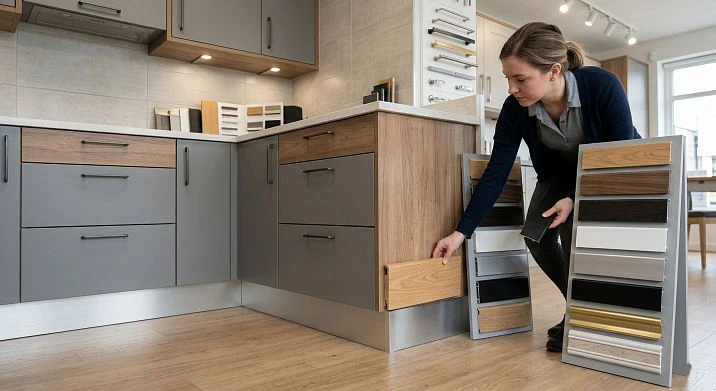
When a person types 'furniture skirting' into the search bar, they almost never mean a floor baseboard. This query hides a completely different need—to finish the bottom line of a kitchen set, complete a cabinet facade, give a dresser a finished silhouette, or decorate a display case or classic sideboard with a decorative profile. This is a separate world of furniture decor, where every detail works towards the integrity of the image.
Furniture skirting, decorative profile for the facade, lower strip of the set, furniture plinth—all these are different names for the same tool that separates well-assembled furniture from a faceless set of drawers. Understanding exactly how it works, what to choose it from, and what to combine it with is the task of this article.
There will be no generalities here. Only specifics, examples, selection logic, and answers to the most frequently asked questions.
Select STAVROS furniture decor in one style:
-
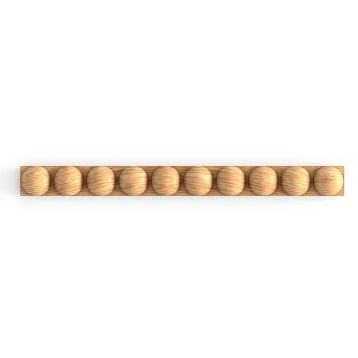
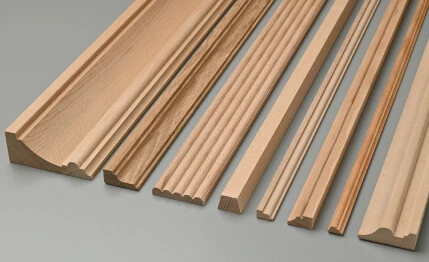
Moldings for furniture— wooden profiles for painting and varnishing
-
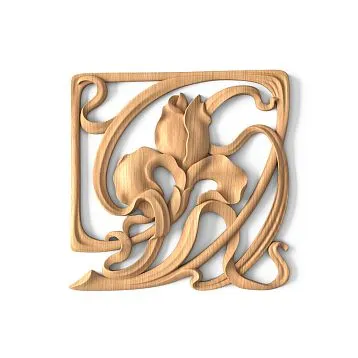
decor for furniture— carved overlays, ornaments, decorative elements
-
Furniture Handles— wooden handles in classic and neoclassical styles
-
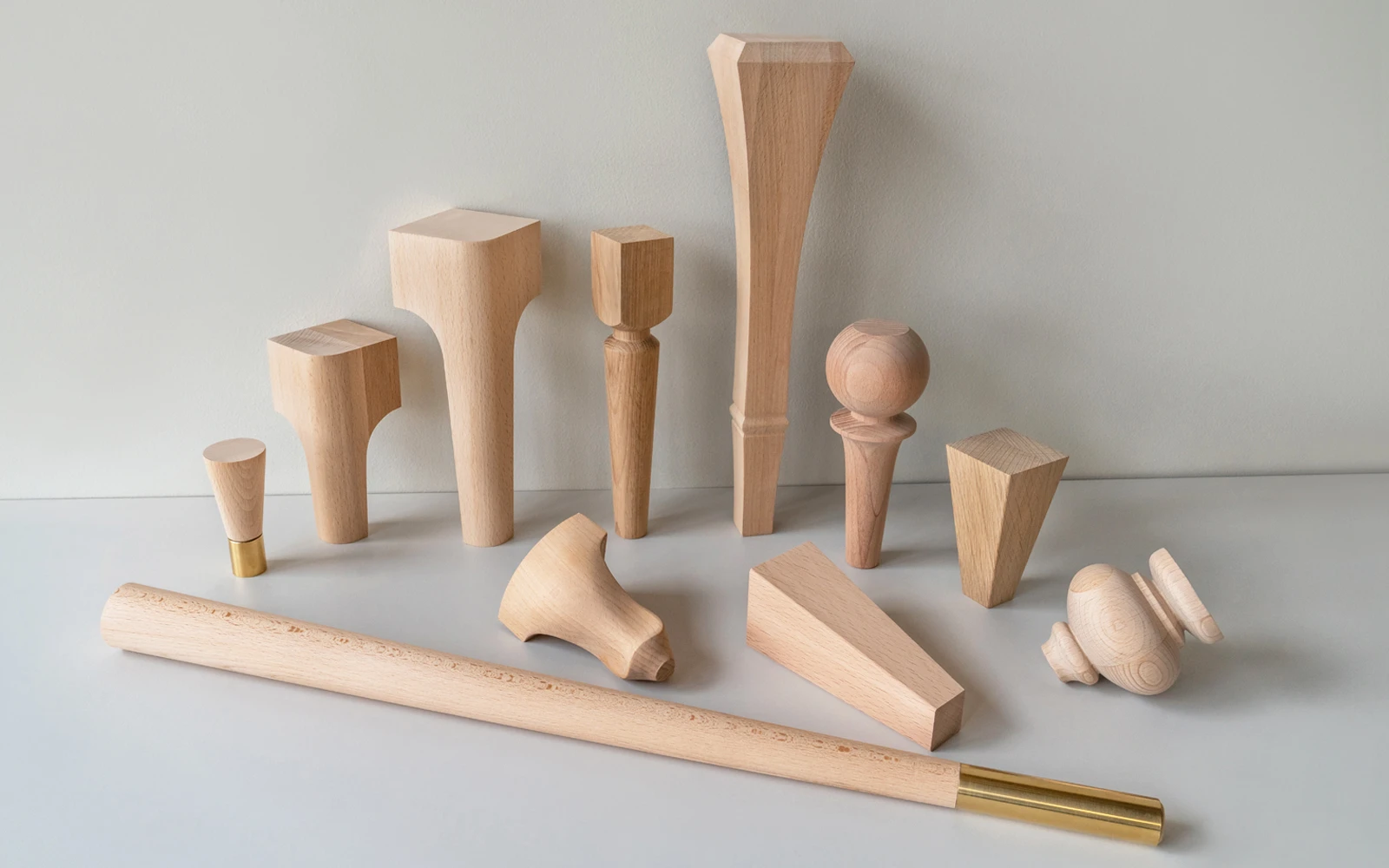
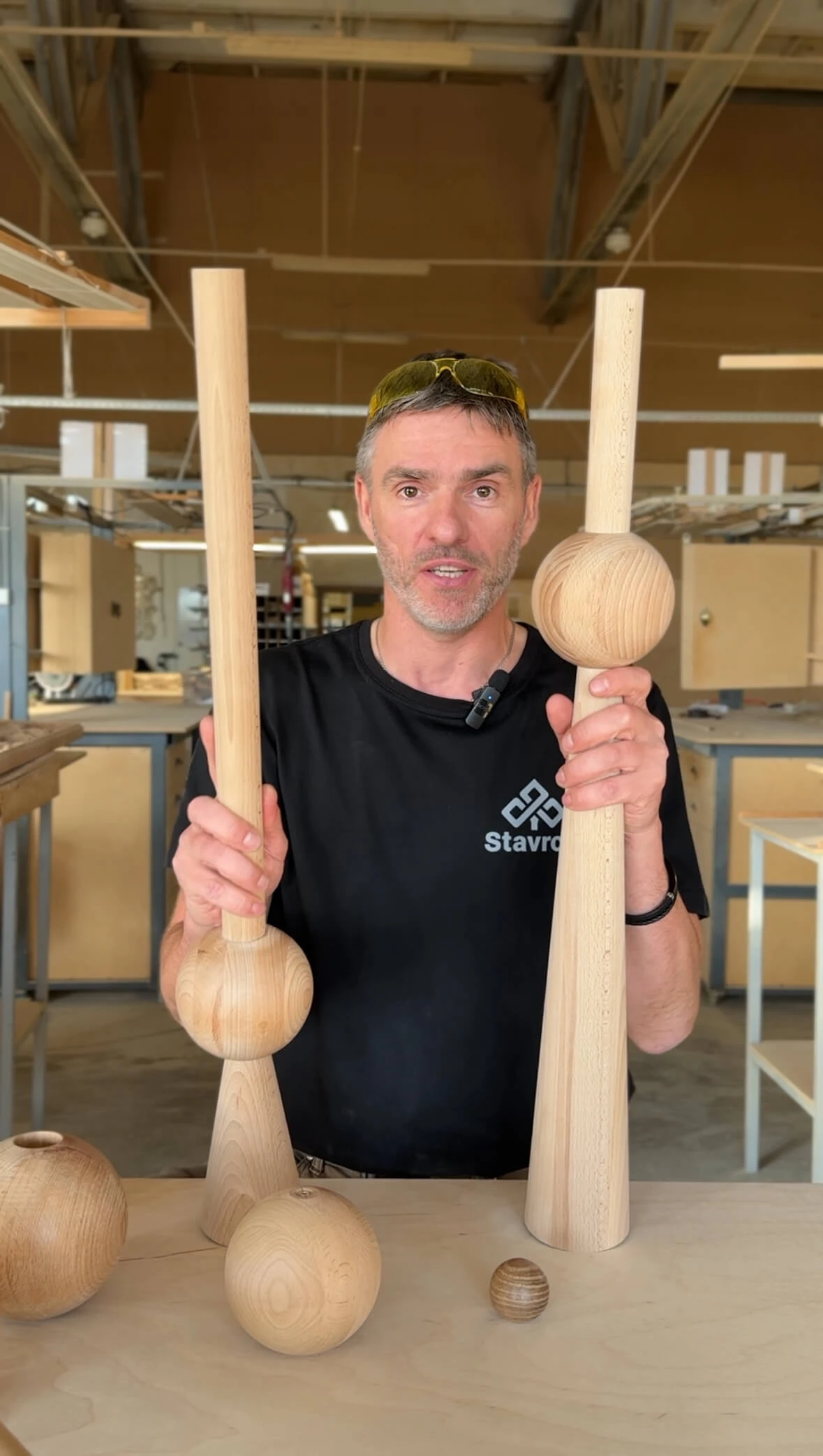
furniture legs— legs and supports for cabinet and classic furniture
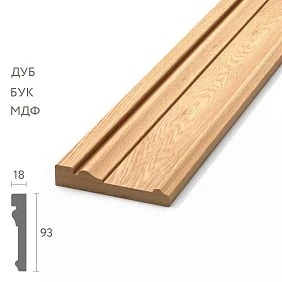
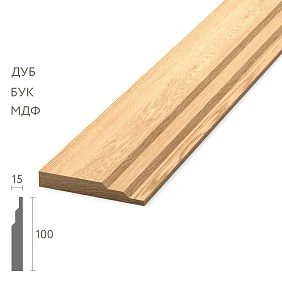
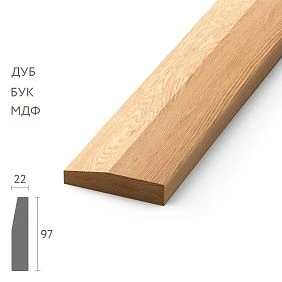
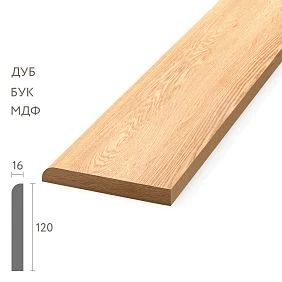
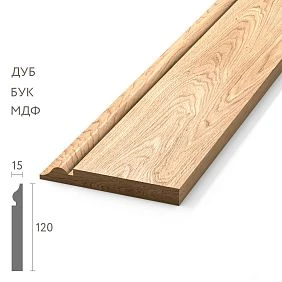
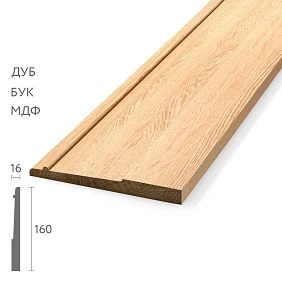
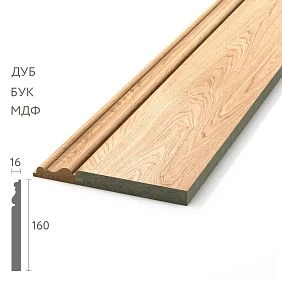
What is furniture skirting
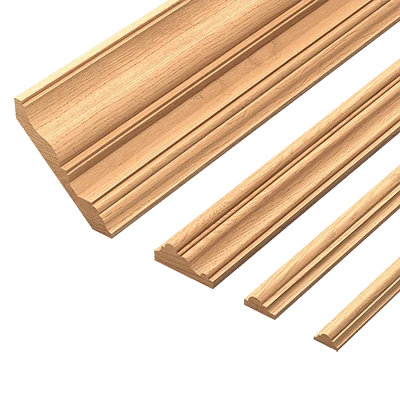
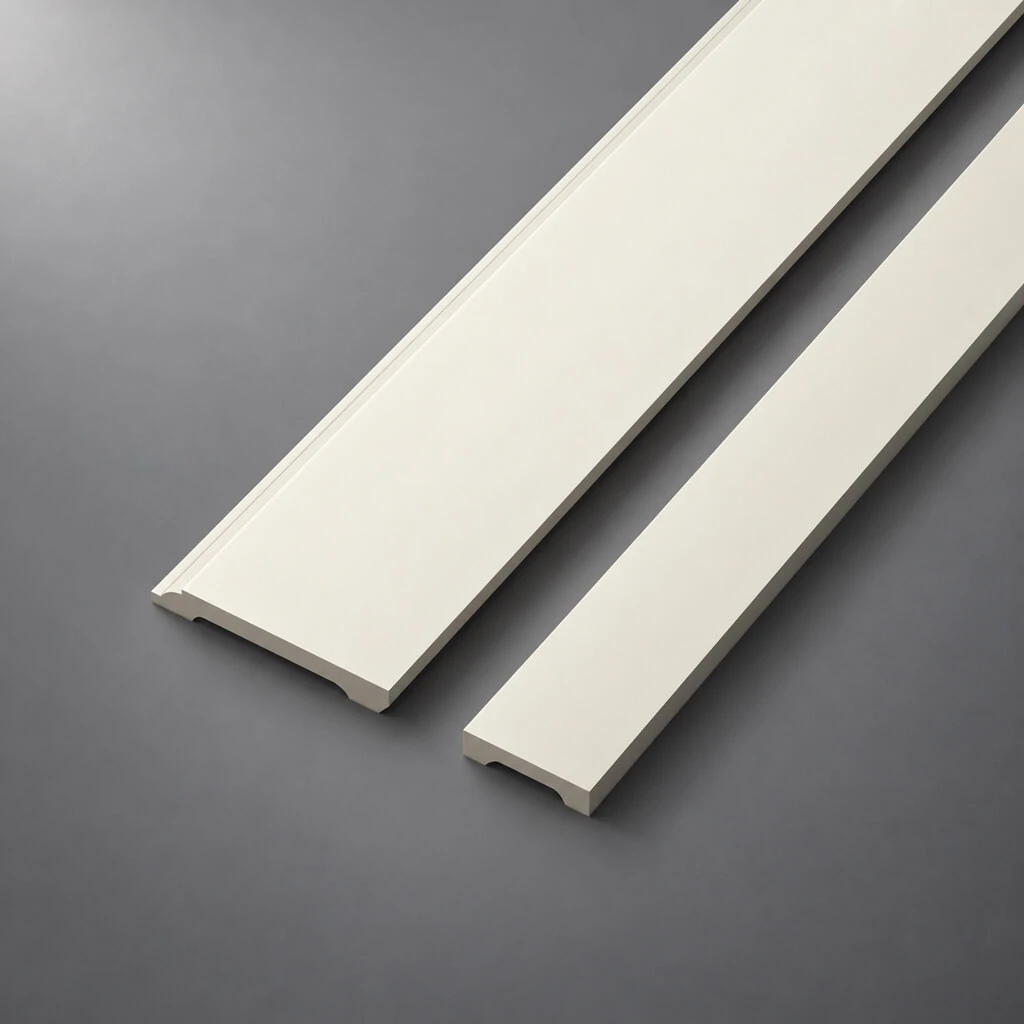
Furniture skirting is a decorative profile installed along the lower perimeter of cabinet furniture: kitchen sets, cabinets, chests, dressers, display cases. Its main function is not technical, but visual. It forms the bottom line of the furniture, conceals the gap between the cabinet base and the floor, and in classic furniture becomes a full-fledged decorative element, proportionate to the cornice at the top.
Decorative furniture skirting is not just a strip. It is the finishing touch to the silhouette. It sets the tone for the entire lower zone: how light or monumental, elegant or heavy, modern or classically traditional the furniture appears.
In the professional lexicon of furniture production, different terms are used:
-
lower furniture profile
-
decorative furniture skirting
-
profile for the facade
-
framing strip
-
plinth part of the set
-
bottom line finishing element of the body
All these terms describe one class of products. The fundamental difference between a furniture skirting board and a floor skirting board is that it functions within the furniture system, not the floor finishing system. It follows the logic of the facade, handle style, molding pattern, and the character of the supports.
If there is a classic wardrobe with carved facades and twisted legs in the house, a solid oak furniture skirting board with a profiled section will complete the look. If you have a modern set with smooth facades and minimal decor, a clean, smooth profile for painting is sufficient. The task is always the same: to connect the lower plane of the furniture with the floor and interior so that the transition looks meaningful.
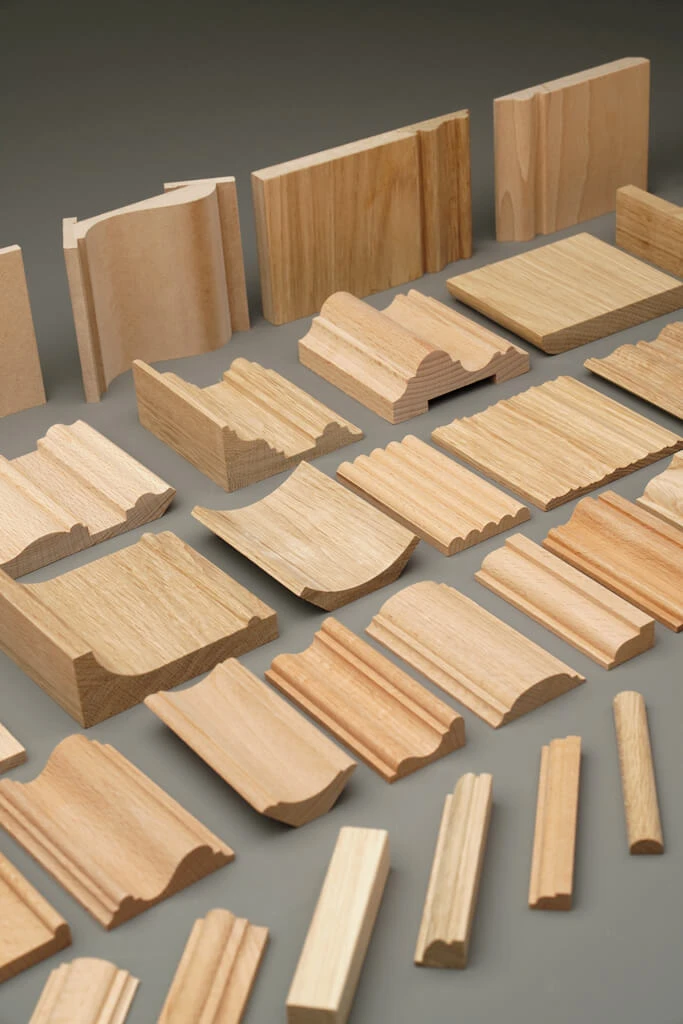
The lower decorative profile for furniture is made from various materials — solid wood, MDF, combined solutions. The profile shape can be smooth, shaped, with a straight section, roundover, shelf, ogee, or carved ornament. The selection depends on the furniture style, body dimensions, and the overall interior concept.
Wide selectionwooden products— from moldings and overlays to cornices and millwork — allows assembling any image: from strict classic to complex Baroque.
How furniture skirting board differs from molding, cornice, and floor skirting board
This is one of the most important sections because this is where people most often get confused. Let's break it down point by point.
Our factory also produces:

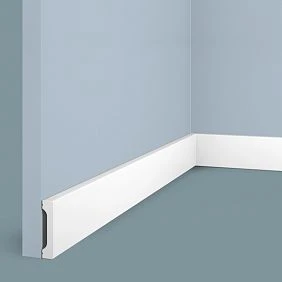
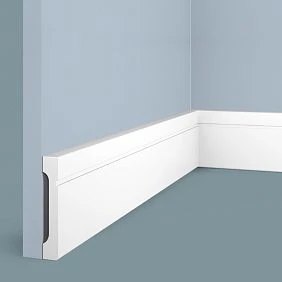
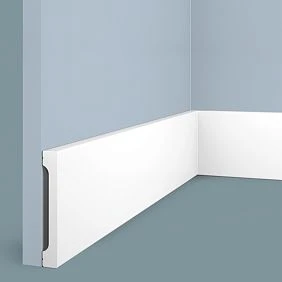
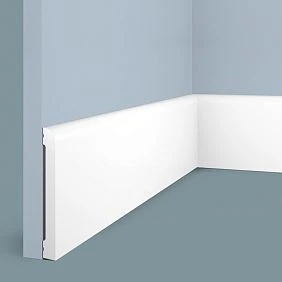

Furniture skirting board and furniture molding
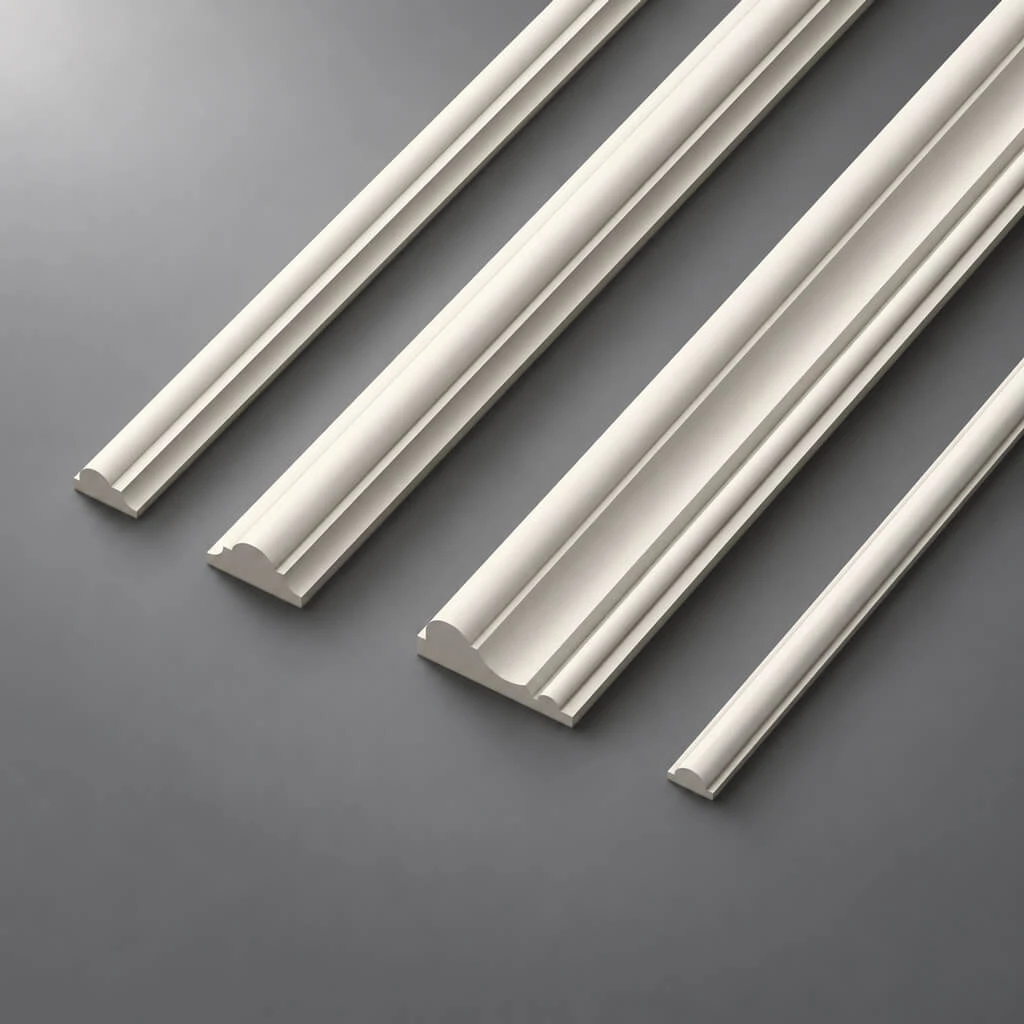
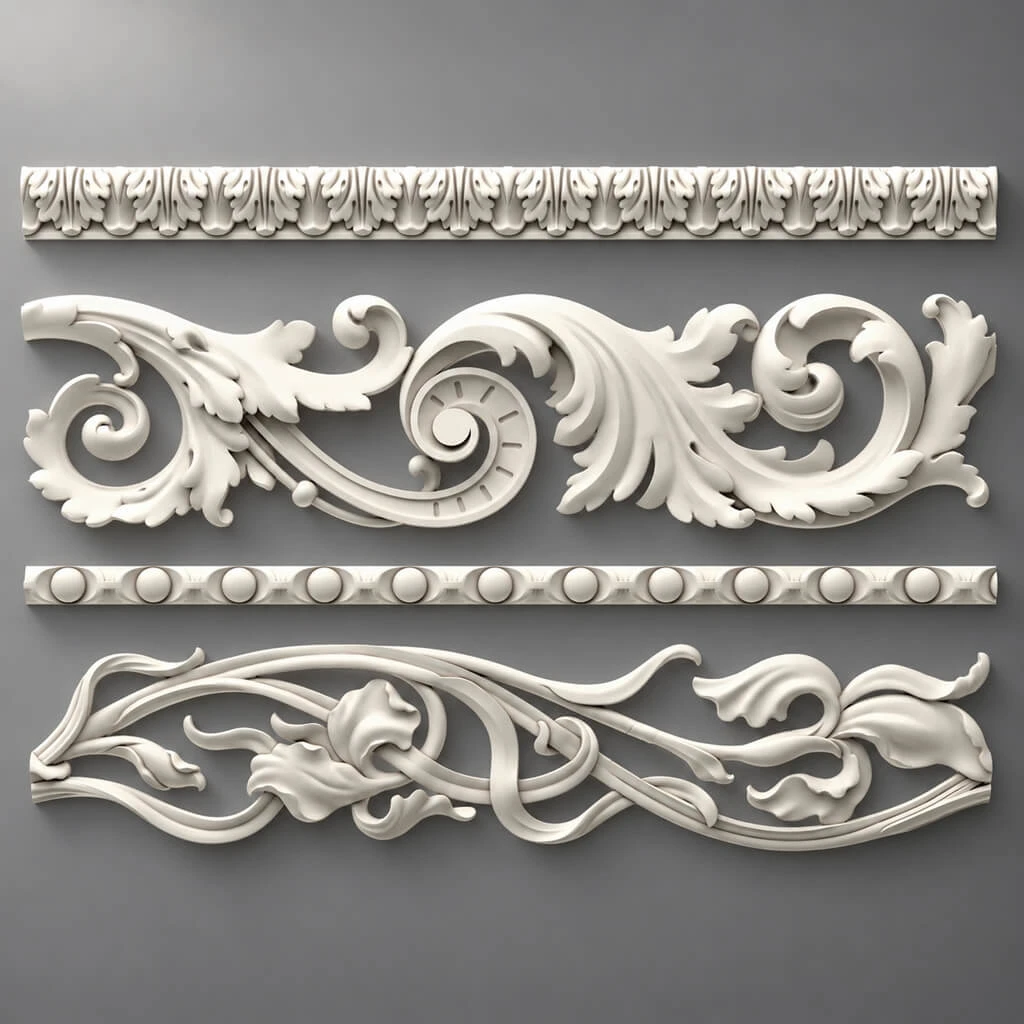
Furniture molding— is a decorative profiled strip used for framing facades, inserts, panels, mirrors, and decorative niches. Molding is a horizontal or vertical decorative element of the facade that creates division, shadow, and volume. It can run along the middle of the facade, form rectangular frames, or emphasize a panel.
Furniture skirting board is strictly a lower element. It does not create a frame or divide the facade. Its zone is the base of the body. In shape, the skirting board profile may coincide with the lower molding, and that is precisely why they are confused. But the logic of placement is fundamentally different. Molding is a decoration of the facade plane. Skirting board is the finishing of the bottom line of the body.
Professionally executeddecor for furnitureis built precisely on the combination: cornice on top, moldings on the facade, plinth at the bottom — and all within a unified profile system.
Get Consultation
MDF furniture plinth and cornice
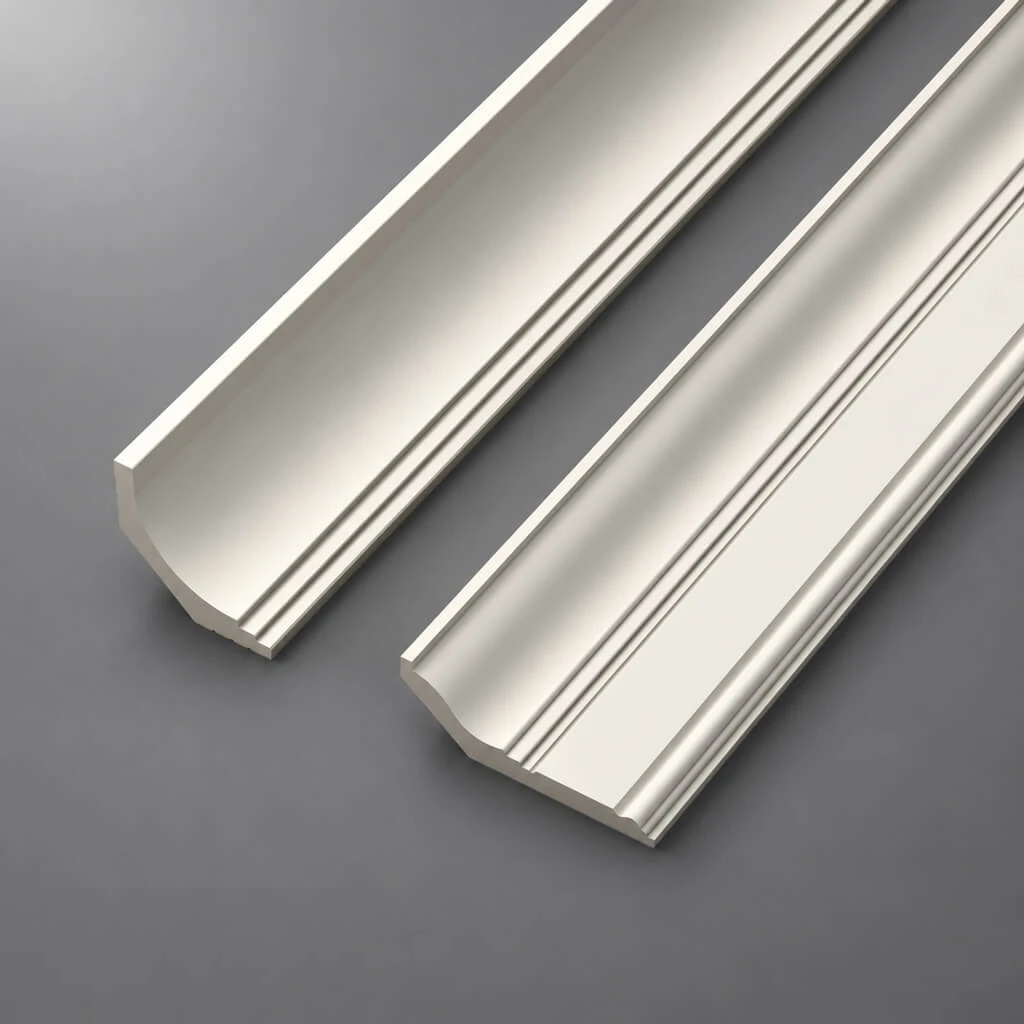
MDF furniture cornice— the mirror pair of the furniture plinth. If the plinth finishes the bottom line, the cornice finishes the top. In classic furniture, these two elements always work in tandem: they set the vertical rhythm, create the 'crown' of the set and its 'pedestal'. The cornice is typically more massive and complex in profile because the top line is perceived from a greater distance.
The furniture plinth is more modest, but no less important. It is what 'puts the furniture in place' — visually anchors it to the floor, making the transition soft or, conversely, sharply graphic. Without the lower decorative profile, furniture looks unfinished, as if it lacks a foundation.
View cornices andMoldings for furniturecan be found in a unified line — this allows you to select components with the same profile rhythm.
Furniture plinth and facade decor
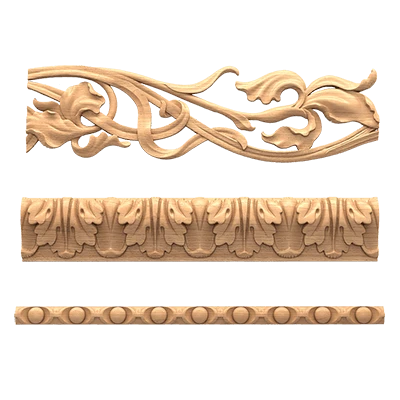
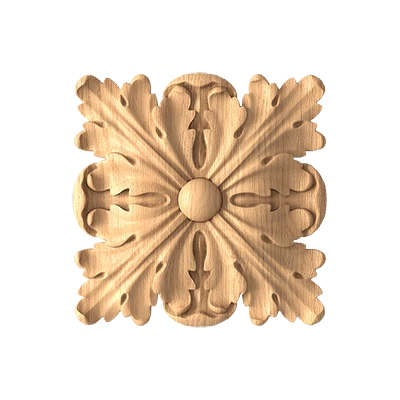
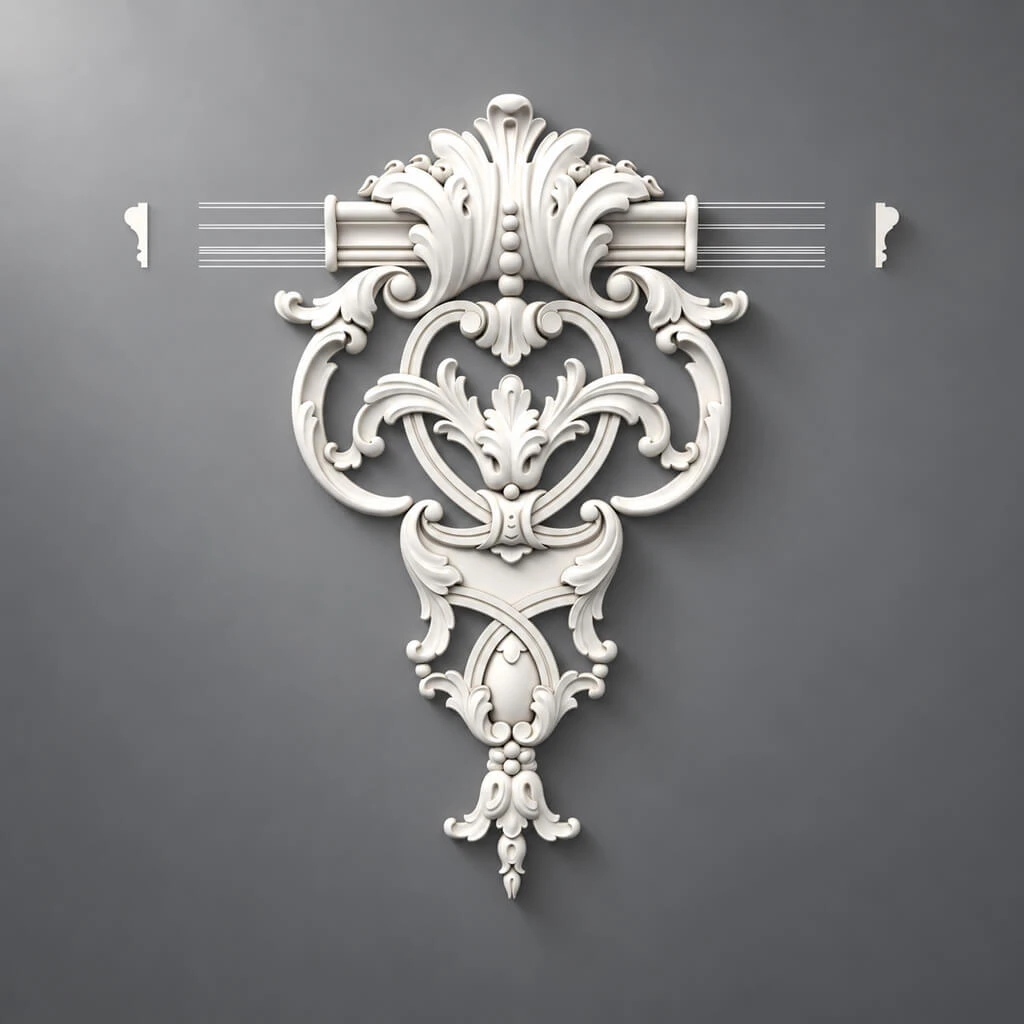
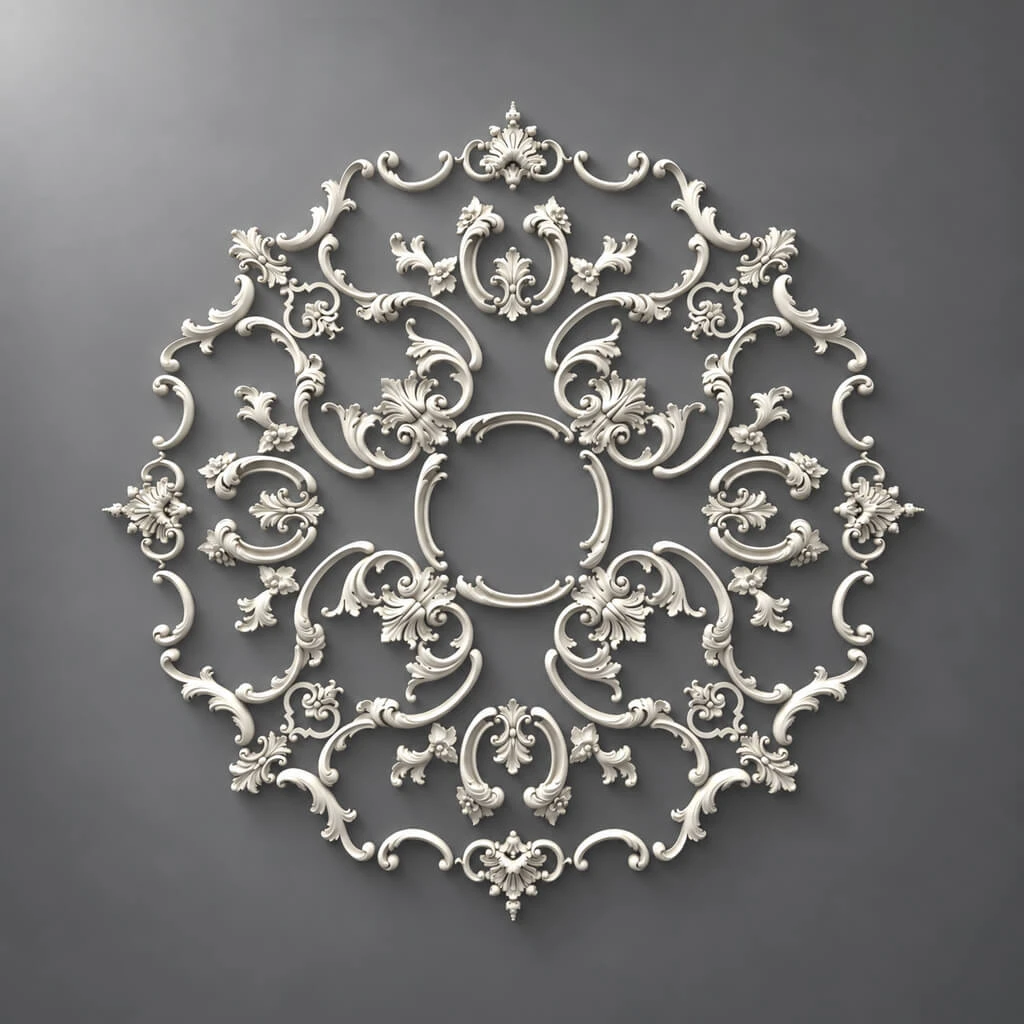
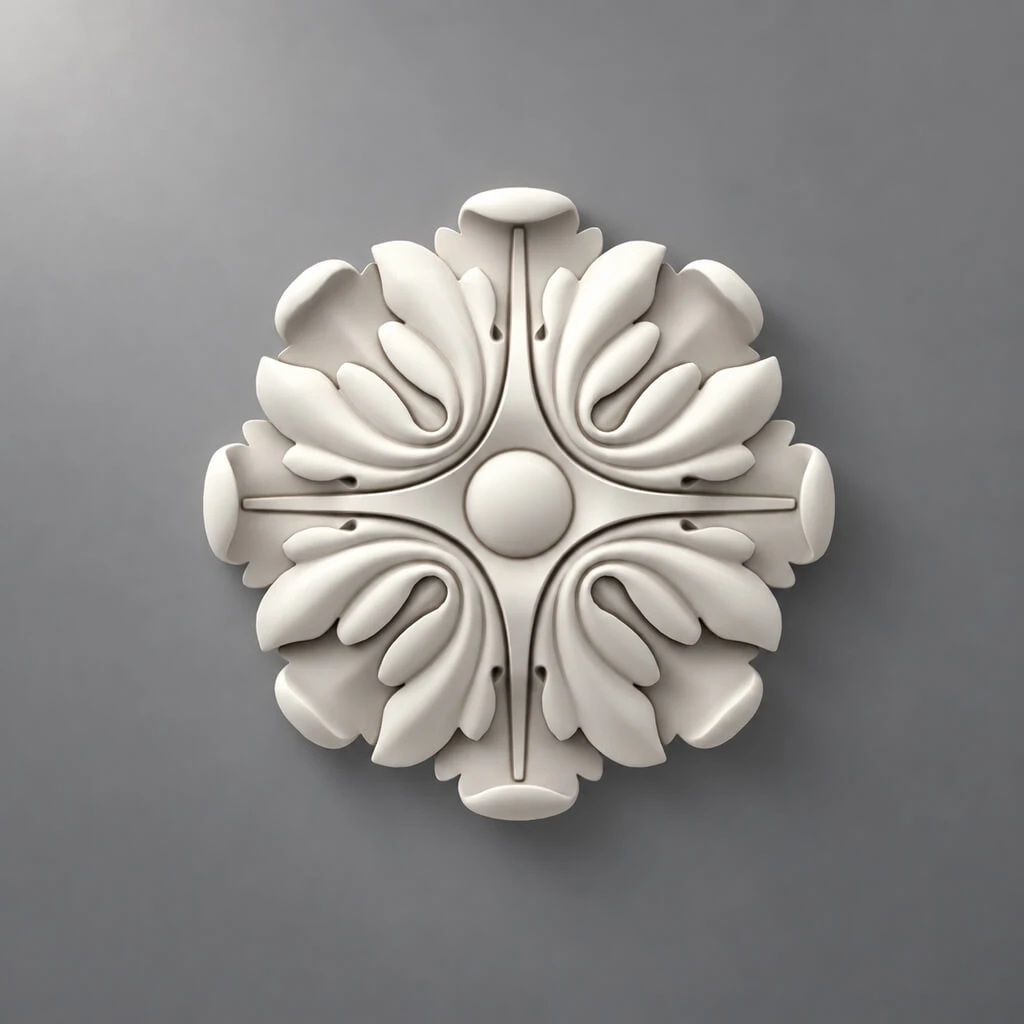
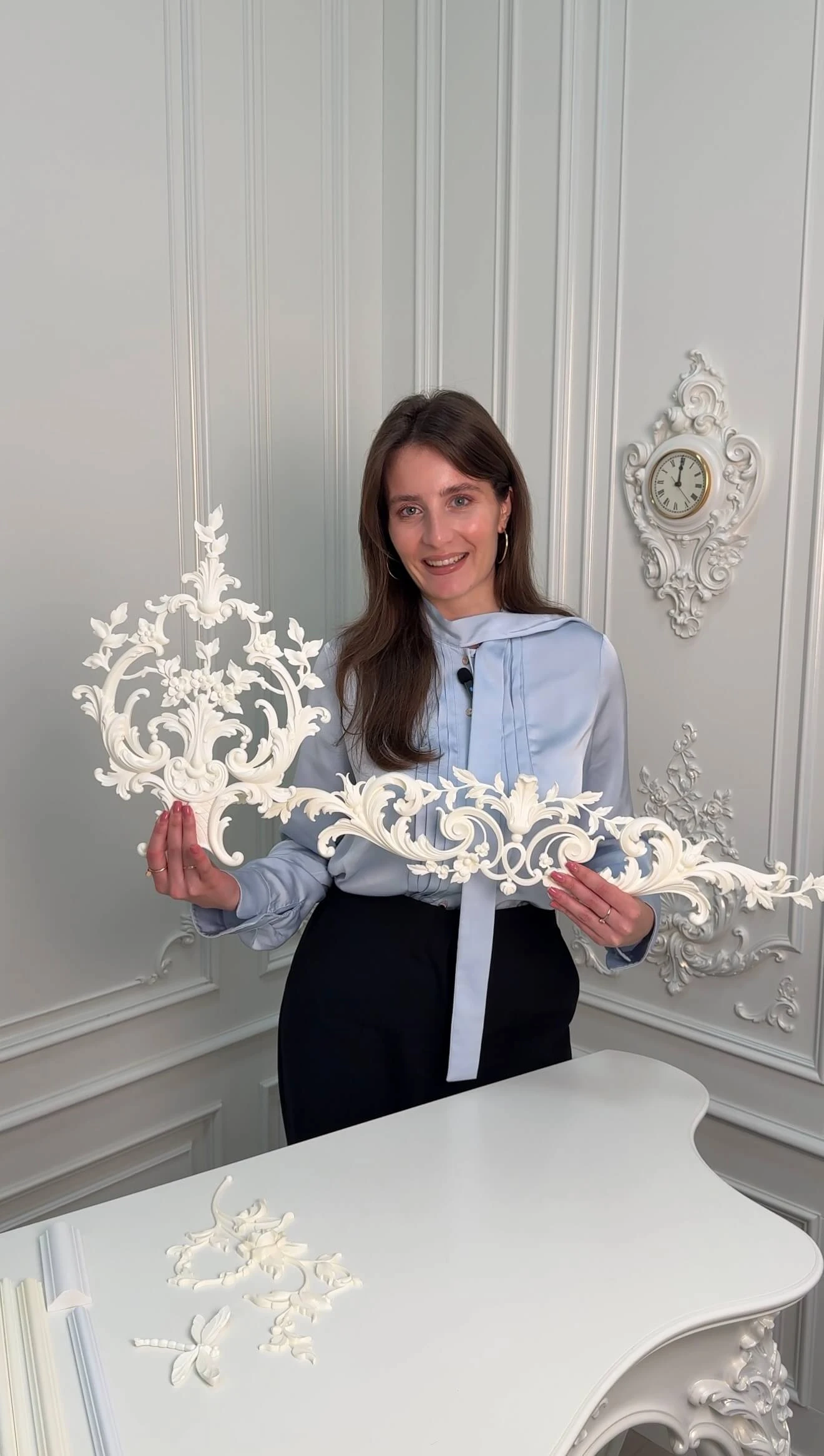
applied decoration for furniture— these are carved rosettes, ornaments, overlay elements that are attached directly to the facade surface. This is an independent decorative layer, not connected to the profile of the bottom line.
Furniture skirting works differently — it is not applied to the facade but mounted at the base of the cabinet, along the entire perimeter or front part. Its role is linear, rhythmic, finishing. Facade decor is point-based or zonal.
Their skillful combination is a sign of a professional approach to classic interiors. The skirting creates a 'shore,' and decorative overlays place accents above. Together, they build what is called furniture with character.
Furniture skirting and floor skirting
These are two completely different products with different application logic. Floor skirting covers the joint between the floor and the wall. Furniture skirting is a cabinet detail, an element of the furniture system. They are not interchangeable.
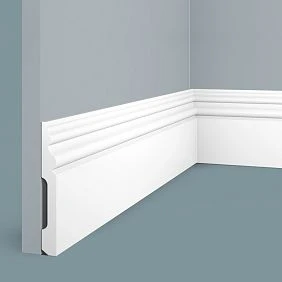
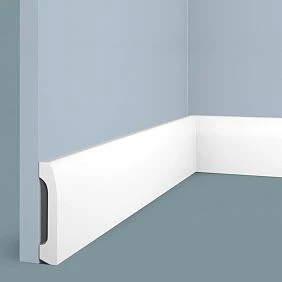
If you specifically need floor skirtingWooden baseboardfor finishing the perimeter of a room — this is a separate category of products. The same applies toMDF Skirting Boardpaintable floor skirting. There is no need to mix these tasks in one product — each has its own role, its own dimensions, and its own mounting point.
Where furniture skirting is used
For kitchen units
The kitchen is the main area of application for the lower decorative profile. Skirting for kitchen units serves both practical and aesthetic functions: it hides the gap between the lower tier and the floor, protects the base of the cabinets from dirt, and visually unites all lower modules into a single line.
In a classic kitchen set, a solid wood skirting board with a profiled cross-section is an essential detail. It coordinates with the handles, moldings on the facades, and the cornice of the upper row. In a modern kitchen without carved decor, a smooth, even profile for painting is sufficient, which does not overload the laconic look.
Furniture skirting for the kitchen is selected based on several parameters: the height of the gap under the cabinets, the width of the profile, compatibility with the facades, and the style of finishing. More details on this are in the section about sizes.
For cabinets and display cases
A skirting board for a cabinet is the lower frame that visually 'lifts' or 'grounds' the body. In the case of a sliding-door wardrobe or a built-in cabinet, the role of the skirting is more modest: it is often a simple closing strip. But in a freestanding classic cabinet with facades, handles, and carved decor, the skirting becomes a full-fledged architectural detail.
Display cases and sideboard cabinets require a special approach. Here, it is important to maintain proportion: the lower profile should not be too massive, otherwise it will draw attention away from the glass and contents. A light shaped profile with a smooth cross-section is the optimal choice.
furniture moldingsand profiles for cabinets are selected from the same series — this allows maintaining a unified pattern from the top to the bottom line.
For dressers and cabinets
A chest of drawers with a correctly selected lower profile looks like a full-fledged piece of furniture, not just a set of drawers. The skirting for a chest of drawers is usually low — from 30 to 60 mm, but it is precisely this that gives the piece completeness and visual stability.
For bedside tables, TV stands, shoe cabinets — the same logic applies. The lower decorative profile for small-format furniture is made thin and laconic, without complex relief. The task is to neatly close the lower zone without weighing down the piece.
For classic furniture
Classical furniture in the interior is a special topic. Here, the skirting is not just a lower strip; it is an architectural element in the full sense of the word. In classic, neoclassical, Baroque, and Louis styles, the lower furniture profile follows strict proportions: it must be proportionate to the cornice, connected to the rhythm of the moldings, and coordinated with the shape of the supports.
Classic Furniturerequires profile systems in which all elements — from the upper cornice to the lower skirting — are executed in a unified tradition. This is why professional joinery companies offer components not as separate items, but as connected lines.
For facades with carved decor
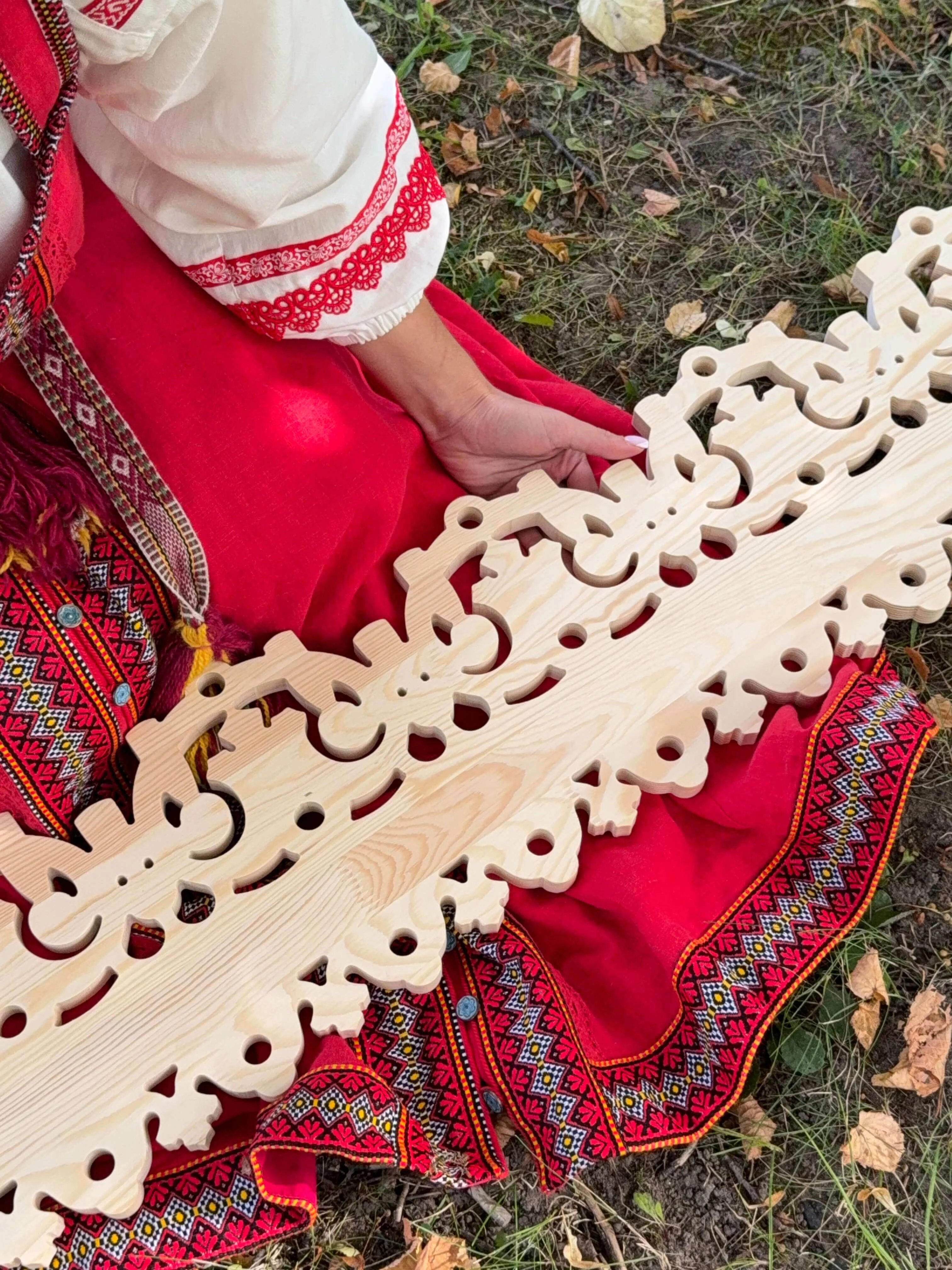
If the cabinet or kitchen fronts are adornedcarved decorative appliqués for furniture— with rosettes, ornaments, acanthus leaves — the lower profile must support this level of detailing. A smooth, flat plinth under such decor will look like a break, an incompleteness.
In this case, choose a profile with a cove, an S-shaped or ovolo section, which visually prepares the eye for the richness of the decor above. This requires an understanding of profile systems and a sense of proportion — precisely the knowledge that accumulates from working with quality wooden decor.
For furniture with a slatted texture
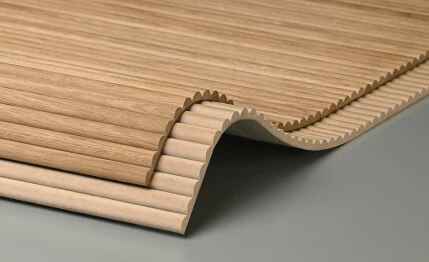
Furniture with slatted fronts is one of the main trends of recent years.Rafter panelscreate a strong vertical rhythm, and the lower profile should either support this rhythm or delicately complete it. A horizontal smooth plinth under slatted inserts creates a 'stop-frame' effect — the verticals of the slats meet the clean horizontal of the base, and this works.
Wooden or MDF furniture plinth: what to choose
The question of material is one of the key ones when choosing a furniture plinth. Each option has its own logic of application.
Solid wood
A solid wood furniture plinth is the choice for those who make furniture seriously and for the long term. Natural wood provides a living texture that cannot be imitated. Oak, beech, ash — species with a dense structure — hold the profile well, do not fray at the edges, and perfectly accept any finish: varnish, oil, wax, paint.
Wooden furniture skirting can be repainted, resanded, and restored. After twenty years, a solid wood product looks different than new—but this 'different' has value. That's why classic natural wood furniture is always equipped with skirting, moldings, and cornices also made from solid wood.
Pogonazh iz massiva—this is the entire range of profile products made from natural wood: from simple smooth slats to complex shaped profiles. This is the basis for outfitting classic cabinet furniture.
MDF
MDF furniture skirting is a rational choice for serial production and modern interiors. The material is stable, holds its shape well, paints easily, and isn't afraid of humidity fluctuations (unlike solid wood with poor drying).
For modern-style kitchen sets, built-in cabinets in neutral colors, cabinet furniture for painting—MDF is optimal. It's cheaper, installs faster, and delivers a smooth result.
MDF cornices for furniturein the STAVROS catalog are ready-made solutions with milled profiles suitable for assembling sets for painting. Combining them with moldings and skirting from the same line creates a unified rhythm throughout the furniture.
Combined Solutions
Sometimes the best solution is a combination: solid wood where it's visible and tangible—on the facade, cornice, and bottom skirting; MDF—in hidden areas and horizontal crossbars. This preserves the aesthetics of natural wood within a reasonable budget.
When a smooth profile is needed, and when a carved one
A smooth profile without relief suits modern furniture, Scandinavian interiors, minimalism, and loft style. Carved skirting is the domain of classic, baroque, provence, and neoclassical styles. A semi-shaped profile with a bead or round—a universal solution that looks equally good in both restrained and traditional interiors.
How to choose skirting for classic furniture
Classic is the most demanding style in terms of detail consistency. There are no trifles here. A classic furniture plinth always features a profiled relief, even if very restrained.
Classic
Strict classicism uses profiles with a straight lower support and a shelf-like upper band. The relief is moderate, the rhythm is strict.Classic Furniturerequires that all details—from the handle to the plinth—follow a single order logic.
Neoclassicism
Neoclassicism allows for freer solutions: the profile can be thinner and with less deep relief. The main thing is to preserve the sense of completeness and symmetry. Profiles with a soft S-shaped cross-section and clean ends work well here.
Baroque and palace style
Baroque furniture features maximum decoration. The lower profile here can be complex, multi-banded, with ornamental inserts.decorative elements for furniturein the spirit of an acanthus leaf or cartouche can be organically incorporated into the lower band as a complement to the plinth. This requires experience and a precise sense of proportion.
Modern classic
This is perhaps the most popular request today. Furniture with classic facades but without an overload of details. The plinth here is shaped but restrained. Without ornamentation, but with relief. One profile band instead of three. This allows the character to be preserved without heaviness.
Laconic furniture with smooth facades
For furniture with smooth facades and without carved decoration, the lower profile should be minimal. A rectangular plinth with a chamfer or a small roundover is sufficient. The task here is only to close the gap and define the bottom line without attracting unnecessary attention.
Furniture with slatted inserts
For furniture with slatted fronts, a smooth horizontal plinth is optimal — it completes the vertical lines of the slats and creates a clear lower boundary.Slatted panels for furnituredictate their own logic: the more active the vertical rhythm of the slats, the calmer the horizontal line of the base should be.
How to choose a plinth by size and proportions
Size matters — especially when it comes to proportions in the interior.
For low furniture
Cabinets, bedside tables, low buffets — here the lower profile should be delicate. Plinth height 20–40 mm, profile light, without massive relief. Otherwise, the bottom line will 'eat up' the height of the item and the furniture will look grounded.
For massive fronts
Large wardrobes, spacious buffets, voluminous kitchen sets — here the plinth can be more pronounced. Height 60–100 mm, profile with distinct relief. This creates a sense of solidity and completeness.
For kitchen base units
The standard height of the lower profile of a kitchen set is 100–150 mm because the lower kitchen modules stand on legs, and the plinth covers the entire leg area. Practicality is important here: the profile should be easy to remove for cleaning. Therefore, special plinth strips with clip-on or magnetic fasteners are often used for kitchens.
For tall cabinets
For cabinets with a height of 220 cm or more, the lower plinth should visually 'support' the volume. A profile that is too thin will look like a gap, one that is too wide will look like a downward tilt. The optimum is 50–80 mm for a standard cabinet height.
For furniture with decorative legs
If a cabinet or chest of drawers stands onlegs for furnituredecorative legs, a lower plinth is most often not needed — the legs themselves create the lower accent. In this case, you can use only a small lower trim on the facade — a molding shelf that defines the base of the body without closing off the leg space.
For furniture with a supporting plinth
If furniture stands on a solid plinth base, the lower plinth is the front decorative panel of the plinth. It is selected according to the height of the plinth space (usually 100–160 mm) and style.furniture legsand plinth skirting boards should be selected with the same logic: either both in a classic style, or both in a modern style.
What to combine furniture plinth with: handles, legs, decor, cornices
This is perhaps the most important section for those who want not just to 'install a baseboard,' but to create a cohesive look.
Furniture handles
Furniture Handles— is the main partner of the lower profile. If the handles are turned, wooden, in a classic shape — the baseboard should also be made of solid wood with a shaped profile. IfWooden handles with coatingunder enamel — a paintable MDF baseboard. IfWooden handle without coating— most often this means a natural finish, and the baseboard is also better taken from solid wood under varnish or oil.
Inconsistency between handles and baseboard is one of the most common mistakes in furniture design. Handles are the first thing the eye notices. The baseboard is what forms the overall impression of the lower zone. Together they either create harmony or destroy it.
Decorative appliqués
Carved furniture decor— ornaments, rosettes, cartouches, acanthus overlays — are applied to facades above the lower profile. The baseboard should not compete with this decor. Its task is to complete, emphasize, frame from below. Therefore, the lower profile in richly decorated furniture is made slightly more restrained than the moldings on the facade.
Moldings for furniture
furniture moldings— is the middle zone of the facade. The rule is simple: the profile sections of the baseboard, molding, and cornice should be from the same system. You cannot take a baseboard with a straight section, a molding with an S-shaped profile, and a cornice with a roundover — these are three different 'voices' that do not sound together.
Competent work with profile systems is the ability to choose a common language for all elements: from the base to the completion.
Furniture Legs
furniture legsand furniture baseboard are alternative or complementary elements. If the furniture stands on legs — the baseboard is either not needed at all, or is used as a front lower frame. If the furniture rests on a solid plinth — the legs disappear, and the baseboard becomes the main element of the lower design.
Furniture supports
furniture legs— are more massive than legs. They are used in classic heavy furniture: buffets, library cabinets, massive sideboards. In such cases, the baseboard-plinth goes between the supports and forms the lower belt of the body. The ratio of the support height and the baseboard determines the proportion of the entire lower zone of the furniture.
MDF Cornices
MDF cabinet cornice— the upper partner of the lower skirting board. Ideally, the cornice and skirting board are taken from the same series. If this is not possible, follow the general principle: the more complex the upper cornice, the more pronounced the lower skirting board should be. This creates a visual balance between the upper and lower lines of the furniture.
Rack panels
The connection between furniture skirting boards and slatted fronts is covered in a separate section below. This is a special topic that deserves detailed analysis.
Furniture Skirting Boards and Slatted Fronts: How to Create a Cohesive Look
Furniture withslatted fronts for the wardrobe— this is a strong design move. The slats provide vertical rhythm, texture, and depth. But precisely because of this activity of the fronts, everything else must be carefully coordinated.
The lower furniture skirting board here is a horizontal pause. It completes the verticals of the slats with a smooth horizontal line and creates a 'stop-frame' at the base. This is an architectural technique: vertical slat + horizontal skirting board = a readable structure of the front.
If the wall behind the furniture is also finished withslatted wall panels, an effect of an integral environment arises — the furniture and the wall speak the same language. In this case, the lower furniture profile can repeat the pattern of the wall panel skirting board, creating a horizontal 'lining' for the entire area.
slatted MDF panel— an excellent solution for kitchen, bedroom, living room, and hallway walls. In combination withslatted furniture paneland with the correctly selected lower profile of the set, this creates an interior where everything is coordinated — from floor to ceiling.
Assemble the furniture and wall in a single rhythm:
-
Slatted panels for furniture— vertical rhythm for fronts and walls
-
decorative moldings— horizontal division of fronts
-
decor for furniture— carved inserts and ornaments
-
Furniture Handlesandfurniture legsin a unified style
Furniture skirting for kitchen, bedroom, living room, and hallway
Kitchen skirting
The kitchen set is the main application area for the lower furniture profile. Here, the skirting covers the adjustable legs of the lower modules, aligns the bottom line of the set, and creates a plinth belt. For a classic kitchen, this is a profiled skirting made of solid wood or MDF with relief. For a modern one, it's a smooth, flat panel for painting.
Furniture skirting for the kitchen must be resistant to moisture and temperature fluctuations. This is especially important in the sink area and near the dishwasher. MDF with primer and enamel handles this task better than unlacquered solid wood.
About the features of selectionof moldings and cornices for furnitureyou can read more — the rules for assembling a classic-style kitchen set are covered there.
Baseboard for a wardrobe
Wardrobes in the bedroom and living room are areas where furniture baseboards contribute to the overall feel of the interior. A wardrobe without a lower profile looks uninstalled, temporary. A properly chosen baseboard for a wardrobe makes it part of the space — not a randomly placed item, but an element of the room's interior architecture.
For a built-in sliding wardrobe, the lower baseboard usually matches the room's floor baseboard or is made as inconspicuous as possible. For a freestanding classic wardrobe, it is a pronounced decorative element with a profile and relief.
Baseboard for a chest of drawers
A chest of drawers in the bedroom is an item that often becomes the center of attention. The lower decorative profile for a chest of drawers is selected proportionally to the item's height and width. A heavy molding baseboard under a light, slender chest of drawers is a mistake. A light, smooth profile under a massive chest of drawers with carved fronts is also a miss.
The perfect baseboard for a chest of drawers is proportionate. It is slightly more complex and expressive than that of a kitchen base, but does not claim the role of independent decor.
Baseboard for the TV zone and display cabinet
TV stands and furniture display cases are a special category. They are often placed in plain sight, in the center of the living room, and are the focus of guests' attention. The decorative trim for furniture in the TV area should support the overall style: if nearbySlatted furniture panelson the wall — the lower profile of the stand is laconic, horizontal. If the entire area is designed in a classic style — use a skirting board with relief.
Skirting board for furniture in a classic interior
A classic interior requires a systematic approach. Here, the skirting board for classic furniture is part of a complex: cornice, moldings on the facades, decorative overlays, handles, legs — all of this should harmonize. We recommend studyingComplete guide to classical furniture— all levels of design and rules for coordinating details are covered there.
How to buy a skirting board for furniture and not make a mistake
Buying a furniture skirting board is not a task to be solved 'by eye'. Here is a complete checklist that will save you from redoing the work.
Material
First, decide: solid wood or MDF. If the furniture is made of natural wood — choose solid wood. If the set is made of painted chipboard — choose MDF. If you need a skirting board for furniture to be painted with enamel — both options work, but MDF will provide a smoother surface.
Profile
Choose a cross-sectional shape that matches the style of the furniture. A smooth rectangular profile — for modern sets. A shaped profile with a curve — for transitional style. A complex multi-banded profile — for classic and baroque styles.
Dimensions
Measure the height of the gap that needs to be covered. Keep in mind that the profile should overlap the gap with a small margin. Be sure to check the length of the linear footage — skirting board is sold by the linear meter, and it's important not to miscalculate.
Finish
Skirting board for painting is a primed product without a finish coating. Skirting board for varnishing is a product made of pure wood that is coated on site. White furniture skirting board is most often MDF with white primer or enamel. Clarify the coating condition when ordering.
Style
Match the skirting board with handles, legs, and moldings. If all three elements are from the same series, the result will be predictable and harmonious.
Compatibility with handles, legs, and facades
This is not just a question of style, but also a question of proportion. Ifwooden furniture handlesare large and expressive, the skirting board should not be too thin. If the legs are turned and thin, the skirting board should not be heavier than them.
What to order together right away
Experienced designers order the entire set at once: skirting board + moldings + cornice + handles + legs. This guarantees compatibility and a unified style. The set can be supplemented withdecorative inlaysandcarved decoration.
For classic furniture, it is better to combine skirting board with:
-
furniture handlesmade from the same material and in the same style
-
legs for furniture— turned or carved in the same profile rhythm
-
MDF crown moldingalong the top line of the unit
Common mistakes when choosing furniture skirting
These mistakes occur most often — and they are exactly what turns a good unit into a mediocre one.
Confusing furniture skirting with floor skirting. These are different products with different purposes. Floor skirting is a finishing element, furniture skirting is a cabinet element. They should not be mixed. If you need a floor option — explore separate categories:with a classic profile creates a sense of solidity, reliability.orFloor MDF skirting board.
Choosing too large a profile. The larger the skirting, the heavier the lower zone of the furniture looks. Especially critical for low furniture and items with light forms — cabinets, display cases, shelves.
Not considering handles and supports. Handles and the lower profile are two ends of the same stylistic axis. Inconsistency between them destroys the integrity of the image.
Mixing a smooth facade with heavy carved decor. If the facades have no carving — the lower skirting should also be restrained. Heavy ornament on the skirting under a smooth facade looks absurd.
Forgetting about the cornice and top line. Furniture that has a lower skirting but no upper cornice is unfinished furniture.MDF furniture cornice— a mandatory pair to the lower profile in classic furniture.
They don't coordinate furniture with wall finishes. If the wall next to the cabinet is finished withplank panels, the furniture plinth must align with the bottom line of that finish. Otherwise, the furniture and the wall will exist in different stylistic worlds.
They order plinth without calculating the linear footage. This is a classic mistake — buying slightly less than needed. Always take a 10–15% reserve for joints, cuts, and possible installation errors.
The art of furniture decoration: why details decide everything
Good furniture doesn't start with the carcass or the front. It starts with the understanding that every element — from the cornice to the plinth, from the handle to the leg — is part of an architectural statement.
That's why the best joiners, designers, and furniture manufacturers work with profile systems, not with individual parts. A system is when all profiles in the house are subordinated to a single rhythm: the same bevel angle, the same relief depth, the same edge thickness. Such furniture is memorable. It leaves a feeling of quality even when a person can't explain why.
You can read more about this in the articlethe art of furniture decoration— it breaks down methods and approaches to transforming furniture through details.
DIY furniture decor is a separate big topic, which is covered in the articleDIY furniture decorationwith practical ideas and design options. And if you want to understand the logic of furniture handles — the materialwooden furniture handleswill answer all questions about selection and combination.
Where to buy furniture skirting and furniture decor
Buying furniture skirting, moldings, cornices, handles, and supports in one place is not a luxury but a necessity for those who want a coordinated result.
When buying piecemeal—one manufacturer makes skirting, another makes moldings, a third makes handles—you will inevitably encounter mismatched profiles, shades, and proportions. Different series are not compatible with each other.
The best solution is to choose everything from one catalog where the lines are initially designed with a unified profile logic. This significantly simplifies selection and guarantees a result that will look cohesive.
Wooden itemsSTAVROS's assortment includes over 4000 models across 39 product groups. Moldings, cornices, overlays, handles, legs, supports, slatted panels—all from a single production cycle, with coordinated profile systems and the option to order from one piece.
Frequently asked questions about furniture skirting
How does furniture skirting differ from molding?
Skirting is the lower finishing profile of a furniture carcass. Molding is a decorative strip for dividing a facade. Skirting is always at the base, molding is on the plane of the facade or in its middle zone.
How does furniture skirting differ from a cornice?
The cornice finishes the top line of the furniture. The plinth finishes the bottom. In classic furniture, they are always used as a pair and are selected from the same series.
Can floor skirting be used as furniture skirting?
Technically, it's possible, but it's incorrect. Floor skirting has a different cross-section and a different installation logic. It's acceptable as a temporary solution, but not as a permanent one.
Which material is better: solid wood or MDF?
For classic furniture made of natural wood — solid wood. For modern painted kitchen units — MDF. For the kitchen in a high-humidity area — primed MDF or painted solid wood under varnish.
Is a plinth needed if the furniture is on legs?
It's not mandatory. If the legs are expressive and decorative — they themselves create a lower accent line. If the legs are technical and low — a lower front frame won't hurt.
How to choose furniture skirting in a classic style?
Focus on the cornice profile: they should be proportionate and from the same series. Complement with handles and overlays in the same style. Prefer solid oak or beech with varnish or enamel-like paint.
Where is it better to order skirting for a kitchen unit?
Where you can simultaneously select moldings, cornices, handles, and legs from a unified line. This guarantees stylistic unity and profile compatibility.
What height should a kitchen plinth be?
Standard is 100–150 mm to cover the adjustable legs of lower modules. For cabinets and dressers — 30–80 mm depending on the item's height and the gap underneath.
Conclusion: furniture plinth as part of a larger image
Furniture plinth — a small detail with big impact. It's invisible when correct. And immediately catches the eye when wrong. This is what makes it a crucial element in professional furniture work.
Choose it not in isolation, but as a system: together with moldings, cornices, handles, and supports. Consider proportions, material, style, and compatibility. Then the furniture in your interior will be not a set of cabinets, but a cohesive architectural object.
Company STAVROS offers a full range for furniture decor — from lower profiles and moldings to carved overlays, furniture handles, and slatted panels. All products are made from oak and beech with professional drying, in two quality levels — Standard and Prestige. Shipping from one piece, wide stock program, fast order processing.
SelectMoldings for furniture, decor for furniture, Furniture cornices, Wooden handlesandfurniture legsin a unified style — and create furniture that will be remembered.