




























































Article Contents:
- What is the true strength of MDF as a finishing material
- How MDF slat panel differs from decorative coating
- MDF for painting — why it's not a compromise, but an advantage
- MDF skirting: why it is organic in a system with a slat panel
- Why PVC or cheap plastic skirting destroys the system logic
- Skirting height: basic proportion
- How to select the height and thickness of elements: specific parameters
- Thickness of slat panel
- Slat width and spacing: how it affects spatial perception
- MDF cornice: finishing the system from above
- What to consider in different rooms: hallway, bedroom, living room
- Hallway and entrance: precision in high-traffic conditions
- Living room: accent or system
- Bedroom: delicacy and uniformity
- Kitchen: MDF with intelligence
- When to use contrast and when to use tone-on-tone: the logic of color solutions
- Monochromatic solution: slats, skirting and cornice in one tone
- Contrast solution: dark panel + light skirting
- Contrast solution: light panel + dark skirting
- Matching the ceiling or wall color
- Installation mistakes: an honest list
- First mistake: installation on an unprepared wall
- Second mistake: installing the skirting before the panel
- Third mistake: exposed ends of the slatted panel
- Fourth mistake: different shades of skirting and panel with the same paint
- Fifth mistake: skirting without preparation of the floor junction
- Sixth mistake: failure to observe temperature gaps
- Seventh mistake: painting without primer
- MDF slatted panel in a system with moldings: the complete picture
- Practical table: system parameters for different rooms
- STAVROS: MDF system that works as a unified whole
- FAQ
There is a category of interior solutions whose value you understand not at the moment of choice, but after a year of use. When the joints remain clean. When the baseboard hasn't deformed under the radiator. When you can repaint the wall without changing the entire decor. When the geometry of the room is even, without random gaps and cracks—it looks as if it was built, not assembled.
This is precisely what the combination ofMDF slatted paneland MDF baseboard provides when applied correctly. Not just a 'beautiful wall'—but a system that remains precise, neat, and relevant for years. Without drying out, without warping, without losing shape.
Let's examine this solution in detail: from the physics of the material to specific installation errors.
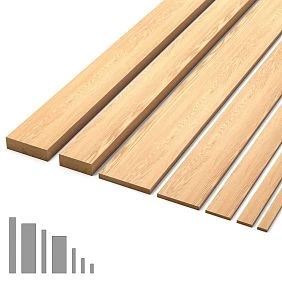
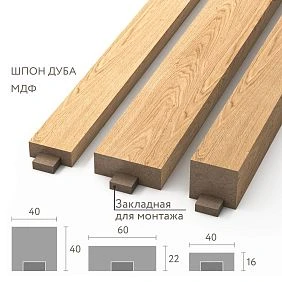
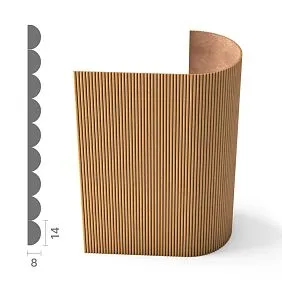
What is the true strength of MDF as a finishing material?
There is a persistent misconception about MDF: 'it's not real wood.' Correct—it's not solid wood. But that's not a disadvantage either. MDF is a medium-density fiberboard where the fibers are arranged uniformly and isotropically. This is precisely why MDF does not have a 'direction' of deformation, unlike solid wood, which works across the grain.
What does this provide in practice?
-
Shape stability. When humidity changes within the range of a normal living space (40–65%), MDF does not expand or contract in critical volumes. Gaps between slats do not appear.
-
Milling precision. A uniform structure allows creating profiles with accuracy up to 0.1 mm — solid wood cannot provide such precision due to texture heterogeneity.
-
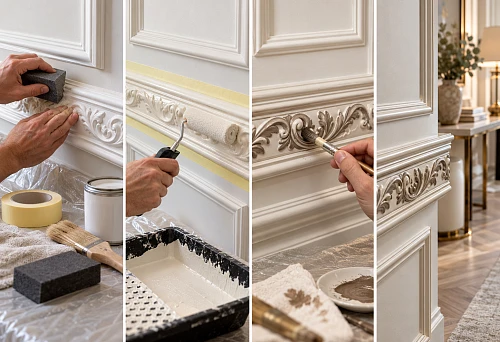
Painting in any RAL color. MDF is an ideal base for painting: smooth, without pores, protruding fibers, or resin channels. Two coats of acrylic paint over primer — and the surface looks like factory coating.
-
Installation versatility. MDF cuts easily at precise angles, doesn't chip, and doesn't delaminate when trimmed.

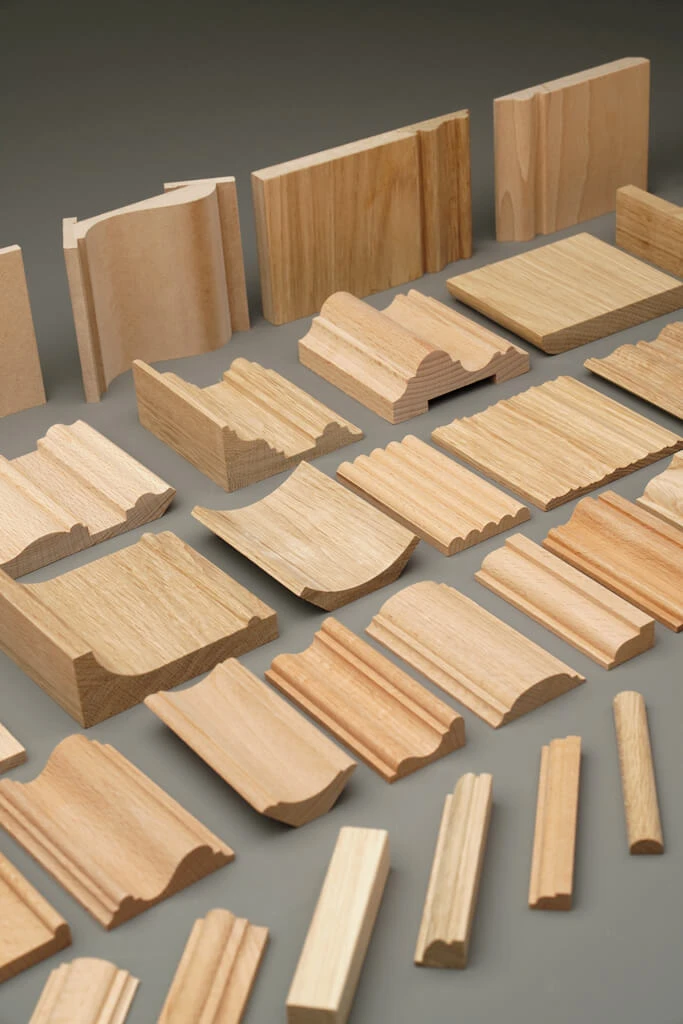


How MDF slatted panels differ from decorative coatings
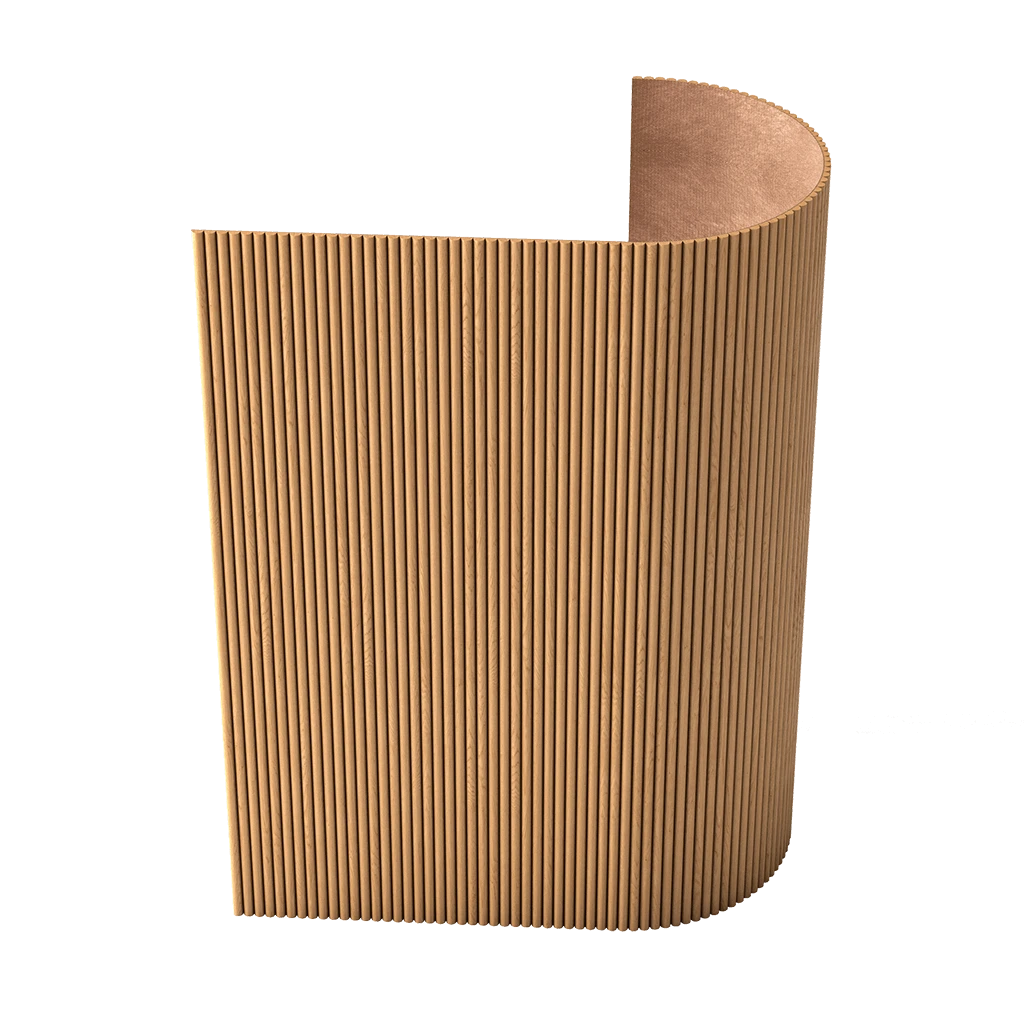
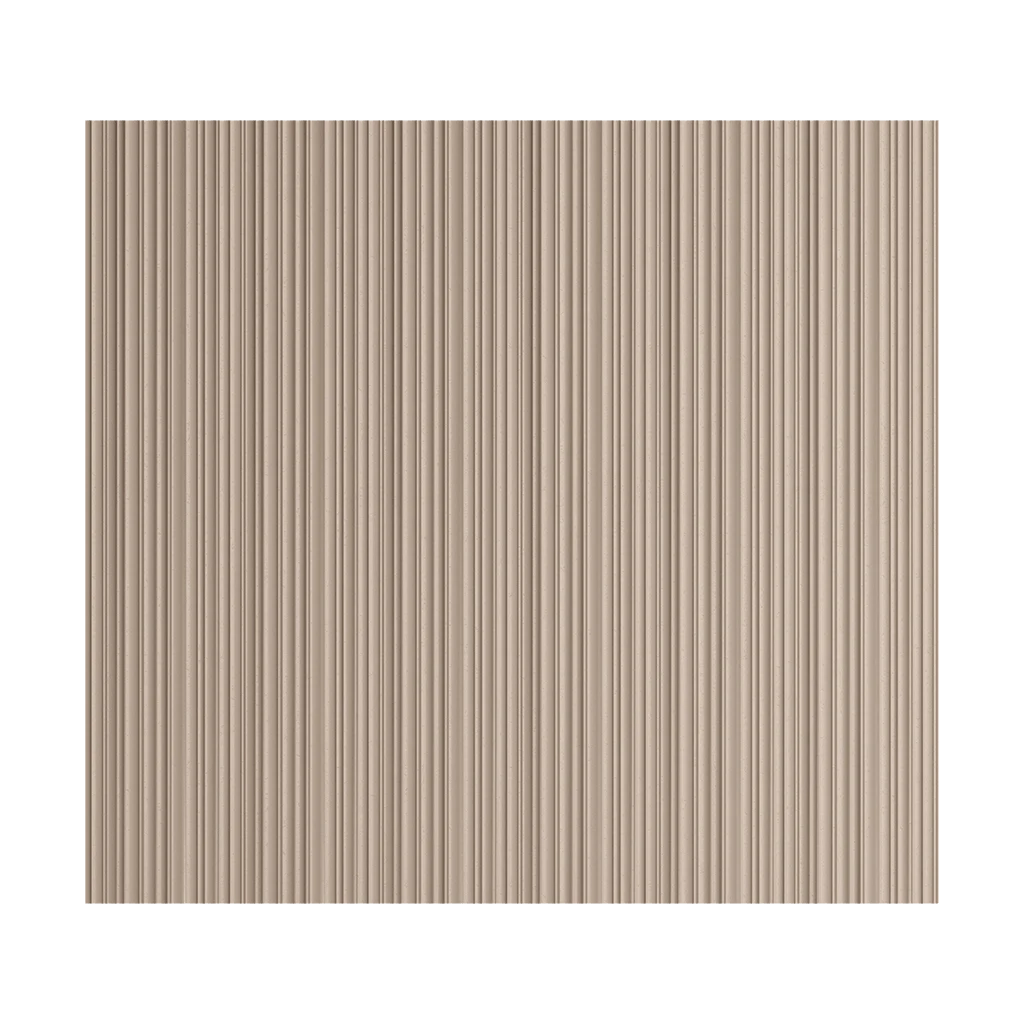
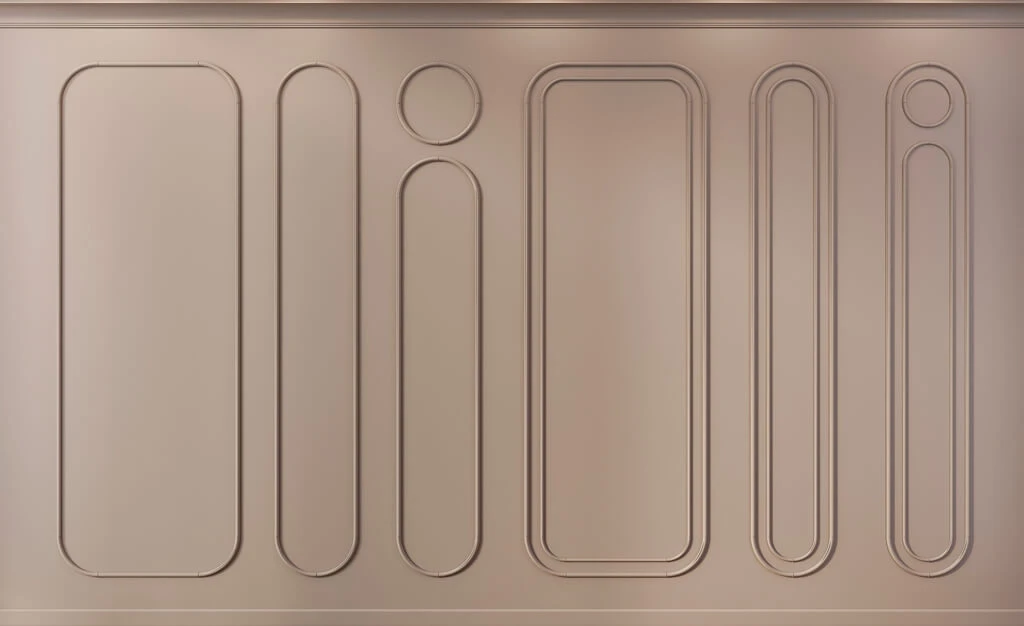
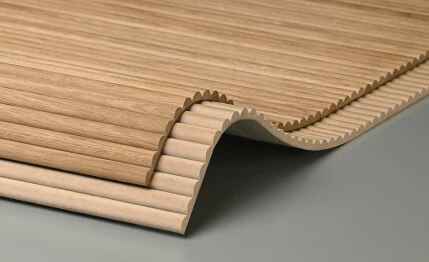
MDF slat panels for walls— it's not a film, sticker, or imitation. It's a milled or profile-assembled element with real relief: gaps between slats are actual, groove depth is physical. Shadows in gaps create three-dimensionality impossible to imitate with flat printing.
This is fundamental. A three-dimensional surface works differently than a flat one: it changes with lighting, creates different effects in morning and evening light, responds to light source direction.
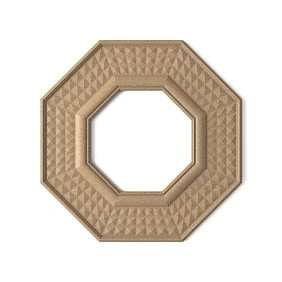
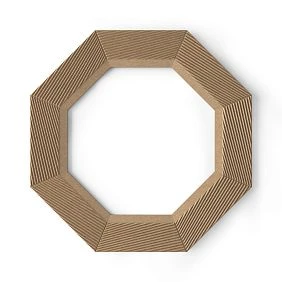
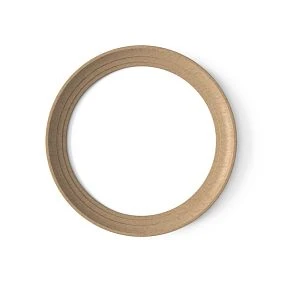
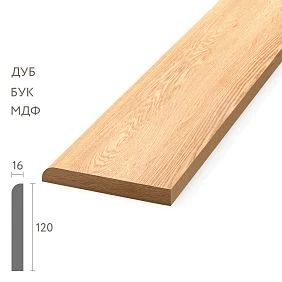
Our factory also produces:

Paintable MDF — why it's not a compromise but an advantage
Many perceive painted MDF as a 'temporary solution until real wood.' This is a mistaken position.paintable slatted wall panelsMDF panels provide what solid wood cannot: the ability to change system color without replacing material.
Reupholstered the sofa? Changed curtains? Want a different wall tone? — Repaint slatted panels and baseboards in one day. Oil on natural oak doesn't work that way.
Get Consultation
MDF Skirting Board: Why It's Limited in a Slatted Panel System
A skirting board is an element that almost no one perceives as a system. It's chosen based on 'matches the color' or 'was in the store.' And this is the cause of most problems with the neatness of the lower part of the wall.
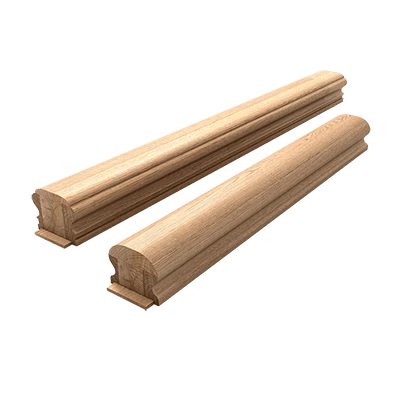
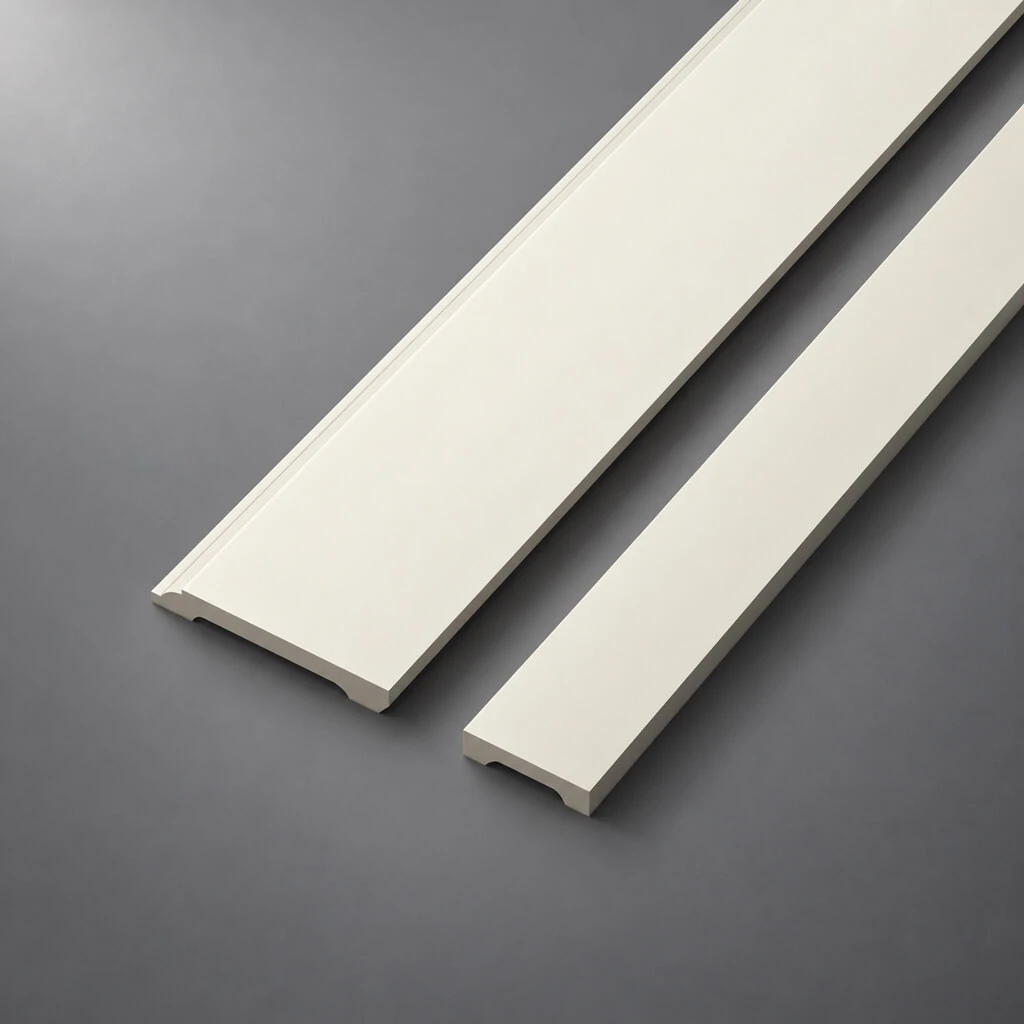
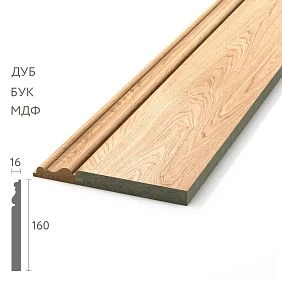
MDF skirting board fromthe range of products made from solid wood and MDFis an element milled from the same material as the slatted panel. The same base, the same surface porosity, the same reaction to primer and paint. This means:
-
Identical surface sheen after painting
-
Identical tone when using the same paint
-
Identical behavior over time: both elements do not change tone differently
Material matching is not a formality. It's a condition for the visual unity of the lower part of the wall.
Why a PVC or cheap plastic skirting board disrupts the system logic
MDF slat wall, neat and precise. Skirting board — white PVC, glossy, gradually yellowing after two years. Joint — visible, with a gap filled with silicone. This is not a system — it's a random assortment.
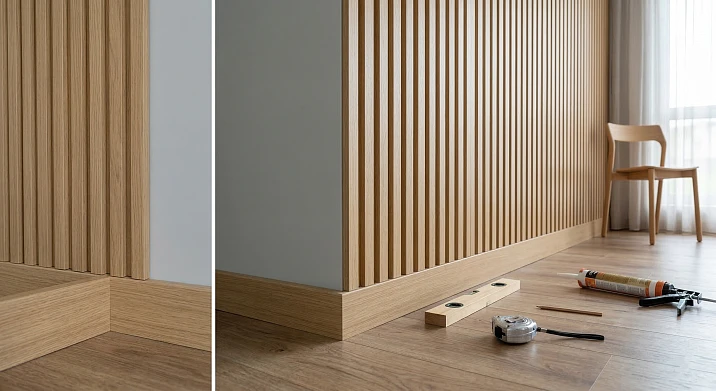
MDF skirting board matted to match the same paint as the slat panel. Profile — the same language of geometry: right angle, bevel, neutral transition. Skirting-panel joint is sealed with acrylic sealant of the same tone and becomes invisible.
Skirting board height: base proportion
MDF skirting board height is determined by room height, but not only.
| Ceiling Height | Recommended skirting board height | Note |
|---|---|---|
| 2.40–2.55 m | 60–72 mm | Minimum scale, not to overload the space |
| 2.60–2.75 m | 72–88 mm | Standard range for typical housing |
| 2.80–3.00 m | 88–108 mm | Confident scale, maintains verticality |
| 3.05–3.35 m | 108–130 mm | Necessary to preserve proportions |
| Above 3.35 m | 130–155 mm | Large profiles, high ceilings |
Batten panel does not change this logic, but adds one condition: the baseboard must be visually 'lighter' than the panel — no higher than the lower third of the batten surface height in the lower register.
How to select the height and thickness of elements: specific parameters
The MDF system — slatted panel + skirting board + cornice — works correctly only when the parameters of all three elements are coordinated.
Thickness of the slatted panel
MDF wall slatted panelhas two key thickness parameters:
-
Base thickness (substrate): 9–12 mm — standard. 6 mm — only for lightweight decorative applications.
-
Slat depth (protrusion above the substrate): 12–22 mm — creates relief.
Total panel thickness from the wall: 21–34 mm (accounting for battens or adhesive mounting on a leveled wall).
This is important for calculating joints with the skirting board and cornice: the skirting board should 'overlap' the lower end of the panel, not meet it 'flush'.
Slat width and spacing: how it affects the perception of space
Narrow slat (30–45 mm) with small spacing (25–40 mm) — dense, rich surface. Shadows are dense, rhythm is frequent. Suitable for small rooms where 'warm' density is needed.
Medium slat (48–65 mm) with moderate spacing (45–65 mm) — a universal solution. Reads as both texture and rhythm. Works in living rooms, bedrooms, hallways.
Wide slat (68–90 mm) with open spacing (60–90 mm) — architectural, structural. Each slat is an independent element. Suitable for high ceilings, large areas.
MDF cornice: finishing the system from the top
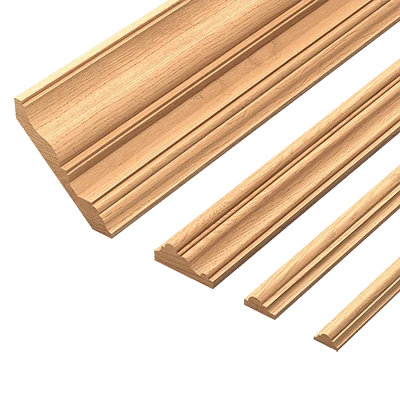
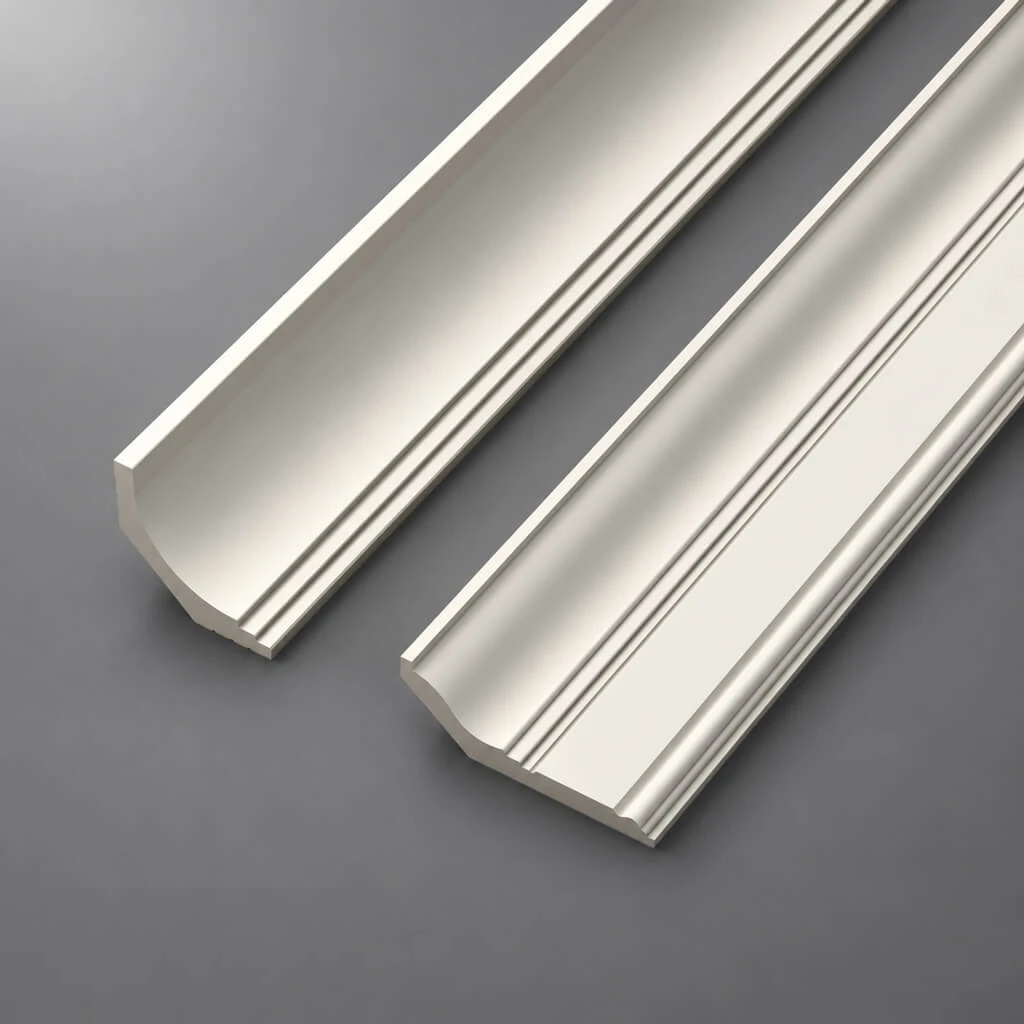
MDF Crown— a ceiling element that covers the top joint of the slat panel with the ceiling. Its role is similar to the baseboard at the bottom: it creates a 'lid' for the system, hides the technical gap, provides a horizontal accent.
Without an MDF cornice, the top edge of the slat panel is visible — and requires either a finishing profile or tight abutment to the ceiling (which is technically difficult without gaps). The cornice solves the problem elegantly.
MDF cornice height: following the same logic as the baseboard — according to ceiling height, but always slightly less than or equal to the baseboard in height. An 88 mm cornice with a 95 mm baseboard is the correct proportion. A 120 mm cornice with a 72 mm baseboard — the upper part overpowers the space.
What to consider in different rooms: hallway, bedroom, living room
One system — different tasks depending on the room. Application details change.
Hallway and entrance area: precision in high-traffic conditions
The hallway is a zone of maximum mechanical impact. Walls in the hallway get scratched, bumped, and pushed. It is here that MDF slatted paneling demonstrates one of its key practical advantages: it is significantly more resistant to accidental contact than painted plaster.
The slat absorbs the impact itself—it is a wood-fiber composite that is easy to repaint or restore locally. Painted gypsum plaster, when struck, chips, requiring a full local restoration.
Slatted panels in the hallway— lower register up to a height of 120–135 cm. Baseboard 82–95 mm. A horizontal MDF transition molding at a height of 120 cm separates the lower protective zone from the upper decorative one.
In a narrow hallway, tone is especially important: light-colored slatted panels for painting in white or soft gray visually expand the space. Dark ones are only appropriate with sufficient hallway width (from 130 cm).
Living room: accent or system
In the living roomMDF slatted panelworks in two ways:
As an accent wall—one wall (TV area or wall behind the sofa) with slatted paneling at full height. The other walls are neutral. MDF baseboard around the entire perimeter of the living room. MDF cornice around the entire perimeter. A unified system, one accent.
As a lower register—slatted paneling up to a height of 110–130 cm on all walls. Above—neutral paint or wallpaper. A horizontal MDF transition molding marks the boundary. This is a paneled breakdown that gives the living room a classic architectural character.
In both cases, MDF baseboard is a mandatory element. A slatted wall without a baseboard is an incomplete system.
Slatted panels in the living room interiorwith a neutral painted baseboard from the same MDF system—this is a timeless solution: when trends change, only the paint color changes, not the material.
Bedroom: delicacy and uniformity
In the bedroomMDF slat panels— the wall behind the headboard. This is the most intimate accent: before sleep and after waking up. Here, the delicacy of the relief is important: narrow slats, moderate spacing, soft tone.
MDF skirting board in the bedroom — modest. 68–82 mm. Straight profile. Tone — matching the panel or one shade darker. No contrasting solutions: the bedroom requires monochrome calm.
slatted panels in the bedroomwith backlighting — LED strip in the gaps between the slats — is a separate level of atmosphere. Warm diffused light through the relief of MDF, painted in a neutral tone, creates an effect of depth and warmth that cannot be replaced by any other technique.
Kitchen: MDF with intelligence
MDF is not a moisture-resistant material by default. In the kitchen, in close proximity to the sink and stove, standard MDF is not appropriate. But on walls that do not come into contact with steam and splashes — quite so.Slatted panels in the kitchenMDF — dining table area, entrance area, decorative wall — provided that moisture-resistant MDF (Moisture Resistant, marking MR) and high-quality paint coating are used.
MDF skirting board in the kitchen — only moisture-resistant. A standard MDF skirting board under the skirting board opening, where puddles are possible, is not a durable solution.
When contrast is needed, and when tone-on-tone: the logic of the color solution
Color is a tool, not a decoration. In the MDF system, it works on clear logic.
Monochromatic solution: slats, skirting board, and cornice in the same tone
Everything is white. Or everything in sage. Or everything in soft gray. Reiki, baseboard, cornice — a single tone without breaks.
This solution is the most versatile and 'long-lasting'. It does not require a strict tie to the color of furniture or textiles. The monochrome MDF system works as a neutral architectural shell of the space, in which accent elements are freely changed.
Works best: with light tones (white, off-white, soft beige) — in any room. With dark tones (anthracite, dark blue, saturated green) — only with good lighting and sufficient area.
Contrast solution: dark panel + light baseboard
Classic variant: wall reeded in a saturated tone (dark gray, graphite, dark green) — baseboard white or cream. This emphasizes the lower boundary of the wall, creates a 'base' and at the same time — a slight visual separation of the dark wall from the floor.
Works in modern classic, neoclassic. Requires precision of the joint: with contrasting tones, the gap between the panel and the baseboard is immediately visible.
Contrast solution: light panel + dark baseboard
Reverse variant: white or light reeded panel — baseboard in a dark tone (anthracite, dark walnut, dark brown). This gives the lower part of the wall weight — 'grounds' the light surface. Appropriate in minimalism, loft, Scandinavian style.
Danger: dark baseboard requires either a dark floor (otherwise conflict), or a neutral one (gray, beige) — where the transition from the dark baseboard to the floor will be smooth.
Tone on tone with the ceiling or wall
An MDF cornice painted to match the ceiling color 'dissolves' and makes the wall-ceiling transition invisible. The relief is only perceptible through shadows. This is a delicate minimalist solution—and one of the most sought-after in contemporary residential interiors.
An MDF baseboard matching the floor color (with light laminate or parquet) follows the same principle: the wall-floor boundary becomes soft and inconspicuous. The space is perceived as a single volume.
Installation errors: an honest list
The quality of an MDF system is determined not only by the material but also by the precision of installation. Let's examine the most common errors.
Error one: installation on an unprepared wall
MDF Slatted Wall PanelIt is installed either with adhesive on a leveled wall (deviation no more than 3 mm/m) or on battens. When installing with adhesive on an uneven wall, the panel 'repeats' the irregularities: the slats do not lie in the same plane, and gaps are uneven.
Solution: level the wall with plaster to an acceptable deviation—or install on battens, compensating for irregularities through the thickness of shims.
Error two: baseboard installed before the panel
Correct sequence: first the slatted panel, then the baseboard. The baseboard should overlap the lower end of the panel—this conceals the joint and creates a clean bottom line.
If the baseboard is installed first, the lower end of the panel 'butts' against the baseboard with an open joint—a gap is inevitable.
Mistake three: exposed ends of the slatted panel
The side end of the slatted panel is an untreated MDF cut. Without a finishing profile, it is visible, unattractive, and over time begins to delaminate under changing humidity conditions.
installation of slatted panelsalways finishes with trim profiles—corner, starter, L-shaped—covering all exposed ends.
Mistake four: different shades of skirting board and panel with the same paint
It would seem: one can of paint, one shade—should match. No. MDF skirting board and MDF slatted panel can have different surface porosities—especially if the manufacturers are different. A more porous material 'drinks' the paint and yields a darker shade. A denser one remains lighter.
Solution: priming both elements with the same primer in an equal number of coats, then one paint in two coats. Only this way will the shade be identical.
Mistake five: skirting board without preparation for floor junction
The floor always has deviations. MDF skirting board is rigid. On an uneven floor, a gap forms between the skirting board and the floor, which is filled with silicone. Silicone in the skirting board's shade—still tolerable. Clear silicone on a white skirting board—unattractive.
Solution: skirting board with a lower beveled part (cove)—it compensates for minor floor irregularities. Or preparing the floor plane along the walls with a leveling screed.
Mistake six: failure to observe thermal expansion gaps
MDF is a stable material, but not absolutely inert. With significant temperature changes (installation in an unheated room followed by turning on the heating), slight linear changes are possible. Long planks (from 2.5 m) should be installed with a 1–2 mm thermal gap at the ends — especially in rooms with an unstable climate.
Mistake number seven: painting without primer
Unprimed MDF is a sorbent. Paint is absorbed into the material unevenly: the ends 'drink' paint more intensively than the flat surface. Without primer, even two coats of paint result in a patchy surface.
Mandatory sequence: sanding → specialized primer for MDF (filling the pores) → two coats of finishing acrylic paint. The ends are primed additionally.
MDF slatted panel in a system with moldings: the complete picture
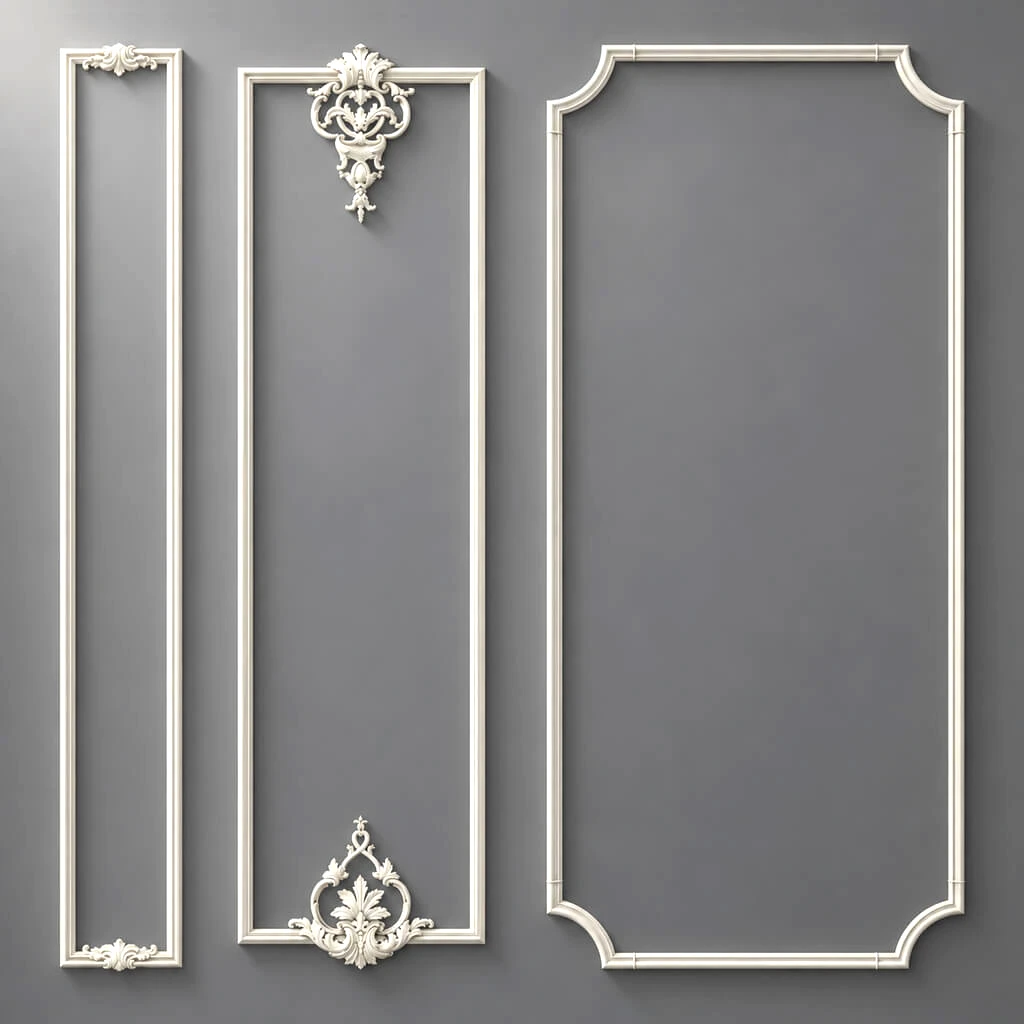
Slatted panel + baseboard + cornice + architraves — this issolid wood millworkor MDF in a unified system. Each element occupies its place in the architecture of the space.
MDF architrave — framing for a doorway. It should be made of the same material and in the same tone as the baseboard and cornice. If the architrave is white, the baseboard is white, the cornice is white, and the slatted panel is in an accent tone (color) — the system is perceived as unified, and the panel as an intentional accent within this system.
Types of slat panelsfor MDF — from monolithic modular constructions to individual slats mounted one after another. For a systematic finish with MDF baseboard — modular constructions are preferable: they provide an even factory spacing between the slats and eliminate manual installation errors.
Practical table: system parameters for different rooms
| Room | Batten width | Step | Baseboard Height | Cornice height | Tone |
|---|---|---|---|---|---|
| Corridor, 2.55 m | 42–55 mm | 35–50 mm | 72–82 mm | 65–75 mm | Light monochrome |
| Living room, 2.75 m | 52–68 mm | 48–65 mm | 82–95 mm | 78–90 mm | Contrast or monochrome |
| Bedroom, 2.70 m | 40–58 mm | 40–58 mm | 68–82 mm | 65–78 mm | Delicate monochrome |
| Study, 2.85 m | 60–78 mm | 52–70 mm | 88–105 mm | 82–98 mm | Dark accent / monochrome |
| Children's, 2.65 m | 38–52 mm | 38–55 mm | 68–80 mm | 62–75 mm | Light neutral |
| Kitchen, 2.70 m | 48–62 mm | 45–62 mm | 75–88 mm | 70–82 mm | Moisture-resistant MDF, monochrome |
STAVROS: An MDF system that works as a unified whole
slatted MDF paneland MDF skirting boards are not two separate products assembled by chance. They are elements of a single finishing system that only works under conditions of consistency: material, proportion, coating, style.
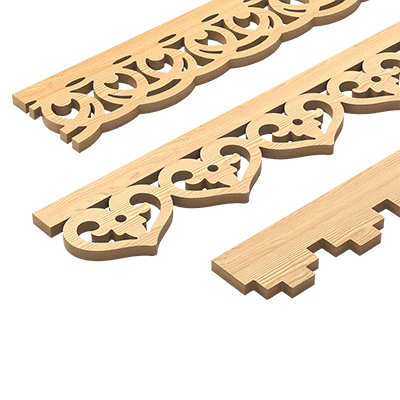
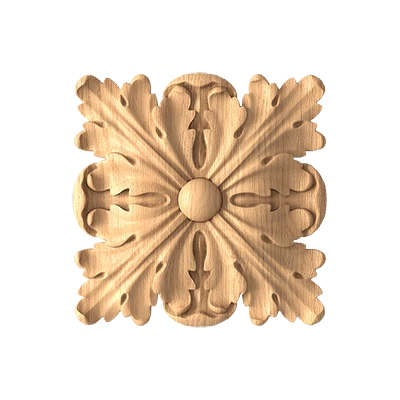
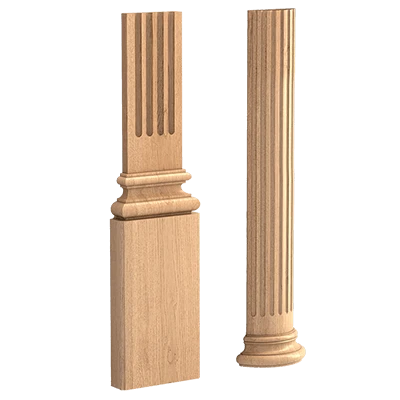
STAVROS produces MDF paneling andWooden trim— cornices, skirting boards, architraves, moldings — within a unified production logic. Coordinated profiles, coordinated coatings, coordinated scale. All this means one thing: you get not a set of components for DIY 'assembly,' but a ready-made system with proven compatibility.
Consultation on element selection — before ordering. Samples — upon request. Linear footage calculation based on your parameters. Delivery to any region.
Clean joints. Precise geometry. A system that doesn't require rework after a year.
FAQ
Can MDF paneling and MDF baseboards be painted simultaneously before installation?
It is recommended to prime and apply the first coat of paint before installation (especially on the panel edges). The final coat should be applied after installation and sealing of joints. This ensures maximum color uniformity and conceals all installation seams.
What should be used to cut MDF paneling on site?
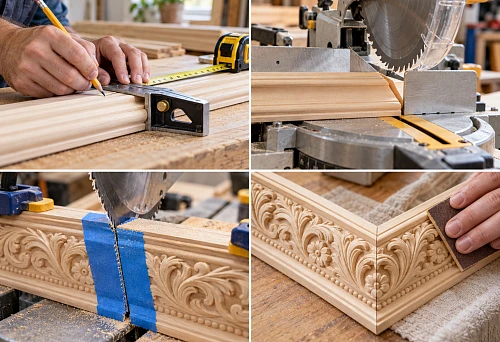
Circular saw with a fine-toothed blade for MDF. Jigsaw for curved cuts.How to cut MDF panelingproperly: cut from the face side, place backing under the sheet to prevent chipping on the underside.
Is a frame needed for MDF paneling?
On a flat wall (deviation up to 3 mm/m) — adhesive installation is acceptable. On an uneven wall — a frame is mandatory.Installation of batten panelsInstallation on a frame provides an additional benefit — a ventilation gap that prevents condensation.
How long does MDF last in residential spaces?
With proper coating (primer + 2 layers of acrylic paint) and normal operating conditions — 15–20 years without loss of shape or tone. The surface is renewed by repainting — without replacing the material.
What is the difference between a slatted MDF panel and a PVC panel?
MDF — denser, heavier, more precise in profile, can be painted any color, does not yellow. PVC — lightweight, moisture-resistant, but cannot be painted, yellows over time, has a characteristic plastic sheen. In residential interiors, MDF is a significantly higher-quality solution.
Can slatted MDF panels be installed independently?
Yes.DIY slatted panelMDF is one of the most accessible DIY projects with basic tools: level, tape measure, circular saw or miter saw, MDF adhesive, nail set for finish nails. MDF skirting board installation is even simpler.