Article Contents:
- The batten trend: why batten finishing conquered interiors in 2025-2026
- Visual dynamics and graphics
- Acoustic Effect
- Hiding utilities
- Eco-friendliness and tactility
- Choosing battens: materials, dimensions, wood species
- Bat materials
- Plank dimensions
- Wood species for battens
- Bat processing
- Installation of batten finishing: vertical, horizontal, diagonal
- Vertical installation: visually raising the ceiling
- Horizontal installation: expanding the space
- Diagonal installation: dynamics and originality
- Frameless mounting: directly to the wall
- Molding in the living room: moldings frame batten panels
- Frame moldings around batten panels
- Ceiling cornice: finishing the top of the room
- Moldings on a smooth wall: panels and division
- Modern living room furniture: combination with battens and molding
- Sofa: the center of the living room
- Coffee table: lightness and functionality
- Shelving or cabinet: storage without visual heaviness
- TV stand: conciseness under the television
- Armchairs: accents or support for the sofa
- MDF skirting: finishing the composition from below
- Baseboard height
- Skirting color
- Baseboard Profile
- Furnishing an eclectic living room: from floor to ceiling
- Ceiling
- Walls
- Floor
- Furniture
- Decoration
- Lighting
- Frequently Asked Questions: Addressing Doubts
- Conclusion: create a living room masterpiece with STAVROS materials

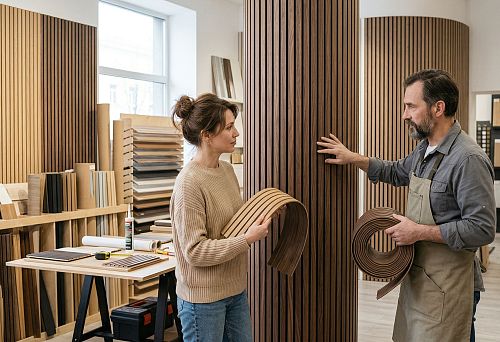
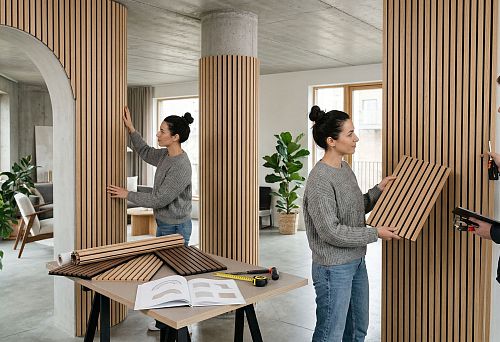
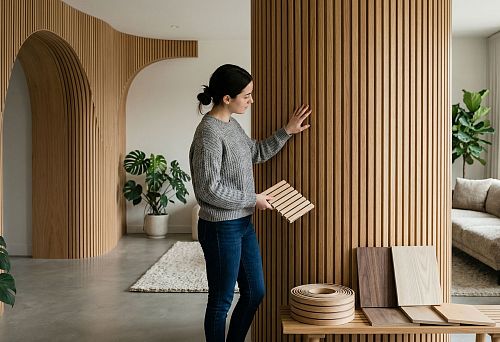
Living room. The heart of the home, where the family gathers in the evenings, where guests are received, where important conversations are born and quiet moments with a book in an armchair. The living room interior expresses the owner's character: a conservative will choose classic (molding, parquet, heavy curtains), a minimalist will leave empty white walls, and a person with a broad outlook will create eclecticism — a bold combination of different styles, eras, materials, forming a harmonious whole.Decorative wall paneling— one of the main trends of 2025-2026: vertical or horizontal planks made of wood, MDF, metal (width 20-80 mm, thickness 10-30 mm, spacing between battens 30-100 mm) create graphics, rhythm, wall structure, visually change the proportions of the room (vertical battens raise the ceiling, horizontal ones expand the space).Polyurethane molding in the living room— a classic decorative element (moldings, cornices, rosettes) that, in a modern interpretation, does not overload the interior with gold and curls but serves as a graphic frame (frames made of flat moldings around slatted panels, a minimalist ceiling cornice, concise baseboards).Modern furniture for the living room— modular sofas, open shelving, tables on thin legs, combined materials (wood + metal, glass + concrete) — complements the eclecticism, not competing with the slats and moldings, but supporting the overall concept.
This article is a complete guide for those who want to create a living room in an eclectic style using slatted finishes and moldings. We'll break down why slatted finishes have become a trend (visual dynamism, acoustic effect, hiding utilities, eco-friendliness of natural wood), how to choose slats (buy wooden planks for wall decoration— wood species, sizes, treatment), installation methods (vertical, horizontal, diagonal laying, mounting on a frame or directly to the wall), how to apply moldings (moldings frame slatted panels, cornices on the ceiling, floor baseboards), what furniture to select (color, shape, style), how to complete the composition (buy MDF skirting board— matching the slats or contrasting). Get a step-by-step plan for decorating a living room where every element works towards the overall result — a modern, cozy, individual space.
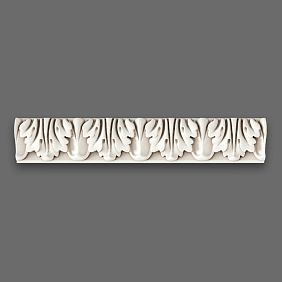


The Slat Trend: Why Slatted Finishes Conquered Interiors in 2025-2026
— this is a design technique used in living rooms, bedrooms, premium-class offices, and restaurants. What changed? Designers discovered the potential of slats as an architectural element (not just cladding, but a tool for changing the perception of space), manufacturers offered variety (not only wood but also painted MDF, metal, composites, dozens of colors, sizes), the trend for eco-friendliness of natural materials intensified (wood on walls — warmth, tactility, connection with nature).Decorative wall paneling— is a design technique used in living rooms, bedrooms, premium-class offices, and restaurants. What has changed? Designers have unlocked the potential of slats as an architectural element (not just cladding, but a tool for altering spatial perception), manufacturers have offered variety (not only wood, but also painted MDF, metal, composites, dozens of colors, sizes), and the trend toward eco-friendly natural materials has intensified (wood on walls — warmth, tactility, connection with nature).




Visual Dynamism and Graphics
A flat, monochrome wall (painted, wallpapered) is static, passive. A slatted wall is dynamic: vertical lines lead the eye upward (the ceiling seems higher), horizontal lines — widen (the room expands), diagonal lines — create movement, energy. The play of light and shadow between the slats (gaps 10-30 mm deep cast shadows that change throughout the day — soft in the morning, contrasty in the evening) adds volume and life to the wall. The graphic quality of a slatted wall combines with minimalism (simplicity of lines), Scandinavian style (natural wood in light tones), loft (dark wood or metal against concrete, brick).
Our factory also produces:


Acoustic effect
Wood is a material that absorbs sound (unlike concrete, glass, which reflect sound, create echo). A slatted wall with gaps works as an acoustic panel: sound waves penetrate between the slats, partially absorbed by the wood, partially scattered in the gaps (the 'slat-gap-wall' structure dampens resonances). The effect is especially noticeable in living rooms with high ceilings (3.0+ meters), where without acoustic treatment voices are booming, music sounds harsh. A slatted wall behind a sofa or on an accent wall reduces reverberation time (echo is shorter), sound becomes cleaner, more comfortable to perceive.
Get Consultation
Hiding utilities
Behind a slatted wall (if slats are mounted on a frame with a 30-50 mm offset from the base wall), wires are routed (electrical, internet, audio systems — cables run vertically or horizontally between slats, not visible), outlets and switches are mounted (recessed into slats — only the faceplate is visible), lighting is installed (LED strips in gaps between slats — soft glow through gaps, emphasizing the graphics). A slatted wall is functional, not just decorative.
Eco-friendliness and Tactility
Natural wood is an eco-friendly material (does not emit volatile substances, breathes, regulates air humidity — absorbs excess at high humidity, releases at low humidity), warm visually and tactilely (touching a wooden slat is more pleasant than cold paint, wallpaper). In an era when people are tired of synthetics, plastic, artificiality of the urban environment (glass, concrete, asphalt) — wood in interiors restores the connection with nature, creates coziness, calms (studies show that the presence of wood in interiors reduces stress levels, improves mood).
Choosing Slats: Materials, Sizes, Wood Species
Tobuy wooden planks for wall decoration, you need to decide on parameters: material (solid wood, MDF, metal), sizes (width, thickness, length), wood species (if solid wood), treatment (oil, paint, varnish).
Slat Materials
Solid wood: natural wood (oak, ash, pine, larch), sawn into planks of the required cross-section. Pros: eco-friendliness (100% natural material), unique texture (each slat with an individual pattern of annual rings, knots — if grade AB), durability (oak slats last 50+ years), tactility (pleasant to the touch), repairability (scratches can be sanded, coating renewed). Cons: price 2-4 times higher than MDF, demanding on room humidity (wood expands/contracts with humidity changes — stable humidity of 40-60% needed, otherwise slats may warp, gaps may appear between them or they may shrink).
MDF: MDF board (medium-density fiberboard), cut into planks, painted with enamel or laminated with film. Pros: dimensional stability (MDF does not warp from humidity, gaps between slats are stable), variety of colors (enamel — any RAL color, glossy or matte, lamination — wood texture or solid color), price 2-3 times lower than solid wood. Cons: synthetic nature (MDF contains binders — formaldehyde resins, though modern MDF class E1 or E0 is safe, emission minimal), lack of natural wood texture (even lamination with wood texture reads as imitation up close).
Metal: aluminum or steel planks (width 20-50 mm, thickness 1-3 mm), painted with powder coating (black, white, bronze, brass). Pros: industrial look (loft, high-tech), durability (metal does not rot, warp, lasts decades), fire resistance (metal is non-combustible). Cons: coldness visually and tactilely (metal is cold to the touch, looks strict), price 20-40% higher than wood.
Panel thickness
Width: 20-80 mm. Narrow slats 20-30 mm create a frequent rhythm (wall is graphic, dynamic, lines are fine — reads from afar as texture). Medium 40-60 mm — universal (balance of graphics and calmness). Wide 70-80 mm — minimalist (fewer lines, wall calmer, more monumental).
Thickness: 10-30 mm. Thin slats 10-15 mm — elegant, visually light, suitable for small rooms (do not overload space). Thick 20-30 mm — voluminous, create deep shadows, suitable for high ceilings (proportional to room scale).
Gap between slats: 30-100 mm. Narrow gap 30-40 mm — wall almost solid (slats dominate, gaps are thin shadow lines). Medium 50-70 mm — balance (slats and gaps are equal). Wide 80-100 mm — wall airy (gaps wide, base wall behind slats visible — can be painted contrastingly: slats light, wall dark, or vice versa).
Length: 2.0-3.0 meters. Standard plank length 2.4 or 2.5 meters (typical apartment ceiling height). For high ceilings (3.0+ meters), slats 3.0 meters long are ordered or two slats are joined (joint horizontal, hidden behind molding or at mid-wall height — visually unnoticeable).
Wood Species for Slats
Oak: premium choice. Density 700 kg/m³, high hardness (resistant to scratches, dents), expressive texture (large annual rings, medullary rays — light stripes). Color from light yellow (young oak) to brown (mature oak). Can be tinted with stains, tinting oils (shades from light oak to black ebony). Durability 50-100 years.
Ash: light species, density 680 kg/m³, contrasting texture (annual rings alternate light and dark stripes — graphic quality). Color white with gray or yellowish tint. Popular in Scandinavian interiors (light wood, minimalism).
Pine: budget species, density 500 kg/m³, soft (scratches easily, dents), texture with knots (if grade AB — with knots, grade A — without knots, more expensive). Color yellowish-white, yellows over time (under light). Requires treatment with antiseptics (soft wood susceptible to fungi). 3-4 times cheaper than oak.
Larch: strong, density 650 kg/m³, bio-resistant (contains gum — does not rot even in contact with moisture). Color reddish-brown. Used in rooms with high humidity (bathrooms with slatted panels, saunas). 50-80% more expensive than pine, 20-30% cheaper than oak.
Slat Treatment
Wood oil: linseed, tung, specialized (Osmo, Biofa). Penetrates wood (2-5 mm), creates hydrophobicity (water is not absorbed, rolls off in droplets), emphasizes texture (wood looks natural, as if under varnish, but without a film). 2-3 coats, matte or silky-matte finish. Color natural (clear oil) or tinted (toning oil - oak, walnut, rosewood, wenge). Renewal every 5-10 years (light sanding, new coat of oil).
Varnish: polyurethane, acrylic. Forms a film on the wood surface (thickness 50-100 µm), protects against moisture, scratches. 2-3 coats, glossy, semi-matte, or matte finish. Varnish emphasizes texture but creates a sense of artificiality (film is visible, wood shines). Durability 10-15 years, then varnish becomes cloudy, requires renewal (complete sanding, reapplication - labor-intensive).
Paint: acrylic enamel (for MDF or solid wood, if wood texture is not important). Hides texture, creates a solid color coating (white, black, gray, colored - full RAL palette). 2-3 coats, glossy or matte finish. For modern styles (minimalism, Scandinavian with white slats).
Installation of slat cladding: vertical, horizontal, diagonal
Decorative wall panelingis performed in three main ways according to the direction of the slats: vertical, horizontal, diagonal laying. Each creates its own effect.
Vertical laying: visually raises the ceiling
Slats are mounted vertically (from floor to ceiling), gaps between them form vertical lines. Effect: ceiling appears higher (gaze slides upward along the lines), room - slimmer, taller. Used in living rooms with low ceilings (2.5-2.7 meters - typical panel houses), in narrow rooms (vertical lines stretch the space upward, compensate for narrowness).
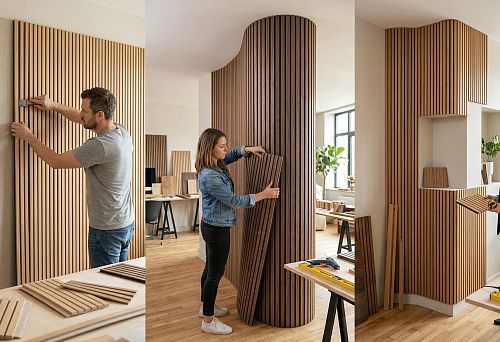
Installation: horizontal frame (wooden battens 30×40 mm or metal profile, attached to the wall horizontally with a pitch of 60-80 cm), slats are attached to the frame vertically (with screws through the back side of the slat into the frame, or with hidden fasteners - clips, brackets). Gap between the base wall and slats 30-50 mm (space for wires, leveling wall irregularities).
Horizontal laying: expands space
Slats are mounted horizontally (along the wall), gaps form horizontal lines. Effect: room appears wider, more spacious (horizontal lines guide the gaze along the wall). Used in small living rooms (visually expands), in living rooms with high ceilings (horizontal lines visually lower the ceiling, make proportions more comfortable).
Installation: vertical frame (battens attached vertically with a pitch of 60-80 cm), slats horizontally. Slat joints (if wall is longer than 2.5 meters - slat length) are made on the frame (slat ends butt against a vertical batten, joint is invisible with precise cutting).
Diagonal laying: dynamism and originality
Slats are mounted at a 30-60 degree angle to the horizon (diagonally). Effect: dynamism, movement, originality (diagonal lines attract attention, create rhythm, different from vertical/horizontal). Used on accent walls (behind sofa, behind TV - one wall with diagonal slats, others plain), in avant-garde interiors.
Installation: frame is perpendicular to the direction of the slats (if slats are at 45 degrees to the right-up, frame is at 45 degrees left-up - a grid is formed, slats are attached to the frame). More complex than vertical/horizontal installation (more waste - slats are cut at an angle, joints in room corners are more difficult), requires precise marking.
Frameless mounting: directly to the wall
If the wall is perfectly even (deviations less than 2 mm over 2 meters - fresh plaster, drywall), slats can be glued directly to the wall (without a frame) using foam adhesive or liquid nails. Pros: material savings (no frame), space savings (slats protrude from the wall by the thickness of the slat, not the thickness of frame+slat). Cons: cannot run wires behind slats, impossible to level a crooked wall (slats will follow irregularities).
Molding in the living room: moldings frame slat panels
Polyurethane molding in the living room— a classic element that in eclecticism combines with modern slats. How to combine? Molding serves as framing, a frame for slat panels, ceiling, floor - creates structure, divides space into zones, graphically connects elements.
Moldings-frame around a slat panel
A slat wall occupies part of a wall (panel height 1.5-2.5 meters, width 2.0-3.0 meters - behind sofa, behind TV). Polyurethane moldings (width 40-80 mm, profile flat or with a single curve - modern, laconic, not baroque) are glued around the perimeter of the slat panel. Moldings form a frame (rectangle), inside which are the slats. Effect: slat panel looks like a work of art in a frame, composition is complete, boundaries are clear. Molding color: white (contrast with wooden slats - classic combination), wall color (moldings blend with the wall, only the relief frame is visible - minimalism), slat color (moldings and slats are the same color - monochrome composition).
Installation: moldings are glued to the wall (around the slat panel) with foam adhesive or liquid nails after installing the slats. Corner joints of moldings are mitered at 45 degrees (classic frame angle), filled with acrylic sealant, sanded (joint is invisible).
Ceiling cornice: finishing the top of the room
Ceiling cornice (cove) - a molding 50-150 mm wide, covering the wall-ceiling joint around the perimeter of the living room. In eclecticism, the cornice is simple (flat profile or with a single curve, no ornament), white or ceiling color. If the living room has a vertical slat wall (slats run from floor to ceiling), the cornice visually finishes the slats at the top (horizontal line of the cornice stops the vertical movement of the slats). The cornice can contain hidden lighting (LED strip inside the cornice, light reflects off the ceiling - soft glow around the perimeter).
Moldings on a smooth wall: panels and division
If slat cladding occupies one wall (accent), the other walls are smooth (painted), panels are created on them using moldings: rectangular frames from moldings width 40-60 mm (frame size 80×120 cm, 100×150 cm), arranged symmetrically (2-3 frames per wall). Inside the frames - the same paint as on the wall (monochrome panels - only the relief frame is visible), or contrasting paint, wallpaper (inside the frame the wall is dark, outside light - classic technique). Molding panels on smooth walls echo the frame around the slat wall - unity of decorative language.
Modern living room furniture: combination with slats and molding
Modern furniture for the living roomin eclecticism should be laconic, so as not to compete with the active finish (slats, moldings). Forms simple (straight lines, minimal decor), materials combined (wood + metal, fabric + leather), colors neutral or accent.
Sofa: center of the living room
Sofa - the main piece of furniture. For eclecticism, a modular sofa is suitable (straight sections, combined L-shaped, U-shaped), upholstery solid (gray, beige, dark blue - calm tones, against which slats and moldings are clearly readable) or textured (velvet, bouclé - tactility). Legs metal (black, brass - industrial), high (sofa raised from the floor by 15-20 cm - visual lightness, floor visible under the sofa, room appears more spacious). Decorative pillows (colored, with geometric patterns - accents, enlivening the calm upholstery).
Coffee table: lightness and functionality
Coffee table in front of the sofa — low (height 40-50 cm), shape round, square, or rectangular. Materials: tabletop glass (transparent — weightlessness, the floor is visible through the glass, or tinted — bronze, gray smoke), wooden (oak, walnut — natural texture, echoes wooden slats), marble (white Carrara, black Marquina — luxury, graphic). Legs metal (thin, black or gold — minimalism) or wooden (tapered, Scandinavian style). The table does not overload the space (small, visually light), functional (space for books, remote, coffee cup).
Shelving or cabinet: storage without visual heaviness
For books, decor, dishes — open shelving (without doors, shelves visible) or cabinet with glass doors. Materials: frame metal (black, chrome-plated — loft, industrial), shelves wooden (oak, ash — warmth of wood) or glass (transparency). Height up to the ceiling or 2.0-2.2 meters (if ceiling is high — ceiling-high shelving fills the vertical, if low — medium-height shelving does not feel oppressive). Shelving stands against a wall without slats (smooth wall — background for shelving), next to a slatted wall (echo of verticals — slats and vertical shelving posts).
TV stand: conciseness under the television
If the television stands on a stand (not wall-mounted), the stand should be low (height 40-60 cm), long (width 150-200 cm — proportional to the width of a 55-65 inch TV), simple shape (rectangular, no carving, no handles — fronts open with a push). Materials: painted MDF (white glossy, gray matte — modernity), solid wood (oak, walnut — prestige), combined (body wood, doors tinted glass). The TV stand is often placed against a slatted wall (TV against the backdrop of slats — graphic composition).
Armchairs: accents or support for the sofa
1-2 armchairs (next to the sofa or in a corner of the living room by the window — reading area). Shapes: classic (with armrests, high back — coziness, comfort), Scandinavian (light, on wooden legs, light fabric upholstery), designer (unusual shape — egg, shell — accent). Color: matching the sofa (unity) or contrasting (armchair bright — yellow, emerald, terracotta — color accent in a calm living room).
MDF skirting board: completing the composition from below
Floor skirting board — the final touch, covering the joint between floor and wall.buy MDF skirting board— a practical solution for an eclectic living room: MDF is stable (does not warp, gaps remain stable), affordable, diverse (wood veneer, lamination, painting).
Baseboard height
Standard 60-80 mm (for ceilings 2.5-2.7 meters). For high ceilings (3.0+ meters) and large furniture, a taller skirting board — 100-120 mm (proportionality). For minimalism, a thin skirting board — 40-50 mm (visual inconspicuousness, walls seem to grow from the floor without a divider).
Skirting color
Matching the slats: if the slats are natural oak — MDF skirting board veneered with natural oak. Unity of color between slats and skirting board connects the top and bottom of the wall (vertical slats and horizontal skirting board of the same wood — harmony).
Matching the floor: if the floor is light oak laminate — MDF skirting board in light oak. The skirting board blends with the floor, visually inconspicuous (universal option, works in any interior).
Contrasting: if walls are light, slats dark (wenge, walnut), floor light — dark skirting board (matching the slats). Contrast emphasizes boundaries, creates graphics (dark skirting board on a light floor against a light wall with dark slats — clear composition).
White: universal color, combines with any slats, floors, walls. White skirting board visually expands the space (light trim along the bottom of walls), matches moldings (if moldings are white — skirting board white, unity of language).
Profile — cross-sectional shape — determines the style of the skirting board. A simple rectangular profile with a slight bevel is suitable for modern interiors. Minimal decoration, clear geometric lines, and a concise form correspond to the aesthetics of minimalism, Scandinavian style, and loft.
For eclecticism, profile simple (flat, rounded, with a single bevel — modern, not classic carved). Complex profiles (with beads, carved overlays) suit pure classicism, in eclecticism they are excessive (conflict with the conciseness of slats, modern furniture).
Furnishing an eclectic living room: from floor to ceiling
Example of complete living room design 25 m² (5×5 meters, ceiling 2.8 meters), eclecticism with slatted finish and molding.
Ceiling
White matte (painted or stretch). Around the perimeter, polyurethane ceiling cornice width 80 mm, profile flat, white (framing the ceiling, hidden LED lighting inside the cornice — soft glow around the perimeter).
Walls
Accent wall (behind the sofa): slatted finish. Slats vertical, solid ash width 40 mm, thickness 20 mm, gap between slats 50 mm, finish clear oil (color light, almost white with a slight yellow tint, ash texture visible). Slatted panel height 2.5 meters (from floor almost to ceiling), width 3.0 meters (centered on a wall 5 meters long — 1 meter of smooth wall on each side). Around the perimeter of the slatted panel, polyurethane moldings width 60 mm, profile flat, white (frame contrasts with the light wood of the slats). Behind the slats, the wall is painted dark gray paint (visible through the gaps — contrast light slats, dark background).
The other three walls: painted light gray paint (a tone lighter than the background behind the slats). On one wall (perpendicular to the slatted wall) three molding panels (rectangular frames made of white moldings width 50 mm, size of each frame 100×140 cm, inside the same light gray paint — monochrome panels, relief frame visible).
Floor
Oak engineered wood floor (light brown, medium-contrast texture), matte varnish finish. MDF skirting board veneered with ash height 70 mm, color matches the slats (light ash — unity of slats and skirting board).
Furniture
Sofa: modular L-shaped (short side 2.0 meters, long side 2.8 meters), upholstery gray velour (medium gray, a tone darker than walls), legs metal black height 15 cm. Stands with its back to the slatted wall (sofa against the backdrop of slats — composition).
Coffee table: round diameter 80 cm, tabletop transparent glass thickness 12 mm, legs metal black (three legs, thin). Stands in front of the sofa at a distance of 40 cm.
Shelving unit: open, height 2.2 meters, width 1.5 meters, 5 shelves. Frame metal black, shelves natural oak wood (echoes the floor). Stands against the wall with molding panels (next to one of the panels — balance of verticals).
TV stand: length 180 cm, height 50 cm, depth 45 cm, painted MDF white matte, fronts without handles (open with a push). Stands against the wall opposite the sofa (not against the slatted wall, but against a smooth one — TV on a plain background).
Armchair: one, classic shape (with armrests), upholstery terracotta fabric (orange-brown — color accent in the gray living room), legs wooden oak. Stands in a corner by the window (reading area).
Decor
Paintings on walls (2-3 works in white or black frames), plants in pots (monstera, ficus — greenery enlivens), rug on the floor in front of the sofa (wool, geometric pattern gray-white, size 2.0×3.0 meters — defines the sofa area).
Lighting
Central chandelier (pendant, glass shades transparent, frame metal black, height from ceiling 60 cm — for a 2.8 meter ceiling, doesn't hit the head). Floor lamp by the armchair (stand metal black, lampshade fabric white — local light for reading). LED lighting in the ceiling cornice (soft glow around the perimeter of the room in the evening — atmosphere, coziness).
Frequently asked questions: addressing doubts
Is it possible to do slatted finish on all four walls of the living room?
Possible, but risky. Slats on all walls create a feeling of confinement and excess (too much graphics, lines — the eye gets tired, no calm zones). It is recommended to use slat finishing on 1-2 walls (accent walls), with the rest being smooth (a balance of activity and calm). If you really want slats everywhere — vary the direction (one wall vertical slats, another horizontal — for variety), color (one wall light slats, another dark), density (one wall with frequent slats and narrow gaps, another with sparse slats and wide gaps).
How to care for wooden slats — do the gaps collect dust?
Yes, dust settles on the slats and in the gaps (especially on the horizontal surfaces of the slats if the installation is horizontal). Care: vacuum with a soft brush attachment (run over the slats once a week — dust doesn't accumulate), a damp microfiber cloth (wipe the slats once a month — removes dust, fingerprints). If the slats are oiled — renew the oil every 5-10 years (light sanding with fine 220-grit sandpaper, applying a new coat of oil — slats like new). If coated with varnish — do not require renewal for 10-15 years (varnish protects, dust is not absorbed into the wood).
Moldings around a slat panel — do they look old-fashioned, too classical?
Depends on the molding profile. Wide, carved moldings with scrolls, dentils, gilding — yes, classic, baroque (conflicts with modern slats). Narrow, flat moldings (width 40-60 mm, profile flat or with a single curve, no ornament) — modern, graphic (work like a picture frame, emphasize geometry, do not overload with decor). Color white or matching the wall — neutrality. Such moldings are appropriate in eclectic styles, create structure, do not age the interior.
What is the budget for decorating a 25 m² living room with slats and moldings?
Approximate calculation (mid-price segment, not premium, not economy):
Wooden slats (ash) for a panel 2.5×3.0 meters — panel area 7.5 m², slat consumption with gaps — 40-50 linear meters (slats width 40 mm cover 50% of the area) — 30,000-50,000 rubles (slats + frame + fasteners + installation).
Polyurethane moldings — perimeter of the slat panel 11 meters (2.5+3.0+2.5+3.0) + ceiling cornice room perimeter 20 meters + wall panels 30 meters of moldings — total 61 meters of moldings — 18,000-30,000 rubles (moldings + adhesive + installation).
MDF baseboard — room perimeter 20 meters — 8,000-12,000 rubles (baseboard + fasteners + installation).
Wall, ceiling painting — 15,000-25,000 rubles (paint + labor).
Total finishing (slats, moldings, baseboard, painting): 71,000-117,000 rubles.
Furniture (sofa, coffee table, shelving unit, cabinet, armchair) — 150,000-300,000 rubles (depends on brands, materials).
Total budget 220,000-420,000 rubles.
Where to buy slats, moldings, baseboards, and furniture with delivery across Russia?
From specialized manufacturers and suppliers of architectural decor, furniture (factories, online stores with showrooms). Selection criteria: full range (slats of all sizes, wood species, moldings hundreds of models, baseboards, furniture from different collections), designer consultations (selection of elements, quantity calculation, visualization), delivery across Russia (by transport companies, reliable packaging), guarantees (on materials, furniture).
How to understand if slats and moldings will work together in my living room, before purchasing?
Order a visualization (3D model of the living room with the chosen slats, moldings, furniture). A designer creates a model based on photos of your room, dimensions, applies the chosen materials (wood textures, molding colors, furniture from the catalog) — you get a realistic image of the future interior. You see the result before purchasing, make adjustments (change slat color, molding width, furniture arrangement), approve — order materials with confidence.
Conclusion: create a living room masterpiece with materials from STAVROS
Decorative wall paneling— a trend that will remain relevant for years: the graphics of lines, the warmth of natural wood, functionality (acoustics, hiding utilities), visual change of room proportions (vertical slats raise the ceiling, horizontal ones expand the space).buy wooden planks for wall decorationmade of oak, ash, larch, oiled or painted — an investment in durability (50+ years of service), eco-friendliness (100% natural wood), beauty (unique texture of each plank).Polyurethane molding in the living room— moldings framing slat panels, cornices on the ceiling, panels on walls — creates structure, graphics, connects elements into a single composition (eclecticism without chaos).Modern furniture for the living roomlaconic, functional, with combined materials (wood + metal, glass + fabric) complements the finish, does not compete with it.buy MDF skirting boardmatching the slats or contrasting completes the composition from below, closes the floor-wall joint, visually connects the floor with the finish.
Company STAVROS — the largest Russian manufacturer of wooden slats, polyurethane moldings, baseboards, modern and classic furniture for living rooms, with 25 years of experience, own production, delivery across Russia.
STAVROS wooden slats for wall decor — solid oak, ash, pine, larch (kiln-dried to 8-12% moisture, select grade A or AB), dimensions: width 20-80 mm (popular 40, 50, 60 mm), thickness 15-30 mm (standard 20 mm), length 2.0-3.0 meters (custom up to 6 meters — solid slats for high ceilings without joints). Treatment: fire-retardant impregnation (fire protection, class G1 — low flammability), interior oil coating (Osmo, Biofa — 3 coats, color natural or tinted, 15+ shades from whitewashed oak to black ebony) or enamel painting (acrylic, matte or glossy, RAL palette — white, black, gray, colored). Kit: slats + hidden fasteners (clips, brackets — installation without visible screws) + frame (wooden battens or aluminum profile) + installation instructions (with photos, diagrams).
STAVROS polyurethane moldings — moldings width 30-200 mm (100+ profiles from flat modern to classic carved), ceiling cornices width 50-300 mm (for hidden lighting, simple, ornamented), ceiling baseboards (cove) width 30-100 mm, rosettes diameter 300-1500 mm (for chandelier, decorative). Polyurethane density 350-420 kg/m³ (strength, detailed relief), color white primed (for painting), painted (white, beige, gray, gold, silver — at the factory), custom painting in any color (computer tinting).
STAVROS floor baseboards — veneered MDF (oak, ash, walnut — veneer thickness 1.5 mm, natural texture), laminated MDF (woodgrain decors, solid colors), painted MDF (enamel white, black, colored — matte or glossy), solid wood (oak, ash — for premium interiors). Height 40-120 mm, length 2.4 meters, profiles from simple to classic.
Modern STAVROS furniture for living rooms — sofas (straight, corner, modular, upholstery fabric/leather, legs metal/wood), coffee tables (glass, wood, marble, metal), shelving (open, combined, frame metal/wood), TV stands (painted MDF, solid wood, wall-mounted, floor-standing), armchairs (classic, Scandinavian, designer). Collections in minimalist, Scandinavian, loft, neoclassical, eclectic styles.
STAVROS services — interior designer consultations (free with order, selection of slats, moldings, furniture to match your style, budget, room dimensions), 3D visualization of the living room (realistic model with chosen materials — see the result before purchase, make adjustments), calculation of material quantities (slats in linear meters, moldings, baseboards — precise calculation without overpaying for excess), installation instructions (video, step-by-step guides — for DIY installation), crew recommendations (verified craftsmen in your city — turnkey installation of slats, moldings).
Delivery across Russia — by courier in Moscow and St. Petersburg (1–2 days), by transport companies to regions (PEK, Delovye Linii, SDEK — 5–21 days, depending on distance), factory packaging (slats — shrink wrap + rigid packaging for long items, molding — corrugated cardboard + crating, furniture — corrugated cardboard + foam cushioning), cargo insurance (compensation or replacement in case of damage).
By choosing STAVROS, apartment and house owners, designers, and architects choose quality (certified materials, controlled production, 3–5 year warranties), variety (hundreds of slat and molding models, baseboards, dozens of furniture collections — for any style and budget), professionalism (consultations, visualizations, support at all stages), reliability (25 years on the market, thousands of completed projects).
Create a living room where you’ll want to spend time — a space with character, where modern slats and classic molding form eclectic harmony, where every element (from the vertical lines of the slats to the white moldings, from the sofa to the baseboard) contributes to the overall composition. With STAVROS materials and furniture, your living room will become not just a room, but a place of power, a source of inspiration, a pride you’ll want to show guests and where you’ll enjoy being alone!